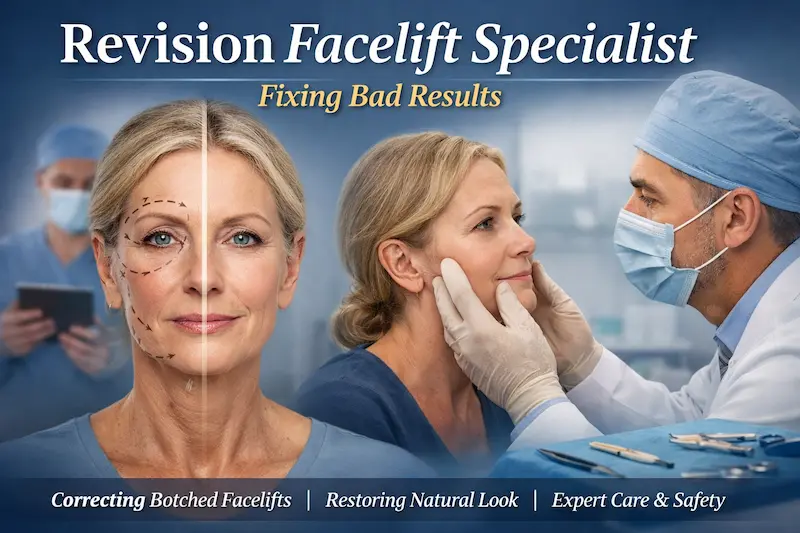
Choosing a revision facelift specialist is rarely about vanity. For most patients, it is about restoring trust, facial harmony, and emotional comfort after a result that feels unnatural, incomplete, or simply not like them. Whether someone is researching a facelift revision specialist, a facelift repair specialist, or fixing bad facelift results, the core concern is usually the same: how can a disappointing first operation be corrected safely, naturally, and without repeating the same mistake?
In the UK, this concern is especially understandable. Many patients want rejuvenation, but they do not want to look “done”, over-pulled, or obviously surgical. They are often looking for a form of corrective facelift surgery that respects natural facial expression and restores subtle structure rather than creating more tension. That is why the best approach to corrective cosmetic surgery for face is not based on aggressive lifting or trend-led aesthetics. It should be based on facial anatomy, sound judgement, and medical science.
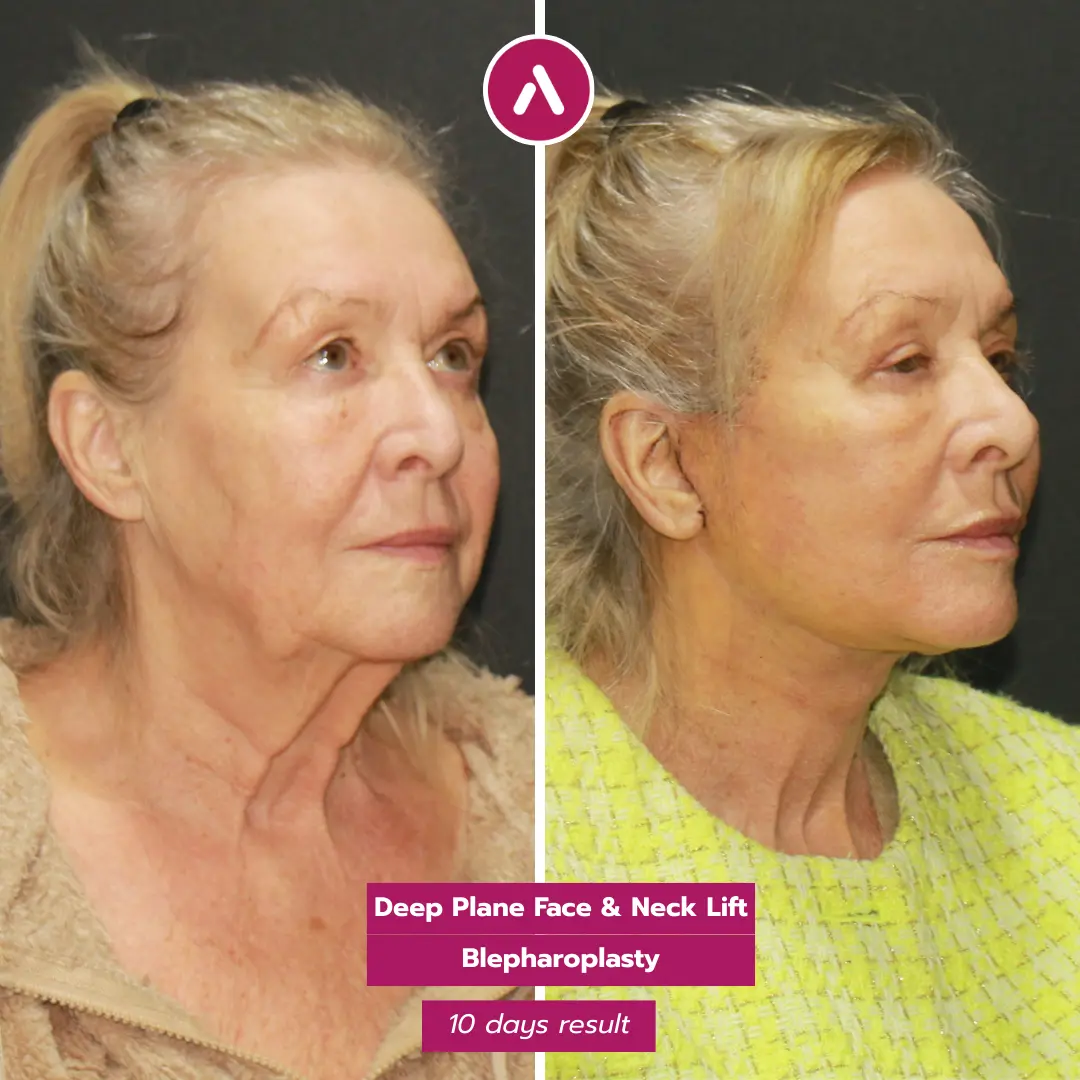
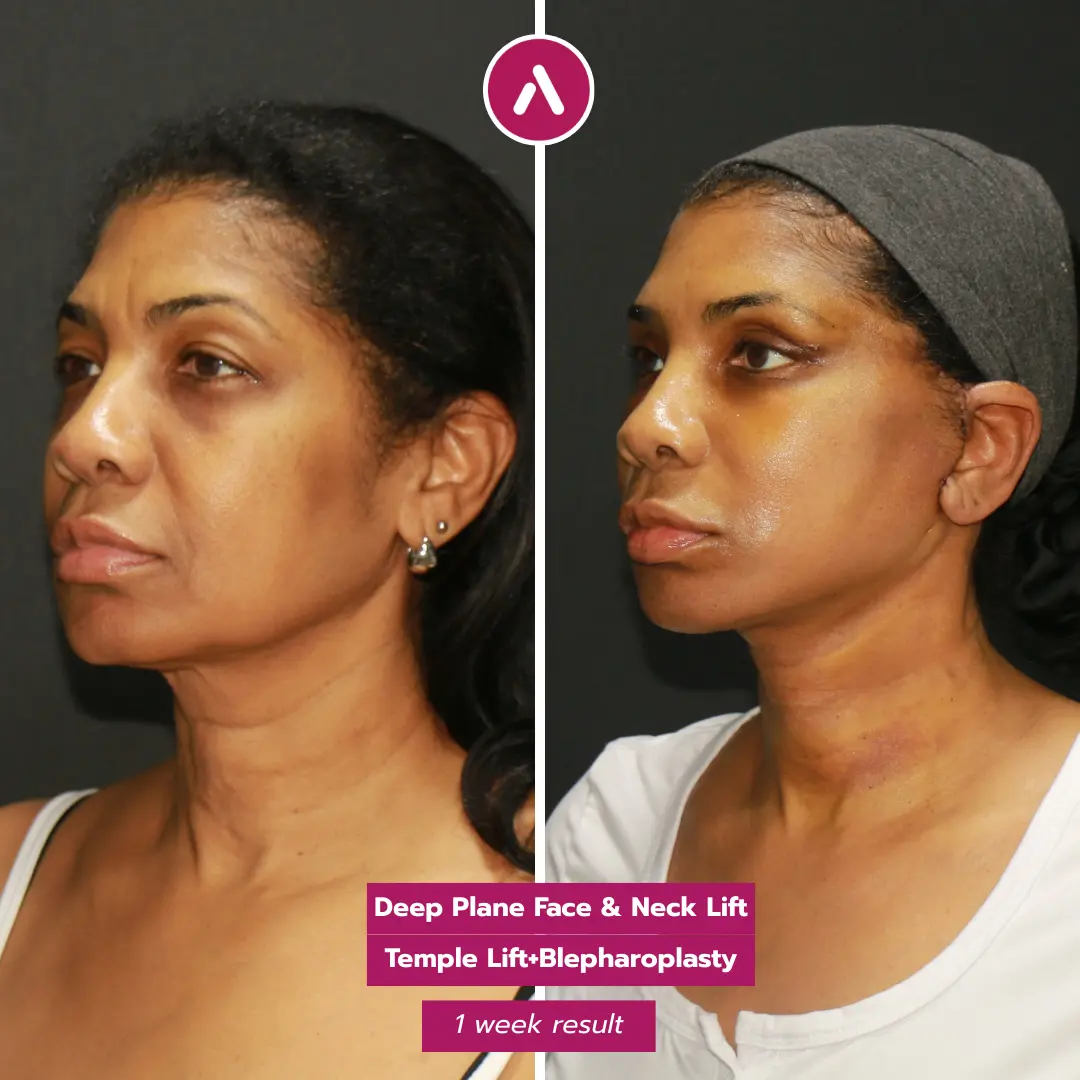
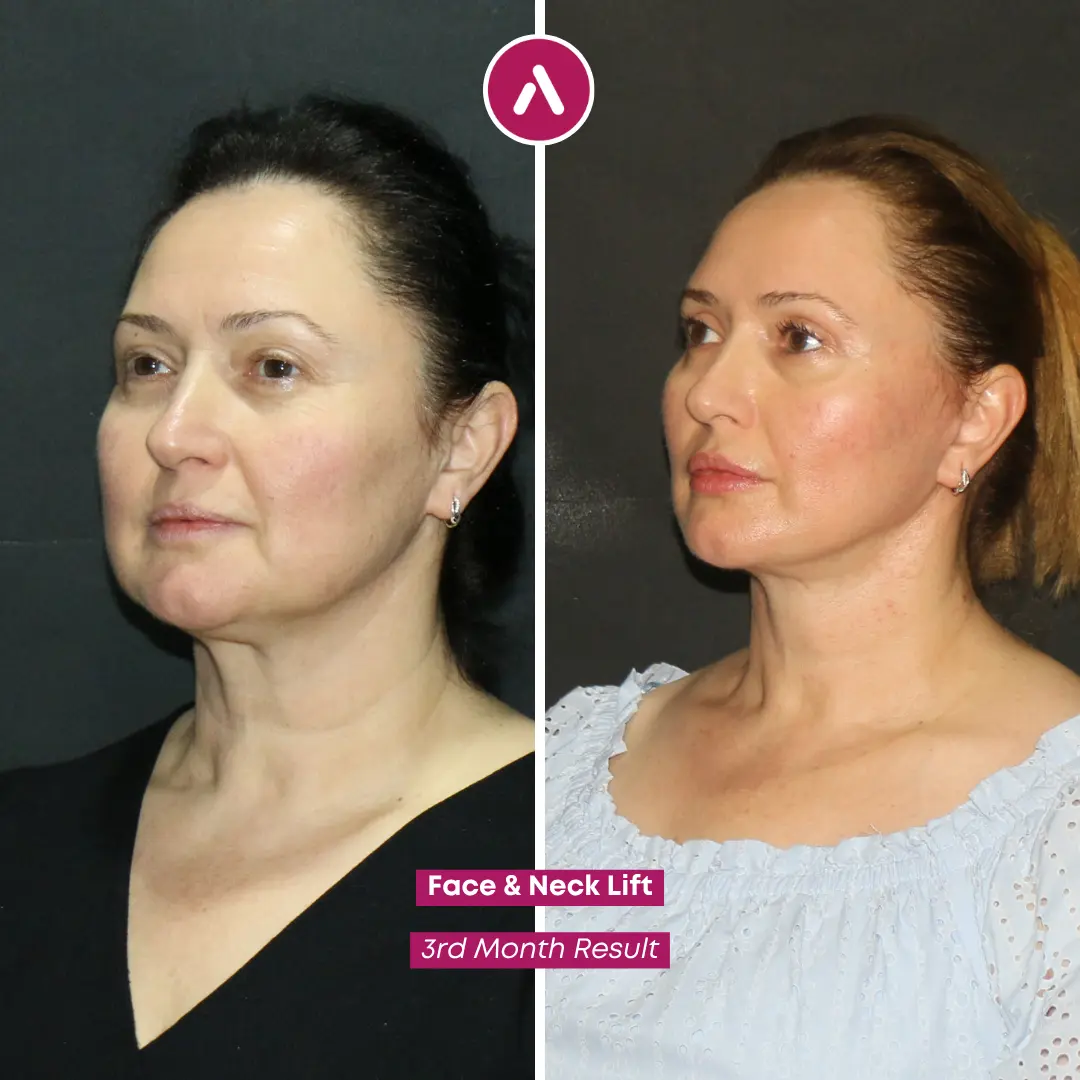
It is also important to say this clearly: not every disappointing facelift is truly “botched”. Some cases involve poor vector choice, visible tension, residual neck bands, or incomplete treatment of the midface. Others are more severe and genuinely fall into the category patients describe online as botched facelift repair. A skilled revision plan begins by identifying exactly what went wrong, what remains fixable, and what tissues now require a more delicate strategy than in a first-time operation.
For many patients, revision surgery is not about chasing perfection. It is about correcting an unnatural result, recovering confidence, and choosing a more careful, consultant-led pathway the second time around.
If you have been searching for a revision facelift specialist Turkey, the real priority should never be “cheap surgery abroad”. It should be specialist corrective expertise, transparent planning, and a natural-looking outcome that makes you look refreshed rather than altered. The most reliable revision work is careful, methodical, and grounded in both surgical experience and the principles of scientific research into healing, scar behaviour, and facial support.
Table of Contents
Why Facelifts Fail: The Anatomy of a Poor Result
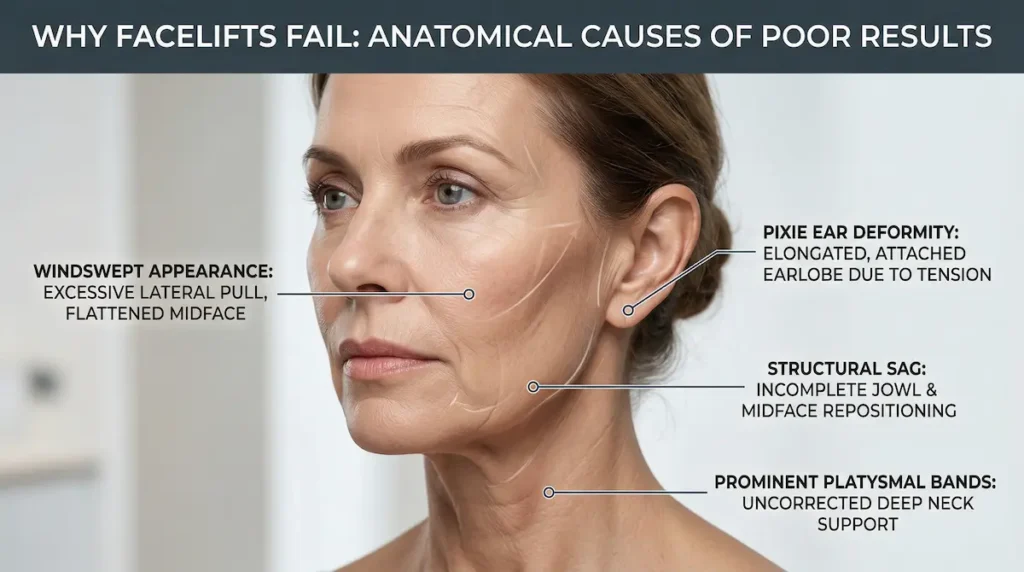
A poor facelift result rarely comes down to one single mistake. In many cases, the problem is a combination of over-tightened skin, incomplete deep support, poor scar placement, or failure to address the neck and midface together. This is why a revision surgeon must analyse the original result anatomically rather than emotionally. Patients understandably focus on what they see in the mirror. A specialist must also assess what happened underneath the skin, how the deeper structures were handled, and why the outcome now looks tight, flat, pulled, or unbalanced.
| Common sign of a poor result | Likely underlying problem | Revision goal |
|---|---|---|
| “Windswept” appearance | Horizontal tension and poor lift vector | Restore softer, more vertical support |
| Pixie ear deformity | Excess pull on skin around the earlobe | Release tension and improve ear position |
| Persistent jowls or midface heaviness | Deep tissues not adequately repositioned | Treat structural sagging, not only skin |
| Prominent neck bands | Neck support not fully corrected | Refine platysmal contour and neck definition |
| Artificially “tight” look | Skin tension mistaken for rejuvenation | Create a more natural, age-appropriate result |
The “Windswept” Look and Pixie Ears Explained
One of the most recognisable signs of a poor facelift is the so-called windswept facelift revision pattern. This happens when the tissues have been pulled too far sideways, creating a stretched look across the cheeks and jawline. Instead of appearing fresher, the face can look tense, flattened, or oddly swept back. The patient may feel that they no longer resemble themselves, even if friends cannot immediately explain why.
Pixie ear deformity often appears alongside this. The earlobe can look elongated, attached, or unnaturally pulled downward because the surrounding skin has been closed under too much tension. Although some people assume this is only a scar issue, it is usually a sign of broader planning errors in the original surgery. In a well-executed revision surgery for pulled facelift look cases, the aim is not simply to hide the earlobe problem. It is to reduce abnormal tension, rebalance the lift, and create a more believable facial frame overall.
For UK patients in particular, this matters because their aesthetic preference is often subtle rather than dramatic. A face that looks obviously “worked on” can feel socially distressing. In revision work, the goal is not to replace one visible operation with another. It is to undo the visual clues that make the surgery noticeable in the first place.
Failure to Adequately Address Deep Facial Structures (SMAS)
Another common reason facelifts fail is that the procedure treats skin more than structure. Ageing does not happen at skin level alone. The cheeks descend, retaining ligaments weaken, and the deeper support system of the face changes position over time. If the operation does not meaningfully address these deeper layers, the result may look temporarily tighter but still feel incomplete.
This is why many patients say, “My skin was pulled, but my face did not really look younger.” That feeling is often accurate. The lower face may appear tighter for a short period, yet the midface can still look heavy, the nasolabial region may remain poorly supported, and the jawline may never achieve a smooth, continuous contour. A true secondary facelift procedure must therefore evaluate whether the original surgeon genuinely lifted the deeper support system or mainly relied on surface tension.
From the standpoint of medical science, this distinction matters enormously. Skin is not designed to carry the full burden of facial rejuvenation. When deeper support is ignored, visible tension tends to increase while longevity and naturalness decrease. Corrective surgery must therefore prioritise structural repositioning, not simply tighter redraping.
When Skin Is Pulled but the Midface Is Left Untreated
A facelift can disappoint even when the scars heal neatly and the patient initially appears improved. One major reason is incomplete treatment of the midface. If the cheeks are not adequately restored, the lower face may still seem disconnected from the upper face. The jawline may appear tighter, but the central face can still look tired, hollow, or heavy.
This is particularly important in patients who complain that they still look “sad”, “dragged down”, or “older than expected” after surgery. In these cases, the problem is not always that the facelift has failed completely. Rather, the facelift may have corrected only part of the ageing pattern. A revision plan should identify whether the facial imbalance comes from under-corrected cheek descent, persistent volume issues, scar-related tension, or a combination of all three.
For anyone researching correcting unnatural facelift results, this is a key principle: the most natural faces are not merely tighter. They are balanced. A refreshed face should look coherent from the temple to the jawline, without abrupt transitions, lateral drag, or a hollowed and over-operated appearance.
Why “Tight” Does Not Mean “Natural” for UK Patients
One of the biggest misconceptions in facial rejuvenation is that a tighter result is automatically a better one. It is not. In fact, some of the least convincing facelift results are technically tight but aesthetically wrong. They may reduce loose skin, yet create an expression that seems harsh, startled, or fixed. Patients often struggle to explain this, but they sense that the surgery has taken away softness rather than restored it.
Among British patients, the preferred outcome is often best described as subtle, polished, and age-appropriate. They want friends to notice that they look well, not to identify the exact procedure. That makes revision work especially delicate. The surgeon is not only addressing technical faults. They are also resetting the result so that it fits a more refined aesthetic expectation.
In practical terms, this means a successful facelift repair specialist must think beyond skin removal. They must understand facial character, movement, and proportion. Tightness can be measured with the eye, but naturalness is judged by the whole face in motion. Good revision surgery respects that difference.
The Difference Between Ageing Correction and Facial Distortion
The purpose of facelift surgery should be to reverse the visual effects of ageing, not to distort the face into a newer shape that never belonged to the patient. That distinction is central to all high-quality revision work. Ageing correction aims to restore support, improve contour, and soften heaviness. Facial distortion, by contrast, produces visual clues that something has been over-managed: pulled corners, strange ear shape, flattened cheeks, or an expression that no longer feels authentic.
This difference also helps patients understand whether they truly need revision. Some patients are simply healing slowly and still have residual swelling. Others have a result that is structurally wrong. The diagnostic process must separate temporary healing changes from genuine design errors. This is why consultation with a specialist matters so much. The right surgeon should explain not only what looks wrong, but why it looks wrong and how a revision might restore a more convincing outcome.
When patients search online for fixing bad facelift results, they are often describing a mix of cosmetic disappointment and identity discomfort. The best revision approach addresses both. It should correct the visible flaws while helping the face look like the patient again, only fresher and more rested.
The Complexity of Revision Surgery: Scar Tissue and Facial Nerves
Revision facelift surgery is more difficult than a primary facelift in almost every meaningful way. The tissues have already been dissected once. Blood supply may be altered. Natural planes may be less distinct. Scar tissue can obscure landmarks and change how the skin and deeper layers move. This means a revision is not just “another facelift”. It is a far more nuanced operation that requires patience, restraint, and advanced judgement. That is why patients seeking corrective facelift surgery should be particularly cautious about who performs it.
Why Secondary Surgery Is More Demanding Than a Primary Facelift
A secondary facelift procedure begins with a disadvantage: the tissues are no longer untouched. In a first operation, anatomy is generally more predictable and the natural planes can be followed more cleanly. In revision surgery, those planes may be scarred, fused, or distorted. The surgeon must work through a field that is less forgiving and often less mobile.
That complexity affects every stage of the operation. Tissue release may need to be slower. Redraping must account for previous tension patterns. Scar behaviour can be different from the first surgery. Even small technical misjudgements may have bigger consequences because the tissues have already been stressed once before. This is exactly why revision work should never be treated as routine.
For patients, the practical takeaway is simple: revision is not merely a repeat procedure. It is a more advanced form of surgery that requires a higher level of planning and greater respect for tissue biology. The best results come from measured correction, not from trying to force a dramatic change quickly.
Navigating Scar Tissue Without Compromising Facial Nerve Safety
Scar tissue is one of the defining challenges of revision facelift surgery. After the first operation, the body heals by laying down collagen and creating a firmer internal framework. While this is a normal part of healing, it makes later surgery more demanding. The tissue may be less pliable, less transparent in its anatomy, and more difficult to separate cleanly.
At the same time, the face contains delicate nerve pathways that must be respected throughout the operation. In revision cases, a surgeon must balance the need for release and correction with the need to protect expression, movement, and sensation. This is where experience matters enormously. It is not enough to understand facelift theory; the surgeon must know how scarred tissues behave in a live operating theatre and how to adapt without adding unnecessary trauma.
Patients do not need to memorise anatomy to appreciate the importance of this. They simply need to know that revision surgery involves more than scar improvement. It is a precise operation in a previously altered field, where safety and judgement matter as much as aesthetic skill.
Why You Require a Super-Specialist, Not a General Surgeon
Revision work is the area where specialist focus becomes most obvious. A surgeon who performs occasional facial surgery may be capable of straightforward procedures, yet revision cases demand a deeper level of familiarity with facial ageing, facial support, scar management, and the subtle causes of an unnatural result. This is why many patients specifically look for a facelift revision specialist rather than a general aesthetic surgeon.
If you are considering a revision facelift specialist Turkey, the question is not simply where the clinic is located. The question is whether the surgeon has the mindset and case experience required for corrective work. Revision patients are not looking for a standard package. They are looking for analysis, honesty, and a treatment plan that acknowledges the complexity of the situation from the start.
A true specialist should also be comfortable saying when a result can be improved only partially, or when timing matters more than speed. That honesty is part of expertise. In revision surgery, overpromising is often as dangerous as undertreating.
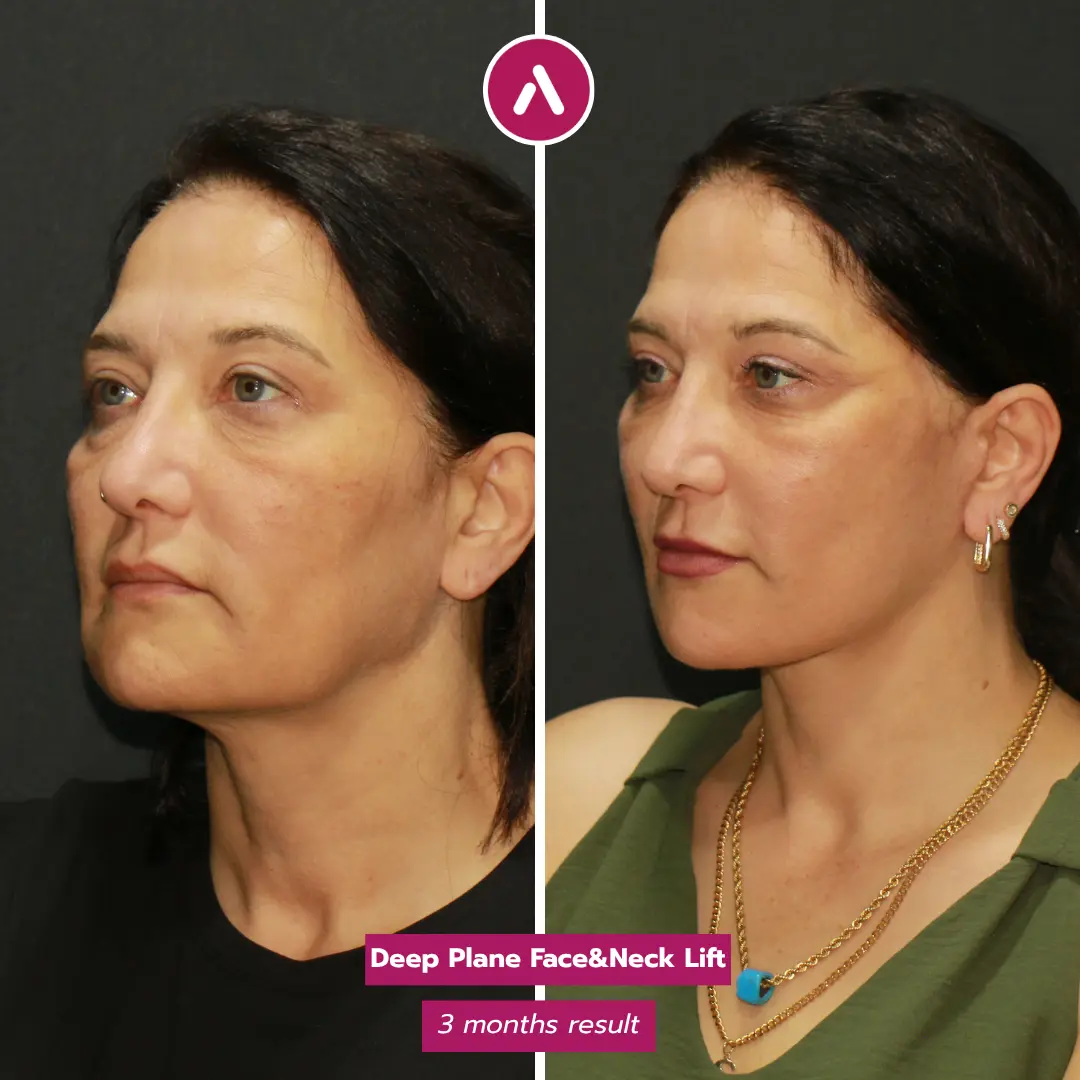
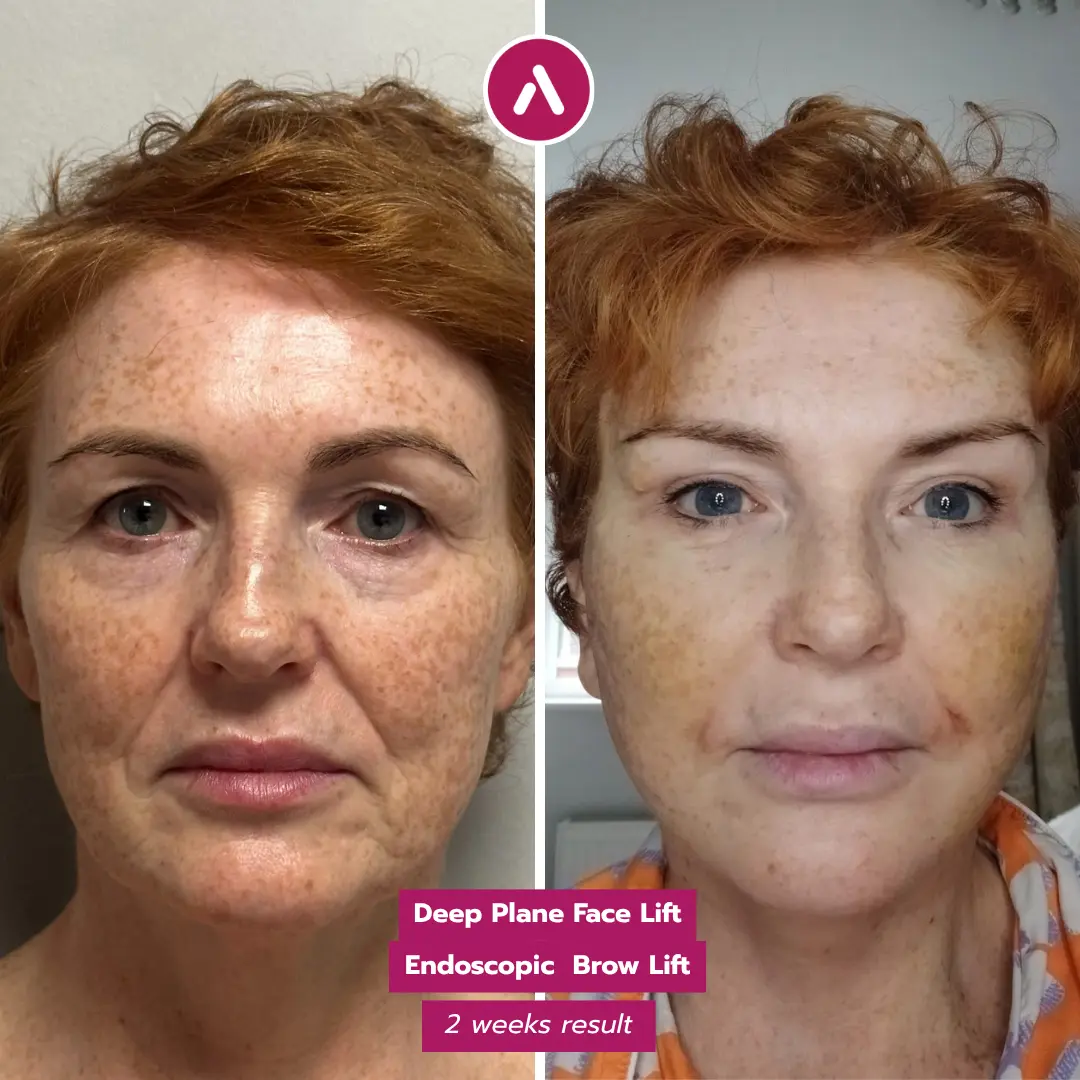
Consultant-Led Planning for Previously Operated Faces
Previously operated faces require more than a standard consultation. They require a detailed review of scars, ear position, skin quality, neck contour, midface support, and facial animation. Ideally, the patient’s old photographs and, where available, operative information should also be considered. This allows the revision plan to be based on evidence rather than guesswork.
A consultant-led approach is especially valuable here because revision cases often involve competing priorities. One patient may want better jawline definition but also has thin skin and visible tension near the ear. Another may dislike neck bands but mainly suffers from residual midface descent. Good planning means deciding what matters most, what can be safely improved, and what must be preserved to avoid a second unnatural outcome.
This type of structured planning reflects the better side of scientific research and specialist practice: observe carefully, diagnose accurately, intervene precisely. In revision surgery, thoughtful analysis is not a luxury. It is the foundation of a safer result.
How Advanced Surgical Judgement Protects Natural Facial Expression
The ultimate test of revision surgery is not the static photograph. It is whether the patient still looks natural when speaking, smiling, and turning their head. Faces are dynamic. They communicate mood, warmth, and identity. When a revision is badly planned, a patient may look improved in a single front-facing image but still appear strange in real life because the expression has been altered by tension or imbalance.
Advanced judgement is what helps prevent that. A good revision surgeon knows when to release, when to support, when to conserve, and when to avoid overcorrection. They understand that the best result often comes from restoring softness and credibility rather than chasing maximum tightness. This is particularly important in correcting unnatural facelift results, where the goal is to make the surgery less visible, not more impressive.
In the end, a successful revision should allow the face to look rested, balanced, and emotionally familiar again. That is what patients mean when they say they want to look like themselves. And that is what the best corrective facial surgery should protect above all else.
Clinical Timing: When Is It Safe to Operate Again?
Timing is one of the most important decisions in revision work. Many patients who are unhappy after a facelift want answers quickly, especially if they feel embarrassed by a pulled appearance, visible tension, or a result that does not feel like them. However, a skilled revision facelift specialist does not rush into surgery simply because the patient is distressed. In many cases, the tissues need time to settle, swelling must reduce, and scar maturation has to progress before a safe and effective plan can be made.
This is particularly true in corrective facelift surgery, where the face has already been operated on once and the biology of healing matters as much as technical skill. If revision is performed too early, the surgeon may be working through unresolved swelling, unpredictable scar activity, or tissue stiffness that will later change on its own. Good timing is therefore not delay for the sake of delay. It is a way of improving decision-making and protecting the final result.
| Clinical factor | Why it matters before revision | What the surgeon assesses |
|---|---|---|
| Residual swelling | Can distort the true appearance of the result | Whether asymmetry or tightness is temporary or structural |
| Scar maturity | Immature scars are less predictable surgically | Softness, colour, thickness, and tissue mobility |
| Skin quality | Previously stretched tissues may need gentler planning | Elasticity, thickness, circulation, and tension points |
| Facial movement | Expression must be understood before further correction | Smile, animation, neck activity, and natural resting posture |
| Patient priorities | Not every issue can be corrected equally in one stage | Main concerns, realistic goals, and emotional readiness |
Why Rushing Into Revision Can Worsen the Final Result
It is understandable to want immediate correction after a poor result, particularly in cases of fixing bad facelift results or visible deformities that affect confidence in daily life. Yet operating too soon can increase the risk of disappointment. Early after surgery, tissues are still inflamed, planes are less distinct, and the external appearance may not accurately reflect the true long-term outcome.
If a surgeon intervenes while the face is still changing rapidly, they may correct the wrong problem or over-correct something that would have improved with time. This is especially relevant in revision surgery for pulled facelift look cases, where some early tightness may soften, but true vector problems and earlobe distortion may persist. Distinguishing between those two situations is exactly why revision planning requires patience.
A careful specialist will therefore balance urgency with judgement. The patient’s distress should always be taken seriously, but serious concern does not automatically mean immediate surgery is the wisest option.
How Swelling, Tissue Softening, and Scar Maturity Affect Timing
After any facelift, healing follows a biological timetable. Swelling gradually settles, tissues soften, scars mature, and the skin begins to reveal how it will truly drape over the deeper structures. In a primary facelift, this process already requires patience. In a secondary facelift procedure, it becomes even more important because the face may have altered blood supply, denser scar formation, and less tissue flexibility.
From the perspective of medical science, scar maturity is not a cosmetic detail but a practical surgical factor. A firmer, immature scar can limit mobility and obscure the actual tissue relationships that the surgeon must understand. Waiting until scars are softer and more predictable often allows for safer release, more accurate repositioning, and more reliable healing after the corrective operation.
For patients, this often means that what feels like a frustrating pause is actually part of a more intelligent treatment strategy. Time is not the enemy of revision surgery. In many cases, it is what makes a better result possible.
Cases That May Need Earlier Intervention vs. Cases That Should Wait
Not every revision problem is handled on the same timetable. Some issues may justify earlier action, while others are best reviewed over a longer period. For example, a severe tension-related deformity, a markedly displaced earlobe, or a highly distressing asymmetry may warrant earlier reassessment by a specialist. Even then, “earlier” does not always mean immediate full revision. It may mean closer monitoring, scar management, or staged planning.
On the other hand, patients with residual fullness, general tightness, or swelling-related unevenness may be advised to wait longer before committing to surgery. This is because some of these concerns improve as the healing process advances. A trustworthy facelift repair specialist should explain the difference clearly rather than simply offering an operation at the first appointment.
The key message is that timing should be individual. A revision strategy should be tailored to tissue behaviour, emotional need, and the exact nature of the problem rather than following a one-size-fits-all rule.
What UK Patients Should Do While Waiting for Revision Surgery
The waiting period can be emotionally difficult, especially for UK patients who may already feel they have lost trust in aesthetic treatment. During this phase, it helps to focus on structured monitoring rather than constant self-criticism. Standardised photographs, sensible scar care, attendance at follow-up appointments, and honest communication with the reviewing surgeon can all make the situation more manageable.
Patients should also avoid seeking reassurance from random online comments or comparing themselves with edited images on social media. Revision cases are highly individual, and photographs taken at home rarely tell the full story. What matters is whether the current appearance reflects temporary healing or a genuine structural problem that needs corrective cosmetic surgery for face.
Most importantly, the waiting phase should be used to gather information carefully. This includes reviewing the surgeon’s experience in revision cases, understanding what can realistically be improved, and making sure any future treatment plan is based on evidence rather than desperation.
The Role of Photographic Assessment and Remote Review Before Travel
For international patients, especially those travelling from the UK, remote assessment often forms part of the first stage of revision planning. This can be extremely useful when done properly. A structured photographic review allows the surgeon to assess visible tension, neck contour, ear position, scar placement, and the relationship between the midface and jawline before the patient commits to travel.
However, remote review also has limitations. A face in motion, the feel of the scar tissue, and the true skin quality can only be fully judged in person. A responsible specialist should therefore use remote review as an initial filter, not as a substitute for a full examination. This type of staged decision-making is particularly valuable for patients exploring a revision facelift specialist Turkey option, because it allows them to understand likely suitability before booking flights or accommodation.
Used correctly, remote review can reduce uncertainty. It should help patients ask better questions, not push them prematurely towards surgery.
Correcting Prominent Neck Bands and Midface Sagging
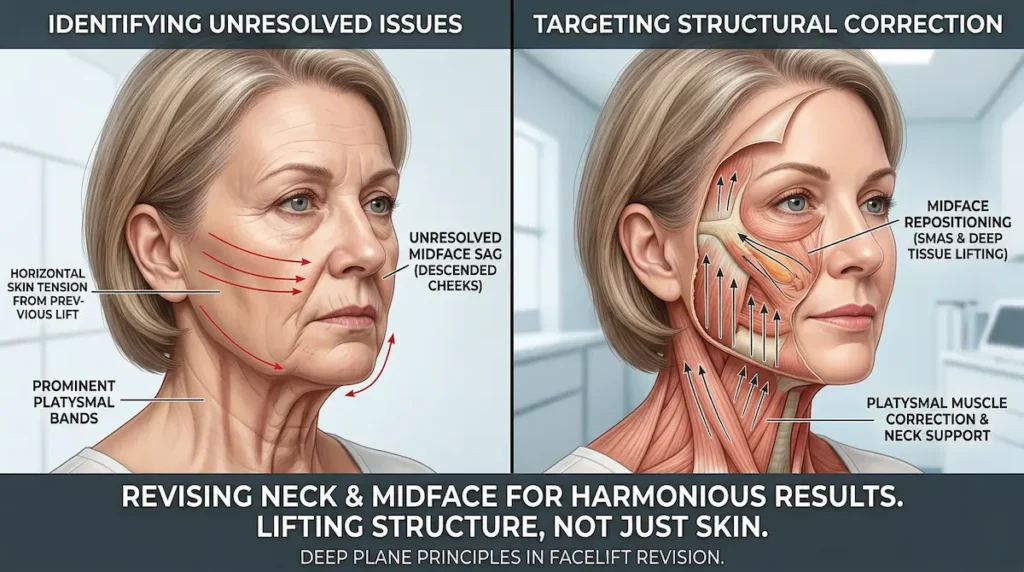
Two of the most common reasons patients seek revision are persistent neck problems and an under-corrected midface. They may feel that their first facelift tightened something, yet failed to create the balanced, refreshed result they expected. The jawline may still look irregular, the neck may show bands or loose contour, and the cheeks may still appear heavy or descended. In these cases, the goal of revision is not merely to tighten again. It is to identify which structural elements were missed and correct them in a more anatomically coherent way.
This is where correcting unnatural facelift results becomes highly specific. A face can look “wrong” either because it has been over-treated or because it has been under-treated in the key areas that actually define youth and harmony. Good revision surgery must distinguish between these patterns carefully.
Why Some Primary Facelifts Improve the Jawline but Miss the Neck
It is possible for a first facelift to produce some improvement along the jawline while leaving the neck less satisfactory. Patients often describe this as “my face looks slightly tighter, but my neck still tells my age”. That concern is usually valid. If the neck was not fully addressed, or if platysmal banding and deeper support were not corrected adequately, the result may feel incomplete even when the scars themselves have healed well.
In some cases, this happens because the original operation relied too heavily on skin tension. Skin can make the jawline look temporarily cleaner, but it cannot reliably solve deeper neck issues on its own. For patients seeking botched facelift repair, the real problem is often not only that something was pulled too much, but that something important was never properly treated underneath.
Revision surgery should therefore assess the neck as a structural unit, not just a surface one. The aim is a smoother transition from face to neck, not a disconnected improvement that stops abruptly at the jaw.
Restoring Midface Support for a Softer, More Natural Rejuvenation
The midface plays a central role in whether a facelift looks convincing. When the cheeks remain descended or heavy, the whole result can appear incomplete. The lower face may be tighter, yet the central face still looks tired. This is one reason some patients feel their first procedure did not actually make them look younger, even if something technically changed.
Restoring midface support is often a key part of corrective facelift surgery. The purpose is not to overfill or over-lift the cheeks, but to re-establish a more natural relationship between the cheek, lower eyelid, nasolabial region, and jawline. When done well, this creates a softer and more believable form of rejuvenation.
For British patients, this subtlety matters enormously. The preferred result is usually refreshed and elegant rather than dramatic. A revision surgeon must therefore aim for facial continuity and softness, not theatrical lift or excessive cheek prominence.
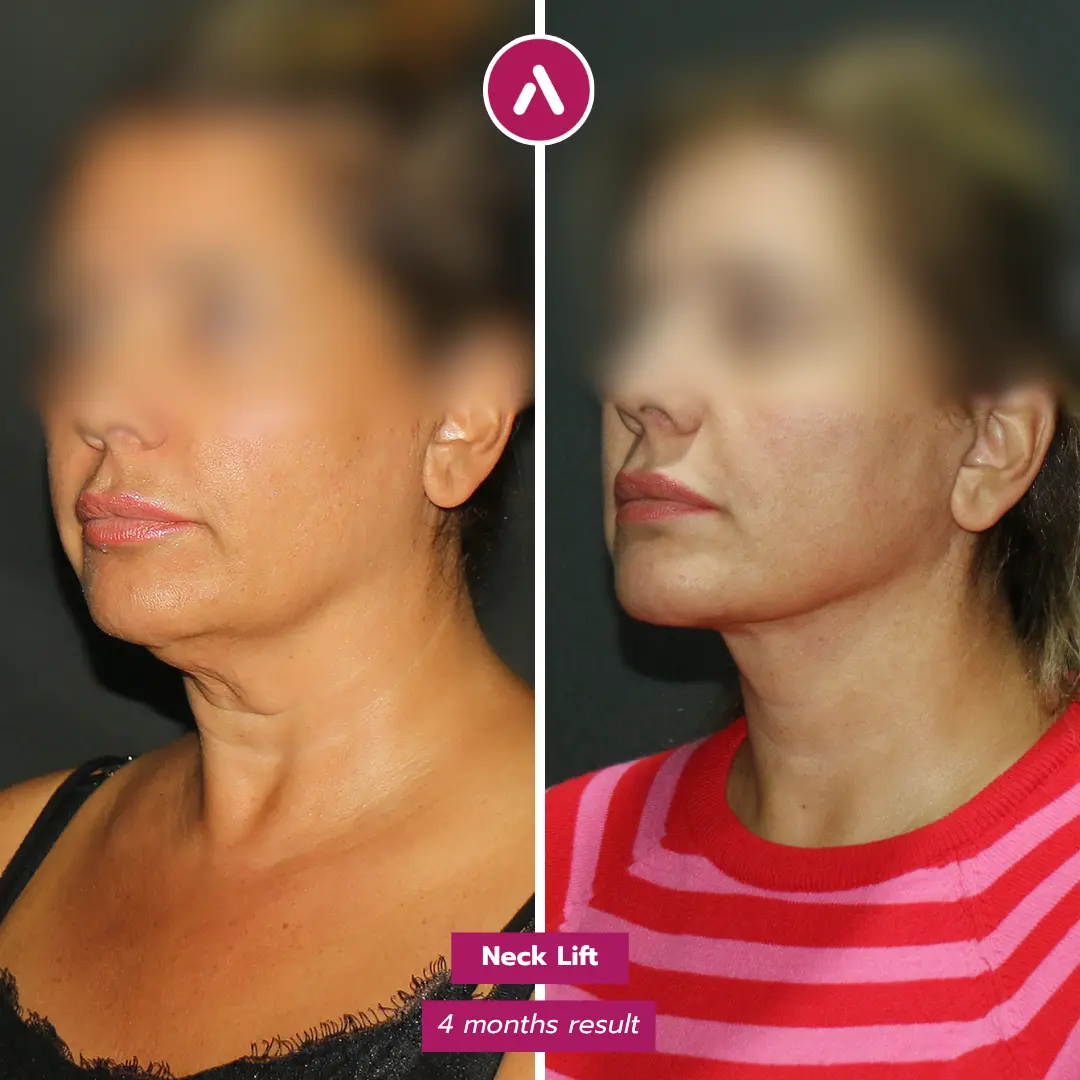
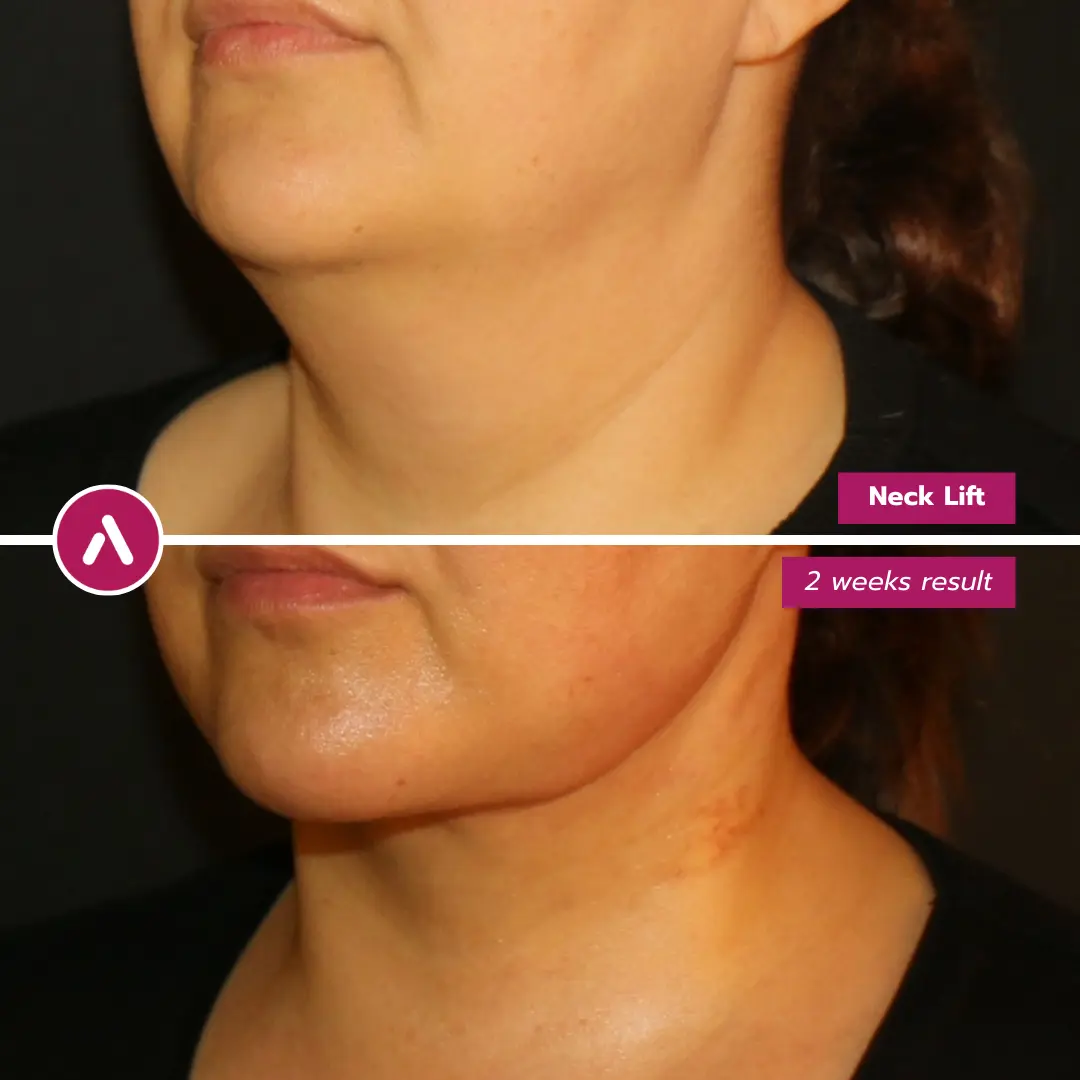
Revising the Neck Without Creating an Over-Pulled Appearance
One of the challenges in revision work is that patients often want a better neck without repeating the mistakes that created an unnatural face the first time. This is a reasonable concern. A surgeon correcting neck contour must be careful not to use excessive lateral tension or create new signs of surgical stiffness while trying to remove old ones.
In a well-planned revision surgery for pulled facelift look, the neck should be improved in a way that complements the rest of the face. That means taking into account the vector of lift, the condition of the platysma, the skin quality, and the existing scars. An improved neck should look integrated, not separately tightened.
This balance is what separates revision expertise from routine tightening. The best corrective work removes clues of previous surgery rather than replacing them with different clues.
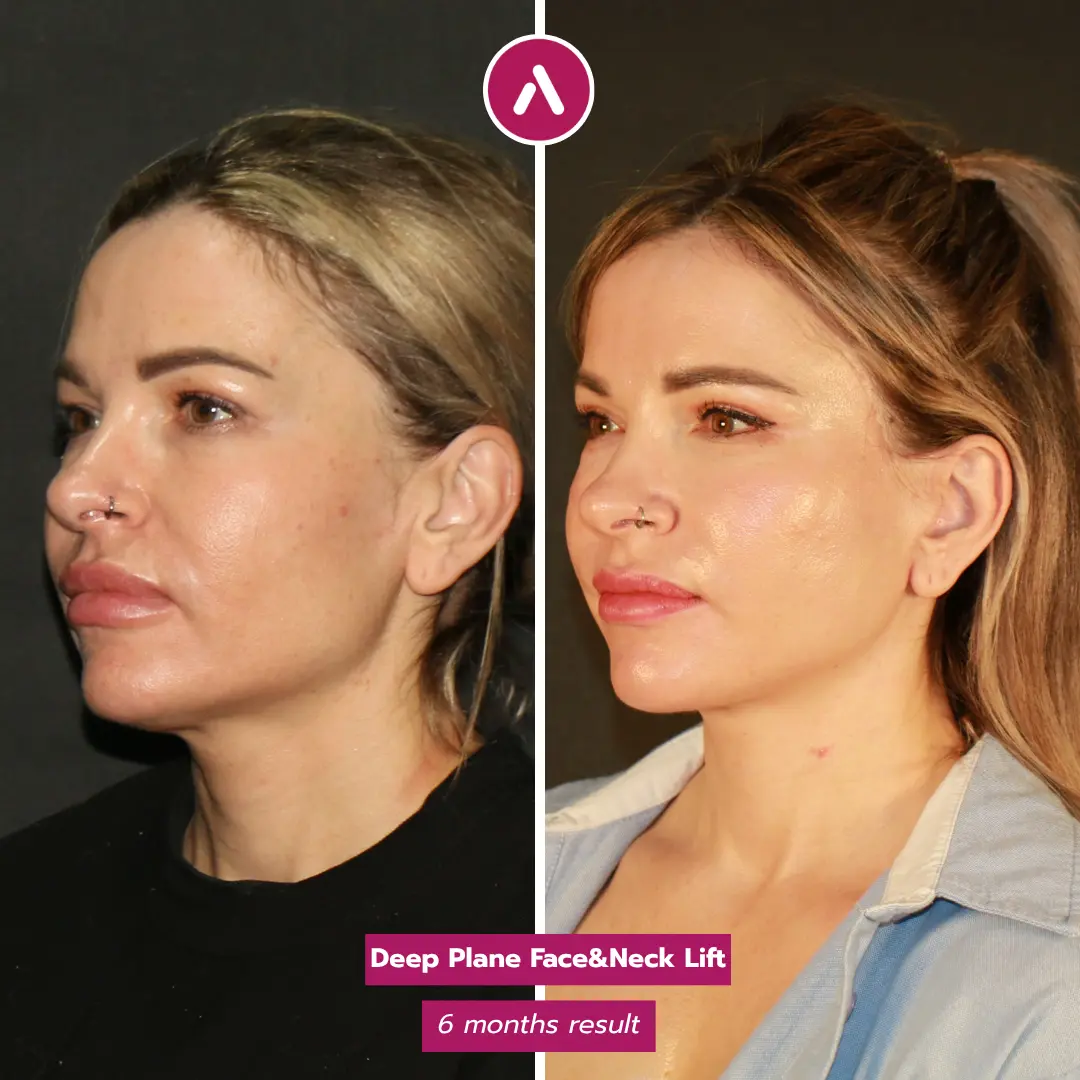
Deep Plane Thinking in Revision Cases: Lifting Structure, Not Just Skin
Although each revision case is unique, one core principle remains consistent: durable, natural-looking correction depends on structure more than on skin alone. When the deeper support has been neglected, the result often lacks softness, longevity, and facial credibility. This is why revision planning frequently requires structural thinking rather than simple scar excision or surface redraping.
In practical terms, this means the surgeon must evaluate how the deeper tissues are contributing to jowls, midface descent, and neck contour. A patient looking for a facelift revision specialist is often not only seeking a prettier scar or a tighter outline. They are seeking a result that looks less operated and more human.
This structural approach aligns with what scientific research has consistently shown in facial rejuvenation: natural outcomes depend on respecting anatomy, tissue planes, and tension distribution. Skin is the visible layer, but it should not be asked to do all the work.
Combining Neck and Midface Correction for Better Facial Harmony
In revision surgery, the most satisfying results often come from treating the neck and midface as part of one visual system. If the neck is corrected but the cheeks remain heavy, the face can still look unbalanced. If the midface is improved but the neck remains banded or disconnected, the rejuvenation can feel partial. Harmony comes from joining these areas thoughtfully.
This does not mean every patient needs a dramatic full-face revision. It means the plan should address the areas that most affect overall coherence. For some patients, improving the neck and restoring modest cheek support can transform the whole appearance without making the surgery obvious. That is often the ideal in fixing bad facelift results: less visible surgery, more believable rejuvenation.
When patients say they want to look like themselves again, this is usually what they mean. They want the face and neck to belong together, to move naturally, and to no longer draw attention for the wrong reasons.
The Emotional Journey: Rebuilding Trust in Aesthetic Surgery
Revision facelift surgery is never purely technical. Even when the visible issue seems straightforward, the emotional impact can be substantial. Patients may feel embarrassed, angry, anxious, or quietly withdrawn after a poor result. Some stop socialising. Others avoid photographs or become preoccupied with mirrors and lighting. For this reason, any serious discussion of corrective cosmetic surgery for face must include the emotional side as well as the anatomical one.
For many people, the distress does not come only from looking different. It comes from feeling that they made a decision in good faith and were let down. Rebuilding trust therefore becomes part of the treatment process. The patient needs clinical honesty, realistic expectations, and a surgeon who understands that revision is also about psychological safety.
Why Bad Results Often Cause More Than Cosmetic Distress
A disappointing facelift can affect much more than appearance. It can alter confidence at work, comfort in relationships, and even basic social ease. Patients may feel that their face no longer reflects how they feel inside. In more obvious cases, such as a swept-back look or a distorted earlobe, they may fear that others can immediately see that something has gone wrong.
This is why terms like botched facelift repair resonate so strongly with patients, even when the clinical reality is more nuanced. The language expresses a sense of betrayal and exposure. A thoughtful surgeon should understand that behind the aesthetic complaint there is often grief, shame, or loss of self-trust.
Addressing that emotional context does not make the consultation less medical. It makes it more complete. A face is not just an anatomical structure. It is the centre of identity and social confidence.
Supporting the Patient Who Feels Embarrassed, Angry, or Anxious
Patients seeking revision often arrive with a heightened level of vigilance. They may be suspicious of reassurances, worried about being dismissed, or fearful of hearing the same promises again. This emotional state is entirely understandable. A previous bad experience changes how patients listen, what they ask, and how much risk they feel able to tolerate.
A good consultation should make space for those reactions. The surgeon should be able to explain what is visible, what is likely to improve, and what might genuinely require a secondary facelift procedure. Calm, precise language matters. So does honesty. Patients who have already been disappointed are rarely reassured by vague positivity. They are reassured by clarity.
Support also means not pushing treatment before the patient feels ready. Revision should feel like a considered plan, not a rescue sale.
What Skeptical UK Patients Need to Hear During Consultation
British patients who have had a poor previous experience often want the same core questions answered. Who will perform the surgery from start to finish? What exactly went wrong last time? Can this be improved safely? What outcome is realistic, and what cannot be promised? These are sensible questions, especially for patients researching a facelift revision specialist or facelift repair specialist.
They also want reassurance that the surgeon values naturalness over showy transformation. In the UK market, a common fear is looking overdone or obviously altered. That is why phrases such as “subtle improvement”, “natural facial expression”, and “consultant-led planning” matter so much. They signal a philosophy of restraint rather than performance.
Trust grows when the surgeon demonstrates that they understand both the technical problem and the patient’s fear of going through it again. For a sceptical patient, this combination matters more than marketing language ever will.
The Importance of Clear Expectations After a Failed Previous Surgery
One of the most important parts of revision consultation is expectation setting. Some patients hope that a second procedure will erase all evidence of the first and restore a perfect, never-operated appearance. While improvement is often very achievable, perfection is not always realistic. Scarred tissues behave differently, and some limitations may remain even after expert surgery.
That does not mean revision is not worthwhile. It means that the value of revision lies in meaningful correction: softer contours, more natural movement, less visible tension, better ear shape, improved neck definition, and a face that feels more like the patient again. A responsible specialist should explain where the likely gains are strongest and where compromise may still be necessary.
In this sense, realistic expectation is not pessimism. It is one of the foundations of good outcomes in correcting unnatural facelift results.
How UK-Based Communication and Aftercare Reassure Patients After Returning Home
For patients travelling from Britain, aftercare is not a small detail. It is one of the main trust issues in revision treatment. Someone who has already had a poor experience is understandably more concerned about what happens after they return home. They want to know who they can contact, how concerns will be handled, and whether they will feel abandoned once the operation is over.
This is why UK-focused communication matters. A clear support pathway, responsive follow-up, and a sense that there is a reliable point of contact after discharge can make a major psychological difference. Patients are not only looking for surgical expertise. They are looking for continuity, reassurance, and the confidence that any concern will be taken seriously.
Revision patients do not just need a better operation. They need a better experience of care, communication, and trust from the very beginning.
In revision work, aftercare is part of the treatment itself. It supports healing, reduces anxiety, and helps the patient feel safe enough to move forward with a second attempt.
Understanding the Investment: Cost Factors in Revision Surgery
Revision facelift surgery is usually more complex, more time-consuming, and more individual than a first procedure. For that reason, patients should not expect the price of a revision to mirror the price of a standard facelift. A revision facelift specialist is dealing with scar tissue, altered anatomy, previous tension patterns, and the emotional burden of a patient who understandably does not want to make the same mistake twice. The investment therefore reflects not only theatre time, but the level of judgement, planning, and corrective skill required.
This is especially relevant for patients comparing private UK treatment with options abroad. The real comparison is not “cheap versus expensive”. It is whether the surgeon and clinic can offer credible corrective facelift surgery, transparent planning, and meaningful aftercare. In revision work, value matters more than headline price.
| Cost factor | Why it matters in revision surgery | Impact on overall investment |
|---|---|---|
| Scar tissue and altered anatomy | Makes surgery slower and more technically demanding | Higher than primary facelift surgery |
| Consultant-led planning | Requires detailed assessment and tailored correction | Adds specialist value |
| Longer operative time | Revision cases often require careful release and structural work | Increases theatre costs |
| Recovery support | Enhanced aftercare may be needed after a secondary procedure | Improves safety and reassurance |
| Advanced recovery technologies | HBOT and scar support may help reduce downtime | Can influence package structure |
Why Revision Facelifts Cost More Than Primary Procedures
A first facelift is already a specialist procedure, but a revision is a different level of challenge. When patients search for a facelift revision specialist or facelift repair specialist, they are usually searching for someone who can analyse what went wrong and correct it safely in a face that has already been altered. That is why revision surgery typically costs more than primary surgery.
It is not simply a case of “doing the same operation again”. The surgeon may need to release scarred tissue, correct a pulled vector, improve neck contour, restore midface support, refine the earlobe area, and preserve natural expression all in the same case. This level of complexity naturally affects fees.
For patients considering fixing bad facelift results, it is important to see the investment in context. Revision is often more exacting because it attempts to undo visible or structural problems while still protecting the future appearance of the face.
Surgical Time, Tissue Complexity, and the Need for Higher Expertise
In revision work, complexity is not theoretical. It shows up in the operating theatre. Tissue planes may be less clear, scars may reduce mobility, and the surgeon must constantly weigh improvement against safety. This is why a secondary facelift procedure demands not just experience, but the right type of experience.
Higher expertise also means stronger decision-making before the operation. A good specialist should identify which issues are structural, which are scar-related, and which may not need further treatment at all. That level of discernment is part of the value. Patients are paying not just for technical hand skills, but for better judgement.
From the perspective of medical science, tissue biology matters as much as aesthetics in revision work. The surgeon must work with what healing has created, not with the ideal conditions of untouched anatomy.
Harley Street vs Istanbul: Understanding Value Rather Than “Cheapness”
UK patients often compare revision treatment against London or Harley Street fees, especially when they are already facing the emotional and financial consequences of a disappointing first operation. In that situation, price sensitivity is understandable. However, the right question is not whether a clinic is the cheapest option. It is whether it delivers specialist corrective care, consultant-led assessment, and a package that reflects the seriousness of revision surgery.
For many British patients, Istanbul becomes attractive not because revision work is trivial there, but because it may offer a more favourable balance between expertise, technology, and overall cost. The emphasis should still remain on quality, credentials, and trust.
| Consideration | Typical private UK expectation | AKM Clinic-style value perspective |
|---|---|---|
| Consultation pathway | Premium private consultation fees | Structured pre-travel assessment and planning |
| Revision expertise | Limited to selected high-end surgeons | Focused international revision positioning |
| Package transparency | Variable itemised private billing | Clear all-inclusive cosmetic surgery GBP approach |
| Recovery support | May be separate or clinic-dependent | Integrated patient journey and follow-up focus |
What an All-Inclusive GBP Quote Should Cover
After a poor previous result, transparent pricing becomes even more important. Patients do not want vague estimates or surprise add-ons. A trustworthy revision plan should explain what is included, what is not included, and which elements are essential because of the complexity of the case.
For UK patients, a clear GBP-based quote is often particularly reassuring. It allows easier comparison with UK private practice and reduces the stress of unclear currency expectations. In principle, an all-inclusive quote for corrective cosmetic surgery for face should set out the surgical fee, theatre costs, accommodation if included, transfers if included, and the framework for aftercare and follow-up.
Transparency is not a luxury in revision work. It is part of rebuilding trust.
Why Transparent Pricing Matters More After a Previous Bad Experience
Patients who have already had a poor outcome tend to notice every ambiguity. That is not cynicism; it is self-protection. If they felt misled the first time, even small uncertainties about pricing or aftercare can become major psychological barriers the second time around.
This is why clarity matters so much when discussing botched facelift repair or correcting unnatural facelift results. The surgeon and clinic should speak plainly about the procedure, limitations, likely benefits, recovery needs, and financial structure. In revision surgery, reassurance comes from precision rather than persuasion.
Ultimately, a transparent investment conversation helps the patient feel that they are making a careful medical decision, not taking another gamble.
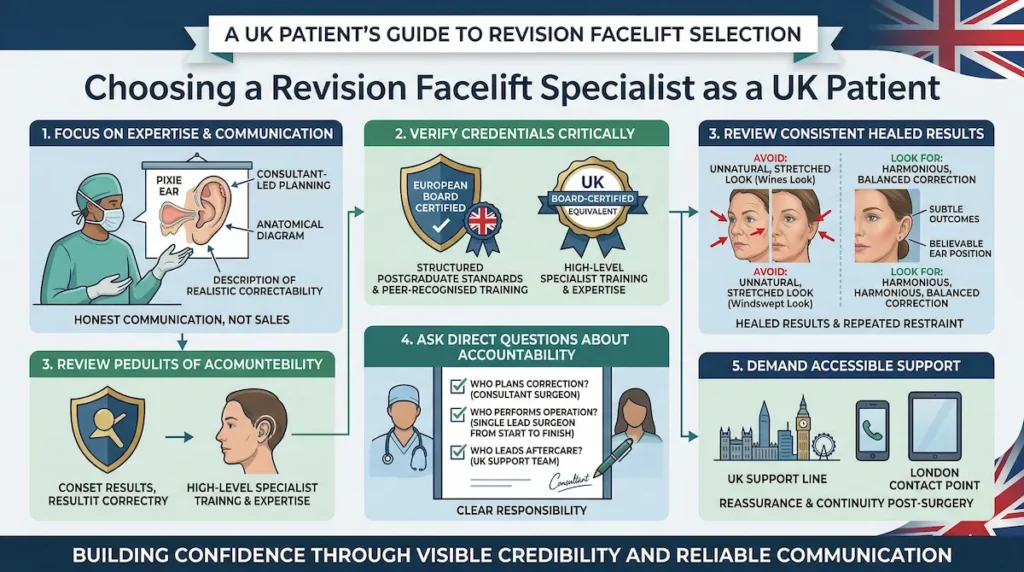
Choosing a Revision Facelift Specialist as a UK Patient
Choosing the right surgeon is the most important part of the revision journey. A patient can recover from inconvenience, but recovering from a second poor surgical decision is far more difficult. For that reason, anyone seeking a revision facelift specialist Turkey option should focus first on expertise, communication, and case selection rather than sales language or social media presentation.
Revision work requires a surgeon who can combine technical experience with restraint. The best specialist is not necessarily the one who promises the most dramatic transformation. It is the one who can explain the problem properly, describe what is realistically correctable, and show a philosophy of natural-looking facial repair.
What “UK Board-Certified Equivalent” Means in Practice
UK patients understandably look for familiar signals of professional credibility. When a clinic describes its surgeons as a “UK board-certified equivalent”, the practical meaning is that patients should expect a high level of specialist training, focused expertise, and consultant-led responsibility for the procedure. What matters most is not the marketing phrase itself, but whether the surgeon’s qualifications, practice focus, and results support that standard.
In revision work, credentials should be viewed alongside surgical focus. A surgeon may have excellent general qualifications, yet revision facial surgery remains a narrower field. Patients should therefore ask how often the surgeon deals with windswept facelift revision, pixie ear correction, residual neck problems, and other signs of failed or incomplete rejuvenation.
Good revision outcomes depend on specialist pattern recognition. The surgeon must know not only how to operate, but how to diagnose why the first result became unnatural.
Why European Board Credentials Matter for British Patients
European Board credentials can provide an additional layer of reassurance for British patients seeking treatment outside the UK. They suggest structured postgraduate standards, peer-recognised training, and a level of professional seriousness that matters greatly in revision surgery. For a sceptical patient, this can help bridge the trust gap that often exists after a negative experience.
That said, certificates should never be the only criterion. A revision patient should also examine whether the surgeon’s work demonstrates the values they care about: subtle outcomes, consultant-led planning, anatomical respect, and honest communication. A certificate is important, but it cannot replace judgement.
In the context of corrective facelift surgery, British patients are usually looking for both: formal credibility and visible evidence of natural results.
How to Review Before-and-After Photos for Revision Cases Properly
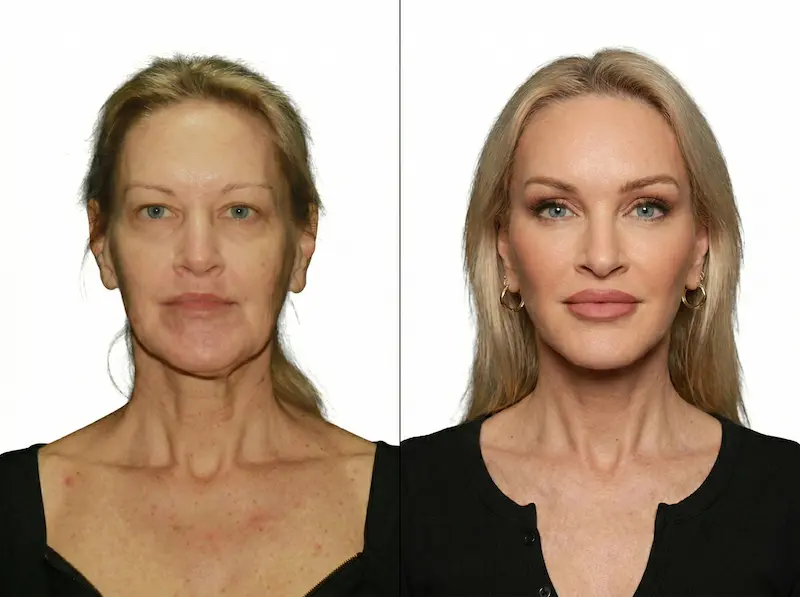
Before-and-after galleries can be helpful, but revision patients should review them more critically than first-time patients. The question is not simply whether the “after” looks smoother. The real question is whether the result looks natural, whether the ear position remains believable, whether the neck and midface look harmonious, and whether the patient still appears like themselves.
It is also wise to look for consistency. A single dramatic result proves very little. A credible facelift repair specialist should show repeated evidence of restraint, balance, and correction of specific problems such as a pulled look, visible tension, or incomplete neck work.
Revision photography should ideally show healed results rather than only early post-operative images. What matters to the patient is not how the face looks on the day swelling is disguised, but how it looks once the tissues have settled properly.
Questions to Ask About Who Performs the Surgery From Start to Finish
Revision patients should ask direct questions. Who performs the operation from start to finish? Who plans the correction? Who will review photographs before travel? Who will answer questions after surgery? These are not awkward questions. They are essential ones.
Anyone considering revision surgery for pulled facelift look should know exactly who is responsible for each stage of care. Clear accountability matters even more in revision than in primary surgery because the stakes are higher and the patient’s trust is already fragile.
A serious clinic should welcome these questions. Transparent answers are one of the clearest signals that the patient is dealing with a consultant-led team rather than a vague or fragmented process.
Why a London Contact Point and UK Support Line Build Real Confidence
One reason UK patients hesitate about revision abroad is fear of being alone once they return home. A London correspondence structure or UK-based line of communication can therefore make a meaningful difference to confidence. It does not replace surgery or aftercare itself, but it does support continuity and accessibility.
For a patient already worried about fixing bad facelift results, this kind of communication framework can feel like a safeguard. It reassures them that support does not end at airport departure. That matters emotionally and practically.
In revision care, trust is built not only by what happens in theatre, but by how reachable and responsive the clinic feels before and after the procedure.
Recovery After Revision Facelift Surgery
Recovery after revision surgery is often more individual than recovery after a first facelift. Some patients heal very smoothly, while others require closer monitoring because the tissues have been operated on previously. A revision facelift specialist should prepare the patient for this variability honestly. Recovery should not be framed as frightening, but it should be framed as something that benefits from structure, patience, and proper support.
For UK patients travelling for surgery, recovery planning also includes practical matters such as swelling control, scar care, flight timing, and how support continues once they are back home. The best revision aftercare combines realistic guidance with technologies and protocols that may help reduce social downtime.
Is Recovery Harder After a Secondary Procedure?
In some cases, yes. A secondary facelift procedure can involve more swelling, more tissue sensitivity, or a more gradual return to softness because the anatomy has already been altered once before. However, “harder” does not necessarily mean unmanageable. It simply means the recovery may be less predictable than in a straightforward primary case.
Patients should be prepared for the fact that tissues with previous scar formation may settle at a different pace. This does not automatically mean something is wrong. It means revision recovery often rewards calm monitoring rather than constant self-assessment.
The most helpful mindset is to expect a proper healing journey rather than instant visual correction.
Managing Oedema and Bruising With a Structured Recovery Plan
Swelling and bruising are expected features of facelift recovery, but they matter even more to revision patients because many are already highly alert to changes in their appearance. A structured recovery plan can therefore be extremely reassuring. Good hydration, sensible movement, careful follow-up, and close communication all support a steadier healing process.
British patients are often particularly concerned about when they will feel socially presentable again. While this timeline varies, the principle remains the same: managing oedema well helps the face settle more comfortably and reduces unnecessary anxiety during the early period.
In cases of correcting unnatural facelift results, early recovery support is about more than comfort. It is part of helping the patient feel safe during a second attempt at surgery.
The Role of HBOT in Supporting Faster Social Recovery
One of the more valuable additions in modern recovery planning is Hyperbaric Oxygen Therapy, often referred to as HBOT. In revision cases, where tissues may already be stressed from previous surgery, supportive healing measures can be particularly relevant. HBOT is used to support recovery by helping reduce post-operative oedema and encouraging a healthier healing environment.
For patients who need to travel back to the UK and return gradually to normal life, this can be appealing because it may help shorten the period of obvious swelling and bruising. It is not a magic shortcut, but as part of a broader recovery strategy it can support a more comfortable recovery experience.
This reflects an evidence-aware approach rooted in medical science: reduce avoidable stress on healing tissues and support the body’s recovery process in a structured way.
How LLLT May Help Scar Quality After Revision Surgery
Scar quality is a major concern in any facelift, but especially in revision work where previous scars may already be visible or where tissues have been closed under tension in the past. Low-Level Laser Therapy, or LLLT, may be used as part of scar support because it is designed to encourage better tissue quality during healing.
In practical terms, patients are usually most interested in one question: will the scars settle as discreetly as possible? While no responsible surgeon should promise invisible scars, supportive measures such as LLLT can form part of a more attentive scar strategy after corrective cosmetic surgery for face.
Once again, the goal is not perfection. It is improvement, discretion, and a result that does not advertise the surgery.
When It Is Typically Safe to Fly Back to the UK
Flight timing should always be individualised, especially after revision surgery. The safest moment to travel depends on how the patient is healing, how much swelling remains, and whether the surgeon is satisfied with the early recovery pattern. Patients should never rely on generic online advice for this decision.
That said, one reason some British patients choose Istanbul for facial surgery is that the journey is manageable, and recovery planning can be designed with return travel in mind. The key is not speed for its own sake, but a flight-ready plan based on clinical review, comfort, and sensible timing.
For revision patients, careful travel guidance is part of good aftercare, not an afterthought.
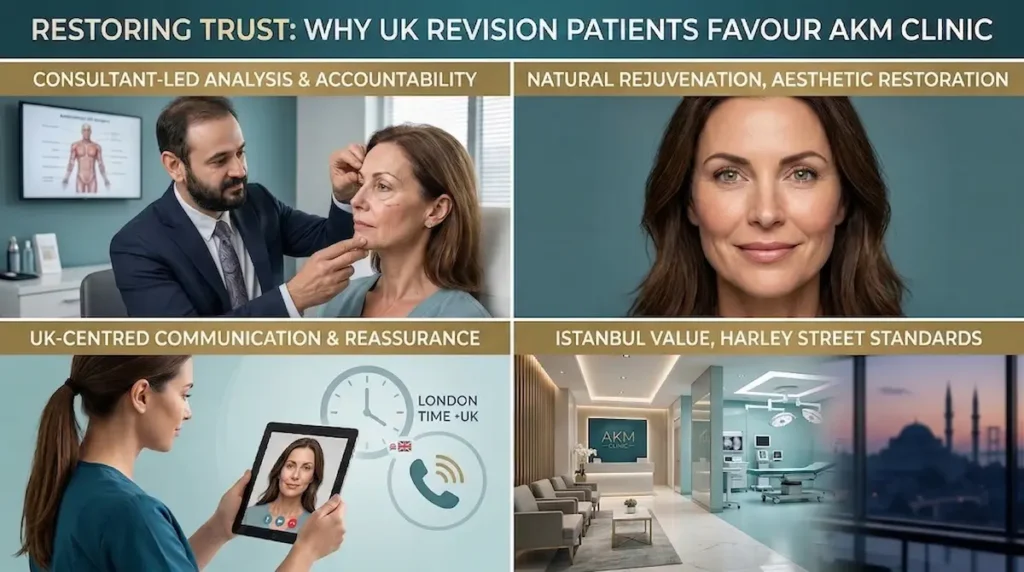
Why AKM Clinic Appeals to Revision Patients From the UK?
Revision patients tend to be among the most careful and sceptical people in aesthetic surgery. They have usually learned the hard way that presentation alone is not enough. What matters to them now is specialist analysis, natural-looking outcomes, clear communication, and aftercare that feels real rather than decorative. These priorities align closely with why many British patients find AKM Clinic’s approach appealing.
The attraction is not based on glamour or trend language. It is based on a consultant-led structure, a natural-result philosophy, and a UK-focused patient journey that addresses the exact fears many revision patients bring with them.
A Consultant-Led Approach for High-Stakes Corrective Surgery
Corrective facial work should be handled with seriousness from the first consultation. Revision patients want to know that they are being assessed by experienced surgical leadership, not processed through a generic pathway. That expectation is entirely reasonable. A clinic that positions itself around consultant-led care is more likely to meet the psychological and clinical needs of this group.
For someone considering botched facelift repair or fixing bad facelift results, the appeal of a consultant-led approach is simple: accountability. The patient wants to know who is responsible for the diagnosis, the plan, the procedure, and the follow-up.
That sense of ownership becomes even more important in high-stakes revision surgery, where trust must be rebuilt from the start.
Natural-Looking Revision Results for Patients Afraid of Looking “Overdone”
British patients often prefer subtle rejuvenation over dramatic transformation. This matters especially in revision work, where the previous result may already have crossed the line into something visibly artificial. A natural-result philosophy therefore carries particular weight. It signals that the goal is to restore credibility to the face, not impose another obvious intervention.
For patients researching revision facelift specialist Turkey, this can be a deciding factor. They are not looking for an “Instagram face”. They are looking for a face that looks like them again, only calmer, fresher, and less surgically obvious.
Natural revision results are not accidental. They come from restraint, structural understanding, and respect for individual facial identity.
The Reassurance of UK-Focused Patient Communication and Support
Communication is one of the strongest trust signals in revision care. Patients want reassurance that they can ask questions, send photographs, and receive sensible follow-up without feeling brushed aside. A UK-aware communication framework is particularly valuable because it reduces the emotional distance between surgery abroad and recovery at home.
This matters in practical ways, but also in psychological ones. Patients who have had a disappointing previous outcome often need continuity and reassurance almost as much as they need technical correction. They want to know there is a clear route back to the clinic if concerns arise.
As one UK patient story in the clinic’s testimonial material suggests, ongoing contact after returning home can be the difference between feeling abandoned and feeling genuinely cared for.
That feeling of continuity is a significant part of why revision patients may feel more secure moving forward with treatment.
Istanbul Value With Harley Street-Level Expectations
For many UK patients, the attraction of Istanbul is not simply lower pricing. It is the possibility of accessing high-level aesthetic care, modern recovery support, and a more structured patient experience without the fees often associated with elite London practice. In revision surgery, this value equation becomes particularly compelling because the patient is already making a serious second investment.
The right framing is therefore not “budget surgery abroad”. It is specialist international care evaluated against high private UK expectations. Patients comparing options want to know whether a clinic can genuinely meet Harley Street-level standards in judgement, communication, and result philosophy, while still offering clearer overall value.
That is the context in which many British patients assess overseas revision treatment today.
Surgeon Philosophy: Rejuvenation, Not Alteration
Perhaps the most important reason a revision patient chooses one surgeon over another is philosophy. If the first result felt unnatural, the patient usually does not want another surgeon who believes tighter is always better. They want someone whose idea of success is a face that looks authentic, rested, and emotionally familiar.
This philosophy can be summarised simply: rejuvenation, not alteration. It is highly relevant in revision surgery for pulled facelift look cases, where the patient is not asking for a more dramatic version of the first operation. They are asking for a more believable one.
When a clinic’s surgical philosophy aligns with that goal, revision begins to feel less like damage control and more like a genuine second chance.
Frequently Asked Questions (FAQ): Revision Facelift Specialist
Below are the most common questions patients ask when they are considering a revision facelift specialist after a disappointing first result. The answers are intentionally concise and written for UK patients seeking practical guidance.
Can a bad facelift really be fixed?
Often, yes. Many problems can be improved significantly, including a pulled look, pixie ears, neck contour issues, and incomplete midface correction. However, the degree of improvement depends on scar tissue, skin quality, and the exact nature of the previous surgery.
How long should I wait before revision facelift surgery?
It depends on healing, swelling, scar maturity, and the type of problem being corrected. Some cases need more time than patients expect. A responsible specialist will advise timing based on tissue behaviour rather than impatience.
Why is revision facelift surgery more expensive?
Because it is usually more complex than a first procedure. It often requires more planning, more operative time, and a higher degree of specialist judgement.
Is revision facelift surgery more risky than a first facelift?
It can be more demanding because the tissues have already been operated on. Scar tissue and altered anatomy make revision more complex, which is why surgeon selection matters so much.
Can you correct pixie ears and a pulled look?
In many cases, yes. These are common reasons patients seek a facelift revision specialist. The exact approach depends on how much tension, scarring, and structural distortion are present.
Can neck bands come back after a facelift?
They can persist or recur if the neck was not fully addressed or if tissue ageing continues over time. Revision may improve this, but the plan must be tailored to the underlying cause.
Will I need general anaesthesia for a revision facelift?
Not always. Some specialist facial procedures may be performed using local anaesthesia with light intravenous sedation, depending on the case and the clinic’s expertise. Suitability must be assessed individually.
How long would I need to stay in Istanbul before flying back to the UK?
That varies from patient to patient. Travel timing should be based on your recovery pattern and your surgeon’s review rather than a generic timetable.
What should I look for in a revision facelift specialist?
Look for focused revision experience, consultant-led care, natural-looking healed results, clear communication, and honest expectation setting. Credentials matter, but judgement matters just as much.
How do I know whether my previous facelift failed technically or just healed slowly?
You need a proper specialist assessment. Some concerns improve as swelling settles, while others reflect real issues such as poor lift vectors, visible tension, or under-treated deep structures.
Medical Disclaimer: This page is provided for general educational purposes only and does not replace a face-to-face medical consultation, diagnosis, or personalised treatment plan. All surgery carries risks and outcomes vary between individuals. Suitability for a facelift surgery, procedure selection, and anaesthesia choice can only be determined after a full clinical assessment by a qualified surgeon. Always follow your clinician’s instructions and seek urgent medical attention if you develop concerning symptoms during recovery.