




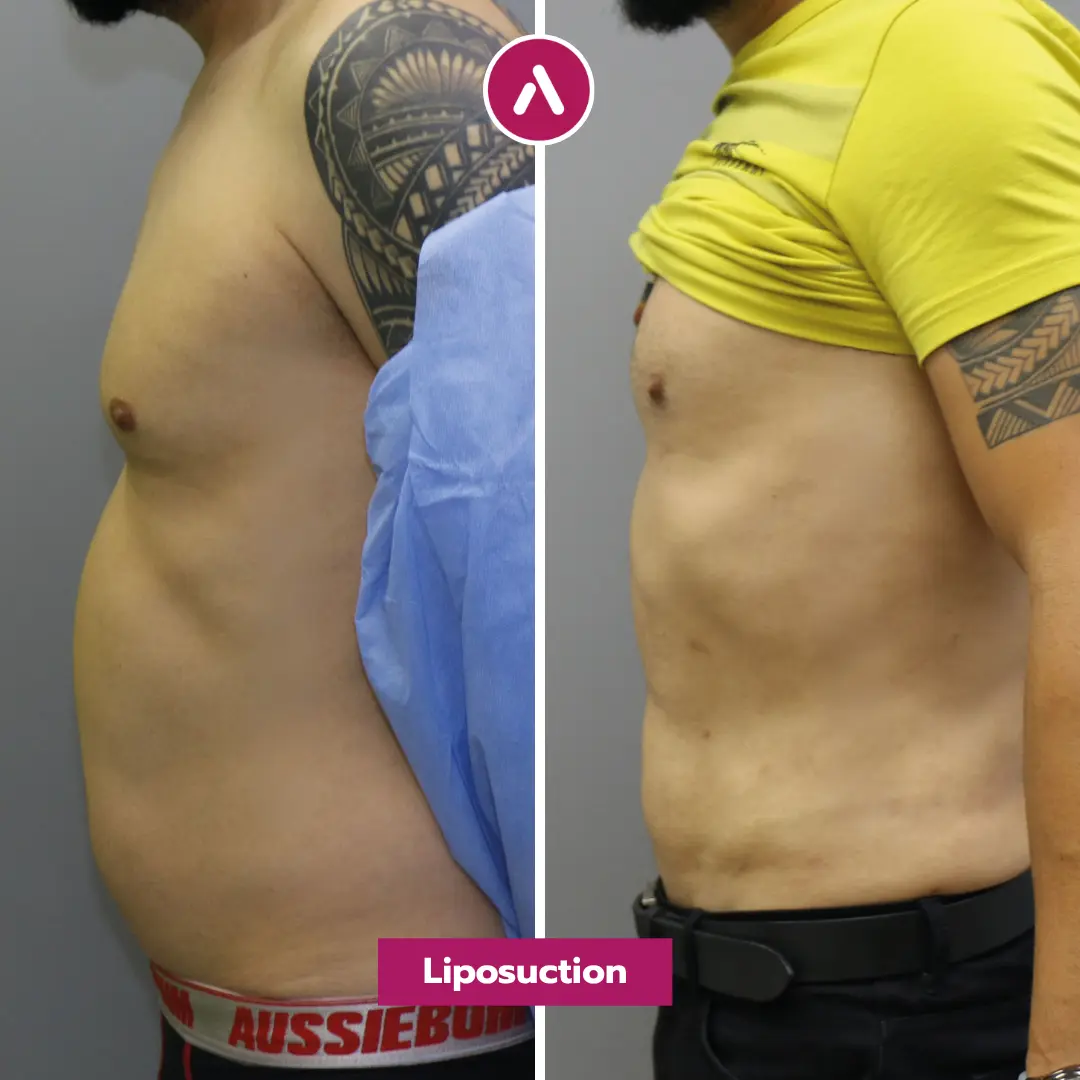
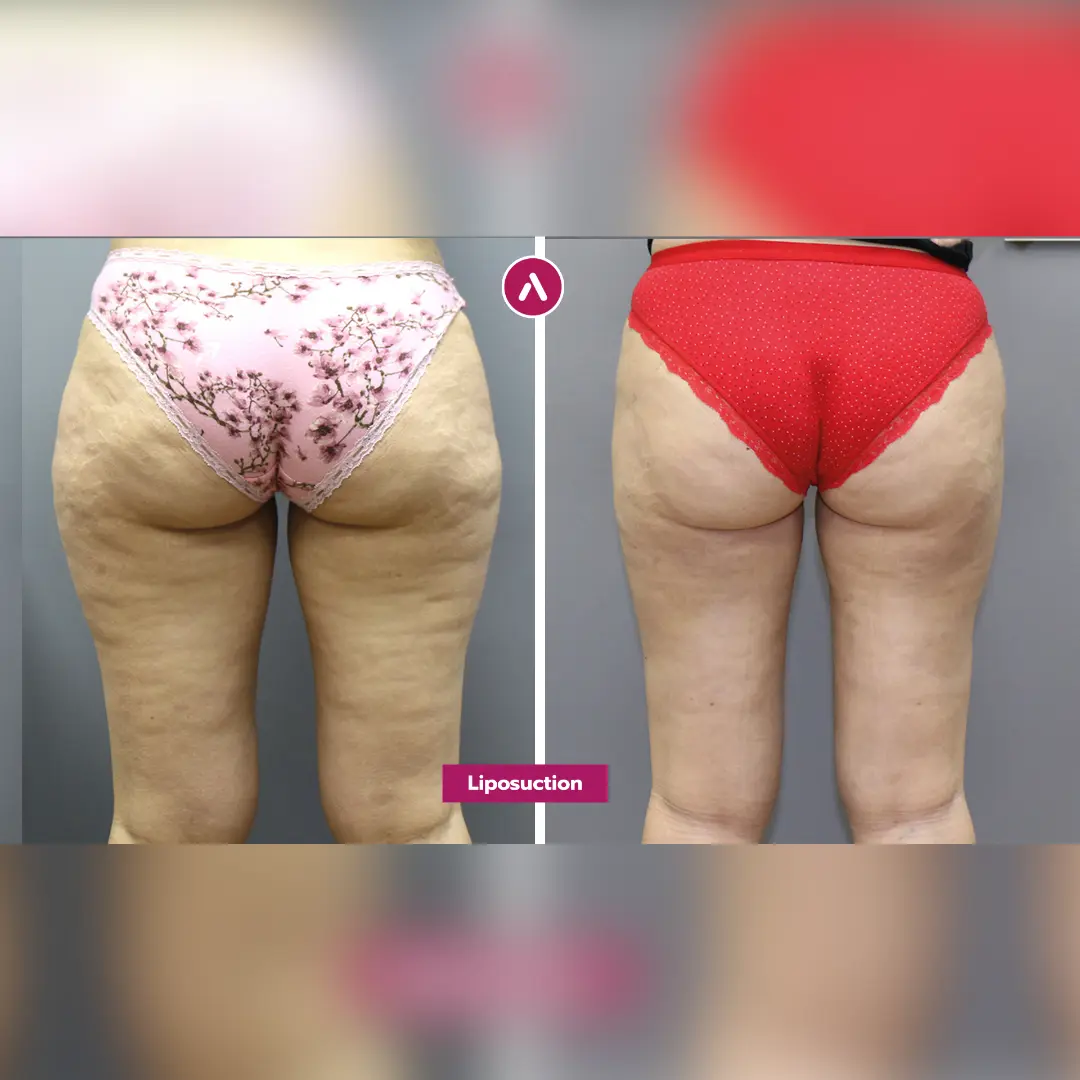
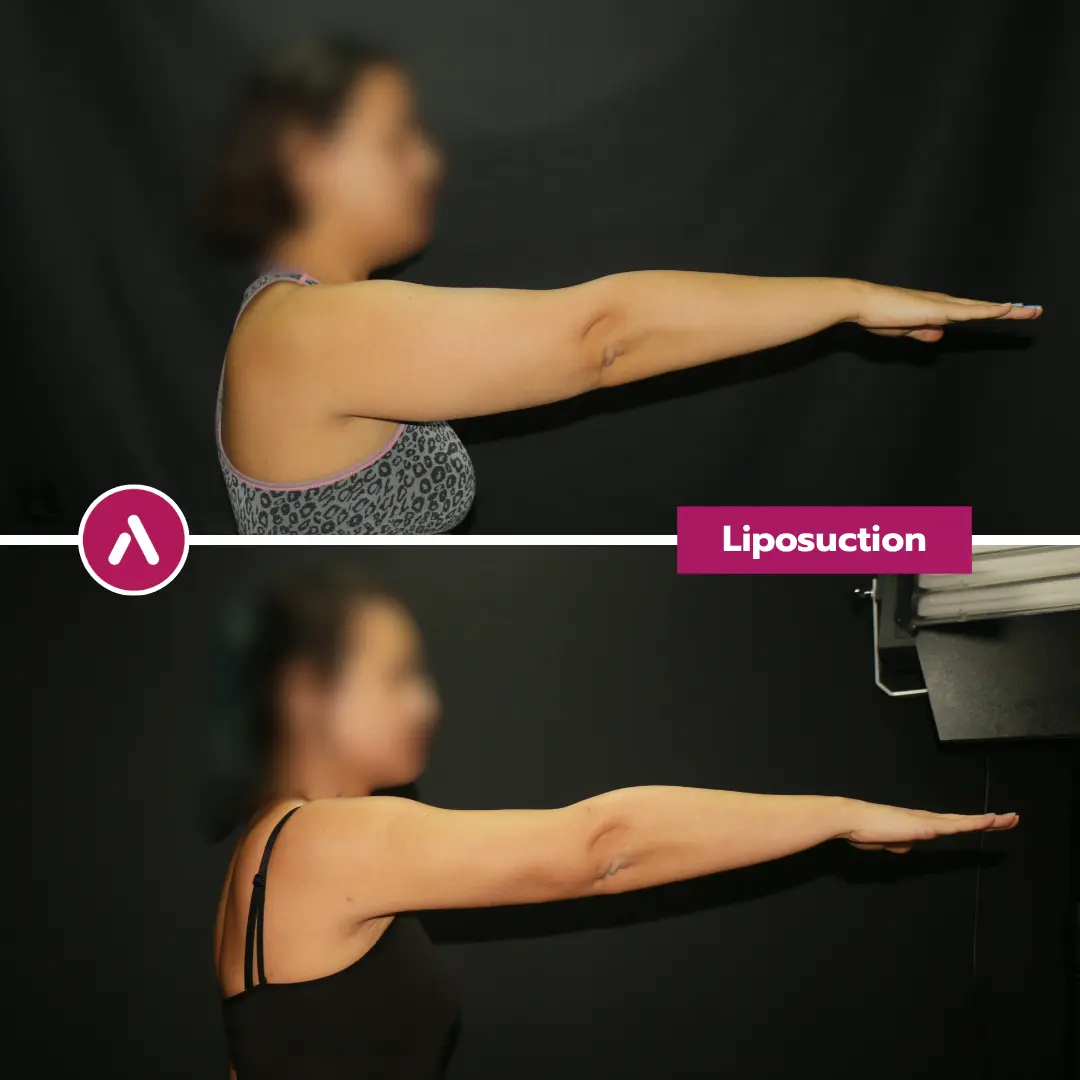
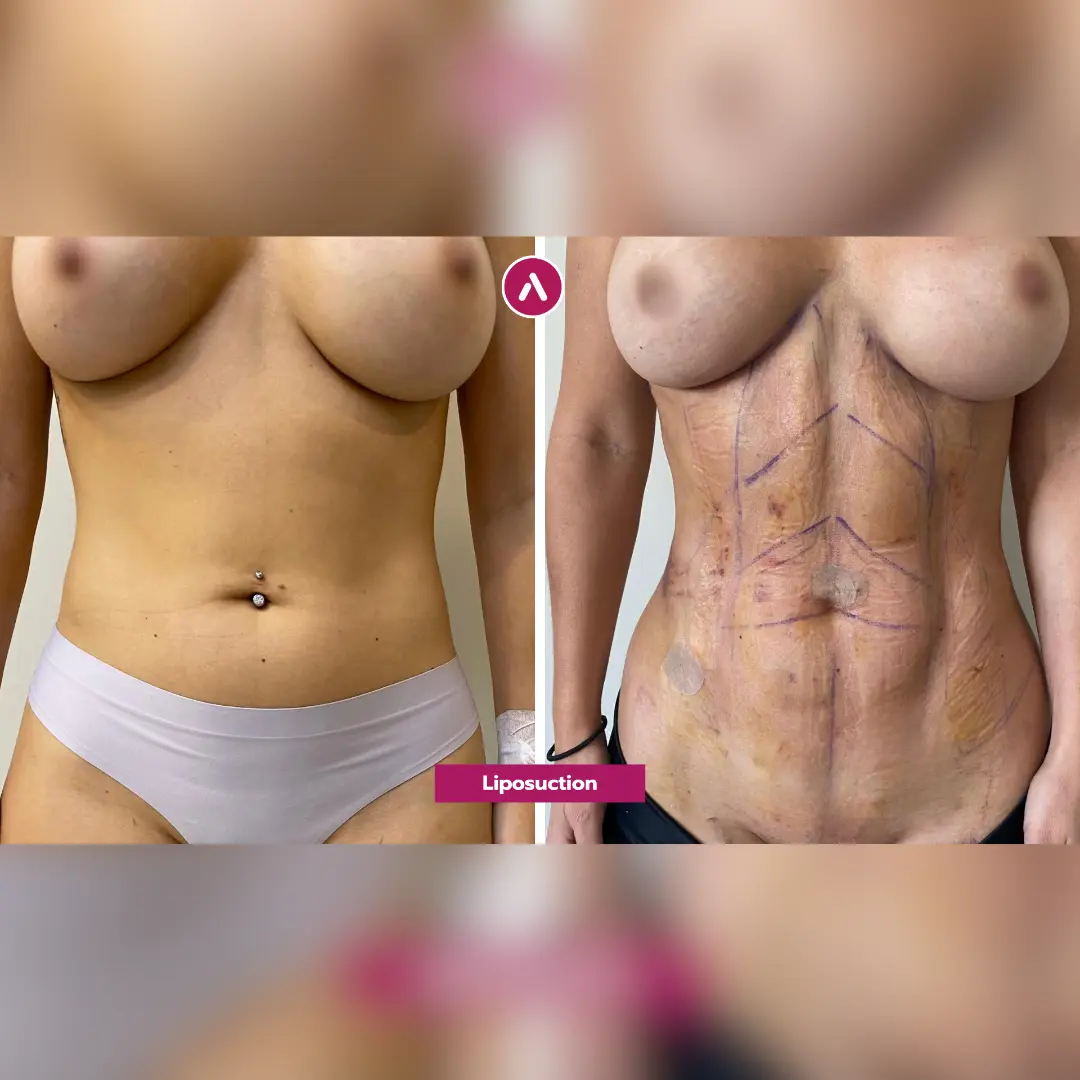
Considering liposuction in Istanbul from the UK? This guide explains how modern methods—SAL, PAL, UAL/VASER, LAL, WAL and 360 contouring—target stubborn fat to refine shape and balance, not to replace weight loss. Planning is tailored to your anatomy, skin quality and goals.
Explore awake and twilight anaesthesia, what happens in the operating theatre, and a realistic recovery timeline. We follow a safety-first pathway with strict pre-operative screening, structured follow-up, and optional HBOT + LLLT support to help comfort and swelling control for patients returning to the UK. Compare techniques, understand limits, and plan your journey with confidence without hype today.
Table of Contents

What is Liposuction?
Liposuction is a body contouring procedure that removes stubborn pockets of fat through small incisions using a thin tube (cannula) and controlled suction. It aims to refine shape and proportions, not to treat obesity. The goal is a smoother outline that still looks natural.
Think of it as “shape engineering”, not a shortcut for weight loss. We target localised subcutaneous fat (the layer just under the skin) that often resists diet and exercise. Where that fat sits matters as much as how much there is.
Technique also matters. Modern methods focus on preserving the quality of the tissues while sculpting the contour with control, not force. That’s how you get a result that looks like you—just better balanced.
What liposuction can and cannot do
The most common misunderstanding is simple: liposuction changes contours, not your relationship with calories. A measured consultation should separate “good candidates” from “wrong goals” early.
- It can help with: refining the waistline, smoothing bulges, improving proportions, and creating more defined transitions between areas.
- It cannot do: treat obesity, replace a healthy routine, or reliably tighten significantly loose skin on its own.
- It may not be the right tool if: the main issue is skin excess, significant muscle separation, or weight fluctuations.
The “body contouring” principle: proportions, balance, silhouette
Body contouring is a 360-degree decision. A flatter abdomen can look unnatural if the flanks are ignored, and the thighs can look heavier if the outer hip transition is left untouched. We plan around the silhouette, not single “spots”.
Small changes can be the most convincing ones. The intention is to create a proportionate outline that reads as natural in everyday clothing, not just in before-and-after images.
What types of fat respond best?
Liposuction works best on pockets of fat that are:
- Localised and stable (you’ve had them for years, even at a consistent weight).
- Primarily subcutaneous (the “pinchable” layer).
- Part of a clear contour problem (for example, a waist that disappears because of flanks).
It is not designed for visceral fat (the deeper fat around organs). That fat changes with overall weight, diet, sleep, stress, and metabolism. In practice, the best outcomes come from matching the method to the tissue and to your goals—then keeping expectations realistic.
What Are The Benefits of Liposuction (when done for contour, not weight loss)?
The benefits are mostly visual, but they are not superficial. When contour improves, clothing fits differently and proportions become more balanced. That can reduce the sense of being “top heavy”, “bottom heavy”, or “boxy” even if the scale barely moves.
We also keep the objective modest: our philosophy is subtle refinement, not dramatic transformation. In a UK context, this matters. Many patients want to look like themselves—just more defined.
Sharper waistline and improved proportions
For many people, the “win” is not a smaller number. It’s the return of shape. Common contour goals include:
- Clearer waist definition (especially when the flanks blur the waistline).
- Smoother abdomen-to-hip transition for a more athletic silhouette.
- Better balance between upper body and lower body proportions.
In practical terms, this is why techniques like circumferential planning (often discussed as “360” contouring) are so popular: they treat the body as a whole, not a collection of isolated areas.
Clothing fit and “problem area” relief
Some benefits show up immediately in daily life. People often notice changes in:
- How trousers sit at the waist and hips.
- Whether tops cling around the midsection.
- How swimsuits and fitted dresses look from the side profile.
This is also where realism protects you. Liposuction can refine bulges and edges, but it won’t “fix” every fit issue if the underlying problem is skin laxity or posture-related shape.
Natural-looking outcomes: “Rejuvenation, Not Alteration”
We plan liposuction with a natural endpoint in mind. Over-removal can create dents, hollows, or a sharpness that reads as surgical. Under-removal can leave you wondering what changed.
“The most successful aesthetic surgery is one that goes unnoticed. The aim is rejuvenation, not alteration.”
— Our surgical team
This approach suits the “expert patient” mindset: you are not buying a trend. You are choosing a proportionate result that still looks credible years later.
What “minimally invasive” should mean in real terms
The phrase is everywhere, so it helps to define it. For liposuction, “minimally invasive” usually refers to small access points, careful tissue handling, and a recovery plan that prioritises controlled swelling management.
If you are researching minimally invasive liposuction in Istanbul, focus on specifics: the technique used, the anaesthesia plan, and how aftercare is structured. Those details affect comfort and recovery far more than marketing language.
Am I a Good Candidate For Liposuction?
Suitability is not just about having “something to remove”. It’s about how your tissues behave, how your skin rebounds, and how predictable the contour change will be. We look for the safest route to a natural outcome. That means being honest about what will improve, and what won’t.
Your best indicator is consistency. If your weight and lifestyle are stable, and the concern is localised fat that has not shifted with diet and training, you are usually in the right conversation.
Stable weight, realistic expectations, lifestyle compatibility
We plan results around the body you actually live in. If your weight is moving up and down, shape changes are harder to control. A stable baseline makes outcomes more reliable.
- Stable weight: not a “perfect number”, just predictable habits and fewer large fluctuations.
- Clear goal: contour refinement (waistline, flanks, thighs), not a full-body weight-loss expectation.
- Recovery fit: you can commit to rest, gentle walking, and wearing a compression garment as directed.
We also talk through what “success” looks like for you. Some patients want subtle refinement. Others want definition. Both are valid. The plan changes.
Skin elasticity: when does laxity risk increase?
Skin is part of the final shape. If skin quality is strong, it tends to retract more smoothly after fat reduction. If skin is thin or lax, removing fat can reveal looseness that was previously “filled out”.
- Higher laxity risk: significant weight loss history, post-pregnancy skin, older skin, or sun-damaged tissue.
- Higher smoothness potential: good elasticity, good tissue tone, and modest-volume contour goals.
- What we do with this: we plan technique choice and, where needed, discuss skin-tightening options rather than over-promising.
It’s not about chasing an aggressive removal. It’s about choosing the right strategy for your skin and anatomy.
Who should postpone or avoid liposuction surgery?
Safety comes first. There are times when the right decision is to wait, optimise health, or choose a different approach. We would rather delay a procedure than take avoidable risk.
- Smoking or nicotine use: often needs a structured pause, because it can impair healing.
- Uncontrolled medical conditions: for example, poorly controlled blood pressure or diabetes.
- Blood clotting history or high-risk profiles: requires careful assessment and, in some cases, medical clearance.
- Pregnancy and breastfeeding: not the right window for elective contour surgery.
- Active infection or acute illness: we wait until you are well.
If you take regular medication, we review it carefully. The goal is to minimise bleeding risk and avoid drug interactions.
Our approach: strict pre-operative screening and safety-first assessment
We use strict pre-operative health screenings to confirm candidacy and reduce risk. We take a proper history, review any prior surgery, and assess realistic benefit versus risk. If we see a red flag, we pause and address it.
For UK patients, we can start with a no-obligation virtual consultation. You share your goals and photos, and we outline a personalised plan before you travel. It keeps the process clear, and it reduces uncertainty.
“Natural results come from sensible planning. The safest operation is the one that is designed around the patient’s anatomy and recovery capacity.”
— Our clinical team

Which Areas Can We Treat With Liposuction?
Most people don’t have “too much fat everywhere”. They have specific pockets that disrupt proportion. We treat those pockets with a contour map, not a spot-by-spot mindset. The most natural outcomes usually come from improving transitions between areas.
We also factor in skin quality and symmetry. Some zones are forgiving. Others show every detail. Technique choice matters.
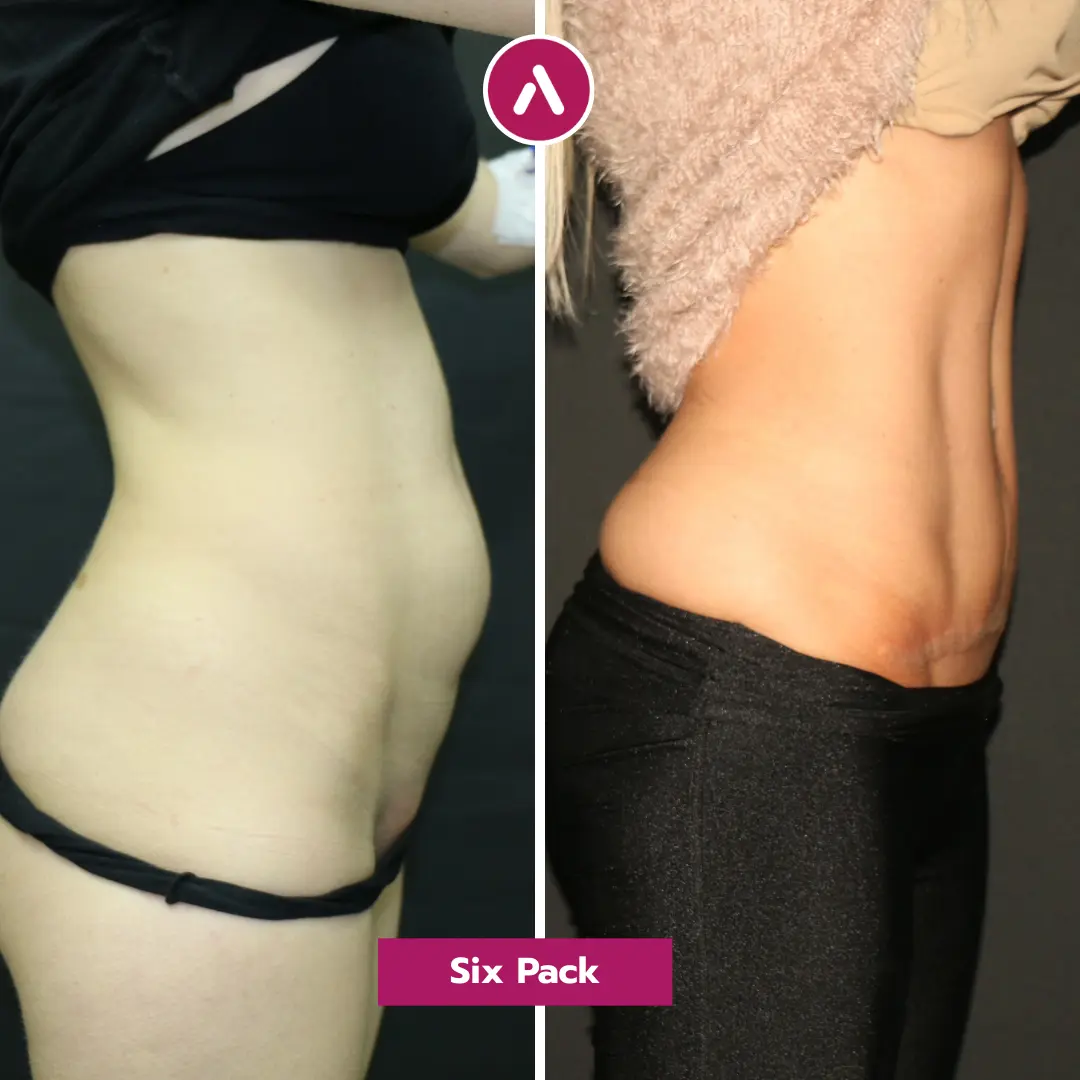
Abdomen & flanks (the waistline equation)
The abdomen and flanks are often treated together because they shape the waist from the front, side, and back. A flat front with untreated flanks can look unbalanced. Planning the “wraparound” contour tends to look more athletic and more natural in clothing.
- Common goals: sharper waistline, smoother lower abdomen, reduced “love handle” fullness.
- What we watch for: skin laxity, prior C-section scars, and any abdominal wall concerns that may suggest a tummy tuck instead.
- Expected feel: swelling first, then gradual refinement as tissues settle.
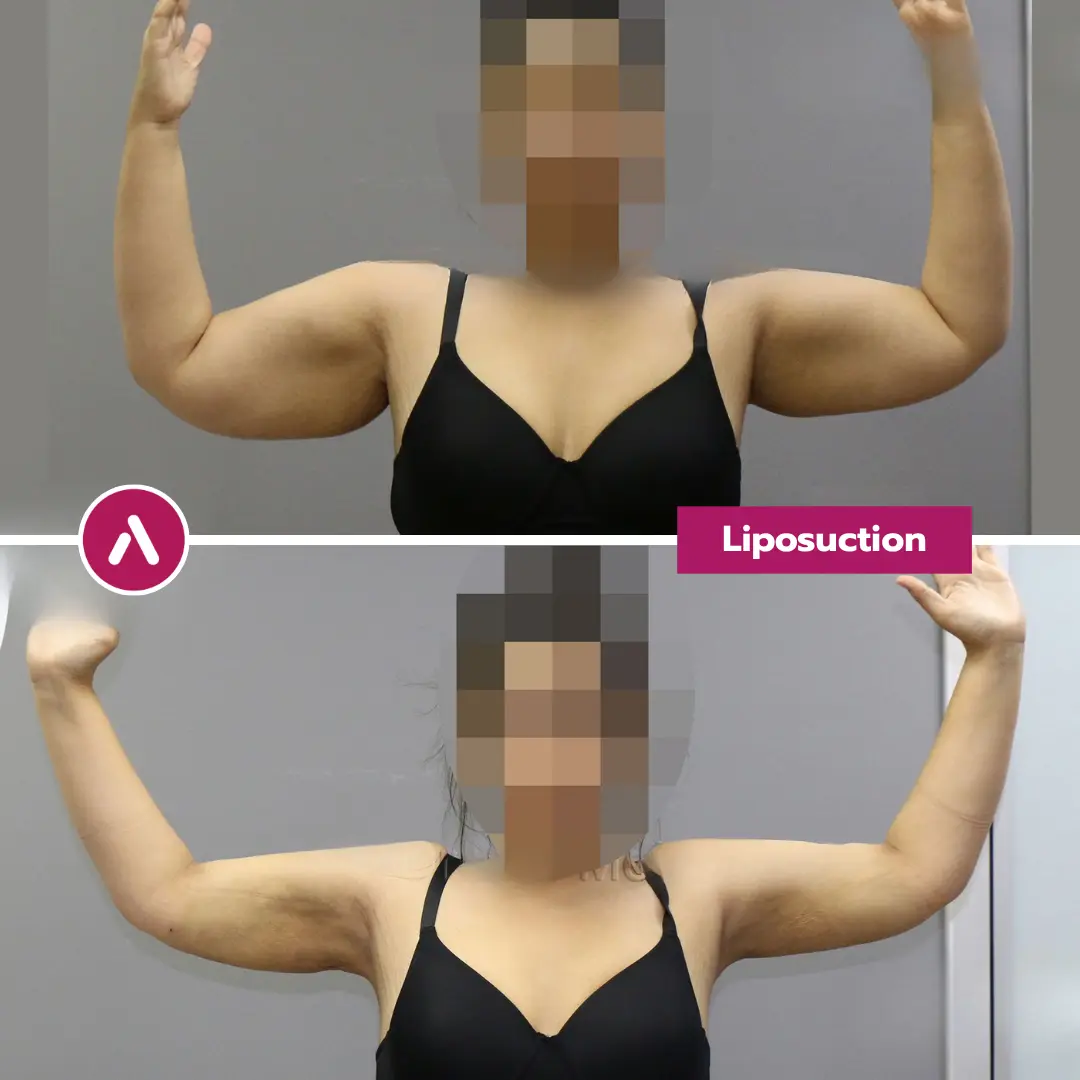
Thighs & arms (symmetry and skin behaviour)
Thigh and arm contouring is about balance. Over-reduction can cause irregularities, while under-correction can feel like “nothing changed”. We aim for smoothness and symmetry.
- Thighs: outer thigh contour, inner thigh friction areas, or overall thigh balance relative to hips.
- Arms: targeted fullness reduction, with careful attention to skin tone and scar visibility.
- Key decision: if skin is significantly loose, an arm lift may be more appropriate than fat reduction alone.
Chin & neck (micro-contouring for profile definition)
Small-volume contouring under the chin can make a large difference to profile and jawline definition. It’s precise work. We focus on clean angles rather than “hollowing out”.
- Common goals: a clearer jawline, reduced submental fullness, a sharper side profile.
- What we assess: skin elasticity, neck structure, and whether the issue is fat, skin, or both.
- Planning note: sometimes combining with other facial procedures gives a more cohesive result.
Male patients: chest and neck contour considerations
Men often want definition without looking “overdone”. Common areas include the flanks, abdomen, and the under-chin area. Chest contour concerns can be more complex, because true gland tissue may not respond to fat removal alone.
- Common requests: waistline tightening, abdominal refinement, improved neck profile.
- Chest contour: we assess whether the issue is mainly fat, gland, or both.
- Outcome aim: a masculine contour that still looks natural at rest and in motion.

Surgical Techniques Explained: How Modern Liposuction Differs By Method
“Liposuction” isn’t one single technique. It’s a family of methods that all aim to remove fat safely, predictably, and with control. The difference is how the fat is separated and extracted, and how gently the tissues are treated in the process.
We plan the result first. Then we choose the tool. That’s how you keep outcomes natural, balanced, and believable.
Suction Assisted Liposuction (SAL)
SAL is the classic approach. A cannula is used to break up and remove fat with controlled suction. The “magic” isn’t the suction. It’s the surgeon’s judgement: where to remove, where to leave, and how to blend edges smoothly.
- Best for: general contour refinement in many body areas.
- Key advantage: direct control and proven fundamentals.
- Key limitation: results depend heavily on technique and blending.
Power Assisted Liposuction (PAL)
PAL uses a rapidly moving cannula tip to help separate fat with less manual effort. It can be useful in more fibrous areas where traditional movement can feel “sticky” and require more force.
- Best for: firmer or more fibrous fat, or when efficiency matters.
- Key advantage: less physical strain, potentially smoother passes.
- Key limitation: still needs careful feathering to avoid irregularity.
Ultrasound Assisted Liposuction (UAL/VASER)
UAL uses ultrasound energy to help emulsify fat before extraction. VASER is a well-known ultrasound-assisted system that can support more detailed sculpting when used with a refined hand and a conservative plan.
- Best for: fibrous fat, detail work, and definition-focused shaping in selected patients.
- Key advantage: can support precision in challenging tissue.
- Key limitation: energy use must be controlled to protect surrounding tissues.
“Technique is not about removing more. It’s about removing with control, then blending until the contour looks effortless.”
— Our European Board Certified Surgeons
Laser Assisted Liposuction (LAL/Smartlipo)
Smartlipo uses laser energy to help disrupt fat and generate heat in the tissues. You’ll often see it discussed alongside “skin tightening”. In reality, skin response varies. If laxity is a major concern, we treat it as its own problem, not a footnote.
- Best for: selected cases where a mild tightening effect may help.
- Key advantage: energy-assisted separation in smaller zones.
- Key limitation: not a substitute for dedicated tightening or lifting when skin is loose.
Water Assisted Liposuction (WAL)
WAL uses a pressurised fan-shaped fluid stream to loosen fat more gently as it is removed. It is often discussed in the context of fat harvesting, because the aim can be to preserve fat quality as much as possible.
- Best for: patients prioritising gentler tissue handling, and scenarios where fat quality matters.
- Key advantage: a more delicate separation approach.
- Key limitation: not a “better result” by default; planning still drives outcomes.
Lipo 360
Lipo 360 is a contour concept, not a machine. It means treating the midsection circumferentially—typically the abdomen, waist (flanks), and lower back—so the silhouette looks consistent from every angle.
- Best for: waistline shaping where the “back view” matters as much as the front.
- Key advantage: more coherent contour and smoother transitions.
- Key limitation: it must be tailored; not everyone needs full circumferential work.
Liposculpture
Liposculpture describes the artistic side of fat removal: refining shadows, smoothing borders, and shaping transitions with subtlety. It often involves smaller cannulas, lighter passes, and a deliberate “feathering” technique to avoid harsh lines.
- Best for: patients who want refinement rather than dramatic change.
- Key advantage: natural-looking blending and softer contours.
- Key limitation: it takes time and experience—rushing ruins the finish.
Our modern focus: High-Definition VASER, Awake Liposuction, and Skin Tightening support
In our practice, our body contouring portfolio includes High-Def VASER Liposuction for definition-led plans and Awake Liposuction for suitable patients who want to avoid general anaesthesia. When skin quality is the limiting factor, we can integrate Liposuction & Skin Tightening strategies, including J-Plasma, to support a firmer finish where appropriate.
We keep the objective consistent: a proportionate result that still looks like you. No harsh edges. No “operated” look.
| Method / Concept | How it differs | Best suited for | Anaesthesia planning (varies) |
|---|---|---|---|
| SAL | Classic suction-based fat removal | General contour refinement | Local/tumescent ± sedation or general |
| PAL | Vibrating cannula assists separation | More fibrous areas | Local/tumescent ± sedation or general |
| UAL/VASER | Ultrasound-assisted emulsification | Precision sculpting in selected patients | Local/tumescent ± sedation or general |
| LAL | Laser energy-assisted separation | Smaller zones; selected tightening goals | Local/tumescent ± sedation or general |
| WAL | Fluid stream loosens fat more gently | Cases prioritising delicate tissue handling | Local/tumescent ± sedation or general |
| Lipo 360 | Circumferential midsection contouring | Waistline and back-view harmony | Plan-dependent |
| Liposculpture | Refined blending and “feathering” | Natural-looking finishing | Plan-dependent |
Anaesthesia Choices: why we often prefer Awake / Twilight Sedation
Anaesthesia is not a formality. It’s part of the safety plan. Some patients want to avoid general anaesthesia. Others are better suited to it. We decide based on your health profile, your comfort, and the scope of the contour plan.
General anaesthesia vs conscious sedation: what’s different?
General anaesthesia means you are fully asleep and supported throughout. Conscious (twilight) sedation keeps you relaxed and comfortable while our team maintains close monitoring. In selected cases, we can perform liposuction under a structured local (tumescent) approach with sedation support.
The priority is simple. We choose the option that is safest and most appropriate for you.
Anxiety management: how “awake” approaches can reduce psychological barriers
For many patients, the biggest hurdle is not the cannula or the recovery—it’s the idea of going under general anaesthesia. If you feel that same hesitation, you’re not alone. An “awake” or twilight-sedation approach can make the journey feel more manageable because you avoid the experience of being fully asleep.
That said, “awake” does not mean “unsupported” or “casual”. It means you are carefully selected, properly numbed with a structured local (tumescent) technique, and kept comfortable with sedation where appropriate.
- What we prioritise: comfort, calmness, and predictable monitoring.
- What we avoid: pushing an “awake” plan on someone who is not suited medically or emotionally.
- What you should expect: a clear explanation of what you may feel (pressure, movement) versus what you should not feel (sharp pain).
If your main goal is “liposuction without general anaesthesia”, the safest way to approach it is to treat it as a clinical decision—not a preference that overrides suitability.
Safety priorities: patient selection, monitoring, and protocol-based care
Anaesthesia planning is part of risk management. The safest option varies by patient and by procedure scope. Your health profile, medications, clot-risk factors, and the number of areas planned all influence the decision.
In practice, we focus on three pillars:
- Selection: choosing the right patients for each anaesthesia pathway (including “awake” plans).
- Monitoring: consistent observation of vital signs and comfort throughout the procedure.
- Structure: a step-by-step protocol (before, during, after) that reduces preventable complications.
“The best anaesthesia plan is the one that matches the patient’s risk profile and the procedure’s scope—then keeps everything predictable.”
— Our clinical team
UK search intent integration: conscious sedation and twilight anaesthesia in context
UK patients often search for terms like conscious sedation or twilight anaesthesia when they want a calmer experience and a sense of control. The key point is that sedation is not a “shortcut” to safety; it’s a tool that must be used responsibly.
If you’re comparing options, focus on the questions that matter:
- Is sedation offered only to suitable patients?
- What type of monitoring is used throughout?
- How is pain control structured (tumescent technique, medication plan, aftercare)?
- What is the contingency plan if comfort or safety needs change mid-procedure?
These are more meaningful than headline phrases like “light anaesthetic” or “no general”.
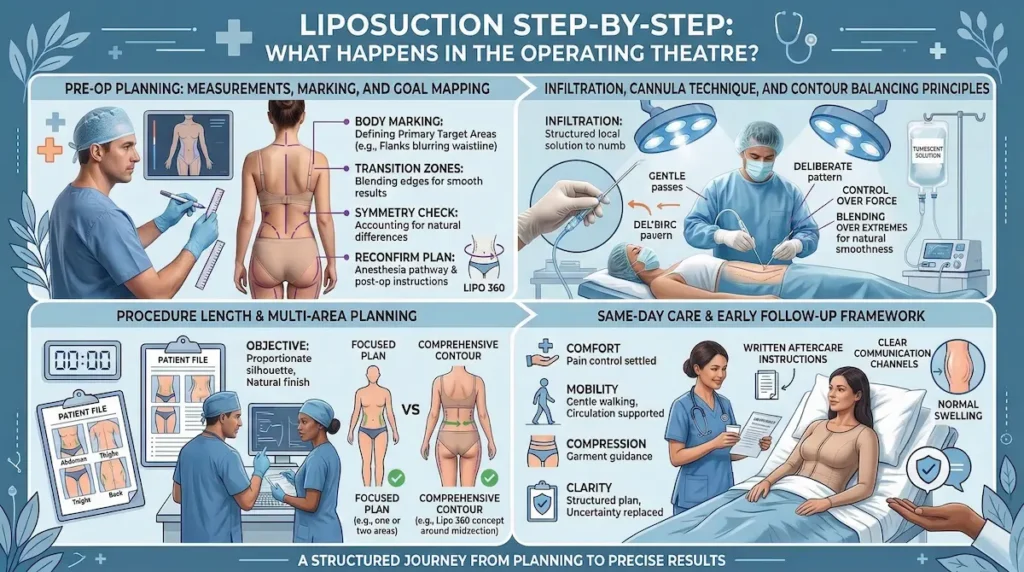
Liposuction Step-by-step: What Happens In The Operating Theatre?
Liposuction is a technical procedure, but the experience should feel organised and calm. The best outcomes come from planning and precision: where the fat is removed, how transitions are blended, and how tissues are handled to reduce trauma.
Pre-op planning: measurements, marking, and goal mapping
Before anything begins, we plan the contour on your body—not on a generic diagram. Marking is where the strategy becomes visible. We map:
- Primary targets: the areas causing the contour imbalance (for example, flanks blurring the waistline).
- Transition zones: the edges that must be blended to avoid harsh lines.
- Symmetry checks: natural asymmetries are common; the plan accounts for them rather than ignoring them.
This stage is also where we re-confirm the anaesthesia pathway and ensure the post-op plan is clear (garments, mobility, and expected swelling).
Infiltration, cannula technique, and contour balancing principles
Modern liposuction usually relies on a structured local solution (often described as tumescent technique) to help numb the tissues and support controlled fat removal. Then a cannula is used to remove fat in a deliberate pattern.
Two principles guide the finish:
- Control over force: gentle, consistent passes rather than aggressive “digging”.
- Blending over extremes: a smooth transition is often more important than maximum removal.
This is where technique choice (SAL, PAL, VASER/UAL, etc.) matters. The tool supports the plan—but the plan drives the result.
Procedure length and multi-area planning in one session
Procedure time varies depending on the number of areas treated, tissue characteristics, and whether the goal is simple reduction or more refined sculpting. Some patients do best with a focused plan (one or two areas). Others benefit from a more comprehensive contour map (for example, Lipo 360 concepts around the midsection).
We keep the objective consistent: a proportionate silhouette with a natural finish. If adding another area threatens safety or recovery quality, we don’t add it.
Same-day care and early follow-up framework
After the procedure, the early focus is simple:
- Comfort: settling pain control and explaining what “normal” swelling feels like.
- Mobility: gentle walking and position changes to support circulation.
- Compression: garment guidance to support contour and swelling control.
- Clarity: written aftercare instructions and clear communication channels for questions.
Most anxiety comes from uncertainty. Our job is to replace uncertainty with a structured plan—so you know what to expect, day by day.
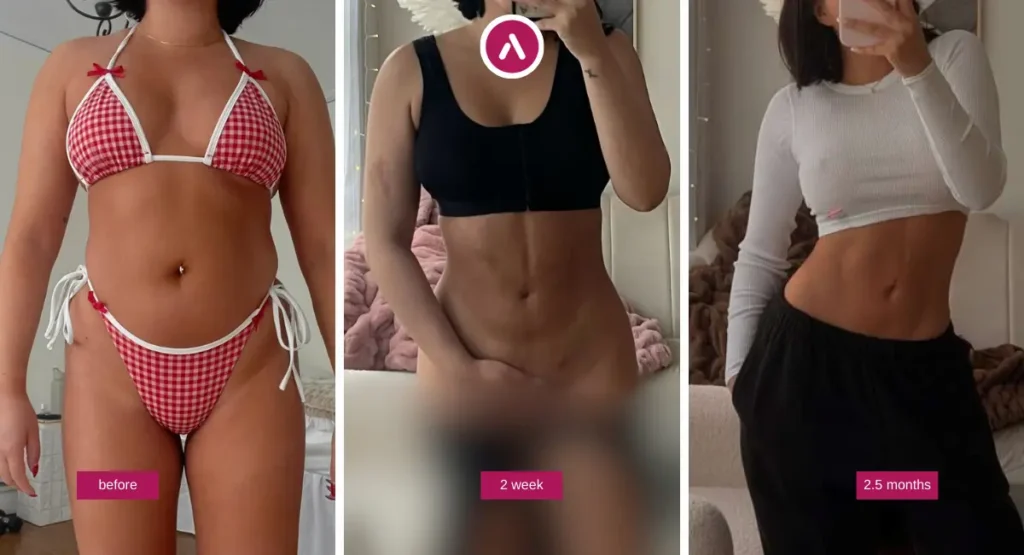
Liposuction Recovery & Aftercare: how long does healing take after Liposuction?
Recovery after liposuction is best understood as a timeline of settling. The fat removal is immediate, but swelling, fluid shift, and tissue remodelling take time. Most patients feel “presentable” long before the final contour has truly stabilised.
Your experience will vary depending on the areas treated, the technique used, your skin quality, and how closely you can follow aftercare guidance. Our aim is to make recovery feel predictable: clear expectations, structured support, and practical advice that reduces unnecessary worry.
First 72 hours: swelling, bruising, and a simple mobility plan
The first three days are usually the most intense phase. Swelling and bruising are common, and many patients describe a “tight” or “sore” feeling rather than sharp pain. What matters most in this early window is not pushing for normality too quickly, but also not becoming completely inactive.
- What’s normal: swelling, bruising, tenderness, and a sense of firmness in treated areas.
- What helps: short, gentle walks around your room (as advised), hydration, and rest in comfortable positions.
- What to avoid: heavy lifting, long periods sitting still, and “testing” the area aggressively.
We also explain what is not normal—so you don’t have to guess. If something feels unusual, escalating rather than “waiting it out” is the safer approach.
“Recovery is not about being brave. It’s about being consistent—gentle movement, structured aftercare, and patience while the tissues settle.”
— Our post-op care team
Weeks 1–2: compression garment routine and returning to daily life
In the first two weeks, the focus shifts from “getting through the first days” to managing swelling and supporting the developing contour. This is typically where the compression garment becomes a daily routine and where patients start to feel more mobile.
- Compression garment: helps support tissues and manage swelling (your exact schedule is personalised).
- Daily activities: many patients can return to light, non-strenuous routines as comfort allows.
- Swelling reality: you may look “worse before better” on some days; this is common.
It’s also normal to feel uneven firmness during this phase. Early healing rarely looks perfectly symmetrical day-to-day. The key is to judge results on the correct timeline—weeks and months, not days.
Weeks 3–6: exercise, long sitting times, and clot-risk awareness
By weeks three to six, most patients feel significantly more comfortable. This is often the phase where you can gradually reintroduce structured activity and start to see a clearer outline emerging as swelling reduces.
- Exercise: typically reintroduced gradually—starting light, progressing as advised.
- Long sitting times: avoid staying still for prolonged periods; move regularly.
- Travel awareness: longer journeys require extra attention to circulation and hydration, especially early on.
We use straightforward, non-alarmist language around clot risk (DVT). The intention is not to scare you—it’s to ensure you understand why gentle movement and sensible travel planning matter.
UK intent: “flight-ready recovery” explained via medical safety framing
Many UK patients naturally ask: “When can I fly back?” There isn’t a single universal answer, because it depends on your procedure scope, your individual risk profile, and how your early recovery is progressing. The responsible approach is to frame this as a medical decision, not a travel preference.
When patients search for “flight-ready recovery”, what they usually mean is:
- Can I travel without increasing risk?
- Will swelling and discomfort be manageable on a flight?
- Do I have a plan if I need support after returning to the UK?
Our role is to give you a structured travel plan based on your case, including practical guidance for mobility and comfort. If you are not ready, we will tell you—because safety always comes first.
Finally, it helps to remember that recovery quality is part of the “value” of the procedure. In the next section, we explain how supportive technologies such as HBOT and LLLT can be used to optimise comfort and minimise downtime where appropriate.
Our Rapid Recovery & Safety Protocol: HBOT + LLLT (why we use both)
Recovery is not only about “waiting for swelling to go down”. It’s an active phase where the body is repairing tissues, managing inflammation, and restoring micro-circulation. For some patients—especially those travelling from the UK with limited downtime—supportive recovery technologies can make the post-operative period feel more controlled and comfortable.
At AKM Clinic, we use a combined approach: HBOT (Hyperbaric Oxygen Therapy) and LLLT (Low-Level Laser Therapy). They are not a substitute for surgical skill, good aftercare, or sensible expectations. They are used to support healing physiology—when appropriate for the patient.
HBOT: what it is and the physiological rationale
Hyperbaric Oxygen Therapy (HBOT) involves breathing oxygen in a pressurised environment. In clinical terms, the principle is to increase oxygen availability in the body’s tissues—especially important in recovery, where oxygen is a key resource for repair processes.
Why can that matter after liposuction?
- Tissue recovery support: Oxygen plays a role in normal wound healing and cellular energy production.
- Inflammation and swelling management: As the body responds to surgical micro-trauma, supporting tissue oxygenation may help the recovery phase feel smoother for selected patients.
- Comfort and “recovery confidence”: Many patients simply feel more reassured when there is a structured plan beyond garments and pain relief.
We present HBOT as a supportive tool, not a promise. Your individual response depends on the procedure scope, your baseline health, and how your body heals.
LLLT: what it is and how it fits into post-op recovery
Low-Level Laser Therapy (LLLT) is a non-invasive light-based treatment often discussed under the umbrella of “photobiomodulation”. The goal is not to heat tissue or “melt fat”. Instead, it’s used in a recovery context to support comfort and tissue settling.
In post-operative care, LLLT is commonly valued for:
- Comfort support: Helping the treated areas feel less “tight” and more manageable during the settling phase.
- Swelling awareness: Recovery is dynamic; LLLT may be used as part of an overall plan to support how swelling evolves.
- Skin quality focus (selected cases): When your plan includes skin-quality optimisation, LLLT can be positioned as an adjunct—alongside technique choice and garment strategy.
Again, we keep the claim grounded: LLLT is not a replacement for skin-tightening procedures when laxity is the main issue. It is an additional support layer within a structured recovery pathway.
“A beautiful result isn’t only made in the operating theatre. It’s protected during recovery—by structure, consistency, and the right support tools.”
— Our post-operative care team
Who benefits most from recovery optimisation?
Not every patient needs the same level of support. We typically consider recovery optimisation more strongly when:
- The treated area is extensive (for example, circumferential midsection contouring concepts).
- You are travelling from the UK and want a recovery plan that supports a smoother return to routine.
- You prioritise “downtime management” and want a structured protocol rather than a minimalist approach.
- Your tissues are more reactive (you swell easily, bruise easily, or feel anxious about recovery uncertainty).
We tailor this to your case. If we believe standard aftercare is sufficient, we will say so. If we believe additional support adds meaningful value for your comfort and recovery confidence, we will explain why—and what it can realistically do.
Safety & Risks: Is Liposuction Dangerous?
Any surgical procedure carries risk. The responsible question is not “Is liposuction safe?” but “Under what conditions is liposuction safest, and how is risk actively reduced?”
Modern liposuction is generally considered a well-established procedure when performed by appropriately qualified surgeons, in a controlled environment, with the right patient selection and structured aftercare. Risk increases when any of those pillars are weak—especially when the plan is too aggressive for the patient’s anatomy or recovery capacity.
Expected effects vs complications (a clear separation)
After liposuction, it’s normal to experience changes that look dramatic on day 3 and much calmer by week 3. Knowing what is expected helps you avoid panic, and knowing what is not expected helps you act quickly when needed.
Common, expected effects (usually temporary):
- Swelling and bruising
- Tenderness, tightness, and firmness
- Temporary numbness or altered sensation
- Fluid drainage from incision points in the early phase (where applicable)
- Asymmetry that improves as swelling settles
Potential complications (require prompt medical attention):
- Infection
- Blood clots (DVT/PE)
- Excessive bleeding or fluid imbalance
- Contour irregularities (dents, waviness) beyond normal swelling changes
- Delayed healing or tissue injury (rare, but serious when it occurs)
We do not minimise these risks. We manage them through selection, surgical planning, and a structured recovery pathway.
Fluid balance, clot risk, infection: how risk is managed
Most meaningful safety work happens before the first incision. A well-built plan anticipates where risk comes from and reduces it at each stage.
- Fluid management: careful planning of infiltration, monitoring during the procedure, and sensible post-operative guidance for hydration and observation.
- Clot-risk awareness: early mobilisation, avoiding long periods immobile, and travel guidance tailored to your timeline and risk profile.
- Infection prevention: sterile technique, appropriate facility standards, clear aftercare instructions, and early escalation if symptoms appear.
“Safety” is not one decision—it’s many small decisions done consistently.
“The safest surgery is the one that respects the patient’s physiology. Conservative planning beats aggressive promises every time.”
— Our surgical team
How much fat can be safely removed?
This is one of the most searched questions—and it’s exactly the kind of question an “expert patient” should ask. The honest answer is: safe limits are not a marketing number. They depend on your health profile, your body composition, the areas treated, and how your body handles fluid shift.
In a responsible consultation, we frame this as:
- Safety first: a plan that protects physiology (circulation, fluid balance, recovery capacity).
- Contour logic: the best result is not always the highest volume removed; it’s the smoothest silhouette achieved safely.
- Staging when appropriate: if a single-session plan increases risk or compromises quality, staged treatment can be the safer route.
If a clinic sells liposuction like a volume contest, that is a red flag. You should expect a discussion that sounds like medicine, not like a sales pitch.
How we reduce risk: selection, protocols, and structured follow-up
Our safety framework is built on three non-negotiables:
- Patient selection: strict pre-operative screening, risk profiling, and candid discussion of suitability.
- Technique choice: selecting the method (SAL, PAL, UAL/VASER, etc.) based on tissue type and goal—not trends.
- Aftercare structure: compression guidance, mobility planning, clear escalation pathways, and follow-up checkpoints.
Safety is also psychological. Patients recover better when they know what is normal, what is not, and exactly how to reach the team if they feel uncertain.
Is It Safe To Have Liposuction In Turkey? (UK standard comparison)
This question is sensible. Safety is not a country. It’s a system. It comes from surgeon credentials, facility standards, monitoring, screening, and what happens after you leave the operating theatre.
When UK patients compare options, we suggest ignoring vague reassurance and looking for measurable signals. If a clinic can’t explain its protocols clearly, that is your answer. If it can, you can assess it like any serious medical decision.
Turning “British standards” into measurable benchmarks
“British standards” should translate into specifics you can verify. We break it down into practical checkpoints, not slogans.
- Pre-operative screening: we use strict health screenings to confirm candidacy and reduce avoidable risk.
- Sterilisation standards: we follow rigorous international sterilisation standards (ISO/TÜV).
- Monitoring: we use advanced patient vitals monitoring throughout procedures.
- Confidentiality: we maintain USA-standard patient confidentiality and data security protocols.
These points matter because they affect outcomes you actually feel: fewer surprises, calmer recovery, and clearer decision-making.
Facility standards: what “safe surgery” looks like in practice
The facility is not a background detail. It’s part of your safety net. Our procedures are performed in a fully accredited facility, and we operate in JCI-accredited hospitals that meet or exceed Western standards where required by the plan.
- Environment: our clinic is designed to feel private and comfortable, while still functioning like a clinical setting.
- Location: we are based in Levent, a modern district with close access to 5-star partner hotels and straightforward transfers.
- Materials: we use FDA-approved materials as part of our standard quality approach.
None of this replaces good surgery. It supports it. That’s the point.
Surgeon competence signals: what you should look for
UK patients tend to research credentials deeply. Good. We encourage it. Our general guidance is to prioritise board certification, verifiable training, and a surgeon who can explain limits as confidently as benefits.
- Board certification: we describe our surgical team as European Board Certified Surgeons or specialists registered with international medical boards.
- International training: credible exposure to global congresses and recognised training environments signals seriousness, not just marketing.
- Expectation management: the safest surgeon is usually the one who is comfortable saying “no” or proposing a staged plan.
“You don’t choose a clinic for promises. You choose it for protocols, credentials, and the ability to explain risk like an adult conversation.”
— Our European Board Certified Surgeons
Continuity of care: what happens after you fly home matters
One of the biggest UK concerns is being “fine in Istanbul” and then feeling alone back home. We build continuity into the pathway.
- 24/7 access: your dedicated Patient Host remains available 24/7 via WhatsApp while you are in Istanbul.
- Pre-flight assessment: we do a final in-person check-up before departure and confirm you are fit to travel.
- Long-term follow-up: we schedule virtual follow-ups at 1, 3, 6, and 12 months to monitor healing and outcomes.
If you want a UK-style standard, this is part of it: consistent follow-up, not a “one-and-done” mentality.
Contextual next step: if you are comparing providers, we can review photos and goals in a no-obligation virtual consultation and outline a safe, personalised plan before you travel.

Combined Procedures: maximising results beyond Liposuction
Liposuction can be powerful on its own. Sometimes it is not the whole solution. If the limiting factor is loose skin, muscle separation, or overall contour balance, combining procedures can produce a more coherent result.
We plan combinations conservatively. The goal is not “more surgery”. It’s one integrated plan with a recovery pathway you can realistically manage.
Liposuction + Tummy Tuck: when skin and structure are the real issue
If the abdomen is mainly affected by skin excess or abdominal wall laxity, fat removal alone can disappoint. That’s where a tummy tuck becomes relevant. It addresses the tissue envelope and, where appropriate, the structural support underneath.
- Consider this combination if: you have significant loose skin, post-pregnancy changes, or a lower abdominal “apron” effect.
- Why it works: liposuction refines thickness; a tummy tuck reshapes the skin and contour foundation.
- Planning note: your safest plan depends on your anatomy and recovery capacity, not a fixed template.
Liposuction + BBL: shaping by redistribution (not just removal)
Some patients don’t want less volume overall. They want volume in different places. A BBL (Brazilian Butt Lift) plan uses fat transfer to reshape proportions, typically enhancing the hips or buttocks while refining the waist.
- Consider this if: you want a stronger hip-to-waist contrast or improved balance from front and side views.
- Key decision: candidacy depends on your donor fat availability and tissue characteristics.
- Expectation setting: fat transfer is not “guaranteed volume”; retention varies and needs a realistic plan.
Mummy Makeover: where liposuction fits into a bigger contour reset
In a Mummy Makeover, liposuction often plays a supporting role. It helps refine areas that remain stubborn after pregnancy, while other procedures address skin and breast changes.
- Typical goals: restore waistline shape, manage lower abdomen fullness, improve overall proportion.
- Why we plan it as a package: one strategy, one recovery pathway, one coherent outcome.
- Our philosophy stays the same: rejuvenation, not alteration.
When skin tightening support becomes meaningful (including J-Plasma)
If your skin quality is borderline, we treat that as a core part of the plan. In selected cases, we can combine fat reduction with skin-tightening support, including J-Plasma, to improve the finish when laxity is a concern.
- Best suited for: patients with mild-to-moderate laxity who want a firmer contour without committing to a full excisional lift.
- Not a substitute for:
- Decision rule: we choose the least invasive option that still gives a credible result.
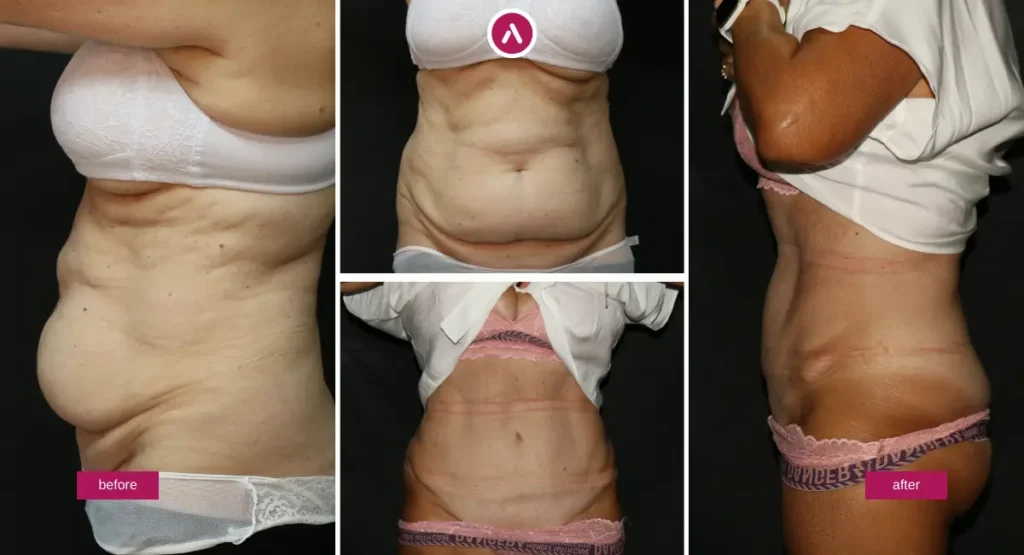
Liposuction Before and After: Realistic Expectations & Results
The most common reason people feel anxious after liposuction is not pain—it’s timing. The body does not reveal the final contour on day 7. It reveals it gradually, as swelling settles and tissues remodel.
So we set expectations in a way that protects your experience: you will see change early, but you should judge the outcome on the correct timeline.
Results timeline: swelling phases and when “final contour” appears
Recovery tends to follow a predictable pattern, even though the details differ from person to person.
- Days 1–7: swelling and bruising dominate. You may feel tightness and firmness. Shape can look uneven day to day.
- Weeks 2–4: swelling begins to reduce more noticeably. The outline starts to look clearer, especially in clothing.
- Weeks 6–12: a more stable contour emerges. Many patients feel this is when the result starts to look “real”.
- 3–6 months: the contour continues refining as tissues soften and settle.
If you are aiming for a subtle, natural finish, patience is part of the plan. A “too-fast judgement” often leads to unnecessary stress.
“Liposuction is immediate, but contour is progressive. The result becomes more convincing as the tissues settle.”
— Our surgical team
Scar management and tissue quality: what to expect realistically
Liposuction uses small access points, but “small” is not the same as “invisible overnight”. Incisions typically fade gradually. Their final appearance depends on your skin type, your healing characteristics, and where the access points are placed.
- Early phase: the area may look pink or slightly raised.
- Mid phase: scars usually soften and lighten.
- Longer term: most patients find access points become discreet, but timelines vary.
Tissue quality also evolves. Firmness, mild lumpiness, and “texture changes” can occur during healing. These often improve as swelling resolves and the tissues remodel. The priority is a calm, guided recovery—not constant checking under harsh lighting.
Maintaining results: weight stability, lifestyle, and training
Liposuction removes a portion of fat cells from targeted areas. It does not “switch off” weight gain. If weight increases significantly after surgery, the body can store fat again—sometimes in untreated areas, sometimes more diffusely.
The most reliable way to protect your result is not extreme dieting. It’s consistency:
- Stable weight: avoid large swings up and down.
- Strength and movement: maintain muscle tone that supports the silhouette.
- Recovery discipline: garments, mobilisation, and follow-up are part of outcome quality.
We can also advise on a sensible return-to-exercise timeline, because going too hard too soon can prolong swelling.
Typical patient profiles and common feedback themes (without hype)
While every anatomy is different, UK patients often share similar priorities:
- They want natural change: “I look better, but I still look like me.”
- They value predictability: clear timelines and a structured aftercare plan reduce anxiety.
- They want a better fit in clothing: especially around the waist, flanks, and lower abdomen.
We build the plan around those priorities—then we measure success by whether your body looks proportionate and credible in everyday life.
Cost Analysis: Liposuction Cost 2026 (Turkey vs UK)
UK patients often ask about cost early—and that’s reasonable. But the smarter question is: what are you actually paying for? Price alone doesn’t explain quality. Structure does: who is doing the surgery, where it is done, what technology is used, and what aftercare is included.
We also avoid the word “cheap”. The aim is to frame value accurately: access to high-end technology and structured care in Istanbul at a cost level many UK patients find more achievable—without compromising on safety signals.
Why prices differ (macro factors and operational reality)
Cost differences between Turkey and the UK are often driven by broader operational factors rather than “mystery discounts”. These can include staffing costs, facility overheads, and general economic conditions. This is one reason Istanbul can offer a high-quality medical experience that feels like a “technology upgrade” rather than a budget compromise.
What you should compare is not just the headline number, but the clinical structure behind it.
All-inclusive model: what’s included vs not included
Many UK patients prefer all-inclusive planning because it reduces uncertainty. At AKM Clinic, packages are designed to be clear and comfortable, typically including:
- VIP airport transfers and local transportation between clinic/hospital/hotel
- Accommodation in a 5-star partner hotel
- Pre-operative tests and medical assessments (as required by the plan)
- Hospital and operating theatre fees where applicable
- Post-operative follow-up and structured check-ups
We explain exclusions clearly too—because transparency is part of trust.
UK currency and value framing (avoid “cheap”, focus on “high-value”)
For UK patients, value usually means:
- Credible safety standards (screening, monitoring, accredited facilities)
- Technology and technique choice (not one-size-fits-all liposuction)
- Recovery structure (follow-up, clear aftercare, continuity after you return)
When those are present, the decision becomes less about “saving money” and more about “investing in a better overall experience”.
Cost comparison table: UK vs Turkey (what to compare line-by-line)
| Cost element | UK (typical structure) | Istanbul (all-inclusive structure) | Why it matters |
|---|---|---|---|
| Surgeon fee | Often separate | Usually packaged | Clarifies accountability and scope |
| Operating theatre / facility fee | Often separate | Usually packaged | Safety environment and standards |
| Anaesthesia fee | Often separate | Plan-dependent, often included | Comfort and monitoring pathway |
| Pre-op tests | May be separate | Often included | Risk reduction and suitability confirmation |
| Compression garment | May be separate | Plan-dependent | Contour support and swelling management |
| Follow-up care | Variable | Structured follow-up model | Continuity and reassurance |
| Hotel & transfers | Not included | Often included | Trip viability and comfort |

Choosing The Best Liposuction Surgeon & Clinic
If you are considering liposuction abroad, the smartest approach is to evaluate the clinic the same way you would evaluate any high-stakes medical decision in the UK: credentials, protocols, transparency, and continuity of care.
Good marketing can make any clinic look “premium”. What matters is whether the clinical pathway is built to protect you—before, during, and after surgery.
Credentials, case experience, and transparent risk communication
A reliable surgeon is not only someone with technical skill, but someone who communicates like a clinician. You should feel that your consultation is a risk assessment first and an aesthetic plan second.
- Credentials and training: look for board certification and a clear surgical background (not vague “international experience”).
- Case relevance: ask whether the surgeon routinely treats the areas you want (abdomen/flanks, thighs, arms, chin/neck) and with which techniques.
- Risk conversation: a credible surgeon explains complications calmly, explains how they are reduced, and does not speak in guarantees.
One of the strongest safety signals is hearing “You’re not a great candidate for that plan” when it’s true. That is what mature medical decision-making sounds like.
Consultation quality: plan clarity, candidacy, no-pressure approach
For UK patients, the consultation is where you should get a structured map of the journey—not just a price. A high-quality consultation usually includes:
- Goal definition: what you want to change, and what you should expect to remain unchanged.
- Anatomy-based planning: which areas are primary targets and which are transition zones that must be blended.
- Technique rationale: why a method (SAL, PAL, UAL/VASER, etc.) fits your tissue type and objective.
- Anaesthesia discussion: general anaesthesia vs twilight sedation vs an “awake” pathway (where suitable), explained as a safety decision.
- Recovery realism: timelines, garments, travel planning, and what “normal” feels like in week 1 and week 3.
A good clinic doesn’t rush you into a deposit. It gives you enough information to make an adult decision.
“If you leave a consultation feeling pressured, you haven’t had a medical consultation—you’ve had a sales meeting.”
— Our patient care philosophy
Trust signals: independent proof, process visibility, privacy
Trust is built on verifiable signals. We recommend looking for:
- Process transparency: clear explanation of where surgery takes place, how monitoring works, and how follow-up is organised.
- Outcome honesty: before-and-after examples that show natural variation and realistic finishing (not only “perfect” cases).
- Privacy standards: clear communication on confidentiality and how your data and images are handled.
If a clinic avoids specifics, that should concern you. Specifics are what protect patients.
A practical checklist: key questions to ask before booking
- Which technique(s) do you recommend for my tissue type, and why?
- How will you prevent contour irregularities (blending strategy, staging if needed)?
- What anaesthesia pathway is safest for me, and what monitoring is used?
- What is included in the package, and what is not included?
- What does follow-up look like after I return to the UK?
- If I have a concern after travel, what is the escalation pathway?
If you’d like, we can review your goals in a no-obligation virtual consultation and outline a personalised plan before you travel—so you can make decisions with clarity rather than guesswork.
Your Medical Journey in Istanbul: from consultation to flying home
UK patients often worry about logistics as much as surgery: “Will it feel organised?”, “Will I be supported?”, “What happens after I leave?”. We design the journey to feel structured and calm—from the first consultation to long-term follow-up.
Online consultation → personalised plan and a clear pathway
Your journey typically begins with a virtual consultation. You share your goals and photos, and we build a personalised plan based on anatomy, technique suitability, and a realistic recovery timeline.
- Clarity first: candidacy, technique choice, and expected timeline are explained before you travel.
- Safety-first planning: we confirm suitability and outline pre-operative screening requirements.
- No guesswork: you know what the plan includes and what your post-op days will look like.
VIP logistics: hotel, transfers, and a patient host (trip viability)
For international patients, “trip viability” matters. You need to know the journey is practical, not just possible. Our pathway includes VIP transfers and accommodation in a 5-star partner hotel to reduce stress and keep the experience comfortable.
- Airport transfers: organised pick-up and transport.
- Hotel planning: a 5-star partner hotel selected for comfort and convenience.
- Coordination: your appointments are planned so the days feel structured rather than chaotic.
24/7 WhatsApp access while you are in Istanbul
Most post-op anxiety comes from one thought: “Is this normal?” We reduce that anxiety with a clear communication pathway. While you are in Istanbul, your dedicated Patient Host remains available 24/7 via WhatsApp for support and coordination.
This is not about replacing medical judgement with messaging. It is about ensuring you are not left uncertain, especially in the early recovery phase.
Final check-up before departure + long-term virtual follow-ups
Before you fly home, we complete a final in-person check-up and confirm you are fit to travel. After you return to the UK, continuity remains part of the plan with scheduled virtual follow-ups at 1, 3, 6, and 12 months.
- Pre-flight assessment: confirms recovery is progressing appropriately and travel is reasonable.
- Long-term monitoring: keeps your outcome on track and gives you a clear point of contact.
- Reassurance with structure: you know when the next checkpoint is, rather than “hoping it’s fine”.
Frequently Asked Questions about Liposuction (FAQ):
How much fat can be safely removed?
There isn’t one fixed “safe number”. Safe removal depends on your health profile, the areas treated, and fluid-balance considerations. A responsible plan prioritises safety and smooth contour, not maximum volume.
Can I have liposuction without general anaesthesia?
In selected cases, yes. Some patients may be suitable for an awake/twilight (conscious sedation) pathway alongside a structured tumescent technique. Suitability is confirmed during pre-operative screening.
When can I fly back to the UK?
It depends on your procedure scope and recovery progress. We complete a final in-person check-up before departure and advise based on safety, comfort, and circulation risk factors.
What if I have loose skin?
Liposuction removes fat but doesn’t reliably tighten significant laxity. If skin quality is a limiting factor, we may discuss skin-tightening support (including J-Plasma in selected cases) or a lift/tuck when needed.
Depending on your anatomy, options may include:
Skin tightening support (for mild-to-moderate laxity in selected patients)
J-Plasma integration where appropriate to support a firmer contour
A lift/tuck procedure if excess skin is significant and requires excision for the best result
How long do I wear a compression garment?
Your schedule is personalised to the treated areas and your healing response. Consistent early use supports swelling control and helps the contour settle predictably.
Is liposuction a weight-loss procedure?
No. Liposuction is for body contouring—refining stubborn fat pockets and improving proportions. Weight stability and lifestyle consistency protect long-term results.
When will I see results?
You’ll usually notice a change early, but swelling can hide the final shape. Most contour refinement becomes clearer over weeks, with ongoing settling over the following months.
What’s the difference between SAL, PAL, and UAL/VASER?
SAL is the classic suction method; PAL adds a powered cannula motion; UAL/VASER uses ultrasound assistance to help work through more fibrous tissue. The “best” option depends on your tissue type and contour goal.
Does liposuction tighten skin or remove cellulite?
Not reliably. Cellulite and skin laxity involve skin structure, not just fat volume. If tightening is a key goal, we plan it explicitly rather than assuming fat removal will solve it.
How do you minimise lumps, dents, or unevenness?
By conservative removal, careful blending (“feathering”), and matching technique to tissue type. Aftercare also matters—compression and follow-up help the tissues settle more smoothly.
Can HBOT or LLLT help recovery?
They can be used as supportive recovery tools for selected patients. HBOT and LLLT may help optimise comfort and tissue settling, but they don’t replace good surgical planning or aftercare.
Medical Disclaimer: This page is for educational purposes only and does not replace a medical consultation. Liposuction is a surgical procedure and carries risks. Suitability, technique choice, anaesthesia planning, recovery timelines, and travel readiness must be assessed individually by a qualified clinician. If you have symptoms that concern you after surgery—such as severe pain, shortness of breath, chest pain, fever, or rapidly increasing swelling—seek urgent medical attention.