
No-Shave FUE Hair Transplant: Is the Unshaven Method Right for You?
AI Summary
- No shave FUE hair transplant helps preserve privacy while keeping donor-area changes less visible.
- Best candidates need small to medium graft sessions, longer hair, and strong donor density.
- Cost can be higher because unshaven harvesting takes more time and specialized team coordination.
- Safety comes first: realistic graft limits help protect follicles and long-term donor appearance.
Summary generated by AI, fact-checked by our medical experts
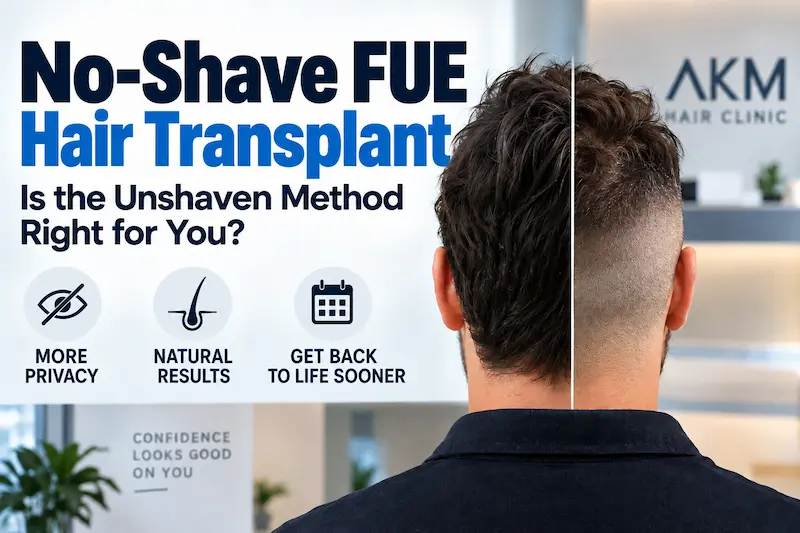
A no shave FUE hair transplant harvests follicles from the donor area without shaving your whole head, so you can return to work and social life with fewer obvious signs of surgery. The trade-off is real: it takes longer, demands more precision from the surgical team, and usually suits smaller to medium sessions better than very large graft counts.
For many patients, the question is not only “Can I keep my hair?” It is “Can I keep my routine private?” That is where no-shave FUE becomes attractive. It can help patients with camera-facing jobs, public roles, longer hairstyles, or visible social calendars avoid the sudden shaved-head look that often gives a transplant away.
The method still follows the same core logic as FUE. Individual follicular units are extracted from the donor area and implanted into thinning zones. For a deeper look at the FUE technique behind every AKM session, the main treatment page explains the broader procedure; this article stays focused on the unshaven variation.
No-shave does not mean “no compromise.” It means the surgical plan is built around discretion. The right candidate understands that graft quality, donor safety, and natural direction matter more than hiding every trace for a few days.
Table of Contents
What a No-Shave FUE Hair Transplant Actually Is
A no-shave FUE hair transplant is a version of follicular unit extraction where the donor area is harvested without shaving the entire scalp. This section explains what changes, what stays the same, and why the difference matters for privacy, graft planning, and surgical precision.
Standard FUE vs. no-shave FUE
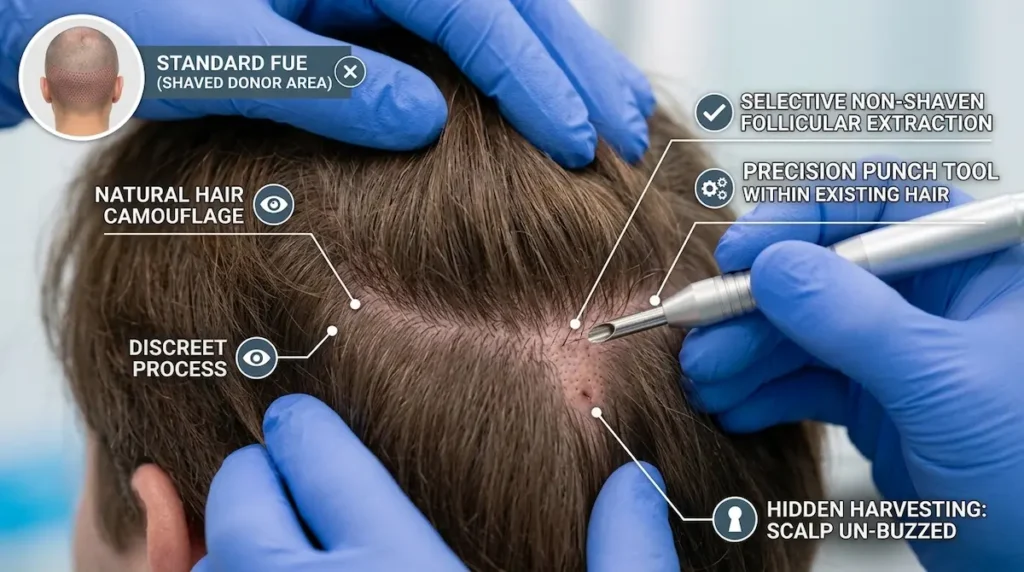
In a standard FUE session, the donor area is usually trimmed short so the team can clearly see hair angles, spacing, and graft exits. That visibility helps speed and control. It also makes the procedure obvious for several days, especially if you normally wear your hair longer.
In an unshaven FUE hair transplant, the donor hair is left long enough to camouflage the extraction area. The team works around existing hair rather than shaving the whole zone. The result can be much more discreet, but the work becomes slower and more demanding.
The implanted area may still show crusting, redness, or small scabs during the first week. No-shave FUE mainly hides the donor side. If the hairline is being rebuilt, the recipient zone can still be visible until early healing settles.
Pretrimmed vs. direct nonshaven harvesting
There are two main ways to approach nonshaven harvesting. In a pretrimmed method, selected hairs are shortened individually before extraction while surrounding hair stays long. In a direct method, the punch trims and scores the follicle in one motion.
This distinction is more than a technical footnote. A study comparing two unshaven FUE methods described pretrimmed and direct nonshaven FUE as distinct approaches, with similar reported transection rates in the study group. The practical takeaway is simple: no-shave FUE is not one single maneuver. It is a controlled harvesting strategy that depends on indication, hair characteristics, and team experience.
For readers comparing techniques broadly, DHI versus FUE explained covers the wider FUE/DHI decision. Here, the key point is narrower: the unshaven approach changes how follicles are accessed, not the biological goal of moving healthy grafts into thinning areas.
Partial shave FUE: the hidden-window option
Partial shave FUE is often the realistic middle ground. Instead of leaving the entire donor area untouched, a small window is trimmed under longer surrounding hair. Once the hair falls naturally, that shaved window is usually difficult to see.
This can allow a higher graft count than a fully unshaven case while still keeping the look discreet. It may be especially useful for patients who need more coverage than a small hairline refinement but cannot return home with a visibly shaved donor zone.
For some patients, partial shave FUE is the smartest plan. It protects surgical access without forcing a full buzz cut. That matters when donor safety and graft handling are the priority.
What does not change: extraction and implantation
The basics remain the same. Follicular units are taken from the safe donor area, preserved carefully, and placed into the recipient area at planned angles and density. The surgeon-led design still has to respect hairline shape, donor limits, future loss, and natural direction.
No-shave FUE should not be sold as a shortcut. It is often the opposite. The team must work more slowly through longer hair, avoid tangling, keep grafts organized, and maintain the same standards expected in a shaved session.
“Unshaven harvesting requires a different team rhythm than shaved FUE. The goal is not just to keep the haircut discreet; the graft quality, donor spacing, and implantation plan still need to meet the same standard.”
Am I a Good Candidate for a FUE Hair Transplant?
Answer a few quick questions about your concerns, health, and goals to learn which treatment options may suit you best.
Who the Unshaven Method Suits
No-shave FUE is best for patients whose privacy needs match their graft needs. This section explains the strongest candidate profiles, where the method works well, and where a shaved or partial-shave approach may produce a safer and more complete result.
Public-facing work and social privacy
The strongest reason to choose no-shave FUE is discretion. Actors, executives, physicians, sales professionals, teachers, consultants, and people who travel for work often do not want a sudden shaved scalp to become a topic of conversation.
The same applies to patients with packed social calendars. You may have a wedding, business event, court appearance, media schedule, or client-facing role within days of treatment. In those cases, an unshaven hair transplant can reduce the visual disruption.
It still requires planning. Swelling, recipient crusting, and early redness can happen. A discreet return is easier when your treatment area is small, your hairstyle can cover it, and your schedule allows a few quiet days before public exposure.
Women and long-hair FUE candidates
Women often have a different privacy concern. Many do not want to explain a shaved donor area, especially if they wear longer hair or have diffuse thinning that already affects confidence. Long hair FUE can help preserve day-to-day appearance while still allowing selected graft extraction.
Female hair loss patterns can also be less forgiving. The donor area must be evaluated carefully because diffuse thinning may reduce usable graft supply. A no-shave plan should never hide that reality.
For women with stable donor density and localized needs, the method can be a good fit. For diffuse thinning, low donor density, or unstable shedding, the plan may need medical evaluation before any surgical decision.
Smaller to medium sessions: hairline, temples, and small crown work
No-shave FUE usually works best when the graft target is controlled. Hairline refinement, temple recession, small frontal gaps, scar camouflage, and limited crown work are common examples. The fewer the grafts, the easier it is to maintain precision without exposing the donor zone.
Larger bald areas are different. A Norwood V or VI pattern may require a large number of grafts across the front, mid-scalp, and crown. In that setting, insisting on a fully unshaven harvest can limit the graft count or make the session unnecessarily long.
Crown work also deserves caution. The vertex can need many grafts because the whorl spreads hair in several directions. For that reason, crown sessions and their graft demands should be reviewed separately before choosing a fully unshaven plan.
Who may not be a good fit
No-shave FUE is not ideal for everyone. Patients who need very high graft numbers may get a better result from shaved or partial-shave FUE because the team can see and space grafts more efficiently. That can protect both the donor and the final density.
Very curly hair can also make extraction more demanding because the visible shaft may not reflect the follicle’s path under the skin. Thin donor hair, low density, scarring, and previous over-harvesting can narrow the margin for error.
Good no shave hair transplant candidacy is not based on preference alone. It depends on donor strength, hair length, hair caliber, curl pattern, recipient area size, and the number of grafts needed for a result that still looks natural after future hair loss.
The Trade-Offs: Graft Limits, Time, and Team Skill
No-shave FUE can be discreet, but it is not the easiest way to perform a hair transplant. This section explains the main trade-offs: graft numbers, procedure time, surgical visibility, donor safety, and why the team’s rhythm matters more when the hair is not shaved.
Why fewer grafts may be possible per session
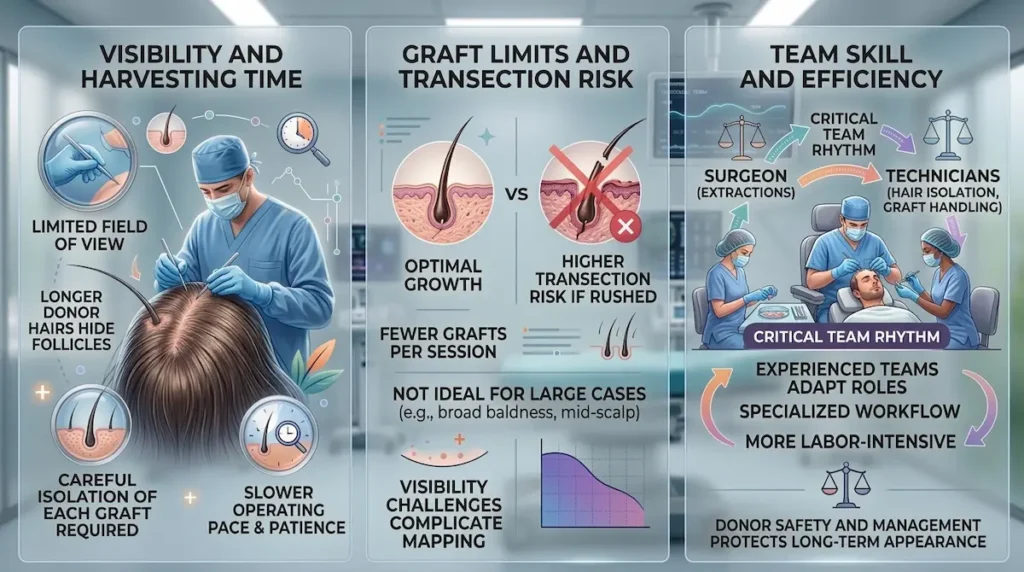
In a shaved FUE session, the donor field is open and easy to map. The team can see exit angles, density changes, spacing, and the safest extraction pattern. That visibility supports efficiency, especially in larger sessions.
In a fully unshaven FUE hair transplant, long surrounding hair limits that view. Each graft has to be isolated carefully. The team must separate hair shafts, identify follicle direction, and avoid tangling or unnecessary trauma.
That is why very large cases are not always ideal for a fully unshaven approach. A patient needing broad frontal density, mid-scalp coverage, and crown reinforcement may be better served by a shaved or partial-shave plan. The goal is not to hide the donor area at all costs. It is to move healthy grafts safely.
A published clinical experience with nonshaven FUE reported practical use in selected cases and described how patient indication and surgeon preference shape the choice of direct or pretrimmed harvesting. The same paper describes patient groups and practical use across different indications, which supports the real-world logic of careful candidate selection. You can review surgeon-reported experience with nonshaven FUE for the technical context.
Why harvesting takes longer
No-shave harvesting slows the process because the team is working through hair that remains in place. Every follicular unit must be accessed cleanly without losing orientation. That takes patience.
Speed should never be the selling point. A fast no-shave session may sound attractive, but speed can work against graft quality if the donor field is difficult to see. Careful spacing matters. So does minimizing transection, which means cutting across or damaging the follicle during extraction.
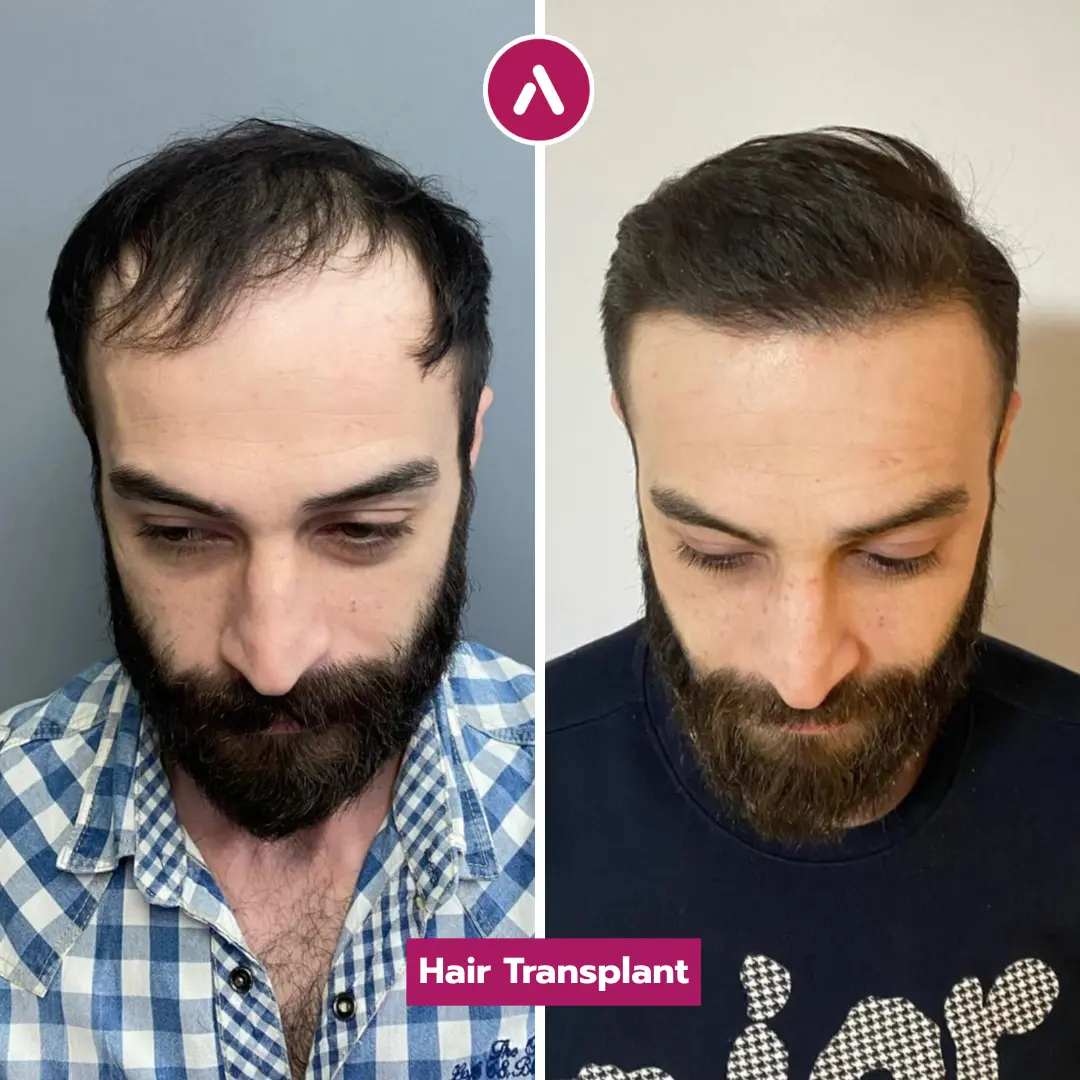
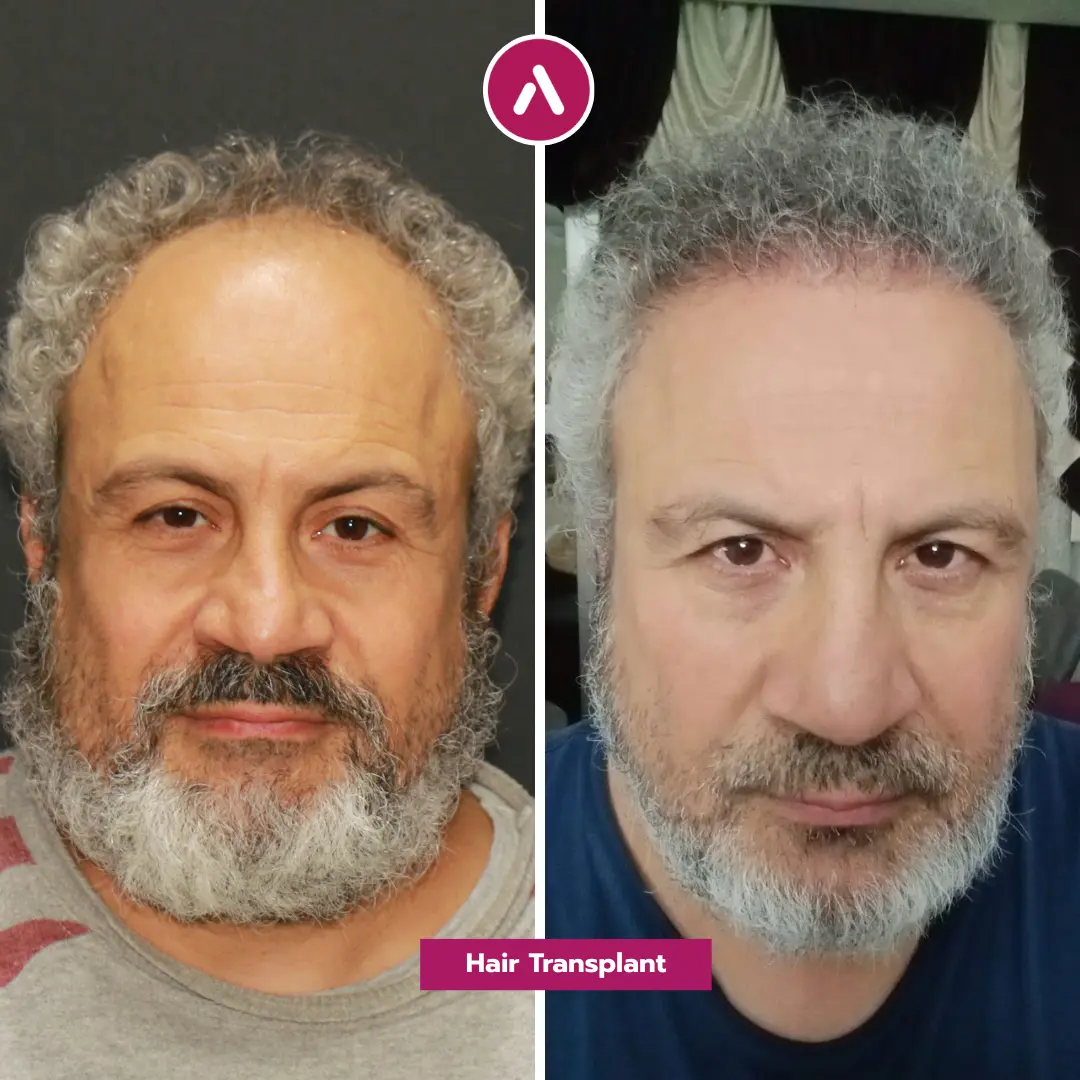
The comparison study above also reported timing differences between pretrimmed and direct nonshaven methods, reinforcing an important point: no-shave FUE is not simply standard FUE with longer hair left in place. It is a different operating setup. The details matter.
Transection risk and team rhythm
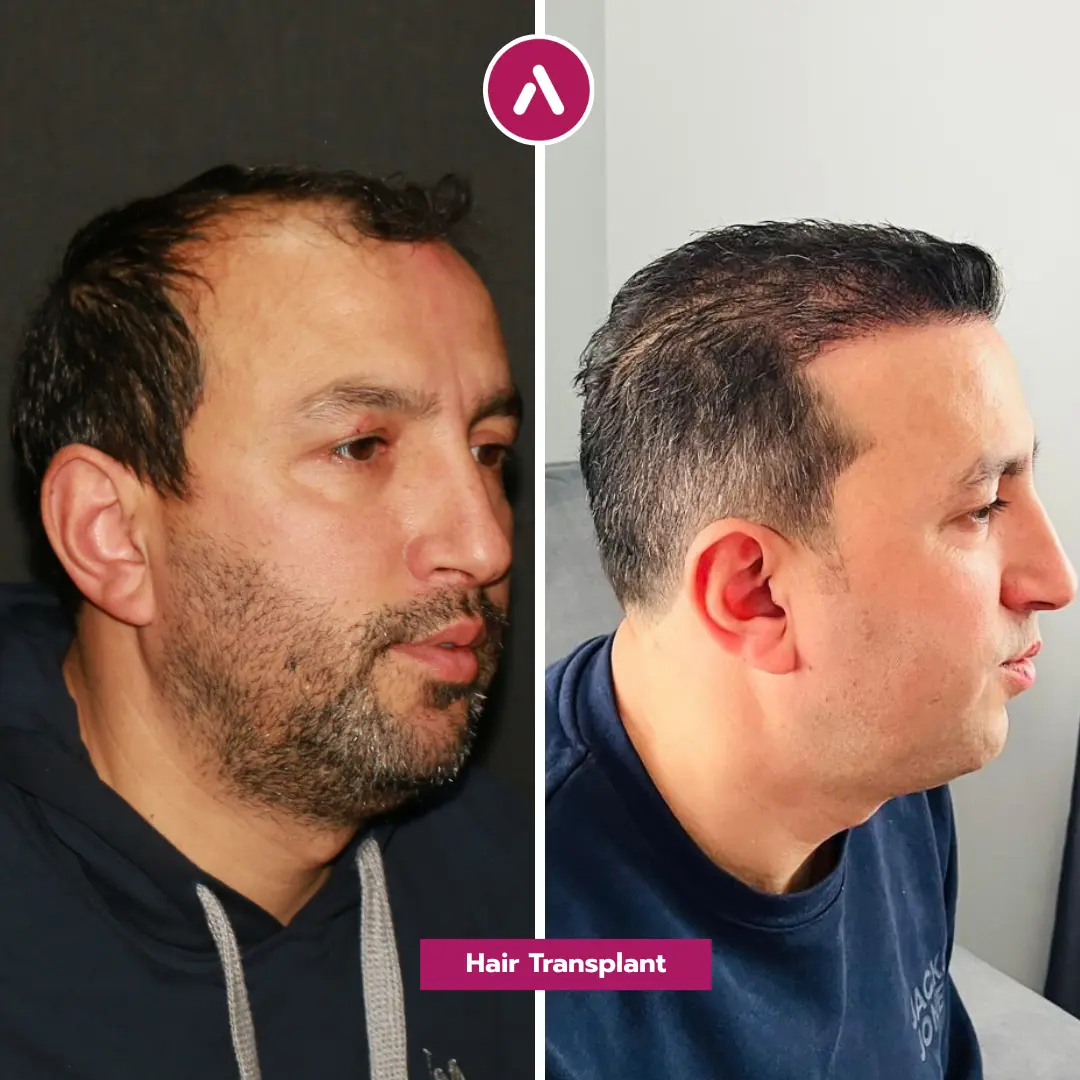
Transection is one of the concerns patients rarely ask about but should understand. If a graft is damaged during extraction, it may not grow as expected. That risk exists in all FUE work, but longer donor hair can make visualization more complex.
Experienced teams adjust their rhythm. One team member may help isolate hair. Another may organize grafts. The extraction pattern must preserve donor density while still collecting enough units for the plan.
This is also why donor history matters. If you have had a previous transplant, beard graft harvesting, or visible donor thinning, your team needs to be more conservative. What unshaven harvesting means for donor scars is a separate topic, but the principle is connected: donor management should protect the long-term appearance of the back and sides of the scalp.
Patients who have already been over-harvested need extra caution. The same donor area often supplies scalp, beard, and repair work, which is why protecting it from over-harvesting matters even when your current goal is scalp restoration.
Why the price logic differs
A no-shave session can require more time, more manual separation, and a more specialized workflow. That is the price logic. It does not mean better results automatically. It means the case may be more labor-intensive.
This article is not a pricing guide, so it will not compare packages or list fee ranges. Cost should be discussed after graft count, donor quality, and method are defined. In hair restoration, the right question is not “What is the cheapest way to keep my hair long?” It is “Which plan gives me a natural result without sacrificing donor safety?”
For a dedicated cost discussion, use the FUE pricing link in the decision section below. The medical plan comes first.
Accelerate Your FUE Hair Transplant Recovery
We use advanced Hyperbaric Oxygen Therapy (HBOT) to minimize downtime and supercharge your healing process. Safety is our #1 promise.
Recovery and the “Discreet Return”
No-shave FUE is often chosen because patients want to return to daily life without announcing their procedure. This section explains what may still be visible during days 1–10, what the long hair can hide, and where privacy expectations need to stay realistic.
What is visible on days 1–10
The donor area is usually the most discreet part of a no-shave case. Longer hair can fall over the extraction points, especially when the harvesting pattern is well spaced. From normal conversation distance, the back of the head may look close to your usual style.
The recipient area is different. If grafts are placed in the frontal hairline, temples, or exposed crown, you may see small scabs, mild redness, and early crusting. That is normal early healing, not a failure of the no-shave method.
Privacy depends on your treatment area. Hairline work is harder to hide than a small area behind existing hair. Temple work may be partly disguised by styling. Crown work may be hidden if surrounding hair is long enough, but the whorl can still expose crusting under bright light.
Recipient crusting vs. hidden donor area
Patients sometimes expect “unshaven” to mean invisible. That is too strong. A better expectation is this: the donor area is less obvious, while the recipient area still heals like a transplant.
Crusting usually forms around implanted grafts in the first days. Redness can be more visible in lighter skin tones and less obvious under longer surrounding hair. Swelling may also move from the forehead toward the eyes in some patients after frontal work.
That is why schedule planning matters. If you need to appear on camera, attend a business meeting, or travel home with minimal questions, leave margin in your calendar. A discreet return is possible for many patients, but it works best when the procedure size and social timeline are planned together.
Washing and aftercare, briefly
Washing instructions protect grafts. Your team will usually give a specific first-wash protocol, including how to soften crusts, avoid rubbing, and clean the recipient area without pulling grafts loose.
This article will not turn into a washing guide. The main no-shave point is simple: long hair can make cleaning feel awkward, so you should know exactly how to separate, rinse, and dry the area before you leave the clinic.
Ask who will show you the first wash, what products to use, when you can resume normal shampooing, and how to style longer hair without disturbing the grafts. Small details matter most in the first 10 days.
When it becomes hard to notice
For many suitable no-shave candidates, the donor area becomes difficult to notice quickly because surrounding hair covers the extraction points. The recipient area takes longer because scabs and redness need time to settle.
Once crusts shed and redness fades, the transplant may become much less obvious. Then comes the slower growth timeline. Newly transplanted hairs often shed before regrowing, so early invisibility does not mean the final result has arrived.
In this article, the key point is privacy: no-shave FUE can reduce the short-term visual change, but it does not skip the biological healing cycle.
Shaved, Partial, or Unshaven? Making the Decision
The best plan depends on your graft count, hair length, privacy needs, budget, donor quality, and future hair loss risk. This section gives a practical decision matrix so you can compare shaved, partial shave, and fully unshaven options without turning the choice into marketing hype.
| Approach | Best for | Typical graft capacity logic | Visibility in days 1–10 | Time and price logic |
|---|---|---|---|---|
| Shaved FUE | Larger sessions, advanced Norwood patterns, patients who prioritize access and efficiency | Usually allows the clearest donor mapping and the highest practical session flexibility | Most obvious because the donor area is short | Often more efficient because the team has full visibility |
| Partial shave FUE | Patients who need more grafts but still want the donor area hidden by longer hair | Often supports more grafts than fully unshaven FUE while preserving discretion | Usually discreet if longer hair covers the trimmed donor window | Middle-ground option: more access than no-shave, more privacy than shaved |
| Fully unshaven FUE | Public-facing work, women, long hair FUE candidates, smaller hairline or temple sessions | Usually best for smaller to medium graft plans, depending on donor quality and team experience | Least obvious in the donor area, but recipient crusting may still show | Can take longer because extraction is more technically demanding |
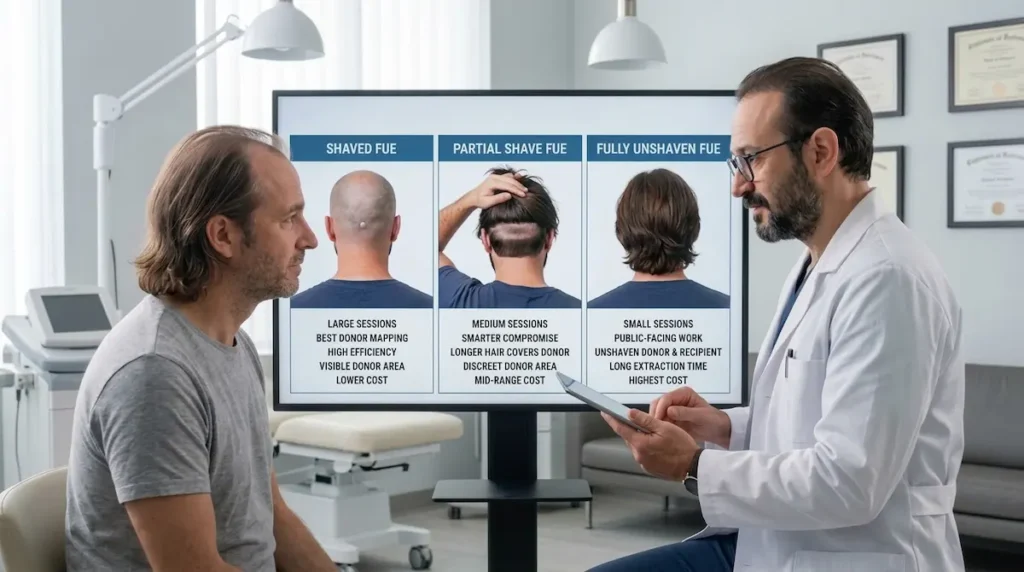
Decision matrix by graft count, privacy, budget, and hair length
Start with graft count. If your plan requires a small hairline touch-up, temple reinforcement, or limited density work, fully unshaven FUE may be realistic. If your plan requires thousands of grafts across several zones, partial shave or shaved FUE may be safer.
Next, weigh privacy. If keeping your normal haircut is essential because of work or family visibility, no-shave may be worth the slower workflow. If you can take time away and do not mind a short haircut, a shaved approach may give the team the best access.
Hair length also matters. Long hair FUE works best when the existing hair can cover the donor field. Very short hairstyles offer less camouflage. Thin hair can also reveal more than expected, even if the donor area is not fully shaved.
Budget should be discussed after the method is medically appropriate. If you need a transparent cost conversation, FUE pricing per session is the right page; this article stays focused on choosing the correct method.
When partial shave FUE is the smarter compromise
Partial shave FUE is often underrated. It can give the surgical team better visibility while allowing longer hair to cover the trimmed donor window. For many patients, that balance is better than insisting on a fully unshaven session.
It may be especially useful when the recipient area needs more density than a small no-shave case can reasonably provide. It can also help if your donor hair is thick enough to conceal a narrow shaved strip.
Think of partial shave FUE as a privacy-preserving surgical compromise. It is not a downgrade. For some patients, it is the most responsible way to protect both discretion and graft survival.
What to ask during consultation
Bring clear questions to your consultation. Ask how many grafts are realistic without shaving, whether your donor density supports that number, and whether the recipient area will still be visible during the first week.
Ask whether the team recommends pretrimmed, direct nonshaven, partial shave, or shaved FUE. The answer should be specific to your hair length, hair caliber, curl pattern, Norwood stage, and donor reserve.
Also ask what happens if your desired no-shave plan is not medically ideal. A trustworthy team should be willing to say no. That honesty is part of good no shave hair transplant candidacy.
The unshaven hair transplant pros and cons are not complicated once you strip away the marketing. The benefit is discretion. The trade-off is time, graft-limit realism, and a more demanding extraction process. The right choice protects the donor area today and the hairline you will need years from now.
Frequently Asked Questions: No Shave FUE Hair Transplant
This FAQ section answers the practical questions patients ask before choosing a no-shave FUE plan. Each answer stays focused on candidacy, graft limits, discretion, and method selection rather than turning into a general FUE or DHI guide.
Is a no-shave FUE hair transplant right for you?
It may not be the best choice if you need a very large graft count, have weak donor density, wear very short hair, or need broad coverage across several thinning zones. In those cases, shaved or partial shave FUE may give the team better visibility and protect graft quality.
Can you get an FUE hair transplant without shaving your head?
The recipient area may still show crusting or redness for several days. That is why “without shaving” should not be confused with “completely invisible.” The donor area is usually easier to hide than the implanted area.
How many grafts can you get with no-shave FUE?
If you need a higher graft count, partial shave FUE may be the better compromise. It can improve surgical access while keeping the trimmed donor zone hidden under surrounding hair.
Is unshaven FUE less effective?
Effectiveness depends on planning, graft handling, donor management, and implantation quality. If the team can maintain those standards, an unshaven approach can work well in the right patient. If the case is too large or the donor area is difficult, forcing a no-shave plan can reduce efficiency and may not be the safest route.
Does a no-shave hair transplant cost more?
Cost should not be the first decision point. The better order is: donor safety, graft number, recipient goal, privacy need, then price. A discreet plan is only worthwhile if it still protects the long-term donor area.
Do you have to shave for DHI?
The shaving decision is separate from the FUE-versus-DHI decision. Ask your surgical team whether your case needs shaved FUE, partial shave FUE, unshaven FUE, or a DHI-based implantation plan. The answer should be based on your donor area and hair-loss pattern, not a one-size-fits-all label.
Final Decision: Privacy Matters, But Donor Safety Comes First
A no shave FUE hair transplant can be a strong option when you need privacy and your graft plan is realistic. It can help you avoid a sudden shaved-head look, return to work more discreetly, and keep your normal hairstyle during the early recovery period.
But the method is not right for every patient. It usually takes longer, may limit graft numbers, and requires careful donor-area control. For larger cases, partial shave or shaved FUE may give a better balance of visibility, efficiency, and long-term density.
The safest choice is the one that fits your donor area, hair length, Norwood pattern, graft target, and social timeline. Ask AKM whether your graft count and hair length make no-shave FUE a realistic option before committing to the method.
Have Specific Questions About FUE Hair Transplant?
Chat directly with our dedicated patient coordinators regarding FUE Hair Transplant. Get instant answers and personalized support.
Medical disclaimer: This article is for educational purposes only and does not replace a personal medical consultation. Hair transplant candidacy, graft numbers, technique choice, and recovery expectations vary by patient. A qualified surgical team should evaluate your donor area, hair-loss pattern, medical history, and goals before recommending treatment.
Related Treatments
Awake Abdominal Etching in Turkey
Learn what awake abdominal etching is, who it’s for, recovery timeline, risks, and USA vs Turkey value—plus how to choose a qualified surgeon.
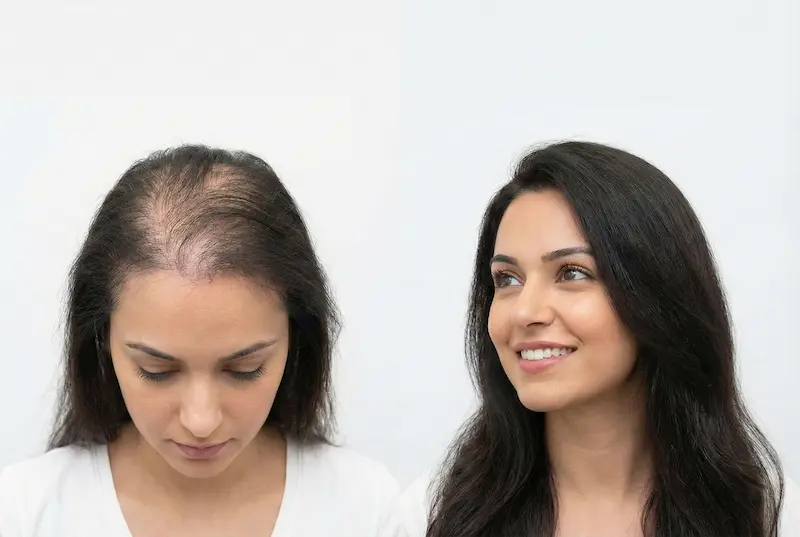
Hair Transplant For Women in Turkey
Understand Hair Transplant For Women: FUE, DHI, no-shave options, recovery timeline, safety, and cost-value comparisons. Start with a virtual consult.
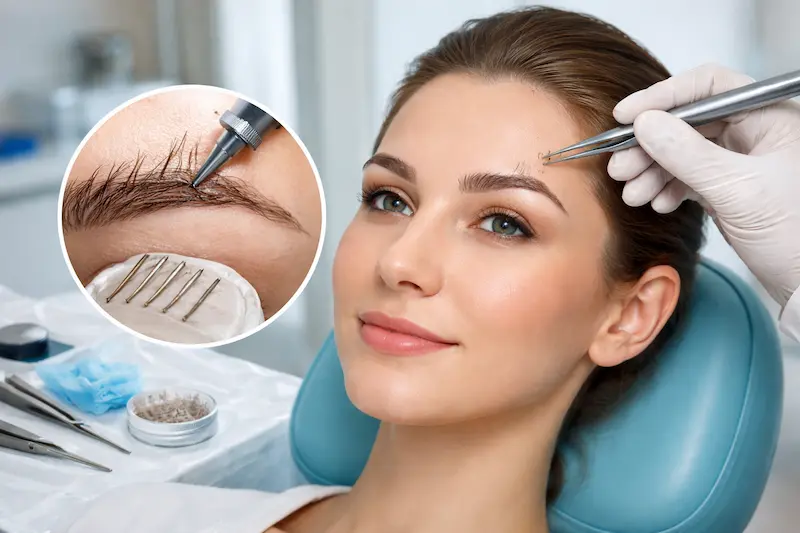
Eyebrow Transplant in Turkey
Eyebrow Transplant for natural, permanent brows. See how the procedure works, recovery timeline, key risks, and how Turkey compares to the USA.
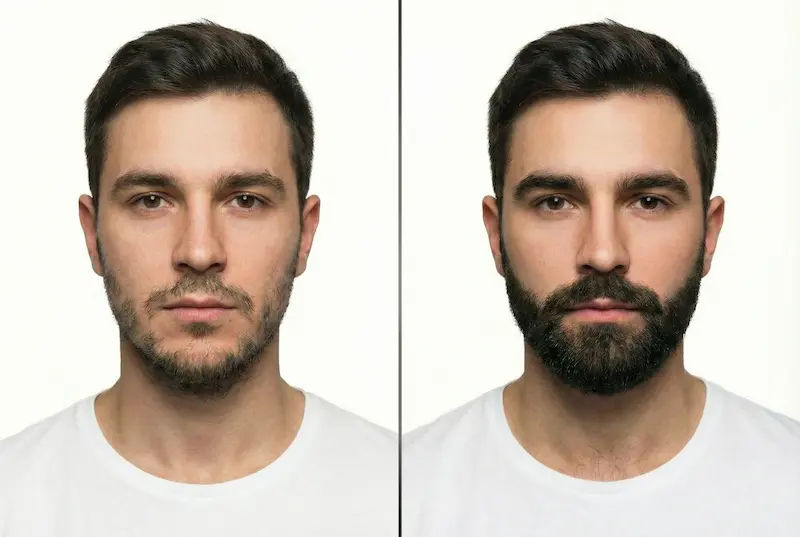
Beard Mustache Transplant in Turkey
Beard Mustache Transplant guide: candidacy, techniques, risks, and recovery timeline—plus our HBOT+LLLT Rapid Recovery & Safety Protocol. Virtual consult. 
Ready to Start Your Own Transformation Journey?
Join the 2,000+ patients who trusted Dr. Akif Mehmetoğlu and the AKM Clinic team. Your journey to a more confident, revitalized you begins with a simple, no-obligation conversation. Contact us today from the USA for your free virtual consultation.
#1: Get Your Free Personalised Quote
Start with a free, no-obligation online consultation. Share your photos, and our surgical team will provide a fully personalised treatment plan and a transparent, all-inclusive price package. No hidden fees.
#2: Secure Your Date & VIP Booking
Once you're ready, our dedicated patient coordinators will help you secure your procedure date. We'll handle all your bookings, including your 5-star hotel and private VIP airport transfers.
#3: Arrive in Istanbul & Meet Your Surgeon
Arrive at Istanbul Airport (IST) and be greeted by your private driver. Settle into your hotel and prepare for your in-person consultation, where you'll meet your specialist surgeon to finalise the details for your "natural, subtle, and revitalized" new look.