If you’re researching septorhinoplasty in Turkey, you’re likely trying to solve two problems at once: breathing that doesn’t feel right, and a nasal shape that doesn’t match your goals. The key is understanding what septorhinoplasty actually corrects (internally and externally), how outcomes are evaluated, and what “good results” mean in both airflow and aesthetics. The complete primary nasal surgery foundation — covering open versus closed approach selection, septal cartilage preservation strategy, dorsal hump management, osteotomy technique selection, and the structural framework that distinguishes purely cosmetic reshaping from integrated functional-aesthetic surgery — is documented on our primary nasal surgery technique hub.
Key idea: A successful septorhinoplasty isn’t just a straighter nose—it’s a stable nasal framework that supports breathing and balance long-term.
In this guide, we’ll cover definitions, candidacy, technique options, safety checks, recovery expectations, and a clear framework for discussing septorhinoplasty in Turkey—including how patients typically evaluate value, what affects septorhinoplasty cost Turkey, and what to ask in your consult.
Table of Contents
What Is Septorhinoplasty (and How It Differs from Rhinoplasty)?
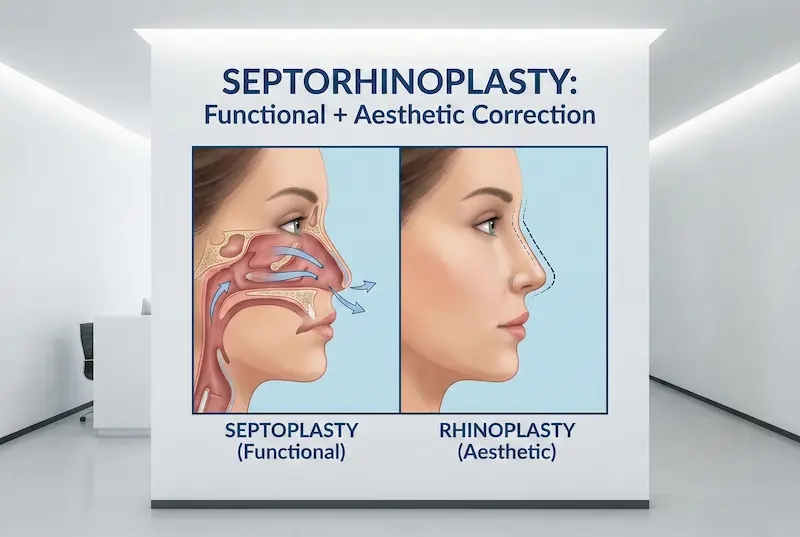
Septorhinoplasty combines two goals in one operation: improving function (airflow) and improving form (shape). It’s often recommended when nasal obstruction is related to structural issues such as a deviated septum or weakened valves—and when the external nose also needs refinement. In other words, it’s not “rhinoplasty plus a little septum work”; it’s an integrated structural plan based on anatomy, airflow mechanics, and aesthetic proportions.
Septoplasty vs. Rhinoplasty vs. Septorhinoplasty—clear definitions
- Septoplasty: Focuses on internal correction of the septum to improve airflow. External shape changes are not the primary aim.
- Rhinoplasty: Focuses on external shape (bridge, tip, symmetry, profile). Function may be addressed, but not always.
- Septorhinoplasty: Plans function and aesthetics together—especially when breathing issues and shape concerns share the same structural cause.
Within the broader nasal surgery category, there’s also a tip-only refinement option that doesn’t address bridge or septum work — appropriate when the bridge is acceptable and breathing is unaffected, but the lower third of the nose (specifically the tip cartilages, projection, rotation, or definition) is the primary concern. This narrower scope has a different recovery profile, candidate criteria, and pricing structure than full septorhinoplasty. The complete tip-only refinement foundation — including suture techniques, cartilage reshaping strategies, structural support preservation, and the specific candidate profile that benefits from limited-scope surgery — is detailed in our tip-only refinement guide.
What “functional + aesthetic” correction really means
From a scientific research perspective, “function” typically comes down to whether air can move efficiently through the nasal passages—particularly the nasal valves, which are common bottlenecks. “Aesthetics” is not just smaller or straighter; it’s harmony: bridge-to-tip transitions, symmetry, and a natural relationship with the face. A well-designed septorhinoplasty can support both by rebuilding or reinforcing the underlying framework (not only shaving or narrowing what’s visible).
Typical symptoms and concerns patients report (breathing + appearance)
- Chronic nasal blockage on one or both sides
- Mouth breathing, disturbed sleep, exercise intolerance
- Crooked appearance, dorsal hump, drooping tip, asymmetry
- History of trauma (sports injuries, falls) with “shifted” nasal shape
- Concern that a cosmetic rhinoplasty alone might worsen breathing
Who Is a Good Candidate?
Good candidates usually have a clear functional complaint (breathing obstruction) plus a structural reason for it—often paired with aesthetic goals. The most reliable planning happens when symptoms, physical exam findings, and (when appropriate) imaging all point to the same structural problems. For patients traveling internationally, candidacy also includes practical factors: safe timelines, realistic recovery expectations, and the ability to attend follow-up.
Deviated septum, nasal valve collapse, and chronic obstruction
A deviated septum is common, but the “main culprit” isn’t always the septum alone. Many patients also have nasal valve weakness or collapse, especially on inspiration (breathing in). A high-quality septorhinoplasty plan addresses the entire airflow pathway so the nose not only looks better, but works better—and stays stable.
Trauma noses, crooked noses, and prior surgery patients
Past injuries can twist the septum, shift the nasal bones, and create asymmetry that affects both appearance and breathing. Revision cases (after a prior rhinoplasty) can be more complex because cartilage support may be reduced, and scar tissue can affect both shape and airflow. These patients often benefit from a structural approach with careful graft planning.
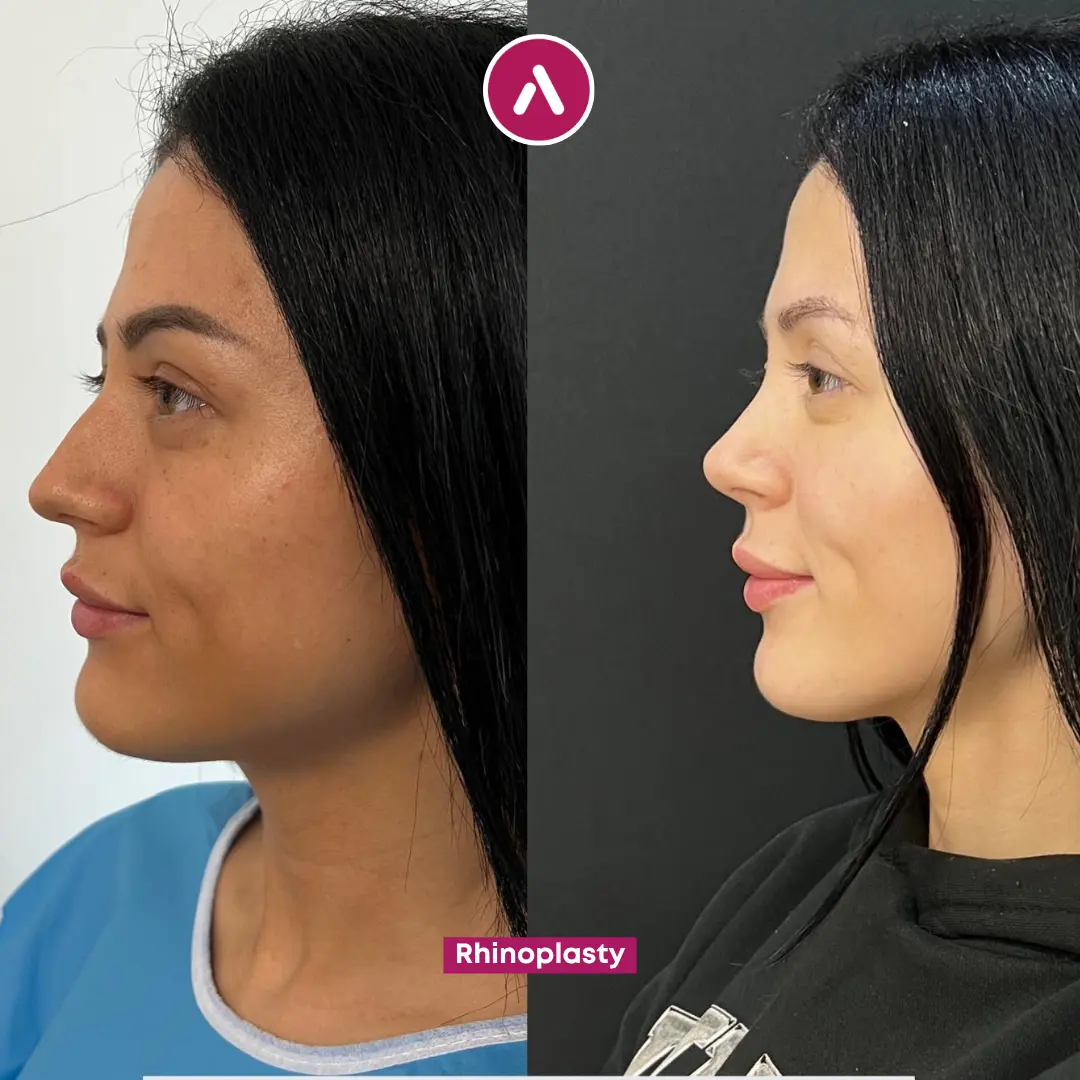
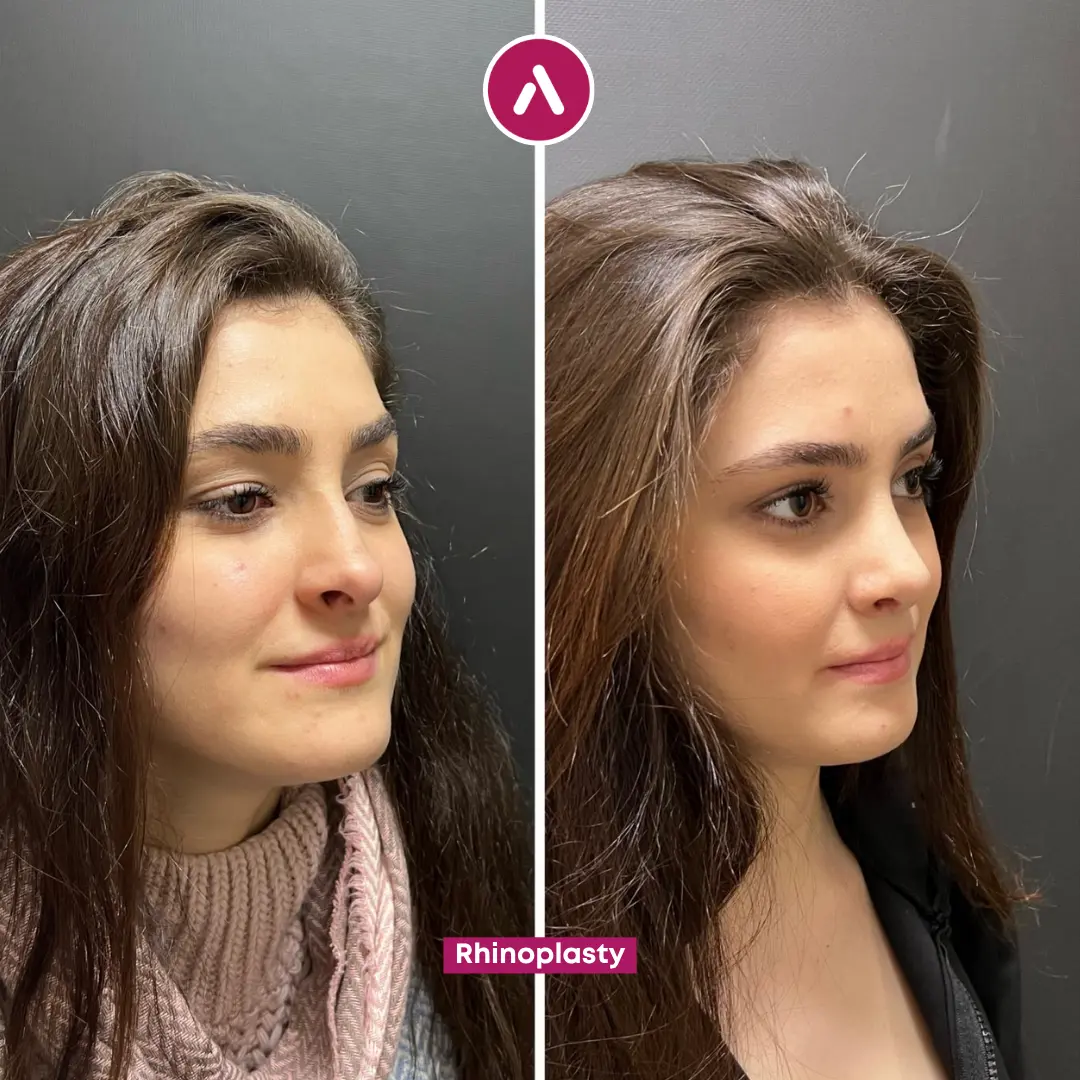
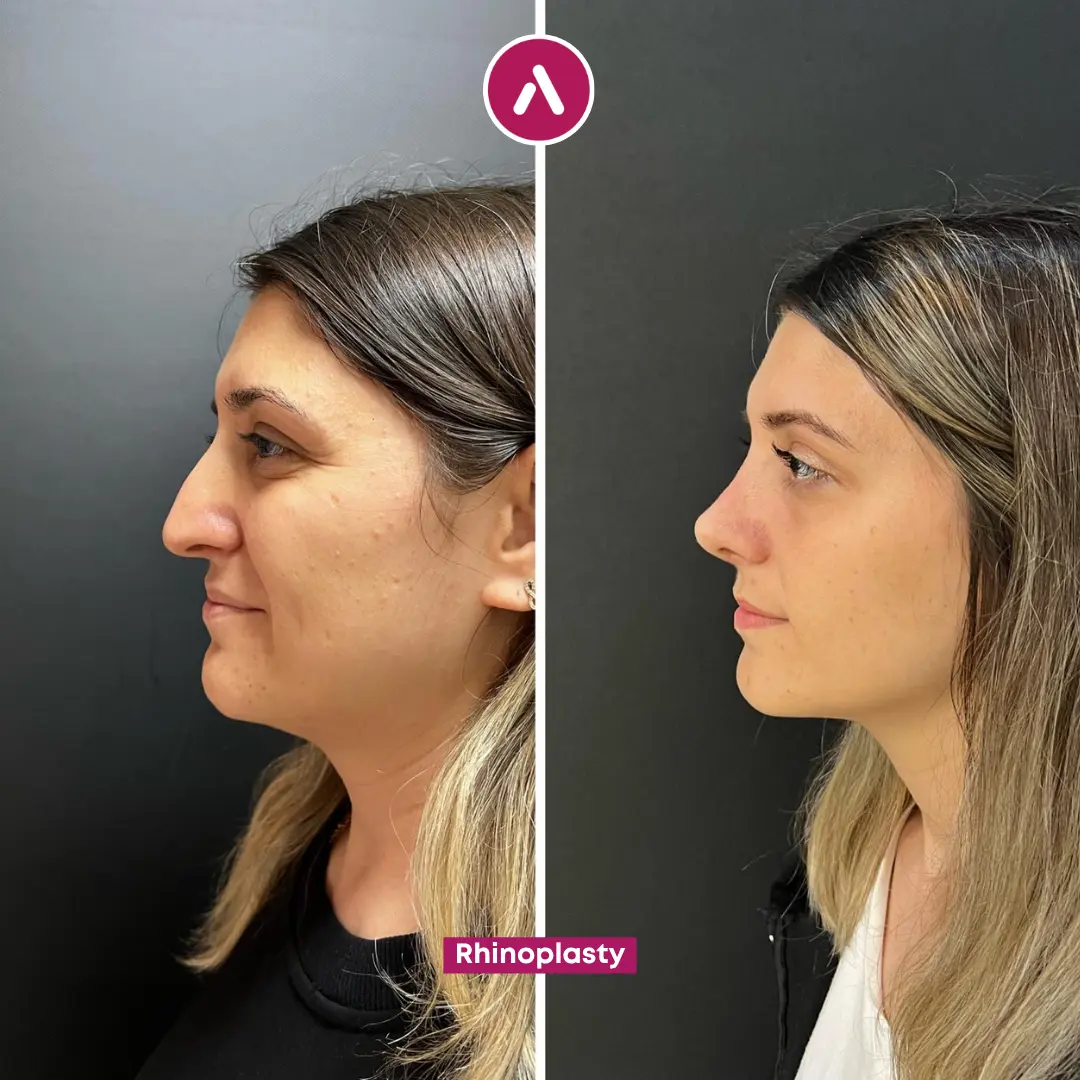
Realistic expectations and when to postpone surgery
- Realistic expectations: Better breathing and a more harmonious shape—rather than “perfection” or a copy-paste celebrity nose.
- When to postpone: Uncontrolled medical issues, smoking (or unwillingness to stop), unresolved sinus/infection problems, or unstable travel timing.
- International planning note: If you’re comparing septorhinoplasty Turkey price or the cost of septorhinoplasty in Turkey, don’t let price override the basics: surgeon experience in functional rhinoplasty, documented outcomes, and a follow-up plan.
| Candidate Profile | Common Goal | What Must Be Evaluated |
|---|---|---|
| Deviated septum + obstruction | Airflow improvement | Septum + nasal valves + turbinates |
| Crooked/trauma nose | Breathing + straightening | Bony vault alignment + cartilage support |
| Revision patient | Stability + natural contour | Existing support, scar tissue, graft options |
The Anatomy Behind Better Breathing (Explained for Expert Patients)
To understand why a septorhinoplasty can improve breathing, you need a clear map of where airflow gets “bottlenecked.” Many patients assume the septum is the only issue, but medical science (and day-to-day clinical reality) shows that obstruction is often multifactorial: septal deviation, turbinate enlargement, and—very commonly—nasal valve compromise. If you’re researching Turkey septorhinoplasty or septorhinoplasty in Turkey, this anatomy section will help you ask sharper questions and interpret what a surgeon recommends.
Septum, turbinates, and nasal valves—what actually causes blockage
- Septum: The internal wall that divides the nasal passages. A deviation can narrow one side and create turbulence.
- Turbinates: Soft tissue “shelves” along the sidewall that regulate airflow and humidification. They can enlarge (often compensatorily) and contribute to obstruction.
- Nasal valves: The narrowest part of the nasal airway. If weak, they can collapse during inhalation—even if the septum is straight.
Why “straightening the septum” is sometimes not enough
Here’s the common mismatch: a patient gets a septoplasty, but still feels obstructed — especially when breathing in deeply or exercising. One reason is nasal valve collapse, which can be structural (weak support) or dynamic (collapse under negative pressure). Another reason is turbinate hypertrophy that wasn’t adequately addressed. A March 2025 functional and aesthetic outcomes evaluation in Acta Oto-Laryngologica analyzed 306 patients undergoing primary open-technique septorhinoplasty using three validated patient-reported outcome instruments — NOSE for nasal obstruction symptom evaluation, ROE for rhinoplasty outcome assessment, and RHINO for combined functional-aesthetic quality of life — and demonstrated statistically significant improvements (p<0.001) across all three measurement domains at 6-month follow-up, confirming that integrated function-plus-aesthetics planning produces measurable benefits in both breathing and appearance simultaneously rather than treating them as separate trade-offs.
How structural support impacts both airflow and shape
The nose is not simply “carved”; it’s a framework. If support is weakened—by prior trauma, aggressive reduction, or inadequate reconstruction—breathing can worsen and shape can look pinched, droopy, or unstable over time. A high-quality septorhinoplasty prioritizes structural integrity so the external shape stays natural while the internal airway remains open.
| Structure | How It Affects Breathing | How It Affects Appearance |
|---|---|---|
| Septum | Reduces airflow on the narrowed side; increases turbulence | Can contribute to a crooked nose or asymmetry |
| Turbinates | When enlarged, they reduce internal space | Usually not visible externally |
| Nasal valves | Primary resistance point; collapse can cause “air hunger” | Weak support can create pinching or mid-vault collapse |
Patient-friendly takeaway: If your main symptom is “I can’t get air in,” ask specifically whether your plan addresses the nasal valves, not only the septum.
Techniques Used in Modern Septorhinoplasty
Technique selection is not a one-size-fits-all checklist—it should match your anatomy, goals, and risk profile. When patients compare septorhinoplasty Turkey cost or the cost of septorhinoplasty in Turkey, it helps to understand what “complexity” means in surgical terms, because complexity often influences operating time, graft requirements, and the level of structural work needed for stable outcomes.
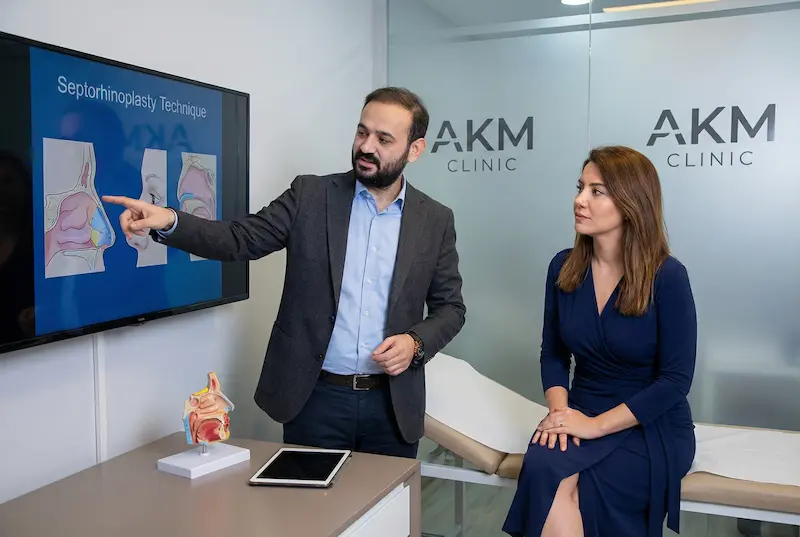
Open vs. closed approach—pros/cons for function + precision
- Open approach: Often chosen when complex structural reconstruction is needed (significant asymmetry, valve work, major tip support changes, many revision cases). It can offer high visibility and precision.
- Closed approach: May be suitable for selected cases with less extensive reconstruction needs. It can reduce external incision visibility, though access for certain maneuvers may be more limited.
What matters most is not the label “open” or “closed,” but whether the chosen approach provides the exposure and control required to correct both airflow and aesthetics safely. Beyond approach selection, the bone-shaping component itself has evolved meaningfully — particularly with piezoelectric (ultrasonic) instrumentation that uses high-frequency vibrations to sculpt nasal bone with minimal soft-tissue trauma compared with traditional rasping or chisel osteotomy.
For septorhinoplasty cases involving significant dorsal hump reduction or osteotomy work alongside septal correction, ultrasonic technology can reduce intraoperative bruising, swelling, and soft-tissue disruption — particularly relevant for international patients planning shorter recovery windows. The complete piezoelectric technique foundation — including ultrasonic instrument vectors, soft-tissue trauma comparison data, and candidate profile suitability — is detailed in our ultrasonic bone shaping reference.
Cartilage grafting (septal/ear/rib)—when and why it’s needed
Cartilage grafts are often the difference between a short-term improvement and a long-term stable result. Grafting can be used to strengthen valves, smooth contour transitions, and prevent collapse. Sources of cartilage may include:
- Septal cartilage: Commonly preferred when available (often strong and straight).
- Ear cartilage: Useful for specific support needs when septal cartilage is limited.
- Rib cartilage: Considered in complex reconstructions and some revision cases where substantial support is needed.
If a clinic quotes a very low septorhinoplasty Turkey price without clearly explaining structural support plans, it’s reasonable to ask what happens if grafting is required—and whether that possibility is included in the surgical plan and cost.
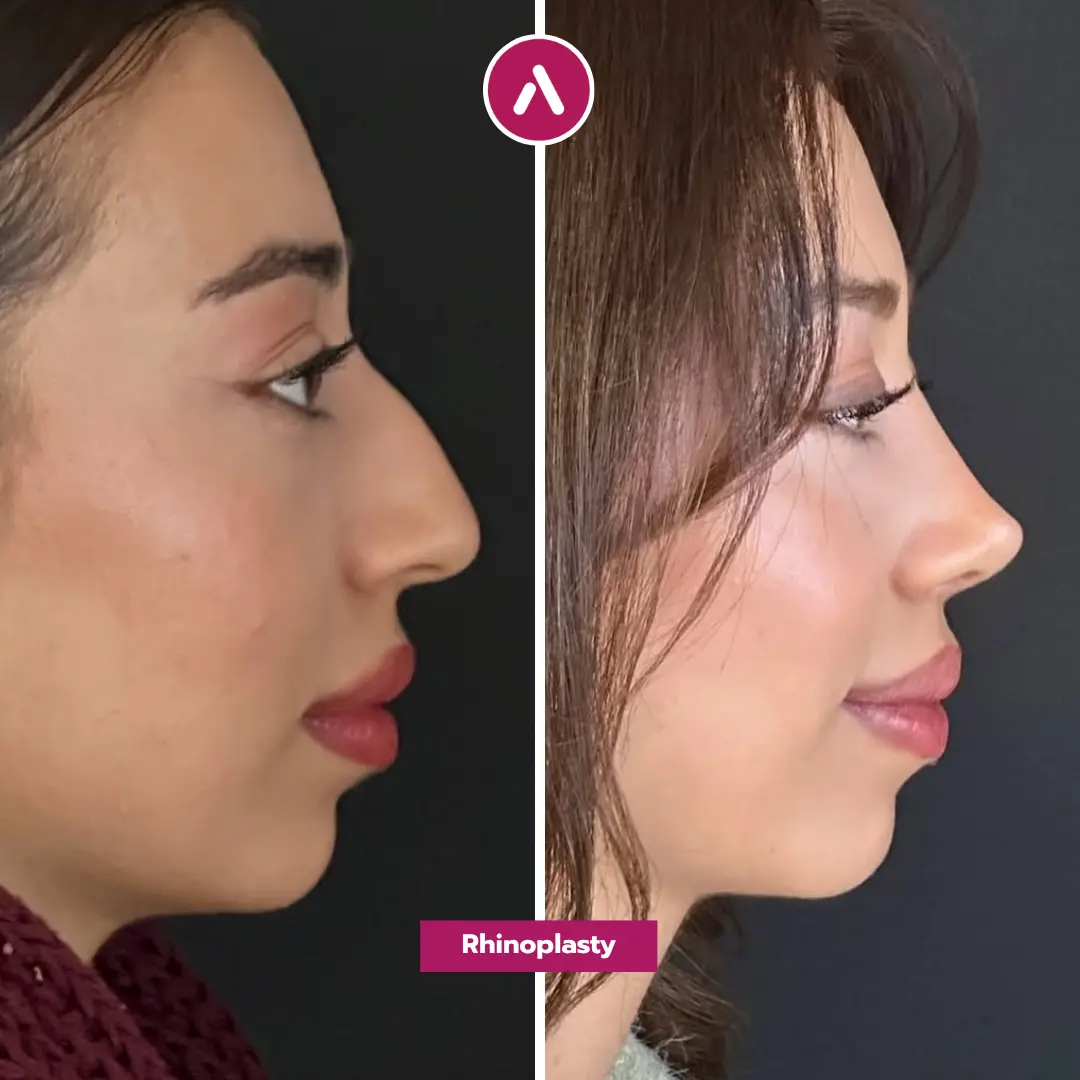
Functional maneuvers (spreader grafts, valve support) and aesthetic harmony
Functional rhinoplasty concepts aim to protect or expand the internal airway while preserving natural lines externally. Common functional strategies may include valve-supporting grafts and structural reinforcement of the middle vault. The best plans align function with aesthetics—meaning the nose should look balanced (not “overdone”) while also feeling open and stable during real-life breathing (exercise, sleep, cold air).
| Technique Element | Main Purpose | What Patients Usually Notice |
|---|---|---|
| Structural valve support | Reduce collapse; improve airflow | Easier inhalation, especially during activity |
| Framework refinement | Improve symmetry and harmony | More balanced profile and front view |
| Turbinates evaluation (when indicated) | Optimize internal space | Less congestion; improved nasal comfort |
Safety, Surgeon Credentials, and How to Avoid a Botched Outcome
When patients search septorhinoplasty in Turkey or Turkey septorhinoplasty, the biggest underlying concern is often the same: “How do I get a safe, natural result—and avoid complications or a botched look?” The most reliable way to reduce risk is to treat this like a due-diligence process, not a deal hunt. In real clinical practice, the safest outcomes come from (1) accurate diagnosis of the breathing problem, (2) a structural surgical plan, and (3) a team that documents outcomes and follows evidence-based protocols rooted in medical science.
What to verify: surgeon specialization, case volume, and documentation
Septorhinoplasty is a “function + aesthetics” operation, which means the surgeon must be comfortable with both airway mechanics and external harmony. In your consultation, ask for specifics rather than general assurances: how often does the surgeon perform septorhinoplasty (not only cosmetic rhinoplasty), how is functional valve assessment performed, and what is the documented revision policy. The credential filter for combined function-aesthetic cases goes beyond standard rhinoplasty markers — it requires specific airway-trained fellowship pedigree, demonstrated valve-work case volume, and integrated functional outcome documentation. The complete credential verification framework — including TPCD/EBOPRAS/ISAPS public registry lookup, ENT-versus-plastic-surgery board distinction, and the specific markers that distinguish a function-experienced rhinoplasty specialist from a primarily aesthetic surgeon — is detailed in our surgeon evaluation guide. In your consultation, ask for specifics rather than general assurances.
| What You Should See | Why It Matters | What to Ask |
|---|---|---|
| Clear, consistent before/after photo sets | Helps confirm true outcomes (not selective angles) | “Can I see similar cases to mine—crooked/trauma/valve issues?” |
| Functional assessment explained in plain language | Breathing issues need diagnosis, not guessing | “Are my symptoms from septum, valves, turbinates, or a combination?” |
| A structural plan (support + refinement) | Reduces collapse, pinching, and long-term instability | “What support techniques will you use to protect airflow?” |
| Transparent post-op follow-up schedule | International patients need a realistic plan | “How many in-person checks before I fly home?” |
Red flags in medical tourism (including “ghost surgeon” risk)
Most negative stories share a pattern: rushed evaluation, vague planning, and unclear accountability. If you’re comparing pricing options across destinations, watch for unclear surgeon identity, “too fast” scheduling, one-line promises, before/after photo inconsistency, and cost-only messaging without clear inclusions. For international patients, facility verification matters even more because you can’t physically visit before booking — accreditation databases, OR class documentation, infection control track records, and the post-op observation infrastructure all need pre-arrival validation. The complete clinic-evaluation framework — including JCI accreditation criteria, OR class verification protocols, and the specific safety infrastructure markers that separate boutique medical-tourism setups from full-spectrum hospital environments — is detailed in our facility evaluation guide.
Safety rule: If the clinic cannot clearly explain who does the surgery, how breathing is evaluated, and what follow-up looks like, the lowest price is not value—it’s uncertainty.
How to evaluate before/after photos for both symmetry and breathing outcomes
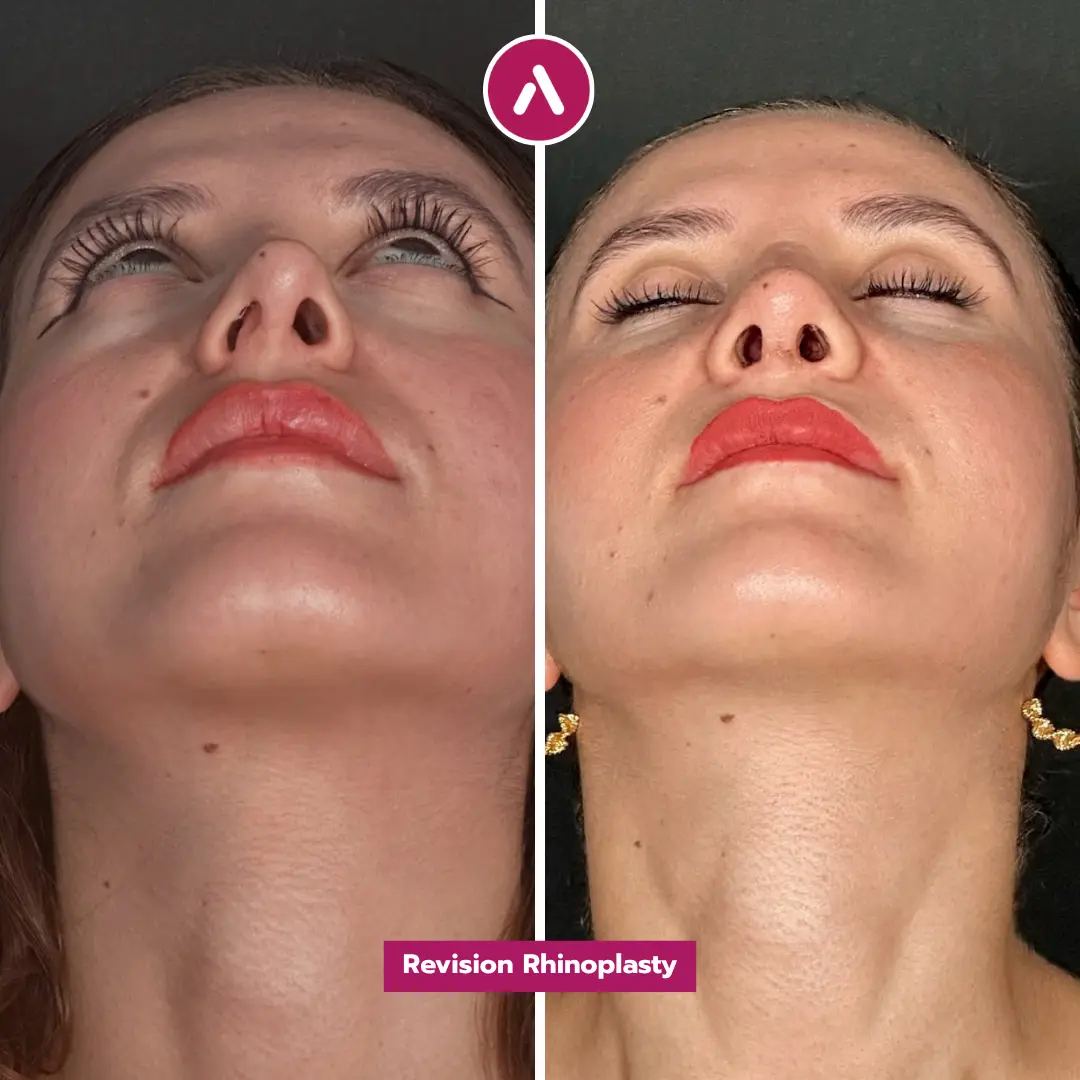
Photos can help, but only if you know what to look for. For shape, evaluate balance and natural transitions—not just “smaller.” For function, look for evidence of structural stability (no pinched mid-vault, no over-narrowed nostrils, no collapsed sidewalls). Strong photo documentation should include:
- Front view: midline alignment, symmetry, and natural dorsal aesthetic lines
- Profile view: smooth bridge-to-tip transition, no “scooped” or overly sharp contour unless specifically desired and appropriate
- Base view: nostril symmetry, columella alignment, and a natural, non-constricted airway appearance
For breathing outcomes, photos alone are not enough—ask how the clinic documents functional complaints and improvements. An “expert patient” approach is to treat function as a measurable goal, not a vague promise.
Recovery Timeline and What You’ll Feel Day-by-Day
Recovery after septorhinoplasty is a process, not a single milestone. Most patients feel significantly better week by week, but “final” refinement—especially in the tip—takes months. Planning is particularly important for international patients traveling for septorhinoplasty in Turkey, because you need realistic downtime for swelling, breathing fluctuations, and follow-up checks before flying home.
First 72 hours: swelling, breathing, splints, pain control
- Breathing: Often feels blocked early due to swelling and internal healing, even if the structural correction is excellent.
- Swelling/bruising: Typically peaks in the first days, then gradually improves.
- Comfort: Most patients describe pressure/congestion more than sharp pain (individual experiences vary).
- Sleep: Elevated head position helps; expect mouth dryness if you’re congested initially.
For international patients managing recovery in Istanbul before flying home, post-operative healing acceleration matters because the recovery window directly affects flight clearance timing. Hyperbaric Oxygen Therapy (HBOT) — breathing 100% oxygen in a pressurized chamber — supports tissue regeneration, reduces swelling and downtime, improves scar healing through fibroblast stimulation, and mitigates infection risk. For septorhinoplasty patients specifically, HBOT can support faster resolution of the prolonged tip swelling and internal mucosal healing phases that are anatomically expected. The complete oxygenation protocol — including session timing, pressurization parameters, contraindication screening, and how it integrates with rhinoplasty-specific edema patterns — is detailed in our hyperbaric healing acceleration guide.
Weeks 1–6: returning to work, exercise, and social downtime
- Week 1: Many patients plan for the most visible swelling/bruising and early follow-up.
- Weeks 2–3: Appearance often becomes more “socially comfortable,” though swelling persists.
- Weeks 4–6: Light exercise is commonly reintroduced based on surgeon guidance; impact risks must still be avoided.
| Timeframe | What’s Normal | Practical Planning Tip |
|---|---|---|
| Days 1–3 | Congestion, swelling peak, fatigue | Plan quiet rest; avoid packed sightseeing schedules |
| Days 4–10 | Visible bruising improves; swelling slowly decreases | Schedule follow-ups before flight if advised |
| Weeks 2–6 | Gradual return to routine; tip swelling lingers | Choose events/photos with realistic expectations |
| Months 3–12 | Refinement phase; final contour evolves | Track progress with standardized photos |
Months 3–12: tip refinement, final shape, and breathing stabilization
Long-term healing is where subtle changes happen. Tip definition improves gradually, and stiffness softens over time. Breathing also stabilizes as swelling resolves and tissues remodel. The healing curve is particularly extended in patients with thicker nasal skin, where the soft-tissue envelope holds postoperative fluid longer and definition can take 9–12+ months to fully emerge — a fundamentally different timeline expectation than thin-skin cases. The complete thicker-envelope healing roadmap — including NSTS classification scoring, taping protocols specific to thick-tissue redraping, definition timeline calibration, and how perioperative care adapts to longer swelling resolution windows — is detailed in our thick-envelope healing roadmap.
Cost of Septorhinoplasty in Turkey vs High-Cost US Cities (and Other Destinations)
Cost is a major reason people research septorhinoplasty in Turkey — but “cost” should be evaluated as a bundle of clinical complexity, inclusions, and risk management. Pricing varies based on how much functional reconstruction is required (for example, nasal valve support or grafting), whether it’s a primary versus revision case, and how comprehensive the peri-operative care is. The most useful comparison is like-for-like: surgeon expertise, facility standards, anesthesia/sedation approach, and follow-up structure — not just the headline number. The complete pricing transparency framework for the broader nasal surgery category — including what’s bundled in the all-inclusive Istanbul model versus what’s itemized in US billing structures (surgeon fee, anesthesia fee, facility fee, OR time, follow-up visits), how international patient packages typically structure inclusions, and the realistic budget bands across primary, revision, and function-plus-aesthetics scenarios — is detailed on our nasal surgery pricing transparency hub.
What is typically included in Turkey medical travel packages
For international patients, many clinics bundle services into a single plan. When you compare septorhinoplasty Turkey price quotes, ask exactly what is included and what is not. Common “included” items may involve:
- Surgeon and operating room fees
- Anesthesia or sedation-related fees (depending on the plan)
- Hospital/clinic stay (if applicable)
- Pre-op testing (as clinically indicated)
- Post-op medications and early follow-up visits
- Transfers (hotel/clinic/airport) in some packages
Equally important: clarify what happens if your case requires additional functional support (for example, cartilage grafting). A transparent clinic will explain scenarios, not just provide a single “flat” number.
Price comparison framework: New York vs Los Angeles vs Miami vs Istanbul
In high-cost US markets, total patient expenses can rise quickly due to surgeon fees, facility fees, anesthesia costs, and the lack of bundled logistics. In Istanbul, bundled structures can reduce the overall out-of-pocket total for the trip. Still, the goal is not simply “cheaper”—it’s predictable value with documented safety standards.
| Location | Typical Cost Drivers | What to Compare (Like-for-Like) |
|---|---|---|
| New York | High surgeon/facility overhead; separate billing lines | Functional expertise, facility accreditation, follow-up access |
| Los Angeles | Premium surgeon pricing; facility/anesthesia add-ons | Structural plan details, revision policy, documentation quality |
| Miami | Wide price range; quality varies significantly | Surgeon identity, safety standards, realistic timeline |
| Istanbul | Bundled pricing common; travel adds logistics | Inclusions list, airway-focused plan, post-op follow-up schedule |
If you’re seeing a very low septorhinoplasty Turkey cost quote, treat it as a prompt to ask deeper questions: Who performs the operation? What functional diagnosis supports the plan? How is complication management handled? Low cost without clarity is not the same as value.
Comparing Turkey with Mexico and Thailand (value, standards, logistics)
Patients also compare Turkey to other medical tourism destinations such as Mexico and Thailand. The decision often comes down to (1) surgeon specialization in functional rhinoplasty, (2) predictable standards and documentation, and (3) travel logistics and follow-up practicality. The “best” destination is the one that can deliver an evidence-based plan, transparent accountability, and a follow-up structure that matches your travel reality.
| Destination | What Patients Often Like | What to Vet Carefully |
|---|---|---|
| Turkey (Istanbul) | High procedure volume; bundled logistics common | Surgeon identity, functional airway planning, clear inclusions |
| Mexico | Proximity for US patients; shorter travel time | Facility standards, documentation, consistent follow-up protocols |
| Thailand | Established medical tourism ecosystem | Long-haul travel recovery, follow-up timing, case complexity handling |
Smart comparison tip: When you compare septorhinoplasty Turkey price to other destinations, align the comparison to the same surgical complexity (primary vs revision, valve work, graft needs) and the same safety infrastructure.
Pre-Op Planning for International Patients (Consultation to Travel Logistics)
Planning is where international patients either set themselves up for a smooth experience—or create unnecessary stress. For septorhinoplasty in Turkey, the best pre-op process combines clinical clarity (what exactly is causing obstruction and shape concerns) with logistical realism (trip length, follow-up, and recovery needs). Think of this as your “expert patient checklist” designed to reduce uncertainty.
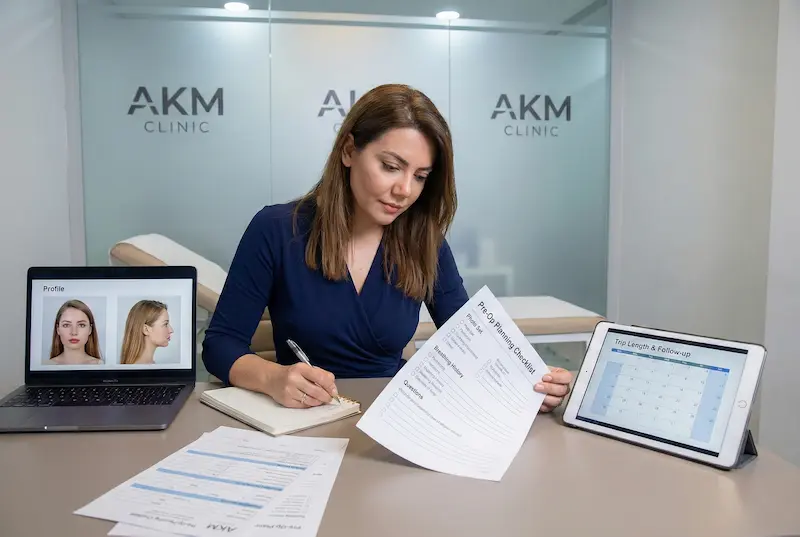
What to prepare: photos, breathing history, imaging/tests
- Photo set: Clear, makeup-free, neutral-lighting photos (front, both obliques, both profiles, base view).
- Breathing history: Which side feels blocked? Is it worse at night, with exercise, or when lying down? Any allergy/sinus pattern?
- Prior records: Any previous nasal surgery notes, CT scans (if available), history of trauma.
- Medication list: Especially blood thinners, supplements, and nasal sprays.
A strong clinic will use this to identify whether your obstruction is likely septal, turbinate-related, valve-related, or mixed—because the plan (and ultimately the cost of septorhinoplasty in Turkey) can reflect how much structural work is required.
Ideal trip length and follow-up schedule
Trip length depends on the clinic’s protocol and your individual case, but international planning typically requires enough time for early checks (splints/dressings, basic wound assessment, breathing evaluation) before you fly. You should receive a written follow-up roadmap, including what symptoms are normal, what requires urgent contact, and how remote check-ins are handled after you return home.
For international patients pursuing septorhinoplasty in Istanbul, the planning structure matters as much as the surgical technique itself — pre-arrival photo documentation and breathing history coordination, splint/cast removal protocol timing, in-Istanbul follow-up schedule before flight clearance, and structured remote follow-up cadence designed to respect the longer functional-aesthetic stabilization timeline that continues beyond your return home. The complete step-by-step pathway — including pre-arrival WhatsApp coordination workflow, hotel-to-clinic transfer logistics, splint removal scheduling, post-op clearance checklist before international travel, and remote breathing/photo-monitoring designed for the 3-month, 6-month, 9-month, and 12-month milestone reviews — is documented on our international patient pathway documentation.
Questions to ask in your consultation (function + aesthetics checklist)
Beyond consultation question quality, the credential filter remains the foundational pre-booking step — particularly for septorhinoplasty where ENT (otolaryngology) board certification overlaps with facial plastic surgery board certification, and the specific board distinction matters for function-plus-aesthetic cases. Verify that the surgeon holds active board certification from a recognized rhinoplasty-relevant body (EBOPRAS, ABFPRS, ABPS, ABOto, Turkish ENT or Plastic Reconstructive and Aesthetic Surgery Society, or country-specific equivalents) and that the credential is current rather than lapsed. The complete board certification verification protocol — including registry lookup steps, ENT-versus-facial-plastic-surgery board distinctions, fellowship pedigree differentiation, and credential expiration patterns — is detailed in our credential verification protocol.
The depth of a surgeon’s answers to “what is causing my obstruction — septum, valves, turbinates, or a combination?” or “what structural support will be used to protect breathing long-term?” reveals more about diagnostic thinking quality than any aesthetic outcome can. Coming prepared with vetted questions transforms the consultation from a sales conversation into a technical evaluation — particularly important for function-plus-aesthetics cases where the diagnostic accuracy directly determines surgical plan quality. The complete pre-consultation question framework — including 25 vetted questions organized by topic (diagnosis specificity, technique selection rationale, recovery timeline expectations, revision policy criteria, complication management pathway) — is detailed in our consultation question library.
Frequently Asked Questions (FAQ): Septorhinoplasty Turkey
These FAQs address the most common “expert patient” questions that come up when people compare septorhinoplasty in Turkey, evaluate a septorhinoplasty Turkey cost quote, or try to understand whether their breathing issue is truly structural. Keep in mind: individual anatomy varies, and a credible answer should be based on examination—not assumptions.
Will septorhinoplasty permanently fix my breathing problems?
It can provide long-term improvement when obstruction is caused by correctable structural issues (septal deviation, valve weakness, turbinate problems). “Permanent” depends on (1) accurate diagnosis, (2) proper structural support, and (3) healing factors. From a medical science perspective, stability is strongest when the plan addresses the valve region (if compromised) rather than focusing only on septal straightening.
Can septorhinoplasty change my voice?
Most patients do not experience a meaningful voice change. Some notice temporary differences early on due to swelling and congestion. Significant, lasting voice change is uncommon and should be discussed if your work depends on precise vocal performance.
How do I know if I have nasal valve collapse?
Many patients describe it as “air hunger” or feeling that the sidewalls collapse inward when they inhale—often worse with exercise. A surgeon can assess valve function during an exam (and by analyzing your anatomy and airflow dynamics). If your symptoms worsen during deep inhalation, it’s reasonable to ask directly whether the plan includes valve support.
Is open rhinoplasty always better for septorhinoplasty?
No. Open vs. closed is a tool choice, not a quality marker. Open access can be beneficial for complex reconstruction, significant asymmetry, valve work, or many revision scenarios. Closed approaches may suit selected cases. What matters is whether the surgeon can deliver a stable structural result that protects breathing and achieves your aesthetic goals.
When is revision septorhinoplasty necessary?
Revision may be considered if there is persistent obstruction (often due to unaddressed valve collapse, scarring, or residual deviation), or if the external result is unstable or aesthetically unsatisfactory after full healing. Because swelling and tissue remodeling evolve for months, reputable surgeons typically wait until tissues mature (often many months) unless there is a clear functional issue requiring earlier evaluation.
How long will swelling last—especially in the nasal tip?
Swelling improves steadily in the first weeks, but tip refinement can take months. Many patients feel “presentable” relatively early, while the final contour continues to evolve through the longer healing window. Tip stiffness and subtle asymmetries early on are common and often improve as tissues remodel.
Can I combine septorhinoplasty with turbinate reduction?
Yes—when turbinate enlargement is contributing to obstruction. The decision should be individualized, because turbinates also play a role in humidifying and conditioning airflow. The goal is to optimize breathing without over-reducing tissue. If you’re evaluating Turkey septorhinoplasty options, ask how the clinic decides when turbinates should be addressed.
Medical Disclaimer: This page is provided for general educational purposes only and does not replace a face-to-face medical consultation, diagnosis, or personalized treatment plan. All surgery carries risks and outcomes vary between individuals. Suitability for a septorhinoplasty, procedure selection, and anesthesia choice can only be determined after a full clinical assessment by a qualified surgeon. Always follow your clinician’s instructions and seek urgent medical attention if you develop concerning symptoms during recovery.