

Daddy Makeover in Turkey





Daddy Makeover: Quick Facts
Duration of Surgery
Type of Anaesthesia
Initial Recovery Period
Hospital Accommodation
Return to Daily Activities
Daddy Makeover Results: Before and After
A Daddy Makeover is a tailored combination of male body-contouring and rejuvenation procedures designed to restore a sharper, athletic silhouette. At AKM Clinic in Istanbul, Turkey, we plan each case around your anatomy, skin quality, and safety thresholds, rather than a one-size package.
Typical plans may include tummy tuck (abdominoplasty), liposuction, and gynecomastia (male breast reduction), with options such as high-definition sculpting, J-Plasma tightening, or a facelift and hair transplant in a wider daddy do-over. We discuss anaesthesia choices, including awake or twilight sedation when appropriate, and support recovery with structured aftercare, with HBOT and LLLT available for selected patients.
Table of Contents
What is a Daddy Makeover?
A Daddy Makeover is a personalised combination of male body-contouring and rejuvenation procedures designed to address the changes that often follow weight gain, stress, and ageing. At AKM Clinic, we tailor the plan to reshape the abdomen and chest, restore definition, and support a natural, athletic silhouette.
Most men don’t need “more surgery”. They need the right combination, done with restraint. We build your plan around anatomy, skin quality, and how your body actually heals. The aim is simple: you should look like yourself on a very good day.
“Our priority is rejuvenation, not alteration.”
The clinical definition (what it includes and what it doesn’t)
Clinically, a Daddy Makeover is not one fixed operation. It is a structured strategy that combines procedures which work well together in one carefully managed recovery window. We choose techniques that respect male anatomy, particularly the abdomen, flanks, and chest.
- Customised scope: We may focus purely on body contouring, or combine it with facial or hair restoration when appropriate.
- One plan, one timeline: The goal is an optimised sequence, not “as many procedures as possible”.
- Natural-first intent: We prioritise proportion, definition, and a clean outline in clothing.
Why men’s bodies change (fat distribution, skin laxity, hormonal shifts)
Male ageing often shows up as a thicker waist, a softer chest contour, and a loss of definition across the midsection. Some changes are lifestyle-driven. Others are simply biology.
- Stubborn fat: Men commonly store resistant fat around the lower abdomen and flanks, even with training.
- Skin laxity: After weight changes, skin may not fully “snap back”, especially around the belly.
- Chest fullness: Fat and gland tissue can create a rounded chest that doesn’t match the rest of the physique.
- Muscle-to-fat balance: With age, body composition shifts, making definition harder to maintain.
Our role is to separate what can be improved with conditioning from what requires a surgical solution. That clarity matters for realistic expectations.
“Daddy do-over” vs “Daddy Makeover”: same concept, different search intent
You may see the term daddy do-over used interchangeably with Daddy Makeover. Both describe a combined approach to male aesthetic refinement. The difference is usually the emphasis: “makeover” often signals body contouring first, while “do-over” can imply a broader reset that may include face or hair.
- Makeover: tends to focus on abdomen, waistline, and chest definition.
- Do-over: may expand into facial rejuvenation, hair restoration, or other targeted concerns.
In practice, we treat them as the same clinical concept: a single plan built around the areas that bother you most, with a result that still looks like you.
Benefits: What Results Can You Expect From a Daddy Makeover?
Results should be defined in practical terms: how you look in fitted clothing, how your waistline sits, and whether your shape matches the effort you put in. We plan for proportion, not extremes. We also plan for what your skin can genuinely deliver, because skin quality is often the deciding factor. When the plan is correct, the outcome looks understated and intentional.
Core aesthetic goals (waistline, chest contour, abdominal definition)
The headline change is usually a cleaner torso. For many men, the “before” is not a lack of muscle. It’s an overlay of fat and skin changes that blur definition.
- Waistline refinement: a narrower silhouette through the flanks and lower abdomen.
- Chest contour: a flatter, firmer-looking chest shape that suits male proportions.
- Abdominal definition: improved separation and shadowing where your anatomy supports it.
We measure success by balance: your chest, abdomen, and waist should look like they belong together.
Functional goals (comfort in clothes, posture confidence, movement ease)
Although this is aesthetic surgery, the benefits are often felt day-to-day. Men commonly report being less self-conscious in T-shirts, feeling “straighter” in posture, and finding it easier to dress for work or events.
- Clothing fit: less pulling at the midsection and a smoother outline through shirts.
- Body confidence: reduced “guarding” behaviours like slouching or layering clothes.
- Training motivation: many men feel more engaged with fitness once shape matches effort.
“Natural, unoperated-on” look: what that actually means
In our clinic, “natural” is not a vague promise. It means your result looks credible in real life and in motion. Edges are smooth. Transitions are gradual. The contour should not look stamped on.
- Proportion first: the waistline should not be over-narrowed, and definition should suit your frame.
- Skin-respecting planning: we avoid creating tension patterns that look unnatural over time.
- Long-term realism: your body will continue to age; the goal is to age better, not freeze time.
If you want a result that feels like “you, restored”, this philosophy matters as much as the technique.
Am I a Suitable Candidate For a Daddy Makeover?
A Daddy Makeover works best when there is a clear mismatch between the effort you put into looking after yourself and what your body is able to show—typically due to stubborn fat pockets, skin laxity, or chest changes. Suitability is not based on “wanting a sharper look”; it’s based on anatomy, skin quality, and surgical safety.
Who benefits most (stable weight, “stubborn” fat, mild–moderate laxity)
You may be a strong candidate if your goals are specific, your weight is relatively stable, and your concerns are structural rather than purely fitness-related.
- Stable weight: Ideally your weight has been steady for several months. Surgery is not a substitute for weight loss, but it can refine what dieting and training cannot.
- Resistant fat distribution: Common male patterns include lower abdomen, flanks (“love handles”), and the chest area.
- Skin laxity: Mild to moderate looseness around the abdomen can often be improved with the right approach. More significant laxity may require skin excision rather than liposuction alone.
- Realistic expectations: You want a believable, athletic silhouette—not a result that looks “manufactured”.
During consultation, we focus on what your skin can support, how definition will appear in motion and in clothing, and how to achieve a proportionate, masculine contour.
When to delay or avoid surgery (contraindications / risk factors)
Safety dictates timing. Some situations mean we recommend waiting, optimising health first, or choosing a different plan. This is where an “expert patient” mindset helps: the right decision is the one that protects your long-term outcome.
- Active smoking or nicotine use: Nicotine affects circulation and healing, and may increase complication risk—especially with skin-tightening or excisional procedures.
- Uncontrolled medical conditions: Poorly controlled diabetes, significant heart or lung disease, and certain clotting risks may require specialist optimisation before surgery.
- Unstable weight or recent major weight loss: If your body is still changing, results can drift and revision risk can increase.
- High-risk medication profiles: Certain medications and supplements can affect bleeding, anaesthesia safety, or recovery.
- Unrealistic goals: If a target outcome is anatomically incompatible with your build or skin quality, we will reset the plan to what’s safe and achievable.
If there is any uncertainty, we treat it as a clinical decision—not a sales decision. The plan should remain conservative where risk increases.
Pre-operative health screening: what we check and why
Your pre-op assessment is designed to reduce risk and make your recovery more predictable. The exact protocol depends on your medical history and the procedures being combined, but typically includes:
- Medical history and physical examination: previous operations, medication use, allergies, anaesthetic history, and any clotting risk factors.
- Baseline investigations: routine blood tests and other checks as indicated to confirm surgical fitness.
- Body analysis and skin assessment: to determine whether liposuction alone is appropriate or whether excision (for example, a tummy tuck) is required for a stable result.
- Procedure planning: prioritising the areas that will make the biggest difference, and mapping the safest sequence for combined surgery.
Pre-op screening is also where we align expectations: what will change, what won’t, and what is required from you to protect the result (compression, mobility, aftercare, and follow-up).
Which Procedures Are Included in a Daddy Makeover?
A Daddy Makeover is a framework, not a fixed menu. The included procedures depend on what’s driving the concern—fat distribution, skin laxity, gland tissue, facial ageing, or hair loss. The goal is a unified outcome: your torso and overall presentation should look coherent, not “done in parts”.
High-definition body contouring principles (fat layers + shadow anatomy)
Male definition is created by respecting anatomy: where natural shadows fall, how the abdominal wall is structured, and how fat sits in superficial and deeper layers. High-definition contouring focuses on refining these layers to reveal a cleaner outline without harsh transitions.
- Strategic reduction: removing volume where it blunts male shape (lower abdomen, flanks).
- Controlled sculpting: enhancing natural lines where your anatomy supports definition.
- Symmetry management: addressing left-right differences that become visible after fat reduction.
Skin tightening options (including J-Plasma Skin Tightening)
Skin quality often determines whether a result looks athletic or simply “smaller”. Where mild to moderate laxity exists, adjunct tightening technologies may help refine the envelope—always within realistic limits.
- J-Plasma Skin Tightening: may be used as an adjunct to improve skin retraction in selected areas.
- Compression and aftercare: the garment strategy and post-op routine are part of skin management, not an optional extra.
- Honest thresholds: if the skin cannot contract enough, excision-based surgery may be the safer route to a stable contour.
Choosing between liposuction-only vs skin excision (when it matters)
This decision is central to a credible result. Liposuction can refine shape, but it cannot reliably correct significant loose skin or muscle separation. When skin laxity is pronounced—especially after weight changes—excision may be required to avoid a “deflated” look.
- Liposuction-only: best when skin elasticity is good and the main issue is fat distribution.
- Excision-based procedures: considered when the skin envelope won’t tighten sufficiently or when structural repair is needed.
- Hybrid planning: combining techniques can improve both contour and skin stability when clinically appropriate.
Tummy Tuck (Abdominoplasty)
Tummy Tuck (Abdominoplasty) is considered when there is significant lower abdominal skin excess, laxity, or muscle separation that liposuction cannot correct. In men, the aim is a flatter, firmer midsection with scar placement planned for discretion under clothing.
- When it helps: loose lower abdominal skin, apron-like overhang, or abdominal wall laxity.
- Key objective: stable contour that doesn’t rely on compression alone to look “tight”.
- Planning note: the decision is driven by skin behaviour, not just weight or BMI.
Liposuction
Liposuction is the backbone of many Daddy Makeover plans, especially for men with resistant fat around the abdomen and flanks. The goal is not aggressive removal; it is controlled reshaping that preserves a masculine silhouette and smooth transitions.
- Typical zones: abdomen, flanks, waistline, and sometimes the chest.
- Why technique matters: a refined result depends on even extraction, symmetry, and skin response.
- Outcome focus: improved outline in clothing and better definition where your anatomy supports it.
Gynecomastia (Male Breast Reduction)
Gynecomastia (Male Breast Reduction) addresses chest fullness caused by fat, gland tissue, or a combination. Many men are surprised by how much this one change improves overall proportions and confidence.
- What we assess: fat vs gland dominance, nipple position, and skin elasticity.
- Common approach: contouring plus gland removal where required for a flatter chest profile.
- Why it integrates well: chest contouring complements waistline refinement for a balanced torso.
Facelift
Facelift may be included in a broader “daddy do-over” plan when facial ageing (jawline softening, neck laxity) doesn’t match a newly refined physique. The intent is refreshed structure, not a different identity.
- Best for: men bothered by lower-face heaviness or neck definition loss.
- Key objective: sharper jawline/neck contours while maintaining natural expression.
- Timing: combined planning depends on overall operative time and safety considerations.
Hair Transplant
Hair Transplant can be a powerful finishing touch for men whose main “age signal” is hairline recession or thinning. In the context of a makeover, it’s about restoring a stronger frame to the face.
- Suitable for: stable hair loss patterns and realistic density goals.
- Outcome focus: natural hairline design and consistent growth planning.
- Integration: often planned alongside body work as part of an overall rejuvenation strategy.
Penis Enlargement
Penis Enlargement may be considered by men seeking comprehensive male aesthetics, but suitability and technique selection are highly individual. The priority remains safety, proportional goals, and a clear understanding of what is achievable.
- Decision framework: candidacy, risk tolerance, and realistic outcome targets.
- Privacy and discretion: careful pathway planning and confidential care are essential.
- Important note: this is only included when clinically appropriate and aligned with your goals.
Table: Technique comparison (for informed decision-making)
| Technique | Best suited for | Key advantages | Limitations / considerations | Recovery impact (general) |
|---|---|---|---|---|
| High-Def Vaser Liposuction | Men seeking enhanced definition and refined contouring where anatomy supports it | Supports precision sculpting and improved contour detail in experienced hands | Not a substitute for excision when skin laxity is significant; results depend on skin quality | Swelling and garment use are expected; definition reveals progressively over weeks |
| Tumescent Liposuction | General fat reduction and contour refinement in suitable candidates | Established method for volume reduction with structured aftercare | May offer less “definition-focused” sculpting; still limited by skin elasticity | Similar swelling profile; refinement appears gradually as tissues settle |
| J-Plasma (adjunct) | Selected cases needing additional skin retraction support | May improve skin contraction as an adjunct to contouring | Adjunct only—cannot replace excision for significant loose skin; selection is critical | Can add aftercare considerations; final skin behaviour takes time to mature |
Which Procedures Are Commonly Combined in a Daddy Do-Over?
Most men exploring a daddy do-over aren’t looking for a single “fix”. They want a coordinated improvement—one plan, one recovery window, and a result that feels consistent from the chest down to the waistline. The key is intelligent pairing. Some combinations amplify each other. Others create unnecessary operative time and recovery burden.
At AKM Clinic, we plan combined surgery around three pillars: (1) your anatomy and skin quality, (2) safety thresholds (including operative time and medical risk profile), and (3) the simplest route to a stable, masculine contour.
Core combos: Tummy Tuck (Abdominoplasty) + High-Def Vaser Liposuction
This is one of the most transformative combinations when lower abdominal looseness is part of the problem. Liposuction refines the waistline and reduces volume; a tummy tuck addresses excess skin and structural laxity that liposuction alone cannot correct.
- Best for: men with stubborn abdominal fullness plus visible skin laxity or “aproning” in the lower abdomen.
- Why it works: waist refinement looks more natural when the skin envelope is stable and appropriately tightened.
- Outcome focus: a flatter midsection, a cleaner waistline transition, and improved torso proportion in clothing.
Importantly, we do not “force” a tummy tuck where it isn’t needed. If skin quality is good, a less invasive plan may achieve the look you want with a simpler recovery.
Chest contour: Gynecomastia Surgery + lipo/sculpting
Chest shape heavily influences how the entire torso reads. A flatter chest can make the waist look narrower even before any abdominal work. In a combined plan, chest contour is often paired with abdominal and flank refinement to create a cohesive, athletic silhouette.
- Assessment first: gland tissue vs fat dominance, nipple position, and skin elasticity.
- Balanced contouring: removing what needs removing while preserving a natural male chest outline.
- Why it pairs well: it “completes” the torso—especially in fitted tops and swimwear.
For the expert patient, the biggest differentiator is not simply “gland removed or not” but how the edges are blended, how symmetry is managed, and how skin behaviour is anticipated.
Definition add-ons: Six Pack Surgery + 360 contouring + arm/thigh lift (where appropriate)
Some men want more than a flatter torso—they want definition that reads clearly under normal lighting. When your anatomy supports it, Six Pack Surgery (abdominal etching principles) can be paired with 360 contouring to enhance natural lines and improve overall proportions.
- 360 contouring: treating the abdomen and flanks as one aesthetic unit, not separate zones.
- Definition planning: creating believable shadow lines rather than harsh grooves.
- Selective lifts: an arm or thigh lift is considered only when skin laxity would otherwise compromise the overall result.
Definition is never a “template”. The goal is an athletic look that matches your frame and doesn’t look engineered.
Clinical note: combining procedures is always a safety decision. If adding an extra area increases risk or compromises recovery quality, staging may be the safer route to a better long-term outcome.
Anaesthesia Options: Why We Prefer Awake / Twilight sedation
Anaesthesia planning is not a formality—it is a core part of surgical safety and comfort. For combined male aesthetic surgery, the right approach depends on the scope of your plan, your medical profile, and what will keep you safest and most stable throughout the procedure.
“Comfort matters, but safety comes first. The anaesthesia plan should fit the patient, not the other way around.”
General anaesthesia vs twilight anaesthesia (risk/comfort perspective)
Both approaches can be appropriate in the right setting. The decision is guided by procedure length, complexity, and patient suitability.
- General anaesthesia: may be recommended for longer, more complex combinations or when complete immobility is essential.
- twilight anaesthesia: may be suitable for selected procedures and patients, offering a calmer experience with careful monitoring.
- Comfort strategy: modern anaesthesia is about controlled comfort, stable physiology, and predictable recovery—not “toughing it out”.
We explain the rationale clearly during consultation so you understand why a specific approach is recommended for your plan.
Who may be eligible for awake approaches (selection criteria)
Some men may be suitable for procedures such as Awake Liposuction, depending on the extent of the contouring and overall clinical assessment. Eligibility is not based on preference alone—it is based on safety, predictability, and whether we can achieve excellent outcomes without unnecessary risk.
- Procedure scope: limited-to-moderate contouring areas may be more suitable than extensive combined excisional surgery.
- Medical profile: overall health, anxiety tolerance, and any relevant conditions are assessed.
- Intra-op comfort: appropriate local anaesthetic strategy and monitoring are essential.
If awake/twilight options are not appropriate for your planned combination, we will say so—and recommend the safest alternative.
Pain control, anxiety control, and safety monitoring
High-quality anaesthetic care is built around prevention: preventing pain spikes, preventing nausea, and preventing avoidable stress responses that can affect recovery. Equally important is robust monitoring throughout.
- Pain control: planned, layered strategies rather than reactive medication.
- Anxiety control: calm, structured pre-op preparation and intra-op comfort protocols.
- Monitoring: continuous observation of vital parameters to maintain stability and reduce risk.
Daddy Makeover Step-By-Step: what happens in the operating theatre
Combined male aesthetic surgery is as much about planning and sequencing as it is about technique. A well-run operating day follows a structured pathway: pre-op checks, precise marking, a clear order of procedures, and an immediate post-op plan that prioritises safety, comfort, and early mobility.
Pre-op marking and planning (body mapping, symmetry)
Before surgery, we perform detailed markings while you are standing. This matters because gravity changes how tissues sit, and standing markings help us plan a result that looks natural in real life—not just when you are lying down.
- Body mapping: identifying contour targets (abdomen, flanks, chest) and natural shadow lines.
- Symmetry planning: noting left-right differences that may be subtle pre-op but become more visible after volume reduction.
- Scar strategy: where excision is required, planning placement for discretion under clothing.
This is also where we reconfirm the plan you agreed in consultation—what is included, what is not included, and the outcome priorities for your specific anatomy.
The procedure sequence in combined surgery (order logic)
In a Daddy Makeover, the order of steps is chosen to optimise precision and reduce unnecessary trauma. The exact sequence depends on your combination, but the logic stays consistent: create the best foundation first, then refine.
- Foundation contouring: body contour work is planned to establish proportion and define the waistline structure.
- Structural correction: when excision-based surgery is needed (for example, a tummy tuck), it is timed to support a stable skin envelope.
- Refinement: final sculpting focuses on smooth transitions and a believable, masculine outline.
If your plan includes more than one major area, we also consider operative time and recovery demand. In some cases, staging procedures can be the safer path to a better long-term result.
Immediate post-op monitoring and discharge planning
Immediately after surgery, the focus shifts from “creating results” to protecting them. Monitoring, pain control, and early movement are all part of reducing complications and supporting predictable healing.
- Observation: vital signs, comfort, and early recovery markers are monitored closely.
- Compression and support: garments and dressings are applied to support contour and reduce swelling.
- Mobility plan: gentle movement is encouraged as advised to support circulation and recovery.
- Clear instructions: you leave with a structured aftercare plan, medication guidance, and a follow-up schedule.
The goal is that you feel prepared—not guessing—about what is normal, what needs attention, and how to protect your outcome from day one.
Daddy Makeover Recovery & Aftercare: how long does healing take?
Recovery is a clinical phase, not an afterthought. The most natural-looking results come from a combination of good surgery and disciplined aftercare. Swelling and tissue firmness are normal early on; definition and refinement appear progressively as tissues settle.
“Recovery is a clinical phase, not an afterthought.”
First 72 hours (swelling, mobility, compression garments)
The first three days are about stability and routine. You should expect swelling, tightness, and fatigue—especially after combined surgery. The goal is to keep discomfort controlled, protect the surgical areas, and keep circulation moving.
- Swelling and bruising: normal and expected; your outline will look “puffy” before it looks refined.
- Compression garments: worn as advised to support contour and help manage swelling.
- Movement: gentle, frequent walking (as advised) supports recovery and reduces avoidable risks.
- Hydration and nutrition: simple foundations that influence energy and healing quality.
If your plan includes excision-based surgery such as a tummy tuck, posture and movement guidance becomes particularly important to protect comfort and incision care.
Week-by-week milestones (work, light exercise, full activity)
Healing happens in layers. How quickly you “feel normal” and how quickly your tissues mature are not the same thing. Below is a general framework; your personalised timeline will depend on the exact procedures included and your recovery response.
- Week 1: swelling and tightness are prominent; your priority is rest, short walks, and consistent aftercare.
- Weeks 2–3: many men feel more functional day-to-day; swelling begins to soften, but refinement is still early.
- Weeks 4–6: gradual return to more structured activity as advised; definition starts to become more visible.
- Weeks 8–12: continued settling and contour refinement; tissues typically look more “natural” as firmness reduces.
Returning to work depends on what you do. Desk-based roles may be feasible sooner than physically demanding jobs. Training should be reintroduced progressively, with your plan guided by safety rather than impatience.
Our “Rapid Recovery & Safety Protocol”: HBOT + LLLT (what it can and can’t do)
Advanced aftercare support can be valuable—especially after combined procedures—when used appropriately. At AKM Clinic, recovery support may include HBOT (Hyperbaric Oxygen Therapy) and LLLT (Low-Level Laser Therapy) as part of a structured protocol.
- HBOT: may support oxygen delivery in tissues during recovery, which can be relevant for healing optimisation in suitable patients.
- LLLT: may support comfort and tissue recovery as part of a broader aftercare strategy.
- What it can’t do: it cannot replace good surgery, proper compression, sensible activity progression, or medical follow-up.
These options are selected based on clinical suitability. The aim is to support recovery quality and predictability—not to promise “instant” results.
Flight-ready recovery protocols (how UK patients plan their return)
If you are travelling from the UK, the recovery plan includes practical considerations: mobility, hydration, compression guidance, and clear criteria for when travel is appropriate. Rather than using a one-size-fits-all date, we focus on readiness.
- Readiness factors: comfort, mobility, swelling control, and procedure scope.
- Travel strategy: planned movement breaks, hydration, and adherence to your aftercare instructions.
- Follow-up continuity: remote check-ins and structured guidance to support safe recovery after you return home.
Scars, Skin Quality, and Long-Term Maintenance
For many men, the two biggest concerns after deciding on a Daddy Makeover are scars and longevity. Both are predictable when planned properly. Scar visibility depends on procedure choice and placement strategy, while longevity depends on weight stability, skin behaviour, and realistic maintenance.
Scar placement strategy (tummy tuck / gynaecomastia)
Scars are not an accident of surgery—they are a design decision. When excision is required, the objective is to place scars where they sit discreetly under everyday clothing and mature as cleanly as possible.
- Tummy tuck scars: planned low so they can be covered by underwear or swimwear; the exact length depends on how much skin needs to be removed safely.
- Gynecomastia scars: commonly positioned to blend with natural colour changes around the areola or within natural creases, depending on the technique required.
- Scar maturity: scars evolve for months; early redness or firmness does not reflect the final appearance.
During consultation, we discuss what scar placement is realistic for your anatomy and the trade-off between minimal scarring and a stable, natural contour.
Skin quality factors (age, smoking, sun damage, collagen)
Skin is the “envelope” of the result. Two men can have the same procedure and different outcomes because their skin behaves differently.
- Age and collagen: as collagen and elastin reduce over time, skin retraction becomes less predictable.
- Smoking and nicotine: can compromise circulation and healing quality, increasing the risk of poor scarring and delayed recovery.
- Sun exposure: chronic sun damage can weaken skin quality and influence how scars mature.
- Weight history: repeated weight cycling can reduce elasticity and increase the likelihood that excision is needed for a stable result.
We plan around your skin rather than ignoring it. That’s one of the main differences between a “good” result and a result that looks temporarily improved but unstable over time.
Weight stability and muscle tone: why results drift
A Daddy Makeover can reshape and refine, but it does not make you immune to lifestyle changes. The most consistent long-term outcomes come from maintaining a stable weight and supporting the new contour with sensible training.
- Weight gain: can add volume back to treated areas and soften definition.
- Rapid weight loss: can increase laxity and compromise the crispness of the contour.
- Strength training: helps maintain a masculine silhouette and improves how definition reads through the torso.
Think of surgery as a reset of structure. Maintenance then becomes about protecting the structure you’ve invested in.
Safety & Risks: Is a Daddy Makeover Dangerous?
Any surgery carries risk, and combined surgery can increase complexity. The right question is not “is it dangerous?” but “how is risk assessed and reduced for my exact plan?” A safe Daddy Makeover is built on screening, appropriate anaesthesia planning, controlled operative time, and structured aftercare.
Common risks (seroma, infection, DVT, contour irregularity, numbness)
Most risks are uncommon when planning and aftercare are strong, but you should understand them clearly before committing.
- Seroma: fluid collection under the skin, more relevant in procedures involving larger tissue planes.
- Infection: can occur in any operation; managed through sterile technique and appropriate aftercare.
- DVT (blood clots): a serious risk that requires prevention planning, particularly in longer procedures and in patients with higher baseline risk.
- Contour irregularity: unevenness can occur, especially if skin quality is poor or healing is unpredictable.
- Numbness or altered sensation: temporary changes are common; persistent changes are less common but possible.
Risks vary by procedure choice. That is why a one-size-fits-all “package” approach is not appropriate for an expert patient.
Risk reduction: screening, sterile theatres, monitoring, aftercare
Risk reduction starts before you enter the operating theatre and continues through recovery. The goal is to create predictable healing conditions.
- Pre-op screening: identifying clot risk, medical conditions, medication interactions, and suitability for combined surgery.
- Operative controls: careful sequencing, controlled operative time, and appropriate anaesthesia planning for your scope.
- Sterile standards: reducing infection risk through controlled theatre protocols.
- Aftercare discipline: compression guidance, mobility progression, wound care, and scheduled follow-up.
When safety is the priority, the plan remains conservative where risk rises. If staging procedures provides a safer route, that option should be discussed openly.
When to contact the team urgently (red flags checklist)
Knowing what is normal versus what needs urgent assessment is part of safe recovery. Contact your clinical team immediately if you experience:
- Sudden shortness of breath, chest pain, or fainting.
- One-sided leg swelling, severe calf pain, or marked warmth/redness in a leg.
- Rapidly worsening pain that does not respond to prescribed medication.
- High fever, chills, or increasing redness/discharge from an incision.
- Unexpected, heavy bleeding or a rapidly enlarging swelling.
Early escalation is not “overreacting”. It is how complications are prevented from becoming serious.
Is a Daddy Makeover Safe in Turkey for UK Patients?
“Safe” is not a feeling. It’s a system. For UK patients, the most reliable way to judge safety is to look at processes: screening, theatre standards, monitoring, and continuity of care once you’re back home.
What “British standards” actually mean in practice (process & protocols)
When patients say “British standards”, they usually mean predictable protocols and no shortcuts. That’s how we operate. We focus on the parts that materially reduce risk.
- Strict pre-operative screening: we check candidacy properly before confirming a surgical plan.
- Sterilisation standards: we adhere to rigorous international sterilisation protocols (ISO/TÜV).
- Vitals monitoring: we use advanced patient monitoring throughout every procedure.
- Accredited environments: surgery takes place in fully accredited settings designed for patient safety.
That system matters more than a brochure. It’s what protects your outcome when no one is watching.
Surgeon credentials: why European Board Certified Surgeons matter
Credentials don’t guarantee a perfect result, but they reduce uncertainty. For an expert patient, the question is simple: can you verify training, scope of practice, and ongoing standards?
- Board-level recognition: many leading Turkish surgeons hold European Board Certifications, such as EBOPRAS (commonly regarded as equivalent to US boards).
- International training culture: our specialists actively engage with global best practices and advanced education.
- Clarity on responsibility: you should know exactly who plans your case, who performs it, and who oversees follow-up.
If a clinic can’t explain qualifications clearly, it’s a red flag. You’re not buying a “package”. You’re choosing a clinical team.
Privacy and confidentiality expectations for international patients
Discretion matters. We design the patient experience to feel private and contained, not exposed. Confidentiality is handled as a protocol, not a promise.
- Confidentiality and data security: we maintain strict USA-standard patient confidentiality and data security procedures.
- Clinic environment: our setting is intentionally curated to feel more like a private suite than a busy medical facility.
- Communication boundaries: we keep contact structured and professional, with clear channels for post-op support.
Cost / Fees Analysis: Daddy Makeover Cost 2026 Turkey vs UK
UK patients often research cost last, after they understand technique and safety. That’s sensible. Pricing only makes sense when you compare like-for-like and understand what is included, what is excluded, and what is being outsourced.
Why price differences exist (operational costs, macroeconomic factors)
The fee difference between the UK and Turkey is not automatically about quality. It is usually about economics. Currency dynamics and lower national operating costs (such as staffing and facility overheads) can make the same level of care more accessible.
- Operating costs: staffing and facility costs differ significantly by country.
- Currency effects: exchange rates influence international pricing in a meaningful way.
- Quote structure: some systems itemise everything; others bundle key components transparently.
All-inclusive model: what it typically covers vs what it doesn’t
Our VIP model is designed to remove hidden variables. You should know exactly what you’re paying for, before you travel.
Typically included in our VIP package:
- Your complete surgical procedure
- Anaesthesia and operating theatre fees
- All pre-operative tests
- 5-star hotel accommodation (from curated partner options)
- All VIP airport and clinic transfers
- Your dedicated Patient Host (24/7 support via WhatsApp)
- All post-operative medications and garments
- First post-op meal
- Long-term virtual follow-up care
Typically not included:
- International flights
- Personal travel insurance
- Personal expenses (e.g., meals beyond the first post-op meal)
- Additional hotel nights (if you choose to extend your stay)
- Visa fees (if applicable)
How to compare quotes (like-for-like checklist)
Most “cheap vs expensive” comparisons are flawed. Use a checklist. Ask what is genuinely included and what will appear later as a separate invoice.
- Is anaesthesia included or billed separately?
- Are pre-op tests included?
- Are garments, medications, and aftercare visits included?
- What does follow-up look like once you return to the UK?
- What happens if you need clinical advice after you fly home?
| Cost component | UK (often itemised) | Our VIP model (clarified upfront) | What to ask any provider |
|---|---|---|---|
| Surgeon & procedure fee | Usually a base fee, may vary by facility and complexity | Included as part of the complete surgical procedure | Who plans and performs the surgery? What exactly is included? |
| Anaesthesia | May be billed separately by an anaesthetist | Included (anaesthesia + operating theatre fees) | Who provides anaesthesia and what monitoring is used? |
| Facility / theatre fees | Often separate facility charges | Included (operating theatre fees) | Is the environment accredited? What are sterilisation standards? |
| Pre-op tests | Commonly additional | Included (all pre-operative tests) | What tests are performed and when? |
| Medications & garments | Often purchased separately | Included (post-op medications & garments) | Which garments are required and for how long? |
| Aftercare | Follow-ups may be scheduled and billed per visit | Included (in-Istanbul care + long-term virtual follow-up) | What is the follow-up schedule and who responds to concerns? |
| Hotel & transfers | Patient organises independently | Included (5-star hotel + VIP transfers) | Who coordinates logistics and what support exists on arrival? |
Finding The Best Plastic Surgeon: what an ‘expert patient’ should check
The best outcomes usually come from good planning and honest limits. Your job is to choose a team that can explain “why” as clearly as “what”.
“A good plan is specific. Vague promises are not a plan.”
Board certification, case volume, complication strategy
Ask about verifiable credentials and how complications are handled. Not hypothetically. Practically.
- Credentials: look for surgeons registered with international medical boards and recognised European Board Certifications where applicable.
- Experience: relevant case volume matters more than general popularity.
- Complication pathway: ask what the clinic does when recovery is not textbook.
Technique transparency (what exactly will be done and why)
Clarity protects you. You should be able to summarise your plan in one minute and understand the trade-offs.
- Scope: which areas are treated and which are left alone.
- Reasoning: why liposuction-only is suitable, or why excision is required.
- Limits: what cannot be promised (especially where skin quality is the constraint).
Realistic consultation: what to ask, what to avoid
A consultation should feel like medicine, not persuasion. You should leave with fewer unknowns.
- Ask: “What is the simplest plan that achieves my goal safely?”
- Ask: “What would make you recommend staging procedures instead?”
- Avoid: clinics that guarantee outcomes or dismiss risks as “rare and irrelevant”.
Your Medical Journey: From the UK to Istanbul
Logistics should be boring. That’s the point. When the journey is organised properly, you can focus on preparation and recovery rather than navigating a new city under stress.
Virtual consultation and personalised plan
Your journey starts at home with a no-obligation virtual consultation. We review your goals, discuss suitability, and build a structured plan with a transparent, all-inclusive quote.
- Photo review and goal-matching
- Procedure planning and sequencing
- Pre-travel guidance and scheduling
VIP logistics: airport welcome, transfers, 5-star hotel coordination
We organise the moving parts. On arrival at Istanbul Airport (IST or SAW), you’re greeted at the arrivals gate by a private driver holding a sign with your name and transferred in a private luxury vehicle (such as a Mercedes-Benz Vito) to your 5-star hotel.
- Curated partner hotels
- All airport and clinic transfers arranged
- 24/7 support from your dedicated Patient Host
Long-term follow-up at 1, 3, 6, and 12 months (remote check-ins)
Care shouldn’t stop when you fly home. We schedule structured virtual follow-ups with your surgeon at 1, 3, 6, and 12 months to monitor healing and guide long-term outcome quality.
- Planned checkpoints, not ad-hoc messaging
- Clear escalation guidance if something feels “off”
- Continuity of care once you return to the UK
Travel planning: time off work, companion guidance, and practical expectations
Most men underestimate how useful simple planning is. Arrange time off. Pack correctly. Know what “normal” feels like in the first week.
- Time off work: plan around your procedure scope and physical demands of your job.
- Companion: not always required, but often helpful in the first 48–72 hours after combined surgery.
- Mindset: early swelling is normal; refinement is gradual.
Frequently Asked Questions About Daddy Makeover (FAQ):
Is a Daddy Makeover the same as a daddy do-over?
Yes, in most contexts. “Daddy do-over” often signals a broader reset that may include face or hair. Clinically, both terms describe a personalised combination plan built around male anatomy and efficient recovery.
How painful is recovery and what medication is typical?
Discomfort varies by the procedures you combine. We use a structured pain-control plan and aim to keep you comfortable without over-reliance on strong medication. Many patients step down to simple options such as paracetamol as recovery settles, but the timeline is individual.
How long before I can fly back to the UK?
There isn’t a single safe number of days for everyone. We assess readiness based on your procedure scope, mobility, swelling control, and clinical progress. Before you leave Istanbul, we perform a final in-person check-up to ensure recovery is on track and you are cleared to fly home.
Can I combine gynecomastia surgery with a tummy tuck?
Often, yes. It can be an effective way to rebalance the torso in one recovery window. Suitability depends on operative time, medical risk profile, and how your tissues are likely to heal.
What’s the difference between High-Def Vaser Liposuction and regular liposuction?
High-definition work is definition-focused. It aims to refine fat layers to enhance natural shadow lines where your anatomy supports it. Traditional approaches are typically volume-focused. Both rely on good planning and skin behaviour for a natural result.
When can I return to work and the gym after daddy makeover?
Desk work is usually easier to return to than physical jobs. Training should be reintroduced progressively and only after clearance. The goal is to protect healing quality, not rush a calendar date.
What are the risks of blood clots and how are they reduced?
Blood clots (DVT) are a serious risk in surgery, especially with longer procedures or higher-risk patients. We reduce risk through screening, careful operative planning, appropriate monitoring, and a structured post-op mobility plan.
How visible are the daddy makeover scars?
Scar visibility depends on procedure type and placement strategy. We plan scars for discretion under clothing and guide you through aftercare that supports clean healing. Scars also mature over months, not weeks.
How long do daddy makeover results last?
Results can be long-lasting when weight remains stable and aftercare is followed properly. Ageing continues, but the aim is that you age from a better baseline with improved structure and proportion.
What if I gain weight after daddy makeover surgery?
Weight gain can soften definition and reintroduce volume, even after contouring. Daddy makeover surgery reshapes structure, but maintenance protects it. Stable weight and sensible training give the most reliable long-term outcomes.
Do you provide long-term follow-up once I’m back in the UK?
Yes. We schedule structured virtual follow-ups at 1, 3, 6, and 12 months to track healing and guide your long-term result.
Medical Disclaimer: This page is for general education and does not replace a personal medical consultation. All surgery carries risk. Your suitability, treatment plan, anaesthesia approach, recovery timeline, and outcome depend on your medical history, clinical examination, and the specific procedures combined.
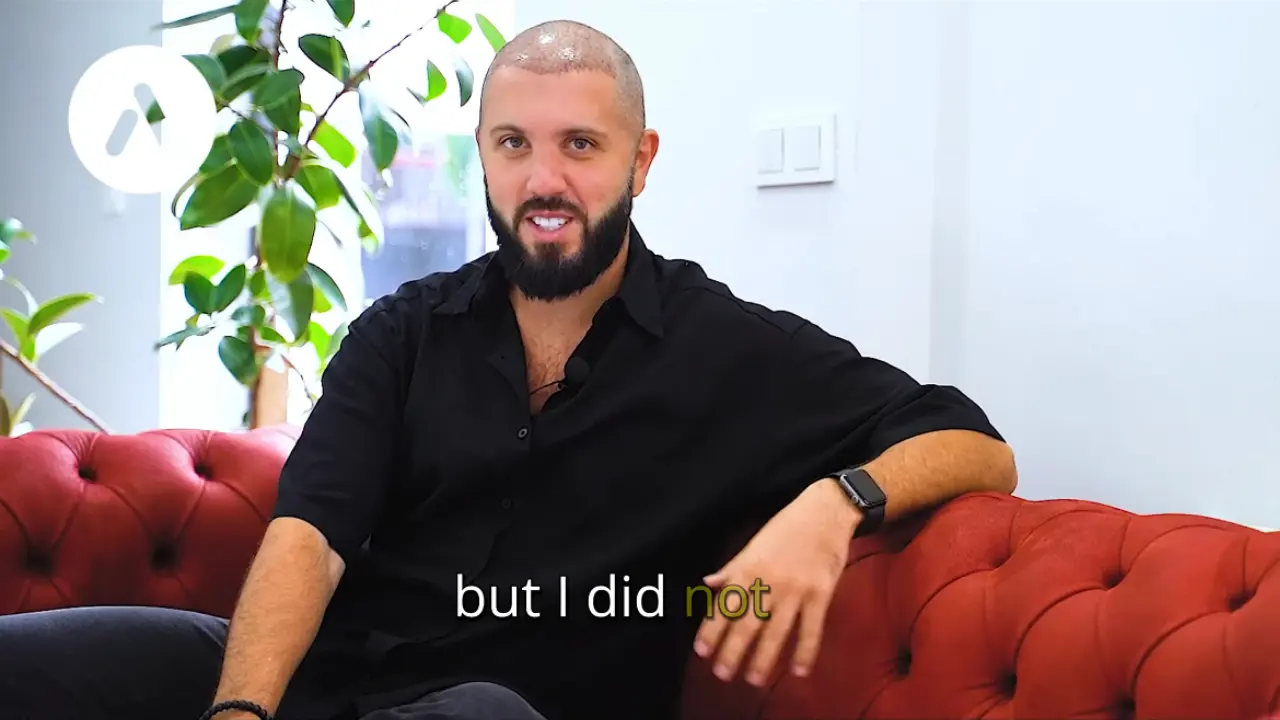
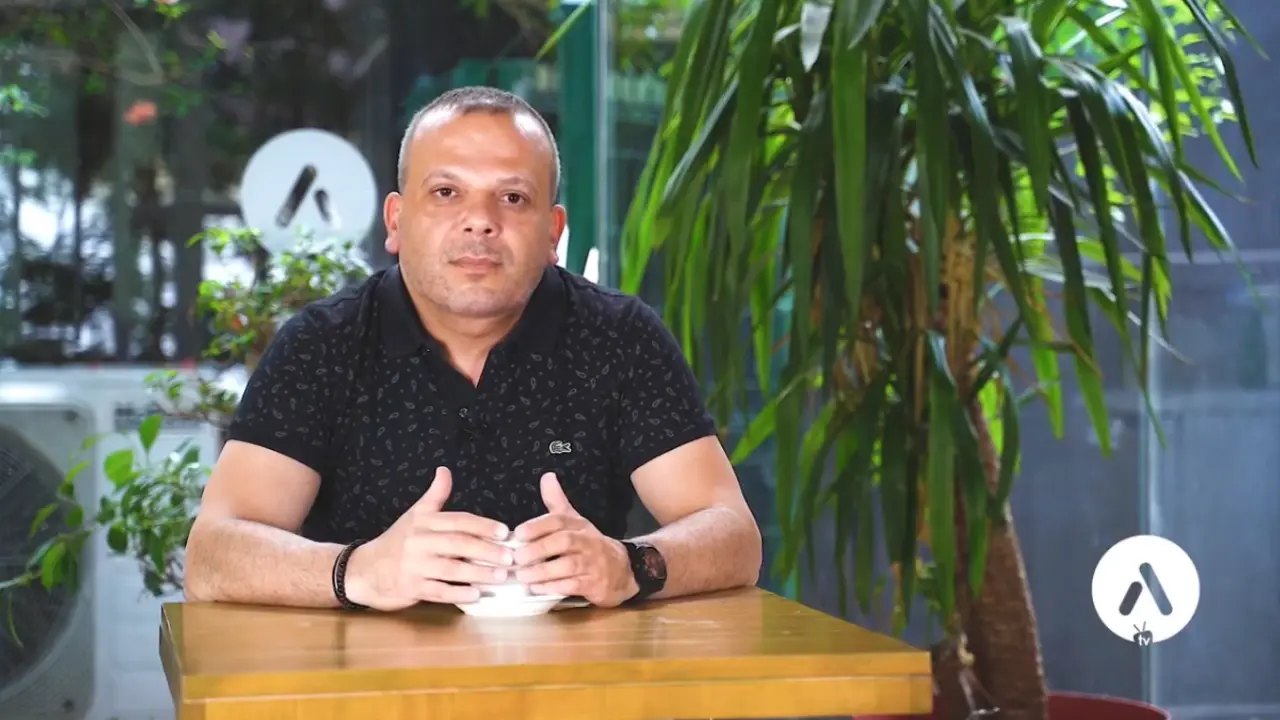
Daddy Makeover: Patient Stories



Daddy Makeover Surgeons

Daddy Makeover Cost in Turkey
Starting from ~ £7500
* There are no hidden fees or unexpected charges.
- Your PersonalisedDaddy MakeoverProcedure
- All Specialist Surgeon & Anaesthesia Fees
- All Pre-Op Tests & Post-Op Check-ups
- 5-Star Hotel Accommodation (incl. breakfast)
- All Private VIP Airport & Clinic Transfers
- 24/7 Dedicated Patient Coordinator & Translation Services
Daddy Makeover: A Cost Comparison
| City | Cost |
|---|---|
| Miami, FL | ~$14,500 |
| Los Angeles, CA | ~$27,500 |
| New York, NY | ~$32,000 |
| Houston, TX | ~$21,000 |
Daddy Makeover: Patient Reviews
Jammal Canada
I have had face and neck lift with AKM Clinic they have been so good to me and my operation went so smoothly🥰 i would like to thank my doctor here and also to the team 💐
Ava Canada
Thank you AKM Clinic for giving me my confidence back! Had facelift + temporal lift 3 months ago and the outcome is already stunning. Special thanks to Hande!
Jakayla USA
Had a deep plane facelift and lower eyelid procedure at AKM Clinic 7 months ago. The results are fantastic - very subtle and natural. I didn’t expect the entire experience to be so comfortable. Hande managed everything and kept in contact even after I returned to USA. I’m beyond pleased with the outcome and the care I received. Would do it again in a heartbeat!
Barbara United Kingdom
It has been 4 months since my surgery. Everything is great, The most important thing is l love the way l look, l look exactly how l wanted. Meaning l look natural, just almost 40 years younger. I pulled Facebook - majority voted 37ys. I also had face, neck, chest, and hands CO2 laser. My skin is flawless.
Lisa Canada
I had a face, neck and arm lift at AKM. I’m just over 4 weeks post and couldn’t be happier with the results. The entire experience was wonderful! My coordinator, Khadija made me feel comfortable from beginning to end! I highly recommend AKM and will definitely go back for other procedures!
Julie USA
I am beyond grateful I went with AKM Clinic for my deep plane face and neck lift, upper eyelid, and co2 laser. Dr. Akif has magic hands and my results are truly incredible! I came from the US and assistant Emine was the best in assuring every detail was coordinated and communicated with me beyond my expectations every step of the way. 10 out of 10 to the entire team! I couldn’t be more pleased!
Ready to Begin Your Own Transformation Journey?
Join the 2,000+ patients who have trusted Dr Akif Mehmetoğlu and the AKM Clinic team. Your journey to a more confident, naturally restored you begins with a simple, no-obligation conversation. Contact us today from the UK for your free virtual consultation.
#1: Get Your Free Personalised Quote
Start with a free, no-obligation online consultation. Share your photos, and our surgical team will provide a fully personalised treatment plan and a transparent, all-inclusive price package. There are no hidden fees.
#2: Secure Your Date & VIP Booking
Once you are ready, our dedicated patient coordinators will help you secure your procedure date. We will handle all your bookings, including your 5-star hotel accommodation and private VIP airport transfers.
#3: Arrive in Istanbul & Meet Your Surgeon
Arrive at Istanbul Airport (IST) and be greeted by your private driver. Settle into your hotel and prepare for your in-person consultation, where you will meet your specialist surgeon to finalise the details for your natural, subtle, and restored new look.
