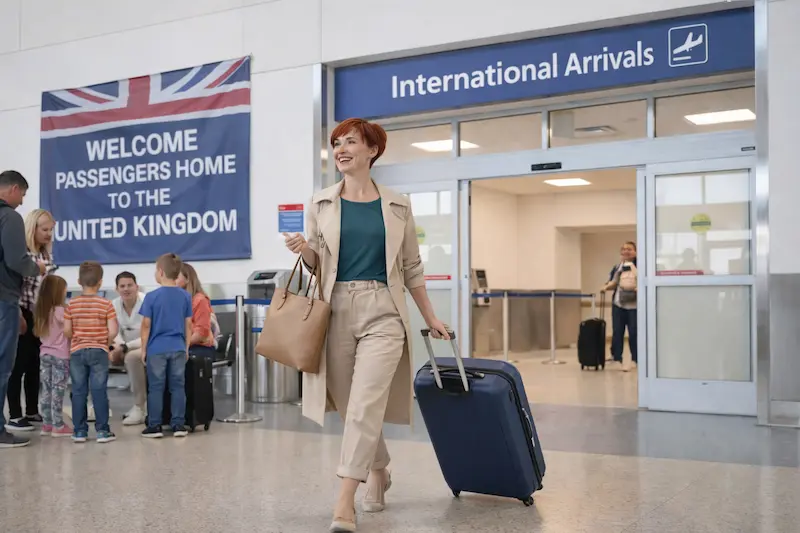
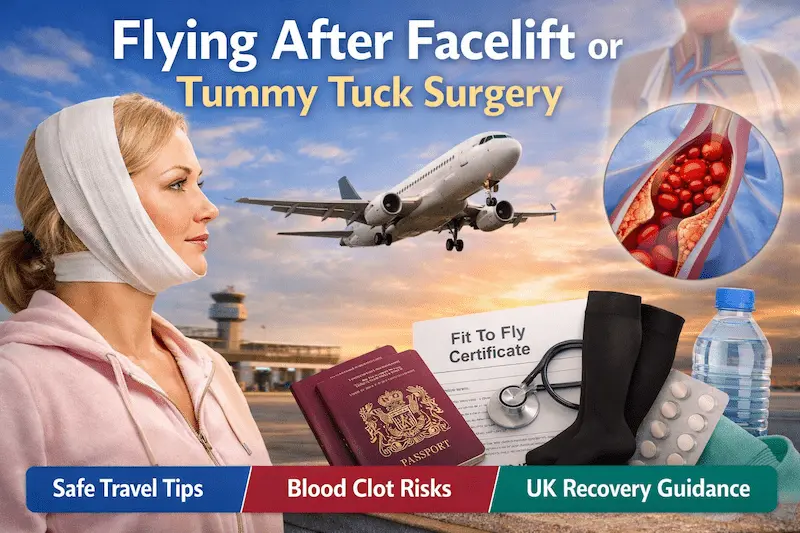
If you’re planning to fly after facelift surgery or return to the UK after a tummy tuck, timing is not just about comfort — it’s about safety. British patients often ask: when can I fly after facelift, is it safe to fly after facelift surgery, and what does “fit to fly” actually mean after cosmetic procedures abroad? This guide explains the practical and medical considerations in clear, UK-focused language, using principles grounded in medical science and standard post-operative risk management.
Important note: The information below is educational and cannot replace personalised advice from your surgeon or clinical team. Your flight timing should be based on your procedure details, your health history, your examination findings, and how your recovery is progressing.
Table of Contents
Airline Requirements
Before you book your return, it helps to understand that airlines do not all apply identical rules for passengers who have recently had surgery. Some may ask for a letter, while others may simply advise you to delay travel for a certain period. If you’re flying home after surgery abroad, the safest approach is to plan as if you may be asked for medical clearance — especially for longer flights or if you’ve had a combined procedure.
Even when a specific airline doesn’t formally require paperwork, you may still be asked practical questions at check-in if you have visible swelling, dressings, or limited mobility. A brief surgeon letter and a clear medication list can prevent delays and help staff support you appropriately. If you’re hoping to speed up facelift recovery before travelling, focus on hydration, gentle mobilisation, and following your aftercare plan closely — these small steps can make your journey more comfortable and reduce unnecessary risk.
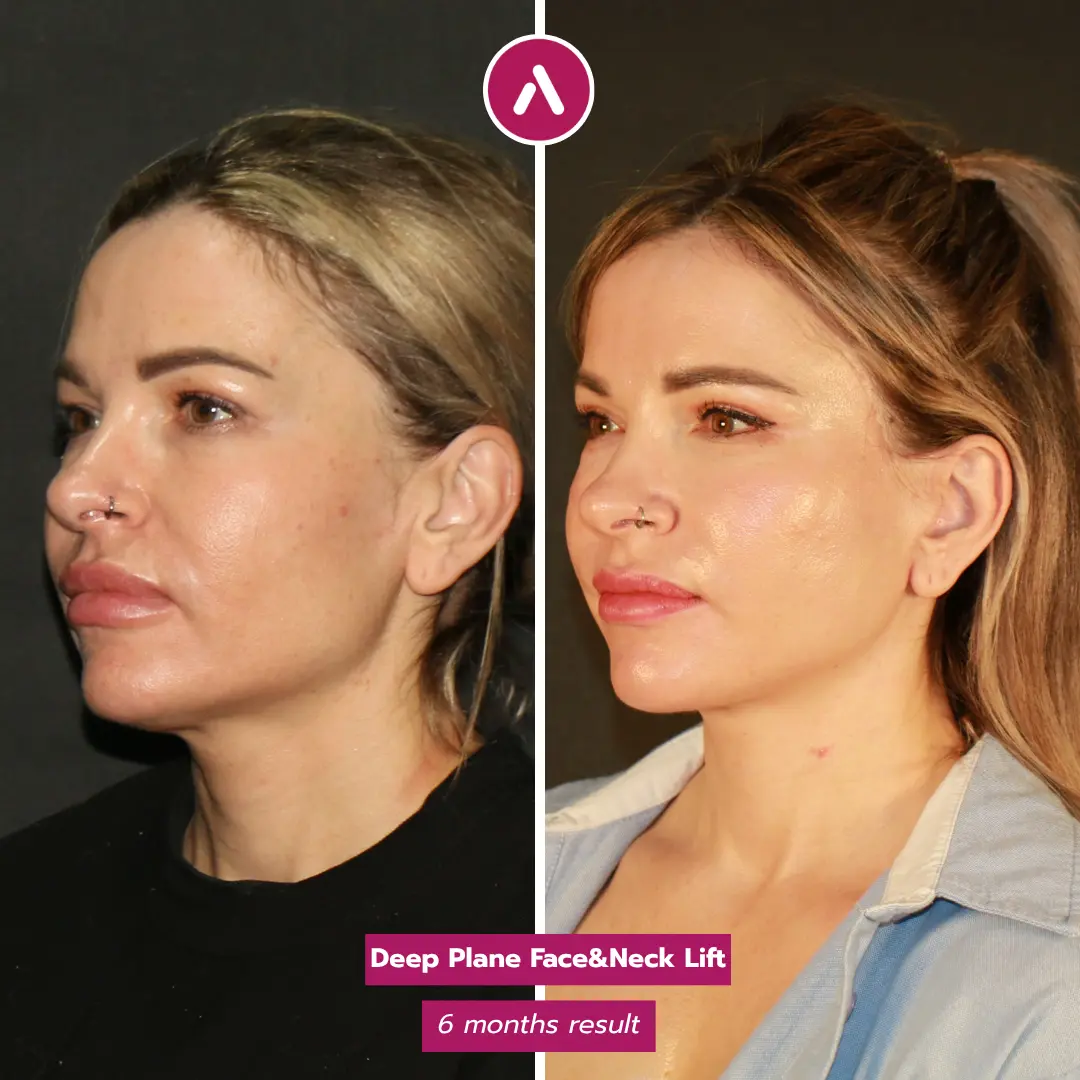
What “fit to fly” means after surgery (and when airlines request medical clearance)
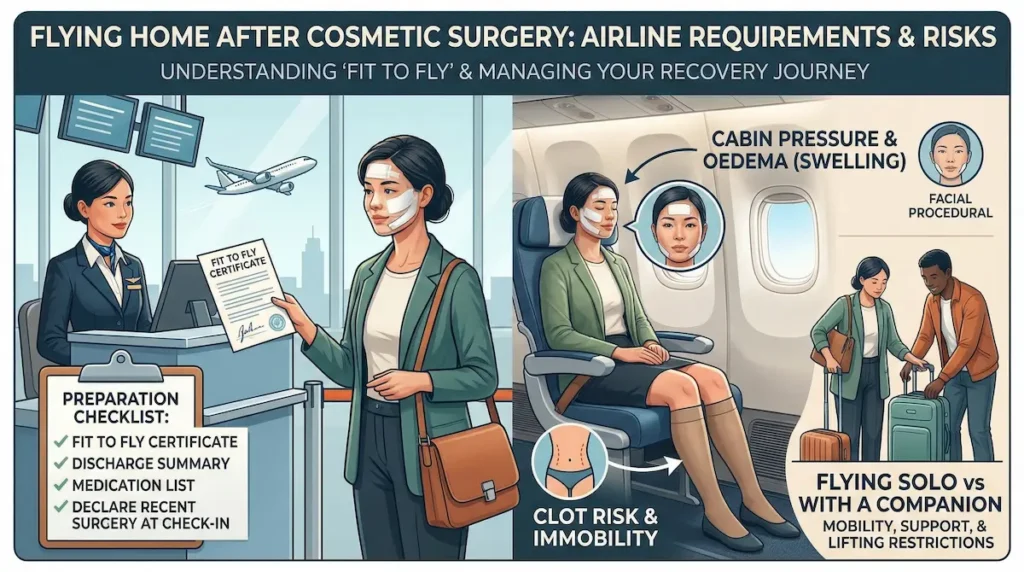
A fit to fly certificate cosmetic surgery document is typically a brief letter stating you are clinically well enough to travel. Airlines may request it if you’ve had a recent operation, have visible dressings, drains, significant swelling (oedema), or if you’re travelling soon after your procedure. The letter may include your procedure date, current condition, medication plan, and any precautions for travel (for example, mobility advice).
Declaring recent surgery: what to say, what documents to carry
When asked, be straightforward: share your procedure type and date, confirm you are clinically stable, and carry essential paperwork in your hand luggage. A sensible document pack includes: your discharge summary, medication list, and (if provided) your fit to fly certificate cosmetic surgery letter. This reduces stress at check-in and helps if you need support during the journey.
Cabin pressure, flight duration and why timing matters
Commercial aircraft cabins are pressurised, but the environment can still contribute to dryness, fatigue, and swelling. After facial surgery, swelling (oedema) and bruising may feel more pronounced during and after a flight. After body surgery such as abdominoplasty, sitting still for long periods can increase clot risk in susceptible individuals. That’s why the question when can I travel after a facelift is not just a calendar issue — it’s about your personal risk profile and your surgeon’s assessment.
Flying solo vs with a companion: when support is strongly advised
Travelling alone may be fine for some patients, but a companion can be valuable if you’re early in recovery, taking prescription pain relief, or have limited mobility (more common after a tummy tuck). If you are flying home after surgery abroad and you feel weak, dizzy, or have difficulty managing luggage, support is strongly recommended. Lifting restrictions are particularly relevant after abdominal surgery.
Surgical Risk Window and Flight-Ready Recovery Protocols
Surgeons often refer to an early post-operative period as a surgical risk window after facelift (and similarly after abdominoplasty). This is the time when swelling, inflammation, reduced mobility, and clot risk may be higher. Understanding this window helps you make a safer decision about when to travel — and it explains why some patients can fly sooner than others.
The risk window explained: DVT, dehydration, reduced mobility and inflammation
In the first days after surgery, your body is healing and your routine may involve more rest and less movement. Add a flight (prolonged sitting, reduced fluid intake, fatigue), and certain risks can rise — particularly for those who are already prone to clotting issues. This is why “safe to fly after facelift surgery” depends on your medical history (for example, prior DVT, smoking, or certain medications) and your recovery progress. Medical recommendations here are shaped by scientific research into post-operative clot prevention and the effects of prolonged immobility.
Facelift vs tummy tuck: how the risk profile differs for flying
A facelift is generally less limiting for mobility, but swelling (oedema) and comfort can be key issues, especially in the first week. A tummy tuck can affect posture, walking comfort, and breathing mechanics early on, and may carry a higher clot-risk profile than many facial procedures. That’s why patients frequently ask both: safe to fly after tummy tuck and when can I fly after facelift — the answer is often different for each procedure, even for the same patient.
What “flight-ready” looks like: mobility targets, wound review, pain control, hydration
Think of flight-ready recovery protocols as a checklist your team uses to determine if travel is sensible. While every clinic may structure it slightly differently, the principles are similar:
- Clinical stability: no fever, no concerning bleeding, stable pain levels.
- Mobility: you can walk comfortably at regular intervals without dizziness or shortness of breath.
- Wounds and dressings: wounds are clean, dressings are secure, and you know how to manage them during travel.
- Medication plan: you understand what to take and when (using UK terms such as paracetamol where appropriate).
- Hydration plan: you can maintain fluid intake before and during the flight.
Why timing should be personalised (not a one-size-fits-all rule)
Online answers can be confusing because they tend to give a single number of days. In real practice, your safest return date depends on your specific procedure, anaesthesia type, whether you had combined surgery, your medical history, and your examination findings. If you are aiming for the earliest reasonable return, ask your surgeon directly about your flight-ready recovery protocols and where you are within the surgical risk window after facelift (or after abdominoplasty).
Compression, Drains & Swelling (Oedema) Guidelines
Swelling (oedema) is expected after both facelift and tummy tuck surgery, but flights can make it feel worse. Managing compression properly and understanding how drains, dressings and fluid shifts interact with air travel is a key part of making it safe to fly after facelift surgery or safe to fly after tummy tuck.
Why oedema can worsen during flights (posture, fluid shifts and cabin environment)
During a flight you tend to sit still, drink less, and keep your head/neck or legs in a dependent position for longer periods. The cabin environment can also contribute to dehydration, which may paradoxically worsen swelling. In facelift recovery, this can mean tighter facial swelling and increased discomfort. After abdominoplasty, lower-limb swelling can increase if mobility is limited. This is why when can I travel after a facelift is often best answered alongside a plan to minimise oedema in the air.
Drains and flying: when it’s a firm “no” vs case-by-case assessment
As a general safety principle, travelling with drains is usually avoided unless your surgeon explicitly agrees it is safe in your specific circumstances. Drains can increase infection risk, complicate security screening, and make managing dressings in transit difficult. If you’re flying home after surgery abroad, your plan should ideally allow enough time for drain removal and a wound review before you fly. If drains are still in place, you should assume you may need a fit to fly certificate cosmetic surgery letter and very clear aftercare instructions.
Compression garments: correct fit, comfort, and safe wear during travel
Compression is commonly used after tummy tuck to support tissues and reduce swelling. The aim is snug support without pain, numbness, or breathing restriction. For flights, you’ll want a garment that is secure but comfortable enough to allow safe walking and deep breathing. If you’re unsure about fit, get your garment checked before you travel. For some patients, your team may also discuss additional measures such as graded compression stockings for DVT risk reduction, depending on your profile.
Red flags you must not ignore: calf swelling, chest pain, breathlessness, fever
While mild swelling and bruising are expected, certain symptoms are not “normal recovery” and should be treated urgently. If you experience one-sided calf swelling or pain, chest pain, sudden breathlessness, coughing up blood, fainting, a persistent fever, or rapidly worsening wound redness/discharge, seek urgent assessment (in the UK this means calling 999 or attending A&E). Safety decisions about safe to fly after tummy tuck or facelift must prioritise these red flags over travel convenience.
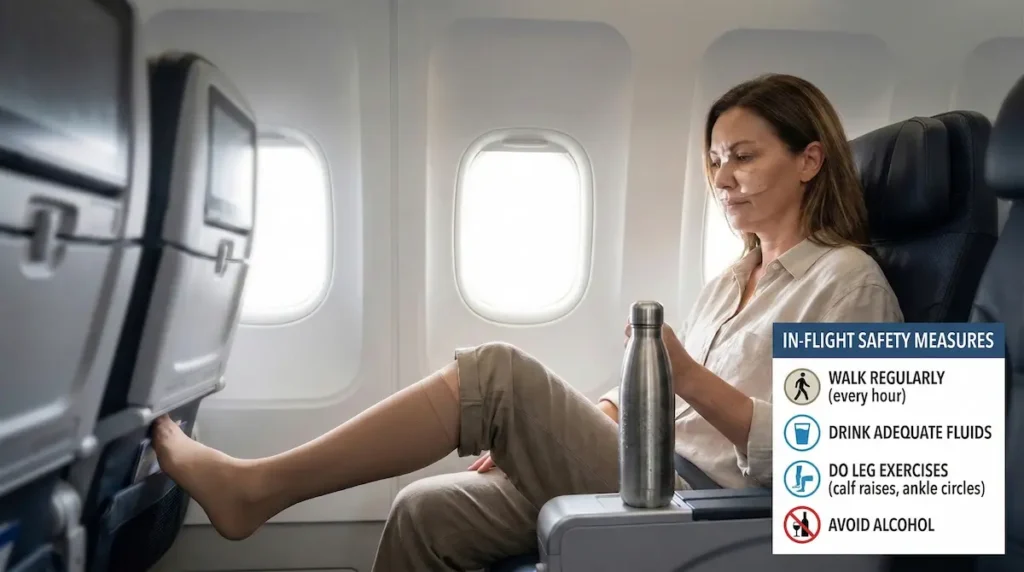
Blood Clot Prevention (DVT) and In-Flight Safety Measures
One of the most important medical reasons surgeons recommend delaying flights is clot risk. Prolonged sitting can increase the chance of a deep vein thrombosis (DVT), particularly within the early post-operative surgical risk window after facelift (and often more so after abdominoplasty). Strategies to reduce risk are based on established clinical principles and supported by medical science.
If you’re planning to fly soon, it’s also worth remembering that clot prevention is not just about the flight itself — it starts in the days beforehand. Staying well-hydrated, walking little and often, and avoiding long periods of inactivity can all support safer circulation during this early recovery phase. If you’re trying to speed up facelift recovery, prioritise consistent gentle mobilisation and follow your surgeon’s aftercare instructions closely, as better day-to-day mobility can make in-flight precautions far more effective.
Who is higher risk? (previous DVT, smoking, BMI, combined procedures, long flights)
Your personal risk can be higher if you have had a prior clot, smoke, have limited mobility, are taking certain medicines, have a higher BMI, are dehydrated, or have had combined surgery (for example, tummy tuck with liposuction or additional procedures). Longer flight duration and travel fatigue can also compound risk. If you recognise yourself in these factors, ask your surgeon how they define your surgical risk window after facelift or tummy tuck, and what your tailored travel plan should be.
In-flight routine: walking plan, calf pumps, hydration, avoiding alcohol
Simple measures can help reduce clot risk on the day you fly:
- Walk regularly: aim to stand and walk for a few minutes at least every hour if you can do so safely.
- Calf pumps: ankle circles and heel-to-toe movements while seated.
- Hydration: sip water consistently; plan your intake in litres across the day.
- Avoid alcohol: it can worsen dehydration and impair judgement about pain and mobility.
- Loose clothing: choose comfortable layers and loose trousers to reduce pressure points.
Compression stockings vs surgical garments: what each is for
Surgical compression garments (often used after tummy tuck) support healing tissues and reduce swelling. Compression stockings are designed to support venous return in the legs. They are not interchangeable. If your surgeon recommends stockings for travel, follow the sizing and usage guidance carefully. Never layer compression in a way that causes numbness, severe discomfort, or skin colour change.
When to seek urgent help: symptoms that warrant immediate A&E assessment
DVT and pulmonary embolism symptoms can be subtle at first. Seek urgent help if you develop: one-sided calf swelling/pain, sudden shortness of breath, chest pain, rapid heart rate, coughing blood, or collapse. This guidance is relevant whether you are deciding if it is safe to fly after facelift surgery or you have already returned and symptoms develop afterwards.
Practical UK Travel Planning After Surgery (Hotels, Transfers, Seating & Comfort)
Beyond the medical questions, practical planning can make or break your journey home. UK patients travelling for treatment commonly want a clear, step-by-step plan for flying home after surgery abroad — including seating, luggage, transfers, and comfort strategies that reduce swelling and fatigue.
Choosing the right flight time: direct vs connecting routes (comfort vs fatigue)
Direct flights are often easier because they reduce walking distances, time in airports, and the number of transitions you must manage. However, sometimes a connection offers more flexible timing. If you’re early in recovery, prioritise the option that minimises stress and allows you to move safely. This is part of answering when can I travel after a facelift in a real-world way: it’s not only “days after surgery”, it’s also “how demanding is the journey?”.
Seating strategy: aisle seats, extra legroom and minimising swelling
An aisle seat makes it easier to stand and walk without disturbing others, which supports DVT prevention. If it’s within budget, extra legroom can improve comfort after tummy tuck. Bring a small pillow for lower back support if needed. For facelift patients, consider a neck pillow that supports comfortable positioning without pressing on sensitive areas.
Transfers and luggage: lifting restrictions and how to plan assistance
After a tummy tuck, lifting can strain abdominal repairs and increase discomfort. Plan assistance for suitcases and transfers. Arrange door-to-door transfers where possible to reduce long walks and stairs. If you’re travelling alone, consider booking luggage assistance through the airport or airline services. This planning is a major part of making it safe to fly after tummy tuck.
What to pack in hand luggage: prescriptions, dressings, travel pillow, loose trousers
Your hand luggage should be your “recovery kit”: prescribed medicines, a small dressing pack, sanitiser, bottled water, snacks, wet wipes, and a travel pillow. Keep a copy of your discharge information and (if provided) your fit to fly certificate cosmetic surgery letter. Wear loose, breathable clothes and comfortable trousers to avoid pressure on incisions or swollen areas.
Safe Flight Checklist for British Citizens
This checklist brings the essentials together. It is designed for UK patients who want clarity on when can I fly after facelift, how to make travel safer, and what “flight-ready” means in practical terms. It aligns with the logic of flight-ready recovery protocols used in many surgeon-led pathways.
24–48 hours before flying: checks, medication plan, dressing care and hydration
- Confirm clinical stability: no fever, no concerning wound changes, and pain is controlled.
- Wound review: ensure dressings are secure and you understand how to manage them.
- Medication plan: know exactly what you are taking and when; carry spares.
- Hydration plan: begin hydrating early rather than trying to “catch up” at the airport.
- Documents: discharge summary and (if relevant) a fit to fly certificate cosmetic surgery letter.
On the day: walking schedule, fluids (litres), in-flight positioning
- Arrive early: avoid rushing, which can increase swelling and fatigue.
- Move regularly: short walks and calf exercises throughout the flight.
- Fluids: sip water consistently; avoid alcohol.
- Positioning: keep pressure off sensitive surgical sites; use pillows for support.
Pain relief: UK-safe terminology and examples (e.g., paracetamol)
Use only pain relief that your clinical team has approved. Many patients use paracetamol as a baseline option, sometimes alongside other prescribed medications depending on the procedure and pain level. Avoid self-medicating with unfamiliar medicines, and do not combine drugs unless advised. This is a core part of flight-ready recovery protocols because pain control affects mobility, hydration, and overall safety.
After landing in the UK: follow-up plan, photo check-ins and escalation steps
Plan your first 48 hours at home: easy meals, safe sleeping position, and a clear aftercare schedule. Continue gentle walking and hydration. If swelling (oedema) increases, follow your clinic’s guidance and send photo updates as requested. If you develop urgent red-flag symptoms (breathlessness, chest pain, one-sided calf swelling, fever), seek immediate NHS urgent care.
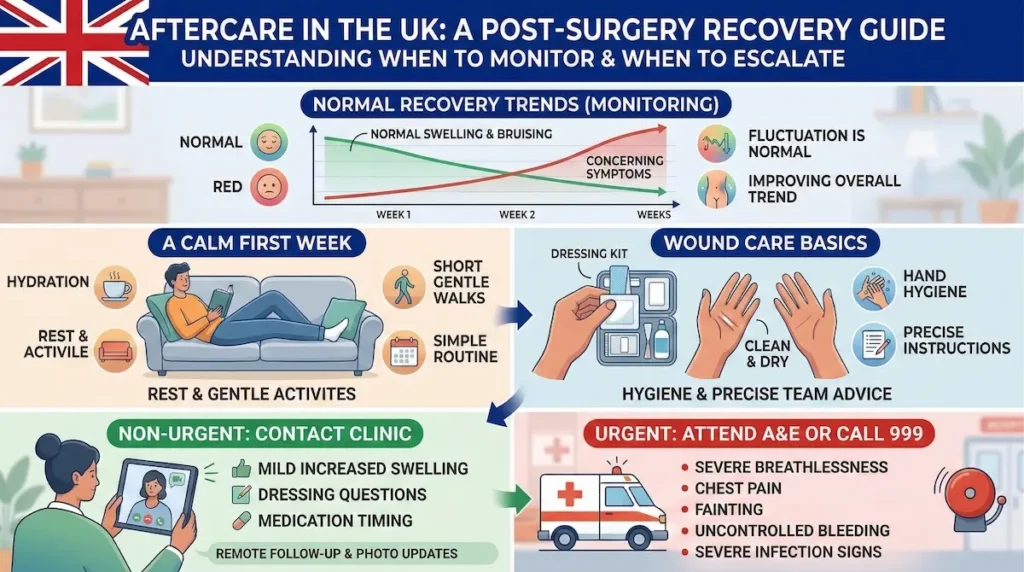
Aftercare Once You’re Back in the UK (What to Monitor and When to Escalate)
Many British patients feel most anxious about what happens after they return. A safe plan for flying home after surgery abroad includes clear expectations of normal recovery, plus clear triggers for escalation. This approach is consistent with good practice in scientific research on post-operative safety: early recognition of complications leads to better outcomes.
Once you’re home, set yourself up for a calm first week by planning rest, short gentle walks, and a simple routine for hygiene and wound care. This helps you spot changes early and reduces the temptation to “push through” discomfort. If you’re aiming to speed up facelift recovery, consistency matters more than intensity: keep swelling under control with sensible positioning, maintain hydration, and follow your surgeon’s guidance on activity levels and skincare so you recover steadily and safely.
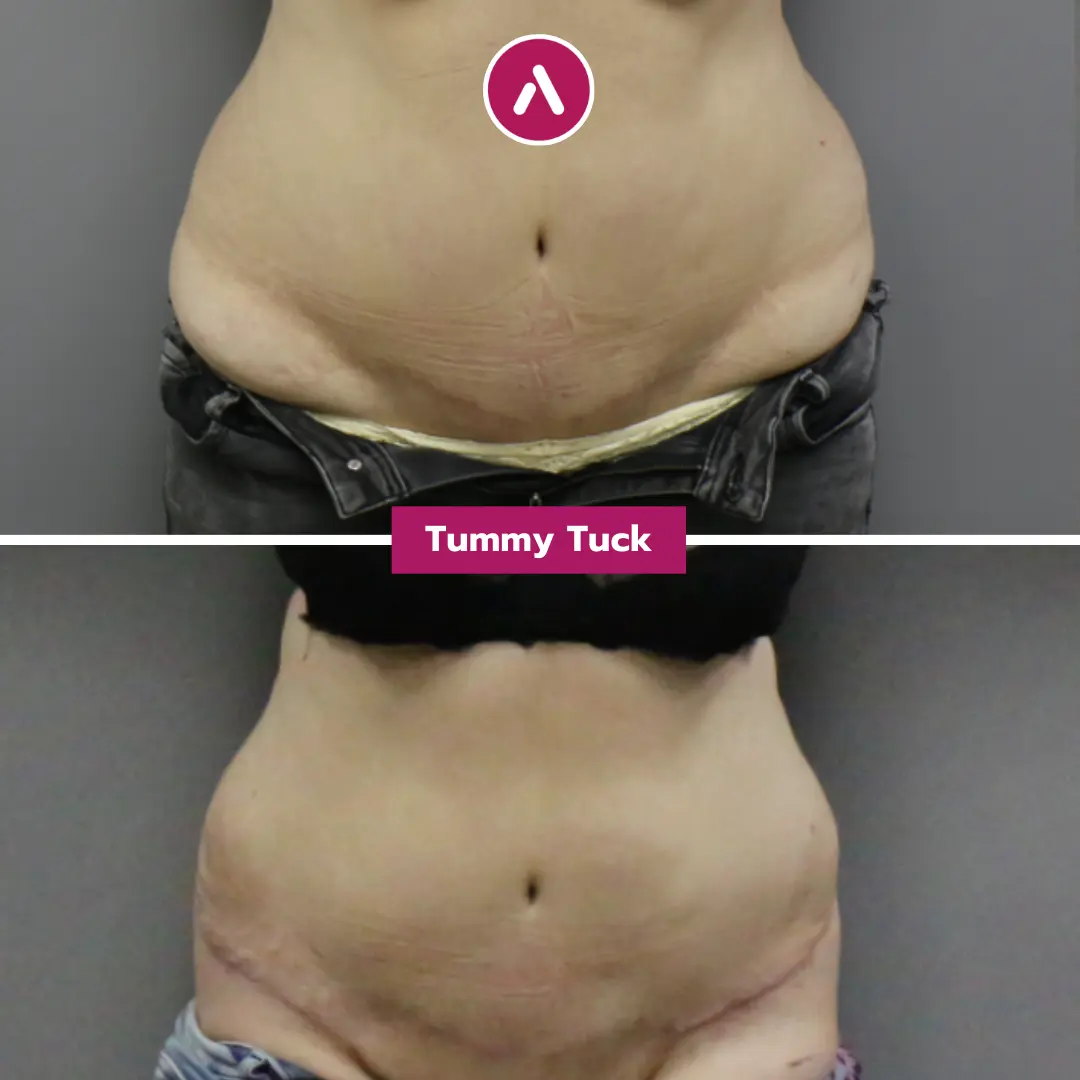
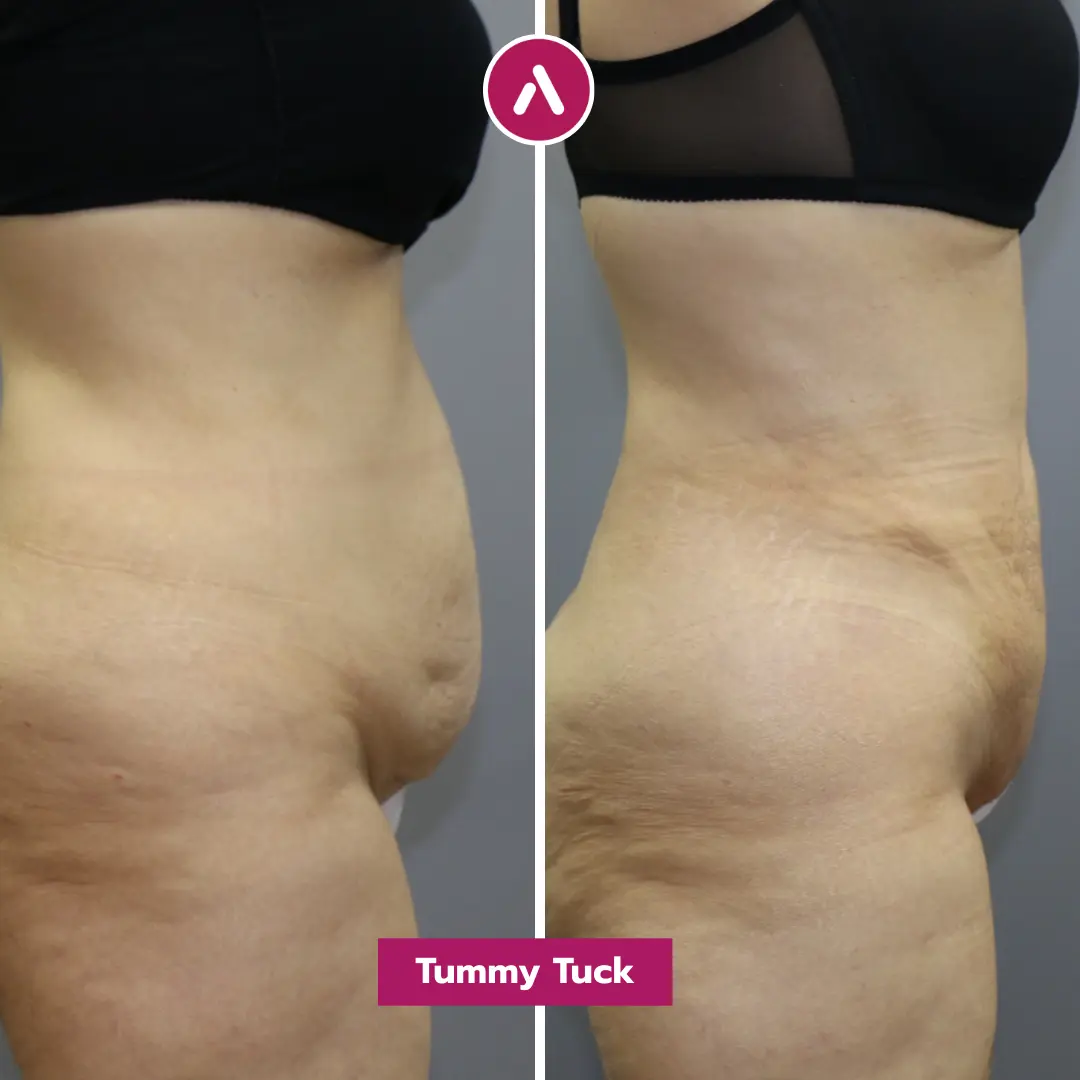
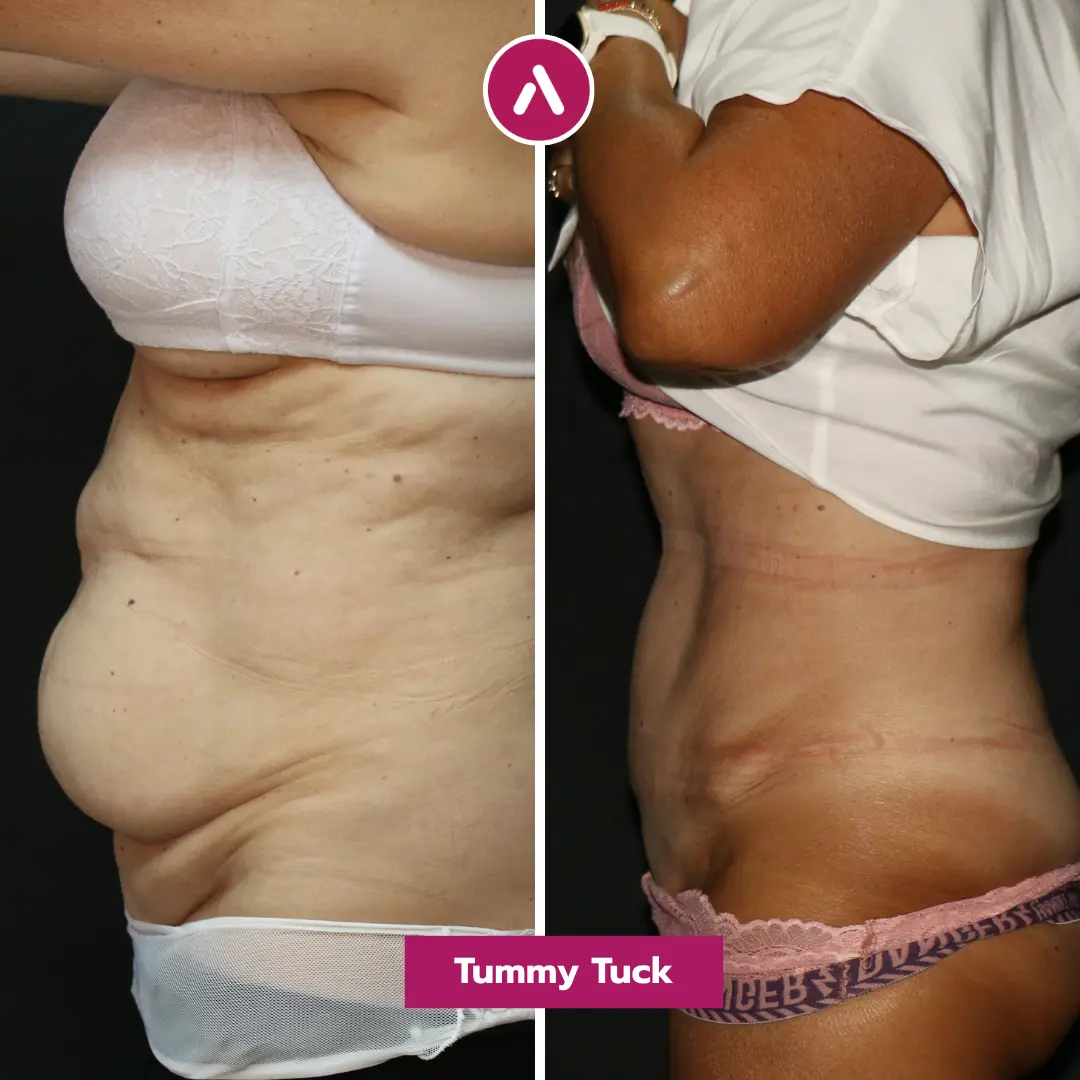
Normal vs concerning swelling and bruising timelines
Some swelling and bruising can last weeks, and it may fluctuate day-to-day. What matters is the trend and whether symptoms are improving overall. Concerning changes include sudden worsening pain, rapidly expanding redness, new heat at the wound, foul discharge, or systemic symptoms such as fever.
Wound care basics at home: hygiene, dressings and showering
Follow your surgeon’s instructions precisely. Keep wounds clean and dry as advised, change dressings with clean hands, and avoid products not recommended by your team. If you are uncertain, ask rather than guess — especially if you have recently flown and swelling is changing.
When to contact your clinic vs when to attend A&E
Contact your clinic for non-urgent concerns such as mild increased swelling, questions about dressings, or medication timing. Attend A&E or call 999 for urgent symptoms such as severe breathlessness, chest pain, fainting, uncontrolled bleeding, or signs of a significant infection.
Remote follow-up: photo updates, scheduled check-ins and continuity of care
Remote follow-up can be reassuring when you are back in the UK. Use clear, well-lit photos, keep a brief daily note of symptoms, and follow scheduled check-ins. This continuity supports safer recovery, particularly if you flew during the earlier portion of the surgical risk window after facelift or after abdominoplasty.
Frequently Asked Questions (FAQ): Fly After Facelift
These short answers address the most common UK queries.
When can I fly after facelift?
The safest timing depends on your healing, swelling (oedema), procedure details, and personal risk factors. Your surgeon will advise based on where you are in the surgical risk window after facelift and whether you meet flight-ready recovery protocols.
Is it safe to fly after facelift surgery?
It can be safe once your surgeon confirms you are clinically stable, mobile, and your wounds are secure. The goal is to minimise clot risk and avoid worsening swelling. If you need documentation, a fit to fly certificate cosmetic surgery letter may be provided.
Is it safe to fly after tummy tuck?
Safe to fly after tummy tuck depends on mobility, pain control, wound status, and clot risk. Abdominoplasty can affect posture and comfort, so a cautious plan with regular movement and hydration is essential.
Flying home after surgery abroad: what should I plan for?
Build in time for a wound review and any drain removal, carry your documents and medicines in hand luggage, choose a seat that supports mobility, and plan assistance for transfers and luggage. This is the practical foundation of flying home after surgery abroad safely.
When can I travel after a facelift if I’m connecting via another airport?
Connections add walking, queuing and fatigue, which can increase swelling and stress early in recovery. If you must connect, plan extra time, request assistance if needed, and ensure your surgeon agrees you are travel-ready.
What is a fit to fly certificate for cosmetic surgery?
A fit to fly certificate cosmetic surgery letter is a medical note stating you are well enough to travel and outlining relevant precautions. Some airlines request it if you have travelled soon after surgery or have visible signs of recent treatment.
What are flight-ready recovery protocols?
Flight-ready recovery protocols are practical clinical criteria used to assess whether travel is sensible: stability (no infection signs), mobility, secure wounds, clear medication plan, and a hydration/movement plan for the journey.
What does “surgical risk window after facelift” mean?
The surgical risk window after facelift refers to the early healing period when swelling, inflammation, and certain risks (such as clot risk in susceptible people) can be higher. Travel decisions are safest when guided by your surgeon’s assessment rather than fixed online timelines.
If you’d like to go beyond the guidance in this article, you can also explore our related resources, including the Surgery Abroad Safety Checklist, Travelling Solo for Surgery, and a practical Pre-Surgery Checklist to help you plan with confidence. We also cover recovery essentials such as Pain Management After Facelift, how Hyperbaric Oxygen Therapy may support healing, and Minimising Scars with evidence-led aftercare tips — so you can make informed decisions at every stage of your journey.
Medical Disclaimer: This page is provided for general educational purposes only and does not replace a face-to-face medical consultation, diagnosis, or personalised treatment plan. All surgery carries risks and outcomes vary between individuals. Suitability for a plastic surgery, procedure selection, and anaesthesia choice can only be determined after a full clinical assessment by a qualified surgeon. Always follow your clinician’s instructions and seek urgent medical attention if you develop concerning symptoms during recovery.