
If you’re comparing techniques and keep seeing the term sapphire hair transplant, it helps to know what it actually refers to (and what it doesn’t). In simple terms, “sapphire” usually describes the type of blade used for the channel-opening (incision) stage of an FUE procedure — not a completely different transplant method. For many UK patients who want a natural hairline and a tidy healing phase, this detail matters because blade choice can influence incision precision and how the scalp tissue responds.
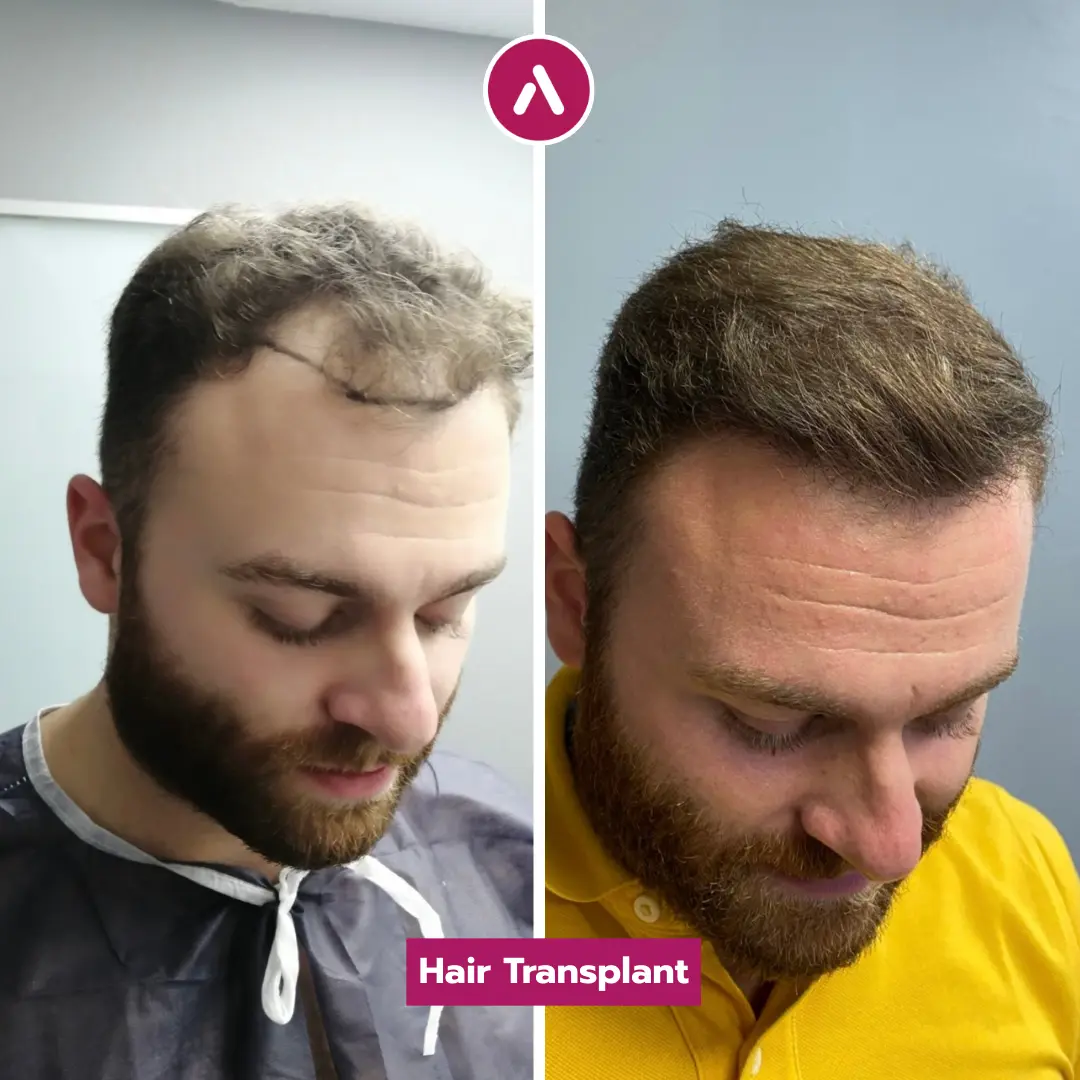
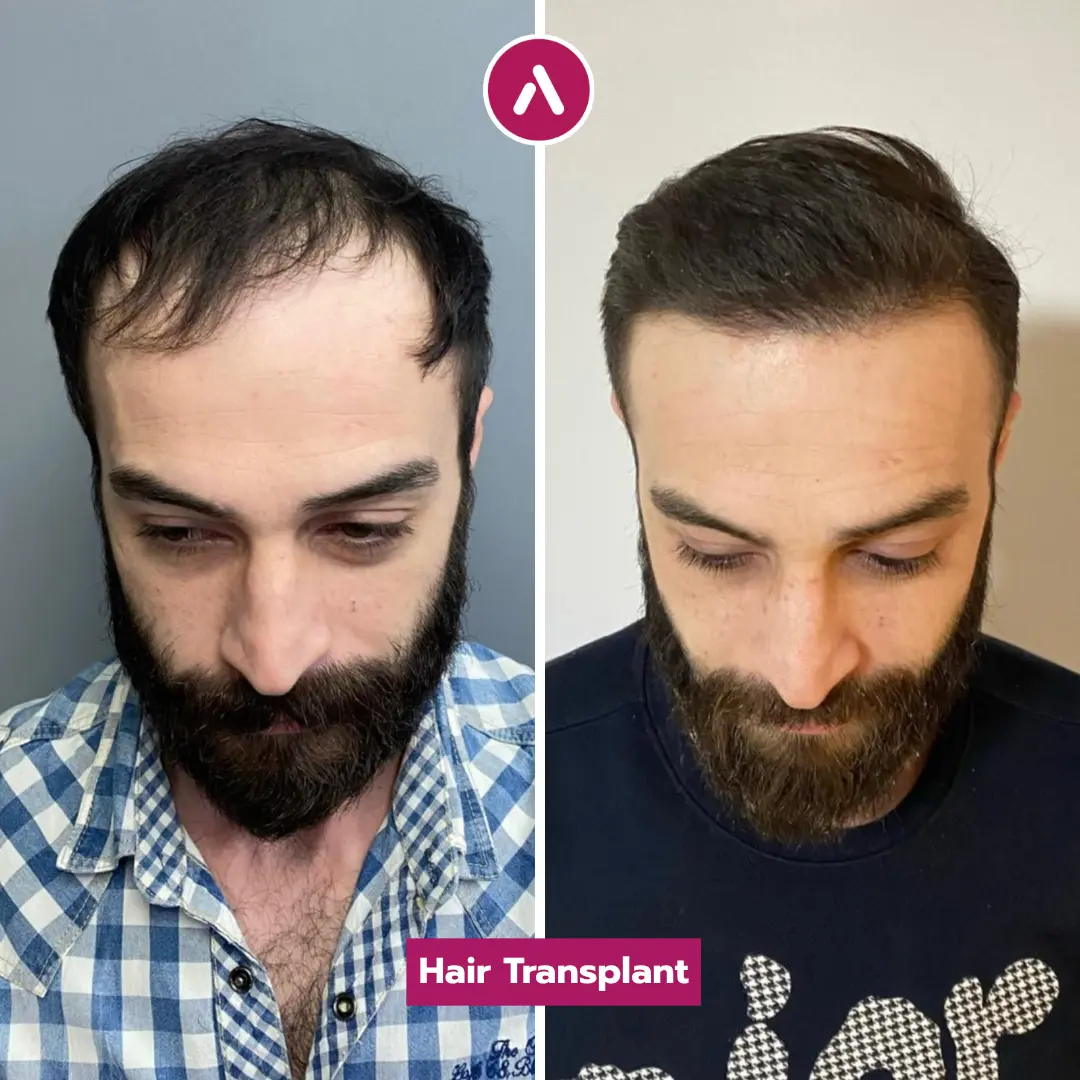
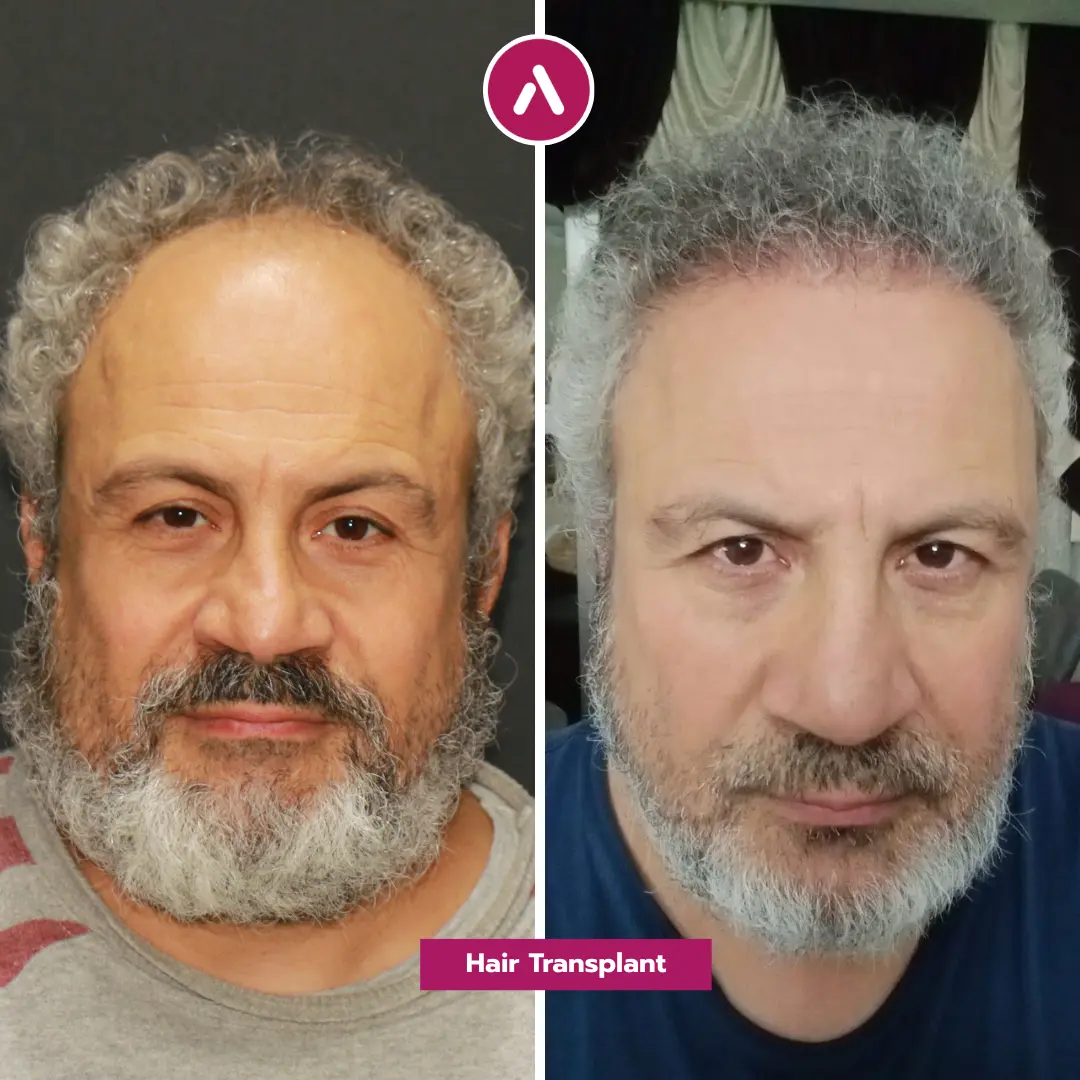
In medical science, tiny differences in how an incision is created can affect local tissue trauma, bleeding, and the predictability of wound edges. That’s why the “sapphire vs steel” question is worth unpacking calmly and technically — especially if you’re travelling for surgery and you want to reduce variables.
In this guide, we’ll explain how sapphire blades hair transplant workflows fit into modern FUE, what the genuine sapphire hair transplant advantages are (and what claims to be cautious about), and how to evaluate results, safety standards, and aftercare when considering sapphire hair transplant Istanbul options.
Table of Contents
What “Sapphire” Actually Means in Hair Transplant Surgery
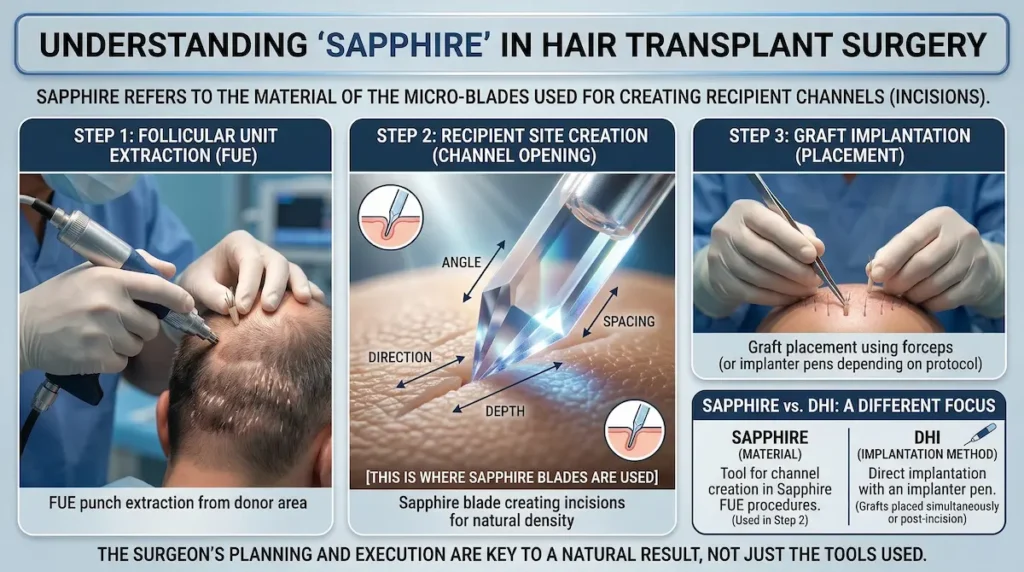
“Sapphire” most commonly refers to the material used for the micro-blades that create recipient sites (channels) in the scalp. The rest of the procedure — donor extraction, graft handling, and implantation — follows the established principles of FUE. So, when you see phrases like FUE hair transplant with sapphire blades or sapphire FUE hair transplant, they’re typically describing an FUE plan where sapphire blades are used during the incision phase to prepare channels that match the surgeon’s design for angle, direction, and density.
Because patients often compare DHI vs FUE hair transplant options at this stage, it’s useful to remember that these terms describe different parts of the workflow rather than “better vs worse” outcomes. Sapphire relates to how recipient channels may be created, while DHI commonly refers to implantation with an implanter pen. The most important question is how the surgeon plans and controls hair angle, direction, and spacing to achieve a natural result while protecting blood supply in the recipient area.
Sapphire blade vs “sapphire hair transplant”: where it fits in FUE
FUE is the overarching method: grafts are extracted one-by-one from the donor area (usually the back/sides of the scalp). A “sapphire” plan means the surgeon uses sapphire micro-blades to open the recipient channels before implantation. This is why you may also see it written as sapphire blades hair transplant rather than a separate “new technique”.
- Extraction: FUE punch extraction from donor area
- Channel opening: recipient sites created (this is where sapphire blades may be used)
- Implantation: graft placement using forceps/implanters depending on protocol
What part of the procedure uses sapphire (channel opening/incisions)
The sapphire blade is used to create the tiny incisions (channels) where grafts will be placed. These channels are not just “holes”; they are carefully designed micro-incisions that determine:
- Angle (how flat or upright the hair emerges)
- Direction (how the hair flows, especially at the hairline and temples)
- Spacing (density planning and blood supply protection)
- Depth (secure placement without excess trauma)
This is why two clinics can both advertise “sapphire” yet produce very different outcomes: the blade is a tool, but the result depends on surgeon-led planning and execution.
Sapphire FUE vs DHI: what’s different and what isn’t
Patients often ask about sapphire DHI hair transplant, but this phrase can be confusing. In many clinics, “DHI” refers to implantation with an implanter pen, whereas “sapphire” refers to the incision tool used when channels are pre-made. In practice:
- Sapphire FUE: FUE extraction + channels opened with sapphire blades + grafts implanted.
- DHI-style implantation: grafts implanted directly with an implanter pen (channels may be created simultaneously).
Some clinics combine elements (for example, sapphire channel opening in certain zones and implanter-based placement elsewhere). The key is to understand who designs the hairline, who controls angle/direction, and how grafts are protected — not just what the marketing label says.
Sapphire vs Steel Blades — The Real Technical Differences
When comparing sapphire versus steel, the question isn’t “which is always better?” It’s “which offers the most controlled, consistent incision for your scalp and design plan?” Under a surgeon-led approach, blade selection is part of controlling tissue response and ensuring channels are created predictably. A careful interpretation of scientific research principles in wound mechanics supports the idea that incision geometry and sharpness can influence local trauma — but it’s still only one piece of the overall result.
Material and edge sharpness: how it affects incision precision
Sapphire blades are manufactured from a crystal (synthetic sapphire) that can be shaped into very fine edges. In practical terms, this may allow:
- Cleaner incision edges when used correctly
- Consistent micro-incision profiles across a long procedure
- Potentially reduced “tearing” compared with a less sharp or worn edge
Steel blades, meanwhile, are widely used, reliable, and in experienced hands can produce excellent outcomes. The decision often comes down to surgeon preference, the quality of instruments, and how meticulously the team manages blade changes during the day.
Incision geometry and size: why channel shape matters for graft “fit”
Recipient channels need to match the grafts being placed. If channels are too large, grafts can sit loosely and risk poor alignment. If channels are too tight, grafts can be compressed and traumatised during placement. Advocates of sapphire often point to the ability to create precise, uniform micro-incisions that help with:
- Stable graft seating (reducing “wobble”)
- Controlled spacing to protect blood supply between sites
- More predictable scabbing patterns during early healing
This is one of the commonly cited sapphire hair transplant advantages, but it only translates into better outcomes if graft handling, hydration, timing, and implantation technique are also excellent.
Consistency during long sessions: blade durability and uniformity
Hair transplants can be long, detail-heavy procedures. Over time, any cutting edge can degrade if it’s reused beyond its ideal window. One of the arguments for sapphire is consistency of incision performance throughout the session. That said, a well-run clinical environment should have protocols to maintain instrument quality regardless of blade type (including appropriate blade changes, sterile handling, and quality checks).
If you’re researching phrases like best sapphire hair transplant in Turkey, look beyond the label and ask practical questions that affect your sapphire hair transplant results:
- Who designs and signs off your hairline plan?
- How is angle/direction controlled in the frontal zone and temples?
- What is the graft-handling protocol (hydration, time out of body, sorting)?
- What aftercare and follow-up is provided once you return to the UK?
Clinical Advantages — How Sapphire May Improve the Healing Profile
This section is where many patients focus when searching for sapphire hair transplant advantages. The honest answer is that sapphire blades may offer practical benefits in how recipient sites are created, but outcomes still depend heavily on surgeon-led planning, graft handling, and aftercare. In medical science, incision sharpness and geometry can influence tissue trauma at a micro level; in hair transplantation, that may translate into differences in bleeding, scabbing, and early redness for some patients — though individual variability is always significant.
Reduced tissue trauma and bleeding: what this can mean for oedema
In a sapphire FUE hair transplant (or any FUE hair transplant with sapphire blades protocol), the theory is that a very precise, clean micro-incision can reduce unnecessary tissue disruption. When tissue is handled gently, some patients may experience:
- Less pinpoint bleeding during channel creation
- A calmer inflammatory response in the recipient area (varies widely)
- Potentially less oedema (swelling) in the first few days, depending on technique and aftercare
However, swelling is also influenced by factors such as procedure length, fluid balance, sleeping position, and how well the scalp is protected in the first 72 hours — so blade type alone is never the full explanation.
Faster “social recovery”: redness, scabbing, and when it typically settles
For many UK patients, “recovery” means “when will I look presentable again?” Early on, you can expect some combination of redness, mild tenderness, and scabbing. With well-executed channel creation and careful implantation, some patients report that scabs appear more uniform and lift more predictably as washing routines begin — which can support a smoother “social recovery”.
That said, timelines vary by skin type, scalp sensitivity, and how strictly aftercare is followed. If you’re comparing sapphire hair transplant Istanbul options, look for clinics that provide a written aftercare plan with clear washing instructions, plus structured remote follow-up once you’re back home.
Potential impact on graft survival and density planning (what’s realistic)
It’s tempting to assume that sapphire automatically means “higher survival” or “higher density”. In reality, graft survival depends on a chain of steps: gentle extraction, minimal time out of the body, proper hydration, temperature control, careful site creation, and atraumatic placement.
Sapphire blades can support precision in site creation, which may help with consistent graft seating — but the key word is may. A responsible surgeon will prioritise safe spacing to protect blood supply, rather than chasing unrealistic density.
| What Patients Often Ask | What Actually Influences It Most | Where Sapphire Blades May Help |
|---|---|---|
| “Will it heal faster?” | Technique, scalp biology, aftercare adherence | Cleaner, consistent micro-incisions in some cases |
| “Will there be less swelling?” | Fluid management, positioning, inflammation response | Potentially less tissue disruption during channel creation |
| “Can I have higher density?” | Blood supply preservation, graft quality, design strategy | Supports precision — but doesn’t replace safe spacing |
Clinical note: In science terms, the blade is one variable. The outcome is a system: design, extraction, graft preservation, implantation, and aftercare must all be strong for the “sapphire advantage” to become meaningful.
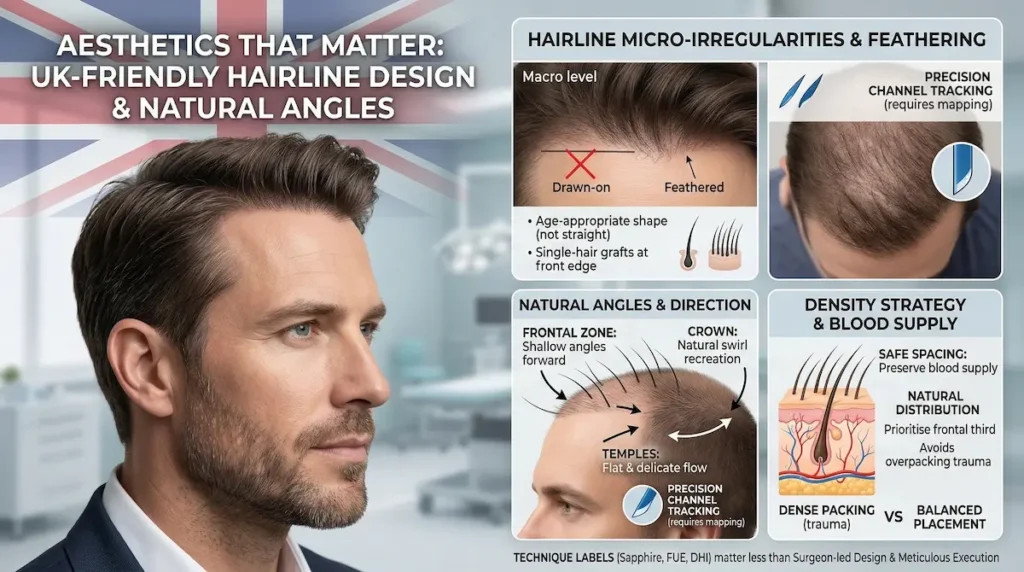
Aesthetics That Matter to UK Patients: Hairline Design and Natural Angles
For an expert patient, the end goal is rarely “maximum density at any cost”. It’s a natural-looking hairline that doesn’t shout “transplant”, with angles that mimic how hair truly grows. This is where technique labels can be misleading: you can have sapphire blades and still get an unnatural result if the hairline is poorly planned. Conversely, a surgeon-led plan with excellent angle control can produce a discreet, British-friendly aesthetic — even when you’re comparing options for the best sapphire hair transplant in Turkey.
When weighing up DHI vs FUE hair transplant approaches, it helps to focus on what will most influence the final aesthetic: hairline micro-irregularities, feathering at the front, and consistent angle/direction through the frontal zone and temples. Whether channels are created with sapphire blades or grafts are placed with an implanter, the outcome still depends on disciplined placement strategy and safe spacing to preserve blood supply. In other words, technique labels matter far less than surgeon-led design and meticulous execution.
Hairline design principles: age-appropriate, natural, not “drawn-on”
A natural hairline is not a straight line. It’s slightly irregular, feathered at the front, and designed according to your age, facial proportions, and future hair-loss risk. A careful plan typically considers:
- Frontal hairline shape (soft micro-irregularities rather than a ruler-straight edge)
- Temporal points (conservative and symmetrical where appropriate)
- Zone-based density (denser behind the hairline, lighter and softer at the very front)
Angle and direction control: temples, frontal zone, and crown strategy
Angle and direction determine whether transplanted hair lies naturally or sticks up unnaturally. In the frontal zone, hairs typically emerge at shallow angles and flow forward; in the temples, angles are even flatter and more delicate. The crown has a swirl pattern that can be challenging to recreate convincingly.
In a sapphire blades hair transplant approach, the channels set the “track” that grafts will follow. Precision in channel creation can support consistent angle control — but only if the surgeon has a clear mapping strategy for each zone.
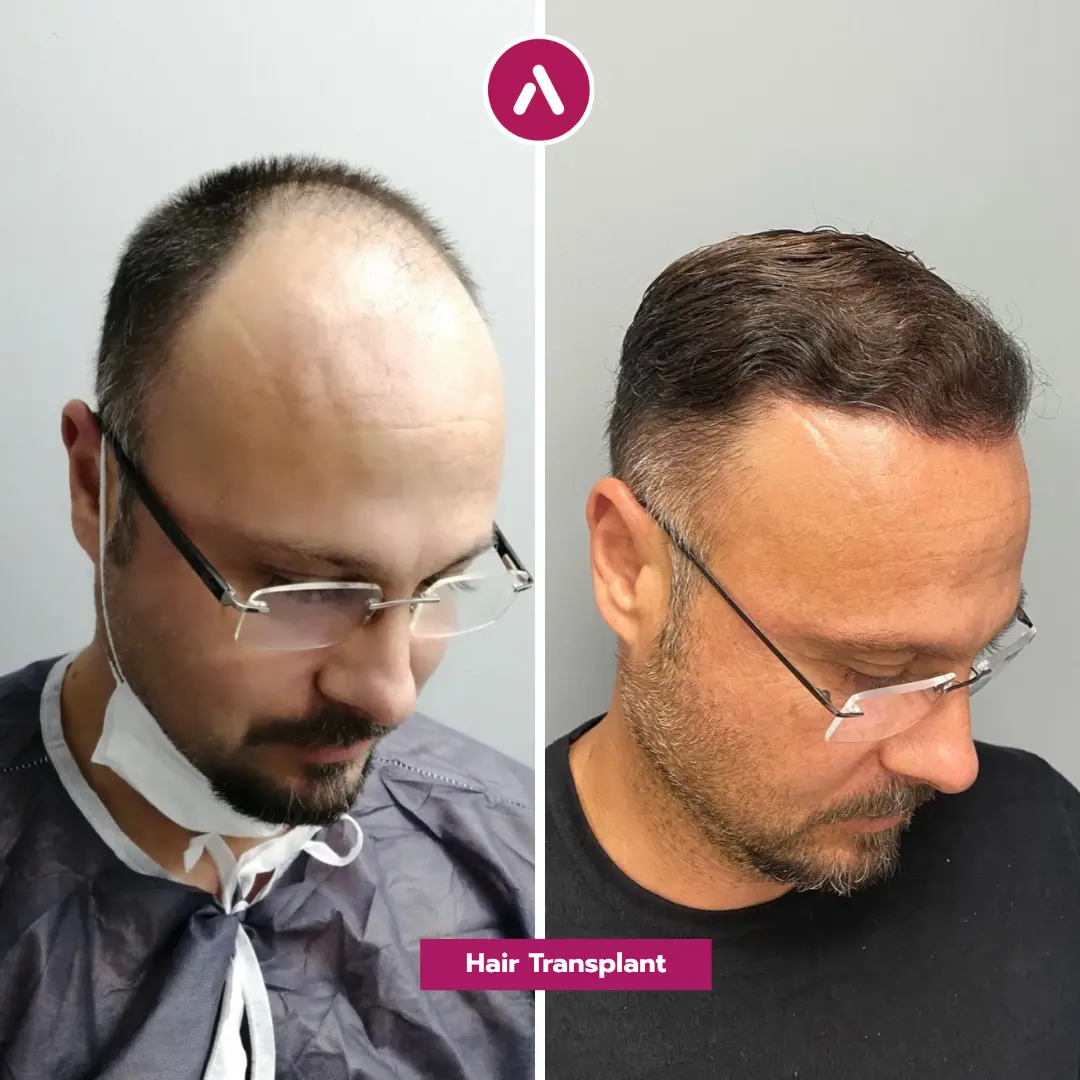
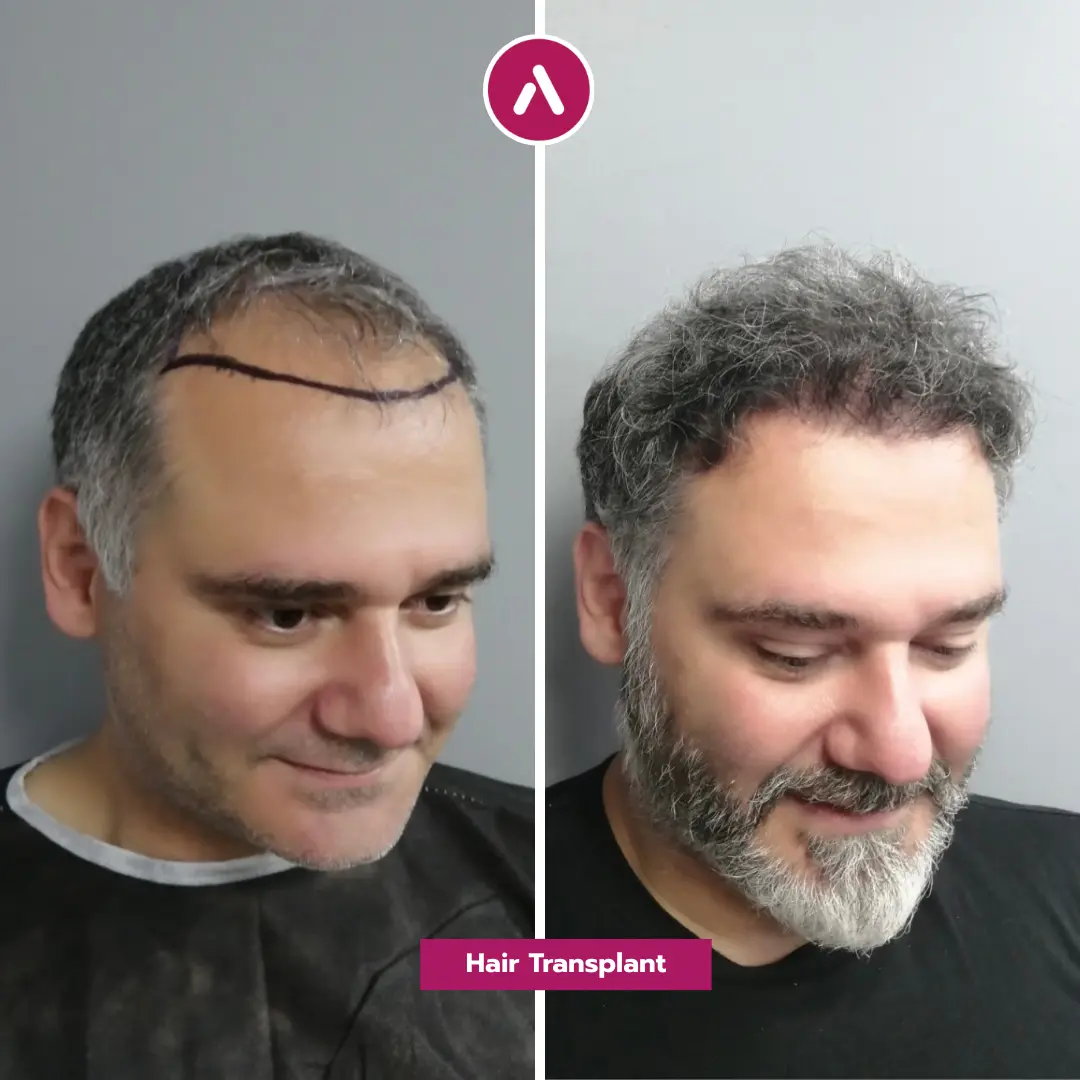
Natural density vs overpacking: how surgeons avoid an “implanted” look
Overpacking can compromise blood supply and increase trauma, potentially affecting healing and the quality of sapphire hair transplant results. A more realistic strategy is:
- Prioritise natural distribution in the frontal third
- Use appropriate graft types (single-hair grafts at the hairline edge; multi-hair grafts behind)
- Plan for the long term (future hair loss and donor preservation)
Who Is (and Isn’t) a Good Candidate for Sapphire FUE?
Not everyone benefits equally from the same approach. A sapphire FUE hair transplant can be an excellent option when the goal is precise recipient-site creation as part of a carefully designed FUE plan — but “sapphire” is not a shortcut around core clinical realities such as donor capacity, ongoing hair loss, or scalp health.
Best-fit candidates: hair calibre, donor strength, scalp characteristics
Patients who may be good candidates for an FUE hair transplant with sapphire blades often have a combination of:
- Stable donor area with sufficient graft availability for the plan
- Good hair calibre (thicker shafts can provide better coverage per graft)
- A scalp that tolerates transplantation well (no active inflammatory scalp disease)
- Realistic expectations about density, maturation timeline, and the possibility of future sessions
When steel may be preferred (and why): scar tissue, specific incision needs
Steel blades are not “inferior” by default. In some cases, experienced surgeons may choose steel (or a specific blade type) due to:
- Previous surgery/scarring where the tissue behaves differently
- Very specific incision requirements based on graft size and scalp characteristics
- Surgeon familiarity with a particular instrument that they can use with maximal consistency
Previous transplant or SMP: special considerations and risk management
If you have had a prior hair transplant, or you’ve had scalp micropigmentation (SMP), the surgeon needs to assess the scalp carefully. Prior work can alter tissue elasticity and blood supply patterns. A responsible plan will include:
- Donor re-evaluation (what’s still safely available)
- Recipient-area assessment (scar tissue, vascularity, and spacing limits)
- A conservative density strategy to protect healing and graft survival
Step-by-Step: What Happens on the Day (Surgeon-Led Planning)
Understanding the day-of process is one of the best ways to compare providers — especially when you’re considering sapphire hair transplant Istanbul clinics from the UK. A well-run treatment day is structured, measured, and safety-led. It also clarifies where “sapphire” fits: channel creation is only one stage within a wider system designed to protect graft viability and patient comfort.
Consultation and planning: graft estimate, donor mapping, hairline blueprint
Before anything begins, the surgeon should confirm:
- Your hairline plan (including micro-irregularities, temple considerations, and age-appropriate placement)
- Zone strategy (frontal third vs mid-scalp vs crown priorities)
- Graft estimate that matches donor capacity and realistic coverage goals
- Donor mapping to avoid overharvesting and preserve a natural donor appearance
Local anaesthetic comfort plan: what patients typically feel (and don’t)
Most modern hair transplants are performed under local anaesthetic. You may feel brief stinging or pressure during administration, and then the scalp becomes numb for the main stages. The team should explain comfort measures clearly and check in throughout.
The sterile operating theatre set-up and safety standards
A hair transplant should be treated as a medical procedure with appropriate infection-control protocols. You should expect a sterile operating theatre approach: proper draping, instrument handling, and clear role allocation within the team.
Extraction, graft handling, sapphire channel opening, implantation, final checks
A typical sequence for sapphire FUE hair transplant days looks like this:
- Donor extraction (FUE): grafts are harvested methodically within safe limits.
- Graft assessment and preservation: grafts are sorted and kept hydrated under controlled conditions.
- Recipient-site creation: channels are opened according to the hairline and zone plan — this is where sapphire blades may be used.
- Implantation: grafts are placed with attention to angle/direction and spacing (some clinics combine approaches; ask exactly what “sapphire DHI” means in their hands).
- Final review: the clinician checks symmetry, transitions, and the integrity of the recipient area before discharge.
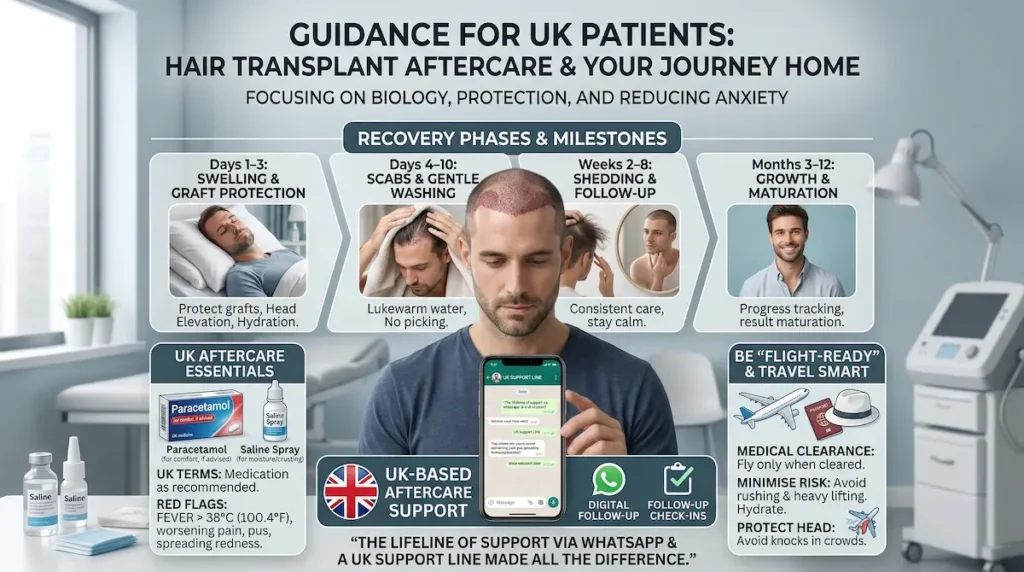
Recovery, Aftercare, and Flying Back to the UK
Aftercare is where many “good” outcomes become excellent — and it’s also where UK patients feel most anxious when travelling. A strong provider should give you a written plan, structured check-ins, and a clear point of contact once you’re back home. While every patient’s timeline differs, it helps to think in phases: the first 72 hours (protecting grafts), the first 10–14 days (scab management and settling), and then the long growth phase (months).
It’s also worth noting that recovery expectations are broadly similar whether you choose a DHI vs FUE hair transplant workflow, because the early phase is driven more by scalp biology, graft handling, and how carefully the recipient area is protected than by the label of the technique. What matters most is a clear aftercare routine, realistic milestones, and a follow-up plan that continues once you’re back in the UK—especially if you’re flying home while redness and scabbing are still settling.
First 72 hours: swelling control, sleep position, and what’s normal
In the first 72 hours, your priorities are protecting the recipient area and keeping swelling manageable. Many clinics recommend sleeping with your head elevated and avoiding any pressure or rubbing on the grafts.
- Don’t touch or scratch the recipient area (even if it itches).
- Avoid strenuous exercise and heavy lifting.
- Hydration: aim for roughly 2–3 litres of water daily (your clinician may adjust this for you).
When to seek medical advice: if you develop a fever of 38°C (100.4°F) or higher, worsening pain, or spreading redness, contact your clinic promptly.
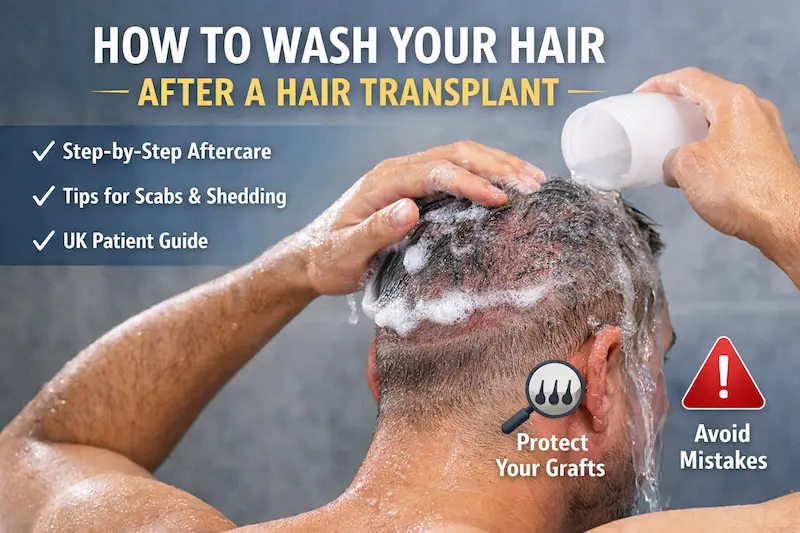
Washing and scab management: a practical day-by-day routine
Your clinic should guide you on exactly when to start washing (this varies). The overall principle is gentle cleansing to reduce crusting without dislodging grafts. Typical instructions include:
- Use lukewarm water (not hot), and avoid strong water pressure.
- Pat dry with a clean towel — no rubbing.
- Let scabs lift naturally as washing progresses (forced removal increases irritation and risk).
It’s common for redness to settle gradually over days to weeks, depending on skin type and sensitivity.
Medication guidance in UK terms (e.g., paracetamol) and red flags
Most patients do not describe hair transplant discomfort as severe, but you may need basic pain relief. In UK terms, many patients use paracetamol if needed. Your clinic will advise what is appropriate for you and what to avoid (especially if there are bleeding considerations).
- Take only what your clinician recommends (including any antibiotics or sprays/lotions).
- Avoid alcohol in the early phase unless you’ve been cleared.
- Red flags: increasing swelling after initial improvement, discharge/pus, worsening redness, or a fever of 38°C (100.4°F) or higher.
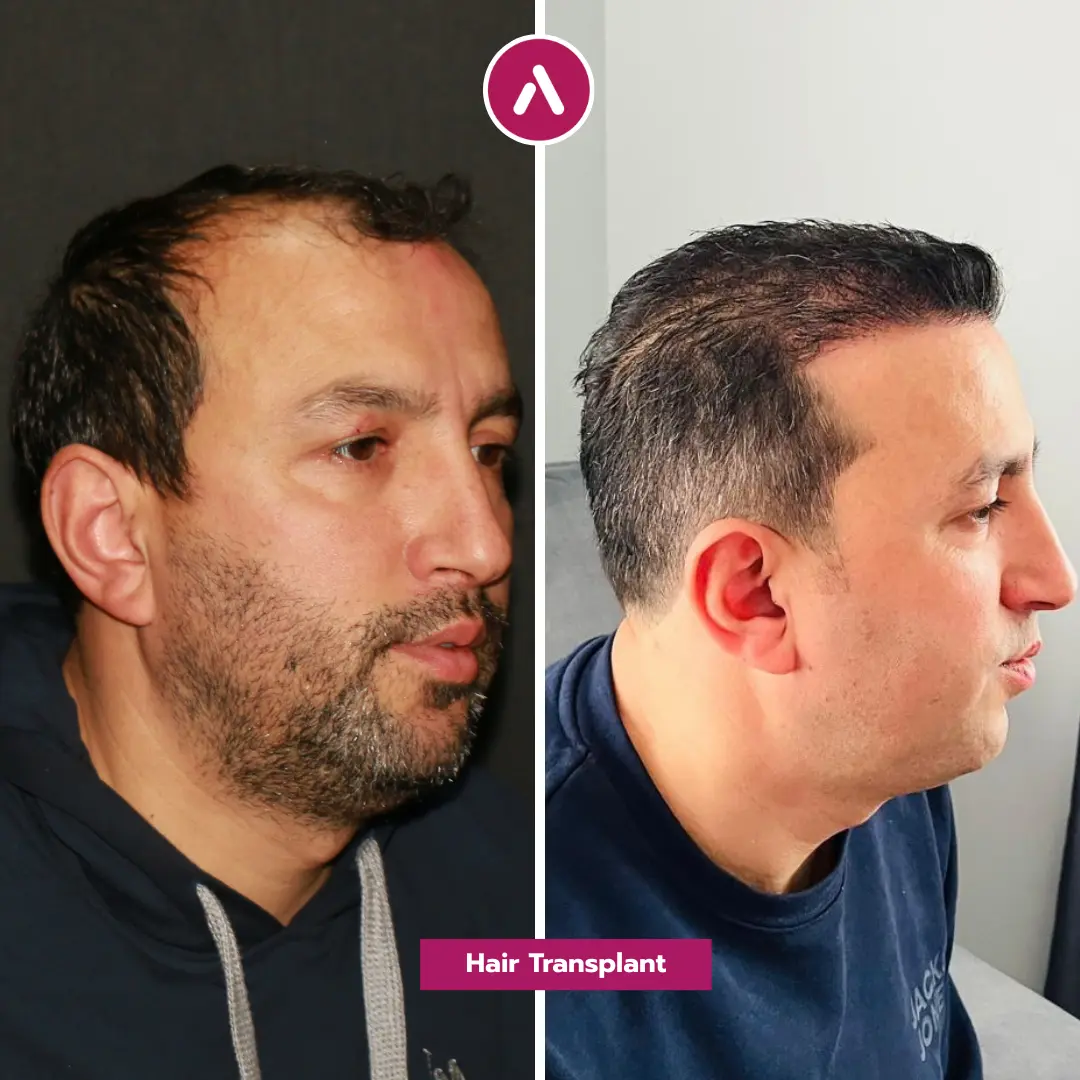
Flying back to the UK: “flight-ready” recovery and practical tips
Many UK patients want to know how quickly they can return home. The safest answer is: fly only when you’ve been medically cleared, because swelling, blood pressure changes, and the practical challenges of travel (crowds, luggage, accidental knocks) vary by person.
To reduce risk on your journey:
- Plan a calm return: minimise lifting, avoid rushing, and protect your head in busy areas.
- Move regularly during the flight and stay hydrated.
- Pack smart: saline spray/aftercare items, a clean hat approved by your clinician (if allowed), and your written aftercare plan.
| Recovery Milestone | What You Might Notice | What You Should Focus On |
|---|---|---|
| Days 1–3 | Swelling, redness, tightness; scabs starting | Protect grafts, head elevation, hydration |
| Days 4–10 | Scabs more visible; itching may start | Gentle washing routine, no picking |
| Days 10–14 | Scabs usually lifting; “presentable” phase begins | Continue aftercare, avoid sun/heat exposure |
| Weeks 2–8 | Shedding phase can occur (often normal) | Stay calm and consistent; follow-up check-ins |
| Months 3–12 | Growth and maturation phase | Track progress and communicate concerns early |
Follow-up structure: remote check-ins, UK support, and peace of mind
One of the biggest “surgery abroad” worries is: “What happens when I’m back in the UK?” A high-trust service should offer ongoing digital follow-up and easy communication channels. For example, UK patients often value having a dedicated support line and WhatsApp-style access, plus a UK contact point for reassurance and logistics.
“The lifeline of support after returning home made all the difference — staying in constant contact via WhatsApp and a UK support line brought real peace of mind.”
Frequently Asked Questions (FAQ): Sapphire Hair Transplant
These are the most common questions UK patients ask when comparing sapphire hair transplant Istanbul options and trying to understand whether sapphire genuinely offers an advantage over steel.
Is sapphire hair transplant more painful than steel?
Most patients describe discomfort mainly during local anaesthetic administration; after that, the procedure is usually well tolerated. Post-procedure soreness varies and is typically manageable with the guidance your clinician provides.
Does sapphire FUE heal faster, and by how much?
Sapphire blades may support cleaner micro-incisions, which can help some patients experience a smoother early healing phase. However, healing depends more on overall technique, graft handling, and how well you follow aftercare.
Will sapphire blades reduce scarring compared with steel?
Recipient sites are tiny and usually heal very discreetly. The more visible scarring concern is typically in the donor area, which is influenced by extraction technique and safe harvesting limits rather than sapphire vs steel.
Can sapphire achieve higher density safely?
Precision can help with planning, but safe density is limited by blood supply and tissue capacity. A responsible plan prioritises long-term naturalness over overpacking.
Is sapphire suitable for diffuse thinning?
It can be, but diffuse thinning requires careful assessment to avoid shock loss and to plan density conservatively. Your clinician should evaluate donor stability, progression risk, and medication history.
How long before I can fly back to the UK after a hair transplant?
Travel timing should be personalised and confirmed by your clinician. Many patients travel relatively soon after the procedure, but clearance depends on swelling, wound status, and your overall recovery plan.
Is sapphire better than DHI, or are they used for different goals?
They describe different parts of the workflow: “sapphire” typically refers to how channels are created, while “DHI” often refers to a specific implantation method. The best choice depends on your hairline design plan, zone strategy, and the team’s expertise.
If you’d like to go beyond this topic, you can also explore our guides on Hairline Design, the Hair Transplant Growth Timeline, how to Wash Hair After Transplant, and a clear breakdown of Hair Transplant Cost UK comparisons. For peace of mind when travelling, we also recommend reading the Surgery Abroad Safety Checklist, practical advice for Travelling Solo for Surgery, and a step-by-step Pre-Surgery Checklist to help you prepare confidently and understand what to expect before, during, and after your treatment.
Medical Disclaimer: This page is provided for general educational purposes only and does not replace a face-to-face medical consultation, diagnosis, or personalised treatment plan. All surgery carries risks and outcomes vary between individuals. Suitability for a hair transplant surgery, procedure selection, and anaesthesia choice can only be determined after a full clinical assessment by a qualified surgeon. Always follow your clinician’s instructions and seek urgent medical attention if you develop concerning symptoms during recovery.