If you’re researching tummy tuck vs liposuction, you’re probably not looking for “the most dramatic” change — you’re looking for the right procedure for your body, with predictable healing and a result that looks natural in real life (not just on a clinic Instagram grid). For many UK patients, the confusion comes from one simple fact: these procedures treat different problems. Liposuction targets fat; a tummy tuck (abdominoplasty) targets excess skin and may address muscle separation (diastasis recti).
In this guide, we’ll break down the tummy tuck vs liposuction differences in a practical, diagnosis-style way — so you can answer the most important question: do I need a tummy tuck or liposuction? We’ll also cover when a combined approach makes sense and what recovery tends to look like for British travellers. Where appropriate, we’ll reference principles from medical science and established surgical practice — because choosing a body contouring procedure should be based on physiology, not marketing.
Table of Contents

The Quick Answer: What Each Procedure Actually Treats
Before we compare liposuction vs tummy tuck, it helps to define the “job” of each operation. People often ask tummy tuck vs liposuction which is better — but in reality, “better” depends on what’s driving the shape change you want: fat volume, skin laxity, or muscle separation. Think of this section as a fast clinical filter to point you in the right direction.
Liposuction = fat reduction (shape change), not skin tightening
Liposuction removes pockets of fat through small incisions using a cannula. It can be excellent for refining contour, including lipo for stubborn belly fat and areas like the flanks (“love handles”). However, liposuction is not a skin-tightening procedure. If your primary issue is loose, hanging skin, removing fat alone may leave skin redundancy more noticeable.
- Best for: localised fat deposits with reasonably good skin elasticity.
- Not designed for: significant loose skin, an “apron” of skin, or repairing separated abdominal muscles.
- Key phrase to remember: liposuction reshapes by reducing volume; it doesn’t “rebuild” the abdominal wall.
Tummy tuck (abdominoplasty) = skin removal + muscle repair option
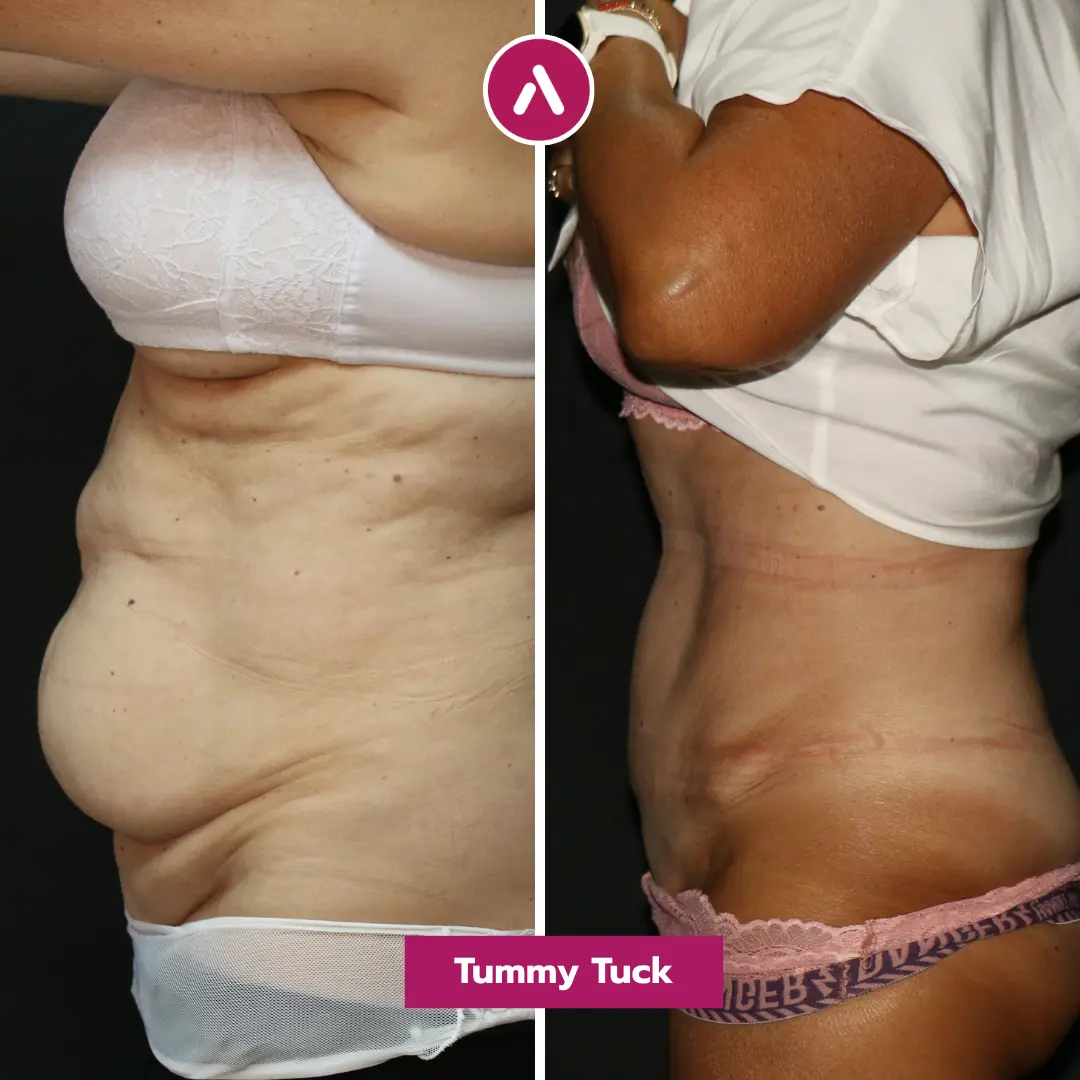
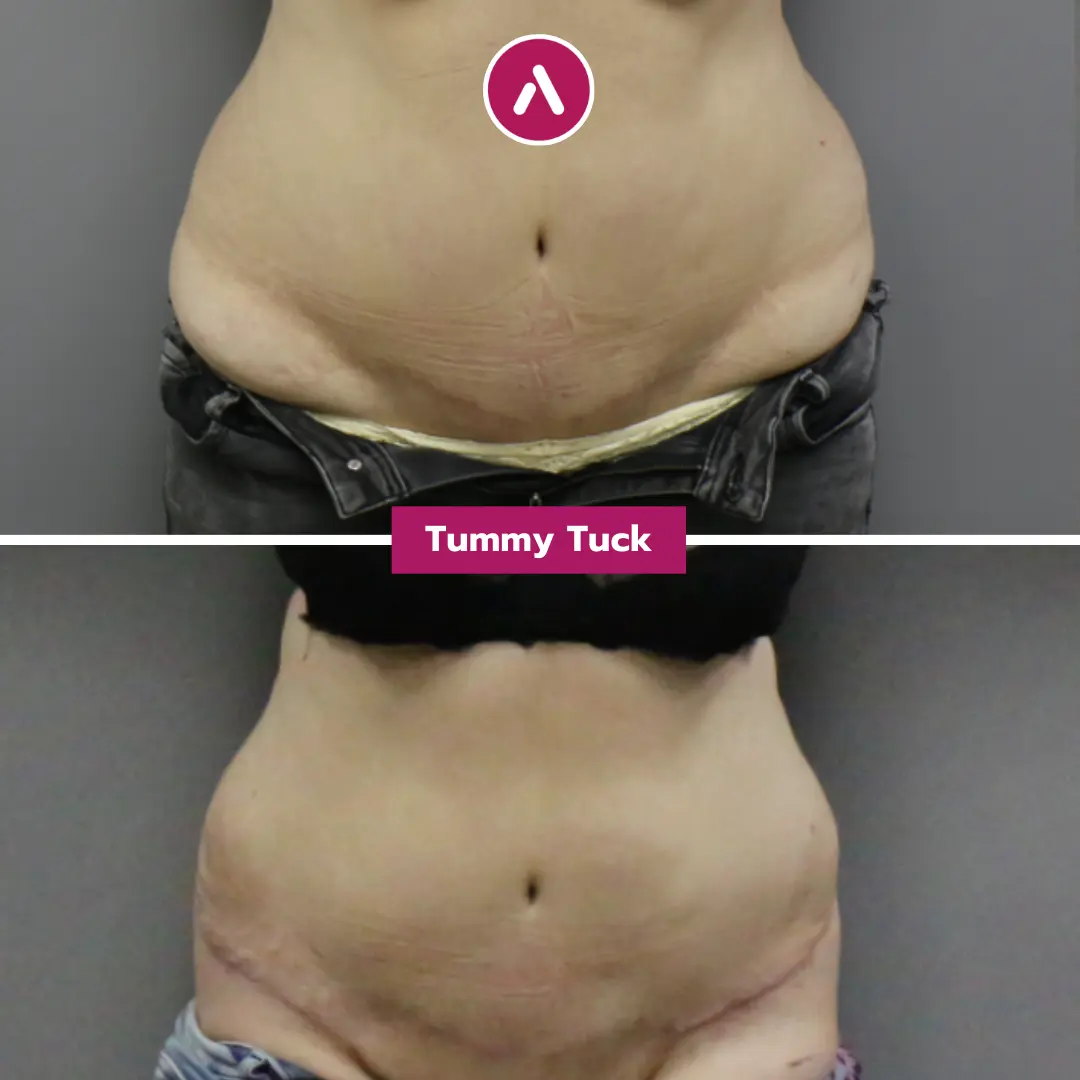
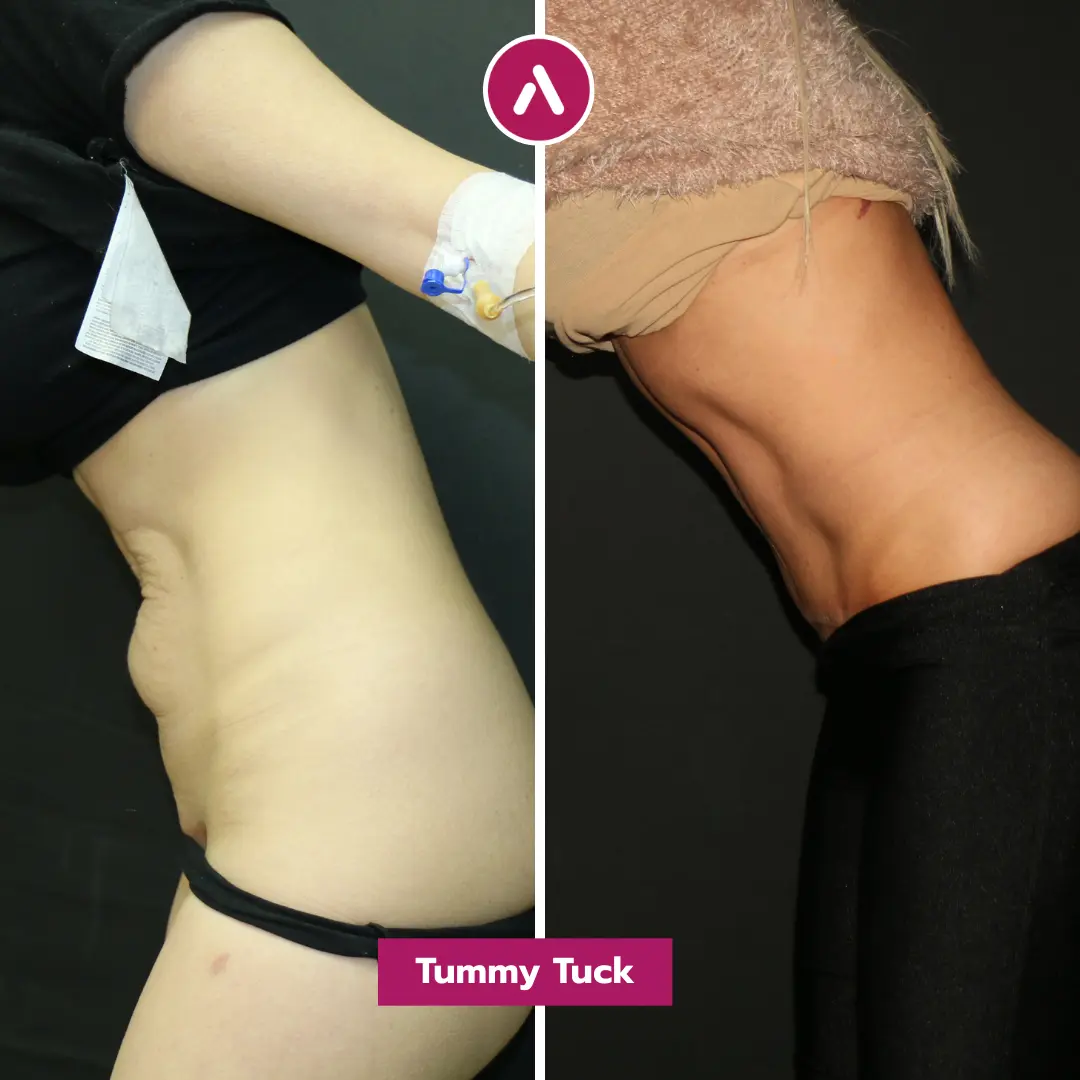
A tummy tuck (also called abdominoplasty vs liposuction when compared side-by-side) is a reconstructive contouring operation for the front of the abdomen. It typically involves removing excess skin and, when needed, tightening the abdominal wall by repairing diastasis recti. If your concern is a lower-belly “overhang”, creasing, or skin that won’t retract, a tummy tuck is often the correct tool.
- Best for: loose skin, stretched lower abdominal skin, and cases where muscle separation is contributing to a protruding abdomen.
- What it can improve: contour, waistline definition, and the “flatness” of the lower abdomen (especially if muscle repair is appropriate).
- Important: a tummy tuck is surgery with a longer recovery and a scar (strategically positioned low on the abdomen).
Why “weight loss surgery” is the wrong expectation for both
Neither liposuction nor a tummy tuck is a weight loss operation. In scientific research and day-to-day surgical practice, outcomes are best when patients are at a stable weight and choosing the procedure for contour, not the number on the scale. If your plan is to lose a significant amount of weight, it’s usually better to reach a steady weight first — otherwise results can change as your body changes.
- Goal: shape and proportion, not “dropping a dress size overnight”.
- Better mindset: “Which procedure corrects my anatomy: fat, skin, or muscle?”
For UK patients, this is exactly why a detailed consultation matters: the surgeon should assess your skin quality, fat distribution, and whether muscle separation is present, then recommend the least invasive option that still achieves your goal. If you’re considering a combined approach (for example, tummy tuck with targeted liposuction), it can also be helpful to understand what’s included in a mummy makeover package and whether it’s genuinely tailored to your anatomy rather than a one-size-fits-all bundle.
How to Self-Identify: Skin, Fat, and Muscle – Which One Is Your Main Issue?
This is where the decision becomes clearer. When people search tummy tuck vs. liposuction or abdominal liposuction vs abdominoplasty, they’re often describing one of three drivers: (1) fat, (2) loose skin, (3) muscle separation — or a combination. While an in-person consultation is essential, you can usually get a strong “first-pass” answer by observing how your abdomen behaves when standing, sitting, and gently tensing your core.
The “pinch test”: loose skin vs pinchable fat
Using clean hands, gently pinch the tissue below and around your navel while standing.
- If you mainly pinch a thick layer of soft tissue and your skin looks relatively resilient, this points more towards liposuction (fat-driven contour).
- If you pinch mostly thin, crepey skin with less underlying fat — especially if it folds or hangs — that leans more towards a tummy tuck (skin-driven contour).
- If you have both, you may be looking at a combination approach (we’ll cover this later).
This simple check helps explain many tummy tuck vs liposuction differences — because the treatment has to match the tissue type causing the silhouette.
Diastasis recti signs after pregnancy (and why lipo won’t fix it)
After pregnancy, some patients develop diastasis recti — a separation of the rectus abdominis muscles. This can create a rounded, “still pregnant” look, particularly after meals or at the end of the day. Liposuction removes fat, but it does not repair muscle separation. If the abdominal wall itself is the issue, contouring fat alone may not address the core of the problem.
- Common signs: a central bulge when you sit up, a feeling of poor core stability, or a persistent dome shape despite weight stability.
- Why it matters: in an abdominoplasty vs liposuction decision, muscle repair (when clinically appropriate) can be the defining advantage of a tummy tuck.
C-section shelf / apron belly: when skin excess becomes the deciding factor
A “C-section shelf” or lower abdominal overhang often involves skin and soft tissue that doesn’t retract. If you’re noticing a fold that affects clothing fit, causes irritation, or creates a sharp line under the waistband, excess skin may be a major driver. In these cases, patients searching do I need a tummy tuck or liposuction are often closer to tummy tuck territory — because removing fat won’t remove the overhanging skin.
- Clue: the lower abdomen creases or hangs even when you’re at a stable weight.
- Realistic expectation: a tummy tuck can remove the excess skin; liposuction can refine contour if fat pockets remain.
Liposuction Candidates: Who Gets the Best Results (and Who Doesn’t)
When people search lipo for stubborn belly fat or compare tummy tuck vs liposuction which is better, they’re often hoping liposuction will “flatten” the entire abdomen. In reality, liposuction works best when the main issue is fat volume rather than loose skin or a weakened abdominal wall. The most reliable way to think about tummy tuck vs liposuction differences is to match the procedure to the tissue causing the shape.
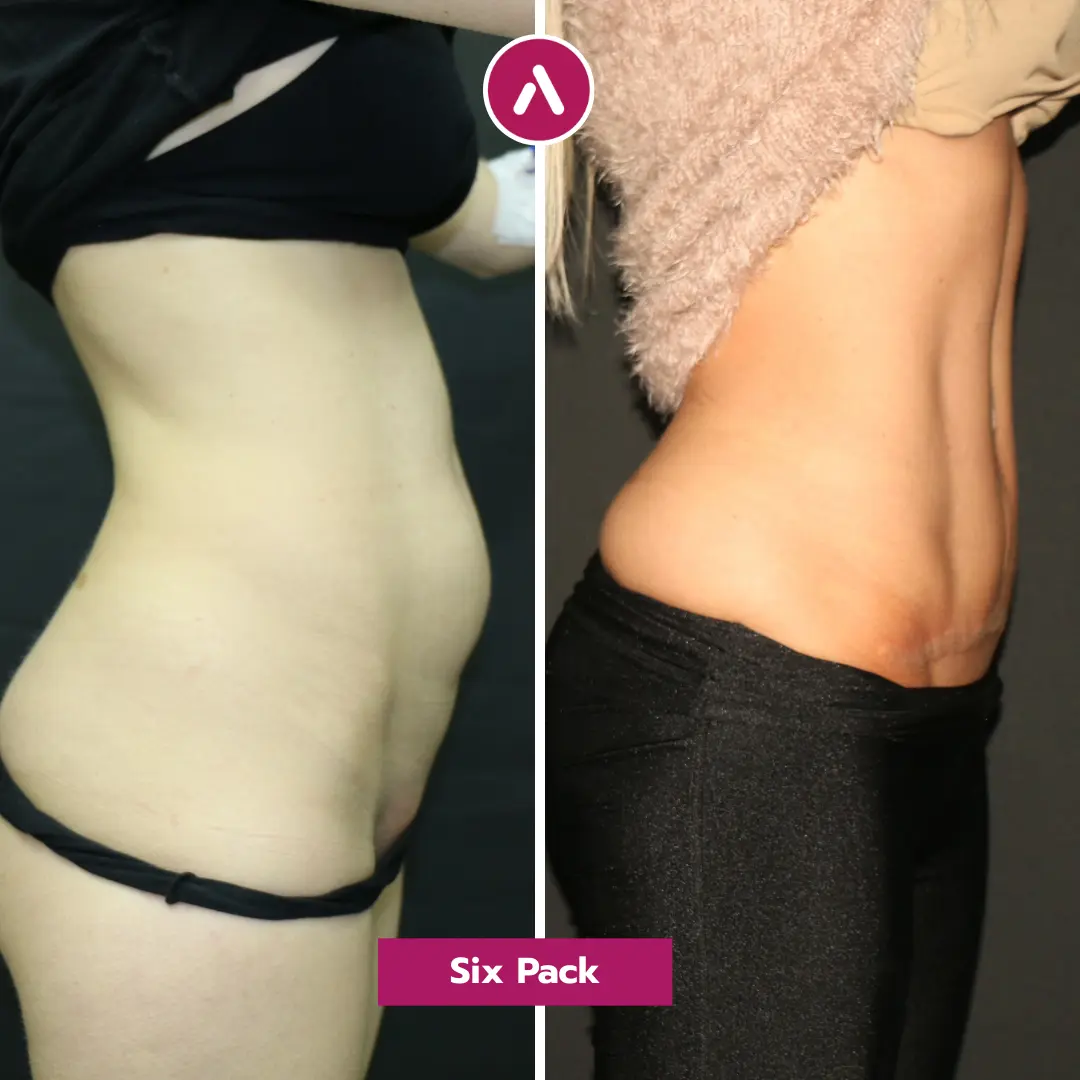
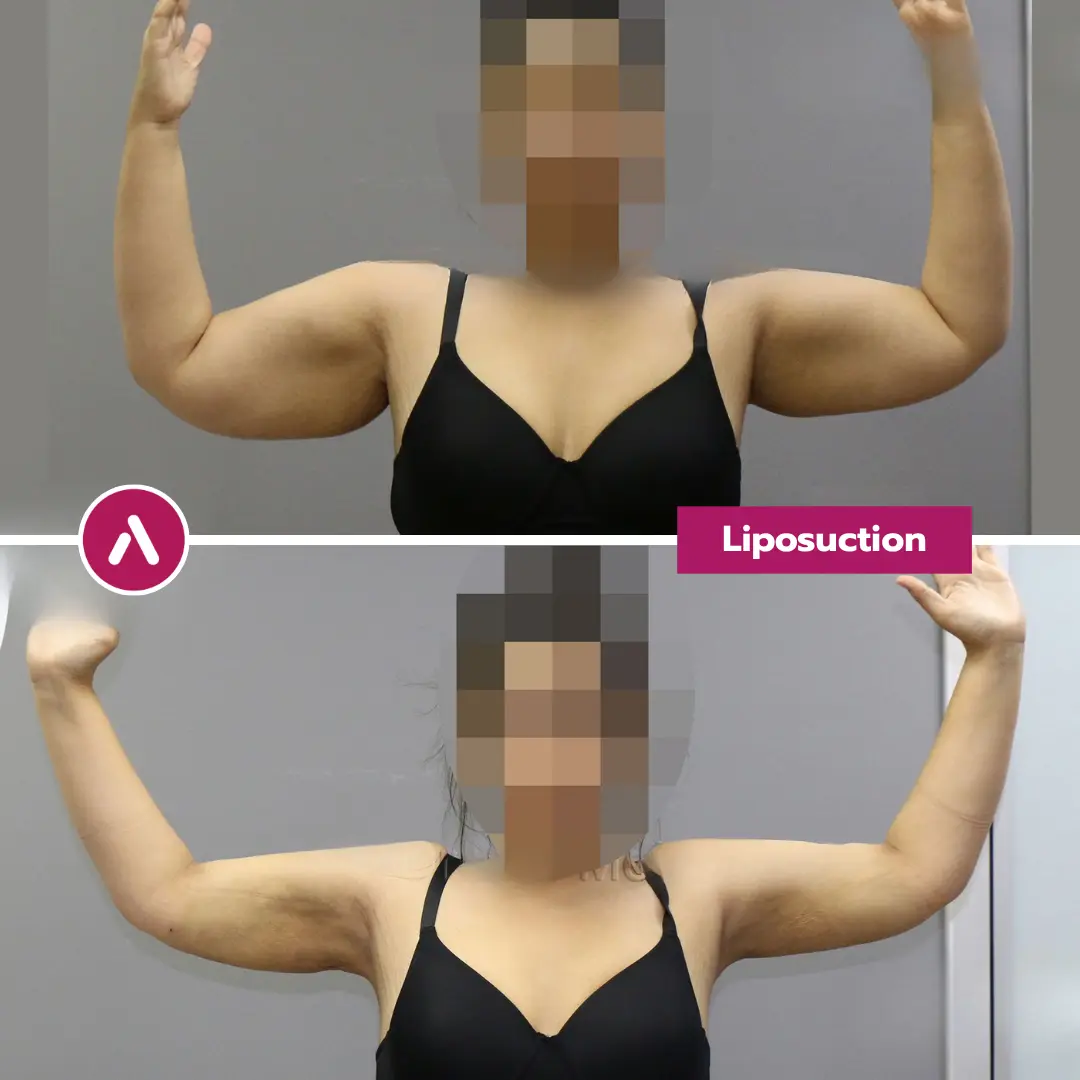
Localised fat pockets (abdomen, flanks, back) with good skin elasticity
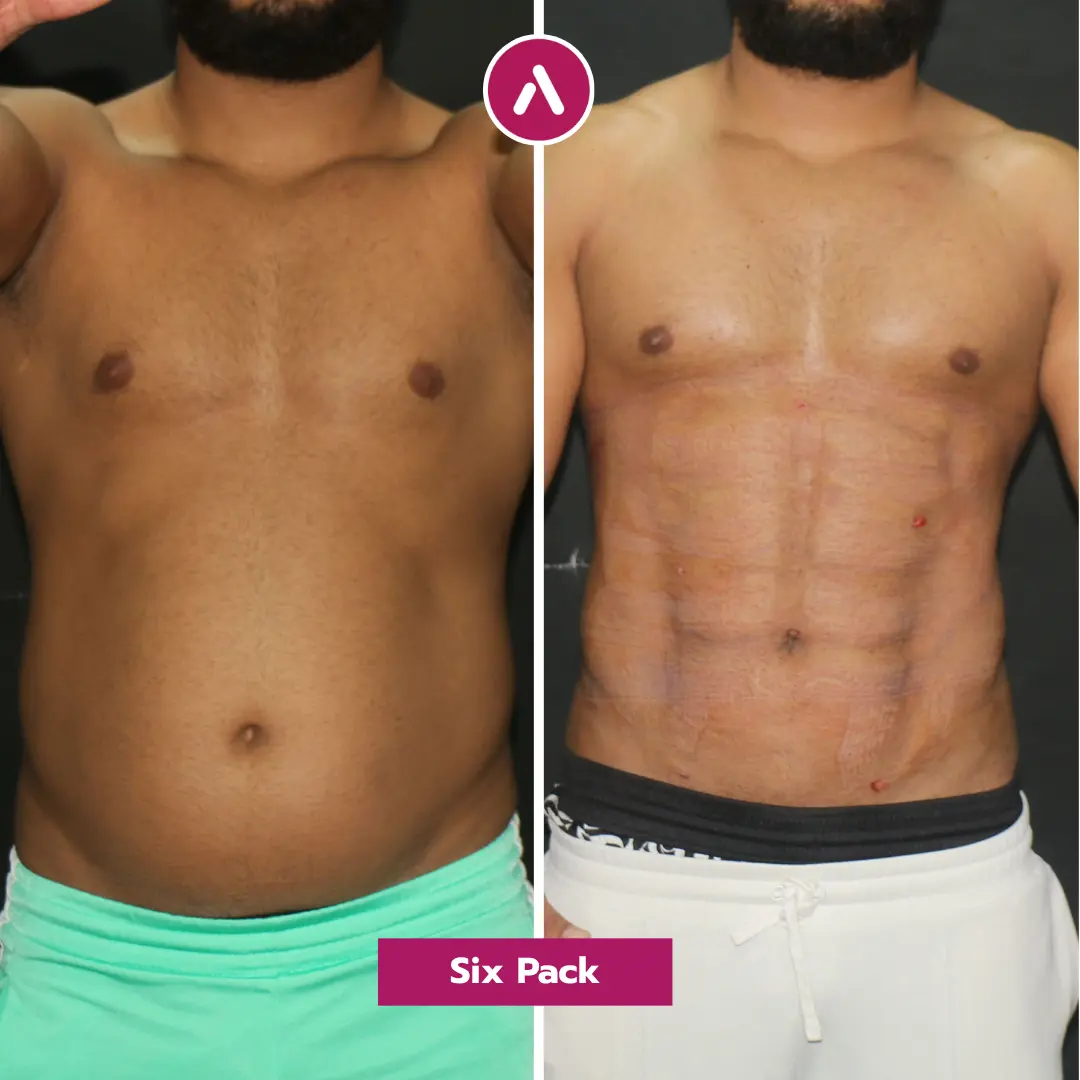
Liposuction is typically most effective for patients with localised fat deposits and skin that can retract reasonably well after fat reduction. This is why abdominal liposuction vs abdominoplasty is not a simple “either/or” for everyone — if the skin is elastic, liposuction can refine the midsection without needing skin excision.
- Common target zones: upper abdomen, lower abdomen, flanks, lower back.
- Best-case tissue profile: pinchable fat with skin that “springs back”.
- What you’ll notice: improved waist definition and smoother clothing fit.
BMI and weight stability: realistic outcomes in kg / stone
From a medical science perspective, predictable contour outcomes are most likely when you are at a stable weight. Liposuction is not a substitute for long-term weight management. If your weight is fluctuating, results can become less consistent as fat distribution changes over time.
- Practical guidance: aim to be close to your goal weight and stable for several months before surgery.
- Why it matters: fat cells removed do not “come back”, but remaining fat cells can enlarge with weight gain.
- What to ask in consultation: “Am I a good candidate based on my skin quality and weight stability?”
Common misconceptions: cellulite, stretch marks, and “tightening” claims
A frequent frustration in the liposuction vs tummy tuck debate is expecting liposuction to fix concerns it was never designed to treat.
- Cellulite: liposuction may not improve cellulite and can sometimes make surface irregularities more visible if skin quality is poor.
- Stretch marks: liposuction does not remove stretch marks; these are changes within the skin.
- Loose skin: if your primary complaint is lax, crepey skin, liposuction alone is unlikely to give a “tight” look.
If your search history includes do I need a tummy tuck or liposuction, these limitations are a clue: if the problem is skin (or muscle), abdominoplasty tends to be the more appropriate category of solution.

Tummy Tuck Candidates: When Abdominoplasty Is the Correct Tool
People often type abdominoplasty vs liposuction when their abdomen feels “deflated” after pregnancy or major weight change. A tummy tuck is generally chosen when there is excess skin that won’t retract and/or muscle separation contributing to a rounded profile. Compared with liposuction, it is more transformative — but it also has a longer recovery, and scarring must be discussed honestly.
For many post-pregnancy patients, the deciding factor is not how much fat is present, but whether the abdomen has lost its “support structure” — loose skin and a weakened abdominal wall can make the midsection look fuller even at a stable weight. In that situation, abdominoplasty is often the most logical foundation, and any additional contouring can be planned around it. If you’re exploring a combined pathway, it’s worth checking whether a mummy makeover package is customised to your anatomy and recovery needs rather than offered as a standard bundle.
Hanging skin, stretch marks below the navel, and “deflated” abdomen
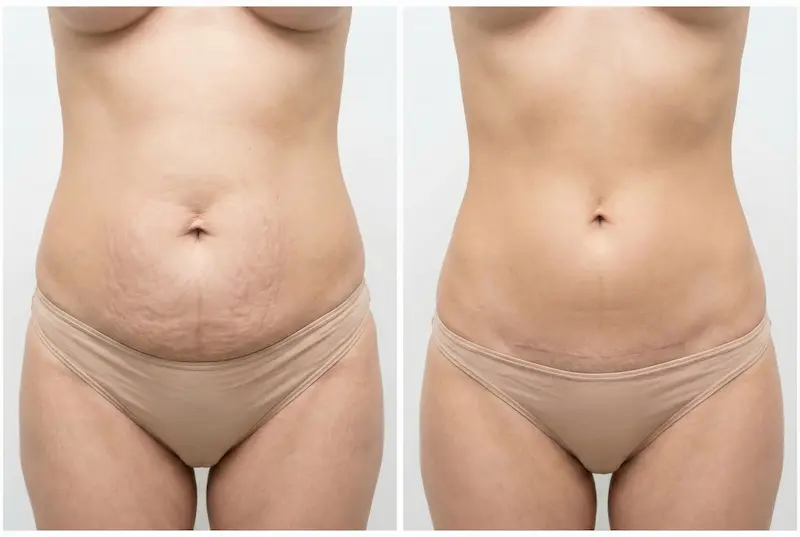
Loose skin (especially in the lower abdomen) is one of the clearest indicators for a tummy tuck. If you can lift the lower abdominal skin and see that the “bulk” is largely skin rather than fat, that’s often a strong sign that liposuction alone won’t deliver the outcome you want.
- Typical signs: apron belly, visible folds, irritation in the crease, difficulty fitting trousers comfortably.
- Stretch marks: a tummy tuck may remove some stretch-marked skin if it lies on the portion of skin excised (often below the navel). It will not erase all stretch marks on the abdomen.
- How this relates to “which is better”: in tummy tuck vs liposuction which is better searches, “better” often means “removes loose skin” — which points to tummy tuck.
Muscle repair (if needed): what it changes in contour and function
If diastasis recti is present and clinically appropriate to repair, abdominoplasty can address the structural element of the abdomen. This can improve the way the midsection looks and feels — especially when the protrusion is due to the abdominal wall rather than fat. Liposuction cannot repair muscle separation, which is a major reason the tummy tuck vs liposuction differences are not just cosmetic.
- What changes: improved anterior abdominal wall tension and a flatter contour (particularly in the lower abdomen).
- What doesn’t change: it’s not a replacement for core rehabilitation or general fitness; it’s a surgical repair of anatomy.
- Useful question: “Do you suspect diastasis recti, and would muscle repair be part of my plan?”
Scars and incision placement: what UK patients should expect (cm-based explanations)
A tummy tuck involves a scar, typically placed low on the abdomen so it sits under underwear and swimwear. The length varies depending on how much skin needs to be removed and whether additional contouring is planned. A surgeon should explain scar positioning in a way that relates to your body proportions — not vague promises.
- Scar location: usually low, running hip-to-hip; the exact length is individual.
- Navel: in a full tummy tuck, the navel is commonly repositioned; in a mini tummy tuck, it may not be.
- Evidence-based expectation: scars mature over months; early redness and firmness are normal healing phases discussed in scientific research on wound healing.
If your main question is tummy tuck vs. liposuction, be wary of any consultation that glosses over scarring, healing timelines, or the trade-offs required to remove loose skin.
Do You Need Both? (Lipo + Tummy Tuck) And When Surgeons Combine Them
If you’re stuck between tummy tuck vs liposuction, it’s worth knowing that many patients aren’t truly “either/or”. A combined plan may be considered when there is excess skin (best addressed with abdominoplasty) and stubborn fat deposits around the waist or upper abdomen (often suited to liposuction). This is why comparisons like abdominal liposuction vs abdominoplasty can be misleading: the best result may come from using each technique for what it does best.
Lipo for contour + tummy tuck for skin/muscle: the rationale
A straightforward way to understand tummy tuck vs liposuction differences is to separate “surface contour” from “structural correction”. Liposuction can refine shape by reducing fat volume, while a tummy tuck removes redundant skin and may repair diastasis recti. When combined thoughtfully, you can achieve a flatter front profile and a more defined waistline than either procedure would deliver alone.
- Common scenario: post-pregnancy abdomen with loose lower skin plus flank fat.
- Another scenario: weight-loss abdomen with skin excess plus residual upper abdominal fat.
- Key point: combination isn’t about “more surgery is better” — it’s about correct surgical tools for multiple tissue problems.
Safety-first boundaries: how much can be done in one session
Patients often ask tummy tuck vs liposuction which is better, but safety matters more than “more dramatic”. Combining procedures increases operative time and physiological stress on the body. Responsible surgical planning sets boundaries around how much fat can be removed, how extensive the skin excision is, and whether it is safest to stage procedures. This safety-first approach is supported by medical science principles: minimise risk, protect blood supply to the tissues, and reduce complications such as seroma or delayed healing.
- Ask directly: “What is the safest plan for my body type and medical history?”
- Red flag: blanket promises that everyone can have maximum liposuction plus maximum skin removal in one go.
- Good sign: a surgeon explains the rationale for limits and prioritises long-term outcomes over short-term ‘wow’.
What changes in recovery: compression garments, mobility, and swelling (oedema)
Recovery after a combined approach is typically closer to tummy tuck recovery than liposuction recovery alone. You should expect more restriction in early movement, more careful wound care, and longer compression garment use. Swelling (oedema) is normal and can fluctuate — especially in the first few weeks. Many UK patients find that planning practical support (help with children, lifts, and daily tasks) makes the experience far easier.
- Compression: usually required to support tissues and reduce swelling.
- Mobility: early, gentle walking is often encouraged to support circulation.
- Timeline reality: “feeling better” can come earlier than “looking settled” — swelling can mask final contour for weeks to months.
Recovery, Downtime, and “When Can I Fly Back to the UK?”
For British patients travelling for surgery, the recovery plan isn’t just about pain levels — it’s about wound healing, mobility, clot-risk reduction, and being safe to travel. Searches such as do I need a tummy tuck or liposuction often turn into “How long will I be out of action?” The honest answer: liposuction is usually quicker to bounce back from, while abdominoplasty requires more structured downtime. The key is to plan for what your body needs, not what your diary wishes.
Typical downtime comparison: lipo vs tummy tuck (day-by-day milestones)
Every patient heals differently, but the broad pattern is consistent in clinical practice.
| Milestone | Liposuction (Abdomen) | Tummy Tuck (Abdominoplasty) |
|---|---|---|
| First 48–72 hours | Soreness, swelling; walking encouraged; compression garment is key. | More restriction; careful posture; wound care focus; walking in short intervals. |
| Week 1 | Many can do light home activities; bruising/oedema expected. | Typically more dependent on support; fatigue common; monitoring for seroma and wound issues. |
| Weeks 2–3 | Increasing comfort; swelling can persist; shape gradually refines. | Improving mobility; still limited lifting/strain; swelling and tightness are common. |
| Weeks 6–12 | Contour becomes clearer; some residual firmness can remain. | Many feel far more “normal”; scar maturation begins; shape continues to settle. |
This table is a guide, not a promise. A personalised plan should come from your surgeon, based on procedure extent, overall health, and your travel needs.
Key risks to understand: DVT, seroma, wound healing, and infection red flags
Understanding risk is part of informed decision-making — and it’s a hallmark of the UK “expert patient” mindset. In scientific research and routine surgical care, preventing complications is a combination of good technique, good aftercare, and good patient behaviour (hydration, mobility, and following instructions).
- DVT (deep vein thrombosis): risk increases with long travel and reduced mobility. Early walking and surgeon-led guidance are essential.
- Seroma: a fluid collection that can occur after tummy tuck (and sometimes lipo). It may need clinical management.
- Wound healing: tummy tuck incisions require structured care; smoking and uncontrolled health conditions can increase risk.
- Red flags: worsening redness, heat, fever, sudden increase in pain, shortness of breath, one-sided leg swelling — these require urgent medical assessment.
Flight planning basics for British travellers: timelines, hydration (litres), and moving during the flight
Flying too soon can be uncomfortable and can increase health risks. Your surgeon should provide a clear, written travel plan that fits your operation and medical profile. In general, planning for hydration and movement is crucial for long-haul travel.
- Hydration: aim for steady fluids (think in litres, not “a few sips”).
- Movement: gentle ankle pumps and short walks when safe to do so; avoid staying still for long periods.
- Comfort planning: loose trousers, easy-to-remove layers, and compression garments as advised.
If you’re weighing tummy tuck vs liposuction and travel logistics matter, bring this up early: the “best” procedure is the one that can be performed and supported safely, with appropriate aftercare before and after your return to the UK.

Choosing Safely as a UK Patient: The Consultation Checklist
Whether you’re comparing tummy tuck vs liposuction which is better or trying to clarify do I need a tummy tuck or liposuction, the safest decisions come from a structured consultation. A good surgeon will help you match the procedure to your anatomy, explain trade-offs, and give you a plan for recovery and aftercare — including what to do once you’re back in the UK.
A structured consultation is also where you can sense whether the clinic’s recommendations are genuinely personalised or simply “package-led”. Ask for a clear rationale, an examination-based plan, and a written summary of what’s included before you commit — especially if you’re being offered multiple procedures at once. If a mummy makeover package is mentioned, make sure it’s tailored to your anatomy, medical history, and travel timeline, with specific aftercare steps for when you’re back in the UK.
Questions to ask your surgeon: technique, scars, drains, and revision policy
To get a high-quality answer, ask questions that force clarity rather than reassurance.
- “Based on my skin and muscle, is this abdominoplasty vs liposuction — or both?”
- “Where will my scar sit, and approximately how long might it be?”
- “Will I need drains? If yes, for how long is typical?”
- “What is your approach to managing seroma or delayed healing?”
- “What is your revision policy if the result needs refinement?”
Aftercare expectations: follow-ups, WhatsApp access, and UK contact point mindset
Aftercare is where overseas surgery can feel either reassuring or risky. UK patients should look for a clear schedule of follow-ups and easy access to clinical support. Ask what happens if you have a concern after returning home — and what documentation you’ll receive to share with a UK clinician if needed.
- Look for: structured follow-ups, written instructions, and a clear point of contact.
- Be specific: “How do you handle queries once I’m back in the UK?”
- Practical detail: you should know exactly what is normal (swelling, bruising) vs what is not.
UK vocabulary & realism: avoiding misleading marketing terms and focusing on measurable outcomes
Marketing language can blur reality. Try to steer the conversation back to anatomy and outcomes you can measure: skin excess, muscle separation, waist definition, and scar placement. In other words, treat your consultation like a medical appointment, not a sales call. That approach aligns with medical science and reduces the risk of choosing the wrong tool for the job.
- Replace: “Will I look perfect?”
- With: “What will change in my skin, my muscle, and my waistline — and what will not?”
- Use comparisons wisely: tummy tuck vs liposuction differences should be explained with photos, measurements, and realistic timelines.
Frequently Asked Questions (FAQ): Tummy Tuck vs Liposuction
Below are concise answers to common UK searches such as liposuction vs tummy tuck, tummy tuck vs liposuction which is better, and abdominal liposuction vs abdominoplasty. These are general guidelines; your surgeon’s assessment should always be the deciding factor.
Can liposuction tighten loose skin on my stomach?
Not reliably. Liposuction removes fat; it does not remove excess skin. If your primary issue is loose or hanging skin, a tummy tuck is more likely to address it.
Does a tummy tuck remove stretch marks?
It can remove stretch marks only if they sit on the skin that is excised (often below the navel). Stretch marks above the navel typically remain, although their position may change.
What’s the difference between a mini tummy tuck and a full tummy tuck?
A mini tummy tuck usually addresses lower abdominal skin laxity below the navel and may involve a shorter incision. A full tummy tuck addresses a wider area and commonly includes navel repositioning; muscle repair may also be performed if indicated.
Will I need muscle repair if I have diastasis recti?
Not everyone needs it, but if muscle separation is contributing significantly to abdominal projection, muscle repair may be recommended during abdominoplasty. Liposuction cannot correct diastasis recti.
How much fat can be removed safely with liposuction (litres/kg)?
Safe limits depend on your health profile, the planned areas, and the surgeon’s safety protocols. A responsible surgeon will explain expected volumes and why they are appropriate for you.
How long do I need to wear a compression garment, and what should I wear?
Compression duration varies by technique and extent. Many patients wear a garment for several weeks. Choose loose, comfortable clothing such as easy trousers and breathable layers to avoid irritating healing tissue.
When is it usually safe to fly back to the UK after each procedure?
This is individual. Your surgeon should advise based on your operation and risk factors. In general, you’ll need to be mobile, stable, and cleared for travel with a plan for hydration and movement during the flight.
If you’d like to explore related topics beyond this guide, you can also read our resources on Tummy Tuck Before After results, Recovery After Tummy Tuck planning, and a transparent Mummy Makeover Cost UK comparison. For UK patients considering treatment overseas, we also recommend our Surgery Abroad Safety Checklist and Pre-Surgery Checklist, plus guidance on choosing a Plastic Surgeon Turkey safely. Finally, if you’re sorting facts from hype, our piece on Turkish Plastic Surgery Myths helps you make a calm, evidence-led decision.
Medical Disclaimer: This page is provided for general educational purposes only and does not replace a face-to-face medical consultation, diagnosis, or personalised treatment plan. All surgery carries risks and outcomes vary between individuals. Suitability for a tummy tuck, procedure selection, and anaesthesia choice can only be determined after a full clinical assessment by a qualified surgeon. Always follow your clinician’s instructions and seek urgent medical attention if you develop concerning symptoms during recovery.