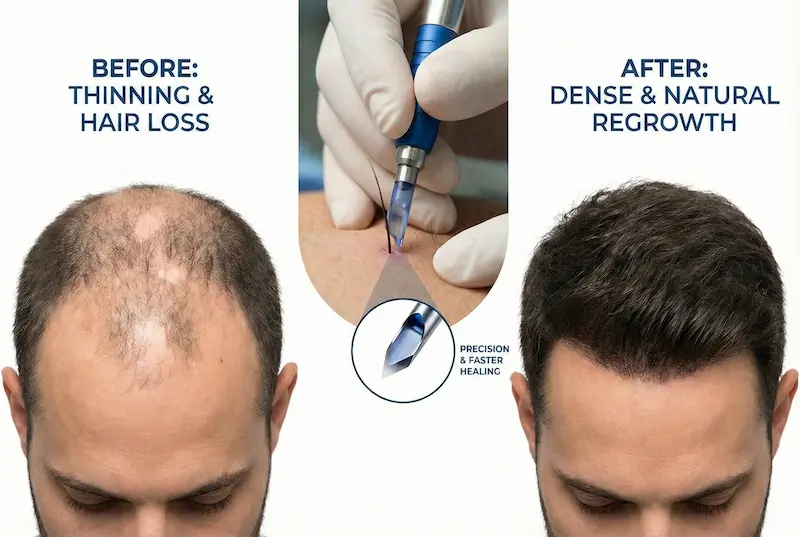

If you’re comparing hair transplant cost UK figures with Istanbul quotes, you’re already doing the right thing: cost matters, but value is about safety, graft survival, surgeon-led planning, and aftercare. This guide is written for the UK “expert patient” who wants a clear UK vs Turkey hair transplant price comparison—without hidden costs or vague “from” prices.
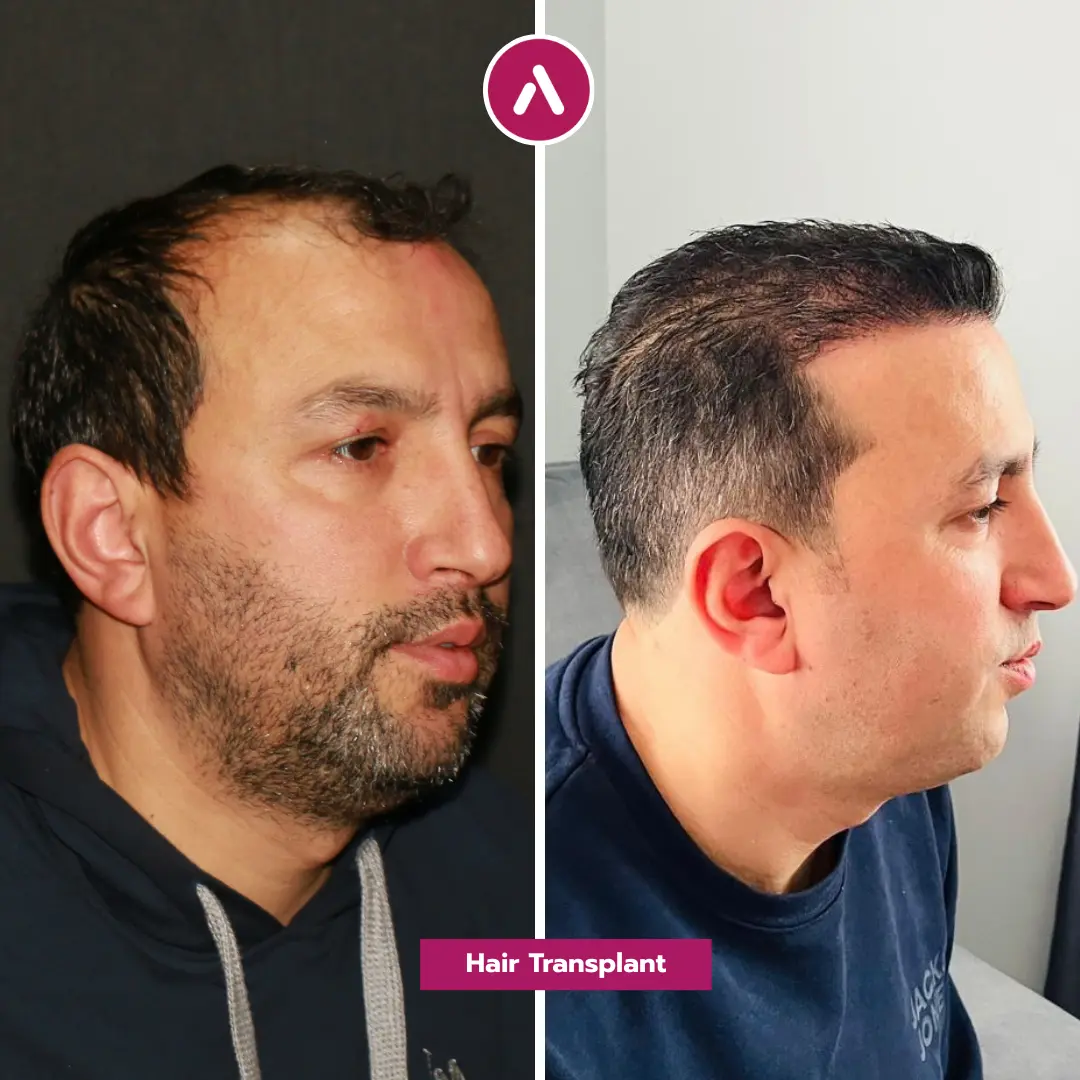
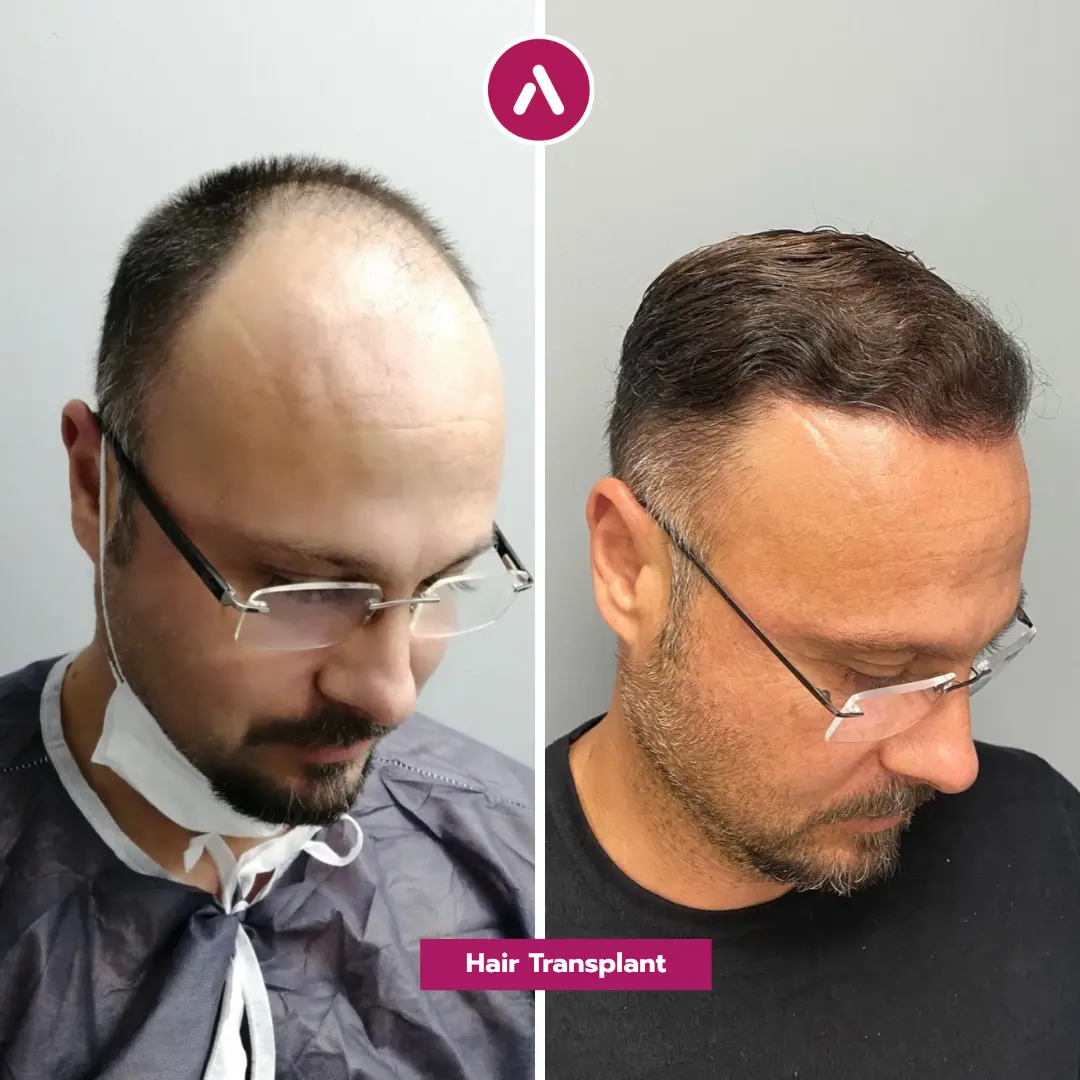
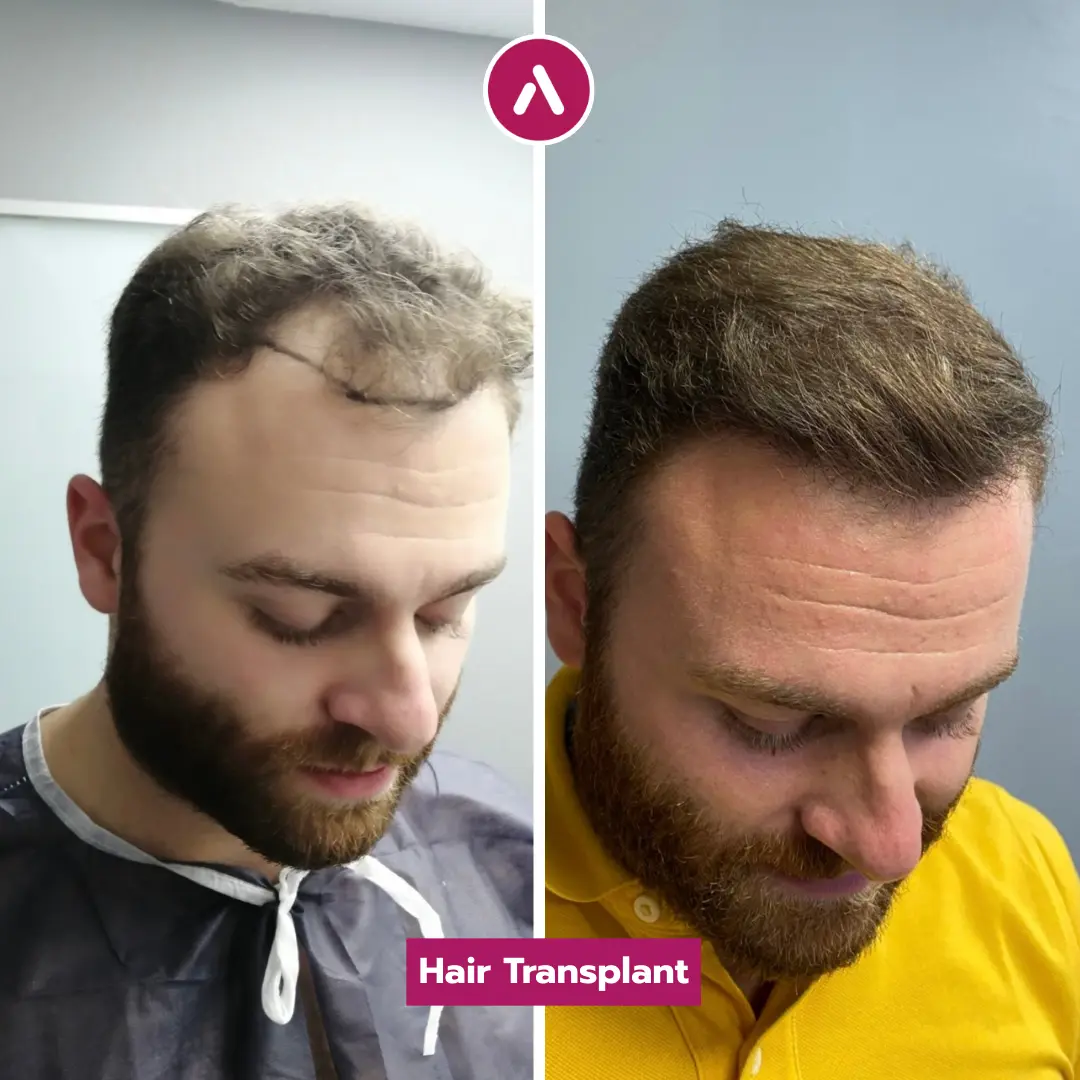
Hair transplantation is a surgical procedure grounded in medical science: donor management, graft handling time, and implantation angles all influence whether the outcome looks natural and lasts. That’s why the most helpful comparison is not just “cheap vs expensive”, but like-for-like—same graft count, technique, surgeon involvement, and aftercare.
Table of Contents

UK Clinic Price Ranges (Harley Street vs Local Providers)
UK pricing can look confusing because clinics use different models—some quote per graft, others quote per session. You’ll also see a “London premium”, especially in areas associated with Harley Street-level private care. For a fair comparison, treat your UK quote as a bundle of: clinical time, staffing, facilities, follow-ups, and the level of surgeon involvement in planning and execution.
Many UK patients find the clearest way to benchmark value is to ask how the clinic prices technique and planning—especially when comparing DHI vs FUE hair transplant options. If two quotes look similar, the difference is often in what sits behind the number: hairline design time, graft handling protocols, and how closely the surgeon supervises key stages. Request an itemised breakdown alongside the proposed graft range, so you can see whether you’re paying for extra density goals, added clinical time, or more structured aftercare.
| What you’re comparing | Typical UK pattern | What to check (so it’s like-for-like) |
|---|---|---|
| Headline price (average hair transplant cost) | Wide range depending on grafts, clinic location, and reputation | Quoted graft count, technique, number of days, and whether it’s surgeon-led |
| Pricing model | Per-graft or session-based | Ask for “total grafts planned” and “maximum grafts per session” |
| Aftercare | Usually local follow-up access (but varies by clinic) | Number of follow-ups, who you contact out-of-hours, and medication plan |
| What’s included | Often procedure-focused; extras vary | Consultation fees, blood tests, post-op kit, wash programme, PRP add-ons |
What UK quotes usually include (and what they don’t)
A UK quote commonly covers the surgical day(s), the clinical team, and basic post-op instructions. What’s often not standardised is the level of surgeon involvement (design vs delegation), the number of aftercare touchpoints, and whether helpful add-ons are optional or included.
- Usually included: procedure fee, theatre time, basic post-op guidance.
- May be extra: consultation, blood tests, post-op kits, PRP, extra follow-ups, additional sessions if graft needs change.
Harley Street premium vs regional clinics
London clinics can be priced higher due to overheads and brand positioning. That doesn’t automatically mean better outcomes—results are driven by surgeon-led planning, ethical graft numbers, and consistent technique. If you’re paying a premium, you should be able to see it in who does what during the procedure and what aftercare looks like.
Cost drivers in the UK
- Graft count: more grafts generally means more time, staff, and higher cost.
- Technique: FUE hair transplant cost vs DHI hair transplant cost can differ due to time and instrumentation.
- Surgeon involvement: design, harvesting oversight, and implantation leadership influence pricing and predictability.
- Clinic location: London/Harley Street-level overheads vs regional centres.
How UK clinics price grafts (per-graft vs package pricing)
Per-graft pricing can be transparent—if the graft number is realistic. Package pricing can be simpler—if the package clearly states limits, inclusions, and what happens if you need more grafts. Either way, insist on a written plan showing the projected graft number, approach, and aftercare schedule.
Clinical note: A “cheap” quote can become expensive if graft numbers are inflated, the hairline design is rushed, or aftercare is minimal. The safest comparison is the one that checks surgeon involvement, graft ethics, and structured follow-up—not the headline number alone.
Turkey Price Breakdown (All-Inclusive GBP Packages)
Many UK patients search Turkey hair transplant cost because Turkey often advertises lower headline prices—frequently presented as an all-inclusive hair transplant package Turkey. The key is to translate that package into a UK-style itemised comparison: what is included, what is optional, and what costs you’ll still pay separately (especially flights and extra nights). This is where hair transplant cost Turkey in GBP clarity matters: you want a fixed, written quote in £ where possible.
Before you compare totals, make sure the Turkish quote explains how technique choice affects the plan—because pricing can shift depending on whether the clinic recommends a DHI vs FUE hair transplant approach for your hairline and density goals. Ask for the proposed graft range, whether the procedure is single- or multi-day, and exactly who performs the key stages. When those details are written down alongside the inclusions, you can judge whether the package reflects genuine clinical time and aftercare support, rather than simply a low headline figure.
| Cost area | What “all-inclusive” should include | Common hidden costs to ask about |
|---|---|---|
| Clinical | Procedure, medications, post-op kit, wash instructions, scheduled check-ups | Extra grafts, PRP, unplanned second day, revision policy |
| Logistics | Airport transfers, hotel (number of nights specified), local transport | Extra nights, upgrades, companion costs |
| Aftercare | Remote follow-up schedule, clear escalation pathway | Paid aftercare, unclear communication channels once you’re home |
| Travel | Guidance on timing of travel and practical care | Flights (usually not included), travel insurance limitations |
What “all-inclusive” should mean for a British patient
A credible all-inclusive package should read like an itemised treatment plan. Ask for it in writing, with the graft estimate and technique confirmed. If you’re comparing hair transplant Turkey vs UK cost, the comparison only works when you know exactly what you’re paying for.
- Confirm the technique: FUE, DHI, or a combined approach—this affects time, staffing, and overall value.
- Confirm graft strategy: projected graft number and donor management plan.
- Confirm who leads the procedure: surgeon’s role in design and execution.
- Confirm aftercare: structured follow-ups once you return to the UK.
Hidden-cost checklist UK patients forget
When people compare hair transplant cost Turkey vs UK, they often compare a Turkey “package” against a UK “procedure fee”. Build an honest total cost by adding:
- Flights: often booked separately.
- Extra hotel nights: if your schedule changes or swelling requires longer local review.
- Medications & supplies: confirm what’s included in your post-op kit.
- Time off work: factor in visible recovery (redness, shedding phase) and your comfort with social downtime.
How to compare quotes fairly (apples-to-apples)
For a true cost of hair transplant Turkey vs UK comparison, standardise these variables across quotes:
- Graft number: compare the same graft count (or a clear clinical reason for differences).
- Technique: compare FUE-to-FUE or DHI-to-DHI where possible.
- Surgeon involvement: who designs the hairline, who performs key stages.
- Aftercare duration: number of check-ins and support once you’re back in the UK.
GBP clarity and payment transparency
If the quote is in TRY or EUR, ask what happens if exchange rates shift between booking and treatment. For UK patients, a written quote in £ can remove uncertainty and make the Turkish hair transplant cost easier to compare against UK providers.
FUE vs DHI Cost Differences
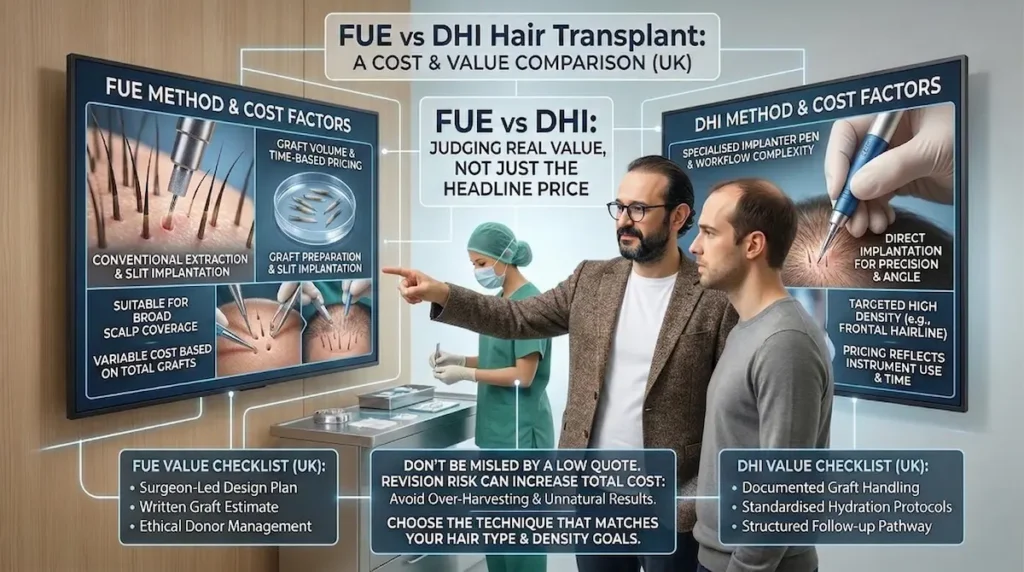
When patients compare FUE hair transplant cost with DHI hair transplant cost, the headline price can look very different — but it’s rarely “one is better, one is worse”. What you’re really paying for is the workflow: how grafts are extracted, how they’re handled, and how they’re implanted. In practical terms, DHI can require different instrumentation and may take longer depending on the plan, which can influence the overall average hair transplant cost. The best choice is the one that matches your hair type, donor capacity, and natural density goals — not simply the lowest quote.
A more useful way to judge value is to ask how each clinic applies the technique to your specific pattern of loss, rather than treating it as a generic upgrade. With DHI vs FUE hair transplant planning, factors like donor management, graft placement strategy, and how the frontal hairline is refined can change both the time required and the overall cost. Request a written rationale for the recommended method, alongside the projected graft range and density targets, so you can compare outcomes and predictability—not just the headline price.
| Cost factor | FUE (what influences price) | DHI (what influences price) |
|---|---|---|
| Time & staffing | Depends on graft number and implantation method | Can be more time-intensive depending on the plan and workflow |
| Instrumentation | Extraction tools + implantation approach varies | Uses specialised implantation instruments (often reflected in pricing) |
| Density strategy | Good for broad coverage planning when done ethically | Often positioned for density control in targeted zones |
| Quote transparency | Best when tied to an agreed graft number + hairline plan | Best when tied to an agreed graft number + density targets |
FUE vs DHI: what you’re actually paying for
Whether you’re looking at hair transplant cost Turkey vs UK or comparing two clinics within the same country, the “technique label” only becomes meaningful when paired with: (1) a realistic graft estimate, (2) a surgeon-led hairline plan, and (3) documented aftercare. A quote that doesn’t clearly state those basics is not a proper medical comparison.
- FUE: pricing tends to track graft volume and the overall time required.
- DHI: pricing can reflect instrument use and workflow complexity, especially when density targets are emphasised.
Who tends to suit FUE vs DHI (cost-to-benefit view)
Some patients benefit from a coverage-focused strategy; others are aiming for more detailed refinement around the frontal zone. Your “best value” option depends on your pattern of hair loss, hair calibre, and expectations for density. The clinic should explain why they recommend one technique over another, rather than defaulting to the most marketable option.
- Coverage priority: often suited to a plan that distributes grafts effectively across a larger area.
- Detail priority: may suit a plan focused on controlled placement in high-visibility areas.
Graft survival and density planning as “value”, not just price
In medical science, small process details can affect outcomes: graft handling, out-of-body time, hydration, and implantation angles influence naturalness and survival. Good clinics will discuss these fundamentals openly. The safest “price comparison” is the one that includes the clinical plan, not just the invoice.
Clinical perspective: The most meaningful cost comparison is the one that standardises graft count, technique, and aftercare. Scientific research and clinical experience both support the idea that graft handling protocols and surgical planning matter as much as the technique name.
When “cheaper technique” becomes expensive later (revision risk)
A low quote can become a high total cost if the result looks unnatural, the donor is over-harvested, or aftercare is weak — because revisions are more complex and may require additional grafts. When comparing cost of hair transplant Turkey vs UK, include “revision risk” as a cost factor: good clinics reduce that risk by prioritising ethical graft numbers, conservative hairline design, and structured follow-up.
- Red flags: guaranteed graft numbers without assessment, vague “all inclusive” claims, no written aftercare plan, and unclear surgeon involvement.
- Green flags: written graft estimate range, donor management explanation, documented protocols, and a clear follow-up pathway when you return to the UK.
Why Turkey Leads the Hair Restoration Market
Turkey’s reputation in hair restoration comes from scale and specialisation: Istanbul clinics often treat high volumes of international patients and run streamlined pathways that include logistics, accommodation support, and structured check-ins. For UK patients, the important point is not “Turkey is cheaper”, but why the pricing model differs — and how to verify safety, clinical standards, and aftercare support when comparing UK vs Turkey hair transplant price comparison.
| What matters to UK patients | What good Turkey clinics provide | What you must verify before booking |
|---|---|---|
| Predictable, honest pricing | Clear packages and coordinated logistics | Itemised inclusions, written graft estimate, and clear revision policy |
| Safety & accountability | Specialised teams and established protocols | Surgeon-led planning, clinic governance, and documented standards |
| Aftercare once back in the UK | Remote follow-ups and structured schedules | Who you contact, response times, and escalation steps |
| Faster “flight-ready” recovery | Supportive recovery protocols (clinic-dependent) | Whether advanced recovery options (e.g., HBOT/LLLT) are available and clinically appropriate |
Scale, specialised teams, and streamlined patient journeys
Many UK patients researching Turkey hair transplant cost notice that clinics can bundle services efficiently. That can be beneficial when it’s paired with medical governance and clear patient communication. A strong clinic pathway should include pre-op assessment, realistic graft planning, post-op guidance, and scheduled follow-up checkpoints — not just transfers and a hotel.
Safety and due diligence: how to choose the right clinic abroad
The biggest UK concern is “What if something goes wrong once I’m home?” The answer is due diligence before you book. If you’re comparing hair transplant Turkey vs UK cost, treat safety checks as non-negotiable:
- Written treatment plan: graft estimate range, technique, and expected coverage areas.
- Clear roles: who designs the hairline, who performs key stages, and who supervises the team.
- Aftercare pathway: scheduled remote reviews, emergency advice process, and what support exists after you return to the UK.
- Ethical messaging: no “one-size-fits-all” graft promises or unrealistic density guarantees.
UK trust signals that reduce anxiety
For British patients, trust is built through accessibility and accountability. Look for UK-facing support that makes communication straightforward (for example, a dedicated UK contact pathway and structured follow-up messaging). These signals matter because they reduce uncertainty after you travel back and are a practical part of comparing hair transplant cost Turkey vs UK.
Trust signals also help you sanity-check the clinical plan behind the quote—especially if you’re weighing a DHI vs FUE hair transplant recommendation from abroad. A clinic that can explain, in writing, why a technique suits your donor capacity and hairline goals (and then back it up with structured follow-ups once you’re home) is doing more than “selling a package”. In practice, reliable UK-facing communication turns post-op questions into a managed pathway, not a last-minute scramble.
Beyond price: British standards in post-op protocols
Aftercare quality can influence comfort, healing, and how confidently you manage the first few weeks. Some clinics also offer supportive recovery technologies such as HBOT (hyperbaric oxygen therapy) and LLLT (low-level light therapy) where clinically appropriate, aiming to support recovery and help you feel “travel-ready” sooner. This isn’t a substitute for proper surgery — but it can be part of a higher-standard patient care pathway.
Bottom line: A strong “all-inclusive” quote should be medically complete, not just logistically convenient. If you’re assessing an all-inclusive hair transplant package Turkey, ask for itemised inclusions, a written graft plan, and a defined aftercare schedule that continues once you’re back in the UK.
Frequently Asked Questions (FAQ): Hair Transplant Cost UK
Below are concise, UK-focused answers to the questions patients most often ask when comparing hair transplant cost UK figures with an all-inclusive hair transplant package Turkey. Where possible, aim for a written treatment plan (graft range + technique + aftercare) so your comparison stays clinically meaningful, not just financial.
How much does a hair transplant cost in the UK in 2026?
In 2026, the cost in the UK still varies widely because pricing is driven by graft numbers, clinic location (London premiums can apply), surgeon involvement, and the technique used. Rather than relying on “from” prices, ask for a written plan that states:
an estimated graft range (not a single fixed number without assessment),
the proposed technique (FUE vs DHI),
who performs key stages of the procedure, and
how many follow-ups are included and for how long.
What is the typical cost difference between the UK and Turkey (in £)?
The gap can be significant, but the only fair way to compare hair transplant Turkey vs UK cost is to standardise what’s included. A Turkey quote may look lower because it’s packaged differently. Convert both into the same “basket”:
Clinical: procedure + medications + post-op kit + follow-ups
Logistics: transfers + hotel nights specified
Travel: flights + extra nights + contingency costs
If you want a true UK vs Turkey hair transplant price comparison, request the Turkey quote in £ where possible (or ask how exchange rate changes are handled) to clarify hair transplant cost Turkey in GBP.
Is it safer to pay more in the UK, or does “safe” depend on the clinic and surgeon?
Safety depends more on the clinic’s governance and surgical standards than the country itself. Paying more can reflect higher overheads or brand positioning, but it’s not a guarantee. The safer choice is the one with:
surgeon-led assessment and hairline planning,
ethical graft numbers (protecting the donor area),
documented protocols for graft handling and implantation, and
a clear aftercare pathway once you return to the UK.
From a medical science perspective, predictable outcomes come from planning and process discipline—not marketing.
How many grafts do I actually need, and how does that change the price?
Grafts are one of the strongest cost drivers—so an accurate estimate matters. The right number depends on your hair loss pattern, donor density, hair calibre, and your desired look (coverage vs density). Be cautious of “guaranteed” high graft numbers before a proper assessment; inflated graft counts can risk donor damage and increase revision likelihood, turning a “cheap” option into an expensive journey.
What should be included in an all-inclusive package (and what is often excluded)?
A credible all-inclusive hair transplant package Turkey should include the essentials in writing:
procedure and clinical team costs,
medications and a post-op care kit,
scheduled follow-ups (including remote reviews after you’re home),
airport transfers, and
hotel nights with the exact number stated.
What is often excluded: flights, extra hotel nights if you need schedule flexibility, optional add-ons (e.g., PRP), and sometimes extended aftercare beyond a short window. Treat the exclusions as part of your true average hair transplant cost.
Is DHI always more expensive than FUE — and is it worth it?
DHI can be priced higher in some settings due to the workflow and instrumentation, but it’s not universally “better”. The right question is: which approach suits your specific goals and donor capacity? A clinic should justify technique selection with clinical reasoning—not upselling. In areas where you want meticulous refinement (often the frontal zone), DHI may be positioned as a value choice; in broader coverage plans, FUE can be highly effective when done ethically. The most defensible answer is the one grounded in scientific research principles: graft handling, implantation angles, and realistic density targets.
What aftercare should a UK patient expect once they’re back home?
Aftercare shouldn’t end at the airport. Whether you choose the UK or Turkey, you should expect:
a written washing and scalp-care plan for the first 10–14 days,
scheduled check-ins (photos + clinician review) at set milestones,
clear guidance on swelling, redness, shedding, and when each is normal,
an escalation pathway if you’re concerned (who to contact and response times), and
longer-term follow-up for the growth timeline (months, not days).
If you’d like to go beyond the cost comparison in this article, you can also explore related guides on Hairline Design, the Hair Transplant Growth Timeline (what to expect month by month), and the benefits of a Sapphire Hair Transplant. We also cover practical aftercare such as how to Wash Hair After Transplant, plus essential planning topics including a Surgery Abroad Safety Checklist, how to verify a Plastic Surgeon Turkey, and what Hospital Accreditation Turkey means for patient safety and clinical standards.
Medical Disclaimer: This page is provided for general educational purposes only and does not replace a face-to-face medical consultation, diagnosis, or personalised treatment plan. All surgery carries risks and outcomes vary between individuals. Suitability for a hair transplant surgery, procedure selection, and anaesthesia choice can only be determined after a full clinical assessment by a qualified surgeon. Always follow your clinician’s instructions and seek urgent medical attention if you develop concerning symptoms during recovery.