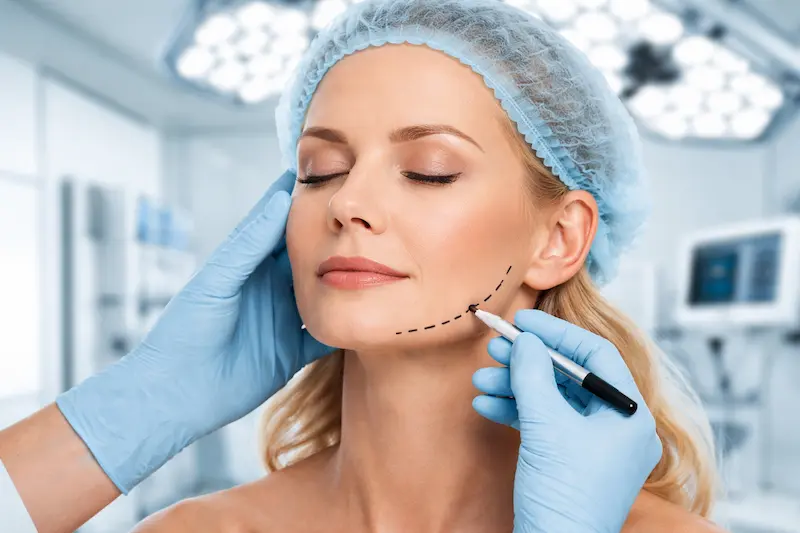

When patients search for blepharoplasty recovery time, they are usually asking a very practical question: when will I look normal enough to go out, return to work, and fly back to the UK? That is exactly the right question to ask before planning eyelid surgery abroad. While every patient heals at a slightly different pace, most people move through a recognisable pattern of swelling, bruising, and gradual refinement. Understanding this pattern can make the entire journey feel calmer, safer, and far more manageable.
This guide explains the recovery time for blepharoplasty in plain British English, with a realistic day-by-day and week-by-week overview. It is especially useful for UK patients who want to understand the blepharoplasty surgery recovery time, the eyelid surgery swelling timeline, and what blepharoplasty aftercare actually looks like in real life rather than in idealised marketing claims.
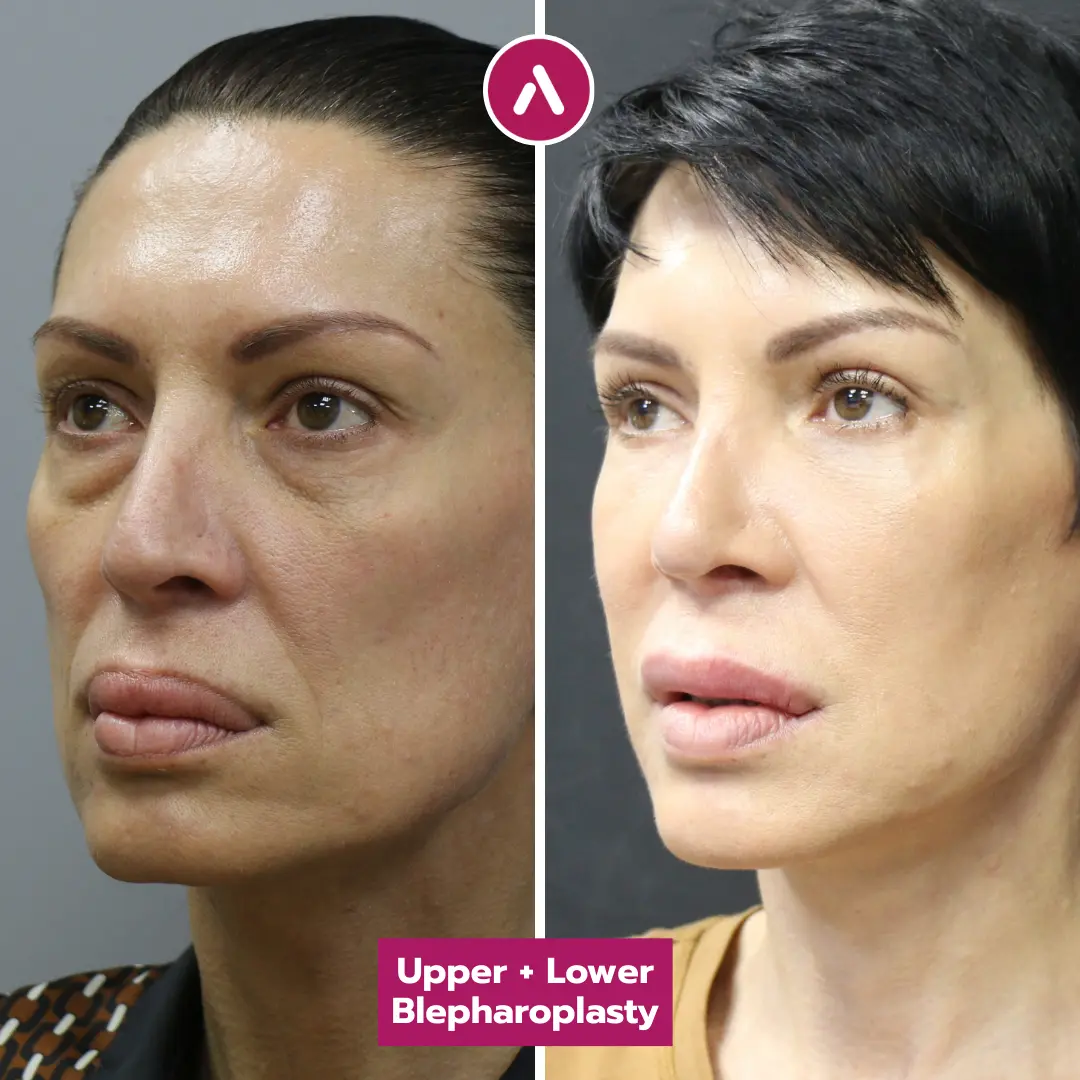
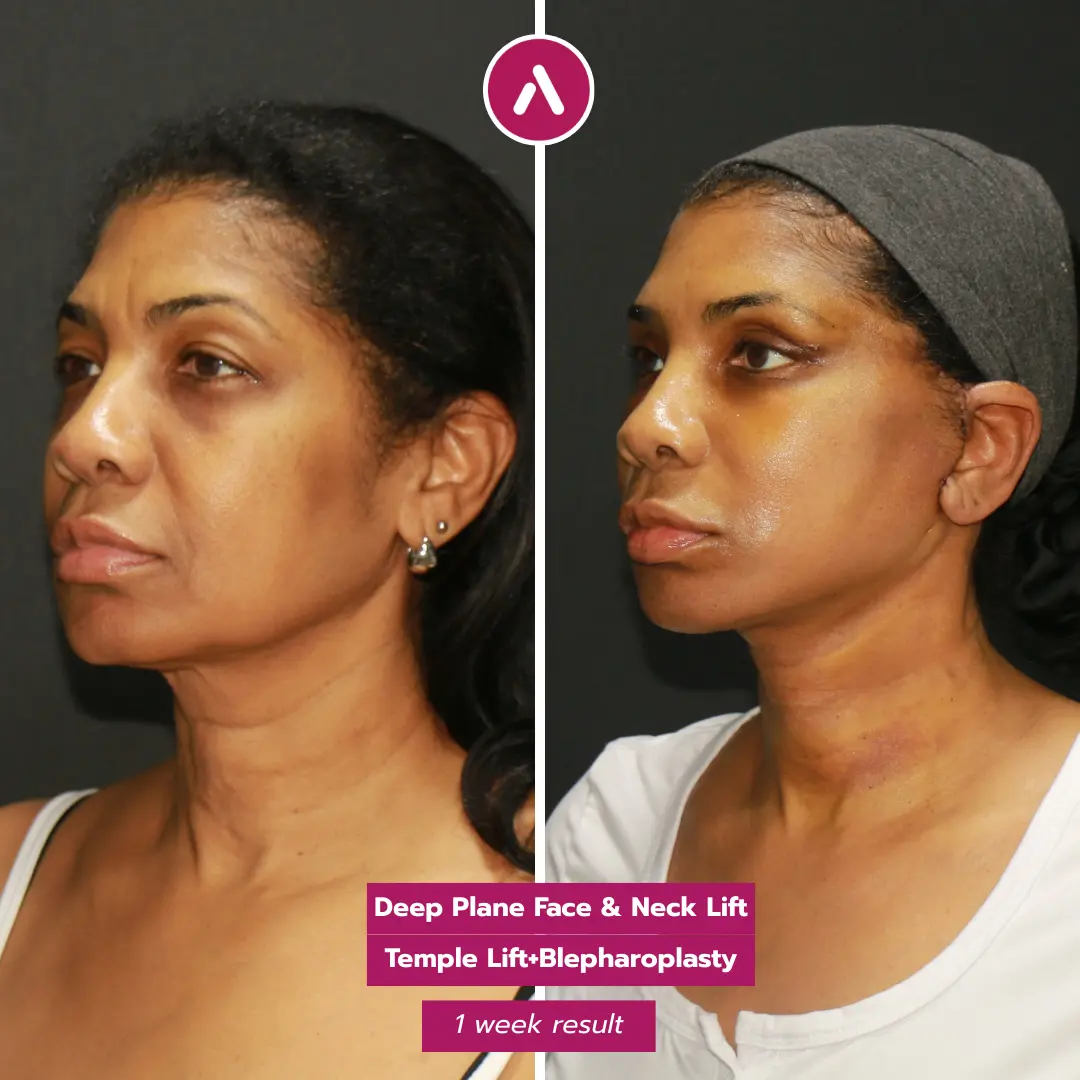
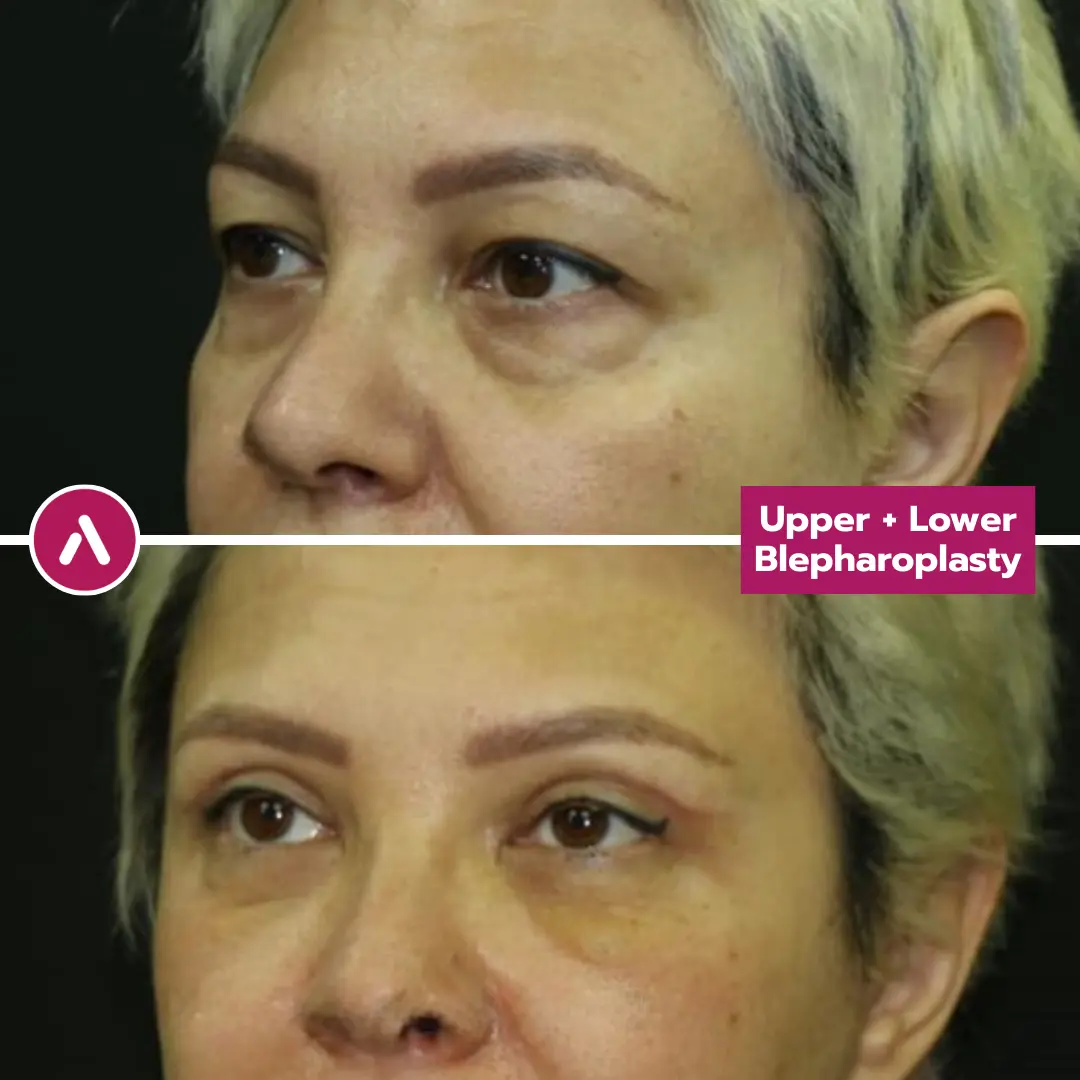
From a clinical perspective, healing is not a single moment but a process. Early tightness, temporary watering, puffiness, and colour changes around the eyes are all part of the normal inflammatory phase of repair. As both medical science and day-to-day surgical practice show, tissues recover in stages: swelling settles first, bruising fades next, and the most refined scar softening continues over the following weeks and months. That means your social recovery and your final result are not the same thing.
For patients travelling from Britain to Istanbul, this matters even more. A realistic blepharoplasty healing timeline helps you decide how long to stay, when to book your return flight, and how much visible bruising you may still have when you get home. It also helps you compare questions such as hooded eye surgery healing time, upper eyelid reduction recovery, and general eyelid surgery recovery time without confusion.
Table of Contents
What Is the Typical Blepharoplasty Recovery Time?
The typical recovery period after blepharoplasty is best understood in layers. Most patients feel significantly more comfortable within the first week, look noticeably better by the second week, and continue to refine over the following several weeks. However, the exact recovery time for blepharoplasty depends on whether the procedure involved the upper eyelids, lower eyelids, or both. It also depends on skin thickness, individual healing tendencies, whether a patient bruises easily, and how carefully the early aftercare instructions are followed.
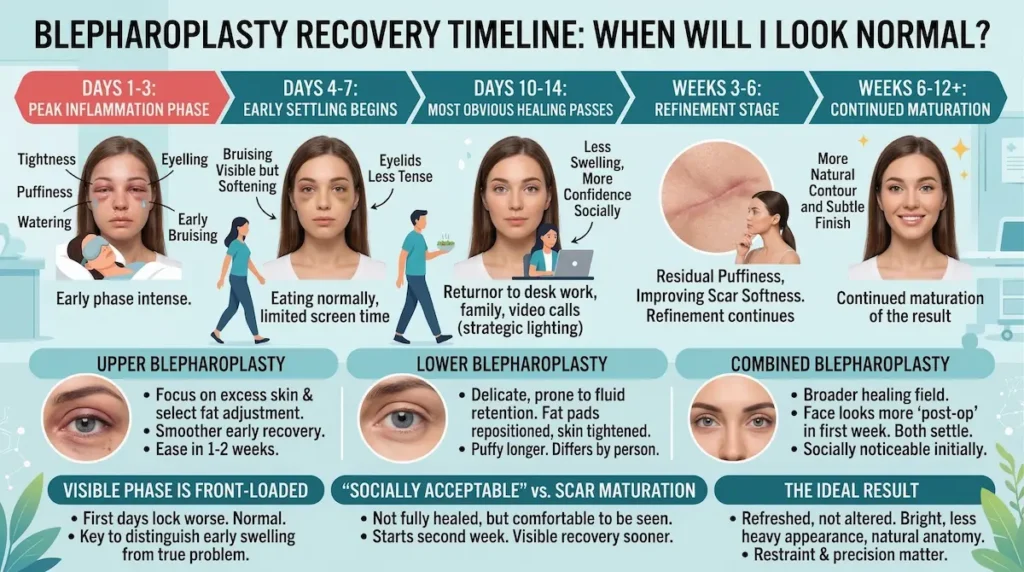
In practical terms, many patients are reassured to learn that the most visible phase of the blepharoplasty bruising timeline and blepharoplasty swelling stages is front-loaded. In other words, the first several days tend to look worse than the days that follow. This is normal and does not usually mean anything is wrong. The key is to distinguish between expected early swelling and a true problem, which your own surgical team should always monitor.
This pattern of early swelling followed by steady improvement is one reason realistic expectations matter so much in facial aesthetics. Similar principles of tissue settling can also be seen in procedures such as an endoscopic brow lift, although the exact healing pattern will differ from eyelid surgery. In blepharoplasty, what matters most is recognising that early puffiness is usually temporary, while the more refined, natural-looking result emerges gradually as healing progresses.
Why Recovery Varies Between Upper, Lower, and Combined Blepharoplasty
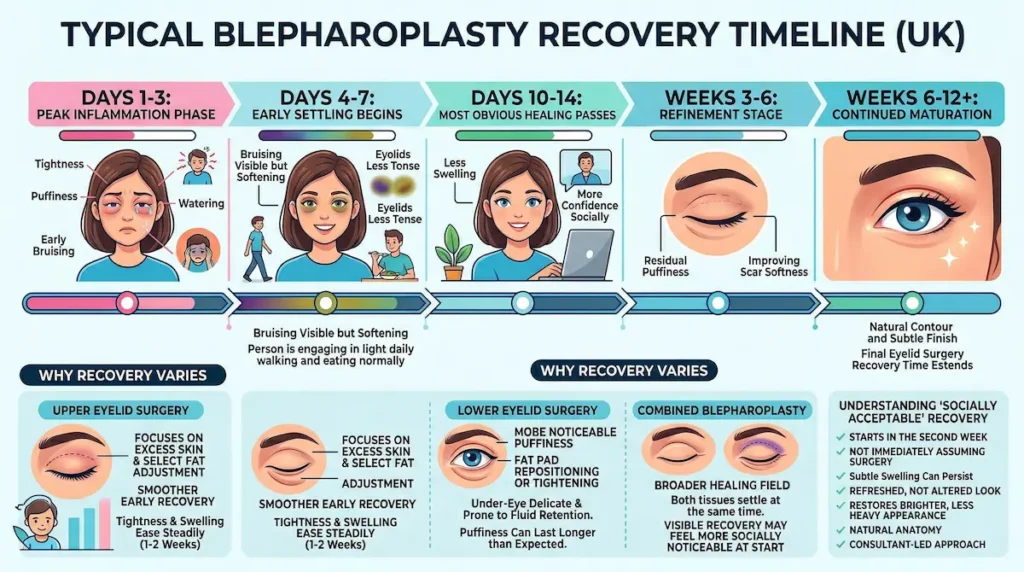
Upper blepharoplasty is often associated with a smoother and slightly more predictable early recovery because the surgery usually focuses on excess skin and, in selected patients, a small amount of fat adjustment. This means the upper eyelid reduction recovery period can feel relatively straightforward, with tightness and swelling easing steadily over the first one to two weeks.
Lower blepharoplasty, by contrast, may involve more noticeable puffiness because the under-eye area is delicate and prone to fluid retention. If fat pads are repositioned or the skin is tightened, the lower lids can remain puffy for longer than patients expect. That is one reason why the eyelid surgery swelling timeline can differ quite a bit from one person to another even when both are described simply as “eyelid surgery”.
Combined upper and lower blepharoplasty naturally creates a broader healing field. Patients often recover well, but the face can look more obviously “post-op” in the first week because both the upper and lower eyelid tissues are settling at the same time. This does not necessarily mean a harder recovery overall, but it does mean that the blepharoplasty surgery recovery time may feel more socially noticeable at the beginning.
What Most UK Patients Can Expect in the First 14 Days
For most patients, the first 48 to 72 hours are the peak period for swelling. During this time, the eyes can feel tight, the lids may look puffy, and bruising may begin to spread slightly before it starts to improve. This stage often worries patients, but it is usually the most intense part of the early blepharoplasty healing timeline.
By the end of the first week, many people feel much more comfortable. Bruising may change colour from deep purple or blue to greenish or yellow-brown shades, and the eyelids usually start to look less tense. The face often still looks “in recovery”, but patients are generally able to walk around, eat normally, watch limited screens, and carry out light daily tasks.
By days 10 to 14, the majority of patients feel more presentable. There may still be residual puffiness, especially in the mornings, but the eyes typically appear more open and less obviously bruised. This is often the point when UK patients begin to feel confident about returning to desk work, seeing close family, or joining video calls with a bit of strategic lighting. That said, the final eyelid surgery recovery time still extends beyond the first fortnight.
When Blepharoplasty Starts to Look “Socially Acceptable” Again
“Socially acceptable” is not a medical term, but it is one of the most useful ways to discuss recovery honestly. It usually means the stage at which most people would not immediately assume you have just had surgery. For many blepharoplasty patients, this starts somewhere in the second week, although subtle swelling can remain for longer.
This is especially relevant for professionals in the UK who do not necessarily need their final result immediately, but do want to know when they can be seen in public without feeling self-conscious. The answer is that the visible recovery usually improves much sooner than the scar maturation process. So, you may look perfectly reasonable in public while still being in the middle of your internal healing phase.
It is also worth remembering that a good result should look refreshed rather than altered. In refined facial surgery, the goal is not to make the eyes look tight or overcorrected. It is to restore a brighter, less heavy upper-eye appearance while respecting the patient’s natural anatomy. That is why a measured, consultant-led approach matters just as much as the speed of recovery.
| Stage | What You May Notice | What It Usually Means |
|---|---|---|
| Days 1–3 | Tightness, puffiness, watering, early bruising | Normal peak inflammatory phase |
| Days 4–7 | Bruising more visible but gradually softening | Early settling has begun |
| Days 10–14 | Less swelling, more confidence socially | Most obvious healing phase is passing |
| Weeks 3–6 | Residual puffiness, improving scar softness | Refinement stage |
| Weeks 6–12+ | More natural contour and subtle finish | Continued maturation of the result |
Blepharoplasty Recovery Day by Day: The First Week
The first week is the stage patients think about most because it is the part of recovery they can least afford to misunderstand. If you are travelling for surgery, it is also the period that affects your hotel stay, your comfort in photographs, and your confidence about leaving the clinic environment. A realistic day-by-day guide helps set proper expectations for the blepharoplasty swelling stages and avoids the common mistake of judging the result too early.
Although no two patients recover in exactly the same way, the first week usually follows a recognisable pattern. The eyes often feel more delicate than painful, and visible changes can look dramatic before they begin to settle. This is why the early blepharoplasty bruising timeline should never be judged hour by hour. Daily progress is a far better measure than moment-to-moment appearance.
Day 1: Tightness, Watering Eyes, and Resting Safely in Istanbul
On the first day after surgery, the eyelids usually feel tight rather than severely painful. Mild stinging, a sensation of heaviness, temporary blurred vision from ointment, and watery eyes can all occur. Most patients are pleasantly surprised that discomfort is often manageable with simple prescribed medication rather than anything particularly strong.
This is a rest-focused day. The priority is keeping the head elevated, using cold compresses exactly as advised, staying hydrated, and avoiding unnecessary strain. You should not expect to look presentable on day 1. The lids can appear puffy and the eye area may look uneven simply because swelling is beginning to develop.
For travelling patients, the first day is also about environment. Being looked after in a structured post-op setting, rather than trying to navigate a busy city independently, can make the experience far less stressful. Calm, simple routines are far more useful than constantly checking the mirror.
Days 2–3: Peak Oedema and Bruising Explained
Days 2 and 3 are often the point at which swelling reaches its peak. This is the stage that catches some patients off guard because they may feel reasonably well overall while looking more bruised than they did on the first evening. In other words, the mirror can worsen before it improves, and that is entirely consistent with a normal blepharoplasty healing timeline.
The upper lids may look puffy and firm, while the lower lids can show more obvious fluid retention if that area has been treated. Bruising can deepen in colour and may spread slightly along the natural under-eye tissue. This colour movement is common and does not necessarily reflect a complication. It is part of the ordinary eyelid surgery swelling timeline.
During this period, patients should continue with careful cold application if advised, sleep on extra pillows, avoid bending, avoid rubbing the eyes, and minimise activities that increase facial pressure. Even brief overexertion can make the eyes feel more swollen. Patience matters here; this is very often the high point of the visible hooded eye surgery healing time process, not the final state.
Days 4–7: When Walking, Washing, and Light Screen Time Usually Feel Easier
By days 4 to 7, most patients begin to feel more human again. The swelling usually starts to soften, and bruising begins its slow transition into lighter shades. Although the eyelids may still feel stiff or slightly numb, everyday actions such as walking indoors, showering carefully, eating comfortably, and using a phone for short periods generally become easier.
This does not mean the face is fully recovered. Rather, it means the most dramatic stage has passed. The eyes may still look puffy in the morning and settle as the day goes on. This morning heaviness is a very common feature of blepharoplasty swelling stages and can continue intermittently for several weeks.
Patients who work remotely sometimes assume they will be camera-ready by the end of week one. That can happen, but it should not be promised. Light concealer may eventually help once your surgeon allows it, but many patients still prefer an extra few days before returning to video calls. A realistic approach always leads to a less stressful recovery.
“The best recoveries are rarely the ones where patients rush to look normal overnight. They are the ones where swelling is respected as part of healing, aftercare is followed carefully, and the result is allowed to refine naturally.”
Week-by-Week Recovery After Eyelid Surgery
Once the first week is over, recovery usually feels less dramatic but more nuanced. This is the phase where many patients shift from asking, “Am I healing normally?” to asking, “When will I feel fully like myself again?” That distinction matters. The visible intensity of the early healing phase may be fading, but subtle changes continue well beyond the first few days.
This stage is also when patients begin to appreciate how facial procedures heal in layers rather than all at once. A similar principle applies to an endoscopic brow lift, where early improvement is visible before the final, more refined result fully settles. With eyelid surgery, this middle phase is often reassuring because the eyes already look fresher, even though mild puffiness, sensitivity, or firmness may still be part of the normal healing process.
A week-by-week view is often the most useful way to understand eyelid surgery recovery time. It shows why people can look socially improved before the tissues have completely matured, and why a result that seems slightly puffy in week 2 may look much more refined in week 6 or later. This longer perspective is essential if you want a truthful guide to blepharoplasty surgery recovery time.
Week 2: When Stitches, Bruising, and Confidence Usually Improve
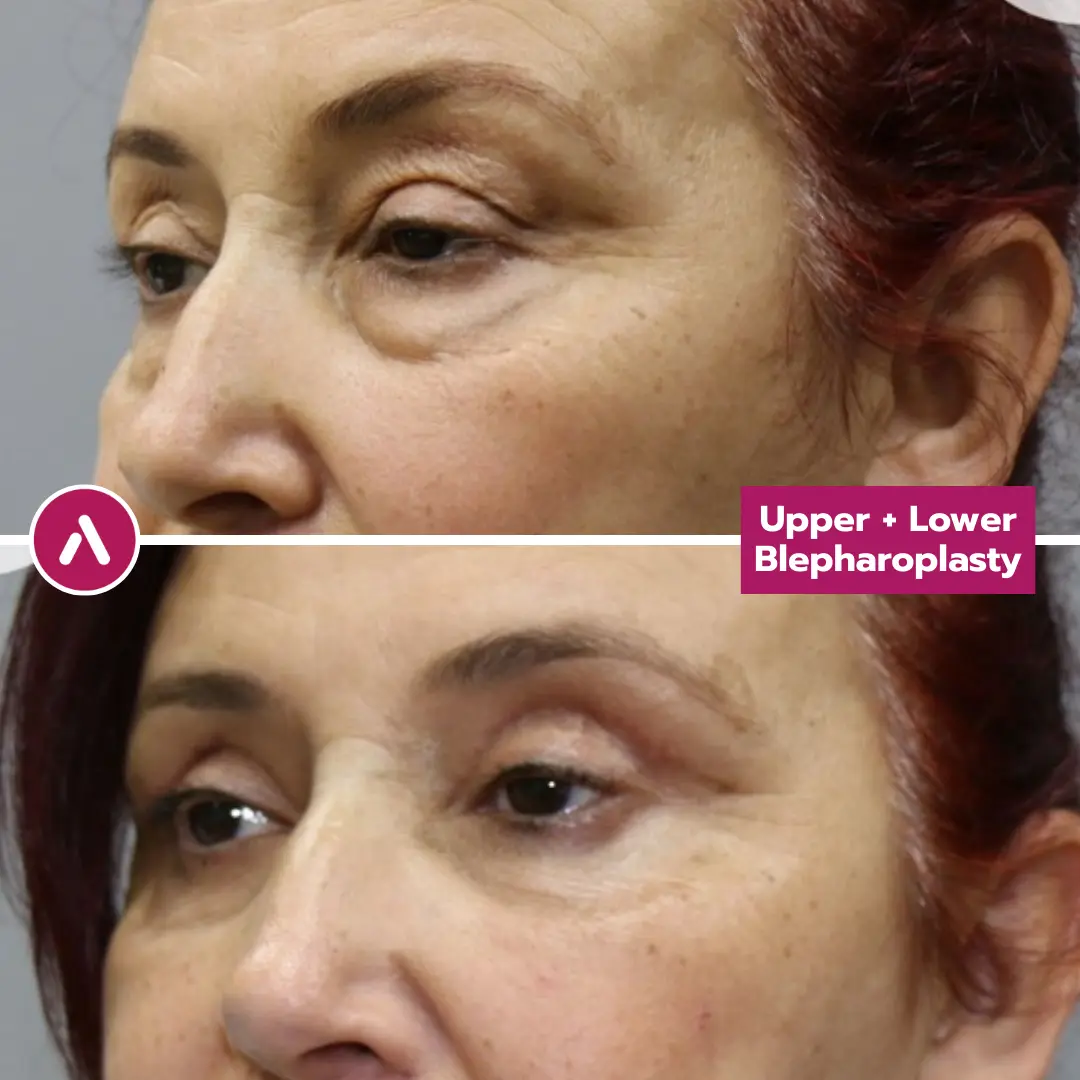
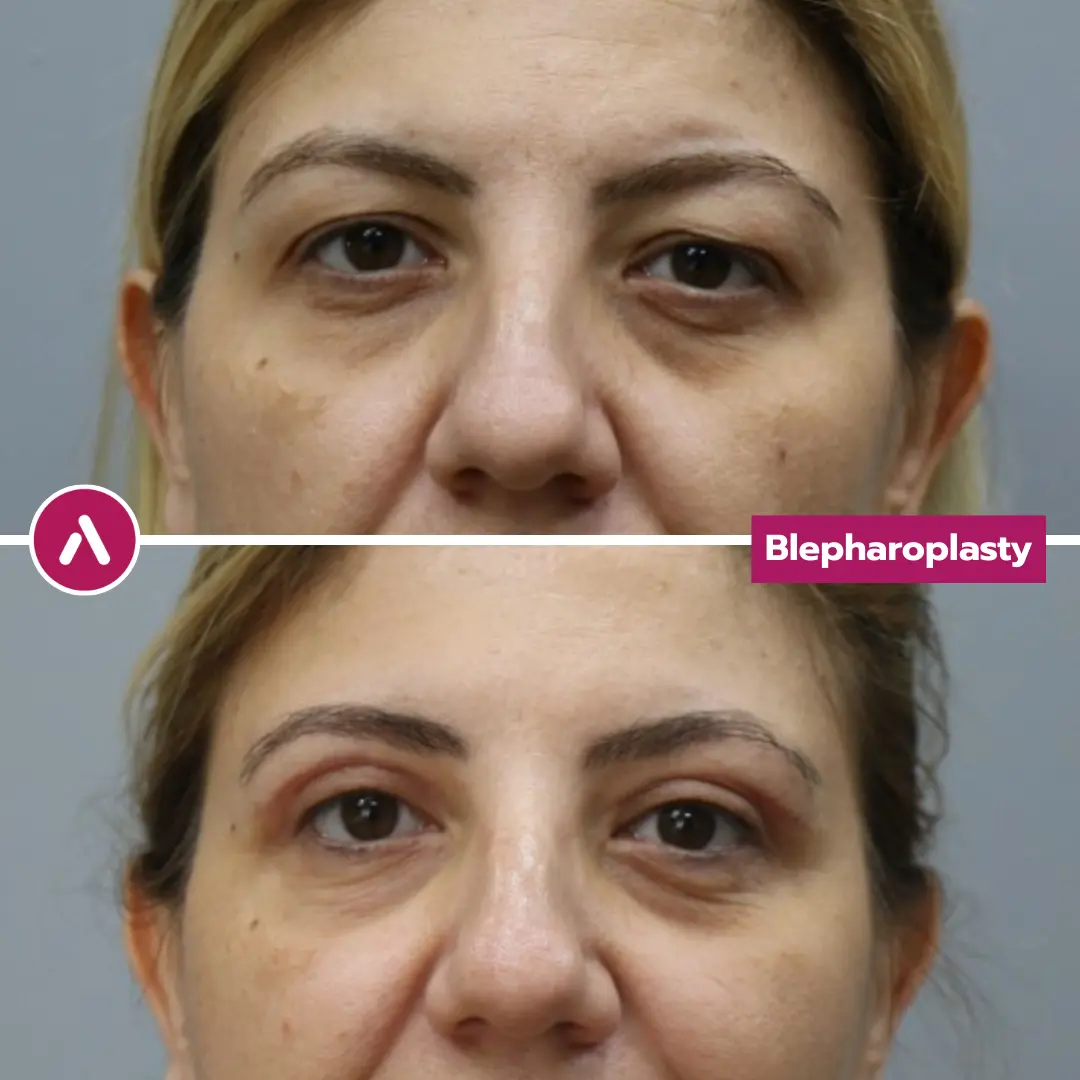
Week 2 is often a turning point. Most patients notice that bruising has faded substantially, swelling is less intense, and the eyes begin to look more open rather than merely “post-operative”. This is frequently the stage when people start to feel comfortable seeing friends, returning to desk-based work, or going out with sunglasses and minimal concern.
That said, week 2 is still early. The skin can remain slightly pink, small areas of firmness may still be present around the incision lines, and the eyelids can look more swollen after poor sleep or salt-heavy meals. This is why the blepharoplasty aftercare routine still matters even once you feel much better.
Psychologically, this week is important because patients often stop worrying that they “still look strange” and begin to recognise the benefits of surgery. For those who had significant upper-lid hooding, this is commonly the stage when the eyes start to appear brighter, lighter, and less tired.
Weeks 3–4: Returning to Work, Video Calls, and Everyday Errands
By weeks 3 and 4, many people feel largely back to normal in day-to-day life. Any remaining bruising is usually faint, and residual swelling is more likely to be noticed by the patient than by anyone else. This is often the point at which the result starts to look less like recovery and more like rejuvenation.
For UK patients, this stage is particularly reassuring because it usually overlaps with a comfortable return to ordinary routines. Commuting, shopping, social outings, and standard office work are commonly much easier by this point. The eyes may still feel slightly sensitive or firmer than usual, but the general trend is steady improvement.
If you are specifically comparing recovery time for blepharoplasty with hooded eye surgery healing time, the answer is often simpler than it sounds: they refer to much the same practical journey, especially when upper-lid heaviness is the main complaint. The most obvious improvement is often visible within the first month, while finer softening continues beyond it.
Weeks 6–12: Scar Maturation, Residual Puffiness, and Final Refinement
By this stage, the result usually looks far more natural and settled. Small amounts of residual puffiness may still come and go, especially in patients who retain fluid easily, but the overall contour of the eyelids is generally much more elegant. Incision lines continue to soften and fade, and the eyes should look more refreshed rather than obviously operated on.
This later stage is important because it reflects the difference between being healed enough to function and healed enough to appreciate the final aesthetic result. Patients sometimes underestimate how much improvement still occurs after the first month. In facial surgery, subtle refinement is often the hallmark of quality.
That is also where a careful surgical philosophy matters. The aim is not just to remove skin, but to preserve a balanced, natural look that suits the rest of the face. For UK patients who prefer subtle rejuvenation over an overdone appearance, this slower refinement phase is often where the value of good planning becomes most apparent.

When Can You Fly Back to the UK After Blepharoplasty?
For many British patients, this is the most important practical question after surgery. Knowing the likely blepharoplasty recovery time is helpful, but knowing when you can sit comfortably on a flight home matters just as much. The answer is not identical for everyone, because fitness to fly depends on the extent of surgery, your swelling pattern, your overall health, and whether your surgeon is satisfied with the early healing process.
In general, sensible travel planning is part of good blepharoplasty aftercare. The aim is not to rush back to the UK at the first possible moment, but to return when the eyes feel settled enough, the initial review has been completed, and the visible blepharoplasty swelling stages are moving in the right direction. That is why many UK patients prefer a structured recovery plan rather than treating surgery as a quick weekend trip.
How Long British Patients Usually Stay in Istanbul After Surgery
Most patients benefit from remaining in Istanbul for several days after blepharoplasty so that the earliest healing phase can be monitored properly. This gives the surgical team time to assess swelling, bruising, comfort, vision, and incision care before you travel. It also allows you to recover in a calm environment rather than dealing immediately with airports, luggage, and the physical stress of a return journey.
For patients comparing eyelid surgery recovery time with broader facial procedures, blepharoplasty is usually more manageable from a travel perspective. However, that does not mean the trip home should be treated casually. The first few days still matter, especially if you have noticeable oedema, temporary dryness, or a tendency to bruise heavily.
From a practical standpoint, patients coming from London, Manchester, Birmingham, or other major UK cities often find that direct travel routes make the journey easier to plan. Even so, ease of access should never replace clinical judgement. The right moment to fly is the moment your own surgeon feels you are genuinely ready, not merely eager to get home.
This is especially relevant for patients considering other upper-face procedures, such as an endoscopic brow lift, alongside or instead of blepharoplasty. Although travel planning may be straightforward on paper, recovery still needs to be respected as an individual process rather than fitted around a flight booking. A well-timed return to the UK should always reflect clinical progress, comfort, and proper post-operative assessment rather than convenience alone.
What “Flight-Ready Recovery Protocols” Mean in Practical Terms
“Flight-ready” does not mean fully healed. It means the early recovery is stable enough for travel, with aftercare instructions clearly understood and no immediate concerns requiring you to remain on site. In practical terms, that usually includes controlled swelling, a satisfactory early post-op review, confidence with eye care, and a clear plan for what to do once you return to Britain.
This is where structured protocols can make a meaningful difference. A patient who has been reviewed properly, educated carefully, and supported with organised follow-up will usually travel with far more confidence than someone who has simply been told that “everything is fine”. For a UK audience, that distinction matters. Reassurance should come from process, not vague promises.
Some clinics also incorporate supportive recovery technologies designed to reduce post-operative oedema and help patients become socially presentable sooner. That can be particularly valuable for those trying to manage the visible blepharoplasty bruising timeline around work commitments, family responsibilities, or a pre-booked flight home.
Planning Direct Flights from London to Istanbul Without Rushing Healing
One of the practical advantages for British patients is that travel between the UK and Istanbul is straightforward. Direct routes make the planning process easier, but good planning still means building in recovery margin. A flexible return date is often wiser than choosing the earliest possible flight and then worrying about every sign of swelling.
It is also worth remembering that the travel question is not only medical. It is emotional. Patients often feel much calmer when they know there is a proper handover from in-clinic care to remote aftercare. That is especially true for those who have read worrying headlines about surgery abroad and want to know exactly who they can contact once they are back in the UK.
For that reason, the best travel planning is not merely about the airline ticket. It is about coordinating the blepharoplasty healing timeline, your first post-operative review, your accommodation, your airport transfer, and your onward support once you are home.
| Travel Question | Practical Consideration | Why It Matters |
|---|---|---|
| When should I book my return flight? | After your surgeon advises you are fit to travel | Avoids unnecessary stress and rushed healing |
| Is a direct flight useful? | Yes, it simplifies the journey and reduces travel fatigue | Helpful during the early recovery phase |
| Should I travel alone? | Some patients do, but extra support can be reassuring | Especially useful in the first few days |
| What matters most before flying? | Stable recovery, clear aftercare plan, and surgeon clearance | Safety comes before convenience |
How to Reduce Swelling, Bruising, and Visible Scarring?
Managing the visible side of healing is a major concern for almost every blepharoplasty patient. That is understandable. People rarely panic about the operation itself as much as they worry about how long they will look swollen, how obvious the bruising will be, and whether the scar line will remain noticeable. This is where a calm, realistic understanding of the eyelid surgery swelling timeline becomes far more useful than any promise of “instant recovery”.
From both clinical experience and wider wound-healing science, the principles are consistent: reduce avoidable irritation, support circulation sensibly, protect the incision area, and allow the tissues time to settle. The goal is not to force healing unnaturally, but to create the best possible environment for it.
These principles are relevant across facial recovery more broadly, including procedures such as an endoscopic brow lift, where swelling control and careful aftercare also influence how quickly patients feel comfortable in public. In blepharoplasty, however, the delicate eyelid skin makes even minor puffiness look more noticeable, which is why a measured, science-led approach to healing can make such a visible difference during the early recovery period.
Cold Compresses, Sleeping Position, and Hydration in the Early Days
In the first few days, very simple measures are often the most effective. Cold compresses used exactly as advised can help calm early puffiness. Keeping the head elevated, especially when sleeping, may reduce morning heaviness. Hydration also matters, because general post-operative recovery is smoother when patients are eating and drinking sensibly rather than under-fuelling themselves.
Patients should also avoid rubbing the eyes, bending excessively, heavy lifting, and activities that increase facial pressure in the early stage. These habits may seem minor, but they can prolong the visible blepharoplasty swelling stages and make the eyes feel more irritated than necessary.
Many people also notice that swelling is worse in the morning and better later in the day. This is common and usually not a cause for alarm. It reflects ordinary fluid shift, not a failed recovery. The key is to look for improvement across several days rather than expecting the eyelids to look the same every hour.
Why HBOT May Help Reduce Oedema and Social Downtime
Some clinics support recovery with adjunctive therapies rather than relying on standard care alone. One example is Hyperbaric Oxygen Therapy, often shortened to HBOT. In a recovery-focused setting, HBOT is used to support healing by helping reduce post-operative oedema and encouraging better tissue recovery. For patients concerned about returning to everyday life quickly, that can be especially appealing.
In practical terms, this matters because many UK patients are not only asking about medical recovery. They are asking about social recovery: when can I be seen, when can I go back to work, and when will people stop noticing that I have had surgery? When swelling settles more efficiently, the practical burden of the blepharoplasty surgery recovery time may feel lighter.
HBOT should not be presented as magic, and it does not replace careful surgery or proper aftercare. However, within a broader programme of recovery support, it can be a meaningful addition for patients who want a more organised and medically led approach to early healing.
How LLLT Supports Scar Quality and a More Discreet Finish
Scar anxiety is very common in patients researching upper eyelid reduction recovery or hooded eye surgery healing time. The reassuring reality is that upper blepharoplasty scars are typically placed within natural eyelid creases, which already helps them heal discreetly. Even so, many patients want to know whether anything can be done to support scar quality further.
Low-Level Laser Therapy, or LLLT, is one of the technologies sometimes used for this purpose. In a medically supervised setting, it is intended to support healing quality and encourage a smoother, less conspicuous finish. For a facial procedure where subtlety matters, that is a sensible priority.
Good scar care is never about one single intervention. It is the sum of careful surgical planning, gentle tissue handling, proper aftercare, and time. The best scars are usually the result of a measured process, not aggressive treatment. That is particularly important in facial aesthetics, where subtle refinement is more valuable than any rushed claim.
“A successful eyelid surgery result is not only about removing excess skin. It is about how quietly the tissues heal, how naturally the eyes settle, and how little the surgery announces itself once recovery is complete.”
Aftercare for British Patients: What Support Matters Most?
For many UK patients, aftercare is the deciding factor. The operation itself may take only a short time, but confidence in your recovery depends on knowing that support does not disappear when you leave the clinic. This is particularly important for those travelling abroad, because the fear is rarely just about the surgery. It is about what happens after the surgery, especially once the patient has returned home.
That is why good blepharoplasty aftercare should be easy to understand, easy to access, and designed around real patient anxieties. British patients often respond best to structured follow-up, clear communication, and a sense that someone remains accountable after they board the flight back to the UK.
This need for dependable follow-up is not unique to blepharoplasty and also matters in procedures such as an endoscopic brow lift, where reassurance during recovery can significantly reduce patient anxiety. For British patients travelling from abroad, the most valuable aftercare is not simply availability, but clarity, responsiveness, and continuity. When support feels structured and accessible, the entire healing process becomes easier to manage with confidence once back in the UK.
The Value of Structured Post-Op Care in Turkey for British Citizens
A structured aftercare pathway reduces uncertainty. Rather than leaving patients to guess what is normal, it gives them a clear plan: how to clean the area, how to sleep, what level of swelling is expected, when to send photographs, and which symptoms should prompt immediate review. This can make the entire blepharoplasty healing timeline feel far more manageable.
It also helps patients interpret the natural ups and downs of recovery properly. One morning of extra puffiness or a slightly uneven-looking day does not necessarily mean anything has gone wrong. When patients have a proper post-operative framework, they are less likely to panic and more likely to follow the process calmly.
For British patients in particular, organised post-op care is part of trust. It shows that the clinic understands international patient needs rather than treating the procedure as a one-day transaction.
Why a UK Support Line and WhatsApp Access Build Confidence
One of the most practical forms of reassurance is simple accessibility. Patients feel safer when they know that a question about swelling, bruising, discharge, dryness, or sleeping position can be answered promptly rather than left hanging. This is especially valuable during the first two weeks, when the visible blepharoplasty bruising timeline may still be evolving.
For UK patients, a dedicated support line and direct WhatsApp communication can remove a surprising amount of stress. It is not merely about convenience. It is about psychological comfort. People recover better when they do not feel isolated with every normal post-operative question.
This matters even more for those who have had previous cosmetic treatment in the UK and are now comparing standards, responsiveness, and overall patient experience. Good communication can often be the difference between an anxious recovery and a confident one.
How a London Correspondence Address and UK Contact Point Reassure Patients
Local presence signals matter to British patients. A London correspondence address or UK-based patient contact point does not replace surgical care, but it does make the overall experience feel more accountable and easier to navigate. For many people, knowing there is a recognisable UK-facing point of contact lowers the psychological barrier to treatment abroad.
This is particularly relevant for cautious, research-driven patients who worry about what happens once they leave Turkey. A UK point of contact suggests continuity, not abandonment. It signals that the relationship continues beyond the operating theatre and the hotel transfer.
That sense of continuity is reflected in real patient stories as well. One UK-linked patient experience described the comfort of staying in touch through a direct WhatsApp number and support line after returning home. That kind of reassurance may seem small on paper, but during recovery it can feel enormously important.
“Aftercare mattered just as much as the procedure itself. Knowing there was someone to message and a UK point of contact made the whole recovery feel far less daunting.”
When Will You Look Normal After Blepharoplasty?
This is often the question hiding behind every other question. Patients may ask about stitches, flying, swelling, or work, but what they usually mean is: when will I stop looking obviously post-operative? That is a fair and important question. The answer depends on how you define “normal”. In blepharoplasty, being medically well and looking socially ready are related, but they are not exactly the same stage.
For most patients, the face becomes progressively more presentable within the second week, while finer settling continues well after that. So, the honest answer is that you may look acceptable in public before you look completely polished. That is not a flaw in the process. It is the normal rhythm of the eyelid surgery recovery time.
The Difference Between Being Medically Recovered and Socially Ready
Medical recovery means the tissues are healing as expected. Social recovery means you feel comfortable being seen. These two milestones often overlap, but not perfectly. A patient may be healing beautifully while still noticing some puffiness or slight pinkness that makes them feel self-conscious for a few more days.
This distinction helps patients judge their recovery more fairly. Too many people assess the success of surgery by how they look in the mirror on day 5 rather than by how they are progressing week by week. A better standard is steady improvement, not instant perfection.
When viewed in that way, the recovery time for blepharoplasty usually feels much more understandable. The early phase is visible, the middle phase is reassuring, and the later phase is where refinement happens.
When Make-Up, Glasses, and Public Outings Usually Feel Comfortable
Many patients feel more comfortable with public outings during the second week, especially if bruising has faded and sunglasses are an option. Glasses are often easier to manage than contact lenses in the early stage, because contact lenses can irritate eyes that are already healing and may feel dry or sensitive.
Make-up around the eye area should only be resumed when your surgeon says it is appropriate. While patients understandably want to camouflage the last traces of the blepharoplasty bruising timeline, early product use around healing incisions is not worth the risk. A few extra days of patience usually pay off.
By the third or fourth week, many patients feel entirely comfortable with normal errands, social meetings, and work interactions. At that stage, the lingering signs of surgery are often more noticeable to the patient than to anyone else.
Why the Best Results Are Refreshed and Subtle, Not “Overdone”
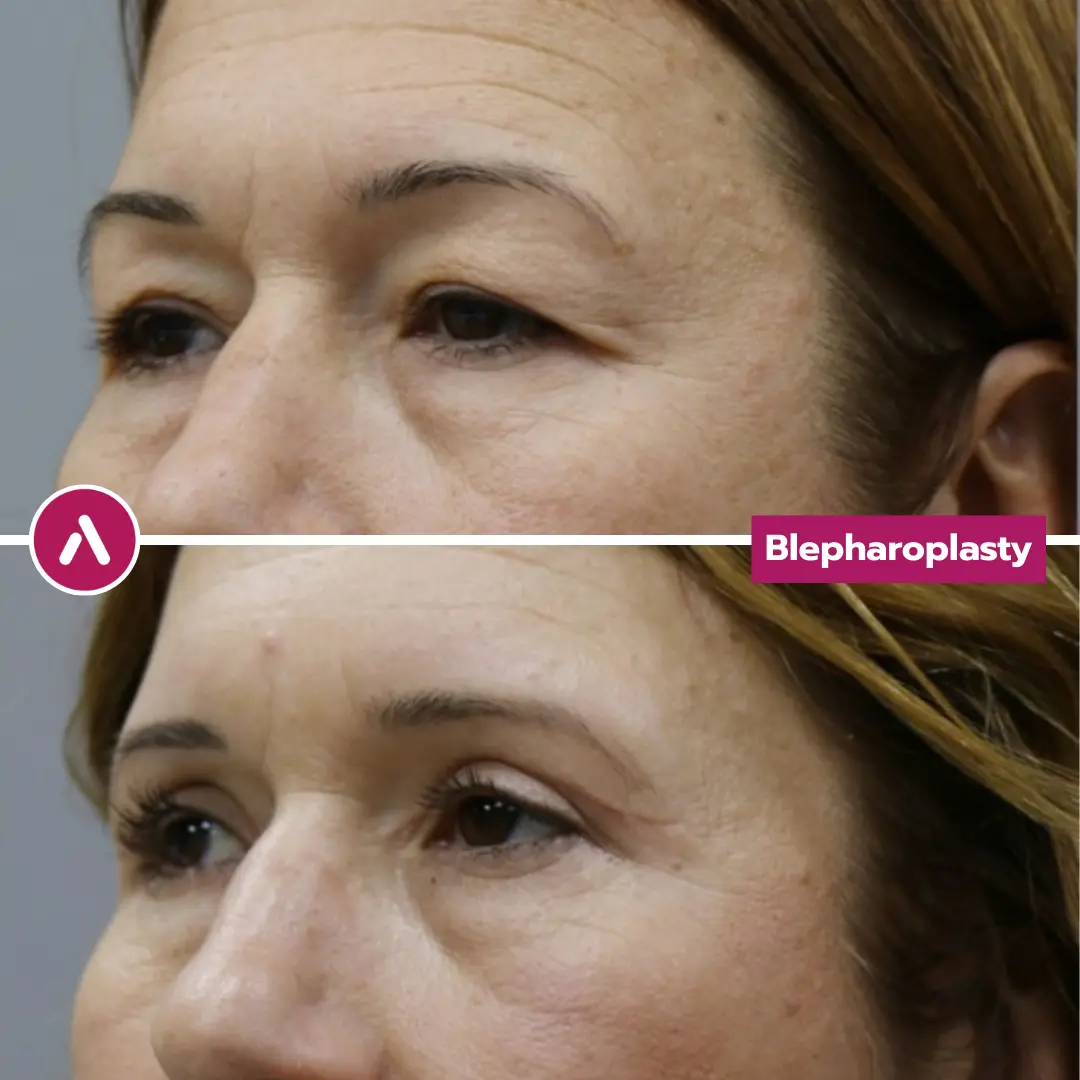
For British patients, especially those comparing options against expensive private treatment on Harley Street, the ideal blepharoplasty result is rarely dramatic. The best outcome usually looks well-rested, lighter, and more alert, without making it obvious that surgery has taken place. That is why restraint matters just as much as technical precision.
A refined result respects the natural shape of the eye. It does not aim to hollow the upper lid excessively or create a tight, surprised appearance. Instead, it addresses heaviness and redundancy while preserving a believable, age-appropriate expression.
This is also where long-term judgement becomes important. The most flattering results are often the ones that settle gradually and quietly. In other words, the success of blepharoplasty is often measured not by how dramatic it looks in week one, but by how natural it looks once recovery is complete.
Frequently Asked Questions (FAQ): Blepharoplasty Recovery Time
Below are the questions British patients ask most often when researching blepharoplasty recovery time, eyelid surgery recovery time, and practical aftercare after travelling home.
How many days off work do I need after blepharoplasty?
Many patients take around 7 to 14 days away from work, depending on how visible their bruising and swelling are. Desk-based work is often easier to return to sooner than public-facing roles.
When can I fly home to the UK after eyelid surgery?
You should fly only when your surgeon confirms that your early recovery is stable enough for travel. Many British patients stay in Istanbul for several days so the first post-op phase can be reviewed properly.
Is swelling worse in the morning after blepharoplasty?
Yes, that is very common. Mild morning puffiness can continue for several weeks and usually improves as the day goes on.
When can I wear contact lenses again?
Only when your surgeon advises it is safe. Eyes may feel dry or irritated early on, so glasses are often the easier option at first.
How long do blepharoplasty scars stay visible?
Incision lines usually improve steadily over the following weeks and months. Early pinkness or firmness is common, but scars generally become much less noticeable as healing matures.
When can I exercise after eyelid surgery?
Light walking is usually introduced earlier than strenuous exercise, but the exact timing should follow your surgeon’s advice. Heavy workouts too soon can worsen swelling.
When will my final blepharoplasty result be visible?
You will usually look much better well before the final result is fully refined. Most patients see clear improvement within the first few weeks, while subtle settling continues over the following months.
If you would like to explore related procedures beyond blepharoplasty recovery, you can also learn more about Temporal Lift vs Brow Lift, Asymmetrical Eyebrow Correction, Stem Cell Facelift vs Traditional Facelift, Lymphatic Drainage Massage After Lipo, Mummy Makeover Recovery with Children, Surgery Companion Turkey, and How to Prepare for Cosmetic Surgery. These guides can help you better understand treatment options, recovery expectations, travel planning, and practical aftercare for a safer, more confident cosmetic surgery journey.
Medical Disclaimer: This page is provided for general educational purposes only and does not replace a face-to-face medical consultation, diagnosis, or personalised treatment plan. All surgery carries risks and outcomes vary between individuals. Suitability for a blepharoplasty surgery, procedure selection, and anaesthesia choice can only be determined after a full clinical assessment by a qualified surgeon. Always follow your clinician’s instructions and seek urgent medical attention if you develop concerning symptoms during recovery.