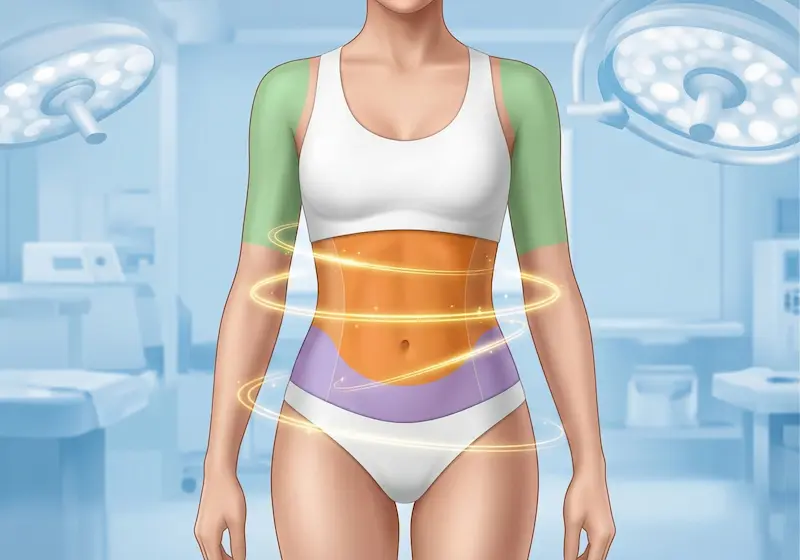

If you’re researching hyperbaric oxygen therapy before travelling to Istanbul for surgery, you’re likely asking a very UK “expert patient” question: what’s the evidence-based logic, what are the real benefits, and how does it actually support recovery? At AKM Clinic, we use HBOT as part of a structured post-operative care pathway for selected patients—particularly when the goal is to support healing, comfort, and minimising surgical oedema with oxygen without making unrealistic promises.
In this article, we’ll explain what is hyperbaric oxygen therapy, how does hyperbaric oxygen therapy work, and why it can be valuable as hyperbaric oxygen therapy after surgery. We’ll also clarify what scientific research and medical science can (and cannot) claim about outcomes, so you can make an informed decision.
Table of Contents

What Exactly Is Hyperbaric Oxygen Therapy (HBOT)?
What is hyperbaric oxygen therapy? HBOT is a treatment where you breathe oxygen in a controlled, pressurised environment—often described as hyperbaric oxygen chamber therapy or a pressurised oxygen chamber. The purpose is to increase the amount of oxygen your body can deliver to tissues for a period of time. In post-operative care, this is used to support the body’s normal healing processes—especially in the early recovery phase when swelling and bruising are common.
Many UK patients ask whether HBOT can help them feel “presentable” sooner—especially if they’re trying to speed up facelift recovery and reduce early puffiness before returning home. While everyone heals at a different pace, a pressurised oxygen chamber is often used as part of a wider aftercare plan to support comfort, manage swelling, and promote a calmer-looking recovery period, rather than to promise an instant transformation.
The “pressurised chamber” concept explained in plain English
Think of HBOT as breathing oxygen while the surrounding pressure is carefully increased inside a medical-grade chamber. You’re monitored throughout, and the experience is generally calm and predictable. Many patients describe it as similar to a “pressure change” sensation—like during flight—rather than anything painful.
How oxygen delivery changes under pressure (why it matters post-op)
Under increased pressure, more oxygen can be carried in the bloodstream and made available to tissues. In the context of recovery, the practical aim is to support tissue oxygenation during a time when your body is working hard to repair, settle inflammation, and reduce fluid build-up. This is the core mechanism behind many proposed hyperbaric oxygen therapy benefits in surgical aftercare.
What a typical session feels like (timeline, comfort, safety checks)
A session of hyperbaric oxygen chamber therapy typically includes:
- Pre-checks: a brief clinical review to confirm you’re suitable that day (comfort, ears/sinuses, overall stability post-op).
- Pressurisation phase: gradual increase in pressure (you may be guided on swallowing/yawning to equalise ear pressure).
- Oxygen breathing time: you rest comfortably while being monitored.
- Decompression phase: pressure is gradually reduced back to normal.
This structured approach matters because safety and selection are as important as any “benefits of hyperbaric oxygen therapy” you may read online.
Why HBOT Matters After Cosmetic Surgery
Recovery after cosmetic surgery is not just about “time passing”—it’s a physiological process involving inflammation, tissue repair, and fluid shifts. For some patients, the immediate priority is reducing visible swelling and bruising so they can feel socially confident sooner, especially when returning to the UK. This is where hyperbaric oxygen therapy after surgery may be considered: to support the early recovery phase, including comfort and the management of swelling.
Oedema and bruising: why they happen after surgery
Post-operative oedema is a normal response to surgical trauma. Your body increases blood flow and fluid movement to the area as part of healing. Bruising occurs when small blood vessels are disrupted. The degree varies based on the procedure, individual biology, and whether surgeries are combined. Many UK patients search for practical strategies around “hyperbaric oxygen therapy after surgery” because they want to reduce the visible impact of recovery—safely.
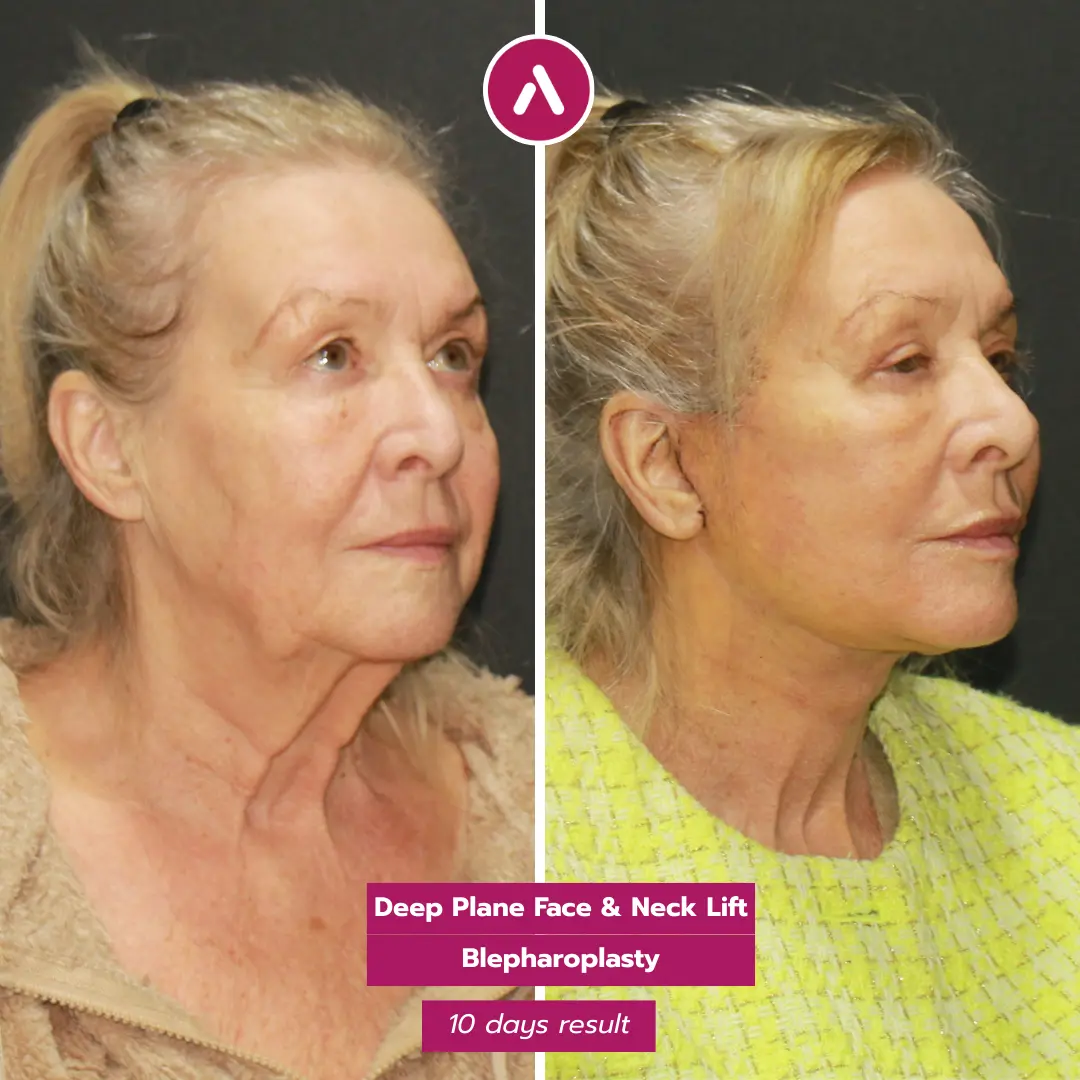
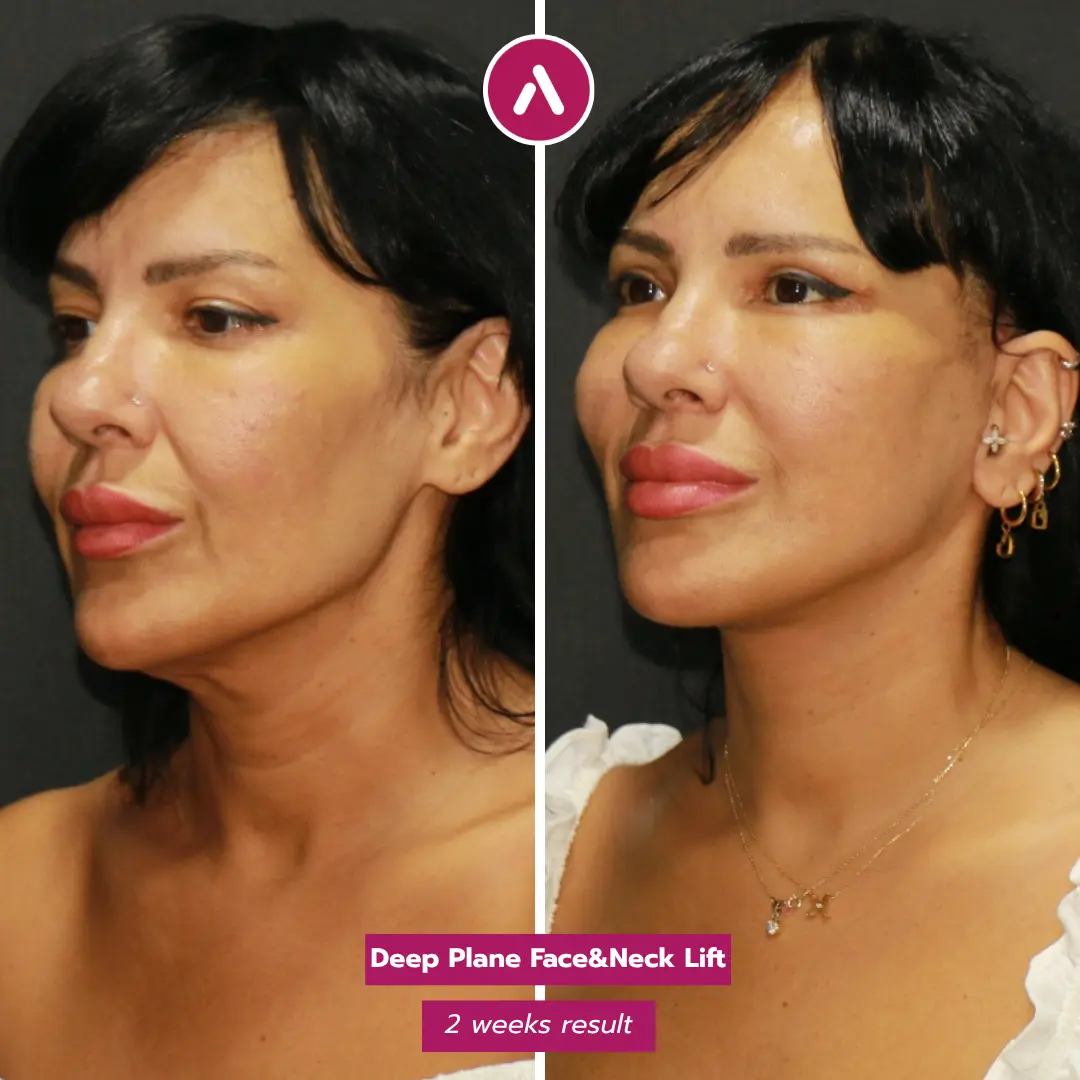
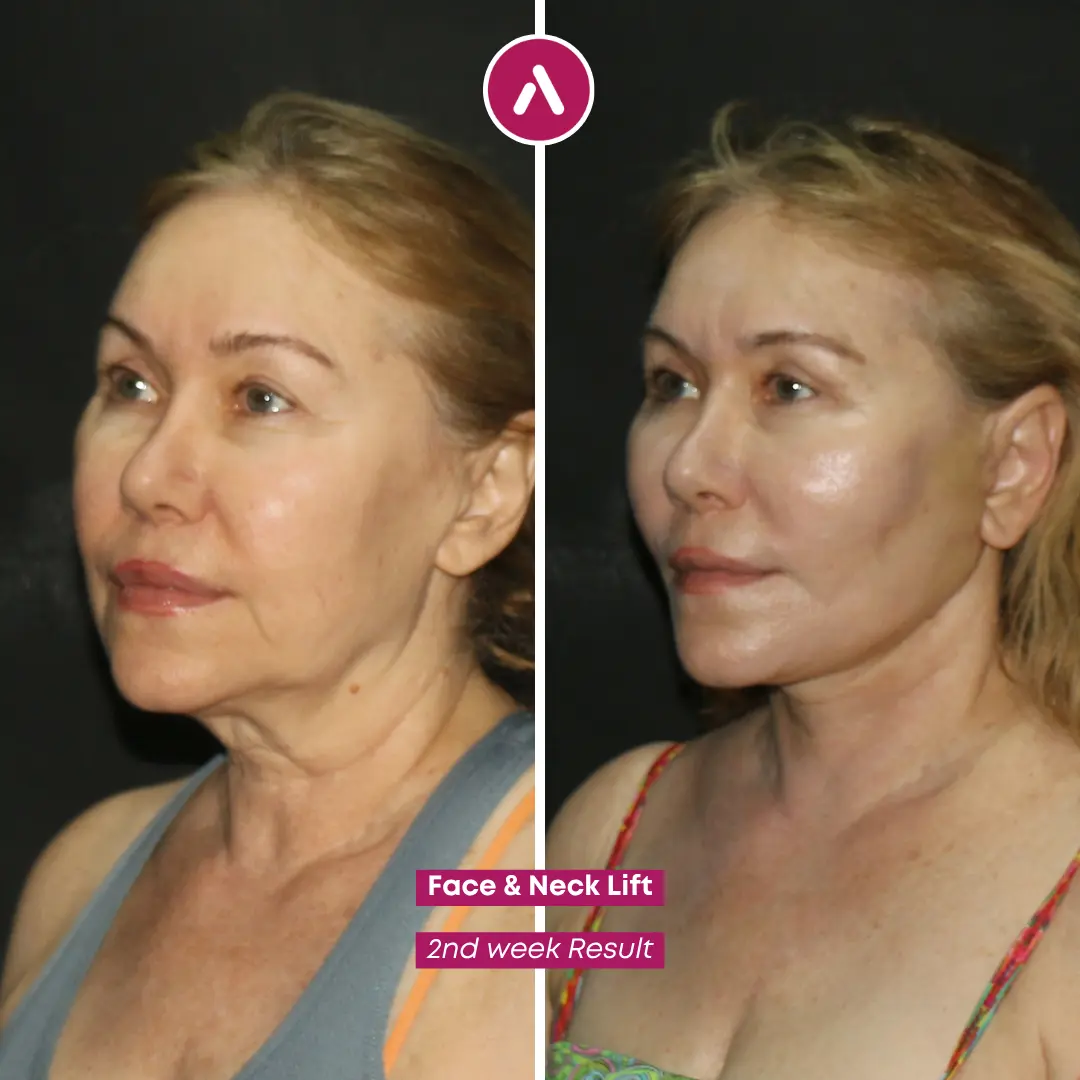
How HBOT supports lymphatic drainage and reduces “social downtime”
One reason patients look into hyperbaric oxygen therapy benefits is the potential for improved tissue oxygenation during a period of swelling. While HBOT is not a magic switch, the rationale used in medical science is that better oxygen availability can support tissue function during healing. In real-world terms, many clinics use it with the intention of helping patients feel “less puffy” sooner and improving overall recovery comfort—particularly relevant when you’re planning travel and time off work.
Tissue oxygenation and healing: where HBOT fits in recovery goals
From a “science-first” perspective, HBOT is best understood as an adjunct—it supports the body’s natural healing processes rather than replacing them. It is typically positioned alongside other recovery standards: careful surgical technique, good pain control, appropriate mobility, hydration, and a structured follow-up plan. When patients ask how does hyperbaric oxygen therapy work after surgery, the answer is essentially: it aims to improve oxygen availability to recovering tissues, which may support healing quality and comfort in selected cases.
The Science-Logic: How HBOT Supports Healing (Without Overpromising)
UK patients often want a straight answer grounded in science and scientific research: does HBOT “work”? The most responsible way to frame HBOT is as a supportive recovery tool with a clear physiological rationale, used in selected cases. In other words, it’s not a shortcut or a guaranteed outcome—rather, it’s a structured adjunct that may help your body do what it already needs to do: settle inflammation, repair tissue, and normalise swelling.
Microcirculation and oxygen diffusion (the practical takeaway for patients)
When tissues are healing, they rely on small blood vessels (microcirculation) to deliver oxygen and nutrients. After surgery, swelling and inflammation can temporarily affect how efficiently tissues are supplied. The “why” behind hyperbaric oxygen therapy benefits is that a controlled pressurised environment can increase oxygen availability, which may support tissue performance during that early phase. The practical takeaway is not “miracles”, but support—potentially better comfort and a smoother-looking recovery in some patients.
Inflammation control and comfort: what patients typically notice
Patients who look into the benefits of hyperbaric oxygen therapy after surgery are usually focused on what they can feel and see: tightness, bruising, puffiness, and the sense of “healing fatigue”. While experiences vary, HBOT is commonly integrated with the intention of supporting:
- Recovery comfort: feeling more “settled” after surgery
- Swelling management: supporting a pathway aimed at minimising surgical oedema with oxygen
- Confidence in care: being monitored and supported in a structured post-op environment
Importantly, HBOT is not a substitute for good surgical planning, correct garment use (when relevant), mobilisation, hydration, and adherence to aftercare instructions.
Where evidence is strongest vs where claims are often exaggerated (transparency section)
In medical science, it’s common to see HBOT discussed for a range of conditions, and online claims can become overblown. In a cosmetic surgery context, we keep expectations realistic:
- Reasonable expectation: HBOT may support healing conditions and early recovery comfort in selected patients.
- Not a promise: it does not guarantee “no swelling”, “no bruising”, or a specific day-by-day result.
- Not a replacement: it cannot compensate for poor technique, unsafe surgery, or inadequate aftercare planning.

How We Use HBOT at AKM Clinic (Protocol + Who It’s For)
At AKM Clinic, HBOT is used as part of an overall recovery strategy, not as a stand-alone “add-on”. The goal is to provide a safety-led, structured experience for patients—particularly those travelling from the UK who want a clear plan for recovery before they fly home. When people search for hyperbaric oxygen therapy after surgery, they’re often looking for this exact thing: a protocol, not a sales pitch.
For many UK patients, this structured approach is especially reassuring when they’re hoping to speed up facelift recovery without taking unnecessary risks. Rather than relying on generic promises, we map HBOT into a personalised aftercare timeline based on your procedure, expected swelling, and how you’re progressing day by day. This helps ensure each session supports comfort and recovery goals in a clinically sensible way—particularly important when you’re planning travel, follow-up messaging, and a confident return to the UK.
Which procedures benefit most (facial surgery, body contouring, combined cases)
HBOT may be considered when we anticipate more visible swelling/bruising or when patients value a recovery pathway designed to reduce “downtime”. It is often discussed in the context of:
- Facial procedures: where swelling can feel especially noticeable socially
- Body contouring: where oedema management and comfort are key
- Combined procedures: where recovery demands can be higher
The decision is always individual and based on clinical suitability rather than a one-size-fits-all approach.
Timing: when HBOT is started and how many sessions are typical
The best timing depends on the procedure and your recovery status. In general terms, HBOT is typically introduced in the early post-op period once you are clinically stable. The number of sessions varies—some patients do a short course, while others benefit from a more structured plan. If you’re researching how does hyperbaric oxygen therapy work, the “work” is not only the chamber itself, but also the timing and monitoring around it.
Patient selection: who is a good candidate and who needs extra caution
Not every patient is automatically suitable for a pressurised oxygen chamber. We take a conservative approach and review factors such as ear/sinus health, respiratory considerations, and overall stability after surgery. The most important element is that HBOT is applied responsibly—aligned with safety, comfort, and realistic outcomes.
HBOT Safety, Risks, and Contraindications (UK “Expert Patient” Checklist)
One reason UK patients are cautious about treatment abroad is safety and transparency. That’s completely reasonable. HBOT is generally well-tolerated when appropriately prescribed and supervised, but it is still a medical intervention. If you’re weighing up hyperbaric oxygen therapy benefits, you should also understand what can go wrong and how risks are minimised.
Common side effects (ear pressure, fatigue) and how we minimise them
The most common issue people notice in a hyperbaric oxygen chamber therapy session is pressure sensation in the ears (similar to changes during a flight). We minimise this by using gradual pressurisation and coaching techniques to equalise pressure. Some patients may feel temporarily tired afterwards—usually mild and short-lived.
Key contraindications & medical history items to disclose
You should disclose your full medical history, including respiratory conditions, ear/sinus problems, and any concerns raised during your pre-op assessment. This is a non-negotiable part of safe care. HBOT may not be appropriate for everyone, and the right decision is always based on clinical judgement, not marketing claims.
Red flags: when to pause and contact the clinic support line (post-op safety mindset)
In the early recovery period, you should contact your clinical team promptly if you experience unusual symptoms such as worsening pain that doesn’t respond to your plan, significant shortness of breath, or symptoms that feel “different” to expected post-op recovery. A safe aftercare pathway is as important to UK patients as the procedure itself.

HBOT + LLLT: Why We Combine Recovery Technologies
Many UK patients are outcome-driven but also subtle-result focused: they want to heal well, look natural, and return to normal life with minimal disruption. That’s why we often discuss HBOT alongside other supportive recovery tools, such as low-level light therapy (LLLT). Each tool has a different role, and combining them is about covering different aspects of healing rather than “doubling up” on the same effect.
When used together, HBOT and LLLT can support a more “joined-up” recovery plan for patients aiming to speed up facelift recovery in a sensible, safety-led way. HBOT is typically positioned to help with early swelling and bruising management, while LLLT is often used to support skin comfort and scar-quality goals as healing progresses. For UK patients, the advantage is clarity: each modality has a defined purpose within the timeline, rather than overlapping claims or unnecessary treatments.
HBOT for oedema/bruising vs LLLT for scar quality (clear separation of roles)
In simple terms:
- HBOT: commonly positioned to support early recovery conditions, comfort, and strategies aimed at minimising surgical oedema with oxygen.
- LLLT: often discussed in relation to skin recovery and scar-quality support.
This clarity matters, because it prevents unrealistic expectations and keeps the plan grounded in a medical science mindset.
650nm LLLT basics (why scar visibility concerns matter to UK patients)
Patients frequently ask what they can do to support scar appearance—especially if they have visible areas or are prone to prolonged redness. LLLT is sometimes used as a supportive measure in recovery pathways. If you’re the kind of person who reads every line of aftercare guidance, this “detail level” is likely important to you.
Practical recovery pathway: “flight-ready” recovery logic for returning to the UK
Travelling back to the UK adds a practical constraint: you want your swelling, comfort, and overall stability to be progressing predictably. A structured recovery pathway that may include hyperbaric oxygen therapy after surgery is designed with that practical reality in mind—helping you feel supported while you’re still in Istanbul and preparing you for safe, confident return travel.
Frequently Asked Questions (FAQ): Hyperbaric Oxygen Therapy
Below are concise answers to common UK patient questions about what is hyperbaric oxygen therapy and how it fits into recovery after surgery.
Is HBOT painful or claustrophobic?
HBOT is not typically painful. The main sensation is ear pressure during pressurisation, similar to flying. If you’re prone to claustrophobia, tell your clinical team in advance—support strategies and pacing can make a significant difference.
How soon after surgery can I start HBOT?
It depends on your procedure and how you’re recovering. HBOT is usually considered once you are clinically stable and your surgical team is happy with your early post-op progress.
How many sessions will I need?
There is no universal number. A short course may be sufficient for some, while others benefit from a more structured plan depending on swelling, bruising, and individual healing response.
Does HBOT reduce swelling (oedema) and bruising faster?
HBOT is used with the intention of supporting recovery conditions that can help swelling and bruising settle more smoothly in selected patients. However, responses vary, and it should be seen as an adjunct rather than a guarantee.
Is HBOT safe after local anaesthesia / twilight anaesthesia procedures?
Suitability depends on your overall clinical status and the procedure you’ve had. Your team will confirm whether HBOT is appropriate based on your recovery and medical history.
Can I fly back to the UK sooner if I do HBOT?
HBOT may support a smoother recovery experience, but flight timing should be based on your surgeon’s guidance and clinical safety, not on a single therapy. Always follow your personalised travel and aftercare plan.
Who should not have HBOT?
Some ear/sinus issues and certain respiratory considerations may make HBOT unsuitable or require extra caution. Full medical disclosure is essential so your team can advise safely.
If you’d like to explore related topics alongside HBOT, you may also find our guides helpful on Minimising Scars, when you can Fly After Facelift, and practical Pain Management After Facelift advice. For peace of mind when planning treatment overseas, we also cover a detailed Surgery Abroad Safety Checklist and explain Hospital Accreditation Turkey standards. If you’re travelling independently, our Travelling Solo for Surgery resource outlines what support to expect, and our Pre-Surgery Checklist helps you prepare step-by-step before you fly from the UK.
Medical Disclaimer: This page is provided for general educational purposes only and does not replace a face-to-face medical consultation, diagnosis, or personalised treatment plan. All surgery carries risks and outcomes vary between individuals. Suitability for a plastic surgery, procedure selection, and anaesthesia choice can only be determined after a full clinical assessment by a qualified surgeon. Always follow your clinician’s instructions and seek urgent medical attention if you develop concerning symptoms during recovery.