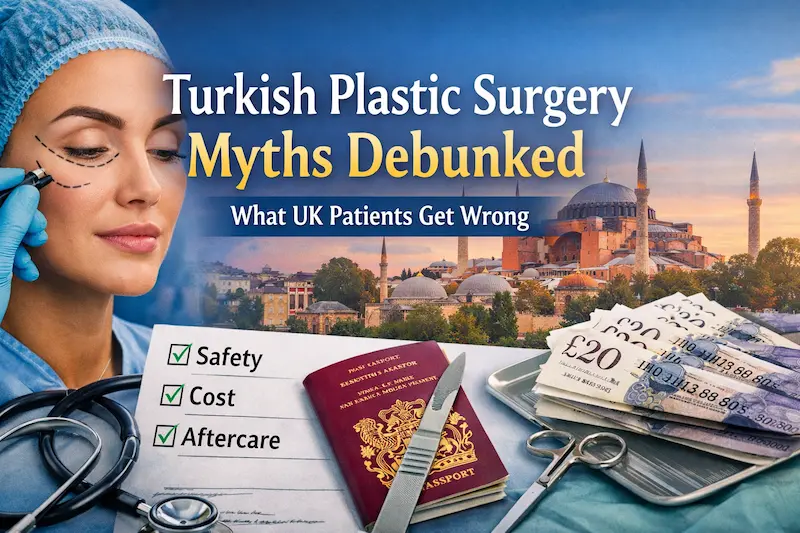
If you have searched for Turkish plastic surgery myths online, you’ll have noticed the same narratives repeated: “Turkey is unsafe”, “it’s cheap so quality must be poor”, or “you’ll be on your own once you fly home.” For many British patients, these claims feel plausible—especially when headlines focus on worst-case outcomes. This article unpacks the most common plastic surgery in Turkey myths with a calm, evidence-led approach, so you can separate fear-driven assumptions from what actually matters: surgeon credentials, patient safety systems, and aftercare planning.
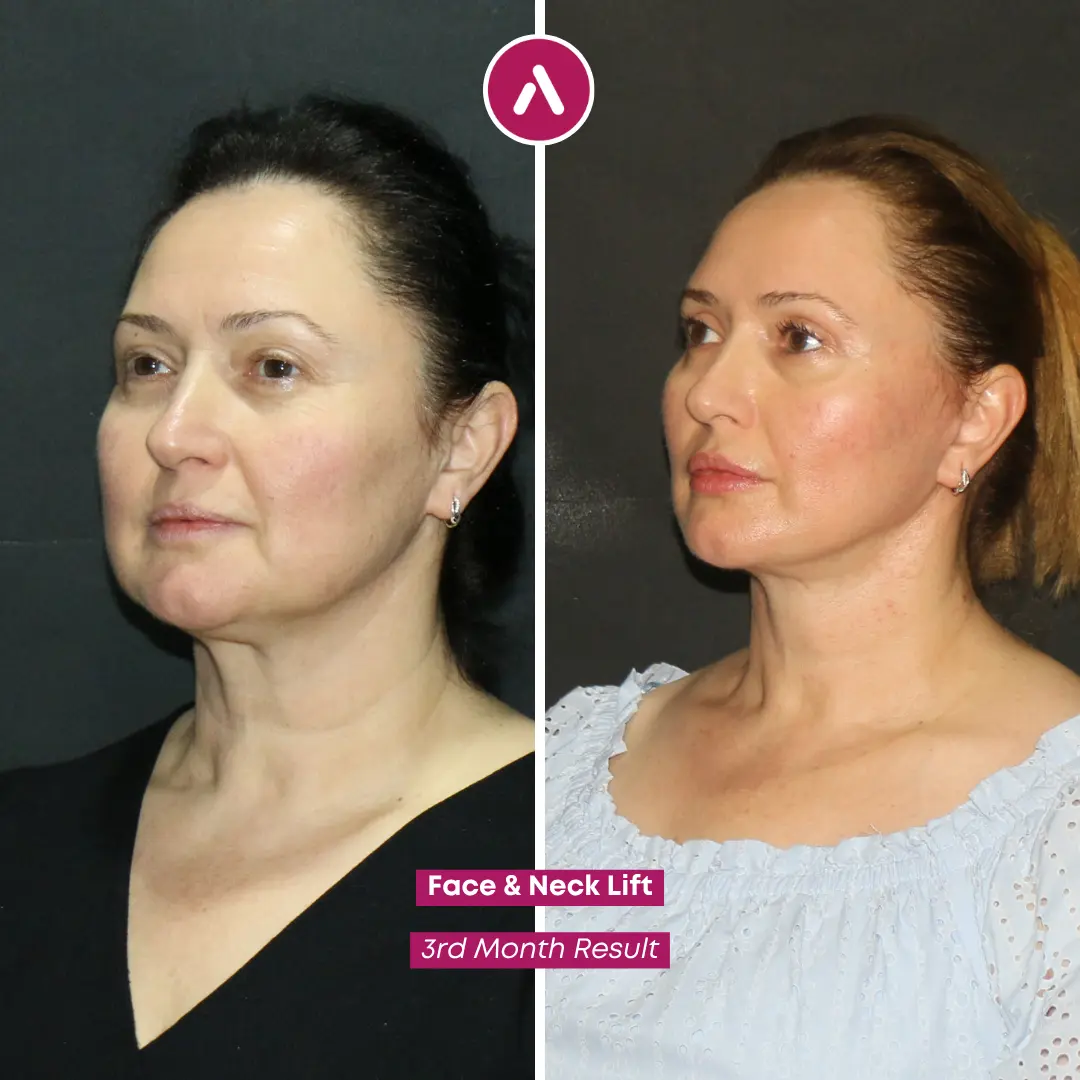
We’ll also reference the kind of scientific research and medical standards that underpin safe practice—because the real question isn’t “Turkey or the UK?”, it’s “Which clinic, which surgeon, and what governance and follow-up?”
Table of Contents
The “Turkey Is Unsafe” Myth vs Private Cosmetic Clinic Standards
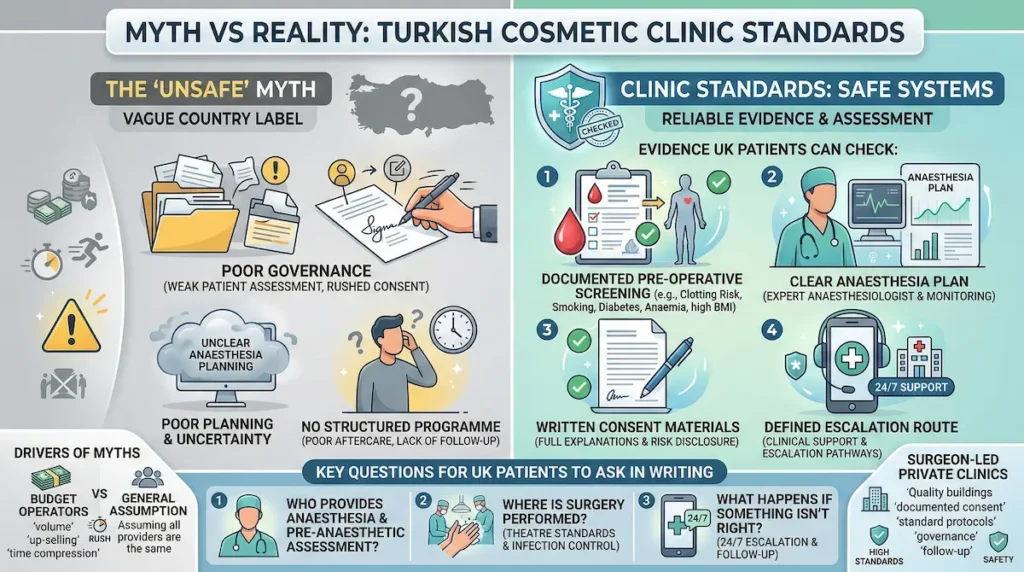
This is the most common of all Turkey cosmetic surgery myths, and it often becomes shorthand for “I’m worried I can’t judge safety from the UK.” The truth is that “unsafe” isn’t a country label—it’s usually a warning sign of poor governance: weak patient assessment, rushed consent, unclear anaesthesia planning, or no structured aftercare. The safest decision comes from evaluating the clinic’s standards and your personal suitability, not from relying on broad stereotypes.
For UK patients asking “is it safe to travel to Turkey for surgery”, the most reliable reassurance comes from evidence you can check before booking: documented pre-operative screening, a clear anaesthesia plan, written consent materials, and a defined escalation route if you develop symptoms after discharge. In other words, safety is a system—not a promise. If a clinic cannot provide these details in writing, or avoids straightforward questions about governance and aftercare, that’s a stronger risk signal than the destination itself.
What “unsafe” actually means (risk, patient selection, and complication pathways)
Safety begins before you travel. A reputable clinic will screen for medical risks (such as clotting risk, smoking, uncontrolled diabetes, anaemia, or high BMI) and will clearly explain who should not proceed. Many “botched surgery in Turkey” stories trace back to poor patient selection, unrealistic surgical scope, or inadequate monitoring—not geography. This is exactly why “is Turkey unsafe for surgery” is the wrong framing; the right framing is “What is the clinic’s safety pathway, and am I a suitable candidate?”
Budget operators vs surgeon-led private clinics (process, team, governance)
A major driver behind myths about Turkish plastic surgery is that patients assume all providers operate the same way. They don’t. Surgeon-led clinics typically have tighter systems: documented consent, standard operating protocols, clear theatre governance, and planned follow-up. Budget operators may focus on volume, upselling, or time compression—often the conditions that increase risk. UK patients should treat clinic governance as seriously as they treat the surgeon’s before-and-after gallery.
What UK patients should ask for: anaesthesia plan, sterile theatre standards, and escalation routes
If you want practical clarity (especially for Turkey surgery myths UK searches), ask these questions in writing:
- Who provides anaesthesia and what is the pre-anaesthetic assessment process?
- Where is surgery performed (operating theatre standards, infection control protocols)?
- What happens if something doesn’t feel right (24/7 escalation route, clinical review, and follow-up plan)?
This transforms vague fear into measurable safety criteria—one of the key “Turkish plastic surgery facts and myths” distinctions that empowers expert patients.
The “It’s Cheap Because Quality Is Low” Myth
This is one of the most persistent Turkey cosmetic surgery myths among British patients. Cost differences exist, but cost alone does not prove poor quality. UK private fees—especially in London—reflect overheads, insurance structures, facility costs, staffing, and the “postcode premium.” A lower price abroad can reflect different cost bases rather than inferior clinical practice. The goal is not “cheap”; it’s value with governance.
Why UK private prices are high (overheads, theatre costs, indemnity, London premium)
UK private surgery can be expensive because of business and regulatory cost layers: operating theatre time, staffing ratios, clinic premises (particularly around central London), indemnity and administrative overheads. That gap is one reason people look up Turkish plastic surgery myths debunked—they want to know if the lower price is a red flag. It can be, but it isn’t automatically.
“Cheap” vs “value”: what a transparent package should include (in £)
In Turkish plastic surgery facts and myths terms, the crucial issue is what’s included. A reputable clinic will make pricing transparent in GBP equivalents and list components clearly: surgeon fees, anaesthesia, theatre costs, hospital stay (if required), medications, garments, and follow-up. If the quote is vague, moving-target, or dependent on upgrades after you land, treat that as a risk marker.
How to compare like-for-like: surgeon expertise, anaesthesia team, facilities, and revision policy
To evaluate plastic surgery in Turkey myths properly, compare like-for-like:
- Surgeon expertise: training, case volume in your procedure, complication management approach.
- Anaesthesia: pre-op assessment and who is responsible for your care during theatre.
- Facilities: clinical environment, monitoring, hygiene, and governance.
- Revision policy: what is covered, what isn’t, and the clinical criteria.
The “Language Barrier Makes It Dangerous” Myth (Direct UK WhatsApp Support)
This myth is understandable: UK patients worry that if something goes wrong, they won’t be able to explain symptoms or understand instructions. But the risk isn’t “language” in isolation—it’s communication quality. Clear written instructions, medication plans using UK terminology, and accessible clinical follow-up reduce risk substantially. This is why many searches for myths about Turkish plastic surgery are really searches for reassurance about communication and control.
For UK patients asking “is it safe to travel to Turkey for surgery”, the key isn’t perfect English on the day—it’s whether the clinic uses a structured communication system. You should receive written pre-op and post-op instructions, a clear medication schedule using UK terms, and an agreed route for sharing photos or symptoms if you’re concerned. When communication is standardised and documented, it reduces misunderstandings and helps you stay in control throughout recovery, even after you’ve returned to the UK.
The real risk: misunderstandings around consent, medicines, and red-flag symptoms
Where communication fails, the consequences can be serious: poor consent comprehension, incorrect medication use, or delayed recognition of red flags. A safe clinic will not rely on verbal explanations alone. Expect a written plan that you can review calmly—ideally before travel—so you are never processing complex information while stressed or sedated.
How good clinics reduce risk: written plans, translated discharge notes, and clear dosing
High-quality providers standardise communication: written discharge notes, clear dosing schedules (using UK-friendly language), and symptom checklists. This aligns with a “medical science” approach to patient safety: repeatable systems, not improvisation. It’s one of the most practical ways to address Turkey surgery myths UK without resorting to hype.
Continuity of care: direct UK WhatsApp contact, scheduled follow-ups, and escalation pathways
For British patients, reassurance often comes from knowing there is a direct route back to the clinical team. A structured plan should include scheduled follow-ups (for example, early post-op check-ins), a direct messaging route for concerns, and an escalation process if symptoms suggest urgent review. This is the difference between “support exists” and “support is operational.”
The “All-Inclusive Package Means Everything Is Covered” Myth
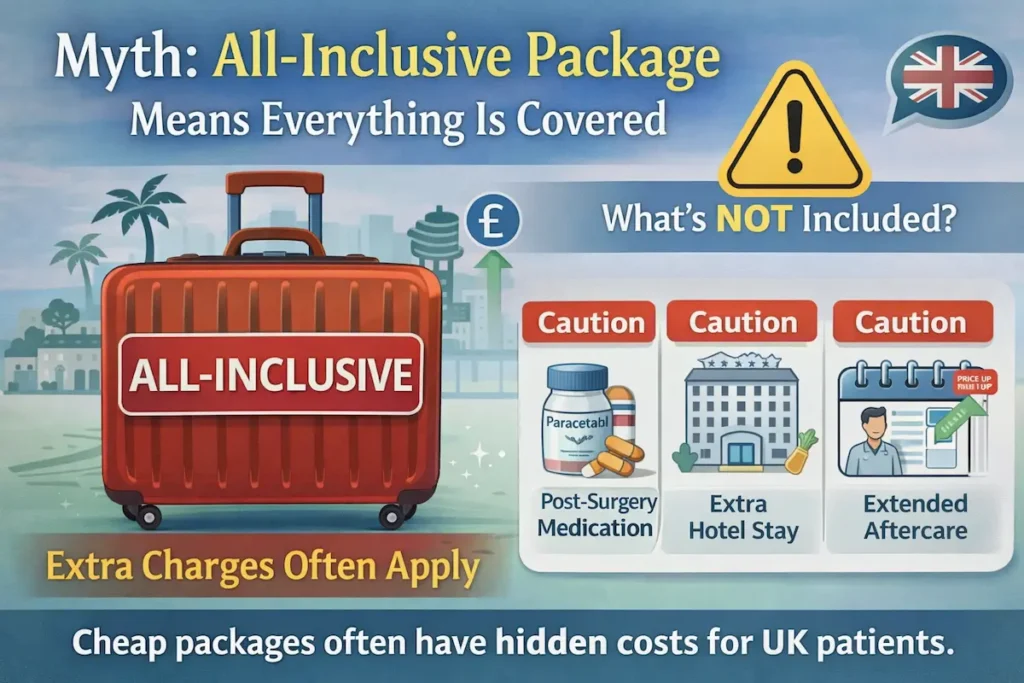
Many patients search Turkey cosmetic surgery myths because they fear hidden costs. “All-inclusive” can be helpful, but it can also be marketing shorthand. The safest approach is to insist that every inclusion and exclusion is written down. This is how you turn Turkish plastic surgery myths debunked from a slogan into a practical checklist.
What “all-inclusive” should cover (and what it often excludes)
In a genuinely transparent package, you should see clear line items for: surgeon fees, anaesthesia, theatre/hospital fees, standard medications, compression garments (if applicable), and scheduled follow-up. Common exclusions can include extra nights, additional tests, unexpected imaging, complication treatment, or revisions. Exclusions are not automatically wrong—but hidden exclusions are.
Hidden-cost traps UK patients miss: extra nights, compression garments, meds, scans, revisions
Patients sometimes assume “all-inclusive” equals “unlimited.” It doesn’t. Your quote should clarify what happens if you need an extra night due to swelling (oedema), pain control, or monitoring; whether garments are included; and how revisions are handled. If the clinic cannot answer in writing, treat that as a warning sign—especially if your search history includes Turkish plastic surgery facts and myths.
A quick £ checklist to compare packages fairly (what must be itemised in writing)
- Surgeon fee and anaesthesia fee listed separately
- Facility/theatre and any hospital stay specified
- Medication plan and what is provided on discharge
- Compression garment inclusions (if relevant)
- Follow-up schedule and access route
- Revision policy and complication support terms
The “There’s No Proper Aftercare Once You’re Back in the UK” Myth
This concern fuels a huge portion of “is Turkey unsafe for surgery” searches, because patients equate travel with abandonment. Aftercare is not a single appointment—it’s a plan. Reputable clinics build a structured pathway that continues once you return home: remote monitoring, clear red-flag guidance, and a route for urgent clinical advice. This is where science shows up in practical form: evidence-led recovery protocols, not guesswork.
For UK patients wondering “is it safe to travel to Turkey for surgery”, aftercare is one of the simplest ways to tell serious, surgeon-led care apart from a sales-driven package. Ask for a written follow-up schedule (with check-in timings), clear guidance on normal symptoms versus red flags, and a direct route to clinical advice once you are home. If the clinic cannot explain how they support you from day 1 to week 6, that’s a stronger warning sign than travelling itself.
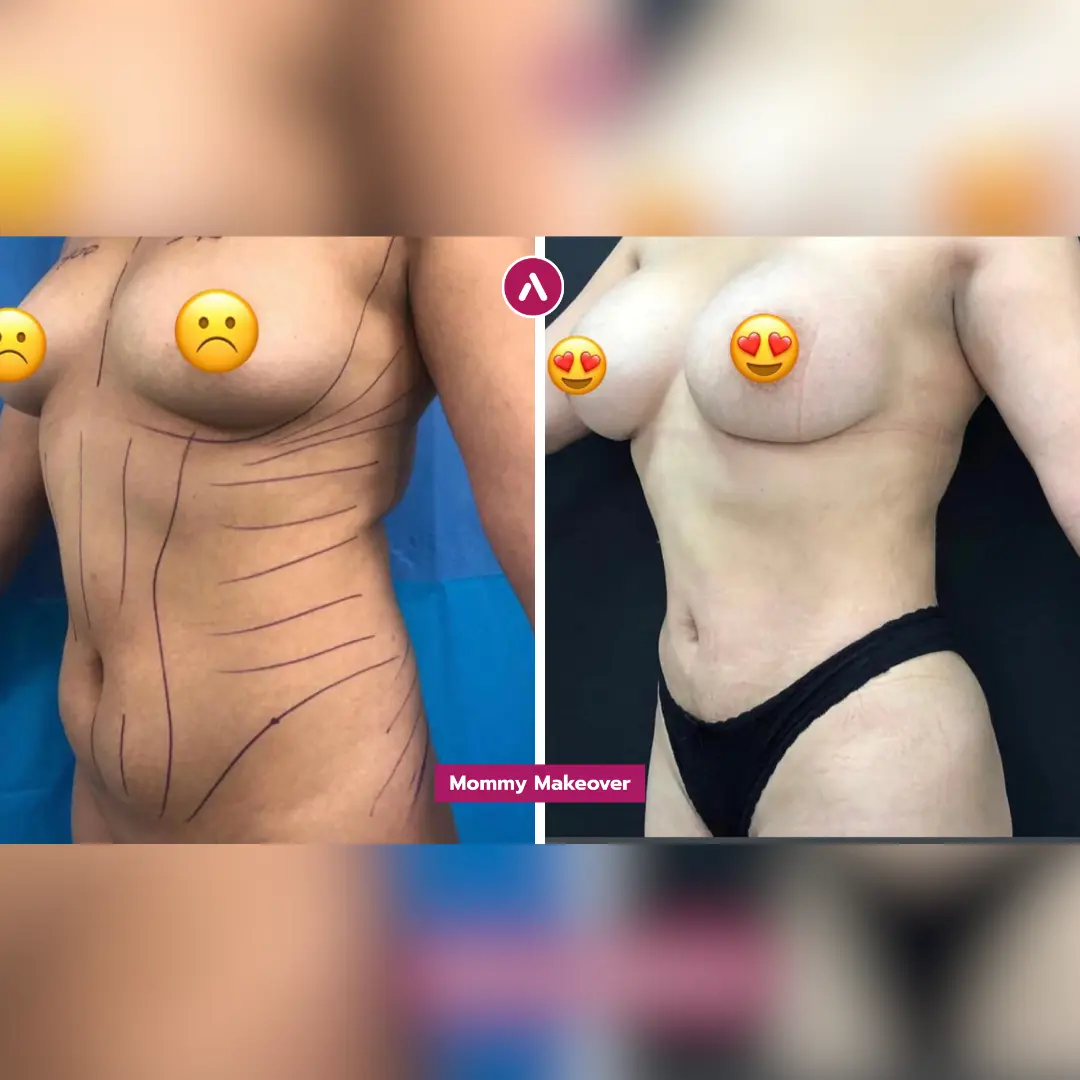
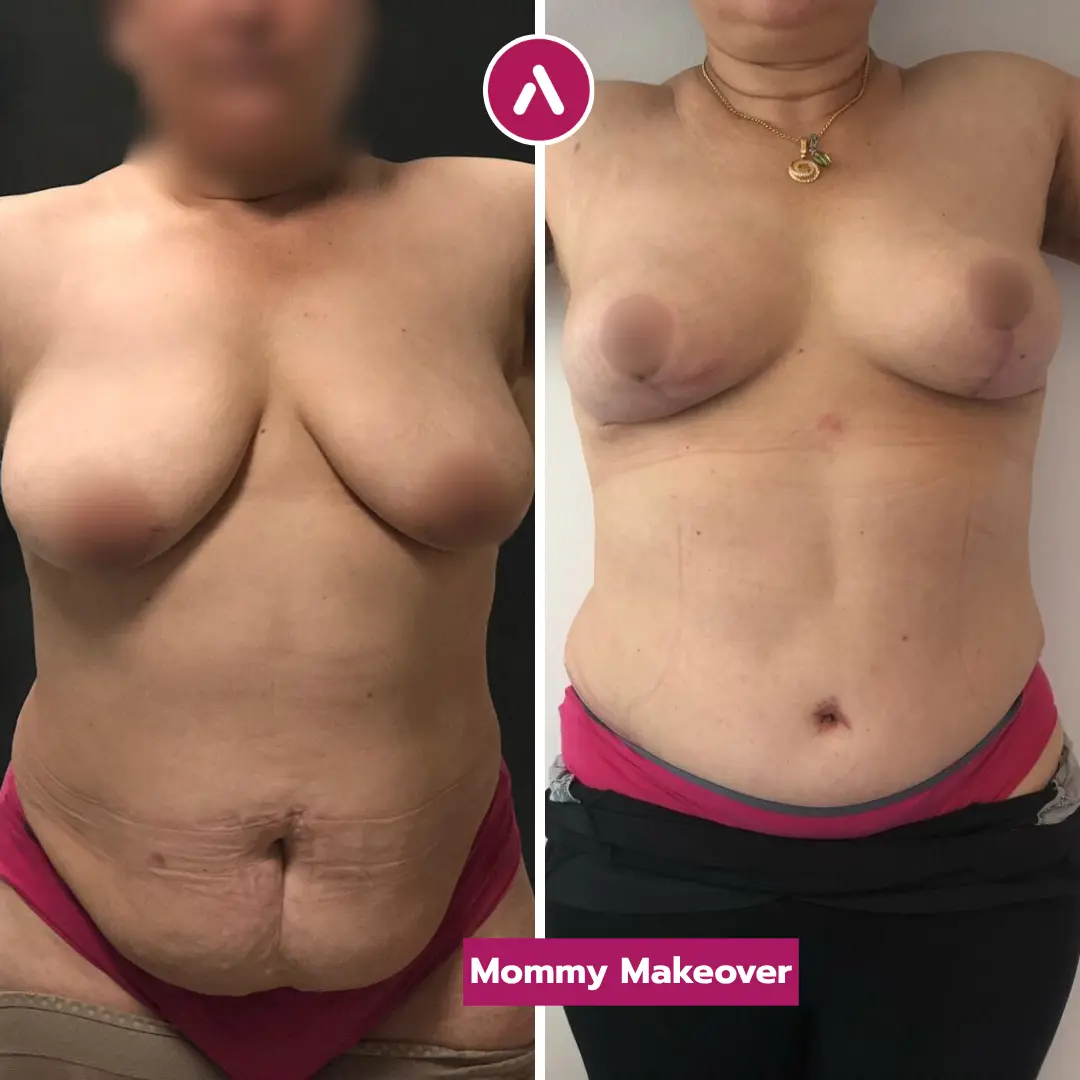
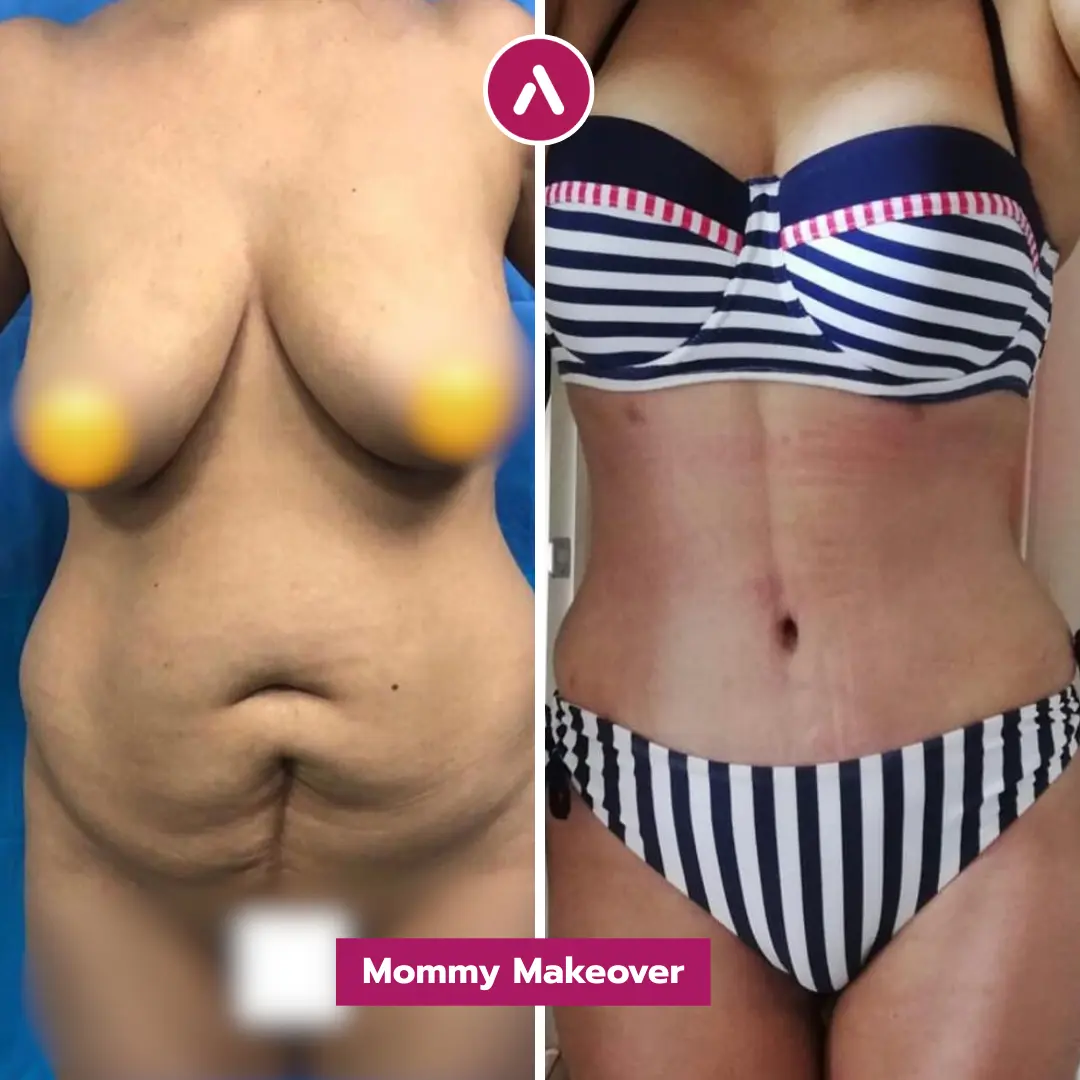
What a real aftercare plan looks like: day-by-day guidance + remote monitoring
Good aftercare includes a written day-by-day recovery guide, medication instructions (using UK terminology), wound care guidance, mobility advice, and what to do if you notice changes. Remote monitoring can include scheduled photo check-ins and symptom reviews. This reduces anxiety and helps catch problems earlier.
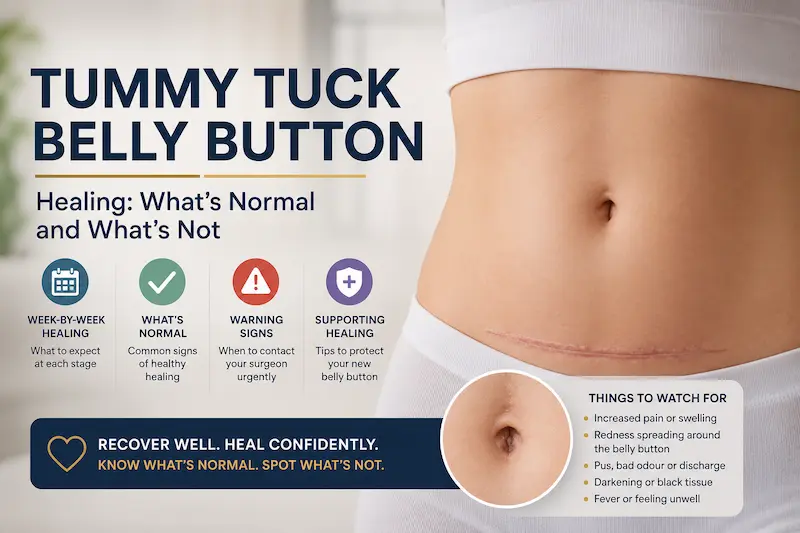
What’s normal vs not normal: swelling/oedema, bruising, pain, fever, shortness of breath
UK patients often fear “missing a complication” because they’re away from the clinic. Clear red-flag education matters. Typical post-op changes include swelling (oedema), bruising, and manageable discomfort. Red flags can include fever, increasing redness, sudden worsening pain, calf swelling, chest pain, or shortness of breath. Any plan worth trusting must state when to seek urgent help.
UK-facing support: how clinics provide continuity (UK contact pathway and urgent triage guidance)
Continuity means you can reach the clinical team quickly, get a clear response, and understand what to do next. The “myth” is not that aftercare can’t exist—it’s that it’s always absent. In reality, aftercare quality varies. Your job is to verify the pathway before you book.
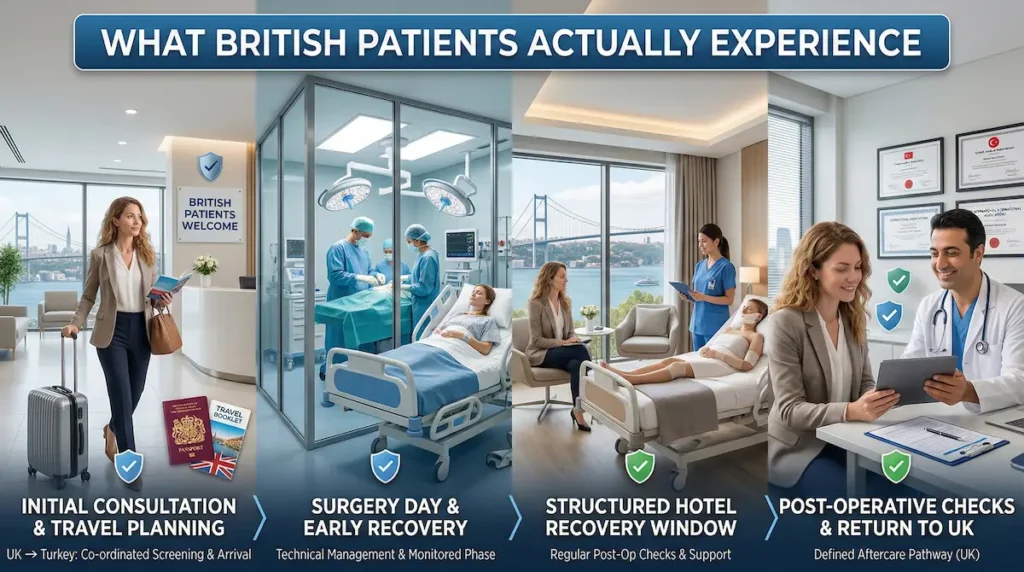
What British Patients Actually Experience
By the time patients reach this section, they usually want reality, not reassurance. What most UK patients experience is a structured travel-and-treatment timeline, a defined early recovery period, and a staged return to normal life—provided the procedure is appropriate and the clinic is properly organised. This is where “myths about Turkish plastic surgery” become less relevant than your personal plan.
The patient journey timeline: consultation → travel → surgery → hotel recovery → return to the UK
A typical pathway includes an initial consultation and medical screening, travel planning, surgery day with anaesthesia management, a monitored early recovery window, and scheduled post-op checks before flying. The timeline should be aligned to your procedure and personal risk profile—not rushed to fit a package deal.
Managing expectations: natural results, realistic recovery, and when you’ll look “presentable”
UK aesthetic preferences often lean towards subtle, natural-looking outcomes. Achieving that is less about location and more about surgical judgement, planning, and honest conversations about what’s achievable. Any clinic that promises a “perfect” result quickly is not practising evidence-led care.
Trust signals UK patients care about: credentials, governance, documentation, and aftercare clarity
For the “expert patient”, trust comes from specifics: surgeon credentials, documented plans, clear consent, anaesthesia governance, written recovery guidance, and an aftercare pathway that still functions once you are back in Britain. These practical checks do more to reduce risk than any viral headline.
Frequently Asked Questions (FAQ): Turkish Plastic Surgery Myths
These FAQs target the most common UK search queries connected to Turkish plastic surgery myths and decision anxiety.
Is plastic surgery in Turkey actually safe for UK patients?
It can be, but safety depends on the clinic’s governance, surgeon credentials, appropriate patient selection, anaesthesia planning, and aftercare systems—not on the country label.
How do I verify a surgeon’s credentials before I book?
Ask for the surgeon’s full name, qualifications, professional registrations, and experience with your specific procedure. Request a written plan and a clear consent process you can review in advance.
What’s the biggest red flag when choosing a clinic abroad?
Pressure selling, vague answers, no written inclusions/exclusions, and no structured aftercare pathway are major warning signs.
Will the results look “overdone” compared with the UK aesthetic?
Not if the surgical plan is tailored. Discuss your preferences clearly (subtle, natural results) and ensure the surgeon’s portfolio reflects outcomes similar to what you want.
What happens if I need help once I’m back in the UK?
A reputable clinic should provide a defined follow-up schedule and a direct communication route for concerns, including clear red-flag guidance for urgent assessment.
How long should I stay in Istanbul before flying home?
This depends on the procedure and your risk profile. The clinic should give a personalised timeline and clearance criteria rather than a one-size-fits-all schedule.
What should a proper aftercare plan include (and what’s missing in poor providers)?
It should include written day-by-day guidance, medication instructions, wound care advice, planned follow-ups, and a clear escalation route. Poor providers often lack written plans and rely on ad-hoc messaging.
If you’d like to explore related topics beyond the myths covered above, you can also read our guides on choosing a Plastic Surgeon Turkey, understanding Hospital Accreditation Turkey, and using a Surgery Abroad Safety Checklist to compare clinics like-for-like. We also recommend reviewing a practical Pre-Surgery Checklist before you travel, especially if you are Travelling Solo for Surgery and want clarity on what to pack, what to expect, and when to seek help. Finally, if budget is part of your decision, our Plastic Surgery Costs Turkey breakdown explains what should be included in a transparent quote for UK patients.
Medical Disclaimer: This page is provided for general educational purposes only and does not replace a face-to-face medical consultation, diagnosis, or personalised treatment plan. All surgery carries risks and outcomes vary between individuals. Suitability for a plastic surgery, procedure selection, and anaesthesia choice can only be determined after a full clinical assessment by a qualified surgeon. Always follow your clinician’s instructions and seek urgent medical attention if you develop concerning symptoms during recovery.