
Tummy tuck before after galleries can be genuinely helpful—if you know what you’re looking at. Many UK patients are not searching for “perfect” bodies; they want realistic tummy tuck results, clear scar expectations, and a sensible view of how the abdomen changes over time. This guide is designed for the “expert patient”: it explains how to interpret tummy tuck before and after photos, what is (and isn’t) a normal change in the early weeks, and why the most convincing results are usually seen months—not days—after surgery.
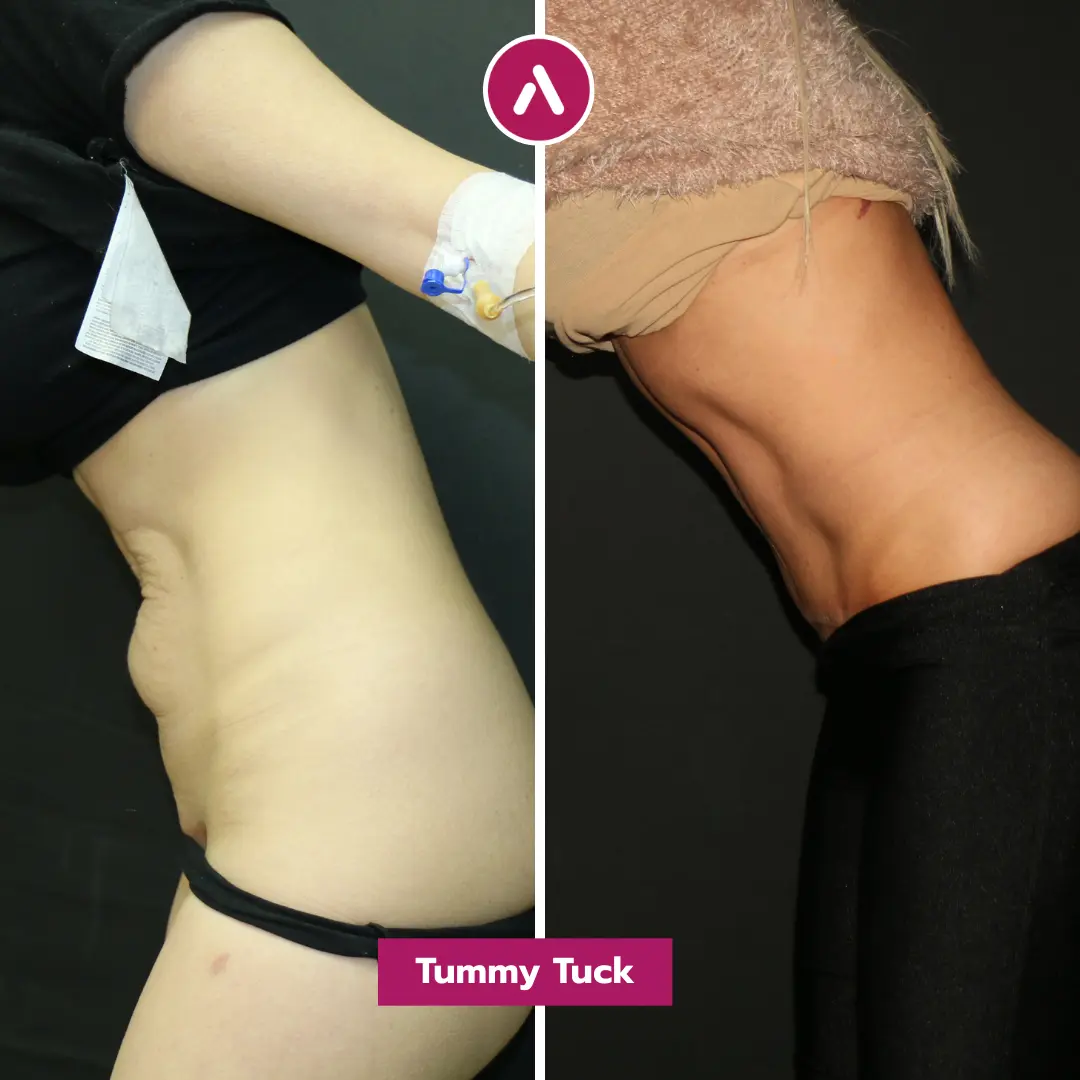
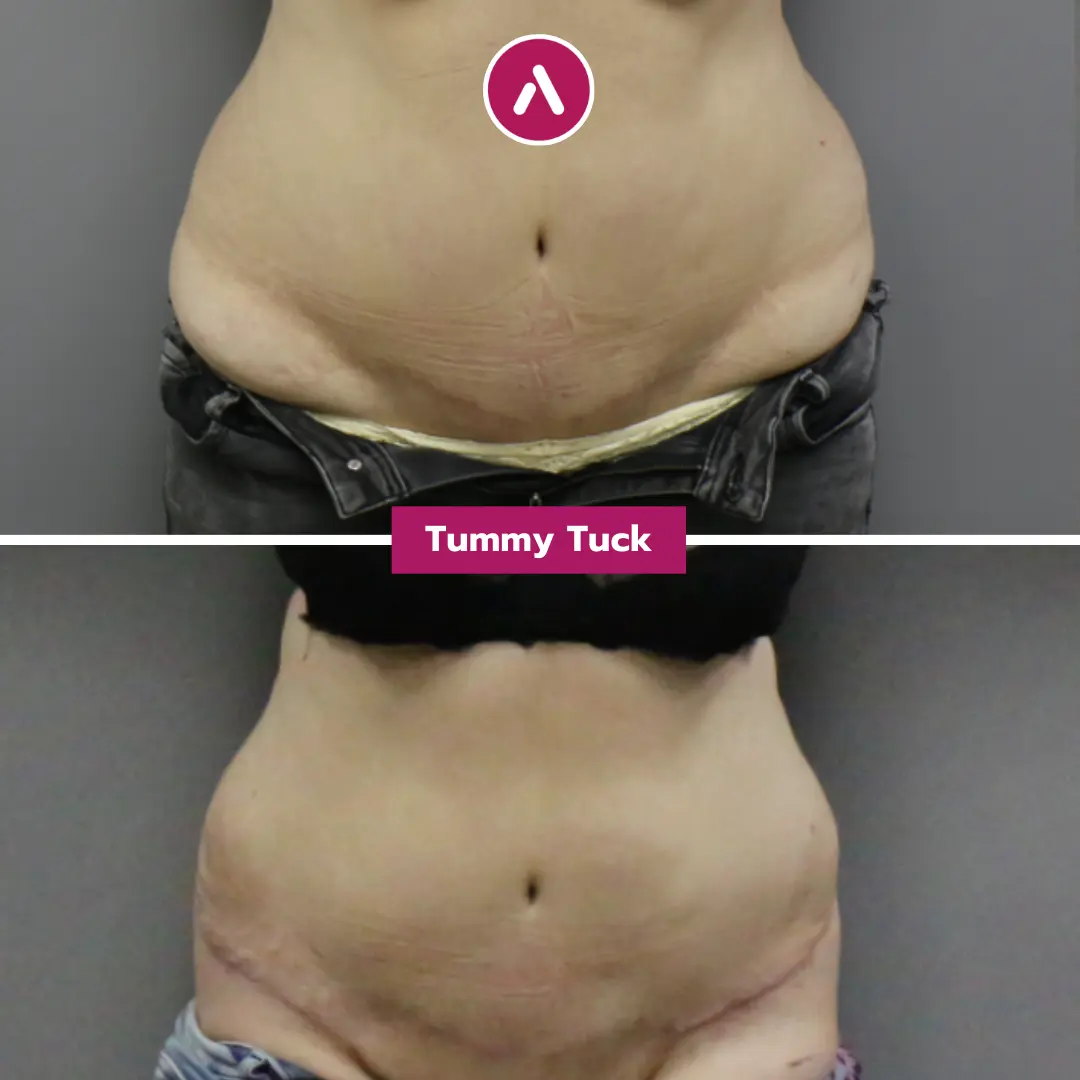
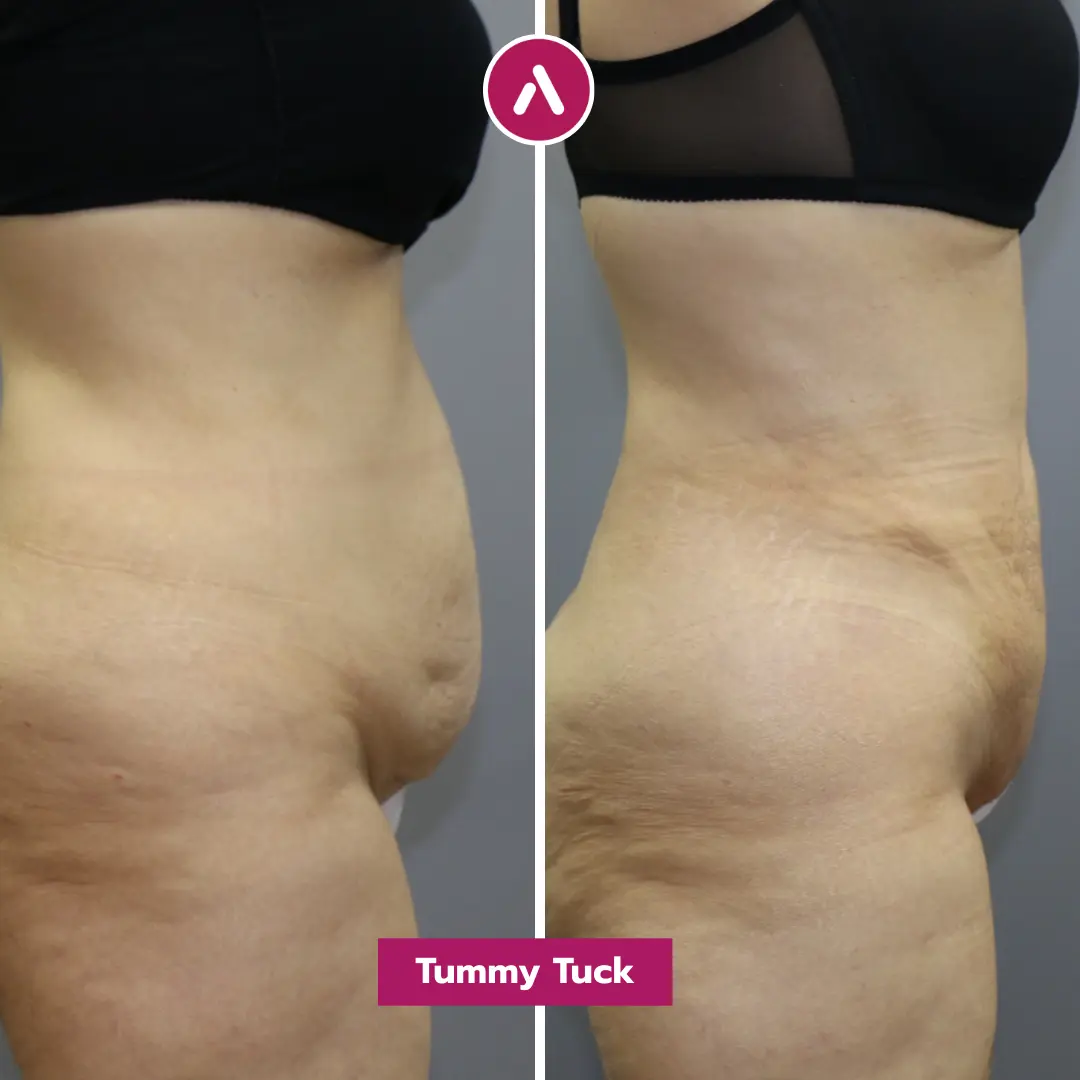
Throughout the article, we’ll use the UK-preferred term abdominoplasty before and after where clinically relevant, and we’ll reference principles aligned with medical science (for example, how swelling and scar maturation typically progress) so your expectations are grounded in physiology rather than marketing imagery.
Table of Contents

What Flat Abdomen Results Actually Look Like
Before you judge a tummy tuck before after gallery, it helps to define what “flat” means in real surgical terms. In many before and after tummy tuck examples, the best outcomes look natural: a smoother lower abdomen, improved waist definition, and better posture once swelling reduces and the core repair settles. Importantly, early results can look uneven because of oedema, garment compression, and the way the patient is standing. This section shows you how to assess realistic tummy tuck results with a critical eye—especially if you’re comparing clinics from the UK.
Even within the same tummy tuck before after gallery, it’s worth remembering that “natural” results are influenced by the wider treatment plan and the patient’s starting anatomy. For example, someone combining abdominoplasty with breast surgery as part of a mummy makeover package may prioritise overall balance rather than an aggressively tight abdomen, and this can subtly change how the waist and torso proportions appear in photos. Also, differences in skin quality, previous C-section scarring, and how consistently compression is worn can all affect early contour—so the fairest comparisons are those taken at similar timepoints, with similar lighting and posture, once swelling has genuinely settled.
“Flat” doesn’t mean “perfectly flat”: what surgeons consider a natural contour
A natural abdomen usually has gentle curvature. Even very slim people have subtle contour changes with breathing, posture, and the natural anatomy of the pelvis and ribs. In tummy tuck before and after photos, the most “believable” results typically show:
- Lower-abdomen smoothing (often the area patients notice first).
- A more defined waist rather than an unnaturally tight “board-flat” look.
- Balanced symmetry from left to right—once swelling settles.
If a gallery only shows extreme transformations without any discussion of timeframes, swelling, or patient variation, it may not represent realistic tummy tuck results.
The role of muscle repair (diastasis) vs skin removal: what changes in photos
Many UK patients assume abdominoplasty is “just skin removal”. In reality, one major driver of the “before and after” difference is often muscle repair for diastasis recti (a separation of the abdominal muscles). This can:
- Improve the appearance of a “bulge” even when weight hasn’t changed.
- Create a firmer core outline once healing progresses.
- Support posture, which can visually flatten the abdomen in photos.
Skin removal primarily addresses laxity and overhang; muscle repair primarily addresses projection and core shape. A strong abdominoplasty before and after result often involves both.
Before/after timeline expectations: Day 7 vs Week 6 vs Month 3–6 (oedema settling)
One of the biggest misunderstandings in tummy tuck results timeline searches is expecting “final” results in the first 1–2 weeks. In the early days, your body is responding to surgery: inflammation, fluid shifts, and protective muscle tension are normal physiological processes—well described in scientific research on wound healing and tissue recovery.
- Day 7: swelling (oedema) is usually prominent; posture may be slightly flexed; the abdomen can look “tight” but not truly settled.
- Week 6: many patients start recognising their new shape; swelling is improved but not finished.
- Month 3–6: contours look more natural; the abdomen generally appears smoother and more proportionate.
So when you view a tummy tuck before after gallery, always ask: How many weeks or months post-op is this photo?
Lighting, posture, and compression garments: how galleries can mislead (and how to read them correctly)
Photos can exaggerate or understate changes. To interpret tummy tuck before and after photos fairly, check whether the images are consistent in:
- Posture: standing tall vs leaning forward can change the abdomen dramatically.
- Lighting: harsh overhead light deepens shadows; soft light hides texture.
- Garments: compression can temporarily alter contour and waistline appearance.
The most trustworthy before and after tummy tuck sets show similar angles, similar lighting, and a clear postoperative timeframe.
Scar Placement Examples and LLLT Scar Healing Therapy
For UK patients, scar positioning is often as important as the abdominal shape. A “good” scar is not just about fading—it’s about placement, symmetry, and how it behaves over the months. This section explains what typical scars look like in an abdominoplasty before and after journey, what “normal” scar changes are, and how supportive therapies such as LLLT (low-level laser therapy) may be used in modern postoperative care to encourage healthier scar maturation.
Typical scar placement: low bikini-line incision and what “good positioning” means
In a standard tummy tuck, the incision is typically designed to sit low—often within a bikini or underwear line. In a tummy tuck before after gallery, look for:
- Low placement: positioned to be concealed by most underwear styles.
- Even curvature: balanced shape across the pelvis.
- Clean closure: no obvious “step-offs” or widening early on (bearing in mind some redness is normal).
Scar placement also depends on your anatomy (hip width, skin laxity, previous C-section scars), so “one-size-fits-all” promises are rarely realistic.
Scar maturation in real life: redness, firmness, and colour change over 3–12 months
Many patients panic when scars look red or raised in the first months. From a medical science perspective, scars commonly go through predictable phases:
- Weeks 2–6: redness and firmness are common as collagen activity increases.
- Months 3–6: thickening may peak; itching or tightness can occur.
- Months 6–12: gradual softening and fading is typical (individual variation is significant).
When comparing tummy tuck before and after images, a “better” scar at 12 months may look far more subtle than a scar at 6 weeks—so timeframe matters as much as technique.
LLLT Scar Healing Therapy: why some clinics use soft laser support for scar quality
LLLT (low-level laser therapy) is sometimes used as an adjunct in aftercare. The goal is not a “magic erase”, but to support scar quality during healing—particularly in patients concerned about visible scars. In practical terms, LLLT support is typically discussed in relation to:
- Scar texture: encouraging softer maturation over time.
- Local comfort: some patients report improved comfort as tissues settle.
- Consistency of aftercare: structured protocols can improve adherence and expectations.
It’s also important to be honest: scars are influenced by genetics, skin type, tension, and aftercare. No therapy can guarantee an invisible scar.
At-home scar care after you return to the UK: what matters most (and what to avoid)
Once you’re home, the basics matter more than gimmicks. A sensible UK-friendly scar plan often includes:
- Follow your surgeon’s timeline for cleansing and dressing changes.
- Silicone-based products (when advised) for scar support.
- Sun protection (UV exposure can worsen pigmentation changes).
Avoid aggressive massage too early, harsh “peeling” products, or unverified oils that irritate healing skin. If you’re concerned about how your scar is progressing, it’s safer to seek clinical guidance than to experiment.

Expectations for Different BMI Levels (Weighing in Kg/Stone)
One reason realistic tummy tuck results vary so much is that outcomes depend on your starting point: skin quality, fat distribution, muscle separation, and previous scarring. For UK patients, it’s also helpful to translate expectations into practical terms—how your abdomen may sit in clothing, how it may feel during daily movement, and how your tummy tuck results timeline can differ if swelling is more pronounced at higher BMI levels. This section helps you interpret abdominoplasty before and after images more accurately by understanding what changes are driven by anatomy rather than “surgical talent” alone.
Why BMI changes outcomes: skin quality, fat distribution, and muscle separation
BMI isn’t the whole story, but it can be a useful guide when comparing tummy tuck before after cases. In broad terms:
- Skin quality: thinner, more elastic skin can retract more smoothly; looser skin may need more excision to achieve a clean contour.
- Fat distribution: deeper abdominal fat (visceral fat) can’t be removed with a tummy tuck, so a “completely flat” result may not be realistic.
- Diastasis severity: greater muscle separation can create more visible projection pre-op—and a more noticeable change post-op once repaired.
So when you view before and after tummy tuck examples, compare like with like: similar body shape, similar laxity, and similar timeframe.
What “realistic” looks like at different weight ranges (kg + stone) and UK clothing sizes
Patients often ask whether they’ll “drop a dress size”. A tummy tuck is primarily a contour procedure, not a weight-loss programme. However, the way clothing sits can change significantly once the overhang and bulge are improved. For clarity, clinicians often discuss weight in kg and stone (st) and expectations in terms of:
- Lower-belly overhang reduction (how trousers fasten, how tops drape).
- Waist definition (how fitted clothing looks from the front and profile).
- Midline posture (standing tall can change the overall silhouette).
In a tummy tuck before after gallery, the most reliable comparisons show similar angles and the same clothing style (ideally plain underwear rather than shapewear).
Weight stability rules: why your “goal weight” matters more than your “lowest weight”
From a recovery and long-term-results perspective, what matters most is weight stability. Rapid weight changes after surgery can affect skin tension and contour. If you’re currently losing weight, many surgeons recommend aiming for a stable weight you can realistically maintain. That stability supports more predictable abdominoplasty before and after outcomes—and more durable results over years.
Stretch marks, loose skin, and C-section shelf: which problems a tummy tuck can/can’t fix
It’s common for UK patients to search tummy tuck before and after photos hoping to “erase” stretch marks. A tummy tuck can remove some stretch-marked skin—especially below the navel—if it’s within the excised area. But it usually can’t remove all stretch marks, particularly those above the navel. It can often improve:
- C-section shelf or lower-abdominal overhang.
- Loose skin after pregnancy or weight loss.
- Core projection related to muscle separation.
It cannot reliably change visceral fat or guarantee a “six-pack” appearance.
Revision Tummy Tuck Results
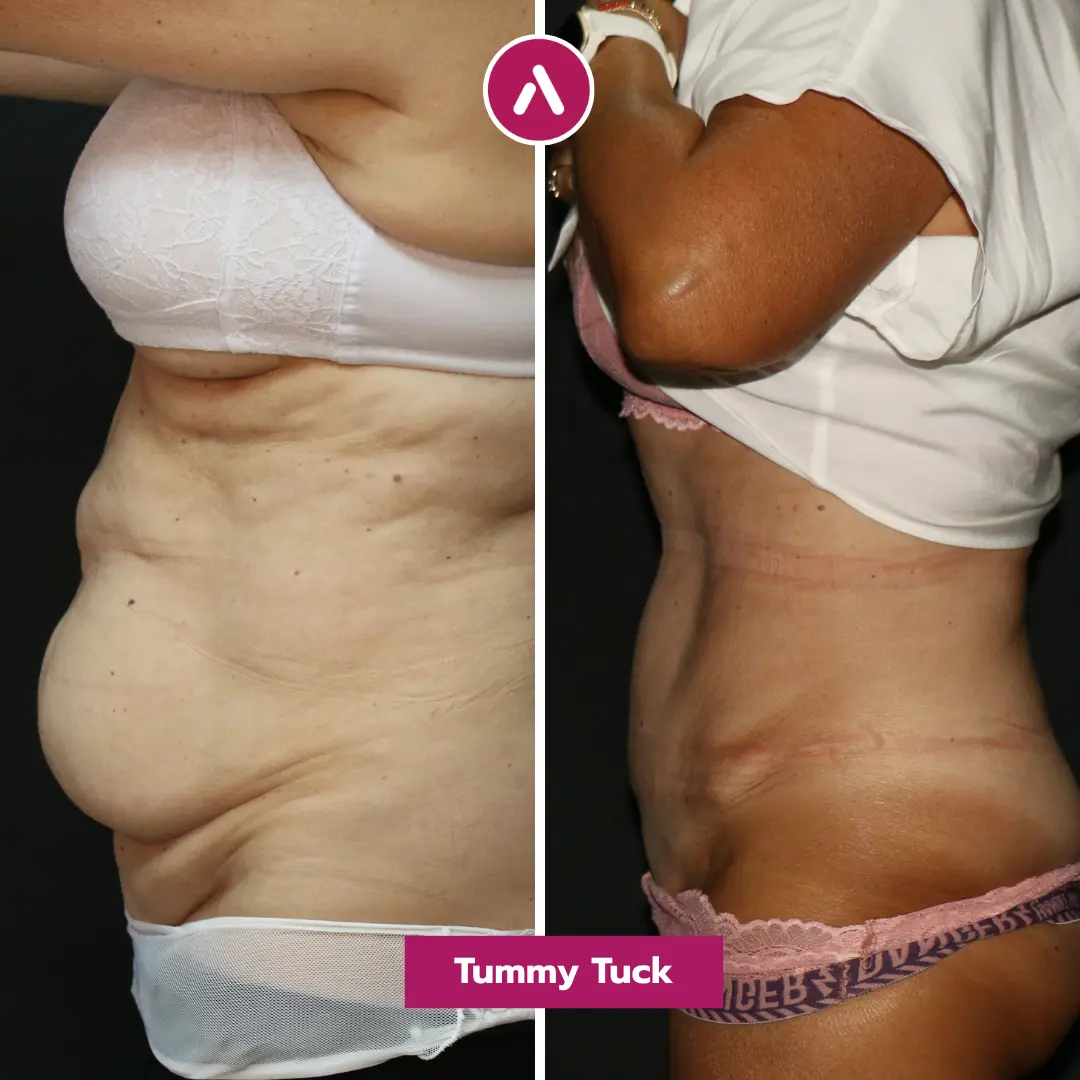
Searches for revision abdominoplasty results usually come from patients who feel their first surgery didn’t meet expectations—sometimes due to scar position, contour irregularity, or persistent laxity. Revision work can be highly effective, but it also requires especially careful planning, because tissues have already healed once and may behave differently. This section explains what revision can realistically improve and how to interpret abdominoplasty before and after images when they involve a second procedure.
It’s also important to recognise that revision goals can differ depending on the original surgical context. For instance, patients who initially had a combined procedure—such as a tummy tuck within a mummy makeover package—may seek revision not because the result is “bad”, but because healing priorities (swelling control, scar behaviour, overall balance) can evolve once the body settles. In these cases, a revision plan is often about refinement: improving symmetry, optimising scar position, or addressing small contour issues once tissues have fully matured and it’s clearer what is truly persistent versus still part of normal recovery.
Common reasons people seek revision: uneven contour, high scar, persistent laxity
Revision requests often relate to:
- Contour issues: unevenness, “dog ears” at the ends of the scar, or residual bulge.
- Scar concerns: a scar that sits higher than expected or has widened noticeably.
- Ongoing laxity: remaining loose skin or limited tightening, sometimes due to initial surgical plan constraints.
When you browse tummy tuck before and after revision examples, ensure the “before” photo is clearly labelled as post-first surgery, not pre-op of the original case.
What revision can realistically improve—and what it usually can’t
Revision abdominoplasty results can often improve scar position, remove residual laxity, and refine contour. However, revision cannot reverse all limitations such as:
- Skin quality and elasticity (genetics and prior stretching still matter).
- Visceral fat (deep abdominal fullness that isn’t surgically removed by a tummy tuck).
- Scar “invisibility” guarantees (no surgeon can ethically promise this).
From a medical science viewpoint, revision success depends on tissue blood supply, scar biology, and realistic tension management during closure.
Timing and safety: how long to wait before considering revision surgery
Because scars and swelling evolve over many months, it’s generally unwise to judge outcomes too early. Many surgeons prefer waiting until tissues mature—often closer to 6–12 months—before definitive revision decisions, unless there’s a clear medical indication to act sooner. When comparing tummy tuck results timeline information, remember that “settling” is part of normal healing and can significantly change the look between month 3 and month 12.
How to reduce revision risk: planning, aftercare, and follow-up structure
To reduce revision risk, focus on factors you can control:
- Choose a surgeon-led plan that matches your anatomy and goals.
- Commit to aftercare (compression, walking, wound support, scar management).
- Prioritise structured follow-up, especially if you’re travelling back to the UK.
Consistent monitoring helps identify issues early—before they become long-term aesthetic problems.
Before & After Timeline: What Changes at 1 Week, 6 Weeks, 3 Months and 1 Year
If you take only one thing from any tummy tuck results timeline article, let it be this: early photos are rarely representative of the final outcome. Healing is dynamic—swelling fluctuates, scars change colour and texture, and tissues soften gradually. This section breaks down what tends to change at key milestones so you can interpret before and after tummy tuck galleries with a realistic, evidence-informed lens rooted in scientific research on postoperative recovery.
Week 1: swelling, posture changes, and why early photos look “worse before better”
In the first week, most patients experience:
- Significant oedema and tightness.
- A slightly flexed posture to protect the incision.
- Variable abdominal shape depending on compression and fluid shifts.
It’s normal that a day-7 photo may not look like the “after” you imagined when viewing a tummy tuck before after gallery.
Weeks 4–6: mobility, garments, and the first “shape reveal” phase
By weeks 4–6, many patients notice their abdomen looks smoother, clothing sits better, and movement feels easier. Swelling is typically improved but not finished. This is often the point where tummy tuck before and after photos start to look more convincing—especially in profile.
Months 3–6: oedema reduction and scar softening—when results look “real”
For many, months 3–6 is where the abdomen’s contour looks more natural and balanced. Garment dependence reduces, the incision feels less tight, and scars begin to soften. This is a key reason that truly realistic tummy tuck results are usually judged at later timepoints.
12 months: final scar maturity and long-term contour stability
At around 12 months, scars often fade further and become less firm. While everyone’s biology differs, this is a common point for “final” photos in abdominoplasty before and after galleries. It’s also when many patients can most fairly assess whether they’re satisfied—or whether refinement is worth discussing.

Safety, Aftercare and UK Support: How to Feel Secure When You’re Home
For British patients travelling abroad, the two biggest concerns are usually: “How safe is it?” and “What happens when I’m back in the UK?” A credible tummy tuck before after guide should address aftercare structure, not just aesthetics. This section outlines what good postoperative support looks like in practice, how to tell normal recovery from warning signs, and what a sensible “UK return plan” should include.
When you’re assessing safety and support, it can also help to consider how your overall surgical plan affects recovery demands once you return to the UK. For example, patients travelling for a combined procedure such as a mummy makeover package may need a more structured aftercare schedule, clearer mobility guidance, and tighter follow-up checkpoints than someone having a single, smaller operation. The key is ensuring you have a documented plan for wound checks, scar care, medication guidance, and escalation steps if anything changes—so you feel clinically supported at home, not left to “figure it out” alone.
What proper aftercare should include for UK patients (remote follow-ups, checks)
Aftercare should feel organised, not improvised. In practical terms, UK patients often benefit from:
- Planned check-ins (early and then scheduled milestones).
- Clear written guidance on wound care, garments, activity, and scar support.
- Access to clinical advice if symptoms change after you return home.
Strong aftercare makes tummy tuck before and after outcomes more predictable because issues are identified and addressed promptly.
Red flags vs normal recovery: when to seek urgent advice
Normal early recovery can include swelling, bruising, mild asymmetry, and fatigue. However, you should seek urgent medical advice if you experience symptoms such as:
- Worsening pain that doesn’t respond to prescribed medication.
- Fever, chills, or rapidly spreading redness.
- Sudden shortness of breath, chest pain, or calf swelling.
This is not about fear—it’s about sensible risk awareness. When in doubt, seek clinical assessment promptly (in the UK, this may involve A&E or NHS 111 depending on severity).
Travel considerations: compression, DVT awareness, and “flight-ready” planning
Flying soon after surgery requires planning. Many surgeons recommend:
- Early mobilisation (gentle walking) as advised.
- Compression use in line with your surgical plan.
- Hydration and movement during travel (within safe limits).
Your exact flight timing should be personalised by your surgical team based on your procedure details and recovery progress.
UK reassurance signals: what expert patients look for
UK “expert patients” often feel reassured by transparency and structure rather than slogans. Look for:
- Surgeon-led decision-making (not sales-led).
- Clear complication protocols and follow-up commitments.
- Realistic messaging that aligns with scientific research on healing (not “instant” promises).
These signals matter because they correlate with safer, more predictable before and after tummy tuck outcomes.
Frequently Asked Questions (FAQ): Tummy Tuck Before After
This FAQ section is designed to answer the most common UK searches related to tummy tuck before and after, including timelines, scars, flying, and what “realistic” results look like. Where appropriate, we also use clinical terminology such as abdominoplasty before and after to match how surgeons discuss outcomes.
How long does swelling (oedema) last after a tummy tuck?
Swelling is usually most noticeable in the first 1–2 weeks, improves over the next several weeks, and continues to settle over months. Many patients feel their shape looks significantly more “final” between months 3–6, which is why the tummy tuck results timeline is best judged later rather than early.
When can I safely fly back to the UK after abdominoplasty?
Flight timing depends on your surgery plan, how you’re healing, and your surgeon’s advice. In general, clinics should provide an individualised “flight-ready” plan based on your progress and risk profile rather than a one-size-fits-all promise.
Will my scar fade, and what affects scar quality most?
Most scars fade over time, but the final appearance is influenced by genetics, skin type, tension on the wound, sun exposure, and consistent scar care. Comparing tummy tuck before and after photos at the same timeframe (for example, 12 months) is the fairest way to judge scar quality.
What’s the difference between a mini tummy tuck and a full tummy tuck?
A mini tummy tuck typically focuses on the lower abdomen (below the navel) with more limited skin removal and tightening. A full tummy tuck usually addresses the entire abdomen and may include muscle repair. The best option depends on your anatomy and goals—your surgeon should advise based on examination and photos.
Are drains always needed, and how long do they stay in?
Drain use varies by technique and patient factors. If drains are used, your surgical team should explain care instructions clearly and advise when removal is expected based on output and healing.
What is pain like, and what pain relief is typically used (e.g., paracetamol)?
Discomfort is common in the early days, often described as tightness and soreness rather than sharp pain. Pain management varies, but UK patients will recognise options such as paracetamol as part of standard approaches (your surgeon will prescribe what’s appropriate for you).
What should I pack for recovery (compression garments, travel comfort, wound-care basics)?
Common essentials include comfortable loose clothing (easy to pull on), compression garments as advised, supportive pillows for rest, and any wound-care items provided by the clinic. If travelling, plan for gentle movement breaks and hydration.
If you’d like to go beyond what we’ve covered here, you can also explore related guides such as Tummy Tuck vs Liposuction, Recovery After Tummy Tuck, and a practical Surgery Abroad Safety Checklist to help you plan with confidence. We also recommend reviewing a Pre-Surgery Checklist so you know exactly what to prepare before travelling. For due diligence, our resources on choosing a Plastic Surgeon Turkey and addressing common concerns in Turkish Plastic Surgery Myths can help you make a more informed decision as a UK patient.
Medical Disclaimer: This page is provided for general educational purposes only and does not replace a face-to-face medical consultation, diagnosis, or personalised treatment plan. All surgery carries risks and outcomes vary between individuals. Suitability for a tummy tuck, procedure selection, and anaesthesia choice can only be determined after a full clinical assessment by a qualified surgeon. Always follow your clinician’s instructions and seek urgent medical attention if you develop concerning symptoms during recovery.