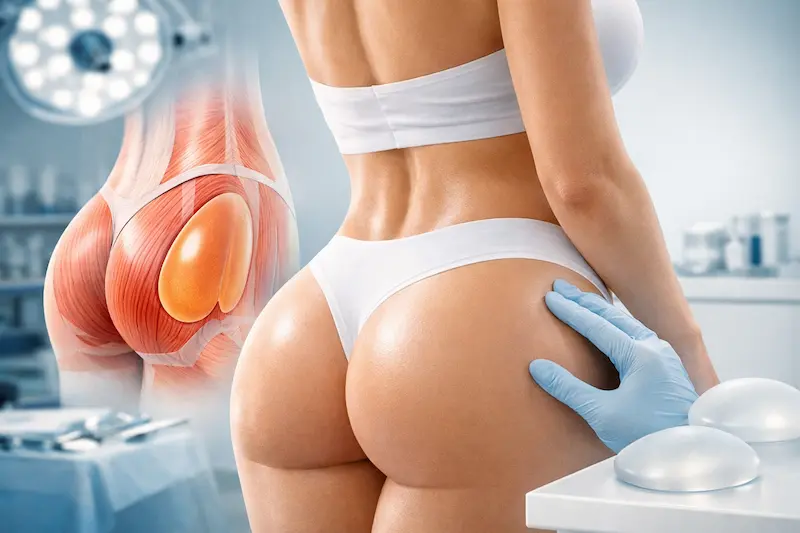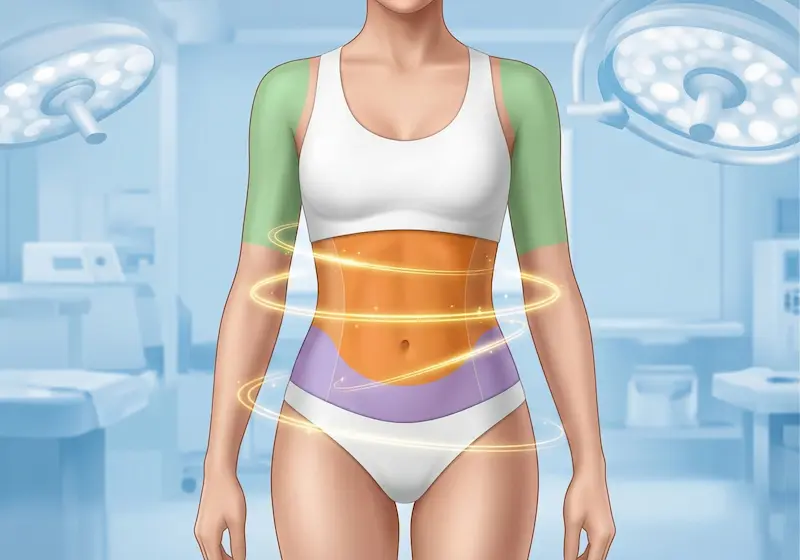

For many people in the UK, the question isn’t “Do I like the look of a BBL?”—it’s “is BBL safer in Turkey” compared with having surgery closer to home. Headlines about “botched surgery abroad” can make the decision feel risky and confusing, especially when you’re trying to weigh cost, standards, and aftercare. This guide is written for the British “expert patient”: practical, evidence-aware, and focused on what actually reduces risk—not myths, marketing, or geography.
We’ll unpack BBL complications and risks, what BBL safety standards Turkey should look like in real life, and the safest way to do a BBL from a process-and-protocol perspective. You’ll also learn how to judge fat transfer safety (BBL), what “red flags” look like, and how to plan a safer recovery for your return to the UK. We’ll reference principles used in medical science and the broader approach of scientific research: identify the true risk factors, then reduce them systematically.
Table of Contents
Why BBL (Bottom Augmentation) Has a Reputation for Risk
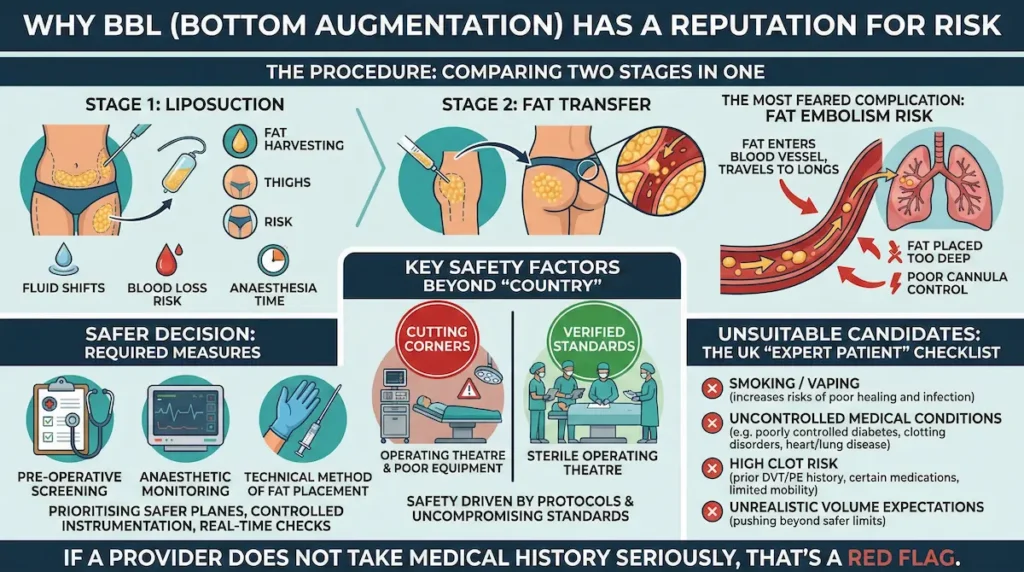
BBL—also called bum lift or bottom augmentation using fat transfer—has earned a reputation for being higher-risk than many other cosmetic procedures. That reputation is not because “one country is safe and another is unsafe”, but because the procedure involves transferring fat into an area where the wrong technique can lead to rare but serious complications. Understanding buttock augmentation risks is the first step in reducing them, whether you’re asking is it safe to get a BBL in Turkey or anywhere else.
What actually makes BBL higher-risk than other body contouring procedures?
A BBL combines two operations in one: liposuction (to harvest fat) and fat transfer (to reshape the buttocks). Each stage introduces its own variables—fluid shifts, blood loss risk, anaesthesia time, and infection prevention. When these are managed well, outcomes can be safe and predictable. When they’re not managed well, complication rates rise. That’s why bottom augmentation safety Turkey (or any destination) should be judged by how the procedure is done, not where it is done.
The “danger zone”: fat embolism risk explained in patient-friendly terms
The most feared complication discussed in scientific literature is fat entering a blood vessel and travelling to the lungs (fat embolism). This risk increases if fat is placed too deep or if cannula control is poor. You don’t need to memorise anatomy to protect yourself—you need to know what safety measures your surgeon uses to reduce this risk, and whether they can clearly explain them. When you’re assessing fat transfer safety (BBL), the core question is whether the technique prioritises safer planes, controlled instrumentation, and real-time checks.
Why surgeon technique and intraoperative safety protocols matter more than “country”
Patients often ask whether bum lift safety Turkey is inherently different from the UK. In reality, safety is driven by protocols: pre-operative screening, anaesthetic monitoring, sterile operating theatre practice, and the technical method of fat placement. Clinics that cut corners can exist anywhere; so can excellent, standardised hospital pathways. A safer decision is built on verified standards, not assumptions.
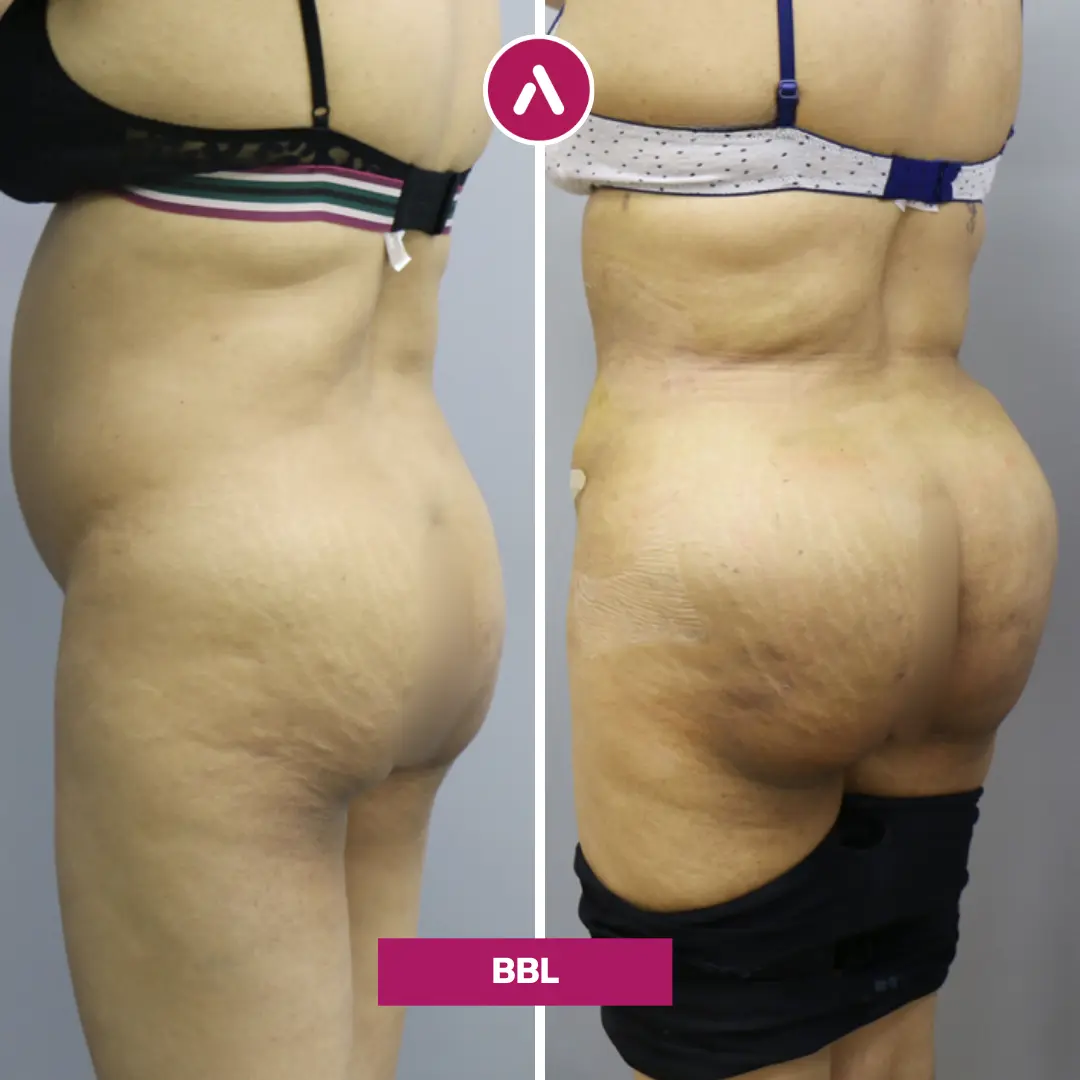
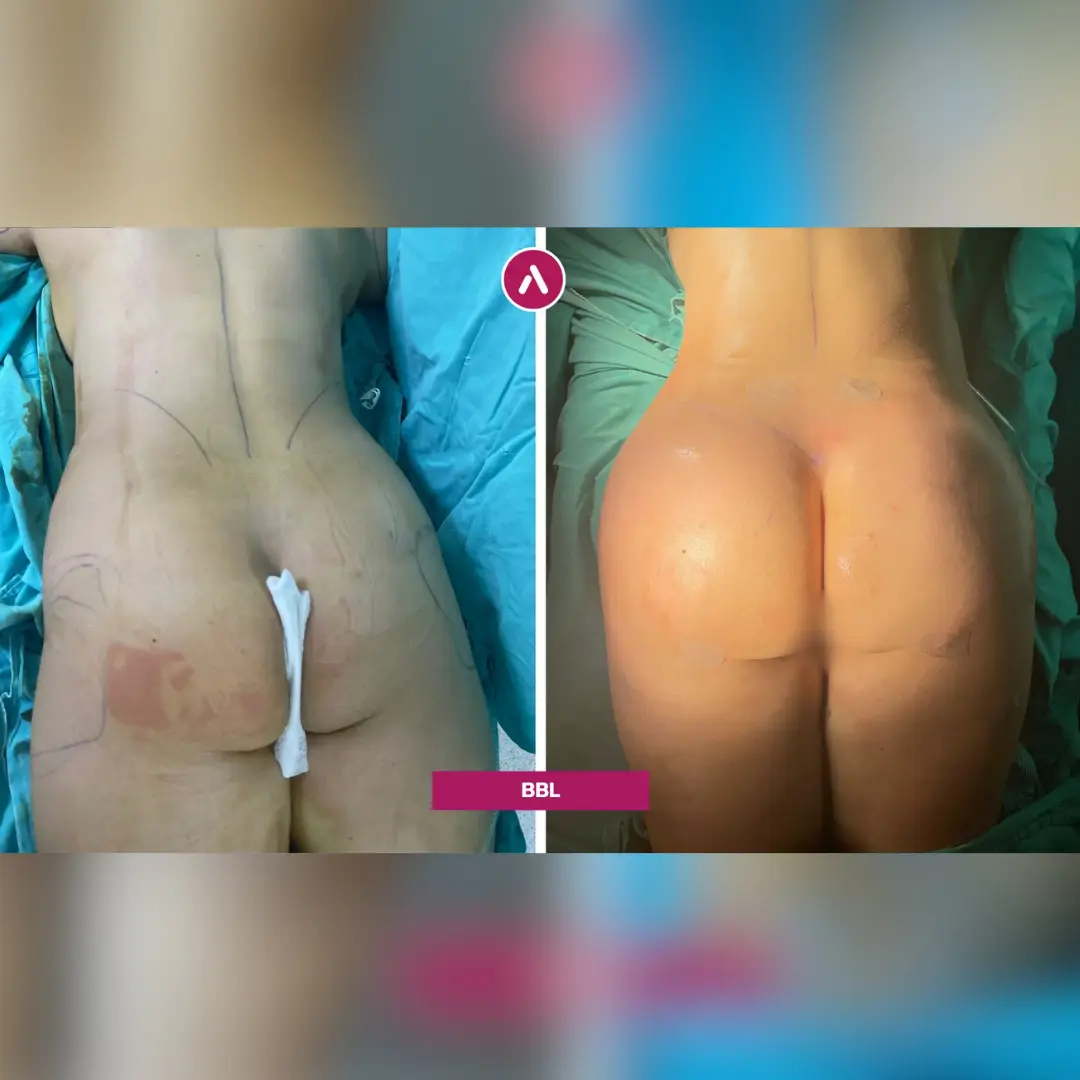
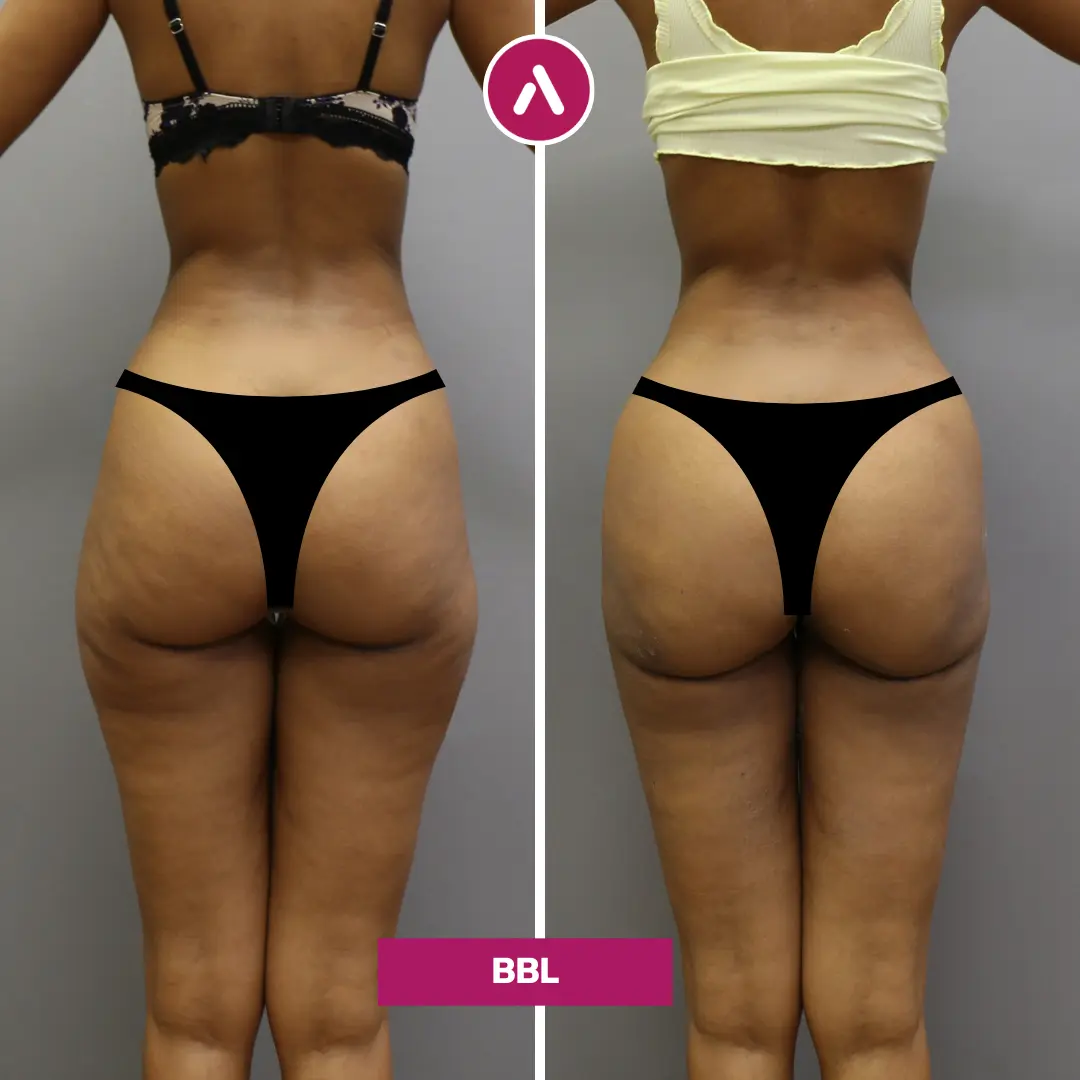
Who is not a suitable candidate (BMI, medical history, smoking) — UK “expert patient” checklist
- Smoking/vaping: increases risks of poor healing, infection, and skin compromise. A reputable team will insist on a clear stop period.
- Uncontrolled medical conditions: such as poorly controlled diabetes, clotting disorders, or significant heart/lung disease.
- High clot risk: prior DVT/PE history, certain medications, or limited mobility—this is essential when planning flights.
- Unrealistic volume expectations: chasing extreme size can push technique beyond safer limits.
If a provider doesn’t take medical history seriously, that’s a red flag—regardless of whether you’re exploring is BBL safe in Turkey or considering treatment elsewhere.
What “Safe” Actually Means for a British Patient (Standards, Not Geography)
When UK patients ask about BBL safety standards Turkey, what they really want is a reliable framework: the same kind of structured safety thinking they’d expect from a regulated private hospital pathway in the UK. Safety is not a slogan; it’s a chain of decisions and controls—patient selection, anaesthesia planning, infection prevention, thrombosis prevention, and clearly documented aftercare. If any link in that chain is weak, risk increases. If the chain is strong, outcomes become more predictable and defensible.
The hospital pathway: what to look for beyond Instagram
- Licensed facility and proper theatre environment: the procedure should be performed in an operating theatre with appropriate sterile protocols.
- Pre-operative assessment: a structured medical review, not a quick “yes/no” message.
- Clear complication plan: what happens if you need urgent review, imaging, antibiotics, drainage, or hospital care?
- Transparent staffing: who is responsible for what—surgeon, anaesthetist, nursing team, and post-op coordinators.
Anaesthesia safety: who is in the room, what monitoring should be standard (UK wording)
Whether your procedure is under general anaesthesia or another approach, you should expect continuous monitoring, qualified anaesthesia staff, and a plan for pain control that doesn’t rely on “toughing it out”. Ask specifically about how they manage nausea, hydration, and blood pressure stability—these details matter in the real world. A team that can answer clearly is usually a team that has standard operating procedures.
Documentation & governance: consent, complications plan, and written discharge instructions
From a medical science perspective, safer care is measurable: written consent that covers realistic benefits and BBL complications and risks, a documented operative plan, and discharge instructions that are specific (wound care, compression guidance, mobility, and warning signs). If the clinic can’t provide this in a structured way, it becomes harder for you to make an informed decision—and harder to get appropriate support once you’re back in the UK.
The UK lens: why patients search for “equivalent” safety signals
British patients often look for “GMC/CQC-style” reassurance: clear professional accountability, hospital-grade protocols, and accessible aftercare. That’s exactly the right instinct. If you’re evaluating is it safe to get a BBL in Turkey, focus on verifiable standards and communication: named clinicians, written plans, and a follow-up pathway that still works once you’ve flown home.
Ultrasound-Guided BBL at Our Istanbul Centre
If you’re comparing options and searching is BBL safe in Turkey, it helps to understand what “ultrasound-guided” actually changes. In simple terms, ultrasound guidance can add an extra layer of intraoperative visibility during fat transfer. For safety-minded UK patients, that matters because the most serious BBL risks are linked to where fat is placed and how the cannula is controlled. The goal is to support fat transfer safety (BBL) with systems that reduce “blind” technique and promote consistent, repeatable practice—an approach aligned with how scientific research drives safer protocols over time.
What “ultrasound-guided” means during fat transfer (and why it’s a safety upgrade)
During the transfer stage, ultrasound can be used to help the surgical team confirm the tissue plane and improve spatial awareness while placing fat. For the patient, the key takeaway is not the gadget itself, but the intent: reducing uncertainty and prioritising safer fat placement. When you ask about safest way to do a BBL, you’re really asking whether the team uses methods designed to lower the likelihood of deep, unsafe injection.
Operating Theatre standards: anaesthesia team, monitoring, sterile protocols (UK terminology)
A safer pathway relies on theatre discipline: sterile technique, appropriate warming, careful fluid management, and continuous monitoring by an anaesthesia professional. Ask about how they monitor oxygenation and circulation, how they manage nausea, and what their escalation pathway is if anything deviates from normal. These aren’t “nice-to-haves”—they’re part of what differentiates a robust safety culture from a volume-driven production line. This is a core part of BBL safety standards Turkey that you can verify in conversation.
Fat processing + injection strategy: how we prioritise safety and natural projection
Safety and aesthetics are linked. Over-aggressive volume targets can lead to longer operating times, more swelling, and higher strain on tissues. A safer strategy focuses on careful fat handling, sensible volume planning, and an outcome that fits your proportions—especially important for UK patients who often prefer a natural, “quietly improved” silhouette rather than an exaggerated look. This also helps reduce the likelihood of secondary issues such as prolonged oedema or asymmetry that can increase anxiety once you’re back home.
What you should expect pre-op: assessment, suitability checks, and risk reduction planning
To answer “is it safe to get a BBL in Turkey?” for you, you need personalised screening. That includes medication review, clot risk discussion, smoking status, prior surgery history, and a plan for thrombosis prevention. A clinic that treats everyone as “one-size-fits-all” is not practising the safest approach. The safest approach is selective: not everyone should be accepted, and that’s a sign of quality.
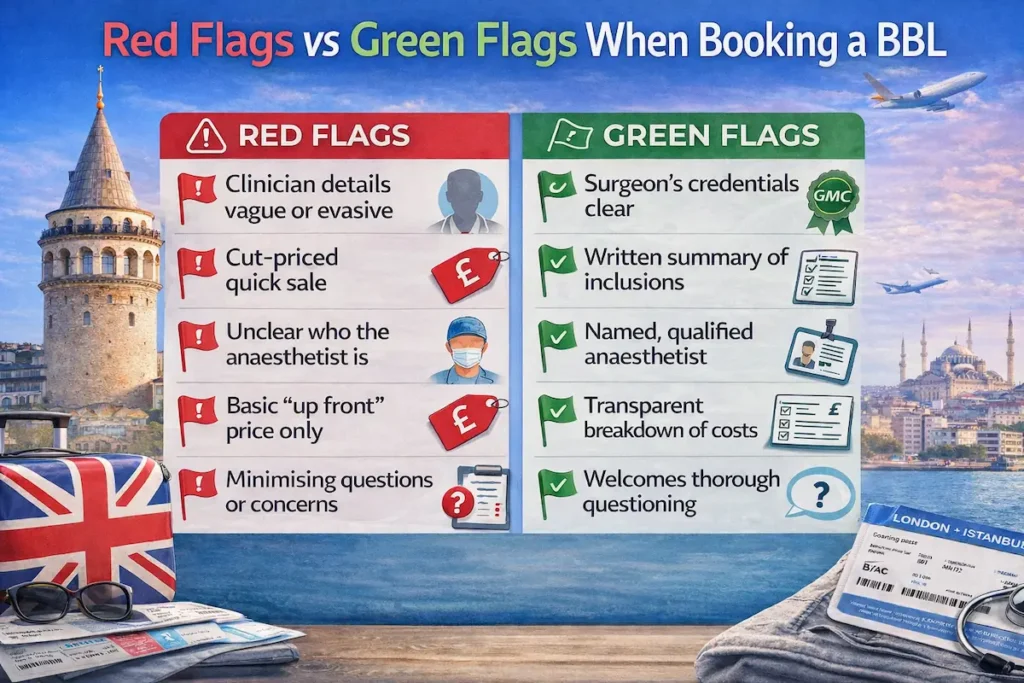
Red Flags vs Green Flags When Booking a BBL Abroad (A UK Checklist)
If you’re browsing packages and wondering about bum lift safety Turkey, this checklist helps you filter quickly. The biggest risks in cosmetic tourism are not the flight or the hotel; they’re rushed assessments, vague accountability, and inadequate aftercare planning. In medical science terms, safety improves when systems reduce variability and ensure early detection of complications. That’s why the “green flags” below matter more than glossy photos.
Red flags: “too fast”, “too cheap”, “no proper assessment”, vague surgeon details
- No medical questionnaire or pre-op screening: if they can “book you in” without understanding your health, walk away.
- Unclear who your surgeon is: vague names, no verifiable credentials, or changes at the last minute.
- Pressure tactics: “today-only discount” or pushing you to decide before you’ve had a proper consultation.
- Minimising risk: anyone who says complications are “basically impossible” is not being honest.
- Aftercare is an afterthought: “message us if needed” with no structured follow-up schedule.
These red flags are especially relevant if your search history includes is BBL safe in Turkey and you’re trying to separate reputable pathways from risky shortcuts.
Green flags: clear surgeon credentials, written aftercare plan, transparent complication pathway
- Named clinicians and roles: surgeon, anaesthesia professional, and nursing team responsibilities are transparent.
- Written plan: pre-op instructions, medication guidance, mobilisation plan, and warning signs are documented.
- Follow-up schedule: you’re told exactly when reviews happen and how concerns are handled.
- Realistic discussion of risks: an honest conversation about BBL complications and risks and how they’re reduced.
Pricing transparency: what a genuine all-inclusive package should include (quoted in £)
Price alone doesn’t tell you whether something is safe—but pricing clarity can reveal whether corners are being cut. A credible, all-inclusive quote in GBP (£) should clearly state what’s included (hospital/theatre fees, anaesthesia, garments, routine post-op checks) and what’s not. If “all-inclusive” becomes vague under questioning, treat it as a warning sign. This is a practical way to evaluate BBL safety standards Turkey because safe care requires the right resources.
Communication standards: UK WhatsApp/support expectations for follow-up confidence
For UK patients, confidence often comes from access: being able to reach the team quickly if you’re worried about swelling, fever, increasing pain, wound drainage, or breathlessness. Ask how follow-up works when you’re back in the UK: response times, escalation to a clinician (not just a coordinator), and what happens if you need in-person review. A safe provider expects these questions and answers them in a structured way—because it’s part of bottom augmentation safety Turkey done properly.
Common Myths Debunked for British Citizens
This is the section UK patients often need most, because online content is full of absolutes: “Turkey is unsafe” or “BBL is always dangerous.” The truth is more nuanced. If you’re typing is BBL safer in Turkey or is it safe to get a BBL in Turkey into Google, you’re trying to separate reality from reputation. A safer, science-led way to think about it is: identify the specific mechanisms behind BBL complications and risks, then check whether a provider’s standards reduce those mechanisms in a measurable way.
Myth 1: “Turkey is unsafe” — separating low-quality providers from proper clinical pathways
Country-level generalisations miss the point. Safety depends on whether you’re treated in a structured hospital pathway with proper theatre standards, qualified anaesthesia cover, appropriate monitoring, and clear post-operative governance. There are low-quality providers in every market, including the UK. When assessing bum lift safety Turkey, focus on verifiable standards: named clinicians, documented processes, and clear escalation plans.
Myth 2: “Cheap means corners are cut” — what costs reflect (and what they shouldn’t hide)
Lower prices can reflect different operating costs (staffing, facilities, and overheads) rather than automatically implying poor care. However, extremely low prices can also be a warning sign if they correlate with rushed assessments or minimal aftercare. The right way to judge BBL safety standards Turkey is to ask: what does the price include in clinical terms (theatre, anaesthesia, monitoring, garments, scheduled reviews), and what safety steps are explicitly described? This “process audit” is closer to how scientific research evaluates safety—by checking inputs and protocols, not assumptions.
Myth 3: “You’ll be on your own after you fly home” — what real aftercare looks like for UK patients
Aftercare is where many British patients feel most anxious, and the fear is understandable: swelling, discomfort, and uncertainty can peak after you return home. A reputable provider should offer structured remote follow-up, clear written guidance, and a practical escalation route if you develop warning signs. When you’re asking is BBL safe in Turkey, you’re also asking whether the clinic has a serious continuity plan that still works once you’re back in the UK.
Myth 4: “BBL always looks fake” — the UK preference for subtle, proportional results
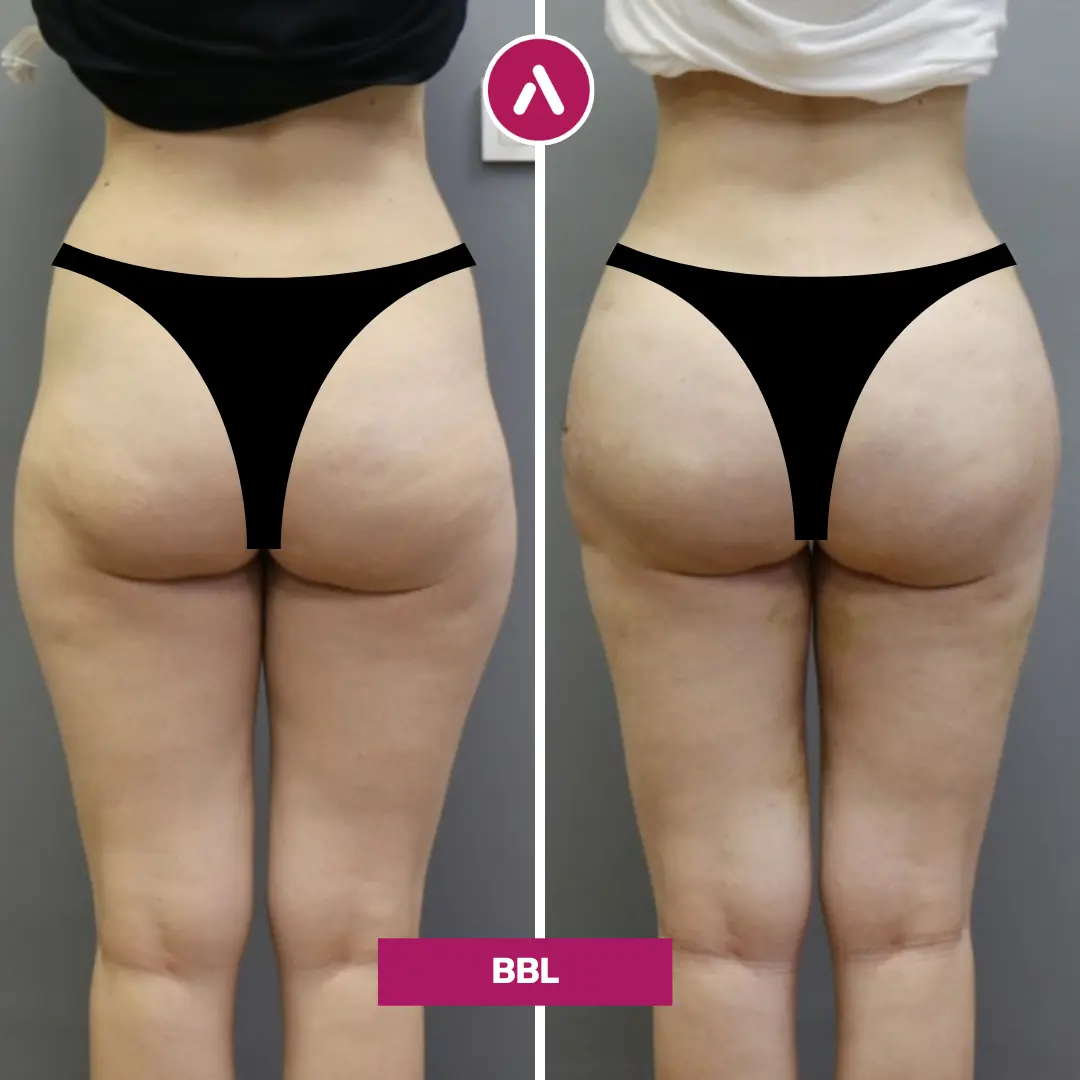
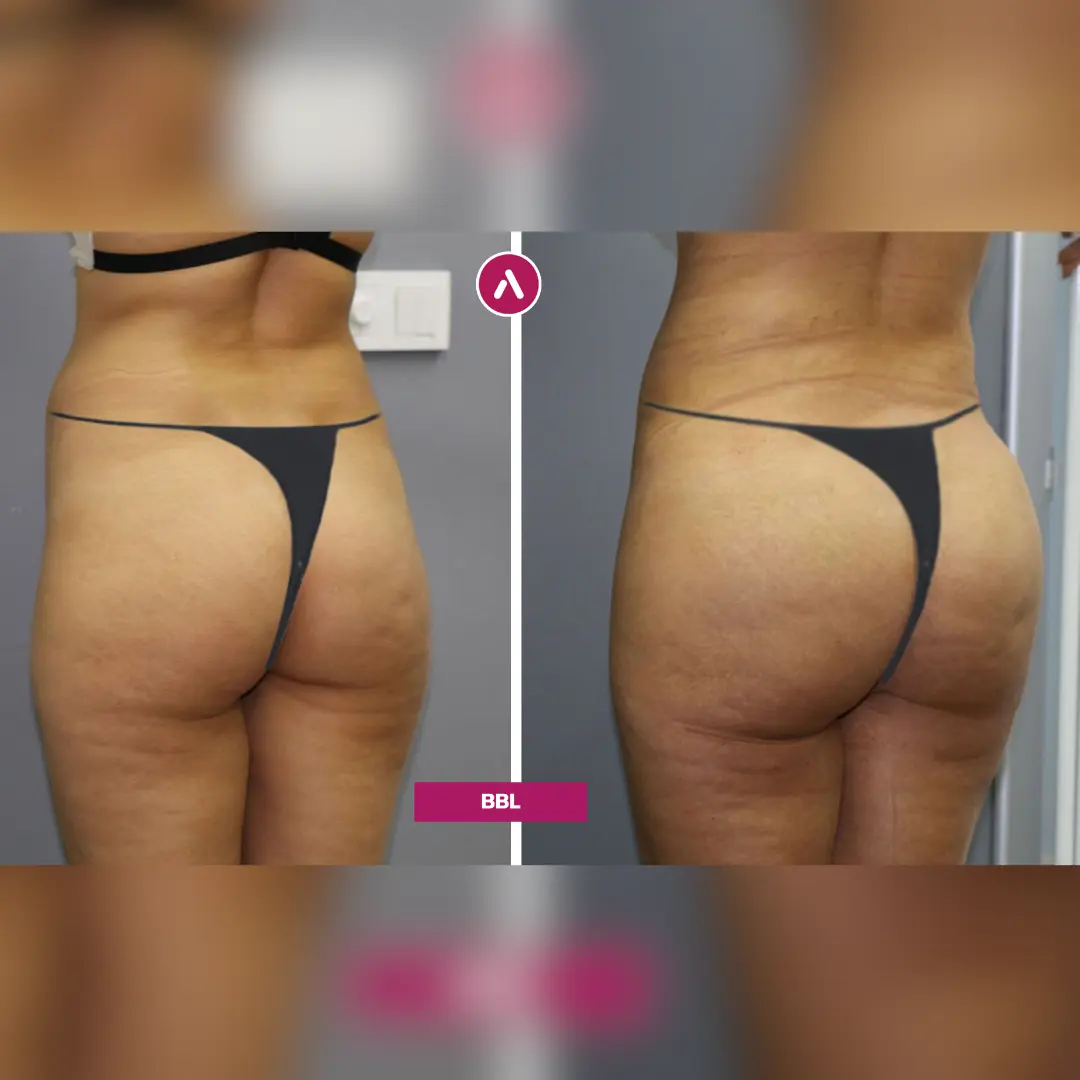
Not every BBL is designed for an extreme look. Many UK patients want a balanced silhouette: improved waist-to-hip ratio, a lifted shape, and smoother transitions—without an “obvious” result. A safety-minded plan often aligns with a natural aesthetic: sensible volume targets, proportion-led planning, and careful fat placement. This approach can reduce some secondary problems associated with excessive volume goals, supporting both aesthetics and fat transfer safety (BBL).
Safety Checklist for UK Patients (Post-op care & Compression Garments)
This checklist is designed for the British patient who wants actionable steps—not reassurance without detail. If you’re researching is BBL safe in Turkey or bottom augmentation safety Turkey, use the checklist below to structure your consultation questions and your travel planning. In medical science terms, you’re reducing risk by controlling known variables: patient selection, early mobilisation, clot prevention, infection prevention, and rapid access to clinical advice.
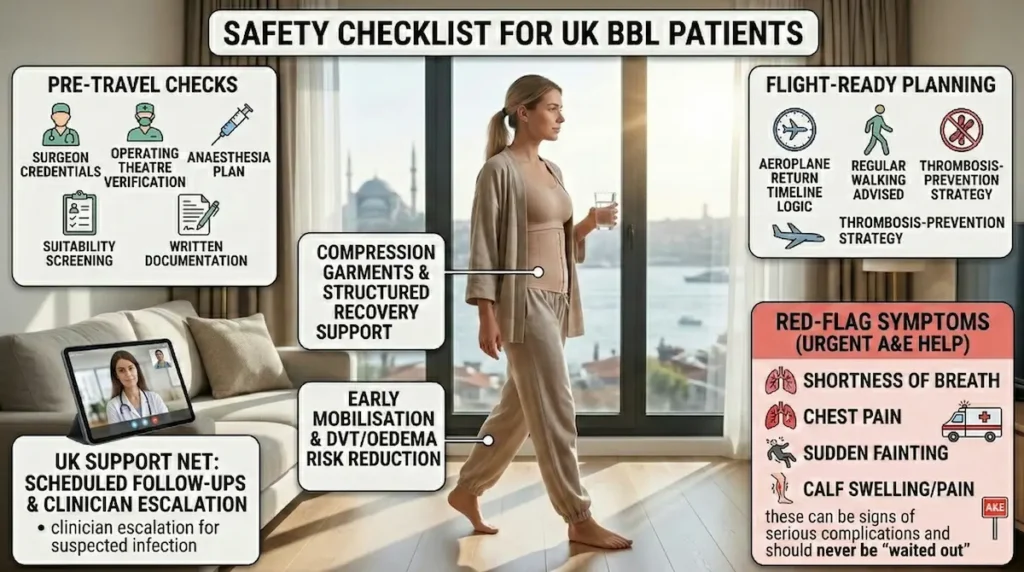
Pre-travel checks: what to verify before you book (surgeon, hospital, anaesthesia plan)
- Who is your surgeon? Get the name, credentials, and the exact person who will perform the procedure.
- Where is the surgery performed? Confirm a proper operating theatre setting, not a “clinic room” arrangement.
- Anaesthesia plan: Ask who provides anaesthesia care and what monitoring is used throughout.
- Suitability screening: Ensure there is a real medical assessment (history, medications, clot risk, smoking status).
- Written documentation: Consent, discharge instructions, and a clearly described aftercare schedule.
Post-op essentials: compression garments, mobility, hydration, and early warning signs (A&E-style language)
Compression garments can support swelling management and comfort, but they are not a substitute for safe technique or good monitoring. What matters most is a structured recovery plan: early mobilisation (as advised), adequate hydration, and a clear understanding of red-flag symptoms. Seek urgent medical help (A&E / emergency services) if you experience shortness of breath, chest pain, sudden fainting, or calf swelling/pain—these can be signs of serious complications and should never be “waited out”.
Flight-ready recovery planning: return-to-UK timeline logic + DVT/oedema risk reduction
Flying soon after surgery can increase swelling and can be a concern for clot risk in susceptible individuals. The safer approach is to follow a clinic-specific timeline based on your health profile and the extent of surgery, alongside sensible measures such as walking regularly (as advised), hydration, and any prescribed thrombosis-prevention strategy. When comparing bum lift safety Turkey options, ask how the team plans for “flight-ready” recovery and what criteria they use to clear you for travel.
How “UK support” should work in practice (continuity, access, escalation)
Good aftercare isn’t just “message us”. It includes scheduled follow-ups, a clinician-led escalation route for suspected infection or fluid collection, and clear guidance on what to do if you develop a problem once you’re in the UK. Ask about typical response times and who answers clinical questions. This is one of the most important parts of safest way to do a BBL when you’re travelling internationally: you need a safety net that doesn’t disappear at the airport.
Frequently Asked Questions (FAQ): Is BBL Safer in Turkey?
These FAQs reflect the most common concerns behind searches such as is BBL safer in Turkey, is it safe to get a BBL in Turkey, and buttock augmentation risks. Use them to shape your consultation and to sense-check whether a provider is answering like a medical team—or like a sales desk.
Is BBL actually safer now than it was 5–10 years ago?
In general, safety improves when technique standards and protocols evolve—this is how medical science advances across many procedures. What matters for you is whether your chosen team follows modern safety-minded practices and can explain their risk-reduction strategy clearly.
What questions should a British patient ask about ultrasound guidance?
Ask how ultrasound is used during the transfer stage, what it helps the team verify, and whether it is part of a broader safety system (screening, theatre standards, and aftercare) rather than a standalone marketing feature.
How do I verify surgeon and facility standards before travelling?
Request the surgeon’s name and credentials, confirm the operating theatre setting, ask who provides anaesthesia care, and ensure you receive written documentation: consent, discharge instructions, and a defined follow-up schedule.
How long do I need to stay in Istanbul after a BBL?
It depends on your procedure plan and your recovery. A safe provider will recommend a minimum stay that allows early post-op reviews and addresses common issues such as swelling, discomfort, and garment fitting before you fly.
When can I fly back to the UK safely after BBL?
This should be based on an individual risk assessment and your clinical progress. Ask your provider what criteria they use for travel clearance and what measures they recommend to reduce swelling and clot risk during the journey.
What does proper aftercare look like once I’m back in the UK?
It includes scheduled remote follow-ups, a clinician-led route for urgent questions, clear warning signs, and practical instructions for garments, mobility, and wound care—so you’re not left guessing.
What are the red flags of a “too cheap” BBL package?
Rushed acceptance without screening, vague clinician details, unclear theatre/anaesthesia standards, no written aftercare plan, and minimising BBL complications and risks. If it feels like a quick sale rather than a medical pathway, treat that as a warning.
If you’d like to go beyond the topic covered here, you can also explore our related guides on Turkish Plastic Surgery Myths, how to choose a Plastic Surgeon Turkey, what Hospital Accreditation Turkey really means, and our dedicated safety explainer Is BBL Safe. For practical planning, we also recommend reading our Surgery Abroad Safety Checklist and Pre-Surgery Checklist, especially if you’re organising flights and recovery time back in the UK. And if you’re travelling independently, our article on Travelling Solo for Surgery covers how to stay supported and prepared throughout your trip.
Medical Disclaimer: This page is provided for general educational purposes only and does not replace a face-to-face medical consultation, diagnosis, or personalised treatment plan. All surgery carries risks and outcomes vary between individuals. Suitability for a Brazilian Butt Lift (BBL), procedure selection, and anaesthesia choice can only be determined after a full clinical assessment by a qualified surgeon. Always follow your clinician’s instructions and seek urgent medical attention if you develop concerning symptoms during recovery.