If you are comparing dhi vs. fue hair transplant, you are not alone. Thousands of men every year search for terms like dhi hair transplant vs fue, dhi vs fue hair transplant which is better, or fue vs dhi hair transplant comparison before they even speak to a surgeon. The goal is simple: you want the most natural-looking, long-lasting hairline with the least amount of downtime and risk.
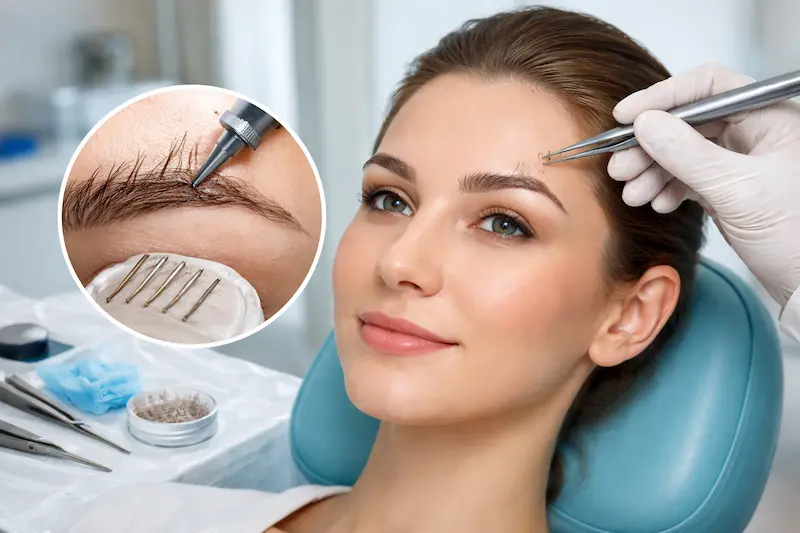
Before choosing between two techniques, it helps to zoom out and see where they sit inside the broader discipline. Hair restoration today is no longer a single procedure but a family of approaches — FUE and DHI sit alongside Sapphire FUE, eyebrow, and beard work, and each fits a different patient profile. For readers who want the wider context before the technical comparison, our hair restoration technique walkthrough lays out the full menu of options.
This in-depth guide is written for the “expert patient” who already knows the basics and wants to understand the real-life differences between hair transplant dhi vs fue: how each technique works, who is the ideal candidate, what the recovery feels like, and how your choice may change if you are considering fue vs dhi hair transplant Turkey instead of having surgery in your home country. Rather than marketing language, you will find a surgeon-led, technical comparison designed to help you make a calm, informed decision.
By the end of this article, you will understand the key dhi vs. fue hair transplant differences: how grafts are extracted and implanted, how density is created, what matters more for a natural result (spoiler: the surgeon, not the gadget), and when each approach makes the most sense. This is not about declaring a single “winner” in the debate of hair transplant dhi vs fue, but about matching the right tool to the right patient.
Table of Contents
Understanding the Basics of DHI vs. FUE Hair Transplant
Before deciding which method is best for you, it is crucial to understand what we actually mean by DHI vs. FUE hair transplant. Many patients think DHI and FUE are two totally separate worlds, like choosing between two different surgeries. In reality, DHI is built on top of the FUE foundation. Both techniques share the same core principle: taking individual follicular units (grafts) from the donor area and carefully implanting them into thinning or bald areas. Where they differ is mainly in how these grafts are handled and placed.
What Is FUE Hair Transplant?
FUE (Follicular Unit Extraction) is a technique where individual follicular units are harvested one by one from the donor area, usually the back and sides of the scalp. This method replaced the older FUT “strip” technique in many clinics because it avoids a long linear scar. In a typical fue vs dhi hair transplant comparison, FUE is often seen as the workhorse method: versatile, effective for large areas, and suitable for most stages of hair loss.
In an FUE procedure, the surgeon (and their team) uses a small punch, either manual or motorized, to carefully score and extract each follicular unit. These grafts are then stored in a solution while the recipient sites (channels) are created in the balding area using needles or blades. Finally, the grafts are manually inserted into these pre-made channels using forceps.
- Main idea: Individual grafts are extracted and then placed into pre-made channels.
- Scarring: Multiple tiny dot scars instead of one long strip scar.
- Coverage: Very effective for covering larger areas, such as advanced hairline recession and crown loss.
- Flexibility: Can be combined with different implantation tools and angles according to the surgeon’s planning.
For many men, especially those with moderate to advanced male pattern baldness, FUE is the foundation of a successful restoration plan. Understanding FUE first makes it easier to see what DHI changes—and what it doesn’t.
FUE has been doing the heavy lifting in modern hair transplantation for over a decade, and the technique deserves its own dedicated reference, not just a comparison snippet. The full picture of how follicles are scored, lifted, stored, and re-implanted in pure FUE — including punch sizing, donor architecture, and graft handling protocols — is documented in detail.
If you want the standalone deep-dive rather than the comparison angle, our FUE follicular extraction overview covers the procedural fundamentals end-to-end.
What Is DHI (Direct Hair Implantation)?
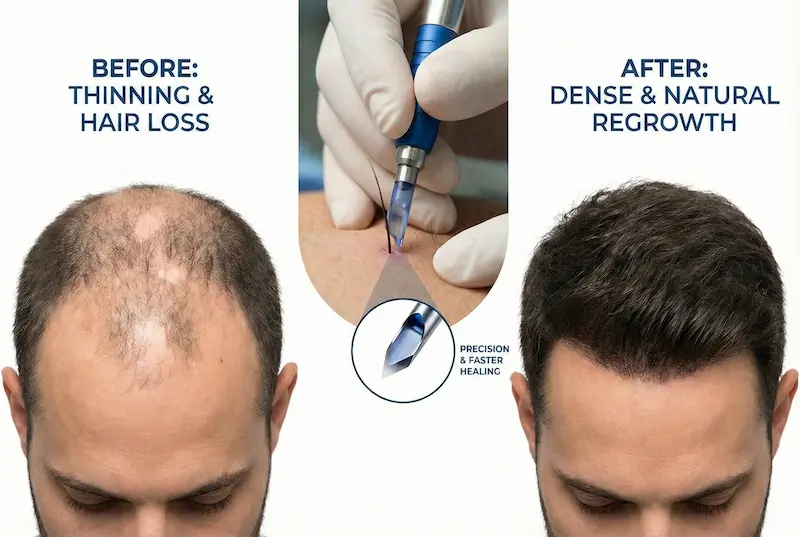
DHI (Direct Hair Implantation) is not a completely separate transplant philosophy, but a specific way of implanting FUE grafts using implanter pens. In other words, the extraction step is still based on FUE, but instead of creating all the channels first and then placing the grafts with forceps, the surgeon loads grafts into a pen-like device that can create the channel and implant the follicle in a single motion.
This approach allows the surgeon to control depth, angle, and direction very precisely for each graft. When patients search for dhi hair transplant vs fue, they are usually trying to understand whether this higher level of control automatically means a “better” result. The true answer is more nuanced: DHI can offer clear advantages in certain situations—especially when designing a detailed, high-density hairline—but it is still only as good as the hand guiding the pen.
- Implantation tool: Choi or similar implanter pens that both open the channel and place the graft.
- Control: Fine control of angle, direction, and depth for each hair follicle.
- Density: Often preferred for high-density work in the hairline and frontal zone.
- Hair shaving: In some cases, allows for more flexibility with partial shaving (depending on clinic protocol and case specifics).
DHI’s defining piece is the Choi-style implanter pen — and how that pen actually changes the implantation workflow deserves a focused look. From loading a single follicle into the cartridge, to setting the depth and angle, to the channel-and-implant motion that happens in one step — the mechanics matter more than the marketing. For the procedural detail on how the pen-based workflow differs in practice, our DHI implanter pen walkthrough takes the steps apart one by one.
DHI is frequently marketed as a premium version of FUE, but it is more accurate to think of it as a specialized implantation technique within the broader FUE family. Any honest dhi vs fue hair transplant differences discussion must start from this simple fact.
How DHI and FUE Are Related (Not Competing, but Evolving Tools)
When you read about hair transplant dhi vs fue, it is easy to imagine a boxing match where two techniques fight to become the champion. In real-world surgical practice, this is not how responsible clinics think. DHI and FUE are better viewed as tools on the same shelf, each with strengths that can be matched to specific patient needs.
In both techniques, the donor area is usually harvested using FUE. The difference is what happens next:
- In a classic FUE approach, channels are opened first, then grafts are placed with forceps.
- In a DHI approach, channels are effectively created and filled in one step using implanter pens.
An experienced surgeon may even use a hybrid strategy: for example, standard FUE placement with forceps in areas that require broader coverage, and DHI pens in the frontal hairline where microscopic control of angle and density is critical. So, when you search for dhi vs fue hair transplant which is better, the more accurate question might be: “Which combination of techniques is best for my hair loss pattern, donor capacity, and lifestyle?”
| Aspect | FUE Hair Transplant | DHI Hair Transplant |
|---|---|---|
| Core Concept | Follicular units extracted individually and implanted into pre-made channels. | Follicular units (usually FUE-extracted) implanted directly with implanter pens. |
| Channel Creation | Separate step before implantation. | Combined with implantation in one motion. |
| Best Use Case | Large coverage areas (hairline + midscalp + crown). | High-precision, high-density hairline and frontal zone work. |
| Key Question for Patient | “How many grafts do I need and what can we realistically cover?” | “How refined and detailed does my hairline design need to be?” |
In a responsible clinic, DHI and FUE are not enemies. They are complementary techniques that should be chosen—or combined—based on your donor area, pattern of loss, and long-term goals, not on marketing slogans.
Who Is the Ideal Candidate for Each Technique?
When comparing dhi vs fue hair transplant, there is no universal “best” method. Instead, each technique fits certain patient profiles better. Your age, pattern and speed of hair loss, donor density, hair characteristics (thickness, curl, color), and even your lifestyle will influence whether DHI, FUE, or a hybrid plan is ideal. This is exactly why an honest fue vs dhi hair transplant comparison should start with you, not with the tool.
Some men are obsessed with the front hairline and temples, wanting the most natural, undetectable result when they wear their hair up or styled back. Others care more about global coverage of a large bald area, for example when they are a higher Norwood class. Understanding these priorities helps your surgeon decide whether the plan should lean more toward a DHI-focused or FUE-focused strategy.
DHI Candidates: When Density and Hairline Detail Matter Most
DHI is often favored in patients who are particularly focused on maximum density and micro-detail in the frontal hairline and temples. Because the implanter pens allow the surgeon to fine-tune angle and direction for each follicle, DHI is ideal when designing irregular, feathered hairlines that mimic nature.
- Men in earlier Norwood stages (II–III) with limited recession but high standards for hairline quality.
- Patients with good donor density who want to “invest” a high number of grafts into a smaller, cosmetically critical area.
- Professionals who want their dhi vs fue hair transplant differences to be invisible in social and work settings – a soft, natural frame around the face.
- Cases where precise control over direction (for example, cowlicks or specific styling patterns) is especially important.
If you are the type of patient who zooms into before–after photos to analyze every hair in the hairline, you are likely to appreciate the level of control that DHI offers. This is often why men searching for dhi hair transplant vs fue are actually asking: “Can DHI give me that ultra-natural, movie-star hairline I see in some photos?”
DHI is particularly powerful when used as a “scalpel” for hairline artistry, especially in patients with strong donor density and realistic coverage goals.
FUE Candidates: When Coverage and Graft Numbers Are the Priority
Traditional FUE, using pre-made channels and forceps implantation, remains the backbone of modern hair restoration, especially in patients who need more global coverage. If you are a Norwood IV–VI with visible thinning in the midscalp and crown, focusing purely on the hairline with DHI pens alone may not make sense. In these cases, standard FUE often allows the clinic to transplant a larger number of grafts efficiently and safely in a single session.
- Men with moderate to advanced hair loss needing hairline, midscalp, and possibly crown reconstruction in one plan.
- Patients whose main concern is “coverage” rather than micro-detail in one specific zone.
- Those who understand that donor supply is finite and want to maximize the effective use of each graft.
In honest hair transplant dhi vs fue discussions, many surgeons will admit that FUE is often the starting point for large-scale restoration, with DHI used selectively where it adds real value. FUE is also widely used in fue vs dhi hair transplant Turkey practices because it provides a predictable, versatile base technique that can be adapted to almost any pattern of loss.
Medical and Lifestyle Factors That Influence the Right Choice
Beyond your hair loss pattern, several medical and lifestyle factors influence whether DHI or FUE is the smarter choice. An expert evaluation will look at your scalp health, skin characteristics, and any underlying conditions that might affect healing or graft survival.
| Factor | Why It Matters | Potential Impact on DHI vs FUE |
|---|---|---|
| Donor Density | High density allows more options for density-focused work. | DHI may be favored for hairline refinement; FUE for larger coverage. |
| Scalp Elasticity & Skin Type | Very tight or very sensitive scalps may affect extraction and implantation. | Tool choice and implantation strategy may be adjusted; sometimes a hybrid. |
| Medical Conditions (e.g., diabetes, psoriasis) | Can influence healing speed and infection risk. | Implantation speed and density may be moderated to protect graft survival. |
| Lifestyle & Downtime | How quickly you need to return to work or physical activity. | May influence total grafts per session and strategy for shaving. |
If you have a physically demanding job or engage in contact sports, your surgeon may design a more conservative density or stage the procedure to protect the grafts in the critical first weeks. Similarly, if you absolutely cannot appear in public with a fully shaved head, this may tilt the conversation toward partial shaving strategies that some clinics offer, especially in DHI-focused plans.
The smartest way to approach dhi vs fue hair transplant is to ask: “Given my donor area, hair loss pattern, and lifestyle, how would you design a long-term plan?”—not just “Which machine do you prefer?”
Surgical Technique Step by Step: DHI vs. FUE in the Operating Room
Understanding what actually happens in the operating room is one of the best ways to compare hair transplant dhi vs fue. While marketing materials often simplify things, a real fue vs dhi hair transplant comparison looks at how grafts are harvested, stored, and implanted in each method. This step-by-step perspective helps you visualize the procedure day and evaluate which approach aligns with your expectations.
Both techniques follow the same fundamental phases: consultation and design, donor harvesting, graft handling, and implantation. The main differences – and the true dhi vs fue hair transplant differences – show up during the channel opening and implantation stages.
Donor Harvesting: How Grafts Are Collected
Regardless of whether the final plan uses classic FUE implantation or DHI pens, the donor grafts are almost always harvested using FUE. The surgeon or a dedicated team member uses a small circular punch to score the scalp around each follicular unit and then gently extract it.
- Punch Size: Typically between 0.7 mm and 1.0 mm, chosen based on your hair thickness and follicular structure.
- Pattern: Grafts are taken in a spread-out pattern to avoid visible thinning in the donor area.
- Direction: The punch follows the natural angle of hair exit to reduce transection (damage to follicles).
In both DHI and FUE implantation plans, careful donor management is critical. If someone advertises extremely high graft counts without considering your donor limits, it is a red flag. In reputable fue vs dhi hair transplant Turkey centers, surgeons will openly discuss what is safe in one session and what should be preserved for the future.
One detail worth flagging here: the same FUE punch can be paired with different blade types for opening the recipient channels, and that choice influences both healing and density. Sapphire-blade FUE is a sub-variant where sharper, more precise micro-blades replace stainless steel — many clinics treat it as a third option in the technique conversation.
For readers tracing the full spectrum of FUE-family approaches, the sapphire blade FUE approach covers what changes when the blade material changes.
Channel Opening vs. Pen Implanters
This is the stage where the classic FUE and DHI pathways diverge most clearly. In standard FUE, the surgeon first creates all the tiny channels in the recipient area using blades or needles. After this, the team manually places each graft into a pre-made channel using forceps.
In DHI, the implanter pens change the sequence and the mechanics:
- Each graft is loaded into the hollow tip of the implanter pen.
- The surgeon positions the pen at the correct angle and depth.
- With a single motion, the pen both opens the channel and implants the graft.
Advocates of DHI often highlight that this approach may reduce the time the graft spends outside the body, which theoretically supports graft survival. However, in skilled hands, both methods can deliver excellent survival rates. What truly separates good from bad results is not “pen vs forceps” but the surgeon’s planning and the team’s discipline.
| Step | Classic FUE Implantation | DHI Implantation |
|---|---|---|
| Channel Creation | All channels opened first across the target area. | Channels created one by one during implantation. |
| Graft Placement | Grafts placed separately into existing channels using forceps. | Grafts placed directly from the pen into the scalp in a single action. |
| Control | Excellent when performed by experienced hands, but more dependent on team coordination. | Very fine control for each graft’s angle and depth, especially in hairline zones. |
Implantation Angle, Direction, and Density
Whichever method is used, the real artistry of a dhi vs fue hair transplant lies in how the surgeon controls angle, direction, and spacing (density). The goal is to recreate the subtle, irregular pattern of natural hair, not a “doll’s hair” look.
With classic FUE, the channels are angled and oriented in advance, and the team must place each graft carefully to match that pre-set pattern. With DHI pens, the surgeon adjusts angle and direction for every single insertion in real time. In experienced hands, both approaches can produce natural results; the difference is in workflow and precision.
- Angle: Determines how the hair lies and how easily it blends with existing hair.
- Direction: Ensures that hair flows in a consistent pattern when combed or styled.
- Density: Balances visual thickness with donor preservation and graft survival.
If density is pushed too high in a single area without regard for blood supply, both DHI and FUE can suffer. Grafts need oxygen and nutrients; overcrowding them can lead to lower survival rates and patchy growth. A responsible surgeon will explain these biological limits instead of promising impossibly thick coverage everywhere.
In the hands of a skilled surgeon, both DHI and FUE are capable of ultra-natural, dense results. The planning of angle, direction, and density matters far more than the brand name of the tool.
Results, Density, and Hairline Design
One of the most important questions in any dhi vs fue hair transplant discussion is simple: “How will it look in the mirror?” Patients rarely care about the instrument used; they care about density, naturalness, and how many people can tell they had a procedure. So when you study a fue vs dhi hair transplant comparison, it makes sense to focus on hairline design, achievable density, and long-term growth rather than on brand names or buzzwords.
In the right hands, both DHI and classic FUE implantation can create very natural, dense results. The difference is in how each technique allows the surgeon to execute their design. DHI pens offer precise control over angle and direction for each graft, while FUE with pre-made channels allows efficient coverage over larger areas. In real clinical practice, many surgeons blend both ideas to match your unique hair loss pattern.
Natural Hairlines: Why Surgeon Skill Matters More Than the Tool
The hairline is where even a casual observer can tell whether a hair transplant looks natural. A perfect hairline is not a straight, rigid line; it has micro-irregularities, single-hair grafts at the front, and soft transitions into thicker areas behind. This is true whether the clinic uses DHI pens or classic FUE implantation.
With DHI, the surgeon can adjust the angle and direction of each graft one by one as they implant. This can be particularly attractive to patients who obsess over dhi vs fue hair transplant which is better for “movie-quality” hairlines. However, even with implanter pens, poor design will still give you an overly sharp, artificial look. Conversely, a highly skilled surgeon using forceps and pre-made channels can create an incredibly soft, natural hairline.
- Single-hair grafts in the front: Essential for a soft, natural transition.
- Irregular micro- and macro-zigzag shapes: Avoids the “helmet” look.
- Proper temple angle and direction: Crucial for framing the face, especially in side profiles.
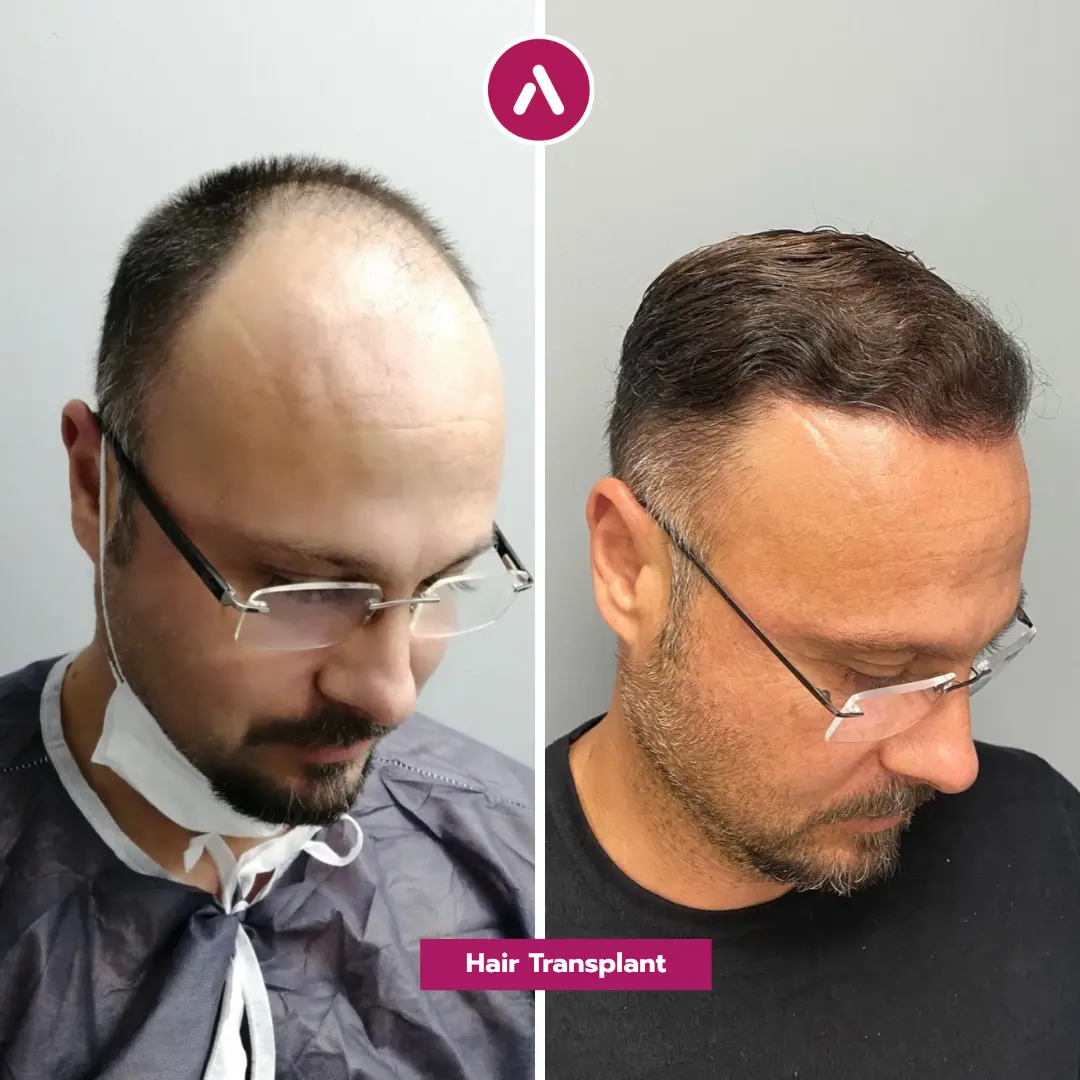
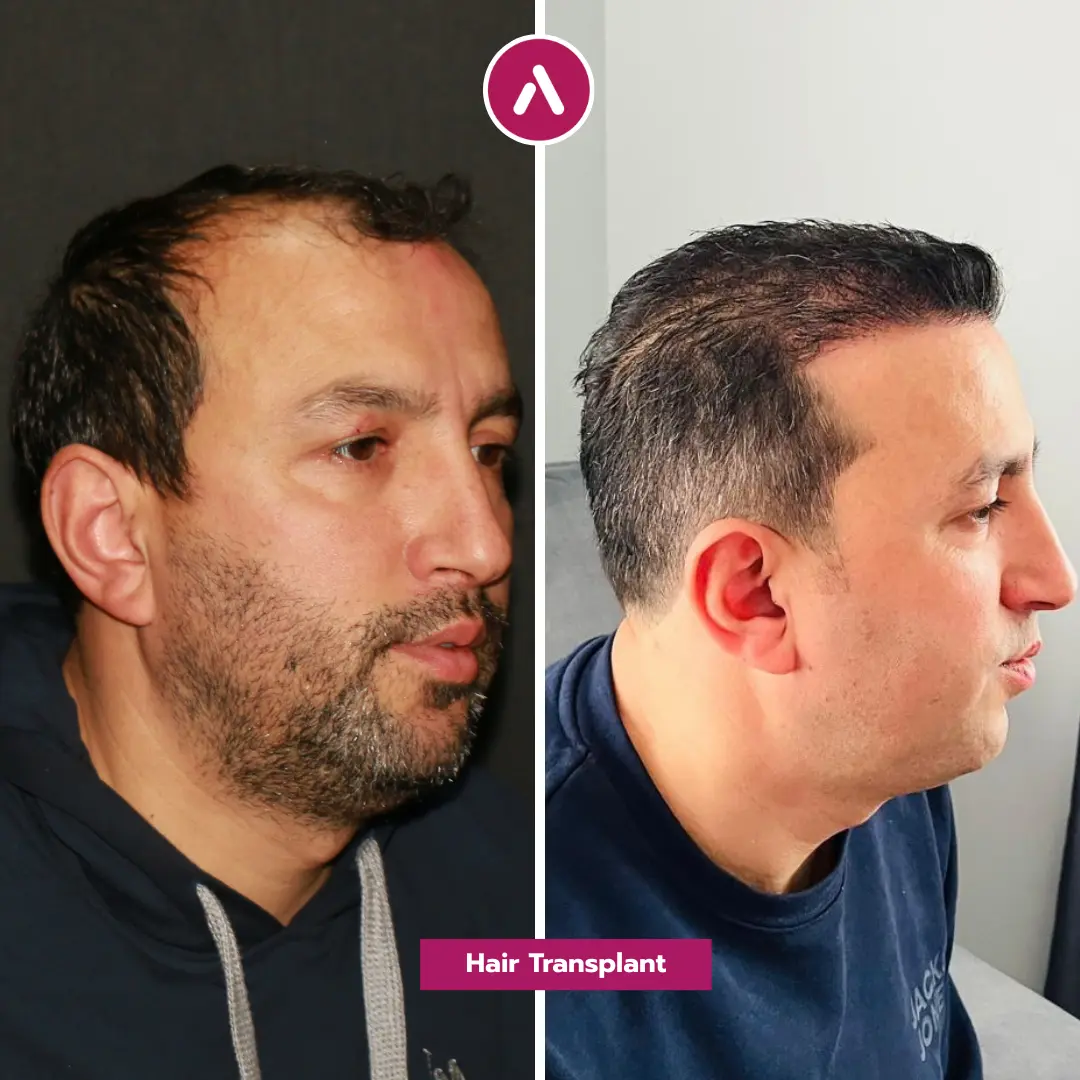
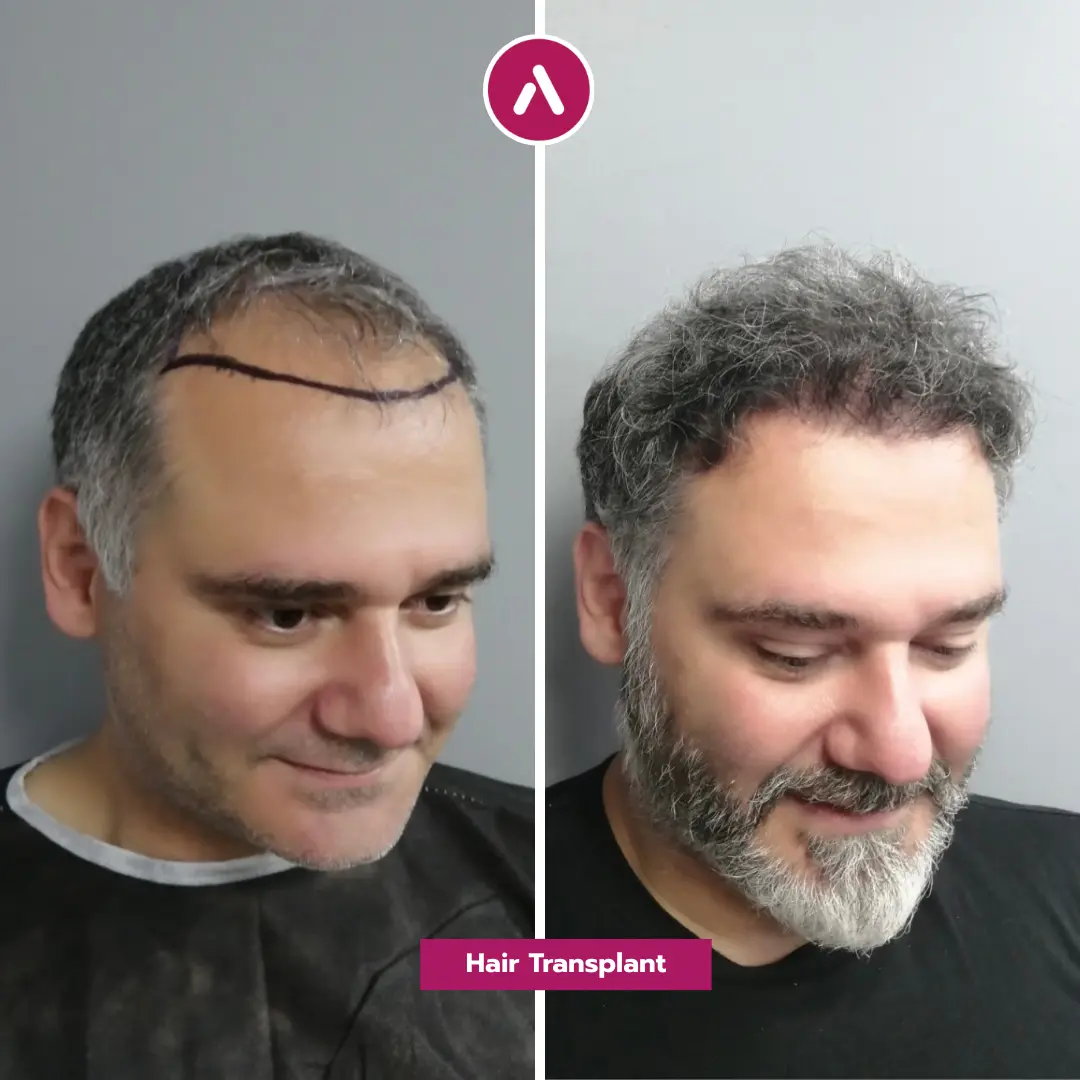
So, in the debate of hair transplant dhi vs fue, the first rule is this: never allow the device to distract you from the artist. Ask to see multiple high-resolution before–after photos of hairlines from the same surgeon, not just from the clinic in general.
Achievable Density with DHI vs. FUE
Density is one of the main reasons why patients research dhi vs fue hair transplant differences so carefully. Marketing around DHI often claims that it always delivers higher density than FUE. The truth is more nuanced. DHI pens do allow for very dense packing in skilled hands, particularly in limited, cosmetically critical areas like the frontal zone. But actual density depends on donor supply, blood supply in the recipient area, and the surgeon’s judgment.
In classic FUE implantation, dense packing is also possible, but it is sometimes spread slightly more across the target area to balance coverage and donor preservation. If you have a large bald area and limited donor capacity, chasing extreme density in one small area could compromise your long-term plan, regardless of whether DHI or FUE is used.
The “FUE works” claim gets thrown around freely — but the harder thing is to nail down the actual numbers. A retrospective study published in BMC Surgery in November 2024 tracked 158 male androgenetic alopecia patients treated at Xi’an Medical University’s First Affiliated Hospital between 2016 and 2020: 158-patient FUE outcome study. Over 90% of follicles survived across the cohort, and more than 85% of patients individually reached graft survival rates above 95% at the 12-month mark.
Worth noting: this is FUE-specific data, not a head-to-head DHI vs FUE controlled trial — comparative randomized data between the two techniques remains thin in the literature, which is part of why clinic and surgeon factors carry more weight than the technique label alone.
| Goal | FUE Implantation | DHI Implantation |
|---|---|---|
| Maximum density in a small area | Possible; depends heavily on channel planning and team precision. | Often preferred; pens make very tight spacing more controllable. |
| Balanced coverage over larger zones | Very efficient and widely used for multi-zone restoration. | Can be used, but may be less efficient for very large surfaces. |
| Donor area protection | Plan must respect graft limits over multiple sessions. | Same principle; the pen does not create more grafts. |
The most realistic approach is to match the technique to your priorities. If your primary concern is intense, high-quality density in the hairline, DHI may be used more heavily in that zone. If your main concern is global coverage, classic FUE implantation may dominate, with DHI reserved for detail areas.
Density alone doesn’t make a hairline look natural. The angle of each follicle, the irregularity of the front edge, the soft transition zone — these are aesthetic decisions made on the table, not in marketing copy. Hairline design is the part of the procedure that separates a “transplanted look” from a result that nobody clocks.
The aesthetic playbook behind that — irregularity patterns, temple peak placement, and frontal feathering — is laid out in our hairline design aesthetics breakdown.
Long-Term Growth and What to Expect Month by Month
Regardless of whether you choose DHI or FUE, hair growth follows the same basic biological timeline. Immediately after the procedure, transplanted hairs stay in place for a few days. Then many of them shed between weeks 2–6 (the “shock loss” phase). New growth typically starts around months 3–4, with visible changes by month 6, and final maturation around 12–18 months.
- Months 1–2: Shedding and redness gradually settle; you may look similar to your pre-op state.
- Months 3–6: Initial new hairs appear, often thin and soft.
- Months 6–12: Significant thickening, better coverage, and improved texture.
- Months 12–18: Final maturation; hairs gain full thickness and character.
In both hair transplant dhi vs fue pathways, the long-term survival of grafts is influenced by how gently they are handled, how long they stay outside the body, and the health of the recipient area’s blood supply. DHI may slightly shorten out-of-body time for some grafts, but in high-quality clinics using both techniques, survival rates are excellent in either case.
Whether you choose DHI or FUE, your patience is as important as your surgeon’s skill. True results are measured in months and years, not days and weeks.
Pain, Scars, and Recovery Time Compared
Another key part of any honest fue vs dhi hair transplant comparison is what the experience feels like. Patients want to know how much pain to expect, what kind of scars will remain, and how long it will be before they can safely return to work, the gym, or social events. The good news is that both DHI and FUE are minimally invasive techniques with relatively quick recovery compared to older strip methods.
Here we will break down anesthesia, intraoperative comfort, scarring, shaving requirements, and recovery timelines to help you imagine what your procedure week will actually look and feel like.
Anesthesia, Comfort, and Intraoperative Experience
Both DHI and FUE procedures are usually performed under local anesthesia, sometimes combined with mild sedation depending on clinic protocols and patient preference. The most uncomfortable moments for most patients are the initial injections of anesthetic into the donor and recipient areas. Once numb, you should feel pressure and movement, but not sharp pain.
From an experience point of view, dhi vs fue hair transplant does not create radically different levels of discomfort. You might notice differences in:
- Duration: DHI-heavy sessions can sometimes be longer when extremely detailed work is performed in the hairline.
- Positioning: FUE harvesting requires you to lie face down or on your side for certain periods; implantation (either technique) is typically done semi-reclined.
- Breaks: A well-managed operating day includes planned breaks for food, bathroom, and stretching.
Most patients describe the overall experience as “long but manageable,” and many watch movies or listen to music during the implantation phase, whether classic FUE or DHI is used.
Scarring and Shaving Requirements for DHI vs. FUE
Both DHI and FUE rely on tiny circular punches in the donor area, which means both create dot-like scars rather than a long strip scar. These scars are usually very hard to see with hair grown out to a normal length. The main differences in dhi vs fue hair transplant differences around scarring come from how the donor area is managed, not the implantation method itself.
Shaving is another area where patients often have strong preferences. In many clinics:
- Full shave: Standard for large sessions and global coverage in both DHI and FUE.
- Partial or “window” shaving: Sometimes used, particularly with DHI, for patients who want to keep some length on top.
- No-shave approaches: Possible in select, smaller cases, but they are more complex and time-consuming.
If you are researching fue vs dhi hair transplant Turkey because you want to keep your procedure as discreet as possible, it is important to clarify the clinic’s actual shaving options and see realistic photos, not just ideal scenarios. Marketing claims about “no shave DHI” should always be balanced with what is safe and practical for your specific case.
Recovery Timeline and Getting Back to Work
Recovery timelines for hair transplant dhi vs fue are broadly similar, with some subtle differences in how the recipient area looks in the first few days. Immediately after surgery, you will have small crusts (scabs) around each implanted graft, along with mild redness and swelling that peak within the first 2–3 days.
| Time After Surgery | What You See & Feel | DHI vs. FUE Considerations |
|---|---|---|
| Days 1–3 | Redness, swelling (especially in forehead), crusts around each graft. | Appearance is similar for both; swelling depends more on anesthesia and individual factors than technique. |
| Days 4–7 | Crusts begin to dry and flake; discomfort mostly gone. | Some patients feel DHI crusts are slightly smaller, but the difference is subtle. |
| Days 8–14 | Most crusts fall off; redness gradually fades. | Both methods converge; at 2 weeks most people can return to daily life without attracting attention. |
| Weeks 3–6 | Shedding phase; transplanted hairs fall out. | Typical for both DHI and FUE; not a sign of failure. |
Most patients can return to non-physical work within a few days, especially if they are comfortable explaining the procedure or can work remotely. For those in public-facing roles, planning a 7–10 day period off work is often ideal, whatever method is used. Heavy exercise, swimming, and contact sports generally need to be avoided for several weeks to protect the grafts.
The dot-scars from FUE punches heal small but they don’t disappear on their own — and the speed at which the donor area calms down has a real impact on when you can wear short styles again. Low-level laser therapy is one of the few post-op adjuncts with peer-reviewed support for reducing erythema, calming inflammation, and accelerating scar maturation.
Our protocol for that — when to start, how many sessions, and what to expect — is detailed in the LLLT scar prevention adjunct page.
In terms of pain, scars, and downtime, DHI and FUE are more similar than different. Your overall recovery is driven more by your body’s healing response and how carefully you follow post-op instructions than by the choice of implantation tool.
The Ultimate DHI vs. FUE Decision Framework
Instead of reading endless paragraphs, use our quick decision framework to see which technique aligns with your goals.
Option A: Choose FUE If…
- You have advanced hair loss (Norwood IV-VII) and need maximum coverage.
- You need a large number of grafts (3,000 to 5,000+) in a single session.
- You are comfortable with shaving your entire head for the procedure.
- Your priority is restoring the mid-scalp and crown alongside the hairline.
👉 Read the full procedure details: FUE Hair Transplant Guide
Option B: Choose DHI If…
- You have mild to moderate recession (Norwood II-III) and want ultra-dense packing.
- Your main goal is lowering the hairline or filling in the temples with maximum precision.
- You want to avoid shaving your entire head (unshaven or partially shaven transplants).
- You are transplanting hair between existing native hairs and want to minimize shock loss.
👉 Read the full procedure details: DHI Hair Transplant Guide
Frequently Asked Questions (FAQ): DHI vs. FUE Hair Transplant
Patients who research dhi vs fue hair transplant in depth tend to ask highly specific questions. Below, you will find concise answers to the most common concerns, so you can compare techniques more clearly and have a sharper conversation with your surgeon.
Is DHI always better than FUE for density?
Not always. DHI pens can make ultra-dense packing easier in small, critical zones like the hairline. However, overall density still depends on donor capacity, blood supply, and safe planning. Classic FUE implantation can also achieve high density when performed by an experienced team. In many cases, DHI is best used as a tool for targeted density, not a guarantee of thicker results everywhere.
Do I have to shave my head for DHI vs FUE?
For large sessions, a full or near-full shave is usually recommended for both techniques. Partial-shave or “no-shave” approaches are possible in select cases—often small, hairline-focused procedures—and are sometimes marketed more with DHI. However, they are more complex, take longer, and may not be ideal for everyone. Your surgeon should explain what is realistic in your case rather than promising a universal “no shave” solution.
Which technique leaves fewer visible scars?
Both DHI and FUE use tiny circular punches in the donor area, so both leave dot-like scars rather than a long strip. The visibility of these scars depends far more on punch size, extraction pattern, and your healing biology than on the implantation method. When your hair is grown to a normal length, well-executed FUE or DHI-based procedures usually leave the donor area looking natural.
Which method is better for advanced Norwood hair loss?
For advanced hair loss (Norwood V–VII), classic FUE implantation often forms the backbone of the plan, because it is efficient for covering large areas. DHI may still be used for hairline refinement, but relying on DHI alone in very large cases can be time-consuming and may not be the most practical use of your donor area. The priority becomes strategic coverage and long-term planning, not maximum micro-density in a small zone.
How many grafts can you safely transplant in one session?
The safe graft number varies by patient and clinic, but many responsible surgeons aim for a range like 2,000–4,000 grafts in a single day, sometimes more when conditions are ideal. Going beyond that purely to advertise “mega sessions” can increase the risk of overharvesting the donor area or compromising graft survival. This applies equally to hair transplant dhi vs fue—the tool does not magically change what the scalp can safely handle.
Does DHI or FUE give more natural hairlines?
Both can create natural hairlines. DHI pens provide very fine control over angle and direction during implantation, which can be advantageous for hairline artistry. However, if the design is poor—too low, too straight, or too dense for your age—even DHI will look unnatural. The surgeon’s artistic judgment and experience matter more than the device. A well-designed FUE hairline in skilled hands can be just as natural as one created with DHI.
How long do DHI and FUE results last?
Transplanted hairs taken from the permanent donor zone are usually resistant to the hormones that cause male pattern baldness, so they tend to last for many years—often for life. However, your native, non-transplanted hair may continue to thin, which is why long-term planning is essential. The longevity of the result is primarily determined by the stability of your donor hair and your genetics, not by whether you chose DHI or FUE.
Can I switch from FUE to DHI in a future session?
Yes. Many patients have an initial procedure with classic FUE implantation and then return later for a refinement session using DHI pens, especially for hairline improvement or density boosts. The key is whether your donor area still has sufficient grafts available and whether your scalp condition is suitable for another procedure. A dermatosurgeon-led evaluation can help decide if a second-stage DHI-focused refinement makes sense.
Are there differences in shock loss between the two techniques?
“Shock loss” refers to the temporary shedding of native hair around the transplant area. It can occur with both DHI and FUE, especially in areas where native hairs are still present but weakened. Some surgeons believe that careful DHI implantation may slightly reduce trauma to surrounding hair, but the biggest factors are surgical finesse, density planning, and your individual sensitivity. In most cases, shock loss is temporary, and both transplanted and native hair regrow over time.
Which is best if I want to keep my procedure as undetectable as possible?
If your main priority is discretion, you should discuss three things with your clinic: shaving strategy, hairline design, and recovery planning. DHI can be helpful for ultra-soft hairlines and, in some cases, for partial-shave approaches, which is why many patients search for fue vs dhi hair transplant Turkey with “no shave” in mind. However, even a perfectly executed DHI procedure will look obvious for a few days because of redness and crusts. The most realistic plan is to combine a subtle, age-appropriate design with smart timing—scheduling your surgery when you can take 7–10 days off from intense social or professional exposure.
Ultimately, there is no single universal winner in the dhi vs fue hair transplant debate. Both techniques are powerful tools in the hands of a skilled, ethical team. Your task as an expert patient is to choose a clinic and surgeon who can explain exactly why they recommend one, the other, or a combination for you—and who back that recommendation with consistent, transparent results.
Is DHI or FUE better for crown hair loss?
For crown restoration, classic FUE is often preferred because the area usually requires broader coverage and careful graft distribution around the natural swirl pattern. DHI can still be used in selected cases, but in most dhi vs fue hair transplant comparisons, FUE offers a more practical approach for larger crown areas. The best choice depends on your donor capacity, degree of hair loss, and whether the crown is being treated alone or together with the hairline.
Can DHI and FUE be combined in the same hair transplant session?
Yes, many experienced clinics combine both techniques in one procedure. A surgeon may use FUE for efficient extraction and wider coverage, then use DHI pens for refined placement in the frontal hairline or temples. This hybrid approach is often the smartest answer to dhi vs fue hair transplant which is better, because it allows the technique to match the needs of each zone instead of forcing one method everywhere.
Which technique is better for thick, curly, or fine hair?
Hair characteristics matter greatly in hair transplant dhi vs fue planning. Thick or curly hair can create strong visual density even with fewer grafts, while fine hair often requires more strategic placement to achieve fuller-looking coverage. DHI may help with precise direction control in delicate areas, but FUE can also produce excellent results when graft angles and spacing are planned correctly. The surgeon’s experience with your specific hair type matters more than the label of the technique.
Is recovery faster with DHI vs FUE hair transplant?
Recovery is generally similar in both methods, because both rely on FUE-based graft extraction and minimally invasive implantation. Some patients feel that DHI creates slightly less visible trauma in selected areas, but the difference is usually small. In real fue vs dhi hair transplant comparison terms, healing speed depends more on surgical precision, post-op care, and your individual healing response than on whether the grafts were placed with pens or forceps.
Medical Disclaimer: This page is provided for general educational purposes only and does not replace a face-to-face medical consultation, diagnosis, or personalised treatment plan. All surgery carries risks and outcomes vary between individuals. Suitability for a hair transplant, procedure selection, and anesthesia choice can only be determined after a full clinical assessment by a qualified surgeon. Always follow your clinician’s instructions and seek urgent medical attention if you develop concerning symptoms during recovery.