
Breast reduction regret is uncommon, but it can happen when size goals, scars, breastfeeding plans, recovery, or timing are not discussed honestly before surgery. Most patients report high satisfaction after breast reduction, but the happiest outcomes usually come from realistic expectations — not from chasing a specific cup size or a “perfect” result.
If you are asking this question, you are not being negative. You are being careful. A breast reduction can relieve neck pain, shoulder grooving, skin irritation, exercise discomfort, and the daily frustration of feeling physically limited by breast size. Still, it is surgery. There will be scars. Your final size cannot be promised down to a bra letter. Recovery has emotional ups and downs.
This guide explains why a small number of patients regret their decision, who may want to pause before scheduling, and which consultation questions can help you feel confident long-term. For a broader overview of the procedure itself, see what a breast reduction involves at AKM.
Table of Contents
How Common Is Regret, Really?
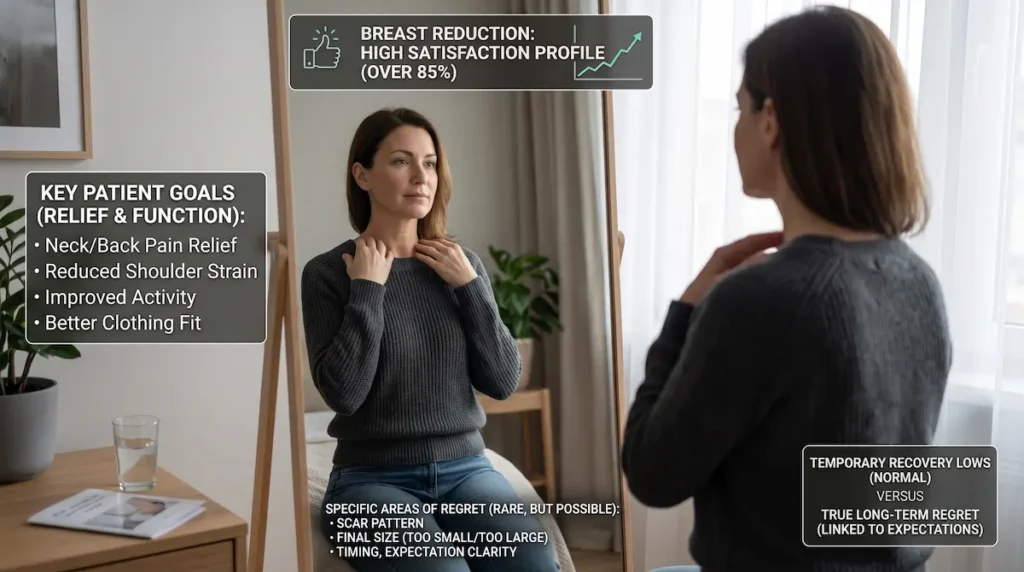
Breast reduction is generally associated with very high patient satisfaction, especially when the surgery is performed for physical symptoms as well as body proportion. Many patients describe the result as freeing: easier movement, better clothing fit, less upper-body strain, and a body shape that feels more manageable.
That said, “high satisfaction” does not mean every patient feels happy every day of recovery. It also does not mean regret is impossible. The honest answer is this: most patients do not regret breast reduction, but the patients who do usually regret something specific — the scar pattern, the final size, the timing, or an expectation that was never fully clarified.
The high-satisfaction picture
Breast reduction has one of the stronger satisfaction profiles in plastic surgery literature. A validated study on breast reduction satisfaction reported meaningful improvements in quality of life after reduction mammaplasty, and ASPS has also highlighted the procedure’s high satisfaction rates in patient-reported outcomes. For many women, the operation is not only cosmetic. It changes how the body functions day to day.
Common benefits patients hope for include less neck and back strain, reduced shoulder pressure from bra straps, fewer rashes under the breasts, easier workouts, and more confidence in fitted clothing. When those goals are realistic and the trade-offs are understood, regret risk tends to be lower.
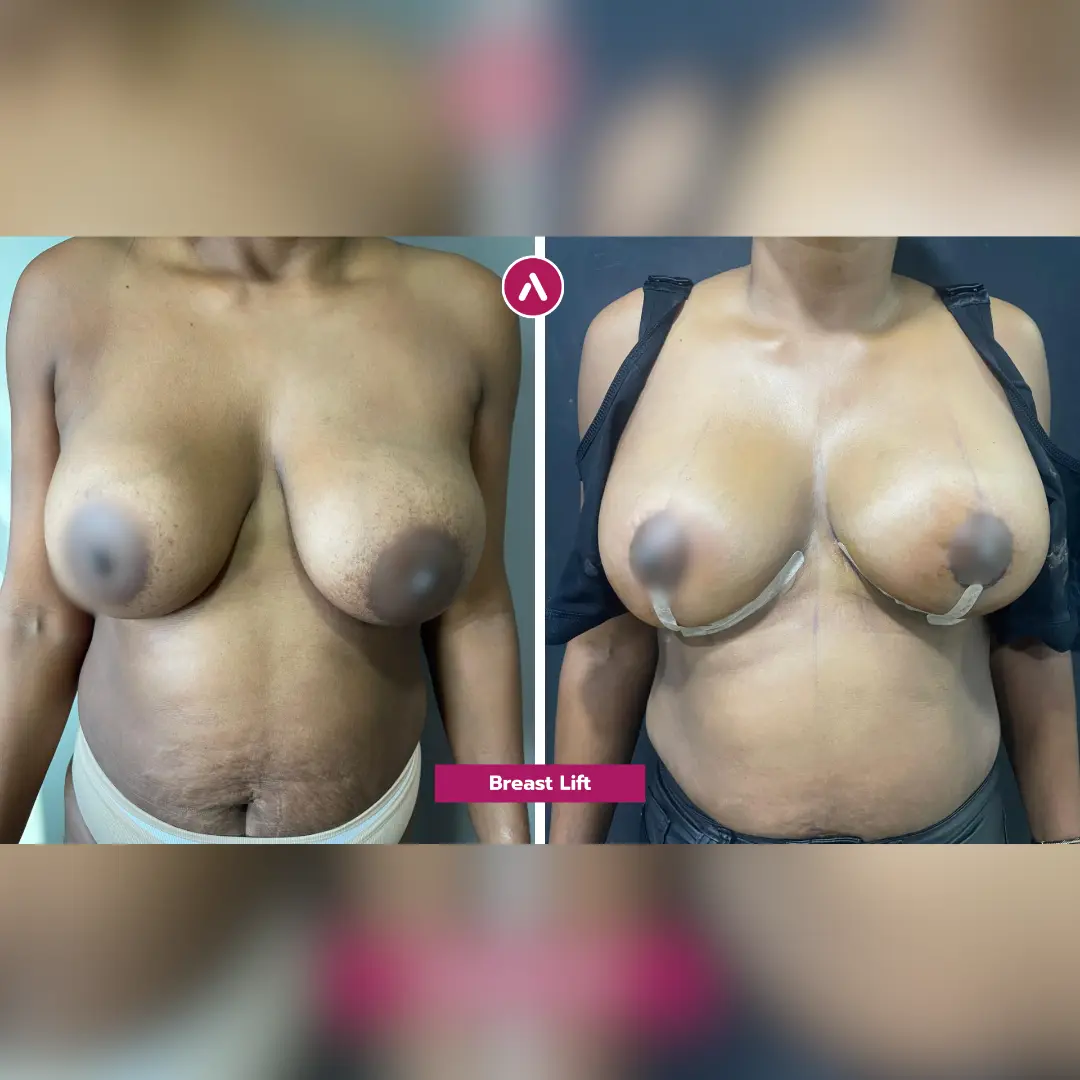
What “regret” actually means after breast reduction
Regret is not always a simple “I wish I had never done it.” Sometimes it means, “I wish I had gone smaller.” Sometimes it means, “I wish I had not gone this small.” For others, it is more about scars, nipple sensation changes, breastfeeding uncertainty, or feeling unprepared for the emotional dip during recovery.
That distinction matters. Temporary disappointment during swelling, bruising, or early scar redness is not the same as long-term regret. The first few weeks can be emotionally confusing because your body is healing, your breasts sit higher, swelling can distort shape, and the scars look new. Many patients feel more settled once the swelling drops and the breasts soften into a more natural position.
Temporary recovery lows versus true regret
Early recovery can make almost anyone second-guess a decision. You may feel tight, tired, swollen, or protective of your chest. Your scars may look darker or more raised than expected. Your breasts may not yet look symmetrical. This is not the final result.
True regret is different. It usually persists after healing progresses and often connects to a clear mismatch between the patient’s expectations and the surgical plan. That is why the consultation matters so much. The goal is not to be talked into surgery. The goal is to understand the trade-offs clearly enough that your decision still makes sense a year later.
Most breast reduction patients are relieved they had surgery, but the most satisfied patients tend to be the ones who understood the scars, sizing limits, breastfeeding considerations, and recovery process before they made the decision.
The Real Reasons People Regret It
Regret usually has a pattern. It rarely comes from one small inconvenience. More often, it comes from a gap between what the patient pictured and what surgery can safely deliver. Understanding those gaps before surgery is the best way to reduce regret risk.
The most common regret drivers are not mysterious: scars that felt surprising, size expectations that were too exact, breastfeeding plans that were not discussed, or choosing surgery during a life stage when the body was likely to change soon. Each of these can be addressed before the operating room.
Scarring they were not prepared for
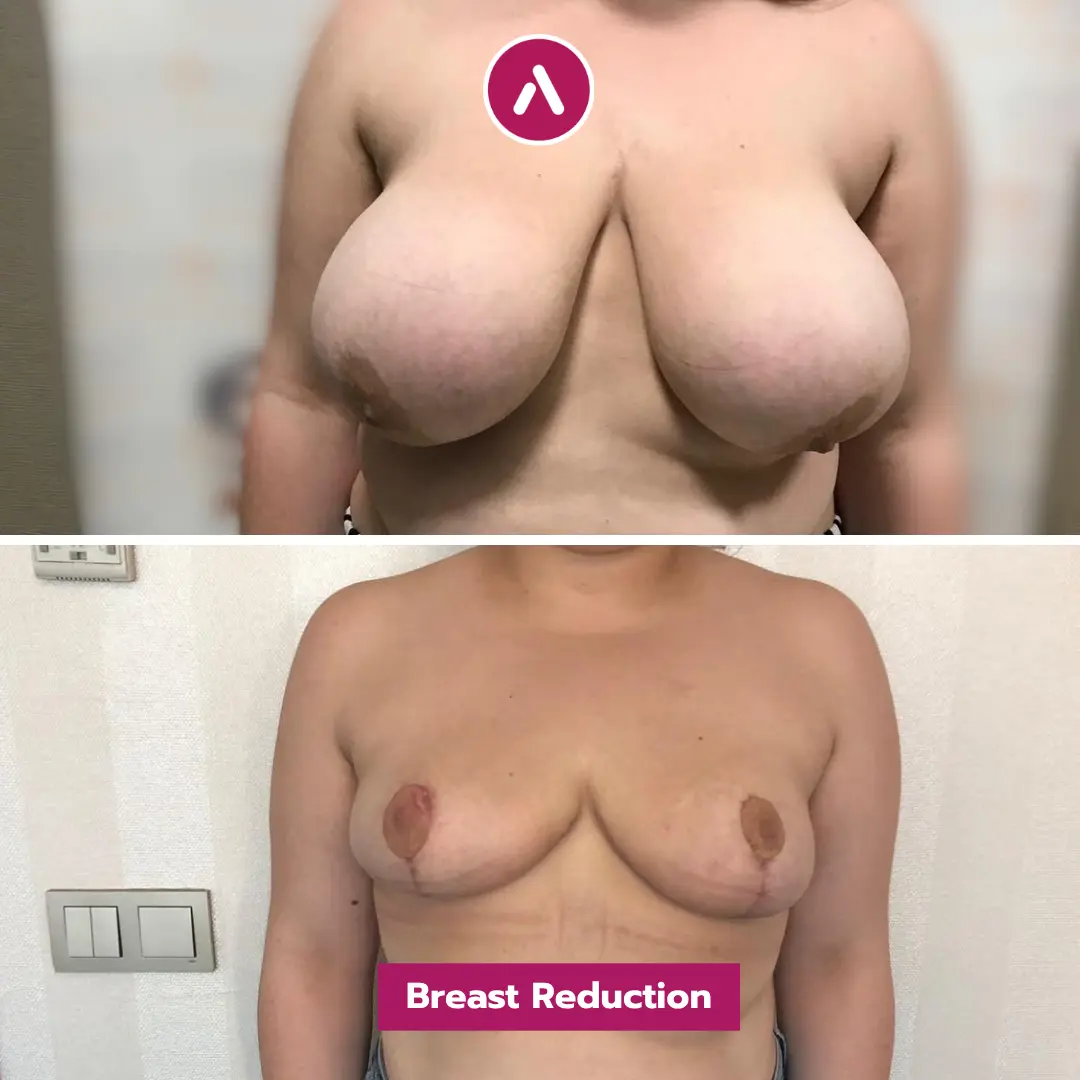
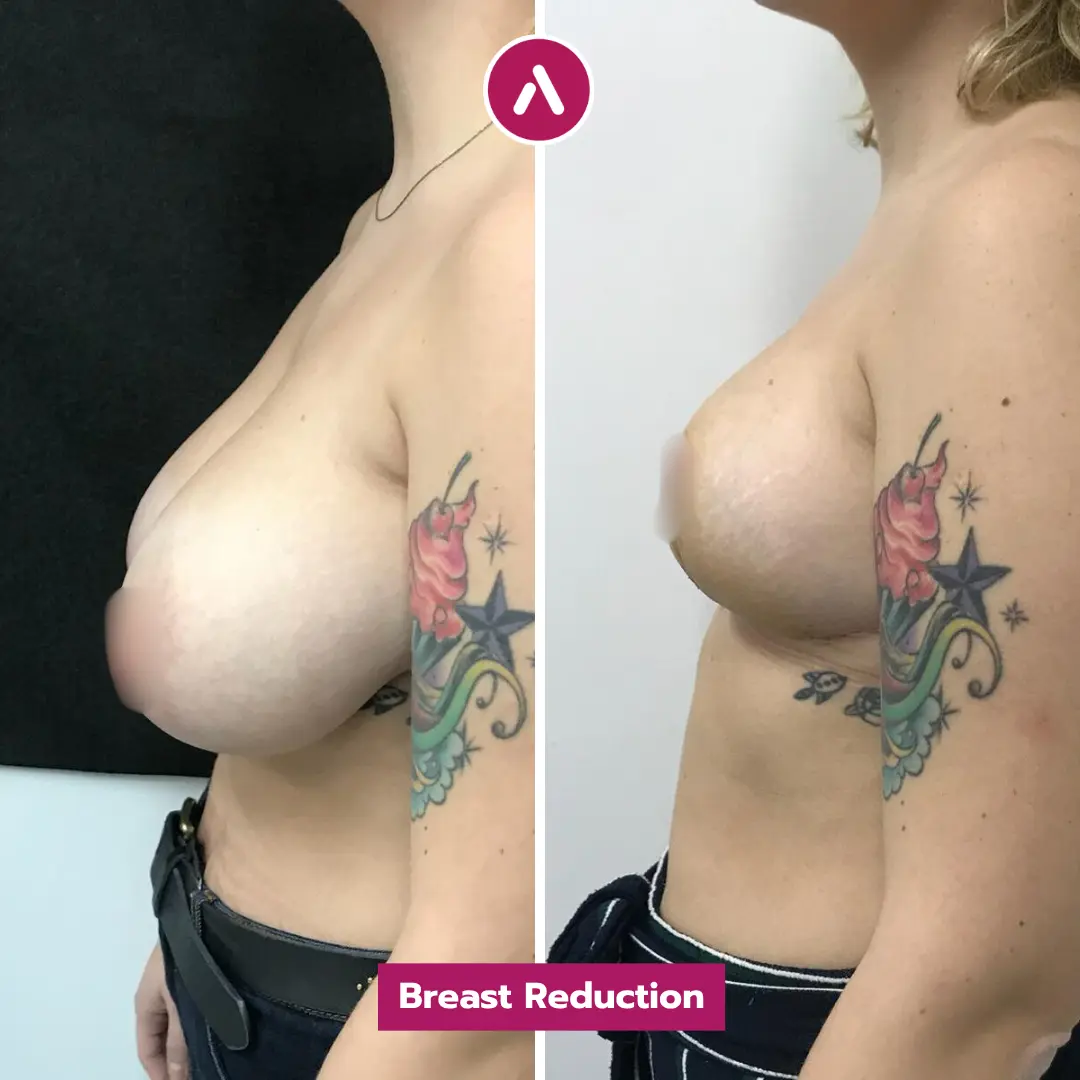
Breast reduction scars are permanent, even though they usually fade significantly with time. Depending on the technique, scars may sit around the areola, vertically down the lower breast, and sometimes along the breast fold in an anchor or inverted-T pattern.
Some patients regret the surgery when they expected scars to “disappear” or when they did not understand how visible scars can look in the first months. Early scars can be pink, red, raised, firm, itchy, or darker than the surrounding skin. That does not mean they will stay that way. It does mean you need to be comfortable with the reality that breast reduction trades heavy breast volume for a lifted, smaller shape with scars.
If scarring is one of your biggest concerns, it is worth reading about the full scar maturation process before deciding. This is where a dedicated scar discussion matters more than a quick reassurance.
Size mismatch with expectations
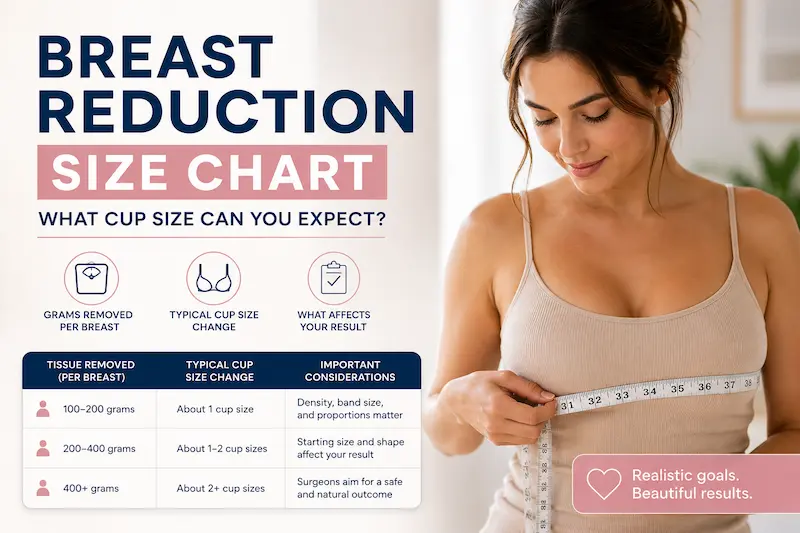
One of the fastest routes to disappointment is entering surgery with a rigid cup-size demand. Bra cup sizes are not fixed medical measurements. A D cup in one band size or brand may fit differently from a D cup in another. Breast density, chest width, shoulder frame, skin quality, nipple position, and blood supply all influence how much tissue can be safely removed.
This is why “I want to be a C cup” is a starting point, not a surgical guarantee. A better consultation goal is: “I want to be smaller, lighter, proportional to my frame, and still natural for my body.” For a deeper explanation of sizing logic, review how much smaller you can realistically expect.
Complications that affect satisfaction
Most patients heal without major issues, but complications can affect how someone feels about the decision. Delayed wound healing, widened scars, asymmetry, nipple sensation changes, infection, fat necrosis, or dissatisfaction with shape can all influence the emotional outcome.
This does not mean you should expect problems. It means you should know what they are, how they are handled, and when to contact your surgical team. A transparent surgeon will not promise a risk-free operation. They will explain the risks, reduce them where possible, and give you a clear aftercare plan. For more detail, see the complications that can affect satisfaction.
Breastfeeding plans and future pregnancy
Some patients regret having surgery too soon because they later wanted to breastfeed or became pregnant soon after their reduction. Breastfeeding after breast reduction may still be possible for some patients, especially when the nipple remains attached to underlying tissue, but it cannot be guaranteed.
If you are planning pregnancy soon, actively trying to conceive, or strongly committed to breastfeeding in the future, this deserves a careful conversation before surgery. The right answer is personal. Some patients choose to wait. Others move forward because their symptoms are severe and they understand the trade-off. Start with breastfeeding after a reduction before making that decision.
Operating during the wrong life stage
Timing matters. Major weight loss, weight gain, pregnancy, breastfeeding, or hormonal changes can alter breast size and shape after surgery. If your weight is changing quickly or your goals are still unclear, it may be better to pause.
This is not about waiting for a perfect moment. It is about choosing a stable enough moment. A breast reduction can be life-changing, but it cannot freeze future body changes.
| Regret Driver | Who Is More at Risk? | How to Reduce the Risk Before Surgery |
|---|---|---|
| Scar surprise | Patients expecting scars to disappear completely | Review incision patterns, scar timeline, and scar-care expectations before surgery |
| Final size mismatch | Patients focused on one exact cup size | Discuss a realistic size range, body proportions, and safe tissue removal limits |
| Breastfeeding concerns | Patients planning pregnancy or breastfeeding soon | Ask how the technique may affect milk ducts, nipple sensation, and future nursing |
| Recovery shock | Patients unprepared for swelling, bruising, fatigue, or emotional lows | Review recovery milestones and support needs before choosing a date |
| Complication-related dissatisfaction | Patients with higher healing risk or unclear aftercare access | Confirm follow-up, wound-care instructions, and when to contact the surgical team |
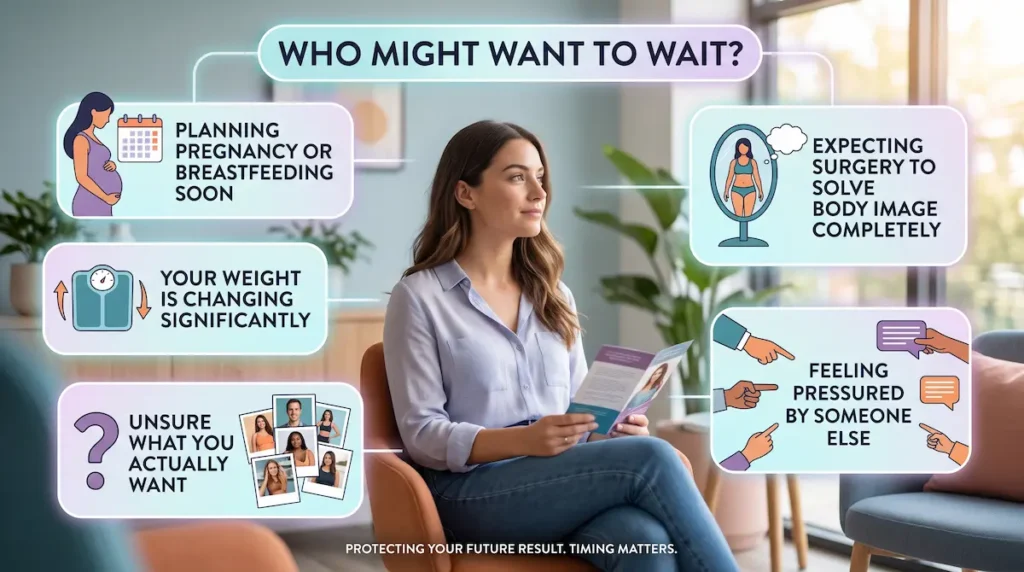
Who Might Want to Wait?
A breast reduction can be the right decision and still be the wrong decision for this exact moment. Regret risk rises when your body, goals, or life plans are likely to change soon. Waiting does not mean you are backing away. It may mean you are protecting the result.
This section is not meant to discourage you. It is meant to help you separate a clear, stable decision from an urgent emotional reaction. The more honest you are about timing, the more likely you are to feel at peace with the outcome later.
You are planning pregnancy or breastfeeding soon
If pregnancy is likely in the near future, it may be worth waiting. Pregnancy and breastfeeding can change breast volume, skin stretch, nipple position, and overall shape. Those changes can alter a reduction result, even when the surgery itself was technically successful.
Breastfeeding is another key consideration. Some patients can breastfeed after reduction, while others have reduced milk supply or cannot nurse the way they hoped. The risk depends on anatomy, surgical technique, nipple sensation, duct preservation, and individual healing. No surgeon can promise future breastfeeding.
A good question to ask yourself is simple: “Would I feel regret if this surgery made breastfeeding harder later?” If the answer is yes, bring that directly into your consultation before making a decision.
Your weight is changing significantly
Breasts often change with weight gain or weight loss. If you are actively losing a meaningful amount of weight, your breast size may continue to decrease on its own. If your weight is increasing, your breasts may become larger again after surgery.
You do not need to be at a “perfect” weight. That is not realistic for most people. But you should ideally be close to a stable, maintainable weight before surgery. Stability helps your surgeon plan a result that fits your frame and reduces the chance that you will feel the result shifted too much afterward.
You are unsure what you actually want
Some patients know they want relief from heaviness but do not yet know what size, shape, or trade-offs would feel right. That is normal. Breast reduction is not only about going smaller. It is about finding a proportion that fits your body, symptoms, lifestyle, and comfort with scars.
If your goals change every week, waiting can help. Save reference photos, write down what bothers you physically, note what clothing or activity problems you want solved, and think about what would still feel natural on your body. A clear goal does not need to be rigid. It needs to be honest.
You expect surgery to solve body image completely
A breast reduction can make your body feel lighter, more balanced, and easier to live in. It cannot solve every body image concern. If you expect the surgery to remove all insecurity, regret risk rises because no surgical result can carry that much emotional weight.
The healthiest expectation sounds more like this: “I want my breasts to feel less heavy and more proportional, and I understand there will be scars and healing.” That mindset leaves room for real improvement without demanding perfection.
You are feeling pressured by someone else
The decision should be yours. A partner, family member, friend, or social media trend should not decide your breast size for you. Some patients regret cosmetic decisions when they later realize the goal came from outside pressure rather than personal comfort.
If you are pursuing surgery mainly because someone criticized your body, pause. If you are pursuing it because your breasts cause pain, limit movement, interfere with clothing, or make you feel unlike yourself, that is a stronger foundation for a long-term decision.
How to Prevent Regret in Consultation?
The consultation is where regret prevention happens. Not in the operating room. Not after scars appear. Not after you realize your final size is a range rather than a guaranteed cup letter. A strong consultation should make the trade-offs clear before you commit.
For US patients traveling for surgery, this step matters even more. You want a plan that covers size goals, incision placement, scar expectations, anesthesia, recovery support, follow-up, and how questions will be handled once you are home. At AKM Clinic, breast reduction is performed in Istanbul by a board-certified plastic surgery team in a JCI-accredited facility, with long-term virtual follow-up built into the patient journey.
Ask about size in ranges, not promises
A surgeon should be able to discuss your desired size, but they should not guarantee an exact bra cup. Cup labels vary too much across brands and band sizes. More importantly, safe reduction depends on blood supply, nipple position, breast width, tissue density, and skin quality.
Instead of asking, “Can you make me a C cup?” ask:
- “What size range is realistic for my anatomy?”
- “How much tissue can be removed safely?”
- “What would look proportional on my frame?”
- “What are the risks if I ask to go much smaller?”
This shifts the conversation from fantasy sizing to surgical judgment. It also helps you avoid the regret that comes from expecting a fixed letter and receiving a medically safer, but different, result.
Ask exactly where your scars will be
Do not accept a vague answer like “the scars fade.” Ask where they will be, how long they may be, and what pattern is likely for your breast size and degree of lift. Many breast reductions require a lollipop or anchor pattern because the surgeon must remove tissue, reshape the breast, and reposition the nipple-areola complex.
You should also ask how scars usually look at one month, three months, six months, and one year. Early scars can look more visible before they begin to flatten and fade. Being prepared for that phase can prevent panic.
Review realistic results, not idealized photos
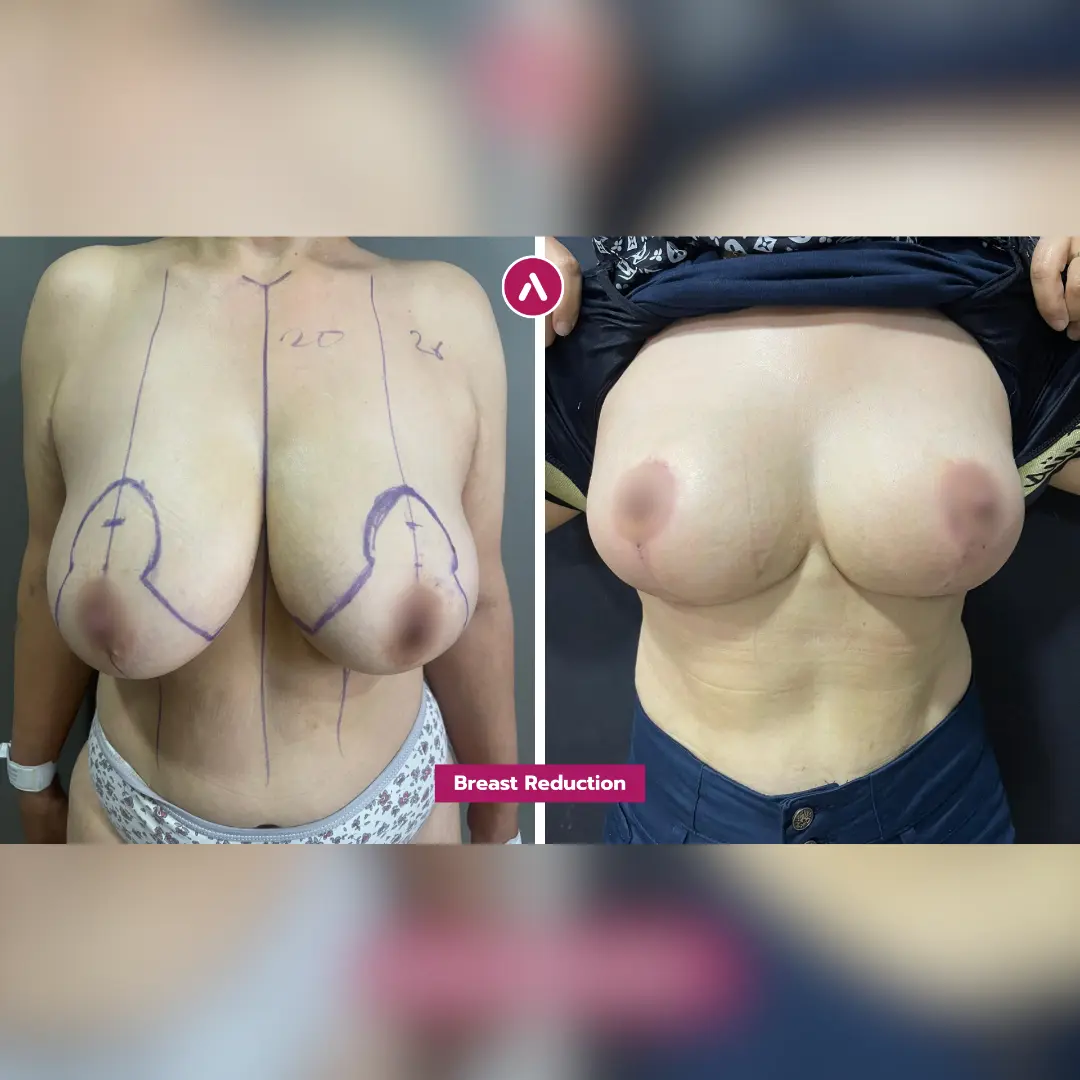
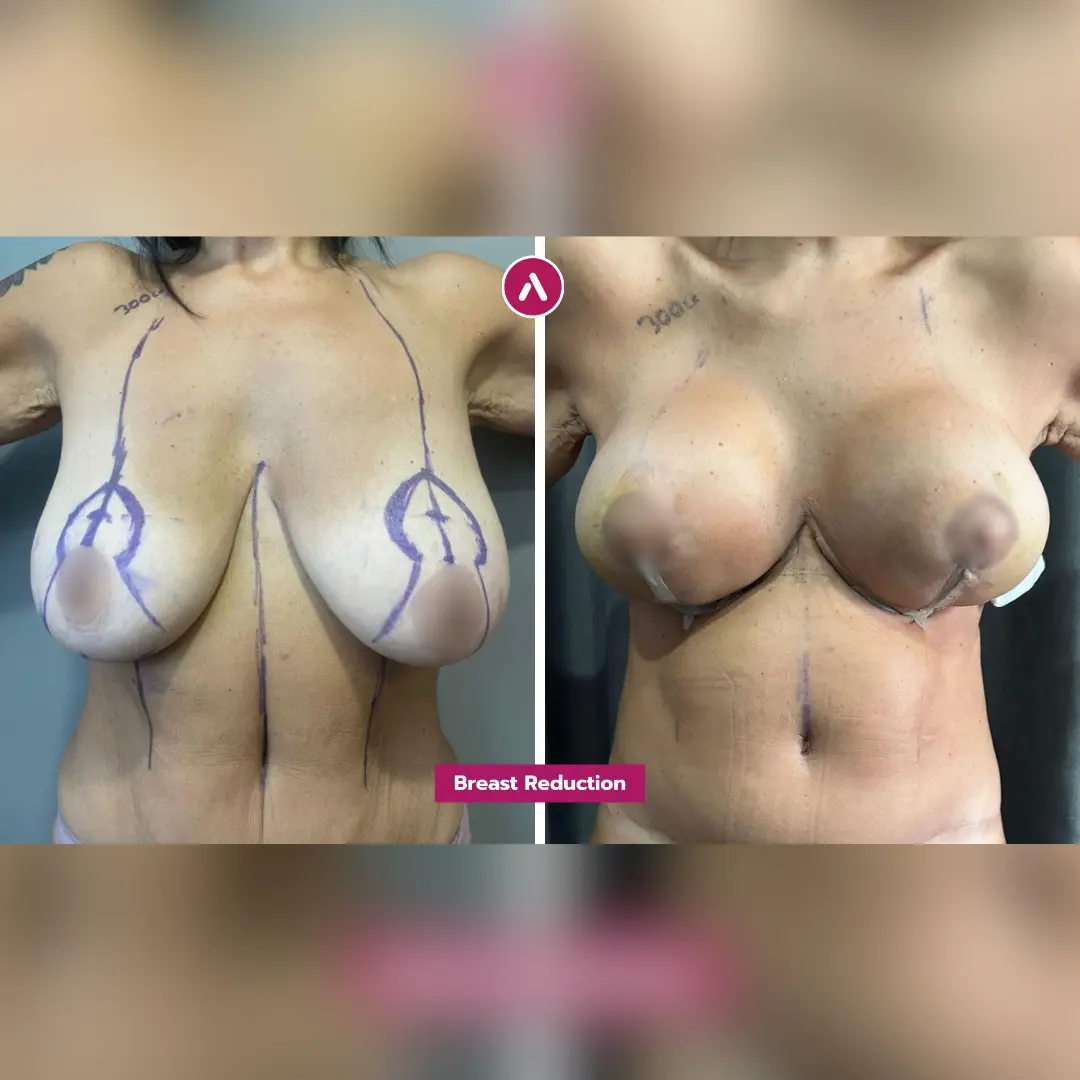
Before-and-after photos can help, but only if you look at them realistically. Do not focus only on the smallest waist, the best lighting, or the most dramatic transformation. Look for patients with a similar starting size, breast width, body frame, skin tone, and degree of droop.
For US patients, it can be helpful to review realistic before-and-after results with attention to scar appearance, breast shape, nipple position, and overall proportion. The goal is not to copy someone else’s result. It is to understand the range of outcomes possible for bodies like yours.
Ask about breastfeeding and nipple sensation
Nipple sensation can change after breast reduction. It may decrease, increase, feel altered, or gradually improve over time. Breastfeeding may also be affected. These issues do not matter equally to every patient, but they should never be skipped.
Ask your surgeon:
- “How does this technique protect nipple blood supply?”
- “What sensation changes are possible?”
- “How might this affect breastfeeding?”
- “Would waiting make more sense for my plans?”
These are not uncomfortable questions. They are responsible questions. A surgeon who takes expectation-setting seriously should welcome them.
Ask what recovery will really feel like
Many patients focus on the result and underestimate recovery. Breast reduction recovery is usually manageable, but it still requires time, help, and patience. You may need to avoid lifting, intense exercise, and certain sleeping positions. You may feel swollen, tight, emotional, or frustrated by activity limits.
Ask how long you should plan away from work, when you can drive, when you can exercise, what kind of bra or compression support is needed, and how follow-up will work. If you are traveling, ask what happens before you fly home and how virtual follow-up is handled afterward.
Confirm credentials and safety standards before traveling
US patients often compare local surgery options with international care. That comparison should never be based on price alone. Ask about surgeon credentials, hospital accreditation, anesthesia standards, aftercare, emergency protocols, and what is included in your surgical plan.
AKM Clinic uses the correct framework of European Board-Certified Surgeons, ABPS-equivalent, and surgery is performed at a JCI-accredited facility in Istanbul. For breast procedures, the safest wording is a board-certified plastic surgery team, not a named facial specialist. Materials and devices are selected within FDA-approved standards where applicable.
You can also use ASPS on breast reduction’s high satisfaction rates as a benchmark when thinking about what makes patients happy after surgery: symptom relief, clear expectations, and a result that fits the patient’s body and goals.

Feeling Confident in Your Decision
Confidence does not mean you have zero nerves. Most thoughtful patients feel at least some fear before surgery. Real confidence means you understand why you want the change, what trade-offs come with it, and what questions have been answered clearly enough for you to move forward without feeling rushed.
A breast reduction is most satisfying when the decision is based on both relief and realism. You may want less pain, better mobility, easier clothing, and a shape that feels more proportional. At the same time, you need to accept scars, healing time, possible sensation changes, and the fact that your final size will be planned as a safe range, not a guaranteed cup label.
Weigh relief against trade-offs
Start with your daily life. Do your breasts limit exercise? Do bra straps dig into your shoulders? Do you avoid certain clothes because of breast size? Do you have neck, back, or skin irritation symptoms that keep returning? Those reasons often create strong long-term satisfaction because the surgery addresses a repeated physical burden.
Then look at the trade-offs. Can you accept visible scars that fade but do not vanish? Can you tolerate a few weeks of limited activity? Are you comfortable with the possibility that nipple sensation may change? Are you prepared for swelling and shape changes before the final result settles?
The decision feels more stable when both sides are true: the burden is real, and the trade-offs are acceptable.
Why many patients wish they had done it sooner
Many breast reduction patients say they delayed surgery for years because they felt guilty, unsure, or afraid of scars. After healing, they often describe the result in practical terms: lighter movement, better posture, easier shopping, less self-consciousness, and more freedom in warm weather or workouts.
This does not erase the realities of surgery. It does explain why satisfaction is often high. When large breasts have affected daily comfort for years, the relief can feel bigger than the scars. That is especially true when the patient understood the scar pattern before surgery and did not expect an exact cup-size promise.
Use cost information carefully
Cost can be part of the decision, but it should not lead the decision. A lower quote is not valuable if safety, aftercare, hospital standards, or follow-up are unclear. A higher quote is not automatically better either. The useful question is what is included, who performs the surgery, where it is performed, and how your recovery is supported.
Because this article is focused on regret and expectations, detailed pricing belongs in a separate cost resource. You can review what a breast reduction costs in Turkey without turning this decision into a price-only comparison.
Know what AKM will and will not promise
AKM Clinic’s role is not to promise a perfect cup size, invisible scars, or a risk-free operation. No ethical surgical team should do that. The right promise is a careful evaluation, honest expectation-setting, a safety-led surgical plan, and structured follow-up.
For US patients, AKM offers virtual consultation, photo analysis, VIP planning, surgery at a JCI-accredited facility in Istanbul, and long-term virtual follow-up at 1, 3, 6, and 12 months. Your procedure is performed at AKM’s JCI-accredited facility in Istanbul.
Your next step
If you are still asking, “Will I regret this?” bring that question directly into consultation. A strong surgical team will not dismiss it. They will help you break it down: size, scars, breastfeeding plans, recovery, safety, timing, and long-term body changes.
That conversation is often the point where the decision becomes clearer. Some patients decide to move forward. Some decide to wait. Both can be good outcomes when the choice is informed.
CTA: Talk through your size goals, scar expectations, timing, and recovery plan with AKM Clinic in a virtual consultation before deciding.
Frequently Asked Questions: Breast Reduction Regret
These are the questions patients often ask when they are close to deciding but still want reassurance. The answers are direct, because this decision deserves clarity rather than vague encouragement.
Will I regret my breast reduction?
Most patients do not regret breast reduction, especially when they wanted relief from pain, heaviness, posture strain, rashes, or activity limits. Regret is more likely when scars, final size, breastfeeding plans, or recovery expectations were not discussed clearly before surgery.
What is the breast reduction satisfaction rate?
Breast reduction is widely associated with high patient satisfaction in published research and plastic surgery reporting. The exact rate varies by study and measurement method, but the overall pattern is consistent: most patients report meaningful improvements in comfort, confidence, and quality of life.
What do people regret most after breast reduction?
The most common regret themes are visible scars, not being the expected size, going smaller or larger than desired, changes in nipple sensation, breastfeeding concerns, or feeling unprepared for recovery. Many of these risks can be reduced with a detailed consultation.
Can I breastfeed after breast reduction?
Some patients can breastfeed after breast reduction, but it cannot be guaranteed. The chance depends on surgical technique, nipple and duct preservation, sensation, anatomy, and healing. If breastfeeding is a major future goal, discuss it before scheduling surgery.
Should I wait until after kids?
You may want to wait if pregnancy or breastfeeding is planned soon and you would feel distressed if surgery affected nursing or if pregnancy changed your result. If your symptoms are severe now, you may still choose surgery earlier after understanding the trade-offs.
Is the scarring worth it?
For many patients, yes. They accept scars because the physical relief and improved proportion feel more valuable. But the answer depends on your tolerance for permanent scars. If you expect scars to vanish completely, you may need more scar education before deciding.
What if I regret going too small?
This is why size planning should focus on a realistic range rather than a fixed cup letter. Ask your surgeon what amount of reduction is safe, what fits your frame, and what risks come with going very small.
Can breast reduction be revised?
Some concerns can be improved with revision surgery, scar treatment, fat grafting, or minor adjustments, but revision is not always simple and may not fully reverse the original decision. Prevention through planning is better than relying on correction later.
Medical disclaimer: This article is for educational purposes only and is not medical advice. Breast reduction results, scarring, sensation changes, breastfeeding outcomes, recovery timelines, and complication risks vary from patient to patient. Always consult a qualified surgeon for a personal evaluation before making decisions about surgery.