
If you’re researching blepharoplasty recovery time, you’re probably not just asking “How long will I be swollen?” You’re trying to plan real life: when you can safely fly, when you’ll look “socially presentable,” when you can wear makeup again, and how to reduce the risk of avoidable setbacks.
This guide is written for the detail-oriented, travel-planning patient. It follows a practical timeline and highlights what medical science and scientific research consistently support: swelling and bruising follow predictable phases, and recovery becomes smoother when you control the factors you can (sleep position, cold/warm compress timing, hydration, activity level, and follow-up care).
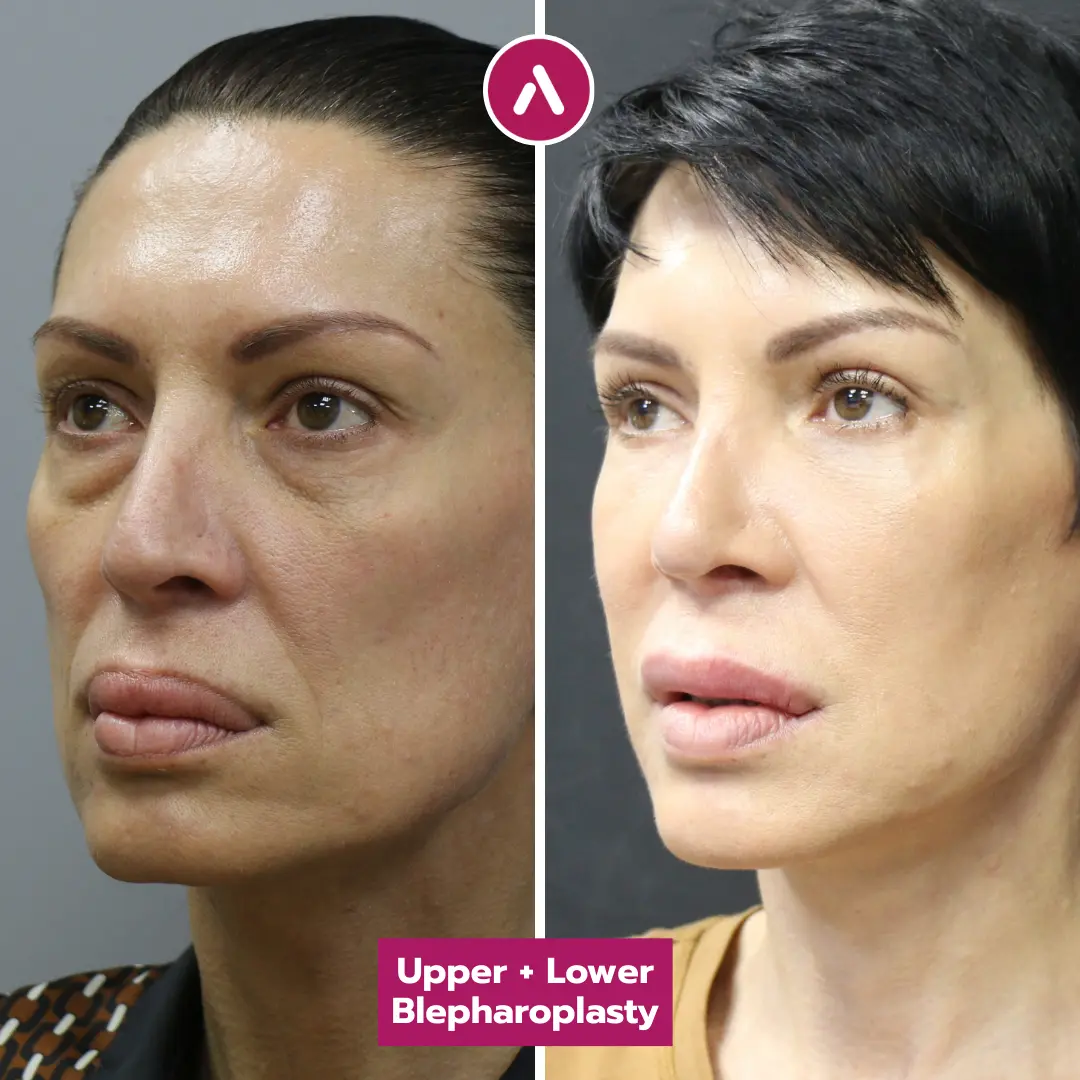
Throughout the article, you’ll also see the phrases recovery time for blepharoplasty, blepharoplasty surgery recovery time, recovery time from blepharoplasty, recovery time after blepharoplasty, and recovery time for upper and lower blepharoplasty—because the timeline can vary depending on whether the upper lids, lower lids, or both are treated.
Key takeaway: Most people look “public-ready” in ~10–14 days, but subtle swelling can continue to refine for weeks—and final contour can take up to 2–3 months.
Table of Contents

Blepharoplasty Recovery Time at a Glance (Quick Timeline)
Before going day-by-day, it helps to zoom out. The recovery time for blepharoplasty has two “tracks”: (1) the time it takes to look normal enough for work/social life, and (2) the time it takes for all residual swelling and tissue tightness to fully settle. The blepharoplasty surgery recovery time is usually shorter for upper eyelids than lower eyelids, and combined upper+lower typically requires more patience.
The “socially presentable” point vs. full healing (what each really means)
Socially presentable usually means bruising is minimal and swelling is no longer obvious to others (often around days 10–14). Full healing is when subtle swelling and firmness fully soften and scars mature (often weeks to months). This is why some patients feel their recovery time after blepharoplasty is “done” at two weeks, while surgeons still describe ongoing refinement through month 2–3.
Typical bruising/swelling milestones (upper vs. lower eyelids)
Upper eyelid bruising often resolves sooner because the incision is typically hidden in the natural crease and swelling tends to be more localized. Lower eyelid swelling can linger longer due to the delicate under-eye tissues and gravity-dependent fluid shift. If you’re comparing recovery time for upper and lower blepharoplasty, expect lower lids to feel “puffier” for longer even after you look presentable.
Recovery timeline table (Day 0 → Month 3)
| Time Point | What You May Notice | What Most Patients Can Do | What to Avoid |
|---|---|---|---|
| Day 0 | Tightness, watering eyes, mild oozing, sleepiness (if sedation used) | Short walks, light meals, rest with head elevated | Rubbing eyes, bending, heavy lifting, alcohol |
| Days 1–3 | Peak swelling/bruising, dryness, light sensitivity | Gentle cleansing, ointment/tears, careful showering | Strenuous activity, overheating, long screen sessions |
| Days 4–7 | Swelling begins to turn the corner; bruising starts to fade | More comfortable mobility; many resume light desk tasks | Gym workouts, swimming, saunas, facial rubbing |
| Days 8–14 | Noticeable improvement; lingering discoloration possible | Often back to work/social settings; makeup may be allowed if cleared | Contacts too early, aggressive skincare on incisions |
| Weeks 3–6 | Residual puffiness; scars continue to soften | Gradual return to exercise (surgeon-dependent) | Sun exposure without protection; picking at scars |
| Month 2–3 | More refined contour; “final look” becoming clear | Usually fully back to normal routines | Ignoring persistent asymmetry or red flags |
Before Surgery: How to Set Up an Easier Recovery (48 Hours–2 Weeks Prep)
Many complications people blame on “slow healing” are actually avoidable friction points: wrong supplies, poor sleep positioning, unnecessary exertion, or a travel schedule that doesn’t allow proper early follow-up. If you’re flying in for plastic surgery, planning ahead can shorten the recovery time from blepharoplasty by reducing swelling triggers and stress.
Supplies checklist (cold compress, ointment, artificial tears, sunglasses, pillows)
Have your recovery kit ready before surgery day so you’re not scrambling with fresh swelling. Most surgeons recommend: clean gauze, cold compresses, prescribed ointment, preservative-free artificial tears, dark sunglasses, and 2–3 pillows (or a wedge) to keep your head elevated. These basics matter because early swelling control strongly influences perceived recovery time for blepharoplasty.
- Cold compresses: helpful in the first 48–72 hours for swelling.
- Artificial tears: dryness is common and can make recovery feel harder than it is.
- Elevated sleep setup: reduces morning puffiness and pressure.
- Sunglasses: comfort + privacy while traveling or outdoors.
Medications & supplements to avoid (bleeding/bruising considerations)
Bruising is one of the biggest factors that changes the “public-ready” phase of recovery time after blepharoplasty. Your surgeon will give individualized guidance, but many practices recommend avoiding blood-thinning agents and certain supplements before surgery. Don’t stop prescribed medications on your own—coordinate with your surgeon and, if needed, your primary doctor.
Practical planning tip: If you’re traveling, pack your post-op prescriptions and eye-care items in your carry-on. Don’t risk delayed care if luggage is lost.
Travel planning basics (companion, hotel setup, transfer, follow-up timing)
If you’re an international patient, your itinerary should support the early healing window. The first 3–7 days often decide how smooth your blepharoplasty surgery recovery time feels. Plan for: a calm hotel environment, predictable transfers, and at least one post-op check before flying home (timing varies by surgeon and whether it’s upper, lower, or combined surgery).
- Companion: helpful for day 0–2, especially if sedation is used.
- Hotel setup: extra pillows, easy meal options, minimal stairs.
- Follow-up timing: schedule checks before any long flight.
- Work scheduling: block 10–14 days if you want a safer buffer for bruising.
Day 0 (Surgery Day): What You’ll Feel and What’s Normal
Day 0 sets the tone for your recovery time for blepharoplasty. Even if the procedure itself feels “easy,” your body will respond with swelling, tearing, and tightness. The goal on surgery day is simple: protect the incisions, minimize swelling triggers, and rest. Whether you’re measuring recovery time after blepharoplasty by when you can go out in public or when you feel fully “yourself,” the first 12–24 hours are about calm, not productivity.
Right after surgery: tightness, watering eyes, mild oozing
Right after surgery, it’s common to feel a tight sensation around the eyelids, watery eyes, and mild blood-tinged drainage. You may also notice blurry vision from ointment or tearing. This doesn’t usually change the overall blepharoplasty surgery recovery time, but it can feel alarming if you weren’t expecting it.
- Tightness: normal early swelling + skin adjustment.
- Watering eyes: irritation + dryness response (yes, you can have both).
- Mild oozing: often normal in small amounts, especially early.
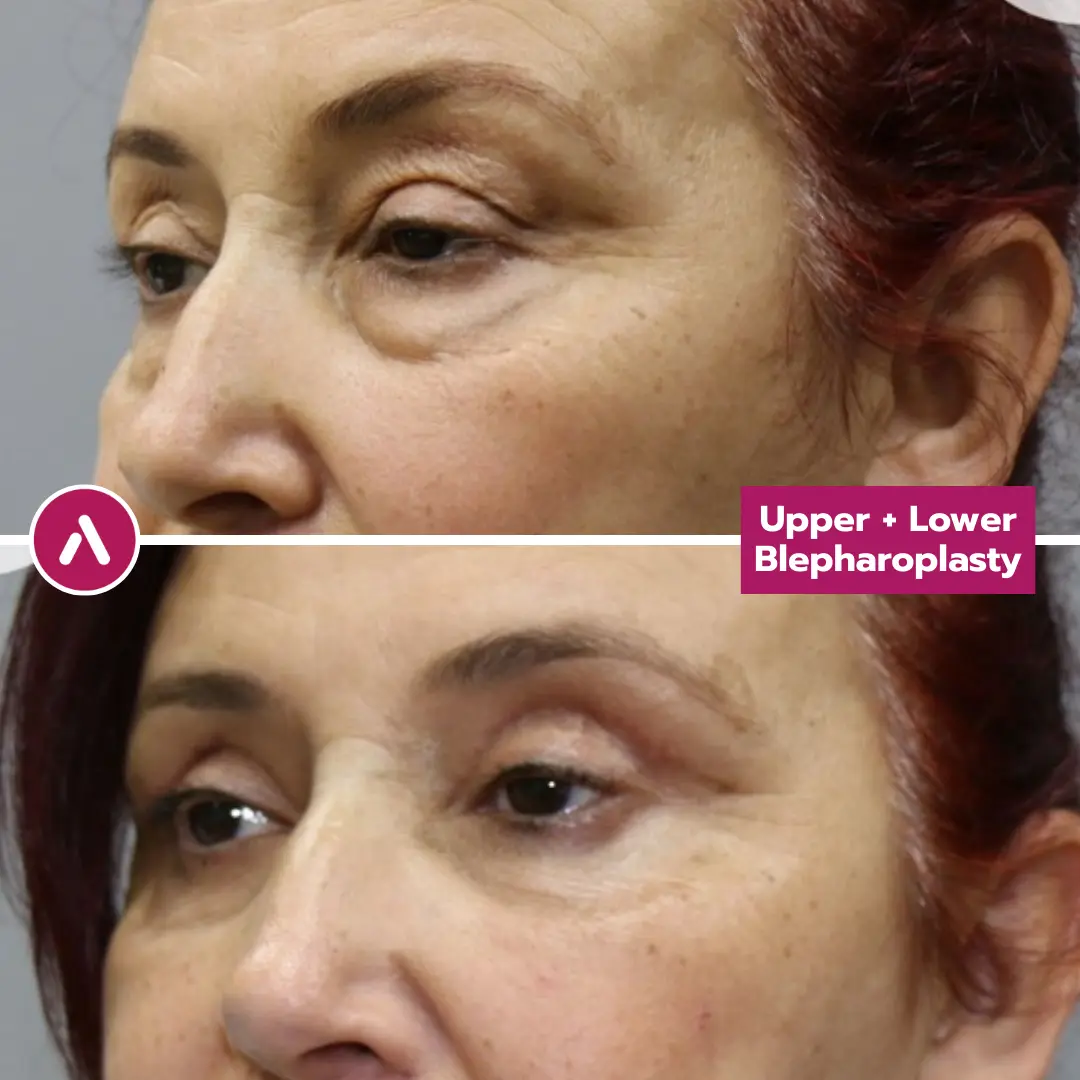
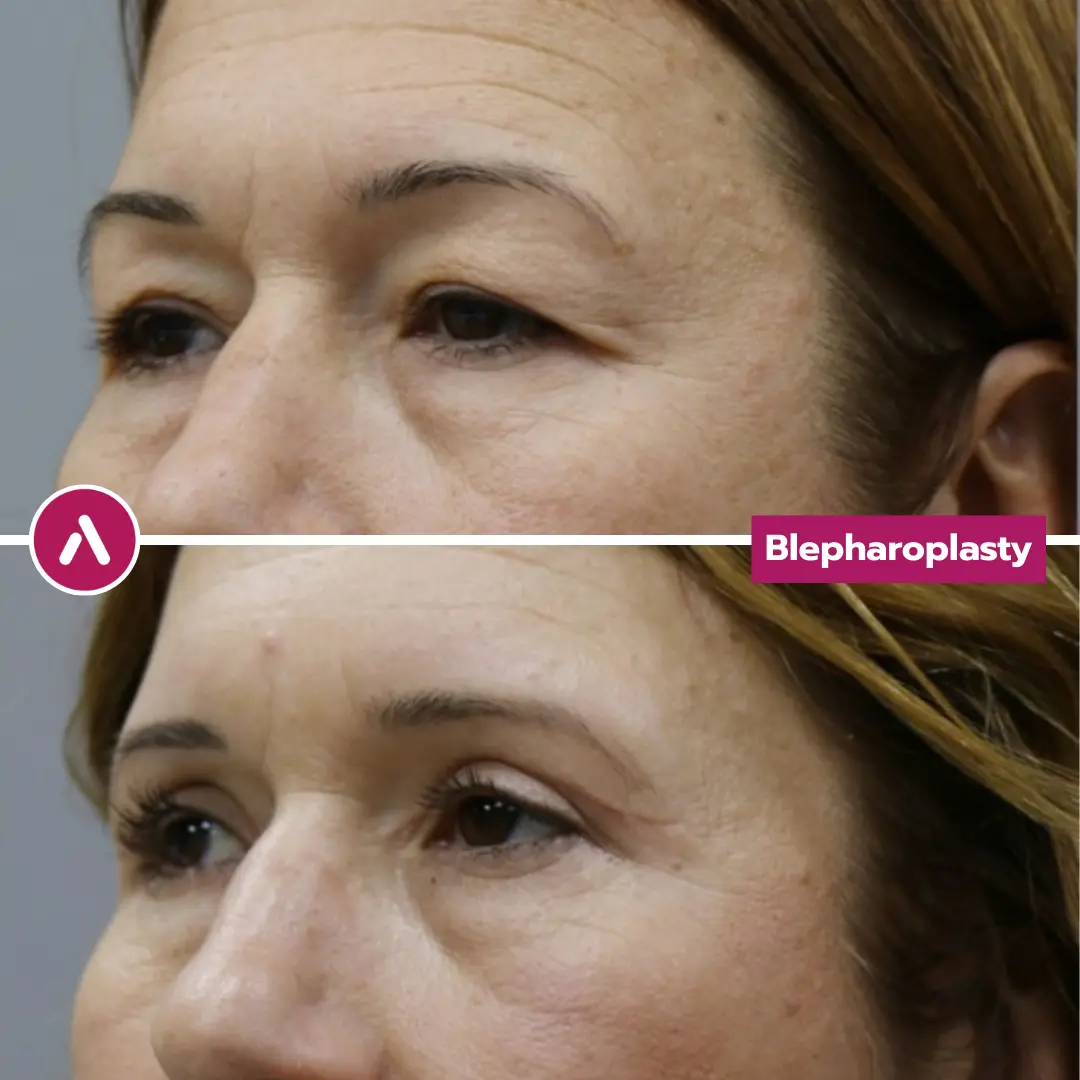
First-night care: sleeping position, cold compress schedule, eye lubrication
The first night is when swelling can surge. Sleeping with your head elevated is one of the most consistent, low-effort ways to support a smoother recovery time from blepharoplasty. Many surgeons also advise cold compresses during the first 48 hours (not directly on the incision if instructed otherwise) and regular lubrication with prescribed ointment or artificial tears.
- Sleep: on your back, head elevated (pillows or wedge).
- Cold compress: follow the schedule you’re given; avoid excessive pressure.
- Lubrication: use ointment/tears as directed to reduce dryness and friction.
What NOT to do: rubbing eyes, bending, heavy lifting, screens too long
On Day 0, avoid anything that increases facial blood flow or mechanical stress on the eyelids. That means no rubbing, no bending with your head down, no heavy lifting, and no long “just one more episode” screen sessions. These habits can extend your visible bruising and make recovery time after blepharoplasty feel longer than it needs to.
Day 0 rule: If an action raises pressure, heat, or friction around the eyes—skip it.
Days 1–3: Peak Swelling & Bruising (How to Manage It)
Days 1–3 are usually the “peak” window for swelling and bruising. This is why patients often describe the early recovery time for blepharoplasty as emotionally harder than physically painful. The good news (and what both experience and medical science support) is that swelling is not linear—it rises, peaks, then gradually falls. Your job is to keep the environment stable and avoid actions that prolong inflammation.
What swelling/bruising usually looks like on Days 1–3
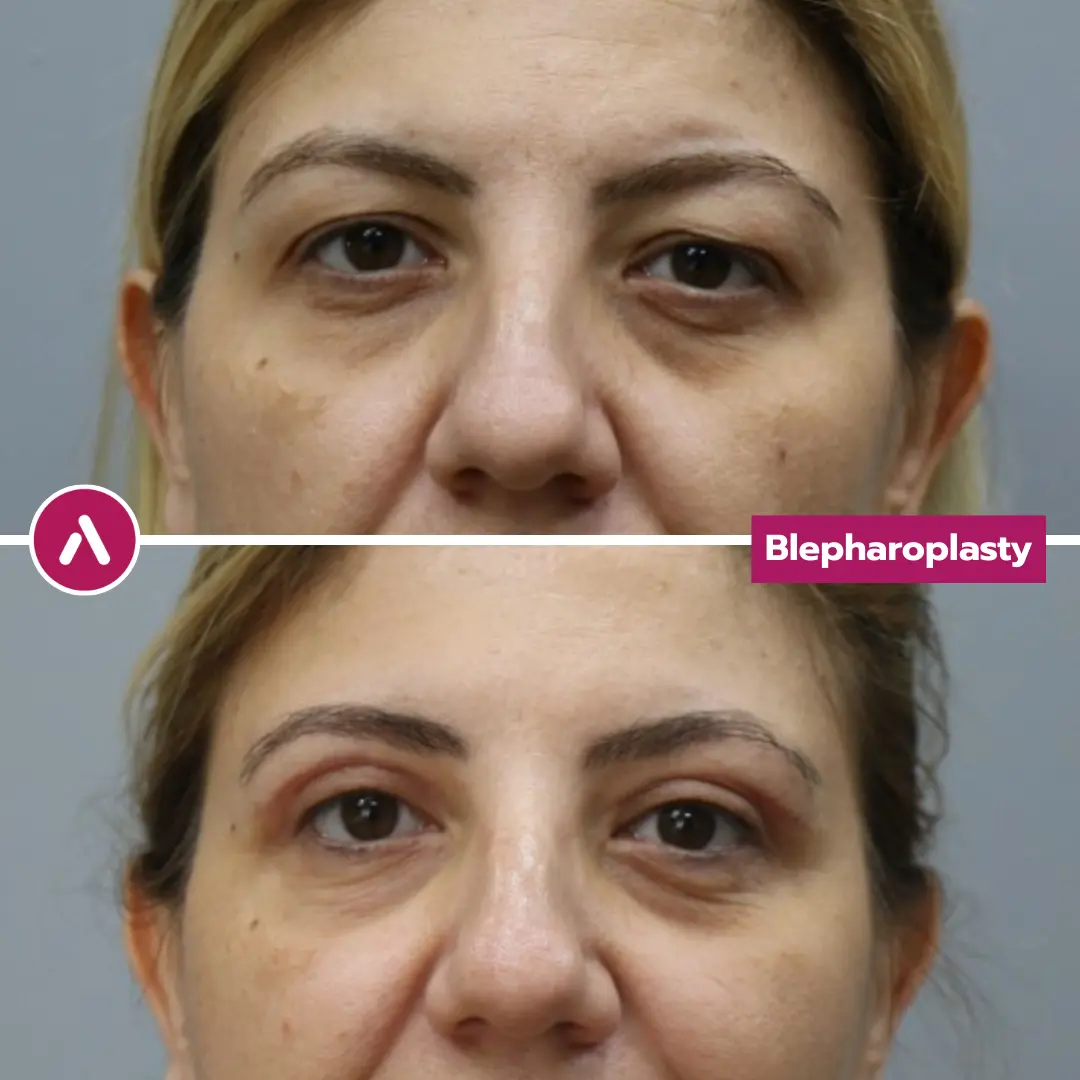
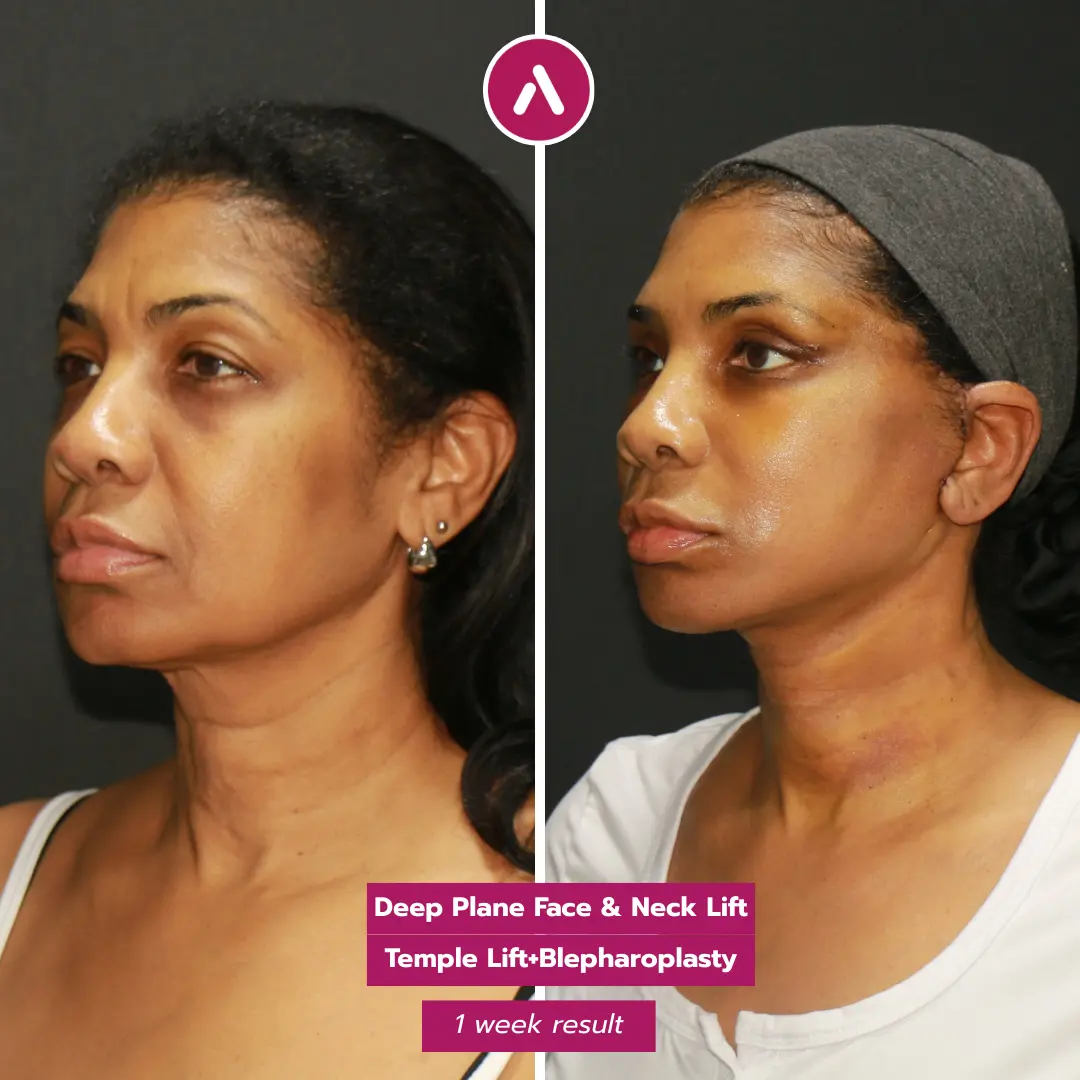
Expect puffiness around the eyelids, discoloration under the eyes, and a feeling of firmness. Bruising can migrate lower on the face over a few days because gravity moves fluid downward. If you’re assessing recovery time for upper and lower blepharoplasty, remember: lower-lid bruising can look more dramatic even when healing normally.
- Upper blepharoplasty: localized swelling near the crease; bruising may be less visible.
- Lower blepharoplasty: more under-eye puffiness; bruising can spread wider.
- Both upper + lower: greater overall swelling, so plan extra “privacy days.”
Cleaning the incisions + ointment routine (step-by-step)
Incision care is one of the most controllable factors in blepharoplasty surgery recovery time. Follow your surgeon’s instructions exactly, but a typical routine includes gentle cleansing and thin application of ointment. The goal is to prevent crust buildup, minimize irritation, and keep the healing environment clean.
- Wash your hands thoroughly.
- Use a clean, damp gauze pad to gently soften any dried residue (no scrubbing).
- Apply a thin layer of prescribed ointment as instructed.
- Use preservative-free artificial tears if dryness is bothersome.
Important: “More ointment” isn’t better. Overuse can blur vision and encourage rubbing, which can lengthen recovery time after blepharoplasty.
Vision changes (blurry vision, light sensitivity) and how to cope safely
Blurry vision is often from ointment or tearing, and light sensitivity can happen as the tissues settle. This can make you feel like your recovery time from blepharoplasty is abnormal—when it isn’t. Wear sunglasses outdoors, reduce screen brightness, and take frequent breaks. Do not drive until your vision feels reliably clear and your surgeon has said it’s safe.
- Blur: common with ointment; improves when ointment use tapers.
- Light sensitivity: sunglasses help; avoid harsh indoor lighting.
- Dryness: tears on a schedule often work better than “only when it hurts.”
Pain expectations and safe comfort strategies
Most patients describe discomfort (tightness, soreness, itchiness) more than severe pain. The “itchy” phase can be especially challenging because scratching can disrupt healing and increase recovery time for blepharoplasty. Use your prescribed comfort plan and keep compresses gentle—pressure can irritate delicate tissues.
Tip that helps many patients: Set reminders for drops/ointment so discomfort doesn’t build up and tempt you to rub your eyes.
Days 4–7: Turning the Corner (Stitches, Comfort, First “Public Days”)
Days 4–7 are when many people notice the first real “turning point.” Swelling usually starts to come down, bruising fades from deep purple to yellow-green, and daily tasks become easier. If you’re tracking recovery time after blepharoplasty for work or travel, this is a common window when you can begin to feel more confident—though you may still prefer sunglasses in public.
When bruising starts to fade—and what can make it worse
Bruising typically lightens during this week, but it can linger longer if you overheat, drink alcohol, lift heavy objects, or sleep flat. These behaviors don’t “ruin” results, but they can prolong the visible phase of blepharoplasty surgery recovery time. Think of it as inflammation management rather than perfection.
- Helps: elevation, gentle movement, hydration, good sleep.
- Hurts: heat exposure, hard workouts, alcohol, rubbing/picking.
Stitches removal timing (and what it feels like)
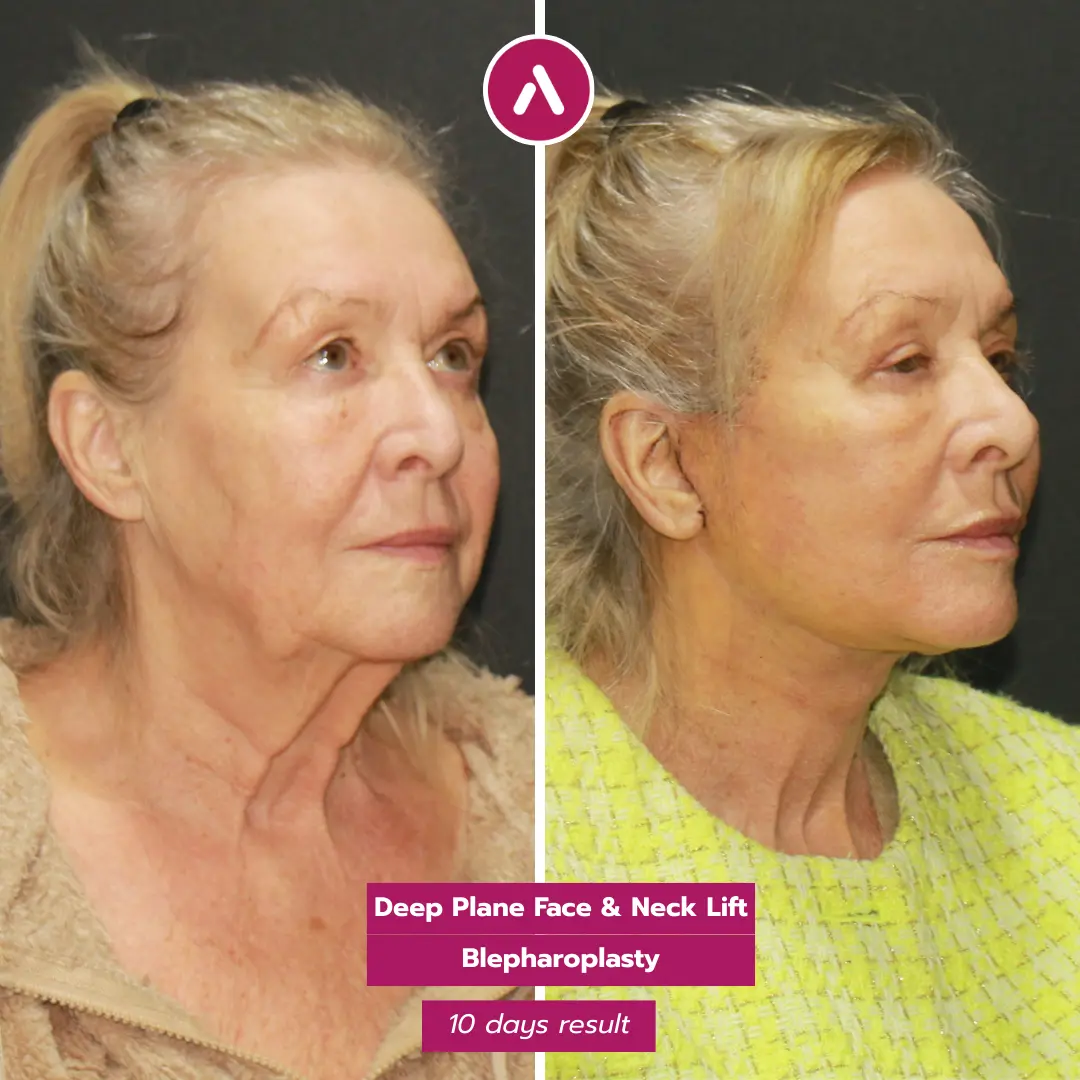
If you have external stitches, removal is commonly scheduled around this period (exact timing depends on technique and surgeon preference). It’s usually quick and more “odd feeling” than painful. After removal, many patients feel a psychological shift because it marks a visible milestone in recovery time for blepharoplasty.
Walking, gentle activity, and returning to light daily routines
Light walking is often encouraged because it supports circulation without spiking pressure. For many patients, gentle daily routines are comfortable in this window, but “light activity” is not the same as gym exercise. Overdoing it can increase swelling and extend recovery time from blepharoplasty.
Hygiene and hair washing: how to avoid pressure on the eyelids
Most patients can shower carefully, but avoid strong water pressure directly on the face and keep cleansing gentle around the eyes. Pat dry; don’t rub. These small habits can make a meaningful difference in how smooth your recovery time after blepharoplasty feels.

Days 8–14: Back to Work, Makeup, and Normal Life (For Most Patients)
This is the window many patients care about most—because it’s when the recovery time after blepharoplasty starts to feel “worth it.” For most people, bruising has softened enough to look normal in public, and swelling is far less obvious. If your priority is scheduling time off, this is the phase that usually defines your practical recovery time for blepharoplasty. That said, the lower lids can still hold onto subtle puffiness longer, so the recovery time for upper and lower blepharoplasty is often a bit longer than upper alone.
“Can I go back to work?” realistic scenarios (office vs. physically demanding jobs)
Many patients with desk-based work can return within 7–14 days, depending on bruising, dryness, and how comfortable they feel on camera or in meetings. If your job is physically demanding (lifting, bending, heat exposure, high exertion), you may need longer because swelling can rebound and extend recovery time from blepharoplasty. For remote work, some patients return earlier by controlling lighting and camera angle—though you still need breaks to prevent dryness.
- Office/remote work: often 7–14 days.
- Client-facing roles: often closer to 10–14 days (social confidence buffer).
- Physical labor/fitness instructors: often 2+ weeks (surgeon-dependent).
When you can wear makeup and how to apply it without irritating incisions
Makeup timing varies by surgeon and incision type, but many patients are cleared around 10–14 days—especially once incisions are sealed and irritation risk is lower. Makeup can make the blepharoplasty surgery recovery time feel shorter because it reduces “public visibility,” but only if you apply it safely.
- Use clean brushes/sponges (avoid old applicators).
- Start with gentle concealer away from the incision line if advised.
- Avoid tugging the eyelid skin.
- Remove makeup carefully—no aggressive rubbing.
Makeup rule: If you have to “pull” the skin to apply or remove it, it’s too early or too rough.
Contact lenses: when they’re typically comfortable again
Contacts can be uncomfortable early because swelling and dryness change how the eye feels. Many surgeons recommend waiting until your eyes feel well-lubricated and your eyelids move comfortably—often around the same window as makeup clearance, sometimes longer. Pushing contacts too early can increase irritation and make your recovery time for blepharoplasty feel longer due to persistent dryness.
Photo-ready expectations: what “good” looks like at 2 weeks
At two weeks, “good” usually means: you look normal in conversation, most bruising is gone or easily camouflaged, and swelling is mild. It does not necessarily mean perfect symmetry or final contour—especially if you’re tracking the recovery time for upper and lower blepharoplasty. Subtle tightness can still be present, and that’s within normal healing.
Weeks 3–6: Scar Maturation, Residual Swelling, and Natural Look
This is the phase where you may look great to others but still notice small details yourself—tiny puffiness, mild firmness, or slight asymmetry that changes day to day. That “I’m almost there” feeling is common in the mid-stage recovery time after blepharoplasty. Inflammation continues to settle beneath the surface, which is why surgeons often describe this as refinement rather than recovery.
Why you may still feel “puffy” even when you look fine
Residual swelling can linger in delicate eyelid tissues because they are thin and highly vascular. Scientific research in wound healing shows that swelling decreases in stages, not all at once: fluid shifts, micro-inflammation resolves, and collagen remodeling continues. So even if your recovery time for blepharoplasty feels “done” socially, the tissues may still be settling quietly.
Scar care basics (sun protection, silicone, gentle massage if advised)
Incision lines typically soften and fade over time, especially when protected from UV exposure. Sun protection matters because UV can darken scars and make the visible phase of recovery time from blepharoplasty feel longer. If your surgeon recommends silicone-based care or gentle massage, follow their timeline—doing these too early can irritate healing tissue.
- Sun protection: sunglasses + shade; follow surgeon guidance for sunscreen use near incisions.
- Scar products: only when cleared (timing varies).
- Don’t pick: picking delays maturation and increases redness.
Exercise progression: when you can return to gym, yoga, swimming
Most patients can gradually return to exercise in this period, but the exact timing depends on your surgeon and what was done (upper, lower, or both). Heat, heavy lifting, and inverted positions can cause swelling rebound and prolong the visible portion of blepharoplasty surgery recovery time. Swimming is often delayed longer due to infection risk and chlorine irritation.
| Activity | Common Return Window | Why Timing Matters |
|---|---|---|
| Light cardio (walking) | Often within the first week | Supports circulation without pressure spikes |
| Gym / weight training | Often 3–6 weeks (surgeon-dependent) | Heavy lifting can increase swelling/bruising |
| Yoga (inversions) | Often later in the 3–6 week window | Head-down positions can worsen swelling |
| Swimming | Often 4–6+ weeks (surgeon-dependent) | Infection risk + chemical irritation |
Skin quality and texture: what improves and what takes longer
Many patients notice a fresher, less “tired” look early, but skin texture and under-eye smoothness can continue improving as swelling resolves. If you had lower blepharoplasty, the under-eye area may take longer to look fully settled, which is why the recovery time for upper and lower blepharoplasty differs. Patience here is part of a normal healing curve.
Month 2–3 (and Beyond): Final Results Timeline
By month 2–3, most patients are close to their final result—especially in terms of contour and natural integration with the rest of the face. This is the “quiet” end of the recovery time for blepharoplasty, when subtle tightness softens and scars mature further. If you’re evaluating recovery time after blepharoplasty as “when I stop thinking about it,” this is often the phase when that happens.
When most patients see their “final” eyelid contour
Many people see a stable, natural contour by 8–12 weeks, though minor changes can still occur beyond that. Upper eyelid definition may look final sooner than the lower lid area. For combined procedures, the recovery time from blepharoplasty may feel like it extends closer to the 3-month mark because lower-lid swelling can be stubborn.
Symmetry concerns: what’s normal early vs. what needs evaluation
Early asymmetry is common because swelling rarely resolves evenly. It’s normal for one side to look slightly more puffy for weeks. However, if asymmetry is increasing rather than improving, or if you have new pain, redness, or visual changes, you should contact your surgeon. A safe blepharoplasty surgery recovery time includes monitoring—not guessing.
Long-term maintenance: sun protection, skincare, lifestyle factors
Long-term, the best “maintenance” is protecting the thin eyelid skin: sunglasses, sun avoidance, and gentle skincare. Lifestyle factors like smoking can impair tissue quality and healing biology (a basic principle in medical science), potentially affecting scar quality and how the final result looks over time.
Recovery Planning Checklist: What to Track from Day 0 to Month 3
Recovery is easier when you plan it like a calendar, not a guess. Use this checklist to map your downtime, set realistic “public-ready” expectations, and reduce preventable swelling triggers—especially if you’re coordinating work, childcare, or travel. The goal is to feel informed, safe, and in control as your results settle.
Milestones to mark on your calendar
Start by outlining a simple blepharoplasty recovery timeline: peak swelling typically occurs early, visible bruising fades over days, and subtle puffiness can linger longer than you expect. Most patients feel noticeably better by the second week, while refinement continues quietly in the background.
A clear blepharoplasty healing timeline also helps you avoid emotional “false alarms”—like normal day-to-day asymmetry or temporary tightness that improves with time and consistent aftercare.
Work, makeup, and “photo-ready” expectations
For many patients, eyelid lift recovery time is defined by when they can return to meetings, appear on camera, or attend social events with confidence. If you have a fixed deadline, build a buffer and prioritize rest, head elevation, and lubrication to minimize dryness and irritation.
Remember: the recovery time for eyelid lift varies by upper vs. lower eyelids, individual swelling patterns, and how closely you follow activity restrictions.
Travel, follow-ups, and when to contact your surgeon
If you’re flying, plan at least one check before departure and pack eye drops, sunglasses, and any prescribed ointment. International patients should treat eyelid lift surgery recovery time as both medical and logistical—your comfort improves when follow-ups, transfers, and hotel rest are scheduled in advance.
What’s Normal vs. When to Call the Surgeon (Safety Checklist)
A calm recovery is usually a normal recovery—but it helps to know what “normal” actually looks like. Understanding expected symptoms vs. red flags protects your results and your health. This section is designed to reduce uncertainty during the blepharoplasty recovery time and help you act early if something is off. When in doubt, surgeon-led follow-up is always safer than guessing—especially during the first 1–2 weeks of recovery time after blepharoplasty.
Normal: dryness, watering, mild asymmetry, tightness
These are commonly reported during recovery time for blepharoplasty and typically improve with time and proper aftercare:
- Dryness or gritty feeling: common as the eyelids adjust; artificial tears often help.
- Watering eyes: can happen alongside dryness as a reflex response.
- Mild asymmetry: swelling rarely resolves evenly; one side can look puffier for weeks.
- Tightness or “pulling” sensation: especially with upper lids; usually softens as healing progresses.
- Itchiness: can occur as skin heals—avoid rubbing.
Urgent red flags: infection signs, severe pain, vision changes, bleeding
These symptoms are not typical “wait it out” issues during recovery time from blepharoplasty. Contact your surgeon promptly if you notice:
- Worsening (not improving) redness, warmth, or swelling around the incision
- Fever or chills
- Increasing pain that doesn’t match your expected discomfort curve
- Sudden vision changes (new double vision, severe blurring not explained by ointment, loss of vision)
- Significant bleeding or rapidly expanding swelling
- Pus-like drainage or strong foul odor from the incision area
Safety note: If you have sudden severe pain, rapidly increasing swelling, or concerning vision changes, treat it as urgent.
Practical “who to contact + what to send” guide (photos, symptoms log)
If you’re traveling or already back home, communicating clearly can speed up reassurance and decision-making during the blepharoplasty surgery recovery time. When you contact your clinic, prepare:
- Photos in consistent lighting (front view + both sides)
- Your symptom timeline (when it started, whether it’s improving or worsening)
- Your temperature (if you feel unwell)
- Your current medications (including drops/ointment frequency)

How to Heal Faster (Evidence-Informed Tips + AKM Clinic Support)
There’s no “hack” that replaces biology—but there are proven ways to reduce unnecessary inflammation and make the visible phase of blepharoplasty recovery time feel shorter. Think of this as optimizing the conditions for healing: stable sleep, smart compress timing, hydration, and avoiding the swelling triggers that extend recovery time after blepharoplasty. If you’re comparing recovery time for upper and lower blepharoplasty, remember the lower lids typically need more patience—so the goal is to avoid setbacks, not rush milestones.
Swelling control: cold → warm compress timing and why it matters
Many surgeons recommend cold compresses early (often the first 48–72 hours) to reduce swelling. Later, warm compresses may be advised to help the body clear lingering bruising. The timing matters: cold too late can feel unhelpful, and warmth too early can increase swelling. Follow your surgeon’s schedule to support a smoother recovery time for blepharoplasty.
Nutrition, hydration, and sleep strategies that actually help
Healing is energy-intensive. During recovery time from blepharoplasty, patients often do better when they keep recovery “boring and consistent”:
- Protein at each meal (supports tissue repair)
- Hydration (helps overall fluid balance; also supports comfort)
- Low-salt meals in the early days (can reduce puffiness for some people)
- Back sleeping with head elevation for 7–10 days (or as instructed)
Technology-supported recovery: HBOT & LLLT (how they may reduce downtime)
AKM Clinic integrates advanced recovery-support technologies that are commonly used in broader surgical recovery contexts. These are not “magic,” but they are designed to support the healing environment—especially for patients who want to minimize social downtime during blepharoplasty surgery recovery time.
- HBOT (Hyperbaric Oxygen Therapy): supports oxygen delivery to healing tissues and is used with the goal of reducing inflammation and supporting recovery quality.
- LLLT (Low-Level Laser Therapy): a non-invasive light-based approach used to support cellular recovery and tissue calming.
Practical expectation: These technologies aim to support comfort and tissue recovery, but your day-by-day behavior (sleep, compresses, activity) still drives most of the outcome.
Follow-up schedule: how surgeon-led monitoring prevents small issues from growing
One of the most overlooked ways to protect recovery time after blepharoplasty is early, surgeon-led monitoring—especially for international patients. A structured follow-up plan can catch irritation, dryness problems, or wound-care issues early, preventing them from turning into longer disruptions.
At AKM Clinic, care is surgeon-led, and facial aesthetics are guided by specialist expertise—including dermatosurgeon-level attention to skin quality where appropriate. That focus matters because eyelid results don’t exist in isolation: the surrounding skin condition and tissue behavior influence how “natural” the outcome looks as swelling resolves.
Travel Planning After Blepharoplasty (Built for Medical Tourists)
If you’re traveling for surgery, logistics can directly affect your recovery time for blepharoplasty. The two biggest travel-related challenges are (1) timing follow-ups before you fly, and (2) managing dryness and swelling in transit. This section is designed to help you plan realistically—especially if you’re tracking recovery time after blepharoplasty to return to work, family responsibilities, or an upcoming event.
When can you fly safely after eyelid surgery?
Flight timing depends on your procedure (upper, lower, or both), your swelling pattern, and your surgeon’s protocol. Many patients prefer to stay long enough for at least one post-op assessment before flying. If you’re deciding between “as soon as possible” vs. “safest,” prioritize the plan that reduces avoidable stress and supports a smoother recovery time from blepharoplasty.
Ideal Istanbul stay length + why timing matters for checkups
Patients often feel better traveling once the peak swelling window (Days 1–3) has passed and they’ve had early follow-up. This isn’t just comfort—it’s risk management. A check before flying can confirm incision care, dryness management, and whether bruising is evolving normally for your blepharoplasty surgery recovery time.
Packing list for the return flight (dry cabin air, comfort, privacy)
- Preservative-free artificial tears (cabin air is dry)
- Ointment (if still prescribed) in your carry-on
- Sunglasses (light sensitivity + privacy)
- Clean gauze (just in case of mild watering/tear overflow)
- A small travel pillow to support head elevation if you nap
“I don’t want to look operated on at the airport” — realistic camouflage tips
Most patients feel most comfortable traveling with sunglasses and a calm, no-rush schedule. If you’re in the visible stage of recovery time after blepharoplasty, choose:
- Comfortable layers (you want temperature stability, not overheating)
- Minimal makeup if cleared (and only with gentle removal later)
- Hydration and short walks during layovers to reduce puffiness
Confidence strategy: Plan your travel like you’re protecting a fresh investment—because you are. Comfort reduces the urge to rub, rush, or ignore care routines.
Frequently Asked Questions (FAQ): Blepharoplasty Recovery Time
These are the most common planning questions patients ask when trying to predict blepharoplasty recovery time—especially for international travel and return-to-work scheduling. While answers are general, your surgeon’s instructions should always guide your specific recovery time for blepharoplasty.
How long does blepharoplasty swelling last?
Most noticeable swelling improves significantly in 10–14 days, but mild residual puffiness can last several weeks—especially for lower lids. Final refinement often continues through month 2–3 of recovery time after blepharoplasty.
When can I wear makeup after blepharoplasty?
Many patients are cleared around 10–14 days, depending on incision healing and surgeon protocol. Applying makeup too early can irritate incisions and prolong recovery time from blepharoplasty.
When can I drive after blepharoplasty?
Drive only when your vision is reliably clear (not blurred by ointment), you feel alert, and your surgeon says it’s safe. Safety comes before convenience during blepharoplasty surgery recovery time.
When can I sleep on my side after eyelid surgery?
Many surgeons recommend back-sleeping with head elevation for at least 7–10 days. Side-sleeping too early can increase swelling or cause uneven puffiness, lengthening the visible phase of recovery time after blepharoplasty.
When can I fly after blepharoplasty?
It depends on your surgeon’s protocol and whether you had upper, lower, or combined surgery. Many patients prefer to fly after early follow-up and after peak swelling days. Plan flights to support, not challenge, your recovery time for upper and lower blepharoplasty.
How painful is blepharoplasty recovery?
Most patients describe discomfort (tightness, dryness, soreness) more than severe pain. Proper lubrication, gentle compresses, and rest usually make the recovery time for blepharoplasty feel manageable.
How long until scars are invisible (or close to it)?
Incisions often fade significantly over weeks to months. Upper-lid scars are typically well-hidden in the crease. Scar maturation continues beyond the “public-ready” portion of recovery time from blepharoplasty.
How long does it take to recover from eyelid lift surgery?
Most patients feel “public-ready” in about 10–14 days, while subtle swelling can continue improving for weeks. Your bleph recovery time depends on whether you had upper, lower, or combined surgery, plus how closely you follow aftercare instructions. For many people, the visible phase of recovery time for eyelid lift surgery is shortest when they prioritize head elevation, gentle activity, and consistent lubrication.
How long is recovery from eyelid lift surgery?
Recovery often has two phases: a short-term phase (days to two weeks) when bruising and swelling improve significantly, and a longer refinement phase (several weeks to 2–3 months) when tissues fully settle and scars mature. This means your bleph recovery time may feel “done” socially in 2 weeks, but the complete recovery time for eyelid lift surgery can extend into the following months as the final contour becomes more natural.
When can I exercise again after eyelid lift surgery?
Light walking is commonly encouraged early, but strenuous workouts and heavy lifting are typically delayed until your surgeon clears you—often several weeks, depending on your healing. For a smoother recovery time for eyelid lift surgery, increase activity gradually and avoid heat exposure, bending, and high-intensity training early on.
When can I fly after eyelid lift surgery?
Flight timing varies by your procedure and your surgeon’s protocol, but many patients prefer to fly after early follow-up and once peak swelling has passed. Dry cabin air can worsen irritation, so plan eye drops, sunglasses, and hydration for comfort.
If you’d like, you can also explore related topics beyond this guide: Surgery Companion Turkey for planning comfort and support, How to Prepare for Surgery for a clear pre-op checklist, Facelift Recovery with Stem Cells for recovery-focused approaches, Plastic Surgeon Board Certification for surgeon-selection criteria, Questions to Ask Plastic Surgeon for the most important consultation questions, and Online Plastic Surgery Consultation to understand how remote evaluations typically work. These resources can help you build a safer, more organized roadmap as you move from research to decision-making.
Medical Disclaimer: This page is provided for general educational purposes only and does not replace a face-to-face medical consultation, diagnosis, or personalised treatment plan. All surgery carries risks and outcomes vary between individuals. Suitability for a blepharoplasty, procedure selection, and anesthesia choice can only be determined after a full clinical assessment by a qualified surgeon. Always follow your clinician’s instructions and seek urgent medical attention if you develop concerning symptoms during recovery.