
If you’re researching daddy makeover Turkey options, you’re likely looking for one thing: a safe, masculine, natural-looking transformation—without guesswork, hidden trade-offs, or “too good to be true” promises. This guide is written for the detail-oriented patient (and partner) who wants to understand what a modern male makeover can include, how surgeons plan combination procedures, what recovery realistically looks like, and how to evaluate value—not just price.
Throughout this article, you’ll also see practical notes on risk reduction, recovery optimization, and how medical science (and real-world surgical experience) informs decisions like staging vs. combining procedures.
- Goal: Help you compare plans for Turkey daddy makeover candidates with clear, surgeon-led logic.
- Scope: Face + body + (optionally) hair restoration.
- Key topics: Masculine aesthetics, combination surgery safety, recovery, and daddy makeover Turkey cost / value comparison.
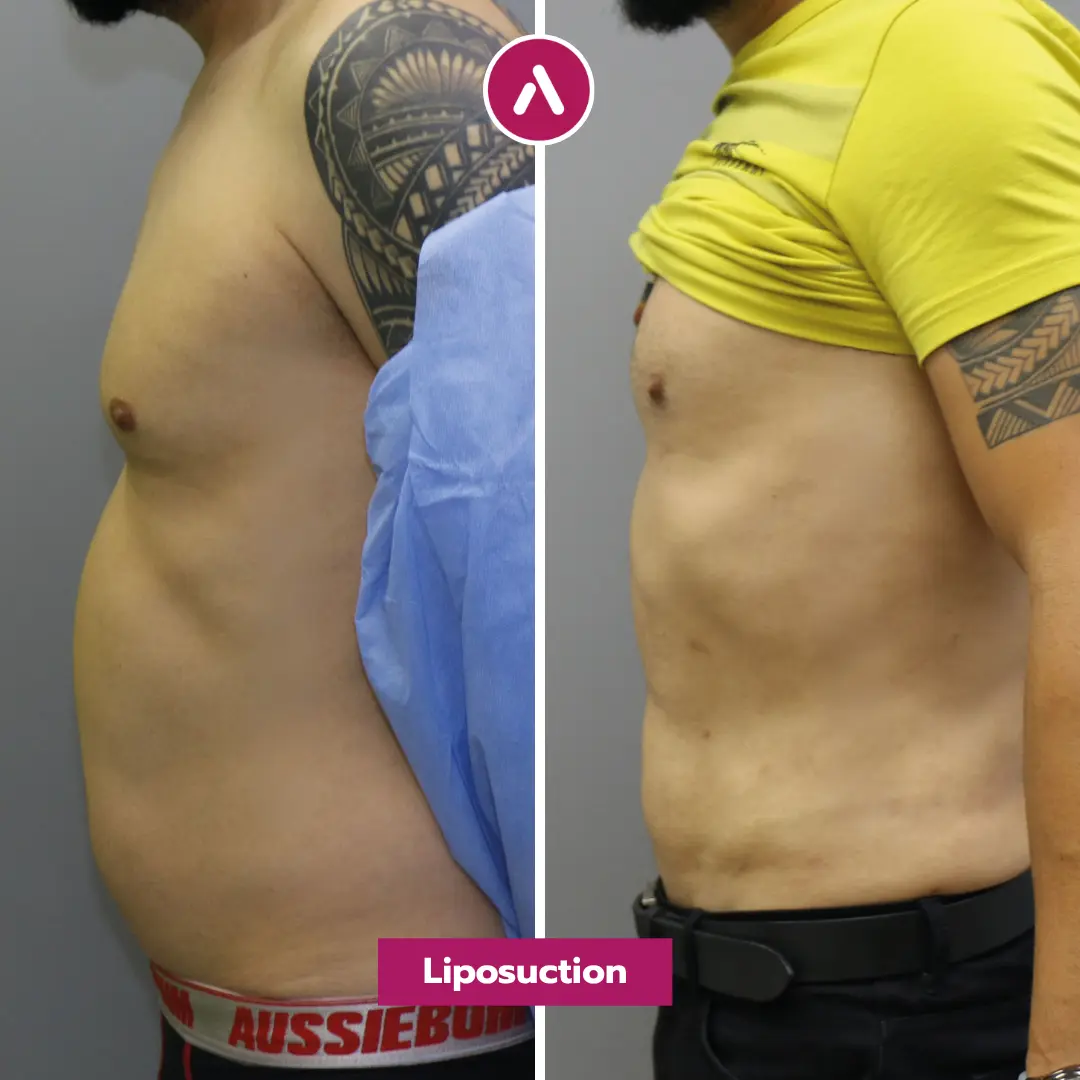

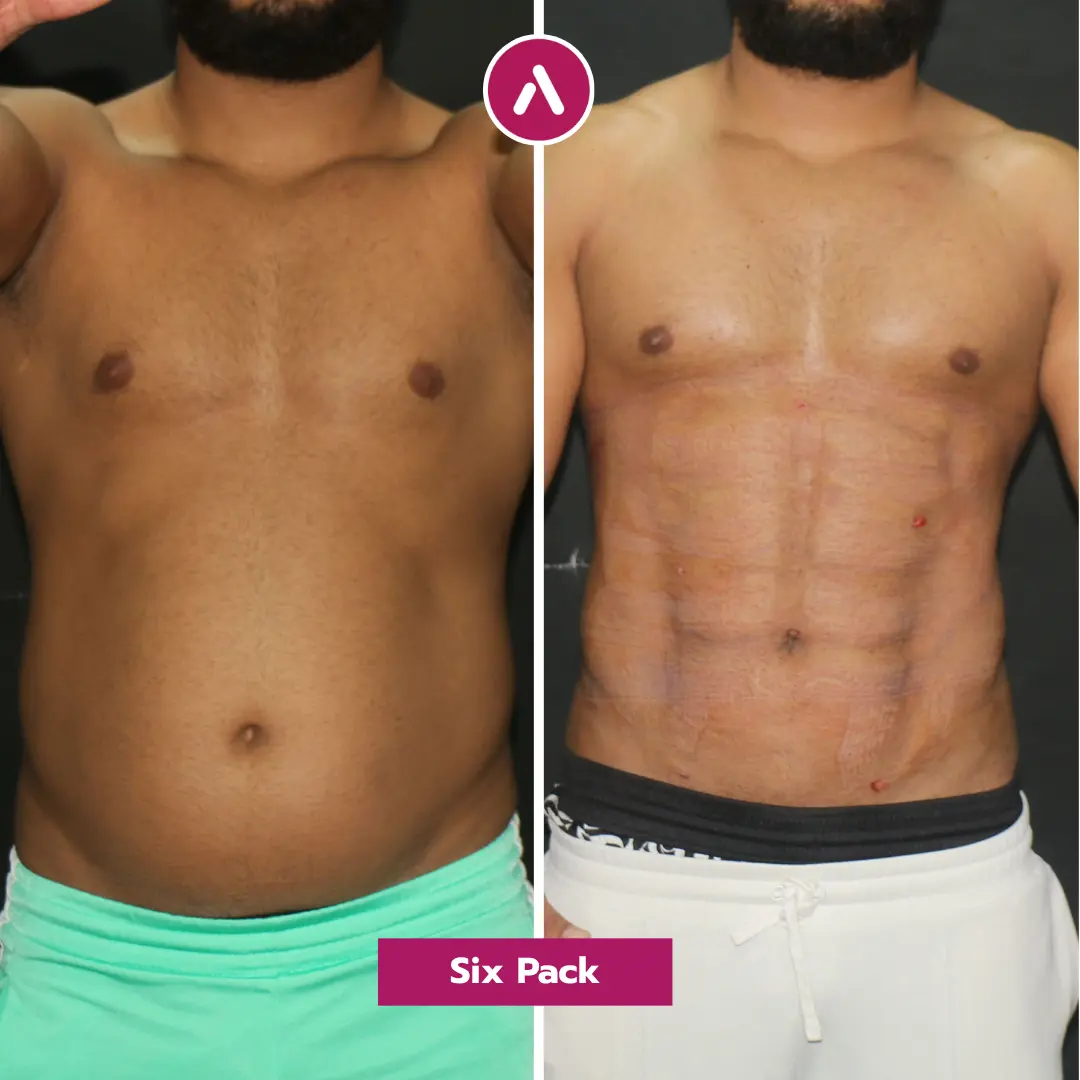
Table of Contents

What Exactly Is a “Daddy Makeover”?
A “Daddy Makeover” is not one standardized operation—it’s a custom combination of procedures designed to address common male concerns that show up after years of work stress, weight fluctuations, reduced training time, or aging. In practical terms, daddy makeover surgery Turkey usually means selecting 2–4 modules (often body + chest + face, with optional hair restoration) and planning them with safety limits, anesthesia strategy, and recovery logistics in mind.
In Istanbul, many men explore a daddy makeover in Turkey because it can be organized as a single, well-coordinated treatment plan—provided the clinic is transparent about what’s included, what’s excluded, and how complications are prevented and managed.
Customizing the Package: Face, Body, and Hair
A male makeover package is typically built around your priorities:
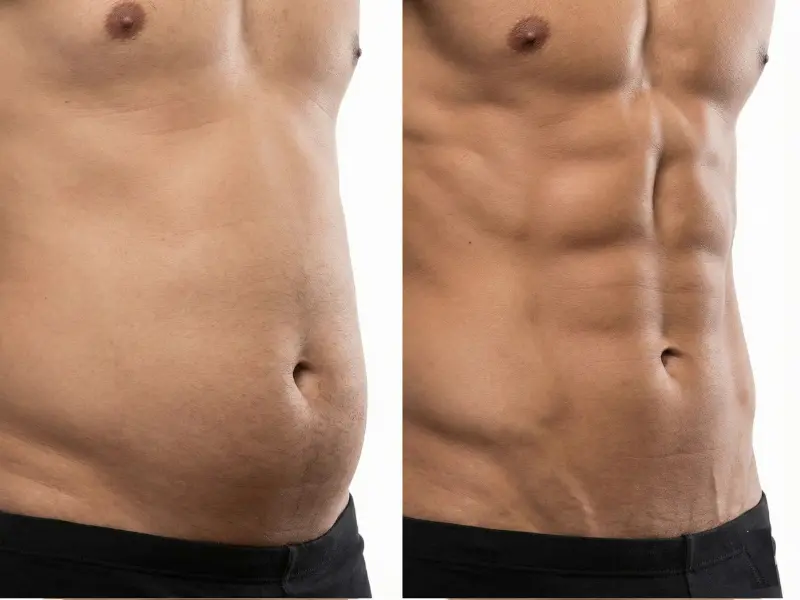
- Body definition: Abdominal contouring (often with VASER-assisted techniques) to reduce “dad bod” fullness and improve waistline shape.
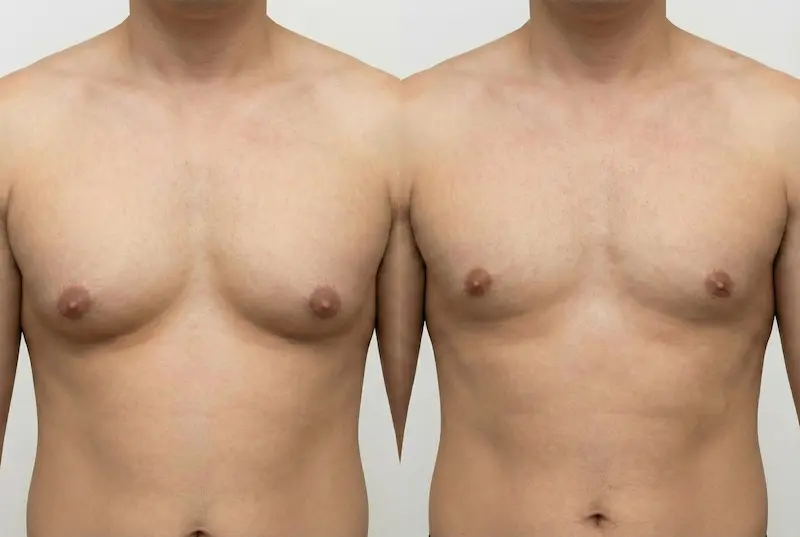
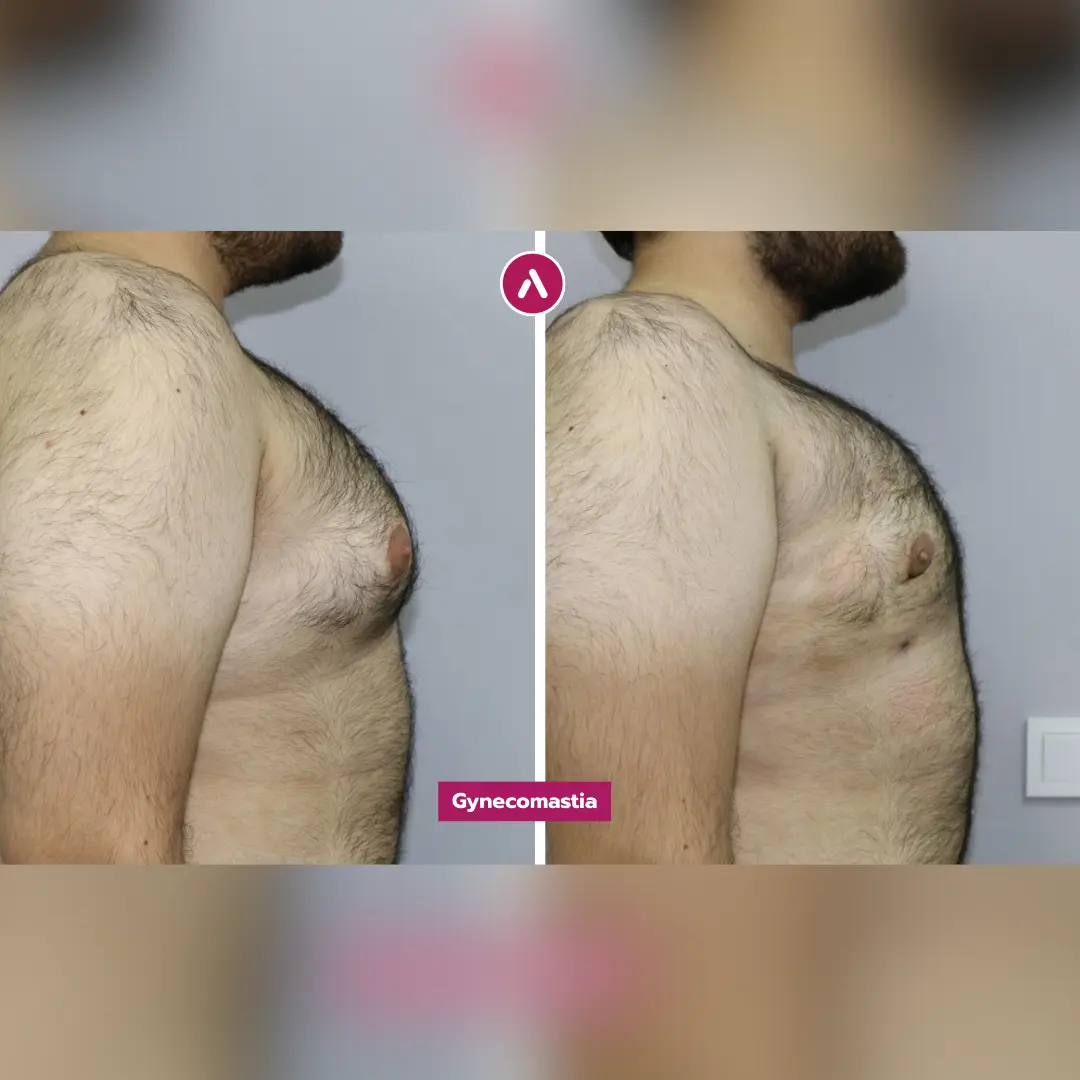
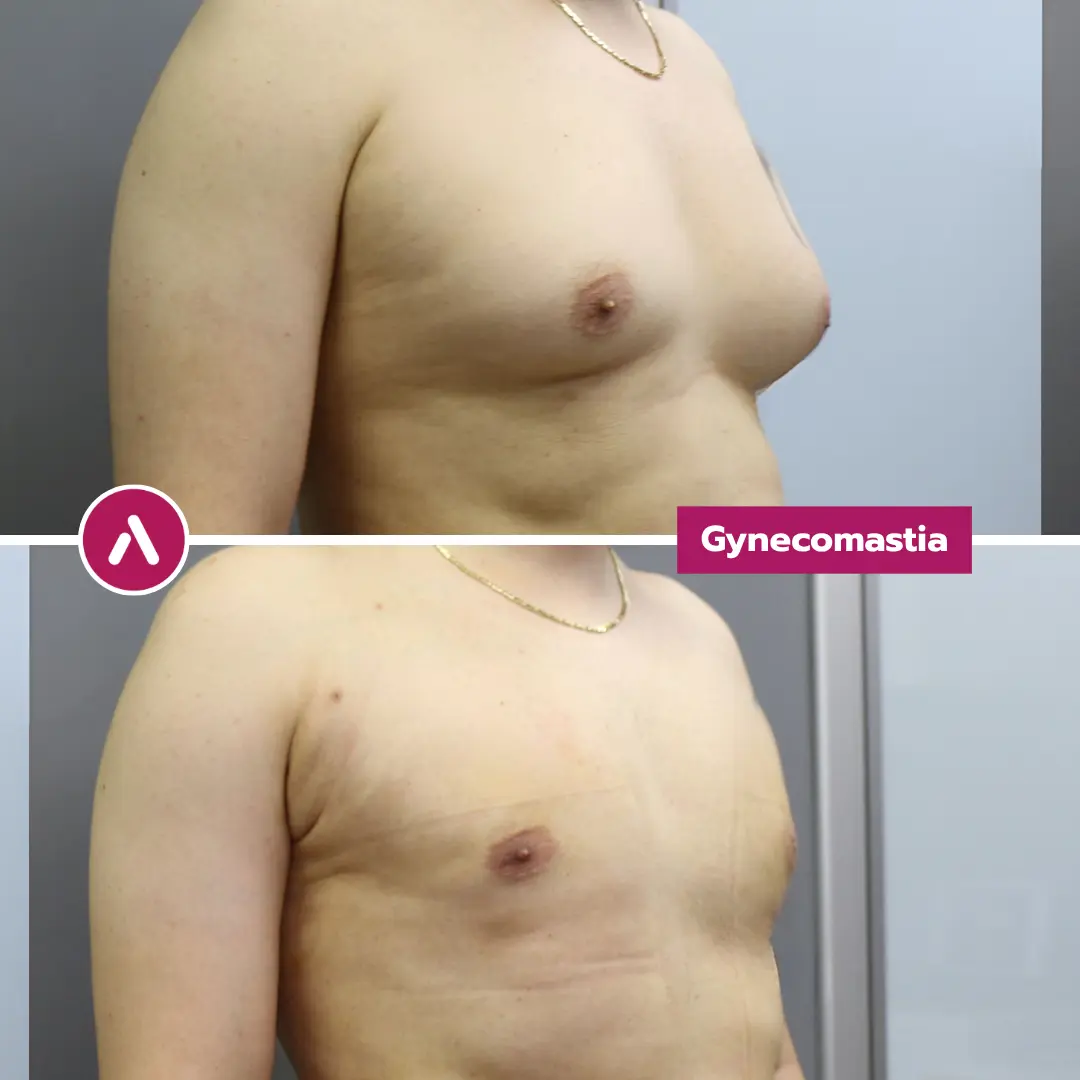
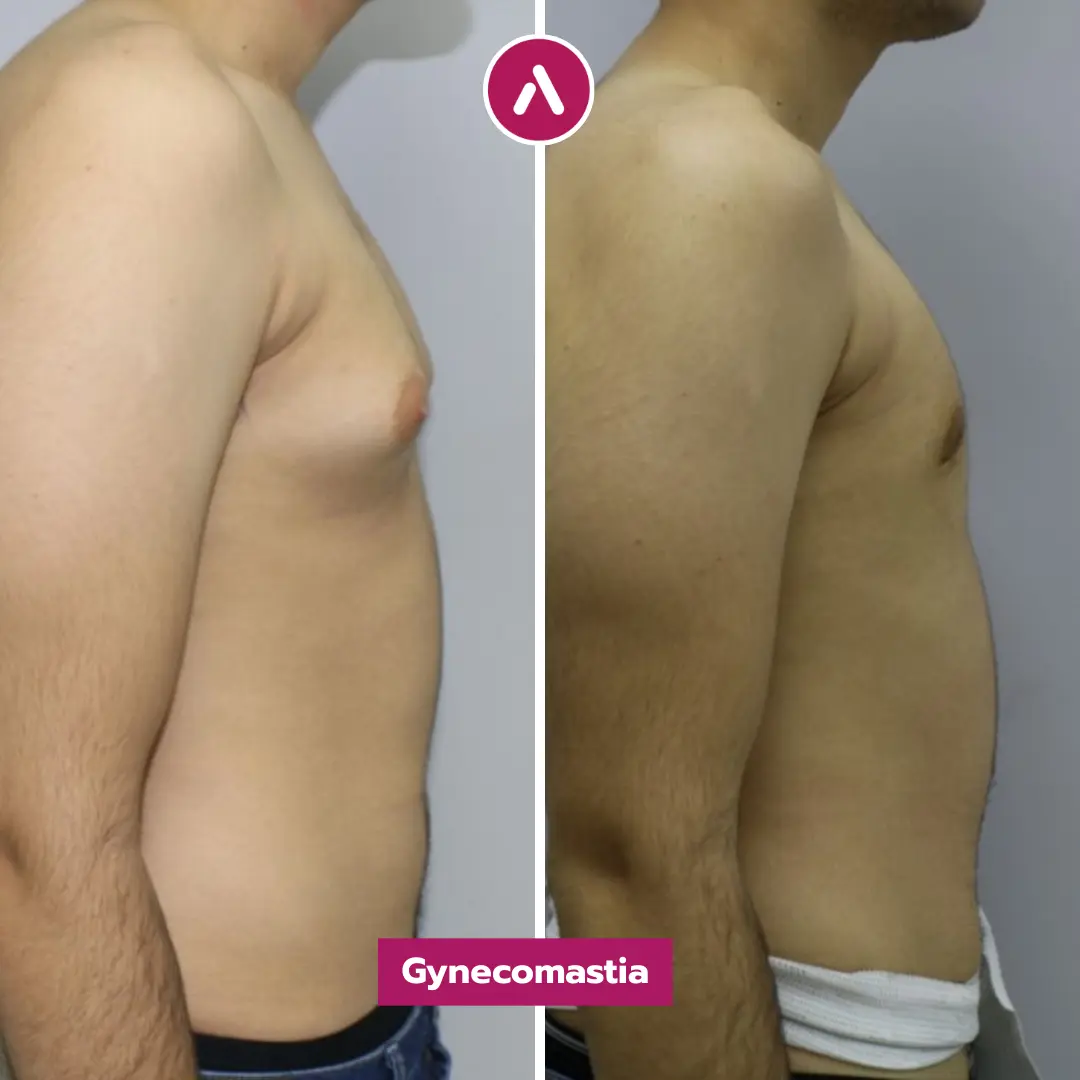
- Chest confidence: Gynecomastia correction when enlarged breast tissue/fat creates a softer chest profile.
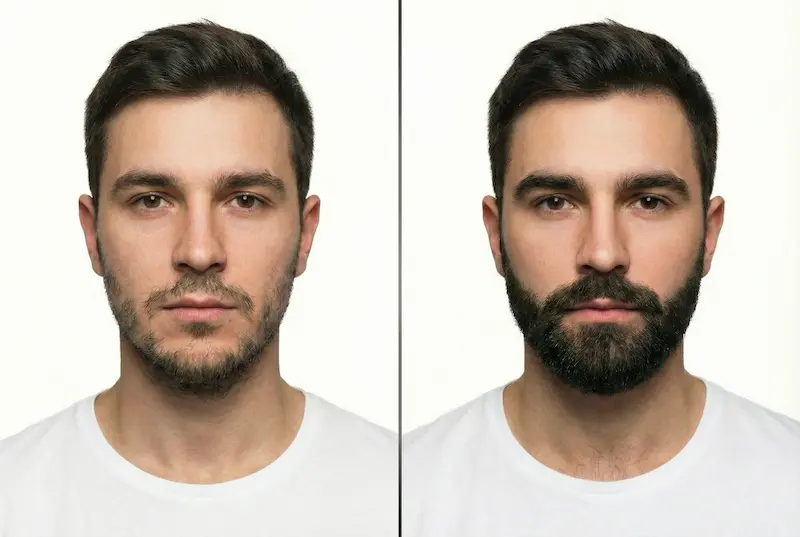
- Facial refresh (without feminization): Options may include face/neck rejuvenation, eyelid surgery, or fat transfer—planned to preserve masculine proportions.
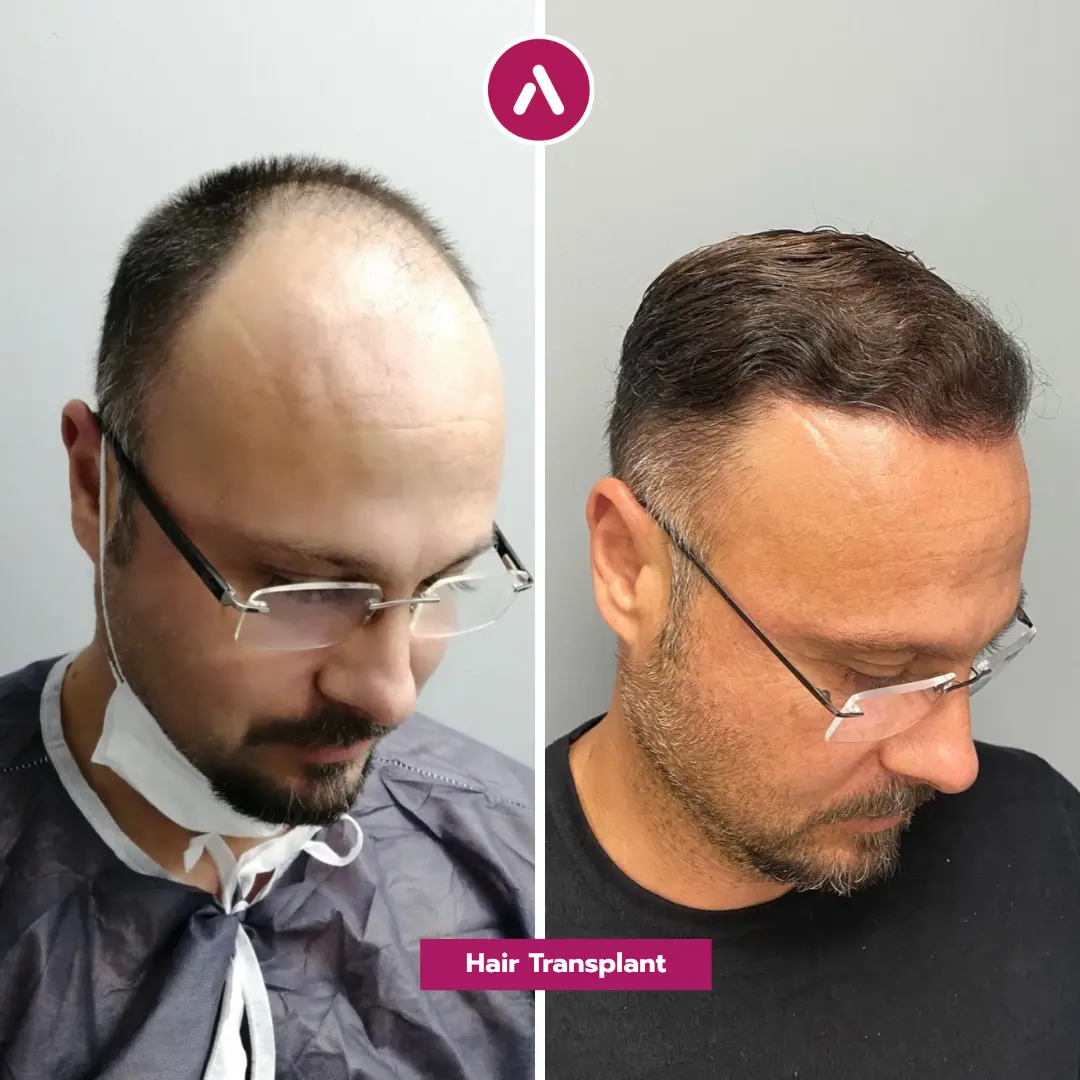
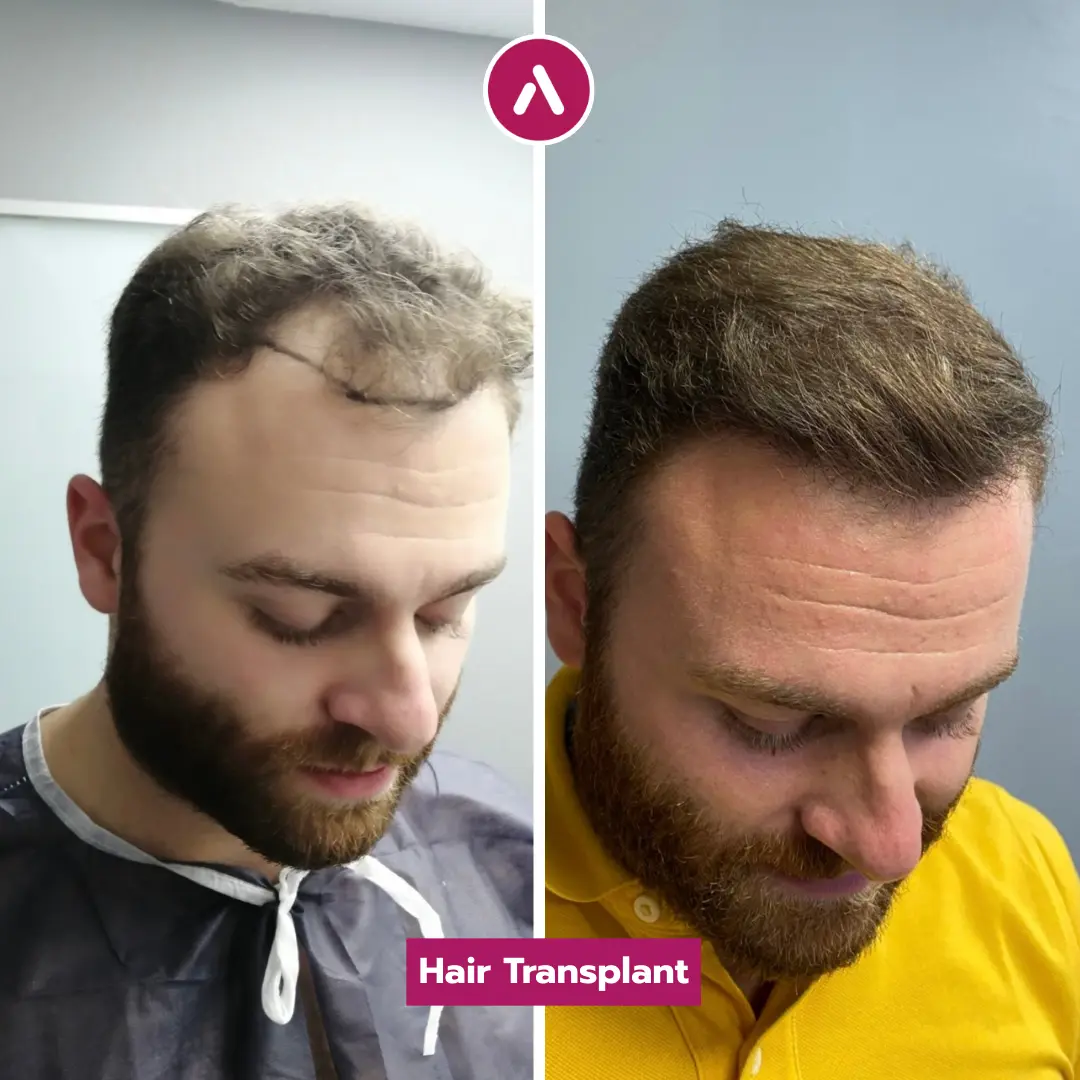
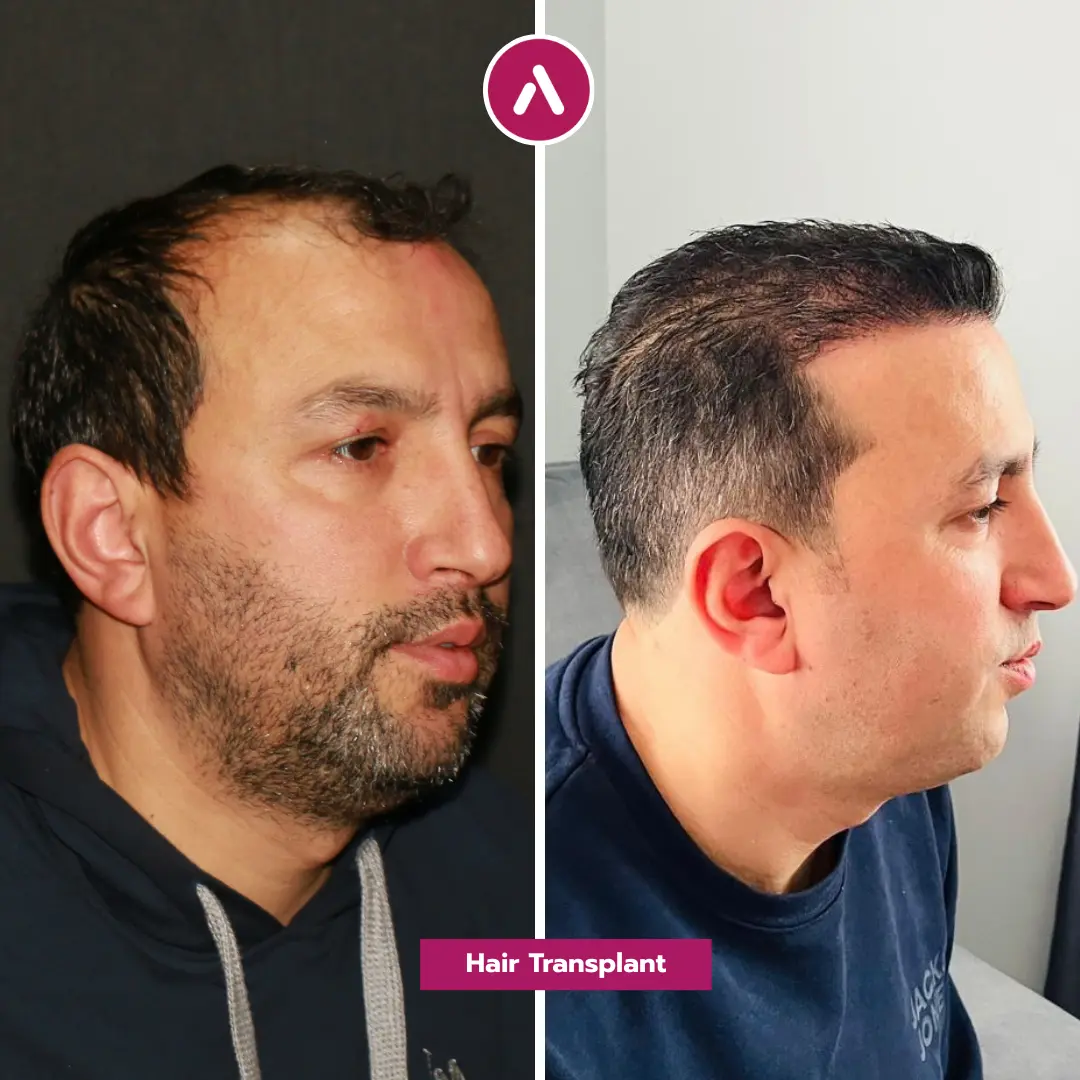
- Hair restoration (optional): For men who want a single travel plan, hair transplant timing can be discussed—but it is not automatically appropriate to combine with every surgical module.
Key takeaway: The best “package” is the one that matches your anatomy, health profile, and schedule—not the one with the longest list of procedures.
Who It’s For: The “Busy Dad” Profile and Common Goals
Most men considering a daddy makeover share a similar profile: they want visible improvement, but they also need a plan that respects real-life constraints—work calls, travel windows, family responsibilities, and privacy. Good candidates often have:
- Stable weight (or a realistic target timeline if weight loss is still in progress)
- Controlled health factors (blood pressure, diabetes risk, etc.)
- Reasonable expectations about scarring, swelling, and the time it takes for results to “settle”
- A recovery window that aligns with the scope of surgery
Equally important: a credible clinic should be comfortable saying “not yet” or “stage this” if your safety profile suggests it.
The Most Popular Combinations: Lipo + Gynecomastia + Facial Rejuvenation
While every plan is individualized, these combinations are common because they tackle the three issues men mention most: abdomen/flanks, chest shape, and a tired face/neck.
| Primary Goal | Common Modules | What Most Men Notice First |
|---|---|---|
| Lean, athletic torso | Abdominal + flank contouring (often VASER-assisted) | Waistline definition under shirts |
| More masculine chest | Gynecomastia correction (gland/fat management as needed) | Chest outline in fitted clothing |
| Refreshed face (still “you”) | Targeted facial rejuvenation (face/neck/eyelids depending on anatomy) | Less heaviness around jawline/neck; brighter eye area |
When a clinic discusses combinations, look for a surgeon-led rationale: what can be safely combined, what should be staged, and how swelling/scar care will be managed—because the “best value” is the plan that protects results.
Masculine vs. Feminine Aesthetic Standards
Men and women age differently—and they also read “good results” differently. A successful male makeover should keep you looking healthier and more rested, not “done.” That means surgical planning must respect masculine landmarks like a stronger jawline, natural hairline/sideburn placement, and scar positioning that remains discreet even with short haircuts.
This is where combining perspectives can matter: facial aesthetics benefit from both structural planning and skin-quality management. In AKM Clinic’s approach, a Dermatosurgeon perspective (skin quality, collagen behavior, scar maturation) can complement facial plastic surgical expertise to support natural results—an emphasis aligned with what patients often say they want: “refreshed,” not transformed.
Preserving the Rugged Jawline in Facelifts
For men, the jawline is not just a contour—it’s an identity marker. The surgical goal is typically to reduce heaviness under the chin and along the neck while maintaining the straight, firm jawline character. Over-resection, aggressive tightening, or poor vector planning can flatten or distort masculine definition.
Avoiding the “Over-Pulled” Look in Men
The “over-pulled” look is usually not a single mistake—it’s the sum of decisions that ignore male anatomy and skin behavior. Thoughtful techniques prioritize deep support and natural tension distribution rather than simply pulling skin tight. Scientific research in facial aging consistently reinforces that aging is multi-layered; good planning respects those layers instead of forcing a one-layer solution.
Scar Placement, Hairline Design, and Sideburn Preservation in Male Surgery
Men face an extra aesthetic constraint: many wear short hairstyles, and hairlines can be less forgiving. Incision design should protect sideburn position, keep scars hidden in natural creases where possible, and avoid telltale shifts around the hairline. This is also where scar-care protocols and skin-healing optimization can make a visible difference over time.
Body Contouring for Men: High-Def Vaser Lipo
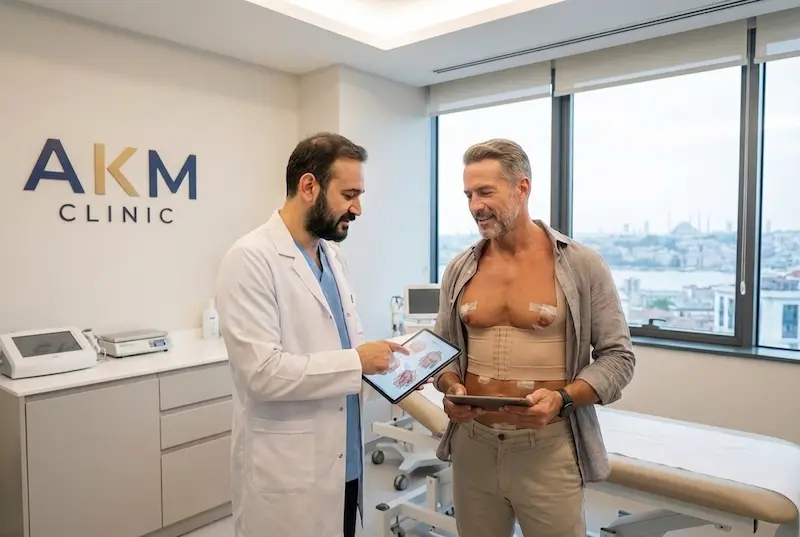
For many men exploring a Turkey daddy makeover, body contouring is the “anchor” procedure—because the abdomen, flanks, and lower chest tend to hold stubborn fat even when diet and training improve. Modern male contouring is less about “removing fat” and more about reshaping proportions: tightening the waistline, defining the midsection, and restoring a more athletic silhouette while keeping results natural (not artificial or etched beyond what your anatomy can support).
At AKM Clinic, male body contouring options include liposuction approaches (including “Awake” techniques for appropriate candidates), plus complementary technologies like skin tightening where indicated—planned as part of an overall daddy makeover in Turkey strategy rather than as a one-size-fits-all add-on.
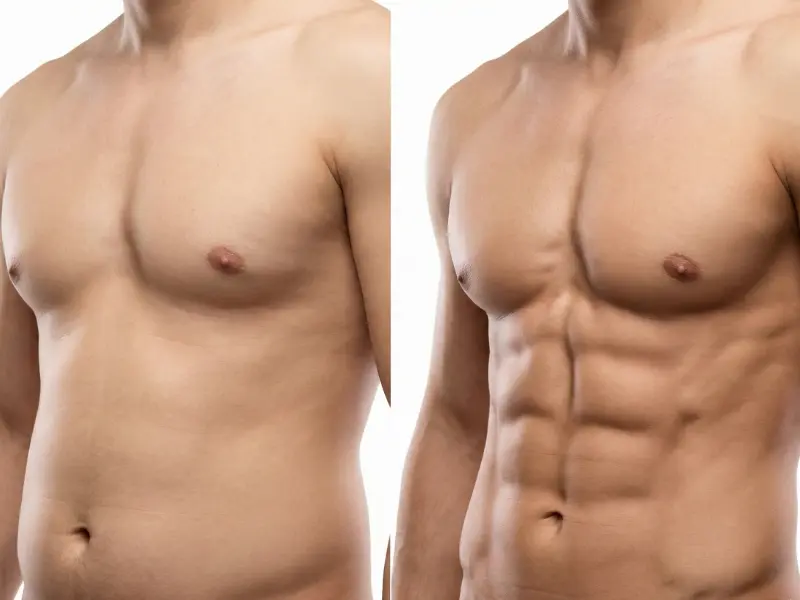
Etching the Six-Pack and Chest Sculpting
High-definition approaches aim to enhance natural muscle shadows rather than create “hard lines.” The best outcomes come from realistic planning:
- Definition is earned + refined: If the rectus and oblique structure is present, contouring can highlight it.
- Proportions matter: A tighter waist with a stable chest profile often reads as “fit” even without extreme abdominal etching.
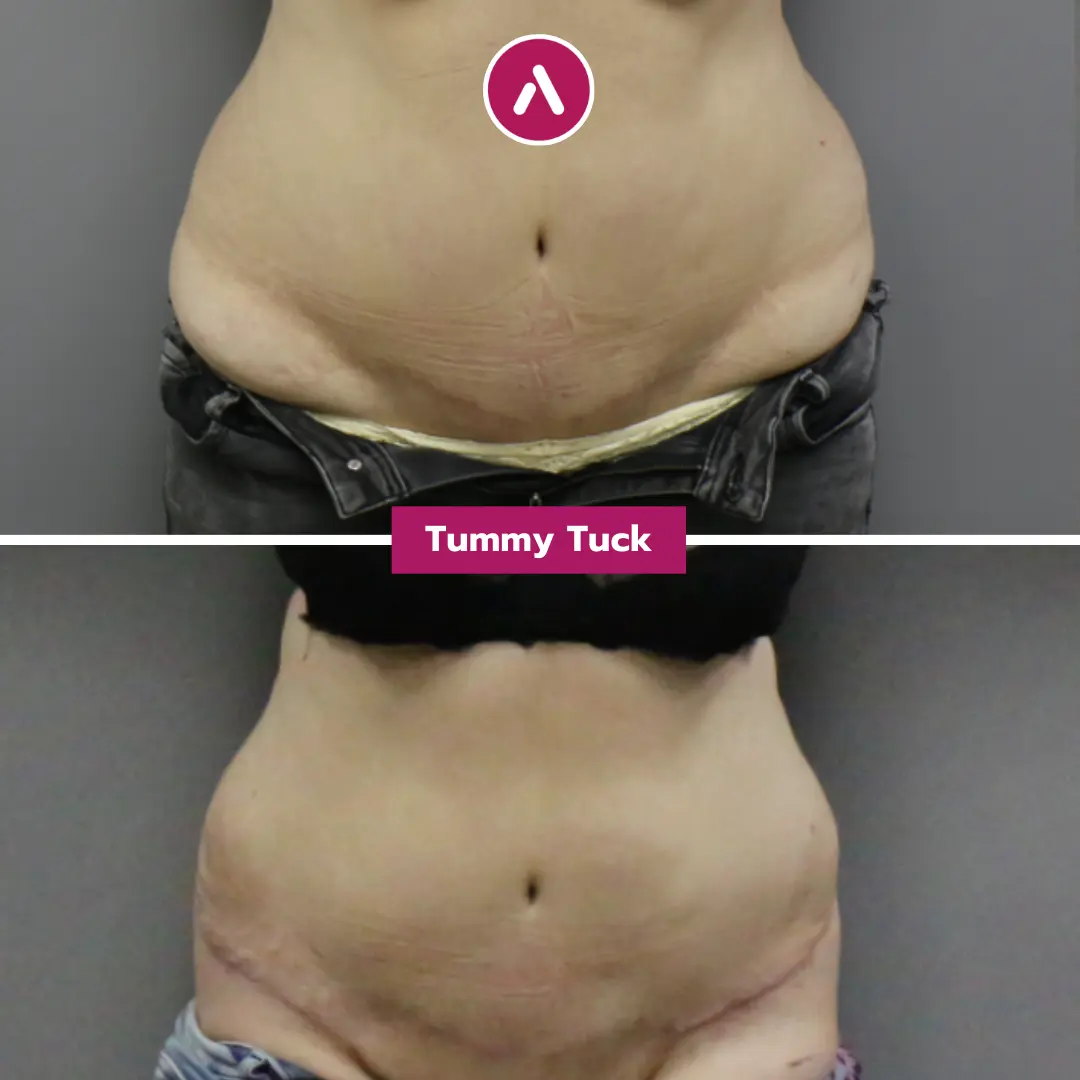
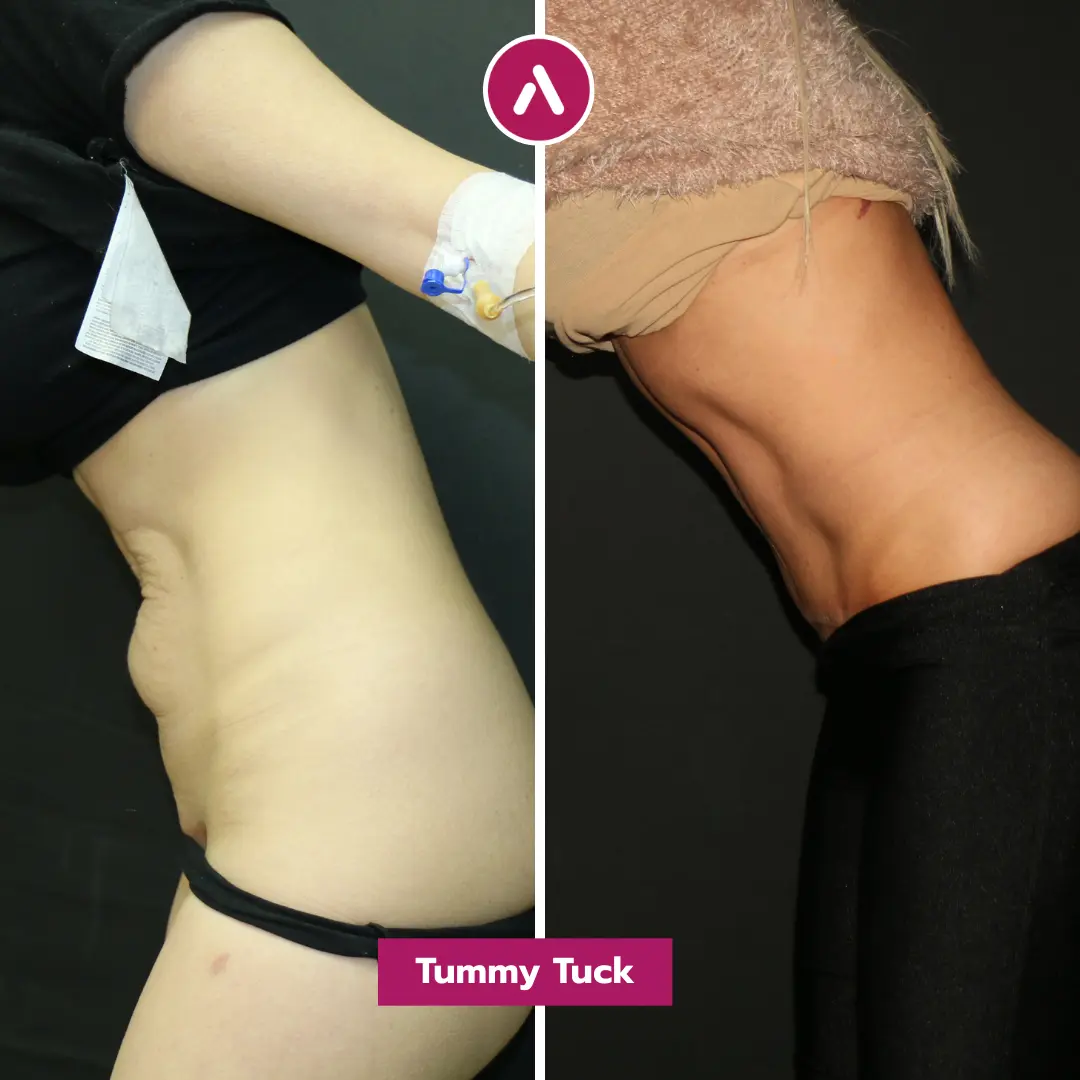
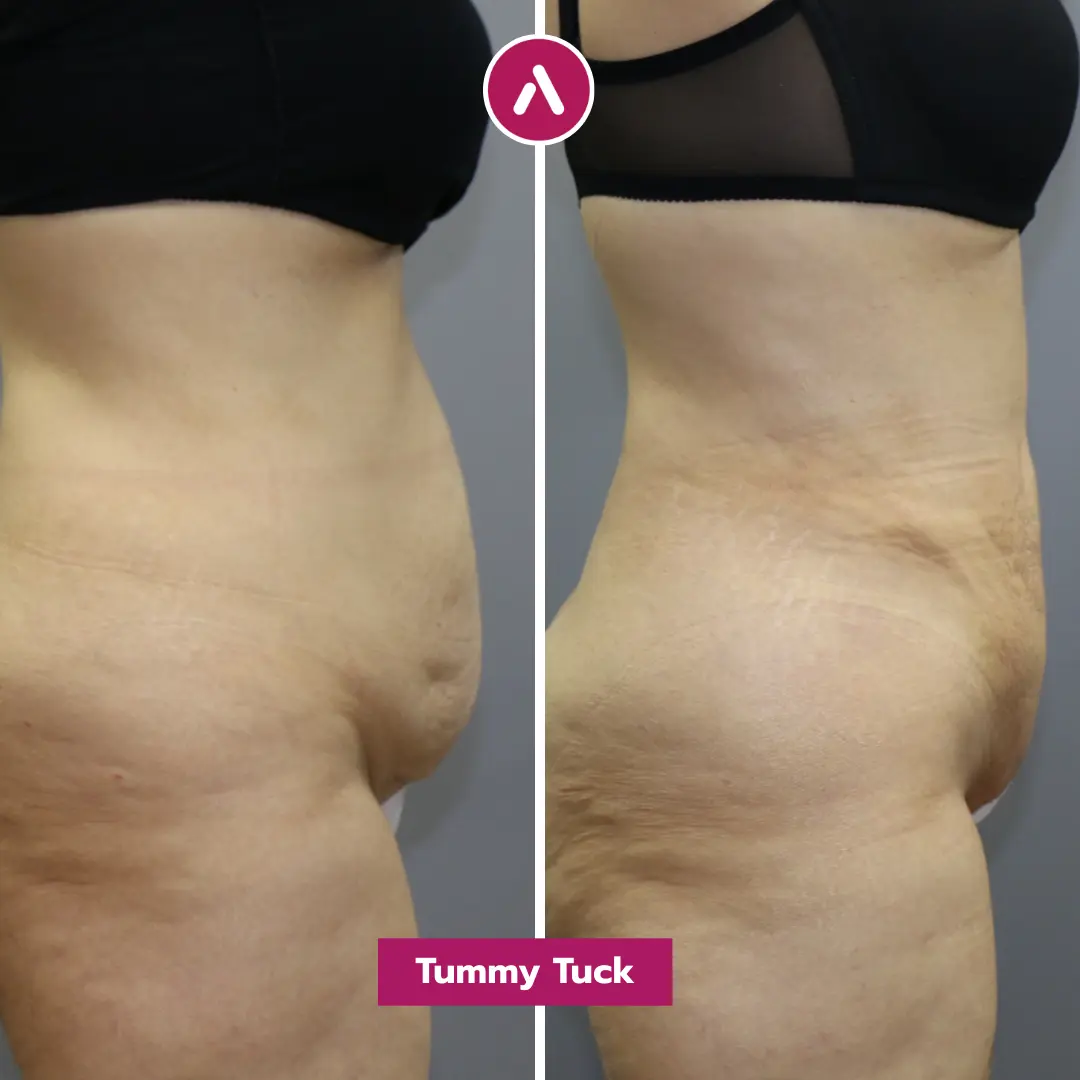
- Skin quality matters: If skin laxity is significant, the plan may include tightening strategies—or staging—to avoid a mismatch between fat reduction and skin retraction.
Clinical logic: A natural masculine result typically comes from proportion correction (waist-to-chest ratio) more than from aggressive “six-pack carving.”
Gynecomastia Correction as Part of the Combo
Gynecomastia correction is one of the most confidence-changing modules in a daddy makeover surgery Turkey plan. Importantly, gynecomastia can involve:
- Fat component (often responsive to liposuction),
- Glandular tissue (may require direct excision),
- Skin laxity (may require tightening or staged adjustment).
A surgeon-led assessment should explain which component you have and why that changes the plan, scarring pattern, and recovery timeline.
Where Men Store Fat Differently: Abdomen, Flanks, and “Dad Bod” Patterns
Male fat distribution commonly concentrates around the central torso (abdomen and flanks). That’s why a “dad bod” often looks like a thicker waistline rather than isolated pockets. In a well-designed makeover plan, contouring targets:
- Abdomen: overall flattening and midline definition (when appropriate)
- Flanks (“love handles”): waist narrowing, which often creates the most visible change in clothing
- Lower chest: when fullness blurs the masculine chest outline
Good planning also considers safety limits (how much can be done in one session), fluid balance, and compression strategy—areas where protocols grounded in medical science reduce avoidable risks.
Combining Hair Transplant with Plastic Surgery
Many men ask whether they can add hair restoration to a daddy makeover in Turkey—either to maximize a single travel window or to align “face framing” improvements with body changes. The answer is: sometimes, but it must be decided case-by-case. The safest approach is a plan that respects anesthesia time, healing priorities, and the practical reality that hair grafts require protection during early recovery.
Safety Protocols for Multiple Procedures
Combination planning should never be “stack as much as possible.” A responsible plan typically evaluates:
- Total operative time and how that impacts swelling, fatigue, and recovery demands
- Bleeding risk management and medication planning
- Positioning needs (some procedures require specific positioning that may conflict with protecting fresh grafts)
- Aftercare complexity (compression garments + scalp care + travel logistics)
If a clinic cannot clearly explain these trade-offs, that’s a red flag—especially when you’re comparing daddy makeover Turkey price packages that look similar on paper.
Same Trip vs. Staged Plan: When Combining Makes Sense
There are two common approaches:
- Same-trip combination: May be considered when the planned surgical scope is moderate, the patient is healthy, and the post-op care plan can protect the scalp adequately.
- Staged plan: Often preferred when the body/face procedure is extensive or when hair graft protection would be compromised by swelling, positioning, or garment needs.
A staged approach can still be highly efficient—it simply prioritizes the best environment for healing and results.
Post-Op Priorities: Protecting Grafts While Healing from Surgery
If hair restoration is part of the plan, early recovery must be organized around graft protection:
- Avoid pressure/friction on the transplant area
- Sleep positioning that prevents scalp trauma
- Shampooing and hygiene protocols that align with the clinic’s instructions
- Travel planning that minimizes unnecessary swelling and strain
At AKM Clinic, Low-Level Laser Therapy (LLLT) is used as a supportive recovery modality in hair restoration contexts, aiming to support scalp microcirculation and graft healing as part of a structured aftercare plan.
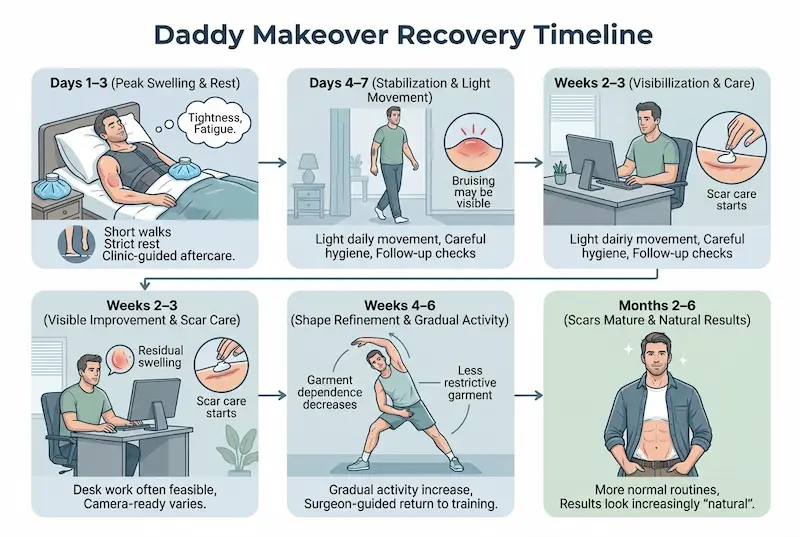
Recovery Timeline for the Working Professional
The #1 planning mistake men make is underestimating recovery—not because it’s unbearable, but because it’s inconvenient. Swelling, garments, sleep positioning, and activity restrictions can conflict with work meetings, flights, and family life. A well-built daddy makeover Turkey plan should include a realistic timeline with clear milestones: when you can travel comfortably, return to desk work, appear on camera, and resume training.
Recovery also isn’t purely “time-based.” It’s influenced by surgical scope, skin quality, baseline health, and aftercare. This is where scientific research and clinical protocols (compression strategy, scar care, lymphatic management, and recovery-support modalities) can meaningfully affect comfort and downtime.
Day-by-Day and Week-by-Week: When You Can Travel, Work, and Train
Every patient heals differently, but the framework below helps working professionals plan realistically:
| Timeframe | What You’ll Likely Feel/See | What’s Typically Allowed |
|---|---|---|
| Days 1–3 | Peak swelling/tightness; fatigue; garment adjustment | Short walks; strict rest; clinic-guided aftercare |
| Days 4–7 | Swelling begins to stabilize; bruising may be visible | Light daily movement; careful hygiene; follow-up checks |
| Weeks 2–3 | Visible improvement; residual swelling; scar care starts to matter more | Desk work often feasible; camera-ready varies by procedure |
| Weeks 4–6 | Shape refinement; garment dependence decreases | Gradual activity increase; surgeon-guided return to training |
| Months 2–6 | Scars mature; swelling continues to settle; definition improves | More normal routines; results look increasingly “natural” |
Note: Your surgeon should personalize these milestones based on exactly which modules you choose (body, chest, face, hair) and how extensive each one is.
Managing Swelling, Compression Garments, and Scar Care Discreetly
Discretion matters for many men. Practical strategies include:
- Garment planning: Choose clothing that hides compression without overheating.
- Work scheduling: If you have on-camera meetings, plan for a buffer—especially for facial modules.
- Scar care consistency: Scar maturation is gradual; following the clinic’s protocol matters more than “miracle creams.”
- Activity discipline: Returning to heavy lifting too early can prolong swelling and compromise contour refinement.
Recovery Support at AKM: HBOT & LLLT to Optimize Healing
AKM Clinic highlights two structured, non-invasive recovery-support modalities that are integrated into postoperative care for selected patients:
- HBOT (Hyperbaric Oxygen Therapy): Used to increase oxygen availability in tissues, with the goal of supporting recovery processes such as swelling reduction, tissue support, and scar-healing biology.
- LLLT (Low-Level Laser Therapy): Used in postoperative contexts to support cellular repair and inflammation control (including collagen-support mechanisms) and, in hair restoration contexts, to support graft healing and scalp circulation.
Value lens: When you’re comparing daddy makeover Turkey cost, look beyond the headline number. Ask what postoperative support is actually included, what is optional, and what the clinic’s standard of care is if swelling, bruising, or minor healing delays occur.
Cost Comparison: USA vs. Turkey Packages
If you’re comparing daddy makeover Turkey cost options, the most important skill is separating headline price from true total cost. In major U.S. metros, patients often pay “à la carte” (surgeon + facility + anesthesia + supplies + follow-ups billed separately). In Turkey, many clinics present a bundled approach. That can be excellent value—or a trap—depending on what’s truly included.
To help you evaluate daddy makeover Turkey price quotes like an expert, this section shows realistic metro benchmarks and a package checklist you can use when comparing Turkey daddy makeover providers.
Real-World US City Benchmarks: New York vs. Los Angeles vs. Miami
Because a “Daddy Makeover” is a combination plan, it helps to look at the main building blocks separately (facelift, liposuction/body contouring, and gynecomastia). Below are typical metro-level averages reported by large patient pricing datasets (not “lowest advertised” figures). Use them as a planning baseline—not as a personal quote.
| Procedure (Typical Module) | New York City (Avg) | Los Angeles (Avg) | Miami (Avg) | Notes |
|---|---|---|---|---|
| Facelift (face/neck rejuvenation module) | $21,000 | $20,000 | $15,500 | These are metro averages; technique and surgeon profile can push higher. |
| Liposuction (abdomen/flanks module) | $8,500 | $13,000 | $8,500 | Price changes significantly by areas treated and technique (e.g., HD/VASER). |
| Gynecomastia surgery (male chest module) | $8,000 | $11,000 | $7,500 | Depends on fat vs. gland component and whether excision is required. |
What this means in real life: A multi-module plan in NYC or LA can easily stack into a much higher total once facility/anesthesia and add-ons are included. That’s one reason many men explore a daddy makeover in Turkey—not just for a lower number, but for a more predictable “all-in” structure.
What a “Package” Should Include (and Hidden Fees to Watch For)
In daddy makeover surgery Turkey marketing, the word “package” can mean anything. A trustworthy quote is written, itemized, and clear about what happens if recovery is slower than average. Here’s a practical checklist you can paste into your notes and use during consultations:
| Must-Be-Clear Items | Why It Matters (Safety + Total Cost) |
|---|---|
| Surgeon + anesthesia + facility fees (all stated) | Prevents “low quote” surprises when separate bills appear. |
| Pre-op testing (labs, ECG when needed) | Medical science is clear: risk screening reduces preventable complications. |
| Compression garments (how many, which type) | Garments are not cosmetic extras; they help swelling control and contour quality. |
| Medications (pain control, antibiotics, anticoagulation if prescribed) | Post-op comfort and clot-risk protocols depend on clear medication planning. |
| Post-op follow-ups (in-person + remote check-ins) | Early detection of seroma, infection, or wound issues can prevent revisions. |
| Revision policy (what’s covered vs. not covered) | Clarifies financial exposure if a touch-up is needed. |
| Hotel + transfers (if included, number of nights) | For international patients, logistics directly affect recovery quality and stress. |
| Recovery support add-ons (e.g., lymphatic sessions, HBOT/LLLT availability) | Not everyone needs these, but if promised, it must be clearly defined. |
Reality check: The “best deal” is the plan with the lowest chance of revision. Cheap upfront pricing can become expensive if aftercare is weak or if complications aren’t handled with structure.
Turkey vs. Other Medical Tourism Hubs (Mexico, Thailand): Value, Safety, Standards
When patients compare destinations, they usually weigh three variables: predictability (clear all-in cost), standards (facility, anesthesia, protocols), and continuity of care (follow-up and complication planning). Turkey, Mexico, and Thailand can all offer cost advantages versus major U.S. cities, but your outcome depends more on the team and system than the country name.
To ground the comparison, below are commonly advertised international ranges for popular modules (these are not AKM-specific quotes):
| Module | Turkey (Typical Range) | Thailand (Typical Range) | Mexico (Typical Range) |
|---|---|---|---|
| Facelift | $4,700–$6,500 | $4,000–$5,700 | $3,900–$13,000 |
| Gynecomastia surgery | $2,700–$4,000 | (Varies by clinic/plan) | $3,500–$6,300 |
| Liposuction | (Istanbul avg) ~$3,272–$4,500 | (Varies by clinic/plan) | $2,600–$3,800 |
How to use this table: If a quote is far below the common range, ask what’s missing. If it’s far above, ask what’s included (technique, recovery support, longer follow-up, complex case planning). For a high-trust daddy makeover Turkey plan, the “value” argument should be explained in writing: what you get, who does what, and how safety is managed.
Frequently Asked Questions (FAQ): Daddy Makeover Turkey
This FAQ is designed for men (and their partners) who want fast, practical clarity while evaluating a daddy makeover in Turkey. The answers below focus on safety, natural masculine aesthetics, scheduling, and how to interpret daddy makeover Turkey price and daddy makeover Turkey cost quotes without falling for vague “package” language.
What procedures are typically included in a daddy makeover for men?
A Turkey daddy makeover is usually a customized combination of 2–4 modules. The most common include abdominal/flank contouring (often HD/VA(S)ER-type approaches where appropriate), gynecomastia correction, and facial rejuvenation (face/neck or eyelids depending on anatomy). Hair restoration can be an optional module, but it is not automatically appropriate to combine with every surgical plan.
Am I a good candidate if I’m overweight or have a high BMI?
It depends on your health profile, fat distribution, and goals. Many surgeons prefer patients to be near a stable weight because outcomes (especially contour sharpness and skin retraction) are more predictable. If you are still actively losing weight, your team may recommend staging or postponing certain modules to protect results and reduce risks.
How many procedures can be safely combined in one trip?
There’s no universal number. Safety depends on total operative time, anesthesia strategy, blood-loss/fluid management, and your personal risk factors. A surgeon-led plan should explain why a given combination is considered reasonable for you—or why it should be staged. In medical science, the guiding principle is risk minimization, not “maximum procedures per session.”
Will results look natural and still masculine?
They should—if the plan respects male anatomy. Masculine outcomes focus on proportion correction (waist-to-chest balance, jawline/neck definition) and avoid over-tightening or feminizing facial contours. Ask specifically how the surgeon protects male landmarks (jawline character, hairline/sideburn position, incision placement).
How long do I need to stay in Istanbul for surgery and follow-ups?
Many international patients plan a stay that allows for pre-op assessment, surgery, early follow-ups, and safe travel clearance. The exact length depends on the modules included (body/chest vs. face vs. hair) and how your early healing progresses. Your clinic should provide a written travel timeline based on your specific plan.
When can I return to work, travel, and go back to the gym?
Desk work is often possible earlier than physical work, but swelling and garment needs can affect comfort and confidence on camera. Travel timing depends on your surgeon’s clearance and clot-risk considerations. Returning to training is typically gradual: walking first, then light activity, then progressive resistance—based on healing milestones rather than a fixed date.
How painful is recovery—and how is pain managed?
Most men describe recovery as more “tight and sore” than sharply painful, especially after body contouring and gynecomastia. Pain is usually managed with a structured medication plan and movement guidance (short walks, hydration, garment fit). Always ask what pain protocol is included and how after-hours concerns are handled.
What are the main risks (infection, seroma, clots) and how do you reduce them?
Key risks vary by procedure and individual profile, but commonly discussed risks include infection, seroma (fluid collection), bleeding, wound issues, and blood clots. Risk reduction typically includes appropriate pre-op screening, sterile technique, careful operative planning, mobility guidance, compression strategy, and clear follow-up protocols. Ask what the clinic’s process is if a seroma develops or if swelling persists beyond expectations.
Is it safe to combine a hair transplant with body contouring or gynecomastia surgery?
Sometimes—but only when the plan can protect grafts and keep total procedure demands reasonable. The main issues are positioning, swelling management, scalp aftercare, and avoiding pressure/friction on fresh grafts. In many cases, a staged plan offers more predictable healing and aesthetics. A credible clinic will explain the trade-offs in writing.
What should I ask a clinic to avoid “too good to be true” packages?
Use questions that force clarity. For any daddy makeover surgery Turkey quote, ask:
Is the quote truly all-in? (surgeon, anesthesia, facility, garments, meds, follow-ups)
What is excluded? (extra nights, additional garments, imaging/labs, revisions)
Who performs each step? (surgeon involvement vs. delegated steps)
What is your complication pathway? (seroma/infection protocol, revision policy)
How do you define “package”? (written inclusions, not verbal promises)
If answers are vague, the low daddy makeover Turkey price may simply be hiding real costs elsewhere.
Medical Disclaimer: This page is provided for general educational purposes only and does not replace a face-to-face medical consultation, diagnosis, or personalised treatment plan. All surgery carries risks and outcomes vary between individuals. Suitability for a daddy makeover, procedure selection, and anaesthesia choice can only be determined after a full clinical assessment by a qualified surgeon. Always follow your clinician’s instructions and seek urgent medical attention if you develop concerning symptoms during recovery.