
Flank Liposuction: Targeting Love Handles for a Smoother Waistline
AI Summary
- Flank liposuction targets love handles to smooth the waistline, not create major weight loss.
- Best candidates have localized flank fat, stable weight, and elastic skin that can redrape.
- Recovery focuses on swelling control, compression, light movement, and several months for final contour.
- Safe, natural-looking results depend on conservative planning, symmetry, and board-certified surgical assessment.
Summary generated by AI, fact-checked by our medical experts
Quick answer: flank liposuction removes stubborn fat pads above the hips, commonly called love handles, to create a smoother waistline from the front, back, and side. It works best for people at a stable weight with localized flank fat and skin that still snaps back. It is a contouring procedure, not a weight-loss method or a full 360 treatment.
Love handles can be frustrating because they often stay visible even when your weight, workouts, and diet are otherwise consistent. The flank area sits at the side of the waist, above the hip bone, and can blur the transition between the torso, lower back, and hips. That is why many patients ask whether liposuction zones and techniques at AKM can be focused on this specific area rather than the whole midsection.
The right answer depends on your anatomy. Some patients need only love handle liposuction to refine the waist. Others need a broader plan because the fat wraps into the abdomen, back, or hip line. Good planning matters. A smooth waistline is not made by simply removing as much fat as possible.
This guide explains what flank lipo treats, who makes a good candidate, what results can realistically look like, and when a fuller waist contouring plan may make more sense.
Table of Contents
What Flank Liposuction Treats (and What Love Handles Really Are)
Flank liposuction treats the fat pads that sit above the hips and along the side of the waist. These pockets are often called love handles because they create a soft bulge that can be pinched at the side of the torso. They may also extend slightly toward the lower back.
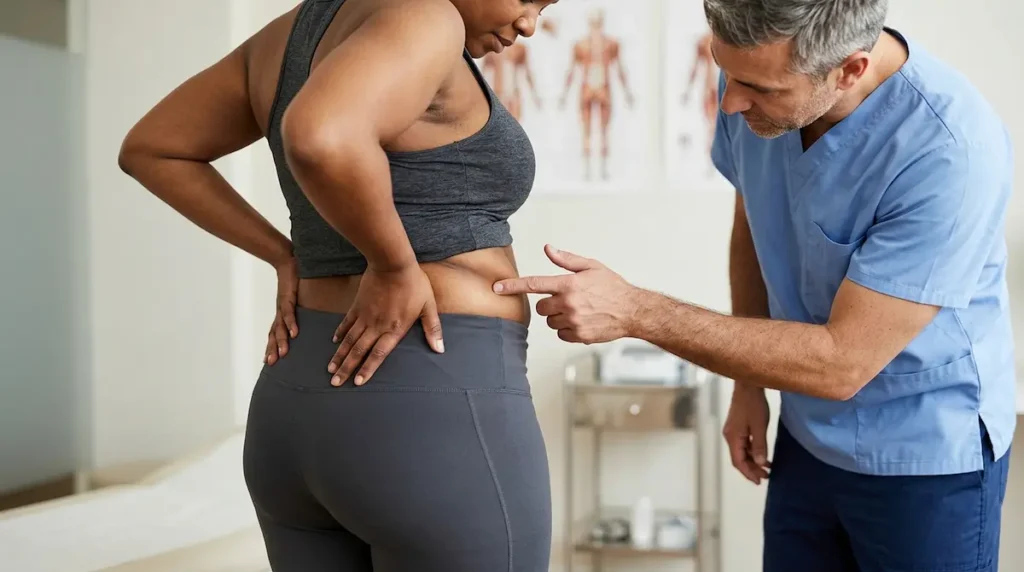
The flank is not the same as the abdomen. It is also not exactly the hip. Think of it as the side wall of the waist: the zone between your ribcage, lower back, and iliac crest, which is the upper edge of the hip bone. A small change here can affect the entire silhouette.
The anatomy of the flank fat pad
Flank fat usually sits over the outer abdominal wall and above the bony rim of the pelvis. In many people, it curves backward toward the lower back. This is why love handles may look mild from the front but more obvious from a three-quarter or back view.
That shape matters during surgery. If fat is removed only from the most visible side bulge, the result can look notched or uneven. A skilled team blends, or feathers, the treated zone into the nearby waist, hip, and lower back so the transition looks smooth.
Small differences count here. A few extra millimeters of remaining fat can create asymmetry, while over-removal can make the waist look hollow or irregular. Flank contouring is a balance.
Why love handles resist diet and exercise
Love handles are often stubborn because your body does not lose fat evenly. Genetics, hormones, sex, age, and weight history all influence where fat stays longest. You may lose weight from the face, chest, arms, or legs before the flanks change much.
Exercise can strengthen the core and improve posture. It cannot spot-reduce one fat pad. That is why a patient can be active, close to goal weight, and still have flank fullness that softens the waistline.
Flank liposuction targets that localized fat directly. It does not replace healthy habits. It refines the contour that diet and training may not fully change.
Flanks, waist, hips, and “muffin top”: how the terms differ
Patients use different words for the same general concern. “Love handles” usually means side-waist fat. “Muffin top liposuction” usually refers to fat that spills over the waistband, often blending the flank into the hip or lower abdomen. “Waistline liposuction” is a broader phrase and may involve several nearby zones.
For women, the flank can merge into the hip and upper buttock line. For men, the classic pattern is often a denser pad at the side and lower back. These differences change the surgical plan.
That is also why flank-only treatment must be planned carefully. If the concern continues into the lower abdomen, mons area, or hip crease, your surgeon may discuss treating that neighboring zone as well rather than pretending one area explains the whole shape.
Am I a Good Candidate for a Liposuction?
Answer a few quick questions about your concerns, health, and goals to learn which treatment options may suit you best.
Are You a Good Candidate for Flank Liposuction?
The best candidate for flank liposuction has localized fat at the sides of the waist, stable weight, and skin with enough elasticity to contract after fat removal. The goal is sharper contour, not a smaller number on the scale.
This distinction is important. Liposuction removes fat cells from a targeted area, but it does not tighten loose skin like a skin-removal procedure. It also does not treat visceral fat, which sits deeper inside the abdomen around the organs.
Localized fat is the first requirement
Flank lipo works best when the fullness is easy to pinch and sits in a clear pocket. If your love handles are out of proportion to the rest of your body, that is often a good sign. The area has a defined target.
If the entire waist, abdomen, and back carry a similar layer of fat, flank-only treatment may not create the change you expect. Removing one area while leaving the surrounding zones untreated can make the body look less balanced.
A good consultation should separate a true flank pad from generalized weight distribution. That is not a small detail. It decides whether the treatment should be focused or expanded.
Skin elasticity decides how smooth the result can be
Skin quality is just as important as fat volume. Elastic skin can shrink and redrape after the fat layer is reduced. Thin, stretched, or lax skin may not tighten well, especially after major weight changes, pregnancy, or aging.
A simple pinch test can help. If you pinch the flank and the skin springs back quickly, liposuction may have a better chance of leaving a smooth contour. If the skin hangs, wrinkles, or folds, removing fat alone may make the looseness more noticeable.
That is where honest planning protects the result. Patients with significant laxity may need to understand when the skin won't tighten after lipo before choosing flank-only treatment.
Stable weight matters more than a “perfect” weight
You do not need to be at an extreme low weight to consider love handle liposuction. You do need to be stable. A steady weight tells the surgical team that the fat pattern they see during consultation is likely to remain similar after surgery.
Large weight gain after liposuction can still change your waistline. Remaining fat cells in nearby areas can enlarge. The treated flank may stay improved, but the overall silhouette can soften again.
As a practical rule, this procedure is best for body contouring after your habits are already in place. It is not a shortcut around them.
Flank lipo for men and women: different patterns, different plans
Flank lipo for men often focuses on the dense side and lower-back pads that make the torso look boxier. The goal may be a cleaner V-shape, a flatter side profile, or a better transition into the lower back.
In women, flank fat may blend into the hip, lower abdomen, or “muffin top” area. The goal is usually a softer waist curve rather than a sharply athletic line. Removing too much can look harsh.
Neither plan is one-size-fits-all. A natural-looking result respects your frame, pelvis width, skin quality, and how your waist moves when you sit, twist, and stand.
US candidate check: ASPS describes good liposuction candidates as adults within a healthy weight range, with firm elastic skin, good muscle tone, and no smoking. StatPearls also emphasizes stable weight, minimal skin laxity, and realistic expectations. These criteria matter because flank liposuction depends on both fat removal and skin redraping.
Who the ASPS says is a good liposuction candidate · candidate criteria for liposuction from StatPearls
What the Results Look Like
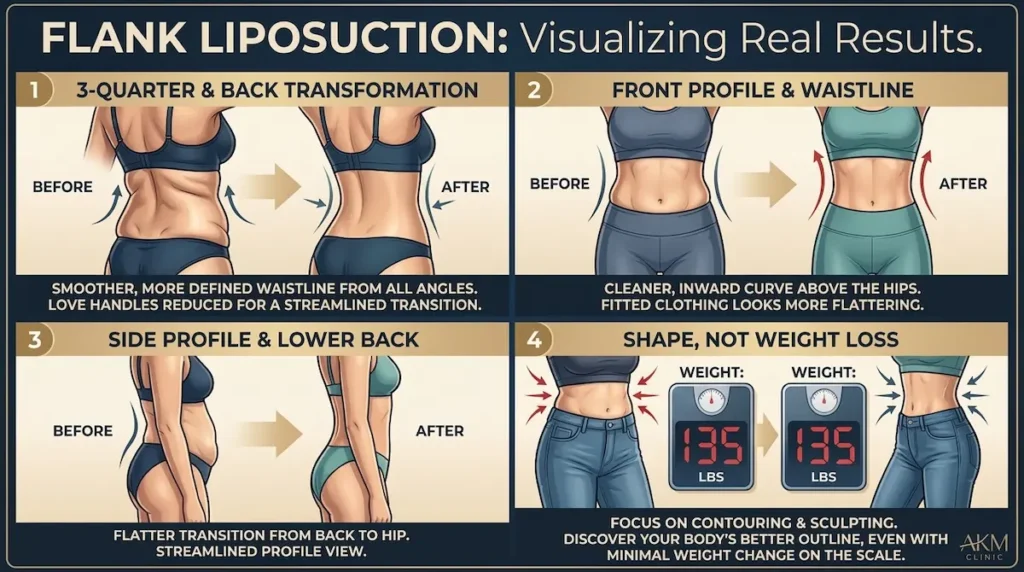
Flank liposuction can make the waistline look smoother, slimmer, and more defined. The most noticeable change is often not from the front alone. Many patients see the biggest difference in three-quarter, side, and back-view photos.
That is because love handles interrupt the waist-to-hip and waist-to-back transition. Reducing that side bulge can make clothing sit flatter and the torso look less square. Still, the result should look like your body, only better contoured.
Waist definition from the front and side
From the front, successful waistline liposuction can reduce the outward curve above the hips. This may create a cleaner inward line at the waist. In fitted clothing, the waistband may look smoother.
From the side, the lower back and side-waist transition can look flatter. This is where flank treatment can be especially satisfying. The body may look more streamlined without needing a dramatic change in weight.
The back view matters too. Love handles often wrap backward, so a good plan treats the contour in three dimensions. A narrow front view with untreated back fullness can look unfinished.
Contouring, not weight loss
The goal is shape. Patients sometimes expect the scale to move after fat removal, but flank liposuction usually removes a localized fat pad, not enough total body fat to create major weight loss.
This is a common source of disappointment when expectations are not set clearly. A patient may look better in jeans, dresses, workout clothing, or swimwear without losing many pounds. That is still a real change.
Think of the procedure as editing the outline of the waist. It is not a metabolic treatment.
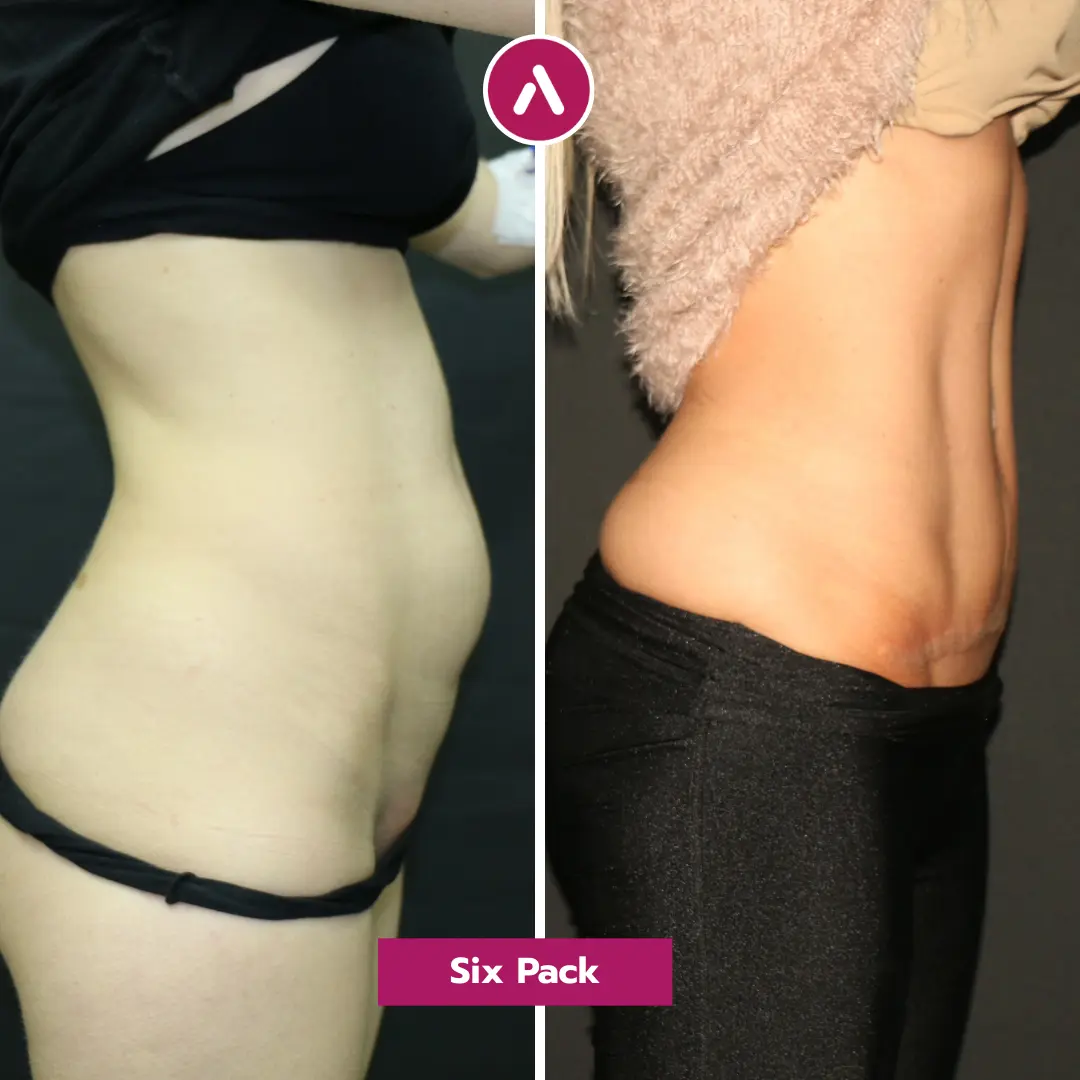
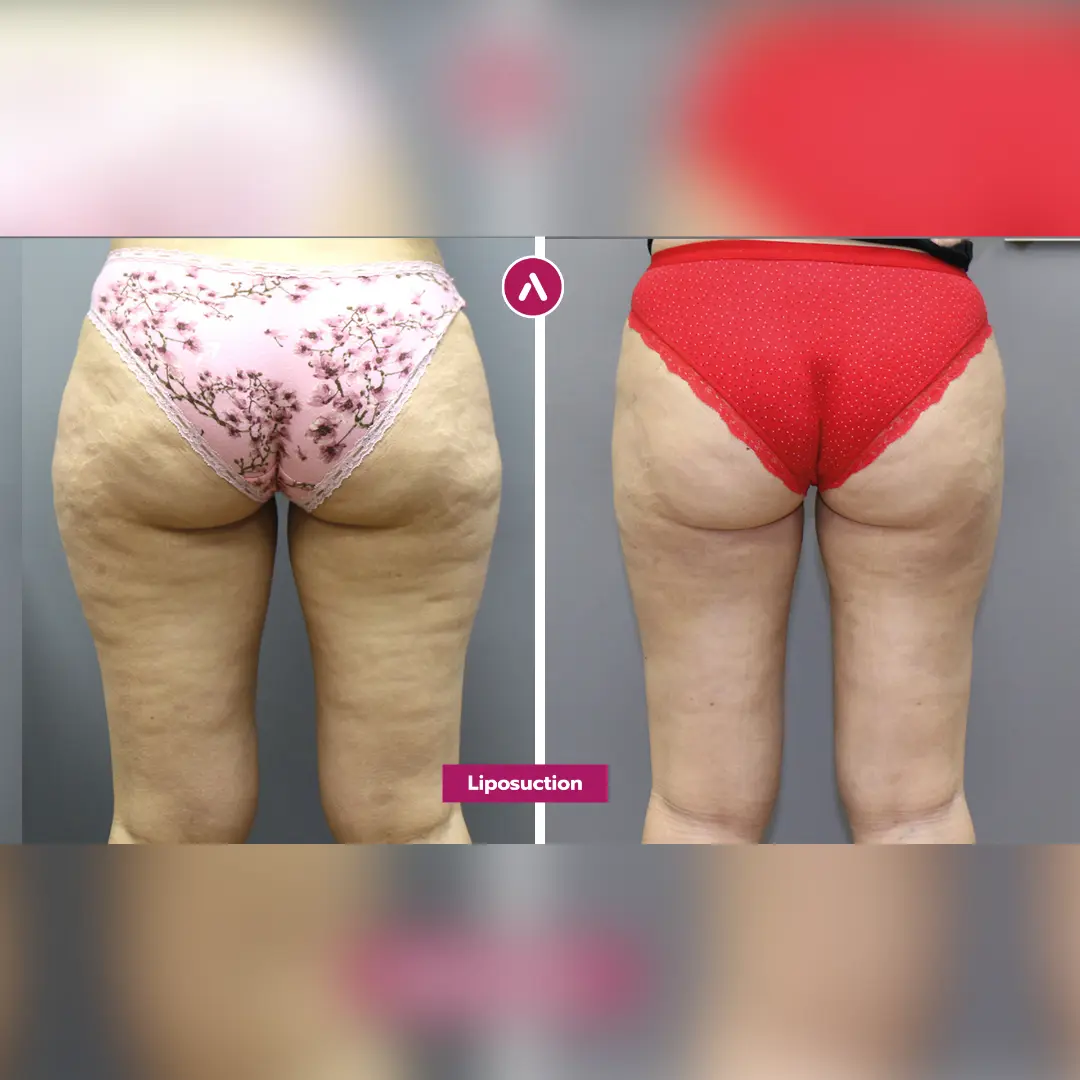
Flank-only results versus a fuller waist plan
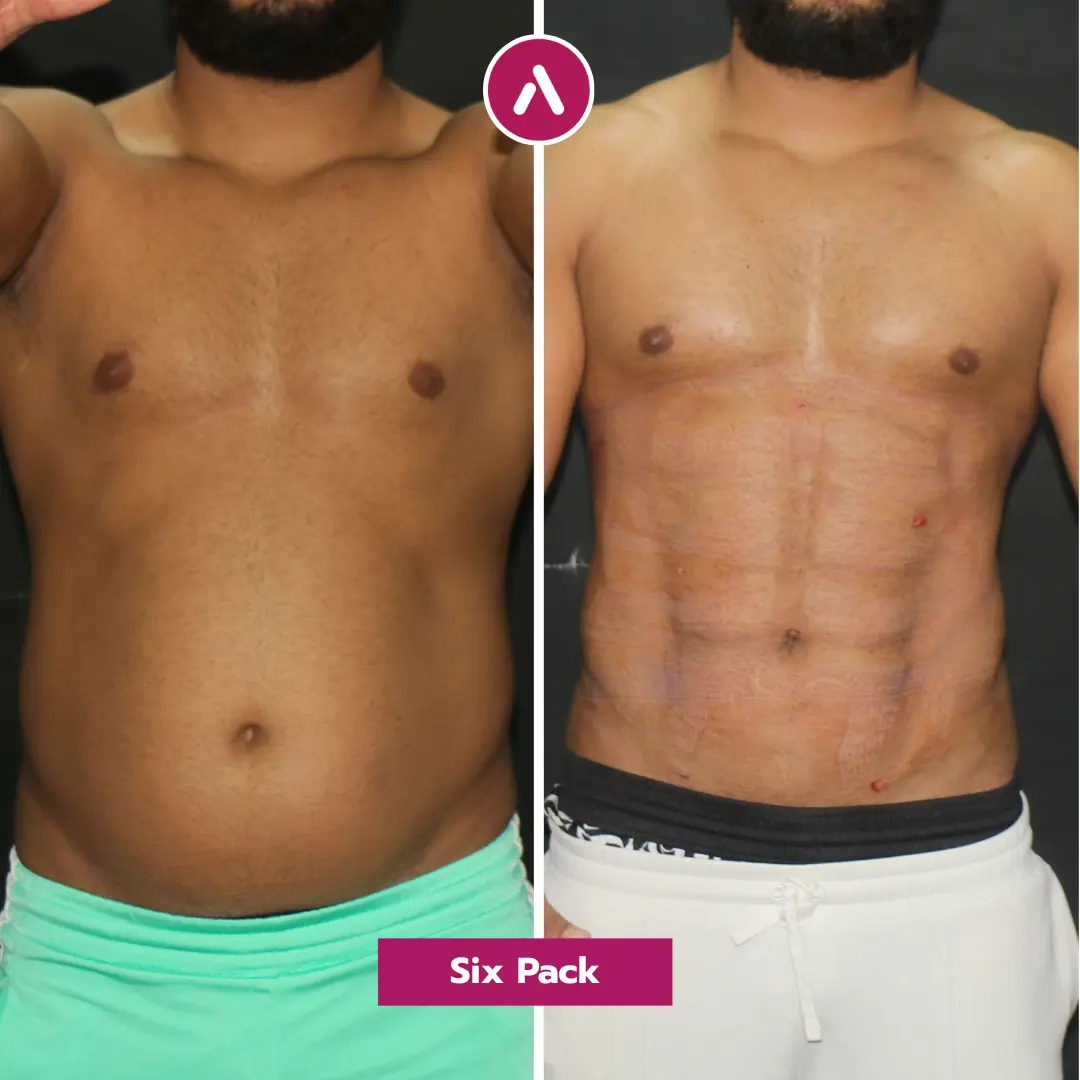
Some patients truly need only flank treatment. Others need a wider approach because the abdomen, lower back, and flanks all contribute to the waist shape. In those cases, discussing VASER high-definition liposuction for a full 360 contour may be more appropriate than forcing a flank-only plan.
That does not mean everyone needs Lipo 360. It means the treatment should match the anatomy. A small, isolated love-handle pad may respond beautifully to focused flank lipo. A circumferential fat pattern may not.
| Option | Best For | What It Changes | What It Does Not Do |
|---|---|---|---|
| Flank-only liposuction | Localized love handles above the hips | Smooths the side waist and lower-back transition | Does not reshape the full abdomen or back |
| Lipo 360 | Fat that wraps around the abdomen, flanks, and back | Contours the midsection from multiple angles | Does not remove loose skin or replace weight loss |
| HD or VASER contouring | Patients seeking more athletic definition | Uses more detailed sculpting around muscle lines | Does not suit every body type or every skin type |
Realistic before-and-after expectations
The best flank liposuction result usually looks smooth, balanced, and believable. It should not look scooped out. Over-removal can create dents, shadowing, or a shelf-like transition above the hip.
Swelling also affects early expectations. The waist may look smaller within weeks, then fluctuate as swelling shifts. Final contour takes time to settle.
Patience helps. So does choosing a team that removes fat conservatively and blends the edges instead of chasing the thinnest possible waist.
“Flank contouring is not just about making the waist smaller. The real work is creating a smooth transition from the lower back to the hip, keeping both sides even, and leaving enough soft tissue so the result moves naturally.”
— AKM Clinic board-certified plastic surgery team
Everything You Need to Know About Liposuction
From surgery steps to aftercare, get all the details on how AKM Clinic performs world-class Liposuction in Istanbul.
How the Flank Zone Is Treated
Flank liposuction is a focused procedure, but the planning is not small. The surgeon has to understand where the love handle begins, where it fades into the lower back, and how much fat should stay to keep the contour soft. The aim is a smoother waistline, not an over-carved groove.
Because the flanks curve around the body, the zone is assessed from several angles. A good plan looks at the front view, side view, back view, and how the waist changes when you sit or twist. Static photos matter, but movement matters too.
Positioning and access points
The flank can be treated while the patient is positioned to give the team safe access to the side waist and lower back transition. Small access points are placed where they can usually be hidden in natural creases or clothing lines.
The exact placement depends on your anatomy. A patient with fat that sits mostly above the hip may need a different access plan than someone whose fullness wraps farther toward the back. There is no universal map.
This is also why the consultation should include a visual marking process. Marking helps define where the fullness starts, where it ends, and where feathering is needed.
Feathering into nearby zones
Feathering means gradually blending the treated zone into untreated tissue. It is one of the most important parts of flank lipo. Without it, the waist may look smaller but the edges can look abrupt.
The flank connects to several zones: the lower back, upper hip, lower abdomen, and sometimes the outer waist. Removing fat from one pocket while ignoring the transition can create an uneven outline. The body is three-dimensional.
Conservative contouring often gives a more natural result than aggressive fat removal. It keeps the waist smooth under clothing and helps avoid dents, ridges, or an overly hollow side.
Symmetry and contour irregularity risk
No body is perfectly symmetrical before surgery. One flank may sit higher, hold more fat, or connect differently to the hip. The surgical plan has to account for that rather than simply remove the same amount from both sides.
Contour irregularity can happen when fat is removed unevenly, when skin does not redrape well, or when swelling and scar tissue heal differently from side to side. Most early unevenness is swelling. Persistent dents or ridges need review.
This is where experience matters. Flank contouring should be measured, layered, and blended. The goal is a waistline that looks smoother from every angle.
Where laser lipo fits into the conversation
Some patients ask about laser-assisted fat reduction because they hope it will tighten skin while removing love handles. Energy-assisted tools can have a role in selected cases, but they do not erase poor skin elasticity or replace a broader surgical plan.
If your main question is what laser lipo can and can't do for love handles, it is best treated as a separate decision. For flank liposuction, the core questions remain the same: localized fat, skin quality, symmetry, and realistic contour goals.
Recovery and Protecting Your New Waistline
Recovery after flank liposuction is usually more about swelling, tightness, and patience than severe downtime. You may feel sore at the sides of the waist, especially when bending, twisting, or getting in and out of bed. That is expected early on.
The treated area will not look final right away. Swelling can make the waist look uneven or still full for several weeks. The contour becomes easier to judge as the tissue softens and the skin begins to redrape.
The first days: compression, soreness, and swelling
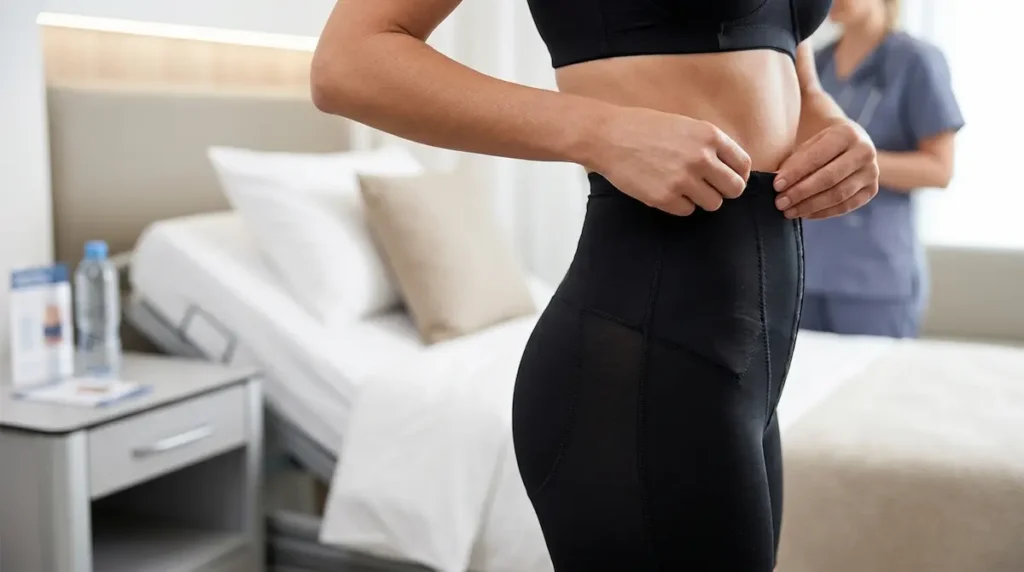
You will usually wear a compression garment after surgery. It supports the treated tissue, helps manage swelling, and reminds you to move carefully. The fit should be snug, not painfully tight.
Bruising, tenderness, and a firm feeling under the skin are common in the first phase. Some patients also feel numbness or tingling as the nerves recover. These sensations usually improve gradually.
Short walks are encouraged when your surgical team clears you. Stillness is not helpful. Heavy exercise, aggressive twisting, and pressure on the flanks should wait until you are medically cleared.
Weeks 2–6: the uneven phase
Many patients expect the waist to look finished after the early bruising fades. It rarely does. Around weeks two to six, swelling may shift from side to side, and the treated area can feel firm or lumpy.
This is not automatically a bad sign. Liposuction healing is uneven by nature. The flank area moves constantly when you sit, stand, bend, and sleep, so the tissue can take time to calm down.
Photos taken during this stage can be misleading. Use them for progress, not judgment.
When final results appear
Some improvement is visible within the first few weeks, especially in clothing. More refined contour changes usually appear over several months as swelling settles. The final waistline can take three to six months, and sometimes longer, to fully mature.
Skin elasticity affects this timeline. Younger, firmer skin may redrape faster. Skin after weight fluctuation, pregnancy, or aging may take longer and may not tighten as much.
A stable routine helps. Consistent weight, hydration, protein intake, and gradual return to training all support the result.
How to maintain flank lipo results
Fat cells removed from the flanks do not grow back in the same way. But remaining fat cells can enlarge with weight gain. Nearby areas can also change, which may soften the waistline over time.
Maintaining the result is not about extreme dieting. It is about staying close to the weight and body composition you had when the surgery was planned. Your new contour is easiest to protect when your habits are already sustainable.
If you later have a tummy tuck, weight change, or pregnancy, the flank area can influence the final outline. In some patients, side laxity can contribute to dog ears after a tummy tuck, so full-body planning matters.
Planning, pricing, and the consultation
Flank liposuction cost depends on whether the flanks are treated alone or as part of a wider midsection plan. This article is not a pricing guide, so it will not break down packages or surgical fees. For that, use the liposuction price list.
During consultation, the more useful question is not “How much fat can you remove?” It is “Which zones must be treated to make the waist look balanced?” That question protects the result.
At AKM Clinic, planning is led by a board-certified plastic surgery team in Istanbul, with hospital care, 5-star hotel coordination, VIP transfers, compression garment support, and virtual follow-ups at 1, 3, 6, and 12 months. AKM Clinic’s patient reviews are publicly visible on Trustpilot. Results vary from patient to patient.
Ask AKM whether flank-only liposuction or a fuller waistline plan fits your anatomy, skin elasticity, and long-term goals.
Frequently Asked Questions About Flank Liposuction
These are the most common questions patients ask when they are deciding between focused flank treatment and broader waistline contouring. The best answer still depends on anatomy, skin quality, and whether the fullness is truly limited to the love-handle area.
Does flank liposuction get rid of love handles?
Is flank lipo the same as Lipo 360?
What is the difference in lipo 360 vs flank lipo?
How much fat can be removed from the flanks?
Can flank liposuction make loose skin worse?
Is flank lipo for men different?
Can muffin top liposuction be done with flank liposuction?
How long is recovery after flank liposuction?
Will flank liposuction help my waistline look smaller?
Are results permanent?
Conclusion: Is Flank Liposuction Right for Your Love Handles?
Flank liposuction is best for people who have stubborn, localized love-handle fat, stable weight, and skin that can redrape after fat removal. It can refine the side waist, smooth the lower-back transition, and improve how clothing fits. The result should be balanced, not overdone.
The key is honest planning. If your concern is limited to the flanks, a focused approach may be enough. If the fullness wraps around the abdomen or back, a wider waistline plan may create a smoother result.
Have Specific Questions About Liposuction?
Chat directly with our dedicated patient coordinators regarding Liposuction. Get instant answers and personalized support.
Medical disclaimer: This article is for general education only and does not replace a personalized consultation with a qualified medical professional. Individual anatomy, healing, risks, and results vary.
Related Treatments
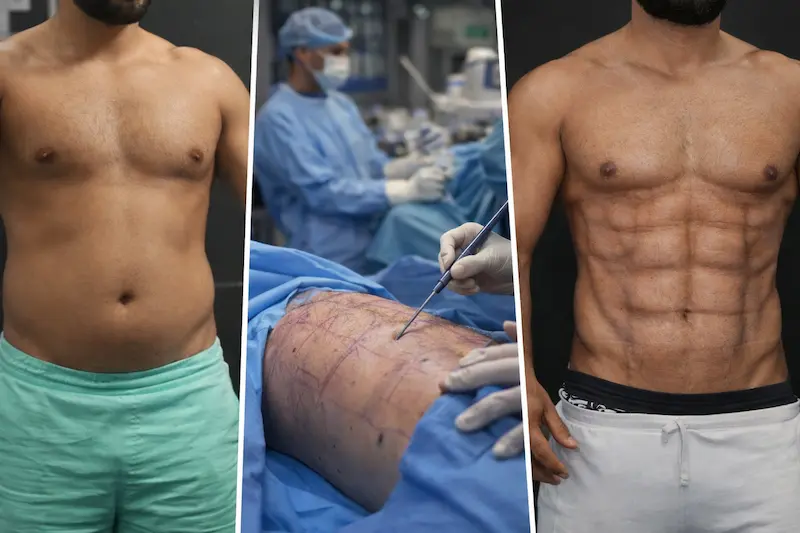
Awake Abdominal Etching in Turkey
Learn what awake abdominal etching is, who it’s for, recovery timeline, risks, and USA vs Turkey value—plus how to choose a qualified surgeon.

Awake Mommy Makeover in Turkey
Learn what an awake mommy makeover in Turkey includes, twilight sedation vs general anesthesia, recovery timeline, scars, risks, and value vs NYC/LA/Miami.
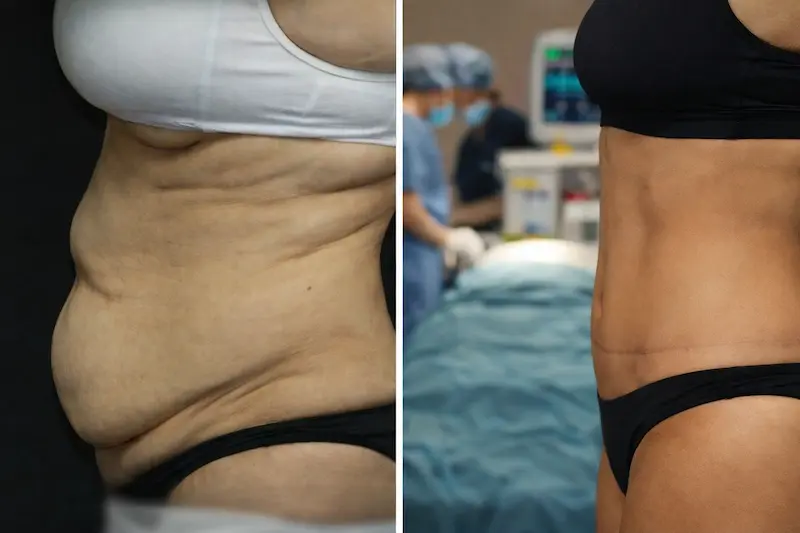
Awake Tummy Tuck in Turkey
Learn how an awake tummy tuck works, who qualifies, anesthesia options, step-by-step surgery, recovery timeline, risks, scars, and cost comparison.
Awake High-Definition Liposuction
Awake high-definition liposuction guide: tumescent anesthesia, twilight sedation, HD techniques, recovery timeline, risks, and value comparison.
Ready to Start Your Own Transformation Journey?
Join the 2,000+ patients who trusted Dr. Akif Mehmetoğlu and the AKM Clinic team. Your journey to a more confident, revitalized you begins with a simple, no-obligation conversation. Contact us today from the USA for your free virtual consultation.
#1: Get Your Free Personalised Quote
Start with a free, no-obligation online consultation. Share your photos, and our surgical team will provide a fully personalised treatment plan and a transparent, all-inclusive price package. No hidden fees.
#2: Secure Your Date & VIP Booking
Once you're ready, our dedicated patient coordinators will help you secure your procedure date. We'll handle all your bookings, including your 5-star hotel and private VIP airport transfers.
#3: Arrive in Istanbul & Meet Your Surgeon
Arrive at Istanbul Airport (IST) and be greeted by your private driver. Settle into your hotel and prepare for your in-person consultation, where you'll meet your specialist surgeon to finalise the details for your "natural, subtle, and revitalized" new look.