
Whether you type best plastic surgery clinic in Turkey, Turkey best plastic surgery clinic, or even best Turkish plastic surgery clinic into Google, the decision should come down to a structured evaluation: legitimacy, surgeon credentials, safety systems, proof of results, transparent pricing, and aftercare accountability. And if your search narrows to Istanbul—best plastic surgery clinic in Istanbul—the same standards apply, just with more options to compare.
Key idea: “Best” in plastic surgery is not a title. It’s a system—one you can audit with the right checklist.
Table of Contents
What “Best” Actually Means in Plastic Surgery (And Why It’s Not Instagram Followers)
When patients say “best,” they often mean: natural results, low complication risk, high ethical standards, and real accountability. A truly best clinic for plastic surgery in Turkey is not defined by viral reels or celebrity-style branding. It’s defined by the consistency of outcomes, the quality of clinical decision-making, and the strength of the safety infrastructure around you—before, during, and after surgery.
To choose the best Turkey plastic surgery clinic for your goals, you’ll want a framework that filters out marketing noise and highlights what’s measurable: who the surgeons are, where the surgery is performed, what protocols exist for risk reduction, and how the clinic handles follow-up care for international patients.
Outcomes vs. marketing: what you can verify
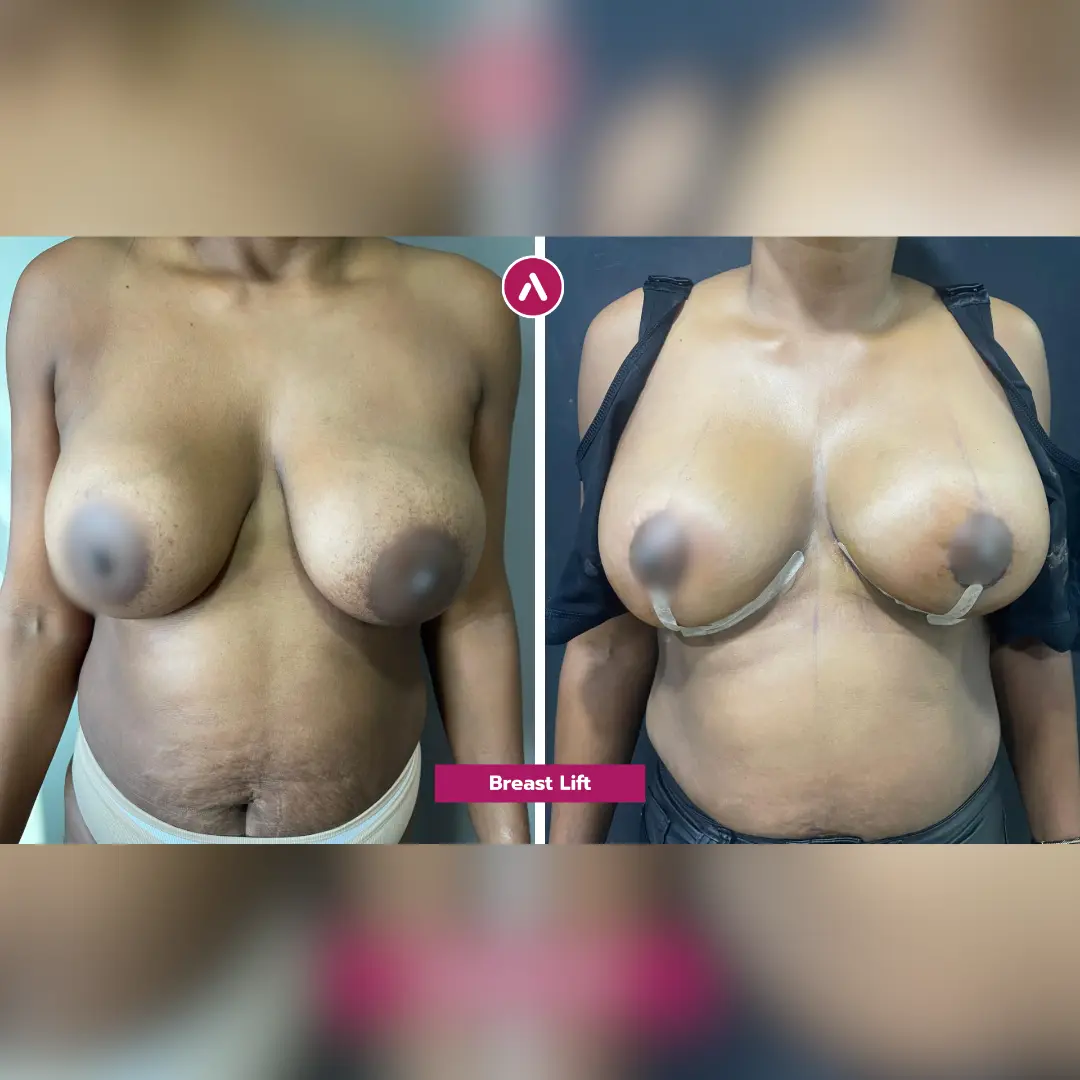
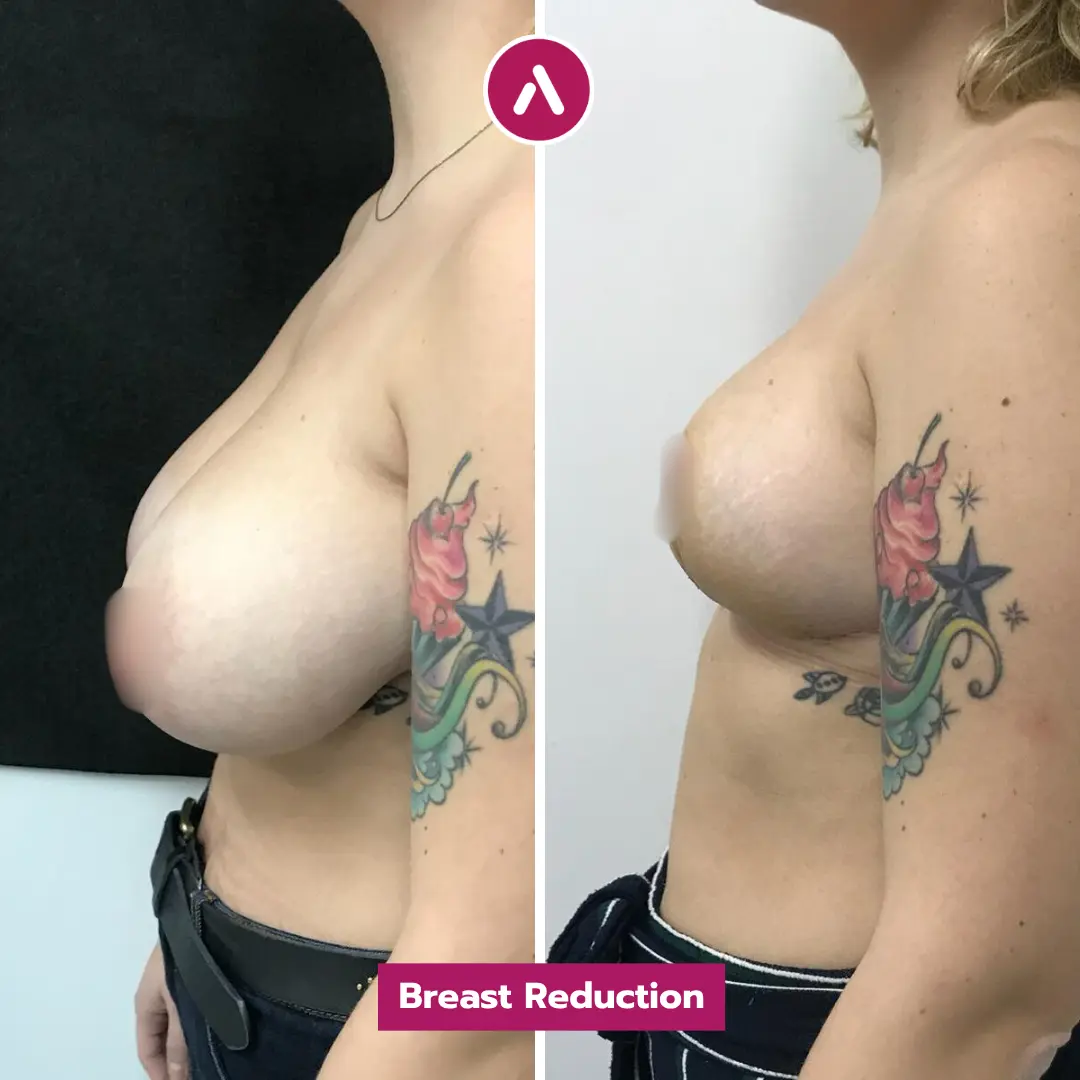
Marketing can look impressive while hiding critical gaps. Verification is the opposite: it’s evidence that holds up under scrutiny. Instead of “beautiful photos,” look for:
- Consistent photographic standards (same angles, lighting, neutral expressions, comparable timing).
- Procedure-specific outcomes (not generic “transformations” that don’t match your surgery type).
- Medical documentation readiness (pre-op plan, risk assessment, and follow-up protocols explained clearly).
In scientific research terms, you’re looking for reproducibility: results that appear consistently across multiple patients, not a single “hero” case.
“Natural result” standards: how to define it for yourself
“Natural” can mean different things depending on your anatomy and goals. Define your standard before consultations so you can evaluate clinics objectively. For example:
- Facial surgery: preserved identity, harmony, and no “operated look” (telltale tightness, distorted hairline, pulled mouth corners).
- Body surgery: balanced proportions, smooth contours, and scars placed strategically for concealment.
- Skin quality & healing: realistic expectations about swelling, scar maturation, and timelines based on medical science—not social media timelines.
This is also where a multi-disciplinary perspective matters—especially for facial work—because results depend on both structure and skin behavior during healing.
The real risk in medical tourism: choosing a broker vs. a medical team
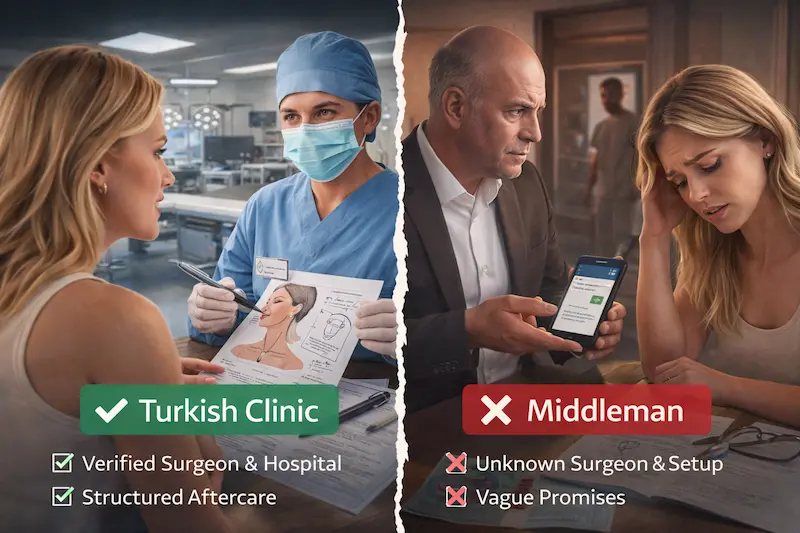
One of the biggest hidden risks isn’t “Turkey” itself—it’s not knowing who is medically responsible. Some patients think they’re choosing a clinic, but they’re actually dealing with a broker or agency that does not control the operating environment, team consistency, or aftercare decisions.
To identify a true clinic (not a посредник-style middle layer), make sure you can clearly answer:
- Who is the operating surgeon? (Full name, credentials, and role in your specific procedure.)
- Where is the surgery performed? (Hospital standards and anesthesia setup, not just a “clinic address.”)
- Who follows you after surgery? (A defined aftercare pathway, not “message us anytime” with no structure.)
Step 1 — Verify Legitimacy: Clinic Licensing, Hospital Standards, and Accreditation
When you’re trying to identify the best plastic surgery clinic in Turkey, legitimacy is the first non-negotiable filter. “Legitimate” doesn’t mean “has a website” or “has a coordinator.” It means the clinic and surgical setting can demonstrate legal authorization, traceable accountability, and appropriate infrastructure for elective surgery—especially if you’re traveling internationally and need predictable standards.
Patients searching for the best Turkish plastic surgery clinic should approach this like an audit: request documents, confirm where the operation takes place, and verify what “accreditation” actually covers. In medical science, safety outcomes improve when systems are standardized—and legitimacy is the foundation of standardization.
Clinic licensing and legal accountability (what to request, what to check)
A trustworthy clinic can clearly explain its legal status and who holds medical responsibility. Ask for:
- Clinic/company registration details (who owns the practice and where it is registered).
- Medical facility licensing (the authorization that permits the facility to provide healthcare services).
- Named physician responsibility (the surgeon and medical team who will manage your care).
Why it matters: if something goes wrong, accountability must be clear. If answers feel vague—“don’t worry, we handle everything”—that’s not a safety signal; it’s a risk signal.
Hospital-based surgery: why the operating environment matters
Many patients assume “a clinic is a clinic,” but the operating environment is a major differentiator when comparing the best plastic surgery clinic in Istanbul versus a low-standard setup. Ask specifically:
- Is the surgery performed in a hospital operating theater?
- Who provides anesthesia? (Anesthesiologist-led care and monitoring protocols.)
- What emergency resources are available? (ICU access, rapid response protocols, blood supply, specialist backup.)
Even for “routine” procedures, reputable medical systems plan for the rare event. That’s a core principle in scientific research on patient safety: you don’t judge systems by the average day—you judge them by how they handle the worst day.
Accreditation signals (e.g., JCI / ISO) and what they do and don’t guarantee
Clinic accreditations and quality certifications can be meaningful, but they’re not magic. They may reflect that a facility follows certain quality management standards, documentation practices, and safety protocols. However:
- They don’t replace surgeon skill or procedure-specific expertise.
- They don’t guarantee aesthetic taste or “natural result” judgment.
- They don’t eliminate risk; they help reduce preventable risk through systems.
Use accreditation as a positive signal—then verify the clinical reality: where surgery occurs, who is responsible, and how aftercare is structured.
Practical rule: If a clinic cannot clearly confirm the surgical setting and responsible physician, it cannot reasonably be called the best clinic for plastic surgery in Turkey—no matter how attractive the package appears.
Step 2 — Surgeon Credentials: Training, Specialization, and Who Actually Operates
The surgeon is the single most important variable in your outcome—and yet it’s the easiest detail for marketing to blur. If you’re looking for the Turkey best plastic surgery clinic, you should be able to confirm: the surgeon’s identity, their scope of practice, their experience with your exact procedure, and whether the consultation is surgeon-led.
In medical science, outcomes are strongly linked to appropriate specialization, careful patient selection, and refined technique. Credentials aren’t about status—they’re about whether the person operating has the right training for what you’re asking their hands to do.
Board certification equivalents and why specialty matters
Ask what the surgeon is trained and accredited to do—specifically. Many places use broad titles in advertising, but your evaluation should be procedure-specific:
- What is the surgeon’s primary specialty? (Plastic surgery, facial surgery focus, body contouring focus, etc.)
- How many years have they practiced this procedure?
- What is their approach to minimizing risk? (Pre-op assessment, anesthesia planning, complication protocols.)
Specialty matters because “cosmetic” is not a specialty by itself—safe aesthetic surgery is built on rigorous surgical training and systems-based patient care.
Case volume + case complexity: how to read experience the right way
High volume alone is not enough; it can even be a red flag if it implies “factory style” care. What you want is:
- Relevant volume (your procedure, your anatomy type, your age group).
- Complexity readiness (revision cases, asymmetry correction, combined procedures managed safely).
- Documented follow-up (proof that patients are tracked beyond “day 1 photos”).
Ask to see results across different timelines (early swelling vs. later healing). This aligns with how scientific research evaluates outcomes: timing matters, and “final” results aren’t immediate.
The “dual-specialty” advantage for facial work (structure + skin quality perspective)
For facial surgery (facelift variations, neck lift, eyelid surgery, facial contour refinements), “natural” results depend on more than tightening. A strong approach considers:
- Structural support (underlying tissue repositioning and facial harmony).
- Skin quality (texture, elasticity, healing behavior, scar management).
- Longevity (results that age gracefully rather than looking “pulled”).
This is where a dermatosurgical perspective can elevate outcomes—because it bridges aesthetic structure and skin-focused healing principles. If you’re comparing the best Turkish plastic surgery clinic options for facial work, ask whether skin quality strategy is integrated into planning (not treated as an afterthought).

Step 3 — Safety System: Anesthesia, Emergency Readiness, and Patient Selection
Many patients focus on before/after photos and price, but the “best” clinics are often defined by what you don’t see: the safety system. When you search best plastic surgery clinic Turkey, you’re essentially searching for a low-risk pathway to an aesthetic goal. That requires careful anesthesia planning, emergency readiness, and ethical patient selection.
A robust safety system reflects a science-based mindset: reduce predictable risk, prepare for rare events, and make decisions based on clinical evidence—not pressure.
Anesthesia planning: who evaluates you and how risk is reduced
Ask how anesthesia is chosen and who is responsible. Key safety indicators include:
- Pre-anesthesia evaluation (medical history, medications, labs, risk assessment).
- Clear anesthesia plan aligned with procedure length and patient health.
- Monitoring standards and post-op observation protocols.
If the clinic treats anesthesia like a “detail,” that’s a concern. Anesthesia is not a commodity; it’s a core safety component.
Emergency readiness: ICU access, protocols, and “what if something goes wrong?”
Even in top-tier settings, complications can happen. The difference between a safe clinic and an unsafe clinic is how prepared they are. Ask:
- Where would I be transferred in an emergency? (Same facility vs. external transfer.)
- Is ICU available? (On-site access is a strong safety signal.)
- What is the protocol for bleeding, infection, or anesthesia-related events?
Responsible clinics will answer directly. Vague reassurance is not a protocol.
Ethical patient selection: when a good clinic says “no” (and why that’s a green flag)
One of the strongest signs you’re dealing with the best clinic for plastic surgery in Turkey is that they may refuse or postpone surgery when it’s not safe or not likely to meet your expectations. Green flags include:
- They request medical records and ask detailed health questions.
- They discuss realistic outcomes and limitations for your anatomy.
- They recommend staged procedures instead of “doing everything at once.”
Clinics that approve everyone immediately often prioritize volume over safety—an approach inconsistent with medical science principles.
Step 4 — Proof of Results: How to Evaluate Before/After Photos Like an Expert
When patients search for the best plastic surgery clinic in Turkey, they often start by scrolling through before/after photos. That’s understandable—but it’s also where marketing can mislead. The goal is not to find the most “dramatic” transformation; the goal is to find consistent, honest, medically plausible outcomes supported by proper documentation and standardized presentation.
In scientific research, evidence has value only when the method is reliable. The same logic applies here: a photo is meaningful only if the clinic follows consistent standards that reduce bias and manipulation. If you want to identify the best Turkish plastic surgery clinic, learn to evaluate results like an expert—not like a casual viewer.
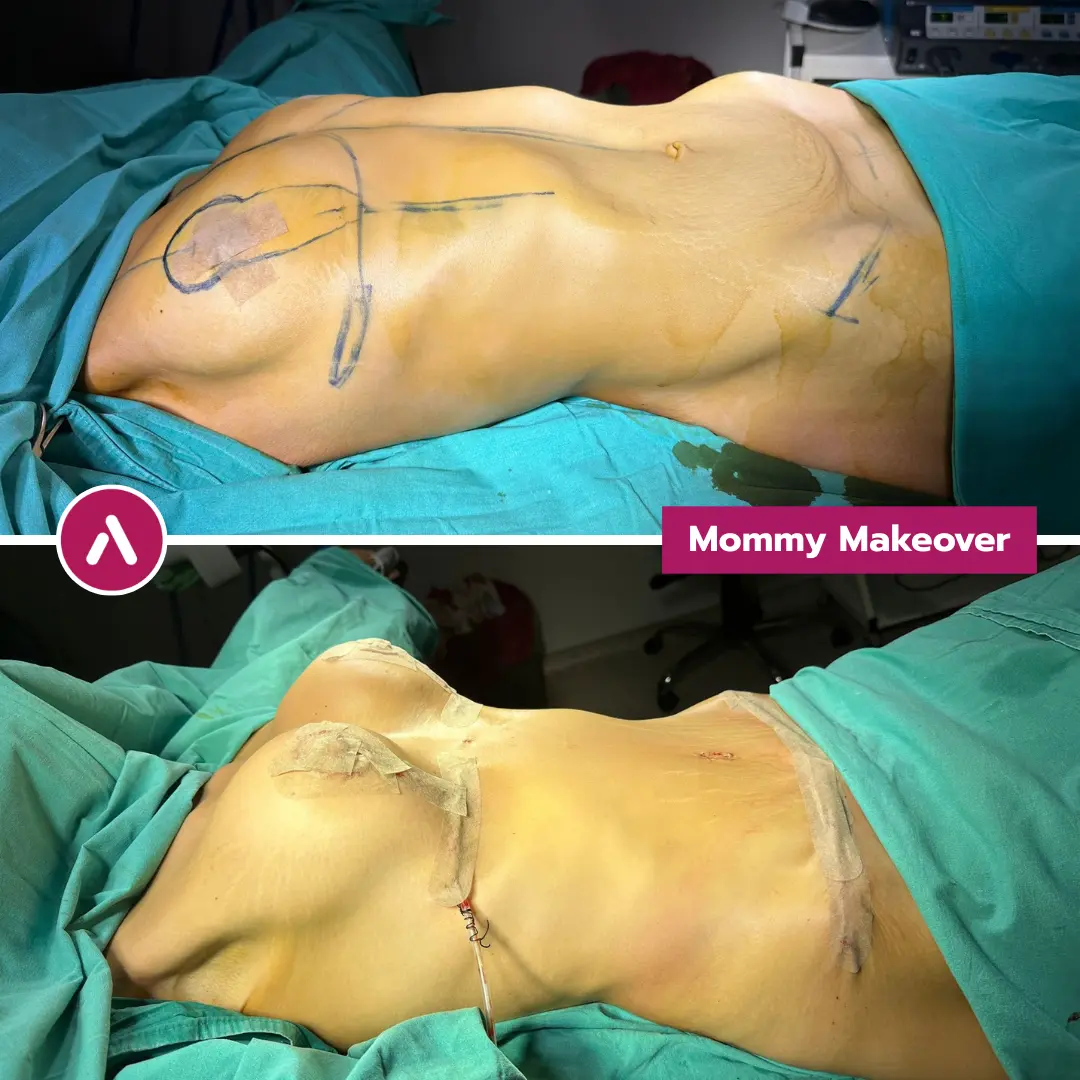
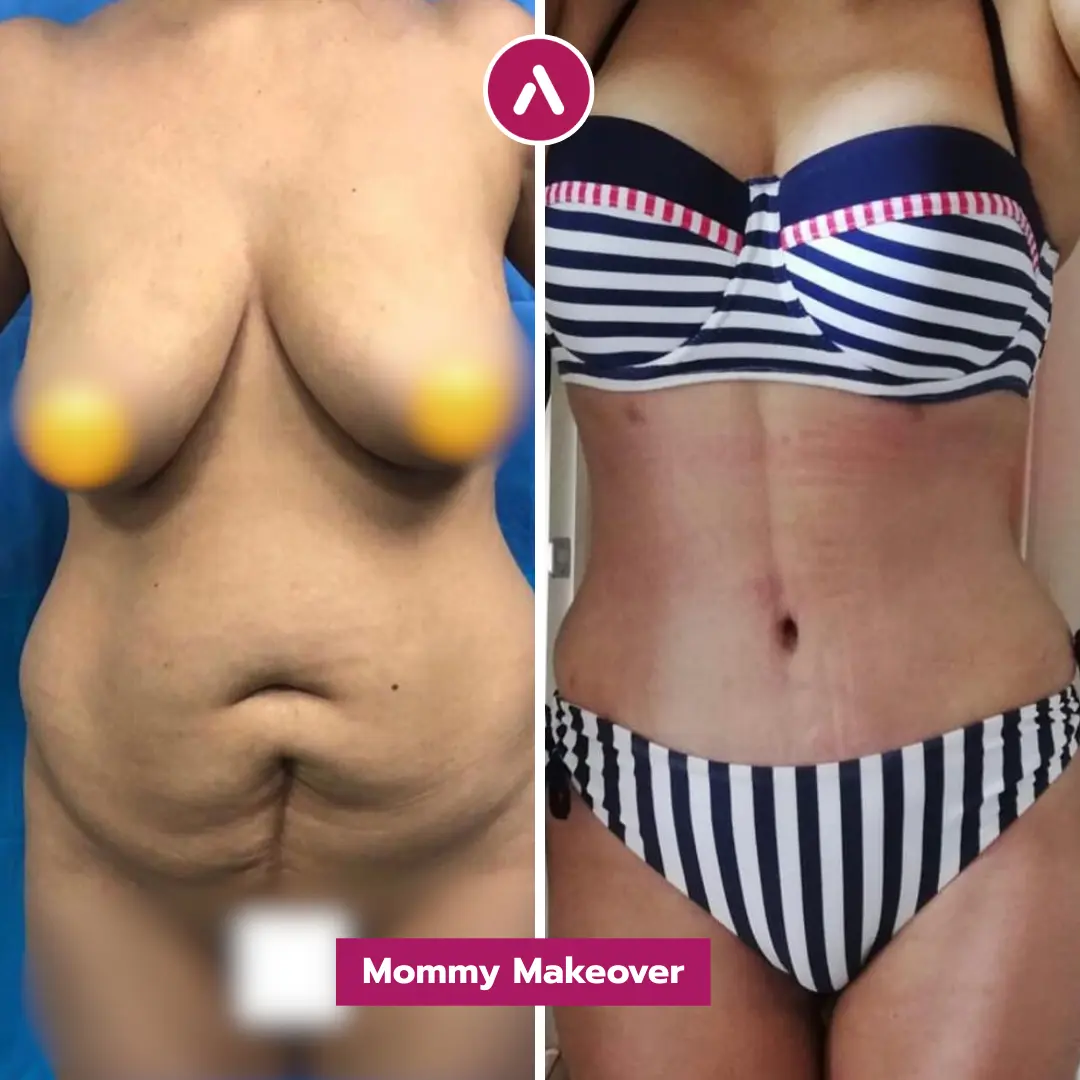
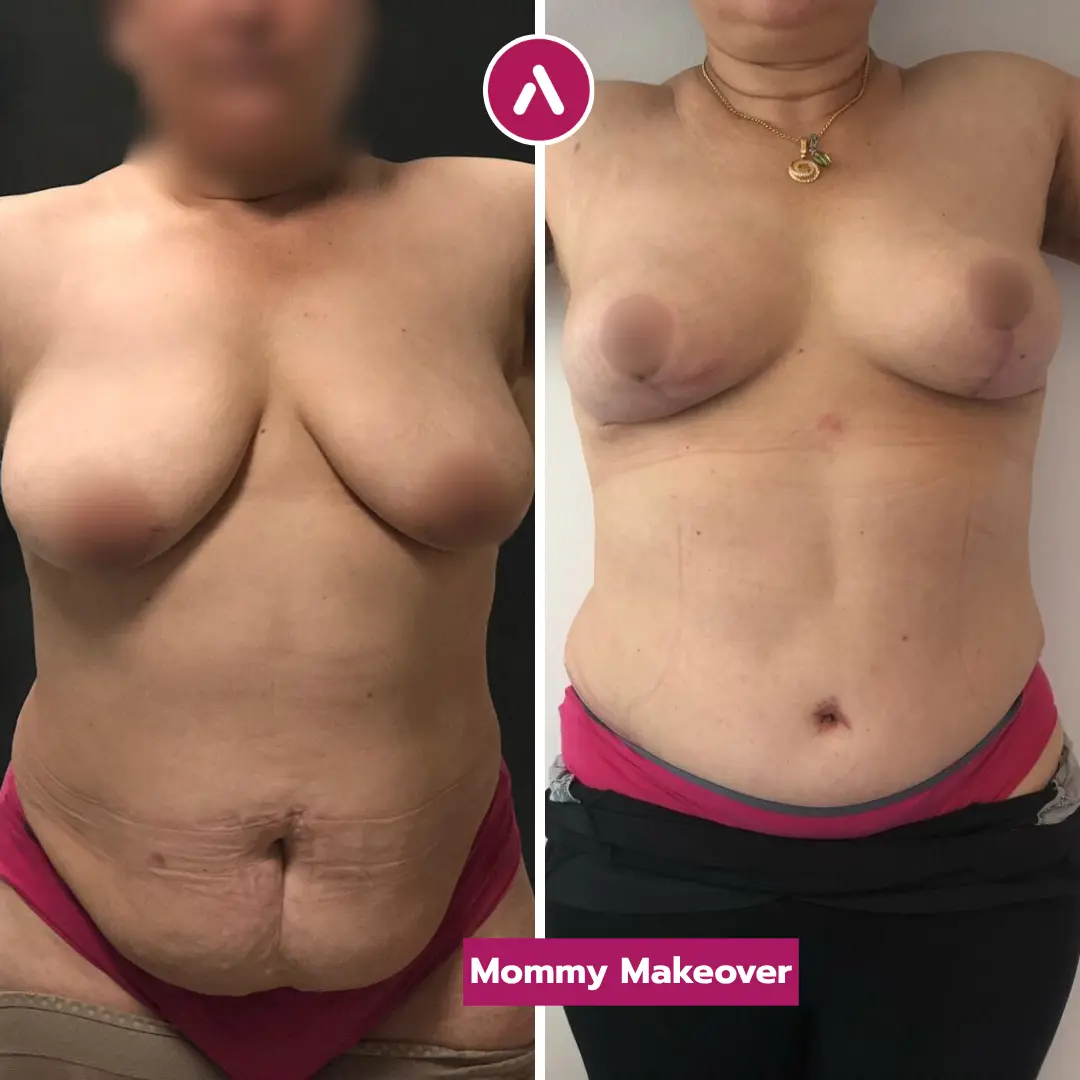
Photo standards: lighting, angles, timing, consistency (spotting manipulation)
Ask whether the clinic follows a standardized photography protocol. Inconsistent photos can hide weaknesses and exaggerate positives. Watch for:
- Different lighting (harsh vs. soft) changing skin texture and contour visibility.
- Different angles (slight head tilts can “improve” jawlines or hide asymmetry).
- Different facial expressions (smiling vs. neutral alters cheeks and neck appearance).
- Unclear timelines (a 2-week “after” is not comparable to a 6-month “after”).
If a clinic’s photos don’t list approximate timelines, ask. A clinic positioned as the Turkey best plastic surgery clinic should be comfortable discussing healing phases and realistic progression.
“Natural” vs. “overdone”: objective indicators in facial and body results
Natural results are not “subtle at any cost”—they’re about balance and anatomical harmony. Objective signals include:
- Facial work: preserved identity, smooth transitions, no obvious tension points, and a neck/jawline that looks refined but not “pulled.”
- Rhinoplasty (if relevant): stable nasal tip support, no pinching, and a profile that fits facial proportions.
- Body contouring: smooth contour lines without “step-offs,” dents, or unnatural sharpness.
Remember: some results look “amazing” at first glance but don’t age well. A truly best plastic surgery clinic in Istanbul will show results that look believable and stable over time.
Revision capability: what it says if a clinic handles complex/revision cases
Revision and corrective cases are harder than primary procedures. Clinics that can safely handle complex cases often have stronger systems and more advanced surgical judgment. You can ask:
- Do you treat revision cases? If yes, what types and how often?
- How do you plan scar tissue management? (especially for revision body or facial procedures)
- Can you show standardized revision examples? (with consistent photos and realistic timelines)
This doesn’t mean you should choose a clinic solely because they do revisions—but if you’re comparing the best clinic for plastic surgery in Turkey, revision capability is a meaningful indicator of clinical depth.
Expert patient tip: Ask for “average” results, not only the best ones. A best practice clinic will have nothing to hide.
Step 5 — Transparency: Pricing, Inclusions, and Avoiding Hidden Fees
Price is a valid part of decision-making—but only when you compare like-for-like. Many patients searching best plastic surgery clinic Turkey also search best Turkey plastic surgery clinic expecting “all-inclusive” pricing. The risk is that packages can hide exclusions that matter most: anesthesia, hospital fees, lab work, garments, medications, extra nights, complication care, or follow-up support.
Transparency is a safety marker. A clinic that is truly among the best plastic surgery clinic in Turkey options will provide a quote that reads like a medical plan, not a travel brochure.
What a trustworthy quote includes (surgery, hospital, anesthesia, aftercare)
Request a written, itemized quote. At minimum, it should clarify:
- Surgeon fee (and whether the surgeon you consulted is the one operating)
- Hospital/OR fee (where the surgery happens and for how long)
- Anesthesia fee (and anesthesiologist involvement)
- Pre-op tests (labs, imaging if needed, medical clearance)
- Post-op care (dressings, follow-up visits, nurse support)
- Compression garments (for body procedures) and scar care basics
If the clinic is positioning itself as the best Turkish plastic surgery clinic, you should not have to chase these details.
Common hidden-cost traps (tests, garments, meds, extra nights, complication care)
Hidden fees often appear in these areas:
- Extra hospital nights if your recovery needs more observation.
- Medications (pain control, antibiotics) not included in the package.
- Compression garments or replacement garments for longer recovery.
- Additional lab work if results require repeats.
- Complication-related costs (this is the most important one to clarify).
Ask a direct question: “If a complication requires additional medical care, what is covered, and what is not?” A best clinic for plastic surgery in Turkey should answer this without defensiveness.
Comparing like-for-like: how to evaluate packages across clinics without being misled
To compare the best plastic surgery clinic in Istanbul choices fairly, create a simple comparison sheet. Score each clinic on clarity (not just cost). For example:
| Quote Item | Clinic A | Clinic B | Clinic C |
|---|---|---|---|
| Named surgeon in writing | Yes / No | Yes / No | Yes / No |
| Hospital + OR details included | Yes / No | Yes / No | Yes / No |
| Anesthesiologist fee included | Yes / No | Yes / No | Yes / No |
| Follow-up plan documented | Yes / No | Yes / No | Yes / No |
| Complication policy explained | Clear / Vague | Clear / Vague | Clear / Vague |
This method protects you from being seduced by a low headline price. The best plastic surgery clinic in Turkey isn’t the cheapest—it’s the clearest, safest, and most accountable option.
Step 6 — Aftercare and Accountability: The Most Overlooked “Best Clinic” Criterion
Many patients spend weeks comparing photos and prices, but the most important question often gets the least attention: what happens after surgery? For international patients, aftercare is where “good marketing” and “good medicine” clearly separate. If you’re aiming to choose the best plastic surgery clinic in Turkey, you should treat aftercare as a primary selection criterion—not a bonus.
A clinic can produce beautiful results on day 7 and still fail you if there’s no structured follow-up, no clear complication pathway, or no accountability once you’ve flown home. The best Turkish plastic surgery clinic will have an aftercare system that is predictable, documented, and patient-centered.
Post-op follow-up schedule: what “real aftercare” looks like for international patients
Ask for a written follow-up plan before you pay a deposit. A strong aftercare pathway typically includes:
- Immediate post-op monitoring (first 24 hours with appropriate observation).
- Planned in-person checkups during your stay (not just “if you need us”).
- Clear milestones: wound checks, dressing changes, drain removal (if applicable), swelling guidance.
- Remote follow-up schedule after you return home (week-by-week or milestone-based).
In terms of medical science, structured follow-up improves early detection of issues like infection, seroma, delayed healing, and scar problems—especially when patients are traveling and managing recovery across time zones.
Communication standards: who answers you at 2am and what happens after you fly home
“24/7 support” can be a meaningless phrase unless it’s defined. Ask:
- Who is your point of contact? (nurse, medical coordinator, surgeon’s assistant)
- What channels are used? (WhatsApp, phone line, secure messaging)
- When does the surgeon step in? (clear escalation rules)
- What happens if you’re back in the US? (time-window expectations and documentation)
If a clinic is positioning itself as the best clinic for plastic surgery in Turkey, it should offer a clear protocol for aftercare communication—not just friendly responsiveness.
Recovery-support technology as a safety signal (HBOT, LLLT) and what benefits to expect
Some clinics strengthen recovery using supportive modalities that align with modern postoperative care principles. When properly indicated, recovery-support technology can help reduce swelling, support tissue recovery, and improve patient comfort.
- LLLT (Low-Level Laser Therapy): commonly used in postoperative care settings to support healing and reduce inflammation.
- HBOT (Hyperbaric Oxygen Therapy): used in select cases to support tissue oxygenation and recovery, particularly when healing support is clinically appropriate.
These technologies are not “magic,” and they don’t replace surgical skill—but they can reflect a clinic culture that invests in recovery science. If you’re comparing the best plastic surgery clinic in Istanbul, ask whether postoperative protocols are standardized and whether supportive modalities are used based on patient need (not as a generic upsell).
Accountability test: A clinic that truly deserves “best” status can explain exactly how they support you from day 1 to month 3—and what they do if recovery doesn’t follow the textbook path.
Step 7 — Your Decision Toolkit: A Clinic Comparison Checklist (Scorecard)
At this stage, you’re no longer guessing—you’re verifying. This is where you turn your research into a practical scorecard. Whether you’re comparing best plastic surgery clinic in Turkey candidates nationwide or narrowing down to the best plastic surgery clinic in Istanbul, you need a consistent checklist so emotion doesn’t override evidence.
The goal is not to find “zero risk” (that doesn’t exist). The goal is to choose the clinic with the strongest safety system, the clearest accountability, and the most convincing proof of stable, natural outcomes—the real signature of the Turkey best plastic surgery clinic.
The “10-point verification checklist” (documents + questions to ask)
- 1) Named operating surgeon confirmed in writing.
- 2) Surgical location (hospital/OR details) clearly stated.
- 3) Anesthesia provider and monitoring standards explained.
- 4) Pre-op evaluation process (medical history, labs, clearance).
- 5) Emergency readiness (ICU access, protocols, escalation).
- 6) Standardized before/after photos with timelines.
- 7) Procedure-specific experience demonstrated with comparable cases.
- 8) Itemized quote with inclusions/exclusions and complication policy.
- 9) Written aftercare plan including remote follow-up after you return home.
- 10) Ethical communication (no pressure, realistic outcomes, willingness to say no).
The consultation test: how to spot honesty vs. sales scripting
A surgeon-led consultation should feel like a clinical evaluation—not a pitch. Green flags include:
- They ask detailed questions about health, medications, and your goals.
- They explain trade-offs (scar placement, swelling, revision risk, recovery length).
- They set realistic expectations based on your anatomy and healing profile.
Red flags include: rushing you to pay, avoiding “what if” questions, and overpromising perfect outcomes. The best Turkish plastic surgery clinic will welcome your skepticism.
Shortlisting process: how to compare 3 clinics in 30 minutes (simple scoring method)
Take your top 3 clinics and score each category from 1 to 5. This keeps the decision evidence-based:
| Category | Score (1–5) | Notes (Proof / Gaps) |
|---|---|---|
| Legitimacy + Surgical Setting | __ | __ |
| Surgeon Credentials + Experience | __ | __ |
| Safety System (Anesthesia + Emergency) | __ | __ |
| Proof of Results (Standards + Timelines) | __ | __ |
| Transparency (Quote + Complication Policy) | __ | __ |
| Aftercare + Remote Follow-up | __ | __ |
If you do this honestly, the “best plastic surgery clinic Turkey” choice often becomes obvious—not because one clinic is perfect, but because one clinic is clearly more accountable, consistent, and evidence-driven.
Step 8 — Red Flags: When to Walk Away Immediately
Even if a clinic looks impressive online, certain red flags should stop the process immediately. Patients searching for the best plastic surgery clinic in Turkey sometimes overlook these because they’re excited, price-focused, or reassured by quick responses. But safety requires discipline.
If you want the best Turkey plastic surgery clinic outcome, you must be willing to walk away from anything that feels unclear, rushed, or unverifiable.
“Too cheap, too fast” pressure tactics and non-medical coordinators
- Pressure to pay quickly (“today-only price,” “limited slots,” “deposit now”).
- Medical advice given by non-medical staff who can’t explain clinical reasoning.
- Dismissive responses when you ask about risks, anesthesia, or emergency readiness.
Fast responsiveness is nice—but it does not equal clinical safety.
Vague surgeon identity, vague hospital info, vague aftercare promises
- No named surgeon confirmed in writing.
- Unclear surgery location (“our clinic OR” with no hospital-level specifics).
- Aftercare described as “we’re always here” without a schedule or protocol.
The best clinic for plastic surgery in Turkey should be able to answer these questions with clarity and documentation.
Refusal to share verifiable evidence (credentials, facility details, real results)
- They avoid providing credentials or use only generic titles.
- They won’t share standardized before/after examples with timelines.
- They won’t explain complication policies or what happens if recovery is not smooth.
Refusal to provide evidence is not “privacy”—it’s a credibility issue.
Frequently Asked Questions (FAQ): Best Plastic Surgery Clinic Turkey
Below are concise answers to the most common questions patients ask when comparing the best plastic surgery clinic in Turkey options—especially when deciding between Istanbul-based clinics and package-style providers.
How can I verify if a clinic is legitimate in Turkey?
Ask for the clinic’s legal registration/licensing details, confirm the named operating surgeon in writing, and verify the surgical setting (hospital OR details). Legitimate providers are transparent and consistent in documentation.
Is it safer to have plastic surgery in a hospital rather than a clinic?
In general, hospital-based OR standards and emergency readiness can offer stronger safety infrastructure (monitoring, specialist backup, ICU access). Ask where surgery is performed and what emergency pathways exist.
What questions should I ask about anesthesia and emergency readiness?
Ask who provides anesthesia (anesthesiologist involvement), what monitoring standards are used, and what the protocol is for rare events (bleeding, infection, anesthesia complications). Clear answers are a safety signal.
How do I know before/after photos are real and not edited?
Look for standardized photo conditions: consistent angles, lighting, expression, and disclosed timelines. Ask to see average outcomes and longer-term results, not only “best-case” transformations.
What should an all-inclusive quote include to avoid hidden fees?
An itemized quote should include surgeon fee, hospital/OR fee, anesthesia fee, tests, garments (if needed), meds guidance, aftercare visits, and a clear complication-care policy.
What aftercare should I expect once I return to the US?
You should receive a written follow-up schedule, remote check-in milestones, clear escalation rules (when the surgeon gets involved), and guidance for local care if needed. Aftercare is part of safety—not an extra.
What are the biggest red flags that a “clinic” is actually a broker/agency?
Unclear surgeon identity, vague surgical setting, pressure to pay, and refusal to provide verifiable documentation are common red flags. A true best clinic for plastic surgery in Turkey is transparent and accountable.
If you’d like to go beyond the points covered in this guide, you can also explore procedure-specific insights and real patient experiences at AKM Clinic. For example, AKM Clinic Reviews can help you understand what international patients highlight most about communication, comfort, and follow-up care. And if your main concern is risk and verification, Is It Safe to Have Plastic Surgery in Turkey offers a deeper look at safety standards, red flags, and how to confirm clinical credibility before you book. This way, you can connect the “how to choose” checklist with practical next steps for your own surgical plan.