
If you’re researching tip plasty in Turkey, you’re likely in a very specific place: you don’t want a “new nose,” you want a more refined tip — with natural proportions, stable long-term support, and minimal unnecessary changes. This guide is written for the expert patient who wants clarity on what tip-only surgery can realistically achieve, how it compares to the broader procedure category, and how to evaluate quality, safety, and value in Turkey. The complete primary nasal surgery foundation — covering open versus closed approach selection, septal cartilage preservation, dorsal hump management, osteotomy strategy, and the full anatomical scope that distinguishes tip-only refinement from comprehensive nasal reshaping — is documented on our comprehensive rhinoplasty technique hub.
Throughout this article, you’ll also see related terms used naturally—such as tip plasty in Turkey, tip plasty surgery in Turkey, Turkey tip plasty, nasal tip plasty Turkey, and cost-related phrases like tip plasty cost Turkey and tip plasty Turkey price—because patients often search in different ways for the same procedure.
Key takeaway: Tip plasty is not a “smaller rhinoplasty.” It’s a targeted operation on the most complex, most swelling-prone, and most structurally sensitive part of the nose—the tip.
Table of Contents
What Is Tip Plasty (Tip Rhinoplasty)?
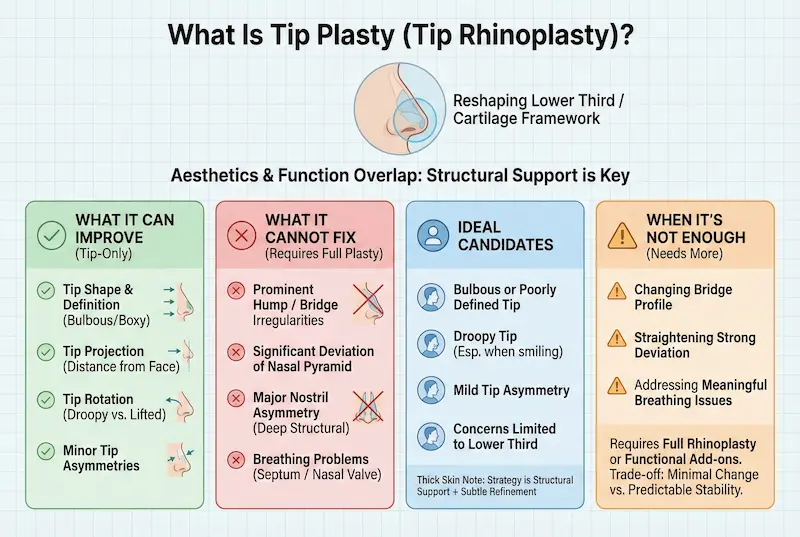
Tip plasty (also called tip rhinoplasty or nasal tip plasty) is a surgical procedure that focuses on reshaping the lower third of the nose—specifically the cartilage framework that forms the tip. In medical science terms, the tip is where aesthetics and function overlap: refine too aggressively without structural support, and you can compromise stability over time.
What “tip-only” surgery can and can’t change
Tip plasty can improve:
- Tip shape and definition (e.g., bulbous or boxy appearance)
- Tip projection (how far the tip sits from the face)
- Tip rotation (droopy vs slightly lifted appearance)
- Minor asymmetries in the tip region
Tip plasty generally cannot fix:
- A prominent hump or major bridge irregularities
- Significant deviation of the nasal pyramid
- Major nostril asymmetry driven by deeper structural issues
- Breathing problems that originate higher in the septum or nasal valve area (without additional functional work)
Ideal candidates (thick skin, droopy tip, bulbous tip, asymmetry)
Patients most often seek tip plasty in Turkey when the bridge is acceptable but the tip feels “too round,” “too heavy,” or “a bit dropped.” Good candidates typically have:
- A bulbous or poorly defined tip
- A droopy tip (especially noticeable when smiling)
- Mild tip asymmetry
- Concerns limited to the lower third of the nose
Important nuance: Thick skin can still be a good tip plasty candidate, but the strategy changes meaningfully. The goal becomes structural support plus subtle refinement rather than chasing ultra-sharp definition that the skin envelope may not reveal — a fundamentally different planning mindset than thin-skin cases where edges show through quickly. The complete thicker-envelope approach — including 9–12+ month definition timeline expectations, NSTS classification scoring, taping protocols specific to thick-tissue redraping, and how perioperative care adapts to longer swelling resolution windows — is detailed in our thick-tissue rhinoplasty roadmap.
When tip plasty is not enough (bridge, breathing, major deviation)
If your goals include changing the bridge profile, straightening a strongly deviated nose, or addressing breathing in a meaningful way, tip-only surgery may be insufficient. A high-quality consultation should clearly explain:
- Which changes are feasible with a tip-only plan
- Which concerns require a full rhinoplasty or functional add-ons
- What trade-offs exist (e.g., “minimal change” vs “predictable structural stability”)
Tip Plasty vs Full Rhinoplasty vs Non-Surgical Tip Refinement
This is where most “expert patients” make or break their decision. The best option depends on your anatomy, goals, and risk tolerance. While Turkey tip plasty is often marketed as “less invasive,” the tip can be more technically demanding than it looks—so the decision should be based on method and surgeon skill, not just the word “mini.”
Tip plasty vs full rhinoplasty: scope, complexity, predictability
Tip plasty surgery is limited in scope to the lower third, while comprehensive nasal reshaping can include bridge work, osteotomies, septal correction, and broader structural changes. Within the comprehensive category, the bone-shaping component itself has evolved meaningfully — particularly with piezoelectric (ultrasonic) instrumentation that uses high-frequency vibrations to sculpt nasal bone with minimal soft-tissue trauma compared with traditional rasping or chisel osteotomy. For patients deciding between tip-only refinement and a comprehensive plan, understanding the tools available in the larger toolkit clarifies what each scope can and cannot accomplish. The complete piezoelectric technique foundation — including ultrasonic instrument vectors, soft-tissue trauma comparison data, and the specific candidate profile that benefits most from piezo over conventional bone-shaping methods — is detailed in our ultrasonic rhinoplasty technique reference.
| Option | Best for | What it changes | Typical trade-off |
|---|---|---|---|
| Tip Plasty | Tip definition, droop, mild asymmetry | Mainly tip cartilages + support | Tip swelling can be persistent; limited scope |
| Full Rhinoplasty | Bridge + tip + deviation + broader reshaping | Bridge, bones, septum, tip framework | More extensive surgery; longer overall recovery |
| Non-surgical (fillers) | Very minor contour tweaks | Camouflage only (adds volume) | Temporary; can increase width; vascular risk |
Surgical tip refinement vs fillers: safety and longevity
Fillers can sometimes camouflage small irregularities, but they do not “refine” the tip the way surgery can—because fillers add volume. In the nasal tip, where blood supply is delicate, safety depends on injector expertise, anatomy, and patient-specific vascular patterns. From a scientific research standpoint, the concern is not just appearance—it’s risk management in a high-stakes vascular area.
If your goal is a slimmer, more defined tip, surgery is usually the more logically aligned approach because it reshapes the framework rather than adding bulk.
How to choose the right approach based on goals and anatomy
Use this decision lens:
- If your bridge is fine and the tip is the issue → tip plasty may fit.
- If you want profile changes (hump, straightening, major narrowing) → full rhinoplasty is more appropriate.
- If you want a very small, temporary tweak and accept limits/risks → non-surgical may be considered in select cases.
Practical rule: If your “wish list” includes bridge changes or breathing improvements, tip-only plans should be approached cautiously unless your surgeon explains exactly how those goals will be handled.
Techniques Surgeons Use to Refine the Nose Tip
Although tip plasty may sound “small,” it often involves highly precise work on the cartilage framework that shapes the tip. In nasal tip plasty Turkey consultations, the best surgeons will explain the technique in plain language—what will be reshaped, what will be supported, and why that matters for long-term stability. This is where medical science meets aesthetics: a refined tip must still be strong enough to hold its shape years later.
Open vs closed approach for tip work (pros/cons)
Tip refinement can be performed through either an open or closed approach:
- Open approach: A small incision at the columella (the strip of tissue between the nostrils) allows direct visibility of tip structures. This can be useful for complex shaping, asymmetry, or when grafting/support is needed.
- Closed approach: Incisions are inside the nostrils, with no external scar. This may be suitable for select cases needing more limited refinement.
What matters most: the approach should match your anatomy and goals—not a one-size-fits-all preference. A reputable surgeon offering tip plasty in Turkey should justify their approach based on your cartilage strength, skin thickness, and the amount of change you want.
Tip sutures, cartilage reshaping, and support strategies
Most tip work involves a combination of suture techniques, conservative cartilage reshaping, and support preservation. The best-looking results often come from support plus refinement, not “more reduction.” A peer-reviewed September 2025 tip projection longevity study from Eskişehir Osmangazi University analyzed 392 septorhinoplasty patients across nine different suture and graft technique combinations, measuring tip projection ratios and rotation angles at preoperative, early postoperative, and late postoperative timepoints — the data demonstrated that tip projection ratio improved from 0.63 to 0.65 and tip rotation from 94° to 101° in early postoperative measurements, with technique-specific differences emerging in long-term stability profiles. This evidence base is exactly why technique selection matters: a stable framework is what keeps the tip looking natural over time.
Expert-patient insight: The best-looking results often come from support + refinement, not “more reduction.” A stable framework is what keeps the tip looking natural over time.
When grafts are needed (e.g., structural support, definition)
In some tip plasty surgery in Turkey cases, grafts are used to reinforce or fine-tune tip shape. Grafts are typically made from your own cartilage (commonly septal cartilage) and can help:
- Improve definition in thick-skinned patients
- Strengthen tip support for long-term stability
- Correct asymmetry more predictably
From a scientific research perspective, structural reinforcement is often what separates a short-term “nice after” from a long-term, reliable outcome.
Function Matters: Keeping (or Improving) Breathing and Support
Patients sometimes assume tip-only surgery is purely cosmetic. In reality, tip structure influences airflow and stability. A safe Turkey tip plasty plan respects both aesthetics and function—especially the nasal valves and the support mechanisms that prevent collapse with breathing or over time.
Why “natural” results depend on structure—not just shape
A natural result isn’t only about a “cute tip” on day 30—it’s about the nose remaining proportionate and stable as swelling resolves. The tip is dynamic: it moves with facial expression, smiling, and time. That’s why experienced surgeons design changes that work with your anatomy rather than forcing a trendy shape.
Preserving tip support to avoid long-term droop
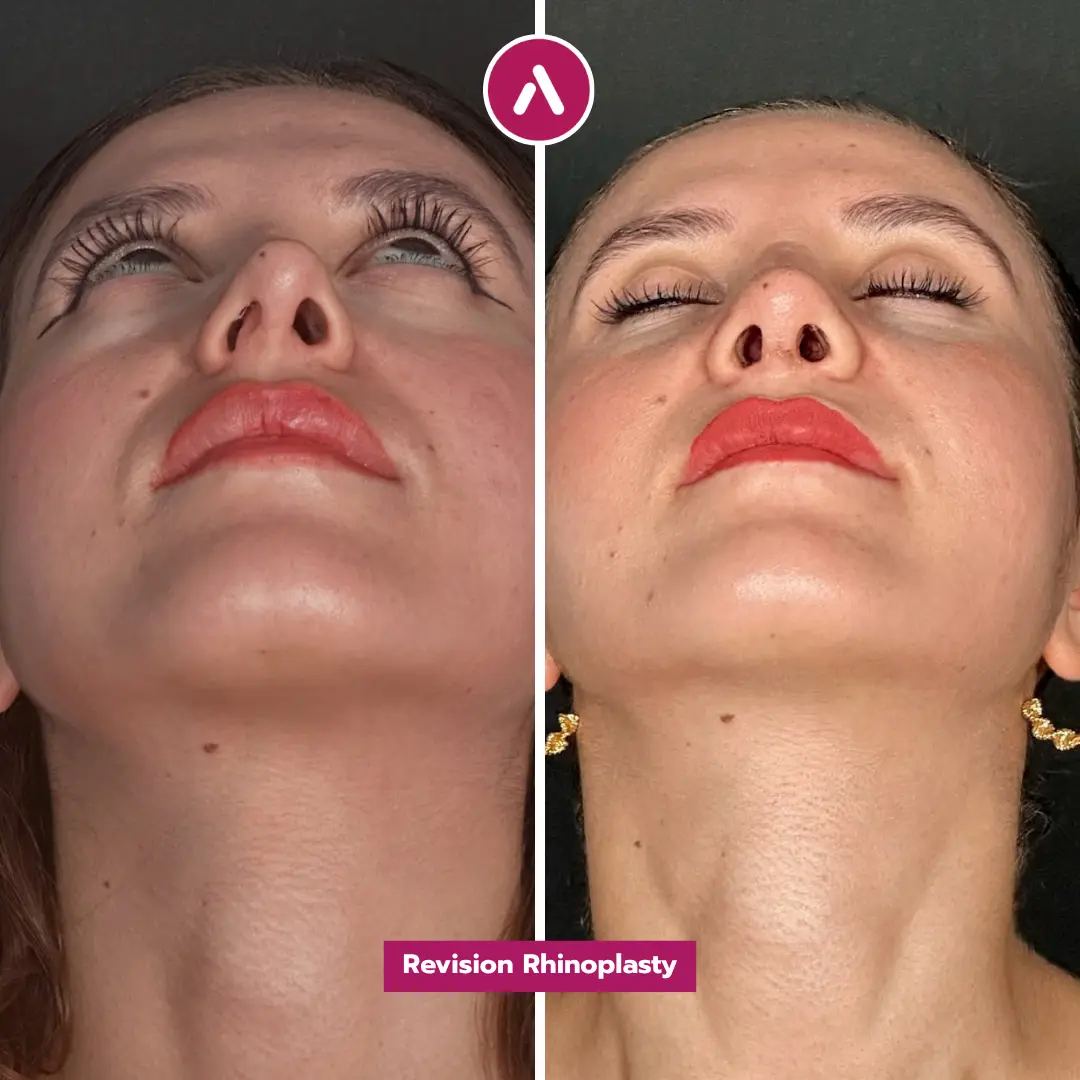
One of the most important goals in tip plasty Turkey is maintaining support. If the tip is weakened, it can appear to “drop” later or look less defined as months pass. Good planning focuses on:
- Maintaining strong cartilage support structures
- Using sutures and grafts conservatively and strategically
- Avoiding excessive cartilage removal
Screening for functional issues before “tip-only” surgery
Even if your complaint is cosmetic, a high-quality consultation should still evaluate function. This may include:
- History of nasal obstruction (one-sided blockage, snoring, chronic congestion)
- Assessment of septal deviation
- Nasal valve stability (risk of collapse)
- Prior trauma or previous nasal surgery
If functional issues are present, the surgeon should be transparent: “tip-only” might not address breathing, and additional steps may be needed to avoid disappointment.
| Concern | What patients notice | What a good plan includes |
|---|---|---|
| Support weakness | Tip looks good early, then softens/droops | Support-preserving technique; grafts if necessary |
| Nasal valve vulnerability | Breathing feels worse after surgery | Pre-op valve assessment; structural protection |
| Hidden septal deviation | One side feels blocked, especially at night | Clear explanation of what tip-only can/can’t fix |
Anesthesia, Safety, and What to Expect on Surgery Day
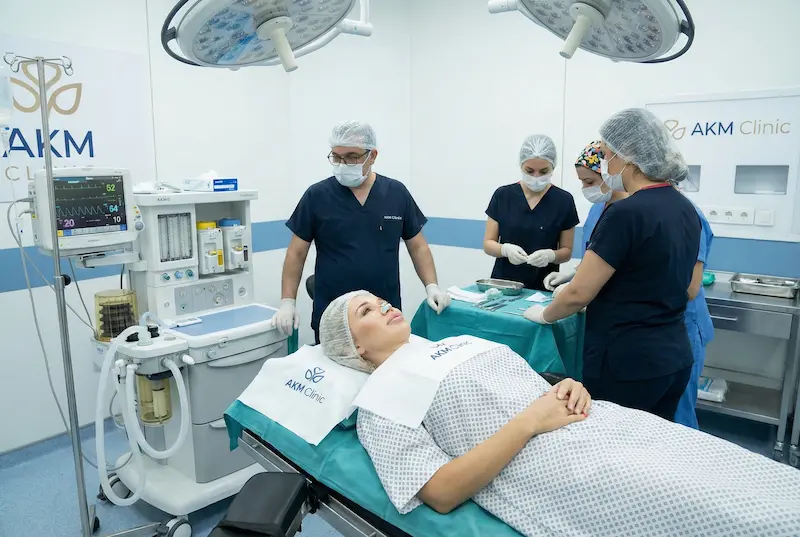
For many patients considering tip plasty in Turkey, the biggest question isn’t “Can the tip be refined?”—it’s “How do I do this safely?” Tip work may be focused, but it still involves anesthesia, sterile operating standards, and careful post-op monitoring. A quality plan should feel methodical and evidence-based, rooted in medical science rather than marketing.
Common anesthesia options for tip plasty and who qualifies
Depending on your anatomy, surgical plan, and medical history, tip plasty surgery in Turkey may be performed under:
- General anesthesia: Often chosen for comfort, airway control, and when the surgeon expects more detailed structural work.
- Local anesthesia with sedation (in select cases): Sometimes used for limited tip refinement when it is appropriate and safe for the patient.
Expert-patient note: There is no “best” anesthesia universally—only what’s best for your case. A reputable clinic explains why a specific approach is recommended for you.
Pre-op checks that reduce risk (labs, medical history, airway planning)
High-standard surgical teams reduce risk by doing the basics exceptionally well. Prior to surgery, expect:
- A thorough medical history review (including medications, supplements, anesthesia history)
- Pre-op labs as appropriate
- Assessment for bleeding risk and realistic recovery planning
- A clear plan for post-op pain control and swelling management
Safety marker: If a clinic rushes you into surgery without structured screening and clear written instructions, that’s a red flag—especially for international patients.
Facility standards, sterile protocol, and post-op monitoring
Whether you call it Turkey tip plasty or another name, the safety fundamentals are universal: a properly accredited sterile operating environment, trained anesthesia team with continuous monitoring, post-op observation before discharge, and a clear escalation pathway if concerns emerge. For international patients, facility verification matters even more because you can’t physically visit before booking — accreditation databases, OR class documentation, and infection control track records all need pre-arrival validation. The complete clinic-evaluation framework — including JCI accreditation criteria, OR class verification protocols, and the specific safety infrastructure markers that separate boutique medical-tourism setups from full-spectrum hospital environments — is detailed in our facility evaluation guide.
Tip Plasty Cost in Turkey: What You’re Really Paying For
Cost is a major reason patients research tip plasty pricing in Turkey, but “cheap” is not the goal — value is. Value means the right surgeon for your anatomy, a safe facility, a plan that prioritizes long-term stability, and structured aftercare (especially important when you’re flying home). Below is a transparent way to think about what drives pricing and how to compare options responsibly. The complete pricing transparency framework for the broader nasal surgery category — including what’s bundled in the all-inclusive Istanbul model versus what’s itemized in US billing structures (surgeon fee, anesthesia fee, facility fee, OR time, follow-up visits), how international patient packages typically structure inclusions, and the realistic budget bands across primary, tip-focused, and revision scenarios — is detailed on our rhinoplasty pricing transparency hub.
Typical cost drivers (expertise, technique, facility, aftercare)
For tip plasty Turkey, pricing typically reflects:
- Surgeon expertise and case complexity: Tip refinement can be deceptively technical.
- Technique and time required: Structural support (sutures/grafts) may increase operative complexity.
- Anesthesia and facility standards: These are not areas to “optimize” for savings.
- Aftercare structure for international patients: Follow-ups, medications, and monitoring matter.
What an all-inclusive package should include (and what’s a red flag)
Many patients looking at tip plasty in Turkey receive package quotes. A high-quality quote should clearly list what is included, such as:
- Surgeon fee + anesthesia + facility fees
- Pre-op evaluation and post-op follow-ups during your stay
- Medications and basic post-op supplies (when applicable)
- Transfers (airport/hotel/clinic) and coordination support (if offered)
Red flags include vague “all-in” pricing with no written breakdown, pressure tactics, or a clinic that won’t clearly explain who performs the surgery and who manages aftercare.
Value comparison: New York vs Los Angeles vs Miami vs Istanbul (and Mexico/Thailand context)
Below is a practical comparison framework. Note: exact pricing varies by surgeon, complexity, and whether you include anesthesia/facility fees, but these ranges help you calibrate expectations using widely cited benchmarks from U.S. patient-reported data and professional statistics.
| Market | What the numbers often represent | Typical cost range (context) |
|---|---|---|
| United States (general benchmark) | Patient-reported totals vs surgeon-fee-only averages | RealSelf reports an average rhinoplasty cost around $11,666 (range varies widely). ASPS lists an average surgeon fee for rhinoplasty of $7,637 (excludes anesthesia/facility). |
| New York City | Patient-reported metro averages (total) | RealSelf-reported metro average around $15,501 (varies by case and surgeon). |
| Los Angeles | Patient-reported metro averages (total) | RealSelf-reported metro average around $13,113 (varies by case and surgeon). |
| Miami | Patient-reported metro averages (total) | RealSelf-reported metro average around $10,540 (varies by case and surgeon). |
| Istanbul, Turkey | Commonly quoted international-patient ranges for tip-focused work | Aggregated listings commonly show tip rhinoplasty around $2,800–$3,000 in Istanbul (varies by clinic and inclusions). Other international platforms frequently cite ranges around $1,800–$3,000 for tip plasty in Turkey (varies). |
| Mexico (context) | Rhinoplasty ranges are often quoted lower than U.S. markets | Commonly cited rhinoplasty ranges around $3,000–$7,000 depending on complexity and provider. |
| Thailand (context) | Costs vary widely; some hospitals publish package prices | Published hospital packages can list rhinoplasty options (e.g., outpatient local-anesthetic rhinoplasty packages). Aggregated ranges for Thailand are commonly cited in the low-to-mid thousands USD, depending on method and inclusions. |
How to interpret this table as an expert patient: A lower tip plasty Turkey price can be excellent value if you confirm surgeon credentials, facility standards, and aftercare structure. Cost alone is not a safety metric. The right question is: “What exactly is included, and what safeguards are in place?”
Cost clarity checklist: Ask for a written breakdown (surgeon/anesthesia/facility/aftercare), confirm who performs the surgery, and confirm your follow-up plan before you book flights.
Evidence-based note on pricing benchmarks: For U.S. cost calibration, RealSelf reports an average rhinoplasty cost of $11,666 (based on patient reviews) and lists metro averages such as Los Angeles $13,113, Miami $10,540, and New York City $15,501. ASPS lists an average surgeon’s fee for rhinoplasty of $7,637 (which excludes anesthesia, facility, and related fees). For Turkey-specific estimates (which vary widely by surgeon, inclusions, and complexity), third-party aggregators and surgeon sites commonly cite ranges such as $1,800–$3,000 or $2,000–$3,500 for tip-focused work—treat these as starting points, not guarantees.
Recovery Timeline and Travel Planning for Istanbul
Recovery is where expectations matter most—especially for tip plasty Turkey. The nasal tip holds swelling longer than many patients anticipate, and “final definition” can be a slow reveal. Planning your travel well reduces stress, protects your result, and helps you recognize what’s normal versus what needs medical attention.
Day-by-day: first week essentials (swelling, splint/tape, comfort)
The first week after tip plasty in Turkey is about comfort, swelling control, and protecting the nose from accidental bumps.
- Days 1–3: Swelling and congestion are common. You may feel pressure more than pain. Sleep elevated and follow your surgeon’s cleaning/taping instructions.
- Days 4–7: Bruising (if present) begins to fade. Tip swelling is still prominent. Many patients feel “stuffed up” due to internal swelling.
- End of week 1: External splint (if used) is often removed around this time; your surgeon may transition you to taping.
Expert-patient mindset: Early swelling can make the tip look larger or less defined than expected. This is normal and not a final result.
Weeks 2–6: what improves, what lingers (tip swelling realities)
In weeks 2–6, you usually look “socially presentable,” but the tip can remain puffy—especially in thick-skinned patients. This is why nasal tip plasty Turkey outcomes should be judged over months, not weeks.
- Weeks 2–3: Most bruising resolves. Swelling decreases, but the tip can still feel firm or “numb.”
- Weeks 4–6: Subtle refinement continues. Photos may show improvement, but the tip can still appear rounder than the final shape.
- Why the tip lingers: The skin-soft tissue envelope and lymphatic drainage at the tip can be slower to normalize—this is a well-known pattern in facial surgery and aligns with how tissues remodel over time in medical science.
How long to stay in Istanbul + flight timing and activity restrictions
For international patients considering tip plasty surgery in Turkey, it’s wise to plan a stay that allows early post-op checks and lowers the risk of traveling while you’re still adjusting to swelling and congestion. Many patients schedule at least one follow-up appointment before leaving.
- Stay planning: Aim to remain long enough for early review (often within the first week) and to receive clear instructions for at-home care.
- Flying considerations: Air travel can worsen dryness and congestion. Plan hydration, gentle nasal care, and avoid heavy lifting with luggage.
- Activity restrictions: Avoid strenuous exercise early; protect the nose from accidental contact; delay activities where facial impact is possible.
| Timeframe | What’s typically normal | What to be cautious about |
|---|---|---|
| Days 1–7 | Congestion, swelling, pressure, fatigue | Fever, uncontrolled bleeding, severe increasing pain, new one-sided severe swelling |
| Weeks 2–6 | Gradual improvement; tip still swollen/firm | Worsening redness/warmth, foul discharge, sudden asymmetry changes |
| Months 3–12 | Ongoing refinement; tip definition slowly improves | Persistent functional issues (breathing) or structural concerns—discuss with your surgeon |
Quick pricing calibration (verified sources): RealSelf reports an average rhinoplasty cost of $11,666 (based on patient reviews) and provides cost-by-metro breakdowns. ASPS lists an average surgeon’s fee for rhinoplasty of $7,637 (this excludes anesthesia and facility fees). For Turkey-specific “starting ranges,” third-party listings and surgeon sites commonly cite wide bands (e.g., $2,000–$3,500 or $2,880–$3,680 for tip-focused work) that vary by surgeon, inclusions, and complexity—treat these as reference points, not a guaranteed quote.
For international patients pursuing tip plasty in Istanbul, the planning structure matters as much as the surgical technique itself — pre-arrival photo documentation and medical history coordination, splint removal protocol timing, in-Istanbul follow-up schedule before flight clearance, and structured remote follow-up cadence designed to respect the longer tip-definition timeline that continues beyond your return home. The complete step-by-step pathway — including pre-arrival WhatsApp coordination workflow, hotel-to-clinic transfer logistics, splint/cast removal scheduling, post-op clearance checklist before international travel, and remote photo-monitoring designed for the 3-month, 6-month, 9-month, and 12-month tip refinement milestone reviews — is documented on our international patient journey blueprint.
Risks, Complications, and Revision Considerations
Every surgery has trade-offs, and tip plasty Turkey is no exception. The tip is the most technically sensitive part of the nose—small millimeter changes can be visible, and swelling can be stubborn. A trustworthy surgeon will explain realistic outcomes and risks clearly, using a safety-first approach grounded in medical science.
Most common concerns: asymmetry, prolonged swelling, scar/skin issues
Common concerns after nasal tip plasty Turkey include:
- Prolonged tip swelling: The tip often holds swelling longer than patients expect, especially with thicker skin.
- Minor asymmetry: The nose is rarely perfectly symmetrical to begin with, and healing can be slightly uneven.
- Tip firmness or numbness: Often improves gradually as tissues remodel.
- Scar-related issues: If an open approach is used, the external scar is usually small and fades, but scar behavior varies by patient.
From a scientific research standpoint, “time” is a major variable—tissues change for months, and early judgments can be misleading.
When revision becomes necessary—and how often “tip-only” evolves
Revision is not the default outcome, but it’s a real topic expert patients should understand. Reasons revision may be discussed include:
- Residual bulbosity or insufficient definition after swelling resolves
- Tip support concerns (e.g., subtle droop over time)
- Persistent asymmetry that does not improve with healing
- Functional complaints (breathing) that were present before or emerge after
Important: Revision planning should never happen “too early.” A responsible surgeon typically wants enough healing time to see the stable result before making conclusions, unless there’s a clear medical issue.
How to reduce risk: surgeon selection, realistic goals, aftercare compliance
Risk reduction is not a single action—it’s a system. If you’re comparing tip plasty in Turkey options, focus on:
- Realistic goals: A refined tip should fit your face and preserve support. Overly aggressive “tiny tip” requests can increase risk.
- Technique matched to anatomy: Thick skin and weak cartilage require a different strategy than thin skin and strong cartilage.
- Aftercare compliance: Taping, cleaning, sleep position, and activity restrictions are not “optional extras.”
- Clear follow-up structure: Especially important for international patients returning home.
Expert-patient red flag: If a clinic promises a “perfect, guaranteed” tip shape or minimizes the reality of swelling and variability, that’s not a science-based conversation.

Choosing a Tip Plasty Surgeon in Turkey (Checklist for Expert Patients)
The surgeon you choose matters as much as the procedure itself. Because the nasal tip is structurally and aesthetically complex, tip plasty surgery in Turkey should be evaluated like a high-precision operation—not a commodity. Use the checklist below to compare “quality signals” across clinics and surgeons.
Credentials that matter (training, focus on rhinoplasty, case volume)
When evaluating tip plasty providers, look for specialized rhinoplasty focus, transparent role clarity (who operates, who manages anesthesia), and demonstrated experience with your specific anatomy — thick skin, weak tip cartilage, prior trauma, or ethnic considerations should each be addressed directly. The credential filter goes deeper than headline board certification: case volume per technique, fellowship pedigree, peer-reviewed publication record, and the specific markers that distinguish a tip-experienced rhinoplasty specialist from a generalist all factor into reliable outcome prediction. The complete credential verification framework — including TPCD/EBOPRAS/ISAPS public registry lookup steps, fellowship pedigree differentiation, and the specific markers expert patients use to filter Turkey-based options — is detailed in our surgeon evaluation guide.
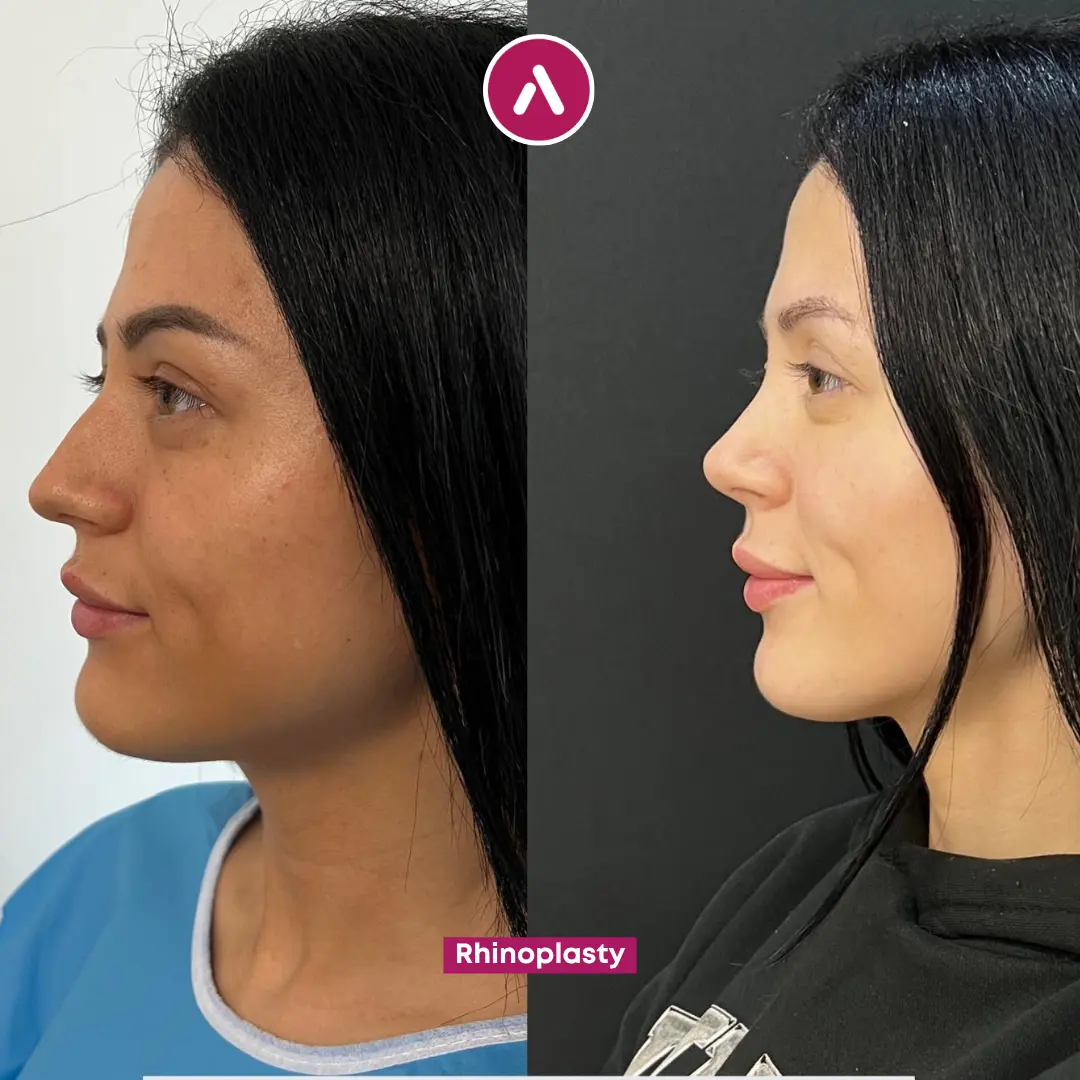
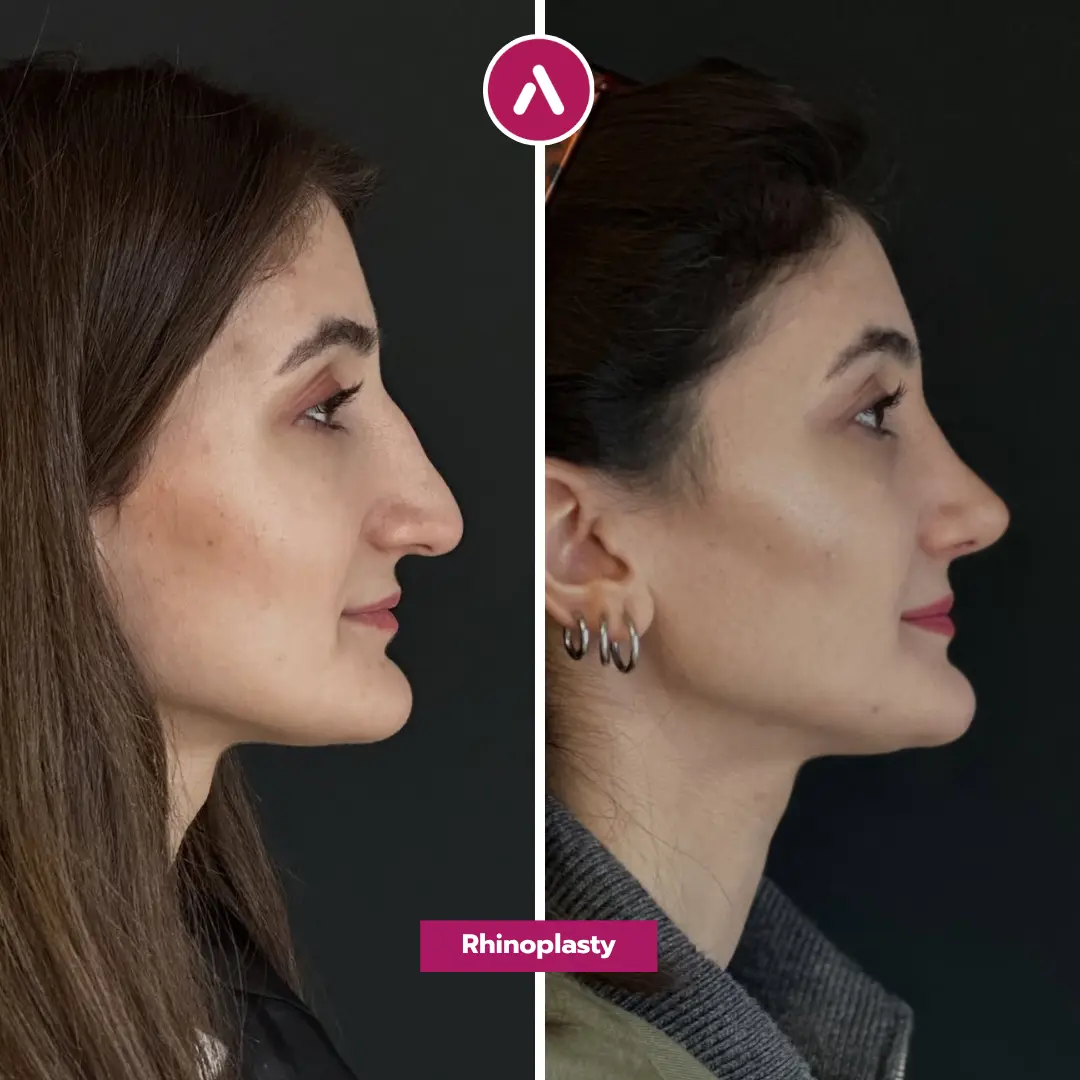
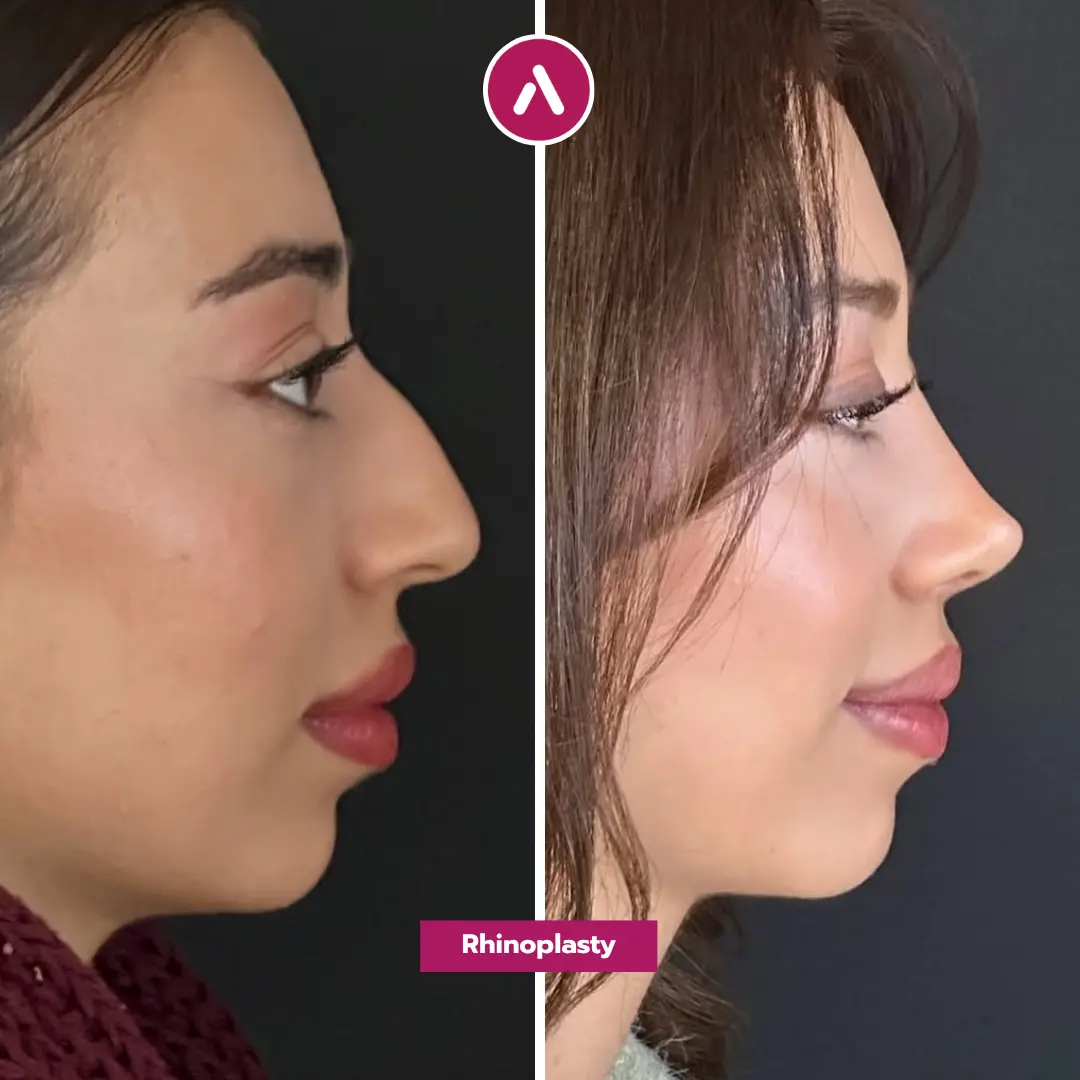
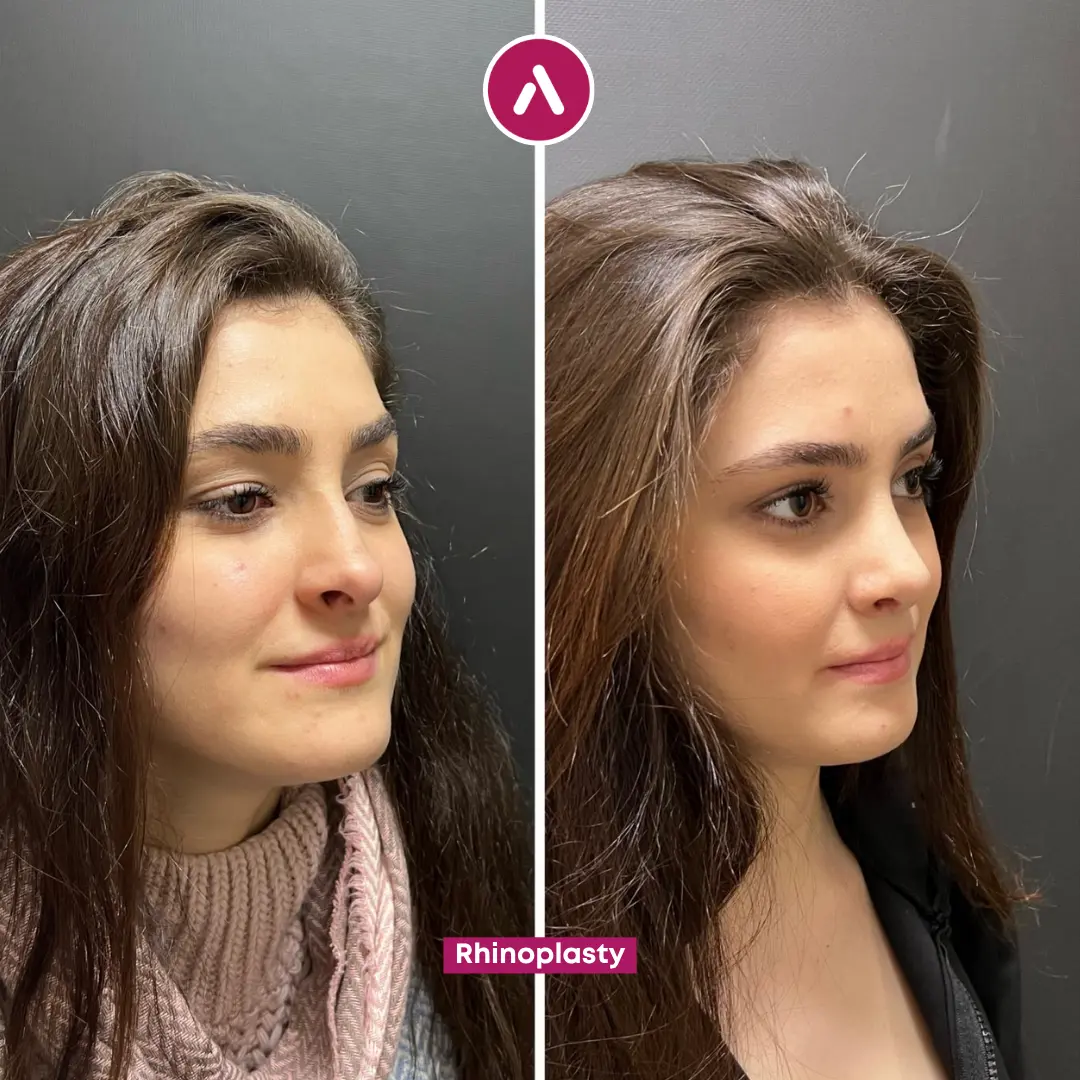
How to read before-after photos critically (angles, lighting, consistency)
Before-after galleries can be helpful—but only if you review them like an analyst:
- Standardized angles: Front, oblique, profile, base view—consistent across cases.
- Consistent lighting and distance: Big lighting changes can “hide” irregularities.
- Look for naturalness: The goal is refinement that matches facial proportions, not a “template nose.”
- Timeframe matters: Early post-op photos are not the final result—tip swelling can bias what you see.
Consultation questions that reveal quality (plan, limits, complication policy)
Beyond consultation question quality, the credential filter remains the foundational pre-booking step. Verify that the surgeon holds active board certification from a recognized rhinoplasty-relevant body (EBOPRAS, ABFPRS, ABPS, Turkish Plastic Reconstructive and Aesthetic Surgery Society, or country-specific equivalents) and that the credential is current rather than lapsed. Public registry verification takes minutes and is the single highest-leverage step in due diligence — particularly for international patients who can’t physically visit before booking. The complete board certification verification protocol — including registry lookup steps, credential expiration patterns, fellowship versus board distinctions, and the specific differences between facial-plastic-surgery boards and general plastic surgery boards — is detailed in our surgeon credential verification framework.
The depth of a surgeon’s answers to “what exactly will you change in my tip — and what will you not change?” or “how will you maintain or reinforce tip support long-term?” reveals more about thinking quality than any aesthetic outcome can. Coming prepared with vetted questions transforms the consultation from a sales conversation into a technical evaluation. The complete pre-consultation question framework — including 25 vetted questions organized by topic (technique selection rationale, recovery timeline expectations, revision policy criteria, complication management pathway) — is detailed in our consultation questions framework.
| What you ask | Strong answer sounds like | Red flag sounds like |
|---|---|---|
| “Is tip-only right for me?” | Explains limits + anatomy-based rationale | “Yes, for everyone” |
| “How do you prevent long-term droop?” | Talks structure, support, sutures/grafts if needed | Only talks about “cutting/ trimming” |
| “What does aftercare include?” | Clear schedule + written instructions + remote follow-up | Vague or dismissive |
The AKM Clinic Approach: Planning, Precision, and Enhanced Recovery Support
For expert patients comparing tip plasty Turkey options, the difference is rarely a single “trick.” It’s the system: who plans the operation, how anatomy and function are assessed, how risks are reduced, and how recovery is supported—especially when you’re traveling internationally. Below is how AKM Clinic positions its approach for patients seeking tip plasty in Turkey and other nose procedures, with an emphasis on surgeon-led decision-making and structured aftercare.
Surgeon-led planning for natural results and stable tip support
At AKM Clinic, rhinoplasty care is positioned as surgeon-led and anatomy-driven. The clinic’s surgical team includes Dr. Göknil Gültekin, MD, whose profile emphasizes advanced rhinoplasty (including primary, revision, and preservation approaches) with a “structure preservation” philosophy designed to protect both aesthetics and breathing. She is described as European Board-Certified in Otorhinolaryngology, Head & Neck Surgery and associated with advanced facial plastic surgery training. This matters for nasal tip plasty Turkey candidates because tip refinement requires both aesthetic judgment and structural discipline—especially to avoid long-term droop or instability.
AKM Clinic is also founded and led by Dr. Akif Mehmetoğlu, MD, described as a Dermatosurgeon & Face Expert. While a dermatosurgeon is especially relevant for facial skin quality and scar-focused strategy, AKM’s positioning is that multi-perspective evaluation supports more natural, harmony-based outcomes—an approach that aligns with medical science principles of tissue behavior and healing variability over time.
What expert patients should listen for in consultation: a clear explanation of what will change in the tip, how tip support will be preserved, and what “tip-only” cannot safely accomplish.
Technology-supported healing: HBOT & LLLT as recovery adjuncts
AKM Clinic highlights two post-operative support technologies intended to enhance recovery: Hyperbaric Oxygen Therapy (HBOT) is positioned at AKM Clinic as the “#1 safety promise” recovery support modality. The patient breathes 100% oxygen in a pressurized chamber, with documented benefits including tissue regeneration support, reduced swelling and downtime, improved scar healing through fibroblast stimulation, and infection-risk mitigation. For tip plasty patients specifically, HBOT can support faster resolution of the prolonged tip swelling phase that is anatomically expected — though the timeline still respects biological reality (HBOT shortens the curve, it doesn’t eliminate it). The complete oxygenation protocol — including session timing, pressurization parameters, contraindication screening, and how it integrates with rhinoplasty-specific edema patterns — is detailed in our HBOT post-operative recovery protocol.
For LLLT, AKM Clinic describes an advanced dermatological laser approach used to support cellular repair and collagen synthesis — using 650nm light energy with high-density diode arrays to stimulate cellular activity without heat damage. In plain terms: LLLT is positioned as an adjunct that may help reduce inflammation and support tissue quality during recovery, particularly relevant for tip plasty patients where soft-tissue redraping over the refined cartilage framework determines how cleanly definition emerges. The complete photobiomodulation protocol — including session frequency, fluence parameters, and how it pairs with rhinoplasty-specific scar and edema patterns — is detailed in our LLLT scar minimization guide.
Aftercare and responsiveness for international patients (social proof)
For international patients, aftercare is not a “nice-to-have”—it’s part of safety. In AKM Clinic’s patient testimonial synthesis, recurring themes include coordinated support, clear communication, and responsiveness after the patient returns home. For example:
- Barbara (USA) is described as an “expert patient” (10th or 11th procedure) who spent years researching globally before choosing AKM—highlighting decision-making based on results and trust.
- Sarah (UK) emphasizes responsiveness and follow-up, including remote support after returning home: “When I messaged them again, and they answered me.”
Even though these testimonials are not specifically tip-plasty cases, they directly address what expert patients care about when evaluating tip plasty surgery in Turkey: coordination, safety culture, and what happens after you fly back.
Frequently Asked Questions (FAQ): Tip Plasty Turkey
This FAQ targets the questions most often asked by patients comparing Turkey tip plasty providers, especially those balancing natural results, safety, and tip plasty cost Turkey / tip plasty Turkey price considerations.
How long does tip plasty last—can the tip “drop” later?
When tip support is preserved or reinforced, results are designed to be long-lasting. “Droop” risk increases when support is weakened or when swelling and scar forces remodel the tip over time. Ask your surgeon how they protect long-term support.
Will tip plasty change my smile or upper lip movement?
Some patients notice temporary stiffness or altered sensation early in recovery. Long-term changes are less common when the plan is conservative and support-focused, but this depends on technique and your anatomy.
Is tip plasty possible if I have thick skin?
Yes, but expectations must be realistic. Thick skin can mask definition early and swelling can last longer. Many thick-skinned patients benefit most from structural support strategies rather than aggressive reduction.
How painful is recovery compared to full rhinoplasty?
Many patients describe more pressure and congestion than sharp pain. Tip-only surgery may feel “lighter” than full rhinoplasty, but swelling at the tip can persist and requires patience.
When can I fly back home after tip plasty in Turkey?
It’s best to schedule travel so you can attend early post-op checks before leaving Istanbul. Your surgeon should advise based on your specific plan and healing progress.
Can tip plasty fix breathing problems?
Not always. If breathing issues stem from septal deviation or nasal valve collapse, additional functional steps may be needed. A good consultation will separate cosmetic goals from functional needs.
What are the signs I should consider revision (and when)?
Revision discussions are typically delayed until tissues stabilize, unless there’s a clear medical issue. Persistent functional problems, significant long-term asymmetry, or structural concerns after adequate healing time are common reasons to reassess.
Medical Disclaimer: This page is provided for general educational purposes only and does not replace a face-to-face medical consultation, diagnosis, or personalized treatment plan. All surgery carries risks and outcomes vary between individuals. Suitability for a tip plasty, procedure selection, and anesthesia choice can only be determined after a full clinical assessment by a qualified surgeon. Always follow your clinician’s instructions and seek urgent medical attention if you develop concerning symptoms during recovery.