If you’re searching for questions to ask plastic surgeon before committing to a procedure, you’re already making a smart, safety-first decision. The right questions don’t just “sound thorough”—they actively reduce your risk of mismatched expectations, preventable complications, and post-op regret. Whether you’re planning rhinoplasty, body contouring, or specifically looking for questions to ask a plastic surgeon for facelift, this checklist is designed to help you evaluate skill, safety, and support with clarity.
Below, you’ll find the exact what questions to ask a plastic surgeon prompts that experienced patients use to separate confident, evidence-based care from vague reassurance. (Yes, we’ll also cover questions to ask your plastic surgeon about revisions, aftercare, and travel logistics—because outcomes are shaped by the full process, not just the operating room.)
Takeaway: A trustworthy surgeon welcomes detailed questions—and answers them with specifics, documentation, and a plan.
Table of Contents
Why This Checklist Matters (and What It Protects You From)
Most disappointing outcomes aren’t caused by “bad luck”—they come from avoidable gaps: unclear goals, unspoken tradeoffs, or a lack of a real complication plan. In medical science, safety improves when risk is identified early and decisions are made using structured frameworks—this checklist applies that same logic to your consultation. If you’re wondering what questions to ask plastic surgeon to protect yourself, start here.
The #1 risk: unclear expectations (and how questions prevent it)
A “good” result is personal. Your surgeon needs to understand what you mean by “natural,” “snatched,” “refreshed,” or “minimal scarring.” The most important early questions are designed to force precision and to confirm you and your surgeon are visualizing the same outcome.
- Ask for a clear definition of success: “What would a great result look like for my anatomy?”
- Ask for limits: “What can’t this procedure change?”
- Ask for tradeoffs: “What do I give up to get this improvement (scar length, downtime, revision risk)?”
How to compare surgeons “apples to apples”
Many people book multiple consultations and still feel confused. The solution is to ask the same core questions each time and compare the specificity of the answers. A strong surgeon will explain technique, risks, and recovery in a way that matches your medical profile—not in generic marketing language.
Use the table below during every consult (especially if you’re collecting questions to ask facial plastic surgeon candidates for face-focused work like a facelift):
| Question | What a strong answer sounds like | Red flag |
|---|---|---|
| “Why is this technique the best fit for me?” | They reference your anatomy, skin quality, and goals; explain alternatives. | “This is what I always do.” |
| “What complications do you see most often—and how do you manage them?” | Clear rates/realistic risks + a step-by-step plan for prevention and treatment. | “Complications basically never happen.” |
| “Who is responsible for aftercare if I have a problem at home?” | Named contact, response time, follow-up schedule, escalation pathway. | Vague: “Just message us.” |
The difference between marketing answers vs. clinical answers
Marketing answers are designed to reassure. Clinical answers are designed to inform. If you ask, “Will I look natural?” a marketing answer is “Absolutely.” A clinical answer sounds like: “Here’s what ‘natural’ means in your case, what we can achieve, and what scar placement and swelling will look like week-by-week.”
- Marketing-style: short, absolute, no tradeoffs, no documentation.
- Clinical-style: specific, balanced, includes risks, alternatives, and timelines.
Questions About Your Surgeon’s Credentials & Real Expertise
Credentials matter—but not all credentials mean the same thing. If you’re gathering questions to ask your plastic surgeon, prioritize questions that confirm (1) appropriate training, (2) relevant case volume, and (3) transparency about who does what. Scientific research on surgical safety repeatedly shows that outcomes correlate with systems, experience, and complication preparedness—not just confidence in the consultation.
What board certification means (and what it doesn’t)
Board certification can be a meaningful signal of training standards, but you still need to verify the surgeon’s specific experience with your procedure type. Ask:
- “Which boards are you certified by, and what does that certification require?”
- “Do you have specialized experience in my procedure (e.g., deep plane facelift, blepharoplasty, rhinoplasty)?”
- “How do you stay current with evolving techniques and safety protocols?”
How many cases like yours do you perform each year?
Volume alone doesn’t guarantee excellence—but low volume can be a warning sign for complex procedures. If you’re preparing questions to ask a plastic surgeon for facelift, make it specific:
- “How many facelift cases do you perform yearly, and how many are similar to my age and skin quality?”
- “What percentage are revision cases?”
- “What’s your most common cause of re-operation, and how do you reduce that risk?”
Who will actually operate on you (and how to avoid “ghost surgeon” scenarios)
This is one of the most protective what questions to ask a plastic surgeon items—especially in medical tourism or high-volume settings. You are allowed to ask directly, and you should.
- “Will you personally perform the key parts of my surgery? Which parts, exactly?”
- “Who else will be in the operating room (assistant surgeons, residents, nurses)?”
- “If you’re unavailable, who takes over—and will I meet them before surgery?”
Questions About Your Surgical Plan (Technique, Details, Alternatives)
This section is where you find out whether the surgeon is truly planning your operation—or simply recommending their default approach. The best questions to ask your plastic surgeon here force a personalized plan: what will be done, why it’s necessary, what alternatives exist, and what the surgeon expects your anatomy to do during healing. If you’re specifically preparing questions to ask a plastic surgeon for facelift, you’ll want to hear how technique choices match your skin quality, facial volume changes, and neck anatomy.
Which technique are you recommending—and why is it the best fit for my anatomy?
Don’t accept “Because it gives the best results” as an answer. A good explanation should connect technique to your face/body: tissue laxity, skin thickness, prior procedures, scarring risk, and the look you want. Use these what questions to ask a plastic surgeon prompts:
- “What technique are you recommending for me, and what anatomic problem is it solving?”
- “If we choose a different technique, what changes—results, scars, recovery, longevity?”
- “What are the most common reasons you’d adjust the plan during surgery?”
What are the realistic limits (what surgery can’t fix)?
Every procedure has boundaries. For facial surgery, the most important “limit” questions often relate to skin texture, fine lines, asymmetry, and how swelling evolves. If you’re compiling questions to ask facial plastic surgeon candidates, ask:
- “What will improve the most, and what will improve the least?”
- “Where might I still see aging signs after surgery (and why)?”
- “What scar placement should I expect, and what does the scar look like at 3, 6, and 12 months?”
What alternatives exist (less invasive options, staged approach, non-surgical)
A surgeon who discusses alternatives is showing clinical maturity. Even if you ultimately choose surgery, you should understand other routes and why they may (or may not) be appropriate. Consider asking:
- “If I wanted a smaller change, what would you recommend—and what would I sacrifice?”
- “Could this be safer or more predictable as a staged approach?”
- “Are there non-surgical options that complement surgery (skin quality, collagen support)?”
| Decision Point | Question to Ask | Why It Matters |
|---|---|---|
| Technique choice | “Why this technique for my anatomy?” | Reveals whether your plan is individualized or templated. |
| Scar strategy | “Where are incisions placed and how are scars managed?” | Scars are part of the result; you need a scar plan, not hope. |
| Longevity | “How long should results last realistically for me?” | Sets honest expectations and reduces regret. |
Questions About Anesthesia, Safety, and Intra-Op Monitoring
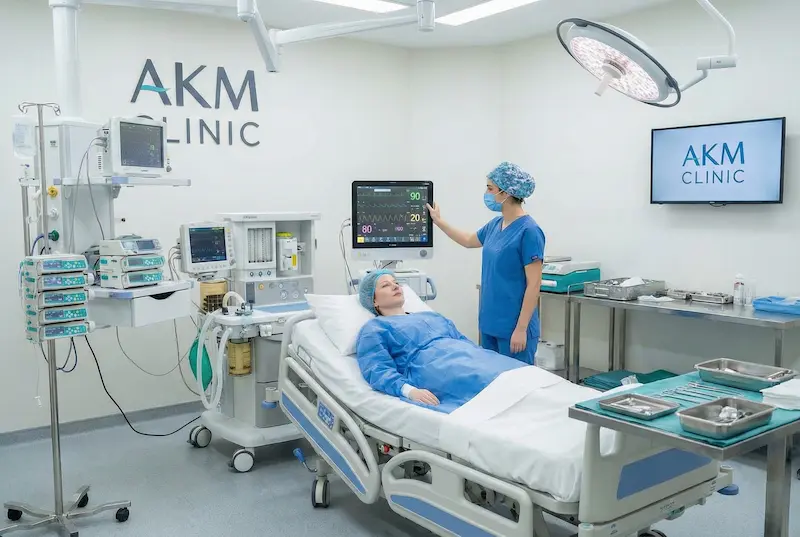
Many patients focus on “the surgeon’s hands,” but outcomes also depend on anesthesia, monitoring, and the safety system around you. These questions to ask plastic surgeon are especially important if you have anxiety, medical conditions, or you’re traveling. In medical science, preventing complications is often about anticipating rare events and having a standardized response—so you want specifics, not vague reassurance.
What type of anesthesia will be used and why?
Different procedures and patient profiles call for different anesthesia strategies. Ask your surgeon (and anesthesia team) to explain what they recommend for you:
- “Will I have local anesthesia, IV sedation, or general anesthesia—and why is that safest for me?”
- “How do you manage nausea, anxiety, and pain during and after surgery?”
- “What medical conditions or medications could change the anesthesia plan?”
| Anesthesia Option | Common Use | Key Questions to Ask |
|---|---|---|
| Local anesthesia | Smaller procedures; sometimes combined with sedation | “How will you control discomfort and anxiety?” |
| IV sedation (twilight) | Selected procedures; depends on case complexity | “Who monitors me continuously, and what is the escalation plan?” |
| General anesthesia | Longer/complex procedures | “Who is the anesthesiologist and what safety protocols are standard?” |
Who is the anesthesiologist and what monitoring is used during surgery?
This is a crucial set of what questions to ask plastic surgeon prompts, and it’s appropriate to ask them directly—especially if you’re comparing clinics:
- “Will a dedicated anesthesiologist (or anesthesia provider) be present for the entire procedure?”
- “What monitoring is used continuously (oxygen, heart rhythm, blood pressure, temperature)?”
- “How do you screen patients pre-op to reduce anesthesia risk?”
What is your plan if something unexpected happens during the operation?
You’re not being “difficult” by asking this—you’re being responsible. A safe practice can clearly describe prevention steps and an escalation pathway.
- “What are the most likely intra-op complications for this procedure, and how do you handle them?”
- “If I need higher-level care, what is the transfer plan and where would I go?”
- “Who communicates with my family/contact person during surgery and recovery?”
Questions About the Facility, Standards, and Sterility
Even the most skilled surgeon is only as safe as the system around them. Facility standards, infection control, and emergency readiness are not “boring details”—they’re major predictors of patient safety. If you’re making a final shortlist, these questions to ask plastic surgeon help you confirm that the clinic operates with structured protocols (not improvisation). This is also where medical science and real-world practice meet: consistent outcomes come from repeatable systems.
Is the facility licensed, and what external oversight exists?
Start by clarifying where your surgery will be performed and what rules the facility must follow. Add these to your list of questions to ask your plastic surgeon:
- “Is the facility licensed/accredited, and can you confirm the name and address where surgery happens?”
- “What external oversight exists (audits, inspections, reporting requirements)?”
- “If I’m traveling, who is the legal medical provider responsible for my care (clinic vs. hospital)?”
What are your sterilization protocols (and how are they audited)?
Infection is one of the most preventable causes of poor outcomes. A strong answer will include protocol steps, not just reassurance. These what questions to ask plastic surgeon prompts are appropriate:
- “What is your sterilization process for instruments, and what standards do you follow?”
- “How do you manage antibiotic prophylaxis and infection prevention?”
- “How often do you track and review infection rates—and what happens if rates rise?”
What emergency capabilities are available on-site (or via hospital partnership)?
This is one of the most protective questions to ask plastic surgeon items—especially for longer procedures, combined surgeries, or patients with medical conditions. Ask:
- “What emergency equipment is on-site, and who is trained to use it?”
- “If I need a hospital transfer, what is the plan and typical transfer time?”
- “Who makes the call to transfer care—surgeon, anesthesiologist, or facility medical director?”
| Facility Topic | Question | Red Flag Answer |
|---|---|---|
| Where surgery happens | “Exactly which facility will my surgery be in?” | “We’ll decide later.” |
| Infection prevention | “What protocols do you follow for sterility and antibiotics?” | “We’re very clean.” |
| Emergency readiness | “What’s the escalation and transfer plan if something goes wrong?” | “That never happens.” |
Questions to Validate Results (Photos, Revision Philosophy, Patient Proof)
This is where “trust” becomes verifiable. Anyone can show one or two amazing photos. What you need is a repeatable pattern of consistent results, honest disclosure, and a clear revision philosophy. If you’re researching questions to ask facial plastic surgeon candidates—especially for facelift—this section is essential because facial work demands both technical skill and aesthetic judgment.
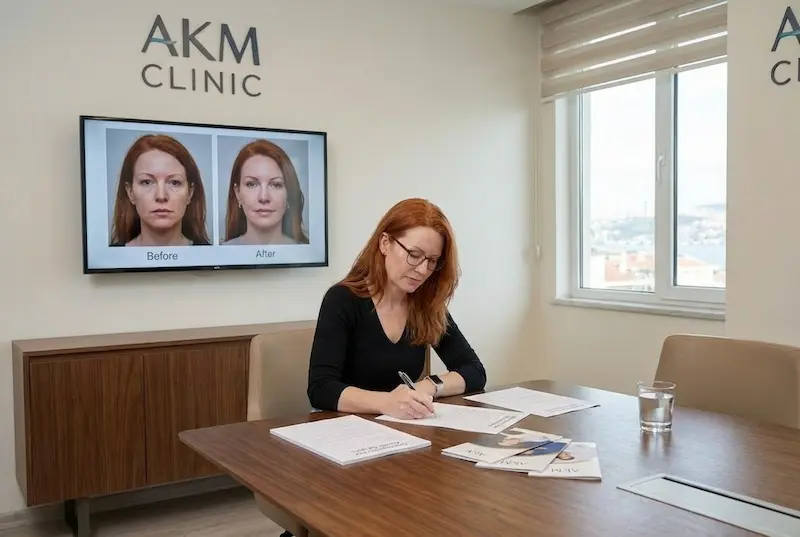
How to review before/after photos like a “pro” (consistency, lighting, timelines)
Photos can be misleading if lighting, angles, or timing changes. Use these questions to ask a plastic surgeon for facelift photo-review prompts:
- “How far post-op are these ‘after’ photos (6 weeks vs. 6 months vs. 1 year)?”
- “Do you have examples with similar age, skin quality, and starting anatomy to mine?”
- “Can we review photos with consistent angles and lighting so I can compare fairly?”
What is your revision policy and how do you handle complications?
No surgeon can promise zero complications. What matters is how they anticipate, communicate, and solve problems. These what questions to ask a plastic surgeon prompts are powerful:
- “What complications are most common for this procedure—and what’s your prevention strategy?”
- “If I’m unhappy with a detail, what is your step-by-step revision pathway?”
- “What costs are covered in revisions, and what might be additional?”
Can I speak to a former patient with a similar procedure/profile?
Not every clinic can arrange this due to privacy policies, but you can ask how they provide real-world patient proof. If your goal is to reduce anxiety and understand the experience, ask:
- “Do you have written or video testimonials from patients with a similar procedure?”
- “Can you share a recovery timeline story (what week 1, week 2, and month 3 looked like)?”
- “How do you support patients emotionally during the swelling phase?”
Takeaway: A trustworthy surgeon can show consistent results, explain timelines clearly, and discuss revisions without defensiveness.
Questions About Recovery, Aftercare, and Long-Term Follow-Up
Most anxiety happens after the consultation—when you’re at home wondering whether swelling is normal, when you can sleep normally, or what to do if something looks uneven. That’s why the smartest questions to ask plastic surgeon include aftercare and follow-up structure. Strong aftercare is not “extra”—it’s part of outcome quality. In scientific research on postoperative care, early identification of warning signs and clear escalation pathways are repeatedly linked with better recoveries and fewer complications.
What is the day-by-day recovery timeline (first week to 3 months)?
Ask for a realistic timeline that includes normal swelling phases and what changes you should expect week by week. These are essential questions to ask your plastic surgeon:
- “What will I look and feel like on day 1, day 3, day 7, and week 3?”
- “When can I safely return to work, exercise, and social events?”
- “When will results look ‘presentable’ vs. ‘final’?”
| Time Point | What’s Common | What to Ask |
|---|---|---|
| First 72 hours | Swelling, tightness, bruising, fatigue | “Which symptoms are normal—and which are not?” |
| Days 4–10 | Swelling changes, bruising migrates, sleep discomfort | “How do I manage swelling and protect incisions?” |
| Weeks 2–6 | Visible improvement, but ongoing internal healing | “When can I resume exercise and travel?” |
| Months 2–3+ | Refinement, scar maturation begins | “What scar care and skincare plan do you recommend?” |
Who manages aftercare, and how do you handle issues after I return home?
This is crucial for anyone traveling or living far from the clinic. If you’re thinking, what questions to ask plastic surgeon to avoid being “left alone” after surgery, start here:
- “Who is my aftercare contact person, and what is the typical response time?”
- “What follow-up schedule do you use (video calls, photos, in-person checks)?”
- “If I’m back home and there’s a concern, what’s the step-by-step plan?”
What support is available 24/7, and what are “call us now” warning signs?
A safe clinic should clearly define what is urgent and what is normal. Add these questions to ask your plastic surgeon to your consult:
- “Do you offer 24/7 support, and how do I reach a clinician after hours?”
- “What symptoms require an immediate call (fever, severe pain, one-sided swelling, breathing issues)?”
- “If I need in-person evaluation, where should I go and who coordinates it?”
Takeaway: A strong surgeon and clinic don’t just “do surgery”—they provide a clear recovery roadmap and real, reachable support.
Questions About Pricing, Inclusions, and Financial Transparency
Pricing confusion is one of the most common causes of regret—especially in medical tourism. A quote can look attractive until you discover what’s missing: tests, medications, garments, extra nights, revision scenarios, or anesthesia/facility add-ons. These questions to ask plastic surgeon are designed to make costs transparent and comparable. If you’re collecting questions to ask your plastic surgeon, this section protects your budget and your peace of mind.
Can you give an itemized quote (what’s included vs. excluded)?
Ask for written, itemized pricing—then read it like a contract. Use these what questions to ask a plastic surgeon prompts:
- “Can you provide an itemized quote with everything included?”
- “Does the package include anesthesia, facility fees, medications, garments, and follow-ups?”
- “How many nights of accommodation or nursing care are included (if applicable)?”
| Cost Category | Ask This | Why It Matters |
|---|---|---|
| Surgeon fee | “What exactly does the surgeon fee cover?” | Clarifies scope and reduces surprise charges. |
| Anesthesia | “Is anesthesia included and who provides it?” | Anesthesia costs can vary significantly. |
| Facility & supplies | “Are facility fees, garments, and supplies included?” | Common “hidden” extras. |
| Aftercare | “What follow-ups and treatments are included?” | Aftercare is part of outcome quality. |
What could increase the price later (tests, garments, meds, revisions)?
Transparent clinics warn you about variable costs. These questions to ask plastic surgeon help you plan:
- “What costs are variable depending on my medical history?”
- “Which items are commonly not included (labs, meds, extra nights, scar treatments)?”
- “If a revision is needed, what fees might apply and when?”
What are the cancellation/refund terms—and what happens if surgery is postponed?
Life happens—travel delays, medical issues, or last-minute changes can occur. You should know the policy in writing. Ask:
- “What is the deposit policy and is it refundable?”
- “If surgery is postponed for medical reasons, what happens to my payments?”
- “If I need to reschedule, what is the timeline and are there fees?”
Frequently Asked Questions (FAQ): Questions to Ask Plastic Surgeon
This FAQ pulls together the most searched questions to ask plastic surgeon prompts—especially for patients who want to avoid red flags, compare surgeons confidently, and feel emotionally supported through the “decision” phase. If you’re still unsure what questions to ask a plastic surgeon, start with the first two below and work your way down.
What are the most important questions to ask a plastic surgeon?
If you only ask a few, prioritize these high-impact questions to ask your plastic surgeon:
“Why is this procedure/technique the best fit for my anatomy and goals?”
“What are the top risks for me personally—and how do you prevent and manage them?”
“Who will perform each key step of my operation?”
“What does my recovery timeline look like week-by-week?”
“What is your revision/complication policy, and what is included financially?”
What are the biggest red flags in a plastic surgery consultation?
Red flags are usually about how the surgeon communicates, not just what they promise. Watch for:
Dismissive answers to safety questions (or refusing to discuss complications)
Absolute guarantees (“zero risk,” “no scars,” “perfect symmetry”)
No written plan for aftercare, follow-up, or escalation if you have a problem
Pressure tactics (limited-time pricing, “book today” urgency)
Unclear details about who will operate and where surgery will occur
Should I ask to see board certification and credentials in writing?
Yes—politely and directly. It’s a normal part of due diligence. You can ask for documentation of certifications and for clarity about the surgeon’s training and procedure-specific experience. If a provider reacts defensively to basic verification, that’s information in itself.
How do I know if a surgeon is recommending the right procedure—or upselling?
The right plan should be explained through your anatomy and goals, and it should include alternatives. A clinician using a science-based, structured approach will discuss tradeoffs (scar placement, downtime, longevity) and explain why “more surgery” isn’t always better. Ask:
“What would happen if we did less—and what would I realistically gain or lose?”
“Are there staged options that reduce risk?”
“What is the minimal effective plan to reach my goal?”
What should I ask about scars and “natural-looking” results?
This is especially important for facial procedures and for patients searching questions to ask facial plastic surgeon providers. Ask for specifics:
“Where will incisions be placed, and how do you manage scar healing?”
“At what time point do scars typically look their best?”
“What does ‘natural’ mean in my case, and how do you avoid an overdone look?”
What should I ask if I’m traveling abroad for surgery?
If you’re traveling, your consultation questions should include logistics and emergency readiness. These questions to ask plastic surgeon matter a lot:
“What is the follow-up plan after I return home (scheduled check-ins, response time, escalation)?”
“What happens if I need in-person evaluation—who coordinates that?”
“What is your policy for complications and revisions for international patients?”
How many consultations should I do before choosing a surgeon?
There’s no universal number, but most patients feel clearer after 2–3 high-quality consultations. The goal is not “more opinions,” but better comparisons. If your list of what questions to ask plastic surgeon is consistent, you’ll quickly see who provides transparent, individualized answers—and who stays vague.
Final reminder: A consultation is not a performance. It’s a safety check. The best surgeons welcome your questions—and answer them with clarity.
If you’d like to go beyond this checklist, you can also explore related guides that help you verify safety and communication before you commit. For example, our resources on Plastic Surgeon Board Certification explain what credentials truly mean, while Ghost Surgery in Turkey covers how to protect yourself from surgeon-switch risks. If language clarity is a priority, English Speaking Plastic Surgeons in Turkey can help you plan confident conversations. And if you’re still in the research phase, Online Plastic Surgery Consultation offers practical tips on how to get an accurate plan remotely.