
If you’re researching ethnic rhinoplasty Turkey, you’re probably not looking for a “smaller nose at any cost.” You’re looking for refinement that still looks like you—in harmony with your facial features, family traits, and cultural identity.
This guide is written for the detail-oriented patient who wants surgeon-led clarity: what ethnic rhinoplasty is (and isn’t), why thick skin and cartilage strength matter, how to judge results realistically, and what to look for when comparing options such as ethnic rhinoplasty in Turkey, Turkey ethnic rhinoplasty programs, and even searches like best ethnic rhinoplasty surgeon Turkey. We’ll also cover cost and package questions later (including “ethnic rhinoplasty Turkey price,” “Turkey ethnic rhinoplasty price,” and “Turkey ethnic rhinoplasty package”).
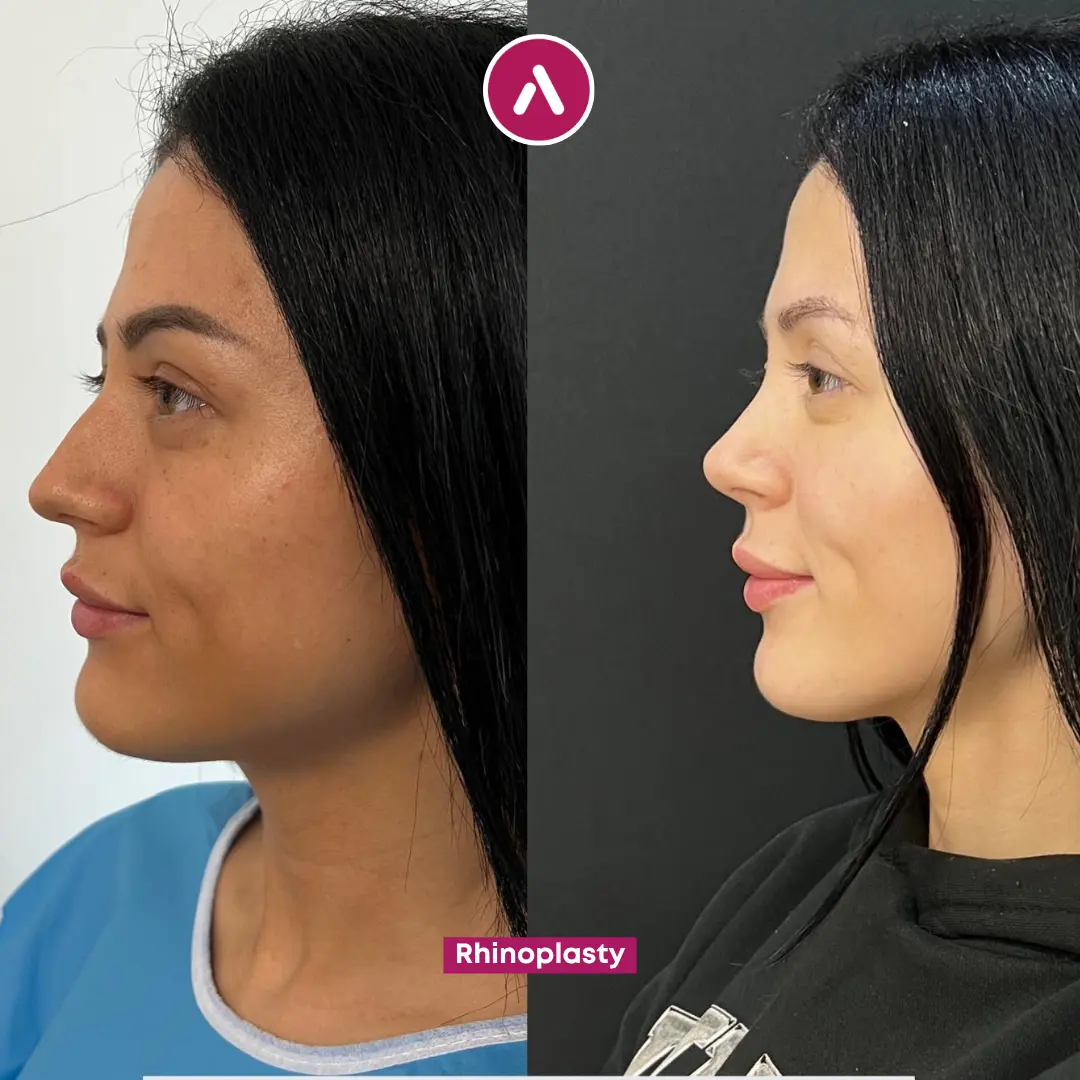
Key takeaway: The goal of ethnic rhinoplasty isn’t to erase features—it’s to refine proportions while preserving heritage and supporting healthy breathing.
From a medical science perspective, the most reliable outcomes come from a plan that respects anatomy: skin thickness, cartilage strength, nasal airflow, and the structural support needed to keep results stable over time.
Table of Contents
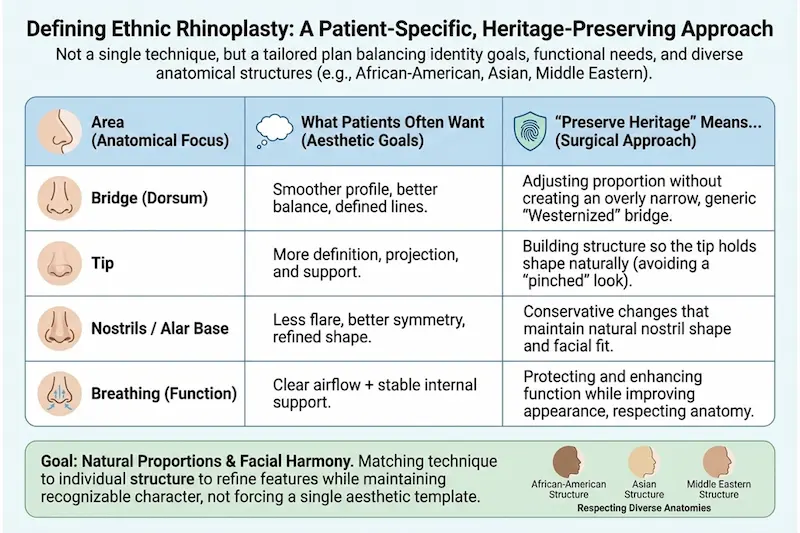
Defining Ethnic Rhinoplasty: It’s Not One Size Fits All
“Ethnic rhinoplasty” is not a single technique. It’s a patient-specific approach designed for noses that commonly present with thicker skin, different cartilage strength, and distinct bridge/tip/nostril characteristics. The best plans start with identity goals (what you want to preserve) and functional goals (how you want to breathe), then match technique to anatomy—rather than forcing one aesthetic template on everyone.
African-American, Asian, and Middle Eastern Nose Structures
Different ethnic backgrounds can share certain structural patterns—yet every face is individual. For example, some patients may have a lower bridge, wider nostril base, or thicker tip skin; others may have a higher dorsum with tip refinement goals. The consultation should focus on your starting anatomy: profile balance, front-view width, tip support, nostril shape, and breathing function.
Refinement vs. “Westernization”: What Preserving Heritage Actually Means
Preserving heritage means avoiding a “copy-paste” nose that could belong to anyone. Instead, the objective is facial harmony: refining what bothers you (such as tip definition, nostril symmetry, or bridge irregularities) while maintaining the character that fits your features. A surgeon-led plan should clearly state what will remain recognizable about your nose—and why.
Key Goals: Tip Definition, Bridge Balance, and Natural Proportions
Common goals in ethnic rhinoplasty often include improving tip definition, creating smoother dorsal lines, balancing the bridge with the forehead/chin, and (when appropriate) refining the nostril base. A natural result looks proportionate from multiple angles—front view, oblique, and profile—without over-reduction or pinching.
| Area | What Patients Often Want | “Preserve Heritage” Means… |
|---|---|---|
| Bridge (Dorsum) | Smoother profile, better balance | Adjusting proportion without creating an overly narrow, generic bridge |
| Tip | More definition and support | Building structure so the tip holds shape naturally (not “pinched”) |
| Nostrils / Alar Base | Less flare or better symmetry | Conservative changes that maintain natural nostril shape and facial fit |
| Breathing | Clear airflow + stable internal support | Protecting function while improving appearance |
The Challenge of Thick Skin and Weak Cartilage
Thick skin and less supportive cartilage can make results look “under-defined” early on—and can also increase the risk of long-term shape changes if the nose is reduced without rebuilding support. This is why the best outcomes tend to come from structural planning: shaping the framework so the skin can drape smoothly over a stable foundation.
Why Standard Reduction Techniques Fail
Techniques that rely heavily on “taking away” (aggressive reduction) may look acceptable in thin-skinned noses, but in thicker skin they can lead to limited visible refinement—or worse, instability over time. When too much support is removed, the nose may lose definition, the tip can droop, or breathing can be affected.
Structural Grafting for Long-Term Support
In many ethnic rhinoplasty cases, surgeons emphasize supporting and shaping rather than simply reducing. Strategic grafting can reinforce tip structure, maintain projection, and help create smoother, more defined contours. The goal is not to add “bulk,” but to create a framework that holds its shape predictably.
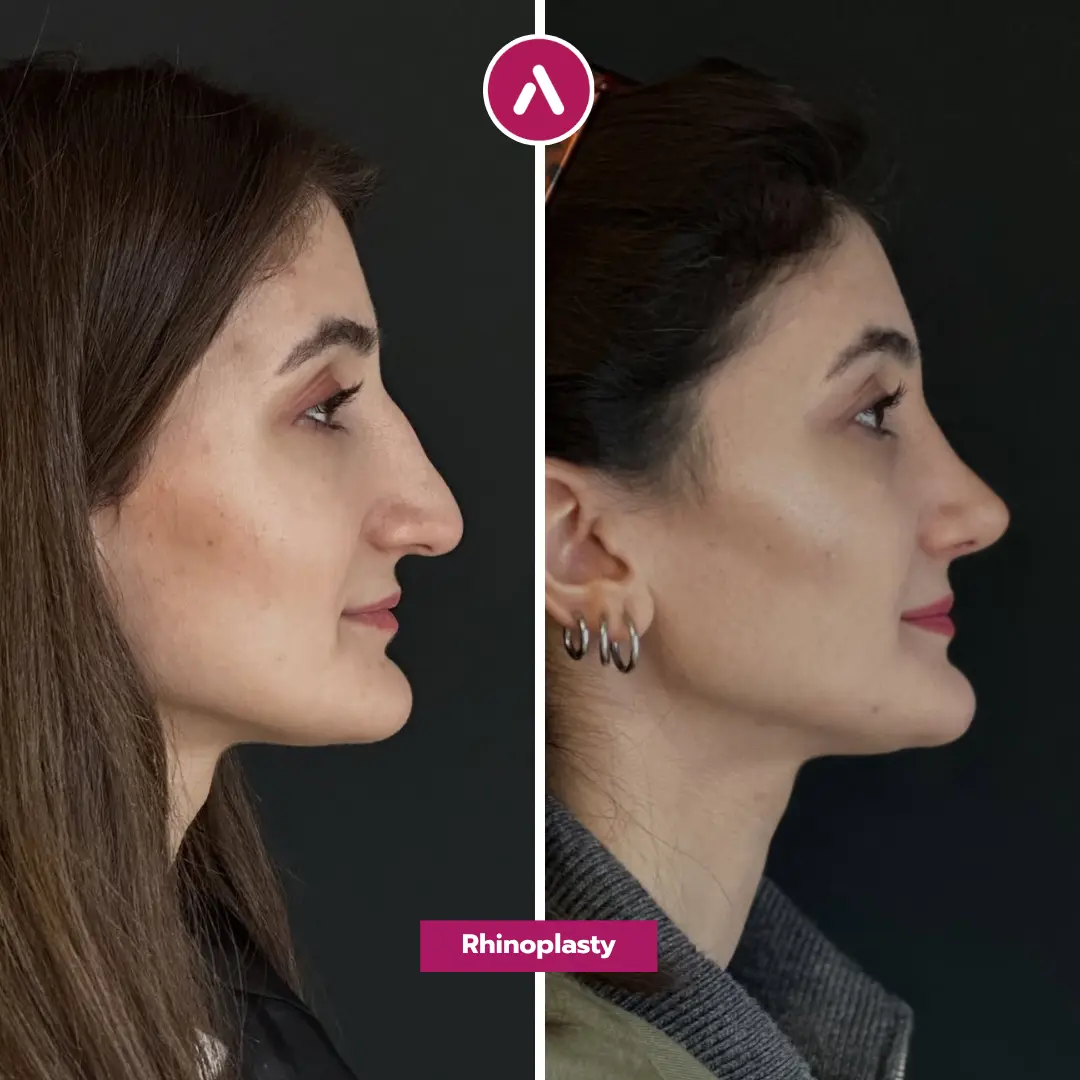
What Thick Skin Can (and Can’t) Reveal: Setting Realistic Expectations
Thick skin can soften fine details—especially in the early months—so patience matters. A responsible plan sets realistic expectations: swelling settles gradually, definition emerges slowly, and final refinement can take longer than in thin-skinned patients. This is where good follow-up, careful swelling management, and a surgeon who communicates clearly are essential.
Building Tip Support: Projection, Rotation, and Long-Term Stability
The tip is often the “identity zone” of the nose. In thicker skin, achieving a natural look may require strengthening tip support so it doesn’t flatten or drop with time. A well-supported tip can look refined while still fitting your ethnicity and facial proportions.
Practical patient tip: Ask your surgeon to explain not only what will be reduced, but what will be reinforced—especially in the tip and internal support structures.
Piezo Ultrasonic Technology in Ethnic Noses
Bone work is often a key part of rhinoplasty—especially when refining the bridge, smoothing irregularities, or narrowing the nasal bones. In many modern practices, piezo ultrasonic technology is used to reshape bone with high precision. For patients comparing ethnic rhinoplasty in Turkey options, it’s worth understanding what piezo can (and can’t) change, and why technique choice matters more than marketing.
Precision Bone Reshaping Without Trauma
Piezo devices use ultrasonic micro-vibrations to work specifically on bone. The practical benefit is controlled, fine reshaping—particularly helpful for detailed contouring and predictable osteotomies (bone cuts). In surgeon-led planning, precision supports the broader aesthetic goal: preserving heritage while improving balance and symmetry.
Why Piezo Can Mean Less Bruising and a Smoother Early Recovery
Because piezo is designed to focus energy on bone rather than aggressively impacting surrounding tissue, many patients experience a smoother early recovery profile. While every patient heals differently, the potential for reduced soft-tissue trauma is one reason piezo is frequently discussed in modern rhinoplasty circles.
Piezo vs. Traditional Tools: When Each Approach Makes Sense
Piezo is not a “magic wand,” and traditional methods are not automatically inferior. The best approach depends on your anatomy and goals: thickness of skin, degree of bony deviation, prior trauma, and whether structural support is needed in addition to bone contouring. A strong consultation should explain why a method is selected for your nose—not just that a device exists.
Surgeon-level question to ask: “Which parts of my plan are bone work vs. cartilage support—and what technique will you use for each?”
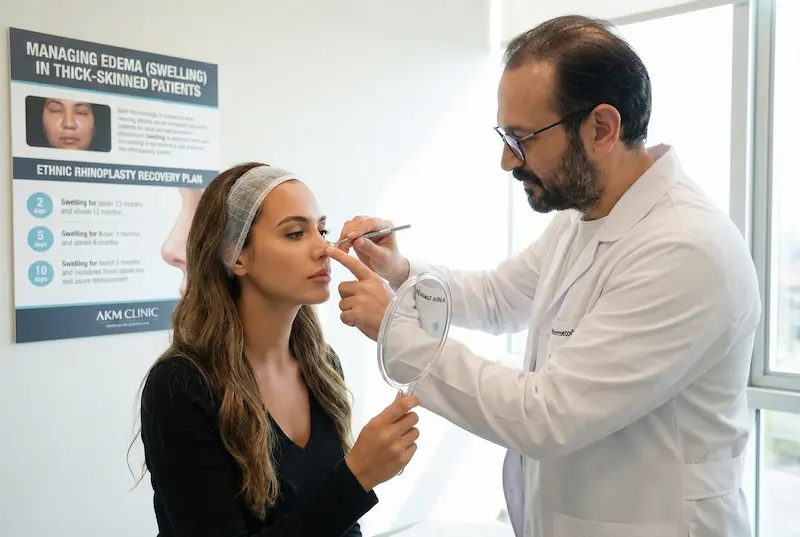
Managing Edema (Swelling) in Thick-Skinned Patients
Swelling is normal after rhinoplasty, but in thick-skinned ethnic noses, edema can linger and blur definition longer than many patients expect. That’s why a well-structured recovery plan is not a “nice extra”—it’s part of outcome quality. From a science-based standpoint, swelling management supports comfort, confidence, and the gradual reveal of refinement.
Swelling Timeline: What to Expect in Weeks 1–2, Months 1–3, and Beyond
In the first 1–2 weeks, most patients notice the biggest visible changes: splint removal, early reduction of bruising, and a general shift from “post-op swelling” toward “healing swelling.” Between months 1–3, the nose typically looks more socially presentable, but thick skin can still mask fine tip definition. Beyond that, refinement continues slowly—particularly in the tip—where thick skin takes longer to settle over the new framework.
| Timeframe | What You’ll Likely Notice | What It Means for Thick Skin |
|---|---|---|
| Week 1–2 | Major swelling + splint phase, early bruising improves | Definition is limited; focus is protection + gentle healing |
| Month 1–3 | Steady reduction in swelling; more “public-ready” look | Tip still looks fuller; improvements are gradual |
| Month 6–12+ | Refinement continues; shape stabilizes | Final definition takes longer; patience is part of the plan |
Strategies to Support Recovery: Taping, Massage, and Follow-Up Protocols
Swelling strategy should be personalized. Many surgeon-led protocols include structured follow-ups and (when appropriate) taping guidance to support edema control. Some patients may also be instructed on safe massage techniques—but only if and when the surgeon recommends it, since timing and pressure matter. The most important factor is consistency: clear instructions, check-ins, and fast access if anything feels off.
AKM Clinic Recovery Support: LLLT & HBOT as Part of Patient Care Standards
At AKM Clinic, post-operative recovery is supported with advanced, non-invasive care standards that aim to optimize healing conditions—especially helpful when swelling is expected to be persistent. Two supportive technologies are highlighted as part of patient care:
- HBOT (Hyperbaric Oxygen Therapy): Presented as a safety-forward recovery support tool, focused on improving oxygen delivery to healing tissues and supporting overall recovery conditions.
- LLLT (Low-Level Laser Therapy): Used as a non-thermal, cellular-support approach in post-surgical care—commonly discussed in clinical contexts for supporting tissue recovery and skin healing pathways.
While outcomes still depend on surgical planning and your biology, a structured recovery ecosystem can be an important differentiator when comparing Turkey ethnic rhinoplasty providers—because early healing quality influences the patient experience and the gradual reveal of results.
Reality check: Thick skin doesn’t prevent beautiful outcomes—it just changes the timeline. A good plan respects that timeline instead of promising instant “final results.”
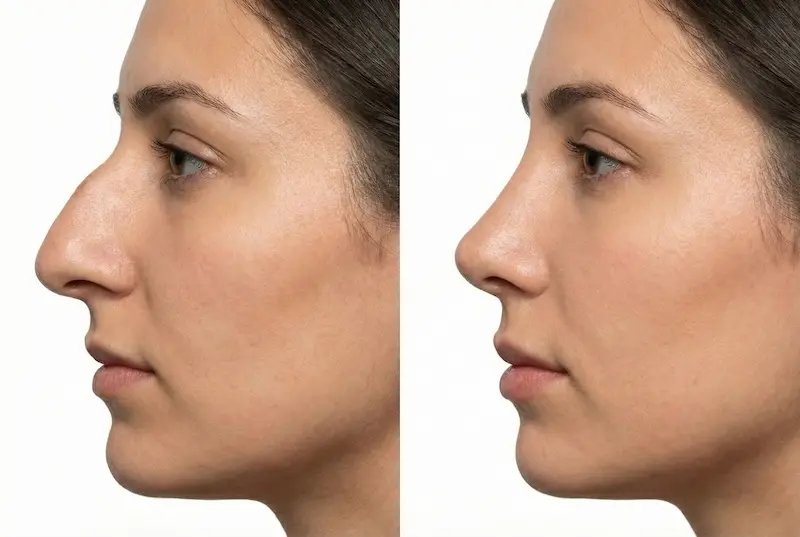
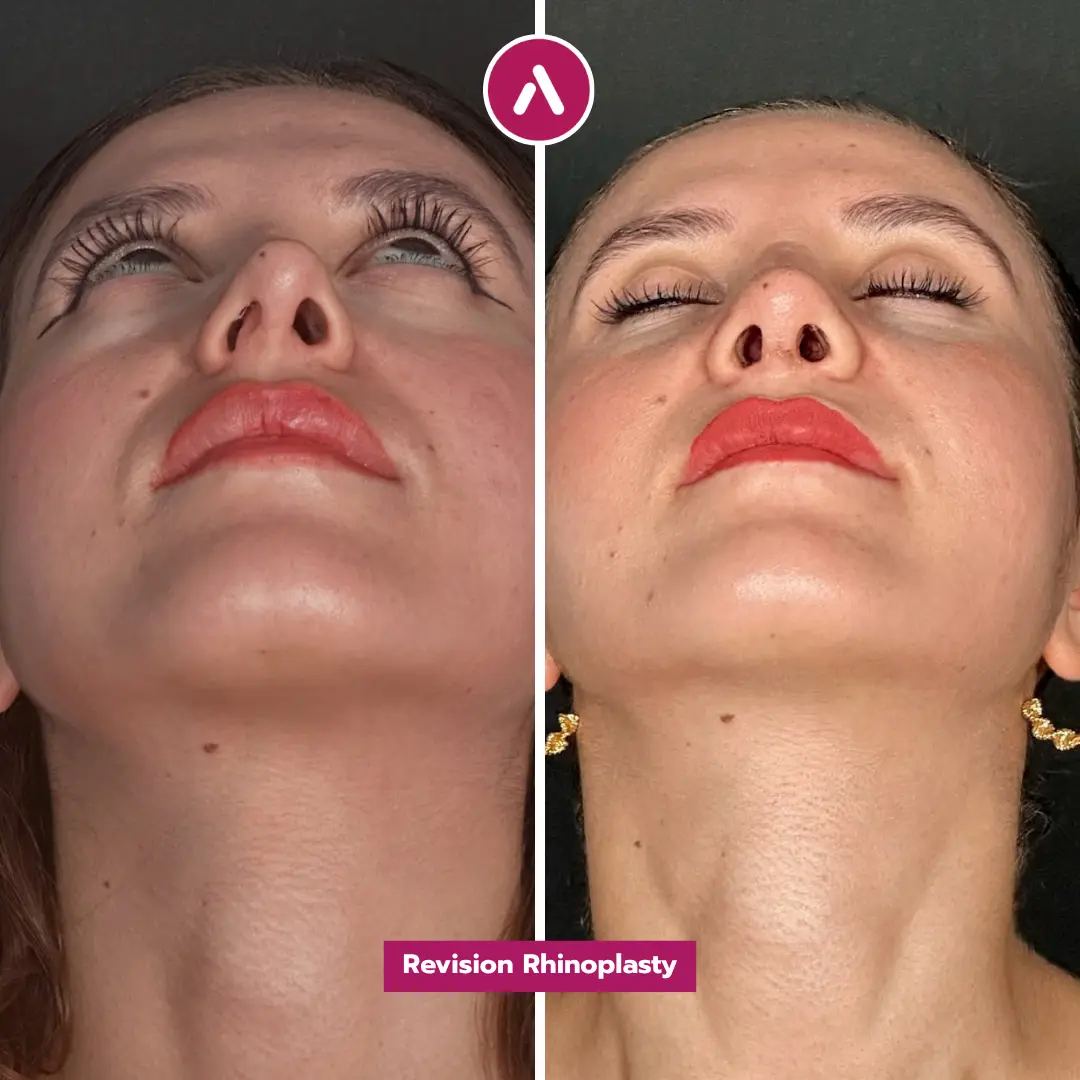
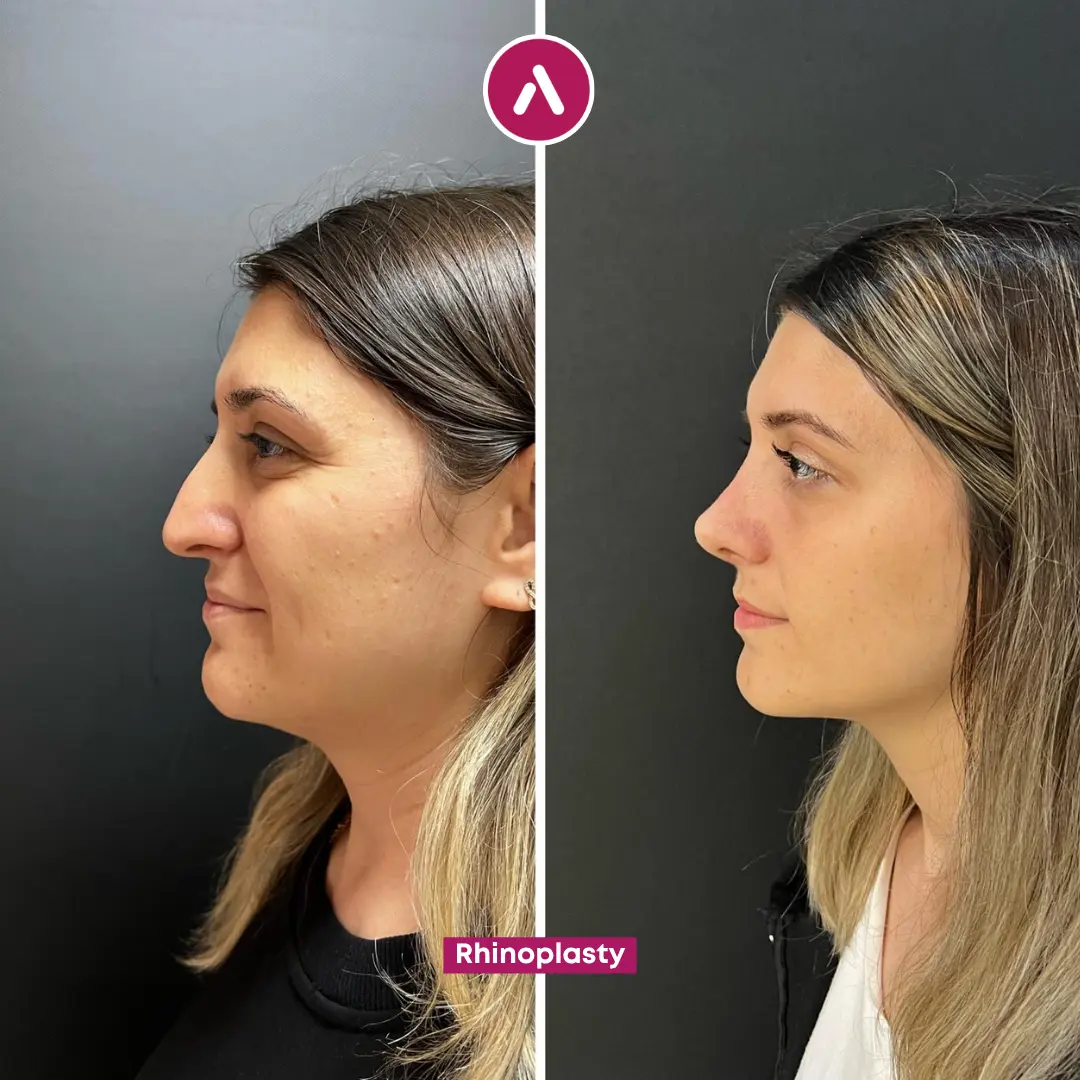
Before & After: Refining Without Erasing Ethnicity
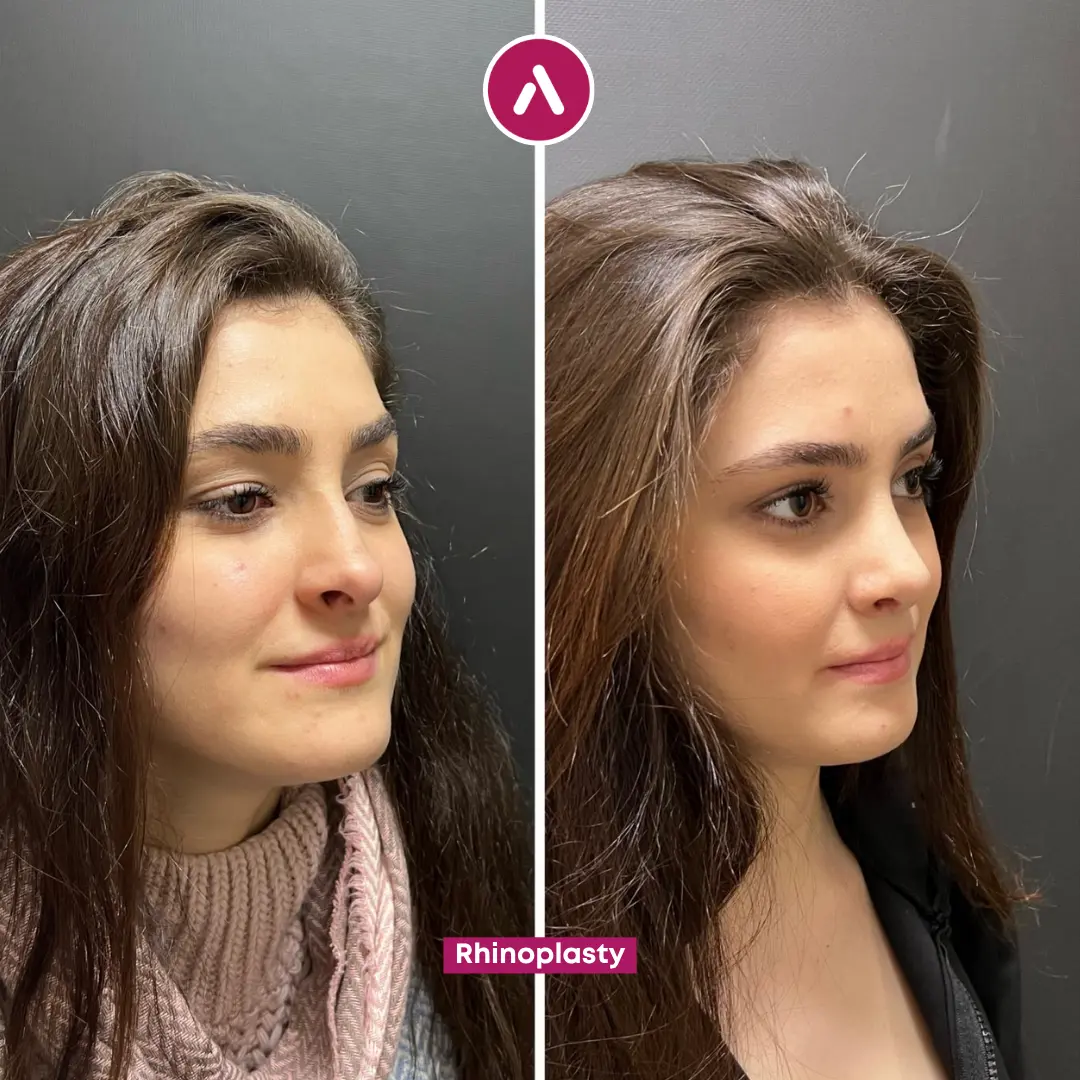
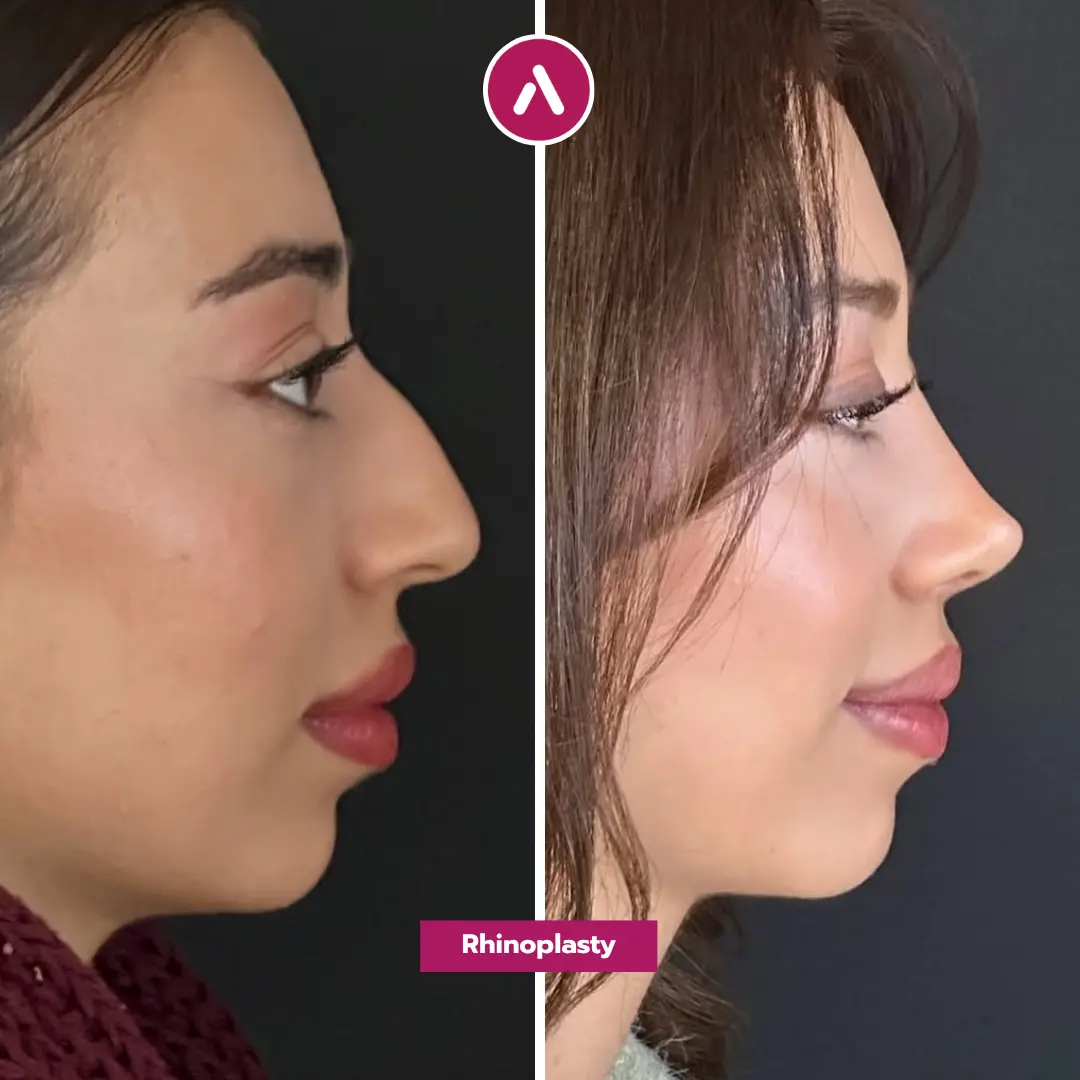
Most “disappointment stories” in Turkey ethnic rhinoplasty (or anywhere) come down to two things: unrealistic expectations and poor evaluation of surgeon portfolios. Ethnic rhinoplasty results must be judged differently than standard “tiny nose” makeovers—because the goal is refinement with identity preservation, not transformation into a generic template. The most helpful approach is to evaluate photos the way surgeons and reviewers do in scientific research: consistency, angles, anatomy, and long-term stability.
What “Good” Looks Like: Harmony With Facial Features, Not a Copy-Paste Nose
A strong ethnic rhinoplasty result typically looks “quiet.” That’s not a weakness—it’s the point. From the front, you should see balanced width and smoother dorsal lines without an unnaturally narrow bridge. From the side, the profile should be harmonious with the lips and chin. Most importantly, your nose should still look like it belongs to your face and your heritage.
How to Evaluate Photos Like an Expert: Angles, Lighting, and Consistency
When comparing ethnic rhinoplasty in Turkey providers, you’ll often see impressive photos—but your job is to verify reliability:
- Same lighting + same angle: If one photo is bright and the other is shadowed, tip definition can look “improved” artificially.
- Standard views: Front, oblique (45°), and true profile. Bonus: base view if appropriate and shown ethically.
- Time stamp matters: Very early photos can be misleading—especially in thick skin where swelling masks refinement.
- Consistency across patients: Does the surgeon produce different noses suited to different faces, or the same nose on everyone?
Common Aesthetic Priorities: Alar Base, Tip Width, Dorsal Lines, Nostril Shape
In many ethnic rhinoplasty plans, patients prioritize a more refined tip, smoother bridge lines, better symmetry, and (sometimes) nostril/alar base adjustments. The key is moderation and proportion: a small change in the right place can improve balance without altering identity.
Red Flags of Over-Reduction: Pinching, Collapse, or “One-Nose-Fits-All” Results
Be cautious if you notice:
- Pinched tip: Narrow, sharp, or “squeezed” look that doesn’t match the rest of the face.
- Over-narrow bridge: A bridge that looks disconnected from ethnic facial proportions.
- Airway risk signs: Visible collapse around the nostrils or overly aggressive narrowing.
- Same aesthetic outcome for everyone: This suggests a template approach, not individualized planning.
| Portfolio Check | Green Flags | Red Flags |
|---|---|---|
| Photo consistency | Same angles, lighting, and distance | Different angles/lighting that exaggerate change |
| Identity preservation | Noses fit each face; varied outcomes | “One style” nose repeated |
| Thick-skin realism | Real timelines, longer follow-up images | Only early results; vague promises |
| Function emphasis | Mentions breathing and structural support | Purely cosmetic talk; no function discussion |
Identity-first rule: If the “after” looks like a different ethnicity, the plan likely prioritized trend aesthetics over heritage preservation.
Choosing the Right Surgeon for Ethnic Features
If you’re searching “best ethnic rhinoplasty surgeon Turkey,” try to translate that into measurable criteria: documented experience with diverse anatomy, a functional (breathing-safe) approach, and a transparent recovery/aftercare system—especially important for international patients. In modern practice, high-quality outcomes are built on anatomy, planning, and follow-up—not hype.
Evidence of Ethnic Case Experience: Diversity in Portfolio and Consistent Outcomes
Look for a surgeon who shows a wide range of ethnic nose types and goals: refinement without erasure, stability over time, and natural proportions. Ideally, you should see cases with thick skin, different cartilage strengths, and varied nostril/bridge shapes—handled with individualized results.
Consultation Quality: Listening to Identity Goals + Ethical Morphing/Planning
A trustworthy consultation doesn’t rush you into a “new nose.” It starts with what you want to preserve and what you want to refine. Ethical planning includes:
- Identity conversation: “What features feel like you?”
- Function check: Airway assessment and breathing priorities.
- Realistic visualization: If morphing is used, it should be framed as a discussion tool—not a promise.
- Plan transparency: The surgeon should explain structural support decisions (especially in thick skin).
Safety & Standards in Turkey: Surgical Setting, Anesthesia, Aftercare, and Follow-Up
For patients traveling for ethnic rhinoplasty in Turkey, the “surgery day” is only one piece. Ask about the full system: surgical setting standards, anesthesia team involvement, post-op monitoring, and what happens if you have concerns after returning home. Many medical tourism frustrations come from weak aftercare communication—not the procedure itself.
One example of what patients value (even outside rhinoplasty) is responsive aftercare. In AKM Clinic patient testimonials, individuals describe consistent access and support—highlighting how important follow-up is for international care journeys.
Revision Readiness: What the Surgeon Does to Prevent Functional & Aesthetic Complications
Ethnic rhinoplasty should aim to minimize revision risk through structural planning, conservative reduction, and protection of internal support. Your surgeon should be able to explain how they reduce the risks of tip instability, collapse, or breathing issues—and what their follow-up strategy is if healing doesn’t progress as expected.
Smart comparison tip: When comparing Turkey ethnic rhinoplasty options, choose the surgeon who explains risks, timelines, and structural decisions most clearly—not the one who promises the fastest “final result.”

Ethnic Rhinoplasty Turkey Price: What You’re Really Paying For
Searches like ethnic rhinoplasty Turkey price or Turkey ethnic rhinoplasty price usually come from a practical question: “What’s the real number—and what does it include?” The most accurate answer is that price is not just the surgeon’s fee. For an international patient, total value depends on surgical complexity (especially thick skin and cartilage support needs), safety standards, anesthesia care, facility quality, and aftercare structure.
Why Pricing Varies in Ethnic Rhinoplasty
Ethnic rhinoplasty is often more about structural support than simple reduction. When thick skin or weaker cartilage requires reinforcement, the plan may involve more detailed framework work, longer operating time, and higher technical demand. That complexity can influence cost—sometimes more than “how dramatic” the cosmetic change appears.
What a Turkey Ethnic Rhinoplasty Package Usually Includes
Many patients also search for a Turkey ethnic rhinoplasty package because they want a predictable, travel-friendly plan. Packages vary by clinic, but commonly include:
- Pre-op assessment (medical review, surgical planning)
- Surgery + facility costs (operating room, hospital/clinic fees)
- Anesthesia care (anesthesiologist + monitoring)
- Post-op medications and supplies (as advised)
- Follow-up visits during your stay
- Logistics (often airport transfers; sometimes hotel support depending on the clinic model)
The important part: get a written breakdown. “Package” should never be vague—especially for international patients.
How to Compare Offers Without Falling Into Price Traps
When comparing ethnic rhinoplasty in Turkey options, a lower number isn’t always “better value.” A safer comparison uses like-for-like criteria:
- Who is operating? Named surgeon, verifiable credentials, consistent portfolio
- Where is surgery performed? Accredited setting, appropriate monitoring standards
- What is included? Anesthesia, facility, follow-ups, aftercare access
- What is the revision philosophy? Conservative planning, structural support, breathing protection
| Line Item | Ask This | Why It Matters |
|---|---|---|
| Surgeon fee | Is the surgeon doing the key steps personally? | Ethnic anatomy demands hands-on expertise |
| Anesthesia | Is it anesthesiologist-led with full monitoring? | Safety and comfort are non-negotiable |
| Facility | Hospital/clinic standards and emergency readiness? | Reduces preventable risk |
| Aftercare | How do you handle concerns after I fly home? | International patients need structured support |
Price Comparison: High-Cost US Cities vs. Istanbul, Plus Mexico & Thailand
Patients often compare Turkey ethnic rhinoplasty with major cosmetic hubs. Instead of a generic “USA vs Turkey” comparison, it’s more useful to look at high-cost US cities (where overhead is highest) versus Istanbul—and then weigh other medical tourism destinations like Mexico and Thailand.
New York, Los Angeles, Miami vs. Istanbul
In high-cost US cities (New York, Los Angeles, Miami), pricing can reflect overhead, insurance environment, and demand. In Istanbul, total costs can be lower while still allowing for surgeon-led care and comprehensive packages—if the clinic’s standards, facility quality, and aftercare system are strong.
| Location | What Typically Drives Cost | What to Evaluate (Not Just Price) |
|---|---|---|
| New York | Very high overhead + premium demand | Surgeon experience in ethnic anatomy, long-term follow-up photos |
| Los Angeles | High demand + brand pricing | Functional safety, structural planning, revision rates approach |
| Miami | Wide market range; quality varies | Facility standards, anesthesia team, portfolio consistency |
| Istanbul | Lower overhead; packages may reduce travel friction | Accredited setting, surgeon-led plan, aftercare access after return |
Mexico and Thailand vs. Turkey for Ethnic Rhinoplasty
Mexico and Thailand are also common medical tourism destinations. However, ethnic rhinoplasty outcomes depend heavily on case-specific expertise and long-term structural stability, not just cost. The right question is: where can you find the most consistent evidence of your nose type being treated with identity preservation and functional safety?
- Mexico: Often chosen for proximity (especially for US patients). Evaluate surgeon portfolio depth in thick-skin structural work and verify facility standards carefully.
- Thailand: Known for hospitality and medical tourism infrastructure. Evaluate rhinoplasty specialization and long-term follow-up evidence for ethnic cases.
- Turkey (Istanbul): Frequently chosen for package structure and surgeon availability. Evaluate surgeon-led planning, safety standards, and aftercare protocols—especially important when returning home.
How to Decide: A Value Checklist for International Patients
If your goal is to balance aesthetics, identity preservation, and safety, use this checklist when comparing Turkey ethnic rhinoplasty package offers and alternatives:
- Portfolio match: Do you see cases that genuinely resemble your anatomy?
- Identity planning: Does the surgeon discuss what will be preserved?
- Structural approach: Is there a clear plan for support (especially tip stability and breathing)?
- Aftercare clarity: Follow-ups during stay + communication after you fly home
- Transparency: Written inclusions, exclusions, and realistic timelines
Bottom line: “Best value” in ethnic rhinoplasty is the option that combines surgeon-led structural planning, safe standards, and reliable aftercare—so your result stays stable and still looks like you.
Frequently Asked Questions (FAQ): Thick Skin Rhinoplasty
This FAQ addresses the most common questions patients ask when researching ethnic rhinoplasty Turkey, including safety, identity preservation, swelling timelines, technology, travel planning, and cost terms like ethnic rhinoplasty Turkey price, Turkey ethnic rhinoplasty price, and Turkey ethnic rhinoplasty package.
How much does ethnic rhinoplasty cost in Turkey compared to high-cost US cities?
In general, high-cost US cities like New York, Los Angeles, and Miami can have higher total pricing due to overhead and market factors. Istanbul often offers a lower total cost structure, sometimes with bundled services. The right way to compare is not “country vs. country,” but what’s included: surgeon-led planning, anesthesia, facility standards, and aftercare support. If you’re comparing ethnic rhinoplasty Turkey price to a US quote, request itemized inclusions in both.
What’s included in a Turkey ethnic rhinoplasty package?
A Turkey ethnic rhinoplasty package often includes surgery, anesthesia, facility costs, basic post-op supplies/medications as advised, and follow-up visits during your stay. Some clinics also include transfers and support services. Always confirm what is explicitly included and excluded in writing (hotel, tests, revisions, extra nights, etc.).
How long does swelling last with thick skin?
Swelling is normal for everyone, but thick skin can take longer to “reveal” definition—especially at the tip. Many patients feel more comfortable socially after the early healing stage, but tip refinement may continue gradually for months. A surgeon-led plan should prepare you for a longer definition timeline without promising instant “final” results.
Will I still look like myself after surgery?
That should be the goal. Ethnic rhinoplasty is designed to refine while preserving identity. A good plan starts with what you want to keep, not what the surgeon wants to change. During consultation, ask the surgeon to describe which features will remain recognizable and how the new proportions will match your face.
Can I keep certain ethnic features (like a stronger bridge) while refining others?
Yes. Many patients want selective refinement—such as tip definition or symmetry—while keeping a bridge shape that feels authentic. The key is communicating priorities clearly and choosing a surgeon who demonstrates “preserve-and-refine” outcomes in their portfolio.
Is alar base reduction always necessary?
No. Alar base reduction is not mandatory in ethnic rhinoplasty. It’s a specific decision based on nostril width, flare, symmetry, and overall facial proportions. Over-aggressive narrowing can look unnatural, so the best approach is conservative and proportion-based.
Does piezo technology change recovery time or results?
Piezo ultrasonic tools can support precise bone work and may reduce soft-tissue trauma in some cases, which can influence early bruising/swelling experiences. However, results depend far more on the surgeon’s plan, structural support strategy, and healing biology than on any single device.
How do surgeons prevent breathing problems after rhinoplasty?
By protecting internal support structures, avoiding over-reduction, and using structural reinforcement when needed (especially in noses where support could be weakened). Functional assessment should be part of planning. If you’re researching best ethnic rhinoplasty surgeon Turkey, prioritize surgeons who discuss function and long-term stability—not just cosmetic shape.
What’s the typical downtime before I can fly back home?
Most international patients stay long enough for early post-op checks (often around the initial recovery window). The exact timing depends on surgeon protocol and your healing. Plan travel based on medical guidance, not convenience—especially if you want in-person follow-up before flying.
What are the most common reasons patients need revision rhinoplasty?
Common reasons include persistent asymmetry, under- or over-correction, tip instability, scar tissue effects, or functional (breathing) concerns. Thick skin can also make definition goals more challenging, which is why realistic planning and structural support are so important.
When will I see the final result—especially with thick skin?
You’ll see meaningful changes early, but “final” refinement is gradual—especially at the tip in thick-skinned patients. From a medical science viewpoint, the body needs time for swelling to resolve and tissues to stabilize over the new framework. A responsible surgeon will frame results in stages and guide you through that timeline.
Medical Disclaimer: This page is provided for general educational purposes only and does not replace a face-to-face medical consultation, diagnosis, or personalised treatment plan. All surgery carries risks and outcomes vary between individuals. Suitability for ethnic rhinoplasty, procedure selection, and anaesthesia choice can only be determined after a full clinical assessment by a qualified surgeon. Always follow your clinician’s instructions and seek urgent medical attention if you develop concerning symptoms during recovery.