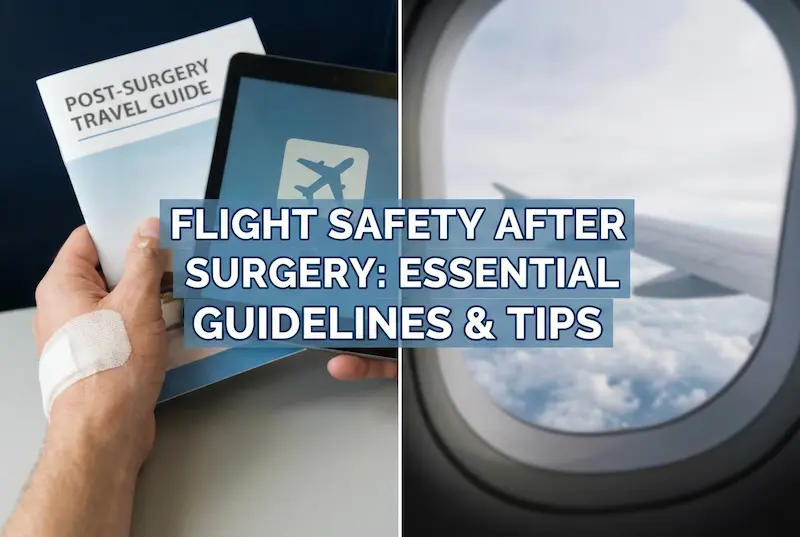
If you’re planning your step-by-step medical travel journey, it’s normal to type things like “flight after surgery”, “flight after plastic surgery”, or even “can you flight after surgery” into Google—because the stakes feel high. The truth is: flight safety after surgery is not about one universal “safe day” to fly. It’s about whether your body is ready for cabin pressure changes, reduced mobility, swelling shifts, and the logistics of airports.
This guide is written for the patient who wants a clear, surgeon-minded system: what aviation guidance can (and can’t) tell you, what airlines may require, and how to reduce the most preventable risks when you fly after plastic surgery.
Key principle: When it comes to flight restrictions after surgery, the “rule” is simple—the safest flight is the one you are medically cleared to take, with a plan for movement, swelling, and documentation.
Table of Contents
FAA Medical Flight Safety After Surgery Guidelines
Many patients assume the FAA publishes a specific “how soon can you fly after surgery” chart. In reality, the FAA’s medical rules and “fitness” language are primarily designed for aviation operations (e.g., pilot medical certification) rather than setting post-surgery timelines for passengers. For patients, the practical decision is usually shaped by (1) your surgeon’s medical clearance and (2) your airline’s policies for recent surgery or special assistance.
| Decision Layer | What It Typically Covers | What You Should Do |
|---|---|---|
| Surgeon / Medical Team | Your healing status, clot risk, swelling, wound stability, medication plan | Get a clear “fit-to-fly” plan based on your procedure and risk factors |
| Airline Policy | Whether they need medical clearance, assistance needs, timing for recent surgery | Ask early if they require a form/letter for recent surgery |
| Aviation Environment | Cabin pressure/oxygen differences, dryness, long sitting, limited medical care onboard | Pack, hydrate, move, and plan the airport process to reduce avoidable risk |
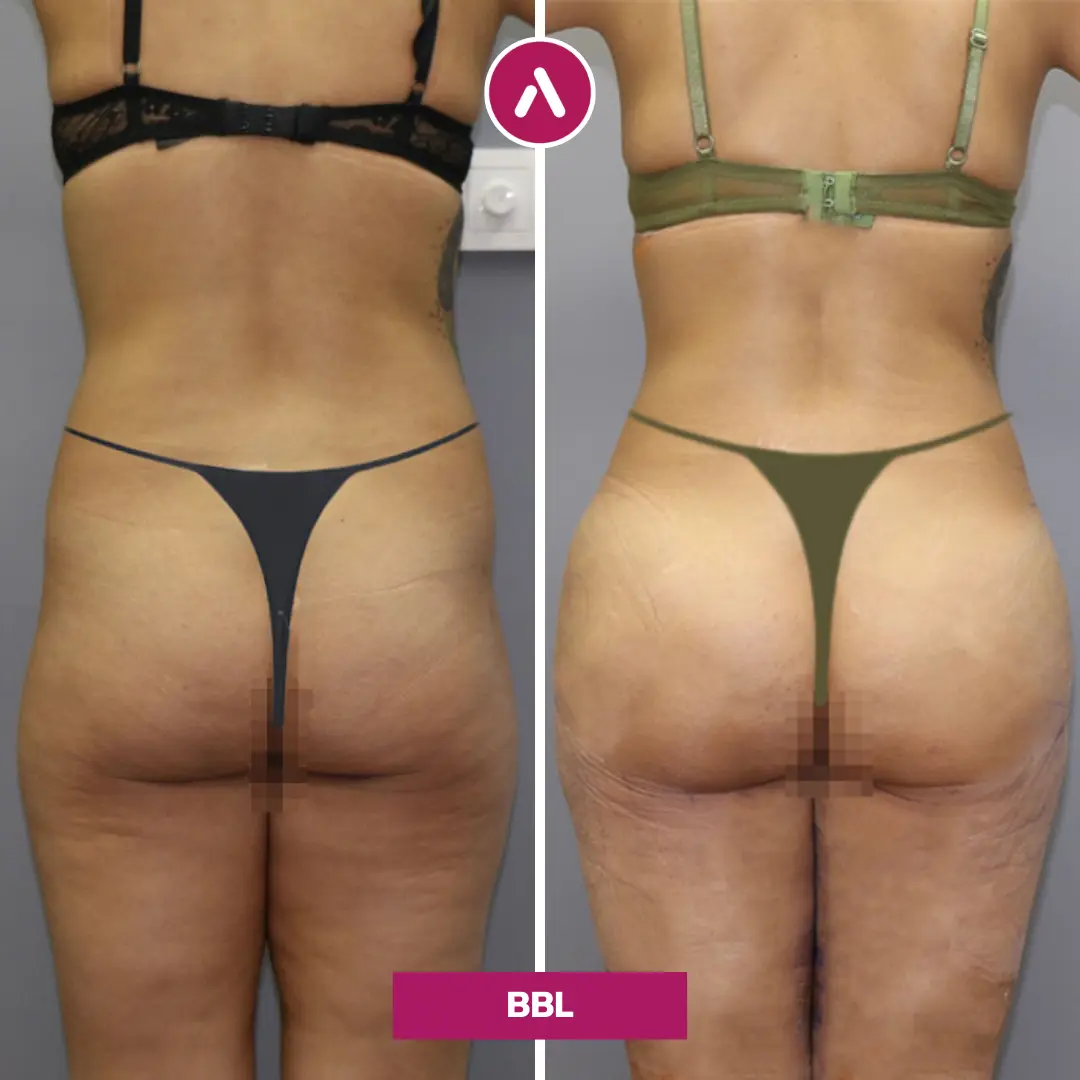
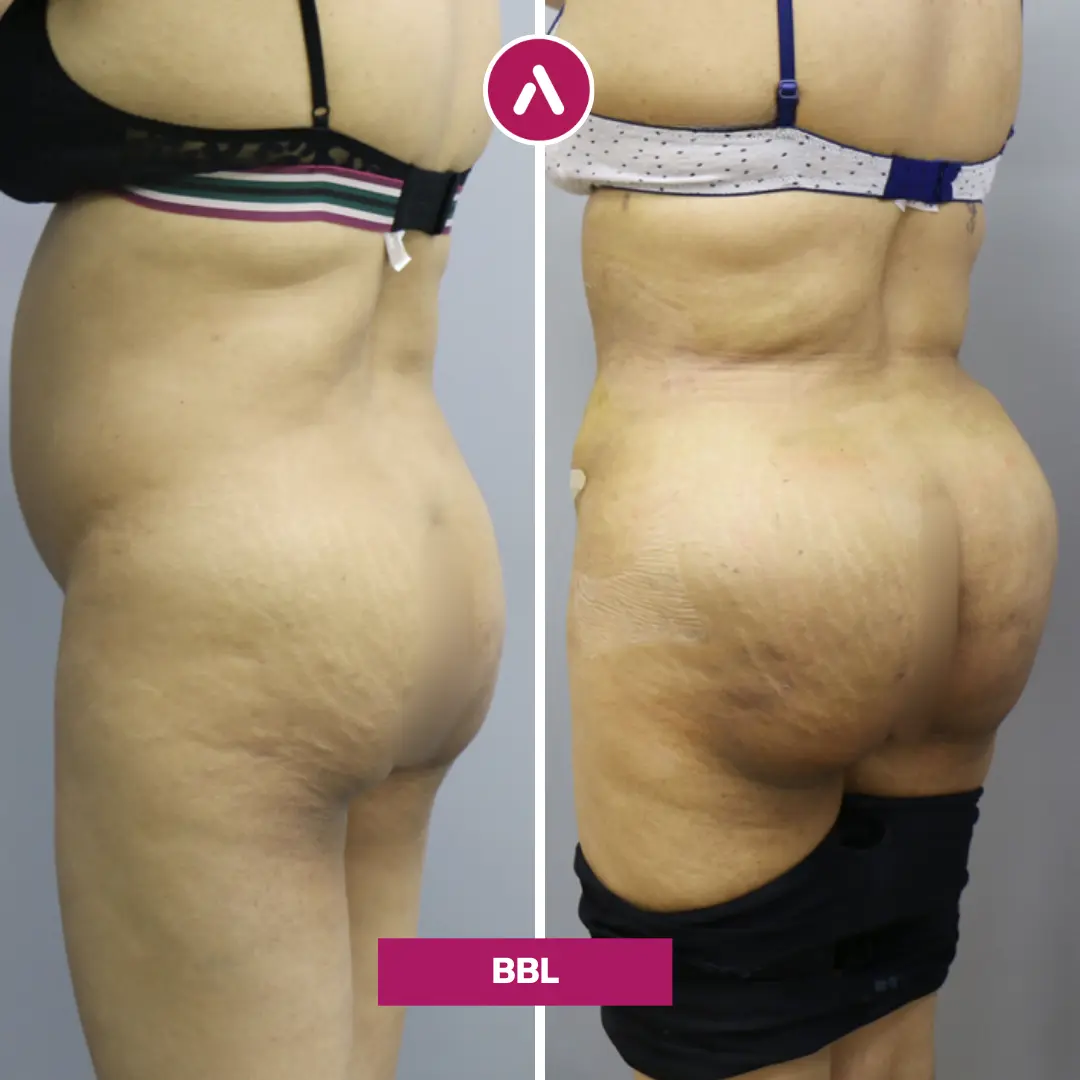
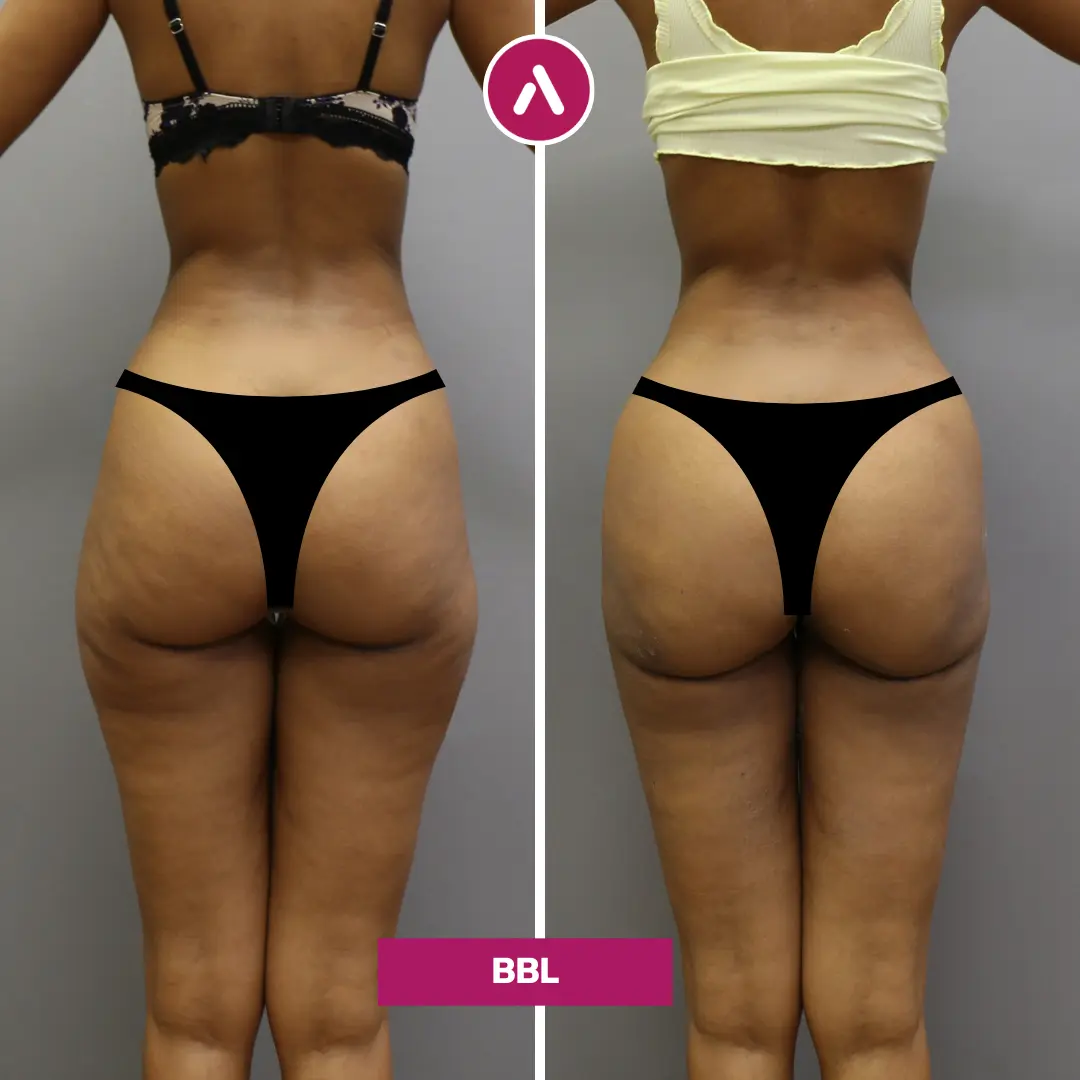
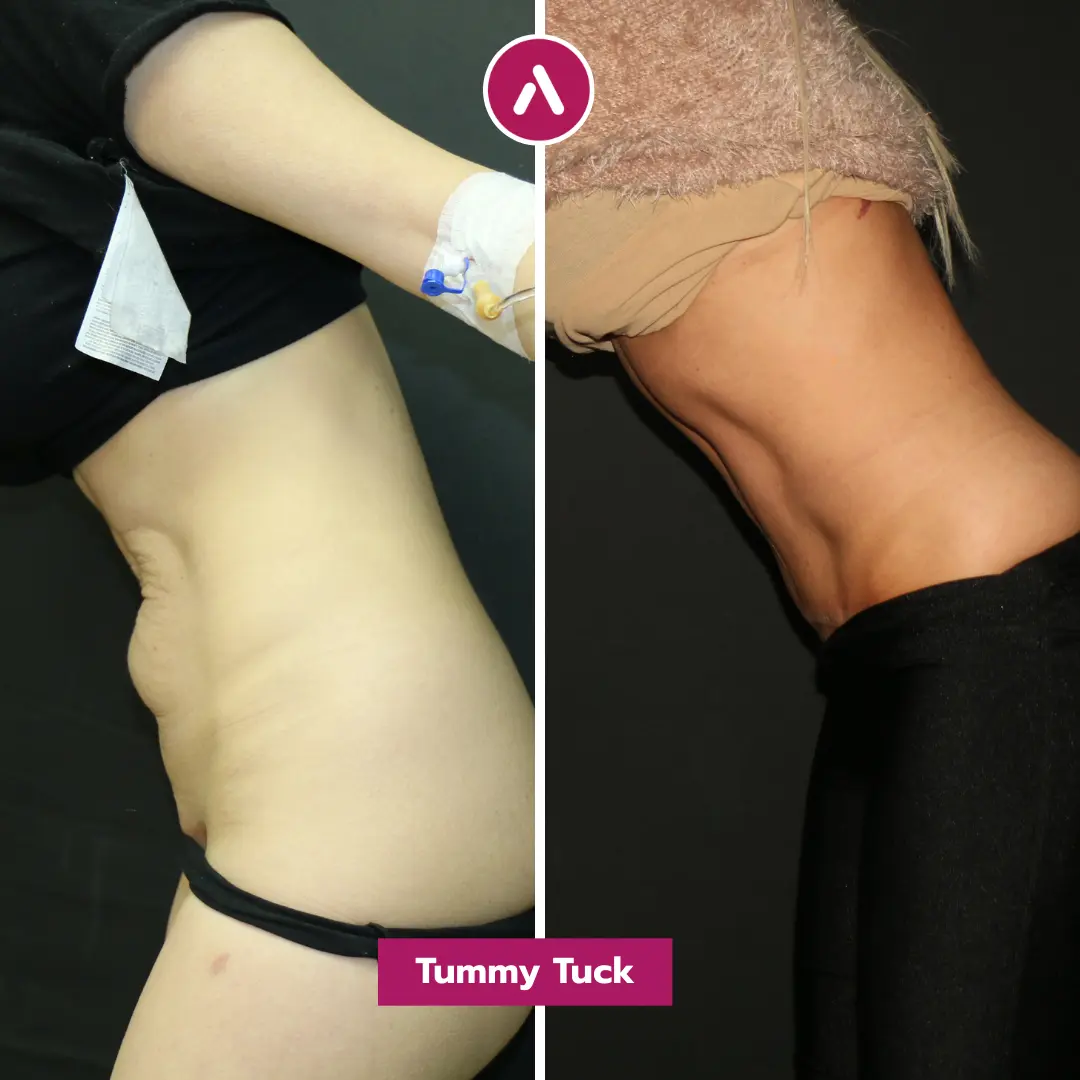
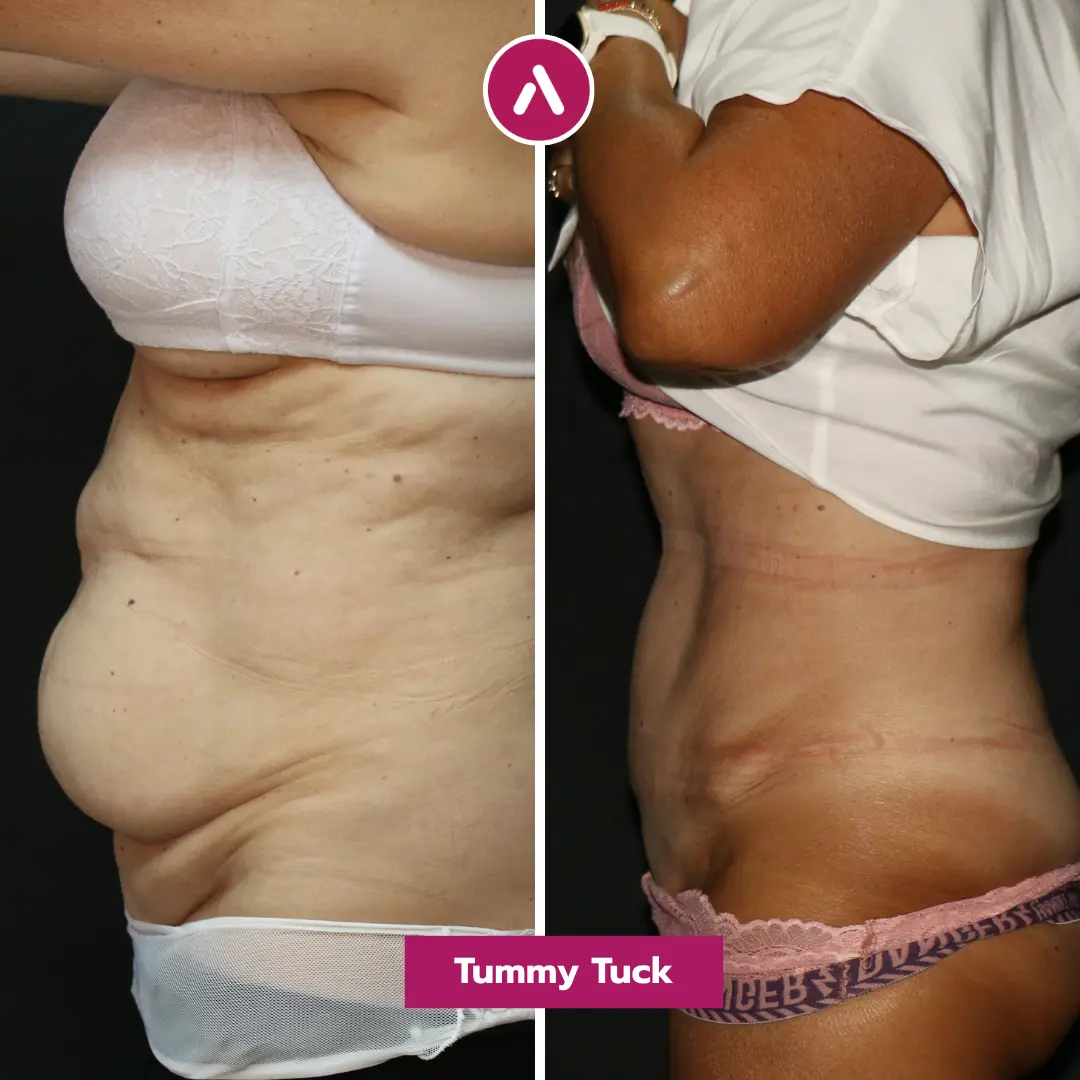
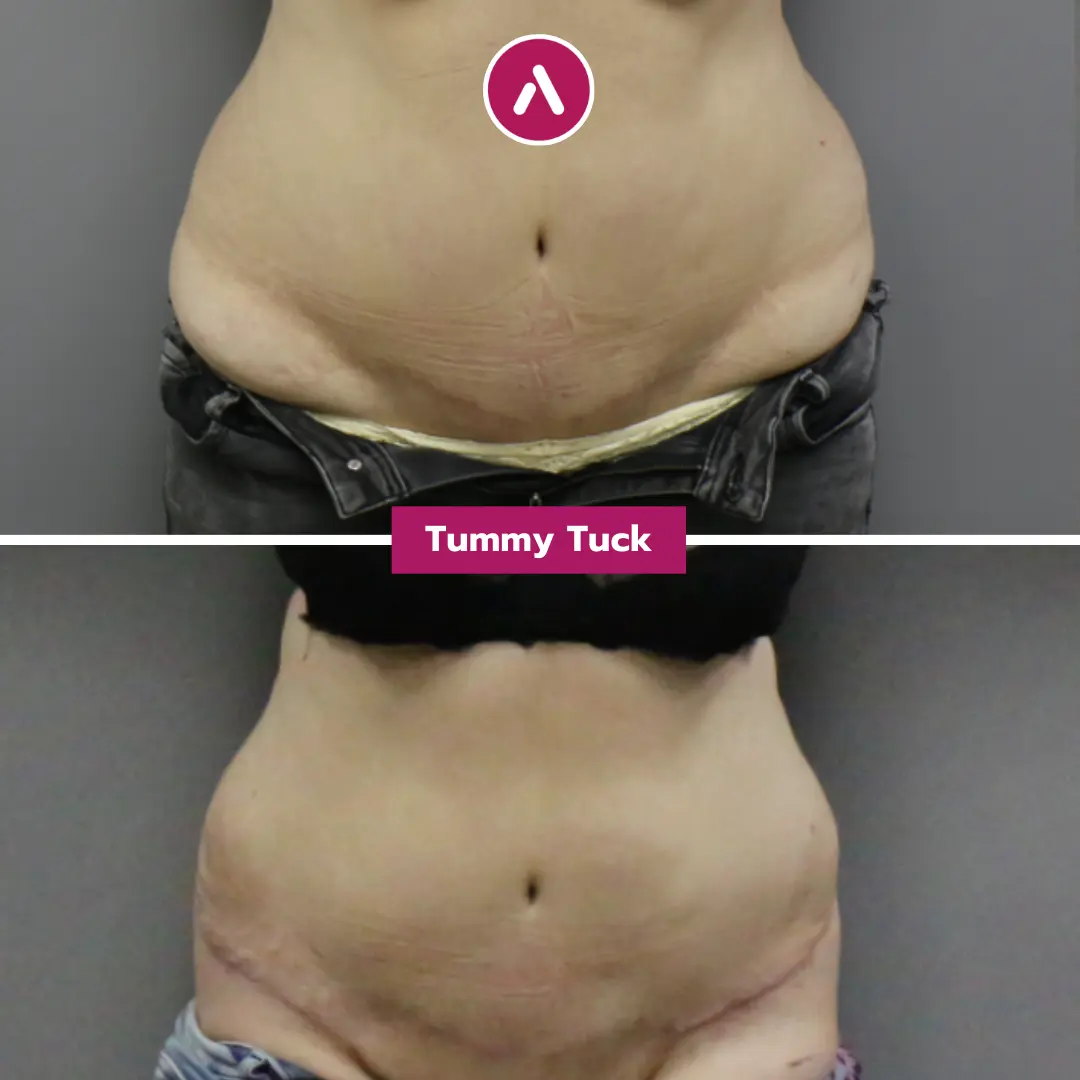
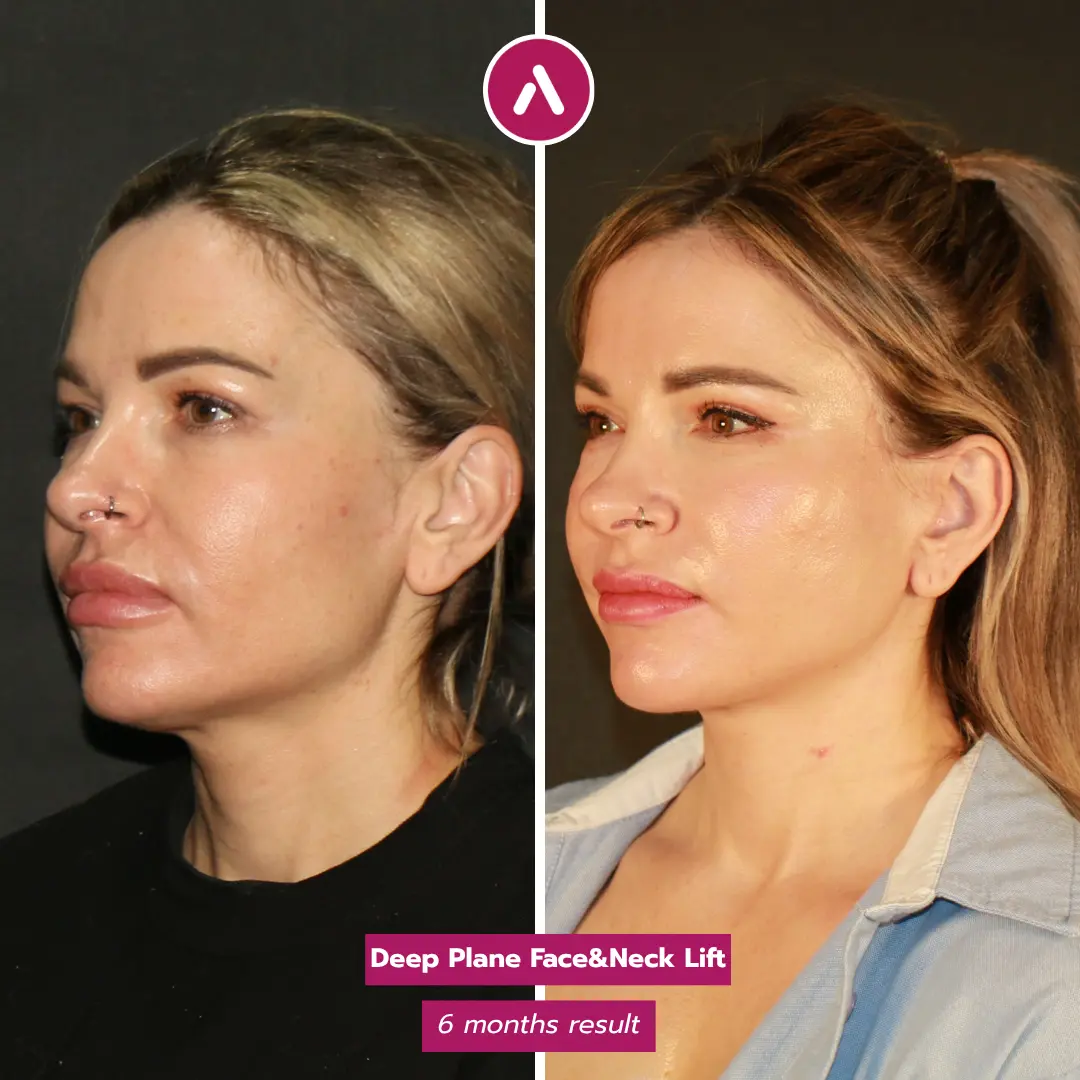
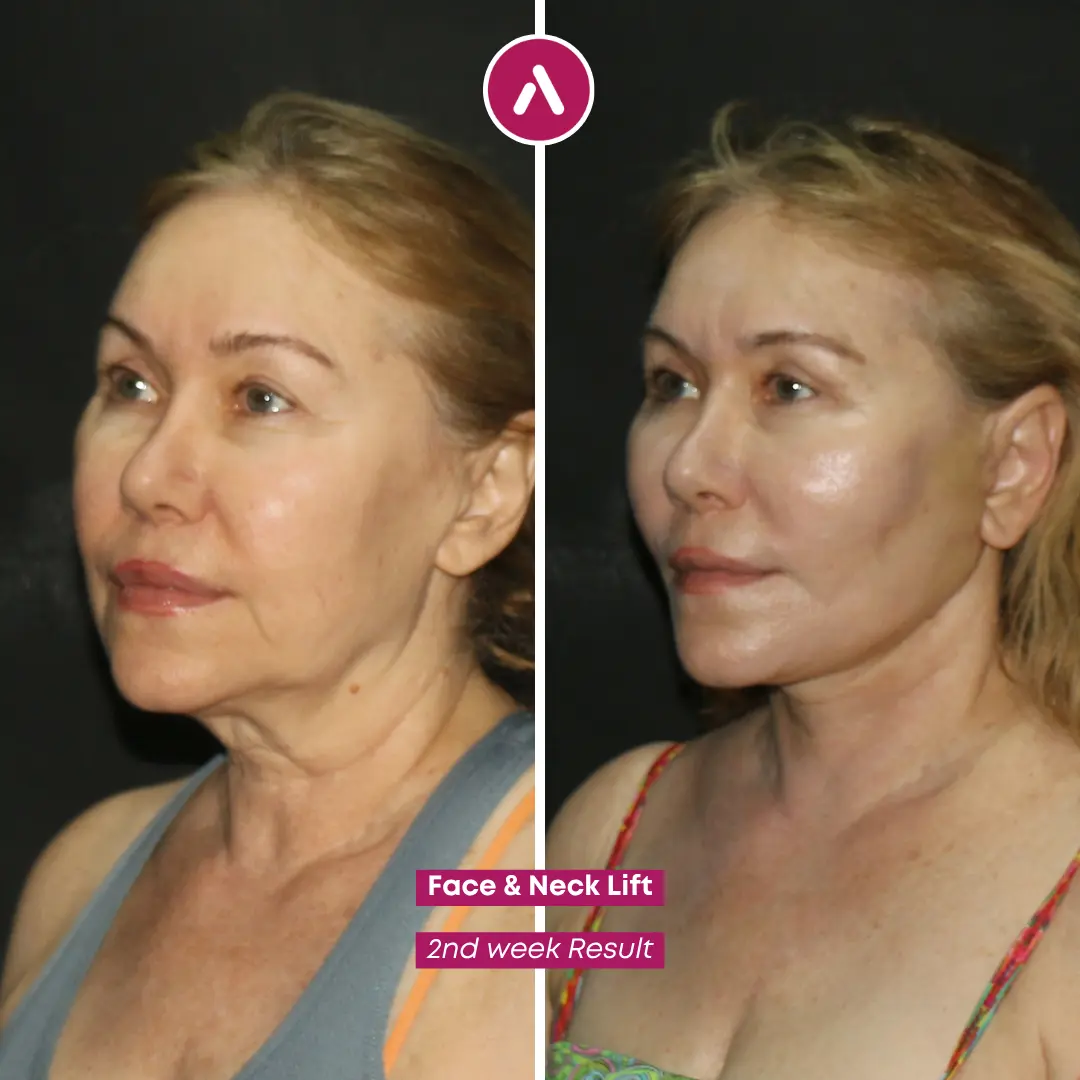
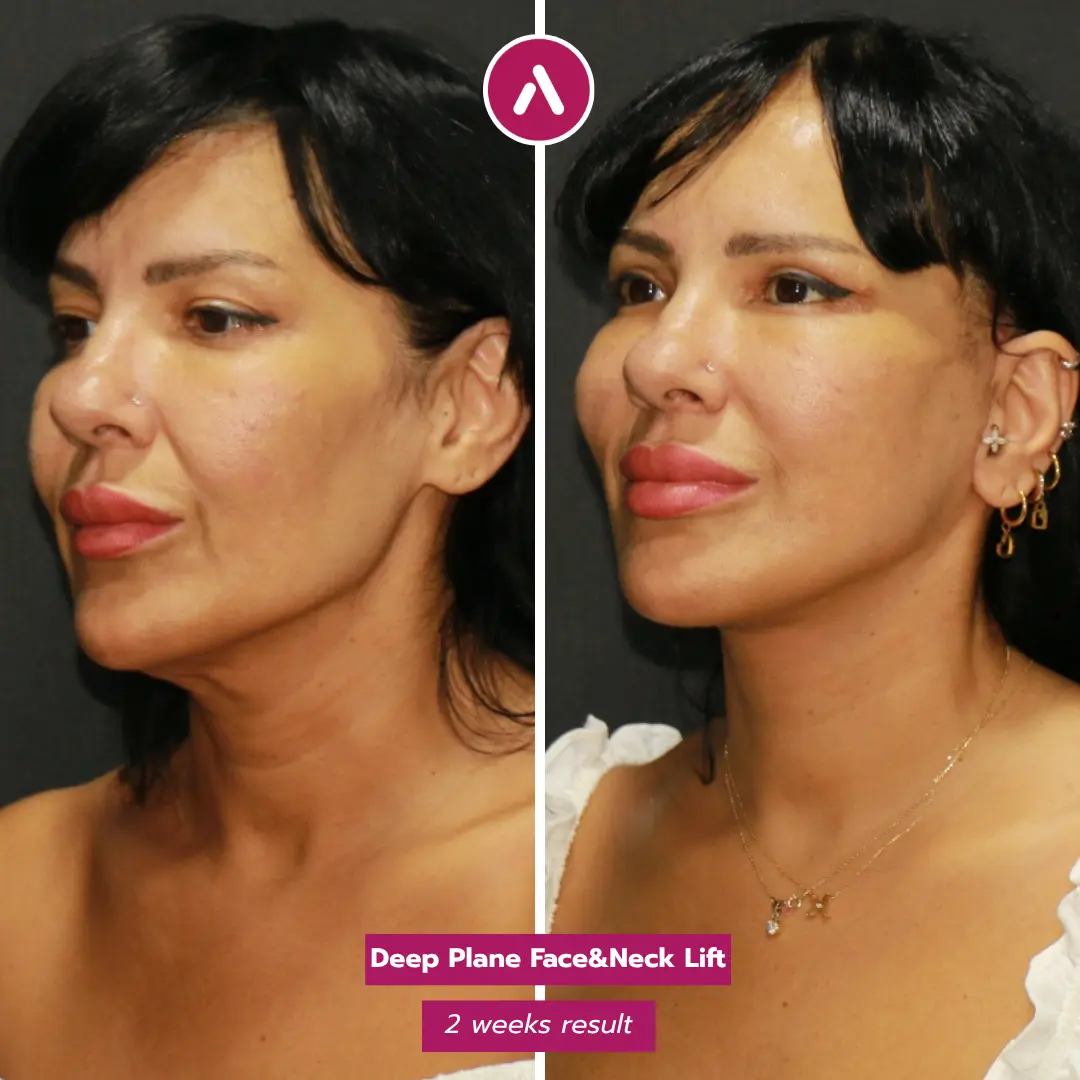
Procedure-specific recovery patterns are easier to assess when you can see real outcomes at different stages of healing. The patient cases below — and the wider documented before and after gallery — show how swelling, bruising, and contour evolution actually unfold in the weeks that precede a fit-to-fly decision.
What the FAA covers vs. what airlines decide (fit-to-fly responsibility)
In plain language: FAA “medical” guidance isn’t a passenger post-op clearance service. For passengers, the airline can still decide whether they need documentation or special arrangements before allowing travel, especially if you appear unwell, need assistance, or recently had surgery. That’s why your plan should be built around medical clearance + airline requirements, not internet timelines alone.
- Medical clearance answers: “Is it safe for me to fly after surgery based on my body and procedure?”
- Airline clearance answers: “Do you meet our conditions to travel safely in our cabin environment?”
- Your goal: avoid last-minute surprises at check-in by preparing documents and travel support early.
When airlines may request medical clearance (fit-to-fly letter / forms)
If you’ve had recent surgery—especially if it involved general anesthesia, major body contouring, drains, or visible swelling—some airlines may ask for a fit-to-fly letter or a medical form completed by your physician. Many carriers use versions of the internationally recognized “MEDIF” (Medical Information Form) process to assess fitness to travel and any special requirements.
Plan like a “travel planner,” not like a “hope-for-the-best” flyer:
- Contact your airline before you book (or as soon as you know your procedure date).
- Ask whether there are flight restrictions after surgery for your specific situation (recent operation, drains, assistance, medications).
- Request written instructions on what they need (letter, form, timing, and where to send it).
Cabin factors that matter after surgery (pressure, oxygen, mobility, swelling)
Even on a “routine” flight, the cabin environment adds stressors that can amplify normal post-op symptoms:
- Reduced mobility: sitting still for hours can increase clot risk and worsen swelling.
- Swelling shifts: many patients feel “puffier” in-flight; this is common after facial and body procedures.
- Lower cabin pressure & less oxygen than sea level: not dangerous for most healthy travelers, but it can feel harder if you’re anemic, in pain, or already short of breath.
- Dry cabin air: can worsen dehydration and discomfort (and dehydration is the enemy of circulation).
- Limited onboard medical care: cabin crew are not a substitute for post-op medical support.
If you’re considering flying soon after surgery, your best protection is a structured movement plan (standing/walking when safe), hydration, and proper compression only if medically appropriate.
Flying with medications, dressings, and medical devices (practical carry-on rules)
When you fly after plastic surgery, your carry-on should be treated like a “mobile recovery station.” Keep essentials with you—checked bags get delayed, and you don’t want to be separated from medication or wound supplies.
- Medication timing sheet: a simple schedule (local time + destination time) prevents missed doses.
- Original packaging: helps avoid confusion at security, especially with prescriptions.
- Basic wound support: spare gauze, medical tape, and any surgeon-approved ointment.
- Compression garments: if prescribed (and if your surgeon confirms you can travel in them comfortably).
- Doctor letter: a brief note can reduce stress if questions arise about medications or post-op needs.
Clinic-side note for international patients: At AKM Clinic, post-op planning is structured around both recovery and logistics. When appropriate for the procedure, advanced recovery support (such as HBOT and LLLT integrated into AKM Clinic’s technology standards) may be used to help reduce swelling and support tissue healing—two factors that can directly affect comfort and confidence when it’s time for your return flight.
When You Can Safely Fly After Each Procedure
If you’re asking “can you fly after plastic surgery?” the safest answer is: sometimes—if the procedure, your recovery, and your flight length line up. A short domestic flight is not the same as a long-haul international trip. And “feeling okay” is not the same as being medically ready for hours of sitting, cabin pressure changes, and limited access to medical care.
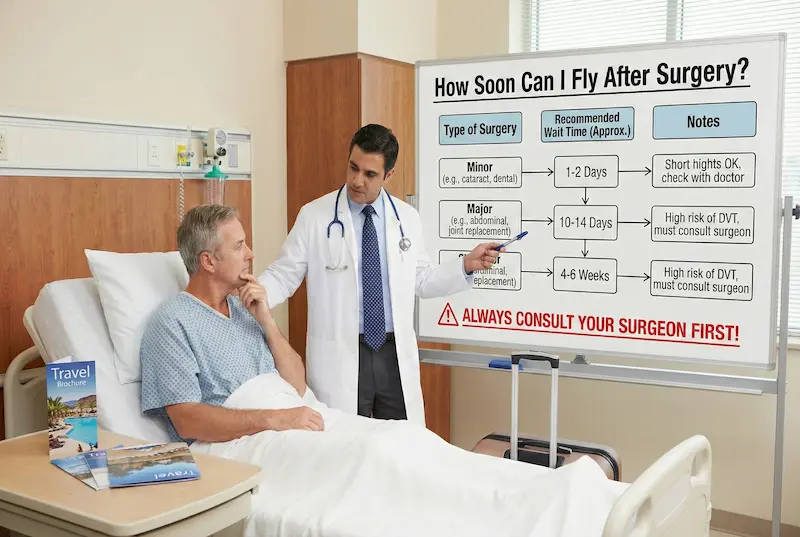
Below is a practical, surgeon-minded way to think about flight after surgery timing: not as a fixed calendar date, but as a combination of procedure risk + mobility + swelling/bleeding risk + clot risk + airline requirements.
| What Matters Most | Why It Changes Flight Safety | What “Ready” Usually Looks Like |
|---|---|---|
| Mobility | Prolonged sitting increases clot risk and swelling | Walking comfortably, able to stand and move regularly |
| Bleeding / wound stability | Pressure shifts, strain, and dry air can worsen discomfort and bleeding risk | No active bleeding, wounds stable, swelling predictable |
| Clot (VTE) risk | Surgery + long flights compound risk | A prevention plan (movement, hydration, surgeon guidance) |
| Pain control & meds | You must manage pain safely without sedation impairment | Pain controlled on oral meds; clear dosing schedule |
| Airline requirements | Some airlines may request medical clearance documents | Fit-to-fly letter or form ready (if needed) |
Travel-planner rule: The longer the flight, the more conservative your plan should be—even if your procedure was “routine.”
Facial procedures (facelift/neck lift, eyelids, rhinoplasty)
Facial procedures usually don’t carry the same “abdominal gas” issues as belly surgery, but they can create a different set of flight concerns: visible swelling, bruising, pressure-related discomfort (especially nose/sinuses), and the practical reality that you may not want to navigate airports while tender.
- Facelift / neck lift: The early recovery phase often includes swelling and tightness. The key question is whether you can move comfortably, keep your head supported, and handle the airport without strain.
- Eyelid surgery (blepharoplasty): Bruising and swelling can look dramatic early on. Even if medically cleared, many patients prefer to wait until their appearance and comfort feel stable.
- Rhinoplasty: Nose/sinus sensitivity can make cabin pressure changes and dryness uncomfortable. Flying too early may increase swelling and raise the chance of bleeding issues—so this is one procedure where surgeons often advise a more cautious timeline.
Practical “ready-to-fly” checkpoints for facial surgery:
- You have had at least one post-op review (in-person or surgeon-approved virtual check).
- No active bleeding, fever, or increasing redness/pain around incisions.
- Pain is controlled without heavy sedation.
- You can walk, turn your head gently, and manage light activities without feeling faint.
For facial work, the conservative window before a long-haul flight is typically around 7 days — though this varies by technique, swelling pattern, and individual healing. Patients researching facelift procedure options in Turkey should ask their surgeon about expected swelling trajectory at day 5 versus day 10, since facial swelling shifts during cabin pressure changes are one of the most common in-flight complaints after facelift surgery.
The exact mechanism — why a facelift swelling pattern responds differently to cabin pressure than abdominal procedures — is broken down in our dedicated piece on facelift flight timing recovery, including the day-by-day swelling profile and surgeon-approved travel checklist.
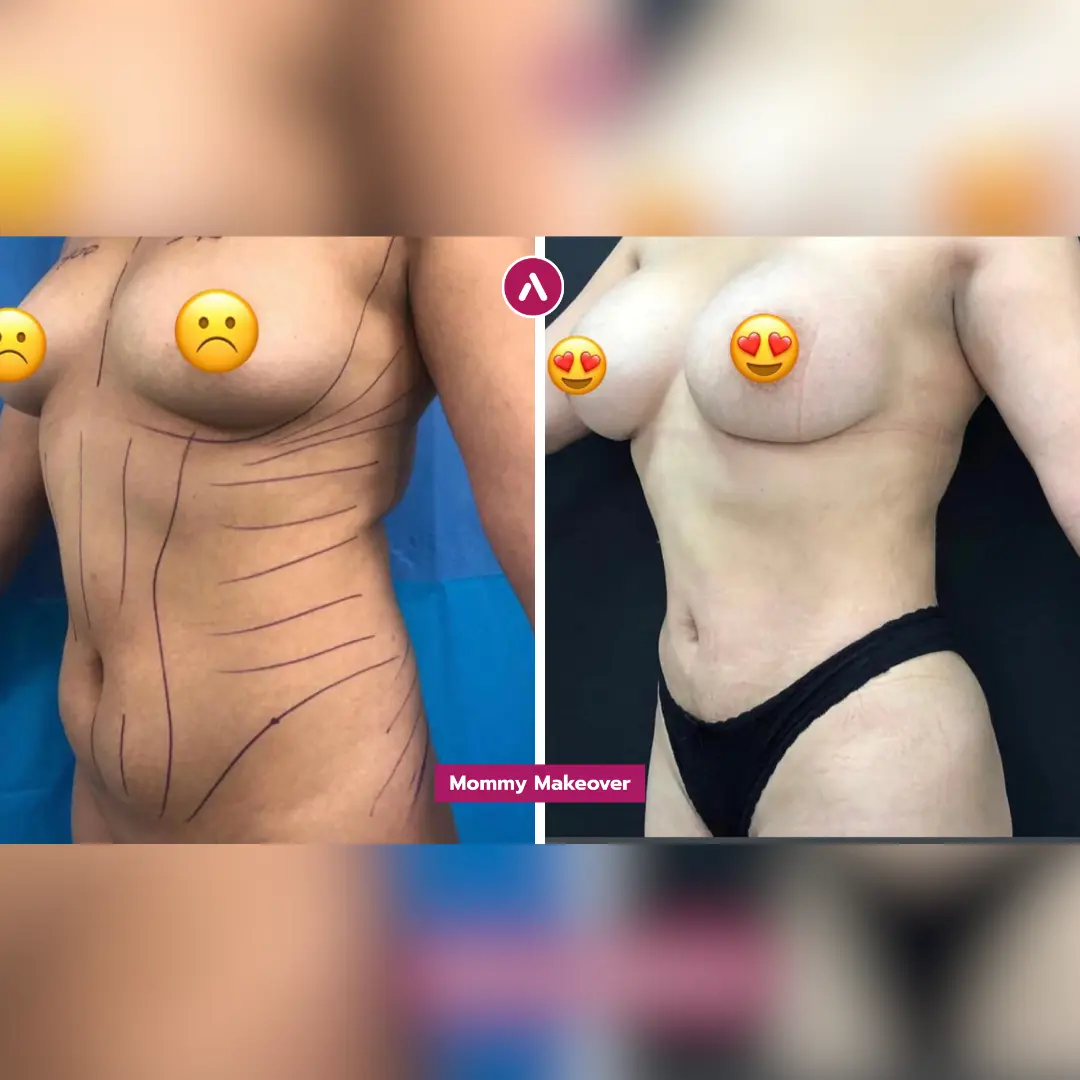
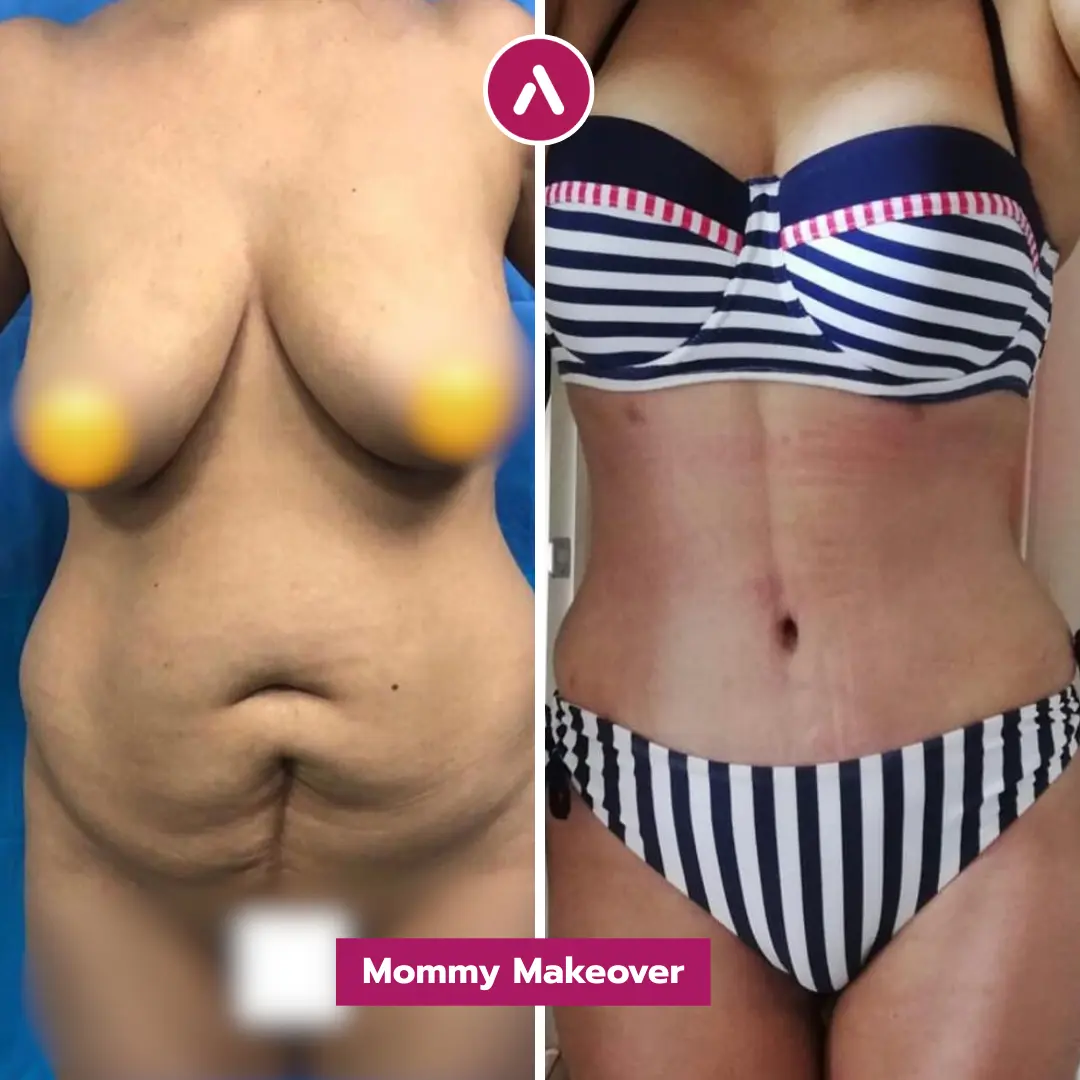
Body procedures (tummy tuck, liposuction, BBL, breast surgery)
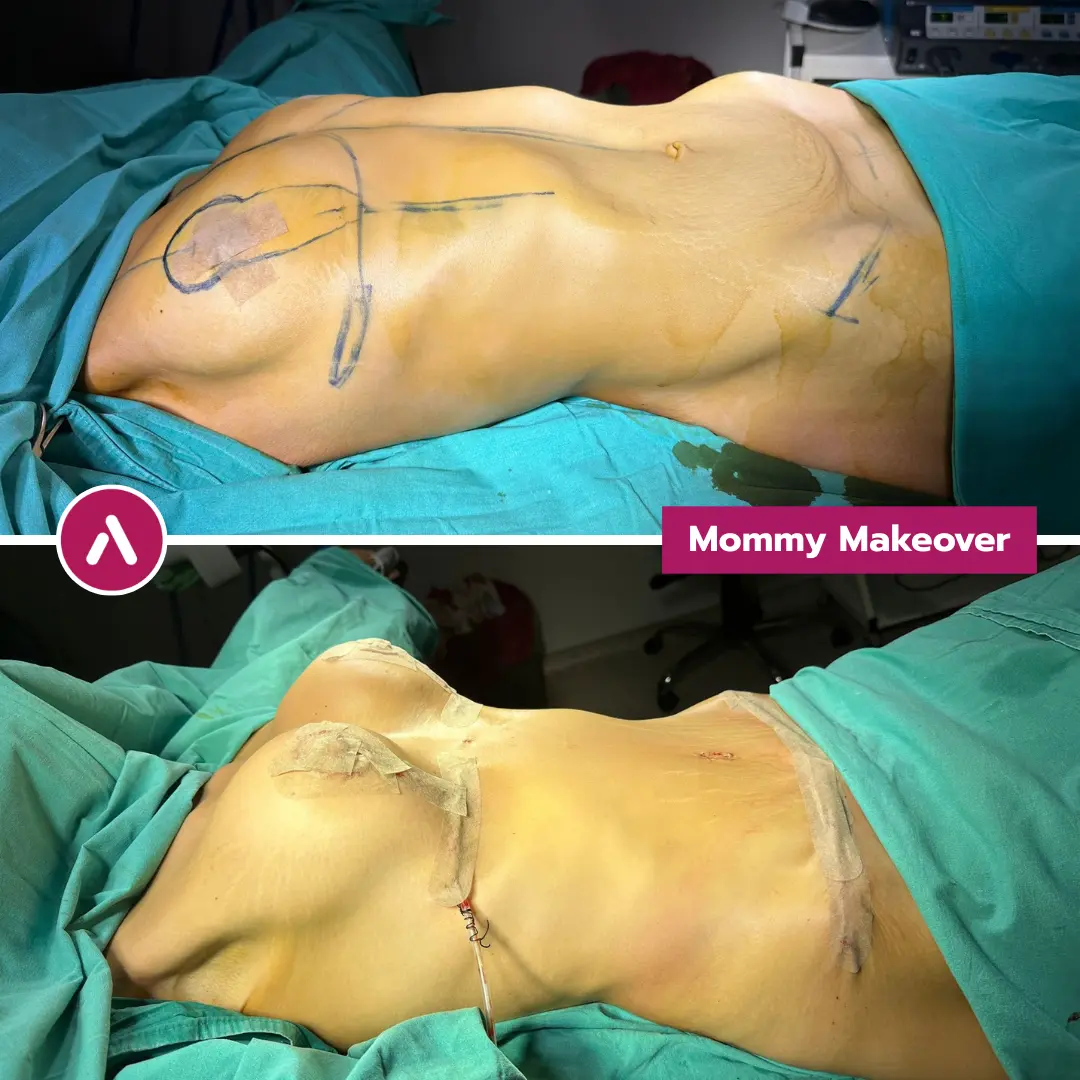
Body procedures are more likely to affect flight safety because they often reduce mobility and can increase clot (DVT/PE) risk—especially on long-haul flights. If your question is “fly after plastic surgery” and your procedure involved the abdomen or extensive contouring, plan more conservatively.
- Tummy tuck (abdominoplasty): Mobility is limited early. Sitting upright for long periods can be uncomfortable, and walking may feel restricted. Abdominoplasty carries a higher DVT risk than many other cosmetic procedures because of abdominal compression, muscle repair, and reduced mobility during the first weeks of healing. Patients researching a tummy tuck procedure in Turkey should expect a conservative 10-14 day flight window, with extra attention to compression garments, calf-pump exercises, and surgeon-approved hydration protocols during travel.
- Liposuction: Often involves compression garments and swelling. Extensive liposuction can still be a significant physiologic stressor. Liposuction generally allows the shortest conservative pre-flight window — typically 5 to 7 days — though volume of fat removed, anatomical region, and compression garment compliance all shift this window. Patients planning a liposuction treatment in Istanbul should still build mobility breaks into their flight plan, since residual swelling and lymphatic drainage continue well past the “minimum safe” flight date.
- BBL: You may have strict sitting restrictions early on, which makes long flights logistically difficult and potentially unsafe. Brazilian Butt Lift recovery has the longest conservative pre-flight window — typically 10 to 14 days — because of sitting restrictions, fat-graft survival in the early phase, and elevated VTE risk from prolonged immobilization. Patients considering a Brazilian Butt Lift in Turkey should plan their flight booking around this window from the very beginning — not as an afterthought once recovery has started.
- Breast surgery: Many patients can travel earlier than major body contouring, but lifting luggage and overhead bags is a common mistake—plan assistance.
A common planning error: booking your return flight based on the “average timeline” you read online. Flight restrictions after surgery are highly individual—your clot risk factors, procedure length, and mobility matter as much as the procedure name.
Procedures with drains, compression garments, or high swelling risk
If you still have drains, significant fluid output, or unstable swelling, that’s a sign your body is still in a higher-risk recovery window. It doesn’t automatically mean you cannot fly—but it usually means you need a tighter plan and explicit clearance.
- Drains: Ask whether they should be removed before flying, and what to do if output changes mid-flight.
- Compression garments: Wear them only as prescribed. If a garment causes numbness, severe pain, or breathing restriction, it needs adjustment before travel.
- High swelling risk: Expect swelling to fluctuate with travel. Have a plan for comfort, walking breaks, and hydration.
| If You Still Have… | Ask Your Surgeon These Questions Before Flying |
|---|---|
| Drains | Is it safer to remove before travel? What output is “too much”? What’s the infection warning list? |
| Compression garments | Is it safe to wear on a long-haul flight? Should I change sizes if swelling drops? |
| Persistent swelling | What swelling is expected vs. concerning? What would make you delay my flight? |
Anesthesia type & your flight plan (local/tumescent vs. general—what changes in logistics)
Anesthesia doesn’t just affect comfort—it affects how quickly your body “clears” the immediate post-op fog and how steady you feel moving around. In general, patients who avoid general anesthesia may feel functionally “normal” sooner, which can help with airport logistics. But this is not a shortcut: you still need stable healing and clot-risk planning.
- Local / tumescent anesthesia (with or without light sedation): Often associated with less post-op grogginess and earlier mobilization, which can support safer travel planning.
- General anesthesia: Can increase early fatigue, nausea risk, and overall physiologic stress—factors that may push your flight plan later.
- Bottom line: Your clearance is based on recovery status, not the anesthesia label alone.
If you’re still wondering “can you flight after surgery” or “can you fly after plastic surgery”, use this final filter before you confirm flights:
“Could I safely handle a long day of walking, sitting, hydration, and bathroom trips—without needing urgent help?”
If the honest answer is “not yet,” your flight plan should likely change.
Risks of Flying Too Early
When people search “flight after surgery” or “flight after plastic surgery”, they’re usually trying to avoid one thing: a preventable complication in the air, far from their surgeon. Flying too early doesn’t just make recovery uncomfortable—it can increase specific medical risks that are harder to manage onboard an aircraft.
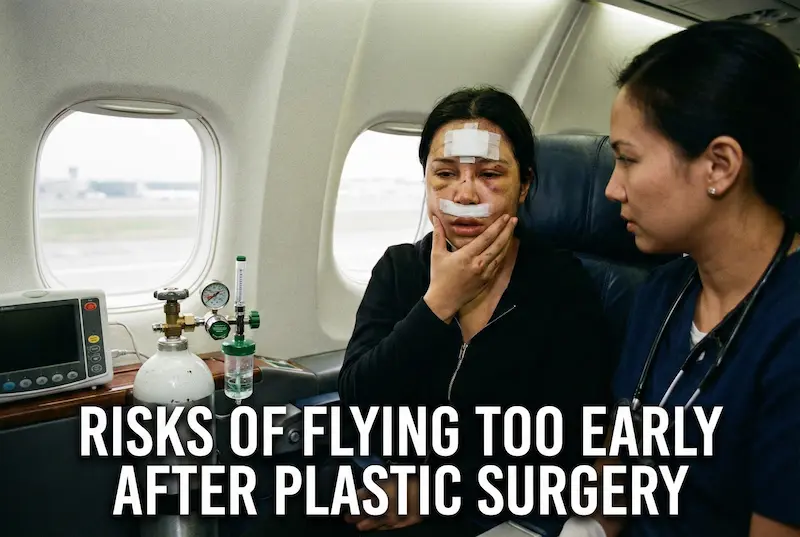
Below are the key reasons flight restrictions after surgery exist. Use this section as a safety filter before you decide “can you fly after plastic surgery” based on an online timeline alone.
Blood clot risk (DVT/PE): who is higher risk and why flights matter
The most serious “too-early” risk is a blood clot: deep vein thrombosis (DVT) in the leg that can travel to the lungs as a pulmonary embolism (PE). Long-distance travel (especially when you sit still for hours) increases risk because blood flow slows in the legs. Recent surgery is a known risk factor—so surgery + long flight can be an unsafe combination if you don’t plan properly.
The evidence base for post-surgical VTE risk is now well-documented. A systematic review of thrombosis prevention in plastic surgery identifies the dominant risk factors — age over 35, elevated BMI, coagulation disorders, smoking, estrogen therapies, and general anesthesia in patients with cancer history — as the framework most surgeons use to stratify pre-flight clearance decisions.
Higher-risk travelers often include patients with one or more of the following: recent surgery, prior clots, obesity, estrogen-containing medications, cancer, pregnancy/postpartum period, inherited clotting disorders, or limited mobility. The longer you are immobile, the higher the risk becomes.
| Fast Risk Check | Why It Matters for Flying | What to Do Before You Fly |
|---|---|---|
| Recent surgery + long flight | Restricted movement + post-op clot risk can stack | Get a surgeon-led prevention plan; consider delaying if mobility is limited |
| Previous DVT/PE or known clotting disorder | Risk is significantly higher than baseline | Talk to your physician about medical prevention strategies |
| Obesity / limited mobility | Venous flow slows more easily during long sitting | Choose an aisle seat; schedule walking breaks; optimize hydration |
| Estrogen therapy / birth control | Can increase clot tendency in some patients | Discuss timing and risk modification with your physician |
On-flight prevention basics (for most travelers): move your legs, do calf exercises, and walk when safe. If you’re higher risk, ask your doctor whether compression stockings or medication are appropriate for you. Don’t self-prescribe blood thinners for travel.
Red flags you should never ignore after flying:
- DVT symptoms: new leg swelling, pain/tenderness, warmth, redness (usually in one leg)
- PE symptoms: sudden shortness of breath, chest pain (worse with deep breath), coughing blood, fainting/lightheadedness
Bottom line: If you’re asking “can you flight after surgery” but you’re not yet moving comfortably, it’s often safer to adjust your flight than to gamble with clot risk.
Swelling, fluid shift, and pain flares (what’s normal vs. red flags)
Even if everything is healing normally, flying can make swelling feel worse. Cabin conditions (dry air, long sitting, and lower cabin pressure than sea level) can amplify fluid retention—especially after facial surgery and liposuction. This is usually temporary, but it can increase discomfort and anxiety when you fly after plastic surgery.
What’s often normal: feeling “puffier,” tighter garments, increased bruising visibility, and soreness from sitting.
What is not normal: rapidly increasing swelling on one side, severe pain that escalates, new bleeding, fever, or any breathing difficulty.
If your goal is a smooth flight after surgery, don’t treat comfort as vanity—comfort often reflects stability (hydration, mobility, and swelling control).
Wound issues: bleeding, hematoma, infection, delayed healing
Early flights add stress to a body that’s still in an inflammatory healing phase. The practical risks include:
- Bleeding or oozing: especially if blood pressure spikes from stress, lifting bags, or rushing through the airport
- Hematoma risk: a sudden, painful swelling (commonly discussed in facial procedures) that should be assessed urgently
- Infection risk: not because airplanes “cause infection,” but because delayed care and dehydration can complicate early warning signs
Call your surgeon (or seek urgent care) if you have: fever, spreading redness, foul drainage, one-sided rapidly expanding swelling, or pain that is suddenly worse rather than gradually better.
Some clinics support recovery using adjunct therapies designed to reduce inflammation and support tissue healing. For example, AKM Clinic highlights HBOT (Hyperbaric Oxygen Therapy) and LLLT (Low-Level Laser Therapy) as recovery-support technologies aimed at reducing swelling and helping tissue repair—useful for comfort, but never a substitute for proper medical clearance and enough healing time.
Pressure-related complications (especially after nasal/sinus-related surgery)
Pressure changes at altitude matter most when gas is trapped in the body (or has been introduced during a procedure). This is why air-travel guidance can be more conservative after certain surgeries.
| Procedure / Situation | Why Flying Can Be a Problem | What Conservative Guidance Often Says |
|---|---|---|
| Abdominal surgery | Intestinal gas expands at cabin altitude; risk to suture lines and bleeding | Avoid air travel for a period (commonly referenced as ~10 days) |
| Colonoscopy (air introduced) | Residual gas can expand and increase discomfort | Often advised to avoid flying for ~24 hours |
| Laparoscopy (CO₂ gas) | Residual intra-abdominal gas can cause pain/pressure issues | Often advised to avoid flying for ~24 hours |
| Neurosurgery (intracranial gas) | Trapped gas can expand with altitude | Often advised to avoid flying for ~7 days |
| Eye surgery with gas (retinal procedures) | Intra-ocular gas can expand and dangerously raise eye pressure | May require a longer delay depending on gas type |
Finally, it’s worth understanding the cabin environment: aircraft cabins are pressurized, but not to sea level. Many passengers tolerate this well; however, if you are anemic, dehydrated, or have cardiopulmonary conditions, the reduced oxygen environment can matter—this is one reason medical clearance forms may specifically ask how cabin oxygen reduction could affect your condition.
Fit-to-Fly Documentation and Airline Rules for Flight Safety After Surgery
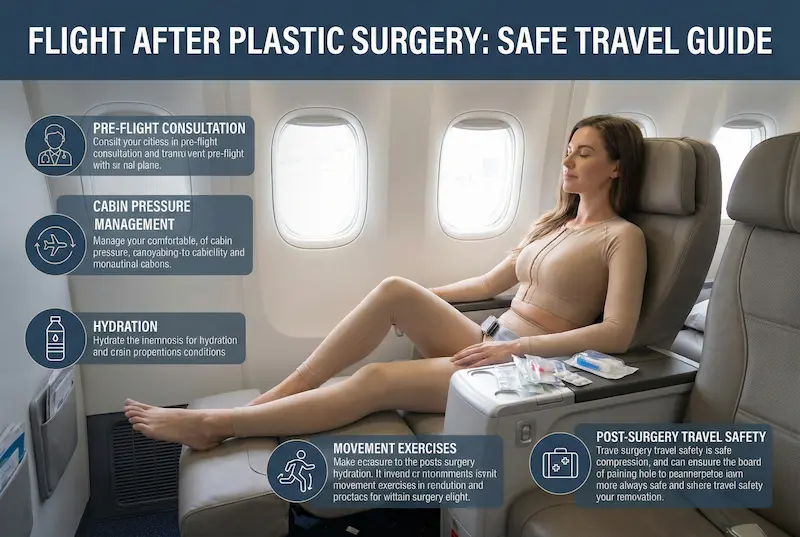
Many patients plan the right recovery timeline but still face last-minute problems at check-in. For flight safety after surgery, airlines may request medical clearance—especially after major procedures, visible swelling, drains, or when special assistance is needed. Preparing paperwork early reduces stress and helps you avoid unexpected flight restrictions after surgery.
What to ask your airline before you fly
Call the airline (not only the booking site) and ask whether they require a medical information form (often called MEDIF) or a fit-to-fly letter for recent surgery. Confirm how to request wheelchair assistance and priority boarding, and ask about carry-on rules for medications, gels, and dressings. This step matters for any flight after surgery—and becomes critical for a long-haul flight after plastic surgery.
What your surgeon’s fit-to-fly letter should include
A good letter is brief and specific: procedure date/type, confirmation of clearance to travel, key limitations (no heavy lifting, sitting limits, compression instructions), medication list, and direct clinic contact details. If you’re asking “can you fly after plastic surgery?” or even “can you flight after surgery?”, your surgeon’s clearance should be the final decision point—not online averages.
Day-of-travel checklist to fly after plastic surgery more safely
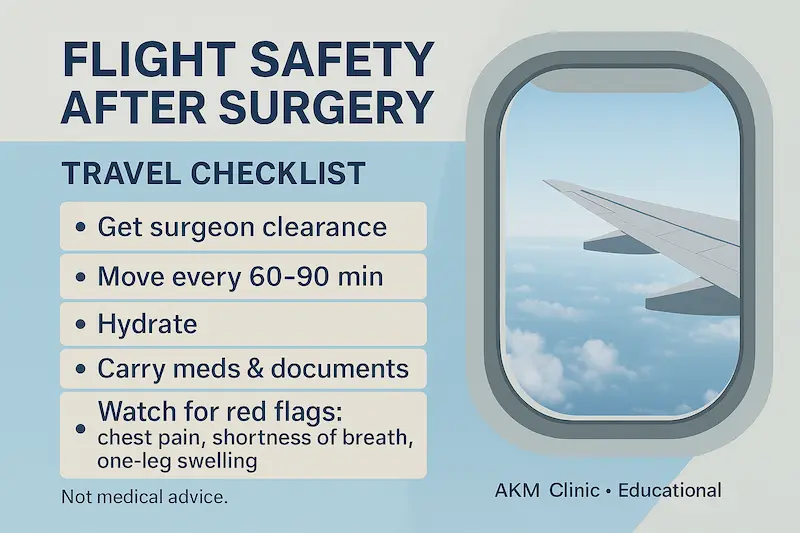
- Keep documents printed and saved on your phone.
- Pack prescriptions in original containers and carry a dosing schedule.
- Hydrate steadily, choose an aisle seat if possible, and move every 60–90 minutes.
- Delay travel and seek urgent care for chest pain, shortness of breath, or one-leg swelling.
What to Pack for a Safe Return Flight
The carry-on plan below focuses on flight-specific essentials — meds, dressings, documents, and comfort items for the cabin environment. For your broader pre-departure suitcase (compression garments, surgeon paperwork, comfort items for the hotel recovery phase), our medical tourism packing checklist covers what to pack for the entire trip, not just the return flight.
Think of your carry-on as your post-op safety kit. Anything you “might need urgently” should be with you—not in checked luggage.
Non-negotiable: For any “can you fly after plastic surgery” plan, carry the essentials that keep you stable for 12–24 hours even if your luggage is delayed.
“Medical carry-on” essentials (meds schedule, dressings, surgeon instructions)
Your goal is simple: no missed doses, no wound surprises, no improvising in an airport pharmacy. Use this checklist and tailor it to your procedure.
| Carry-On Category | What to Pack | Why It Matters |
|---|---|---|
| Medications | Prescription meds in original packaging, a 24-hour backup supply, nausea meds if prescribed | Missed doses and unmanaged nausea/pain can derail your flight after surgery |
| Wound support | Gauze, medical tape, surgeon-approved ointment, spare dressings | Small leakage or irritation happens—be ready without panic |
| Comfort & positioning | Travel neck pillow (if facial/neck surgery), small pillow for abdominal support, lip balm | Better positioning = less swelling, less pain, less strain |
| Hygiene | Hand sanitizer, gentle wipes, saline spray (if approved), tissues | Cabin air is dry; comfort and cleanliness matter post-op |
| “No lifting” support | Small crossbody bag + lightweight carry-on; luggage tag; pre-arranged assistance | Overhead-bin lifting is a common post-op mistake |
Simple medication plan template (fill this in before you leave):
| Medication | Dose | Time (Local) | Time (Destination) | Notes (Food / Avoid Alcohol / etc.) |
|---|---|---|---|---|
| Example: Antibiotic | — | — | — | Take with food |
| Example: Pain reliever | — | — | — | Avoid double-dosing |
Some clinics provide post-op medications and garments as part of the travel plan, which can reduce last-minute shopping stress. (For example, AKM Clinic describes post-operative medications and garments as included in its patient journey design.)
Anti-clot & comfort kit (compression, movement plan, hydration strategy)
One of the most important flight restrictions after surgery concepts is clot prevention—because the flight environment (long sitting) can stack with post-op risk. Your kit should support circulation and steady comfort.
- Hydration plan: bring an empty bottle to fill after security; aim for steady sips (not “catch-up” chugging).
- Movement plan: ankle pumps every 20–30 minutes; stand/walk periodically when safe.
- Compression (only if appropriate): wear surgeon-approved compression garments as prescribed. Ask whether additional compression stockings are appropriate for you.
- Avoid risky “sleep hacks”: don’t take sedatives just to sleep through the flight unless your doctor specifically approves—deep, unmoving sleep can work against circulation.
| During the Flight | Do This | Avoid This |
|---|---|---|
| Every 20–30 min | Calf/ankle exercises in your seat | Crossing legs for long periods |
| Every 60–90 min | Stand and walk briefly (if safe and allowed) | Staying immobile because you “don’t want to bother anyone” |
| All flight | Hydrate steadily | Excess alcohol (dehydration + sleepiness) |
If swelling is still high close to your departure date, some clinics may use recovery-support protocols aimed at reducing inflammation (for example, HBOT is described as reducing inflammation and supporting lymphatic drainage, and LLLT as working alongside it to reduce swelling/redness). These may help comfort before a flight after surgery, but they don’t replace medical clearance.
Documentation kit (fit-to-fly letter, procedure summary, emergency contacts)
This is the “Emily” step that prevents airport chaos: assume you may be asked questions, and prepare calm, simple documentation. This is especially useful if you look visibly swollen or have medical items in your bag.
- Fit-to-fly letter (if your airline requests it): short, clear, dated, signed.
- Procedure summary: what you had done, date of surgery, and key restrictions (lifting limits, sitting limits, drain instructions).
- Medication list: names + doses.
- Emergency contacts: your surgeon/clinic + a family member at home.
- Insurance/travel details: policy info (if applicable) and local emergency numbers at destination.
Tip: Keep documents in both digital (phone) and printed form. Airports are stressful when your phone battery dies.
Airport/boarding strategies (assistance requests, seating, timing, luggage limits)
Most post-op problems during a flight after plastic surgery happen because people rush: long walks, heavy luggage, awkward security lines, and overhead-bin lifting.
- Request assistance early: wheelchair service, priority boarding, or help with luggage if you have lifting restrictions.
- Choose your seat strategically: aisle seats make it easier to stand and walk—important when you’re thinking about “can you flight after surgery” safely.
- Arrive earlier than usual: moving slowly is safer than speed-walking through the terminal.
- Plan luggage like a post-op patient: one lightweight carry-on + one small personal item. If your procedure limits lifting, assume you should not use overhead bins.
- Dress for swelling: loose, comfortable clothing; easy-on shoes; avoid anything that constricts unexpectedly.
Patients who feel supported tend to travel more calmly. In patient stories, “proactive instructions” and strong coordination are repeatedly mentioned as what reduces anxiety and prevents last-minute confusion during medical travel.
Flight Safety After Surgery Frequently Asked Questions (FAQ):
The questions below cover the most common flight-safety concerns we hear from returning international patients. For broader pre-surgery and travel questions, our comprehensive patient FAQ resource covers consultation, anesthesia, recovery timelines, and post-op communication protocols.
Flight safety doesn’t end the moment you land. The first 48-72 hours after a long-haul flight require structured monitoring — calf assessment, swelling reassessment, wound inspection — especially after extended immobilization. The specifics of post-flight aftercare protocols are covered separately, including red-flag symptoms during the high-risk DVT window between days 5-14 post-op.
How soon can I fly after surgery?
There isn’t one universal answer. The safest flight after surgery timeline depends on your procedure type, how long it took, your mobility, your clot-risk profile, and whether you’re flying short-haul or long-haul. The practical rule is: fly after plastic surgery only after your surgeon confirms your wounds are stable, pain is controlled, and you can move regularly during travel. If your procedure involved trapped gas (some abdominal, eye, or neurosurgical situations), you may need a more conservative delay.
Do I need a fit-to-fly letter for my airline?
Sometimes. Many airlines can request documentation if you recently had surgery, look visibly unwell, need special assistance, or are carrying medical items. If you’re worried about flight restrictions after surgery, contact your airline before travel and ask if they require a “fit-to-fly” letter or a medical information form. If they do, your surgical team should provide a short, dated letter confirming you’re medically cleared to travel (plus any special requirements).
Can I fly if I still have drains or need compression garments?
Possibly—but only with explicit medical clearance. Drains and heavy compression can signal you’re still in a higher-risk recovery window. If you’re planning a flight after plastic surgery with drains/garments, ask your surgeon:
Whether drains should be removed before flying (and what output is acceptable)
How to manage garments safely for a long flight (comfort, breathing, swelling changes)
What symptoms mean “do not fly”
What symptoms mean I should delay my flight and seek medical care?
If you’re asking “can you flight after surgery” but you have any of the following, it’s safer to delay travel and contact your surgeon (or seek urgent care):
Shortness of breath, chest pain, fainting, coughing blood
One-leg swelling/pain/redness (possible clot warning)
Fever, spreading redness, foul-smelling drainage, or rapidly worsening pain
New active bleeding or sudden one-sided swelling (especially after facial surgery)
How do I reduce blood clot risk on a long-haul flight?
For most patients cleared to travel, the basics are: move, hydrate, and avoid long immobility. Choose an aisle seat if possible, do ankle/calf exercises regularly, and stand/walk periodically when safe. If you have higher clot risk, ask your doctor whether compression stockings or medical prevention strategies are appropriate for you. Don’t self-prescribe blood thinners.
Can I bring prescription pain meds (and antibiotics) through security?
Usually yes, but pack smart: keep prescriptions in original packaging, carry a medication list, and place everything in your carry-on (not checked luggage). If you had surgery abroad, a brief doctor letter can reduce stress if questions arise. Avoid taking anything that makes you too sedated to move safely unless your doctor specifically advised it.
Is it safe to fly alone after surgery—and how can support be arranged?
Some patients can fly alone after they are medically cleared—especially for shorter flights and lower-impact procedures. But many people underestimate how tiring airports are right after surgery. If you plan to fly after plastic surgery solo, arrange support where it matters:
Airport assistance: wheelchair service, priority boarding, help with luggage
Ground logistics: pre-booked transfer so you don’t lift bags or wait long
Communication plan: keep your clinic/surgeon contact info and share your itinerary with someone at home
If your procedure limits lifting or sitting (common in body contouring), traveling with a companion—or paid assistance—can be the safer choice.
Can I fly after plastic surgery if I have stitches or fresh incisions?
Often yes—if your surgeon confirms the incisions are stable and there is no active bleeding, fever, or worsening redness. For flight safety after surgery, the key is wound stability plus a plan to avoid strain (no heavy lifting, no rushing through airports). Keep dressings and a small wound-care kit in your carry-on, and contact your surgeon if swelling or pain suddenly increases.
What’s the safest way to manage swelling during a flight after surgery?
For most patients cleared to travel, swelling is best managed with steady hydration, gentle movement, and proper positioning. Choose an aisle seat so you can stand and walk periodically, and follow your surgeon’s instructions on compression garments. When you fly after plastic surgery, avoid alcohol and long immobility—both can worsen swelling and discomfort. Seek medical advice if swelling becomes one-sided, rapidly increases, or is paired with severe pain.
Can I fly after facelift surgery with a neck pillow or compression wrap?
Many patients who fly after facelift use a supportive neck pillow for comfort, but any compression wrap should be worn only if your surgeon prescribed it and confirms it’s safe for travel. For flight safety after surgery, your priorities are stable healing, comfortable breathing, and the ability to move regularly. If the wrap causes numbness, increasing pain, or tightness, contact your surgeon before flying.
If you’d like, in addition to the points covered here, you can also explore our related guides on Flight Safety After Surgery (fit-to-fly planning, packing, and red-flag symptoms), Natural Hairline Design (how we plan a natural-looking hairline based on facial proportions), and Fly After Facelift (procedure-specific travel timing and safer return-flight logistics). These resources are designed to help you connect the medical details with real-world travel decisions—so you can plan with more clarity and confidence.
Medical Disclaimer: This content is for educational purposes only and does not replace medical advice, diagnosis, or treatment. Surgical options, anesthesia choices, risks, costs, and recovery vary by individual. Always consult a qualified, board-certified clinician for personalized guidance. If you have urgent symptoms, seek emergency care.