If you are a US patient considering Turkey cosmetic surgery misconceptions alongside the actual evidence base, you are probably asking the same question over and over again: “Is plastic surgery in Turkey safe?” or even more specifically, “Is it safe to travel to Turkey for plastic surgery?”.
You may have seen headlines about “botched surgery abroad” or heard mixed stories from friends and online forums. At the same time, you also see impressive before–after photos, much lower prices than New York or Los Angeles, and modern hospitals in Istanbul. This guide is written for the expert, skeptical US patient who wants clear, evidence-based information before getting on a plane.
In this article, we will not claim that plastic surgery is risk-free—in Turkey or anywhere else. Instead, we will look at when plastic surgery in Turkey can be safe, how to recognize safe plastic surgery conditions, and what role your clinic, your surgeon, and your own preparation play in the overall risk.
Safety in medical tourism is never about the country alone. It is about the specific clinic, the specific surgeon, and the quality of the entire treatment pathway—from pre-op screening to follow-up care.
By the end of this guide, you should have a realistic answer to questions like “Is it safe to have plastic surgery in Turkey?”, “Is plastic surgery safe in Turkey?”, and “Is Turkey safe for plastic surgery if I’m traveling from the US?”. You will also understand why some patients feel very safe and well cared for—while others have negative experiences that could often have been prevented.
Nothing in this guide replaces a consultation with a qualified surgeon or your own doctor in the US. But it will help you ask the right questions, evaluate whether a clinic offers safe plastic surgery in Turkey, and decide if the journey is right for you.
Table of Contents
Why So Many Americans Are Traveling to Turkey for Plastic Surgery
Before we talk about whether plastic surgery in Turkey is safe, it helps to understand why Turkey has become such a major destination for US and UK patients. The reasons are not only about price; they are also about access to experienced surgeons, advanced technology, and a streamlined patient experience.
The rise of global medical tourism for cosmetic procedures
Over the last decade, global medical tourism has grown rapidly—especially for elective procedures like facelifts, rhinoplasty, breast surgery, and body contouring. US patients now routinely travel abroad to combine treatment with a short recovery break in another country.
Common drivers include:
- High out-of-pocket costs for cosmetic surgery in major US cities such as New York, Los Angeles, and Miami.
- Limited insurance coverage for procedures that are considered “cosmetic” rather than “medically necessary”.
- Long wait times for appointments with top surgeons in some regions.
- Online transparency: before–after galleries, patient reviews, and social media making international clinics more visible.
As a result, many Americans ask a broader question first: “Is plastic surgery safe?” Once they accept that all surgery carries some degree of risk, they then compare whether staying in the US or traveling abroad gives them the best balance between risk, cost, and outcome.
Why Turkey stands out for plastic surgery and aesthetic medicine
Turkey—and especially Istanbul—has emerged as a hub for plastic surgery and aesthetic medicine for several reasons:
- High surgical volume: Turkish plastic surgeons and dermatosurgeons perform a large number of cosmetic cases every year, building strong pattern recognition and technical expertise.
- Modern private hospitals and clinics: Many facilities are built or renovated to attract international patients, with contemporary operating theatres and advanced imaging and monitoring equipment.
- Favorable currency and cost structure: The same level of surgeon experience, nursing care, and infrastructure often costs less in Istanbul than in US coastal cities—not because it is “cheap”, but because the underlying economic conditions are different.
- Geographic access: Direct flights from major US and European cities make Istanbul relatively easy to reach.
This combination means that there are many clinics where plastic surgery in Turkey is safe and performed to a high standard. However, it also means there is huge variation in quality, and not every offer labelled as “safe plastic surgery Turkey” actually meets the standard you would expect as a US patient.
Balancing cost savings with safety and medical quality
One of the reasons patients sometimes get into trouble is focusing almost exclusively on price. A package that looks extremely cheap on Instagram can tempt you to ignore warning signs about medical quality. But if your main question is “Is plastic surgery in Turkey safe?”, then price should never be your only decision factor.
To visualize the trade-offs, it helps to compare the typical experience of an uninsured US patient in a high-cost city with that of a patient who has done proper research and chosen a reputable clinic in Istanbul:
| Factor | Major US City (e.g., NY/LA/Miami) | Istanbul, Turkey (Reputable Clinic) |
|---|---|---|
| Average cost of complex cosmetic surgery | High surgeon fees, hospital and anesthesia often billed separately | Lower overall cost, usually bundled as an all-inclusive surgical package |
| Access to experienced surgeons | Good access, but top names can have long waitlists | High volume surgeons with extensive experience in cosmetic procedures |
| Travel and accommodation | Local or domestic travel; hotel not included | International flight plus hotel, often included or assisted by the clinic |
| Continuity of care | Easy in-person follow-up, but limited time with surgeon in busy practices | Intensive early follow-up while in Turkey, then structured remote follow-up online |
| Safety perception | “Familiar system”, but safety still depends on surgeon and hospital | “Foreign system”, so more anxiety—but can match or exceed safety when clinic is carefully chosen |
For many US patients, the ideal scenario is not just “cheap surgery abroad”. It is safe plastic surgery with:
- Board-certified surgeons and, when relevant, a dermatosurgeon or dermatosurgical perspective for skin-focused procedures.
- Clear, documented protocols for infection control, thrombosis prevention, and emergency management.
- Structured pre-operative assessment and honest exclusion of high-risk patients.
When these elements come together, plastic surgery in Turkey can be safe—and your cost savings become a bonus rather than the only reason for traveling. When they are missing, even a low price is too expensive in terms of risk.
Is It Safe to Get Plastic Surgery in Turkey?
If you type this exact phrase—“Is It Safe to Get Plastic Surgery in Turkey?”—into a search engine, you will see a mixture of clinic pages, news articles, and patient stories. Some say that plastic surgery in Turkey is safe if you choose the right place. Others focus on rare but serious complications that make headlines.
The honest answer is this: plastic surgery always carries risk, no matter where it is performed. The key question is not simply “Is Turkey safe for plastic surgery?” but rather:
- Which clinics, surgeons, and patient pathways in Turkey are truly safe?
- Does this specific clinic offer the same level of safety you would demand at home?
- Are you yourself a suitable candidate for surgery and long-haul travel?
When you evaluate these factors carefully, it becomes possible to find safe doctors for plastic surgery in Turkey and to build a treatment plan where plastic surgery in Turkey is safe for you—not just in theory, but in practice.
What “safe to travel to Turkey for plastic surgery” actually means for US patients
For a US patient, feeling that it is safe to travel to Turkey for plastic surgery is about much more than the flight itself. It means:
- Your chosen clinic has thoroughly reviewed your medical history, medications, allergies, and risk factors before you book flights.
- There is a clear plan for anesthesia, pain control, thrombosis prevention, and management of conditions such as hypertension or diabetes.
- The facility follows strict protocols for sterilization, infection prevention, and emergency response—similar to what you would expect in a good hospital in the US.
- You understand the timeline: how many days you need to stay in Istanbul, when it is considered safe to fly back, and how follow-up will be handled once you are home.
In other words, safe plastic surgery in Turkey is not just about a skilled surgeon in the operating room. It is about a full system around you that makes the entire journey—consultation, surgery, early recovery, and long-haul return—as safe and predictable as possible.
In the next sections, we will look more closely at how Turkey regulates plastic surgery clinics, how to recognize red flags, and how reputable centers like our clinic transparency framework structure their care to keep international patients safe.
How Turkey’s healthcare system and plastic surgery clinics are regulated
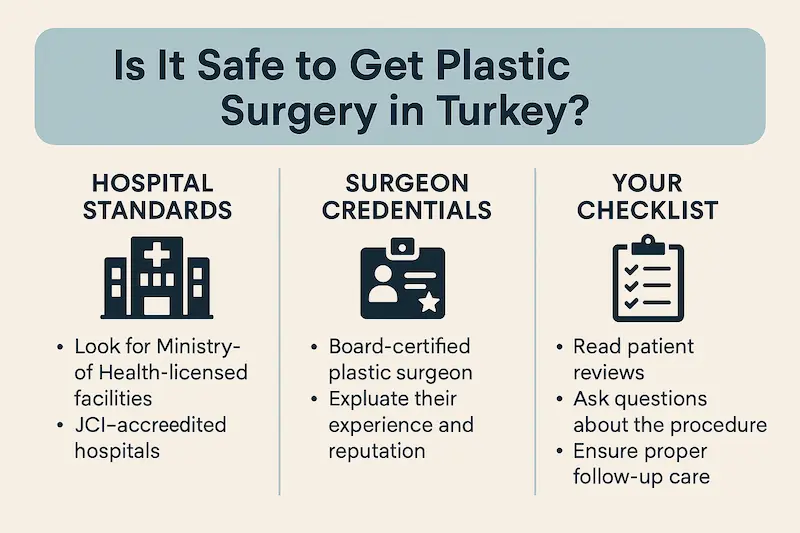
When you ask, “Is plastic surgery safe in Turkey?”, you are really asking how the system is organized and who is watching over it. In Turkey, private hospitals and clinics are regulated by the Turkish Ministry of Health. Facilities need licenses, regular inspections, and must meet standards for staffing, emergency equipment, hygiene, and record-keeping.
For credentialed plastic surgery practice, there are a few layers of regulation and professional oversight you should be aware of, including the practical step-by-step credential verification workflow US patients can run before booking:
- Medical license: Every doctor must hold a valid medical license issued by the Turkish authorities. This is the baseline requirement.
- Specialist training: To call themselves a plastic surgeon, doctors must complete specialist training in plastic, reconstructive, and aesthetic surgery. This is similar in spirit to board-certification in the US. The “board-certified” claim is straightforward in theory but ambiguous in international comparisons — what counts as equivalent to American Board of Plastic Surgery (ABPS) in Turkey, the UK, or the EU? The systematic answer, including EBOPRAS, ABPS, and Royal College of Physicians Canada equivalence framework, is mapped in our international board certification reference.
- Professional societies: Many reputable surgeons are members of national and international organizations (such as national plastic surgery societies or ISAPS). While membership alone does not guarantee results, it is a useful marker for ongoing education and peer accountability.
- Facility-level controls: Operating theatres, anesthesia teams, sterilization procedures, and post-operative monitoring are audited by the Ministry of Health. Larger hospitals may also be audited by international bodies.
This does not mean that every clinic automatically offers safe plastic surgery. But it does mean there is a framework within which safety is enforced. Your task, as a US patient, is to identify the clinics and surgeons who fully embrace and go beyond these standards, rather than those who do the bare minimum for a license.
Accreditation, infection control, and complication statistics: what the data shows
One of the strongest indicators that plastic surgery in Turkey is safe in a given facility is the presence of international accreditation, such as JCI (Joint Commission International) or similar organizations. These accreditations focus heavily on:
- Infection prevention and control policies
- Safe anesthesia and patient monitoring standards
- Medication safety and record-keeping
- Emergency preparedness (e.g., dealing with cardiac arrest or pulmonary embolism)
What JCI accreditation specifically signals for international patients — what’s audited, what isn’t, and which Istanbul hospitals currently hold accreditation versus claim it — is detailed in our standalone JCI hospital safety analysis.
Clinics and hospitals that are proud of their safety record generally:
- Openly discuss their complication rates and how they manage them
- Have written protocols for preventing blood clots, deep vein thrombosis, and pulmonary embolism
- Maintain strict sterilization rules for operating rooms and instruments
- Provide clear discharge instructions and warning signs you should watch for after surgery
When a clinic is transparent about these topics, it is a positive sign that plastic surgery is safe there and that they see safety as a system, not just a marketing word. If a provider uses phrases like “100% safe plastic surgery Turkey” without acknowledging real risks and how they are managed, that is often a red flag.
Understanding the Risks: When Traveling for Plastic Surgery Becomes Unsafe
Most US patients researching aesthetic surgery abroad don’t start with peer-reviewed data — they start with social media, package ads, and forums. A 2025 JMIR Infodemiology study by Azzam and colleagues mapping cosmetic tourism information quality documented exactly this gap, finding that the average consumer-facing source overstates benefits and understates VTE, infection, and revision-rate risks compared to medical literature.
This information asymmetry is one of the strongest underlying predictors of unsafe decision-making — not the geographic destination itself.
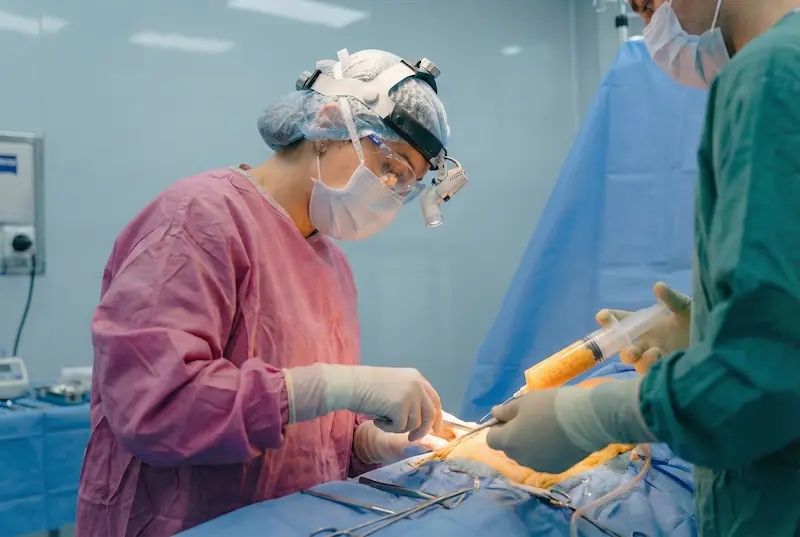
General risks of plastic surgery — at home vs abroad
Whether you have surgery in New York, Los Angeles, Miami, or Istanbul, the core medical risks are similar. These include:
- Anesthesia risks: reactions to medications, breathing problems, or cardiovascular events.
- Bleeding and hematoma: the need for drainage or, rarely, return to the operating room.
- Infection: ranging from mild wound infections to more serious problems requiring IV antibiotics.
- Blood clots: deep vein thrombosis (DVT) or pulmonary embolism, especially after long surgeries or limited mobility.
- Poor scarring or skin healing: sometimes related to smoking, diabetes, or tension on the wound.
- Aesthetic dissatisfaction: even when surgery is technically successful, the result may not match your mental image.
So when patients ask, “Is plastic surgery safe?”, the truthful answer is that it can be relatively safe in a well-chosen clinic, but never entirely risk-free. Traveling abroad adds additional elements:
- Long-haul flights that can increase the risk of blood clots if not properly managed.
- Distance from your surgeon once you return home, making in-person follow-up more challenging.
- Potential communication barriers if your team is not used to working with international patients.
This is why it’s crucial to choose providers who have a structured pathway for international patients and can demonstrate that their plastic surgery safe protocols account for both surgery and travel—rather than treating you exactly like a local patient.
Red flags in plastic surgery packages and “too good to be true” offers
A big part of staying safe is learning to recognize situations where plastic surgery in Turkey is not safe, even if the before–after photos look impressive. Some common red flags include:
- Very short stays: packages that suggest you can have a major body contouring surgery and fly home after only a couple of days are not aligned with safe practice.
- No medical screening before booking: if a provider confirms you for surgery without reviewing medical history, medications, or photos, they are not practicing safe plastic surgery.
- Non-transparent surgeon information: you never see the surgeon’s full name, qualifications, or specialist training; everything is handled by coordinators or salespeople.
- Pressure tactics: limited-time discounts, “book now or lose this price”, or reluctance to answer questions about complications.
- Overloaded surgery days: one surgeon performing many major operations in a single day, which can compromise attention and safety.
Genuinely safe plastic surgery in Turkey rarely looks like a flash sale. It looks more like a structured medical process with clear criteria for who is a good candidate, realistic timelines, and the willingness to say “no” or “not yet” when safety demands it.
The truth behind “botched surgery in Turkey” headlines and media stories
Many US patients who wonder, “Is plastic surgery in Turkey safe?” have seen alarming news stories about complications abroad. These stories are real and important—but they often represent the most extreme cases, not the full picture.
Several patterns tend to show up in the most serious “botched surgery” cases:
- The patient booked through an informal broker or agency, not directly with a clinic.
- The provider was not a properly trained plastic surgeon, or the facility was not equipped for complex surgery.
- Medical screening was minimal, and high-risk patients were accepted without extra precautions.
- Follow-up was poorly organized, leaving patients without support when early warning signs developed.
These factors can make plastic surgery in Turkey unsafe—but they are not unique to Turkey. Similar stories exist in the US, Mexico, and other countries whenever commercial pressure outweighs medical judgment.
On the other hand, there are thousands of patients each year who have uneventful recoveries and are satisfied with their results after plastic surgery in Turkey. Their stories rarely make headlines because nothing dramatic happened—that is exactly what “safe” looks like.
To tilt the odds in your favor, you need to identify safe doctors for plastic surgery in Turkey and work only with clinics that treat you as a medical patient first and a tourist second. In the following sections, we will explore how to select such a clinic and what a safe surgical journey should look like from start to finish.
How to Choose a Safe Plastic Surgeon and Clinic in Turkey
Once you accept that plastic surgery in Turkey can be safe under the right conditions, the next challenge is very practical: how do you actually choose a safe clinic and a safe surgeon? This is where many US patients either become overwhelmed or take shortcuts because they feel they cannot properly evaluate care in another country.
The good news is that the same principles you would use to find safe plastic surgery in New York or Los Angeles also apply in Istanbul. You look at the surgeon’s training, the facility’s infrastructure, the safety protocols, and the way the team communicates with you. The difference is that you must do this work before you get on a plane.
The decision framework for evaluating a safe Turkish clinic is more layered than most patients expect. JCI accreditation, surgeon-led care continuity, and post-op support architecture aren’t visible from a website alone — they require active vetting. The full clinic-evaluation framework we use with US patients — what to ask, what to verify, and what to walk away from — is broken down in our clinic safety evaluation guide.
Board certification, subspecialty training, and the dermatosurgeon advantage
A key step in answering, “Is plastic surgery in Turkey safe?” is to look closely at who will actually be operating on you. Safe doctors for plastic surgery in Turkey typically have:
- Formal specialist training in plastic, reconstructive & aesthetic surgery, facial plastic surgery, dermatosurgery, or a related field.
- Board certification or equivalent from recognized national or European boards.
- A clear, documented track record of cases similar to yours, with transparent before–after photos.
At AKM Clinic, for example, the core team includes:
- A Dermatosurgeon & Face Expert (Dr. Akif Mehmetoğlu, MD) whose background is in facial aesthetics and dermatosurgery. His expertise focuses on skin quality, texture, and minimally invasive rejuvenation alongside surgical work.
- A European board-certified Otolaryngologist & Facial Plastic Surgeon (Dr. Göknil Gültekin, MD) with advanced training in complex facial surgery and rhinoplasty, including revision and preservation techniques.
This dual-specialty model is not just a branding detail. It creates what many US patients are specifically looking for: safe plastic surgery in Turkey that respects both the deep structures of the face and the skin envelope. The dermatosurgeon can optimize skin health, scarring, and texture, while the facial plastic surgeon focuses on lifting, support, and structural harmony. That is why many patients describe their results as “natural, like a younger version of myself”.
The “individual surgeon vs team” question is less binary than it sounds. Even the most credentialed lead surgeon depends on an anesthesia team, OR nurses, and post-op monitoring staff whose competencies you’ll never see on a website. Our full medical team — surgeons, anesthesiologists, nursing leads, and patient coordinators — with credentials and patient-facing roles is documented in our surgical team directory.
If you are comparing clinics, ask directly:
- Who will be my primary surgeon?
- What is their specialty and board certification?
- How many cases like mine do they perform each year?
- Is there a dermatosurgeon or skin-focused expert involved for facial or resurfacing procedures?
Clinics that offer genuinely safe plastic surgery Turkey will answer these questions clearly, with names, credentials, and evidence— not just marketing slogans.
The conversation you have with a surgeon before booking is the single most diagnostic step in your safety pathway — yet most patients don’t know what to ask. Generic “are you board-certified?” rarely surfaces the operational details that matter (escalation pathways, complication rates, ghost surgery prevention). We’ve compiled the 25-question pre-op checklist that international patients use during virtual consultations in our pre-op surgeon consultation checklist.
Hospital accreditation and Turkish Ministry of Health licensing
Even the best surgeon needs the right environment. When you are evaluating whether plastic surgery in Turkey is safe, look carefully at the facility where your operation will take place.
Important safety markers include:
- Ministry of Health license: The hospital or surgical center must be licensed and regularly inspected. Ask for the full legal name of the facility and confirm that your surgery will occur there—not in an unregulated “back-room” operating theatre.
- International accreditation (e.g., JCI): While not mandatory, accreditation by organizations such as Joint Commission International is a strong signal of structured safety standards, particularly for infection control and emergency preparedness.
- Dedicated anesthesia team: Safe plastic surgery in Turkey depends on experienced anesthesiologists, not just the surgeon. Ask who will manage anesthesia and whether they routinely work with international patients.
- Post-operative monitoring: Where will you stay after surgery? Is there nursing staff on-site overnight? How are vital signs monitored?
A reputable provider should be able to tell you, in writing, exactly where your surgery will be performed, what level of accreditation the facility has, and what kind of post-op monitoring you will receive. If those answers are vague, it becomes harder to argue that plastic surgery in Turkey is safe in that particular setting.
Essential questions every US patient should ask before booking surgery in Turkey
Before you commit, it is worth scheduling at least one detailed online consultation. Use that time not only to talk about your goals, but also to verify that this is truly a plastic surgery in Turkey safe environment for you.
Key questions include:
- Who reviews my medical history and medications? Is it the surgeon or only a coordinator?
- What are your exclusion criteria? In safe clinics, some patients are told “no” due to BMI, smoking, or medical risk.
- How long do I need to stay in Istanbul after surgery? Answers that sound too short may indicate unsafe practice.
- What is your protocol for preventing blood clots? (e.g., compression devices, early mobilization, medications when needed)
- How do you handle complications? Is there a clear plan for re-admission, revision, or transfer if necessary?
- How will follow-up be arranged once I am back in the US? (video calls, photo check-ins, structured schedule)
Clinics that provide safe plastic surgery in Turkey usually welcome these questions. They understand that an informed, “expert” patient is a partner—not a problem. If you encounter resistance, defensiveness, or pressure to book quickly, it may be safer to walk away.
Inside AKM Clinic: Safety Protocols, Technology, and Medical Team
So far, we have looked at general principles that make plastic surgery safe or unsafe when you travel abroad. But what does a safety-focused clinic actually look like in practice? AKM Clinic in Istanbul is a useful case study because it has built its identity around combining high-end facial and body surgery with advanced recovery technologies and a very structured patient journey.
What “Inside AKM Clinic” looks like operationally is a different question from what it looks like on a marketing page. The operating theatre layout, sterilization protocols, and patient flow architecture are the visible expression of the abstract safety standards discussed above. A walkthrough of the accredited surgical facility infrastructure covers the OR specifications, recovery suites, and post-op monitoring areas that determine day-to-day safety outcomes.
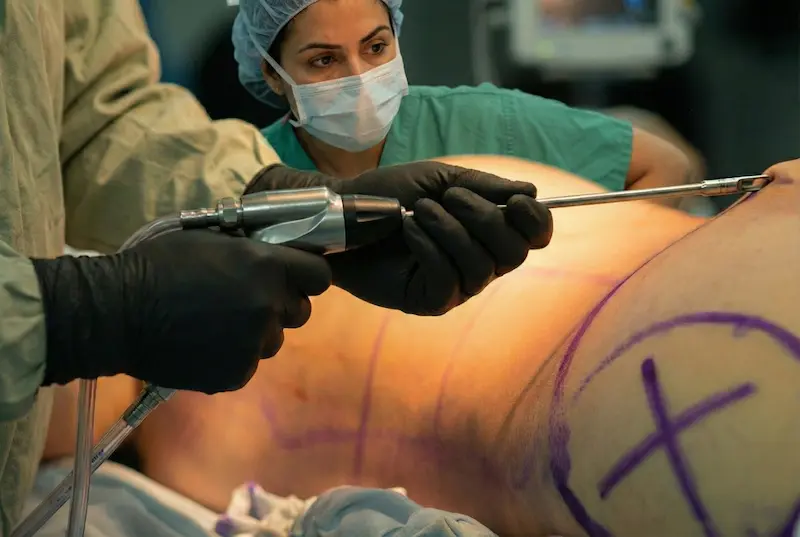
For many international patients, the question is not just “Is it safe to have plastic surgery in Turkey?” but “Is plastic surgery in Turkey safe at a specific clinic like AKM?” The answer depends on how the clinic organizes its people, processes, and technology to reduce risk at every step.
Surgeon-led care and multidisciplinary safety checks at AKM Clinic
At AKM Clinic, safety begins long before you arrive in Istanbul. The surgeons themselves—not just coordinators—are involved in:
- Reviewing your photos and medical history
- Assessing your aesthetic goals against what is realistically achievable
- Identifying medical red flags that could make surgery or long-haul travel unsafe
Because the lead doctor is a Dermatosurgeon & Face Expert and the second core surgeon is a European board-certified Facial Plastic Surgeon, they are particularly attentive to both:
- The functional safety of procedures (breathing, nerve function, long-term tissue support)
- The skin-level healing (scarring, texture, pigmentation, and recovery speed)
This dual perspective is one reason why “expert patients” like Barbara—who had already undergone many procedures elsewhere—describe AKM as the place where they finally felt both medically safe and aesthetically understood. In her testimonial, she highlights a “VIP journey” with careful communication, no pain, minimal bruising, and a result that made her look “probably 20 years younger” while still like herself.
Internally, AKM structures safety checks at multiple stages:
- Pre-op medical clearance, including lab tests and imaging when needed
- Standardized protocols for anesthesia and thrombosis prevention
- Close monitoring in the early post-op period, with clear escalation pathways if anything looks unusual
This kind of system is what turns “is plastic surgery safe in Turkey?” from a scary abstract question into a concrete, predictable answer: with the right team and process, yes, plastic surgery in Turkey can be safe—and feel safe—for appropriately selected patients.
Advanced technologies (HBOT, LLLT) and how they improve safety and recovery
One of the distinctive elements at AKM Clinic is its investment in technologies that directly support healing, reduce complications, and shorten downtime. Two of the most important are Hyperbaric Oxygen Therapy (HBOT) and Low-Level Laser Therapy (LLLT).
Hyperbaric Oxygen Therapy (HBOT) is often described internally as the clinic’s “#1 safety promise.” During HBOT sessions, the patient breathes highly oxygenated air in a controlled chamber. This increases the amount of oxygen dissolved in the blood and delivered to healing tissues. For surgical patients, this can:
- Support tissue survival and regeneration: delicate flaps and lifted tissues receive more oxygen, which helps them integrate and heal.
- Reduce swelling and social downtime: better oxygenation and microcirculation can accelerate the resolution of post-op bruising and edema.
- Improve scar quality: by supporting fibroblasts (the cells that produce collagen), HBOT contributes to stronger, smoother scars.
- Lower infection risk: oxygen-rich environments make it harder for certain bacteria to thrive while boosting your own immune response.
Low-Level Laser Therapy (LLLT) is used as a complementary, non-invasive tool. For facelift and skin procedures, targeted light at specific wavelengths helps:
- Accelerate cellular repair by supporting mitochondrial energy production in skin cells.
- Stimulate collagen synthesis for firmer, more resilient skin after surgery.
- Reduce inflammation, working in tandem with HBOT to ease redness and swelling.
For hair restoration patients, LLLT supports follicle health and microcirculation in the scalp, but even for facial surgery patients it plays a role in making plastic surgery in Turkey safe in a broader sense: the safer and faster you heal, the lower your overall risk profile and the sooner you can return to normal life.
This technology-focused approach is not a replacement for surgical skill. Instead, it is an extra layer that makes already safe plastic surgery in Turkey even safer by strengthening the body’s natural healing processes.
The technology stack matters operationally because each piece — HBOT for tissue oxygenation, LLLT for inflammation modulation, real-time ultrasound during fat transfer — directly impacts complication rates. These aren’t optional add-ons; they’re the substrate beneath surgical safety claims. The full technology and standards documentation, including which modalities apply to which procedures, is in our clinical technology standards directory.
Dermatosurgeon + plastic surgery team: safer, more natural results for the face and body
Many US patients instinctively separate “plastic surgery” from “skin treatments.” At AKM Clinic, those two worlds are deliberately blended. The combination of a dermatosurgeon with a facial plastic surgeon means that both the canvas (your skin) and the structure (muscles, ligaments, fat, bone) are considered together.
In practical terms, this can lead to:
- More natural, age-appropriate facelifts that respect your unique anatomy and expressions.
- Better scar placement and healing, because skin tension and quality are actively managed.
- Integrated treatment plans that may combine surgery with lasers, peels, or injectables for a complete, harmonious result.
Patients like Dilek from Germany, who decided within two days after meeting the team, often describe a powerful sense of trust in this combined expertise. She reports being “super, super, super satisfied” with her facelift, neck lift, and eyelid surgery—not only because of the aesthetic result, but because she felt genuinely safe throughout the journey.
When you read such stories, it becomes easier to understand how the answer to “Is It Safe to Have Plastic Surgery in Turkey?” can be “yes”—not as a generic statement about a country, but as a specific conclusion about a carefully chosen clinic, surgeon, team, and treatment pathway.
What a Safe Surgical Journey to Turkey Should Look Like (Step-by-Step)
By now, you have a clearer sense of how to find safe doctors for plastic surgery in Turkey and what makes a clinic trustworthy. But what should the entire journey actually look like in practice? Understanding this helps you judge whether a provider is offering safe plastic surgery in Turkey or just a tourism package with surgery added on top.
From first online consultation to medical clearance in the US
A genuinely safe pathway usually starts weeks or even months before you travel. That early phase should include:
- Detailed online consultation: You submit photos, describe your goals, and answer a structured medical questionnaire. The surgeon (not only a coordinator) reviews your case and may request more information.
- Transparent discussion of risks and alternatives: A safe clinic explains what can and cannot be achieved, what the realistic recovery looks like, and under which conditions they would advise against surgery.
- Medical tests and clearances in your home country: For some patients—especially over 45, smokers, or those with chronic illness— the clinic may request lab tests, ECG, or specialist clearance from a doctor in the US before confirming a date.
This is the stage where you should also involve your primary care physician in the US, especially if you have any underlying conditions. Asking, “Is plastic surgery safe for me right now?” is just as important as asking, “Is plastic surgery in Turkey safe?”
If a provider confirms surgery without asking about your medical history or recommending any tests, that is a sign that their process may not align with truly safe plastic surgery practices.
Arrival in Istanbul, pre-op testing, and anesthesia planning
When you arrive in Turkey, the focus should immediately shift to confirming that it is still safe to proceed with surgery. In a safety-focused clinic, the first day typically includes:
- In-person consultation and examination: The surgeon confirms the plan, checks your skin, anatomy, and any areas of concern, and makes final markings.
- Pre-operative tests: Blood tests, sometimes imaging or additional exams if needed. These are used to verify that it remains safe to get plastic surgery in Turkey for you at this moment.
- Meeting the anesthesiologist: You discuss your previous experiences with anesthesia, allergies, medications, and any fears you have. Safe anesthesia planning is a critical part of making plastic surgery in Turkey safe.
If any test results are abnormal, a responsible team will either delay surgery or cancel it, even if this is inconvenient for everyone involved. That is one of the strongest signals that you are in a clinic where safe plastic surgery Turkey is more important than revenue.
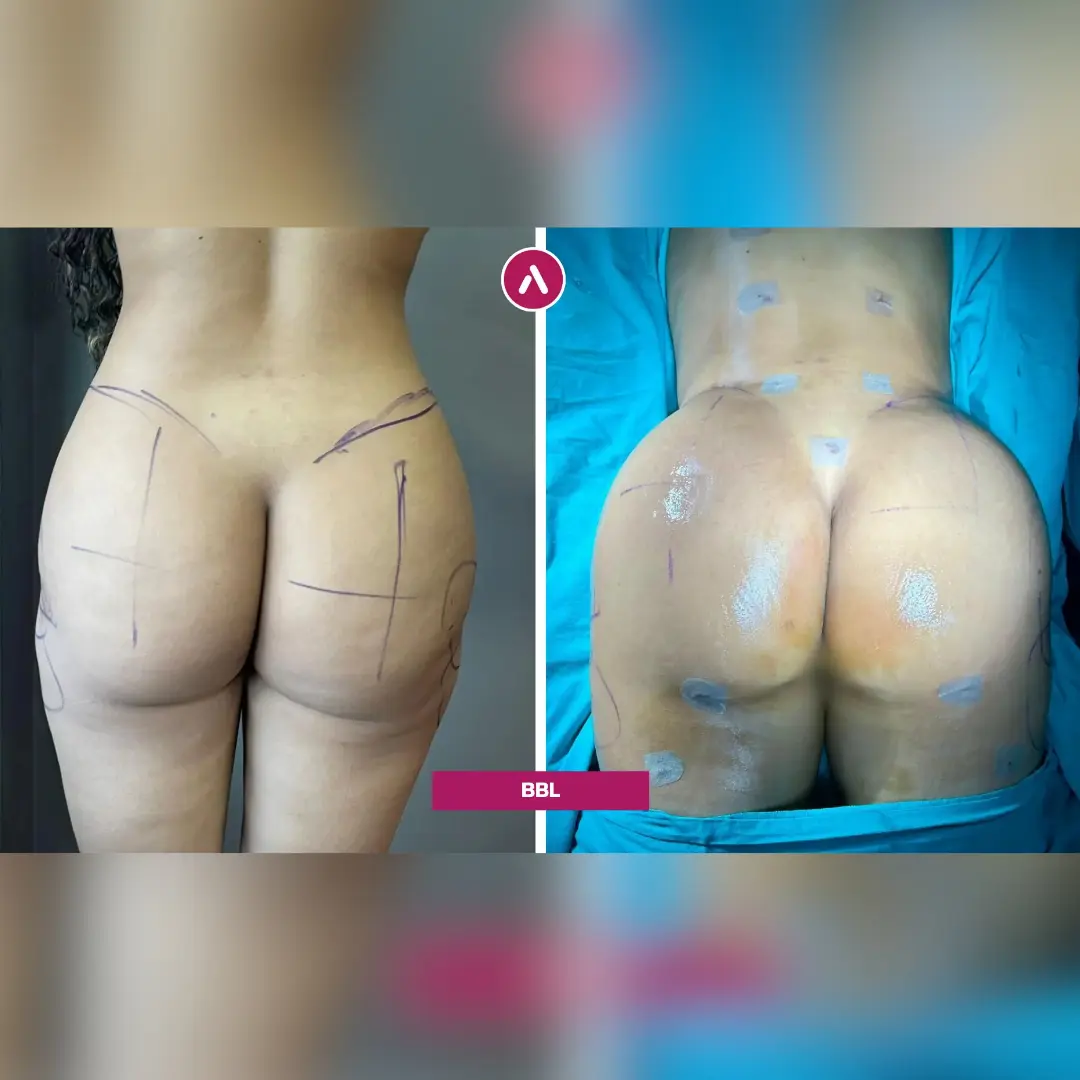
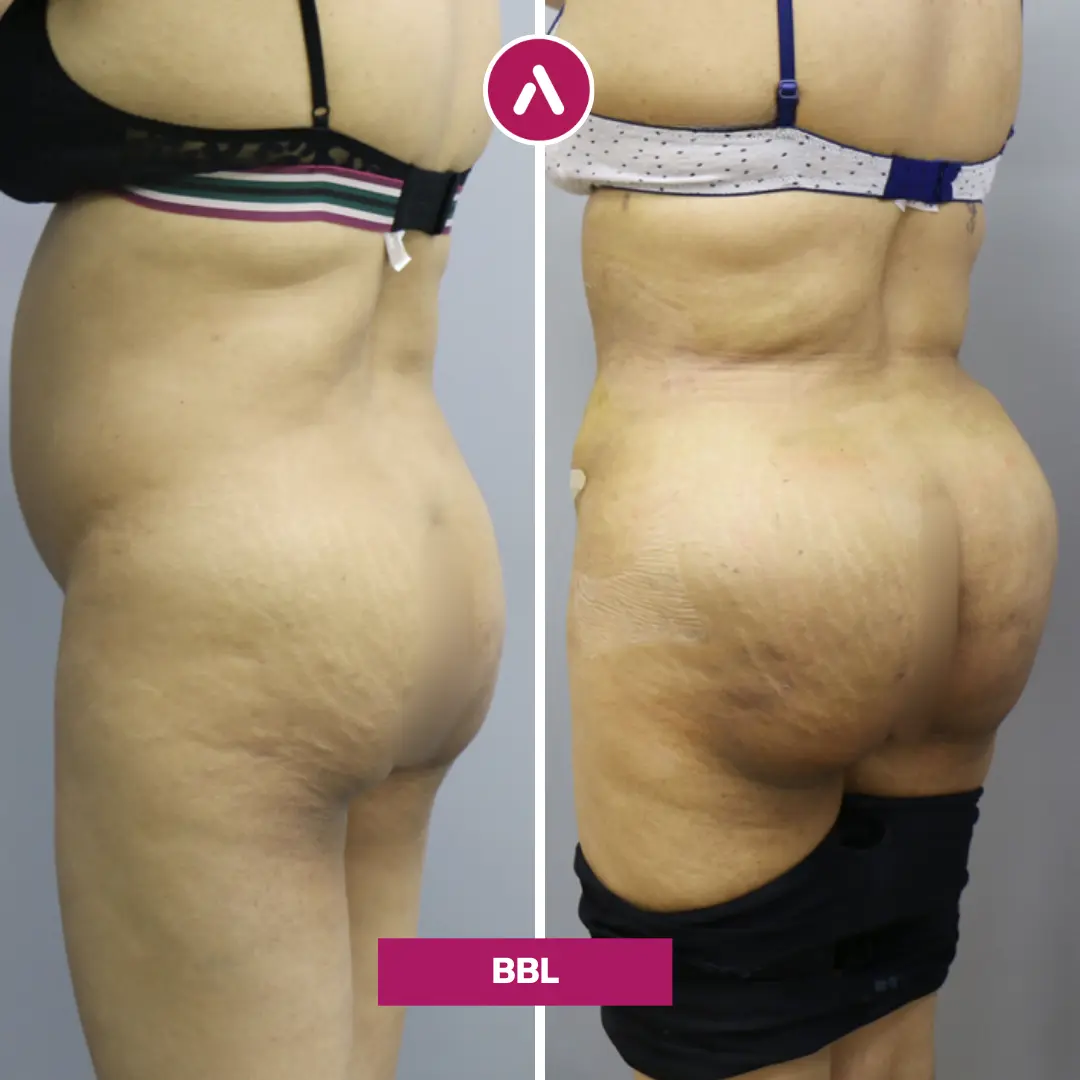
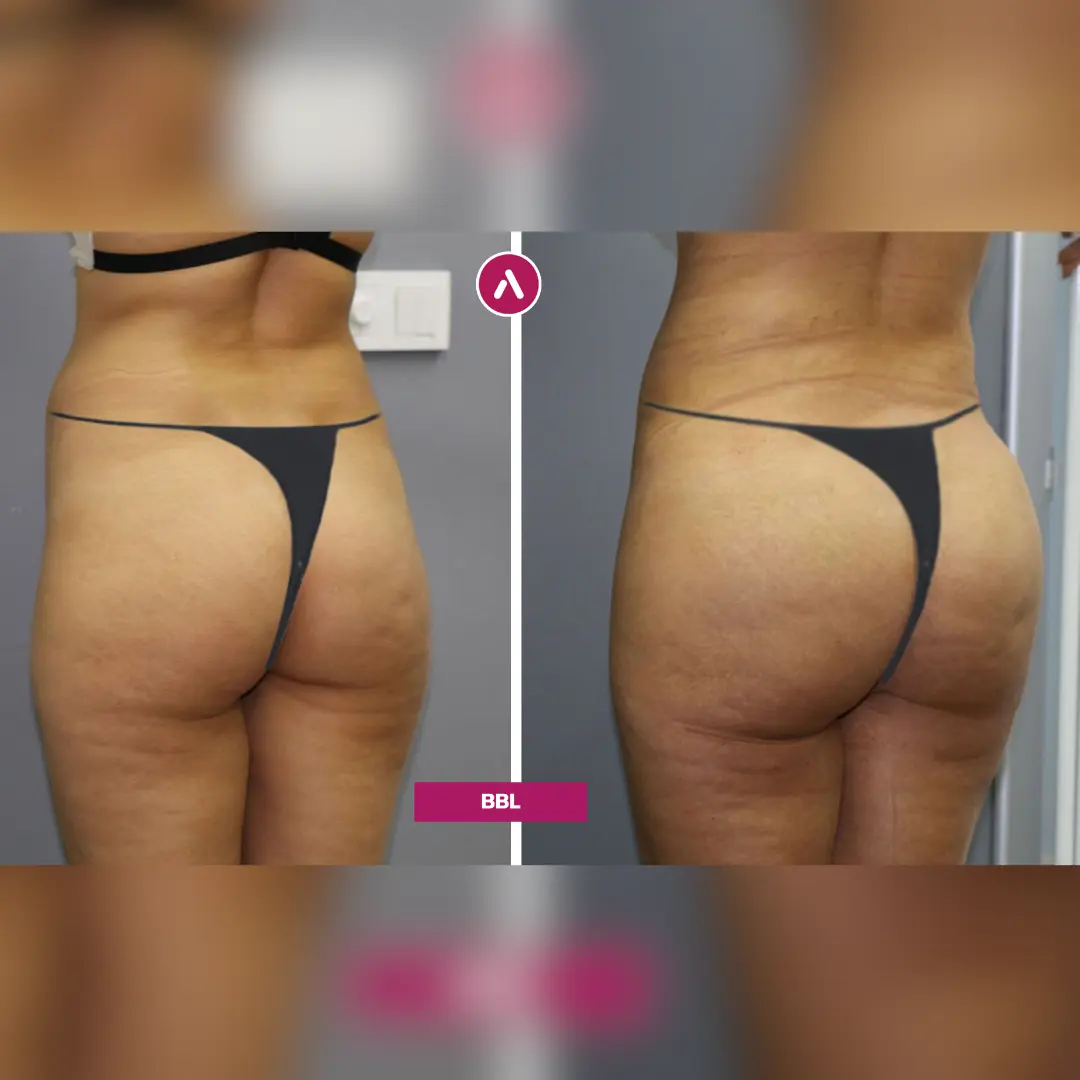
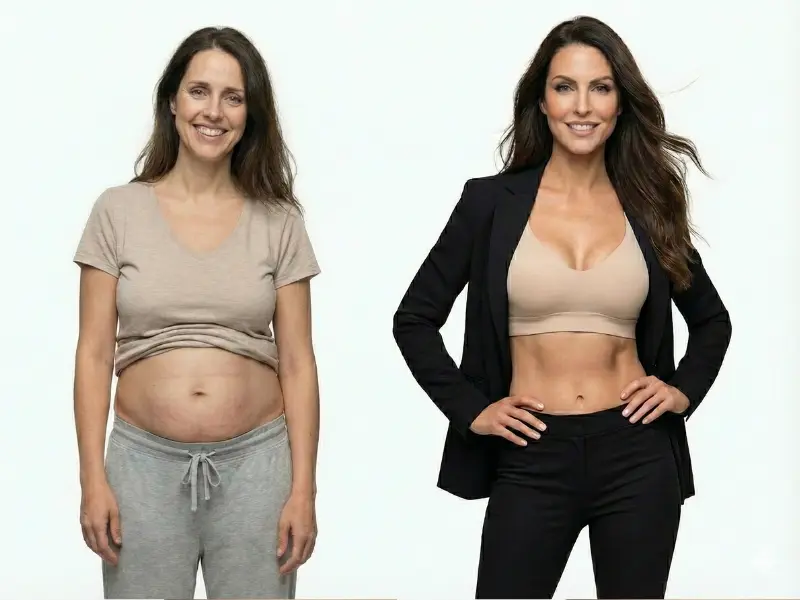
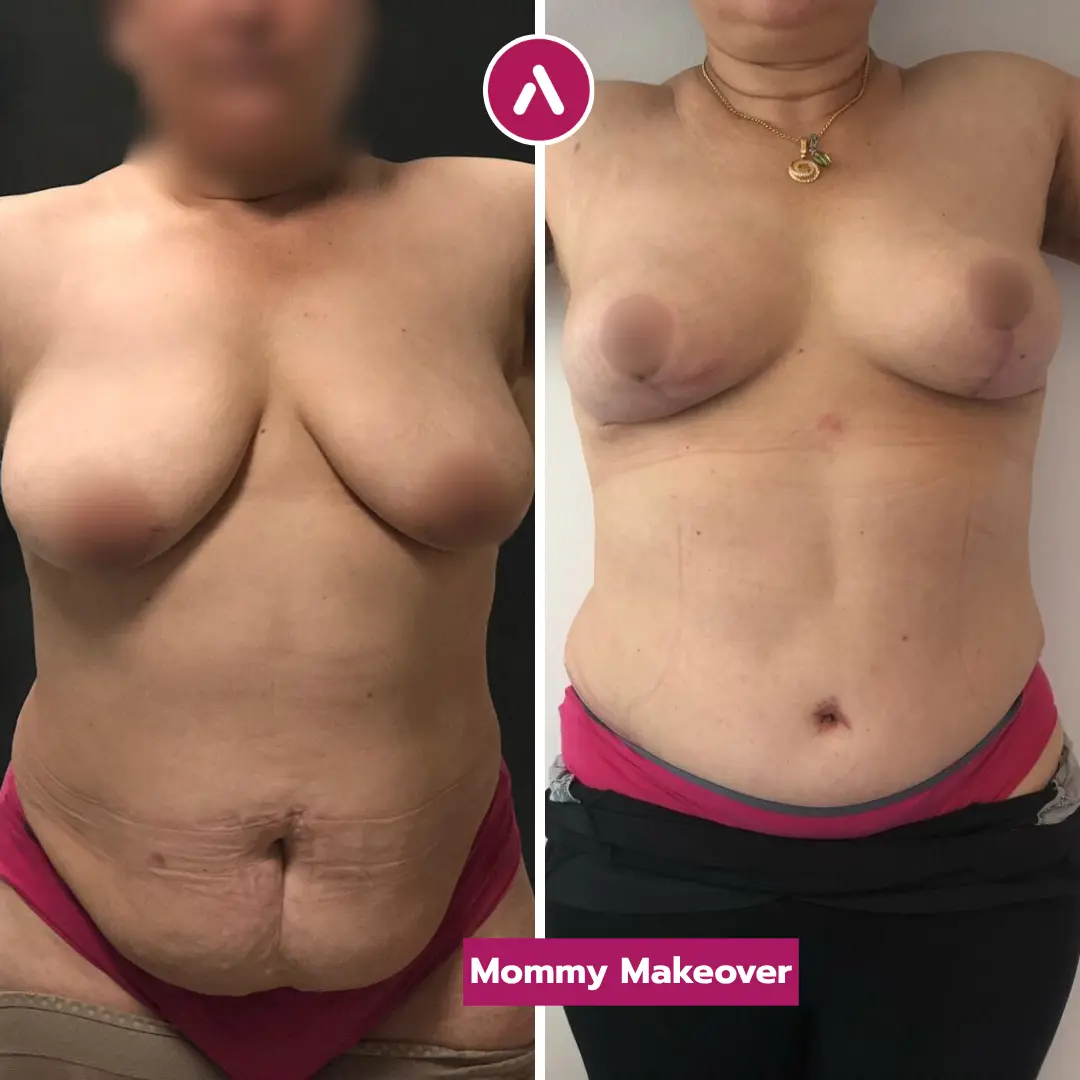
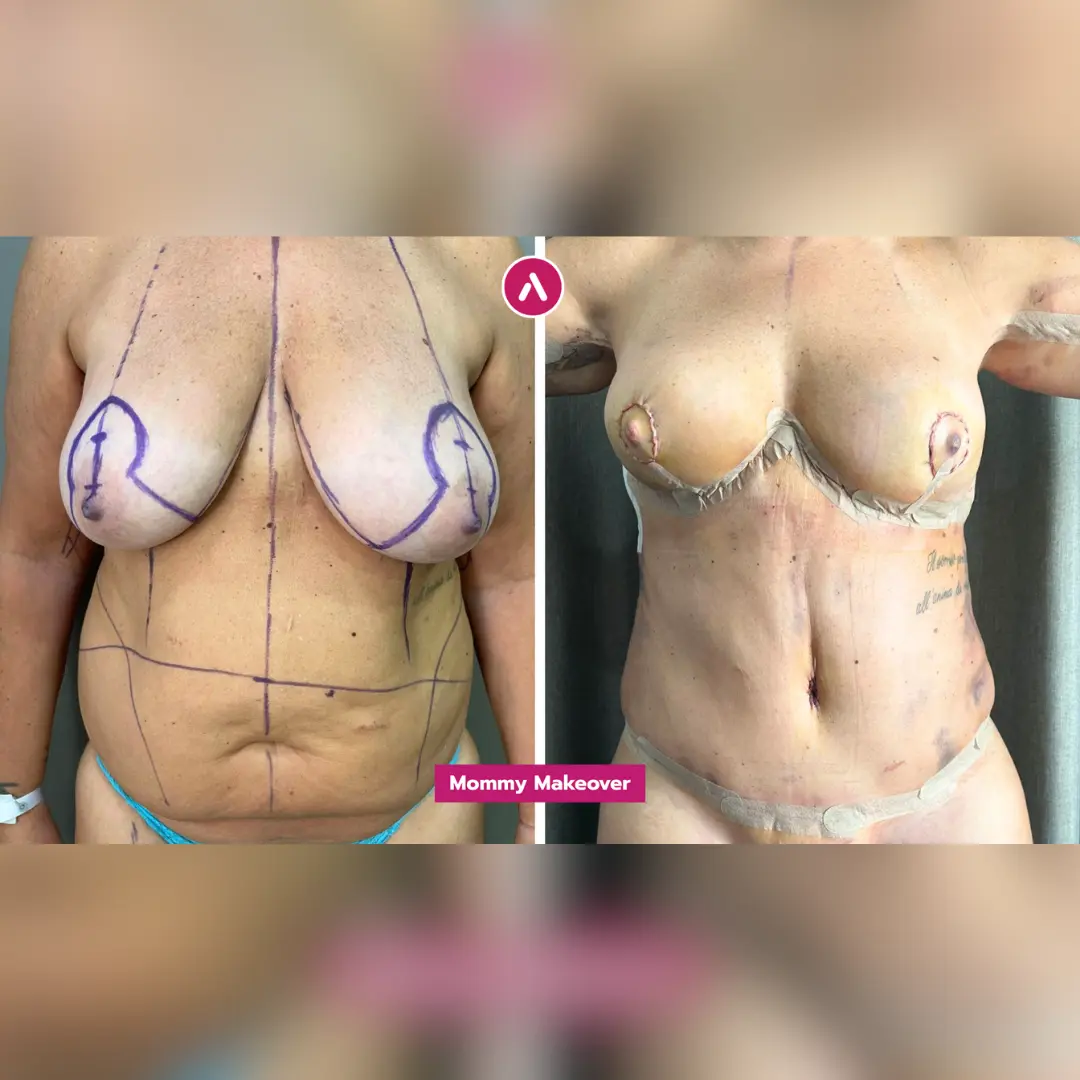
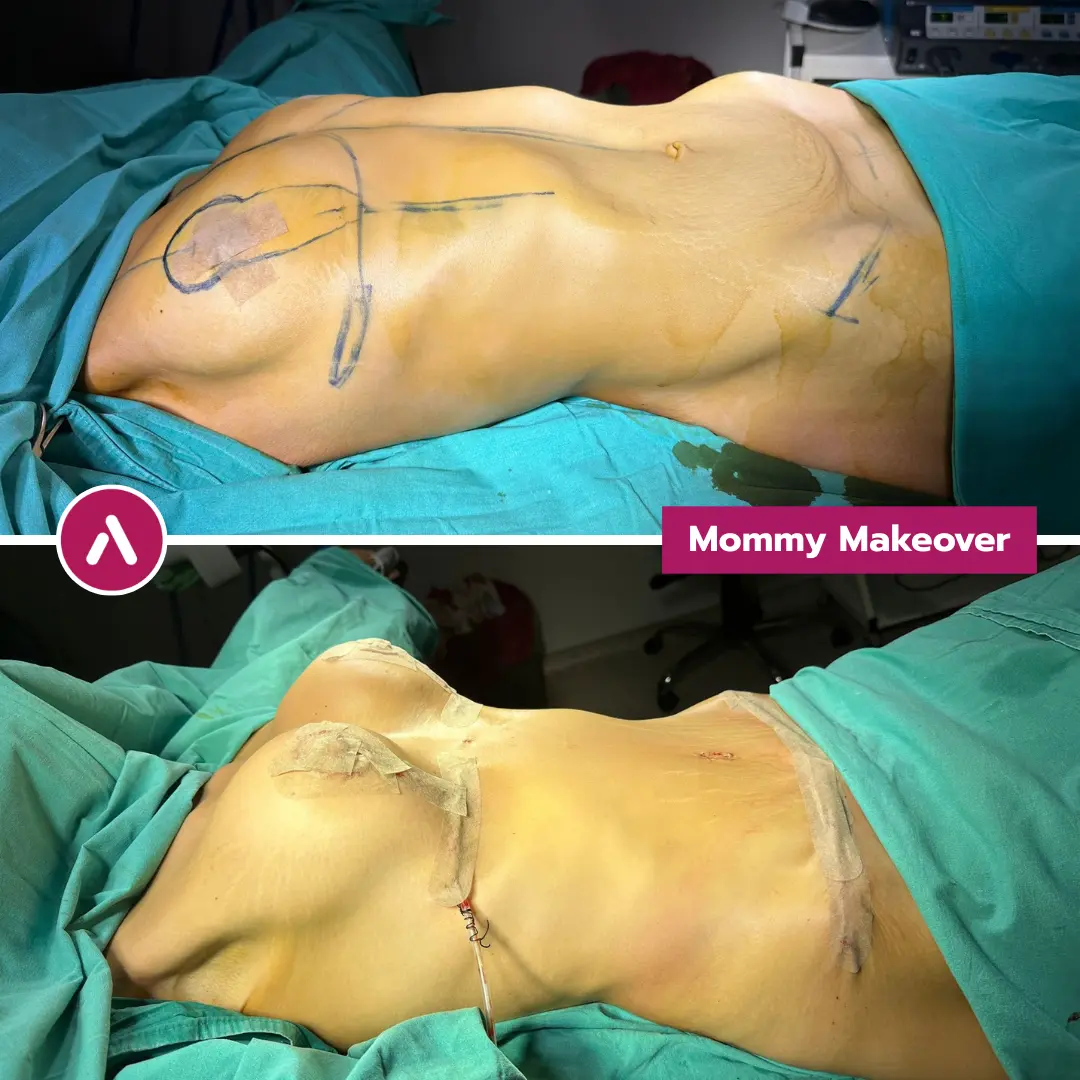
Real outcomes are the most honest answer to “is it safe?” — but only if you can see them in context: same surgeon, similar procedures, documented healing trajectories. The 3 BBL cases shown below come from our wider patient outcome documentation hub, which spans facelift, tummy tuck, hair transplant, and breast surgery results from US, UK, Canada, and EU patients.
Post-op follow-up, HBOT/LLLT sessions, and when it is safe to fly home
After surgery, you should feel that the clinic is actively monitoring your recovery, not just waiting for you to check out of the hotel. At AKM Clinic, for example, typical safety-supportive elements include:
- Early post-op checks: Nurses and surgeons review your drains, dressings, swelling, and pain control, adjusting medications as needed.
- Scheduled HBOT and LLLT sessions: These therapies are integrated into the recovery plan to improve oxygenation, support wound healing, and reduce swelling. This is part of how the clinic makes plastic surgery in Turkey safe and tolerable, especially for complex facial or body procedures.
- Clear movement and hydration instructions: To reduce blood clot risk on long-haul flights, you receive guidance on walking, stretching, compression garments, and fluid intake.
One of the most important questions to ask any clinic is: “How many days do you recommend I stay in Istanbul after surgery before flying back to the US?” For major procedures, a stay of at least 7–10 days is often safer than a rapid turnaround. Answers that sound much shorter should make you question whether is plastic surgery in Turkey safe in the way this clinic is practicing it.
Before you fly, you should have:
- A final in-person check from the surgeon
- Written instructions on medication, wound care, and red-flag symptoms
- A plan for remote follow-up (photos, video calls) once you are home
This continuity of care is part of what transforms “safe to travel to Turkey for plastic surgery” from a marketing phrase into a reality: you are not abandoned at the airport, but carried through the full healing arc.
How to Decide If Plastic Surgery in Turkey Is Safe for You Personally
Many US patients ask in general, “Is plastic surgery in Turkey safe?”, but the more important question is whether plastic surgery in Turkey is safe for you personally. Even at a reputable clinic, safety depends on your age, medical history, medications, and how prepared you are for long-haul travel and recovery. Instead of only comparing prices or before–after photos, it helps to systematically review your own risk profile and see how well a clinic’s process matches your needs as an “expert patient.”
If you have chronic conditions such as high blood pressure, diabetes, sleep apnea, or a history of blood clots, you should focus on safe plastic surgery in Turkey pathways that include pre-op tests, cardiology or anesthesia clearance, and realistic procedure planning. A serious clinic will sometimes advise staging or even rejecting certain combinations of operations to keep plastic surgery safe for you. This is not a bad sign; it usually means they are prioritizing your long-term health over short-term results.
Medical factors that affect whether plastic surgery in Turkey is safe
Your BMI, smoking status, current medications, and previous surgeries all influence whether is plastic surgery in Turkey safe in your case. Honest disclosure is essential: hiding information to “get approved” will only increase risk. Safe doctors for plastic surgery in Turkey will adjust anesthesia, thrombosis prevention, and the length of your stay based on these details.
Questions to ask before deciding plastic surgery in Turkey is safe for you
Before you commit, ask the clinic directly how they decide if plastic surgery in Turkey is safe for a specific patient like you. Do they have clear exclusion criteria? Will they coordinate with your US doctor if needed? Do they offer structured follow-up once you are home? When a clinic answers these questions transparently, it becomes easier to feel that safe plastic surgery Turkey is not just a slogan, but a realistic option for your situation.
Safety, Cost, and Value: Turkey vs the US, Mexico, and Thailand
For most US patients, the question is rarely just “Is plastic surgery in Turkey safe?”. It is more specific: Is it safe to have plastic surgery in Turkey while also making financial sense compared with staying in New York, Los Angeles, or going to Mexico or Thailand?
A helpful way to think about this is to separate three dimensions:
- Safety – the medical risk profile.
- Cost – the total out-of-pocket investment (including travel).
- Value – the relationship between quality and cost over the long term.
Cost comparison for popular procedures (facelift, mommy makeover, liposuction)
Exact prices vary widely depending on surgeon, facility, and complexity. However, to give a rough orientation, many US patients compare:
| Procedure | High-Cost US Cities (NY/LA/Miami) | Istanbul (AKM Clinic & similar level) | Mexico | Thailand |
|---|---|---|---|---|
| Facelift (advanced techniques) | Very high; often separate facility & anesthesia fees | Significantly lower; often packaged with hospital, anesthesia, and follow-up | Lower than US; strong competition among clinics | Lower than US; more common for Asian regional patients |
| Mommy makeover (combined procedures) | One of the most expensive cosmetic packages | Substantially lower, but with emphasis on staged, safe combinations | Lower cost; quality highly variable by clinic | Moderate to lower cost; long travel for US patients |
| Liposuction / body contouring | Moderate to high; often charged per area | More affordable per area; often part of personalized packages | Low to moderate cost; wide range of protocols | Moderate cost; may include spa-style recovery packages |
| Travel & stay | Local; hotel and time off work still significant | Flight + hotel; often assisted or partially included by the clinic | Shorter flight for some US regions; hotel separate or clinic-assisted | Longest flight for US; hotel often integrated in packages |
These differences are why so many patients research plastic surgery in Turkey safe options: when safety is assured, the value proposition can be exceptionally strong. However, if you choose a low-cost but unsafe setting, the true “price” can become much higher in terms of health, revision surgeries, and emotional stress.
Safety standards, regulation, and complication management by country
Safety is not determined by price alone. When comparing the US, Turkey, Mexico, and Thailand, consider:
- Regulation & oversight: The US has strict state-level regulations and malpractice systems. Turkey has centralized regulation through the Ministry of Health and, in many private hospitals, international accreditation. Mexico and Thailand also have excellent centers—but also settings with much weaker oversight.
- Experience with international patients: Istanbul has clinics built almost entirely around medical tourism, with English-speaking staff and systems tuned to long-haul travelers. The same is true for some clinics in Mexico and Thailand, but not all.
- Complication response: In a truly safe system, any complication—whether in New York or Istanbul—is met with a clear pathway for additional care, rather than denial or avoidance.
Patients sometimes assume that staying in the US automatically means safe plastic surgery, but regrettable outcomes can and do happen there as well. Likewise, some of the safest and most refined cosmetic work for US and European patients is done in Istanbul, where high surgical volume and specialized teams create a very strong safety culture.
The key is not to ask, “Which country is safe?” but “Which surgeon and clinic in that country are delivering safe plastic surgery on a daily basis?”
Why many US patients specifically choose Istanbul and AKM Clinic for plastic surgery
For more analytical, “expert” patients, Istanbul offers a particular blend:
- High surgical specialization: Many clinics, including AKM, focus heavily on facial rejuvenation, rhinoplasty, and body contouring, performing these procedures at very high volumes.
- Dermatosurgeon + facial plastic surgeon synergy: This combination at AKM is especially attractive to patients who want both structure and skin quality addressed in a unified plan.
- Technology-driven safety: HBOT, LLLT, and structured post-op routines are appealing to patients who have read extensively about wound healing science and want more than the minimum standard of care.
- Transparent communication: Testimonials from patients like Barbara, Sarah, and Dilek repeatedly mention feeling “heard,” “safe,” and “never rushed,” which is a powerful indicator of psychological safety as well as medical safety.
When these factors are combined, it becomes reasonable for a US patient to conclude that, under the right conditions, plastic surgery in Turkey is safe—and that in some dimensions, the experience may feel more personalized and technologically advanced than what they have access to at home, based on medical science and evidence-based standards.
In the next section, we will look more closely at real patient experiences from AKM Clinic and how they describe feeling safe far from home—so you can decide whether this aligns with what you are seeking in your own journey.
Real Patient Experiences: Feeling Safe Far From Home
Statistics and protocols matter, but for many US and European patients, the most reassuring proof that plastic surgery in Turkey is safe comes from hearing how other people actually felt during their journey. Did they feel listened to? Did they feel protected if something went wrong? Did they feel like a case number, or like a human being?
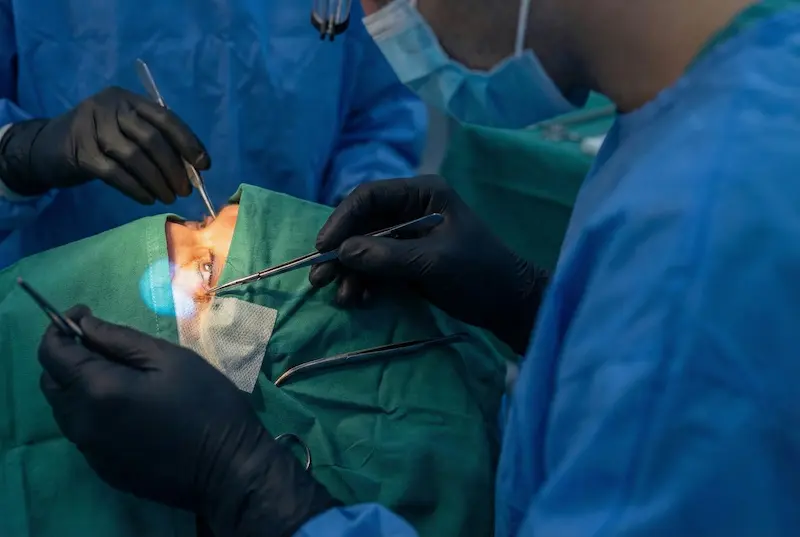
At AKM Clinic, international patients like Barbara, Sarah, and Dilek often arrive with the same questions you might have right now: “Is It Safe to Have Plastic Surgery in Turkey?”, “Is Turkey safe for plastic surgery if I travel alone?”, or “Is plastic surgery safe in Turkey when I have a medical history?”. Their stories illustrate what it looks like when those questions are answered with actions, not just promises.
Barbara’s story: from anxious traveler to confident AKM Clinic patient
Barbara came to Istanbul from abroad after years of considering facial rejuvenation. She describes herself as a demanding, highly informed patient who had researched both US and international options extensively. Like many “expert patients,” she was not easily impressed by marketing slogans such as “safe plastic surgery Turkey.” She wanted specific answers about risk, anesthesia, and recovery.
Before traveling, Barbara had several rounds of communication with the AKM team. She appreciated that:
- Her questions were answered directly by the surgeons, not only coordinators.
- Risks were explained realistically, without being minimized or dramatized.
- The clinic asked about her medical history and medications in detail, rather than simply trying to book a date.
Once in Istanbul, Barbara underwent a combination of procedures including an advanced facelift approach. She reports being surprised at how little pain and bruising she experienced and how closely she was monitored during the early days after surgery. The use of HBOT and LLLT was particularly memorable for her: she felt it contributed to a faster, more comfortable recovery and made her long flight home feel more manageable.
“I felt treated like a VIP patient, but in a very clinical, professional sense—not just as a ‘tourist package.’ I was nervous about whether plastic surgery in Turkey is safe, but the way they structured everything, I felt safer here than in some clinics I visited back home.”
Today, Barbara describes herself as looking “20 years younger” but still like herself. For her, the most important outcome was not only the aesthetic change, but the feeling that each step—from pre-op to remote follow-up—was designed around safety and respect.
Sarah’s experience: communication, transparency, and feeling safe in Istanbul
Sarah’s journey was shaped by a different kind of fear. She was less worried about the surgery itself and more concerned about being far from home, in a country where she did not speak the language, and relying on a team she had never met in person. Her main question was: “Is it safe to get plastic surgery in Turkey if I’m traveling without family?”
From the beginning, Sarah noticed that communication with AKM felt more like a series of detailed medical consultations than a sales process:
- She received clear written explanations of each step in the treatment plan, including what would happen if there were complications.
- The team provided practical guidance on flights, hotel options, and how many days she should stay post-op to keep the journey safe.
- She was encouraged to ask as many questions as she needed—about anesthesia, pain control, and even small logistical details.
In Istanbul, she was met at the airport, guided through pre-op testing, and never left to navigate hospital corridors alone. During her stay, she describes the nursing care as “calm, kind, and very precise.” The surgeons checked on her personally, adjusted her medications as needed, and gave her realistic expectations about swelling and bruising.
What mattered most to Sarah was that the clinic never claimed that surgery was “risk-free.” Instead, they showed her what they were doing at each step to make plastic surgery in Turkey safe for her as an individual—considering her age, health, and anxiety level. By the time she flew home, her biggest fear was no longer “is plastic surgery safe in Turkey?” but “why didn’t I do this sooner?”
How structured aftercare and remote follow-up reduce anxiety for US patients
Dilek, another patient with an international background, initially worried about what would happen after she left Istanbul. Like many US and European patients, she asked: “If something goes wrong later, who do I talk to? Is plastic surgery safe in Turkey if I don’t live there?”
What reassured her—and many others—was the clinic’s structured approach to aftercare and remote follow-up:
- Clear timeline: Before surgery, patients know exactly how many days of in-person follow-up they will receive and when each check will happen.
- Photo and video check-ins: Once back home, patients send regular photos and have video calls where surgeons review healing and give tailored advice.
- Access to the team: Patients have direct lines of communication to report any new symptoms, rather than being left alone with online searches and anxiety.
Dilek describes being “super, super, super satisfied” not only with her facelift and neck lift results but with the way she was guided through the entire process, from first email to final check-in. For her, the feeling that plastic surgery in Turkey is safe came as much from this ongoing relationship as from the operation itself.
These stories do not mean that every journey is perfect or that surgery becomes risk-free. But they illustrate what a safe, well-structured pathway looks like at a clinic that takes both medical safety and emotional safety seriously. When you hear patients like Barbara, Sarah, and Dilek describe their experiences, it becomes easier to see how the answer to “Is plastic surgery in Turkey safe?” can be a cautious but confident “yes”—provided you choose wisely and prepare thoughtfully.
In the final section of this guide, we will summarize the most common questions US patients ask—such as “Is It Safe to Have Plastic Surgery in Turkey?” and “Is Turkey safe for plastic surgery?”—and offer concise answers you can use when discussing your plans with family, friends, or your doctor at home.
Frequently Asked Questions (FAQ):
Is it actually safe for US citizens to have plastic surgery in Turkey?
Yes, it can be safe when you choose the right surgeon and clinic. Safety depends on proper medical screening, the surgeon’s training, the hospital’s standards, and staying in Istanbul long enough for early recovery and checks.
How can I verify if a clinic or surgeon in Turkey is legitimate and qualified?
Check the surgeon’s specialty (plastic surgery, facial plastic surgery, dermatosurgery), board certification, memberships in recognized societies, and the hospital’s Ministry of Health license and, ideally, international accreditation. Avoid clinics that hide surgeon names or credentials.
How long should I stay in Turkey after my plastic surgery to stay safe?
It varies by procedure, but many patients need 4–5 days for minor surgery and 5–6 days or more for rhinoplasty, or mommy makeovers. Very short suggested stays are a red flag for safety.
Is it safe to take a long-haul flight back to the US after surgery?
It is usually safe if your surgeon clears you, you wait the recommended number of days, move and stretch during the flight, stay hydrated, and follow any advice about compression garments or blood-thinning medication when indicated.
What happens if I develop a complication after I return home?
A safety-focused clinic offers structured remote follow-up (photos, video calls), clear guidance on when to see a local doctor or ER, and a transparent policy for revisions. Ask for this plan in writing before you book.
Are language barriers a real safety issue in Turkish hospitals and clinics?
They can be, but clinics that work with international patients usually provide English-speaking staff, English consent forms, and interpreters when needed. If you cannot clearly discuss your medical history in English, choose a different provider.
Do I need special travel or complication insurance for surgery in Turkey?
It’s not mandatory but often wise. Consider travel insurance for date changes and, if available, complication coverage. It doesn’t make surgery risk-free, but it can reduce financial stress if extra treatment is needed.
Can I safely combine tourism and recovery during my stay in Istanbul?
Yes, in moderation. Early days should focus on rest, short walks, follow-up visits, and any HBOT/LLLT sessions. Light sightseeing later in the stay is usually fine if your surgeon approves; surgery should remain the main priority.
How does AKM Clinic handle emergencies or the need for revision surgery?
AKM Clinic has clear protocols for urgent evaluation, access to partner hospitals, and structured remote follow-up. If a revision is needed, timing and indications are discussed individually, often after full healing.
What can I tell my family to reassure them that it is safe to travel to Turkey for surgery?
Explain that you chose a licensed, specialist-led clinic, verified surgeon credentials and hospital standards, have a defined pre-op and post-op plan, and know exactly how to reach the team and your local doctor if anything feels wrong.
Is plastic surgery in Turkey safer than in other popular medical tourism countries?
Safety depends less on the country and more on the specific clinic and surgeon. Many high-volume Istanbul centers offer safe plastic surgery in Turkey with strong regulation, similar or better than clinics in Mexico or Thailand, when you choose accredited hospitals and board-certified surgeons.
What makes AKM Clinic a safer choice for plastic surgery in Turkey?
AKM Clinic combines a dermatosurgeon and facial plastic surgeon team, advanced HBOT and LLLT technology, and strict pre-op screening. This integrated approach helps make plastic surgery in Turkey safe by reducing complications and supporting faster, healthier healing for US patients.
Am I too old to have safe plastic surgery in Turkey?
Age alone is not a strict limit. What matters is your overall health, medical clearance, and risk profile. A safety-focused clinic will review tests and medications, then decide if plastic surgery in Turkey is safe for you or suggest non-surgical options instead.
How can I personally reduce the risks of plastic surgery in Turkey?
You can improve safety by stopping smoking, optimizing chronic conditions, and following pre-op instructions. Sharing full medical records, choosing a vetted surgeon, and staying in Istanbul long enough for follow-up all help ensure your plastic surgery in Turkey is as safe as possible.
Medical Disclaimer: This content is for educational purposes only and does not replace medical advice, diagnosis, or treatment. Surgical options, anesthesia choices, risks, costs, and recovery vary by individual. Always consult a qualified, board-certified clinician for personalized guidance. If you have urgent symptoms, seek emergency care.