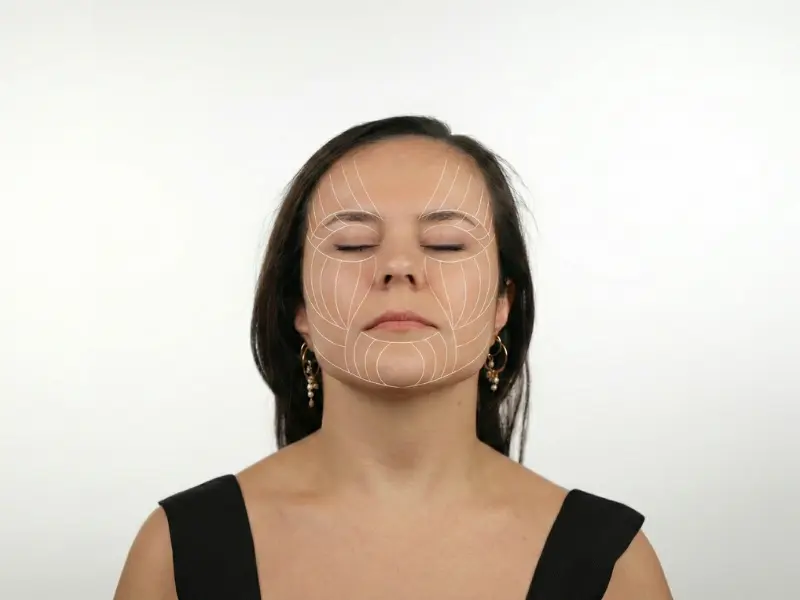

If you’re starting to explore awake facelift benefits, you’re probably looking for a way to look fresher and younger without the idea of “going under” full general anesthesia. Many patients from New York City, Los Angeles, Chicago, San Francisco are now traveling to Istanbul, Turkey, for awake facelift techniques that promise natural results, shorter recovery, and a more controlled experience in the operating room.
This guide walks you through what an awake facelift actually is, who it’s for, what it feels like, and how safe it really is. We’ll also look at before and after expectations, recovery timelines, and how the cost of an awake facelift in Turkey compares with prices back home. Throughout, we’ll highlight how clinics like AKM Clinic in Istanbul structure their awake facelift process for international patients who want clear information before they ever book a flight.
By the end, you’ll understand the most important awake facelift benefits, what “facelift while awake” means in real life, and how to decide whether this approach fits your goals, your health, and your comfort level.
Table of Contents
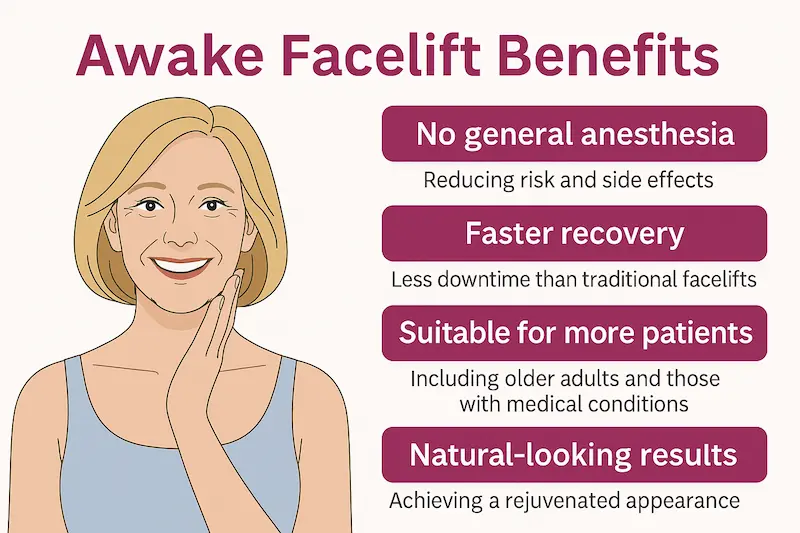
Understanding Awake Facelifts and Key Awake Facelift Benefits
Before you look at techniques like awake mini facelift or awake deep plane facelift, it helps to understand the basic concept. An awake facelift focuses on repositioning and tightening the deeper facial layers while you remain comfortably sedated, rather than fully asleep under general anesthesia. The goal is still the same as a traditional facelift—lifting sagging tissues, refining the jawline, and softening jowls—but with added advantages in comfort, control, and recovery that many patients now see as key awake facelift benefits.
What makes an awake facelift different from a traditional facelift?
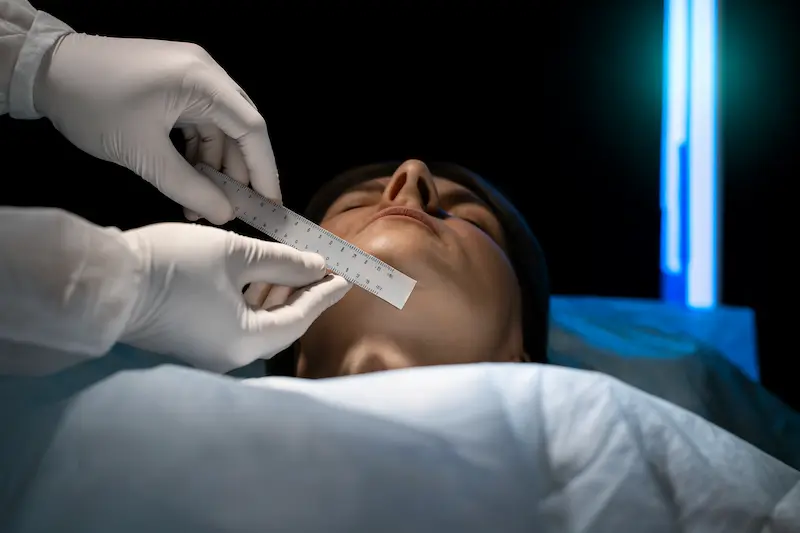
A traditional facelift is typically performed under general anesthesia. You’re fully asleep, a breathing tube is used, and your whole body is placed under deeper anesthetic control. An awake facelift, on the other hand, is usually done with local anesthesia and mild sedation. The face and neck are carefully numbed, and you’re kept relaxed and drowsy, but not fully unconscious.
From a medical perspective, the surgical steps can be very similar: the surgeon lifts and repositions deeper facial layers (such as in a deep plane or SMAS facelift), removes excess skin if needed, and refines the jawline and neck. The difference is primarily in how your body is anesthetized and how you experience the procedure.
For many patients, this approach feels more modern and less intimidating. They like knowing they can avoid full general anesthesia while still achieving the same level of lifting and contouring as a traditional facelift, especially in experienced hands.
Core awake facelift benefits for natural, refreshed results
When people talk about awake facelift benefits, they’re usually referring to a combination of medical and emotional advantages. Some of the most commonly cited benefits include:
- Avoiding full general anesthesia: For patients who are anxious about being fully “put under” or who have health concerns, staying awake but relaxed feels safer and more manageable.
- Less nausea and grogginess: Many patients report less post-op nausea, dizziness, or “hangover” feelings compared with general anesthesia.
- Potentially quicker initial recovery: Because your body doesn’t need to metabolize large doses of anesthetic drugs, you may feel more “yourself” sooner after surgery.
- Fine-tuning during surgery: In certain cases, surgeons can gently reposition your head or ask you to move facial muscles to better judge symmetry and tension while making adjustments.
- A greater sense of control: Knowing that you are awake (but comfortable) and breathing on your own can significantly reduce anxiety for some people.
In clinics that specialize in awake deep plane facelift and awake mini facelift techniques—such as AKM Clinic in Istanbul—these benefits are combined with advanced technology and careful monitoring so that the comfort and safety of the patient stay at the center of every decision.
Who typically chooses an awake facelift and why?
Patients who choose an awake facelift fall into a few common groups:
- Health-conscious patients: People with mild heart, lung, or metabolic concerns who want to minimize exposure to general anesthesia often find the awake facelift benefits especially appealing.
- Busy professionals: Those who want meaningful facial rejuvenation but need a smoother, faster early recovery phase to return to work and social life as soon as possible.
- Informed, research-driven patients: Many international patients who come to Turkey have spent months comparing techniques, surgeons, and safety records. They often choose an awake facelift because it aligns with their priorities: safety, natural results, and a transparent process.
- Patients seeking value without compromise: Travelers from the USA often discover that they can combine high-level awake facelift surgery in Istanbul with significantly lower costs than at home, without sacrificing quality.
If you recognize yourself in one or more of these profiles, learning more about awake mini facelift and awake deep plane facelift options is a logical next step before you decide on your final treatment plan.
What Does “Facelift While Awake” Really Mean?
The phrase “facelift while awake” can sound alarming at first, but in practice it usually means a calm, carefully controlled experience where you are sedated, comfortable, and protected. Instead of being fully unconscious with a breathing tube, you breathe on your own while your face is completely numbed. This approach aims to deliver the same aesthetic improvements as a traditional facelift, but with a different anesthetic strategy that many patients experience as one of the most reassuring awake facelift benefits.
How local anesthesia and light sedation keep you comfortable
“Facelift while awake” does not mean you are fully alert, chatting away, and feeling every step. In a properly managed awake facelift, your surgeon and anesthesiology team combine:
- Local anesthesia: A numbing solution is injected into specific areas of the face and neck so you don’t feel sharp pain.
- Light sedation: Small, carefully controlled doses of sedative medications help you feel calm, sleepy, and detached from what’s happening.
- Ongoing monitoring: Your heart rate, blood pressure, and oxygen levels are monitored throughout, just as in surgeries under general anesthesia.
Most patients describe the experience as feeling “dreamy” or “half asleep.” You may hear some conversation or feel gentle pressure, but not pain. This balance is a major part of the practical awake facelift benefits—you stay physiologically more stable while still being kept very comfortable.
Step-by-step: what happens during a facelift while awake
Every clinic has its own routine, but a typical awake facelift day in a center like AKM Clinic in Istanbul might look like this:
- Pre-op consultation and markings: Your surgeon reviews your plan, answers last-minute questions, and marks key lifting vectors on your face and neck.
- Arrival to the operating room: You lie down on a comfortable table, and monitoring devices are placed (blood pressure cuff, pulse oximeter, etc.).
- Sedation and local anesthesia: You are given mild sedatives through an IV, then the surgeon carefully injects local anesthetic into planned areas. Any stinging usually lasts only a short time.
- Surgical steps: Once everything is fully numb, the surgeon performs the lift—whether a mini facelift or deeper structural work like an awake deep plane facelift—repositioning tissue and securing it in a more youthful, natural position.
- Closing and dressing: Incisions are closed with fine sutures, and gentle bandaging or a soft facial garment is placed.
- Recovery room: You are monitored as the sedation wears off. Most patients can walk to the restroom, drink water, and communicate clearly sooner than after surgery under general anesthesia.
At AKM Clinic, international patients are typically escorted back to their hotel by a driver and accompanied by a patient coordinator who checks on them regularly—one of the underrated but very real awake facelift benefits when you’re far from home.
Patient experience: staying relaxed, calm, and in control
One of the biggest fears people have is, “Will I be scared if I’m awake?” In reality, most awake facelift patients report the opposite. Because the sedation is tailored to your body and anxiety level, you’re gently “blurred” from the experience while still breathing on your own and maintaining your basic reflexes.
Some patients lightly doze through the entire procedure. Others drift in and out, hearing fragments of conversation or feeling mild tugging or pressure—but not pain. Knowing that you’re not completely unconscious, and that the team can adjust your sedation in real time, often creates a deep sense of trust and control.
For many, that emotional reassurance is just as important as the physical awake facelift benefits. It’s not only about what the surgeon does with your tissues—it’s about how you feel during the journey, from the operating room in Istanbul all the way back to your life at home.
Types of Awake Facelifts: From Awake Mini Facelift to Awake Deep Plane Facelift
One of the biggest practical advantages of an awake facelift is how adaptable it is. Because the surgery is done with local anesthesia and light sedation instead of full general anesthesia, it can be tailored for a very wide range of patients and ages—from those with early, mild sagging to older patients with more advanced laxity. Techniques such as the awake mini facelift and the awake deep plane facelift allow the surgeon to match the intensity of the lift to the degree of sagging, so almost every patient type can be offered a customized facelift while awake solution when medically appropriate.
Awake mini facelift: subtle, lower-downtime rejuvenation
An awake mini facelift is usually designed for patients with mild to moderate jowls or early sagging along the jawline. The incisions are shorter, and the focus is on tightening and lifting the lower face rather than fully reshaping the neck or midface. Because the surgical work is more limited, bruising and swelling tend to be less intense, and many patients can return to daily life relatively quickly.
This option is a good fit for younger patients, busy professionals, or anyone who wants a noticeable but not dramatic change. Performed under local anesthesia with gentle sedation, the awake mini facelift keeps the body away from general anesthesia, shortening the “hangover” phase and offering many of the core awake facelift benefits in a lighter, faster format.
Awake deep plane facelift: advanced lifting for longer-lasting results
An awake deep plane facelift targets the deeper layers of the face, repositioning the SMAS and supporting ligaments rather than just tightening the skin. This can create a more powerful, longer-lasting rejuvenation, especially in the midface, jawline, and upper neck. It is frequently chosen by older patients or those with significant sagging who want a more transformative yet still natural look.
The fact that this more advanced technique can be performed while the patient is sedated but awake is a key advantage. With careful local anesthesia and monitoring, many patients—including some who might not be ideal candidates for general anesthesia—can safely undergo an awake deep plane facelift, gaining the benefits of a comprehensive lift without the physiological stress of being fully “put under.”
Choosing between a mini, standard, or deep plane facelift awake
Because the awake approach is so versatile, it can be considered for a broad spectrum of patients—from those with early, mild laxity to those with more severe sagging due to age or significant weight changes. Your surgeon will typically look at:
- Age and skin quality: Younger patients with good elasticity may do well with an awake mini facelift, while older patients or those with marked laxity may benefit more from an awake deep plane facelift.
- General health: Even patients with certain heart or medical conditions who cannot safely receive general anesthesia may still be candidates for an awake facelift under local anesthesia and sedation, after proper cardiology and anesthesia evaluation.
- Degree of sagging: Mild jowls may need a lighter procedure, while heavier jowls and neck bands often call for deeper lifting.
- Lifestyle and recovery goals: Some prioritize minimal downtime; others prefer maximum long-term improvement.
In this sense, one of the most important awake facelift benefits is simply how many different patient profiles it can safely accommodate, compared with procedures that must rely on general anesthesia.
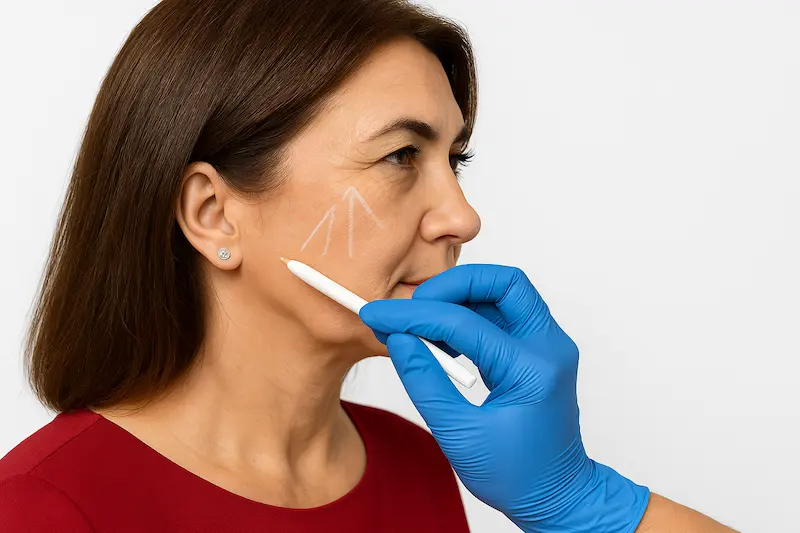
Awake Facelift Benefits vs Traditional Facelift Surgery
A common question is whether choosing a facelift awake means compromising on results compared with a traditional facelift under general anesthesia. In experienced hands, the lifting, tightening, and contouring can be just as effective. The main differences lie in how your body is anesthetized and how you feel during and after the procedure. For many patients—including those who are older or have medical issues—the combination of a strong aesthetic outcome plus a gentler anesthetic experience is where awake facelift benefits clearly stand out.
Comparing anesthesia: local anesthesia vs general anesthesia
Under general anesthesia, you are fully unconscious, often with a breathing tube placed. Your body needs to metabolize relatively strong anesthetic drugs, which can leave you groggy, nauseated, or “foggy” afterward. By contrast, a facelift while awake uses local anesthesia to numb the face and neck, combined with light IV sedation to keep you calm and sleepy.
For many patients, especially those who are older or have underlying heart or lung issues, avoiding full general anesthesia can:
- Reduce overall strain on the body during surgery.
- Lower the likelihood of anesthesia-related nausea or confusion.
- Help them wake up faster, walk sooner, and drink and eat more comfortably.
This shift away from general anesthesia is often described by patients as a major emotional and physical relief—one of the key awake facelift benefits that makes them finally feel ready to move forward with facial rejuvenation.
Recovery time, bruising, and swelling: how awake techniques can help
While bruising and swelling depend mainly on the extent of the surgical work, the way anesthesia is handled also affects how you experience the first days after surgery. Because an awake facelift does not rely on deep, prolonged general anesthesia, many patients:
- Feel more “clear-headed” within hours of the procedure.
- Get up and walk sooner, which supports circulation and comfort.
- Find it easier to manage simple tasks like eating, hydrating, and going to the bathroom, even on the first evening.
This gentler early phase can be especially important for international patients recovering in a hotel rather than at home. Overall, the combination of a strong lift with a smoother immediate recovery is another reason why many choose a facelift awake rather than a traditional approach under general anesthesia.
Scarring, longevity, and overall outcome quality
Incision placement, closure technique, and the depth of the lift determine scarring and longevity more than the type of anesthesia. With an awake facelift, your surgeon still uses well-hidden incisions around the ear and possibly within the hairline to keep scars discreet once healed. A deeper structural lift, such as an awake deep plane facelift, generally offers more durable results than a skin-only procedure.
From an anatomical point of view, performing the surgery while you are awake and sedated does not increase the risk of scarring or compromise the quality of the lift. On the contrary, it allows many patients to access advanced techniques who might otherwise avoid surgery altogether due to fear of general anesthesia—extending the real-world reach of awake facelift benefits across many more age groups and health profiles.
Pain Levels and Comfort: How Much Does an Awake Facelift Hurt?
Hearing that you’ll be “awake” naturally makes you wonder about pain. In reality, modern awake facelift protocols are designed so that you should not feel sharp pain during the operation itself, and post-operative discomfort is usually manageable with standard medication. Whether you are a younger patient seeking early rejuvenation or an older patient with more pronounced sagging, the combination of local anesthesia, sedation, and structured aftercare aims to keep your experience as comfortable as possible.
What most patients report feeling during an awake facelift
Once local anesthesia has fully taken effect, most patients describe:
- Feeling pressure or pulling sensations as tissues are repositioned.
- Hearing sounds or feeling vibrations from surgical instruments.
- Only brief stinging or discomfort during initial injections, which fades quickly.
Sedation makes many people drift in and out or even feel as though the entire operation passed in a blur. This applies across age groups—even older patients—because the medications are carefully titrated to keep you relaxed without the depth and after-effects of general anesthesia.
Pain control options before, during, and after surgery
Effective pain management starts before you enter the operating room and continues through your recovery:
- Before surgery: You may receive mild anti-anxiety or pain-relief medication to help you feel calm.
- During surgery: Local anesthetic solution is used to thoroughly numb the face and neck, while sedation is adjusted to your comfort level.
- After surgery: Oral painkillers, anti-inflammatory medications, and cold compresses are used to keep discomfort under control.
For many patients—including those who are older or have medical conditions—the fact that they can communicate discomfort in real time during an awake facelift is reassuring. This is another subtle but meaningful aspect of the overall awake facelift benefits.
Managing anxiety and expectations before a facelift while awake
Sometimes the fear of being awake is more intense than the physical sensation itself. This is why clear explanations and realistic expectations matter so much. Helpful steps include:
- Discussing your medical history, including heart or anesthesia issues, with your surgical and anesthesia team.
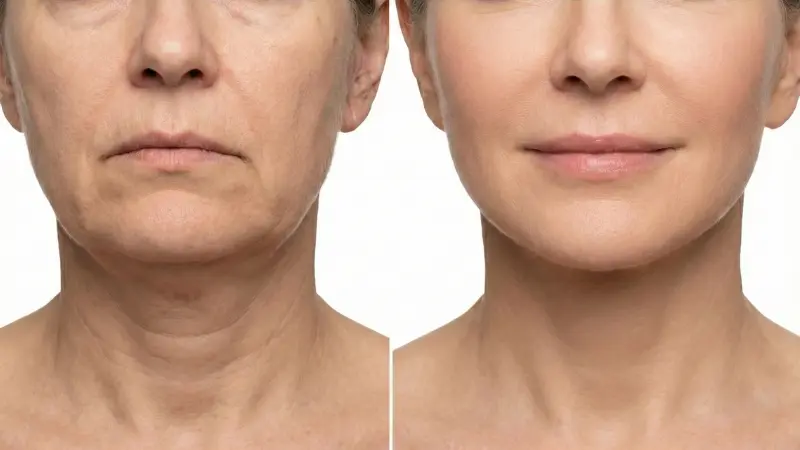
- Reviewing awake facelift before and after photos to see what can realistically be achieved in cases similar to yours.
- Clarifying how sedation works so you understand that “awake” does not mean fully alert and unmedicated.
When you know what to expect, it becomes easier to focus on the long-term awake facelift benefits—a refreshed face, a smoother recovery, and a procedure tailored to your age and health status—rather than on fears about pain or awareness.
Safety Profile: How Safe Is an Awake Facelift?
Safety is a major reason many patients and surgeons favor awake techniques. Because the procedure uses local anesthesia and light sedation instead of full general anesthesia, it can often be considered for a broader range of ages and health profiles—including some patients with heart conditions who cannot safely undergo general anesthesia. At the same time, it remains a real surgical procedure, so risks must be thoroughly assessed and explained on an individual basis.
Why avoiding full general anesthesia can be an advantage
For suitable patients, steering clear of general anesthesia can provide several important safety and comfort advantages:
- Less cardiovascular and respiratory stress, which is especially relevant for patients with certain heart or lung conditions.
- No need for a breathing tube, as you continue to breathe on your own.
- Lower doses of anesthetic medications overall, which can translate into clearer thinking and faster early recovery.
For some people who have been told they should avoid general anesthesia, this is the key that finally makes facial rejuvenation possible. In that sense, one of the strongest awake facelift benefits is that it opens the door to effective treatment for patients who might otherwise feel excluded from surgery.
Potential risks and complications of awake facelift surgery
Even with its favorable profile, an awake facelift still carries the usual surgical risks, such as:
- Bleeding or hematoma (a collection of blood beneath the skin).
- Infection, which is generally rare and manageable with prompt treatment.
- Temporary numbness, tightness, or altered sensation in treated areas.
- Asymmetry or contour irregularities that may need time to settle or, rarely, minor revision.
- Very rare nerve injury affecting facial movement or expression.
Although the technique and careful dissection are designed to protect the facial nerves as much as possible, no surgical procedure can reduce the risk to absolutely zero. However, in skilled hands and with modern awake facelift methods, the risk is typically very low, and meticulous planning further supports nerve safety.
Safety protocols and monitoring used at modern clinics
Specialized clinics that perform awake facelifts regularly use structured safety protocols to protect patients of different ages and health backgrounds. These usually include:
- Pre-operative medical assessment, sometimes including cardiology clearance for patients with heart disease.
- Continuous monitoring of vital signs (heart rate, blood pressure, oxygen saturation) throughout the procedure.
- Availability of experienced anesthesia providers who focus solely on your comfort and safety.
- Clear plans for aftercare, follow-up visits, and emergency contact, especially important for international patients.
When these medical safeguards are combined with the inherent anesthetic advantages of a facelift awake, many patients feel more confident choosing an awake facelift—knowing they can benefit from high-level facial rejuvenation while minimizing exposure to general anesthesia and supporting a smoother, more predictable recovery.
Awake Facelift Before and After: Expected Results and Timelines
When you look at awake facelift before and after photos, it is easy to focus only on the final result. In reality, every transformation is a healing journey that passes through stages of swelling, bruising, and gradual refinement. Whether you choose an awake mini facelift or an awake deep plane facelift, understanding this timeline helps you evaluate your own progress more calmly and realistically and appreciate the long-term awake facelift benefits.
What you can realistically expect immediately after surgery
Right after an awake facelift, it is completely normal for the face and neck to feel tight, firm, and swollen. Most patients will have a bandage or a soft facial garment in place, and the first look in the mirror often shows more puffiness than they expected. However, because local anesthesia and light sedation are used instead of general anesthesia, many people are pleasantly surprised by how clear and awake they feel soon after surgery. They can usually drink water, walk carefully, and communicate with the team or their companion.
During these first days, most patients describe pressure or fullness rather than sharp pain. One of the practical awake facelift benefits at this stage is that your body is not struggling to clear strong general anesthetic drugs, so the early recovery period often feels more controlled and comfortable.
Awake facelift before and after milestones: 1 week, 1 month, 6 months
Everyone heals at their own pace, but many awake facelift patients follow a similar pattern:
- 1 week: Swelling and bruising peak in the first few days, then stabilize and slowly begin to fade. Stitches are removed or checked according to your surgeon’s routine. The face still looks swollen and feels tight, so it is far too early to judge the final result.
- 1 month: The majority of bruising has resolved. Swelling continues to decline, and you start to see a sharper jawline and smoother neck. People around you may say you look more rested or healthier, often without knowing you had surgery.
- 6 months and beyond: Tissues soften, expressions look completely natural, and scars continue to mature and fade. This is the stage that most awake facelift before and after photos represent, because it shows the stable, long-term outcome.
Regardless of whether you had an awake mini facelift or an awake deep plane facelift, your surgeon should guide you through these stages, explain what is normal, and help you understand how your personal before and after journey will unfold.
How lifestyle, skin quality, and technique affect your final results
Even a beautifully planned surgery is influenced by your tissue quality and lifestyle. Key factors include:
- Skin quality: Thicker, healthier, more elastic skin generally supports more defined and longer-lasting results.
- Technique: A deep-plane or SMAS-based awake facelift, which repositions deeper structures instead of only tightening the skin, tends to age more gracefully than surface-only lifting.
- Lifestyle: Smoking, heavy sun exposure, frequent weight fluctuations, poor sleep, and high stress can accelerate aging and shorten how long your results stay at their best.
- Age and overall health: Advanced age or more severe sagging does not rule out an awake facelift, but often calls for a more comprehensive technique and a carefully tailored plan.
Your surgeon will consider all of these elements when discussing realistic awake facelift before and after expectations and choosing the technique that can offer you the most meaningful awake facelift benefits.
Recovery, Downtime, and Aftercare Following an Awake Facelift
Recovery after an awake facelift is still recovery from real surgery, but the way you feel in the early phase is often noticeably smoother because you have avoided general anesthesia. For many patients—especially those who are older or worried about anesthesia—this gentler early period is one of the most important awake facelift benefits. Good aftercare from the clinic and careful self-care in your hotel or at home are what turn a technically successful surgery into a genuinely comfortable experience.
Typical recovery timeline for awake mini and deep plane facelifts
While every plan is individualized, a typical recovery timeline might look like this:
- Days 1–3: Swelling and bruising increase and then plateau. Keeping your head elevated, using cold compresses if recommended, and taking medications on schedule are crucial. Discomfort is usually described as tightness or heaviness rather than intense pain.
- Days 4–7: Swelling begins to shift and gradually decrease. Many patients feel ready for gentle walking, light tasks, and short sessions on the computer.
- Weeks 2–3: Most people feel comfortable returning to desk work and low-intensity daily activities. There may still be mild stiffness and residual swelling, but the overall look is much more natural.
- Weeks 4–6 and beyond: With your surgeon’s approval, exercise and more demanding activities can be reintroduced step by step. Facial contours become increasingly refined, revealing the true impact of your awake facelift.
Because you are not recovering from deep general anesthesia, many patients—across a wide range of ages—report feeling less drained and more “themselves” during these phases, which enhances the day-to-day value of their awake facelift benefits.
Swelling, bruising, and when you can return to work or social life
Most awake facelift patients can resume light work or remote duties around 7–10 days after surgery, depending on how visible they are on camera and how comfortable they feel with a small amount of swelling. For in-person, high-visibility work or important social events, many people prefer to allow 2–3 weeks or more.
For international patients, surgeons usually schedule several post-operative checks in the first days to monitor healing and make sure you are safe to fly home. Once you return, swelling continues to decrease, and your friends and colleagues will typically see your “public” result a few weeks later, not immediately after your trip.
Essential aftercare tips to protect your awake facelift benefits
The quality of your aftercare plays a big role in how you feel and how your results mature. Common recommendations include:
- Sleeping with your head elevated on extra pillows for the first days or weeks.
- Avoiding heavy lifting, bending forward, or intense workouts until your surgeon clears you.
- Not smoking and limiting alcohol to support circulation and healing.
- Protecting scars from the sun once the skin has fully closed, using hats and high-SPF sunscreen.
- Attending all follow-up appointments and following your wound-care instructions carefully.
At AKM Clinic, standard aftercare is often complemented with technologies such as Hyperbaric Oxygen Therapy (HBOT) and Low-Level Laser Therapy (LLLT) in suitable patients. These tools are used to support tissue oxygenation, reduce swelling, and improve scar quality, helping you enjoy smoother recovery and longer-lasting awake facelift benefits.
Awake Facelift Cost in Turkey vs the USA
When planning an awake facelift, cost is naturally part of the conversation. Istanbul, and Turkey in general, attract many international patients because they combine skilled surgeons and modern clinical standards with more accessible pricing than many Western countries. For some patients, the total cost of an awake facelift package in Turkey—including surgery, hotel, and transfers—can be similar to or even lower than the surgical fee alone in their home country.
What affects awake facelift cost (technique, surgeon, clinic, city)
Several main factors influence your awake facelift cost:
- Technique: A more limited awake mini facelift generally costs less than a comprehensive awake deep plane facelift, which requires more time and advanced dissection.
- Surgeon’s experience: Surgeons who focus heavily on facial surgery and have extensive experience with awake and deep-plane techniques typically charge fees that reflect that specialization.
- Clinic infrastructure: Modern operating theaters, access to technologies like HBOT and LLLT, and a dedicated international patient team are part of the overall package.
- What the package includes: Some offers bundle pre-op tests, surgery, post-op visits, medications, hotel, and private transfers into one clear price.
For that reason, it is more meaningful to compare what you receive for the price—surgeon expertise, technique, safety standards, and support—rather than looking at the number alone.
Average Awake Facelift Cost in Istanbul Compared with the US
Exact figures must always be personalized after a consultation, but a consistent pattern is that a high-standard awake facelift in Istanbul usually costs substantially less than a comparable procedure in New York City , Los Angeles, Chicago, San Francisco, Seattle. In some cases, even after adding flights and accommodation, the total investment remains lower than having the same level of facelift done at home.
Package options for international patients: combining surgery and travel
Many international patients prefer clear, all-in-one pricing. Awake facelift packages in Istanbul often include:
- Online pre-assessment and surgical planning,
- Required blood tests and anesthesia evaluation,
- Surgery under local anesthesia with sedation, operating room and materials,
- Post-operative visits, dressings, and basic medications,
- Private transfers between airport, hotel, and clinic,
- A set number of hotel nights.
This structure allows you to focus on your health and recovery rather than worrying about every logistical detail, and it makes your overall awake facelift benefits easier to understand and plan for.
Why Many International Patients Choose Istanbul and AKM Clinic for Awake Facelifts
Istanbul has become a major destination for facial aesthetic surgery, including awake facelift techniques. High case volumes, experienced surgeons, and modern infrastructure give patients from the USA and beyond a wide range of options. Within this environment, AKM Clinic stands out with its focus on the face and neck, technology-supported recovery, and structured support for international patients.
Surgeon expertise and technology used for awake facelifts at AKM Clinic
At AKM Clinic, awake facelifts are performed by surgeons who concentrate on facial and neck surgery and are experienced with deep-plane lifting and combined rejuvenation procedures. Their goal is to bring together the anatomical advantages of advanced techniques with the anesthetic and recovery-related awake facelift benefits.
The clinic also integrates supportive technologies into the care pathway where appropriate. Hyperbaric Oxygen Therapy (HBOT), Low-Level Laser Therapy (LLLT), and modern scar-care protocols are used to help optimize healing, reduce swelling, and improve the quality of scars after awake facelift surgery.
How AKM Clinic supports international patients before and after travel
For a patient traveling from another country, the quality of the surgery and the quality of the organization are equally important. AKM Clinic typically supports international patients with:
- Photo-based and medical-history-based pre-evaluation,
- A clear written treatment plan and transparent pricing,
- English-speaking coordinators for continuous communication,
- Planned in-person follow-up visits in Istanbul and remote check-ins after you return home.
This approach makes the awake facelift journey more predictable and easier to manage, even for patients who are older or have medical conditions and want to feel fully supported at every step.
Real patient journeys: choosing an awake facelift in Turkey with AKM Clinic
When you look at patient stories from different countries, common themes often appear: feeling more comfortable during surgery than expected, appreciating the avoidance of general anesthesia, and hearing feedback from friends and family that they look refreshed, not “overdone.” Many people who had postponed face surgery for years because of anesthesia fears finally move forward once they understand the awake facelift option and its benefits.
Is an Awake Facelift Right for You?
Because the awake technique is flexible and can be adapted to a wide range of ages and health profiles, it can be considered for many patients. However, like any surgery, the only way to know whether it is truly right for you is through a detailed medical assessment and facial analysis. Your goals, health status, and available downtime are all weighed together to design a safe, effective plan.
Ideal candidates for an awake facelift vs other facial procedures
You may be a good candidate for an awake facelift if:
- You have visible sagging along the jawline, cheeks, or neck that cannot be corrected with fillers or devices alone.
- You are looking for a long-lasting, structural improvement rather than a short-term fix.
- You prefer to avoid general anesthesia or have medical reasons to consider a lighter anesthetic approach.
- You are willing to follow aftercare instructions and allow time for recovery.
If your main concerns are very early aging changes or are limited to specific areas like the eyelids or brows, your surgeon may suggest a different procedure or combination of procedures instead of, or in addition to, an awake facelift.
When an awake deep plane facelift is recommended over a mini facelift
An awake deep plane facelift is usually recommended when:
- There is more advanced sagging in the midface, lower face, and neck,
- You want a comprehensive rejuvenation with stronger, longer-lasting support,
- You are prepared for a more involved surgery and a slightly longer recovery in exchange for a more dramatic change.
By contrast, an awake mini facelift is often ideal for younger patients or those with more localized laxity. It can provide satisfying improvement with a lighter procedure and quicker recovery. The final decision is based on in-person examination or detailed photo analysis and a clear discussion of your expectations.
Questions to ask your surgeon during a facelift awake consultation
Asking the right questions during your consultation helps you make a confident decision. Examples include:
- Are you recommending a mini facelift, a deep plane facelift, or a combined approach for me, and why?
- How many awake facelifts do you perform each year, and can I see before and after photos of patients similar to me?
- What is the expected recovery timeline in my specific case?
- What type of sedation and monitoring will you use during the procedure?
- How will my follow-up be managed once I go back to my home country?
Clear, detailed, and realistic answers to these questions will help you understand the true awake facelift benefits in your situation and whether the clinic’s approach matches your needs and comfort level.
Frequently Asked Questions About Awake Facelift Benefits, Pain Levels, and Safety
Patients who are considering a facelift while awake tend to ask similar questions, no matter where they live. Honest, straightforward answers make it much easier to decide whether this technique—and a trip to Istanbul—are right for you.
Is an awake facelift really less painful than a traditional facelift?
During surgery, both awake and traditional facelifts rely on thorough local anesthesia to prevent sharp pain. The difference is in how you feel afterward. Because an awake facelift avoids deep general anesthesia, many patients experience less nausea, less dizziness, and less “foggy” confusion. Normal tightness and mild soreness are still expected, but the overall experience often feels easier and more controlled.
How long do awake facelift benefits typically last?
When deeper structures are lifted and supported—especially with an awake deep plane facelift—results can last for many years. Aging continues, but you generally maintain a younger and more refreshed version of yourself compared to how you would look without surgery. Factors such as skin quality, lifestyle, and sun exposure also influence longevity.
What is the difference between an awake mini facelift and an awake deep plane facelift?
An awake mini facelift is focused on the lower face and uses shorter incisions and more limited repositioning, making it ideal for mild to moderate sagging and a quicker recovery. An awake deep plane facelift addresses deeper tissues in the midface, jawline, and neck, offering a more comprehensive and long-lasting change. Both are performed under local anesthesia with sedation—the key difference is the scope of the surgery.
Can I see awake facelift before and after photos that match my age and concerns?
Yes. During a proper consultation, you should always be able to see before and after photos of patients who are similar to you in age, skin type, and degree of sagging. This gives you a realistic idea of what awake facelift benefits might look like in your own case.
Is a facelift while awake safe for patients with medical conditions?
For many patients with controlled medical conditions—even some with heart or anesthesia-related concerns—an awake facelift using local anesthesia and light sedation can be a safer alternative to general anesthesia. However, this must be confirmed through detailed medical evaluation, and sometimes consultation with your cardiologist or other specialists. The goal is always to protect both your overall health and your cosmetic outcome.
How much does an awake facelift cost in Istanbul compared with my home country?
While exact costs are individualized, many patients find that having an awake facelift in Istanbul is significantly more affordable than undergoing a comparable procedure at home, even after adding travel and accommodation expenses. The most accurate information will come after a personalized assessment and a clear, written quote from the clinic.
How soon can I fly back home after an awake facelift in Turkey?
The timing of your return flight depends on the scope of your surgery, your general health, and your surgeon’s protocol. Most clinics prefer that you stay in Istanbul for several days so they can perform early check-ups, monitor healing, and ensure you are fit to fly. The safest plan is to set travel dates together with your surgeon.
Will I be fully aware of everything during a facelift awake procedure?
No. Although you are not under deep general anesthesia, you are sedated. Most patients feel drowsy, relaxed, and disconnected from the details of the procedure, and many remember only going into and coming out of the operating room. You remain at a level where you can communicate if needed, which some people find reassuring.
How do I choose the right clinic and surgeon for an awake facelift in Turkey?
Look for a clinic that focuses on facial and neck surgery, has significant experience with awake and deep-plane techniques, and is open about credentials, results, and safety protocols. A good team will welcome your questions, give clear and realistic answers, and explain how they handle follow-up and emergencies for international patients.
What can I do to maintain my awake facelift results for as long as possible?
To extend your results, protect your skin from the sun, avoid smoking, maintain a stable weight, prioritize good sleep and nutrition, and follow a medical-grade skincare routine. Periodic non-surgical treatments—such as injectables, lasers, or professional skincare—as recommended by your surgeon can also help you maintain your awake facelift benefits for many years.