



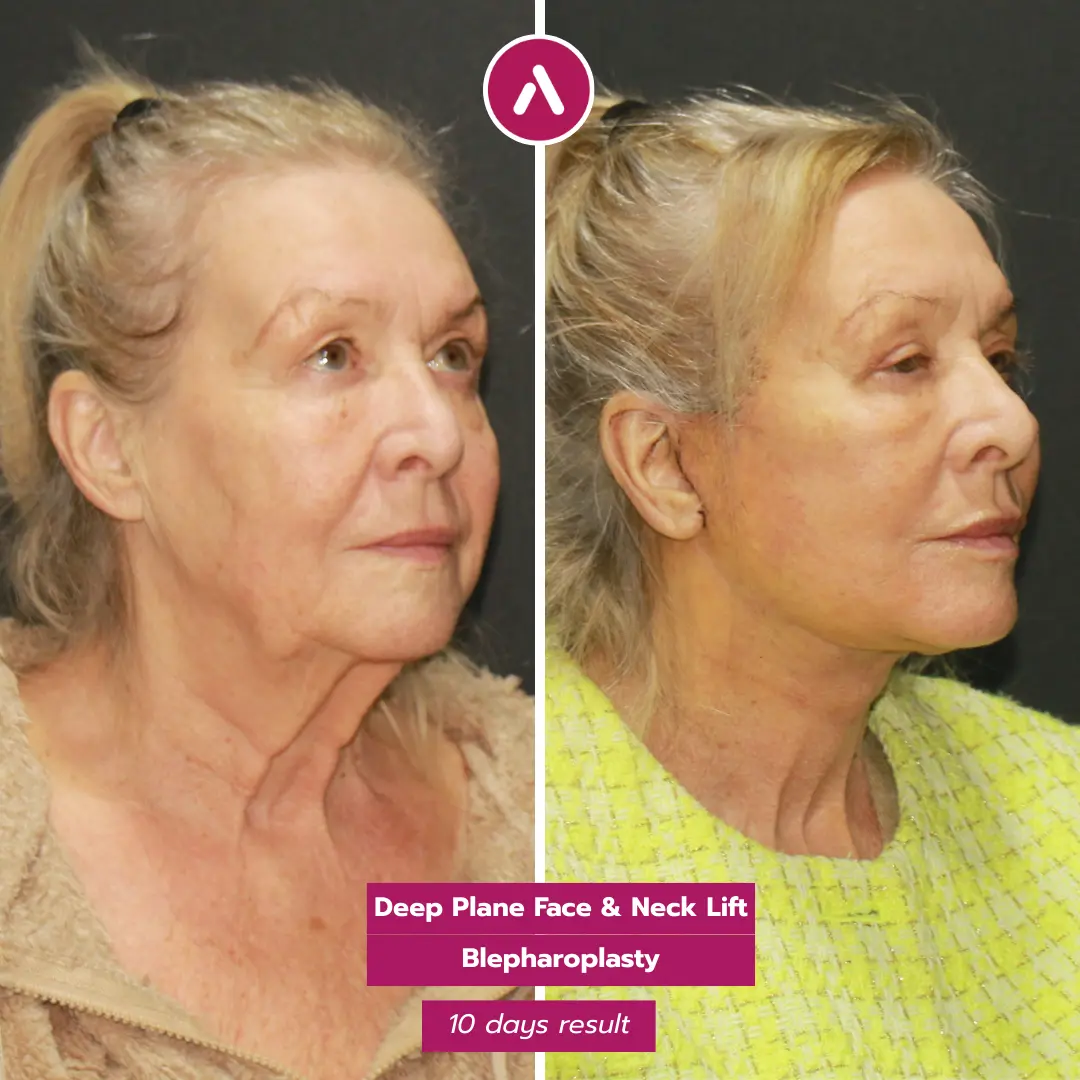
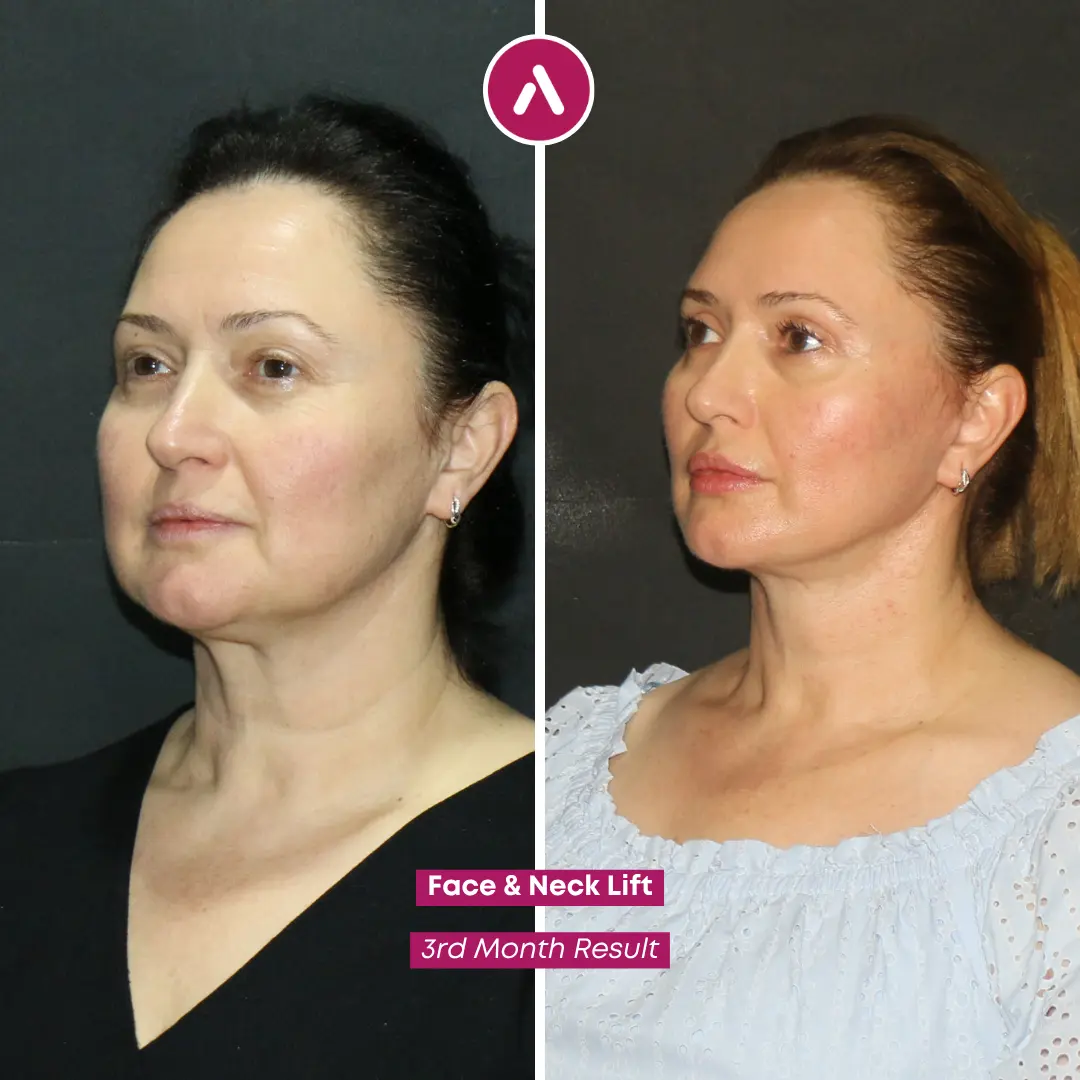
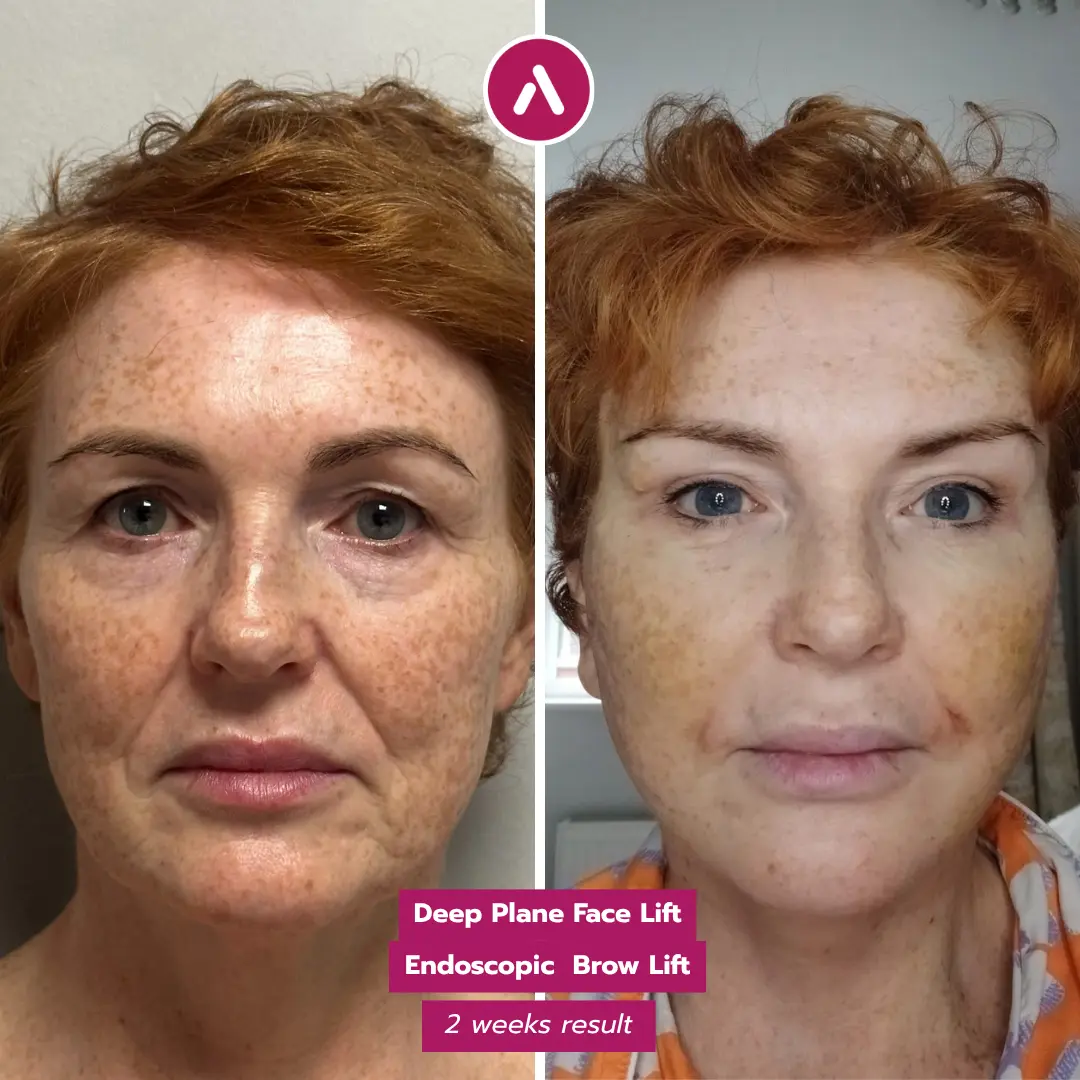
A facelift (also called a rhytidectomy) is a surgical procedure designed to restore a more youthful facial contour by addressing age-related descent of deeper tissues—not simply by “tightening skin.” For the expert patient, the most useful way to think about a facelift is as a structural repositioning procedure: it re-suspends facial support layers that have shifted over time, then re-drapes skin with minimal tension to create a refreshed, natural result.
This guide explains what a facelift actually treats, the facial anatomy that determines technique choice (Deep Plane vs SMAS and others), what recovery looks like day-by-day, how scars typically heal, and how to evaluate safety and value when comparing options. It is educational in nature and does not replace an in-person medical consultation.
Table of Contents
What a Facelift Really Treats
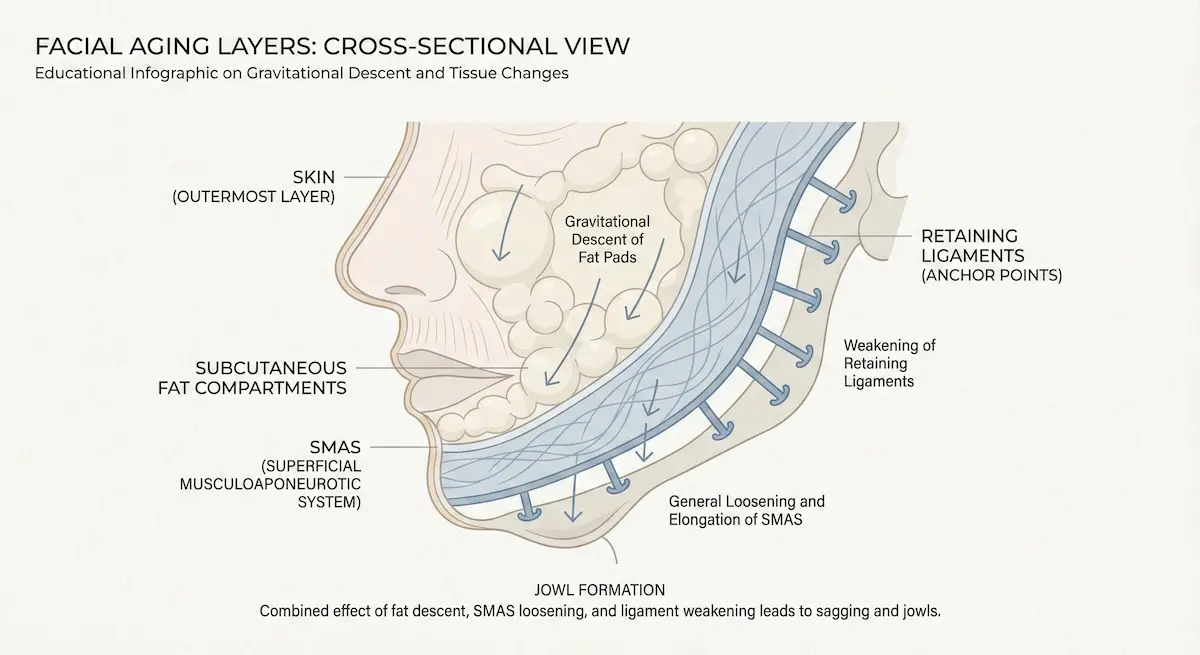
Most “looking older” changes are not caused by loose skin alone. The face ages in layers: fat compartments descend, retaining ligaments loosen, the jawline blurs, and the neck often becomes less defined. A well-planned facelift targets these structural changes. The goal is rejuvenation without distortion—meaning you should look like yourself, just more rested and refined.
What a facelift can and can’t fix
A facelift can improve:
- Jowls and jawline blurring: soft tissue descent along the lower face that creates heaviness at the jaw.
- Midface descent: flattening of the cheeks and deepening of folds as midface support shifts downward.
- Neck laxity (in many cases): especially when combined with neck-focused techniques (often referred to as a neck lift).
- General facial “tiredness”: caused by tissue droop rather than surface wrinkles alone.
A facelift does not primarily treat:
- Skin texture issues: fine lines from sun damage, enlarged pores, and crepey texture typically respond better to resurfacing (laser, chemical peels) or skincare-based regimens.
- Dynamic wrinkles: lines caused by muscle movement (like crow’s feet) may respond better to neuromodulators.
- Volume loss alone: if the main issue is deflation rather than descent, a combination approach (fat grafting or carefully selected fillers) may be more appropriate than lifting alone.
Facelift vs fillers, threads, and “liquid facelift”
Non-surgical options can be helpful—especially for early aging or very targeted concerns—but they have limitations. Fillers can restore volume and camouflage mild contour changes, but they do not reliably correct true tissue descent. Threads may create short-term tightening in selected candidates; however, their ability to re-suspend deeper facial structures is limited compared with surgery.
For many expert patients, the decision point is this: if you have visible jowling, meaningful neck laxity, or significant soft-tissue descent, a surgical facelift is often the most predictable path to a long-lasting, natural result. Non-surgical options may still have a role before or after surgery, but they should be positioned as adjuncts—not replacements—when structural aging is the primary driver.
What outcomes matter most (and how to define “natural”)
High-quality facelift planning is outcome-driven. Most patients prioritize these four metrics:
- Natural appearance: no “pulled” mouth corners, no over-tightened skin, no unnatural hairline shift.
- Scar discretion: incisions should be designed to hide within natural creases and hair-bearing areas when feasible.
- Downtime clarity: realistic expectations for swelling, bruising, numbness, and the social “return timeline.”
- Longevity: durability depends on technique, tissue quality, lifestyle factors, and whether the neck was adequately addressed.
“Natural” does not mean “no change.” It means the change looks anatomically believable: a cleaner jawline, a smoother transition from cheek to jaw, and a neck that matches the face—without tension cues that signal surgery.
Facial Aging Anatomy: Why Technique Matters
Technique choice is not about trends—it’s about anatomy. The face has multiple layers that behave differently with age. When a procedure targets the correct layer for your specific pattern of aging, results tend to look more natural and last longer. When the wrong layer is targeted (for example, relying mostly on skin tension), the risk of a “worked-on” look increases and longevity may suffer.
Skin vs SMAS vs deeper planes
At a high level, think of the face as a layered system:
- Skin: the outer covering; it stretches over time and shows photodamage.
- Subcutaneous fat compartments: areas that can descend or deflate, changing facial shape.
- SMAS (Superficial Musculoaponeurotic System): a fibromuscular layer that connects facial expression muscles to the overlying tissues and plays a central role in lifting techniques.
- Retaining ligaments: “anchoring points” that define where the face holds and where it sags.
Modern facelift concepts focus on repositioning support layers (often involving the SMAS and/or deeper planes) and then re-draping the skin with minimal tension. This is a key reason why advanced techniques can create a refreshed look without obvious tightness.
Why “pulled” results happen
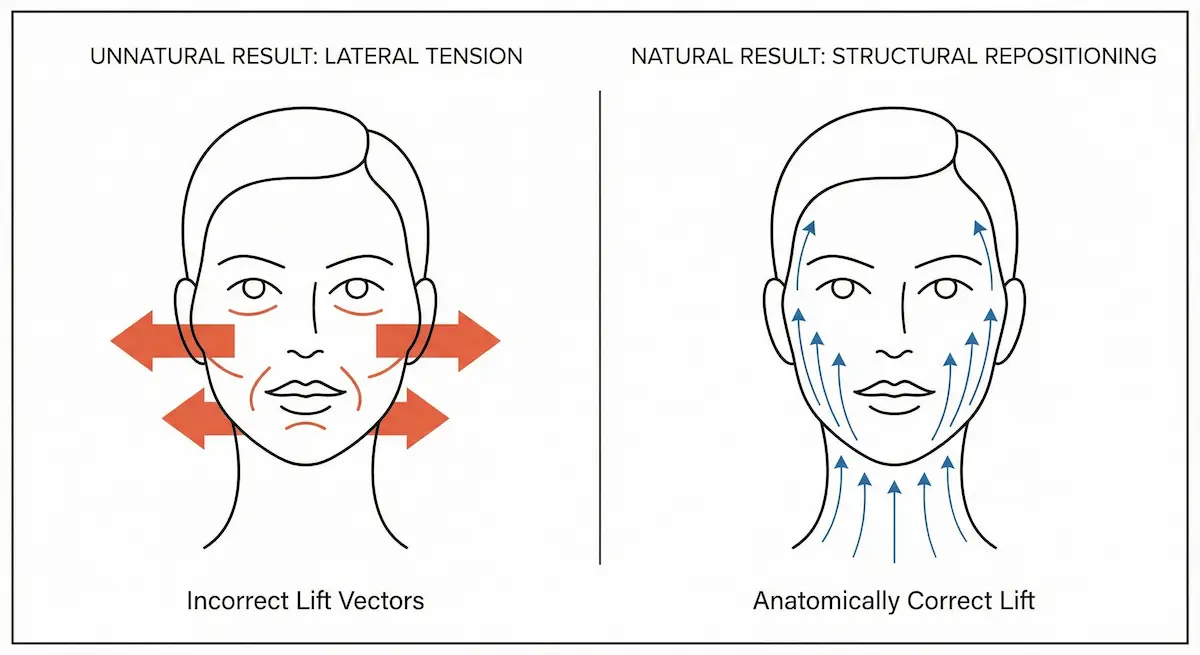
A common fear among expert patients is looking “overdone.” This typically happens when excessive tension is placed on skin rather than correctly mobilizing and re-suspending deeper tissues. Other contributors can include an overly lateral (sideways) pull, poor incision planning, and inadequate neck correction that leaves facial lifting looking mismatched.
Natural-looking lifting generally relies on appropriate vectors (direction of lift) and a tension strategy that prioritizes deeper support rather than surface tightness.
The neck connection (and why it often needs its own plan)
The face and neck age together. If the lower face is lifted but the neck is not appropriately addressed, the overall result can look incomplete. Neck aging may involve skin laxity, platysma banding, submental fullness, or a weakened cervicomental angle (the angle between the chin and neck). In many candidates, adding a neck-focused component is what transforms a “nice improvement” into a truly harmonious rejuvenation.
Later in this guide, we’ll cover when a combined facelift + neck lift approach is appropriate and how it affects recovery and final contour.
Who Is a Good Candidate?
Candidacy is not defined by age alone. The best candidates are those with tissue descent that matches what a lifting procedure is designed to correct, plus the overall health profile needed for safe surgery and predictable healing. A thoughtful consultation aligns anatomy, goals, and risk tolerance—then selects the technique that best fits your facial structure and priorities.
Ideal candidate profile
- Visible jowling and jawline blurring that does not improve meaningfully with non-surgical options.
- Lower face and/or neck laxity that creates heaviness or poor definition.
- Realistic expectations about swelling, scar maturation, and the time it takes for tissues to “settle.”
- Willingness to follow aftercare instructions (activity restriction, scar care, follow-up plan).
Who should wait or avoid surgery
- Uncontrolled medical conditions that increase surgical risk.
- Active smoking or nicotine use that compromises circulation and wound healing.
- Unrealistic expectations (for example, expecting a facelift to replicate a filtered image or dramatically change identity).
- Inability to commit to recovery (work, caretaking, or travel constraints that prevent proper rest and follow-up).
Pre-op evaluation: what to expect
A high-quality pre-operative process typically includes a detailed facial assessment, photographic analysis, discussion of technique options, and a health review to identify risk factors. For the expert patient, the goal is clarity: what will be improved, what will not, what the scar strategy is, and what the recovery timeline realistically looks like for your lifestyle.
Types of Facelift
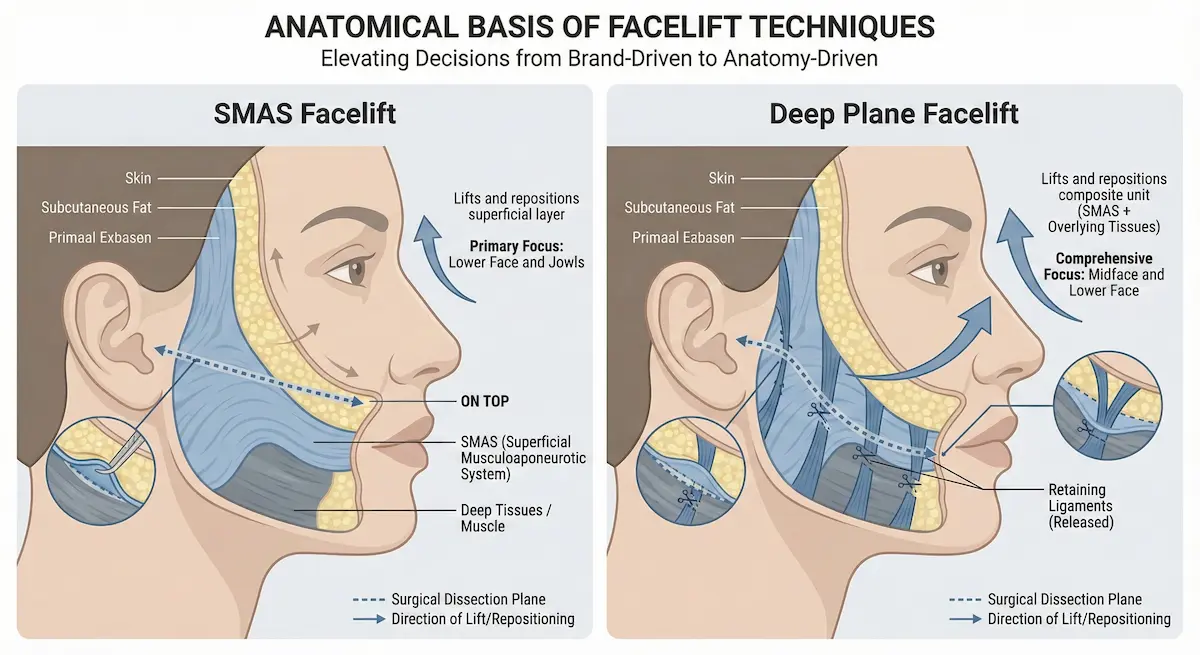
“Facelift” is an umbrella term that covers several surgical approaches. The key differences are not marketing labels—they’re about which anatomical layer is lifted, how much the tissues are mobilized, and how the vectors of lift are controlled. Those choices influence naturalness, longevity, scar placement strategy, and downtime. Below is a practical, anatomy-based overview of the most commonly discussed facelift types.
Deep Plane Facelift
A deep plane facelift is designed to reposition descended facial tissues by working in a deeper anatomical plane. In properly selected candidates, this approach can deliver a powerful yet natural rejuvenation because it targets structural descent rather than relying on skin tension.
From an outcomes standpoint, deep plane techniques are often discussed for patients with:
- More pronounced midface descent (flattened cheeks, deeper folds related to tissue drop).
- Heavier lower face with visible jowling.
- A desire for a very natural look (minimal “tightness cues”), when performed with appropriate vectors and conservative skin tension.
Important nuance for the expert patient: “deep plane” should not be treated as a guarantee of superiority. It is a tool. The best results come from correct candidate selection, a surgeon’s ability to control dissection safely, and a plan that harmonizes the neck with the face.
SMAS Facelift
SMAS-based techniques manipulate the superficial musculoaponeurotic system to improve the lower face and jawline. Many modern SMAS approaches can produce excellent, natural results—especially in patients whose primary concerns are lower-face laxity and early-to-moderate jowling.
In general terms, SMAS lifting may be a strong fit when:
- Lower-face aging is the main issue and midface descent is modest.
- There’s a preference for a more conservative dissection while still addressing support layers (not just skin).
- Neck correction is planned appropriately (because the neck is often the “make-or-break” for harmony).
Just like deep plane procedures, SMAS lifting has multiple variations. When comparing surgeons or treatment plans, focus less on the label and more on what layer is being repositioned, how the neck is treated, and how skin tension is managed to avoid an over-pulled appearance.
Mini Facelift and Short-Scar Concepts
Mini facelifts and short-scar approaches generally aim to improve early aging changes—most commonly mild jowling—through a more limited lift. These techniques can be appropriate for carefully selected candidates, but they are not “small facelifts that do big facelift things.” Their trade-offs are real.
Common strengths and limitations include:
- Strength: less extensive surgery can mean a quicker early recovery for some patients.
- Limitation: less tissue mobilization may reduce impact on the neck and midface.
- Limitation: if the neck is a major concern, a “mini” approach alone may under-deliver.
For expert patients, the most important question is not “Do I want a mini facelift?” but “Is my anatomical aging pattern limited enough that a smaller lift will still look complete and natural?” If not, a larger procedure may actually be more efficient in the long run.
“Ponytail,” “Vertical,” and Trend-Driven Labels
Terms like “ponytail facelift” or “vertical facelift” often reflect an emphasis on specific vectors of lift, incision placement concepts, or branding. Some of these ideas overlap with legitimate surgical principles—particularly the concept of lifting in a vector that respects natural facial anatomy and avoids sideways distortion.
The evidence-based way to evaluate these labels is to ask:
- What anatomical layer is being lifted?
- How is the neck addressed?
- What is the scar strategy? (hairline, around the ear, behind the ear)
- What does “natural” mean in this plan? (where tension is placed and where it is avoided)
Non-Surgical “Facelift” Options (Threads, Fillers, Energy Devices)
Non-surgical options can be useful in the right context, but they should be evaluated honestly. Threads may create a short-term tightening effect in selected patients. Fillers can restore volume and improve contour in early aging. Energy-based devices can tighten mildly and improve texture in some skin types.
However, if your concern is true structural descent—visible jowls, a blurred jawline, and neck laxity—non-surgical options may be limited, temporary, or create an overfilled look if used aggressively. For many patients, the most natural long-term path is a well-executed surgical lift, sometimes supported by targeted non-surgical care for skin quality.
Technique comparison table (Deep Plane vs SMAS vs Mini)
| Technique | Primary targets | Strengths | Trade-offs / limitations | Typical best-fit candidate |
|---|---|---|---|---|
| Deep Plane Facelift | Midface + lower face descent; jawline definition; often paired with a neck plan | Powerful structural repositioning; can look very natural when skin tension is minimized; often strong longevity | More technically demanding; outcomes depend heavily on surgeon experience and correct candidacy | Moderate-to-advanced descent, heavier tissues, midface involvement, and a priority on natural contour |
| SMAS Facelift | Lower face/jowls; jawline; neck harmony depends on added neck work | Excellent results in many candidates; addresses support layer beyond skin; multiple safe variations | Impact on midface can be more limited depending on technique; labels vary across surgeons | Early-to-moderate lower-face aging, defined goals, and a desire for a balanced approach |
| Mini / Short-Scar | Mild jowling; early lower-face laxity | Less extensive surgery for selected patients; may suit earlier aging patterns | Limited effect on neck and midface; may under-correct if laxity is moderate/advanced | Early aging with minimal neck concern and realistic expectations about the scope of change |
Planning the Right Result: “Rejuvenation, Not Alteration”
For many patients, the biggest fear isn’t the procedure—it’s the outcome looking obvious. The most reliable path to a natural facelift is not “less lifting,” but smarter lifting: a plan that respects anatomy, uses appropriate vectors, and places tension in the right structural layers rather than on the skin. In modern facial surgery, the goal is to restore what time shifted, not to create a new face.
Surgeon’s insight: The most successful facelift is the one no one can “detect.” The intention is rejuvenation—restoring youthful contours—without altering the patient’s identity or expression.
How “natural” is engineered (not hoped for)
A natural-looking facelift is built around three principles:
- Structural support first: reposition deeper tissues so skin can lie smoothly with minimal tension.
- Correct vectors: lift direction should enhance cheek-to-jaw transitions and avoid lateral “wind-swept” distortion.
- Neck-face harmony: a jawline looks most natural when the neck contour matches the lower-face correction.
“Pulled” results often leave subtle telltale signs—tightness around the mouth, unnatural hairline changes, or visible scar tension. Planning and technique selection are what prevent these problems.
Setting the right goals (and avoiding the “overdone” trap)
Expert patients tend to benefit from a goal-setting process that includes both “wants” and “don’t wants.” Helpful examples include:
- Wants: cleaner jawline, reduced jowls, improved neck angle, softer folds caused by descent, refreshed cheeks.
- Don’t wants: tight mouth corners, “mask-like” skin, overly sharp or artificial jawline, obvious scars, hairline distortion.
Being specific about your risk tolerance, your social downtime, and your scar sensitivity is not “being difficult”—it’s how you help your surgeon choose the correct plan.
What to bring to a consultation (for a high-yield plan)
A strong consult is data-driven. Consider bringing:
- Reference photos of what you like (and what you dislike).
- A timeline constraint (events, work schedule, travel schedule).
- Your medical history and medication list (including supplements, nicotine use, and prior facial procedures).
- Questions that reveal surgical thinking (Which layer will you lift? How will you address the neck? How do you manage skin tension? What is your scar strategy?)
When a plan is transparent—technique rationale, scar placement strategy, and recovery expectations—you’re more likely to feel confident that your result will be both natural and durable.
Anesthesia Options: Awake / Twilight Sedation vs General Anesthesia
Anesthesia is one of the most emotionally loaded parts of facelift decision-making—especially for expert patients who want a precise understanding of safety, comfort, and control. The right approach depends on your medical profile, procedure complexity, surgeon preference, and your personal risk tolerance. Importantly, “awake” does not mean you feel pain; it describes a carefully managed state where local anesthesia and monitored sedation can be used to keep you comfortable while avoiding full general anesthesia in appropriate candidates.
General anesthesia: when it makes sense
General anesthesia places you fully asleep and typically requires airway support. Many facelifts are performed safely under general anesthesia, particularly when:
- The surgical plan is extensive (e.g., significant neck work, multiple combined procedures, longer operating time).
- Medical factors make deeper control of breathing and physiology preferable.
- Patient comfort preferences strongly favor being completely asleep.
For the expert patient, the most helpful way to evaluate general anesthesia is through process quality: pre-op screening, anesthesia team credentials, intraoperative monitoring, and a well-defined plan for nausea control, pain control, and safe discharge criteria.
Twilight sedation + local anesthesia: what it is and who it fits
Twilight sedation (often called monitored anesthesia care) typically combines IV sedation with local anesthetic in the surgical area. You are deeply relaxed and often drowsy, with limited memory of the procedure, but you are not under the same depth of anesthesia as general anesthesia. In appropriate candidates, this approach can offer a compelling balance of comfort and recovery simplicity.
It may be a good fit when:
- The surgical plan is well-suited to sedation + local anesthesia (your surgeon can advise based on technique and complexity).
- You prefer to avoid general anesthesia when safely possible.
- Your medical profile supports it and the facility has robust monitoring protocols.
From a patient-experience standpoint, many people value twilight sedation for reduced “post-anesthesia fog” and a smoother early recovery in selected cases. The key is appropriate selection and a standardized safety protocol.
“Awake facelift”: addressing anesthesia anxiety with a safety-minded plan
“Awake facelift” is a term used when a facelift is performed using local anesthesia with monitored sedation rather than full general anesthesia. For patients who are anxious about general anesthesia, this can be an important option to discuss—if you are an appropriate candidate and the procedure plan supports it.
In a high-standard setting, the “awake” concept is not about doing less medicine; it’s about doing medicine differently—with:
- Careful patient selection and pre-op screening.
- Continuous monitoring (vitals, oxygenation, responsiveness as appropriate).
- Local anesthesia strategy designed for comfort and minimal stress response.
- A conversion plan (what the team does if the plan needs to change for safety).
At AKM Clinic, awake surgery and twilight sedation are positioned as a patient-centered option for suitable candidates, particularly those who prioritize avoiding general anesthesia when clinically appropriate. This aligns with a broader safety-and-recovery philosophy: reduce unnecessary physiologic burden, maintain comfort, and support a smoother early healing phase.
Step-by-Step: What Happens on Surgery Day
Understanding the flow of surgery day reduces uncertainty and helps you plan your recovery intelligently. While specific details vary by technique (deep plane vs SMAS) and by whether the neck or additional procedures are included, the overall sequence is consistent: pre-op preparation, precise marking, tissue repositioning, conservative skin redraping, meticulous closure, and structured post-op monitoring.
Pre-op preparation and surgical marking
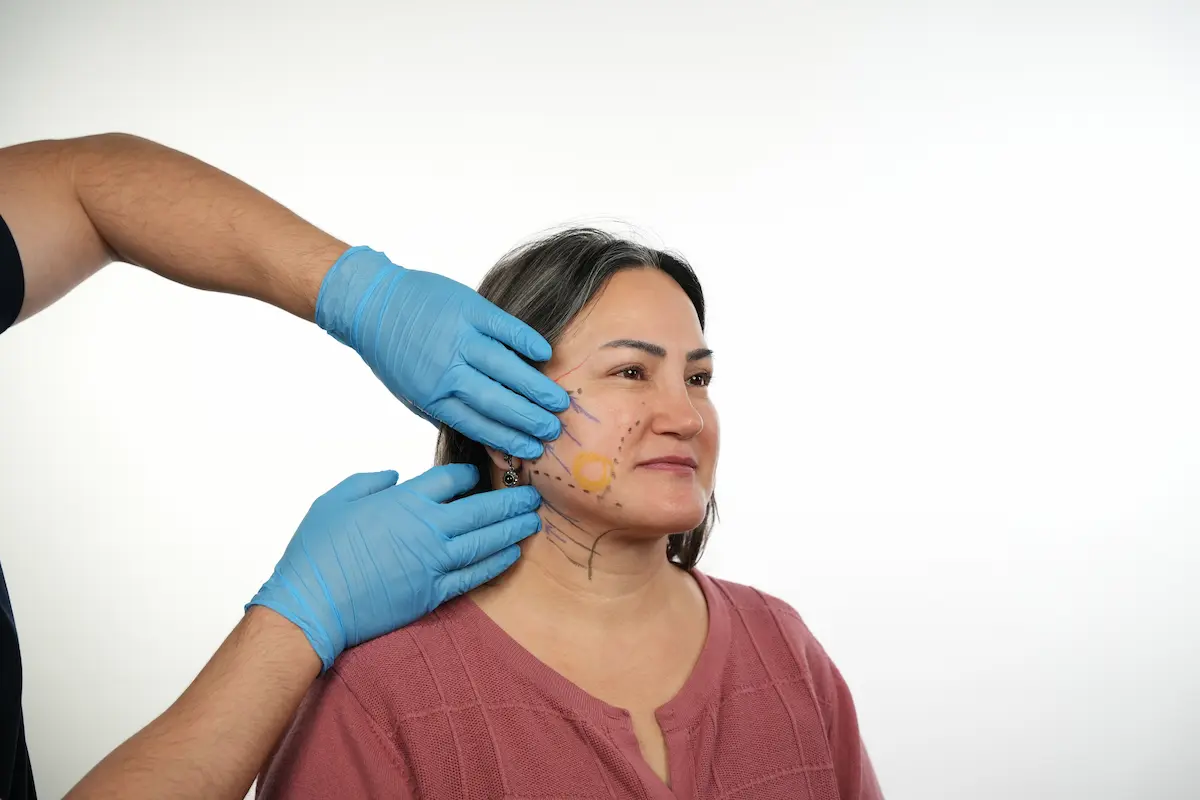
Most of the “art” of a natural facelift happens before any incision is made. Surgical marking is where the plan becomes real: incision design, lift vectors, and symmetry targets are mapped to your unique anatomy. This stage often includes:
- Standardized photos for planning and documentation.
- Marking incision pathways (often around natural creases and hair-bearing areas to optimize scar concealment).
- Mapping lift vectors based on where your tissues have descended.
- Neck assessment (whether platysma banding, submental fullness, or skin laxity needs a distinct approach).
Expert tip: Ask your surgeon to explain why the incision design is chosen for you—especially if you’ve had prior procedures, a high hairline, or concerns about visible scarring.
Incision design and scar strategy
Incisions are typically placed around the ear and may extend behind the ear and into the hairline depending on what needs to be corrected and how much skin redraping is required. The goal is not only to hide scars, but also to avoid tension that can widen scars or distort the ear/hairline.
A scar strategy usually considers:
- Hairline preservation (avoiding unnatural shifting of hair-bearing skin).
- Ear contour integrity (preventing “pixie ear” deformity from tension).
- Skin quality (thin, sun-damaged skin requires even more careful tension management).
Tissue repositioning: what’s actually being lifted
Although the technical details differ by approach, modern facelifts generally focus on repositioning support layers to restore youthful contour. This is where deep plane and SMAS concepts diverge: they involve different planes of dissection and different ways of mobilizing tissues.
What matters for outcomes is the principle:
- Structural correction (reposition deeper tissues that have descended).
- Minimal skin tension (skin is redraped, not used as the “lifting engine”).
- Balanced vectors to improve the jawline and soften descent-driven folds without lateral “pulled” cues.
When the underlying structure is repositioned properly, skin closure becomes a finishing step rather than a forceful tightening maneuver—one of the key ingredients in a natural result.
Neck refinement (when included)
Neck improvement can involve several components depending on your anatomy: addressing platysma bands, refining submental fullness, and restoring a cleaner cervicomental angle. In many patients, neck work is what elevates the final result from “nice” to “complete.”
Because the neck strongly influences perceived age, your surgical plan should clearly state what neck changes are expected and how they’ll be achieved.
Closure, dressings, and immediate post-op monitoring
After repositioning is complete, the skin is trimmed conservatively and closed with precision. Many surgeons use layered closure techniques designed to protect scar quality and reduce tension. Dressings are applied to support early healing, and you are monitored as the anesthesia/sedation wears off.
In a high-standard pathway, the immediate post-op phase includes:
- Monitoring for bleeding/hematoma signs (early recognition is critical).
- Pain and nausea control tailored to your anesthesia plan.
- Clear discharge criteria and written aftercare instructions.
- A structured follow-up plan to guide the first week—when most questions arise.
For international patients in particular, the operational details matter: coordinated logistics and planned follow-ups reduce stress and help you focus on healing. AKM Clinic emphasizes a continuity-of-care approach, including scheduled check-ins and longer-term follow-up milestones after you return home.
Combining Procedures for Harmonious Results
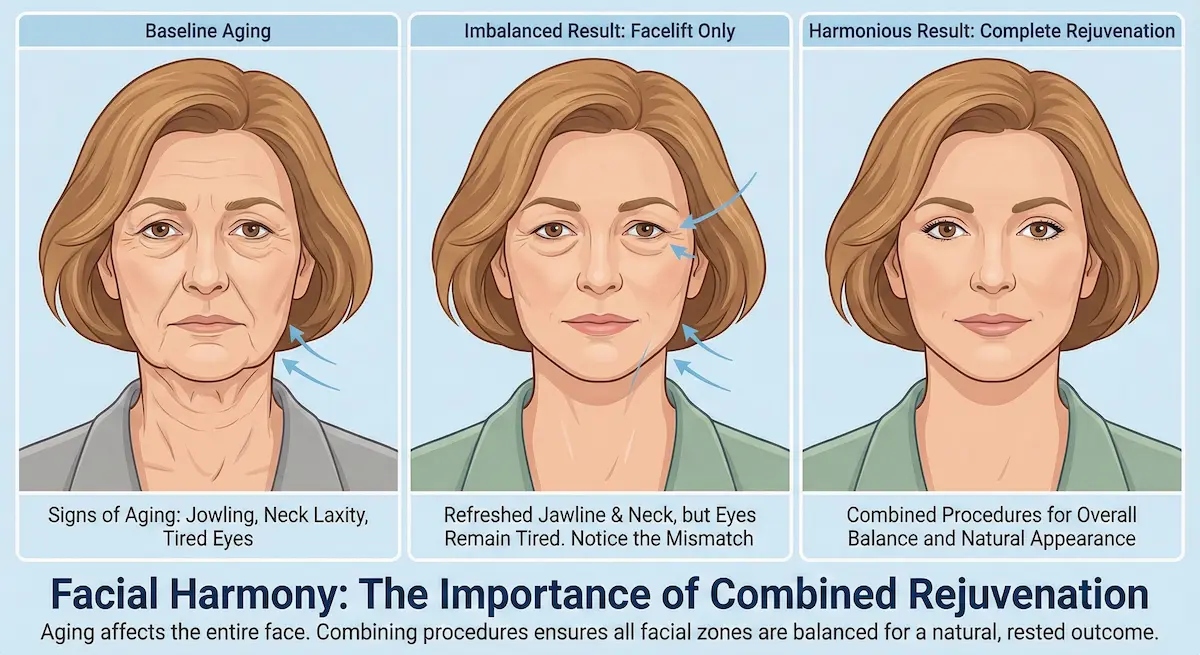
A facelift can be powerful on its own, but facial aging rarely happens in just one “zone.” For many patients, the most natural-looking outcome comes from a balanced plan—treating the lower face and neck together, then selectively addressing the upper face (eyes/brow) or skin quality. The objective is harmony: the face should look refreshed as a whole, not “new” in one area and untreated in another.
Facelift + neck lift: the most common synergy
The neck often reveals age as clearly as the jawline. If the lower face is improved but the neck is left behind, the result can look incomplete. A combined face-and-neck approach may address:
- Platysma banding (vertical bands) and underlying neck laxity
- Submental fullness (fullness under the chin) when it affects definition
- A blunted cervicomental angle (the “chin-to-neck” angle)
When planned correctly, pairing a facelift with neck refinement is often what produces the crisp jawline and “clean” profile patients describe as looking rested rather than operated on.
Facelift + eyelids or brow: balancing the upper and lower face
Many patients notice that once the jawline and neck look younger, the upper face can feel comparatively tired—especially if there is eyelid hooding or brow descent. Depending on anatomy and goals, a surgeon may discuss combining a facelift with:
- Upper eyelid surgery (upper blepharoplasty) for heaviness or hooding
- Lower eyelid surgery when under-eye aging is a key concern
- Brow or temporal lift concepts when the “weight” is driven by brow descent
For expert patients, the key is sequencing and scope: combined procedures can be efficient, but the plan should be tailored to safety, recovery bandwidth, and realistic downtime.
Facelift + skin resurfacing: contour plus skin quality
A facelift addresses structural descent and contour. Skin resurfacing addresses texture: fine lines, sun damage, and crepey skin. In selected candidates, combining contour correction with a skin-quality strategy can make results look more complete and “high-definition.”
Resurfacing may be discussed as a same-session adjunct or staged later, depending on skin type, scar considerations, and recovery priorities.
Recovery Timeline: What Healing Looks Like Day by Day
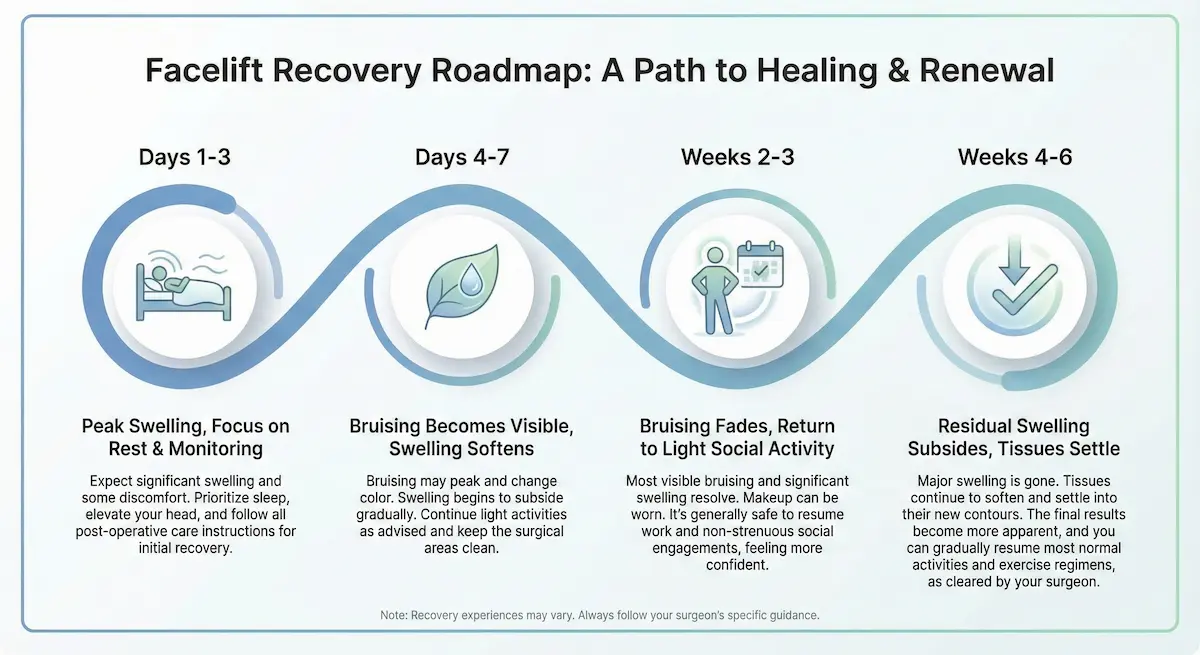
Recovery is where expectations either become confidence—or anxiety. The most helpful mental model is that facelift recovery happens in phases: the first week is about protection and swelling control, weeks 2–3 are about looking socially presentable, and months 1–3 are about “settling,” scar maturation, and the final refinement of contours. Individual healing varies based on technique, extent of neck work, skin type, and lifestyle factors.
First 72 hours: swelling control and hematoma vigilance
The first three days are typically when swelling is most active. Bruising may start to show and evolve in color. Your focus is rest, head elevation, hydration, and following medication instructions. Many surgeons emphasize vigilance for signs of bleeding (hematoma), which is a key early complication that needs prompt evaluation.
- What’s common: tightness, swelling, bruising onset, mild drainage, numbness
- What helps: head elevation, short walks, cold compress guidance (if approved), avoiding bending/lifting
- What to watch: sudden rapid swelling, one-sided firmness, severe pain, significant asymmetry
Week 1–2: the “social downtime” window
For many patients, this is the period when bruising is most visible and swelling is still obvious. Incision care is important, and follow-up visits typically occur during this window. You may still feel tightness or numbness, especially around the ears and along incision lines.
- Typical milestones: swelling begins to soften; bruising starts fading; many patients feel more comfortable being seen with light camouflage
- Activity: walking is encouraged; strenuous exercise is usually restricted until cleared
- Comfort notes: numbness and a “different” sensation are common and usually improve over time
Month 1–3: settling and scar maturation begins
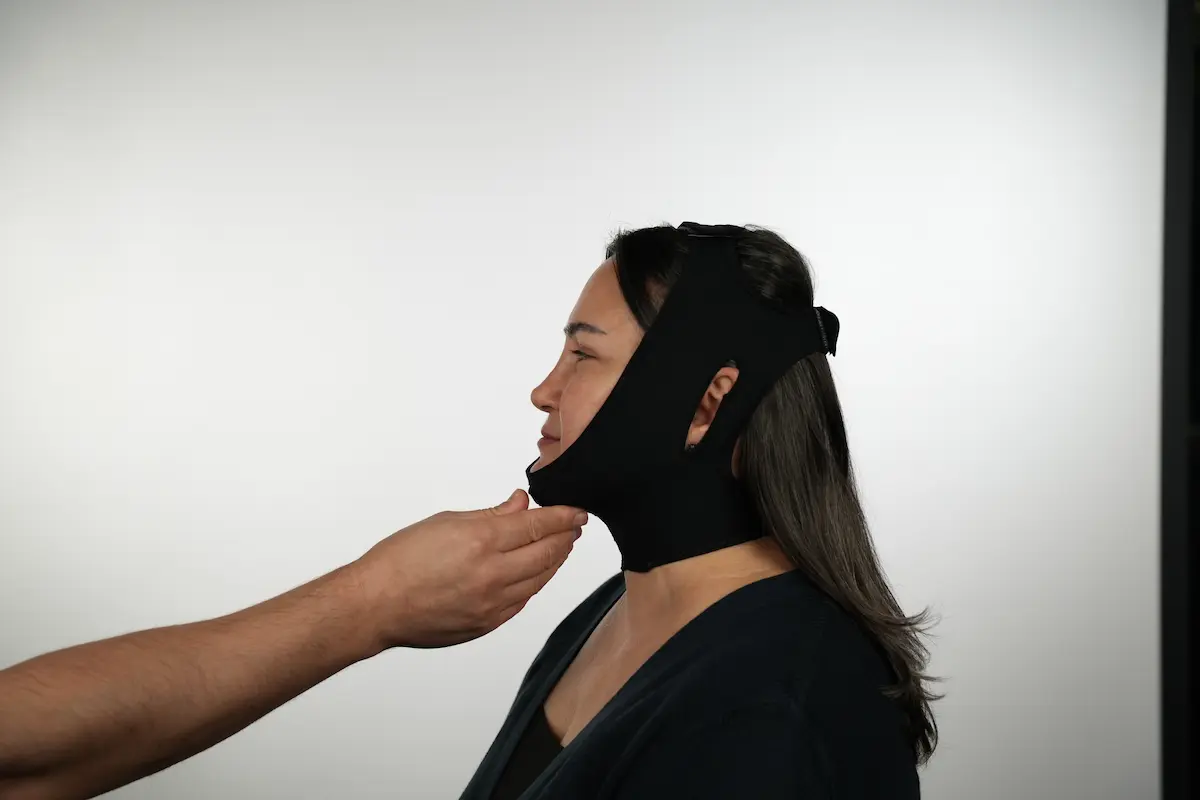
By this phase, most people look significantly more “normal” in public. Residual swelling can persist—especially in the neck—and subtle asymmetries often resolve as tissues settle. Scar maturation is a longer process, and scar appearance generally improves for months.
- What’s common: intermittent firmness, mild swelling “pockets,” fluctuating sensation
- Skin and scars: redness fades gradually; scars typically soften and blend over time
- Return to routine: exercise and normal activity ramp up based on surgeon guidance
Recovery timeline table (high-level)
| Timeframe | What you may notice | Main goals | Typical lifestyle guidance |
|---|---|---|---|
| Days 1–3 | Peak swelling risk, bruising begins, tightness, fatigue | Protect the result; manage swelling; monitor for bleeding | Rest, head elevation, short walks, no bending/lifting |
| Days 4–7 | Bruising becomes more visible; swelling starts to soften | Incision care; maintain calm healing conditions | Light activity only; follow-up appointments as scheduled |
| Weeks 2–3 | More socially presentable; bruising fades; swelling decreases | Gradual return to normal appearance; continue scar care | Many return to desk work; avoid strenuous exercise until cleared |
| Weeks 4–6 | Residual swelling (often neck), intermittent firmness | Allow tissues to settle; keep scar care consistent | Activity increases gradually with clearance |
| Months 2–3+ | Ongoing refinement; scar maturation continues | Optimize long-term outcome and scar quality | Most normal routines resumed; long-term follow-up as advised |
Accelerated Recovery & Safety Protocol: HBOT + LLLT
Not all recovery is “just time.” Modern post-operative care increasingly focuses on supporting biology: improving oxygen delivery to tissues, reducing inflammation, and accelerating cellular repair. For patients who prioritize a smoother healing experience and an optimized scar outcome, adjunctive recovery therapies can be meaningful—especially in the first two weeks when swelling and bruising are most visible.
Why oxygenation matters after a facelift
After surgery, tissues can experience temporary disruption in circulation and increased inflammatory load. From a physiological standpoint, oxygen is one of the main inputs for healing—supporting tissue survival, immune function, and collagen-building processes. Strategies that support oxygenation can therefore be discussed as part of a broader risk-reduction and recovery-optimization approach.
HBOT: systemic support for tissue survival, swelling, and scar quality
Hyperbaric Oxygen Therapy (HBOT) exposes the body to 100% oxygen in a pressurized environment. The intent is to increase oxygen availability to tissues—particularly useful during early healing when tissues are fragile and swelling is active. In a facelift context, HBOT is commonly discussed for its potential to:
- Support tissue survival in the early post-op period
- Reduce inflammation and swelling to shorten “social downtime”
- Support scar quality through collagen-related pathways
- Strengthen infection defense by supporting immune response
LLLT: targeted cellular acceleration for skin healing
Low-Level Laser Therapy (LLLT) is a non-heat, non-damaging laser-based approach designed to stimulate cellular activity. In post-facelift healing, the goal is targeted support of the skin and soft tissues through mechanisms often described in terms of cellular energy (ATP) and fibroblast stimulation (collagen support). Patients typically care about practical outcomes: less redness, less swelling, smoother recovery, and better-looking skin as healing progresses.

Why the combination matters (macro-to-micro healing logic)
Conceptually, combining a systemic oxygenation strategy (HBOT) with a targeted cellular stimulation strategy (LLLT) creates a “macro-to-micro” support model: oxygen helps set the baseline conditions for healing, while laser therapy supports cellular repair and collagen synthesis at the tissue level. When integrated into a structured aftercare pathway, the intention is not to “replace healing,” but to make healing more efficient and predictable—especially for patients with downtime constraints.
What this looks like at AKM Clinic
AKM Clinic frames HBOT and LLLT not as optional add-ons, but as an integrated “Rapid Recovery & Safety Protocol” to help reduce swelling/bruising, support scar quality, and de-risk common early recovery concerns for international patients—particularly those aiming to be socially presentable as quickly as possible.
Risks, Complications, and How to Reduce Them
No surgical procedure is risk-free, and a facelift is no exception. The expert patient approach is to evaluate risk realistically: understand what can happen, how often it tends to be manageable vs serious, and what a high-standard clinic does to prevent problems and respond quickly if they occur. The safest facelift plan is built on three pillars: appropriate candidacy screening, meticulous technique that minimizes skin tension, and a structured aftercare pathway with accessible follow-up.
Common risks (and what they typically look like)
- Hematoma (bleeding under the skin): often presents as sudden swelling, tightness, and asymmetry—most important in the first 24–72 hours.
- Infection: uncommon with good sterile technique and proper aftercare, but can occur; early signs include increasing redness, warmth, fever, or worsening pain.
- Delayed wound healing: more likely with nicotine use, uncontrolled medical conditions, or high skin tension.
- Nerve irritation or temporary weakness: can occur due to tissue manipulation; most sensory changes (numbness) improve gradually over weeks to months.
- Asymmetry: early asymmetry is common from swelling; persistent asymmetry requires clinical evaluation.
- Scarring concerns: scars can widen or become more visible if closure is under tension or if aftercare is inconsistent.
“Botched facelift” — why it happens (and how to avoid it)
When patients describe a “botched” result, they usually mean one of three things:
- Unnatural appearance: a wind-swept or over-tightened look typically linked to excessive skin tension or poorly chosen vectors.
- Scar or hairline problems: visible scars, widened scars, or hairline distortion are often tension-related or incision-design-related.
- Mismatch between face and neck: a lifted face with an untreated or under-treated neck can make the outcome look incomplete.
Many of these risks are reduced through an anatomy-driven approach (lifting deeper support layers and redraping skin conservatively), plus careful incision planning and a complete face-neck strategy when indicated.
Risk-reduction checklist (what high-standard care includes)
Use this checklist to evaluate any provider—domestic or international:
- Pre-operative screening: clear candidacy criteria, medical history review, and pre-op tests to reduce avoidable risk.
- Continuous monitoring: modern vitals monitoring throughout every procedure, regardless of anesthesia type.
- Sterilization standards: transparent infection-control protocols and internationally recognized sterilization systems.
- Credential transparency: board certification pathways and verifiable training credentials.
- A defined complication plan: what happens if swelling/bleeding/infection is suspected—who evaluates, how quickly, and where treatment occurs.
- Continuity of care: scheduled follow-ups and responsive support after you return home, not only while you are in the recovery hotel.
At AKM Clinic, risk mitigation is framed as a system, not a slogan: strict pre-op screenings, advanced intraoperative monitoring, and rigorous sterilization standards form the baseline. For international patients, the clinic’s long-term follow-up structure is designed to reduce the common fear of “post-op abandonment” after flying home.
A real-world lens: anesthesia fear and aftercare anxiety
Two of the most common barriers for expert patients are fear of general anesthesia and fear of being unsupported after returning home. In AKM Clinic’s patient narratives, some individuals describe “awake” or local-anesthesia-based facial surgery as a decisive factor that helped them move forward despite significant anesthesia anxiety. Others emphasize that ongoing, responsive communication after returning home was what made them feel safe throughout the healing phase.
Scars: Placement, Healing, and What’s Normal
Scarring is not just about incision location—it’s about incision design, tension management, and how the scar matures over time. Most facelift scars are designed to sit in natural contours around the ear and hairline so they fade into the background. The best scars are usually created by a plan that places lifting tension where it belongs (deeper support layers), allowing the skin to close gently rather than being pulled tight.
Where facelift scars typically sit
While patterns vary by technique and the amount of skin redraping required, common scar locations include:
- In front of the ear: often hidden along natural creases and contours.
- Around the earlobe and behind the ear: designed to conceal the scar when viewed from the side.
- Hairline involvement (in some cases): used strategically when additional redraping is needed.
For patients with concerns about visible scarring, it is reasonable to ask your surgeon exactly how incision placement is chosen for your hairline, ear shape, and skin characteristics—and how the plan avoids tension that can widen scars.
Scar maturation timeline (what to expect at 2 weeks, 6 weeks, 3–12 months)
Scar healing is a long game. A common progression looks like this:
- First 2 weeks: incisions look pink/red; swelling can make scars appear more prominent than they will ultimately be.
- Weeks 3–6: redness may persist; scars can feel firm or “ropey” as collagen reorganizes.
- Months 2–6: scars typically soften; redness begins to fade; texture improves.
- Months 6–12+: maturation continues; scars generally become flatter, paler, and less noticeable.
This timeline can vary based on genetics, skin type, sun exposure, and adherence to aftercare. If you tend to form thicker scars, that should be discussed before surgery so a proactive scar plan can be built in.
What improves scar quality (and what tends to worsen it)
Factors that often improve scar outcomes:
- Low-tension closure: structural lift + gentle skin redraping reduces scar widening risk.
- Consistent aftercare: incision hygiene, scar care products when advised, and follow-up visits.
- Sun protection: UV exposure can darken scars and prolong redness.
- Healthy circulation: avoiding nicotine is one of the most important controllable factors.
Factors that commonly worsen scars:
- Nicotine use: impairs blood flow and healing.
- Early tension or trauma: aggressive stretching, strenuous exercise too soon, or friction on incision lines.
- Inconsistent follow-up: small issues (irritation, minor openings) can become bigger problems if not addressed early.
In AKM Clinic’s safety-and-recovery model, scar quality is treated as part of the final aesthetic outcome, not an afterthought—supported by structured aftercare and an “accelerated recovery” approach designed to reduce inflammation and optimize healing conditions.
Results, Longevity, and “Before/After” Expectations
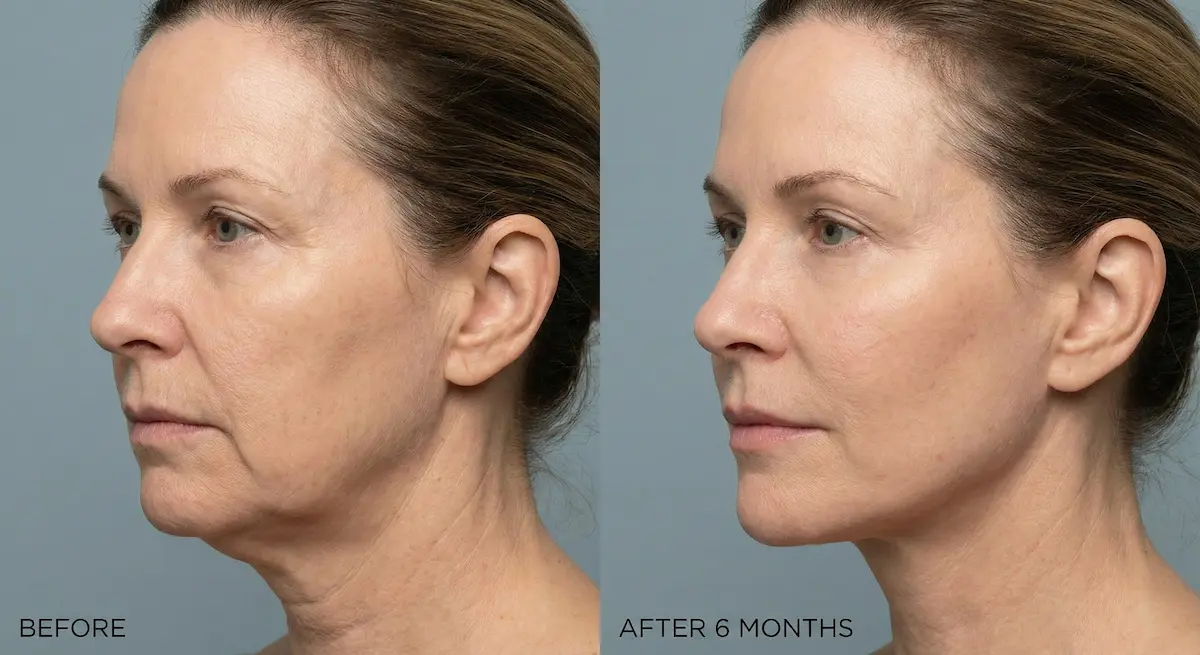
A facelift can deliver a meaningful rejuvenation, but “results” are not a single moment in time. They evolve as swelling resolves, scars mature, and tissues settle into their new position. For the expert patient, the most accurate expectation is that you will see early improvement quickly, then continued refinement over months. The best outcomes look undetectable: people notice you look rested and healthier—not “surgically different.”
What “good results” actually look like
In modern facelift planning, quality is judged by realism. A strong result usually includes:
- A cleaner jawline without skin-tightness cues around the mouth.
- Improved neck definition that matches the lower-face improvement (no “face done, neck not done” mismatch).
- Soft, natural transitions through the cheeks and midface (not a flattened or “stretched” look).
- Incisions that fade into the background as scars mature.
Importantly, “natural” does not mean “minimal.” It means the change matches anatomy: the tissues look repositioned, not over-pulled. When deeper support layers are corrected and skin is closed with minimal tension, the result is more likely to read as authentic.
How long does a facelift last?
Longevity varies widely. A facelift does not stop aging—it repositions tissues to a more youthful baseline. How long that rejuvenated look lasts depends on factors such as:
- Technique and depth of correction (structural repositioning tends to be more durable than skin-driven tightening).
- How the neck was addressed (a well-corrected neck often improves perceived longevity).
- Tissue quality and genetics (skin elasticity, scar biology, propensity for swelling).
- Lifestyle factors (sun exposure, smoking/nicotine, weight fluctuation).
Many patients maintain a visible benefit for years, but the most realistic promise is not a number—it’s trajectory: you continue to age, but from a younger-looking starting point.
Timeline of “looking normal” vs “looking final”
Expert patients often underestimate how long “final” takes. A practical framework:
- Early visible change: often within the first 2–3 weeks as bruising fades and swelling drops.
- Socially presentable: many feel comfortable in public around weeks 2–4 (individual variability is significant).
- Refinement phase: months 2–3 are when subtle swelling and firmness continue to improve.
- Scar maturation: continues for 6–12+ months.
If you are planning a life event, photoshoot, or major professional obligation, build buffer time. “Camera-ready” can be faster with structured recovery support, but the safest strategy is to allow adequate healing time.
Real-world patient priorities: naturalism, anesthesia comfort, and downtime
Across facelift candidates, three concerns come up repeatedly: looking natural (not “pulled”), feeling safe with anesthesia, and minimizing downtime. In AKM Clinic’s documented patient experiences, several themes stand out:
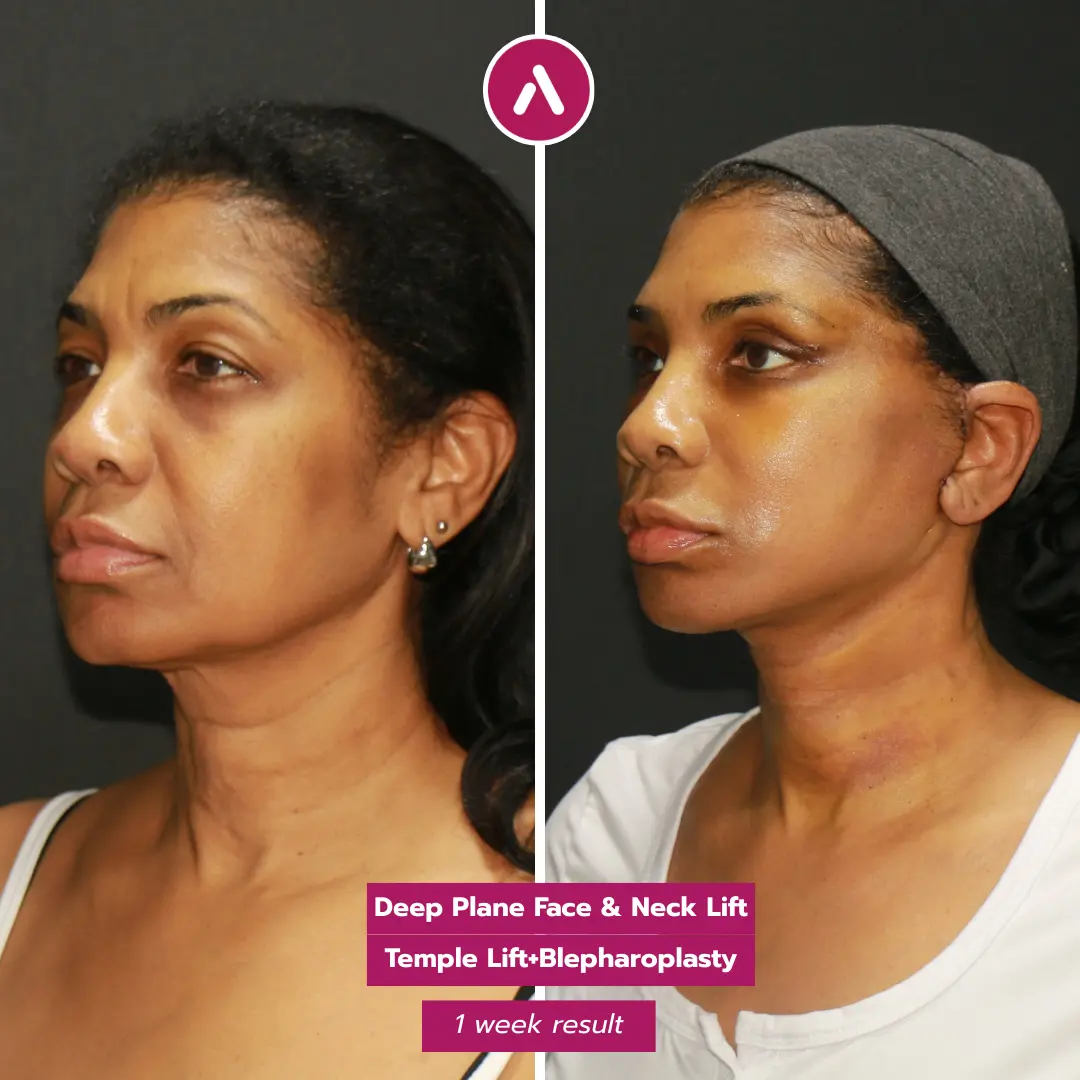
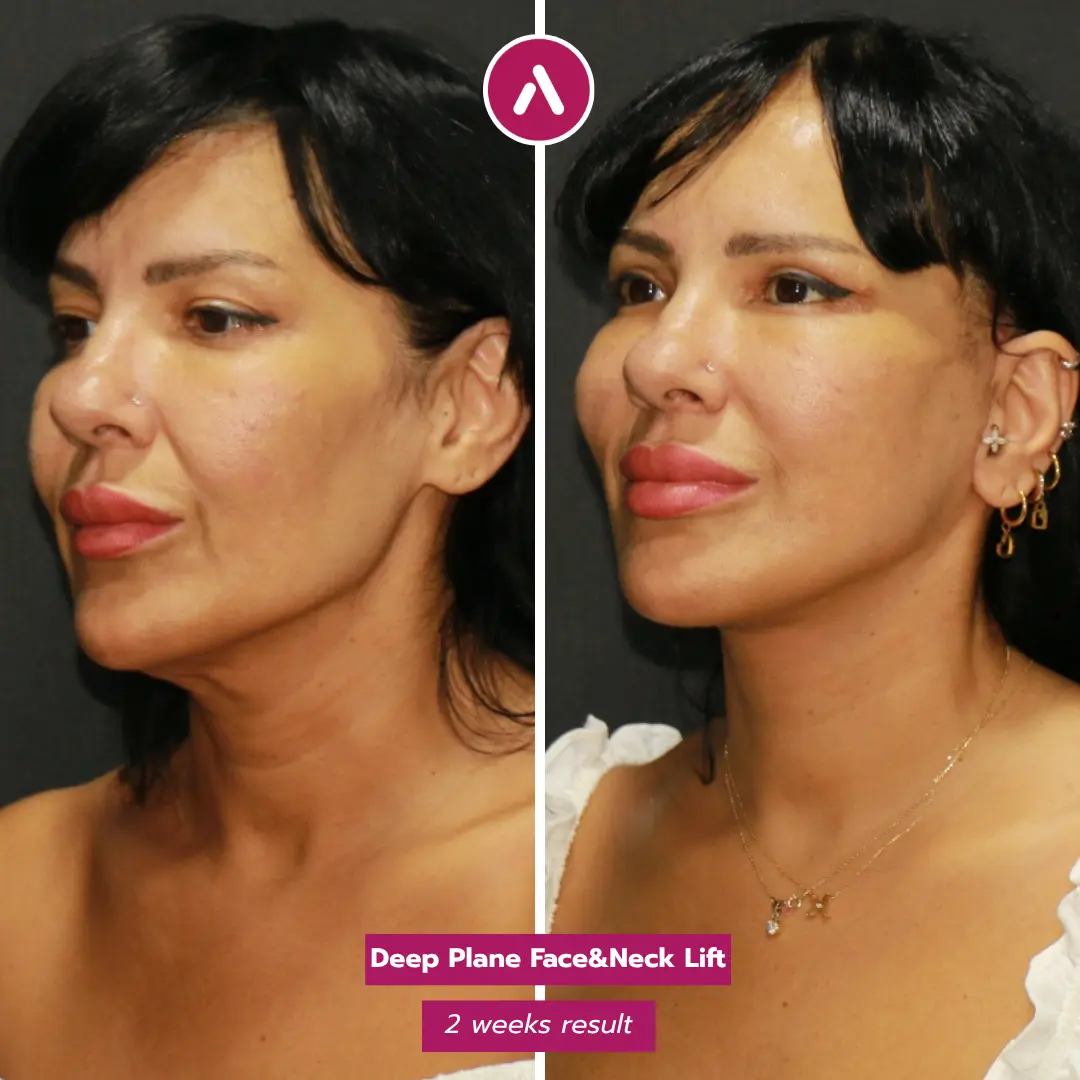
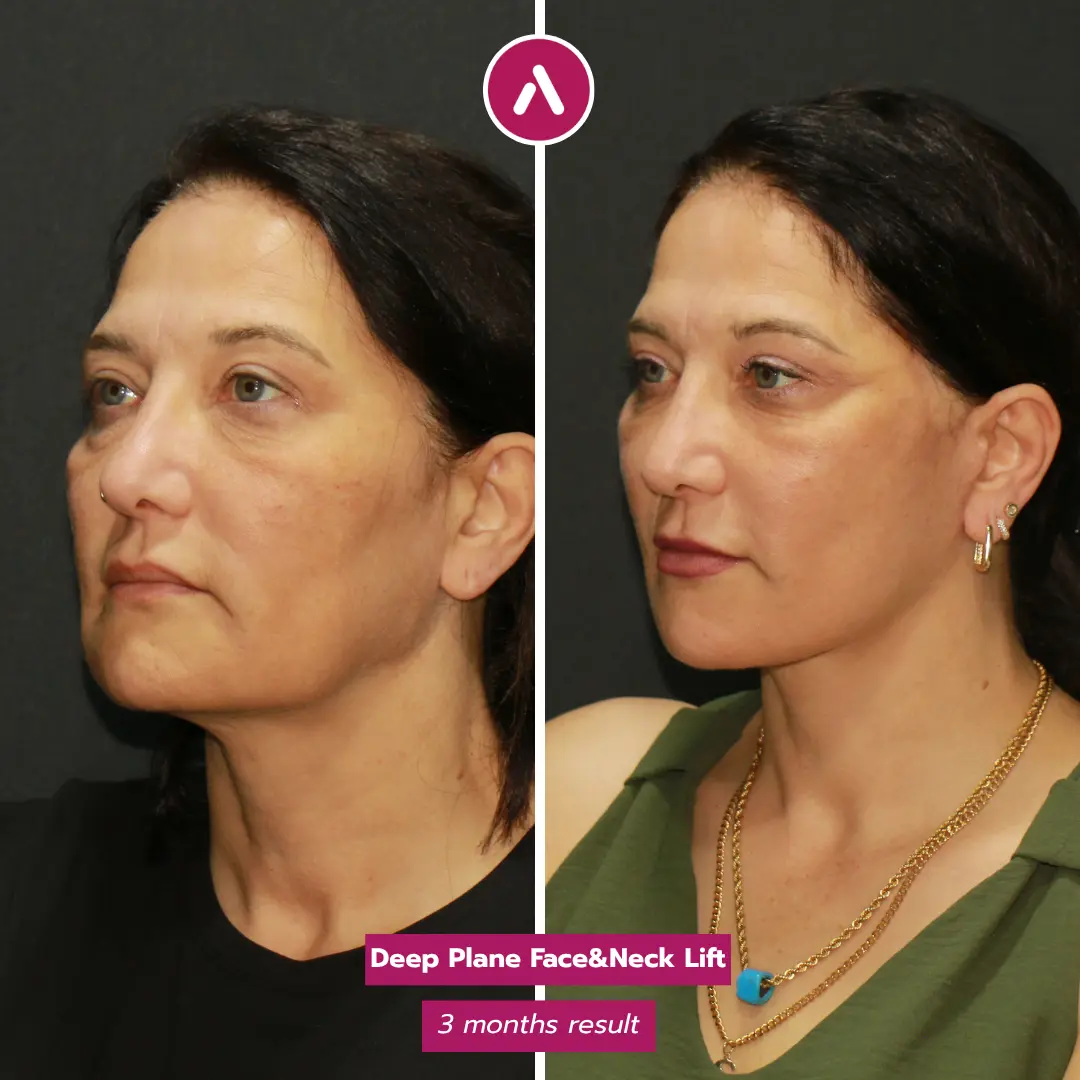
- Natural-looking rejuvenation: patients often describe looking like themselves—just significantly refreshed.
- Awake / local-anesthesia-based options: for anesthesia-anxious patients, the ability to avoid general anesthesia (when appropriate) is described as a major decision factor.
- High-touch follow-up: patients frequently emphasize the reassurance of consistent check-ins and ongoing communication after returning home.
Cost Analysis: US Pricing vs Turkey (Value, Not “Cheap”)
Facelift pricing can vary dramatically, and comparing costs accurately requires comparing what’s actually included. In the United States, published “average costs” often represent the surgeon’s fee only and may not include anesthesia, operating facility fees, medications, or post-operative care. In major markets like New York City or Los Angeles, pricing can trend higher due to overhead, demand, and surgeon concentration.
When patients compare the US to Turkey, the smartest frame is value: can you access premium-quality surgical planning, verified credentials, and robust safety standards—plus structured recovery support—at a more accessible overall cost? That’s a different question than “Where is it cheapest?”
What drives facelift cost in the United States
Cost is influenced by multiple factors, including:
- Procedure complexity: deep-plane or extended lifts, significant neck work, and revision surgery tend to cost more.
- Geography: major metros often have higher facility and staffing costs.
- Surgeon specialization: facial specialization and high-volume expertise often carry premium pricing.
- Safety infrastructure: accredited facilities and anesthesia models affect total cost.
For the expert patient, it’s useful to request a line-item estimate (surgeon fee, anesthesia, facility, post-op supplies) so you can compare apples-to-apples.
Why Turkey can be lower-cost without “lower standards”
A significant portion of the Turkey-vs-US cost difference is explained by macroeconomic factors such as lower operational costs and currency dynamics—not necessarily by reduced medical ambition. The key is choosing a provider that explicitly anchors value to:
- Verified surgical credentials (board certification equivalents and facial specialization)
- High-standard facilities with strong sterilization and monitoring protocols
- Transparent inclusions (so the “low price” doesn’t become a high total later)
AKM Clinic positions its model around transparency and quality signals that expert patients can verify: internationally oriented processes, standardized safety pathways, and a structured aftercare system designed specifically for international travel timelines.
Cost comparison table (US cities vs Istanbul all-inclusive)
| Location | How pricing is commonly quoted | Typical cost structure | What to confirm before comparing |
|---|---|---|---|
| United States (national averages) | Often “surgeon fee” averages | Surgeon fee + anesthesia + facility + meds/aftercare | Does the quote include anesthesia and facility? What is the total out-the-door cost? |
| NYC / LA / Miami (major metros) | Market-based pricing (wide range) | Higher overhead + specialization premiums | Technique type (deep plane vs SMAS), neck work scope, facility accreditation |
| Istanbul (all-inclusive model) | Often packaged pricing | Procedure + anesthesia/facility + tests + transfers/hotel (varies by clinic) | Exactly what is included: hotel, transfers, medications, garments, follow-ups |
Choosing the Right Surgeon and Facility
A facelift is not a commodity procedure. The difference between an average result and an undetectable, natural result often comes down to surgical judgment: technique selection, incision planning, vector control, and how the neck is integrated. For international patients, facility standards and continuity of care become even more important, because your early recovery occurs away from home.
Credentials and specialization that matter
Rather than focusing on titles alone, look for evidence of consistent facial specialization and verifiable standards. Useful signals include:
- Board certification (or European board equivalents) relevant to facial plastic surgery.
- Facial-focus case volume (consistent experience with face/neck lifting, not occasional cases).
- Technique fluency (ability to explain deep plane vs SMAS in anatomy terms, not marketing terms).
- Revision and complication readiness (a clear plan if something deviates from expected healing).
Facility standards and safety pathways
High-standard care is built on systems. A credible facility should be able to describe its approach to:
- Sterilization protocols and infection-control pathways
- Advanced vitals monitoring throughout every procedure
- Strict pre-operative screening to ensure candidacy and reduce avoidable risks
- Privacy and confidentiality standards appropriate for international patients
AKM Clinic highlights a safety-first clinical environment supported by rigorous sterilization standards, modern monitoring, and strict health screenings—then adds a recovery-focused layer through structured aftercare and technology-supported healing pathways.
Consultation questions that reveal real surgical thinking
These questions tend to separate surface-level consults from truly educational consults:
- Which anatomical layer are you lifting in my case, and why?
- How will you avoid an over-pulled appearance (where is the tension placed)?
- How are you addressing my neck, and what change should I realistically expect?
- What is your scar strategy for my hairline and ear anatomy?
- What does follow-up look like if I’m traveling internationally?
The Medical Journey for International Patients (VIP Process)
For expert patients traveling internationally, logistics are not a “nice-to-have”—they are part of safety. A well-run journey reduces stress hormones, improves adherence to aftercare, and creates a more predictable recovery. The best programs remove uncertainty by making the process structured, transparent, and highly supported from the first remote consultation through long-term follow-up.
Virtual consultation → personalized plan
A high-quality international pathway begins with a remote consult that is specific, not vague: photo-based assessment, candidacy evaluation, technique discussion, and clear expectations about downtime and scars. A good plan also includes an all-inclusive quote that explains what is covered so you can budget responsibly.
Arrival, transfers, hotel, and day-of-surgery flow
For many patients, the biggest anxiety is navigating a foreign city alone while recovering. A VIP model typically includes private airport pickup, planned transfers, and hotel coordination so you can focus on rest rather than logistics. AKM Clinic’s process emphasizes door-to-door coordination (airport welcome, private transfers, curated 5-star hotel arrangements), plus a dedicated patient host reachable throughout the journey.
Post-op care in Istanbul + long-term follow-up back home
Continuity of care is the differentiator that matters most after you fly home. A robust program schedules check-ins and makes the medical team accessible if questions arise. AKM Clinic outlines structured virtual follow-ups at set milestones (such as 1, 3, 6, and 12 months) and maintains high-touch communication via WhatsApp—designed to counter the common “fear of abandonment” among medical travelers.
FAQ: Questions About Facelift
The questions below reflect the most common high-intent searches from expert patients researching techniques of facelift, recovery timeline, scars, anesthesia, and travel logistics. Use these as a practical checklist for your consultation—because the quality of your questions often predicts the quality of your plan.
How painful is a facelift?
Most patients describe facelift discomfort as tightness, pressure, and soreness rather than sharp pain. Pain is typically most noticeable in the first few days and improves steadily. A well-structured plan includes pain control, swelling management, and clear activity restrictions to prevent “pain spikes” caused by overexertion.
How long is facelift recovery?
Recovery happens in phases. Many people feel socially presentable around weeks 2–4, but subtle swelling and firmness can continue improving for months. “Final” refinement often takes 2–3 months (sometimes longer in the neck), and scar maturation continues for 6–12+ months.
When can I go back to work after a facelift?
For desk-based work, many patients return in about 10–14 days depending on bruising, swelling, and comfort being seen. If your work is physically demanding or public-facing, you may want more buffer (often 2–3+ weeks). The most reliable plan is to match your timeline to your anatomy and the scope of your surgery (especially neck work and combined procedures).
How long do facelift scars take to fade?
Scars typically look pink or red early, then gradually soften and lighten over months. Many scars improve significantly between months 3–6 and continue to mature through 12 months and beyond. Scar quality is strongly influenced by incision design, low-tension closure (structural lift rather than skin pull), consistent aftercare, and sun protection.
Will my facelift look “pulled” or obvious?
A modern facelift should not look pulled. The most natural results usually come from repositioning deeper support tissues and redraping skin with minimal tension, using vectors that respect facial anatomy. Planning also matters: a face-neck harmony plan and a “rejuvenation, not alteration” goal reduce the risk of an overdone appearance.
Is an “awake facelift” safe?
In appropriately selected patients and a properly equipped setting, local anesthesia with monitored sedation (often called “awake” or “twilight” sedation) can be a safe and comfortable option. The key factors are candidacy screening, continuous monitoring, a standardized anesthesia pathway, and a clear plan if the approach needs to change for safety.
Deep plane vs SMAS facelift: which is better?
Neither is universally “better.” Deep plane approaches can be especially compelling for patients with more pronounced descent and midface involvement, while SMAS techniques can produce excellent results in many candidates—particularly when lower-face concerns are primary and the neck is addressed properly. The best choice depends on your anatomy, goals, risk tolerance, and the surgeon’s technical fluency with the selected approach.
How soon can I fly after a facelift?
Flying is a common concern for international patients. Timing depends on swelling patterns, your overall health, the scope of surgery (especially neck work), and your surgeon’s protocol. Many clinics prefer a buffer period in-country for early follow-up so the medical team can assess healing, address questions, and reduce avoidable risk before travel.
What should I avoid after a facelift?
Most surgeons restrict strenuous activity, heavy lifting, and bending early because these can worsen swelling and increase bleeding risk. You’ll also typically be advised to avoid nicotine (a major healing risk factor), excessive sun exposure, and any friction or trauma to incision lines. Following aftercare instructions consistently is one of the strongest predictors of a smooth recovery.
What if I have concerns after I return home?
Continuity of care matters—especially for international patients. A strong program includes scheduled follow-ups (virtual check-ins at defined milestones) and responsive communication if questions arise. If you develop sudden swelling, rapidly increasing pain, fever, or unusual drainage, you should seek urgent medical evaluation locally and notify your surgical team immediately.