

Daddy Makeover in Turkey





Daddy Makeover: Quick Facts
Procedure Time
Anesthesia
Recovery Time
Hospital Stay
Back to Work
Daddy Makeover Results: Before and After
A “Daddy Makeover” is not a single operation—it’s a customized surgical plan designed to restore a stronger, leaner male silhouette by addressing the areas that most commonly resist diet and training: the chest (gynecomastia or chest fat), the abdomen (skin laxity and/or muscle separation), and localized fat deposits (love handles, lower abdomen, flanks, back, and sometimes the chest itself). For the research-driven patient, the goal of this guide is simple: explain what each component actually corrects, how surgeons choose the right combination, what recovery really looks like, and how to judge a result as “natural” rather than “overdone.”
Most importantly, a high-quality Daddy Makeover follows a principle that applies to every aesthetic procedure: better outcomes come from correcting the underlying anatomical problem (gland vs. fat, skin laxity vs. fat, muscle separation vs. posture) rather than using a one-size-fits-all approach.
Table of Contents
Share your photos and medical history to receive a personalized assessment from our European board-certified facial surgery team.
What Is a Daddy Makeover?
A Daddy Makeover is a tailored combination of male body-contouring procedures performed in one surgical plan (sometimes in one operative session, depending on safety and candidacy). The exact mix varies, but it typically includes some form of gynecomastia correction, liposuction (often 360° contouring), and an abdominoplasty (tummy tuck) when skin laxity or muscle separation is present. The “makeover” concept is about integration: each procedure is selected to complement the others so the torso looks proportionate from the front, side, and back.
The core goals: chest contour + midsection definition + targeted fat reduction
Most men seek three changes:
- A flatter, more masculine chest (especially when glandular gynecomastia creates a puffy or rounded shape that doesn’t respond to training).
- A tighter abdomen when weight loss, aging, or genetics have led to loose skin, a lower “apron” fold, or separation/weakness in the abdominal wall.
- Better overall definition by removing stubborn fat in strategic zones (lower abdomen, flanks/love handles, lower back, and sometimes chest).
When these changes are planned together, the body reads as naturally athletic rather than “surgically altered.”
Why men choose it: weight loss, aging, genetics, and “stubborn” fat
Men usually arrive at the Daddy Makeover decision after one of four patterns:
- Post-weight loss body changes: the scale improved, but loose abdominal skin remains and the chest still looks soft.
- Age-related tissue laxity: the torso looks less defined even with stable weight and consistent training.
- Genetic fat distribution: persistent fat around the waistline or lower abdomen despite good habits.
- Gynecomastia concerns: frustration that the chest doesn’t match the rest of the physique.
Understanding which pattern fits you matters because it predicts which procedures will be effective—and which “quick fixes” will disappoint.
Common procedure combinations
The most common combinations include:
- Gynecomastia correction + liposuction: often the starting point when the primary concern is the chest and upper torso.
- Liposuction + abdominoplasty: chosen when fat reduction alone won’t solve loose skin or abdominal wall laxity.
- Gynecomastia correction + liposuction + abdominoplasty: the classic “Daddy Makeover” structure for a full torso transformation.
In practice, the best plan is not “max procedures.” It’s the minimum set of procedures needed to correct the true anatomical drivers of your concerns.
Our surgery dates fill up quickly due to high international demand. Secure your consultation today to plan your ideal travel dates.
Male Anatomy & Aesthetic Principles
Male body contouring has a different aesthetic target than female contouring. The goal is not exaggerated curves; it’s a clean, proportional torso with a masculine chest line, a defined waist-to-hip transition, and an abdomen that looks firm rather than “pulled.” Achieving that requires matching the technique to the anatomy—especially in the chest and abdominal wall—because male contour problems are often structural, not just superficial.
Gynecomastia vs. chest fat: why the distinction changes the plan
“Gynecomastia” is commonly used as a catch-all term for a fuller male chest, but the cause can be different:
- Gland-dominant tissue: firmer tissue behind the nipple-areola complex that may not respond to weight loss or training.
- Fat-dominant fullness: softer, more diffuse chest fat that can improve with weight loss and may respond well to liposuction when persistent.
- Mixed composition: both gland and fat present—often requiring a combined approach.
This distinction is critical: removing fat alone may not fix a glandular problem, and removing gland without sculpting can leave an unbalanced contour. A precise diagnosis is what prevents the common “it didn’t change enough” outcome.
Abdominal laxity vs. fat: skin, fascia, and muscle separation
Men often assume their abdomen is “just fat,” but the abdomen has multiple layers that influence shape:
- Skin quality: stretched skin can hang or crease, especially after weight loss.
- Fat layer distribution: localized fat can blunt definition even in athletic men.
- Abdominal wall integrity: weakness or separation can create a persistent forward projection even with low body fat.
A key concept: liposuction reduces fat volume, but it does not tighten significantly loose skin or correct abdominal wall separation. That’s why some patients need abdominoplasty (mini vs. full vs. extended patterns) to achieve a truly firm midsection.
Surgeon’s insight (Natural-First philosophy): The most successful aesthetic surgery is often the kind that goes unnoticed—because it restores proportion and definition without making you look like a “different person.” In body contouring, that means prioritizing balanced shaping and anatomical correction over extreme change.
What “natural” looks like in male contouring (and what to avoid)
A natural-looking male result is usually defined by:
- Chest: a smooth pectoral line with a flatter areola region—without a “cratered” or overly hollowed look.
- Abdomen: a firm, flatter profile with a waistline that looks athletic—not tight to the point of looking unnatural.
- Transitions: blended zones (upper abdomen to lower abdomen, waist to flanks, chest to axilla) so no area looks “spot-treated.”
Overdone results usually come from aggressive removal without contour planning, poor attention to transitions, or relying on skin tension rather than structural correction. The guiding philosophy should always be: improve what’s already there, don’t create an artificial body shape.
Ideal Candidates and Who Should Wait
Because a Daddy Makeover often combines procedures, candidacy is about more than “wanting a change.” The best candidates are those who can safely undergo surgery, heal predictably, and maintain the result with stable habits. A good surgical plan is built on medical screening, realistic goals, and a clear definition of what can be improved through contouring versus what requires lifestyle change.
Best candidates: stable weight, good baseline health, defined goals
In general, strong candidates tend to share these traits:
- Stable weight: major weight fluctuations after surgery can compromise contour and skin quality.
- Clear, specific goals: for example, “flatten the chest,” “tighten lower abdominal skin,” or “reduce love handles.”
- Healthy baseline: a medical profile that supports safe anesthesia planning and predictable wound healing.
- Commitment to recovery: willingness to wear compression garments, walk early, and follow post-op guidance.
The most satisfied patients are typically those who understand the “why” behind each component of the plan—because they chose it based on anatomy, not trends.
Who should wait: risk factors that increase complications or reduce satisfaction
Delaying surgery is often the smartest decision when one or more of the following is present:
- Active smoking or nicotine use: increases healing risk and can worsen scarring.
- Uncontrolled medical conditions: issues like poorly controlled metabolic or cardiovascular problems can increase surgical risk.
- Unstable weight or ongoing major weight loss: contour changes after surgery can reduce the longevity and predictability of results.
- Unrealistic expectations: expecting surgery to replace fitness, or expecting perfection rather than meaningful improvement.
A credible surgical plan includes an honest “not yet” when it’s needed—because safety and long-term outcome quality matter more than speed.
Consultation checklist: what to prepare to get an expert-level plan
To get the most accurate plan (and the most useful quote and timeline), prepare:
- Goal photos or examples: not to “copy” a body, but to clarify the degree of definition you want.
- Full medical history: medications, supplements, prior surgeries, and any anesthesia concerns.
- Weight history: major changes over the last 12–24 months.
- High-quality photos: front, side, and back views in consistent lighting for accurate assessment of skin laxity and fat distribution.
This information helps the surgeon determine whether your primary limitation is fat, skin, glandular tissue, abdominal wall laxity, or a combination—so your plan is built on diagnosis, not assumptions.
Answer a few quick questions about your concerns, health, and goals to learn which treatment options may suit you best.
Components of a Daddy Makeover
Think of a Daddy Makeover as a modular plan. Each module addresses a different “limiting factor” in male torso aesthetics: glandular tissue can distort the chest shape, fat deposits can blur the waistline, and loose skin or abdominal wall laxity can prevent a flat abdominal profile. The surgeon’s job is to identify which factor is dominant in each area and choose the least-invasive combination that can reliably correct it. This is why two men with the same weight and similar “before” photos may need completely different surgical plans.
Gynecomastia correction: gland removal vs liposuction-only shaping
Gynecomastia correction sits on a spectrum. Some patients have mostly fatty fullness in the chest and may be candidates for liposuction-based contouring. Others have true glandular tissue behind the nipple-areola complex, which is typically firmer and more resistant to weight loss. In many real-world cases, the best result comes from a combined approach: removing glandular tissue for a flatter areola region, then using liposuction to blend the surrounding chest into the upper abdomen and lateral chest wall.
The goal is not an unnaturally “hollow” chest. A masculine chest has smooth transitions: upper chest to axilla, chest to upper abdomen, and chest to lateral torso. Proper contour planning is what prevents the two outcomes men fear most: persistent puffiness (under-correction) or a cratered areola region (over-correction).
Liposuction: targeted reduction vs high-definition sculpting
Liposuction can be used in two broad ways:
- Targeted reduction: removing stubborn pockets that distort shape (love handles, lower abdomen, lower back).
- Structural contouring: shaping multiple zones to make the torso read as proportionate from every angle (front, oblique, side, and back).
For men, torso contouring is often most impactful when the waistline is improved—because the waistline influences how broad the shoulders and chest appear. In many Daddy Makeover plans, liposuction is treated as the “connector procedure” that blends the chest and abdomen modules into one cohesive result.
Abdominoplasty (tummy tuck): mini vs extended vs fleur-de-lis patterns
Abdominoplasty is not one procedure—it is a set of techniques selected based on the distribution of skin laxity and the direction of excess. The key question is: do you need tightening mostly in the lower abdomen, or do you also need significant tightening in the vertical direction? That determines whether a mini, full, extended, or fleur-de-lis pattern is most appropriate.
- Mini tummy tuck: typically focused below the belly button when laxity is limited to the lower abdomen.
- Extended tummy tuck: extends correction laterally to address more significant laxity and improve the flanks/hip area.
- Fleur-de-lis tummy tuck: adds a vertical component to tighten tissue when there is substantial horizontal and vertical excess, often seen after major weight loss.
When the limiting factor is loose skin or abdominal wall laxity, liposuction alone can leave you with the same “soft” silhouette—just smaller. Abdominoplasty is the module that creates a tighter, flatter profile when skin and structure are the main issues.
Gynecomastia Surgery Explained
Gynecomastia surgery is one of the most misunderstood elements of male body contouring. Many men try to fix chest fullness by losing weight or building muscle, but if glandular tissue is the primary cause, exercise may improve the overall physique while the areola region remains puffy or rounded. The role of surgery is to restore a more masculine chest contour—specifically, a flatter areola region and a smoother chest slope—while maintaining natural softness and avoiding over-resection.
What causes gynecomastia (and why it’s not always “just fat”)
Gynecomastia can be influenced by multiple factors, including hormonal shifts, genetics, certain medications or supplements, and weight changes. The important practical takeaway is that “cause” does not always predict “composition.” Even if weight gain played a role, a patient can still have a gland-dominant component that does not respond meaningfully to weight loss. Conversely, some men have primarily fat-dominant fullness that improves with weight reduction but never fully resolves.
Because composition varies, a precise exam (and sometimes imaging when clinically indicated) is what determines whether gland excision is likely necessary, whether liposuction alone may be reasonable, or whether a combined approach is the best path to an athletic contour.
Gland removal: when it’s necessary and what it changes
When glandular tissue is a major contributor, gland removal is typically the step that changes the “areola story.” It is often what converts a chest from looking persistently puffy to looking flatter and more masculine. In a combined approach, liposuction is then used to sculpt the broader chest and blend transitions so the result looks balanced and “unoperated.”
A key concept for expert patients: the best plan is not simply “remove as much as possible.” It is “remove what causes distortion, then sculpt what creates natural proportion.” Over-resection can create contour irregularities that are difficult to correct.
Recovery timeline: what’s normal vs what should concern you
Recovery varies depending on whether your plan includes liposuction-only shaping, gland removal, or a combined approach. However, most men experience a predictable pattern:
- Early phase (first week): swelling, bruising, and chest tightness are common; compression is typically used to support contour and reduce swelling.
- Weeks 2–4: bruising usually fades; swelling reduces gradually; many men can resume light activity while avoiding heavy chest training.
- Weeks 6–12+: contour becomes more refined; firmness and residual swelling continue to improve; scar maturation progresses over months.
What should raise concern is not “swelling” by itself, but patterns such as rapidly increasing redness, escalating pain, fever, sudden one-sided swelling, or drainage that appears abnormal. Expert-level care includes clear instructions about what to monitor and how to reach the team quickly if something feels off.
Liposuction Options for Men
Liposuction is one of the most powerful tools in a Daddy Makeover plan, but it’s also one of the easiest to misunderstand. Liposuction is not a weight-loss strategy—it’s a contouring strategy. It works best for men who are near their stable weight but have localized fat deposits that resist lifestyle efforts. The difference between a “good” and a “great” male liposuction outcome is usually the plan: zone selection, symmetry, transitions, and the ability to shape the torso so it looks athletic in motion and in real-life lighting.
Tumescent liposuction fundamentals: what it is and why technique matters
Most modern liposuction approaches use a tumescent technique, which involves infiltrating a fluid mixture into the target tissue before fat removal. This step helps with patient comfort, reduces bleeding, and creates a more controlled environment for removal. But “controlled” does not automatically mean “sculpted.” The final contour depends on surgical judgment: how much to remove, where to feather the edges, and how to preserve natural-looking transitions.
For male torso contouring, subtle differences matter: a slightly improved waistline can change how broad the shoulders and chest appear, and a smooth lower-abdomen contour can make the entire torso look fitter.
High-definition approaches: who benefits and what they can realistically do
High-definition (HD) liposuction strategies aim to enhance definition by removing fat in a way that emphasizes underlying muscular anatomy. For some men, HD concepts can be useful—particularly when the patient already has good muscle development and wants cleaner lines rather than just reduced volume. For others, the most natural result comes from classic contouring and careful blending, not aggressive “etching.”
The expert-patient question to ask is: “Are we aiming for athletic refinement or dramatic definition?” The best answer depends on your baseline anatomy, skin quality, and your preference for subtlety versus boldness.
Does fat grow back after liposuction?
After liposuction, fat cells removed from a treated area do not regenerate in the same way. However, your body can still store fat in remaining fat cells if you gain weight. In practical terms, liposuction changes the “distribution” of fat—so if weight gain occurs, it may appear differently than before, sometimes more in untreated areas. This is why stable habits matter for longevity. A Daddy Makeover can deliver a meaningful reset, but maintaining the new contour depends on keeping weight relatively stable.
You are never alone. Our 24/7 Patient Hosts and English-speaking staff will be by your side from arrival to departure.
Tummy Tuck (Abdominoplasty) for Men
For many men, the abdomen is the deciding factor between a “smaller” torso and a truly “tighter” one. Liposuction can reduce volume, but it cannot reliably tighten significantly loose skin or restore the structural support of the abdominal wall. Abdominoplasty (tummy tuck) is the procedure family designed to address those deeper drivers—especially after weight loss, aging, or genetic skin laxity. In a Daddy Makeover plan, abdominoplasty is chosen when the limiting factor is skin excess, lower-abdominal overhang, or abdominal wall laxity that creates persistent projection.
What is a mini tummy tuck vs. full tummy tuck?
A mini tummy tuck is typically appropriate when the primary excess is confined to the lower abdomen (below the belly button) and when correction above the belly button is minimal. This is often the choice for men with lower-abdominal looseness but reasonably good skin quality higher up.
A full tummy tuck is more comprehensive. It addresses a broader zone of laxity and is generally used when there is meaningful looseness across the lower and mid abdomen, or when contour goals require a more global reshaping of the front torso. The difference is not “better vs. worse”—it’s whether your anatomy requires correction across a larger surface area for the result to look proportionate.
Fleur-de-lis tummy tuck vs. regular: when vertical tightening is needed
Some men have excess tissue in two directions: horizontally (side-to-side) and vertically (top-to-bottom). After significant weight loss, the abdomen may have a loose “wrap” effect where tightening in only one direction still leaves a persistent fold or laxity. A fleur-de-lis pattern adds a vertical component to tightening and can be appropriate when the body needs a more substantial reshaping to restore a firm, flatter profile.
Because scar placement and pattern differ between approaches, the decision is always a balance of anatomy, desired contour improvement, and tolerance for scar location. A surgeon should explain why a vertical component is (or is not) necessary for your specific tissue pattern—this is one of the clearest signs of an individualized plan.
“Drainless tummy tuck”: what it means (and what it doesn’t)
You’ll often see “drainless tummy tuck” discussed as a modern refinement in technique. In simple terms, “drainless” approaches are designed to reduce the need for drains by improving how internal layers are stabilized and how fluid is managed during the early healing phase. However, it is not a universal guarantee. Drain use depends on surgical technique, the extent of dissection, patient tissue characteristics, and safety judgment.
The expert-patient way to approach this topic is to ask: “What is your strategy for fluid management and what determines whether drains are used?” A credible answer explains the reasoning and emphasizes safety over marketing promises.
From VIP airport transfers to 5-star hotel accommodations, we handle every detail. Enjoy a seamless medical travel experience in Istanbul.
Anesthesia & Comfort Options
Anesthesia is not just about comfort—it’s part of your overall safety strategy. A Daddy Makeover can involve multiple procedures, and the safest anesthesia plan depends on what is being done, how long it will take, your medical profile, and your recovery priorities. Expert patients typically want two things at the same time: the lowest reasonable risk profile and a controlled, comfortable experience. The right plan can achieve both, but it must be tailored to the procedures selected.
General anesthesia vs. sedation vs. local: choosing the right approach
Broadly, anesthesia options fall into three categories:
- General anesthesia: often used for longer, more extensive procedures where complete control of comfort and immobility is required.
- Twilight sedation (often combined with local anesthesia): commonly used when the procedure scope allows for deep comfort without a full general-anesthesia experience.
- Local anesthesia (often with tumescent technique): can be appropriate for specific contouring procedures in appropriately selected patients, depending on extent and technique.
It’s normal for patients to have strong preferences. The high-quality clinical approach is to map those preferences to what’s medically appropriate—rather than forcing a “one-anesthesia-fits-all” model.
Where “Awake” approaches fit—especially for liposuction
In many modern body-contouring practices, liposuction can be performed using tumescent local anesthesia with a comfort-focused sedation plan in carefully selected cases. This concept is sometimes referred to as “awake” or “twilight” approaches. When appropriate, patients may value the shorter recovery profile and the avoidance of a full general anesthesia experience.
That said, “awake” is not automatically better for every patient or every surgical plan. Extent of treatment area, expected duration, pain sensitivity, anxiety level, and combined-procedure complexity all influence whether it’s the right fit. A responsible team frames “awake” as an option within a safety-first decision tree—not as a one-size solution.
Pain control plan: what to realistically expect
Most patients don’t fear the surgery itself—they fear the days after. A good pain-control strategy combines multiple layers rather than relying on one method. That typically includes:
- Local anesthetic strategy: to reduce immediate post-op discomfort at the surgical sites.
- Scheduled medications: to control pain and inflammation, especially during the early phase.
- Mobility guidance: early walking and positioning recommendations that reduce stiffness and support circulation.
- Compression and garment strategy: to reduce swelling and support contouring while tissues settle.
Expert-level counseling also sets expectations: discomfort is typically highest in the first several days, then improves progressively. “Tightness” (especially after abdominoplasty) may last longer than pain and can persist as swelling resolves and tissues adjust.
Step-by-Step: What Happens on Surgery Day
Understanding the surgical-day workflow reduces anxiety and helps you plan for recovery. While exact steps vary by clinic and by the procedures in your plan, high-quality Daddy Makeover care follows a consistent logic: confirm goals, confirm safety readiness, execute a precise contour plan, and establish early post-op support so the first 24–72 hours are stable and predictable.
Pre-op planning & markings: turning goals into a contour map
Before surgery begins, the surgeon typically performs detailed markings. This is not a formality—these markings translate your anatomy into a three-dimensional plan. For liposuction, markings define zones of removal and “feathering” (blending). For gynecomastia, they help map chest symmetry and transition zones. For abdominoplasty, they guide incision placement and tightening strategy to support a natural waistline.
For expert patients, this is also the moment where expectations should be reaffirmed: what will change most, what will change subtly, and what may require more time (or staged planning) to refine.
Procedure sequence when combining modules (chest → contour → abdomen)
When multiple procedures are performed, sequence is chosen to support both safety and aesthetics. A common logic is:
- Chest correction: addressing gland removal and/or chest contouring to establish the upper torso framework.
- Liposuction sculpting: refining transitional zones (chest to upper abdomen, waistline, flanks) so the torso reads as proportionate.
- Abdominal tightening: completing abdominoplasty work when skin laxity or abdominal wall laxity is a limiting factor.
Sequence can vary depending on the exact combination, but the principle stays the same: build a coherent contour rather than treating each area in isolation.
Immediate post-op monitoring & discharge milestones
After surgery, the focus shifts to stability and early recovery support. A structured program typically includes:
- Monitoring: vital signs, comfort control, and early mobilization planning.
- Compression guidance: when and how to wear garments to support contour and manage swelling.
- Walking plan: early movement guidance to support circulation and reduce stiffness.
- Clear instructions: what is normal, what is not, and how to reach the team with concerns.
Most patients benefit from having a written recovery pathway that covers the first week in detail—because the quality of aftercare guidance can meaningfully influence comfort, confidence, and the smoothness of the early healing phase.
Achieve the same high-standard, FDA-approved quality you expect in the US or UK, but without the premium price tag. Quality meets value at AKM Clinic.
Recovery Timeline & Aftercare
Recovery is where most “expert patients” focus their real decision-making—because the best surgical plan is only as strong as the healing pathway that follows it. A Daddy Makeover recovery is influenced by three main variables: (1) which modules you combine (gynecomastia, liposuction, abdominoplasty), (2) your baseline tissue quality and healing profile, and (3) the quality of your aftercare structure (compression strategy, mobility plan, scar care, and follow-up cadence). The timeline below is intentionally practical: what most patients feel, what they can typically do, and what decisions matter most at each phase.
Days 1–3: the “stability” phase (swelling, tightness, and early mobility)
The first 72 hours are about comfort control, swelling management, and safe movement. Many patients describe a feeling of tightness—especially if abdominoplasty is part of the plan—along with soreness that is typically most noticeable when changing position (getting up from bed, standing straight, or transitioning from sitting to standing).
- Swelling and bruising: expected; often more pronounced in the first several days.
- Compression: garments are typically used to support contour and reduce swelling (your team should specify when to wear them and how to position them).
- Walking: early, gentle walking is usually encouraged to support circulation and reduce stiffness.
- Hydration and nutrition: recovery is a biological process—adequate protein and fluids matter.
During this phase, your goal isn’t “back to normal.” Your goal is “stable and trending better.”
Week 1–2: the “functional return” phase (routine, work, and controlled activity)
Most patients see a meaningful improvement in comfort during weeks 1–2, but they are not “fully recovered.” Swelling often persists, and it’s normal to feel better one day and more swollen the next—especially after increased activity.
- Return to work: depends on the combination. Desk-based work is often possible earlier than physically demanding jobs.
- Posture and movement: after abdominoplasty, standing fully upright may take time as tightness decreases.
- Garments and support: consistent use can improve comfort and help tissues settle into a smoother contour.
- Incision care: you’ll typically transition into structured wound/scar care guidance during this phase.
Expert patients often underestimate the value of “controlled consistency” here—doing a little, safely, every day is usually better than trying to accelerate recovery with sudden bursts of activity.
Weeks 6–12+: refinement and return to training
This is when results begin to look more “real” and less “post-op.” Swelling continues to reduce, tissues soften, and contour becomes more refined—especially in liposuction zones where the final look depends on how evenly tissues settle.
- Training: many patients progressively return to structured workouts; your surgeon’s timeline depends on the extent of abdominoplasty and the areas treated.
- Scar maturation: scars continue to evolve for months. Color, thickness, and texture change gradually.
- Final contour: for combination procedures, it’s common that the “best version” of the result appears later rather than earlier.
When patients evaluate results too early, they risk confusing “temporary swelling and firmness” with “final outcome.” A high-quality care plan sets realistic milestones and supports you through the full arc of recovery.
We use advanced Hyperbaric Oxygen Therapy (HBOT) to minimize downtime and supercharge your healing process. Safety is our #1 promise.
Accelerated Recovery & Scar Optimization Protocols
For many patients, the difference between an average experience and an exceptional one is not only the surgery—it’s the recovery strategy. Advanced recovery protocols aim to support healing biology: reduce inflammation, improve tissue oxygenation, and encourage smoother scar maturation. At AKM Clinic, technologies such as Hyperbaric Oxygen Therapy (HBOT) and Low-Level Laser Therapy (LLLT) are positioned as part of a structured “Rapid Recovery & Safety Protocol,” designed to help the body heal more efficiently and comfortably rather than relying on time alone.
HBOT: why oxygenation matters for tissue recovery
Hyperbaric Oxygen Therapy (HBOT) involves breathing oxygen in a pressurized environment. In recovery-focused contexts, the core concept is straightforward: oxygen is a limiting factor in tissue repair. When tissues are healing—especially after procedures that involve lifting, tightening, or contouring—supporting oxygen delivery can align with faster resolution of swelling and improved wound-healing conditions.
In practical terms, patients often care about three outcomes:
- Reducing prolonged swelling: helping the recovery feel less “stuck” in the early-to-mid phase.
- Supporting incision healing: especially when abdominoplasty is part of the plan.
- Improving recovery confidence: having a structured pathway rather than “wait and see.”
LLLT: cellular repair support and scar comfort
Low-Level Laser Therapy (LLLT) is used in many clinical contexts for its role in supporting cellular activity associated with healing. In aesthetic recovery, LLLT is commonly discussed in relation to:
- Inflammation modulation: supporting comfort and reducing the “hot, tight” feeling some patients experience.
- Soft-tissue recovery: encouraging tissues to transition from early firmness into a smoother, more natural feel over time.
- Scar optimization: supporting a more favorable scar environment as maturation progresses.
For patients concerned about long-term scar appearance, a structured scar strategy (incision care + silicone strategy where appropriate + follow-up guidance) matters—LLLT is best viewed as one supportive component within that broader plan.
How a combined HBOT + LLLT pathway supports a “faster-feeling” recovery
Many recovery experiences are shaped by how quickly patients move from “surgical” to “functional.” A combined pathway is often designed to support two phases:
- Early phase (first 1–2 weeks): reduce swelling burden, improve comfort, and support stable wound conditions.
- Mid phase (weeks 3–8+): help tissues soften, improve contour settling, and support scar maturation consistency.
While no technology replaces biology, expert-level recovery care is about reducing avoidable friction. When advanced recovery tools are integrated into a deliberate protocol—rather than offered as an add-on—the patient experience often becomes more predictable: fewer “is this normal?” moments, clearer milestones, and smoother transitions back to work and training.
Risks, Side Effects, and Warning Signs
Every surgical procedure involves trade-offs. A high-quality Daddy Makeover plan is not one that claims “no risk”—it’s one that explains risks honestly, screens candidates carefully, uses techniques that reduce avoidable complications, and provides a structured aftercare pathway so problems are detected early. The most practical way to think about risk is to separate what is common and expected (swelling, bruising, temporary numbness) from what is uncommon but important (infection, fluid collections, wound-healing problems, blood clots). Knowing the difference helps you recover with confidence rather than constant uncertainty.
Side effects of liposuction: common, expected, and usually temporary
Most men experience some predictable early effects after liposuction, especially when multiple zones are treated:
- Swelling and bruising: often most noticeable in the first 1–2 weeks, then gradually improving over several weeks.
- Soreness and tightness: usually feels like a deep muscle ache; tends to improve steadily with time and movement.
- Temporary numbness or altered sensation: can occur in treated zones as nerves recover; often improves over weeks to months.
- Firmness or “lumpiness” during healing: early tissue stiffness is common; the contour typically refines as swelling resolves and tissues soften.
Less common, but still important to understand, are contour irregularities or asymmetry. These are influenced by skin quality, the extent of fat removal, and the quality of blending between zones. Expert-level contouring aims to prevent the “spot-treated” look by feathering edges and planning transitions—especially at the waistline, lower back, and chest-to-upper-abdomen junction.
Warning signs after a tummy tuck: when to call your surgeon urgently
Abdominoplasty can be extremely effective when the limiting factor is skin laxity or abdominal wall weakness, but it is also a procedure where early monitoring matters. The goal is not to make you anxious—it’s to give you a clear, calm checklist for when to reach out quickly.
Contact your surgical team urgently if you experience any of the following:
- Rapidly increasing redness, warmth, or swelling around incisions, especially with escalating pain.
- Fever or chills that suggest infection rather than normal post-op inflammation.
- Sudden one-sided swelling in the abdomen, groin, or legs.
- Shortness of breath, chest pain, or sudden dizziness (these require immediate medical evaluation).
- Calf pain or swelling that could signal a blood clot risk.
- Drainage that becomes foul-smelling or changes significantly in color/volume in a concerning way.
- Skin discoloration that worsens (darkening/pale patches) around the incision line, which can indicate wound-healing compromise.
Most patients never experience these issues. But your safety improves dramatically when you know what matters and have clear access to the team during the critical first 1–2 weeks.
Scarring and “tummy tuck scars after 5 years”: what really influences appearance
Scars are not just “a line”—they are a biological outcome influenced by genetics, technique, tension, aftercare, and lifestyle. By five years, most scars are significantly more mature than they were early on, but the final appearance can vary widely from person to person.
Key factors that influence long-term scar quality include:
- Incision planning and tension control: thoughtful placement and minimizing tension can support a finer scar.
- Healing environment: avoiding nicotine, following incision-care guidance, and managing inflammation help scars mature more favorably.
- Sun exposure: UV exposure can darken scars and prolong redness; protection matters in the first year.
- Individual biology: some people are prone to thicker scars; early strategy and follow-up help manage this.
For expert patients, the right question is: “What is your scar strategy and follow-up plan?” High-quality care provides a stepwise approach—early incision care, structured scar management as wounds close, and ongoing monitoring of thickness and pigmentation as the scar matures.
Results Philosophy: Natural, Masculine, Not “Operated”
The most convincing Daddy Makeover results are the ones that look like a high-functioning version of you—more defined, more proportionate, and more athletic—without announcing “surgery.” This is not only a matter of aesthetics; it’s a matter of technique and planning. In male contouring, unnatural results usually happen when transitions are ignored, when too much is removed too aggressively, or when skin and structure limitations are not respected. A natural-first philosophy focuses on balanced shaping, anatomical correction, and a recovery pathway that supports smooth tissue settling.
What makes results look natural: proportion, transitions, and restraint
Natural-looking male results typically share three traits:
- Proportion: the chest, waistline, and abdomen read as one cohesive shape rather than separate “treated zones.”
- Transitions: blended contours at the chest-to-axilla, chest-to-upper-abdomen, and waist-to-flank boundaries.
- Restraint: removing what distorts the silhouette while preserving natural fullness where it supports a masculine look.
For gynecomastia, “natural” usually means the areola region looks flatter without looking hollow. For liposuction, it means the waistline looks cleaner without sharp lines or patchiness. For abdominoplasty, it means a flatter profile without an over-tightened or unnatural abdomen.
How to interpret before/after photos like an expert
Before/after galleries can be useful, but only when you know what you’re looking at. Here are expert-level evaluation points:
- Time point: early photos can be misleading due to swelling; look for results at multiple milestones.
- Consistency: similar lighting, posture, and camera distance help you judge real contour changes.
- Angles: side and oblique views often show the most meaningful improvements in abdomen projection and waistline shape.
- Natural transitions: check for smooth blending rather than sudden “step-offs” between treated and untreated areas.
If you want a result that reads as athletic rather than artificial, prioritize examples that look naturally proportionate across multiple angles—not only dramatic front-view changes.
Setting realistic expectations: what surgery can (and can’t) do
A Daddy Makeover can produce a powerful transformation, but it is still bound by biology:
- It can: remove stubborn fat, correct glandular chest distortion, tighten loose skin, and restore a firmer abdominal profile when structure is addressed.
- It can’t: replace fitness, create muscle you don’t have, or permanently “lock in” a contour if weight fluctuates significantly after surgery.
In the best outcomes, surgery acts like a reset—removing the anatomic barriers that keep you from seeing the physique your habits should produce. Long-term maintenance is then driven by stable weight, training consistency, and realistic lifestyle structure.
Our philosophy is “Rejuvenation, Not Alteration.” Discover how our surgeons achieve subtle, revitalized results that honor your unique beauty.
Daddy Makeover Cost Analysis 2026: USA vs. Turkey
Cost is a valid part of medical decision-making—especially for multi-procedure plans like a Daddy Makeover. But for the expert patient, the smarter question is rarely “Where is it cheapest?” It’s “Where do I get the most reliable outcome and safest experience for what I’m paying?” In the United States, combined procedures are often priced through a fragmented model (separate surgeon, facility, anesthesia, garments, follow-ups), while an international model can consolidate logistics and recovery support into a transparent package—without automatically implying lower standards.
Why the price gap exists (and why it doesn’t automatically mean lower quality)
A major driver of the cost difference between the USA and Turkey is macroeconomics—primarily exchange rate dynamics and national operational costs (such as staffing and facility overhead). In other words, the differential is not inherently a “quality discount.” For a patient evaluating international care rationally, the focus should be on verifiable standards: accredited surgical environments, board-equivalent surgeon credentials, and materials that match Western expectations.
What “value” looks like for the expert patient: standards + transparency
A high-trust value proposition is built on proof points, not adjectives. For example, when a clinic reinforces quality by operating in JCI-accredited hospitals and using FDA-approved materials, it addresses the most common fear behind international surgery: “Am I trading safety for price?” Similarly, board certification and European Board credentials function as objective third-party signals that the surgeon’s training and evaluation standards are comparable to what a US patient expects.
Financial clarity: fragmented billing vs. all-inclusive model
To compare options fairly, compare total journey cost, not just the procedure line-item. A transparent model helps eliminate “surprise costs” and makes planning simpler—especially when recovery logistics matter as much as the operation itself.
| Cost Component | Typical USA Experience | All-Inclusive International Model (AKM VIP Package) |
|---|---|---|
| Surgeon + OR + Anesthesia | Often billed in separate parts; varies by region and facility | Included as part of the complete surgical procedure |
| Pre-operative tests | May be separate charges or routed through insurance workflows | Included |
| Medications + compression garments | Frequently out-of-pocket add-ons | Included |
| Recovery logistics | Patient-managed (rides, help at home, coordination) | Included: VIP airport & clinic transfers, 5-star hotel accommodation |
| Care coordination | Often distributed (multiple offices, separate scheduling) | Included: dedicated patient host + coordinated scheduling |
| Follow-up care | May be limited or require additional visits/fees | Included: long-term virtual follow-ups (1, 3, 6, 12 months) |
Common exclusions to plan for: international flight tickets, personal travel insurance, visa fees (if applicable), additional hotel nights if extending, and personal expenses such as meals (beyond the provided first post-operative meal).
Get a 100% transparent, all-inclusive quote tailored to your needs. No hidden fees—just world-class care at an accessible price.
How to Choose the Best Daddy Makeover Surgeon
A Daddy Makeover is a “systems procedure,” not a single technique. You’re choosing someone to make multiple aesthetic decisions that must work together: how the chest will match the abdomen, how the waistline will transition into the flanks, and whether skin and abdominal wall limitations require tightening procedures rather than fat removal alone. The surgeon’s role is not simply execution—it’s diagnosis, strategy, and judgment. For the expert patient, credentials matter, but so does the quality of the plan and the honesty of the consult.
Credentials and signals that actually matter
- Board-equivalent certification: look for rigorous national board certification and, when applicable, European Board credentials that signal standardized evaluation.
- Procedure-specific experience: a surgeon who regularly performs gynecomastia correction, advanced liposuction contouring, and tummy tuck variations will plan transitions more reliably.
- Accredited surgical environment: the facility standard matters as much as the surgeon—especially for combination procedures.
- Safety culture: clear screening, candidacy rules, and strong post-op accessibility are indicators of a mature system.
What to ask in your consultation (and what great answers sound like)
- “Is my chest issue gland, fat, or mixed?” A strong answer explains the anatomy and how that changes the technique (gland excision vs lipo vs both).
- “Do I need a tummy tuck or will liposuction be enough?” A strong answer explains skin quality and abdominal wall integrity—without overselling surgery you don’t need.
- “How will you prevent contour step-offs?” A strong answer describes blending, transitions, symmetry planning, and realistic limits of skin retraction.
- “What is your complication-management plan?” A strong answer includes warning-sign education, access pathways, and structured follow-up.
How to evaluate a gallery like an expert (not like a marketer)
When comparing before/after results, prioritize medical usefulness over dramatic impact:
- Look for multiple angles: side/oblique views reveal abdominal projection and waistline definition best.
- Check timing: early results can mislead; mature results show scar evolution and final contour settling.
- Assess transitions: natural results have smooth blends (chest-to-axilla, waist-to-flank, abdomen-to-hip).
- Consistency matters: a clinic that repeatedly delivers natural-looking outcomes across different body types is more meaningful than a single “perfect” case.
Perform your surgery with confidence. Meet our European Board Certified surgeons with over 2,000 successful facial surgeries.
The Medical Journey for International Patients
For international surgery, the clinical plan is only half the product. The other half is the journey design—how efficiently the clinic removes logistical friction so you can focus on preparation and recovery. A well-structured international pathway addresses the biggest anxieties expert patients report: “Will I be on my own?”, “What if I need help after surgery?”, and “Will follow-up disappear once I fly home?” A VIP-style model answers those questions with a defined process, clear inclusions, and a long-term follow-up cadence.
Step 1: Free virtual consultation and a personalized plan
The journey begins with a remote assessment: you share photos, goals, and medical history, and the team builds a personalized surgical plan with a transparent all-inclusive quote. For a Daddy Makeover, that plan should specify the modules (gynecomastia correction type, liposuction zones, tummy tuck pattern) and outline a realistic recovery timeline (work, travel, training).
Step 2: Seamless logistics—hotel, transfers, and a dedicated patient host
Once the date is secured, logistics are coordinated around recovery—not convenience. The model is designed to reduce decision fatigue and prevent gaps in support:
- 5-star hotel accommodation arranged from curated partners
- VIP airport and clinic transfers so you don’t manage transportation while recovering
- A dedicated patient host available for coordination and support (including 24/7 WhatsApp access)
The intent is to make the experience feel structured and predictable—especially for patients who would otherwise feel anxious traveling alone.
Step 3: Procedure day, recovery in Istanbul, and long-term follow-up after you return home
The in-person consultation on procedure day reconfirms the plan, followed by pre-operative testing and surgery in a fully accredited environment. After surgery, the pathway emphasizes monitoring, recovery guidance, and a final check-up before you’re cleared to fly home. Importantly, continuity of care continues after you return: the follow-up cadence is structured at 1, 3, 6, and 12 months through virtual appointments, so you’re not left guessing during scar maturation and contour refinement phases.
Get a clear, day-by-day itinerary covering arrival, surgery, recovery, and fit-to-fly clearance tailored to your schedule.
Frequently Asked Questions: Daddy Makeover
Below are answers written in a voice-search style: clear, direct, and grounded in practical decision-making. If you’re researching a Daddy Makeover, these are the questions that typically determine whether you (1) need gynecomastia correction vs chest fat sculpting, (2) need a tummy tuck vs liposuction alone, and (3) can plan recovery with confidence.
Is a Daddy Makeover the same as a Mommy Makeover?
No. A Daddy Makeover is designed around male anatomy and male aesthetic goals. The most common modules are gynecomastia correction (when gland tissue contributes to chest fullness), liposuction to refine the waistline and torso transitions, and abdominoplasty when loose skin or abdominal wall laxity prevents a flat abdominal profile. A Mommy Makeover typically centers on breast and post-pregnancy abdominal changes, while a Daddy Makeover centers on masculine chest contour, waistline definition, and abdominal firmness.
What causes gynecomastia?
Gynecomastia can be influenced by hormonal shifts, genetics, certain medications or supplements, and weight changes. The practical point is that “cause” doesn’t always tell you whether the chest fullness is mostly gland tissue or mostly fat. That’s why an expert exam matters: gland-dominant gynecomastia often needs gland removal to change the areola profile, while fat-dominant fullness may respond to weight loss and/or liposuction-based contouring.
How do I know if it’s gynecomastia or chest fat?
The difference is usually tissue quality and pattern. Glandular tissue often feels firmer and is concentrated behind the nipple-areola area, while chest fat is usually softer and more diffuse. Many men have a mixed composition. A consultation is the best way to determine whether liposuction alone is reasonable or whether gland removal is likely necessary for a flatter, more masculine areola region.
What is a mini tummy tuck?
A mini tummy tuck is a lower-abdomen tightening procedure used when excess skin and laxity are mainly below the belly button. It is not “a weaker tummy tuck”—it’s a more targeted approach for the right anatomy. If laxity is significant above the belly button or if the contour goal is global abdominal flattening, a full or extended tummy tuck may be more appropriate.
Do I need a tummy tuck, or will liposuction be enough?
Liposuction is best when your main limitation is fat. A tummy tuck is best when your main limitation is loose skin and/or abdominal wall laxity that prevents the abdomen from flattening. If you have a persistent lower-abdominal “hang,” significant skin creasing, or a forward abdominal projection that doesn’t match your body fat level, liposuction alone may reduce size but not deliver the “tight” look you want.
How long is recovery from a tummy tuck?
Recovery varies by extent (mini vs full vs extended) and whether it’s combined with liposuction and chest surgery. Many patients experience the most discomfort and tightness in the first several days, then improve gradually week by week. Swelling and tightness can persist for weeks, while scar maturation continues for months. The most reliable way to plan is to follow a structured timeline provided by your surgical team that includes milestones for work, walking, and return to training.
What is the liposuction recovery process like?
Most men describe liposuction recovery as soreness, swelling, and bruising—often like a deep muscle ache. Compression garments are typically used to reduce swelling and support contour settling. Early walking is commonly encouraged. The contour usually looks progressively better over weeks as swelling decreases and tissues soften. If liposuction is part of a multi-procedure plan, your recovery experience may be more influenced by the tummy tuck module than by liposuction itself.
Does fat grow back after liposuction?
Fat cells removed from a treated area do not regenerate in the same way, but your body can still store fat in remaining fat cells if you gain weight. In practical terms, liposuction changes fat distribution and can improve contour long-term when weight stays stable. If weight gain occurs, it may show more in untreated areas, which is why maintenance habits matter.
What are warning signs after a tummy tuck?
Call your surgical team urgently if you have rapidly increasing redness or swelling at the incision area, escalating pain, fever, sudden one-sided swelling, shortness of breath or chest pain, calf pain/swelling, or drainage that changes in a concerning way (foul smell, unexpected increase, or abnormal color). Most patients never experience serious issues—but knowing what matters improves safety and reduces anxiety.
Is it safe to travel for a Daddy Makeover in Istanbul?
Safety depends on standards, not geography. The rational evaluation is: surgeon credentials, accredited surgical environment, quality of materials, and structured follow-up. When a clinic performs surgery in JCI-accredited hospitals, uses FDA-approved materials, and provides a defined recovery pathway with long-term follow-up (including after you return home), it addresses the biggest risks patients worry about: surgical safety, continuity of care, and recovery support. If you’re considering international care, prioritize objective proof points and transparency over marketing claims.
Daddy Makeover: Patient Stories
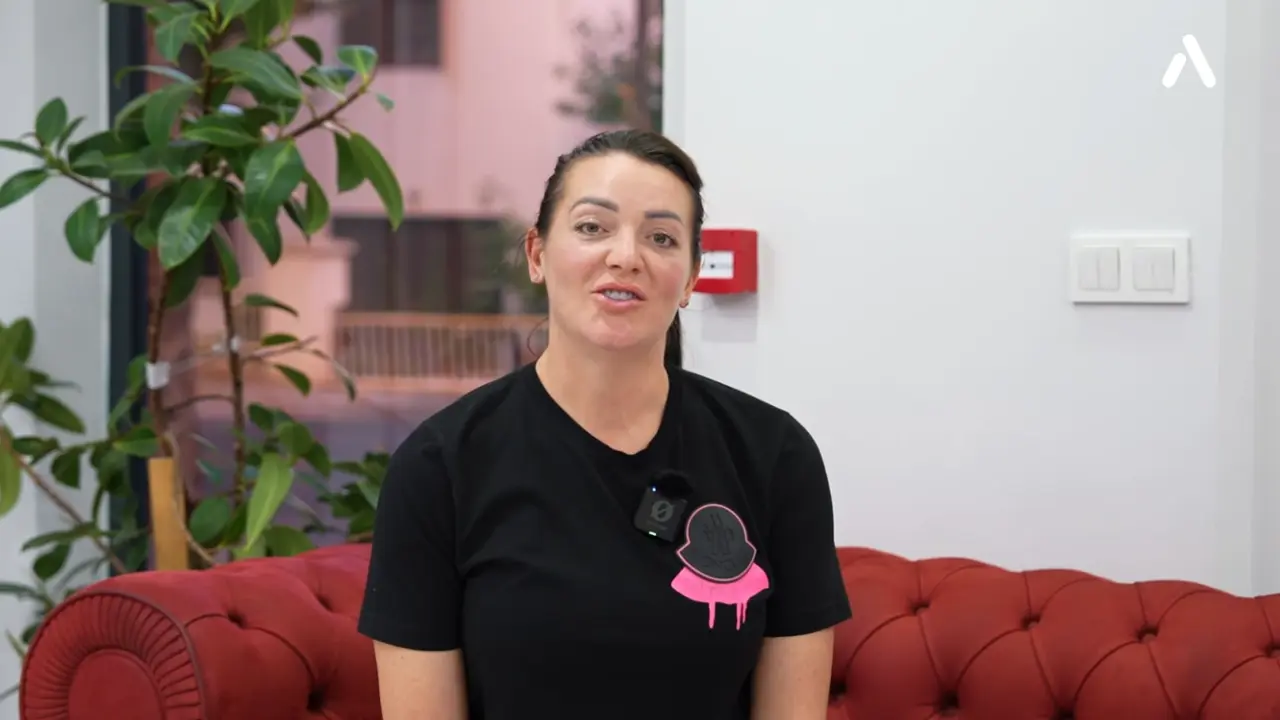




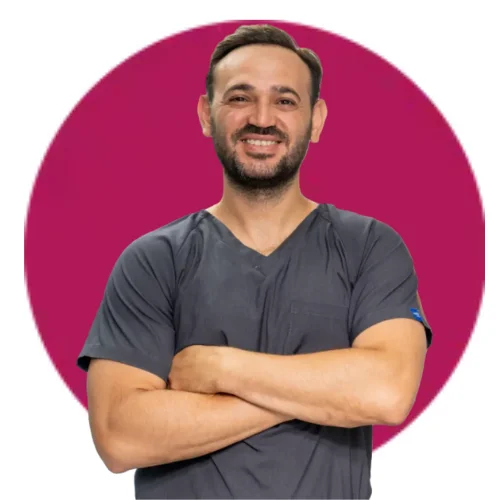
Daddy Makeover Surgeons

Daddy Makeover Cost in Turkey
Starting from $7500
* There are no hidden fees or unexpected charges.
- Your Personalised Daddy Makeover Procedure
- All Specialist Surgeon & Anesthesia Fees
- All Pre-Op Tests & Post-Op Check-ups
- 5-Star Hotel Accommodation (incl. breakfast)
- All Private VIP Airport & Clinic Transfers
- 24/7 Dedicated Patient Coordinator & Translation Services
Daddy Makeover: A Cost Comparison
| City | Cost |
|---|---|
| Miami, FL | ~$14,500 |
| Los Angeles, CA | ~$27,500 |
| New York, NY | ~$32,000 |
| Houston, TX | ~$21,000 |
Daddy Makeover: Patient Reviews
Jammal Canada
I have had face and neck lift with AKM Clinic they have been so good to me and my operation went so smoothly🥰 i would like to thank my doctor here and also to the team 💐
Ava Canada
Thank you AKM Clinic for giving me my confidence back! Had facelift + temporal lift 3 months ago and the outcome is already stunning. Special thanks to Hande!
Jakayla USA
Had a deep plane facelift and lower eyelid procedure at AKM Clinic 7 months ago. The results are fantastic - very subtle and natural. I didn’t expect the entire experience to be so comfortable. Hande managed everything and kept in contact even after I returned to USA. I’m beyond pleased with the outcome and the care I received. Would do it again in a heartbeat!
Barbara United Kingdom
It has been 4 months since my surgery. Everything is great, The most important thing is l love the way l look, l look exactly how l wanted. Meaning l look natural, just almost 40 years younger. I pulled Facebook - majority voted 37ys. I also had face, neck, chest, and hands CO2 laser. My skin is flawless.
Lisa Canada
I had a face, neck and arm lift at AKM. I’m just over 4 weeks post and couldn’t be happier with the results. The entire experience was wonderful! My coordinator, Khadija made me feel comfortable from beginning to end! I highly recommend AKM and will definitely go back for other procedures!
Julie USA
I am beyond grateful I went with AKM Clinic for my deep plane face and neck lift, upper eyelid, and co2 laser. Dr. Akif has magic hands and my results are truly incredible! I came from the US and assistant Emine was the best in assuring every detail was coordinated and communicated with me beyond my expectations every step of the way. 10 out of 10 to the entire team! I couldn’t be more pleased!
Ready to Start Your Own Transformation Journey?
Join the 2,000+ patients who trusted Dr. Akif Mehmetoğlu and the AKM Clinic team. Your journey to a more confident, revitalized you begins with a simple, no-obligation conversation. Contact us today from the USA for your free virtual consultation.
#1: Get Your Free Personalised Quote
Start with a free, no-obligation online consultation. Share your photos, and our surgical team will provide a fully personalised treatment plan and a transparent, all-inclusive price package. No hidden fees.
#2: Secure Your Date & VIP Booking
Once you're ready, our dedicated patient coordinators will help you secure your procedure date. We'll handle all your bookings, including your 5-star hotel and private VIP airport transfers.
#3: Arrive in Istanbul & Meet Your Surgeon
Arrive at Istanbul Airport (IST) and be greeted by your private driver. Settle into your hotel and prepare for your in-person consultation, where you'll meet your specialist surgeon to finalise the details for your "natural, subtle, and revitalized" new look.
