





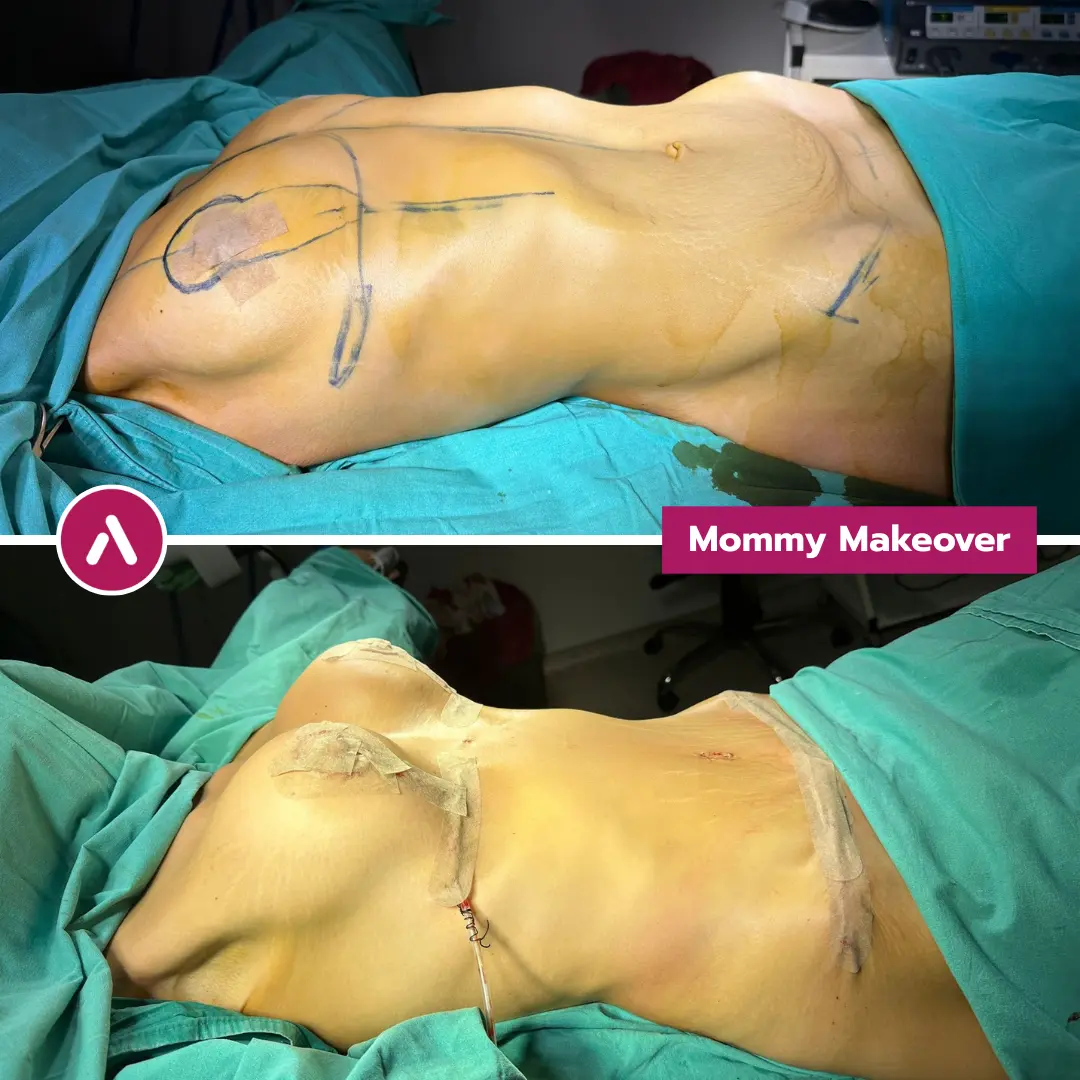
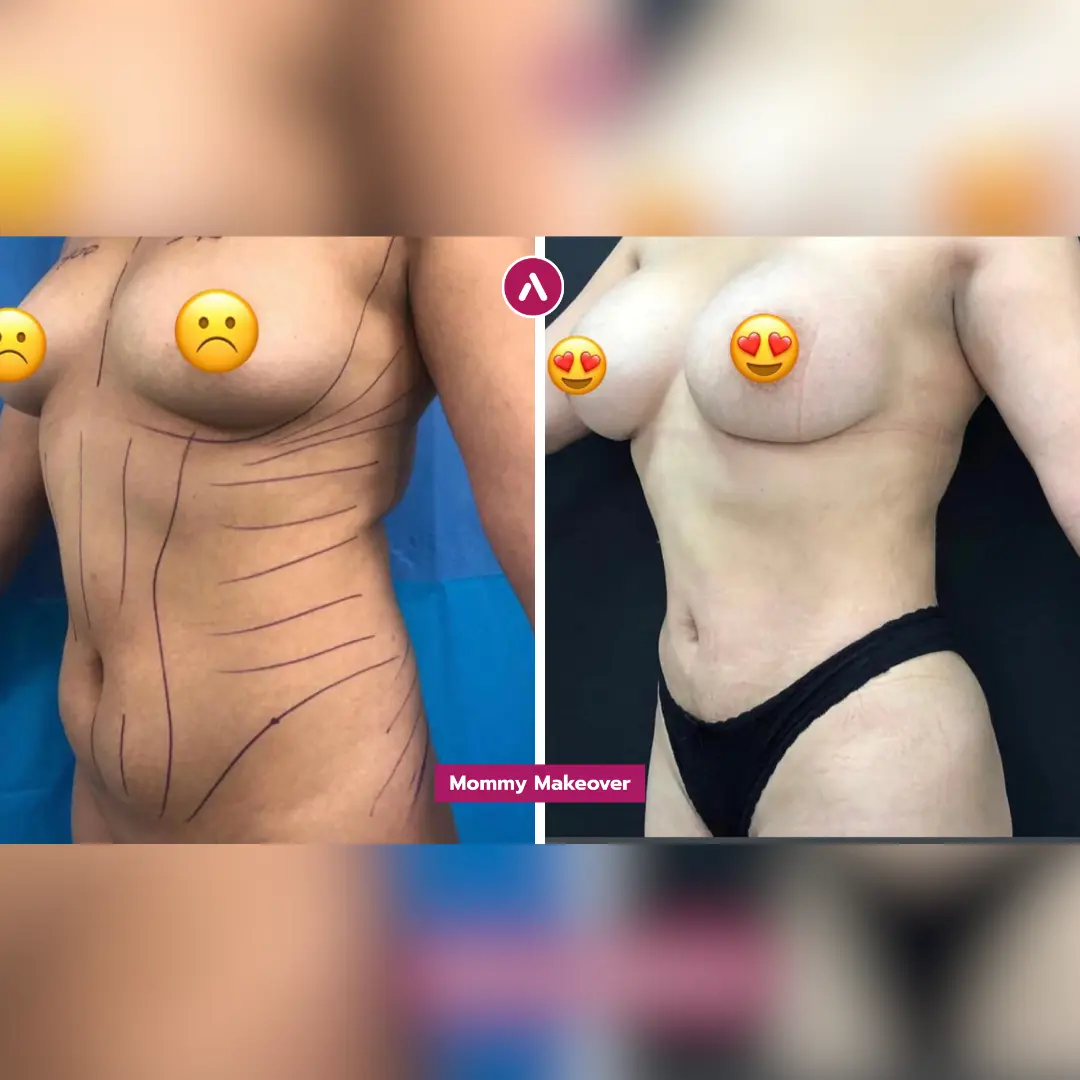
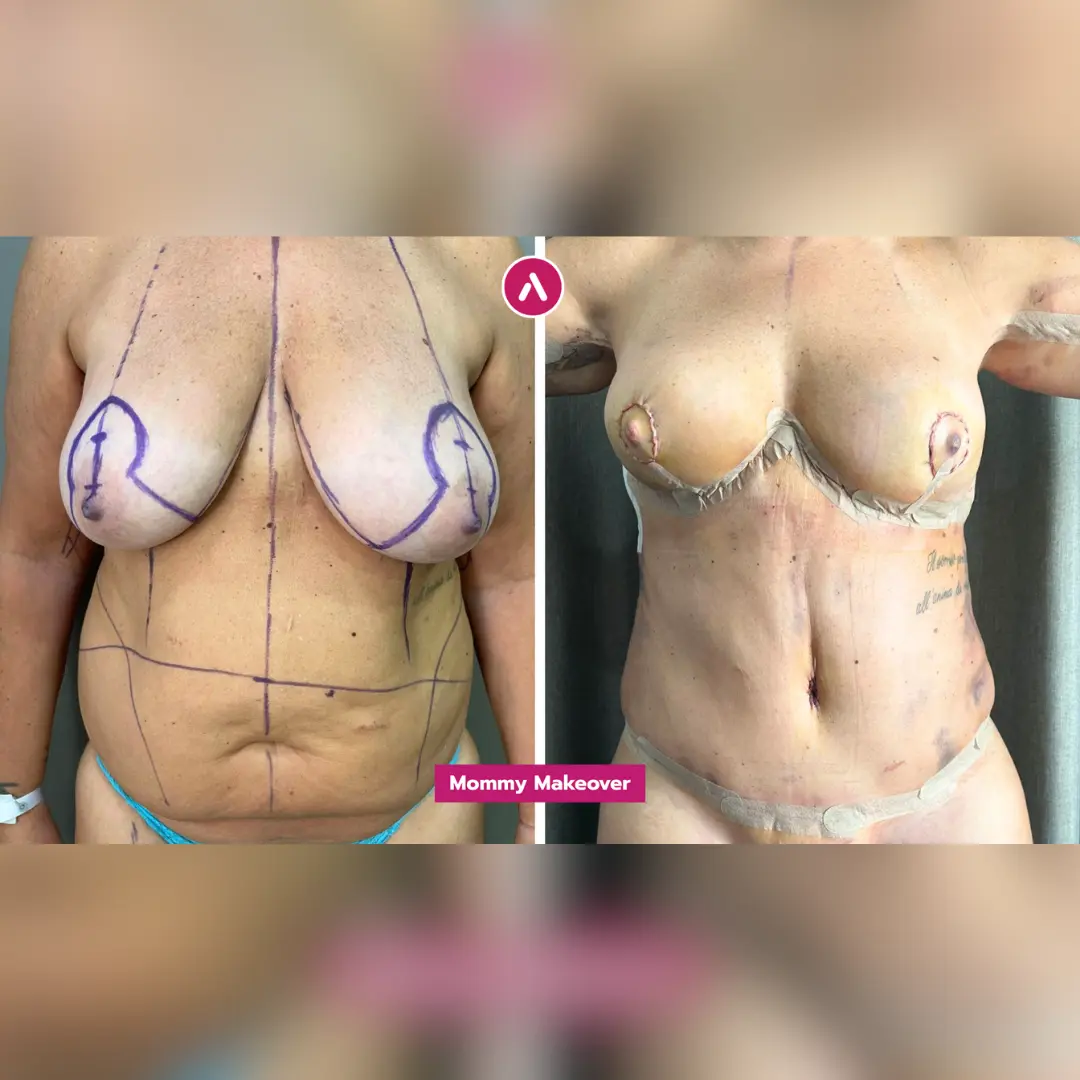
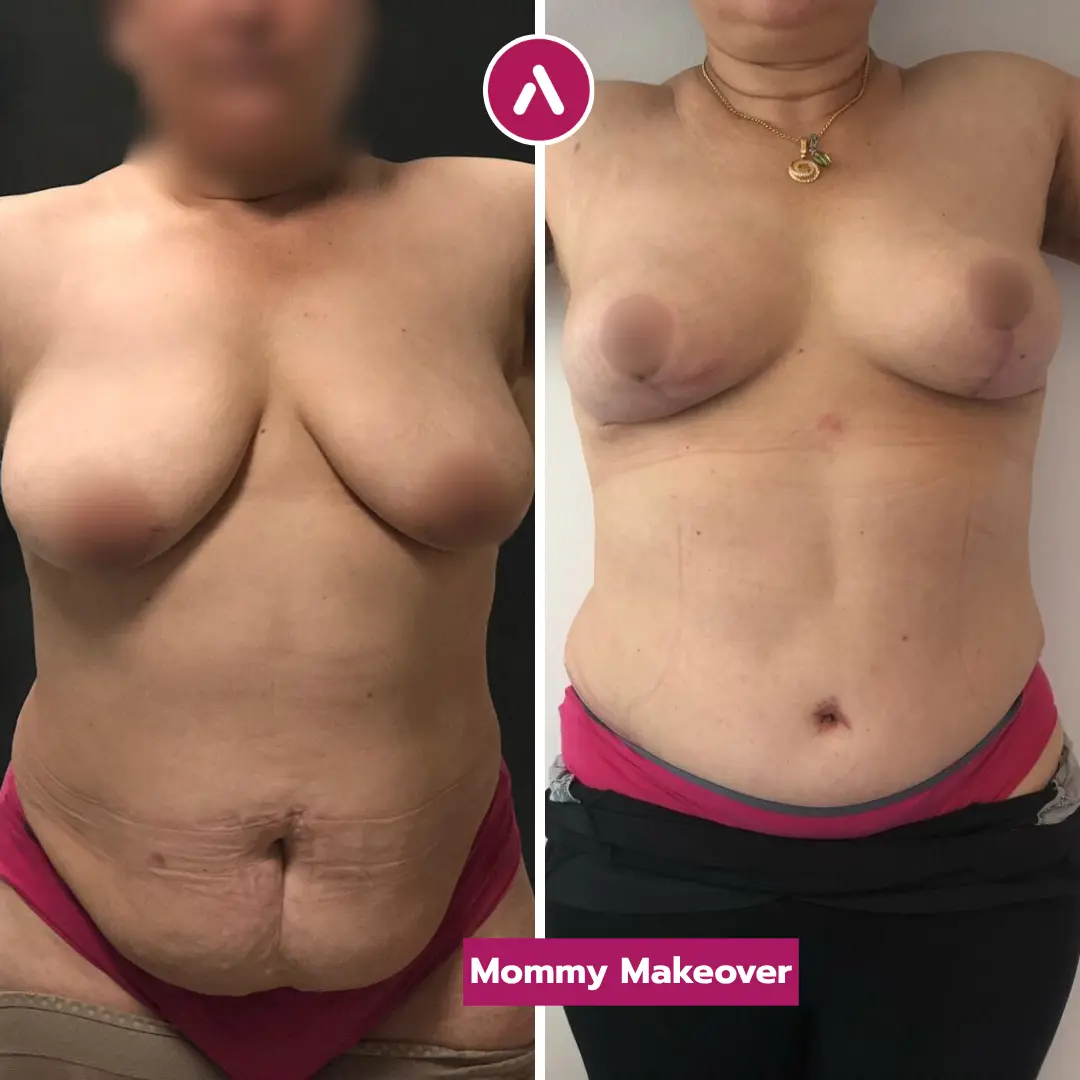
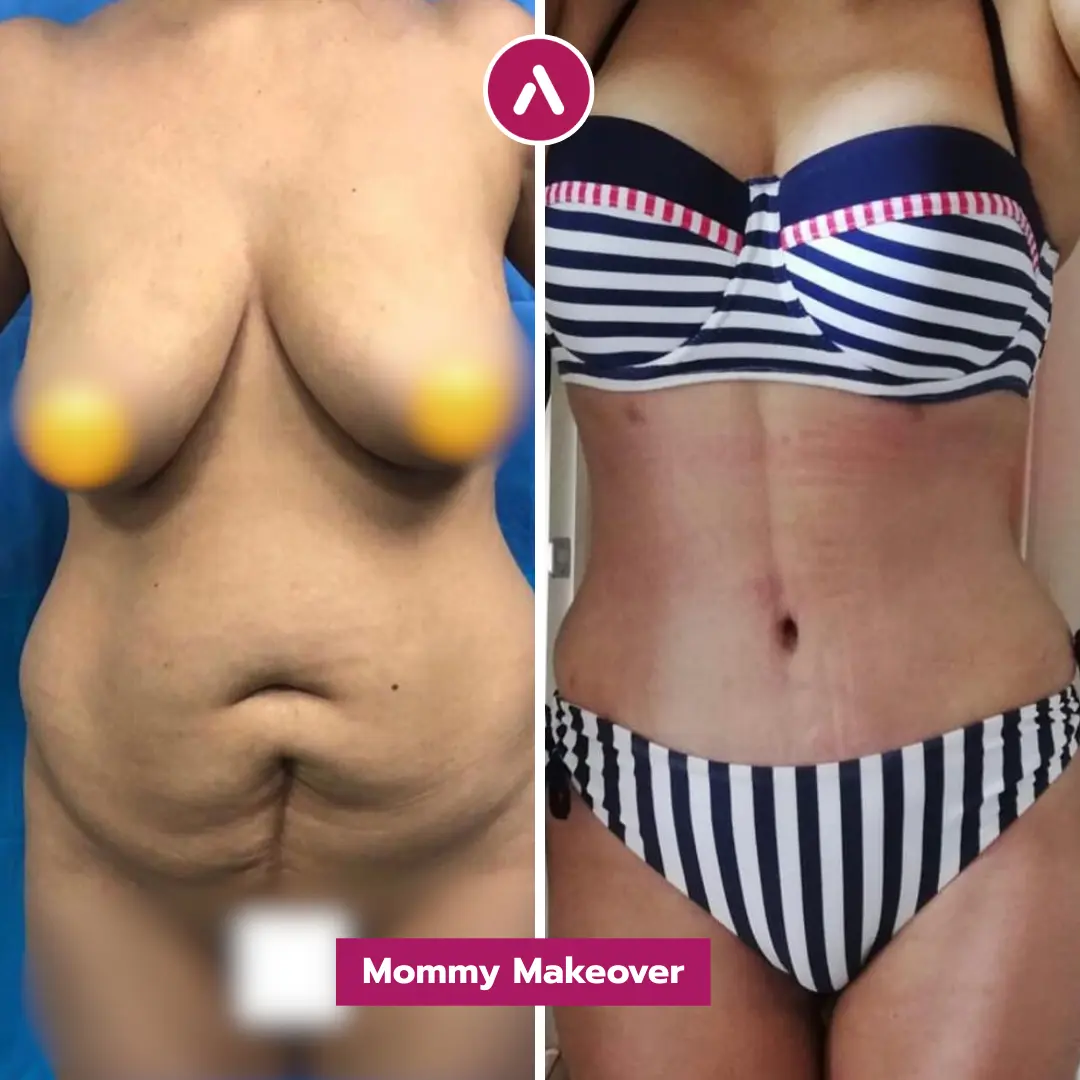
An awake mommy makeover is a customized combination of body-contouring procedures designed to restore the abdomen, breasts, and overall silhouette after pregnancy and breastfeeding—performed using a modern anesthesia approach commonly described as twilight sedation with local anesthesia, rather than full general anesthesia in appropriately selected patients. The goal is not to “change who you are,” but to help you look like a well-rested, healthier version of yourself—aligned with a natural-result philosophy: rejuvenation, not alteration.
This guide is written for the “Expert Patient”—someone who wants clear definitions, realistic expectations, and a transparent discussion of safety and recovery. You’ll learn what the procedure includes, what “awake” really means in surgical practice, and how to think about outcomes in a way that prioritizes long-term health and natural aesthetics.
Table of Contents
What Is an Awake Mommy Makeover?
A mommy makeover is not one single operation—it’s a strategic combination of procedures chosen to address the most common post-pregnancy changes: stretched abdominal skin and muscle separation, breast volume loss or droop, and stubborn fat deposits that don’t respond to exercise alone. The word “awake” does not mean you are fully alert or uncomfortable; instead, it typically refers to a care plan that uses twilight (conscious) sedation and local anesthetic techniques so that you can remain calm, pain-controlled, and closely monitored without the deep unconscious state required in general anesthesia when you are a suitable candidate.
What is a “mommy makeover” (what it typically includes)
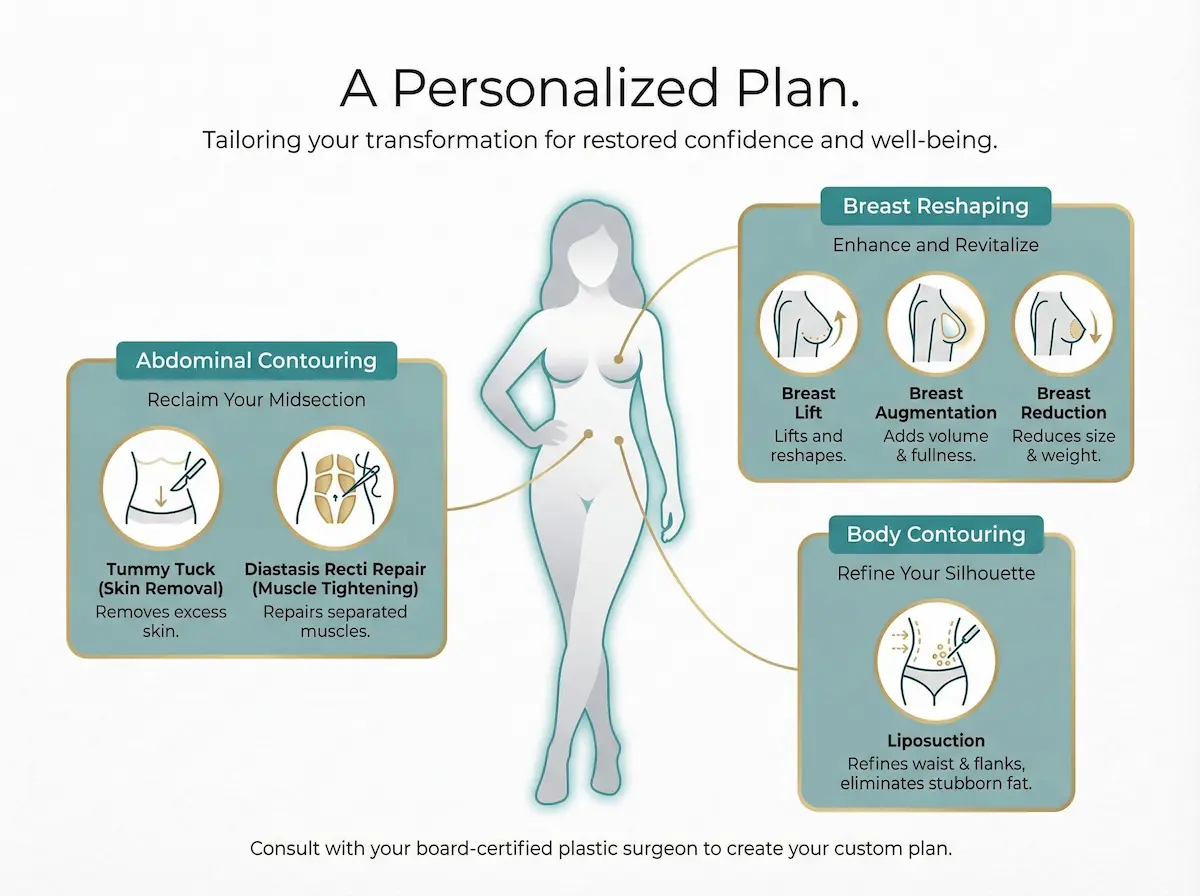
Most mommy makeovers focus on two core areas: the abdomen and the breasts, often with additional contouring for the waist and flanks. Your final plan is built around your anatomy, your recovery priorities, and your surgical safety profile—not a one-size-fits-all package.
- Abdominal contouring: Commonly a tummy tuck (abdominoplasty). Depending on your needs, this may include tightening of the abdominal wall (when indicated) and removal of excess skin.
- Breast surgery: Often a breast lift, breast augmentation with implants, breast reduction, or a combination (for example, lift + implants). Some patients explore fat transfer when appropriate.
- Liposuction/body contouring: Frequently used to refine the waistline, flanks, and back, and to create smoother transitions between treated areas.
What matters most is cohesion: the procedures should complement each other to create a balanced, natural-looking result. A well-designed plan avoids extremes and aims for proportion, symmetry, and a silhouette that matches your frame.
What “awake” means in modern surgery (twilight + local/tumescent concept)
In everyday language, “awake surgery” can sound intimidating. Clinically, it usually means a blend of twilight sedation (to reduce anxiety and awareness) plus local anesthesia (to block pain at the surgical sites). You are typically drowsy, relaxed, and comfortable—many patients remember very little—while your care team monitors you continuously.
This approach is widely discussed because it may offer a different post-op experience than general anesthesia for certain patients and procedures. Potential advantages often include:
- Less grogginess for some patients in the immediate recovery period.
- Reduced postoperative nausea for some individuals who are sensitive to general anesthesia.
- Earlier mobilization in select cases, which is one piece of a broader safety strategy.
Equally important: an “awake” approach is not automatically the right choice for everyone. The safest anesthesia plan depends on your health history, procedure combination, expected operative time, and comfort needs. A high-quality team will be transparent about when twilight sedation is appropriate, when general anesthesia is safer, and when a staged approach (two separate surgeries) makes more sense.

The goal: restoration after pregnancy — rejuvenation, not alteration
Pregnancy and breastfeeding can reshape the body in ways that are completely normal—and sometimes frustrating. An Awake Mommy Makeover is best understood as a restorative procedure: it aims to correct changes like skin laxity, tissue descent, and contour irregularities while preserving your identity and avoiding an “overdone” look.
From an outcomes perspective, “natural” usually means:
- Proportion over exaggeration: a waist and breast shape that fits your frame.
- Smooth transitions: especially around the flanks, lower back, and abdomen.
- Scar planning with intention: scars are a tradeoff in many mommy makeover components, but strategic placement and thoughtful aftercare planning can make them easier to live with long-term.
In the sections ahead, we’ll break down candidacy, technique options, anesthesia decision-making, a step-by-step procedural walkthrough, and a realistic recovery timeline—so you can evaluate this surgery the way an expert patient does: with clarity, safety awareness, and a focus on long-term satisfaction.
Anatomy & Post-Pregnancy Changes This Surgery Treats
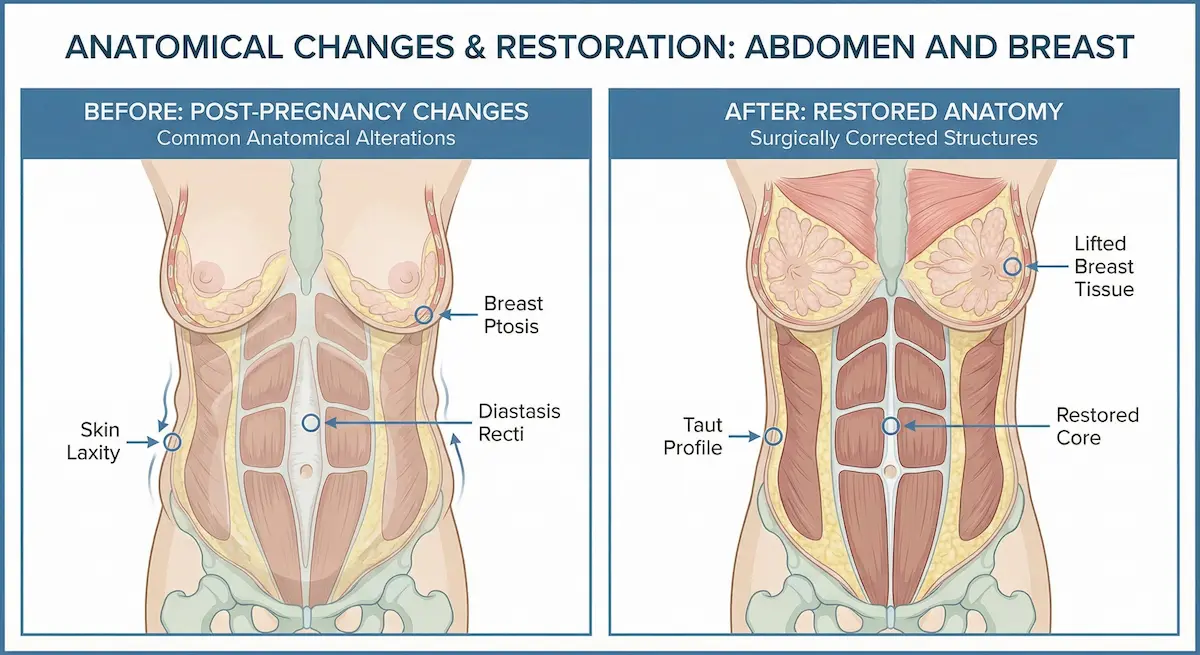
To understand what a mommy makeover can and cannot do, it helps to start with anatomy. Pregnancy doesn’t just “add weight”—it changes how skin, connective tissue, fat compartments, and sometimes the abdominal wall behave under stretch and hormonal shifts. Many of these changes are normal and healthy adaptations. A well-planned mommy makeover simply targets the changes that do not reliably reverse with time, nutrition, and strength training alone.
Abdomen: skin laxity, stretch marks, and core changes (including diastasis)
The abdomen is the most common area of concern after pregnancy because it undergoes mechanical stretching plus long-term tissue remodeling. Postpartum changes typically fall into three categories: skin, subcutaneous tissue, and the abdominal wall (your core support system).
- Skin laxity (loose skin): When skin fibers are overstretched, they may not fully recoil, especially if there were multiple pregnancies, significant weight changes, or a genetic tendency toward lower skin elasticity. Loose skin often shows as a lower abdominal “apron” or a persistent fold that resists tightening with exercise.
- Stretch marks: Stretch marks (striae) develop from dermal stretching and micro-tears. They may fade over time but often do not disappear. A tummy tuck can remove some stretch-marked skin if those marks are located on the portion of skin that is excised, most commonly the lower abdomen. Stretch marks above the navel are typically not fully removed, though their position may change.
- Core changes and diastasis: Many postpartum patients notice a “roundness” or protrusion of the midsection even at a stable weight. One contributor can be diastasis recti, a widening between the left and right rectus abdominis muscles due to stretching of the connective tissue line between them. While strength training is beneficial and often improves function and appearance, a significant separation may not fully correct without surgical repair in appropriate cases.
Why this matters: liposuction targets fat; it does not tighten the abdominal wall. Skin-focused treatments can improve texture but cannot reliably remove a true excess skin fold. A tummy tuck, when indicated, addresses excess skin and can potentially improve the contour impact of diastasis-related laxity by restoring a flatter, firmer abdominal profile.
From a planning perspective, the key questions are:
- Is the main issue fat, skin, muscle separation, or a combination?
- Where is the laxity concentrated—above the navel, below the navel, or both?
- Is there a functional component (core fatigue, back strain) that should be discussed alongside aesthetics?
Breasts: volume loss, ptosis (droop), and asymmetry
Breast changes after pregnancy and breastfeeding are influenced by glandular tissue expansion and later involution (shrinkage), plus ligament and skin stretching. The most common concerns are not purely “size”—they’re often about shape and position.
- Volume loss (“deflation”): Some patients feel their breasts look “empty” at the top or less full overall. This is often related to changes in glandular tissue and fat distribution.
- Ptosis (droop): When the skin envelope stretches and internal support changes, the breast tissue and nipple position may sit lower on the chest. The degree of ptosis varies widely and is a major driver in deciding whether a lift is needed.
- Asymmetry: Small asymmetries are normal, but postpartum changes can make them more noticeable. A thoughtful surgical plan can improve balance and proportion, though perfect symmetry is not a realistic goal in human anatomy.
A critical concept for expert patients: implants add volume, but they do not automatically correct droop. If the nipple position and skin laxity meet lift criteria, adding an implant alone can sometimes create a “bottom-heavy” look or worsen the appearance of descent. Conversely, a lift can improve shape and nipple position, but may not restore the upper-pole fullness some patients want—where augmentation or carefully selected fat transfer may be considered.
Decision-making often comes down to three questions:
- Do you want to change size, shape, or both?
- Is the priority upper fullness, perkier position, or lighter weight (in the case of reduction)?
- What is your tolerance for scars in exchange for improved breast position and shape?
Fat distribution & contour: waist, flanks, hips, and back
Even when weight returns to a pre-pregnancy baseline, body contour can change. Hormonal shifts, lifestyle demands, and pregnancy-related tissue expansion can alter how fat is distributed—especially around the waist and flanks. Patients often describe this as losing the “hourglass” transition between the ribcage, waist, and hips.
Contour concerns typically fall into two patterns:
- Localized, stubborn fat: Areas such as the lower abdomen, flanks (“love handles”), bra line, and lower back may retain fullness despite diet and exercise.
- Contour disharmony: Sometimes the issue isn’t “too much fat” in one spot, but rather a mismatch between neighboring regions—creating a boxier or less defined silhouette.
When appropriately indicated, liposuction is less about “weight loss” and more about shape engineering. The goal is to refine transitions and restore proportion. Importantly, liposuction results depend heavily on skin quality: if the skin has limited elasticity, removing volume without addressing laxity can worsen wrinkling or looseness. That’s why contouring is often evaluated together with skin and abdominal wall factors rather than treated as an isolated problem.
For many expert patients, the most reassuring takeaway is this: a high-quality mommy makeover plan is built from an anatomical diagnosis—skin vs. fat vs. structural support—then matched to the safest, most predictable tools. In the next section, we’ll translate this anatomy into candidacy criteria so you can understand who benefits most, who should postpone surgery, and when combining procedures is (and isn’t) the smartest choice.
Ideal Candidates and Who Should Wait
The safest and most satisfying mommy makeover is the one that matches your anatomy, your health profile, and your recovery reality. “Awake” adds an additional layer of decision-making: your procedure plan and anesthesia approach must be aligned with what is medically appropriate—not just what sounds appealing online. If you approach candidacy like an expert patient—methodical, safety-focused, and realistic—you’ll make better choices and avoid preventable regrets.
Medical candidacy: who tends to do well (and what your surgeon must evaluate)
In general, strong candidates share three traits: medical stability, body-weight stability, and a clear anatomical “problem list” that surgery can reliably correct (skin excess, tissue descent, contour imbalance, and—in some cases—abdominal wall laxity). Your surgeon’s role is to confirm that the procedures you want can be performed with an acceptable risk profile and a predictable outcome.
Common medical factors that matter include:
- Stable weight: A mommy makeover is contour surgery, not a weight-loss solution. Large weight changes after surgery can compromise results, stretch the skin again, and affect scar quality. A stable baseline makes outcomes more durable and more “natural-looking.”
- Overall health status: Conditions that affect circulation, healing, immunity, and clot risk can influence whether you should combine procedures, stage them, or postpone surgery. This is why thorough pre-operative screening is not optional in high-standard care—it’s part of determining candidacy and building safety into the plan.
- Smoking / nicotine exposure: Nicotine is one of the most important modifiable risk factors in body contour surgery because it can reduce blood flow and increase wound-healing complications. A credible practice will give you a clear stop timeline and require compliance.
- Timing after pregnancy and breastfeeding: Your body needs time to stabilize hormonally and structurally. Breast tissue and skin can continue to change after breastfeeding ends, and abdominal tissues may improve for months postpartum. A consultation should help you choose the timing that protects your result.
- Prior surgeries and scars: Prior C-sections, abdominal surgeries, and existing scars can influence incision planning, skin blood supply, and realistic expectations for scar placement.
For “awake” approaches specifically, candidacy also depends on whether your plan can be performed with a sedation strategy that is safe and comfortable for you. Not every combination—or every patient—is appropriate for twilight sedation. A high-integrity team will explain the logic behind the anesthesia choice and will not force an “awake label” onto a plan that isn’t suitable.
Psychological candidacy: expectations, motivations, and “natural” goals
Mommy makeover outcomes are deeply tied to expectations. Technically excellent surgery can still feel disappointing if your mental image of the result doesn’t match what anatomy allows. A strong candidate is not someone who demands perfection; it’s someone who understands tradeoffs and values a result that looks believable and stable over time.
Healthy expectations often sound like:
- “I want to look like myself again.” Restoration after pregnancy, not a completely different body.
- “I understand scars are the tradeoff for skin removal and lift.” Scar planning matters, but “scar-free” is not realistic for many mommy makeover components.
- “I want proportion, not exaggeration.” A natural aesthetic prioritizes balance—how the abdomen, waist, and breasts relate to your frame.
- “I’m prepared to follow aftercare instructions.” Compression, mobility, scar care, and activity restrictions are not minor details—they shape the final result.
It’s also normal to feel anxiety about anesthesia, pain, and safety. In fact, many well-informed patients are cautious because they’ve seen “botched” stories online. The difference between helpful caution and harmful fear is whether you use it to seek evidence, credentials, and transparent risk discussion—rather than rushing into the first clinic that promises the biggest change with the fewest downsides.
When to stage procedures instead of combining (safety and predictability)
A combined mommy makeover can be efficient, but “more in one day” is not automatically better. The smarter approach is the one that balances: (1) surgical efficiency, (2) physiologic stress, (3) recovery practicality, and (4) risk management. In some cases, staging procedures (two separate operations) can be the safest and most predictable route.
Reasons a surgeon may recommend staging include:
- Safety profile: If your medical history suggests elevated risk, breaking procedures into smaller steps can reduce physiologic strain and make recovery easier to monitor.
- Procedure complexity: Certain combinations are more demanding than others. A plan that includes extensive abdominal work plus major breast reshaping may be better staged depending on operative time and tissue considerations.
- “Awake” feasibility: If your desired procedure set cannot be performed comfortably and safely under a twilight/local strategy, staging may expand your options while still protecting your experience and recovery.
- Recovery logistics: Your home responsibilities, ability to rest, and support system matter. Sometimes staging helps you recover more comfortably with less disruption.
From an expert-patient perspective, the most reassuring sign is not a clinic that says “yes” to everything. It’s a clinic that uses structured pre-operative screening to confirm candidacy, explains the reasoning behind combining versus staging, and makes safety the non-negotiable baseline for every plan.
What Does a Mommy Makeover Include?
A mommy makeover is a customized surgical plan that combines procedures to restore the areas most commonly affected by pregnancy and breastfeeding: the abdomen, breasts, and overall trunk contour. The most important idea is that a “mommy makeover” is not a fixed menu item—it’s a modular framework. Your surgeon builds the combination around the specific changes you have (skin vs. fat vs. structural support), the result you want (natural and proportionate), and what can be done safely in one setting.
Core components: tummy tuck + breast surgery + liposuction
Most mommy makeovers include some form of abdominal reshaping, breast reshaping, and contour refinement. These three components address the most frequent postpartum concerns: loose abdominal skin and core laxity, breast deflation or droop, and stubborn fat deposits around the waistline.
| Component | What it addresses | Common options |
|---|---|---|
| Abdominal surgery | Loose skin, lower abdominal fold, possible abdominal wall laxity | Mini / extended / fleur-de-lis / reverse tummy tuck (based on anatomy) |
| Breast surgery | Droop (ptosis), volume loss, heaviness, asymmetry | Lift, implants, reduction, lift + implants, fat transfer in select cases |
| Contour refinement | Waist/flank fullness, contour disharmony, “boxy” silhouette | Liposuction (often with a technique chosen for precision and tissue handling) |
From an “expert patient” standpoint, the smartest plans are anatomically logical. For example:
- If the main abdominal issue is fat with good skin quality, liposuction may play a bigger role.
- If the main issue is excess skin or a persistent lower fold, a tummy tuck becomes the foundation.
- If the breasts have droop, a lift is often the “shape-correcting” procedure—volume decisions come after that.
In an Awake Mommy Makeover context, the procedure combination is also influenced by what can be done comfortably and responsibly under a twilight/local strategy in appropriately selected patients. A high-integrity plan prioritizes safe physiology and predictable healing over doing “everything possible” in one day.
Optional add-ons: skin tightening, definition work, and focused refinements
Once the core plan is established, optional refinements may be added to improve contour smoothness or skin quality—especially in regions where postpartum laxity and tissue elasticity vary (for example, the lower abdomen, flanks, or back). These add-ons are not “extras for everyone”; they are tools used selectively when they improve predictability.
- Skin tightening technologies: In some plans, skin-tightening can complement contouring, particularly when mild-to-moderate laxity exists and the goal is improved surface quality and tighter drape.
- High-definition contouring: For select candidates, more detailed contour sculpting may be considered (this is about shape engineering, not extreme transformation).
- Targeted correction of asymmetry: Breast asymmetry and contour imbalances often require small, strategic adjustments rather than large-volume changes.
The key is restraint: optional procedures should serve the larger objective—natural proportion and restoration—rather than adding complexity that increases recovery burden without meaningful benefit.
How surgeons customize an “expert patient” plan (what gets decided during planning)
A well-run consultation is essentially a structured diagnostic process. Instead of starting with a “package,” the surgeon evaluates your anatomy and then translates it into a surgical sequence. For the expert patient, customization should include clear answers to the following:
- What is the primary driver of the abdominal appearance? (Skin excess vs. fat vs. abdominal wall laxity—and where it’s concentrated.)
- What breast change are you truly seeking? (Lift for position, augmentation for volume, reduction for comfort/weight, or a combination.)
- Where does contour improvement matter most? (Waist, flanks, back, bra-line, lower abdomen.)
- What is the scar tradeoff? Scar placement and length are not minor details; they are part of the long-term quality-of-life equation.
- Should procedures be combined or staged? Combining can be efficient; staging can be safer and sometimes more predictable depending on medical profile, complexity, and recovery logistics.
- Which anesthesia strategy best matches this plan? “Awake” is not a marketing label—it should be a medically reasoned choice based on candidacy, comfort, and safety.
Customization also includes planning the recovery experience: activity restrictions, mobility goals, compression strategies, scar care, and a realistic timeline for returning to work, childcare, and fitness. A high-standard plan makes space for real life—because the best surgical result is the one you can actually protect during healing.
Next, we’ll break down the key technique choices inside a mommy makeover—especially the different tummy tuck types and the breast procedure options—so you can understand what each option accomplishes, what it costs you in scars and recovery, and how to make a safety-first decision.
Surgical Techniques — Your Options, Pros/Cons
“Mommy makeover technique” isn’t one technique—it’s a set of decisions. The best plan starts with a precise diagnosis of what’s driving your postpartum concerns: skin excess, tissue descent, fat distribution, and (in some cases) abdominal wall laxity. From there, your surgeon chooses the most predictable tools. This section breaks down the main technique options that typically make up an Awake Mommy Makeover, with practical pros/cons so you can evaluate tradeoffs like an expert patient.
Tummy tuck types (mini, extended, fleur-de-lis, reverse) — how surgeons choose
A tummy tuck (abdominoplasty) is primarily a skin-and-contour procedure. While it can be paired with repair of abdominal wall laxity when indicated, the signature benefit is removing excess skin and improving the abdominal silhouette. The “type” of tummy tuck is chosen based on where your laxity lives (below the navel vs. above), how much skin needs to be removed, and how your scars can be planned realistically.
| Tummy tuck type | Best for | Main advantage | Key tradeoff |
|---|---|---|---|
| Mini tummy tuck | Primarily lower-abdominal laxity with limited excess skin | Targets the “pouch”/fold below the navel with a smaller scope | Not designed for significant upper-abdominal laxity or major skin excess |
| Extended tummy tuck | Lower abdomen plus laxity that extends toward the hips/flanks | More comprehensive tightening and contour transition toward the waist | Longer incision/scar than a mini; more recovery responsibility |
| Fleur-de-lis tummy tuck | Significant horizontal and vertical skin excess (often after large weight changes) | Addresses both “width” and “height” skin laxity for major reshaping | Includes a vertical scar component in addition to the lower incision |
| Reverse tummy tuck | Upper-abdominal skin laxity (select cases) | Targets upper-laxity patterns that aren’t solved by lower-only excision | Scar placement differs (planning must match clothing preferences) |
How to interpret this as an expert patient:
- If your main issue is lower-abdominal loose skin, a smaller-scope solution may be appropriate.
- If laxity extends toward the hips, an extended approach may produce a smoother waist transition.
- If you have major excess in multiple directions, fleur-de-lis may be the most anatomically honest option—even though the scar tradeoff is bigger.
- If upper laxity is the dominant issue, a reverse pattern may be discussed in selective planning.
Scar reality check: tummy tuck scars are a tradeoff for skin removal. A high-quality plan doesn’t pretend otherwise—it focuses on placement strategy, symmetry, and long-term scar maturation support.
Breast options: lift vs implants vs reduction vs lift + implants vs fat transfer
Breast surgery in a mommy makeover is often the most nuanced part of the plan because breast goals usually involve both shape and volume. Many postpartum patients don’t simply want to be “bigger” or “smaller”—they want the breast to sit higher, look more youthful, and feel like it matches their body again.
| Option | What it primarily changes | Best for | Key consideration |
|---|---|---|---|
| Breast lift (mastopexy) | Position and shape | Droop (ptosis), stretched skin, nipples sitting lower | Scars are part of the lift tradeoff; volume may not increase without augmentation |
| Breast augmentation (implants) | Volume and upper-pole fullness | Deflation/volume loss with relatively acceptable nipple position | Implants don’t automatically correct droop; size must fit your frame for a natural look |
| Breast reduction | Size, weight, and shape | Heaviness, discomfort, or disproportionate breast size | Often includes a lift component; scar pattern depends on anatomy and goals |
| Breast lift with implants | Position + volume | Droop plus a desire for more fullness | Higher complexity: planning must balance lift tension with implant selection |
| Fat transfer breast augmentation | Subtle volume enhancement and contour refinement | Patients seeking a modest, natural-feel increase | Volume gain is usually more conservative; results depend on fat “take” and anatomy |
Practical decision-making rules that reduce regret:
- If nipple position is low and skin is stretched: a lift is often the “shape-correcting” foundation.
- If you want upper fullness: implants (or selective fat transfer) may be considered—but only after shape needs are addressed.
- If your priority is comfort and proportion: reduction can be both functional and aesthetic, typically with lifting effects.
A “natural” breast outcome is not defined by a specific cup size. It’s defined by proportion to your shoulders, waist, and hips—and by a shape that looks believable in clothing and in real life.
Liposuction & contouring options (VASER, awake lipo, J-Plasma) — when they help
Liposuction within a mommy makeover is best understood as shape engineering, not weight loss. The goal is to refine transitions—especially at the waist, flanks, and lower back—so the abdomen and breast improvements look cohesive. In some cases, “definition” approaches are considered for candidates who want sharper lines, but the guiding principle remains: proportion and natural harmony over extremes.
Common contouring tools that may be discussed include:
- High-definition VASER liposuction: Often positioned as a precision-focused method for body contouring in suitable candidates, especially when the goal is a more sculpted silhouette.
- Awake liposuction: In selected scenarios, liposuction may be paired with an “awake” approach (twilight sedation/local anesthesia), depending on candidacy and the scope of the plan.
- J-Plasma skin tightening: Considered in plans where skin quality and mild-to-moderate laxity are part of the contour equation and the goal is improved skin drape.
Two expert-patient insights that matter here:
- Skin quality determines liposuction elegance. If skin elasticity is limited, removing volume alone may reveal or worsen looseness—so skin strategy must be part of the plan.
- “More aggressive” isn’t always better. Over-resection can lead to contour irregularities, waviness, or unnatural transitions. The best contouring is often subtle, smooth, and stable over time.
Finally, technique choices influence recovery planning. A plan with substantial skin removal, multi-region liposuction, and breast reshaping requires a recovery strategy that matches real life—mobility goals, compression, scar planning, and a timeline that makes sense for childcare, work, and travel. Next, we’ll go deeper into the anesthesia decision itself: what twilight sedation is, how it compares to general anesthesia, and how the “awake” approach is chosen responsibly.
Anesthesia Choices — Twilight Sedation vs General Anesthesia
For many “expert patients,” anesthesia is the real decision driver—not just the procedure list. If you’re considering an Awake Mommy Makeover, you’re likely asking very specific questions: What exactly is twilight sedation? Is it safer than general anesthesia? What does it change about recovery—and what does it not change? This section walks you through anesthesia options in a practical, medically grounded way, including who may (and may not) be a good candidate for an “awake approach” when multiple procedures are combined.
What is twilight sedation (and what “awake” really feels like)
Twilight sedation is commonly used to describe a level of sedation where you are deeply relaxed and typically drowsy, while still maintaining protective reflexes more than you would under general anesthesia. In many surgical contexts, twilight sedation is paired with local anesthesia (and, in body contouring, often tumescent infiltration techniques) to control pain at the surgical sites.
In an “awake” pathway, patients often describe the experience as:
- Calm and comfortable, with reduced anxiety and a sense of time passing quickly.
- Drowsy—you may drift in and out of light sleep.
- Minimal memory of parts of the procedure, depending on the sedation plan.
It’s equally important to clarify what “awake” is not:
- It does not mean “no anesthesia.” You should still expect a carefully designed pain-control plan.
- It does not mean “no monitoring.” Safe sedation relies on continuous vital sign monitoring and a team trained to manage airway, comfort, and physiologic stability.
- It does not automatically mean “better” for every patient. The safest plan is individualized.
If your primary concern is fear of general anesthesia, an awake/twilight option can be psychologically meaningful—but it must be medically appropriate for your procedure scope, your health history, and your expected operative time.
Surgeon’s Insight: The anesthesia plan should serve the same goal as the aesthetic plan: support a result that looks natural, feels safe, and respects your long-term well-being—not a “one-size-fits-all” promise.
Twilight vs general anesthesia: safety profile & recovery experience (what changes, what doesn’t)
Both twilight sedation and general anesthesia can be safe when properly administered for the right patient in the right setting. The meaningful differences are often about depth, airway management, and post-op experience.
| Category | Twilight sedation (often with local anesthesia) | General anesthesia |
|---|---|---|
| Level of unconsciousness | Drowsy/relaxed; level varies by plan | Fully unconscious |
| Pain control during surgery | Local/tumescent anesthesia does the “pain blocking,” sedation supports comfort | General anesthesia supports unconsciousness; pain control still requires a plan |
| Immediate recovery feel | Some patients report less grogginess and faster “clear-headed” recovery | Some patients experience more grogginess, sore throat, or nausea (varies widely) |
| Nausea sensitivity | May be lower for some patients (individual variability matters) | Some patients are more prone to nausea/vomiting |
| Best use cases | Appropriate for select procedures/patients and certain combinations | Often preferred for longer or more complex combinations, depending on safety |
What expert patients sometimes miss is that anesthesia type is only one part of “safety.” Your complication risk is also shaped by:
- Patient selection: pre-op medical screening, candidacy confirmation, and risk stratification.
- Procedure design: what is combined, how long it takes, and whether staging is safer.
- Post-op protocols: early mobilization strategy, monitoring, and structured aftercare support.
Side effects can occur with either approach. With twilight sedation, some patients experience temporary grogginess, mild nausea, or fluctuations in alertness; with general anesthesia, patients may experience nausea, sore throat, deeper fatigue, or slower immediate “return to baseline.” The key is not to chase a label—it’s to choose the plan that matches your medical profile and procedure scope.
Who qualifies for an “awake approach” in combined surgery (and when general or staging is smarter)
An Awake Mommy Makeover can be an excellent fit for the right patient and the right procedural design. However, combining surgeries increases complexity—and that complexity influences whether an awake/twilight approach is realistic, comfortable, and safe.
Clinically, candidacy often depends on:
- Overall health profile: your medical history, medications, and factors that influence healing and clot risk.
- Procedure scope and expected duration: larger combinations may be better suited to general anesthesia or a staged plan.
- Your comfort and anxiety profile: some patients strongly prefer deeper anesthesia for peace of mind; others prefer avoiding general when appropriate.
- Recovery logistics: your ability to rest, mobilize safely, and follow aftercare instructions after multiple procedures.
As an expert patient, you should treat these as “green flags” in a consultation:
- The team explains why a certain anesthesia approach is recommended for your plan (not just “we do it this way”).
- The clinic uses structured pre-op screening to confirm safety and candidacy before committing to a date.
- They’re willing to stage procedures if that reduces risk or improves predictability—rather than pushing a maximal one-day plan.
At AKM Clinic, “awake/twilight” capability is positioned as a clinical differentiator in complex facial surgery, specifically for patients who fear general anesthesia and want a less traumatic recovery experience when medically appropriate. The same decision logic applies to body contouring: the right plan is the one that balances safety, comfort, and predictability—using either twilight/local or general anesthesia, and using staging when that’s the smarter option.
Next, we’ll walk through what actually happens on procedure day—pre-op testing, final surgical planning, the OR experience, and the post-op monitoring plan—so you can visualize the process and evaluate a provider’s safety standards with confidence.
Step-by-Step — What Happens on Procedure Day
Even when you understand the “what” of an Awake Mommy Makeover, the “how” can still feel abstract. A high-standard surgical day follows a predictable clinical rhythm: confirm candidacy, finalize the plan, execute safely with continuous monitoring, and then transition you into structured recovery with clear instructions. This section walks through the typical sequence so you can evaluate a provider’s process with the same rigor you’d apply to the surgical technique itself.
Pre-op tests & screening: how candidacy and safety are confirmed
Before any combined procedure is performed—especially with an “awake/twilight” approach—your care team should confirm that your plan is medically appropriate and that your risk factors are understood and managed. For an expert patient, this is where trust is earned: not with promises, but with structured screening and clear decision-making.
Pre-operative preparation typically includes:
- Medical history review: prior surgeries (including C-sections), medications, allergies, anesthesia history, and any bleeding/clotting concerns.
- Physical exam & surgical mapping: evaluation of skin laxity, fat distribution, breast position/ptosis, and any asymmetries that must be planned around.
- Baseline testing (as indicated): labs and other evaluations based on your health profile and the scope of your planned procedures.
- Risk stratification: an honest discussion about factors that can increase complications (for example: nicotine exposure, uncontrolled medical conditions, or recovery constraints).
- Procedure design decision: final confirmation of whether procedures should be combined or staged.
For Awake Mommy Makeover candidates, the screening should also address sedation suitability—not just “can you tolerate it,” but whether your planned procedure combination can be performed safely and comfortably within the sedation strategy. If a clinic is truly safety-driven, it will recommend general anesthesia or staging when that is the safer and more predictable option.
In-person surgical plan confirmation & the OR process
On the day of surgery, the team’s priority is to align everyone—surgeon, anesthesia team, nursing staff, and you—around a single, consistent plan. This is not a formality; it’s a safety and precision step.
The day commonly unfolds like this:
- Arrival and identity checks: confirmation of your plan, allergies, consent, and key safety steps.
- Final surgical markings: your surgeon marks incision lines and contour targets while you are standing, because gravity and posture influence how tissues settle and where scars should ideally sit.
- Anesthesia set-up: placement of monitors and initiation of your sedation plan. In an “awake/twilight” pathway, comfort is created by a combination of sedation (to reduce awareness and anxiety) and local anesthesia (to block pain at the surgical sites).
- Procedure sequence: the team follows an internal order that helps manage sterility, efficiency, and tissue handling. (The exact sequence can vary depending on your customized plan.)
- Continuous monitoring: vital signs and comfort are tracked throughout. The hallmark of high-standard care is not the marketing label “awake,” but the clinical discipline of monitoring and adjustment.
What you should expect psychologically: most patients are less “awake” than they imagine. Many feel deeply relaxed, may drift in and out of light sleep, and recall little in detail afterward. Your job is not to “tough it out”—your job is to communicate if you feel anxious or uncomfortable so the team can adjust your sedation and support your experience.
Expert-patient questions worth asking pre-op include:
- “How will you keep me comfortable throughout the procedure?”
- “If my procedure becomes longer or more complex than expected, what is your backup plan?”
- “How do you decide whether to combine procedures or stage them?”
Post-op monitoring, early recovery, and discharge planning
Immediately after surgery, your care shifts from “execution” to “stabilization and recovery.” This is when patients most appreciate a structured protocol: pain control, mobility guidance, and clear instructions—because the early recovery window sets the tone for swelling, comfort, and confidence.
Post-op care typically includes:
- Recovery area monitoring: observation as sedation wears off, with ongoing assessment of comfort, nausea, hydration, and vital signs.
- Pain and nausea management: a balanced plan that supports mobility and rest without over-reliance on any single medication category.
- Compression and dressings: placement of garments and bandaging appropriate to your procedure mix (abdomen, breasts, liposuction areas).
- Mobility plan: guidance on safe walking and positioning, which can support circulation and reduce stiffness.
- Drain education (if applicable): clear instructions on care, output tracking, and when to contact the team.
- Discharge criteria: you should leave the clinical setting only when you’re stable, comfortable enough, and have a clear plan for support.
If you are traveling for surgery, discharge planning should also be practical and protective: where you will rest, how you will be transported, who will assist you, and how you will reach the team quickly if questions arise. The best providers do not treat logistics as “customer service”—they treat them as a continuity-of-care issue that reduces preventable stress in early recovery.
Finally, you should leave with a written plan covering:
- Activity restrictions: walking goals, lifting limits, posture guidance (especially after tummy tuck), and sleep positioning.
- Wound and scar care: what to do, what to avoid, and what “normal healing” looks like.
- Red flags: symptoms that require immediate medical contact.
- Follow-up schedule: in-person checks when applicable and structured remote follow-ups over the coming months.
Next, we’ll move from “what happens that day” to “what happens afterward”: a detailed recovery timeline, scar expectations, and the aftercare strategies that can make recovery smoother—especially when a clinic uses recovery-focused protocols to support healing.
Recovery Timeline, Scars, and Aftercare
Recovery after an Awake Mommy Makeover is a process, not an event. The best outcomes come from two things working together: (1) a well-designed surgical plan and (2) disciplined aftercare that protects healing tissues while swelling, bruising, and scar remodeling take place. This section gives you a realistic timeline, a clear framework for what “normal” recovery tends to look like, and the aftercare priorities that help expert patients recover comfortably—especially when structured recovery protocols are used to support healing.
Recovery timeline: what to expect (first 72 hours → weeks → months)
Your recovery experience depends on what you combined (tummy tuck vs. liposuction alone, breast lift vs. augmentation, etc.), your baseline health, and how strictly you follow instructions. Still, most recovery can be understood in predictable phases:
| Time period | What you’ll likely notice | What matters most |
|---|---|---|
| First 72 hours | Swelling begins, soreness/tightness is common, fatigue is expected. | Rest, hydration, safe walking as instructed, and staying on top of your medication and garment plan. |
| Week 1 | Swelling and bruising are usually most noticeable; mobility improves gradually. | Follow wound care instructions, maintain gentle movement, avoid lifting/straining, and protect incisions. |
| Weeks 2–3 | Many patients feel “more like themselves,” but swelling can still fluctuate. | Consistency: garments, scar-care initiation (when cleared), and avoiding premature activity increases. |
| Weeks 4–6 | Improved comfort and mobility; contour begins to look more defined. | Gradual return to activity per medical guidance; avoid rushing exercise or heavy lifting. |
| Months 2–3 | Swelling continues to settle; shape looks more “stable.” | Scar maturation support, sun protection, and steady lifestyle habits that preserve results. |
| Months 3–12 | Scars remodel and soften; final contour clarity emerges progressively. | Long-term follow-up, ongoing scar care, and weight stability for durability. |
Expert-patient mindset: recovery isn’t linear. You may feel dramatically better and then have a “swollen day” after a long walk, travel, or increased activity. That doesn’t automatically mean something is wrong—it often means your tissues are still recalibrating. The goal is to stay inside the safe recovery lane your surgeon sets, not to “test” your limits early.
Many patients are surprised by how manageable recovery can feel with the right plan. In AKM’s patient testimonial synthesis, multiple patients describe minimal pain and a smoother-than-expected recovery experience—though outcomes always vary by procedure and individual profile.
Mommy makeover scars: what’s normal, what’s controllable, and what isn’t
Scars are the most misunderstood tradeoff in mommy makeover surgery. In general: procedures that remove skin (like tummy tuck or breast lift/reduction) require incisions, and incisions create scars. The goal is not “scar-free”—it’s strategic scar placement, meticulous closure, and a scar maturation plan that helps scars fade and soften over time.
What’s controllable:
- Scar placement strategy: Incisions are planned to be as discreet as anatomy allows (for example, aligned with typical underwear/bikini lines when appropriate).
- Tension management: Good surgical technique reduces unnecessary tension, which can influence scar widening.
- Aftercare consistency: Following wound instructions, using approved scar therapies when cleared, and protecting scars from sun exposure.
What’s not fully controllable:
- Your biology: Genetics, skin tone, and individual healing response matter. Some people naturally form thicker or more pigmented scars.
- Major weight fluctuations: Weight changes can stretch tissues and affect scar appearance and contour stability.
- Nicotine exposure: Nicotine can reduce blood flow and impair healing, increasing scar risk.
A practical scar timeline (general pattern):
- Weeks 1–6: scars look “fresh” and can appear pink/red.
- Months 2–6: scars often begin to soften and lighten, though they can temporarily look more noticeable before improving.
- Months 6–12+: scar maturation continues; many scars become significantly less visible over time with proper care.
For expert patients, the best question isn’t “Will I have scars?” It’s: “Are the scars worth the improvement in skin excess and shape—and do I have a plan to support scar quality long-term?”
Accelerated Recovery & Safety Protocol: HBOT + LLLT (how it’s designed to support healing)
Some clinics treat “recovery support” as a comfort add-on. In AKM’s technology framework, recovery technologies are positioned as part of a system designed to accelerate healing and mitigate risk—especially for patients who prioritize minimal visible downtime.
HBOT (Hyperbaric Oxygen Therapy) is described as a medical intervention where patients are exposed to 100% oxygen in a pressurized environment to enhance oxygen delivery to tissues during the post-surgical window. In AKM’s technology analysis, HBOT is linked to multiple patient-centric benefits, including reduced inflammation, enhanced scar healing through fibroblast stimulation, and a dual-action approach to infection prevention and control—framed as a “#1 safety promise.”
- Tissue support: Enhanced oxygen delivery is positioned to support tissue survival and regeneration in vulnerable post-surgical tissues.
- Reduced inflammation and downtime: The protocol is described as supporting lymphatic drainage and reducing inflammation, which can shorten “social downtime.”
- Scar-quality support: HBOT is described as stimulating fibroblasts (collagen-producing cells), supporting smoother scar maturation.
- Infection defense: The hyper-oxygenated environment is described as hostile to many bacteria while also supporting immune response.
LLLT (Low-Level Laser Therapy) is described as a non-thermal “soft laser” approach designed to stimulate cellular activity. In the same framework, LLLT is positioned as a complementary layer that can accelerate cellular repair by boosting ATP production and support collagen synthesis via fibroblast stimulation—serving as an adjunct to HBOT for swelling and redness reduction.
- Cellular acceleration: Supports energy production (ATP) and the “fuel” cells need for repair.
- Collagen support: Stimulates fibroblasts, complementing HBOT’s broader recovery support.
- Swelling/redness support: Positioned as an adjunct that contributes to a smoother recovery experience.
Importantly, AKM’s before/after case analysis frames HBOT + LLLT as an accelerated pathway particularly useful for patients who need minimal social downtime—described as “supercharged,” with reports of drastically reduced inflammation/bruising and being “camera-ready” in 14 days in selected cases. This is presented as a targeted tool rather than a universal, identical protocol for every patient and every procedure combination.
In expert-patient terms, the key takeaway is not “technology guarantees a fast recovery.” The takeaway is that a provider who integrates recovery science into the plan is thinking beyond the operating room—toward predictable healing, reduced perceived risk, and a smoother return to real life.
Risks, Complications, and How Safety Is Built In
No reputable surgeon will tell you an Awake Mommy Makeover is “risk-free.” It is a real surgery (often a combination of surgeries), and the safest outcomes come from three pillars: (1) the right candidate, (2) the right surgical plan (including whether to combine or stage), and (3) disciplined perioperative protocols—before, during, and after the procedure. In this section, you’ll get an honest look at potential complications, what increases risk, and what high-standard safety systems look like so you can evaluate any provider with confidence.
Honest risk list: what can happen (and how common concerns differ by procedure)
Risk is not one single number—each component of a mommy makeover carries its own risk profile, and combining procedures can increase physiologic demand and recovery complexity. Below are the major categories expert patients should understand:
- Bleeding / hematoma: Bleeding can occur after any surgery. In breast surgery, a hematoma (a collection of blood) may require urgent evaluation and occasionally a return to the operating room. Early swelling that becomes suddenly tense, painful, or asymmetric deserves immediate attention.
- Infection: Infections range from mild superficial wound infections to deeper infections requiring antibiotics, drainage, or additional intervention. Risk can be influenced by procedure extent, immune status, diabetes control, smoking/nicotine, and aftercare compliance.
- Fluid collection (seroma): Particularly relevant after tummy tuck and extensive liposuction. Seromas can require aspiration (needle drainage) or longer drain use.
- Wound-healing problems: Delayed healing, wound separation, or tissue compromise can occur—especially where tension is high or blood supply is reduced. Nicotine exposure is a major risk amplifier.
- Blood clots (DVT/PE): A deep vein thrombosis (DVT) is a clot in the leg; a pulmonary embolism (PE) is when a clot travels to the lungs. This is one of the most serious risks in body contouring—especially when multiple procedures are combined and mobility is reduced.
- Scarring issues: Scars can widen, thicken, become raised, or pigment more than expected. Genetics matter. So do tension, incision placement, and scar aftercare.
- Contour irregularities: With liposuction, risks include unevenness, waviness, or asymmetry—especially if too aggressive an approach is used or if skin quality is limited.
- Sensation changes: Numbness or altered sensation can occur around the abdomen and breasts. Some sensation changes improve over months; some can be long-lasting.
- Anesthesia-related risks: Both twilight sedation and general anesthesia carry risks. The right approach depends on candidacy, procedure duration, and the team’s ability to monitor and respond to physiologic changes.
Expert-patient takeaway: the best safety conversations are specific. Instead of “What’s the risk?”, ask: “What are the top risks for my plan, and what is your strategy to reduce each one?”
Mitigation: the safety “stack” (screening, planning, monitoring, and protocols)
High-standard clinics don’t rely on one big promise. They build safety through layers—a “stack” of risk-reduction steps that start before surgery and continue through recovery. Here is what that stack typically includes:
| Safety layer | What it includes | Why it matters |
|---|---|---|
| Pre-op screening | Medical history, medication review, targeted testing, candidacy confirmation | Identifies risk factors early and prevents unsafe combinations |
| Procedure design | Choosing the right technique; deciding combine vs stage; realistic operative scope | Reduces physiologic strain and improves predictability |
| Anesthesia plan | Twilight/local vs general based on medical need, comfort, expected duration | Matches anesthesia depth to the safest pathway for your case |
| Intra-op monitoring | Continuous vital sign monitoring; temperature management; fluid balance | Prevents avoidable physiologic stress during long or combined procedures |
| Infection prevention | Sterile technique, appropriate antibiotics, careful wound handling | Reduces wound complications and revision risk |
| Clot prevention strategy | Early mobilization plan; compression; individualized prophylaxis where indicated | Addresses one of the most serious risks in body contour surgery |
| Structured aftercare | Clear instructions, follow-ups, red-flag education, rapid access to the team | Prevents small issues from becoming big complications |
Two “expert patient” questions that reveal a clinic’s safety maturity:
- “What would make you recommend staging my procedures?” A safety-first clinic should answer this comfortably and specifically.
- “How do you reduce clot risk in combined body contouring?” If the answer is vague, that’s a red flag.
Where “awake/twilight” fits: Twilight sedation can be part of a safety-forward approach for the right patient and the right scope. But it should never be used as a blanket guarantee. Ethical planning means choosing twilight/local when appropriate, and choosing general anesthesia or staging when that offers the safest physiologic pathway.
How recovery technology can support risk reduction (comfort, inflammation control, and tissue support)
Risk reduction doesn’t stop when surgery ends. A well-designed recovery protocol aims to reduce excessive inflammation, support tissue healing, and improve patient comfort—because smoother recovery can lead to better mobility, better compliance, and fewer “small problems” escalating.
In AKM Clinic’s care model, recovery support is positioned as a structured protocol rather than a cosmetic add-on, including:
- HBOT (Hyperbaric Oxygen Therapy): Positioned as a tissue-support and safety-oriented intervention designed to enhance oxygen delivery during healing and support inflammation control and scar quality.
- LLLT (Low-Level Laser Therapy): Positioned as a complementary therapy intended to support cellular repair and reduce swelling/redness in the early recovery window.
Important expert-patient nuance: these technologies are not “magic.” They do not eliminate the need for good surgical technique, good candidate selection, and strict aftercare. Their value is best understood as an additional layer that may support comfort and healing when integrated responsibly into a broader safety plan.
Red flags: symptoms you should never ignore
Knowing what’s normal is helpful. Knowing what’s not normal is protective. Contact your surgical team urgently (or seek emergency care when appropriate) if you experience:
- Possible clot/PE signs: sudden shortness of breath, chest pain, rapid heart rate, coughing blood, or one-sided leg swelling/pain.
- Possible infection signs: fever, worsening redness, increasing heat, foul drainage, or rapidly escalating pain around an incision.
- Bleeding/hematoma concern: sudden swelling, tightness, severe pain, or asymmetry—especially in the breasts.
- Wound issues: incision opening, blackened tissue, or rapidly spreading discoloration.
- Uncontrolled nausea/vomiting or dehydration: especially if you cannot keep fluids down.
High-standard clinics do not leave you guessing. They provide a clear red-flag list, a direct contact pathway, and a structured follow-up schedule—because early intervention is often the difference between a minor setback and a major complication.
Results — What Looks “Natural” After a Mommy Makeover
When patients say they want “natural” results, they rarely mean “subtle” in the sense of “barely noticeable.” They usually mean something more specific: a restored, proportionate silhouette that looks believable on their body, in real clothing, and in real life—without obvious surgical cues. In other words: you look like you, just healthier, tighter, and more aligned with how you felt before pregnancy changes accumulated.
What “natural” means for body contouring (proportion, harmony, and restraint)
A natural-looking mommy makeover is built around balance, not extremes. Expert planning focuses on the relationships between the abdomen, waist, hips, and breasts—so improvements look integrated rather than “separately operated.” In practice, “natural” commonly includes:
- Proportionate breast volume: choosing a size that matches your frame and lifestyle, rather than chasing a number.
- Waist transitions that look smooth: contouring that creates gentle, believable curves—not sharp or irregular edges.
- Abdominal flatness that still looks human: a firm contour that doesn’t look artificially tight or “over-cinched.”
- Scar tradeoffs that make sense: scars are planned intentionally so the overall aesthetic gain is worth the long-term footprint.
One way to think like an expert patient: the best results are often the ones that don’t draw attention to technique. People may notice you look refreshed, fit, or more confident—but not immediately “surgically done.” This same preference for naturalism is a consistent theme in AKM’s broader outcomes analysis, where patients explicitly seek results that look “unoperated-on” and well-rested rather than altered.
Surgeon’s Insight: A natural result is a structural and proportional solution—not a surface-level or extreme change. The most satisfying outcomes are the ones that align your reflection with your identity.
When you’ll see final results (swelling timeline and “settling” expectations)
Mommy makeover results appear in layers. You’ll often see an immediate change in shape, but that early look is filtered through swelling, bruising, temporary firmness, and scar maturation. Most patients benefit from separating “early progress” from “final settling.”
- First 2–3 weeks: you’re typically in the “recovery mode” window—swelling is active, movement is improving, and you’re protecting incisions and contour.
- Weeks 4–6: many patients feel more functional, but swelling can still fluctuate (especially after activity or travel).
- Months 2–3: your contour usually looks more stable; clothing fit and body proportions feel more consistent.
- Months 3–12: scar maturation continues and tissues continue to “soften and settle.” This is when the most refined, natural look typically emerges.
Expert-patient rule: avoid judging your outcome too early. A shape that looks “too tight,” “too swollen,” or “uneven” in early healing can normalize as tissues settle—while rushing activity or ignoring aftercare can compromise a good surgical plan.
Real-world experiences: “I look and feel like myself again” (what patients often report)
Patient language around successful mommy makeover outcomes is often emotional and identity-based—not just aesthetic. In AKM’s patient experience summaries, a US patient who underwent a mommy makeover describes being happier than expected and feeling like herself again after having children—highlighting the restorative intent of this surgery when planned conservatively and executed safely.
Across broader AKM patient narratives (including non-body procedures), natural aesthetics are repeatedly described as a top priority—patients want results that are life-enhancing but not obvious. For example, a US patient described her rejuvenation as looking like “nothing happened,” just significantly younger—capturing the essence of “natural-first” goals that many mommy makeover candidates share in a different anatomical context.
What this means for you: the most reliable path to “natural” results is not a single trick—it’s the combination of correct procedure selection, proportion-focused planning, and disciplined recovery protection. Next, we’ll translate this into a rational cost-and-value comparison (NYC vs LA vs Miami vs Istanbul) so you can evaluate the decision with the same clarity you’d apply to technique and safety.
Cost & Value — NYC vs LA vs Miami vs Istanbul (Rational Comparison)
For the expert patient, “cost” is never just a number. The real question is value: what you’re paying for, what’s included, what risks are reduced by better protocols, and how predictable your recovery and support will be. Mommy makeover pricing varies widely because the procedure itself is variable—different tummy tuck types, different breast operations, different liposuction areas, and different anesthesia/facility needs.
Why US metro pricing (NYC, LA, Miami) can be dramatically higher
In the U.S., the final quote typically reflects multiple layers: surgeon’s fee, anesthesia services, accredited facility/operating room fees, garments, medications, and follow-up care. Metro markets also tend to carry higher overhead and higher demand—especially when your plan combines multiple major procedures in one surgical setting.
To anchor expectations, it helps to separate “national averages” from “full, real-world totals.” For example, national averages published for individual procedures often represent surgeon fees only—while the final all-in cost may be significantly higher once facility and anesthesia are included.
- Abdominoplasty (tummy tuck): often the largest driver of complexity and recovery responsibility.
- Breast lift/augmentation/reduction: adds shaping complexity, scar planning, and recovery considerations.
- Liposuction (multi-area): affects swelling volume, compression needs, and contour refinement time.
In practical terms, many patients in major markets see comprehensive mommy makeover totals commonly quoted in the high five figures depending on scope, surgeon, and facility level—especially in NYC and parts of Southern California.
What U.S. “average cost” numbers actually mean (and what they often exclude)
Many published averages are surgeon-fee averages rather than an all-inclusive total. This distinction matters because combining procedures multiplies variables: operative time, anesthesia planning, accredited facility time, and post-op resource needs.
| Procedure component | Often-cited U.S. average surgeon fee (example reference point) | Why the all-in total can be higher |
|---|---|---|
| Tummy tuck (abdominoplasty) | Used as a national reference point for surgeon fee | Facility + anesthesia + longer operative time + aftercare needs |
| Breast lift (mastopexy) | Used as a national reference point for surgeon fee | Complex reshaping + scar planning + facility/anesthesia |
| Liposuction | Often listed “per area” or as a surgeon-fee reference point | Multiple areas increase time, swelling management, and compression needs |
| Breast augmentation | Implants vs fat grafting can change cost structure | Implant/device costs + anesthesia/facility + follow-up needs |
City-specific guides and patient-reported totals for 2025 frequently cite ranges such as:
- NYC: commonly quoted around the upper tens of thousands depending on combination and surgeon/facility level.
- Los Angeles: often cited in a similar high range, with uncomplicated cases frequently quoted around the high teens to mid-thirties (and higher for complex plans).
- Miami: frequently cited as a broad range that still rises with multi-procedure scope, higher-end facilities, and longer operative time.
Bottom line: in U.S. metro markets, “mommy makeover cost” is best understood as a range that expands quickly as you add procedure components, increase operative time, or choose premium facility/surgeon tiers.
Why Istanbul can be a high-value hub (not “cheap”) — and what “all-inclusive” should cover
The smartest comparison is not “Turkey vs USA.” It’s “total value for a US-standard care pathway.” A rational value argument includes: credentials, facility standards, anesthesia safety, recovery protocols, and the completeness of aftercare and logistics.
In AKM’s model, the cost difference is framed as macroeconomics rather than quality compromise—linked to national operational costs and currency dynamics—while maintaining Western-standard quality signals (e.g., FDA-approved materials and JCI-accredited hospital standards as described in their documentation).
For international patients, an all-inclusive model can also remove hidden variables that often add stress and cost in standalone pricing, including coordinated accommodation, transfers, and structured follow-up.
| Category | Typical U.S. metro reality (NYC/LA/Miami) | All-inclusive Istanbul model (what you should expect) |
|---|---|---|
| Pricing clarity | Often itemized; total depends on facility/anesthesia/time | Single transparent quote with defined inclusions and exclusions |
| Hospital/facility standard | Accredited center varies by provider | Should clearly state accreditation standards and monitoring protocols |
| Logistics | Patient-managed (hotel, transport, timing) | Should include hotel + VIP transfers + dedicated host support |
| Aftercare continuity | Follow-ups local; varies by practice | Should include structured virtual follow-ups after you return home |
Expert-patient checklist (value lens): ask any provider to clarify (1) what is included, (2) what is excluded, (3) where surgery is performed and what accreditation applies, (4) who monitors you during anesthesia, and (5) what the long-term follow-up schedule looks like. Value is not just the surgical day—it’s the entire system that protects your recovery.
Choosing the Right Surgeon & Facility (Expert Patient Checklist)
If you’ve made it this far, you’re thinking like an expert patient—which is exactly what protects outcomes in a procedure as variable as an Awake Mommy Makeover. The provider you choose matters as much as the procedures you choose. This section gives you a practical checklist to evaluate surgeon credentials, facility standards, and the care system around the operation—especially when “awake/twilight” sedation and combined body contouring are part of the discussion.
Credentials to look for: training, scope experience, and safety decision-making
A credible mommy makeover surgeon is not just “skilled.” They are skilled in the specific combination of procedures you need, and they demonstrate mature judgment about when to combine versus stage. Look for credential signals that map to real competence:
- Board certification and formal training: Ask where the surgeon trained and what certifications they hold. For international providers, look for clear, verifiable board standards and advanced training pathways (e.g., US-trained specialists or European board-certified profiles).
- Depth of experience with your exact combination: A tummy tuck + breast lift + multi-area liposuction is not the same as a single isolated procedure. Ask how frequently they perform your exact “stack,” and how they manage operative time and recovery planning.
- Evidence of conservative, proportion-based planning: The most reliable “natural” results come from restraint and anatomy-driven decisions, not the most dramatic possible change.
- Transparent anesthesia logic: If you’re considering an awake/twilight pathway, the surgeon should be able to explain who qualifies, who should not, and what makes them recommend general anesthesia or staging instead.
- Revision policy and accountability: Complications are rare but real. You want to know how the clinic handles concerns, follow-ups, and unexpected healing patterns.
Expert-patient insight: if a provider guarantees a specific look, promises “no scars,” or pushes a maximal one-day plan without discussing staging, it’s a red flag. High-quality care sounds more like a calibrated medical plan than a sales pitch.
Facility standards: where your surgery happens and what “safe infrastructure” looks like
Many patients focus heavily on the surgeon and forget the system that keeps surgery safe: the facility, monitoring standards, and postoperative support. Especially for combined body contouring, ask where surgery takes place and what safety infrastructure exists.
| What to verify | Why it matters | What a strong answer sounds like |
|---|---|---|
| Accreditation / hospital standards | Accreditation correlates with safety protocols, sterilization, and emergency readiness. | Surgery performed in an accredited hospital/center with documented standards (e.g., JCI-level facility protocols where applicable). |
| Anesthesia team & monitoring | Safe sedation and safe general anesthesia both require continuous monitoring and trained professionals. | A dedicated anesthesia team with clear monitoring steps and escalation readiness. |
| Infection prevention protocols | Combined procedures increase wound surface area and healing demands. | Clear sterile technique, antibiotic strategy, and post-op wound care instructions. |
| Post-op oversight | Early recovery is where small issues can become big issues if ignored. | Structured follow-ups, written red-flag guidance, and rapid communication pathways. |
| Materials and device transparency | Implants and surgical materials should be standardized and traceable. | Clear disclosure of materials used and quality standards (e.g., FDA-approved materials where relevant). |
If you’re traveling internationally, facility standards become even more important—because you’re relying on a system you can’t easily audit in person before arriving. The best clinics make this easy by being transparent about where surgery is performed and what accreditation standards apply.
Questions to ask in consultation (the fastest way to identify a top-tier provider)
Here are consultation questions that reliably separate “good marketing” from a truly mature surgical practice. You don’t need to ask them aggressively—just ask them clearly and listen to how the team answers.
- Plan design: “Which procedures are essential for my goals, and which are optional?”
- Combine vs stage: “What factors would make you recommend staging my mommy makeover instead of doing it in one setting?”
- Awake candidacy: “Am I actually a candidate for twilight sedation with my procedure combination—and why?”
- Clot-risk strategy: “What is your DVT/PE prevention protocol for combined body contouring?”
- Scar strategy: “Where will scars be placed for my anatomy, and what is your scar-care plan?”
- Recovery support: “What recovery protocols do you use to support healing and minimize downtime?”
- Follow-up structure: “What does follow-up look like at 1 week, 1 month, 3 months, 6 months, and 12 months?”
In AKM’s care model, international patient support is designed to be highly structured—often including a dedicated patient host for responsiveness, defined aftercare steps, and long-term virtual follow-up checkpoints. For the expert patient, the “luxury” part is not the hotel; it’s the continuity of care and fast access to the team when questions arise.
The Medical Journey for International Patients (USA → Istanbul)
For many US-based patients, the decision to travel isn’t driven by “cheap surgery”—it’s driven by value: accessing a high-touch, all-inclusive care pathway with structured recovery support and clear follow-up, while avoiding the fragmented, add-on pricing and scheduling complexity that can happen in high-cost metro markets. The key is to treat international care as a medical journey with continuity, not a one-day transaction.
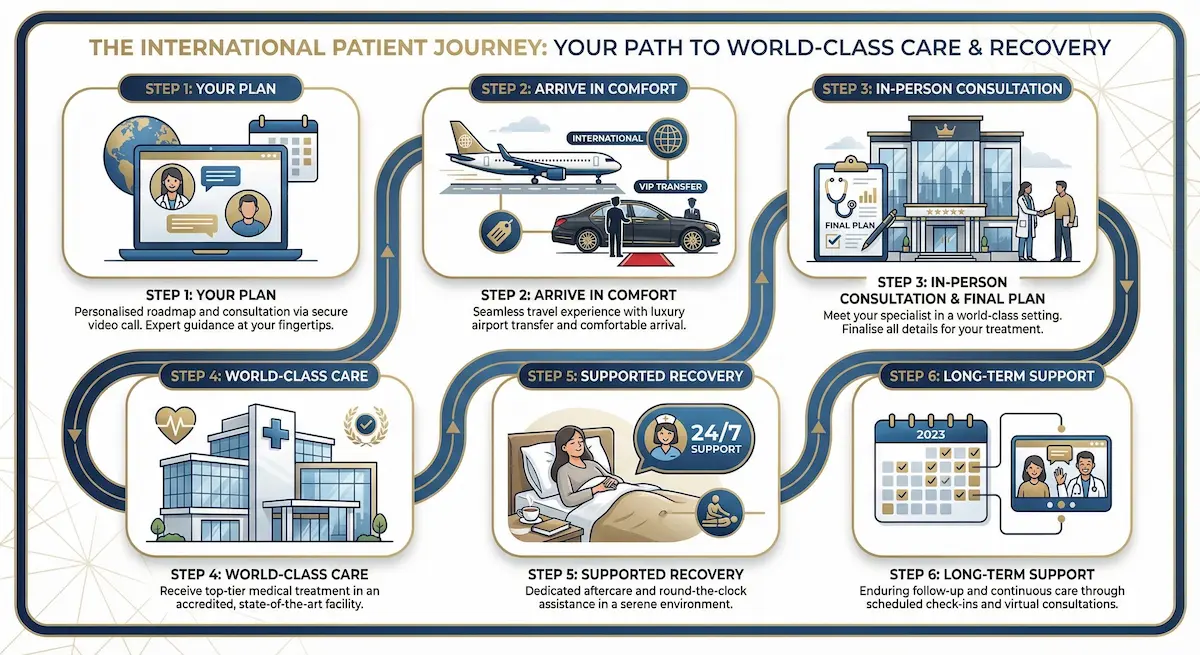
Step 1: Free virtual consultation and a personalized surgical plan
The journey typically begins with a structured remote assessment designed to answer the questions expert patients care about most: whether you’re a candidate, what procedure combination actually fits your anatomy, and whether an awake/twilight pathway is appropriate for your scope.
A high-quality virtual consult should include:
- Goal clarification: what you want to restore (abdomen, breasts, contour), and what “natural” means to you.
- Anatomy-based recommendations: which tummy tuck type and which breast option (lift vs implants vs reduction vs combination) match your needs.
- Safety and staging discussion: whether combining procedures is sensible in your case—or whether staging reduces risk and improves predictability.
- Recovery planning: how long you should plan to stay, what support you’ll need, and when travel is typically reasonable.
The expert-patient advantage of doing this early: you can evaluate the team’s clinical reasoning before committing, and you can compare plans (not just prices) across providers.
Step 2: Arrival and VIP logistics (hotel, transfers, and dedicated support)
International surgery is easier when logistics are treated as part of medical safety. Coordinated transport reduces stress, protects your early recovery movement, and prevents avoidable friction during the most sensitive days. In an all-inclusive pathway, the goal is to make your environment predictable and recovery-friendly.
In AKM’s described model, international patient support may include:
- 5-star hotel accommodation arranged as part of the package.
- VIP transfers (airport ↔ hotel ↔ hospital/clinic) designed for comfort and efficiency.
- A dedicated patient host available for guidance and responsiveness, including 24/7 WhatsApp communication.
- Post-op essentials such as medications and garments covered within the care pathway.
From a safety lens, the best “VIP experience” is not luxury branding—it’s reduced chaos. When patients have clear scheduling, reliable transport, and rapid access to the care team, they’re less likely to over-walk, miss instructions, or feel unsupported when questions come up.
Step 3: Structured follow-ups after you return home (continuity of care)
One of the biggest concerns expert patients have about traveling is: “What happens when I’m back in the U.S.?” A high-standard international pathway should include structured follow-up, clear red-flag education, and a defined communication plan.
In AKM’s follow-up model, long-term online check-ins are described at:
- 1 month
- 3 months
- 6 months
- 12 months
This matters because the “final result” phase is not immediate—scar maturation, swelling resolution, and tissue settling continue for months. A follow-up system helps you stay on track with scar care, activity progression, and recovery choices that protect the investment you made in your result.
Frequently Asked Questions
This FAQ section answers the most common questions expert patients ask when researching an awake mommy makeover. These responses are designed to be practical, medically grounded, and realistic—so you can make decisions based on safety, predictability, and long-term satisfaction (not hype).
What is an awake mommy makeover?
An awake mommy makeover is a customized combination of postpartum restorative procedures (most commonly a tummy tuck, breast surgery, and liposuction) performed using a modern anesthesia approach often described as twilight sedation paired with local anesthesia in appropriately selected patients. “Awake” does not usually mean you are fully alert; it typically means you are deeply relaxed and comfortable without the same depth of unconsciousness as general anesthesia, depending on the plan and your candidacy.
What does a mommy makeover consist of?
A mommy makeover is not one operation—it’s a tailored plan. Most commonly, it includes:
- Tummy tuck (abdominoplasty): to remove excess abdominal skin and improve contour (and potentially address abdominal wall laxity when indicated).
- Breast surgery: breast lift, augmentation, reduction, or combinations (like lift + implants) based on shape and volume goals.
- Liposuction: usually focused on the waist, flanks, back, or abdomen to refine transitions and silhouette.
Optional refinements may be added depending on your anatomy and skin quality.
What is twilight sedation?
Twilight sedation is a sedation level where you are typically drowsy and relaxed, often with limited memory of the experience, while local anesthesia manages pain at the surgical sites. Your vital signs are continuously monitored. The goal is comfort and physiologic stability, not “toughing it out.” The exact medications and depth vary by patient and by the anesthesia team’s plan.
Is twilight sedation safer than general anesthesia?
Both twilight sedation and general anesthesia can be safe when properly administered for the right patient in the right setting. “Safer” depends on your health profile, the procedure combination, the expected operative time, and how your care team manages monitoring and risk. For some appropriately selected patients and procedure scopes, twilight sedation may offer a different immediate recovery experience (often described as less grogginess or less nausea). For longer or more complex combinations, general anesthesia (or staging procedures) may be the safer and more predictable option.
What are the side effects of twilight sedation?
Side effects vary, but may include temporary grogginess, sleepiness, mild nausea, dizziness, dry mouth, and fluctuations in alertness as medications wear off. Most effects are short-lived. Your team should also tell you what is normal versus what is not, and ensure you have a clear plan for hydration, mobility, and symptom control in the first 24–72 hours.
Is a mommy makeover dangerous?
A mommy makeover is major surgery, and every surgery carries risk. The most serious risks in body contouring include blood clots (DVT/PE), bleeding, infection, wound-healing problems, and anesthesia-related complications. Risk is reduced with the right candidate selection, appropriate procedure design (including staging when needed), strict perioperative protocols, and disciplined aftercare. The best question is not “Is it dangerous?” but “What are the main risks for my specific plan, and what is the clinic’s strategy to reduce each one?”
What is the mommy makeover death rate?
Death from elective plastic surgery is rare, but it is a real and serious topic—and responsible clinics don’t dismiss it. Rather than focusing on a single number, the expert-patient approach is to evaluate what drives catastrophic risk (especially clot risk and anesthesia safety) and how a provider mitigates it: pre-op screening, procedure design, monitoring standards, early mobilization, clear red-flag education, and rapid access to medical help. If a clinic avoids this discussion or gives vague answers, that’s a red flag.
How long is mommy makeover recovery?
Recovery depends on what you combine. In general:
- First 1–2 weeks: most swelling and bruising, limited activity, focused rest and gentle walking.
- Weeks 3–6: gradual improvement in comfort and mobility; many patients resume more normal routines with restrictions.
- Months 2–3: swelling continues to settle; contour feels more stable.
- Months 3–12: scars continue to mature and soften; final refinement continues.
Your surgeon should give you a timeline for returning to work, childcare, exercise, and travel that matches your exact procedure list.
When can I fly home after a mommy makeover in Istanbul?
Travel timing depends on your procedure scope, how your early healing is progressing, and your surgeon’s clearance. Many patients plan to stay long enough for early post-op checks and to ensure mobility, hydration, and wound stability are on track. Your clinic should provide a travel-safe plan that includes walking guidance, compression recommendations, and red-flag education—because long flights require extra attention to circulation and comfort.
What’s included in an all-inclusive mommy makeover package (and what should I confirm)?
All-inclusive packages vary. A high-quality plan should clearly state what is included (and what is not) in writing. Common inclusions may cover accommodation, VIP transfers, garments, medications, and structured follow-up—while clinical essentials should specify where surgery is performed, monitoring standards, and the postoperative care schedule. Before booking, confirm:
- What procedures are included (and whether revisions are covered in any scenario).
- Facility standards and who provides anesthesia monitoring.
- Post-op care plan (in-person checks, remote follow-ups, and how urgent concerns are handled).
- Recovery support protocols and what they are intended to improve (comfort, swelling, tissue healing).
The best all-inclusive model isn’t about luxury—it’s about continuity of care and predictable recovery support.