

Liposuction in Turkey





Liposuction: Quick Facts
Procedure Time
Anesthesia
Recovery Time
Hospital Stay
Back to Work
Liposuction Results: Before and After
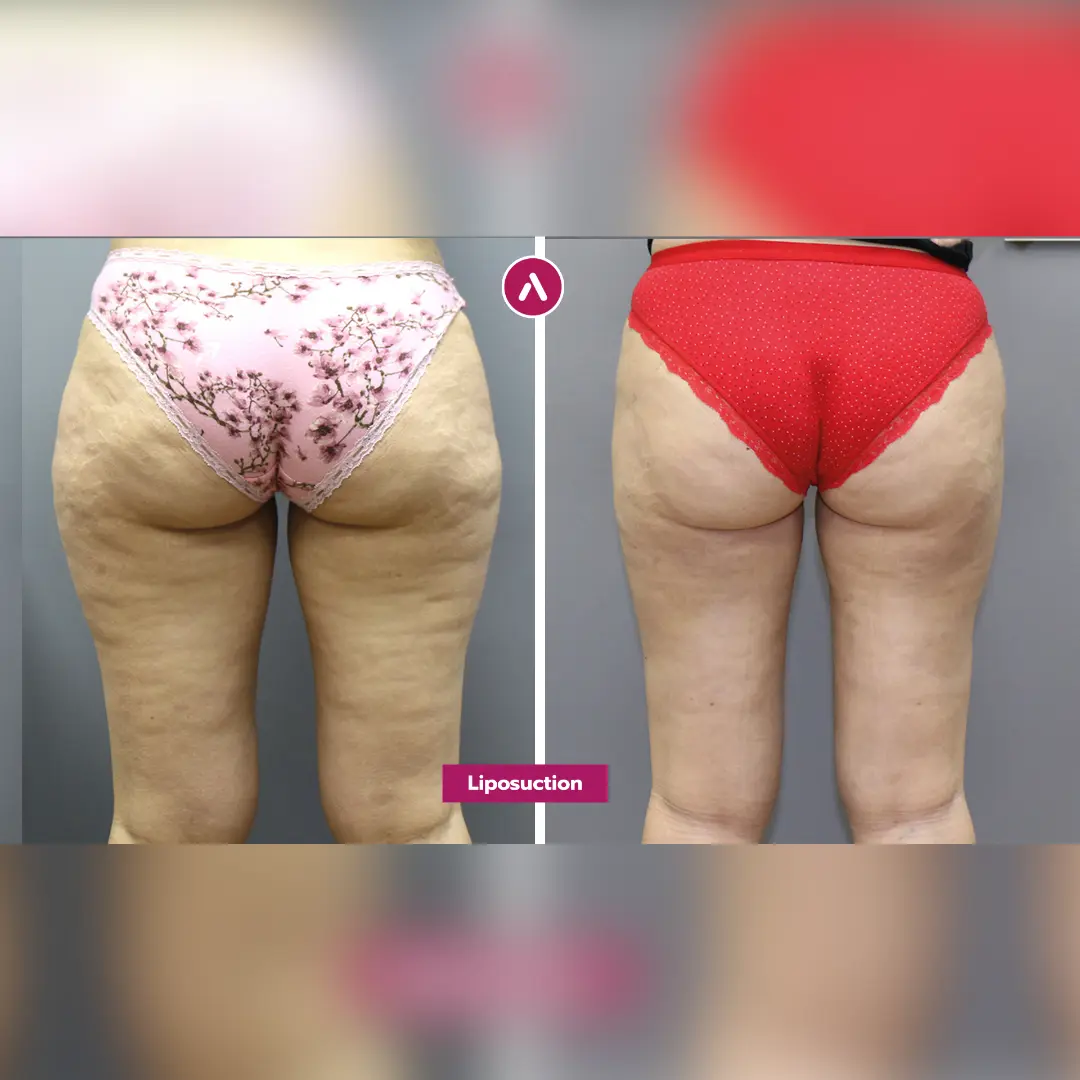
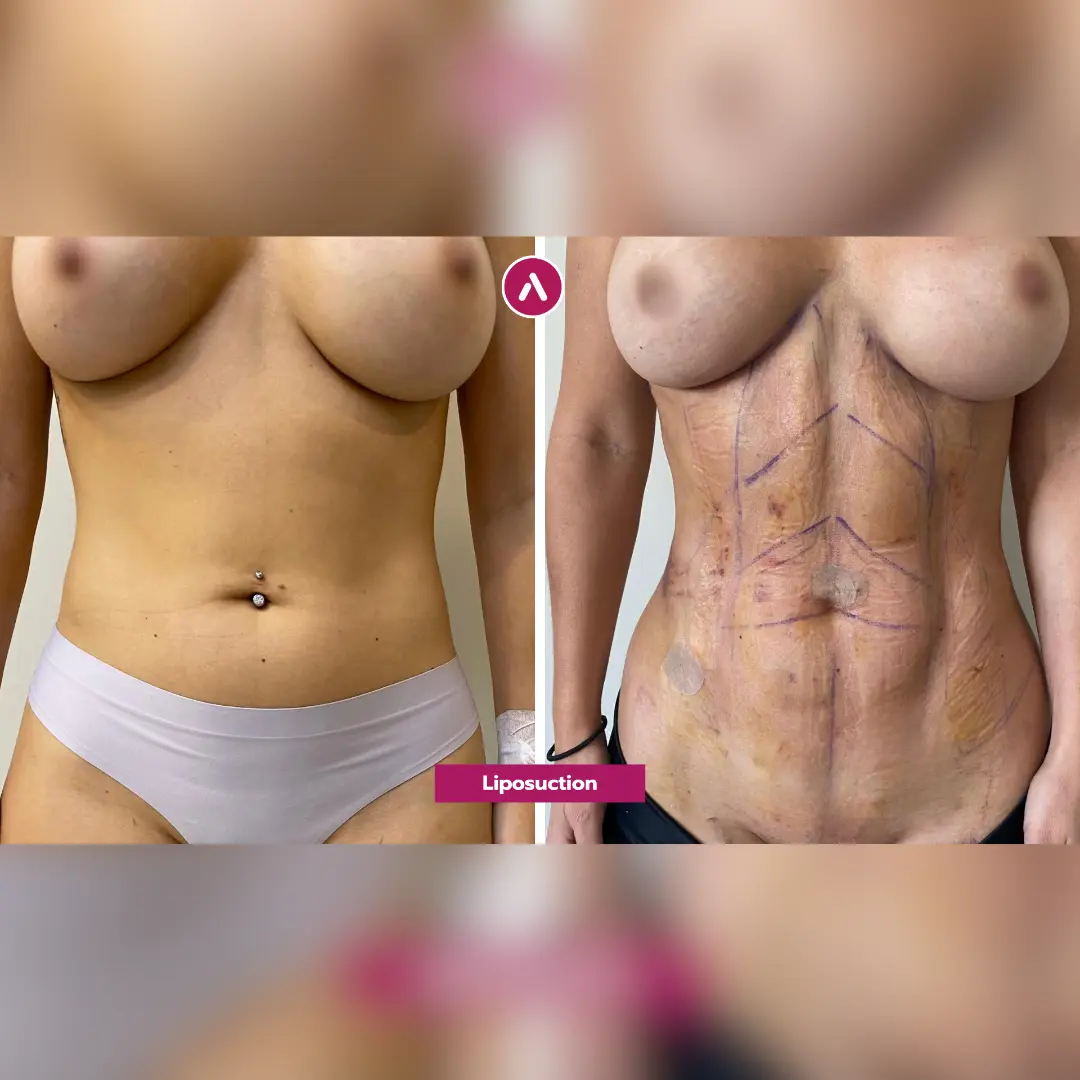
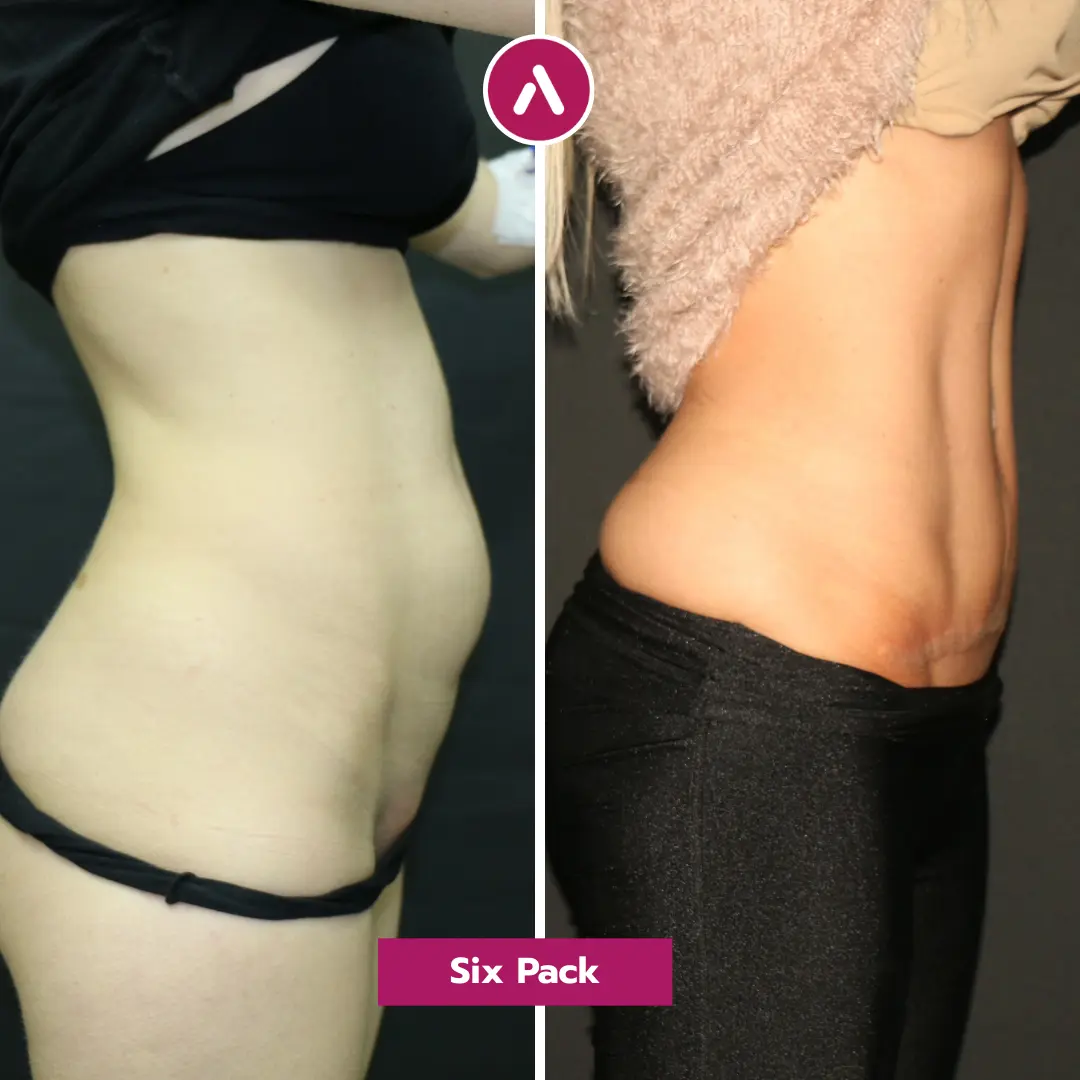
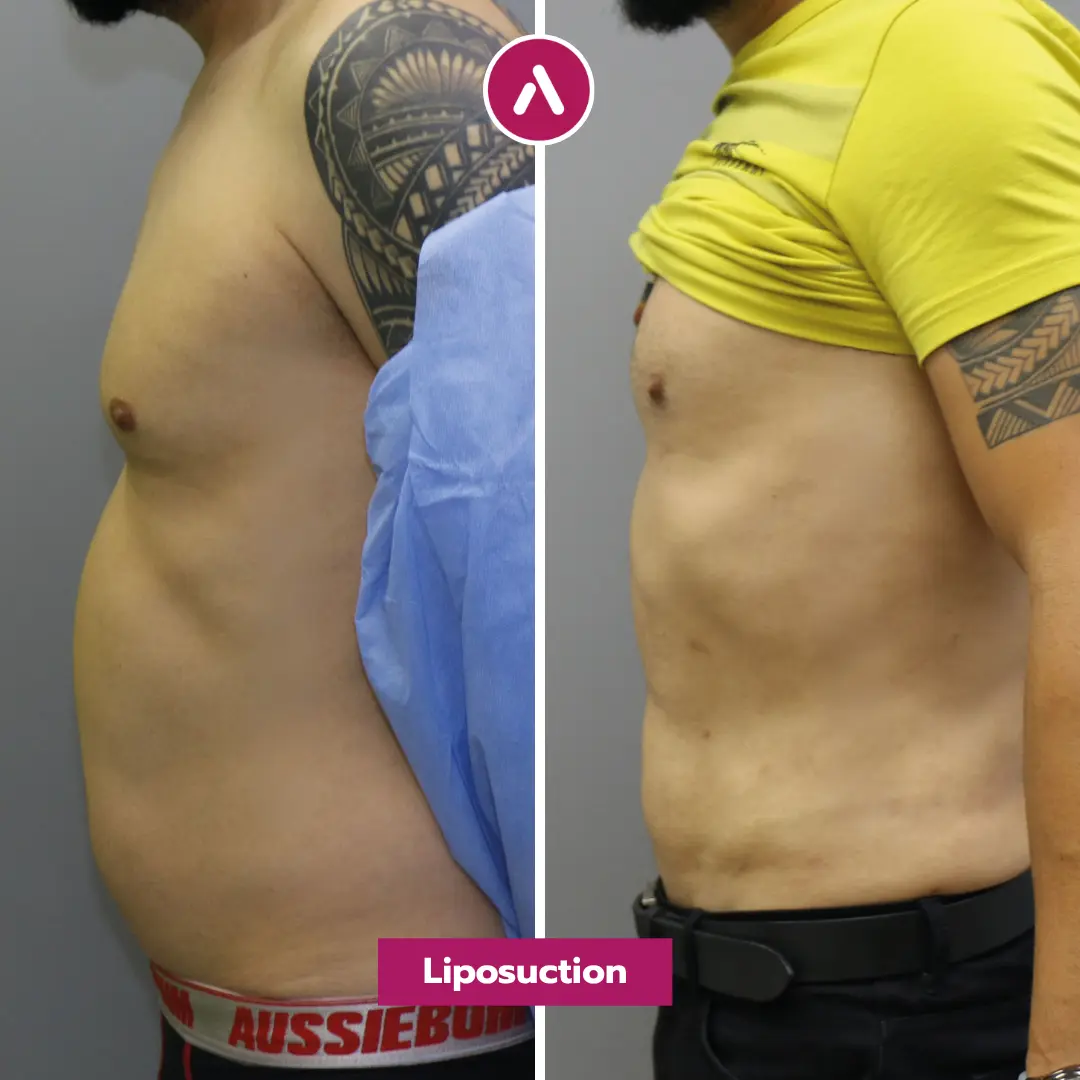

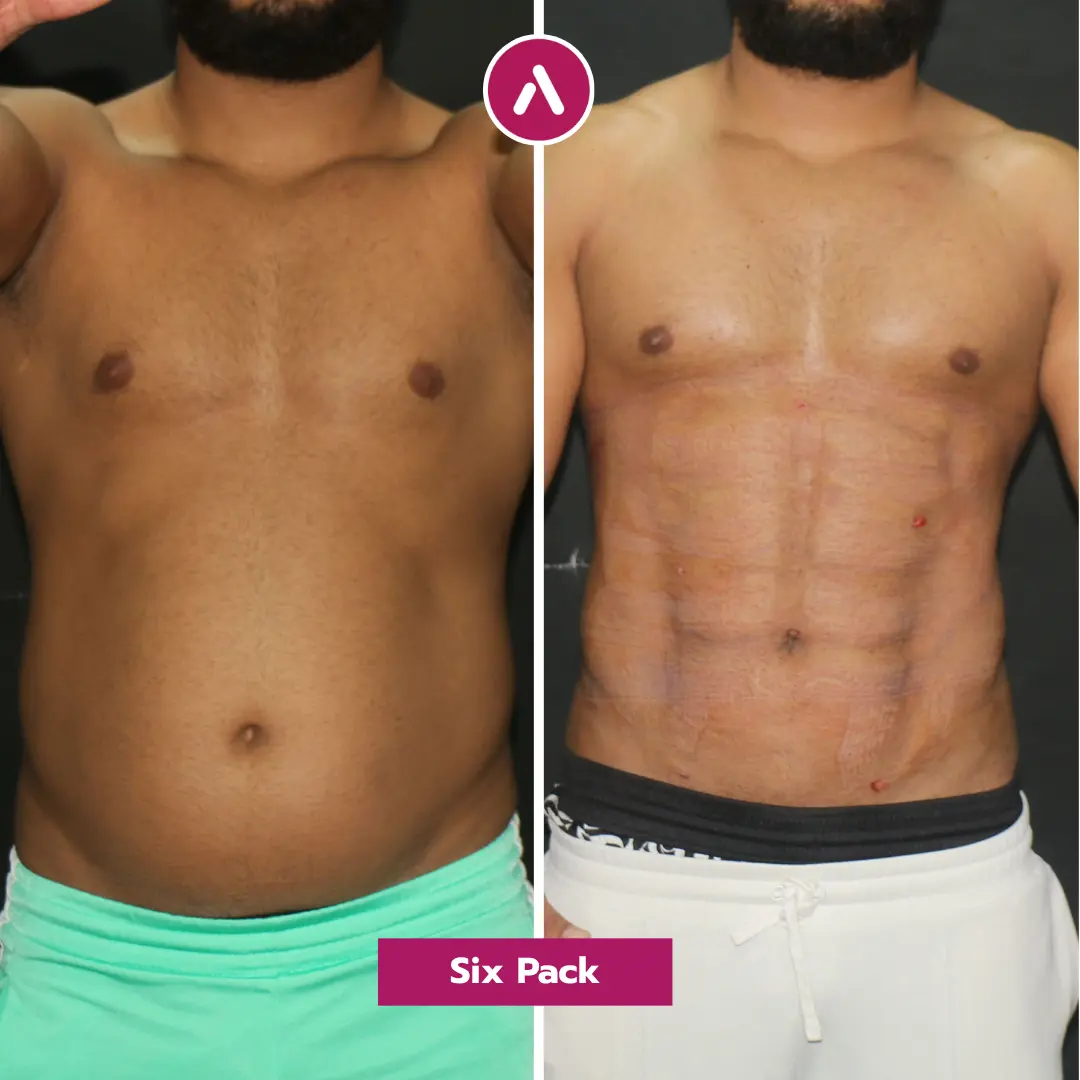
Liposuction with skin tightening is an advanced body contouring approach designed for people who want more than “fat removal.” Traditional liposuction can reduce volume, but it does not automatically guarantee firm, smooth skin. When the skin’s elasticity is limited—or when a larger volume of fat is removed—patients may notice looseness, waviness, or a “deflated” look. The goal of combining liposuction with a tightening strategy is to address both sides of the aesthetic equation: shape (fat reduction) and surface quality (skin contraction and contour refinement).
This guide explains the anatomy behind body contouring results, why skin laxity happens, who benefits most from a combined approach, and what “tightening” can realistically achieve. It’s written for the detail-oriented patient who wants to understand the why behind technique decisions, not just the headline promise.
Important note: No device or technique can “turn back” severely stretched skin in the same way a surgical excision procedure (like a tummy tuck) can. The best outcomes come from matching the right plan to your tissue quality, anatomy, and goals—especially when the priority is a natural, proportionate result.
Table of Contents
Share your photos and medical history to receive a personalized assessment from our European board-certified facial surgery team.
The Core Problem: Fat vs. Skin Laxity (Why “Lipo Alone” Can Disappoint)
Many people think liposuction works like sculpting clay: remove the fat, and the surface instantly becomes tighter. In reality, fat and skin behave like two different tissues with different rules. Liposuction changes the volume underneath; the skin must then “re-drape” over the new shape. Whether it does so smoothly depends on elasticity, thickness, age-related collagen changes, and how much stretch the skin already has.
Subcutaneous Fat Anatomy & How Fat Shapes Contours
Liposuction targets subcutaneous fat—the layer of fat located between the skin and the underlying muscles. This layer is not uniform. It varies by body area and often forms “fat compartments” that create recognizable contour patterns (for example, lower abdomen fullness, flank bulges, outer thigh fullness, or upper arm fullness).
During liposuction, small incisions allow a thin cannula to remove fat in a controlled manner. The artistry is not simply “removing more.” It’s about creating smooth transitions, preserving supportive tissue where needed, and respecting natural anatomical boundaries so the result looks athletic and proportional rather than over-treated.
- Contour improvement comes from strategic reduction, not maximum suction.
- Symmetry matters, but perfect symmetry is not a realistic human standard.
- Skin quality determines how clearly your new contours will show through.
Skin Elasticity (Collagen/Elastin), Aging, Pregnancy & Weight Loss
Skin behaves like a living fabric. Its ability to snap back depends largely on collagen (structure) and elastin (stretch and recoil), plus hydration, circulation, and the integrity of the deeper supportive framework. Several factors can reduce recoil:
- Age-related changes: Collagen production slows and existing collagen fibers become less organized over time.
- Pregnancy: The abdomen and waist can experience prolonged stretching, sometimes with deeper structural separation (diastasis), which liposuction does not fix.
- Major weight loss: Skin that has been stretched for years may have reduced ability to contract after volume reduction.
- Genetics and skin thickness: Thinner skin may show irregularities more easily; thicker skin can sometimes contract better but isn’t guaranteed.
- Sun exposure and lifestyle: UV damage and smoking can degrade collagen and microcirculation, affecting healing and long-term firmness.
Because skin’s “re-draping” is biological, there is a range of normal. Two people can remove the same amount of fat and still look very different afterward—primarily due to tissue quality.
Does Liposuction Leave Loose Skin? (Mechanism + Who’s at Risk)
Liposuction can reveal loose skin that was previously “filled out” by fat. This doesn’t mean liposuction caused the skin to become lax; rather, it can uncover pre-existing laxity by removing the internal support that fat provided.
Loose skin after liposuction is more likely when:
- Skin laxity is already moderate to severe before surgery (often visible when bending forward or pinching the skin).
- There is significant stretch history (pregnancy, large weight fluctuations, long-standing obesity).
- A larger volume is removed from an area with limited recoil potential.
- Skin is thin and shows crepiness or a “paper-like” texture.
In these higher-risk situations, a combined strategy (liposuction plus a tightening modality and a structured recovery plan) can improve the probability of a smoother outcome. However, if skin excess is substantial, skin removal surgery may be the only option that predictably corrects it.
Our surgery dates fill up quickly due to high international demand. Secure your consultation today to plan your ideal travel dates.
What Is Liposuction with Skin Tightening?
Liposuction with skin tightening refers to a treatment plan that aims to improve contour and reduce laxity by pairing fat removal with a method intended to support skin contraction and surface refinement. “Tightening” can involve internal or external energy-based technologies, targeted post-operative protocols, or staged treatments—chosen based on how much laxity exists and what kind of tissue response is realistic for your body.
The Synergy: Volume Reduction + Controlled Contraction
Think of contouring as two steps:
- Step 1: Shape the foundation by removing excess fat from strategic zones.
- Step 2: Optimize the “drape” by encouraging the skin to contract and settle smoothly over the new contour.
When performed appropriately, the combined approach can help reduce the risk of:
- Visible laxity after volume reduction
- Residual waviness or unevenness in the treated area
- A “deflated” look in patients who want a firmer finish
That said, tightening is not a magic erase button. It’s best viewed as a contour quality upgrade for the right candidate—especially those with mild-to-moderate laxity and realistic expectations.
Common Treatment Zones (Abdomen/Flanks/Arms/Thighs/Chin)
The most frequently treated areas are those where fat and laxity commonly coexist:
- Abdomen & flanks (love handles): A classic “360” contouring target; laxity varies widely after pregnancy or weight changes.
- Back & bra line: Skin texture and fold patterns influence how dramatic tightening can be.
- Upper arms: A high-laxity zone; some patients need skin excision for truly predictable tightening.
- Inner/outer thighs: Often sensitive to waviness; patient selection and technique planning are critical.
- Submental area (chin/neck): Smaller volume removal can still require careful tightening planning for a crisp jawline.
Where you fall on the laxity spectrum helps determine whether tightening adjuncts are “nice-to-have” or “necessary to avoid disappointment.”
What Results Can (and Can’t) Be Promised
A responsible treatment plan should clearly separate what is predictable from what is variable:
- More predictable: Reduced localized fat, improved contour lines, better clothing fit, and a more proportionate silhouette.
- Variable: The degree of skin contraction, the speed of tissue settling, and the final smoothness—especially in thinner skin or higher laxity areas.
- Not realistic to promise: “Zero laxity,” “cellulite removal,” or “tummy tuck-level tightness” without skin excision when significant extra skin exists.
The most consistent satisfaction comes from aligning the plan with your tissue reality. For many expert patients, the best question is not “What’s the most aggressive option?” but “What approach gives the best balance of safety, predictability, and a natural-looking finish?”
Ideal Candidate Profile (And When It’s Not the Right Procedure)
The best outcomes in liposuction with skin tightening are rarely about “how much fat can be removed.” They are about selecting the right candidate, building a plan around tissue behavior, and setting expectations that match anatomy. In practice, satisfaction tends to be highest when a patient has localized fat deposits plus mild-to-moderate skin laxity—and understands that tightening is designed to refine results, not replace skin removal surgery when excess skin is substantial.
Candidate Checklist (BMI, Stable Weight, Skin Quality, Lifestyle)
Most high-quality consultations evaluate candidacy using a combination of body composition, skin findings, and lifestyle factors. While there is no single “perfect” number, the following checklist reflects what experienced body contouring teams typically assess:
- Stable weight: Ideally stable for several months. Ongoing weight loss or frequent weight cycling can compromise predictability.
- Localized fat (not generalized obesity): Liposuction treats targeted pockets, not the overall metabolic causes of weight gain.
- Skin laxity level: Mild to moderate laxity is where tightening adjuncts can meaningfully enhance the finish.
- Skin thickness and quality: Thin, crepey skin may be more prone to visible irregularities and slower retraction.
- Realistic expectations: A natural contour—not perfection—is the goal. “Airbrushed” skin is not a surgical promise.
- Commitment to aftercare: Compression, mobility, hydration, and follow-up matter. Results depend on the full process, not just the operating room.
Many “expert patients” also want to know if tightening can help with cellulite. In general, cellulite is a complex structural issue (fibrous septae and skin texture) and is not reliably corrected by liposuction alone. Some patients see partial improvement due to contour changes, but it should not be presented as a primary indication.
Liposuction vs. Tummy Tuck vs. Body Lift (Decision Logic)
A common point of confusion is whether tightening technologies can replace excisional surgery. The decision usually comes down to skin excess and structural issues:
- Liposuction (with or without tightening): Best when the main issue is fat volume and the skin still has a reasonable ability to contract.
- Tummy tuck (abdominoplasty): Often the best solution when there is significant lower abdominal skin excess and/or muscle separation (diastasis). Liposuction does not repair diastasis.
- Body lift procedures: Considered after massive weight loss when laxity is circumferential and severe (abdomen, flanks, back, thighs).
If you can pinch and lift a large amount of redundant skin—and it does not “bounce back” quickly—no tightening modality can guarantee a tummy-tuck-level correction without removing skin. In that situation, the most ethical plan is to discuss excisional options (sometimes staged) rather than promising device-based tightening as a substitute.
Who Should Avoid It (Medical Contraindications / Smoking / Clot Risk)
Not everyone is a safe candidate for elective body contouring. A careful medical evaluation is essential, especially when multiple areas are treated or when a patient has risk factors that can increase complications. Your surgical team may recommend postponing or avoiding surgery if any of the following are present:
- Uncontrolled medical conditions: Poorly controlled hypertension, diabetes, or other systemic illnesses can increase infection risk and impair healing.
- Blood clot risk factors: Personal or family history of clotting events, certain medications, or limited mobility may require additional precautions or a different plan.
- Active smoking or nicotine use: Nicotine constricts blood vessels and can significantly impair wound healing and tissue recovery. Many surgeons require stopping nicotine for a defined period before and after surgery.
- Significant anemia or bleeding disorders: These may increase surgical risk and affect recovery quality.
- Unrealistic expectations or body dysmorphia concerns: A thoughtful consultation should screen for expectations that no procedure can safely meet.
A high-standard clinic will never “sell” a procedure to someone who isn’t a candidate. The consultation should feel like a medical decision-making process—risk assessment first, aesthetics second.
Answer a few quick questions about your concerns, health, and goals to learn which treatment options may suit you best.
Types of Liposuction Techniques (What “Advanced” Actually Means)
“Liposuction” is often spoken about as a single procedure, but in reality it describes a family of techniques designed to remove fat safely and smoothly. The differences matter because they can influence precision, recovery experience, and how well contours look in motion—not just in photos. For the expert patient, the key is understanding which technique aligns with your anatomy and goals rather than assuming “newer” automatically means “better for everyone.”
Tumescent / SAL (Suction-Assisted Liposuction)
Tumescent liposuction refers to the use of a specialized fluid (typically containing saline, anesthetic, and medication to reduce bleeding) that is infused into the treatment area before fat removal. The solution helps numb tissue, reduce discomfort, and can decrease bleeding and bruising. Many liposuction approaches—regardless of device—use a tumescent step as a foundation.
Suction-assisted liposuction (SAL) is the classic method where fat is removed through a cannula using suction. When performed by experienced hands with careful layering and conservative transitions, SAL can produce excellent results. “Basic” does not mean “inferior”—it depends on planning, technique, and patient selection.
Power-Assisted and Ultrasound-Assisted Options (Precision and Efficiency)
Power-assisted liposuction (PAL) uses a mechanically driven cannula that moves in small, rapid motions. This can reduce surgeon effort and sometimes help with efficiency in fibrous areas. It does not replace artistry; it is a tool that can support consistent fat removal when used correctly.
Ultrasound-assisted liposuction (UAL) uses ultrasound energy to help break up fat before removal. Many patients encounter this category through branded terms such as “Vaser.” In practical terms, ultrasound assistance may be considered for areas with denser fat or where enhanced definition is desired. However, it still requires disciplined technique to avoid irregularities, overheating, or overly aggressive removal.
- Potential upside: May help in more fibrous regions and can support sculpting goals in selected patients.
- Key limitation: Results still depend on the plan (where to remove, where to preserve) and the surgeon’s control.
Laser-Assisted Options (And Why “Laser Lipo” Isn’t a Guarantee of Tight Skin)
Laser-assisted liposuction (LAL) uses laser energy delivered through a fiber to help disrupt fat and generate heat in the subdermal layer. This is often marketed as “skin tightening,” but it’s important to interpret that claim carefully. Heat-based approaches can support contraction in appropriately selected patients; however, they cannot reliably overcome severe laxity, and the extent of tightening varies from person to person.
For a patient comparing options, the smarter question is not “Which device is the best?” but:
- What degree of laxity do I have—and is tightening a realistic goal for my tissues?
- How will my surgeon plan safe, smooth transitions to avoid waviness?
- What is the recovery protocol to support optimal healing and tissue settling?
In expert hands, different techniques can work extremely well. The “advanced” part is not only the device; it is the strategy: choosing the right approach, treating the correct depth planes, maintaining surface smoothness, and integrating tightening and aftercare when it genuinely adds value.
Skin Tightening Technologies Used With Liposuction
When patients search for “liposuction with skin tightening,” they’re usually trying to solve a specific fear: “If I remove fat, will my skin look loose?” The term “skin tightening” can describe several different strategies—some performed internally at the time of liposuction, others done externally as adjunct treatments, and some achieved through an optimized recovery protocol. The right choice depends on your baseline laxity, skin thickness, treatment area, and how much contour change you’re seeking.
Key principle: Skin tightening technologies are most effective for mild-to-moderate laxity. If you have significant excess skin, an excisional procedure (such as a tummy tuck, arm lift, or thigh lift) may be the only predictable way to remove redundancy.
Internal Energy-Based Tightening (RF and Helium Plasma Concepts)
Internal tightening approaches are performed through small access points and apply controlled energy to the tissue beneath the skin. The clinical goal is to support contraction and improve the “drape” of the skin over the newly shaped contour.
Common technology categories include:
- Radiofrequency (RF)-based tightening: Uses RF energy to generate controlled heating, which can stimulate collagen remodeling and contribute to contraction over time.
- Helium plasma / RF hybrid concepts: Often associated with brand terms like Renuvion or J-Plasma. These approaches typically aim to deliver energy in a precise way under the skin to support contraction and surface refinement.
For the expert patient, the most meaningful questions to ask aren’t just “Which device?” but:
- What is my laxity grade? Mild, moderate, or severe?
- Is my skin thick enough to respond predictably?
- What is the surgeon’s plan to avoid contour irregularities?
- How are thermal risks managed? (energy settings, technique, and safety protocols)
When internal tightening is appropriate, it may help reduce the chance of a “deflated” look and can enhance the final finish—particularly in areas where the skin has some recoil potential but needs a controlled nudge toward contraction.
External Modalities & Adjuncts (What They Can—and Can’t—Do)
External treatments are typically performed on top of the skin and may be used as a supportive step before or after liposuction, depending on the plan. These can include non-surgical technologies (often energy-based) intended to improve skin quality and firmness.
External modalities can be useful when:
- You have mild laxity and want incremental refinement.
- You are not ready for surgery but want a “skin quality” upgrade.
- You are enhancing results after liposuction as part of a staged approach.
However, it’s important to stay realistic:
- External treatments generally do not create the same tightening effect as surgical excision when there is significant extra skin.
- They may require multiple sessions and results can be gradual.
- They do not replace a well-designed surgical plan and disciplined aftercare.
In expert-level planning, external modalities are often considered “fine-tuning tools.” They can support skin quality, but they cannot compensate for poor candidacy or an overly aggressive fat removal strategy.
Matching Tech to Skin Laxity (Mild vs. Moderate vs. Severe)
One of the biggest mistakes in online information is treating all laxity as the same. A practical framework is:
- Mild laxity: Often a strong candidate for liposuction with a tightening strategy. Skin usually has enough recoil to settle smoothly, especially with proper compression and recovery support.
- Moderate laxity: A “gray zone” where internal tightening can add meaningful value, but outcomes depend heavily on technique, skin thickness, and disciplined aftercare. Results can be excellent when expectations are realistic.
- Severe laxity / major redundancy: Tightening technologies may offer improvement, but they are unlikely to deliver the “lifted, smooth” result many patients want. In these cases, excisional surgery should be discussed as the most predictable solution.
A high-integrity consultation should name your laxity level plainly and explain what tightening can realistically achieve for your tissues—not the best-case scenario for someone else.
Anesthesia Options: Local (Tumescent), Twilight Sedation, General
For many expert patients, the “how” of anesthesia is just as important as the “what” of technique. Anesthesia affects comfort, anxiety, recovery experience, and—most importantly—safety. There is no single best option for everyone; the best choice is the one that matches your health profile, the scope of treatment, and your tolerance for sensations and stress during the procedure.
Clinics that prioritize safety typically treat anesthesia planning as a medical decision—not a marketing feature—using careful screening and monitoring to choose the least invasive option that still keeps the patient comfortable.
Local (Tumescent) Anesthesia: How It Works
Local anesthesia for liposuction commonly relies on the tumescent technique. A specialized solution is infused into the treatment area to numb tissues and reduce bleeding. In selected patients, this can allow liposuction to be performed without general anesthesia.
Potential advantages of local/tumescent anesthesia include:
- Avoiding general anesthesia in appropriate candidates
- Post-op clarity and often a smoother immediate recovery experience
- Targeted pain control directly in the treatment area
Local anesthesia is not automatically “easier.” Patient selection matters. Some patients feel comfortable with the idea; others may find the concept stressful even if pain is controlled. That emotional factor is clinically relevant.
Twilight Sedation vs. General Anesthesia (Who Benefits, Who Shouldn’t)
Twilight sedation is often described as a middle ground—patients are typically deeply relaxed and may have limited awareness, while maintaining protective reflexes more than in full general anesthesia. It can be paired with local/tumescent anesthesia to enhance comfort.
General anesthesia places the patient fully asleep and may be selected when:
- The treatment scope is extensive (multiple areas, longer operative time)
- Patient anxiety is high and cannot be managed safely with lighter approaches
- Medical and logistical factors make it the safest choice
For expert patients who are anxious about general anesthesia, a carefully planned approach using local anesthesia with sedation may be appealing—when medically appropriate. In some centers, this is part of an “awake surgery” philosophy: the goal is not to be awake for its own sake, but to minimize anesthesia exposure while preserving comfort and safety in selected cases.
How High-Standard Teams Reduce Anesthesia-Related Anxiety (Screening + Monitoring + Patient Comfort)
Anesthesia safety is about systems. Regardless of the option chosen, high-standard teams typically focus on:
- Pre-op screening: Medical history, medications/supplements, clot risk, smoking/nicotine status, and prior anesthesia issues
- Intra-op monitoring: Continuous tracking of vital signs with a trained anesthesia provider
- Clear expectations: Explaining sensations, positioning, timeframes, and what “normal” feels like
- Post-op support: Pain control strategy, mobility guidance, hydration, and follow-up planning
From a patient-experience perspective, anxiety often drops when the plan is explained in a calm, structured way—what happens first, what you may feel, and how discomfort is controlled. The most trustworthy consultations don’t oversimplify anesthesia decisions; they explain tradeoffs and tailor the safest plan to the individual patient.
Procedure Walkthrough: Step-by-Step (What Happens on Surgery Day)
Understanding the sequence of a liposuction with skin tightening procedure helps reduce anxiety and sets realistic expectations. While specific details vary by technique, treatment area, and anesthesia choice, most high-standard surgical plans follow a structured flow: assessment and marking, controlled fat removal, a tightening phase (when indicated), then careful recovery setup with garments and aftercare instructions.
Pre-Op Planning, Marking & “Designing” Symmetry
Body contouring starts before you enter the operating room. A meticulous plan typically includes:
- Measurements and photo documentation: Helps track progress and set realistic goals.
- Skin laxity assessment: Your surgeon evaluates recoil, thickness, and areas at risk for looseness.
- Marking in a standing position: Gravity reveals natural folds and asymmetries that are not as visible lying down.
- Contour mapping: Defining “reduction zones” and “transition zones” to avoid step-offs and waviness.
Most people have some natural asymmetry. The goal is not perfect geometric symmetry—it’s a balanced, natural contour that looks good in motion and in different lighting.
Fat Removal (Incisions, Cannulas, Layering, Safety Zones)
Liposuction is performed through small incisions placed strategically to keep scars discreet. After sterile prep, a tumescent solution is typically infused to numb tissue (in local-based approaches) and reduce bleeding. Then, fat is removed through a cannula using a method chosen for your anatomy and tissue type.
Experienced surgeons focus on layering and smooth transitions. Over-aggressive suction in the wrong plane can increase the risk of contour irregularities, prolonged firmness, or an unnatural appearance. A safety-minded approach commonly emphasizes:
- Controlled, even reduction rather than “maximum removal.”
- Respecting natural boundaries (for example, avoiding overly sharp edges that look unnatural).
- Protecting the skin envelope by maintaining supportive tissue where appropriate.
The Tightening Phase + Garments (What to Expect Immediately)
If your plan includes a tightening modality, it is typically performed after fat removal, targeting the undersurface of the skin to support contraction and surface refinement. The exact method and timing depend on the chosen technology and the area treated.
At the end of the procedure, the team will usually:
- Close incisions with small sutures or adhesive strips
- Apply dressings and place you into a compression garment
- Review mobility and hydration guidance to support circulation and recovery
Compression is not optional “accessory care.” It’s part of the treatment strategy—supporting re-draping, helping manage swelling, and improving comfort during the early healing phase.
Get a clear, day-by-day itinerary covering arrival, surgery, recovery, and fit-to-fly clearance tailored to your schedule.
Liposcution Recovery Timeline & Aftercare (Day 1 to Month 6)
Recovery is where a well-executed procedure becomes a refined final result. Swelling, bruising, and tissue firmness are expected—and they evolve in phases. Most patients feel significantly better long before the contour fully settles, which is why a clear timeline matters. In addition to standard measures like compression and early mobility, some clinics incorporate structured recovery technologies to support healing quality and comfort.
First 72 Hours (Swelling, Mobility, Pain Expectations)
The first three days are typically the most intense in terms of swelling, drainage (if present), and soreness. Common experiences include:
- Swelling and bruising: Often peaks early and then gradually improves.
- Fluid leakage from incision sites: Can occur if tumescent solution drains out; this is often normal in the first day or two.
- Soreness and tightness: Many patients describe it as a deep “workout” ache rather than sharp pain.
Most recovery plans emphasize gentle walking as soon as safely possible, hydration, and consistent garment use. Over-resting can slow circulation; over-activity can increase swelling. The goal is steady, controlled movement.
Weeks 1–2 vs. Weeks 3–6 (Compression, Work, Exercise, Tissue Settling)
Weeks 1–2 are usually focused on swelling control and comfort. Many patients can return to desk-based work within this window, depending on the extent of treatment and individual response. You may notice:
- Persistent swelling and fluctuating “puffiness” throughout the day
- Firmness or “lumpy” areas as tissues heal and inflammation resolves
- Numbness or altered sensation in treated zones
Weeks 3–6 often bring a noticeable improvement in comfort and mobility. Light exercise is commonly reintroduced gradually, and the garment schedule may evolve based on surgeon guidance. This phase is when the skin begins to adapt more visibly to the new contour, but final refinement is still ahead.
Accelerated Recovery Protocol: HBOT + LLLT (Supportive, Not “Cosmetic Extras”)
Some high-standard programs incorporate recovery technologies to support healing physiology—especially for patients who prioritize faster functional recovery, comfort, and tissue quality. At AKM Clinic, a structured protocol can include Hyperbaric Oxygen Therapy (HBOT) and Low-Level Laser Therapy (LLLT) as part of a Rapid Recovery & Safety Protocol.
- HBOT: Delivered in a controlled hyperbaric environment to increase oxygen availability to tissues. In recovery-focused protocols, the intent is to support healing conditions—particularly relevant when swelling and tissue stress are present.
- LLLT: A non-thermal, low-level laser approach used in some post-procedure plans to support comfort and recovery, often positioned around inflammation and tissue settling.
These technologies are best understood as adjuncts—they don’t replace good technique, patient selection, or disciplined aftercare. They are designed to support the recovery environment so your tissues can settle more predictably and comfortably.
Final Results Window (3–6 Months) & Long-Term Maintenance
Most patients see meaningful contour change early, but the “final” look is a slower process. Swelling can take weeks to months to fully resolve, and skin contraction continues gradually. A realistic timeline is:
- 1 month: Noticeable improvement, but swelling and firmness may still be present.
- 3 months: Contour looks more stable; clothing fit is often significantly improved.
- 6 months: Many patients reach their refined result, though subtle changes can continue.
Long-term, results are best maintained with stable weight, resistance training (when cleared), hydration, and healthy skin habits. Liposuction removes fat cells from treated areas, but remaining fat cells can still expand if overall weight increases.
Next step (contextual): If you want a plan that matches your laxity level and goals, a photo-based assessment can help clarify whether you’re best suited for liposuction with tightening, a staged approach, or an excisional procedure for the most predictable correction.
We use advanced Hyperbaric Oxygen Therapy (HBOT) to minimize downtime and supercharge your healing process. Safety is our #1 promise.
Risks, Side Effects, and Safety (Honest + Evidence-Based)
Any procedure that changes tissue—especially when fat removal and skin tightening are combined—comes with real risks. The most trustworthy way to evaluate liposuction with skin tightening is not to look for “zero-risk promises,” but to understand what complications are possible, how common side effects behave over time, and which safety systems meaningfully reduce risk. Expert patients tend to do best when they treat safety as a checklist: candidacy selection, anesthesia planning, sterile environment, surgical technique discipline, and structured follow-up.
Common Side Effects (Bruising, Swelling, Numbness, Firmness Changes)
Most post-op issues are not “complications” but expected tissue responses that improve with time. Common effects include:
- Swelling: Often most noticeable early and can fluctuate during the day for weeks. Swelling is one reason “final results” take months.
- Bruising: Typically improves over 2–3 weeks, though timing varies by area and individual healing.
- Soreness and tightness: A deep ache is common, especially with movement. Many patients feel “tight” as tissues settle.
- Numbness or altered sensation: Temporary nerve irritation can cause numbness, tingling, or sensitivity changes. This often improves gradually.
- Firmness, lumps, or uneven texture early on: Healing tissues can feel firm or “ropey.” This often reflects inflammation and remodeling, not a final contour problem.
These changes can be psychologically stressful if you expect an immediate “finished look.” A realistic plan treats early swelling and firmness as part of the normal contouring timeline—especially in areas like the abdomen, flanks, arms, and thighs.
Serious Complications (Infection, Irregularities, Burns, Clots) + Warning Signs
Serious complications are less common, but they are the reason patient selection and safety protocols matter. Potential risks can include:
- Infection: Risk increases with poor aftercare, uncontrolled diabetes, smoking, or inadequate sterile systems.
- Contour irregularities: Dents, waviness, or asymmetry can occur—often related to technique, skin quality, and how tissues heal. Some irregularities soften over time; others may require revision or staged correction.
- Seroma (fluid collection): A pocket of fluid under the skin can occur in some cases and may require drainage.
- Skin injury or burns: A risk specifically relevant to energy-based tightening. Technique precision and temperature control are crucial.
- Blood clots (DVT/PE): A rare but serious risk in surgery in general, influenced by patient risk factors, procedure length, and postoperative mobility.
- Fat embolism or anesthesia-related events: Rare but serious, emphasizing why anesthesia planning and monitoring are non-negotiable.
Seek urgent medical attention if you experience any of the following after surgery:
- Shortness of breath, chest pain, coughing up blood, or sudden dizziness
- Severe calf pain/swelling (especially one-sided), redness, or warmth
- High fever, worsening redness, spreading warmth, or foul drainage from incisions
- Rapidly worsening pain that feels out of proportion to expected soreness
- Sudden skin discoloration, blistering, or signs of tissue injury
One of the most practical safety questions to ask any provider is: “What is your escalation plan if a complication is suspected?” High-standard programs have clear follow-up pathways and protocols for urgent evaluation.
Safety Standards That Matter (Screening, Facility Quality, Monitoring, Follow-Up)
When patients research “is liposuction safe?” the honest answer is: it can be safe in appropriate candidates, but safety depends heavily on systems—not marketing. The factors that most consistently reduce risk include:
- Strict candidacy selection: Medical screening, clot risk assessment, medication review, and nicotine guidance.
- Anesthesia planning + monitoring: Matching sedation level to the scope of surgery and the patient’s health profile, with continuous vital sign monitoring.
- Facility standards: Sterile environment, emergency preparedness, and institutional protocols that support consistency.
- Technique discipline: Conservative transitions, respecting safe tissue planes, and avoiding overly aggressive suction or energy delivery.
- Structured follow-up: A clear aftercare plan with check-ins to address swelling patterns, incision healing, garment use, and early detection of problems.
In high-standard international programs, patients may also evaluate the broader clinical ecosystem—such as operating within JCI-accredited hospital standards and using internationally recognized materials and protocols. These elements matter because they indicate a system built around safety, documentation, and consistency rather than improvisation.
At AKM Clinic, safety is also framed through a “recovery-first” lens: pairing disciplined surgical planning with a structured post-op support pathway. In appropriate cases, this can include an “awake / local anesthesia with sedation” approach (when clinically suitable) as well as supportive recovery technologies like HBOT and LLLT as part of a Rapid Recovery & Safety Protocol. These components are best understood as safety- and recovery-oriented systems—not cosmetic add-ons.
Contextual next step: If you’re weighing options, ask for a candid discussion of your laxity grade, your clot-risk profile, the facility standards used for your procedure, and the follow-up structure after you return home. The most expert-friendly consultations are the ones that welcome detailed questions—and answer them with clear protocols.
Results Philosophy: Natural Contours, Not an “Operated” Look
For many patients, the real goal of body contouring is not to look “done”—it’s to look proportionate, athletic, and comfortable in their own shape. The most satisfying liposuction with skin tightening results tend to be the ones that look believable in real life: smooth transitions, balanced curves, and a finish that matches the patient’s body type rather than a one-size-fits-all aesthetic.
What “Natural” Means in Body Contouring (Proportion, Transitions, Realism)
In practice, “natural” results usually come down to three technical principles:
- Proportion: Treating the body as a whole silhouette (front, side, and back), not isolated “problem spots.”
- Transitions: Avoiding sharp step-offs between treated and untreated zones—this is where many unnatural results start.
- Consistency in motion: A contour that looks good standing still should also look good walking, sitting, and under different lighting.
A natural look is not about minimal change; it’s about strategic change. Removing too little may leave you disappointed, but removing too much—or removing it unevenly—can create hollows, waviness, or a “surgically sculpted” look that doesn’t match the rest of your body.
Skin Retraction vs. Skin Removal (Why Some Patients Need Excision)
One of the most important expert-level distinctions is the difference between skin retraction and skin removal:
- Skin retraction: The skin contracts and settles over time after volume reduction. Tightening technologies can support this process in selected patients.
- Skin removal: Excess skin is surgically excised (for example, tummy tuck, arm lift, thigh lift). This is the most predictable solution when redundancy is significant.
If your primary issue is a “skin apron,” severe crepiness, or major redundancy after weight loss, tightening adjuncts may improve the finish but often cannot deliver the same level of correction as excision. The most ethical planning is to say this plainly upfront—because the “right procedure” is the one that reliably matches your anatomy.
Scars, Texture, and the Real Timeline of “Refined” Results
Patients often focus on the size of liposuction incisions (which are typically small), but the bigger aesthetic story is how the skin and tissue texture evolve over time. Early on, it’s common to see:
- Swelling patterns that temporarily distort contours
- Firmness or uneven texture as tissue remodels
- Temporary sensory changes (numbness or hypersensitivity)
“Refined” results are usually a months-long process. A realistic expectation is that you may look improved early, but you’ll look most natural after swelling resolves and the skin has had time to re-drape. If your plan includes a structured recovery pathway (compression, guided mobility, and supportive recovery technologies when indicated), the comfort and predictability of the settling phase can improve.
Surgeon’s Insight (Natural-First Philosophy): The most successful aesthetic work is designed to go unnoticed—helping you look like the most confident, revitalized version of yourself, rather than a different person.
Contextual next step: If you’re evaluating whether your goal is achievable with tightening—or whether you’d be better served by an excisional procedure—ask your surgeon to grade your laxity and explain the plan in terms of retraction vs. removal.
Our philosophy is “Rejuvenation, Not Alteration.” Discover how our surgeons achieve subtle, revitalized results that honor your unique beauty.
Combining Procedures (Lipo 360, Mommy Makeover, Tummy Tuck)
Combining procedures can be a smart way to match the surgical plan to how the body actually changes—especially after pregnancy or weight fluctuations. The key is not stacking procedures for the sake of “doing more,” but creating a coherent strategy: treating fat distribution, skin redundancy, and (when relevant) underlying structural issues in the safest, most predictable sequence.
Liposuction 360 (What It Targets, Who Benefits)
Liposuction 360 refers to contouring around the full midsection—typically the abdomen, flanks, and lower back—so the waistline looks balanced from every angle. It is often chosen by patients who:
- Have a “thicker” waist silhouette that doesn’t respond to diet and training
- Want a more defined waist from the front and the side/back
- Need smoother transitions rather than isolated spot treatment
Because 360 contouring changes the circumference of the torso, skin quality becomes even more important. For patients with mild-to-moderate laxity, combining liposuction with a tightening strategy can help improve the final finish and reduce the chance of a “deflated” look.
Liposuction vs. Tummy Tuck (When Tightening Isn’t Enough)
Patients often hope that liposuction plus tightening can deliver a “flat, tucked” abdomen. Sometimes it can—if the main problem is fat and the skin can retract. But if the abdomen has:
- Significant lower abdominal skin excess (a hanging fold or apron)
- Severe stretch changes and poor recoil
- Muscle separation (diastasis) contributing to protrusion
…then a tummy tuck (abdominoplasty) may be the most predictable approach because it addresses what liposuction cannot: removing excess skin and tightening the deeper structural layer when indicated.
Staging vs. Same-Session Strategy (Risk/Benefit Thinking)
Whether to combine procedures in one session or stage them over time is a medical decision based on safety, recovery capacity, and predictability. Key considerations include:
- Overall operative time and treated surface area
- Your medical risk profile (including clot risk and nicotine exposure)
- Recovery logistics (time off work, travel timeline, support at home)
- Outcome goals (maximal correction vs. stepwise refinement)
For expert patients, the most useful consultation question is: “What is the safest plan that still delivers the result I actually want?” A high-standard provider will explain the tradeoffs clearly and recommend staging when it meaningfully reduces risk or improves predictability.
Liposuction Cost Analysis 2026: NYC vs Miami vs LA vs Istanbul
For the expert patient, cost is rarely just “the number.” It’s the total value equation: what’s included, what’s excluded, what the safety infrastructure looks like, and how predictable the process is—especially when travel is involved. The most useful way to compare major U.S. markets (NYC, Miami, Los Angeles) to an international destination like Istanbul is to look at what drives the price and what the price covers, rather than assuming a lower figure automatically means lower standards.
What U.S. Pricing Typically Includes (And Where Costs Can Multiply)
In the U.S., the total fee for liposuction with a tightening strategy is commonly composed of multiple line items. Depending on the city, the provider, and the scope (single area vs multi-area, add-on tightening, length of surgery), costs can increase due to:
- Surgeon’s fee (often higher in top metro areas)
- Facility / operating room fees
- Anesthesia fees (and the anesthesia provider’s time)
- Post-op garments, medications, and follow-up visits (sometimes separate)
- Revision policy and aftercare structure (varies widely)
For many patients, the most stressful part is uncertainty—discovering “add-ons” late in the process, or realizing that aftercare and recovery support are not structured unless you actively build it yourself.
Why Istanbul Can Be Lower Without Cutting Quality (The Macroeconomics)
A significant part of the Turkey vs. USA price gap is driven by macroeconomic factors—not an automatic compromise in standards. In practical terms, lower national operational costs and the USD-to-TRY exchange rate can reduce the overall price structure while still allowing access to high-spec environments and internationally aligned protocols.
From a value perspective, expert patients typically look for proof points that standards are non-negotiable—such as operating within internationally accredited hospital environments, strict sterilization protocols, continuous vitals monitoring, and transparent pre-op screening. These are the elements that determine whether “lower cost” is simply economics—or a red flag.
What an All-Inclusive Package Covers (To Avoid Hidden Costs)
One advantage of a well-designed international model is financial clarity. An all-inclusive structure is intended to remove the common friction points of medical travel: arranging transportation, coordinating appointments, and sourcing medications and garments in a foreign country.
| Category | Commonly Included in AKM Clinic VIP Packages | Commonly Not Included |
|---|---|---|
| Medical | Your complete surgical procedure; anesthesia & operating room fees; all pre-operative tests | Personal travel insurance |
| Recovery essentials | All post-operative medications & garments; first post-op meal | Personal expenses (e.g., most meals); additional hotel nights if you extend |
| Logistics | 5-star hotel accommodation; all VIP airport & clinic transfers; 24/7 dedicated Patient Host | International flight tickets; visa fees (if applicable) |
| Follow-up | Long-term virtual follow-up care | — |
Get a 100% transparent, all-inclusive quote tailored to your needs. No hidden fees—just world-class care at an accessible price.
Choosing the Best Liposuction Surgeon & Facility
The single biggest predictor of a safe, natural-looking outcome is not a device name—it’s the quality of surgical judgment and the environment in which that judgment is executed. An expert patient approach is to evaluate the provider using objective, verifiable criteria: credentials, safety systems, before/after consistency, and follow-up structure. This is especially important for liposuction with skin tightening, where tissue behavior varies and results depend on strategy, not just suction.
Credentials That Matter (Board Certification, Focus, and Safety Systems)
When evaluating a surgeon and facility, prioritize evidence of rigorous training and standards. Practical indicators include:
- Board certification equivalents: Look for surgeons with verifiable board pathways and, when applicable, European board certifications considered comparable in rigor to U.S. standards.
- Procedure focus: Ask how frequently the team performs body contouring and combination plans (lipo + tightening vs. excision).
- Pre-op screening and candidacy discipline: High-quality clinics are comfortable saying “no” or recommending an alternative (tummy tuck/body lift) if tightening will not meet your goals.
- Facility standards: Look for internationally aligned sterilization protocols, continuous patient vitals monitoring, and a documented safety culture.
In high-standard international programs, patients may also evaluate whether procedures are performed within accredited hospital environments and whether the clinic uses internationally recognized materials and protocols as part of a “zero-compromise” approach.
Questions to Ask at Consultation (To Prevent Regret)
The best consultations welcome detailed questions and answer them with clear protocols. Consider asking:
- “What is my laxity grade?” Mild, moderate, or severe—and what does that mean for my result?
- “What is your plan to avoid waviness or dents?” Ask how transitions are handled and what tissue planes are treated.
- “If tightening is included, how are thermal risks controlled?” Ask about technique safeguards and monitoring.
- “What is the post-op structure?” Garment schedule, mobility plan, follow-up cadence, and who to contact after hours.
- “If I’m disappointed, what is your revision philosophy?” (Staging, minor refinements, timelines, and decision criteria.)
These questions are not confrontational—they are exactly how an expert patient protects themselves from vague promises and mismatched expectations.
How to Evaluate Before/After Proof (Consistency, Lighting, and Timeline)
Before/after photos can be helpful, but only if you evaluate them critically:
- Consistency: Similar lighting, posture, and distance. Dramatic changes in lighting can exaggerate results.
- Multiple angles: Front, oblique, and side views—especially for 360 contouring.
- Timeline transparency: Early photos can be misleading due to swelling; look for results shown at meaningful milestones (e.g., 3–6 months).
- Realistic body types: Find examples that resemble your skin quality and anatomy (post-pregnancy, post-weight loss, age-related laxity).
If a provider cannot show consistent, natural-looking outcomes across different body types—and cannot explain their strategy with anatomy-based logic—treat that as a signal to keep looking.
Perform your surgery with confidence. Meet our European Board Certified surgeons with over 2,000 successful facial surgeries.
The Medical Journey (International Patients)
For many U.S.-based patients, the biggest barrier to traveling for surgery is not the procedure itself—it’s the fear of logistical complexity and “being on your own” in a different country. A high-quality international program removes friction by structuring the journey: clear remote planning, coordinated transfers, a predictable hotel-and-clinic routine, and a defined long-term follow-up plan after you return home.
Virtual Consultation & Personalized Plan
The process typically begins with a remote assessment where you share photos and goals, and the team outlines a personalized plan. An expert-level consultation should include:
- A candid assessment of your laxity and whether tightening is realistic
- A recommendation for liposuction-only vs lipo + tightening vs excisional surgery
- A transparent quote that itemizes what is included
This is also the best time to disclose medical conditions, medications/supplements, smoking/nicotine exposure, and prior anesthesia history so the plan is built on safety from day one.
VIP Logistics (Airport Welcome, Transfers, 5-Star Hotel, Privacy)
A seamless logistics model is designed to reduce stress and preserve recovery energy. In a structured VIP pathway, the typical flow includes:
- Airport welcome: A private driver meets you at arrivals and escorts you to a private vehicle.
- Hotel coordination: A 5-star partner hotel stay is arranged so you can rest and recover comfortably.
- Clinic transfers: Scheduled private transfers reduce the need to navigate transportation while recovering.
- 24/7 support line: Many patients value having a dedicated coordinator available via WhatsApp for real-time questions.
For privacy-focused patients, the comfort factor matters. The less friction you experience (transport, scheduling, sourcing medications), the easier it is to follow the recovery plan and protect your result.
Long-Term Virtual Follow-Up (After You Return Home)
Continuity of care is a legitimate concern—especially for international patients. A responsible program defines follow-ups in advance. A structured model often includes virtual check-ins at key milestones such as:
- 1 month: Evaluate swelling patterns, incision healing, garment adherence, and early contour quality
- 3 months: Assess tissue settling, skin re-draping, and any persistent firmness/irregularities
- 6 months: Review refinement stage and “near-final” contour
- 12 months: Confirm long-term stability and satisfaction
This follow-up structure is not only reassuring—it helps catch small issues early, guide expectations, and support a smoother experience when you’re back in the U.S.
From VIP airport transfers to 5-star hotel accommodations, we handle every detail. Enjoy a seamless medical travel experience in Istanbul.
Liposuction: Frequently Asked Questions
Below are concise, patient-friendly answers to the most common questions people ask when researching liposuction with skin tightening. These are designed to help you make a safe, realistic decision—especially if you’re comparing techniques, recovery expectations, and costs across different locations.
Will liposuction leave loose skin?
It can—especially if you already have moderate to severe laxity, thin/crepey skin, or a history of major stretching (pregnancy or significant weight loss). Liposuction removes volume; your skin must re-drape over the new contour. A tightening strategy may improve the finish in mild-to-moderate laxity, but it cannot reliably replace skin removal surgery when excess skin is substantial.
How long is recovery after liposuction with skin tightening?
Most patients feel meaningfully better within the first 2–6 weeks, but “final” contour refinement typically takes 3–6 months as swelling resolves and the skin continues to contract and settle. Early firmness or uneven texture can be normal during healing.
Is liposuction with skin tightening safe?
It can be safe in appropriate candidates when performed in a high-standard environment with careful screening, anesthesia planning, and structured follow-up. Safety depends on systems: candidacy discipline, sterile facility standards, continuous monitoring, and a clear escalation plan for concerns after surgery.
Is liposuction dangerous? What are the biggest risks?
All surgery has risk. The most important risks to understand include infection, contour irregularities, seroma (fluid collection), burns/skin injury (with energy-based tightening), and rare but serious risks such as blood clots. Your individual risk is strongly influenced by health status, nicotine exposure, procedure scope, and recovery mobility.
Does Renuvion (J-Plasma) tighten skin after lipo?
Renuvion/J-Plasma is commonly discussed as an internal tightening category. In appropriately selected patients with mild-to-moderate laxity, internal tightening approaches may support contraction and improve surface refinement. Outcomes vary by skin quality and technique, and they are not a substitute for excisional surgery (tummy tuck/arm lift/thigh lift) when redundancy is severe.
What is the difference between liposuction and a tummy tuck?
Liposuction removes fat through small incisions and improves contour, but it does not remove excess skin or repair muscle separation (diastasis). A tummy tuck removes redundant skin and can address structural laxity, making it the most predictable option when skin excess is significant.
What areas are best for liposuction with skin tightening?
Common zones include abdomen and flanks (including “360”), back/bra line, arms, thighs, and the chin/neck area. The best candidates typically have localized fat and mild-to-moderate laxity in the target zone.
How soon can I travel or fly after the procedure?
Travel timing should be individualized based on the extent of treatment, your medical risk profile, and your surgeon’s protocol. In general, surgeons plan follow-up checkpoints before long travel and emphasize mobility and hydration to reduce clot risk. Ask your provider for a clear, written travel timeline and warning signs that require urgent evaluation.
How much does liposuction with skin tightening cost in NYC/Miami/LA vs. Istanbul?
Pricing varies widely by scope (single area vs multi-area), anesthesia type, facility fees, and whether tightening is included. Major U.S. metros (NYC, Miami, Los Angeles) often have higher surgeon and facility costs. Istanbul may be lower primarily due to macroeconomic factors and operating costs, especially when structured as an all-inclusive package that can cover tests, anesthesia, garments, hotel, and transfers. The most accurate comparison is an itemized “basket of care,” not a single headline number.
What should I look for in a surgeon or clinic?
Look for verifiable credentials, a clinic that clearly grades your skin laxity and explains the plan in anatomy-based terms, high facility standards, transparent before/after examples with consistent timelines, and a structured follow-up pathway. A high-integrity provider will recommend excisional options when tightening cannot realistically meet your goals.
Liposuction: Patient Stories





Liposuction Surgeons

Liposuction Cost in Turkey
Starting from $3800
* There are no hidden fees or unexpected charges.
- Your Personalised Liposuction Procedure
- All Specialist Surgeon & Anesthesia Fees
- All Pre-Op Tests & Post-Op Check-ups
- 5-Star Hotel Accommodation (incl. breakfast)
- All Private VIP Airport & Clinic Transfers
- 24/7 Dedicated Patient Coordinator & Translation Services
Liposuction: A Cost Comparison
| City | Cost |
|---|---|
| Miami, FL | $7,500 |
| New York, NY | $10,800 |
| Los Angeles, CA | $13,250 |
| Houston, TX | $8,500 |
Liposuction: Patient Reviews
Jammal Canada
I have had face and neck lift with AKM Clinic they have been so good to me and my operation went so smoothly🥰 i would like to thank my doctor here and also to the team 💐
Ava Canada
Thank you AKM Clinic for giving me my confidence back! Had facelift + temporal lift 3 months ago and the outcome is already stunning. Special thanks to Hande!

Jakayla USA
Had a deep plane facelift and lower eyelid procedure at AKM Clinic 7 months ago. The results are fantastic - very subtle and natural. I didn’t expect the entire experience to be so comfortable. Hande managed everything and kept in contact even after I returned to USA. I’m beyond pleased with the outcome and the care I received. Would do it again in a heartbeat!
Barbara United Kingdom
It has been 4 months since my surgery. Everything is great, The most important thing is l love the way l look, l look exactly how l wanted. Meaning l look natural, just almost 40 years younger. I pulled Facebook - majority voted 37ys. I also had face, neck, chest, and hands CO2 laser. My skin is flawless.
Lisa Canada
I had a face, neck and arm lift at AKM. I’m just over 4 weeks post and couldn’t be happier with the results. The entire experience was wonderful! My coordinator, Khadija made me feel comfortable from beginning to end! I highly recommend AKM and will definitely go back for other procedures!
Julie USA
I am beyond grateful I went with AKM Clinic for my deep plane face and neck lift, upper eyelid, and co2 laser. Dr. Akif has magic hands and my results are truly incredible! I came from the US and assistant Emine was the best in assuring every detail was coordinated and communicated with me beyond my expectations every step of the way. 10 out of 10 to the entire team! I couldn’t be more pleased!
Ready to Start Your Own Transformation Journey?
Join the 2,000+ patients who trusted Dr. Akif Mehmetoğlu and the AKM Clinic team. Your journey to a more confident, revitalized you begins with a simple, no-obligation conversation. Contact us today from the USA for your free virtual consultation.
#1: Get Your Free Personalised Quote
Start with a free, no-obligation online consultation. Share your photos, and our surgical team will provide a fully personalised treatment plan and a transparent, all-inclusive price package. No hidden fees.
#2: Secure Your Date & VIP Booking
Once you're ready, our dedicated patient coordinators will help you secure your procedure date. We'll handle all your bookings, including your 5-star hotel and private VIP airport transfers.
#3: Arrive in Istanbul & Meet Your Surgeon
Arrive at Istanbul Airport (IST) and be greeted by your private driver. Settle into your hotel and prepare for your in-person consultation, where you'll meet your specialist surgeon to finalise the details for your "natural, subtle, and revitalized" new look.
