




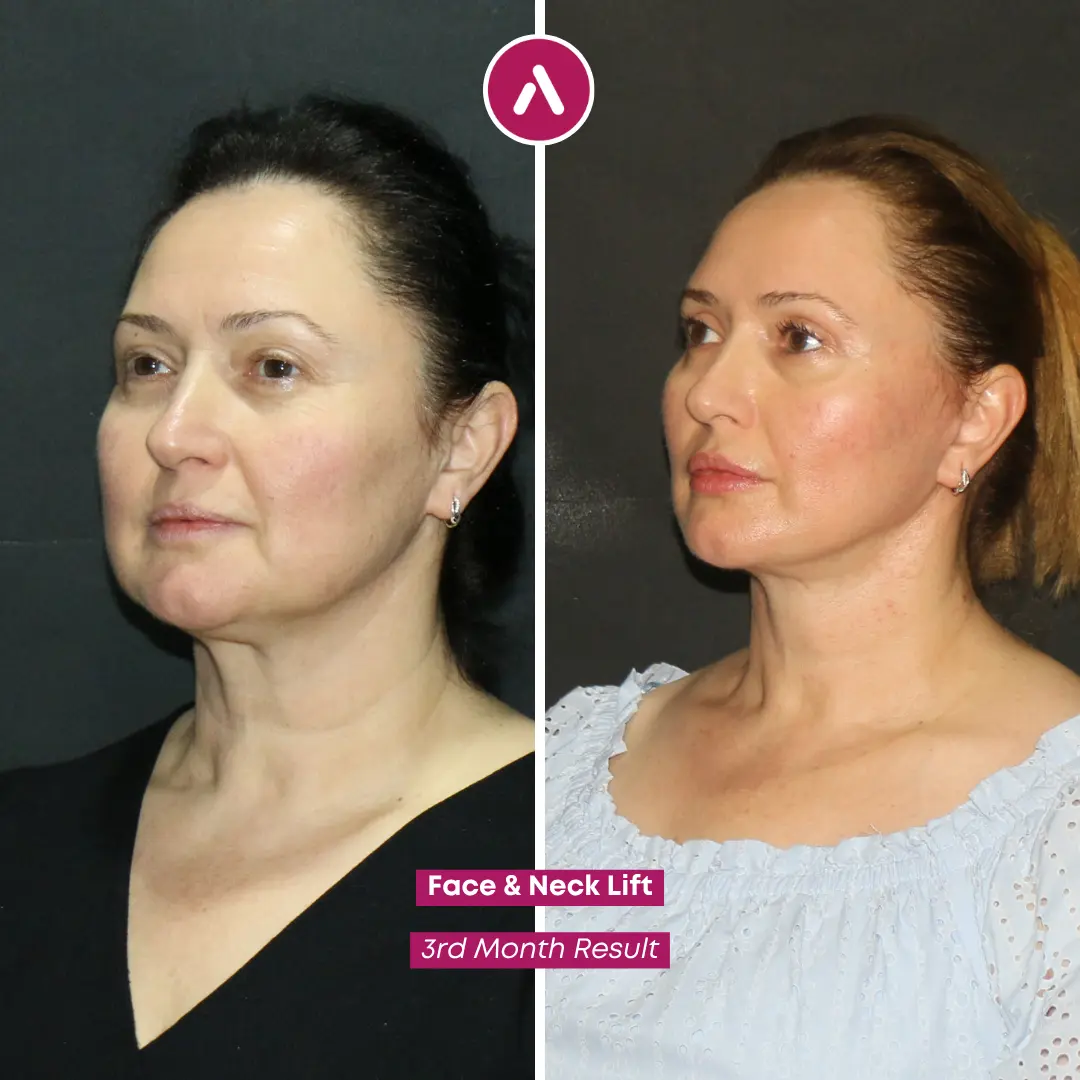
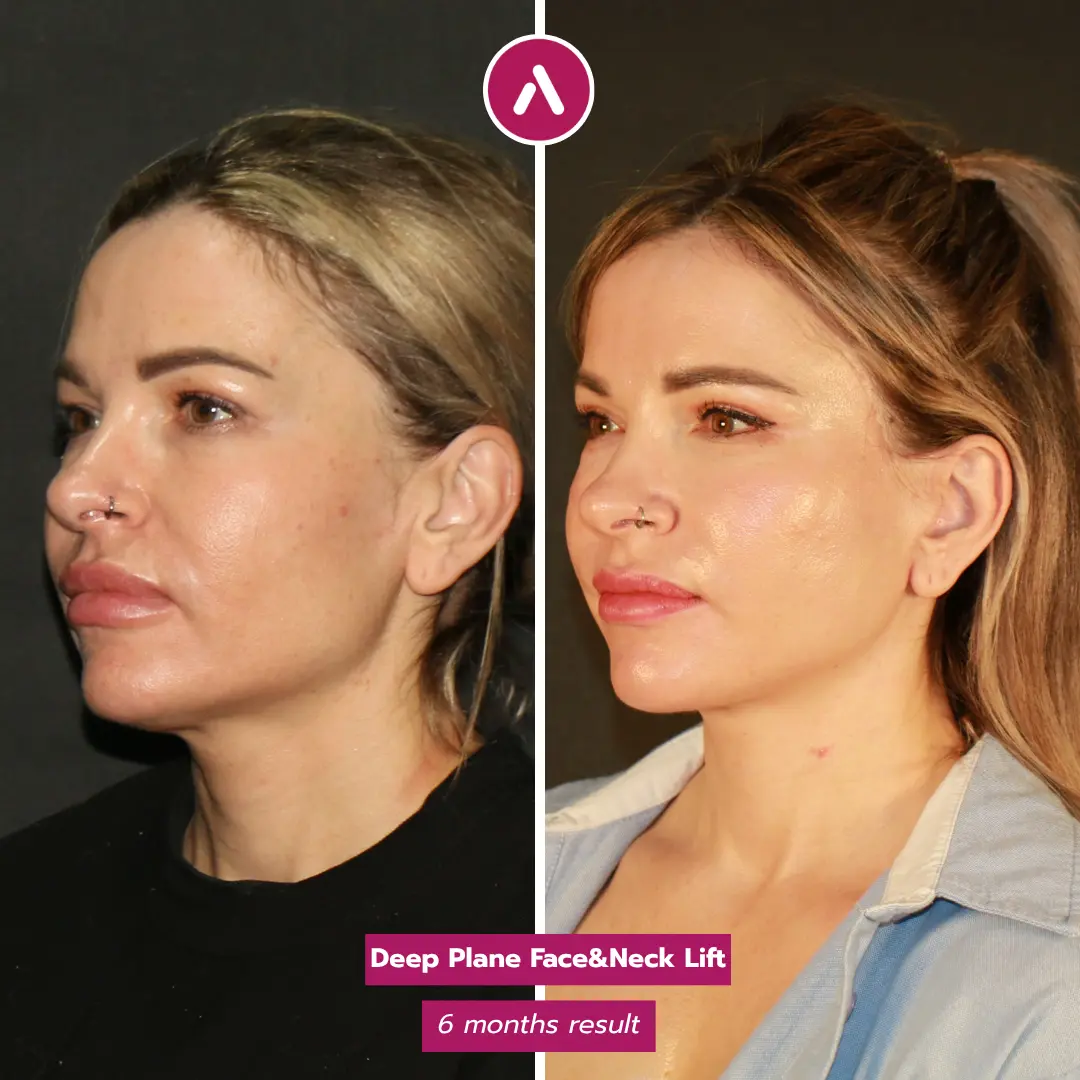
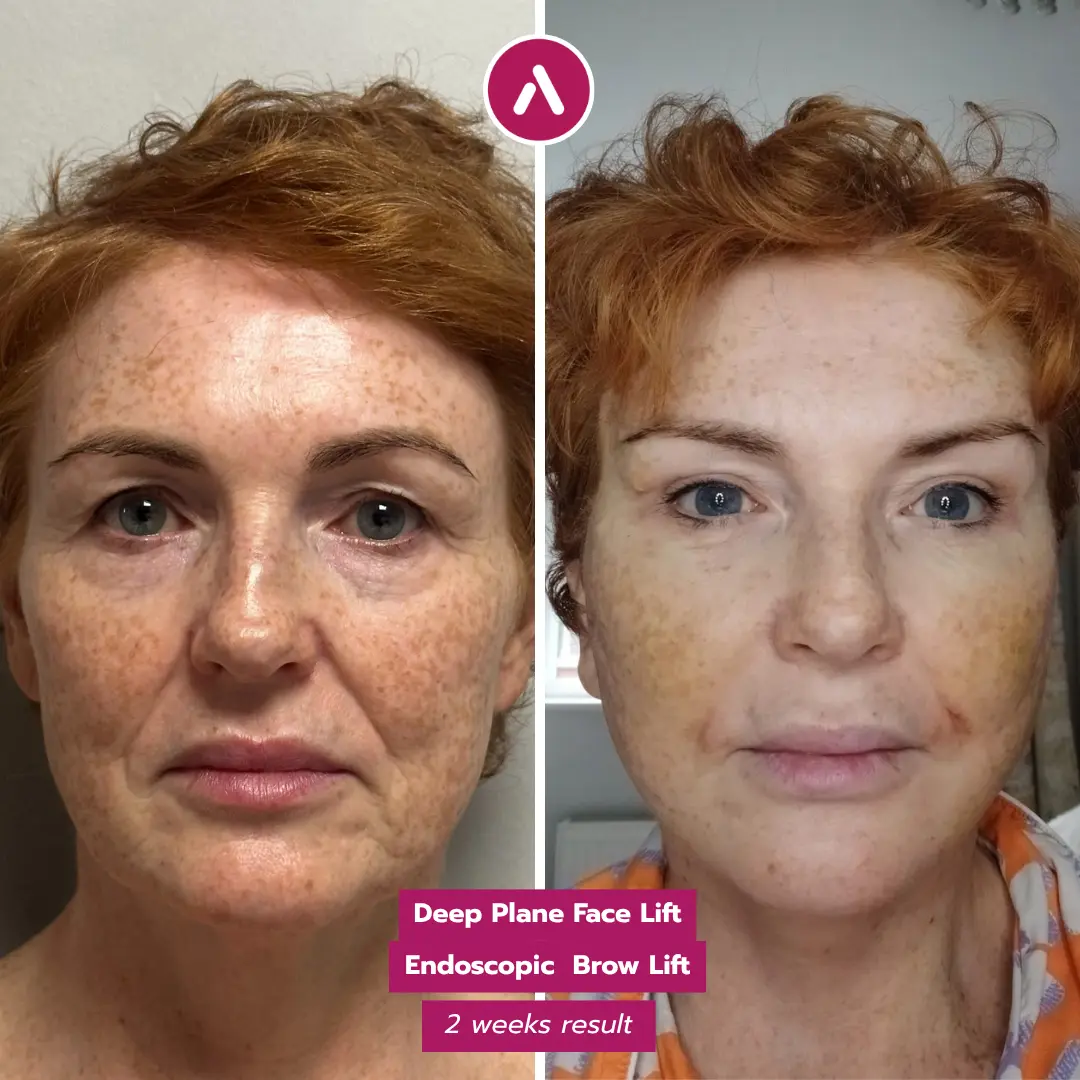
A deep plane facelift is a sophisticated facial rejuvenation surgery aimed at giving you a more youthful and rested look by adjusting the deeper structural layers of your face, rather than just tightening the skin. Unlike older methods that simply pull the skin tight and can leave you looking stretched or windswept, deep plane techniques focus on addressing the anatomical changes that come with aging—like the descent of facial fat compartments, loosening of retaining ligaments, and alterations in the SMAS layer. The ultimate goal is to create a natural appearance that feels like you, just a bit more refreshed.
This page is crafted for research-minded patients seeking a solid, clinically-based understanding of the procedure, how it works, and what to consider regarding technique, safety, recovery, and value. While choosing the right provider is important, the best results begin with a clear understanding of the procedure itself.
Surgeon’s Insight: The most consistent “great facelift” results don’t look like surgery. They look like rejuvenation—less fatigue, better jawline definition, smoother midface transition—without altering identity.
Table of Contents
What Is a Deep Plane Facelift?
A deep plane facelift is a technique-focused facelift approach that targets the structural layers responsible for facial descent. Rather than relying on skin tension to create lift, the procedure is designed to mobilize and reposition facial tissues in a way that aligns with how the face actually ages—helping restore midface contours, improve jowls, and refine the jawline with a more natural finish. For the expert patient, the most useful way to evaluate this approach is through an evidence-based understanding of what a facelift can and cannot accomplish, how outcomes depend on technique and candidacy, and how safety is shaped by the surgical environment and postoperative monitoring.
What “Deep Plane” Actually Means
The term deep plane refers to the surgical plane of dissection and release beneath the SMAS (Superficial Musculoaponeurotic System) in targeted areas. In practical terms, it means the surgeon can mobilize the midface and jawline tissues as a unified layer, rather than relying on skin tension to create lift.
What It Treats (and What It Does Not)
A deep plane facelift is primarily used to address:
- Midface descent (flattening of the cheeks, deepening of the nasolabial folds)
- Jowling (soft tissue descent along the jawline)
- Lower-face laxity (loss of definition between the jaw and neck)
- Neck aging (often when combined with a neck lift/platysma work)
It is not primarily designed to correct:
- Skin texture issues (sun damage, fine etched lines)—these often need lasers, peels, or skincare
- Volume loss alone—fat grafting or fillers may be used selectively
- Upper-face aging (brow/eyelid changes)—these may require brow lift or blepharoplasty
Why Deep Plane Can Look More Natural
Many “operated” facelift looks come from excessive skin tension or lifting vectors that don’t match how faces naturally age. Deep plane approaches aim to:
- Reposition descended tissues rather than stretching skin
- Reduce reliance on skin tension, which can improve scar behavior and reduce distortion risk
- Restore a more youthful facial contour by addressing structural descent (especially in the midface and jawline)
Because individual anatomy varies, technique is not one-size-fits-all. “Deep plane” should be understood as a family of approaches that prioritize deeper support, appropriate release, and a lift vector that preserves facial identity.
Anatomy of Facial Aging: Why the Face Changes Over Time
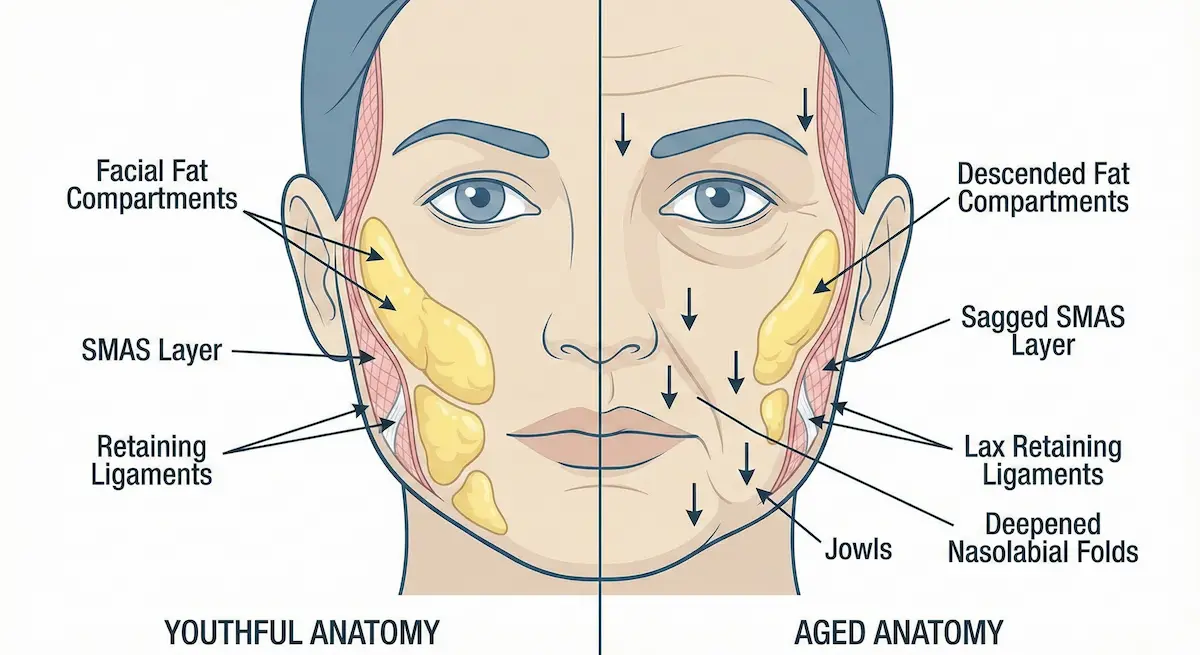
To understand why the deep plane technique can be so effective, it helps to understand what actually changes as we age. Facial aging is not just “skin getting loose.” It involves shifts in deeper support layers, changes in how soft tissue is anchored, and redistribution of fat compartments—leading to heaviness in the lower face, flattening in the cheeks, and reduced definition along the jaw and neck.
The SMAS and the “Scaffolding” of the Face
The SMAS is a fibromuscular layer that helps support facial soft tissues. It connects with the platysma in the neck and with deeper structures in the cheek and jawline region. As the SMAS and its supporting structures change with age, facial tissues can descend, contributing to jowls and a heavier lower face.
Retaining Ligaments and Tissue Descent
The face is anchored by retaining ligaments that tether soft tissues to underlying structures. Over time, changes in ligament integrity and the surrounding soft tissues can lead to:
- Deepening of folds around the mouth and nose
- Loss of cheek projection and a “hollowed” or tired look
- Formation of jowls as tissues migrate downward
Deep plane techniques typically involve strategic release and mobilization in specific zones so that tissues can be repositioned in a controlled, anatomically respectful way.
Fat Compartments: The Midface “Slide”
Facial fat is not a single uniform layer—it is organized into compartments. Aging often causes both volume redistribution and descent. This is why some people appear “heavier” in the lower face and “flatter” in the cheeks at the same time. A well-planned deep plane facelift may restore a more youthful transition between the lower eyelid, cheek, and nasolabial region by repositioning tissue rather than simply pulling back.
Neck Anatomy: Platysma Bands and Skin Laxity
Neck aging is commonly driven by a combination of:
- Platysma banding (vertical neck bands)
- Submental fullness (fat under the chin, when present)
- Skin laxity (loss of elasticity and definition)
For many patients, the most satisfying improvement comes from treating the face and neck as a continuous unit, which is why deep plane facelift plans frequently include a neck lift component.
Ideal Candidates for Deep Plane Facelift: Who Benefits Most?
“Am I a good candidate?” is one of the most important questions—because the best facelift results come from matching the right technique to the right anatomy. Deep plane facelift planning is typically most valuable when the main issue is structural descent (midface drop, jowls, and lower-face heaviness), especially when neck definition has also softened.
Common Signs That Point Toward a Deep Plane Approach
You may be a strong candidate if you have:
- Visible jowling and loss of jawline definition
- Midface descent with a tired or heavier lower-face appearance
- Neck laxity that would not be adequately improved by non-surgical tightening
- Realistic expectations and willingness to commit to recovery
Age Isn’t the Main Factor—Anatomy Is
Although many patients pursue facelift surgery in their 40s–60s, candidacy is better determined by tissue quality, facial structure, and the pattern of aging rather than a number on a calendar. Some patients benefit earlier due to genetics, weight changes, or baseline skin laxity; others may wait longer if aging changes remain mild.
Who Should Pause and Seek Medical Clearance
Any surgical plan should include careful medical screening. Patients may need additional evaluation if they have bleeding/clotting concerns, uncontrolled chronic conditions, or risk factors that could impair wound healing. A reputable surgical team will prioritize safety, transparency, and individualized planning.
Deep Plane vs SMAS Facelift: What’s the Difference?
If you’re comparing techniques, the most useful question is not “Which facelift is best?” but “Which technique best matches my anatomy and aging pattern?” Different facelift approaches differ in the layer they target, how much they rely on skin tension, and how effectively they address midface descent and jowling. Understanding these differences helps you evaluate surgeon claims, set realistic expectations, and avoid paying for a label that doesn’t reflect the actual operation.
Deep Plane Facelift: Repositioning as a Composite Layer
Deep plane approaches are designed to mobilize facial tissues more as a unified (composite) layer in key regions. Rather than relying primarily on SMAS tightening or folding, the technique involves strategic release in a deeper surgical plane so that descended tissue can be repositioned with less dependence on skin tension. This is why deep plane facelifts are often associated with a more natural midface improvement and a smoother transition through the cheek-to-jaw area when performed well.
Because anatomy varies, deep plane does not mean “aggressive” or “bigger” by default—it means the surgeon is using a plane that can allow more anatomical repositioning where needed.
Wondering how this compares to other methods? The Deep Plane technique is highly advanced, but is it the right choice for your specific anatomy? If you want to understand the exact differences, pros, and cons between this approach and a standard SMAS lift, dive into our detailed SMAS vs Deep Plane Facelift comparison guide.
Longevity: How Long Does a Deep Plane Facelift Last?
Patients commonly ask for a precise number of years, but longevity depends on baseline anatomy, skin quality, genetics, lifestyle factors (smoking, sun exposure), and the quality of the surgical technique. In general, facelifts do not “stop aging,” but they can set back the clock by restoring structure and contour. A well-executed deep plane facelift is often chosen because it aims to correct deeper descent patterns—particularly around the midface and jawline—so improvements can remain meaningful for many years.
A helpful way to think about longevity is this: the operation repositions tissues to a more youthful starting point, and then aging continues from there. Your future face is typically a more youthful version of your future self—not a frozen version of the day after surgery.
Curious about the science of aging post-surgery? For a deeper dive into the collagen remodeling timeline, how your skin ages after surgery, and why structural lifts outlast regenerative options, read our complete guide on facelift longevity and long-term results.
Types of Deep Plane Facelift: Technique Variations You May Encounter
“Deep plane facelift” is not a single identical operation performed the same way by every surgeon. It’s better understood as a family of techniques that share a common philosophy: treating structural descent by mobilizing deeper layers in specific facial zones. The variation you need depends on where your aging changes are concentrated—midface, jawline, neck, or a combination—and on your skin quality and scar tolerance.
Deep Plane Face and Neck Lift (Most Common Comprehensive Option)
Many patients seeking deep plane lifting have concerns that span both the lower face and neck. In these cases, combining face and neck rejuvenation can create a more harmonious result—because a sharper jawline often requires corresponding improvement in neck definition. This can involve work along the jawline and targeted neck tightening (often including platysma management when indicated).
Extended Deep Plane Facelift (For More Advanced Descent)
Some surgeons describe an “extended” approach when the dissection and release are carried further to address more pronounced descent patterns. This may be relevant for patients with heavier tissue, deeper jowling, or more significant midface and lower-face changes. The tradeoff is that a more extensive technique typically requires meticulous planning and a recovery plan that accounts for swelling and bruising potential.
Limited / Mini Deep Plane Facelift (For Earlier Aging Changes)
A limited deep plane approach may be considered for patients who have early jowling or mild-to-moderate lower-face laxity but do not yet need full correction of the neck or more extensive midface repositioning. The key is honest selection: if the neck and midface require meaningful change, a limited procedure may produce a “nice improvement,” but not the comprehensive transformation many patients expect from the deep plane label.
Midface-Focused Deep Plane Adjustments (When the Cheek Is the Main Issue)
Some patients are less concerned about the neck and more concerned about midface flattening, deepening nasolabial folds, and a tired look around the cheeks. In these cases, deep plane planning may emphasize midface repositioning and support. A thoughtful surgeon will also evaluate whether selective volume restoration (for example, conservative fat transfer) would improve cheek contour without overfilling.
Revision Deep Plane Facelift (After Prior Surgery)
Revision facelift surgery is a distinct category. Prior surgery can change tissue planes and scar patterns, and expectations must be carefully calibrated. A revision plan typically requires a detailed assessment of what was done previously, what needs structural correction now, and what can be safely improved without creating distortion. Many “revision” patients specifically seek a more natural look and improved contour without additional tightness.
Deep Plane Facelift Pre-Operative Evaluation: How a High-Quality Plan Is Built
The deep plane technique is only as good as the surgical plan behind it. For an “expert patient,” the most important part of consultation is understanding how the surgeon connects your anatomy and your goals to a specific operative strategy. A strong plan should clarify what will be improved, what will not change, and how risks are minimized—before you ever commit to surgery.
Facial Analysis: Identifying the Real Driver of Aging
A thorough evaluation looks at the face as a system: midface position, jowl formation, jawline continuity, chin projection, and neck angle. This helps separate problems of descent (best treated surgically) from problems of skin quality (often better treated with energy devices, skincare, or resurfacing) and problems of volume loss (sometimes improved with fat transfer).
Scar Planning: Incision Placement and Tension Strategy
Most patients worry about scars, but “scar visibility” is largely determined by incision design, closure technique, and how much tension is placed on the skin. A modern facelift strategy aims to place incisions in natural contours and to minimize skin tension by lifting deeper layers. The goal is a well-healed scar that blends into the hairline and natural skin creases over time.
Safety Screening: Medical Factors That Matter
Pre-operative clearance should be individualized. Factors such as smoking, uncontrolled blood pressure, certain medications/supplements, and medical conditions that affect clotting or wound healing can change risk. A high-standard surgical team will provide clear instructions on what to stop, when to stop it, and what to expect in the early post-op period—especially regarding swelling, bruising, and the signs that require immediate contact.
Anesthesia Options: Awake / Twilight Sedation vs General Anesthesia
Anesthesia choice is not a “comfort detail”—it’s a core part of surgical planning because it affects safety, recovery experience, and eligibility for certain patients. While many deep plane facelifts are performed under general anesthesia, some patients actively seek alternatives due to nausea concerns, prior anesthesia experiences, medical history, or simply a preference to avoid full intubation. The right approach depends on your health profile, the extent of surgery (face only vs face + neck + additional procedures), and the team’s experience performing advanced facial work under different anesthesia pathways.
Awake Deep Plane Facelift (Local Anesthesia with Appropriate Monitoring)
An awake deep plane facelift typically refers to a procedure performed under local anesthesia, often paired with medication strategies that reduce anxiety and discomfort while keeping protective reflexes intact. The goal is not to make you “feel everything”—it’s to create a controlled, tolerable experience while avoiding full general anesthesia when appropriate.
Patients who inquire about an awake approach are often motivated by:
- A desire to avoid general anesthesia side effects (nausea, grogginess)
- Medical factors that make minimizing anesthetic load appealing
- Fear or discomfort with intubation or “being fully under”
However, awake protocols are not automatically right for everyone. The more extensive the neck work or the more procedures combined in one session, the more likely a deeper sedation or general anesthesia may be considered. The key is candidacy and a team that is genuinely experienced in performing complex facial surgery under this pathway—not simply offering it as a marketing label.
Twilight Sedation (Monitored Sedation + Local Anesthesia)
Twilight sedation—often described as “conscious sedation” or “IV sedation”—is a middle ground for patients who want deeper relaxation without full general anesthesia. In this approach, sedation is typically administered and carefully monitored while local anesthesia provides targeted pain control. Many patients report limited memory of the procedure and a smoother immediate post-op experience compared with general anesthesia, though experiences vary.
Twilight sedation may be an excellent option when:
- The surgical plan is comprehensive but still feasible without full general anesthesia
- The patient prefers a more relaxed intraoperative experience than purely local anesthesia
- Recovery priorities include minimizing nausea and “anesthesia hangover”
General Anesthesia: When It’s the Best Fit
General anesthesia remains a common and appropriate choice for deep plane facelifts, particularly when the operative plan is extensive, when multiple procedures are combined, or when patient comfort and immobility are critical for a long surgical session. In a properly equipped environment with qualified anesthesia care, general anesthesia can be very safe, and many patients prefer the simplicity of being fully asleep.
General anesthesia may be recommended when:
- The plan includes extensive neck work, revision surgery, or multiple add-on procedures
- The expected operative time is long
- Anxiety levels would make an awake or twilight approach difficult
How to Evaluate Anesthesia Safety (What an Expert Patient Should Ask)
Instead of fixating on a single “best” anesthesia type, evaluate the system around it. Strong questions include:
- Who provides anesthesia care and what monitoring is used?
- What is the clinic’s protocol for nausea prevention and pain control?
- What is the plan if you feel anxious or uncomfortable during an awake/twilight case?
- How is bleeding risk managed in the first 24 hours (the most critical window for hematoma vigilance)?
Contextual note (provider differentiation): Some specialized centers build protocols that allow advanced facial procedures—including deep plane lifting—to be performed without full general anesthesia for appropriately selected candidates. This can be particularly relevant for patients who are highly motivated to avoid general anesthesia and want a team experienced in awake/twilight pathways.
Deep Plane Facelift Step-by-Step: How a Deep Plane Facelift Is Performed
A deep plane facelift is best understood as a sequence of decisions and actions designed to reposition descended tissues while minimizing visible signs of surgery. Exact steps vary by surgeon, but high-quality deep plane work follows consistent principles: precise planning, controlled tissue release, anatomical repositioning, tension management, and meticulous closure. If you’re comparing surgeons, this “how” section is where you can separate technical substance from vague marketing.
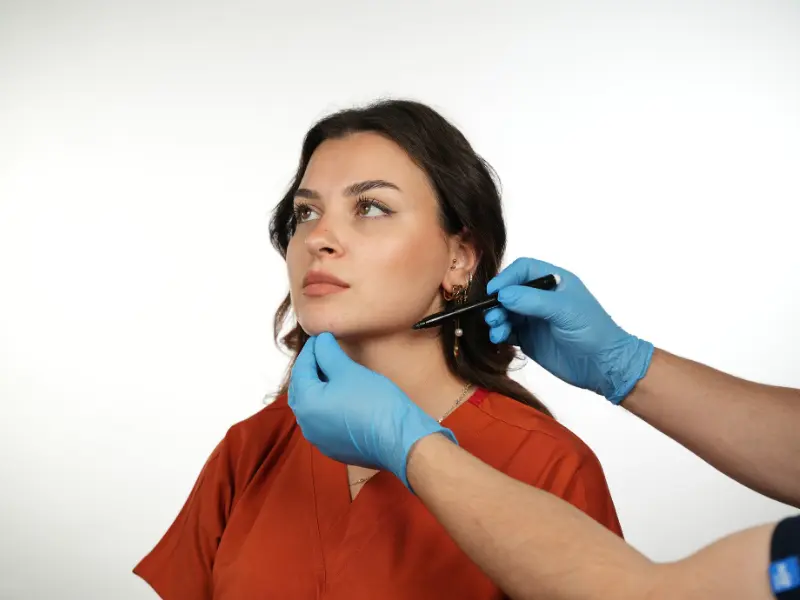
Step 1: Pre-Operative Planning and Marking
Before surgery begins, the surgeon confirms the operative plan with facial analysis and careful markings. This step helps define:
- Where lift is needed (midface, jawline, neck)
- The intended vector (direction) of repositioning
- Incision placement strategy to protect hairlines and hide scars
This is also where expectations are aligned: what will change, what will soften but not disappear, and what may require adjunctive treatments (like resurfacing for fine lines).
Step 2: Incisions and Access to Key Tissue Planes
Incisions are typically designed around natural creases and hair-bearing zones to reduce visibility over time. While specific incision patterns vary, the guiding objective is the same: create adequate access to reposition deeper tissues while protecting hairlines and minimizing tension at the skin edges. Proper incision design is a major determinant of “scar elegance” months later.
Step 3: Deep Plane Dissection and Strategic Release
The defining technical component is operating in a plane that allows meaningful mobility of the descended facial tissues in targeted zones. Strategic release (including management of tethering points) can allow the cheek and lower-face tissues to move more naturally into a rejuvenated position. Importantly, this is not about “pulling harder”—it’s about enabling the tissues to move with less force and then securing them in a stable, anatomically respectful position.
Step 4: Repositioning, Fixation, and Tension Management
Once tissues are mobilized, they are repositioned along a vector that supports natural facial proportions. Good fixation aims to:
- Create jawline clarity without over-tightening
- Restore midface contour without a “puffy” or unnatural look
- Minimize skin-edge tension to reduce scar widening and distortion risk
This is the step where expertise matters most—because subtle overcorrection can change identity, while undercorrection can disappoint.
Step 5: Closure and Scar Strategy
Modern closure philosophy prioritizes a tension-minimized skin closure. When deeper tissues are appropriately repositioned, the skin can be closed more like a tailored “redrape” rather than the primary lifting mechanism. This approach supports a more natural look and can contribute to better scar behavior as healing progresses.
Commonly Combined Procedures: Building a Harmonized Result
Facial aging rarely occurs in a single isolated zone. That’s why deep plane facelift planning often includes consideration of adjacent areas—particularly the neck and eyelids—so the final result looks balanced rather than “fixed in one place.” Combination surgery can also be efficient, consolidating downtime into a single recovery period, but it must be approached thoughtfully to avoid overcorrection, prolonged swelling, or competing vectors.
Neck Lift and Platysma Work (For Jawline–Neck Continuity)
For many patients, the neck is the deciding factor in whether they feel “truly rejuvenated.” Neck work may address platysma banding, submental fullness (when present), and skin laxity. A refined neck-jaw transition is often what makes a facelift look expensive, natural, and complete. If your primary complaint includes “turkey neck,” banding, or a blurred jawline, a face-only plan may be insufficient.
Eyelid Surgery (Upper/Lower Blepharoplasty) for a Rested Look
The eyes often reveal fatigue even when the lower face is improved. Upper and/or lower blepharoplasty may be considered when there is excess upper-lid skin, lower-lid bagging, or contour issues that contribute to a tired appearance. The goal is harmony: a rejuvenated lower face can look “off” if the periocular area remains significantly aged.
Brow/Temporal Lift for Upper-Face Balance
When the outer brow descends, it can create heaviness in the upper eyelid and change facial expression. In selected patients, a brow or temporal lift can complement deep plane lifting by restoring a more open, rested upper-face contour. This is not always necessary—many patients benefit most from deep plane work plus selective eyelid refinement—but it should be evaluated when upper-face aging drives the overall tired look.
Fat Transfer and Skin-Quality Treatments (When Volume and Texture Matter)
Deep plane lifting repositions tissue; it does not directly improve skin quality. If you have pronounced volume loss in the cheeks or temples, conservative fat transfer may be discussed to restore natural contour. For texture issues—sun damage, fine lines, crepey skin—resurfacing treatments (laser or other modalities) may be considered separately or staged, depending on your healing priorities and risk tolerance.
Practical planning tip: A high-quality surgical plan clearly explains which concerns are addressed by lifting (structure), which are addressed by volume (fat transfer), and which are addressed by skin treatments (texture). This transparency is one of the best predictors of satisfaction for an “expert patient.”
Deep Plane Facelift Recovery: A Day-by-Day, Week-by-Week Timeline
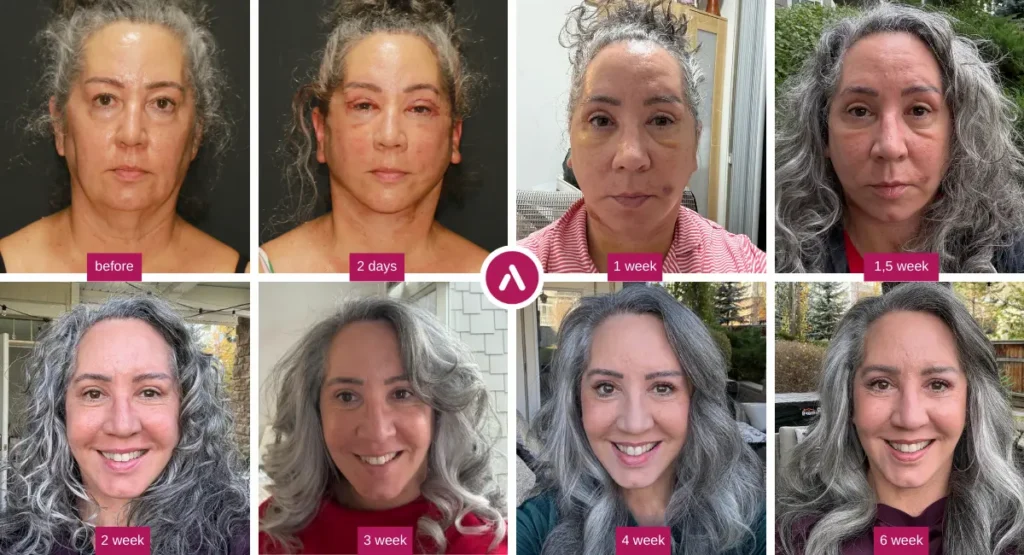
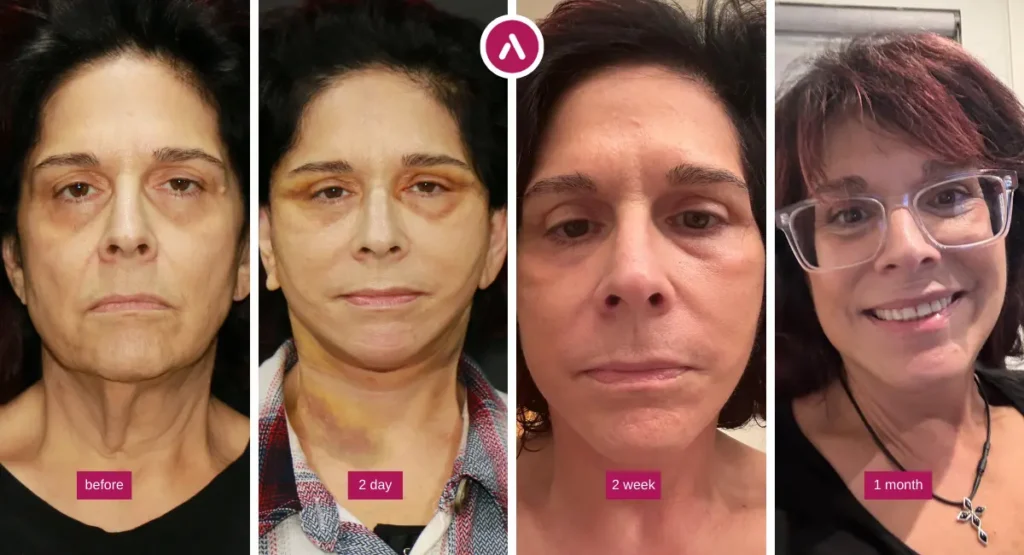
Recovery is where expectations need to be precise. A deep plane facelift is not a “one-week makeover” for most people—yet it also doesn’t require months of hiding if your plan is realistic and your aftercare is structured. The typical recovery curve involves the most visible swelling/bruising in the first 7–14 days, a noticeable “socially presentable” phase for many patients around weeks 2–3, and a longer refinement phase where tightness, numbness, and scar maturation continue to improve over several months.
First 24–72 Hours: The Most Important Window
The first three days are primarily about controlling swelling, protecting the surgical work, and monitoring for early complications. Expect a feeling of tightness, pressure, and fatigue. Bruising and swelling typically peak during this time, and your focus should be rest, hydration, and following the post-op plan exactly.
- What’s normal: swelling, bruising, mild drainage, tightness, temporary asymmetry
- What matters most: head elevation, gentle walking, medication schedule, and avoiding bending/straining
- Red flags: rapidly increasing swelling on one side, severe pain not controlled by medication, shortness of breath, fever, or sudden bleeding
Days 4–7: Swelling Shifts, Bruising “Travels”
Many patients notice that bruising changes color and appears to “move” down the neck as gravity affects healing tissues. Swelling often starts to feel less intense, but you may still look visibly post-surgical. If you work remotely, some patients can resume light duties during this phase, but on-camera meetings are usually not ideal yet.
- Continue head elevation while sleeping
- Avoid heavy lifting, intense exercise, and anything that increases blood pressure significantly
- Follow incision care exactly as instructed (this is critical for scar quality)
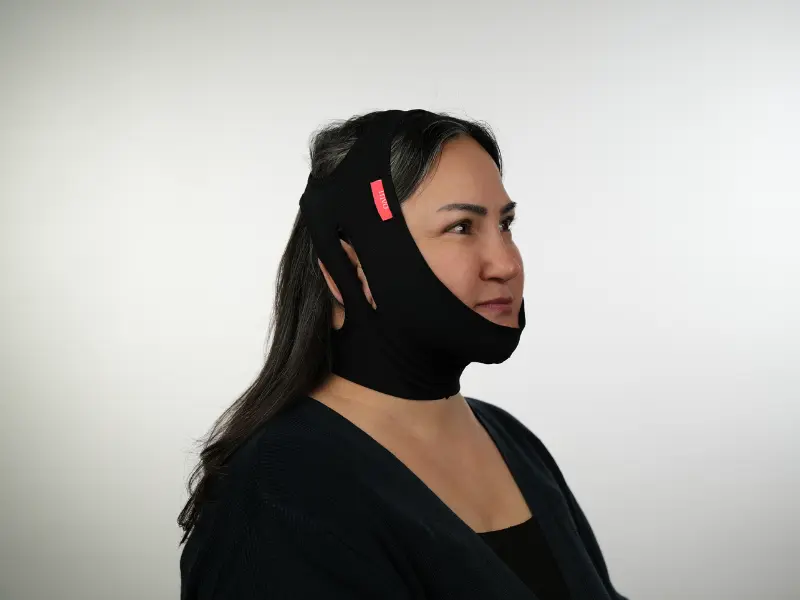
Week 2: “Social Downtime” Starts to Improve
Week 2 is often the turning point. Many patients look significantly better than week 1, with more manageable bruising and improved facial contours. Some residual swelling and tightness are still expected. If you’re planning travel, events, or work presentations, this is the earliest window many patients consider—but results vary.
- Appearance: improving but not “final”; mild swelling is common
- Comfort: tighter areas may feel firm or numb
- Scars: typically still pink and healing; scar care becomes a priority
Weeks 3–6: Better Definition, Less “Surgical” Look
By weeks 3 to 6, many patients feel more like themselves. The jawline and lower face usually appear more defined, and swelling becomes more subtle. This is the stage where good technique looks especially natural—because the early post-op “tightness” look softens into a rested, cohesive contour.
- Light exercise is often resumed gradually (your surgeon’s timeline is the rule)
- Numbness and firmness can persist and typically improve over time
- Makeup and hairstyling become easier as bruising resolves
Months 2–6: Refinement Phase (Where Great Results Mature)
Final results are not judged at two weeks. Scar maturation, subtle swelling resolution, and tissue settling continue for months. By this stage, you should see the “quiet confidence” outcome many expert patients want: improved jawline continuity, softer folds, and a more rested facial expression without obvious signs of surgery.
Scars: What to Expect at 1 Week, 1 Month, and 6 Months
Scar quality depends on incision placement, closure technique, skin tension, and aftercare. Early scars often look pink or slightly raised. Over time, most mature into fine lines that blend into natural creases and hair-bearing areas. Consistent scar care and sun protection are non-negotiable if you want the best scar outcome.
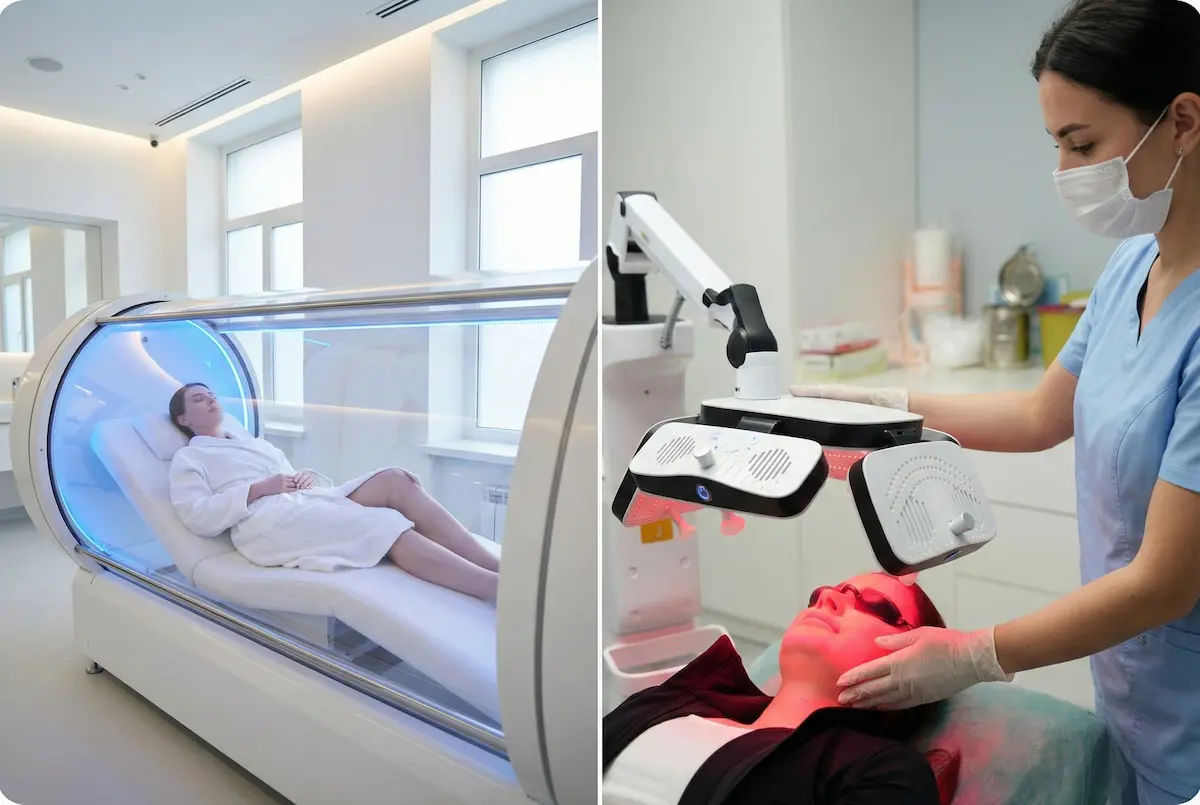
Accelerated Recovery & Safety Protocols: HBOT and LLLT After Surgery
“Recovery” isn’t only about waiting—it’s about supporting wound healing biology. Advanced centers increasingly use structured recovery protocols that aim to reduce inflammation, support tissue oxygenation, and optimize cellular repair in the early post-op period. When used appropriately, these adjunctive therapies are not marketed as magic; they are framed as supportive strategies to help patients move through the swelling-and-bruising phase more efficiently and comfortably.
HBOT (Hyperbaric Oxygen Therapy): Why Oxygen Delivery Matters
Hyperbaric Oxygen Therapy (HBOT) exposes the body to a controlled environment with increased oxygen availability. In postoperative recovery, the rationale is straightforward: healing tissues benefit from strong oxygen delivery, especially when swelling temporarily reduces microcirculatory flow. HBOT is often positioned as supportive care to:
- Help reduce postoperative inflammation and swelling
- Support tissue repair and wound healing
- Potentially lower the risk profile of compromised healing in selected cases
For the expert patient, the key question is not “Does it sound impressive?” but “Is it integrated into a structured protocol with clear indications and timing?” When it is, it can function as a practical part of a safety-minded recovery pathway.
LLLT (Low-Level Laser Therapy): Cellular Support Without Heat Injury
Low-Level Laser Therapy (LLLT) is used to support healing without the thermal injury associated with aggressive resurfacing devices. The proposed mechanism often discussed in clinical settings involves supporting cellular energy processes and collagen dynamics during recovery. In a postoperative context, LLLT is often utilized to help:
- Reduce visible redness and swelling
- Support tissue comfort during healing
- Encourage a smoother recovery trajectory in the early phase
Importantly, LLLT is not a replacement for good surgery, meticulous closure, or proper scar care—it’s an adjunct designed to support the body’s repair process.
What an “Accelerated Protocol” Should Include (Beyond Devices)
Technology alone doesn’t create a smoother recovery. A true accelerated recovery plan is multidisciplinary and includes:
- Swelling strategy: positioning, cold application guidance (if recommended), and timing
- Pain control: a clear plan that avoids over-sedation while keeping you comfortable
- Incision/scar care: cleaning, ointments/silicone when appropriate, and sun protection
- Activity progression: stepwise return to walking, light exercise, then higher intensity
- Follow-up structure: scheduled check-ins and rapid access if concerns arise
Recovery Expectations for Traveling Patients
If you are traveling for surgery, your plan should include a realistic in-country stay long enough for early monitoring and key post-op checks. This is particularly important for the first week, when swelling dynamics and early complication vigilance matter most. A well-organized international pathway also includes structured remote follow-ups after you return home, so healing can be monitored through the refinement phase.
Aftercare Essentials: What You Do Matters as Much as What Was Done
Expert patients often focus heavily on technique—and they should—but outcomes are also shaped by postoperative behavior. The two biggest avoidable issues after facelift surgery are (1) doing too much too soon and (2) treating scars casually. A high-quality aftercare plan is detailed, written, and easy to follow, with clear instructions on sleep position, bathing, hair care, medications, activity, and what symptoms require immediate contact.
Sleep Position, Swelling Control, and Daily Habits
Head elevation during sleep is one of the simplest and most effective ways to reduce swelling. Avoid sleeping face-down or with pressure on incisions. Gentle walking is typically encouraged early to support circulation, but strenuous activity should wait until you are cleared.
Exercise and Blood Pressure Management
Heavy lifting, intense cardio, and activities that spike blood pressure can increase swelling and raise the risk of bleeding in the early phase. A safe return-to-exercise plan is gradual: walking first, then light activity, then progressive return to your normal routine. If fitness is central to your life, ask your surgeon for a written timeline tailored to your plan.
Scar Care: The Long Game
Scar care usually includes keeping incisions clean, avoiding tension, and protecting scars from sun exposure. Depending on the surgeon’s protocol, silicone-based scar care may be introduced at the appropriate time. The most important truth: scars mature slowly. Consistency over months is what produces the refined, barely-there scar outcome most patients want.
When to Contact Your Surgical Team
A reliable team will not leave you guessing. You should know exactly how to reach them and what symptoms require immediate attention—especially sudden one-sided swelling, excessive bleeding, fever, or worsening pain that does not follow the expected recovery pattern.
Deep Plane Facelift Risks, Complications, and How to Reduce Them
Every surgical procedure carries risk, and deep plane facelift surgery is no exception. A trustworthy facelift plan is built on radical transparency: clearly explaining what can happen, how often issues typically arise in experienced hands, what warning signs to watch for, and what systems are in place to prevent and manage complications. For the expert patient, the most meaningful safety indicators are not “promises,” but the quality of the surgical environment, the team’s protocols, and the clarity of follow-up care.
Common Risks (Even in Excellent Candidates)
These are risks that can occur despite appropriate selection and high-quality technique:
- Swelling and bruising: expected; varies widely by individual biology and extent of surgery
- Temporary numbness or altered sensation: often improves over weeks to months
- Firmness/tightness: common early and typically softens as tissues settle
- Asymmetry during healing: mild asymmetry is common early due to swelling patterns
- Visible scarring: most scars fade well, but healing is individualized
Less Common but More Serious Complications
These events are less common but carry higher clinical importance and require immediate attention or intervention:
- Hematoma (bleeding under the skin): often presents as sudden, increasing swelling (sometimes one-sided) and may require urgent evaluation
- Infection: uncommon, but possible; risk increases with poor wound care or systemic factors
- Nerve injury: temporary weakness can occur; permanent weakness is uncommon but possible
- Skin compromise (delayed healing/skin necrosis): risk increases with smoking and vascular compromise
- Problem scarring: hypertrophic scars or widened scars can occur in predisposed individuals
Facelift-Specific Aesthetic Risks (The “Operated” Look)
Many expert patients fear outcomes that look obvious. The most discussed aesthetic risks include:
- Over-tightening or “windswept” appearance (often linked to excessive skin tension)
- Hairline distortion (temporal hairline shift or behind-the-ear hairline changes)
- “Pixie ear” deformity (earlobe pulling from tension and closure issues)
- Mismatch between face and neck if the neck is under-treated relative to the face
Deep plane techniques are often chosen specifically because they aim to reduce reliance on skin tension and improve structural repositioning, which can lower the risk of a pulled appearance when performed well. The most important variable is not the label, but the surgeon’s execution and aesthetic philosophy.
How Risks Are Reduced: What Actually Matters
Risk reduction is multi-factorial. A credible safety strategy typically includes:
- Appropriate candidacy screening: identifying risk factors (smoking, uncontrolled blood pressure, clotting concerns, healing risks)
- Experienced surgical technique: minimizing unnecessary trauma, controlling bleeding, and managing tissue tension
- Controlled surgical environment: hospital-grade sterility and monitoring protocols
- Clear post-op vigilance: especially in the first 24–72 hours, when bleeding risk is most clinically relevant
- Structured follow-up: scheduled check-ins and rapid access for concerns
Anesthesia Risk and the “Awake/Twilight” Consideration
For some patients, anesthesia risk is the primary concern—particularly those with prior nausea, prolonged grogginess, or a strong preference to avoid full general anesthesia when clinically appropriate. When performed by an experienced team with proper monitoring, awake or twilight sedation pathways can be a valuable option for selected patients. The critical point is selection and competence: the safest anesthesia plan is the one that fits the procedure extent, your physiology, and the team’s proven pathway.
Red Flags During Recovery: When to Seek Urgent Help
A reliable surgical team will give you written instructions, but as a practical guide, you should treat the following as urgent:
- Rapidly increasing swelling (especially if it is one-sided)
- Sudden bleeding that does not slow with directed care
- Fever, chills, or worsening redness with warmth and pain
- Severe pain that escalates rather than gradually improves
- Shortness of breath or chest pain (emergency)
Results: What a “Natural” Deep Plane Facelift Should Look Like
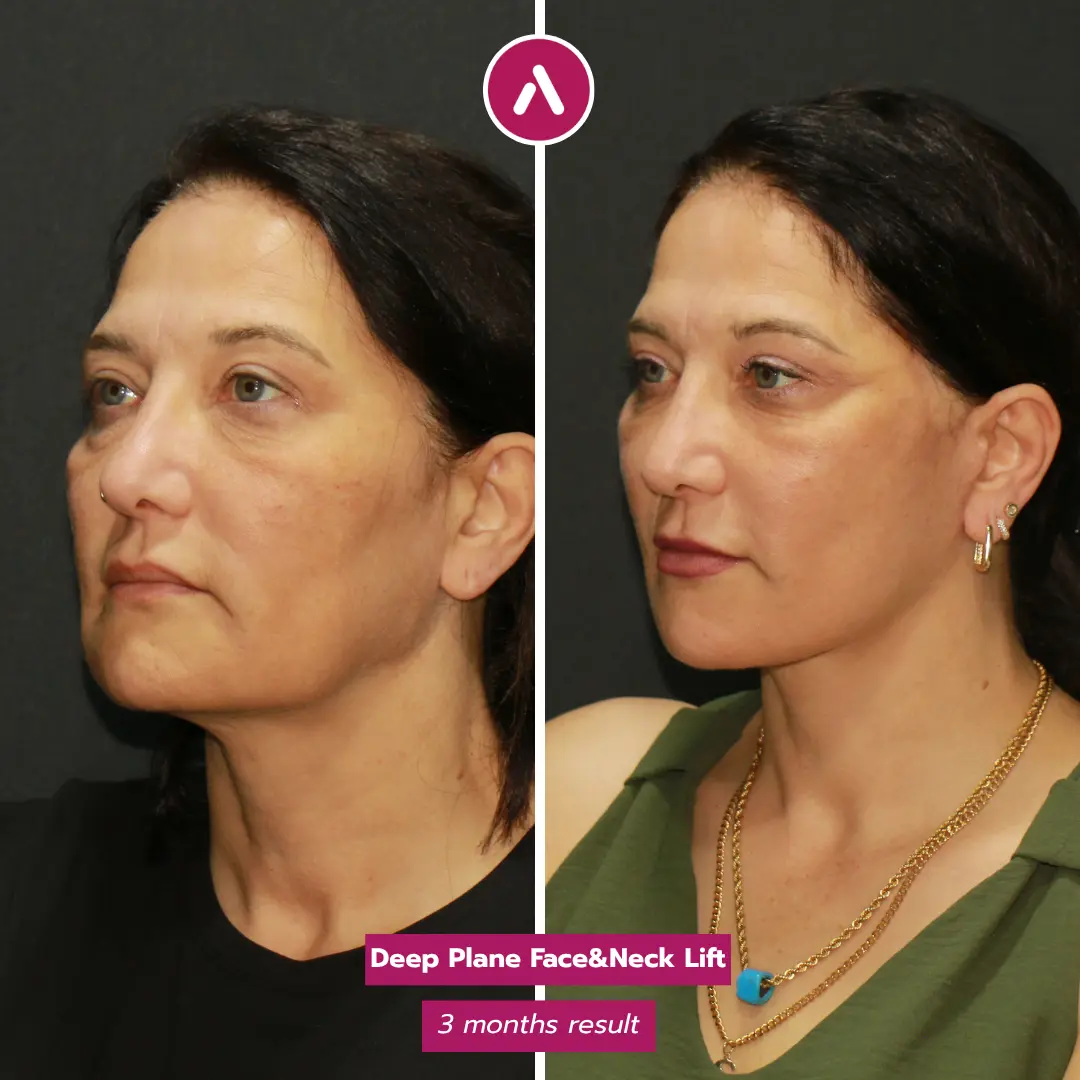
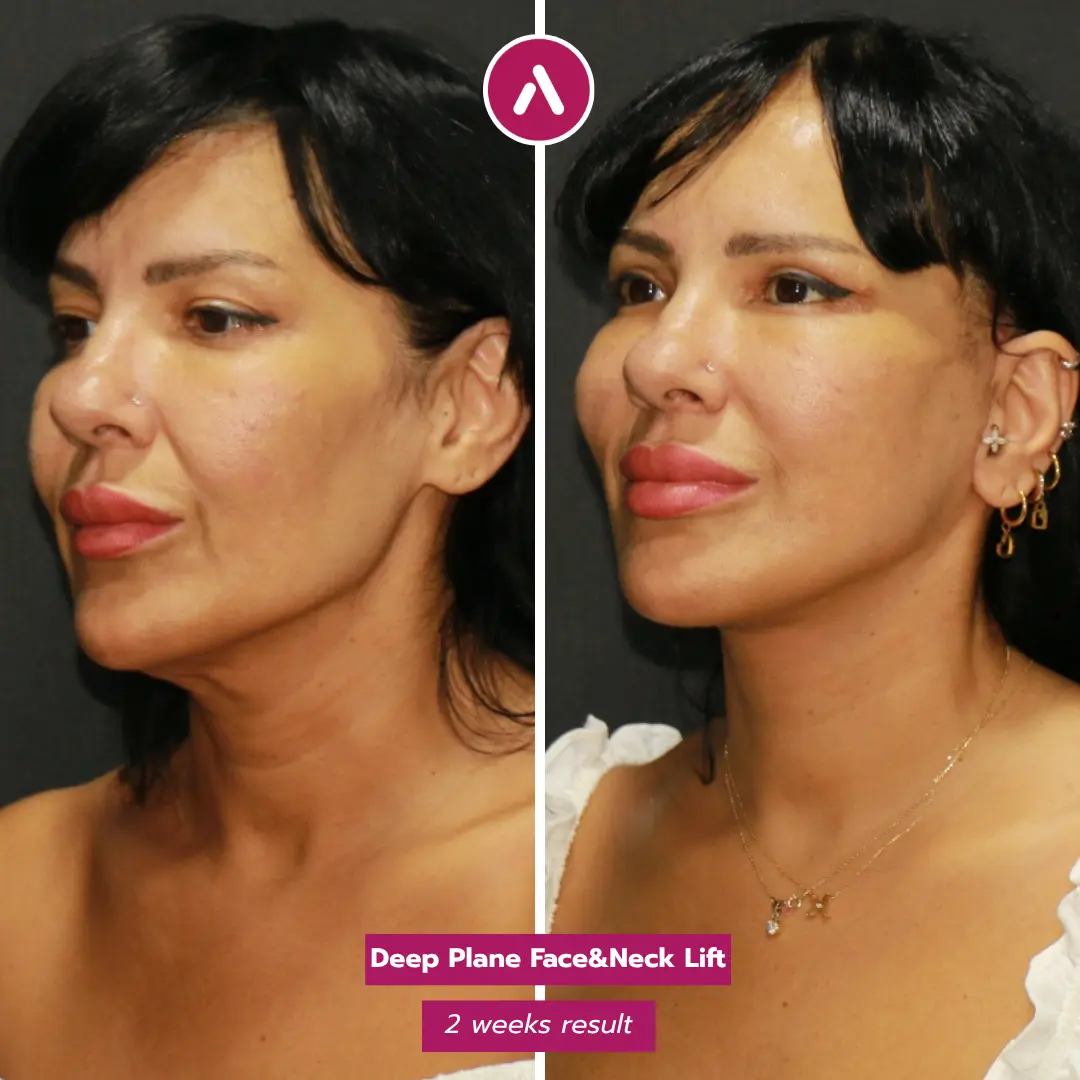
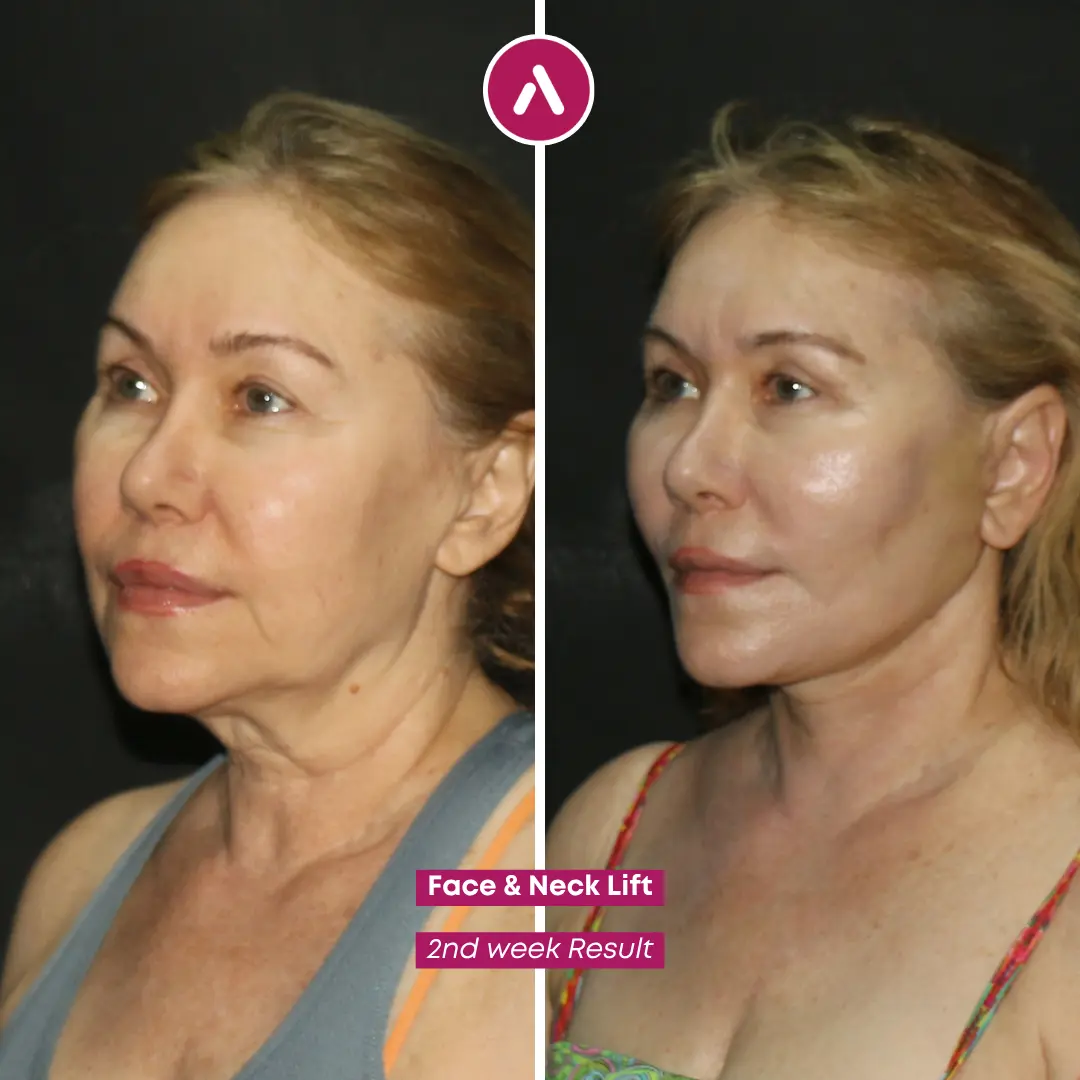
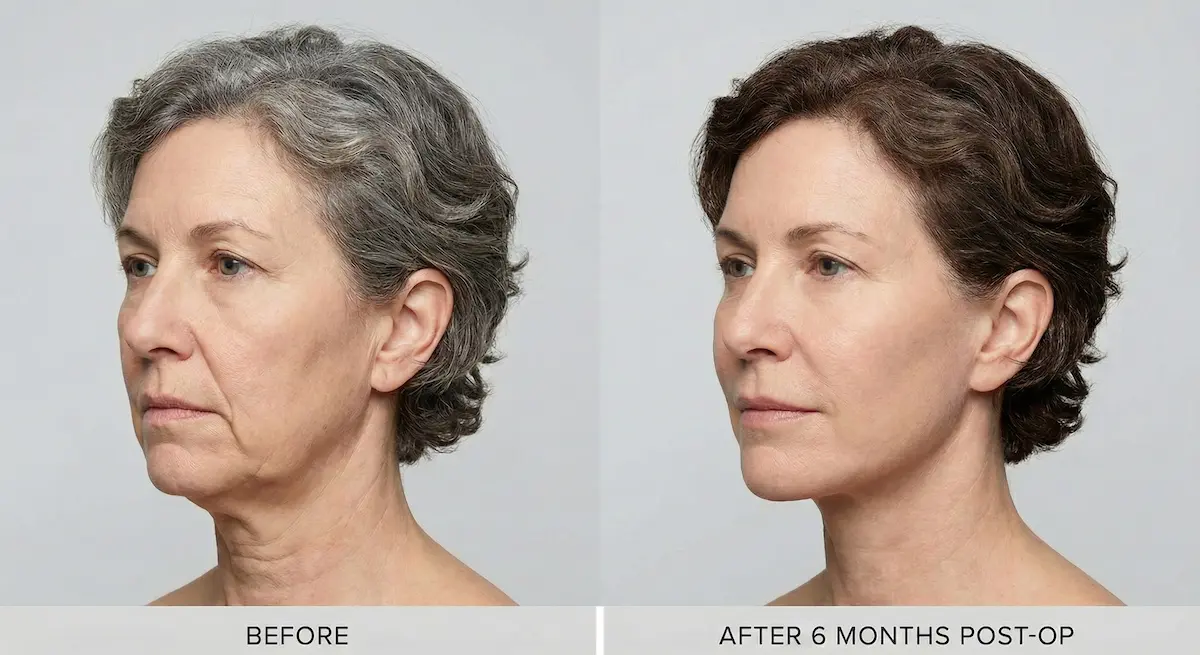
The best deep plane facelift results are often described in a way that sounds almost too simple: you look like yourself, but more rested—like you finally caught up on sleep, lost the heaviness in the lower face, and regained jawline clarity. A natural result is not the absence of change; it’s change that integrates seamlessly with your identity, facial proportions, and expression. This section will help you define what to expect, how to judge outcomes honestly, and why “before/after” photos should be interpreted with a trained eye.
Realistic Outcome Targets (What Typically Improves Most)
In well-selected candidates, deep plane lifting often produces its strongest improvements in:
- Jawline definition: reduced jowling and a cleaner mandibular border
- Lower-face contour: less heaviness along the marionette region and jaw
- Midface transition: improved cheek-to-nasolabial flow (not always “erasing” folds, but softening them)
- Neck angle (when treated): improved face-to-neck continuity
It is important to understand that certain lines—especially fine etched lines around the mouth—are more related to skin quality than structural descent. Those usually require texture-focused treatments, not stronger lifting.
When You’ll Look “Presentable” vs When Results Are “Final”
Many patients want two timelines: a social timeline and a final-result timeline.
- Social timeline: for many patients, noticeable improvement occurs around weeks 2–3, with makeup and styling helping further. Some patients feel comfortable sooner, while others need longer depending on bruising and swelling.
- Final-result timeline: refinement continues for months. Scar maturation and subtle swelling resolution can continue through month 6 and beyond.
If you’re planning travel, major events, or high-visibility work, plan conservatively. A surgeon who pushes an overly optimistic timeline without acknowledging variability is not prioritizing your real-world satisfaction.

How to Read Before/After Photos Like an Expert Patient
High-quality before/after analysis goes beyond “tighter.” Look for:
- Expression consistency: photos taken with similar facial expression and head position
- Jawline–neck harmony: improvement that looks continuous, not “two different faces”
- Natural vectors: cheeks and lower face look lifted without lateral pulling
- Scar invisibility over time: not just immediate post-op photos, but healed scar examples
Also be cautious of misleading comparisons: different lighting, different makeup, different lenses, or different angles can exaggerate improvement. The best providers present standardized, honest galleries that include healed results.
The “Unoperated-On” Look: Why Philosophy Matters
Technique and philosophy are inseparable. Two surgeons can perform “deep plane facelifts” and produce very different aesthetics. If your priority is natural rejuvenation (not alteration), you should ask how the surgeon avoids:
- Overcorrection of the mouth corners and lower face
- Excess skin tension that distorts the ear/hairline
- Overfilling of the midface that creates a puffy look
A subtle but important sign of good philosophy is how the surgeon talks about your identity: the goal should be restoring youthful structure while respecting your baseline facial character.
Patient Perspective: What Satisfaction Often Sounds Like
Patients who love their outcomes frequently describe them in understated terms—because the change integrates naturally. Instead of “I look different,” it’s more like:
- “People say I look well-rested.”
- “My jawline came back.”
- “It doesn’t look like I had surgery—just refreshed.”
That understated reaction is often the strongest indicator that the result is anatomically aligned and aesthetically mature.
Cost Analysis: Deep Plane Facelift Cost 2026 U.S. vs Istanbul
Deep plane facelift pricing varies dramatically because you’re not buying a commodity—you’re paying for surgeon expertise, anesthesia pathway, facility standards, operative time, and the complexity of your anatomy and goals (face only vs face + neck, primary vs revision, add-on procedures). For expert patients, the most useful way to compare cost is to separate (1) what the quoted price includes and (2) what the system of care looks like before and after surgery.
What the “Average Cost” Does (and Doesn’t) Include
In the U.S., published “average cost” figures often reflect surgeon fees only, not anesthesia, operating room/facility fees, pre-op testing, prescriptions, garments, or extended follow-up care. As a result, the real-world total can be meaningfully higher than the headline number—especially in major metro markets and for advanced techniques.
Why NYC / LA / Miami Tend to Cost More
In major coastal markets, pricing can rise due to higher overhead, premium facility costs, and increased demand for high-profile surgeons who specialize in deep plane techniques. In practical terms, the same procedure can be priced very differently across the country—even when the technical concept is similar—because the business and market context changes.
Why Istanbul Can Offer “Smart Value” for the Same Category of Care
International surgical hubs can sometimes offer lower total prices due to different operational costs—not because the goal is lower standards. When patients research deep plane facelift cost in Turkey or deep plane facelift cost Turkey, a typical all-inclusive range is $5,500–$7,000 USD, depending on surgical extent and what’s included. The value proposition only works if the clinical fundamentals are non-negotiable: a hospital-grade environment, verified credentials, transparent anesthesia planning, and structured follow-up. For patients traveling internationally, an all-inclusive model can also reduce logistical friction by bundling essentials (hospital, transfers, hotel, and patient coordination) into one organized pathway.
Example Cost Framework (Ranges Vary Widely)
The table below shows commonly referenced public ranges and averages to help you understand the magnitude of variation. Your final quote will depend on surgical extent, whether a neck lift is included, anesthesia plan, revision complexity, and any combined procedures.
| Location / Reference Point | Commonly Cited Pricing (USD) | Important Notes |
|---|---|---|
| U.S. (Facelift average surgeon fee) | ~$20,000 (surgeon fee only) | Does not include anesthesia, facility, or related costs. |
| U.S. (Deep plane facelift on RealSelf) | Average ~$50,000 (range ~$30,000–$100,000) | Based on patient-reported reviews; totals vary by market and complexity. |
| New York City (published practice/market ranges) | Often cited as higher-range pricing | Major metros can be significantly above national averages. |
| Los Angeles (published practice/market ranges) | Often cited as higher-range pricing | High-demand markets may price above typical national ranges. |
| Miami (published practice/market ranges) | Wide variation reported | Important to compare what is actually included in quotes. |
| Turkey (published package-style ranges) | Often advertised as lower total pricing vs U.S. | Compare what is included (hospital, anesthesia, hotel, transfers, follow-up). |
What to Demand in Any Quote (U.S. or International)
To compare fairly, ask for a written breakdown that clarifies:
- Surgeon fee vs facility fee vs anesthesia fee
- Whether a neck lift/platysma work is included (or priced separately)
- What follow-up schedule is included and how concerns are handled after you travel home
- Revision policy (if you have concerns about healing or outcomes)
Contextual note (AKM approach): AKM Clinic structures care as an all-inclusive pathway (hospital-grade environment, VIP transfers, accommodation coordination, and scheduled follow-ups) to reduce uncertainty for international patients while keeping clinical quality and safety systems central to the plan.
Choosing the Best Deep Plane Facelift Surgeon: Credentials, Experience, and “Deep Plane Proof”
Because “deep plane facelift” is both a technical term and a marketing label, surgeon selection should be based on verifiable markers of expertise—not slogans. An expert patient should assume that outcomes depend heavily on the surgeon’s ability to plan vectors, manage retaining ligaments, protect facial nerves, and deliver a tension-minimized closure that preserves identity. The highest-risk decision is choosing based on price alone or choosing based on social media popularity without technical transparency.
How do you separate elite surgical talent from clever marketing? Evaluating a surgeon’s true deep plane expertise requires knowing exactly what to look for and what questions to ask. We have created a comprehensive checklist for international patients. Learn how to verify credentials, spot “ghost surgeon” red flags, and analyze before/after galleries like a pro in our complete guide to finding the best deep plane facelift surgeon in Turkey.
Choosing a Deep Plane Facelift in Turkey: Safety, Value, and a Clear Patient Pathway
For many research-driven patients, the decision to pursue a deep plane facelift turkey comes down to one question: can you access premium, modern facelift technique with a rigorously organized safety system and predictable follow-up—while still achieving smarter overall value? The answer depends less on geography and more on whether the clinic delivers hospital-grade standards, verified surgical credentials, transparent anesthesia planning, and structured aftercare.
Why Costs Can Be Lower Without Lowering Standards
International surgical hubs can offer lower total pricing due to operational cost differences—not because the goal is reduced quality. When comparing facelift turkey options, focus on what is non-negotiable: accredited facilities, reliable monitoring, and a team that can explain exactly how risk is minimized in the first 72 hours. In many all-inclusive programs, a typical range is $5,500–$7,000 USD, depending on surgical scope and what’s included.
What “All-Inclusive” Should Actually Mean
Patients searching turkey deep plane facelift packages should confirm that “all-inclusive” is more than a headline. A clinically meaningful pathway should bundle essentials while keeping medical decision-making front and center, including:
- Hospital-grade operating environment and anesthesia support
- Planned early recovery monitoring and written aftercare instructions
- Coordinated logistics (transfers, hotel, patient liaison) to reduce stress
Planning Your Timeline in Istanbul
Choosing a deep plane facelift istanbul plan should include realistic downtime, in-person checks before travel home, and remote follow-ups as swelling resolves and scars mature. The best programs make the process feel medically organized—so your experience is defined by clarity, safety, and consistent support, not uncertainty.
The Medical Journey for International Patients: How It Works in Practice
If you’re traveling internationally for a deep plane facelift, your experience should feel medically organized—not like a tourism package. The journey should be structured around clinical milestones: a thorough pre-op evaluation, a safe procedure day pathway, early post-op monitoring, and a clear plan for follow-up after you return home. The best international pathways reduce uncertainty by assigning coordination, eliminating logistical friction, and maintaining continuity of care through scheduled check-ins.
Step 1: Virtual Evaluation and Surgical Planning
Most international journeys begin with a remote assessment to clarify goals, candidacy, and preliminary planning. You should receive a clear outline of what is recommended (deep plane face only vs face + neck, staged add-ons, anesthesia options), along with transparent expectations about recovery timing and limitations.
Step 2: Arrival, In-Person Confirmation, and Procedure Day
Upon arrival, the plan should be confirmed in person—this is where anatomy-driven decisions are finalized. A coordinated pathway typically includes airport transfer support, accommodation logistics, and a procedure-day plan that prioritizes safety and predictability.
Step 3: Early Recovery Monitoring (First Week Matters Most)
For traveling patients, the first week is especially important because swelling dynamics, bruising patterns, and early complication vigilance are most relevant. A well-designed plan keeps you supported during this phase with scheduled check-ins and easy access to the team if concerns arise.
Step 4: Structured Follow-Up After You Return Home
Healing continues long after you fly home. A high-standard international pathway includes scheduled remote follow-ups (for example, at 1, 3, 6, and 12 months) to monitor scar maturation, swelling resolution, and long-term contour refinement—so you are not left alone during the most important “final result” months.
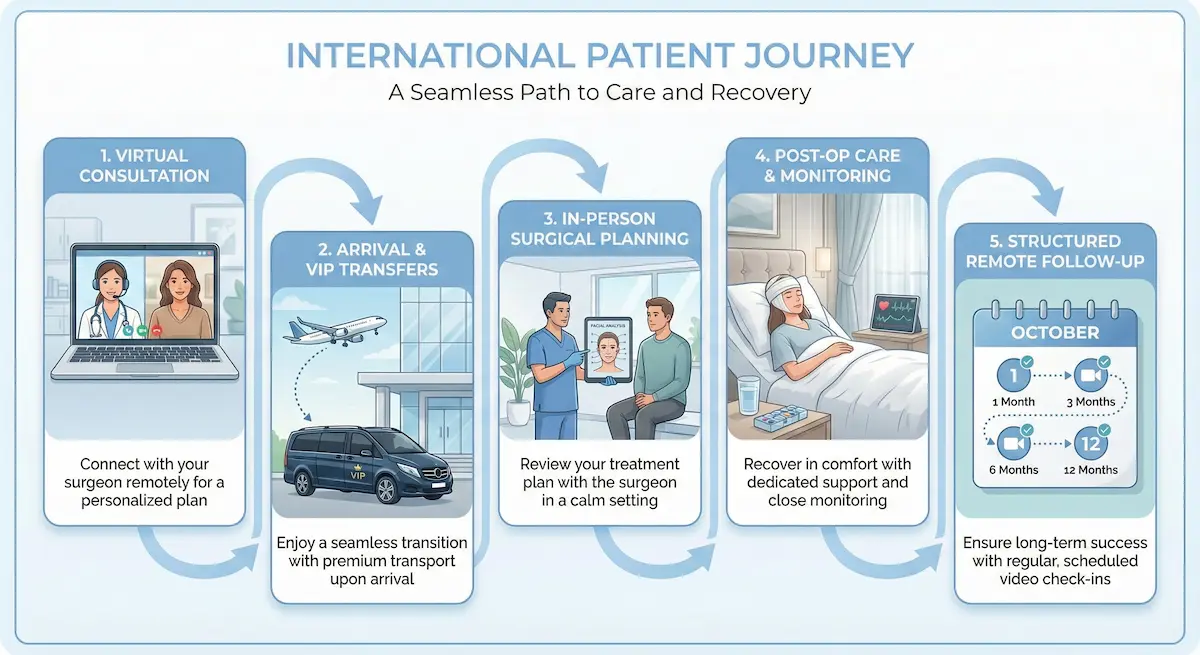
Contextual note (AKM pathway): AKM Clinic organizes international care with VIP logistics support and a defined follow-up schedule (including 1/3/6/12-month check-ins) to maintain continuity of care beyond the in-country phase.
FAQ: Deep Plane Facelift Questions
These are the most common deep plane facelift questions asked by research-driven patients. The answers are written to be clinically grounded, realistic, and practical—especially regarding timelines, scars, and safety tradeoffs.
How long does a deep plane facelift last?
Longevity depends on anatomy, skin quality, lifestyle (sun exposure, smoking), and technique quality. A deep plane facelift repositions tissue to a more youthful baseline; it does not stop aging. Most patients think in terms of “years of benefit,” not a fixed expiration date.
Is a deep plane facelift better than a SMAS facelift?
Not universally. Deep plane techniques can be especially valuable for midface descent and jowling because they prioritize structural repositioning with less dependence on skin tension. SMAS techniques can also produce excellent results when well-matched to the patient and expertly performed. The best technique is the one that matches your anatomy and goals.
Does a deep plane facelift fix nasolabial folds?
It often softens them, especially when midface descent is a major driver. But deep nasolabial folds can be influenced by anatomy and skin quality, so they may not disappear completely. A trustworthy surgeon will explain what is realistically achievable for your specific face.
What is “awake deep plane facelift” and who is it for?
“Awake” typically refers to deep plane lifting performed under local anesthesia with appropriate monitoring (often with sedation strategies). It may be suitable for selected patients who want to avoid general anesthesia, depending on the extent of surgery and the team’s experience with that pathway.
What are the most common complications?
Swelling, bruising, temporary numbness, and temporary asymmetry during healing are common. Less common but more serious issues include hematoma, infection, nerve-related weakness, delayed healing, or unfavorable scarring. Risk is reduced through screening, technique, and structured post-op monitoring.
When can I go back to work?
Many patients plan for 2 weeks of meaningful downtime, with increasing comfort for public-facing activity around weeks 2–3. If you’re regularly on camera or in high-visibility settings, planning conservatively is wise.
Will people be able to tell I had surgery?
The goal of a well-executed deep plane facelift is a natural “rested” look, not an obvious surgical look. Natural outcomes depend on vector planning, tension management, and not overcorrecting. Scar care and recovery discipline also matter.
Where are the scars and how visible are they?
Incisions are typically placed around natural contours and hair-bearing areas. Early scars can look pink and noticeable, but most fade significantly over months. Scar visibility depends on incision design, closure tension, and consistent aftercare.
Can a deep plane facelift be combined with a neck lift?
Yes—and for many patients it should be, because jawline improvement often requires neck refinement to look complete. A face-only plan can look incomplete if the neck is under-treated relative to the face.
How do I compare costs fairly between the U.S. and Turkey?
Compare inclusions (facility, anesthesia, follow-up), the clinical environment, credential verification, and the structure of post-op support after you return home. The smartest decision is rarely the lowest sticker price—it’s the best system of care for your risk tolerance and goals.
How long should I stay in Istanbul for a deep plane facelift?
Most patients planning a deep plane facelift Istanbul & Turkey timeline should budget enough time for early checkups and monitored recovery before flying home, plus remote follow-ups afterward.
What does “deep plane facelift cost Turkey” usually include in an all-inclusive plan?
Deep plane facelift cost Turkey quotes vary, but a true all-inclusive plan should clearly list hospital/facility fees, anesthesia, surgeon fees, medications, transfers, accommodation support, and scheduled follow-up.
Is an 8-point facelift in Turkey the same as a deep plane facelift?
No. An 8-point facelift in Turkey typically refers to non-surgical lifting (often thread-based), while a deep plane facelift is surgical structural repositioning with different longevity, recovery, and risk considerations.
How do I know if a deeplane facelift in Turkey is right for my goals?
A deeplane facelift in Turkey may be appropriate when your main concerns are midface descent, jowls, and jawline/neck laxity; the best next step is a consult focused on anatomy, safety protocols, and realistic outcomes.
Medical Disclaimer: This page is provided for general educational purposes only and does not replace a face-to-face medical consultation, diagnosis, or personalised treatment plan. All surgery carries risks and outcomes vary between individuals. Suitability for a deep plane facelift, procedure selection, and anesthesia choice can only be determined after a full clinical assessment by a qualified surgeon. Always follow your clinician’s instructions and seek urgent medical attention if you develop concerning symptoms during recovery.