



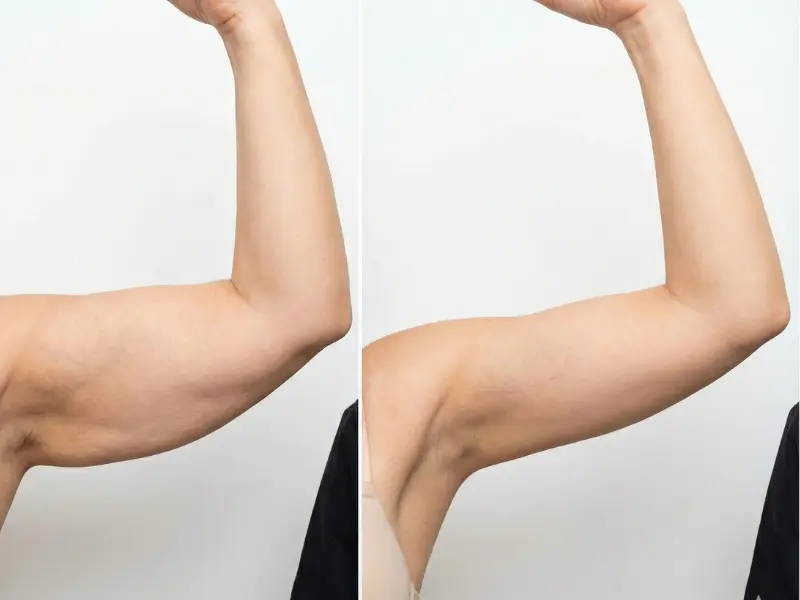
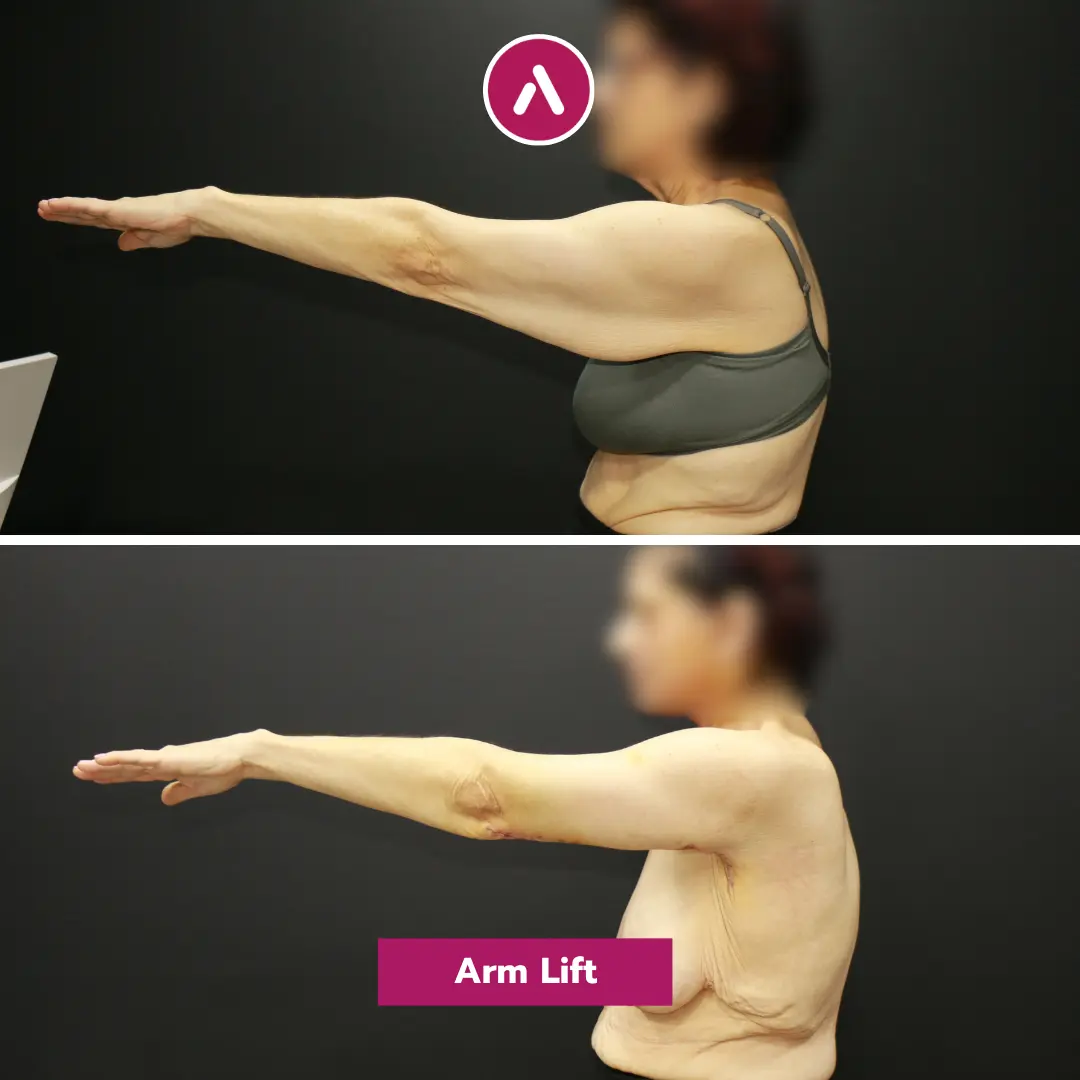
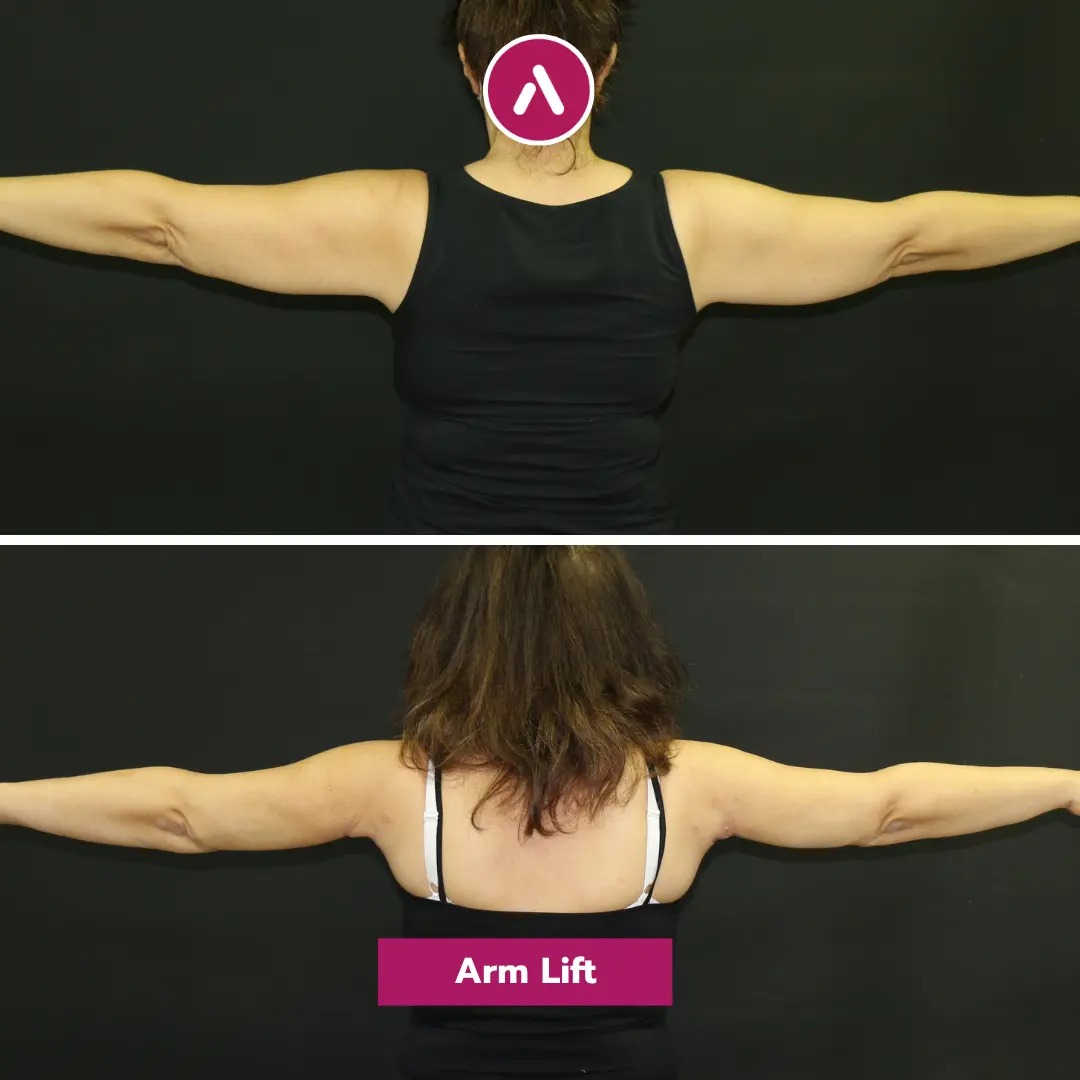
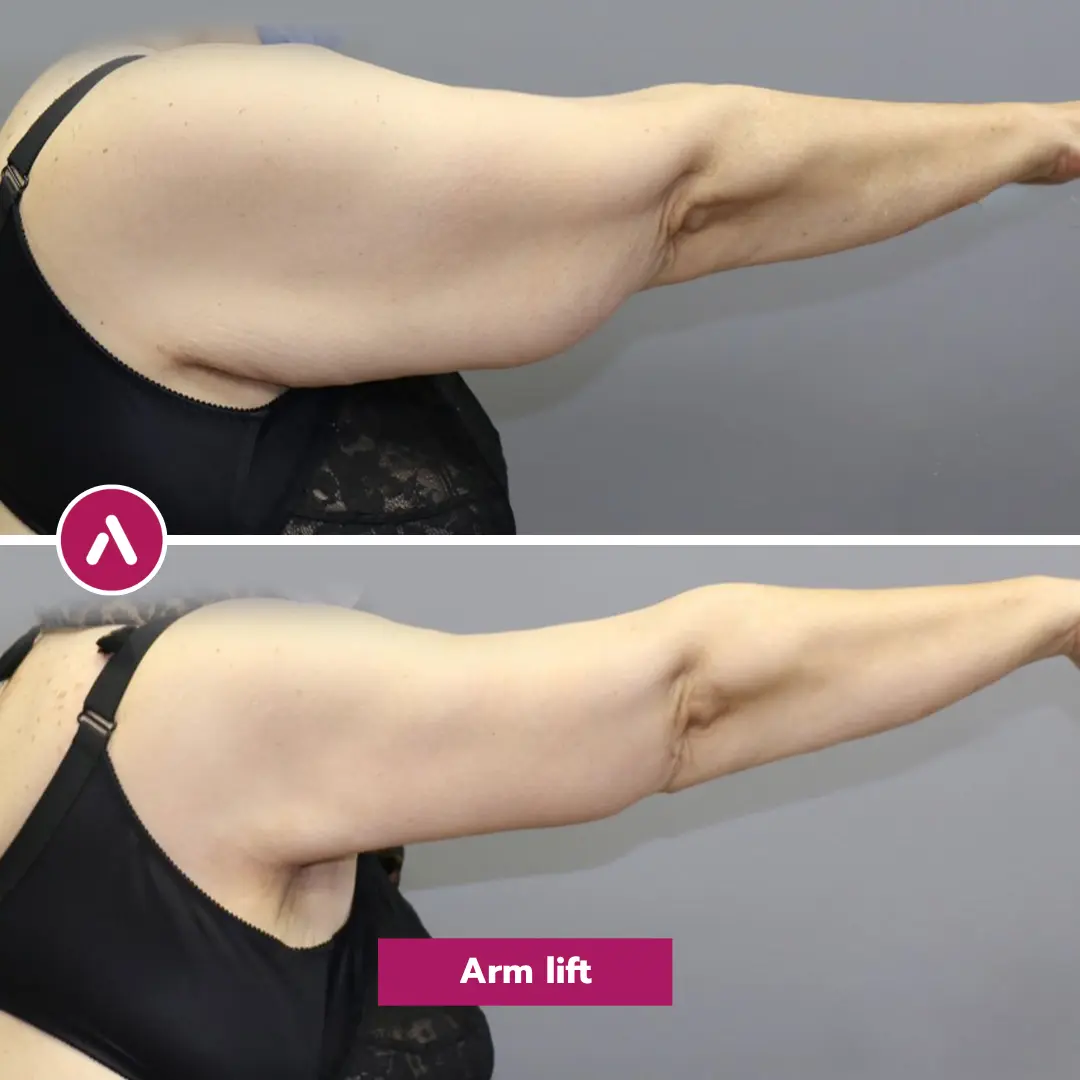
An awake arm lift (awake brachioplasty) is a surgical procedure designed to remove excess skin and reshape the upper arms while using local anesthesia, often with the option of twilight sedation for added comfort. The goal is to restore a smoother, firmer arm contour when skin laxity and soft tissue changes cannot be corrected with exercise, strength training, or non-surgical tightening treatments.
This page is written for the “expert patient” mindset: someone who wants to understand the mechanics of the procedure, the logic behind anesthesia choices, the trade-offs between techniques, and what a high-quality plan should look like—before deciding where to have surgery.
Table of Contents
What Is an Awake Arm Lift?
An arm lift (brachioplasty) is a contouring surgery designed to correct loose, hanging upper-arm skin—most commonly along the inner arm—and may be paired with targeted fat reduction when excess volume contributes to shape concerns. In clinical overviews of brachioplasty, the procedure is defined by strategic skin excision and tissue re-draping to restore a smoother arm contour when skin elasticity can no longer recoil on its own. The “awake” approach refers to the anesthesia strategy rather than the intensity of the operation: with appropriately selected patients, the surgical field can be fully numbed using local anesthesia (with optional twilight sedation), allowing the procedure to be performed without general anesthesia while the patient continues breathing independently.
Arm Lift (Brachioplasty) Definition: What It Corrects
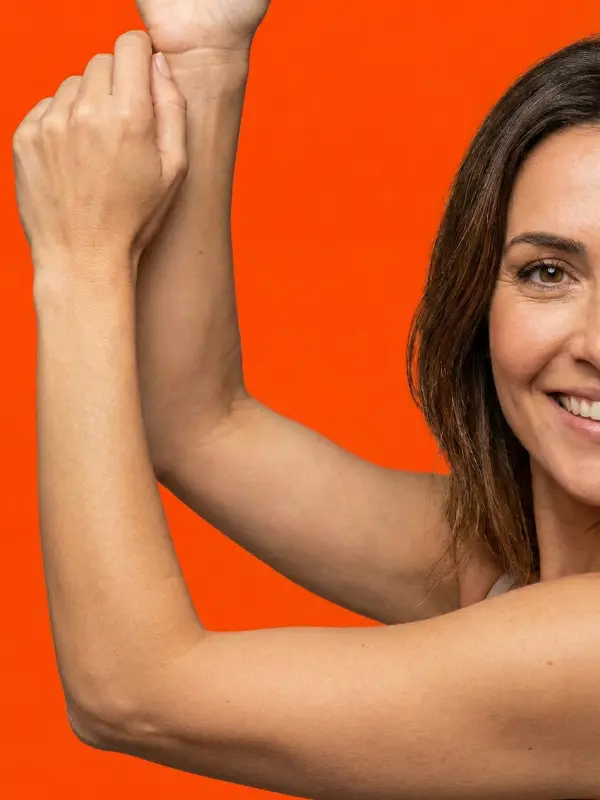
A brachioplasty primarily corrects excess skin and soft tissue laxity between the armpit and the elbow. Depending on your anatomy, it may also include limited fat removal to improve contour. It is especially effective for:
- Post-weight-loss skin redundancy (“bat wings”)
- Age-related loss of elasticity and thinning skin
- Genetic tendencies toward upper arm skin laxity
What it does not do: it does not “tone” the muscle. It reshapes the soft tissue envelope over the muscle so the arm looks tighter in clothing and more defined when bare.
What “Awake” Really Means (Local + Optional Twilight Sedation)
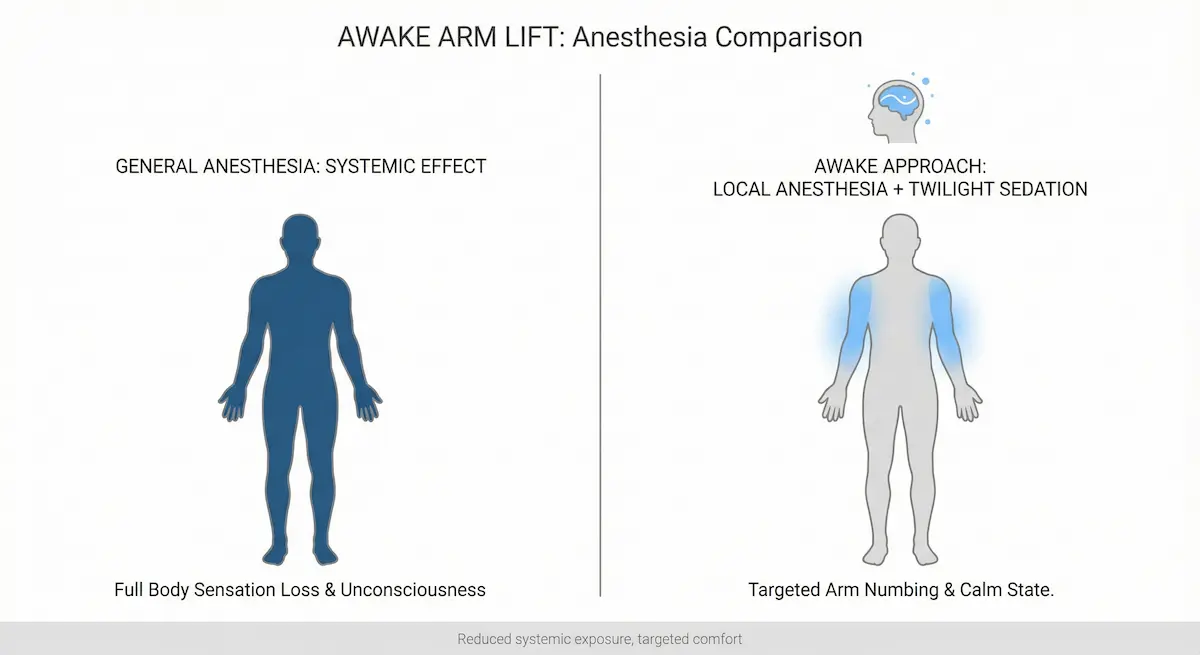
“Awake” typically means the surgery is performed under local anesthesia (numbing medication placed into the tissues) and may be paired with twilight sedation—a light-to-moderate sedative state where many patients feel relaxed, sleepy, and less aware of time. You are not placed into full general anesthesia, and you generally continue to breathe independently.
In practical terms, the “awake” plan focuses on:
- Numbing the surgical field thoroughly and evenly
- Keeping you comfortable and calm with optional sedation
- Reducing the systemic “whole-body” exposure that comes with general anesthesia
Who This Guide Is For (the “Expert Patient” Mindset)
If you are comparing local anesthesia vs general anesthesia, researching tumescent anesthesia, and asking detailed questions like “what does twilight sedation feel like?” or “what are the risks of awake surgery?”, you’re in the right place. This guide is built to help you evaluate:
- Whether you are a good candidate for an awake arm lift
- Which technique best matches your pattern of laxity
- How to plan for scars, recovery, and long-term results realistically
Upper Arm Anatomy and Why Skin Laxity Happens
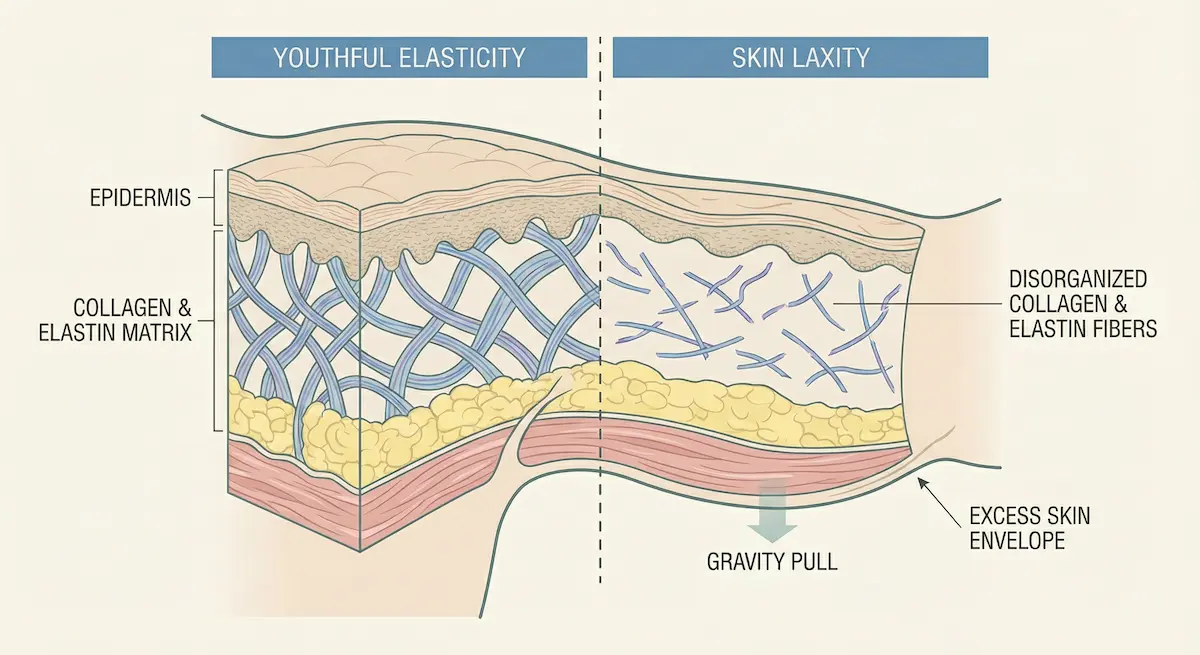
Upper arm “sagging” is rarely a single-factor issue. The visible problem—loose skin—usually reflects multiple underlying changes: loss of collagen and elastin, shifts in fat volume, and the effects of gravity over time. Understanding the anatomy clarifies why surgery can be transformative when lifestyle measures hit their limit.
Skin Elasticity, Collagen, and the “Crepey” Texture Problem
Your skin’s ability to “snap back” depends on collagen structure, elastin fibers, hydration, and overall dermal thickness. With time (and often after major weight loss), the skin can become thinner and less elastic. When elasticity is significantly reduced, the skin may not re-drape smoothly even if fat volume decreases—leading to the “crepey” look and persistent looseness.
Fat Distribution and Gravity: Why Weight Loss Changes the Arm
Many people store fat in the upper arms. Weight gain can stretch the skin over years; then weight loss reduces volume but leaves excess skin behind. In addition, fat distribution can become irregular—some areas lose volume faster than others—creating uneven contour. Gravity further exaggerates this by pulling lax tissues downward, especially along the inner arm where skin can be thinner.
Why Exercise Alone Can’t Remove Excess Skin
Strength training can improve muscle tone and may help the arm look firmer beneath the skin, but it cannot “shrink” a stretched skin envelope once elasticity is significantly compromised. If your primary issue is loose skin (not just fat), the most definitive correction is surgical removal and reshaping of that redundant skin.
Ideal Candidates and Who Should Wait
The best outcomes come from matching the procedure to the right patient. Candidacy isn’t only about wanting tighter arms—it’s about tissue quality, overall health, scar tolerance, and having a plan that fits your lifestyle and recovery expectations.
Best Candidate Profile (Laxity Patterns and Weight Stability)
You may be a strong candidate for an awake arm lift if you:
- Have moderate to significant upper arm skin laxity
- Are at a stable weight (ongoing weight loss can change results)
- Prefer to avoid general anesthesia when clinically appropriate
- Understand that a scar is the “trade-off” for a tighter contour
In general, the more skin laxity you have, the more likely you are to benefit from a formal excision-based technique rather than non-surgical tightening.
Post-Weight-Loss vs. Age-Related Laxity: Differences in Planning
Post-weight-loss patients often have more extensive laxity and may need longer or extended incision patterns to achieve a balanced contour. Age-related laxity may be more localized, sometimes allowing a shorter scar strategy. The plan should be individualized based on where the skin excess truly sits (near the armpit, mid-arm, toward the elbow, or extending onto the chest wall).
Contraindications / Red Flags (When to Delay)
You may be advised to delay or reconsider surgery if you have factors that increase healing risk or compromise scar quality. Examples include uncontrolled medical conditions, inability to follow post-op compression and activity restrictions, or expectations that don’t align with what scars and recovery realistically involve. A high-quality surgical plan starts with careful screening and an honest discussion of trade-offs.
Types of Arm Lift Techniques
“Arm lift” is not a single, one-size-fits-all operation. The best technique depends on where the excess skin sits, how far it extends, whether fat is a meaningful contributor, and how you feel about scar placement. A high-quality surgical plan matches the incision pattern to your laxity pattern—so the correction looks balanced and the scar is as strategic as possible.
Mini Arm Lift vs. Standard Brachioplasty
A mini arm lift is typically reserved for patients whose skin excess is concentrated near the armpit (axilla). The incision is shorter, but the trade-off is that it cannot reliably correct looseness that extends toward the mid-arm or elbow.
A standard brachioplasty addresses more significant laxity along the inner arm, usually from the armpit toward the elbow. It allows a more powerful reshaping because the surgeon can remove a longer segment of redundant skin and re-drape tissues for a smoother line.
- Mini arm lift: best for mild laxity near the axilla; shorter scar; limited tightening range.
- Standard arm lift: best for moderate-to-significant laxity; longer scar; more comprehensive contour change.
Extended Arm Lift (When Laxity Reaches the Chest Wall)
If laxity extends beyond the upper arm and continues onto the lateral chest wall or upper “bra-line” area, an extended arm lift may be needed. This approach can carry the incision beyond the armpit to address tissue that would otherwise remain loose—an important detail for post-weight-loss patients who often have multi-zone skin redundancy.
Lipo-Assisted Arm Lift: When Liposuction Helps (and When It Doesn’t)
Liposuction can be a powerful adjunct when excess fat meaningfully contributes to arm fullness. It can improve definition and reduce bulk, but it does not solve true skin redundancy. If the primary issue is loose, crepey, hanging skin, liposuction alone may worsen the appearance by leaving extra skin behind.
A common planning principle is:
- If the issue is volume with reasonable elasticity: liposuction may be sufficient or helpful.
- If the issue is skin laxity: a formal excision-based lift is usually required, sometimes with lipo for refinement.
Technique Comparison Table (Decision Logic at a Glance)
| Technique | Best For | Typical Scar Pattern | Strengths | Limitations |
|---|---|---|---|---|
| Mini Arm Lift | Mild laxity near armpit | Shorter scar within/near axilla | Less visible scar; quicker early comfort | Limited tightening toward elbow |
| Standard Brachioplasty | Moderate-to-significant arm laxity | Longitudinal inner-arm scar (pattern varies) | Most powerful reshaping of upper arm | Longer scar; requires scar care commitment |
| Extended Arm Lift | Arm + lateral chest wall laxity | Arm scar extending beyond axilla | Corrects multi-zone looseness | More extensive scar; longer recovery planning |
| Lipo-Assisted Arm Lift | Laxity plus meaningful fat component | Lift scar + small lipo access points | Improves contour and definition | Not a substitute for skin removal |
The “Awake” Anesthesia Approach
One of the most researched aspects of an awake arm lift is the anesthesia plan: how local anesthesia works for surgery, what tumescent anesthesia means, and what twilight sedation feels like. For the expert patient, the decision is rarely emotional—it’s about risk profile, recovery experience, and personal comfort.
Tumescent Local Anesthesia: Mechanism and Why It’s Used
Tumescent local anesthesia refers to delivering a large-volume, dilute anesthetic solution into the soft tissues. The goal is to thoroughly numb the operative field so you can undergo brachioplasty without the “whole-body” effects of general anesthesia. In an awake approach, this step is not minor—it is foundational. The quality of numbing directly influences comfort, operative precision, and overall patient experience.
Local Anesthesia + Twilight Sedation: What It Feels Like
Twilight sedation is often described as a relaxed, drowsy state where many patients feel calm and less aware of time. The key distinction is that this is not full general anesthesia. You may be sleepy, comfortable, and less anxious, while the arms remain fully numbed with local anesthesia.
Many expert patients like this combination because it addresses two common concerns at once:
- Comfort: reduced awareness of the surgical environment
- Control: less systemic “hangover” than deeper anesthesia in many cases
Local vs. General Anesthesia: Safety, Nausea, and Recovery Experience
When patients compare local anesthesia vs general anesthesia safety, they’re usually weighing systemic exposure, post-op nausea risk, and how quickly they can feel “like themselves” again. While candidacy is individual, an awake approach is often chosen by patients who want to reduce systemic anesthetic burden and avoid the deeper physiologic effects associated with general anesthesia.
In AKM Clinic’s patient narratives, the option to perform major procedures under local anesthesia is repeatedly framed as a meaningful advantage for patients who feel anxious about general anesthesia and want a smoother overall experience.
Step-by-Step: How an Awake Arm Lift Is Performed
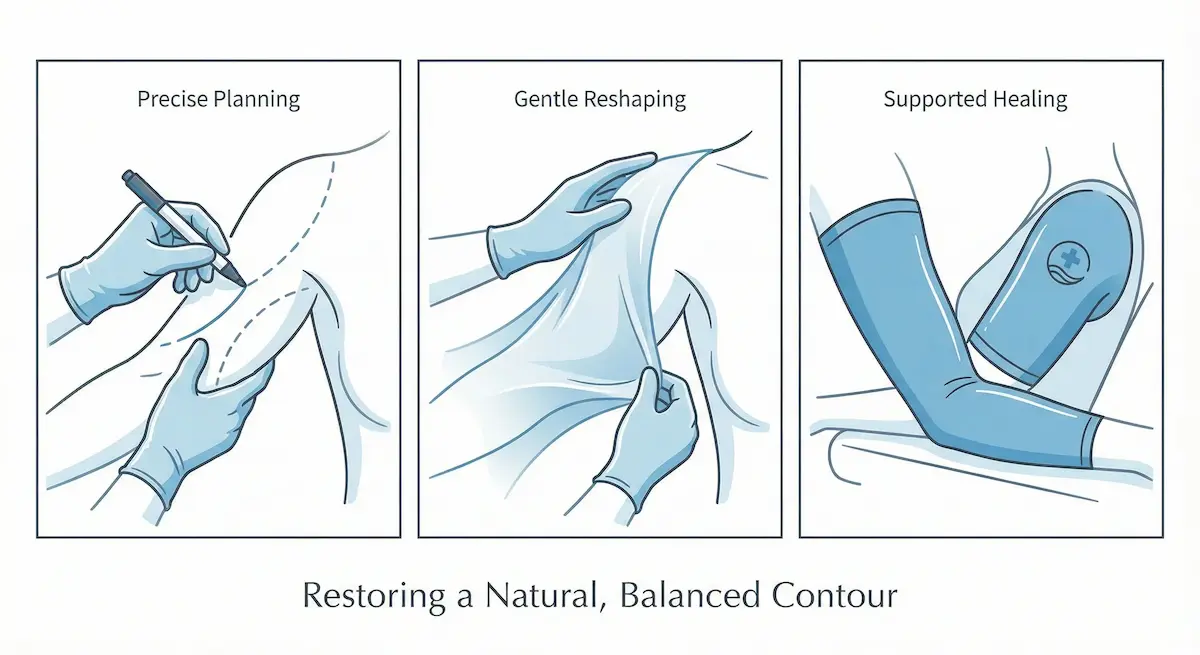
Although surgical details vary by technique, most arm lifts follow a consistent workflow: precise pre-operative planning, controlled tissue reshaping, and a closure strategy designed to support healing and scar quality. The “awake” element changes the anesthesia approach—not the commitment to surgical precision.
Marking & Planning: Symmetry and Scar Placement Strategy
Planning begins with standing markings that map the exact zones of laxity. A thoughtful plan defines:
- Where the skin excess truly sits (upper, mid, or lower arm)
- The safest and most aesthetic place to hide the scar based on your anatomy
- How to preserve natural arm shape without an “over-tightened” look
Incision, Tissue Tightening, and Skin Excision
After anesthesia is established, the surgeon creates the planned incision and removes the redundant skin segment. If fat contributes to contour irregularity, targeted liposuction may be used to refine the shape. The goal is a smooth transition from upper arm to elbow with a natural contour line—tight, but not artificially “pulled.”
Closure, Dressings, and Compression Garments
Closure is not just “stitching skin.” A well-structured closure distributes tension to support scar quality and reduce wound stress. Dressings and a compression garment help manage swelling and guide tissues as they settle. Most recovery protocols emphasize garment compliance early on because it supports predictable contouring during the initial healing phase.
Combining Procedures With Awake Arm Lift
Some patients benefit from combining brachioplasty with other aesthetic procedures—especially after significant weight loss or pregnancy, when multiple areas change at once. In an awake arm lift framework, the planning question becomes even more specific: not only “What produces the best contour?” but also “What can be performed comfortably and safely under local anesthesia with optional twilight sedation?”
In other words, combining procedures is never a checklist decision. It’s a surgeon-led risk-and-recovery strategy built around: (1) the extent of tissue work required, (2) your ability to heal predictably, and (3) whether combining would push operative scope beyond what’s ideal for an awake/twilight plan.
Arm Lift + Liposuction (Contour Refinement Under an Awake Approach)
If both loose skin and excess fat contribute to the arm’s appearance, combining an arm lift with liposuction can improve definition—particularly along the posterior arm and near the armpit region. In an awake plan, the goal is controlled, targeted refinement rather than aggressive debulking. An anatomy-driven approach helps reduce the risk of waviness or contour irregularities and supports a smoother early recovery experience.
Arm Lift + Tummy Tuck (When Staging Is Often the Smarter Awake Strategy)
Patients with significant post-weight-loss or post-pregnancy changes sometimes want to address the arms and abdomen in a single plan. A tummy tuck can dramatically improve abdominal laxity, but it is also a larger “recovery-load” procedure—especially when mobility, posture, and core tension are involved.
From an awake-focused perspective, surgeons often evaluate whether combining would compromise comfort, increase physiologic stress, or make aftercare harder to follow. For many expert patients, staging (arm lift first, tummy tuck later—or vice versa) creates a more predictable healing curve, simpler mobility rules, and cleaner scar-care compliance.
Arm Lift + Thigh Lift (Balancing Multi-Zone Laxity Without Overloading Recovery)
After major weight loss, laxity frequently appears in multiple zones at once—arms and thighs are common examples. Pairing an arm lift with a thigh lift may be considered when the goal is a balanced silhouette, but awake-centered planning puts extra emphasis on recovery practicality: swelling management, mobility limitations, garment compliance, and how many incision zones you can realistically protect at once.
In many cases, staging improves predictability: fewer competing restrictions, less stress on wound healing, and a clearer path for early movement and comfort—key priorities for patients who choose an awake approach in the first place.
Arm Lift Within a Mommy Makeover Plan (Awake Logic: Predictability Over “One Big Day”)
Some patients include brachioplasty within a broader Mommy Makeover strategy—particularly when pregnancy-related changes include not only the abdomen, but also upper-arm skin laxity. In an awake/twilight framework, the most sophisticated planning question is:
- Should procedures be staged to keep anesthesia exposure targeted and recovery simpler?
Staging can reduce overall physiologic stress and make recovery more manageable—especially for patients who prioritize a predictable healing curve and lower complication risk. A high-integrity plan explains not only what can be combined, but also what shouldn’t be combined when the awake approach is part of the value proposition.
Arm Lift + Upper Back/Bra-Line Lift (Completing the Contour Under Targeted Anesthesia)
When laxity extends into the lateral chest wall, addressing only the arm can leave an incomplete result. In those cases, an extended arm lift or a complementary upper back/bra-line lift may be considered to create a continuous, harmonious contour through the armpit and side-chest region. Awake-focused planning is especially helpful here: it encourages a precise, zone-by-zone strategy rather than an overly broad approach that could complicate recovery.
What About Combining Body Contouring with a Facelift?
Expert patients sometimes ask whether body contouring can be paired with facial surgery like a facelift. These are fundamentally different anatomical regions with different recovery priorities: a facelift targets facial/neck aging, while an arm lift addresses body contour and scar management along the upper extremity.
In an awake-centered philosophy—where the goal is targeted anesthesia exposure, controlled stress, and predictable healing—many patients and surgeons prefer staging. This keeps each recovery period focused: you can protect arm incisions and mobility on one timeline, then address facial rejuvenation on another, without splitting attention between two high-priority healing zones.
Recovery Timeline and Aftercare
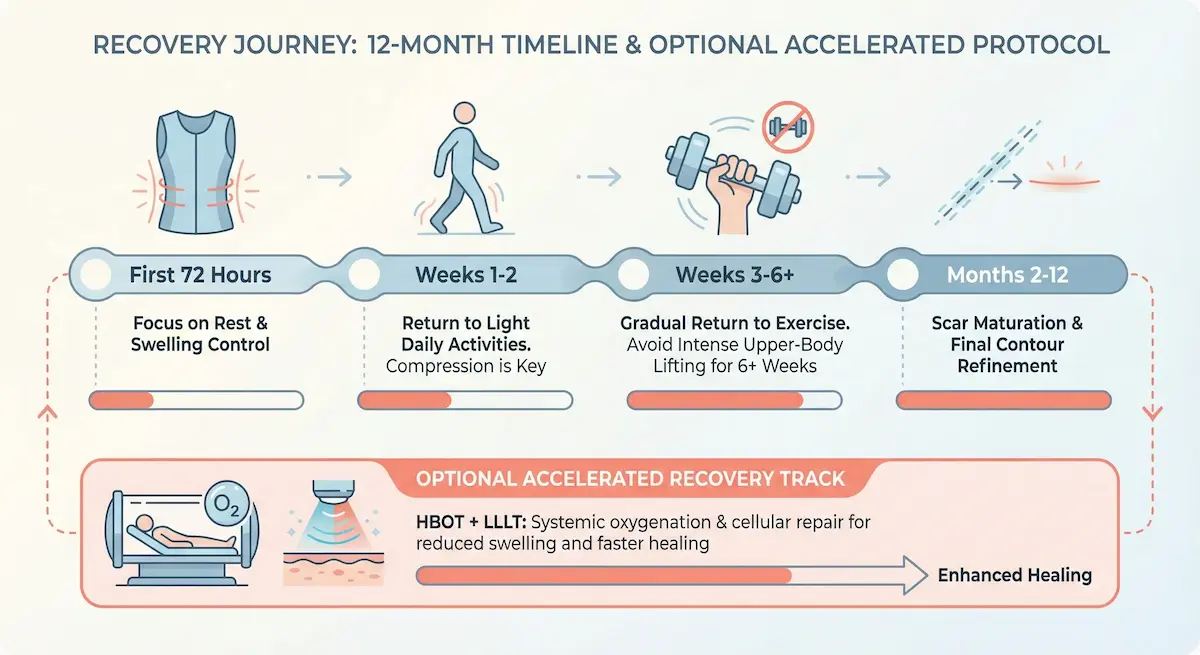
Recovery after an awake arm lift is best understood as a sequence of predictable phases: early swelling control, tissue settling, and longer-term scar maturation. Your exact timeline will vary based on the extent of skin removal (mini vs standard vs extended), whether liposuction was added, your skin quality, and how consistently you follow compression and activity restrictions.
First 24–72 Hours: What You’ll Feel and What Matters Most
In the first few days, the priorities are comfort, swelling control, and protecting your incisions. It’s normal to experience:
- Tightness and a “pulled” sensation when extending the arms
- Swelling and bruising that can shift downward with gravity
- Numbness or altered sensation around the incision line
Most surgeons emphasize gentle mobility (for circulation) while avoiding strain. Your compression garment is not optional in this phase—it helps reduce swelling and supports the new contour while tissues are fragile.
Week 1–2: Garment Compliance, Incision Care, and Daily Function
This is typically the “routine-building” stage: you’re transitioning from immediate post-op to early healing. Many patients can return to light daily activities, but lifting, pushing, and pulling remain limited. Common experiences include:
- Swelling that improves gradually but can fluctuate day to day
- Itching or tingling as nerves begin to wake up
- Increased awareness of scar placement when moving the arms
Incision care and keeping follow-up appointments are key. If you traveled internationally, this is also when structured remote support becomes important so small questions don’t turn into preventable anxiety.
Weeks 3–6+: Return to Exercise and “Settling” of the Result
As the internal healing advances, your comfort and range of motion typically improve. Many patients can reintroduce fitness gradually, but “upper body intensity” and heavy lifting are usually delayed until your surgeon confirms the tissues are stable. The contour continues to refine as swelling resolves and the skin envelope re-drapes.
Months 2–12: Scar Maturation and Long-Term Refinement
Scars evolve. Early scars can look red, firm, or raised; later they typically soften and fade. Scar quality is influenced by genetics, incision design, tension management during closure, and how consistently you follow scar-care guidance. The goal is not instant invisibility—it’s a mature scar that becomes less noticeable over time.
Accelerated Recovery Protocol: HBOT + LLLT
“Recovery” is not just about comfort—it can influence swelling duration, scar quality, and how quickly you feel socially confident. At AKM Clinic, the recovery technologies are positioned as a system rather than a standalone add-on: a macro-to-micro support strategy that prioritizes faster healing and risk reduction for patients who need an accelerated pathway.
Why Faster Healing Matters (Especially for the Expert Patient)
Most expert patients are optimizing for a specific outcome: a predictable result with minimal disruption to life and work. In clinical terms, accelerated recovery strategies aim to support:
- Reduced inflammation and swelling
- More controlled bruising patterns
- Improved tissue quality during the early healing window
- Scar support through healthier collagen formation
HBOT: Systemic Oxygenation to Support Tissue Healing
Hyperbaric Oxygen Therapy (HBOT) is described in AKM’s technology framework as a medical intervention using 100% oxygen in a pressurized environment to increase oxygen delivery into healing tissues—even where post-surgical circulation is temporarily reduced. In their internal analysis, HBOT is positioned to support tissue survival, reduce inflammation, aid lymphatic drainage, promote scar-related collagen activity (via fibroblast stimulation), and strengthen infection defense.
LLLT: Targeted Cellular Acceleration (ATP + Collagen Pathways)
Low-Level Laser Therapy (LLLT) is presented as a complementary, targeted therapy that supports cellular repair. In AKM’s technology summary, LLLT is described as promoting faster recovery by boosting ATP production (cellular energy) and stimulating fibroblasts for collagen synthesis—working as an adjunct to HBOT to reduce swelling and redness during recovery.
Who Benefits Most from an “Accelerated Track”
AKM’s internal case-study synthesis frames HBOT + LLLT as a tool used for patients who require minimal social downtime and a faster visible recovery—rather than a one-size-fits-all default. In those cases, the protocol is described as “supercharged,” with benefits linked to reduced inflammation/bruising and a more camera-ready early phase.
Risks, Side Effects, and How to Reduce Them
An honest risk discussion is part of high-integrity surgical education. An awake arm lift is generally considered a predictable procedure in appropriate candidates, but it still involves real surgical trade-offs: scarring, swelling, and a healing process that must be respected. The safest outcomes come from matching the technique to your anatomy and operating within a controlled, credentialed environment with strong follow-up.
Common Side Effects (Expected, Usually Temporary)
- Swelling and bruising that improve gradually
- Numbness or altered sensation near incisions
- Tightness with overhead motion early on
- Scar redness in the early months of maturation
These are typically managed with compression, activity modification, and consistent aftercare.
Key Surgical Risks (Uncommon, But Important to Understand)
Meaningful surgical risks can include:
- Hematoma (bleeding/collection)
- Seroma (fluid collection)
- Infection
- Delayed wound healing or widened scars
- Contour irregularities (more likely when skin quality is poor or when liposuction is overly aggressive)
Your surgeon’s planning and your compliance with restrictions are major variables in reducing these risks.
Red Flags After Surgery (When to Seek Immediate Clinical Advice)
Although many symptoms are normal during healing, you should take certain changes seriously. Examples include rapidly increasing swelling on one side, severe pain that worsens rather than improves, fever, spreading redness, or drainage that looks concerning. A structured follow-up system matters because it gives patients a clear pathway to get answers quickly.
Risk Reduction Checklist: Surgeon Credentials + Facility Standards + Follow-Up
For the expert patient, “safety” is a chain, not a slogan. AKM’s internal framework emphasizes:
- Strict pre-operative screening to confirm candidacy
- Advanced vitals monitoring during procedures
- Rigorous sterilization standards (ISO/TÜV)
- Operating within JCI-accredited hospitals and using FDA-approved materials as part of a world-class quality commitment
- A structured long-term virtual follow-up schedule (1, 3, 6, 12 months) to support continuity of care
When these elements are combined with an anesthesia strategy that fits the patient (local anesthesia with optional twilight sedation), the overall plan is designed to feel more controlled, less traumatic, and easier to navigate—especially for international patients who value predictability.
Scars and Results: “Rejuvenation, Not Alteration”
With an awake arm lift, the result you want is straightforward: arms that look smoother, tighter, and more proportionate—without looking “overdone.” The trade-off is equally straightforward: an incision (and therefore a scar) is required to remove true excess skin. The best outcomes come from realistic planning, strategic scar placement, and disciplined aftercare that supports predictable healing.
Surgeon’s Insight: The goal is never to “change” you. It’s to restore a version of you that feels aligned—refreshed, balanced, and natural.
Scar Placement Options (Inner Arm vs. Posterior) and What Affects Visibility
Arm lift scars are typically planned along the least conspicuous line for your anatomy—often along the inner arm where it is less visible in a relaxed, arms-down position. Some patients may benefit from a more posterior placement depending on where the laxity truly sits and how the skin folds naturally.
Factors that influence scar visibility include:
- Your skin quality (thin, crepey skin can be more demanding)
- The amount of skin removed (more laxity generally requires a longer excision)
- Tension management during closure (how the surgeon distributes tension matters)
- Your genetics and scar tendency (some people form thicker scars)
- Post-op compliance (compression, activity restriction, and scar care)
Scar Maturation Timeline: What Improves at 3–6–12 Months
Scars evolve in stages. Early scars can look red or firm; later, they typically soften and fade. A realistic maturation timeline often looks like this:
- 0–6 weeks: incision lines are healing and can look more noticeable
- 3 months: redness often begins to calm; texture can still feel firm
- 6–12 months: scars commonly soften and fade further as collagen remodels
This is why the “final result” of an arm lift is not judged at two weeks. Early contour looks promising, but scar refinement is a longer arc.
Natural-Looking Contour Goals: Avoiding the “Over-Tightened” Look
In aesthetic surgery, one of the most consistent patient fears is an unnatural, “operated” look. For arms, that can translate into an overly aggressive pull, irregular contour, or a scar placed without regard to natural lines. The most natural results come from respecting the arm’s anatomy and aiming for a smooth, continuous shape—tightened, but not artificially “cinched.”
Real Patient Outcomes and What “Natural” Looks Like
Expert patients often want more than marketing promises—they want patterns: what satisfied patients consistently say about pain, downtime, support, and the “detectability” of the result. While every body heals differently, recurring themes from international patient journeys help clarify what matters most when you’re choosing an awake approach and a provider.
What “Success” Means Clinically (Shape, Symmetry, Skin Quality, Comfort)
Clinically, a successful arm lift typically means:
- Improved contour from armpit to elbow, without step-offs
- Better symmetry between arms (within normal human variation)
- Comfortable mobility returning as healing progresses
- A mature scar that becomes less noticeable over time
Importantly, “success” also includes a recovery experience that feels supported and predictable—especially for patients traveling internationally.
How the Awake Option Changes the Decision for Some Patients
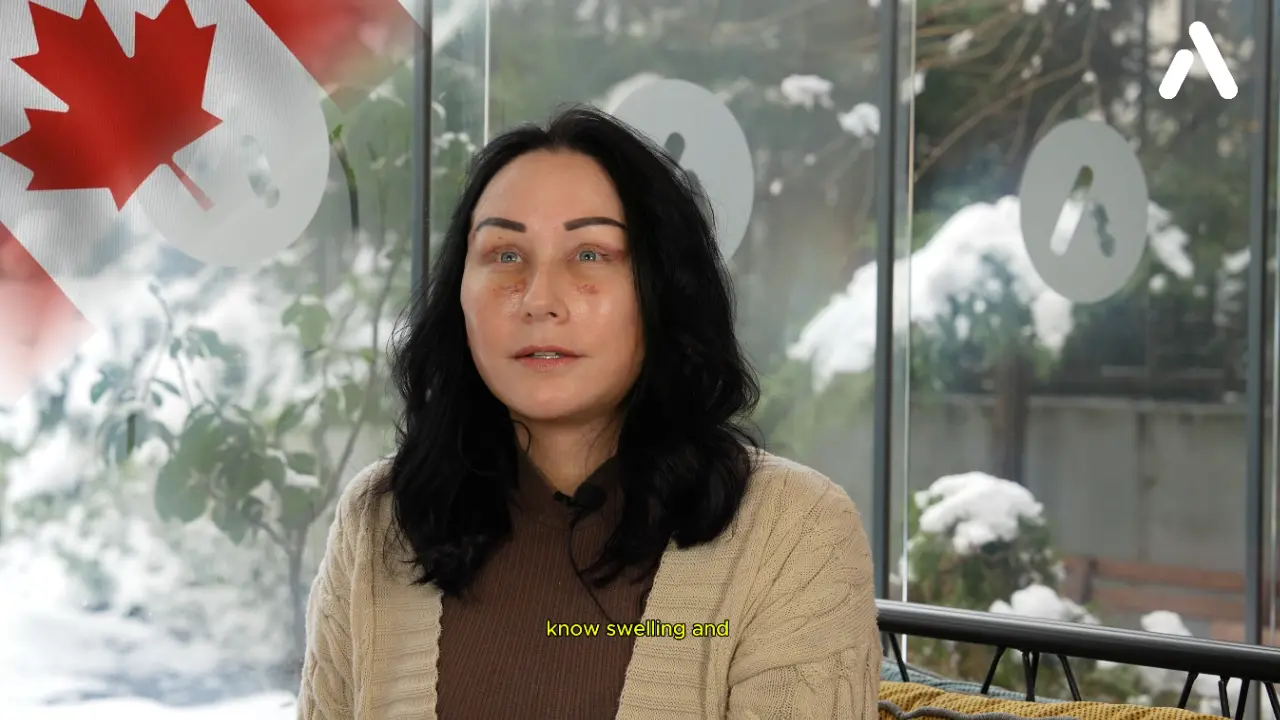
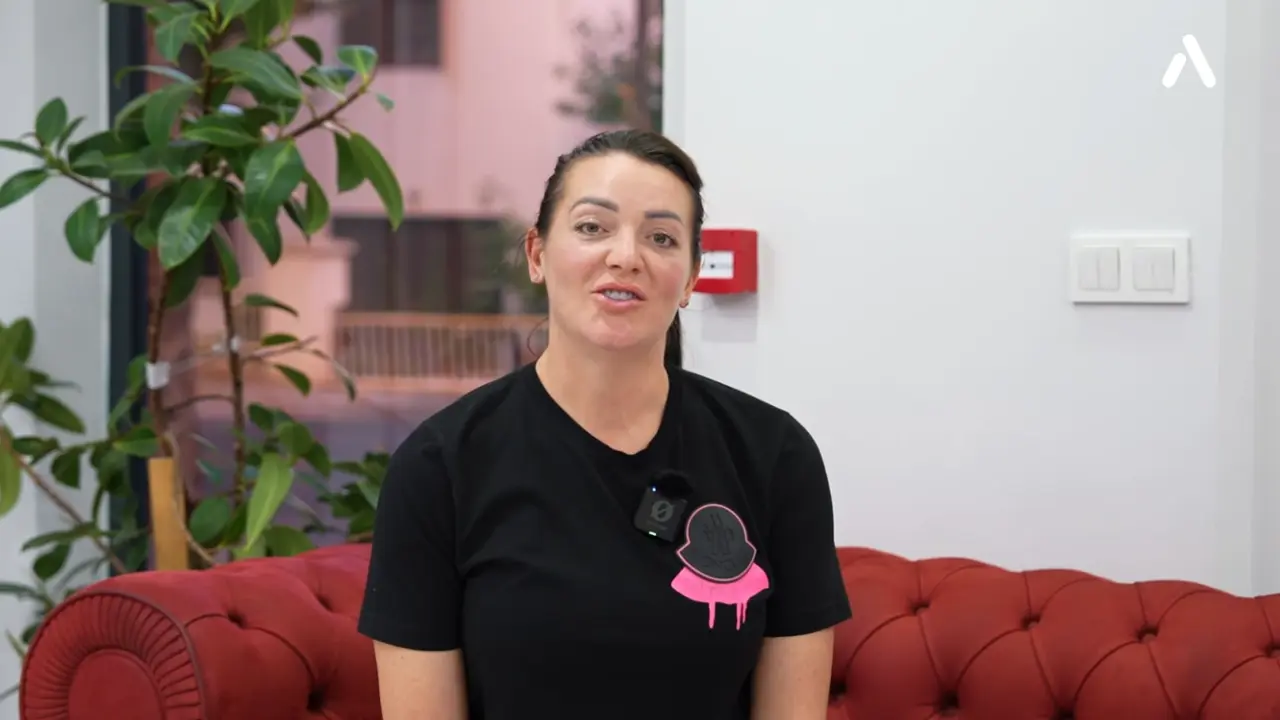
In AKM Clinic’s patient narratives, one recurring decision-driver is fear of general anesthesia. The option to perform complex procedures under local anesthesia is described as a meaningful advantage for patients who otherwise felt “stuck” and unable to move forward. In one U.S. patient story, local anesthesia was presented as the safest and most suitable route for her multi-procedure plan, helping her overcome a long-standing anesthesia anxiety and proceed with her personal rejuvenation goal.
Interpreting Before/After Photos Like an Expert
If you’re evaluating results online, focus on “quality signals” rather than dramatic lighting or poses:
- Arm position consistency: compare similar angles and lighting
- Contour continuity: look for smooth transitions rather than sharp grooves
- Scar reality: ask what phase the scar is in (weeks vs months)
- Naturalism: results should look like a refined version of the patient, not a different person
Awake Arm Lift Cost 2026: (NYC/Miami) vs Istanbul
For U.S. patients, the cost conversation is rarely just “price.” It’s value: what is included, what standards are verifiable, and whether the total plan reduces friction and uncertainty. In AKM Clinic’s framework, the cost differential between the U.S. and Turkey is explained primarily by macroeconomic factors—such as exchange rates and lower national operational costs—rather than by reduced quality standards.
What Typically Drives Cost (Regardless of Country)
Whether you are comparing NYC, Miami, or Istanbul, arm lift pricing is usually influenced by:
- Extent of surgery (mini vs standard vs extended)
- Whether liposuction is added
- Facility and operating room resources
- Anesthesia plan (general vs local with optional sedation)
- Aftercare structure (garments, meds, follow-up, complication support)
Why Istanbul Can Be Lower Cost Without Lower Standards
AKM Clinic’s stated position is that lower pricing in Turkey is largely driven by national cost structure (staffing, rent, and other operational expenses) and currency dynamics. The clinic further frames its quality commitment through using FDA-approved materials and operating in JCI-accredited hospitals that meet or exceed Western expectations.
A Practical Value Comparison Table (What to Compare Line-by-Line)
| Cost/Value Element | What to Check in NYC/Miami | What to Confirm in Istanbul |
|---|---|---|
| Facility standards | Accreditation, emergency readiness | Hospital accreditation (e.g., JCI) and monitoring protocols |
| Anesthesia approach | General vs local + sedation availability | Local anesthesia with optional twilight sedation plan |
| What’s included | Surgeon fee vs separate facility/anesthesia bills | All-inclusive structure (tests, meds, garments, transfers, hotel) |
| Follow-up system | In-person follow-ups | Long-term virtual follow-up schedule and response pathway |
| Credentials | Board certification and case volume | European Board–level certification equivalence and verifiable training |
How to Choose the Best Awake Arm Lift Surgeon
If you’re the kind of patient comparing “awake vs general anesthesia,” reading about tumescent techniques, and auditing results like a clinician, the most important decision is not the country—it’s the quality chain behind the procedure. An awake arm lift is only as safe and predictable as the team performing it, the environment supporting it, and the follow-up system that catches small issues early.
Credentials That Matter (What to Verify, Not Just What to Hear)
For body contouring procedures like brachioplasty, your goal is to confirm that your surgeon’s qualifications and training are objectively verifiable and comparable to what you’d expect in the U.S. A useful framework is to look for:
- Board certification through a rigorous national or international system
- European Board-level credentials (where applicable), which AKM describes as the direct equivalent of U.S. boards for top-tier surgeon validation
- Documented experience with complex planning and scar strategy
- Comfort with awake / twilight approaches when clinically appropriate (not every surgeon is equally experienced with these workflows)
AKM’s internal positioning emphasizes that many top Turkish surgeons hold European Board Certifications (EBOPRAS) and frames this as equivalent to U.S. board expectations—an important “third-party” validation cue for an expert patient evaluating care internationally.
Facility & Safety Standards (The Non-Negotiables)
In expert-patient terms, facility standards are not “nice-to-have”—they are part of the risk equation. Before you commit, you want clear answers to questions like: “Where is surgery performed?” “What monitoring is used?” “What infection-control systems are in place?”
In AKM Clinic’s framework, safety is built on specific operational pillars, including:
- Rigorous sterilization standards (ISO/TÜV)
- Advanced patient vitals monitoring throughout procedures
- Strict pre-operative health screening to confirm candidacy
- Operating within JCI-accredited hospitals and using FDA-approved materials to meet or exceed Western expectations
These details matter because they are not subjective. They can be verified, and they directly relate to how complications are prevented and managed in real life, not just in marketing language.
Questions to Ask in a Virtual Consult (Scar Plan, Risk Plan, Recovery Plan)
A strong virtual consultation should feel “surgeon-led,” structured, and specific—not vague. Use questions that force a plan, not a promise:
- Technique match: “Is my laxity best treated with a mini, standard, or extended arm lift—and why?”
- Scar strategy: “Where will the scar sit on my anatomy, and how do you manage closure tension to support scar quality?”
- Anesthesia fit: “Am I an appropriate candidate for local anesthesia with optional twilight sedation, or would general anesthesia be safer for me?”
- Complication plan: “What is your protocol for seroma/hematoma, and how do you handle wound healing problems if they happen?”
- Aftercare system: “How often do you follow up, and what happens if I have concerns after I’m back home?”
If the answers are precise and consistent—and your surgeon can explain trade-offs clearly—that’s usually a signal you’re dealing with a mature, process-driven practice.
The Medical Journey for International Patients
For U.S. patients traveling for an awake arm lift, the medical journey itself is part of the clinical experience. Anxiety is rarely only about the operation—it’s also about logistics, communication, and the fear of being unsupported once you leave. AKM Clinic’s internal model addresses this by making the journey structured, transparent, and supported from the first call through long-term follow-up.
Remote Consultation: What to Prepare (So the Plan Is Actually Personalized)
AKM describes the patient journey as beginning with a free virtual consultation where you discuss goals, share photos, and receive a personalized treatment plan with a transparent, all-inclusive quote. For expert patients, the quality of this step is a major trust signal.
To make a remote consult clinically useful, prepare:
- Clear photos of both arms from front, side, and back (arms relaxed and slightly lifted)
- Your weight history (including timing of major weight loss)
- Medical history and medication list
- Your scar history (keloids, hypertrophic scarring, slow healing)
- What matters most to you: maximum tightening vs shorter scar vs fastest downtime
The goal is to turn your consult into a true planning session: technique selection, scar placement logic, anesthesia candidacy, and a recovery map.
In-Istanbul Flow: VIP Planning, Transfers, and Procedure Day
AKM’s “VIP Journey” is designed to remove logistical friction: once you secure a date, a dedicated patient host coordinates hotel and transfers; you manage your international flight ticket, and the rest is built into a structured process.
Key operational elements described include:
- 5-star hotel accommodation and VIP airport/clinic transfers
- A 24/7 dedicated patient host available via WhatsApp
- All pre-operative tests, plus post-op medications and garments
On procedure day, the model includes an in-person review of your plan, completion of pre-op testing, and surgery performed within a fully accredited environment, followed by close post-op monitoring before discharge and a final check before you’re cleared to fly home.
Long-Term Virtual Follow-Up: Continuity of Care After You Return Home
A core fear for medical travelers is “post-op abandonment.” AKM’s internal protocol describes structured virtual follow-ups at 1, 3, 6, and 12 months after the procedure to monitor healing and long-term satisfaction—an important continuity-of-care feature for international patients.
From an expert-patient perspective, this is what you should expect in any robust long-distance follow-up system:
- Clear instructions on what is normal vs what is a red flag
- A defined response pathway for questions (not “email us and hope”)
- Scheduled check-ins for scar evolution and mobility milestones
- Documentation guidance (photos, symptom notes) so concerns can be assessed accurately
When follow-up is designed as a system (not an afterthought), it improves patient confidence and can reduce the likelihood that small issues become bigger problems.
Frequently Asked Questions
The questions below are written in a voice-search-friendly format and focus on the exact decision points most patients research before booking: anesthesia safety, comfort, scars, downtime, and the real-world logistics of traveling for an awake arm lift.
Can you get an arm lift under local anesthesia?
Yes—many patients can undergo an arm lift under local anesthesia, often with the option of twilight sedation for comfort. Candidacy depends on factors like the extent of surgery (mini vs standard vs extended), your medical history, anxiety level, and whether your surgeon believes the procedure can be performed safely and comfortably without general anesthesia.
What is an “awake arm lift” exactly?
An awake arm lift is brachioplasty performed with the arms fully numbed using local anesthesia (often in a tumescent technique). Many patients also choose twilight sedation so they feel relaxed and drowsy. You are not placed into full general anesthesia, and the focus is on comfort while reducing systemic anesthetic exposure when appropriate.
What does twilight sedation feel like during an awake arm lift?
Most patients describe twilight sedation as a calm, sleepy, time-compressed experience. You may feel deeply relaxed, may drift in and out of light sleep, and often remember little about the procedure itself. The key point: the surgical comfort comes primarily from local numbing; sedation is used to reduce anxiety and awareness rather than to replace anesthesia.
Is local anesthesia safer than general anesthesia for brachioplasty?
“Safer” depends on the individual patient and the specific surgical plan. In many appropriately selected patients, local anesthesia (with optional twilight sedation) can reduce exposure to deeper systemic anesthesia and may reduce certain side effects like nausea. However, general anesthesia can be the safest choice for some patients depending on medical history, procedure extent, or airway considerations. The right answer is the one that fits your risk profile and surgical scope.
What is tumescent anesthesia, and why is it used?
Tumescent anesthesia refers to placing a large-volume, dilute anesthetic solution into the soft tissues. It’s commonly used to create thorough numbness across the operative field. For awake surgery, the goal is consistent, durable comfort so the surgeon can work precisely while you remain comfortable without general anesthesia.
How painful is recovery after an awake arm lift?
Most patients report more tightness and soreness than sharp pain. The first several days can feel restrictive—especially when extending the arms or reaching overhead. Comfort typically improves week by week. A clear plan for compression, movement restrictions, and follow-up support usually makes the process feel more predictable.
How long do I need to wear compression garments after an arm lift?
Compression is usually most important in the early recovery phase to manage swelling and support tissues as they settle. The exact duration varies by technique and surgeon protocol, but many patients wear compression consistently for the first few weeks, then gradually reduce use as advised. This is one of the highest-impact “compliance factors” for a smooth early recovery.
When can I lift weights again after an awake arm lift?
Heavy lifting and intense upper-body workouts are typically restricted for several weeks. Many patients can return to light lower-body activity earlier, but upper-body training is usually reintroduced gradually once healing is stable and your surgeon confirms it’s safe. Returning too aggressively can stress incisions and affect scar quality.
Will my arm lift scars be visible in sleeveless tops?
Scars are real, but their visibility depends on scar placement strategy, how your arms rest naturally, your scar biology, and your scar-care discipline. Many scars are planned along the inner arm so they’re less noticeable with arms down. Expect scars to look more noticeable early on, then typically soften and fade over months as they mature.
Do I need liposuction with an arm lift?
Not always. If your main issue is loose skin, liposuction alone won’t solve it. If you have both laxity and a meaningful fat component, liposuction may be added to refine contour. The decision should be anatomy-driven: liposuction is an adjunct for shape, not a substitute for skin removal.
What are the most common complications and warning signs?
Common, usually temporary effects include swelling, bruising, tightness, and numbness near incisions. More serious (but less common) risks include fluid collection (seroma), bleeding collection (hematoma), infection, delayed healing, widened scars, or contour irregularities. Warning signs that should trigger immediate clinical advice include rapidly increasing one-sided swelling, worsening severe pain, fever, spreading redness, or concerning drainage.
How much does an awake arm lift cost in Istanbul vs NYC or Miami?
Pricing varies widely based on technique (mini/standard/extended), whether liposuction is included, facility standards, and what’s included in the package (tests, garments, medications, transfers, hotel, follow-up). Many patients compare value by asking a more useful question than “What’s the number?”—they ask: “What does the quote include, and what safety standards can be verified?” A true comparison should be line-by-line, not headline-only.
How do I know if I’m a candidate for an awake arm lift in Istanbul?
The most reliable route is a structured virtual consultation where a surgeon reviews your photos, medical history, and goals—and then confirms technique selection, scar plan, and anesthesia candidacy. You should expect clarity on whether local anesthesia with optional twilight sedation is appropriate for you, plus a realistic recovery timeline aligned with travel logistics.
Medical Disclaimer: This content is for educational purposes only and does not constitute medical advice. It is not a substitute for diagnosis or treatment by a qualified clinician. Surgical eligibility, anesthesia options, risks, and outcomes vary by individual. Always consult a board-certified specialist for a personalized evaluation and follow your provider’s instructions.