




J-Plasma skin tightening is a minimally invasive body-contouring technology designed to improve the look of mild to moderate skin laxity—most commonly after weight changes, pregnancy, or liposuction. Instead of removing skin through long incisions (as in traditional excisional surgery), it aims to create a tightening effect by delivering controlled energy beneath the skin, prompting immediate tissue contraction and longer-term collagen remodeling.
People researching this procedure are usually trying to answer a very specific question: “Can I get a meaningfully tighter, smoother contour without a large scar and with less downtime?” The most accurate answer is: sometimes—if your skin laxity is in the right range, and if your expectations match what minimally invasive tightening can realistically deliver.
This guide is written for the “expert patient”—someone who wants to understand how the technology works, who it is best for, what the recovery really looks like, and how to compare J-Plasma to alternatives such as radiofrequency-assisted lipolysis (e.g., BodyTite) or surgical lifts.
Surgeon’s Insight: The goal in aesthetic medicine should be rejuvenation, not alteration—results that look refreshed, natural, and not “done.”
Table of Contents
What Is J-Plasma Skin Tightening?
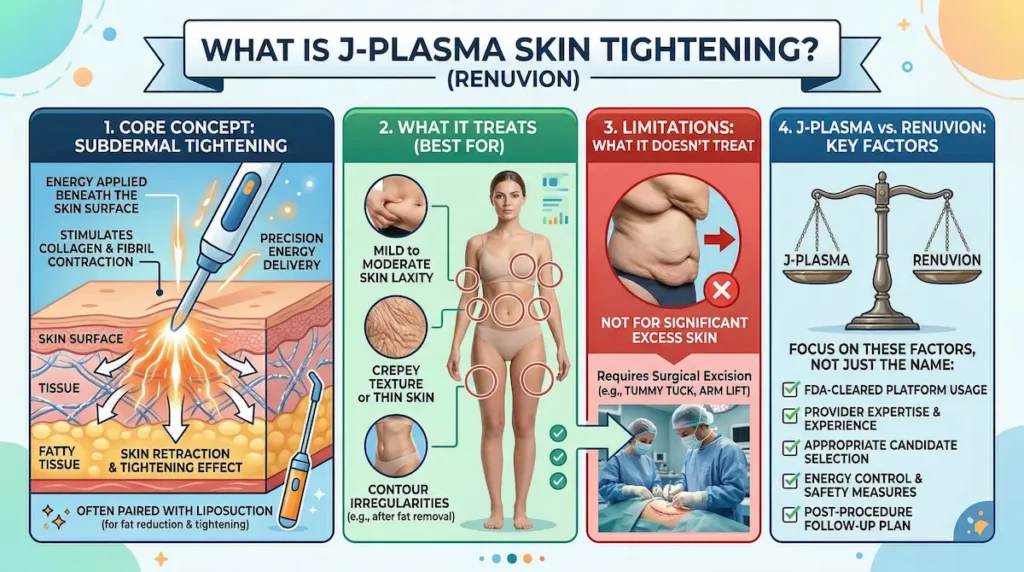
At its core, J-Plasma is a subdermal tightening technique used to address loose or crepey skin by applying energy under the skin surface. It’s commonly discussed in the context of body contouring (abdomen, arms, thighs, flanks, bra line) and can be performed as a standalone tightening treatment or paired with liposuction when fat reduction and skin retraction need to happen together.
Definition: What It Treats (and What It Doesn’t)
J-Plasma is most often chosen to improve:
- Mild to moderate skin laxity (skin that “gives” when you pinch it but isn’t severely hanging)
- Crepey texture or thin-looking skin in certain areas
- Contour irregularities that appear after fat removal (including after liposuction)
It is not a substitute for a surgical skin excision when there is significant excess skin. If you can comfortably pull a “sheet” of skin away from the body in a way that suggests true redundancy, a surgical lift (for example, a tummy tuck or arm lift) may be the more predictable option.
J-Plasma vs “Renuvion”: Naming Clarity
Many people searching “J-Plasma” will also see the term Renuvion. In patient-facing contexts, these terms are often used interchangeably, which can be confusing. For your decision-making, what matters most is not the label, but:
- Whether the provider is using an FDA-cleared platform as intended and within appropriate parameters
- How they select candidates (skin quality, laxity level, overall health)
- How they control energy delivery to reduce the risk of thermal injury
- What the post-procedure monitoring and follow-up plan looks like
Where J-Plasma Fits on the “Tightening Spectrum”
It helps to place J-Plasma on a spectrum of options, because “tightening” can mean very different things depending on the method:
- Non-surgical devices (external RF, ultrasound, some lasers): typically subtle improvement, often multiple sessions.
- Minimally invasive subdermal tightening (including J-Plasma and some RF-assisted approaches): typically stronger tightening potential, usually one session, short incisions, and recovery measured in days to weeks.
- Excisional surgery (tummy tuck, arm lift, thigh lift): most dramatic reshaping for significant laxity, but with longer scars and a more involved recovery.
The key is matching the method to the degree of laxity and your tolerance for scars vs downtime. In expert hands, minimally invasive tightening can be an elegant middle ground—especially for patients who are “not ready” for surgical excision, but want more than what external devices usually deliver.
The Science Behind J-Plasma
Understanding how J-Plasma works makes it easier to evaluate claims, compare it to alternatives, and set realistic expectations. While marketing often simplifies the story to “plasma tightening,” the clinical effect is best understood as controlled energy delivery under the skin that can create immediate contraction and encourage longer-term tissue remodeling.
What “Plasma” Means in This Context
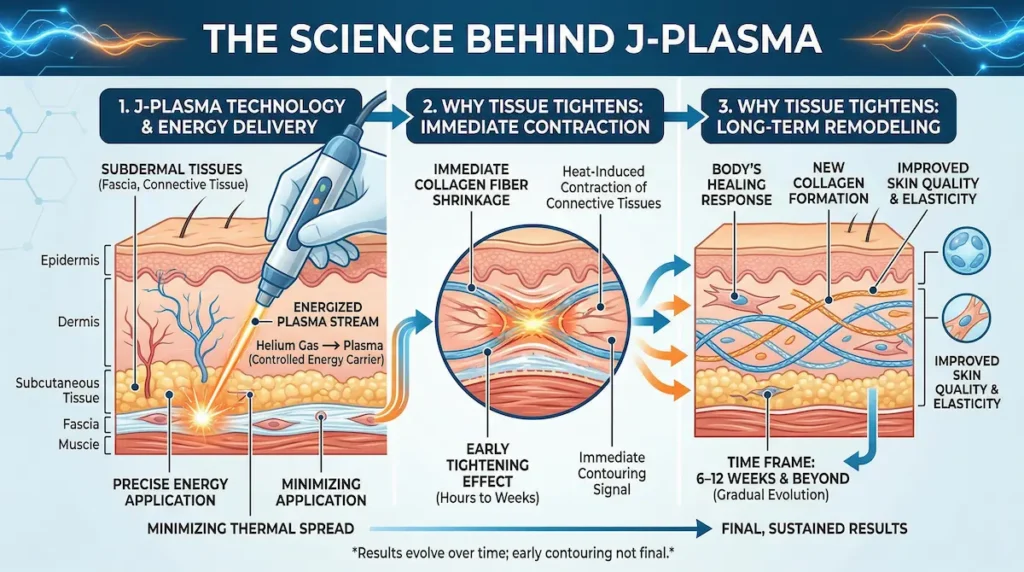
In medicine and physics, “plasma” refers to an energized state of a gas. In J-Plasma technology, a gas (commonly helium in some systems) is energized to create a plasma stream. That plasma is used as a vehicle to deliver energy in a controlled way to subdermal tissues.
From a patient perspective, you don’t need to become a physicist—but you do want to understand the practical implication: the goal is to deliver energy precisely enough to create a tightening response while minimizing unnecessary thermal spread.
Why Tissue Tightens: Immediate Contraction vs Collagen Remodeling
Most tightening technologies rely on a two-phase effect:
- Immediate contraction: heat-related shrinkage of collagen fibers and connective tissue can create an early tightening signal.
- Remodeling over time: the body’s healing response can lead to new collagen formation and improved skin quality over weeks to months.
This is why “final results” are not judged at one week. Early swelling can mask contour, and remodeling is gradual. Many patients see meaningful changes evolve over a 6–12 week window, with continued refinement beyond that depending on the area treated and the individual healing response.
Why Controlled Energy Delivery Matters for Safety
All energy-based tightening methods share the same central safety principle: the more precisely energy is delivered, the more you can target the tissues that benefit from tightening while reducing the risk of unwanted heat effects.
In practical terms, safety depends on provider-level fundamentals:
- Appropriate patient selection (skin thickness, laxity range, medical history)
- Technique and anatomical awareness (staying in correct planes, avoiding sensitive structures)
- Device settings and discipline (avoiding “more is better” energy escalation)
- Post-procedure surveillance (early recognition of swelling patterns, tenderness, or signs of complications)
For the expert patient, a strong consultation is less about promises and more about the clinician’s ability to explain why you’re a good candidate (or why you’re not), how they reduce risk, and how they guide you through recovery with clear milestones.
Who Is a Good Candidate?
The best J-Plasma outcomes come from matching the technology to the right degree of skin laxity and the right clinical context. If you’re an “expert patient,” the most valuable part of your consultation is not a sales pitch—it’s a candid candidacy assessment: what this can realistically accomplish for your anatomy, and what it cannot.
Ideal Candidates: The “Middle Zone” of Laxity
You are typically a strong candidate for j-plasma skin tightening if you have:
- Mild to moderate looseness (skin that looks slack or crepey, but not severely hanging)
- Good overall skin quality and reasonable collagen potential
- Stable weight (or a clear plan to maintain it post-procedure)
- Realistic expectations: you want a tighter contour and smoother drape—not a surgical “lift” level transformation
Many candidates fall into a very specific scenario: they have a contour they like after fat reduction (or weight loss), but the skin does not “snap back” enough—especially in the abdomen, arms, thighs, or bra line.
When J-Plasma May Not Be Enough (and Surgery May Be the Better Investment)
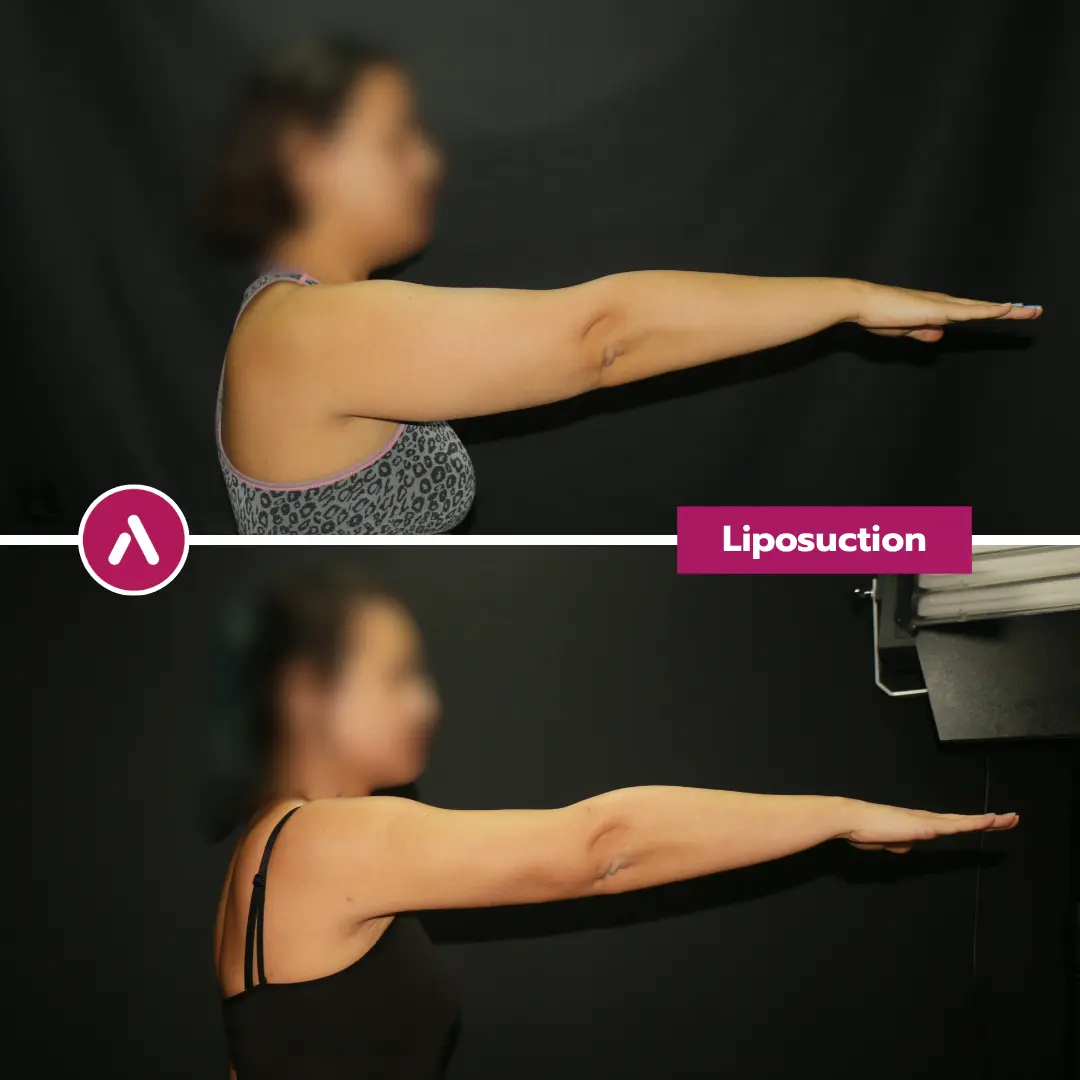
J-Plasma is not designed to replace excisional surgery when there is significant redundancy. You may be better served by a surgical lift (tummy tuck, arm lift, thigh lift, or neck lift) if you have:
- Pronounced overhanging skin that creates folds or functional irritation
- Severe laxity after major weight loss
- Stretch-marks-dominant skin with very limited recoil in the target zone
In these cases, minimally invasive tightening can still play a role in refinement—but it should be framed as an adjunct rather than the primary solution.
Medical Eligibility: What a High-Quality Consultation Should Cover
A responsible candidacy process should include a structured health and safety evaluation. This typically involves reviewing your medical history, medications and supplements, smoking/nicotine use, previous surgeries, and specific risk factors for healing complications.
For safety-focused patients, it’s also reasonable to ask what the clinic’s baseline safety systems look like—such as pre-operative screening protocols and international sterilization standards. At AKM Clinic, candidacy is supported by strict pre-operative health screenings and adherence to rigorous international sterilization standards, which are treated as non-negotiable fundamentals rather than optional upgrades.
Areas Commonly Treated
One of the reasons J-Plasma is frequently searched alongside body contouring is its flexibility across multiple anatomical zones. However, “best areas” are not universal. The ideal zone depends on the thickness of your tissues, how evenly energy can be delivered, and whether the primary issue is fat volume, skin laxity, or both.
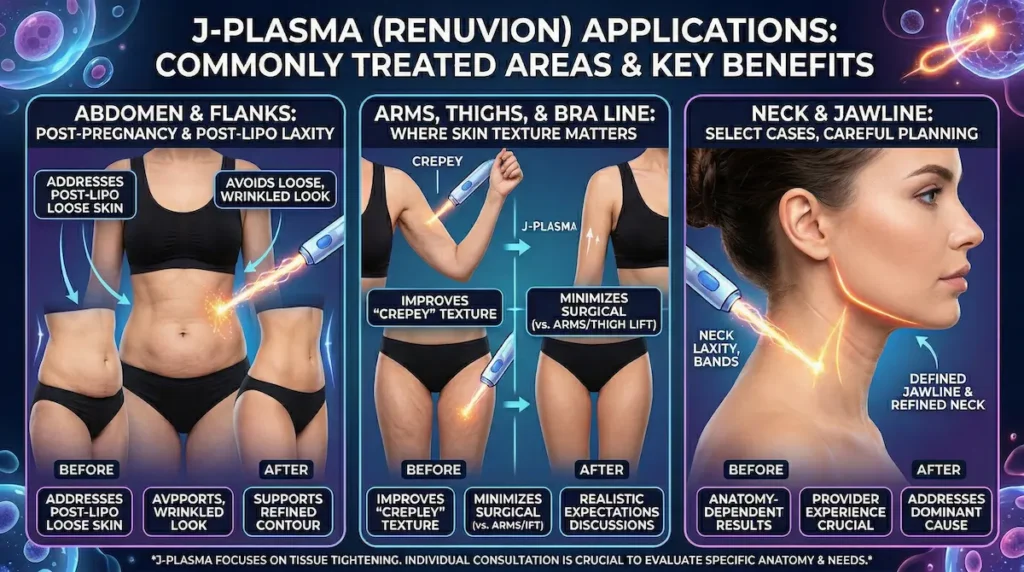
Abdomen and Flanks: Post-Pregnancy and Post-Lipo Laxity
The abdomen is a common target because it often reveals the classic “trade-off” of contouring: you can reduce fat, but skin quality determines whether the surface looks smooth afterward. Patients exploring “j plasma after liposuction” are usually trying to avoid a loose, wrinkled look that can appear when the fat layer is reduced.
When combined thoughtfully with liposuction, tightening can support a more refined contour—particularly in patients who are not ideal tummy tuck candidates or who prefer to avoid long incisions.
Arms, Thighs, and Bra Line: Where Skin Texture Matters
These zones are often described as “crepey,” especially in the upper arms and inner thighs. Here, the decision is usually about balancing the desire for improvement with the desire to avoid visible scars from excisional surgery.
In a good consult, you should expect your surgeon to explain what you can realistically achieve without an arm lift or thigh lift, and how your skin quality influences the predictability of tightening.
Neck and Jawline: Select Cases, Careful Planning
Some patients search for J-Plasma in the neck/jawline space. In practice, the neck is highly anatomy-dependent, and provider experience is crucial. For meaningful neck laxity (bands, obtuse angle, significant loose skin), surgery is often the more definitive approach. The key is not “What device is best?” but “What plan corrects the dominant cause of the problem?”
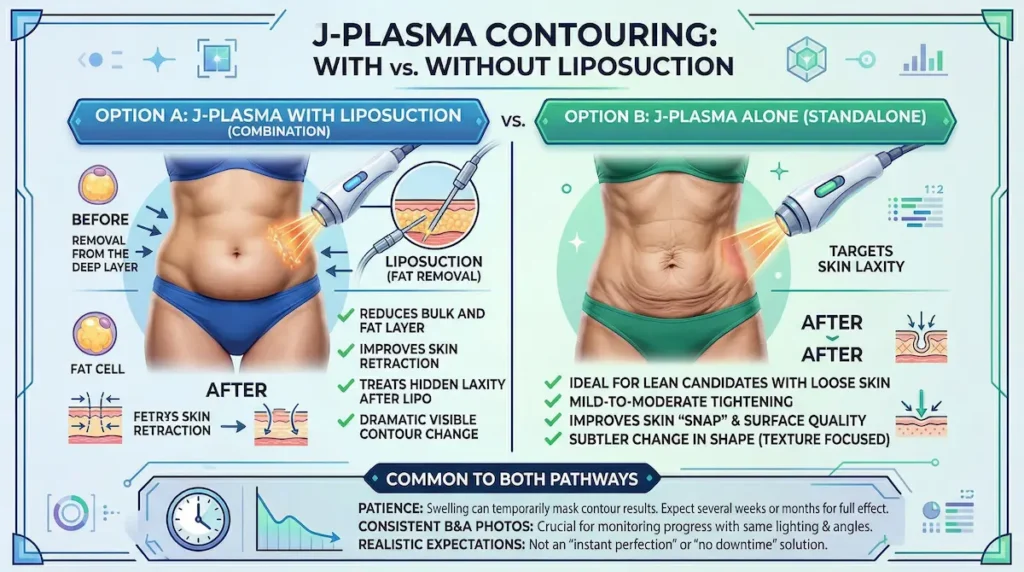
J-Plasma With Liposuction vs Without Lipo
This is one of the most important decision points for outcomes. Many “reviews” and “before and after” searches are actually attempts to understand whether tightening alone can deliver the result a patient wants—or whether the visible issue is fundamentally volume (fat), laxity (skin), or both.
Why the Combination Approach Is So Common
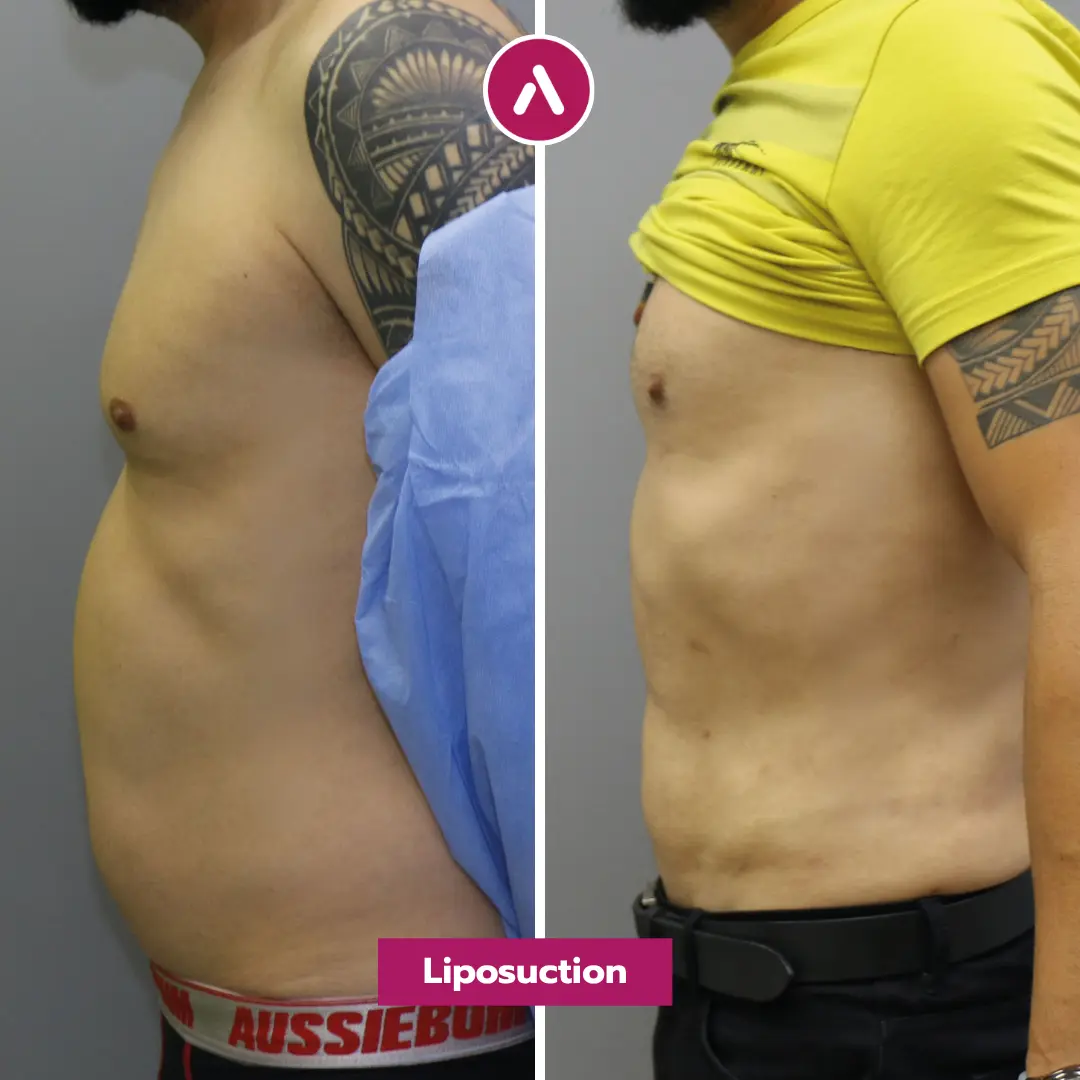
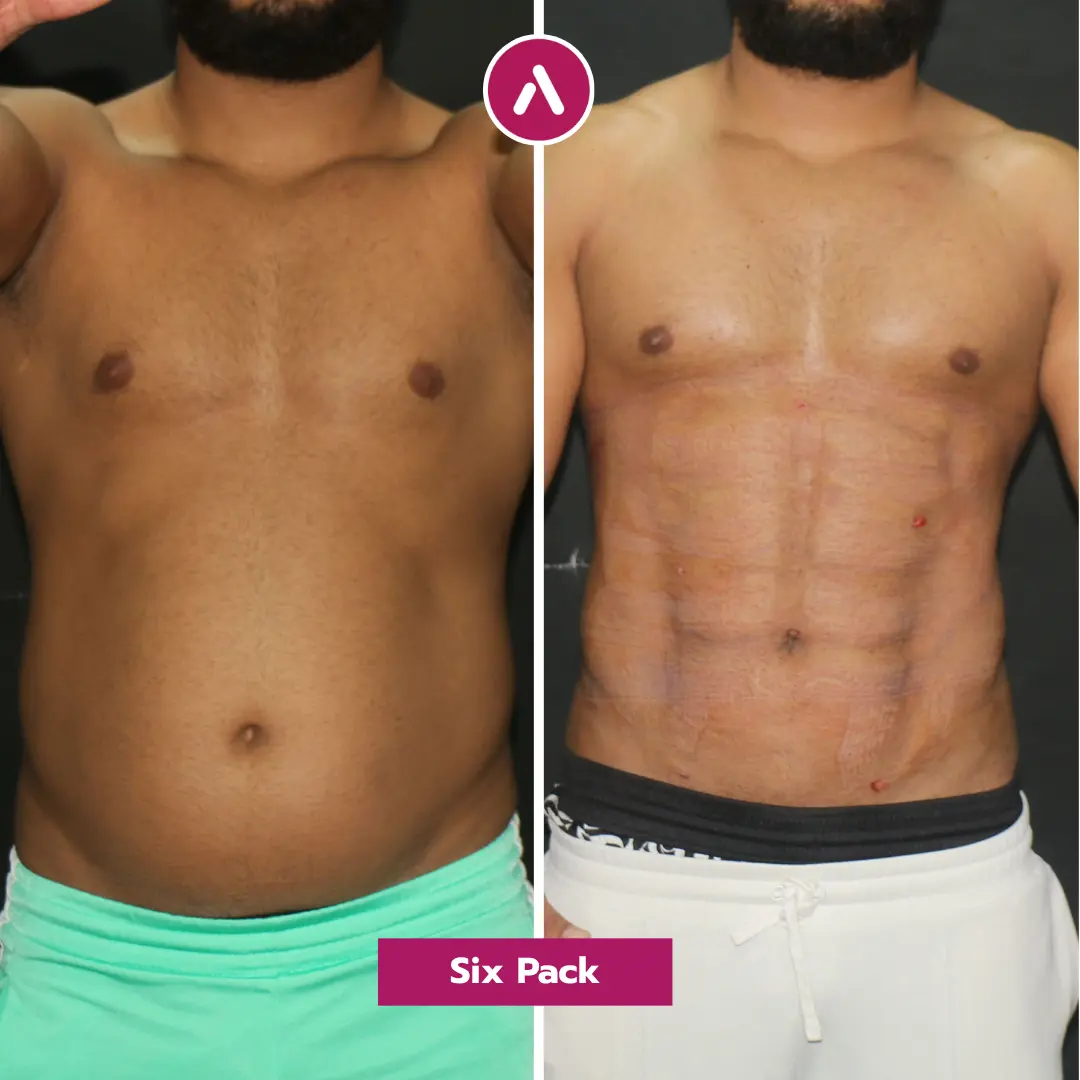
When fat is a major contributor to contour concerns, liposuction addresses volume but can also reveal laxity that was less obvious before. Pairing liposuction with tightening is often considered when:
- There is enough fat to remove to meaningfully improve shape
- Skin recoil is uncertain (age, prior stretching, skin quality)
- The patient wants a more “finished” look from a single treatment plan
The clinical logic is straightforward: reduce the layer that creates bulk, then support better skin retraction for a smoother surface.
J-Plasma Without Lipo: Who Actually Qualifies?
Standalone tightening is generally considered when the primary complaint is skin laxity rather than fat volume. You may qualify if:
- You are relatively lean in the area but dislike looseness or texture
- Your goal is mild-to-moderate tightening, not dramatic size reduction
- Your surgeon confirms there is no significant skin redundancy that requires excision
This is where expert-level expectation setting matters. “Without lipo” does not mean “no downtime” or “instant perfection.” It means the treatment plan is aimed at improving drape and texture rather than removing bulk.
How to Think About Results in Each Pathway
Expert patients often do best with a “scenario-based” expectation model:
- Lipo + J-Plasma: typically more visible contour change (volume + retraction), with swelling patterns that may take longer to settle.
- J-Plasma alone: typically subtler contour change but potentially noticeable improvement in skin “snap” and surface quality in the right candidate.
In both cases, it’s common for early swelling to temporarily mask contour. The most useful “before and after” sets are those that show consistent lighting and angles at multiple time points, rather than a single early snapshot.
Recovery Planning: Why Protocol Matters
Recovery is not only about the device—it’s also about planning for inflammation control, bruising, and tissue healing. AKM’s approach to accelerated recovery includes a structured pathway that can incorporate Hyperbaric Oxygen Therapy (HBOT) and Low-Level Laser Therapy (LLLT), positioned as tools to support healing and minimize visible downtime in select cases—particularly valuable for patients who want a faster return to social and professional life.
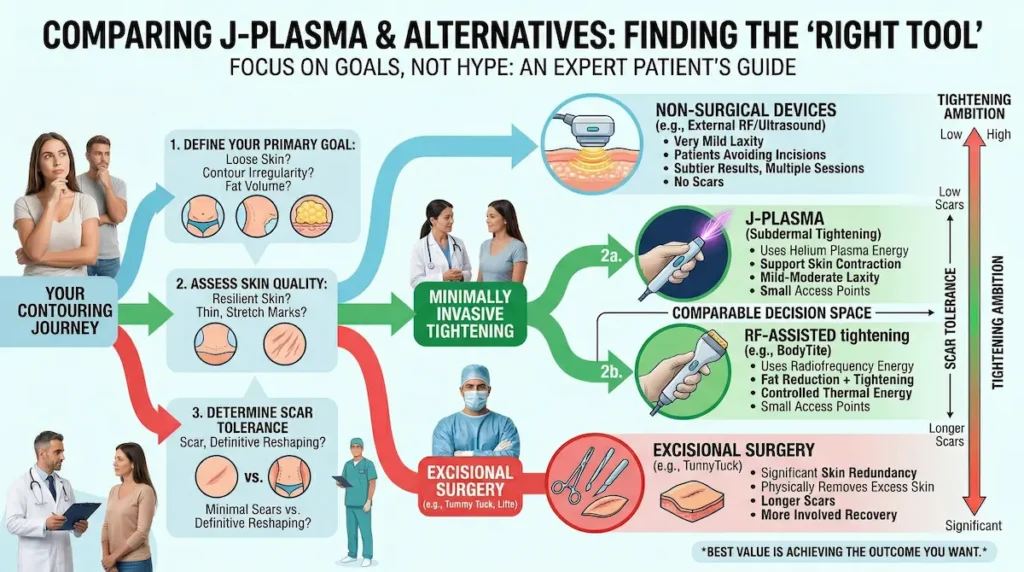
J-Plasma vs Alternatives (BodyTite and More)
If you’re comparing options, you’re already thinking like an expert patient: you want the “right tool for the right problem.” The most useful way to compare J-Plasma with alternatives is not by marketing claims, but by understanding what each category is designed to do—reduce fat, tighten skin, improve texture, or physically remove excess skin.
BodyTite vs J-Plasma: How to Compare Without the Hype
Many patients search “BodyTite vs J-Plasma” because both are discussed in the same decision space: minimally invasive tightening, often paired with liposuction. A practical comparison focuses on three variables:
- Primary goal: Is your main issue loose skin, contour irregularity, or fat volume?
- Skin quality: Do you have resilient skin with mild crepiness, or thin, stretch-mark-heavy skin with limited recoil?
- Scar tolerance vs tightening ambition: Are you trying to avoid long scars at all costs, or are you willing to trade scars for the most definitive reshaping?
In general terms, both approaches aim to support skin retraction after (or alongside) fat reduction. The “better” choice depends on anatomy, provider experience, and how the treatment is integrated into a complete contour plan (including compression strategy and aftercare).
J-Plasma vs Non-Surgical Skin Tightening Devices
Non-surgical tightening devices (external RF, ultrasound-based systems, and certain laser platforms) can be appealing because they don’t require incisions. The trade-off is that results are often subtler, may require multiple sessions, and are highly dependent on baseline laxity.
If you have mild laxity and want incremental improvement with minimal downtime, non-surgical options can be reasonable. If you want a more noticeable tightening effect from a single treatment plan, minimally invasive subdermal tightening is typically the category patients investigate next.
When Surgery Is the Better “Value” (Not Just the Bigger Option)
For significant skin redundancy—especially after major weight loss—excisional surgery is often the most predictable path. While surgery involves longer scars and a more involved recovery, it directly removes excess skin rather than relying on contraction and remodeling alone.
For expert patients, the best “value” isn’t the least expensive option—it’s the option most likely to deliver the outcome you’re actually trying to achieve, with an acceptable scar pattern and a manageable recovery timeline.
Comparison Table: Tightening Options at a Glance
| Option | What It’s Designed to Do | Best For | Typical Trade-Offs | Scars / Downtime (General) |
|---|---|---|---|---|
| J-Plasma (subdermal tightening) | Support skin contraction and longer-term remodeling under the skin surface | Mild–moderate laxity; post-lipo refinement; texture/crepey concerns in select areas | Not a substitute for surgical skin removal in severe laxity | Small access points / downtime in days–weeks |
| RF-assisted tightening (e.g., BodyTite) | Deliver controlled thermal energy to encourage tightening and contour refinement | Patients combining fat reduction + tightening; moderate contouring goals | Outcome varies with skin quality and technique; still not excisional | Small access points / downtime in days–weeks |
| Non-surgical devices | External stimulation for gradual tightening | Very mild laxity; patients avoiding incisions entirely | Usually subtler results; often multiple sessions | No scars / minimal downtime |
| Excisional surgery (tummy tuck, arm lift, thigh lift) | Physically remove excess skin; reshape contours | Significant skin redundancy; major weight-loss laxity | Longer scars; more involved recovery | Longer scars / downtime in weeks |
Combined Procedures With J Plasma Renuvion
J Plasma Renuvion is often combined with liposuction or body contouring surgery to improve skin tightening, support smoother retraction, and create a more refined, balanced result in a single treatment plan.
Why Combine J Plasma Renuvion?
Combined procedures with J Plasma Renuvion are often chosen when patients need both fat reduction and skin tightening in one surgical plan. When paired with liposuction, the treatment can improve contour refinement by helping the skin retract more smoothly after fat removal. This approach is especially useful in the abdomen, flanks, arms, and thighs.
Which Procedures Pair Well?
J Plasma Renuvion may also complement a 360 body lift, mommy makeover, or Hi Def Liposuction when the goal is a firmer, more defined result. The key is careful candidacy, precise technique, and realistic expectations, since combined body contouring procedures should be planned around anatomy, skin quality, and a safe recovery strategy.
Anesthesia Options and Comfort
Concerns about comfort and anesthesia are common—especially for patients who have had a difficult experience in the past or who are anxious about deep sedation. While the specifics depend on your treatment plan and how many areas are treated, a high-quality consultation should clearly explain your anesthesia options, why a certain approach is recommended, and how safety is monitored throughout.
Local Anesthesia and Tumescent Technique (High-Level Overview)
For many body contouring procedures, local anesthesia is often part of the plan. In liposuction-based treatments, a “tumescent” approach is commonly used to numb the area and reduce bleeding. Your provider should explain what you’ll feel (pressure, pulling, vibration) versus what you should not feel (sharp pain).
Twilight Sedation vs General Anesthesia: Practical Differences
Most expert patients evaluate anesthesia through three lenses:
- Safety profile: overall health, airway considerations, and procedure length
- Recovery experience: nausea risk, grogginess, early mobility
- Comfort and anxiety control: how calm and still you can remain during treatment
In practice, the “best” option is individualized. A responsible provider will recommend the least intensive option that still provides adequate comfort and procedural control—especially when multiple areas are treated or when a combination plan increases time on the table.
Safety Systems: What “Good Monitoring” Actually Means
Regardless of anesthesia depth, expert patients should look for clinics that treat safety as foundational: appropriate pre-op screening, continuous vitals monitoring, and strict sterility standards. Those basics matter more than branding—and they’re the difference between a smooth recovery and preventable complications.
AKM Clinic’s Positioning: Comfort-Focused Approaches for Anxiety-Sensitive Patients
Some patients avoid elective procedures for one reason: fear of general anesthesia. In AKM Clinic’s broader surgical model, the team emphasizes options that can reduce anesthesia-related anxiety for appropriately selected patients, including expertise with twilight and “awake” approaches in major facial procedures. This same patient-psychology-first mindset carries into procedural planning: choosing the safest, most tolerable approach for the individual rather than defaulting to a one-size-fits-all model.
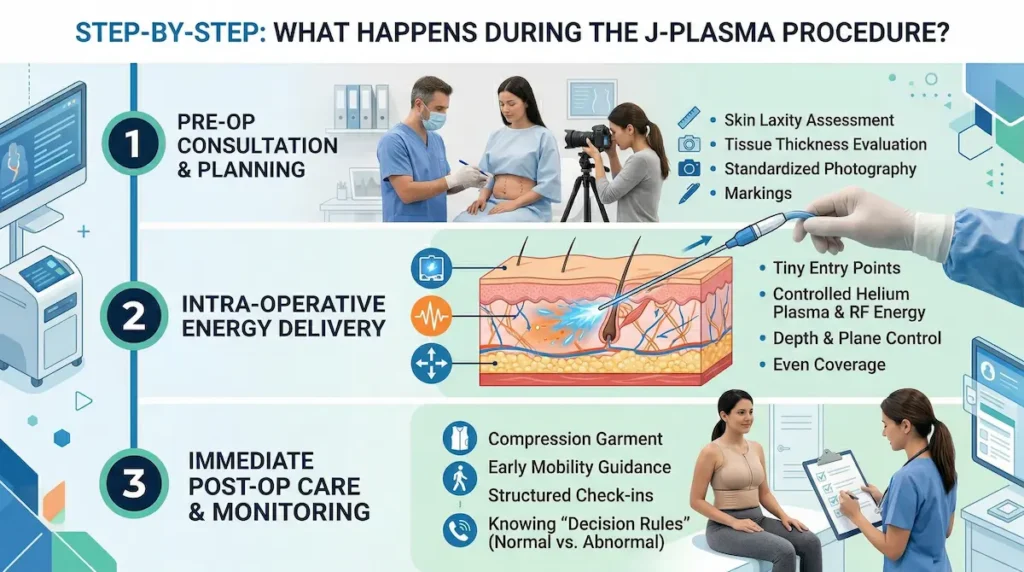
Step-by-Step: What Happens During the Procedure?
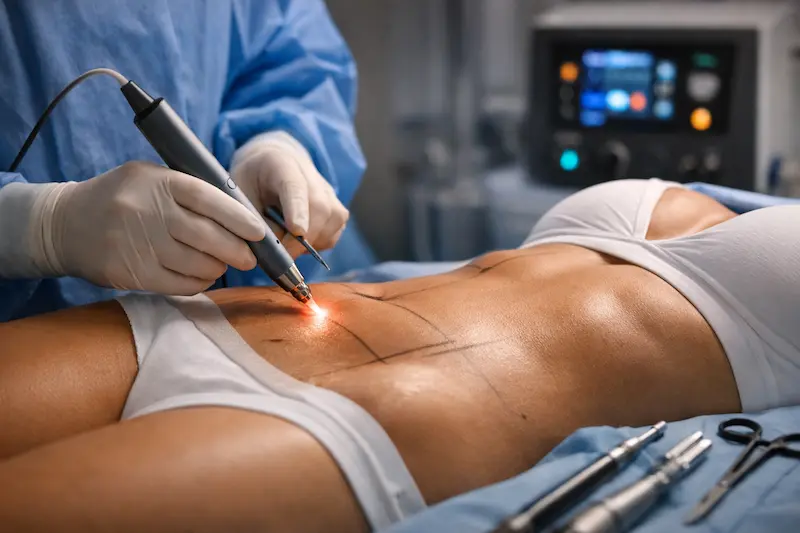
Patients searching “what does J-Plasma do?” often want a clear walkthrough. While technique details vary by provider and body area, the overall flow is consistent: pre-op planning, access through tiny entry points, controlled energy delivery, and structured aftercare to support the tightening response.
Consultation, Planning, and Marking
A high-quality plan starts before procedure day. Your surgeon should assess skin laxity, tissue thickness, symmetry, and your “scar tolerance.” Many expert patients also benefit from standardized photography so you can objectively evaluate progress over time.
Energy Delivery and Treatment Pattern
During the treatment, energy is delivered beneath the skin in a controlled pattern. The goal is to support contraction and remodeling while respecting safety boundaries. The best providers explain how they control:
- Depth and plane (staying in the intended tissue layer)
- Coverage (treating evenly to reduce irregularities)
- Intensity discipline (avoiding excessive energy in pursuit of “more tightening”)
Immediate Post-Procedure: Compression, Movement, and Early Monitoring
Right after the procedure, the plan typically includes compression garments (when indicated), early mobility guidance, and a structured check-in schedule. This is also when your provider should give you “decision rules” for what’s normal (expected swelling, soreness, firmness) and what deserves immediate contact (unusual pain, fever, rapidly worsening redness, asymmetric swelling).
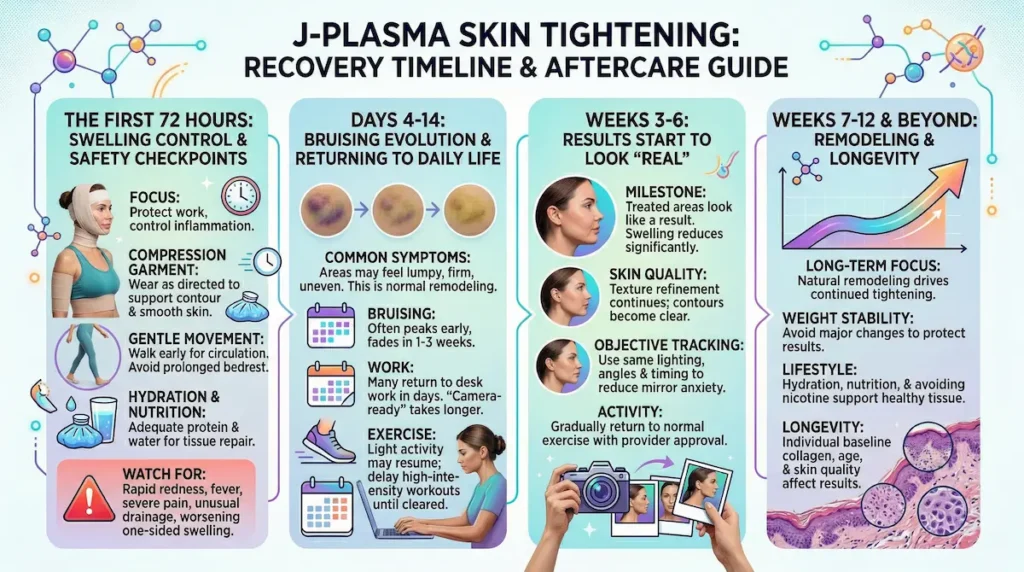
Recovery Timeline and Aftercare
Recovery after j-plasma skin tightening is usually more involved than most “device” treatments, but typically less intensive than excisional surgery. Your downtime depends on the number of areas treated, whether liposuction was performed at the same time, your baseline swelling tendency, and how consistently you follow aftercare (compression, activity, hydration, and follow-up).
For the expert patient, the most useful mindset is this: early swelling can hide the final contour, firmness can feel “worse before better,” and the skin’s remodeling phase is gradual. Your job is not to “chase perfection” in the first two weeks—it’s to heal cleanly so the tightening response has the best environment to develop.
The First 72 Hours: Swelling Control and Safety Checkpoints
The first three days are about protecting the work, controlling inflammation, and confirming that your early healing is on track. Most patients describe soreness, tightness, and pressure—especially when liposuction is combined—rather than sharp pain.
- Compression garments: If prescribed, wear them as directed. Compression supports swelling control and can help the skin re-drape more smoothly.
- Movement: Gentle walking is typically encouraged early to support circulation. Prolonged bedrest is rarely the goal.
- Hydration and nutrition: Adequate protein and hydration support tissue repair.
- What you should watch for: rapidly increasing redness, fever, severe or escalating pain, unusual drainage, or one-sided swelling that worsens rather than improves.
Expert-level care includes clear instructions for “what’s normal” versus “what triggers a same-day check,” plus a clinic that is responsive during this window.
Days 4–14: Bruising Evolution, Firmness, and Returning to Daily Life
This is the phase where many patients become impatient, because bruising may still be visible and the treated areas can feel lumpy, firm, or uneven. In most cases, this is part of the normal inflammatory and remodeling process rather than a sign that something “went wrong.”
- Bruising and discoloration: Often peaks early and gradually fades over 1–3 weeks depending on the extent of treatment and individual tendency.
- Firmness (“hardness”): It’s common to feel firm areas as tissues heal. This often softens over time.
- Work and social downtime: Many patients can return to desk work within days, but “looking camera-ready” may take longer—especially after combined liposuction.
- Exercise: Light activity may be resumed earlier, but higher-intensity workouts are typically delayed until your provider clears you.
If your plan includes massage or lymphatic support, your clinic should explain the rationale, timing, and what evidence-based goals they are trying to achieve (comfort, swelling reduction, surface smoothness).
Weeks 3–6: When Results Start to Look “Real”
For many patients, weeks 3–6 is when the treated area begins to look more like a result rather than a recovery. Swelling tends to reduce, skin drape can look more consistent, and early contour improvements become easier to see in standardized photos.
- Skin quality: Texture refinement can continue as the tissue remodels.
- Activity: Many patients gradually return to normal exercise with provider approval.
- Scar visibility: Access points are usually small, but scar quality still depends on your biology and post-procedure care.
This is also the period where expert patients benefit from objective tracking: same lighting, same angles, and consistent time points (for example, 2 weeks, 6 weeks, 12 weeks). It reduces the “mirror anxiety” that can happen when you evaluate yourself day-to-day.
Weeks 7–12 and Beyond: Remodeling and Longevity Support
Longer-term tightening and refinement are driven by your body’s remodeling response. Many patients continue to see improvement beyond the early window—especially in how smoothly the skin drapes and how “finished” the contour looks.
- Weight stability matters: major weight changes can compromise results.
- Skin care and lifestyle: hydration, nutrition, and avoiding nicotine can support healthier tissue quality.
- Longevity is individual: baseline collagen, age, and overall skin quality influence how long results remain strong.
AKM Clinic: Accelerated Recovery & Safety Protocol (HBOT + LLLT)
While technique and patient selection drive the foundation of outcomes, recovery support can influence how quickly swelling resolves and how comfortable the healing window feels. AKM Clinic integrates a structured post-procedure pathway described as a Rapid Recovery & Safety Protocol, built around two supportive technologies:
- Hyperbaric Oxygen Therapy (HBOT): Used as a supportive modality to enhance recovery conditions by increasing oxygen availability in tissues—often positioned for patients who prioritize faster healing and lower visible downtime.
- Low-Level Laser Therapy (LLLT): Used as a supportive, non-invasive recovery tool commonly discussed in the context of inflammation modulation and comfort support.
Importantly, these are not framed as “add-ons for marketing,” but as a standardized recovery-support system for appropriately selected patients—especially those combining liposuction with tightening, or those who want a more predictable, monitored healing experience.
Aftercare Checklist: What High-Quality Clinics Standardize
No matter where you have J-Plasma, strong outcomes correlate with consistent aftercare systems. A high-quality post-procedure plan typically includes:
- Clear compression guidance (how long, how tight, when to remove)
- Medication plan (pain control, antibiotics if prescribed, nausea prevention if needed)
- Activity plan (walking day 1, progressive return, exercise timeline)
- Follow-up schedule (early check-in + structured milestone follow-ups)
- Direct access to the care team for questions or concerning symptoms
Recovery Timeline Table (General Guide)
| Timepoint | What You May Feel/See | What to Do | What to Avoid |
|---|---|---|---|
| Day 0–3 | Soreness, swelling, tightness; possible bruising | Compression as directed, gentle walking, hydration, follow-up check-in | Heavy lifting, strenuous exercise, nicotine, ignoring warning symptoms |
| Day 4–14 | Bruising fades; firmness/irregular texture can appear | Continue aftercare, garment compliance, progressive activity | High-intensity workouts, heat exposure if restricted, self-directed “fixes” |
| Week 3–6 | Contour begins to look more stable; swelling reduces | Return to normal routines with clearance; track progress with photos | Overtraining, drastic dieting, inconsistent compression if advised |
| Week 7–12+ | Ongoing refinement and remodeling | Maintain stable weight; long-term follow-up; lifestyle support | Significant weight fluctuations, nicotine, neglecting scar care if needed |
Risks, Side Effects, and Safety (Transparent, Evidence-Led)
Any energy-based tightening procedure comes with a core trade-off: you’re asking a technology to trigger a controlled tissue response. That can be highly effective in the right candidate, but it also means you should evaluate J-Plasma with the same seriousness you’d apply to any minimally invasive procedure—especially if it’s combined with liposuction.
A trustworthy provider does two things well: (1) they clearly explain what the realistic risks are, and (2) they show you the systems they use to reduce those risks—through patient selection, technique discipline, and post-procedure monitoring.
Common Side Effects (What’s Usually Normal)
Most patients experience temporary, expected effects that improve over time. These commonly include:
- Swelling (often most noticeable in the first 1–2 weeks, then gradually improving)
- Bruising (more likely when liposuction is performed at the same time)
- Soreness and tightness (a pressure-like tenderness rather than sharp pain)
- Temporary firmness (treated tissue can feel “hard” as inflammation and remodeling evolve)
- Temporary numbness or altered sensation (usually improves as tissues settle)
In the expert-patient mindset, you’ll also plan for the psychological side of recovery: early swelling can make you question results. This is why strong clinics emphasize time-stamped photo tracking and milestone check-ins rather than day-to-day mirror evaluation.
Potential Complications (Uncommon, But Important to Understand)
Complications are not the norm, but informed consent means you understand what can happen and what your clinic does about it. Potential risks discussed in reputable practices include:
- Thermal injury (burn risk) if energy is not controlled appropriately
- Seroma (fluid collection), especially when large areas are treated or when liposuction is combined
- Infection (rare in well-controlled environments, but still a known risk)
- Contour irregularities (temporary or, rarely, persistent unevenness)
- Scarring at access points (typically small, but variable by individual healing)
- Prolonged swelling (more likely with extensive combined body contouring)
If your provider minimizes these possibilities or avoids discussing them, that’s a red flag. Transparency is a marker of clinical maturity.
Risk Reduction: What High-Quality Providers Do Differently
Better outcomes are less about “the device” and more about the clinician’s full risk-reduction playbook. In practice, strong providers consistently focus on:
- Patient selection: choosing candidates in the mild-to-moderate laxity zone and identifying risk factors for poor healing
- Technique discipline: using controlled, consistent passes and resisting the temptation to “turn it up” for more tightening
- Even coverage: reducing the risk of irregularities by treating systematically rather than reactively
- Sterile environment and monitoring: minimizing infection risk and catching early issues quickly
- Structured aftercare: compression guidance, activity milestones, and easy access to the care team
For combination procedures (lipo + tightening), expert planning also includes a conservative approach to volume reduction so the skin has the best chance to re-drape smoothly.
AKM Clinic’s Safety Framework (Systems, Not Slogans)
For international patients—especially those comparing premium US cities like NYC, Miami, or Los Angeles with an overseas option—confidence often comes from verifiable systems. AKM Clinic’s model emphasizes:
- Strict pre-operative health screening to confirm candidacy and reduce preventable risk
- Advanced vitals monitoring throughout procedures as a standard baseline
- Rigorous sterilization standards (positioned as non-negotiable fundamentals)
- Operating in fully accredited hospital environments aligned with Western expectations
When you’re evaluating a provider, ask for specifics: what pre-op tests are included, how monitoring is handled, and what the escalation pathway is if you develop unexpected swelling, pain, or signs of infection after you return home.
Recovery Technology as Risk Management (Where It Fits)
Some clinics integrate recovery-support technologies as part of a more comprehensive safety and outcome strategy. At AKM Clinic, HBOT is positioned as a systemic recovery support tool with patient-centric goals such as reducing inflammation, supporting tissue recovery, and improving scar quality, while LLLT is described as a targeted cellular support tool that complements the broader recovery system.
For the expert patient, the key is not “gadgets.” It’s whether recovery support is integrated into a coherent protocol that aims to reduce visible downtime and support predictable healing—especially valuable when travel timelines matter.
Is a J Plasma Renuvion Safe in Turkey?
J Plasma Renuvion in Turkey can be safe when the decision is based on standards, surgeon expertise, and candidacy, not price alone. No energy-based body contouring procedure is completely risk-free. Safety depends on proper patient selection, controlled energy delivery, a sterile surgical environment, and a clear post-procedure follow-up plan. That is the framework expert patients should evaluate first. It also matters whether your skin laxity is truly in the mild-to-moderate range, because treating the wrong indication can increase both complication risk and dissatisfaction.
Safety Depends on Systems, Not Geography
At our clinic, we support safety with strict pre-operative health screenings, advanced patient vitals monitoring, and treatment in JCI-accredited hospital environments using FDA-approved materials. Our European Board Certified Surgeons and US-trained specialists focus on careful assessment, realistic planning, and precise technique to reduce preventable risk. We also provide long-term virtual follow-up after you return home, with structured check-ins designed to monitor healing and answer concerns early.
Why This Matters for Recovery
For appropriate candidates, we strengthen recovery with our Rapid Recovery & Safety Protocol, combining HBOT and LLLT to support healing, reduce inflammation, and shorten visible downtime. The bottom line is simple: J Plasma Renuvion safety in Turkey is not about geography. It is about verified standards, disciplined technique, and continuous care from consultation through recovery.
Results, Longevity, and “Before & After” Expectations
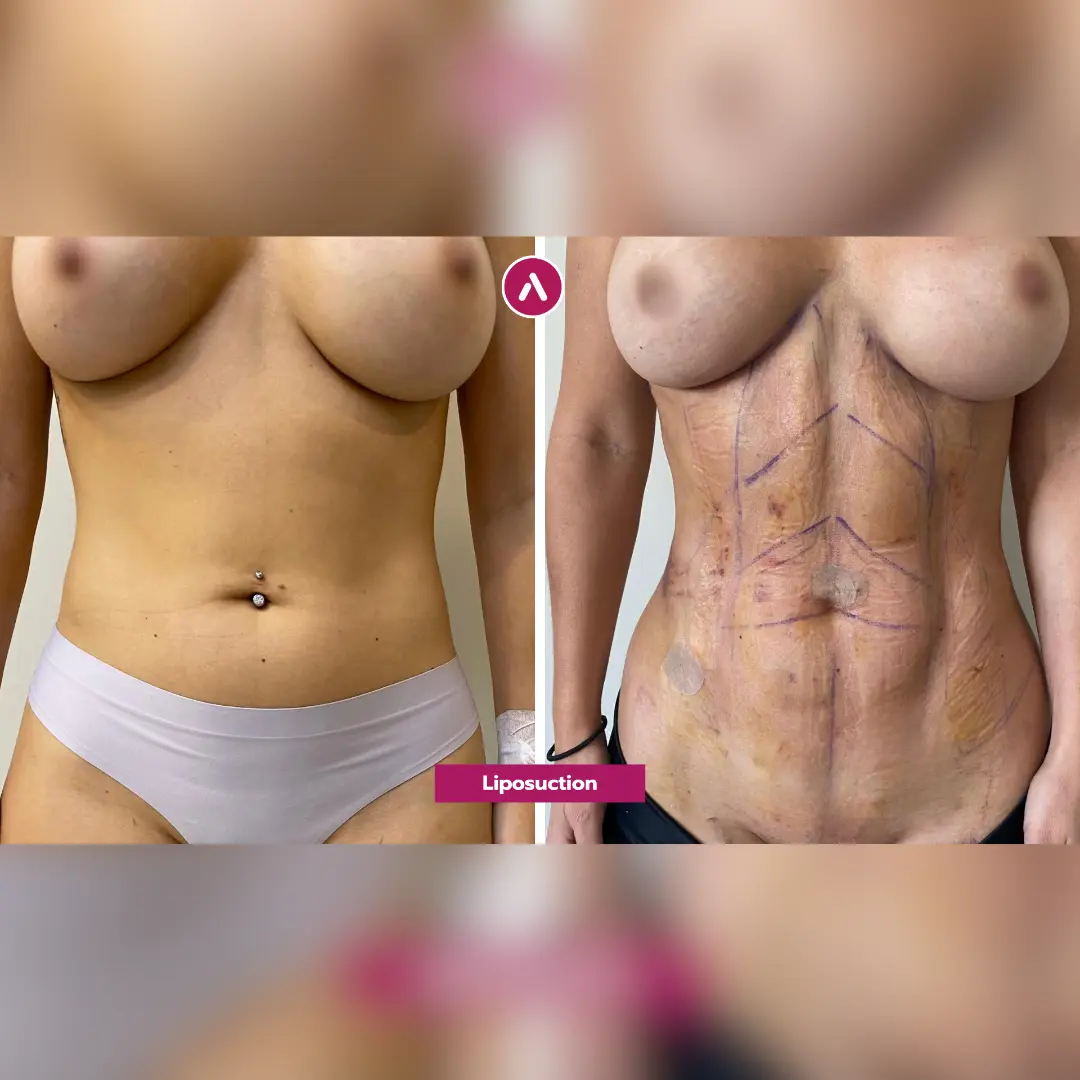
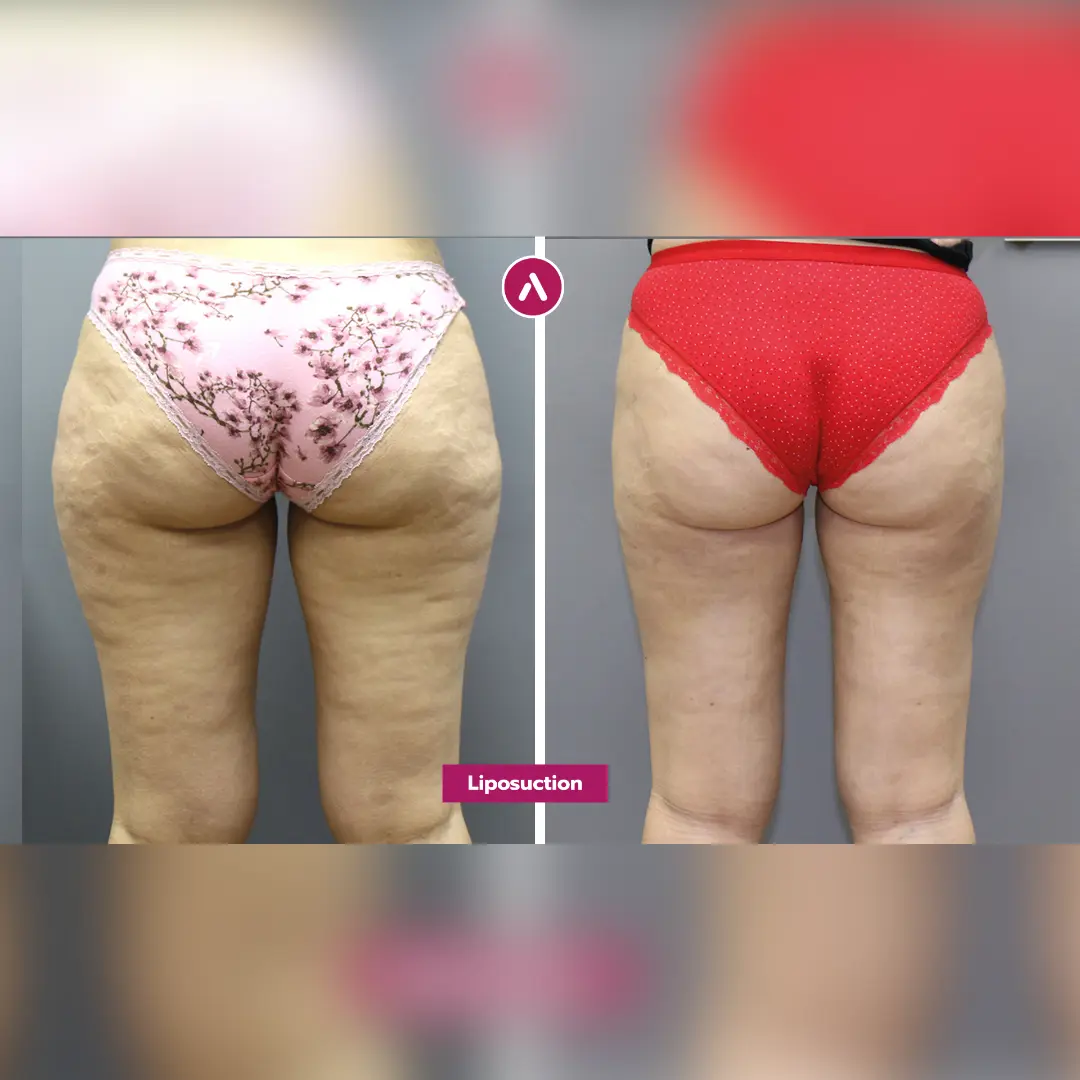
Most people researching “j plasma skin tightening before and after” are looking for proof of two things: (1) that tightening is real, and (2) that results look natural rather than overtreated. The best way to approach results is with a timeline mindset: early changes can be visible, but the more meaningful refinement happens as swelling resolves and remodeling progresses.
When You’ll See Changes (Early vs Final)
Many patients notice an early tightening signal, but it’s rarely the “final look.” Early swelling and firmness can distort contour in the first 1–2 weeks. In many cases, the result begins to look more stable between weeks 3–6, with continued refinement as tissue remodeling progresses beyond that.
The most reliable way to judge progress is through standardized photos: same lighting, same angles, same posture, and time-stamped milestones (for example, baseline, 2 weeks, 6 weeks, 12 weeks).
How Long Do J-Plasma Results Last?
Longevity depends on variables you can influence and variables you can’t. Key factors include:
- Skin quality at baseline (collagen potential varies by individual)
- Degree of laxity treated (mild-to-moderate laxity responds more predictably)
- Weight stability (significant fluctuations can compromise the contour)
- Lifestyle factors (nicotine use and poor recovery habits can impair tissue quality)
Expert patients do best when they treat this as an investment: protect the result by maintaining a stable weight and a recovery-supportive lifestyle.
Natural Outcomes: “Rejuvenation, Not Alteration”
In aesthetic medicine, the most convincing result is the one that looks like you—just more refined. The highest-quality outcomes are not “tight at any cost,” but balanced: smoother drape, better contour harmony, and minimal visual signs of intervention.
This is why experienced clinics emphasize a natural-first philosophy: your procedure should enhance your baseline anatomy rather than trying to force a shape that doesn’t match your body structure.
How to Evaluate Before-and-After Photos Like an Expert
Not all galleries are equal. When you review “before and after,” look for:
- Consistent lighting and angles (different lighting can fake “tightening”)
- Multiple time points (early photos can be misleading; later photos show stability)
- Similar posture and camera distance (small changes can exaggerate contour)
- Cases similar to yours (age range, skin quality, degree of laxity, and target area)
If a provider can’t show you cases that resemble your anatomy, you don’t have enough evidence to forecast your likely outcome.
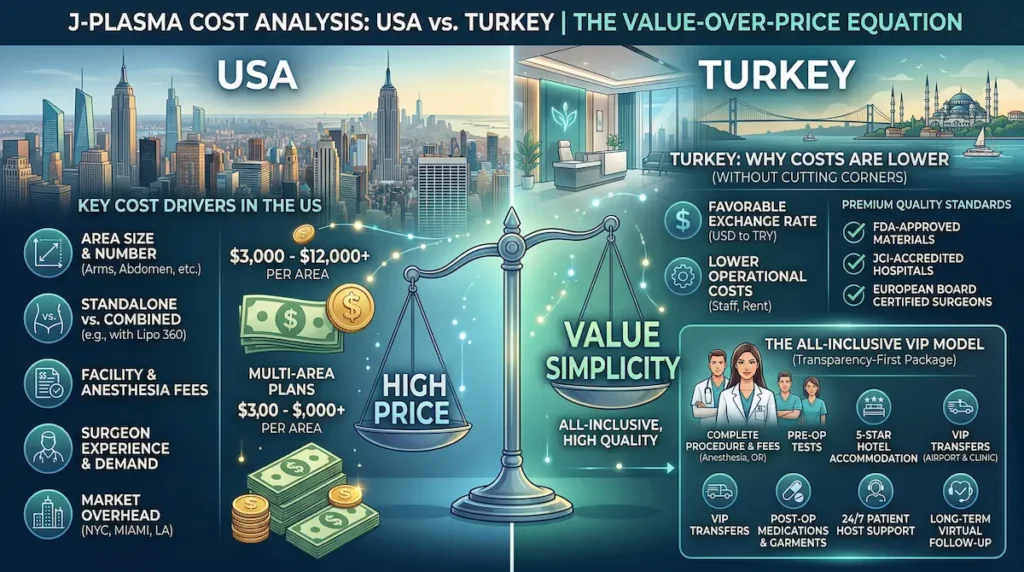
Cost Analysis (USA vs Turkey): The Value-over-Price Equation
If you’re researching j plasma skin tightening cost, you’re not just asking “How much is it?”—you’re asking whether the result, safety systems, and provider quality justify the investment. Pricing varies widely because it is driven by variables such as the number of areas treated, whether liposuction is included, facility and anesthesia fees, surgeon experience, and local market overhead (NYC, Miami, and Los Angeles typically carry higher operational costs).
What Drives J-Plasma Pricing in the United States
In the US, J-Plasma (often marketed as Renuvion/J-Plasma) is commonly priced “by area” and can move substantially depending on whether it’s performed as a standalone tightening procedure or added to a larger contour plan (like lipo 360). Key pricing drivers include:
- Area size and number of areas (arms vs abdomen vs multiple zones)
- Standalone vs combined with liposuction (combined plans often increase OR time and post-op resources)
- Facility + anesthesia model (local/twilight vs general anesthesia, and where the procedure is performed)
- Provider experience and demand (high-demand surgeons and premium markets trend higher)
NYC vs Miami vs Los Angeles: Typical Ranges You’ll See Online
Because published prices often come from clinic pages and patient-reported data, treat ranges as directional rather than definitive. Still, looking at multiple sources helps you understand what “normal” pricing looks like in premium US markets:
| Market | Commonly Published / Reported Range | How to Interpret It |
|---|---|---|
| New York City (NYC) | $2,500 – $12,000 (by area) | Market overhead and surgeon demand can push multi-area plans higher. |
| Miami | $3,000 – $10,000+ (by area / combined) | Miami often promotes body contour packages; confirm what’s included. |
| Southern California / LA region | Commonly cited national-style ranges: ~$2,249 – $17,385 (varies widely) | In premium areas, pricing may align with upper-end national ranges. |
For an apples-to-apples comparison, always ask for an itemized quote (areas treated, anesthesia, facility fees, garments, follow-up schedule) and confirm whether revision care is billed separately.
Why Costs Differ in Turkey Without “Cutting Corners”
International patients—especially those comparing NYC/Miami/LA with Istanbul—often assume a lower price means lower quality. A more accurate framework is to separate macroeconomics from medical standards.
AKM Clinic explicitly frames the US-to-Turkey cost gap as being driven by macroeconomic factors such as the favorable USD-to-TRY exchange rate and lower national operational costs (like staffing and rent), not by a compromise on quality. In parallel, the clinic emphasizes Western-standard infrastructure—stating it uses FDA-approved materials and operates in JCI-accredited hospitals—while positioning surgeon credentials as comparable to US expectations through board rigor and European Board Certifications (EBOPRAS).
What “All-Inclusive” Can Mean (and Why It Matters)
Expert patients care about hidden costs. An all-inclusive structure can reduce uncertainty by packaging the non-medical friction points that create stress in international care (hotel, transfers, medications, garments, and long-term follow-up).
AKM Clinic’s VIP model is presented as a transparency-first package that typically includes:
- Your complete procedure plus anesthesia & operating room fees
- All pre-operative tests
- 5-star hotel accommodation and VIP airport/clinic transfers
- Post-operative medications & garments
- 24/7 dedicated patient host support
- Long-term virtual follow-up care after you return home
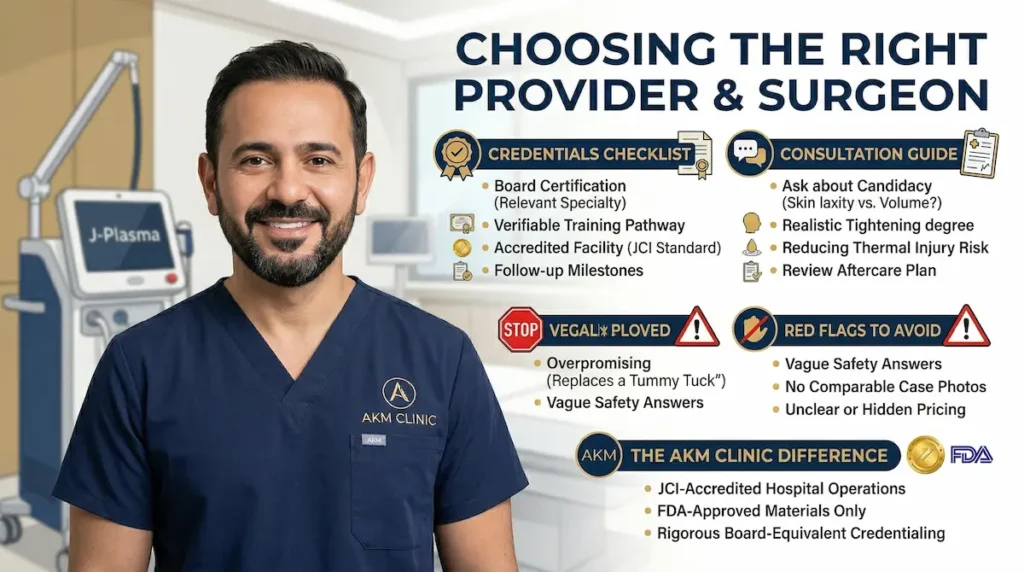
Choosing the Right Provider and Surgeon
When patients search “j-plasma doctor near me” or “j plasma skin tightening near me,” it’s easy to end up comparing providers and surgeons by price and photos alone. A safer, more reliable approach is to evaluate credentials, systems, and transparency. For energy-based tightening, the provider matters because technique discipline and patient selection drive outcomes and reduce preventable risk.
Credentials Checklist (What an Expert Patient Should Look For)
- Board certification (relevant surgical specialty) and verifiable training pathway
- Documented experience with minimally invasive body contouring and complication management
- Facility standards (accredited hospital environment when appropriate, sterile protocols)
- Clear candidacy rules (they can explain who should not do J-Plasma)
- Follow-up structure (scheduled milestones, not “call us if you need us”)
Questions to Ask at Your Consultation
- Am I a candidate for J-Plasma without liposuction, or is the primary issue volume?
- What degree of tightening is realistic for my laxity level?
- How do you reduce the risk of thermal injury and contour irregularity?
- What is your aftercare plan (compression, activity milestones, check-ins)?
- If I travel home, what is the long-distance support pathway?
Red Flags That Should Make You Pause
- Overpromising (“This replaces a tummy tuck” for severe laxity)
- Vague safety answers (no clarity on monitoring, sterilization, or escalation pathways)
- No comparable cases (they can’t show results on patients like you)
- Unclear pricing (hidden fees, no written scope of what is included)
AKM Clinic’s Positioning for the Expert Patient
For international patients, AKM Clinic positions its value around verified standards and systems: operating in JCI-accredited hospital environments, using FDA-approved materials, emphasizing rigorous board-equivalent credentialing (including European Board Certifications), and supporting the journey through a structured VIP model designed to reduce logistical and “distance-care” anxiety.
The Medical Journey for International Patients (AKM VIP Flow)
International care succeeds when the journey is engineered to remove uncertainty. Expert patients typically fear two things: getting stranded without support, and losing continuity of care after returning home. AKM Clinic’s published model addresses this by describing a step-by-step pathway—from virtual consult to long-term follow-up—built to feel predictable, guided, and medically structured.
Step 1: Free Virtual Consultation and Treatment Planning
The process begins with a no-obligation video consultation where you share goals and photos for review and receive a personalized plan and transparent all-inclusive quote.
Step 2: VIP Planning, Hotel, and Transfers
After scheduling, a dedicated patient host coordinates logistics: hotel arrangements and VIP transfers, leaving you responsible primarily for your international flight booking.
Step 3: Arrival, In-Person Consultation, and Procedure Day
Upon arrival, patients are greeted for private transfer. On procedure day, the model includes an in-person consultation to confirm the plan, pre-operative tests, and treatment performed in a state-of-the-art, fully accredited facility.
Step 4: Post-Op Monitoring in Istanbul + Long-Term Virtual Follow-Up at Home
Post-procedure, patients are monitored by the medical team while the host remains available 24/7 via WhatsApp. After returning home, AKM describes structured virtual follow-ups at 1, 3, 6, and 12 months to maintain continuity of care and monitor healing progress.
Real Results, Reviews, and “Before & After” Proof
Most people searching “j-plasma skin tightening before and after” or “j-plasma reviews” are looking for one thing: proof that the improvement is real, proportional, and natural-looking. The most credible proof is not a single dramatic photo—it’s a pattern of consistent outcomes supported by transparent timelines, comparable cases, and a clinic that documents results in a way that reduces “photo bias.”
How to Read Reviews Like an Expert Patient
High-intent reviews are most valuable when they answer practical questions that affect your decision:
- Was the consultation specific? (Did the provider explain candidacy and limits clearly?)
- Did recovery match expectations? (Pain, bruising, swelling, “camera-ready” timeframe.)
- Was the follow-up structured? (Especially important if you’ll travel.)
- Do results look natural? (Refreshed, not “tight” or overtreated.)
Also note what reviews don’t say. If multiple patients mention “minimal pain,” “easy recovery,” or “felt supported,” that usually reflects a repeatable care system—not luck.
What Patients Tend to Emphasize (Themes from AKM Patient Stories)
While J-Plasma is often paired with body contouring, international patient experiences often highlight decision drivers that apply to any elective aesthetic procedure: confidence in the plan, anesthesia comfort, and continuity of care.
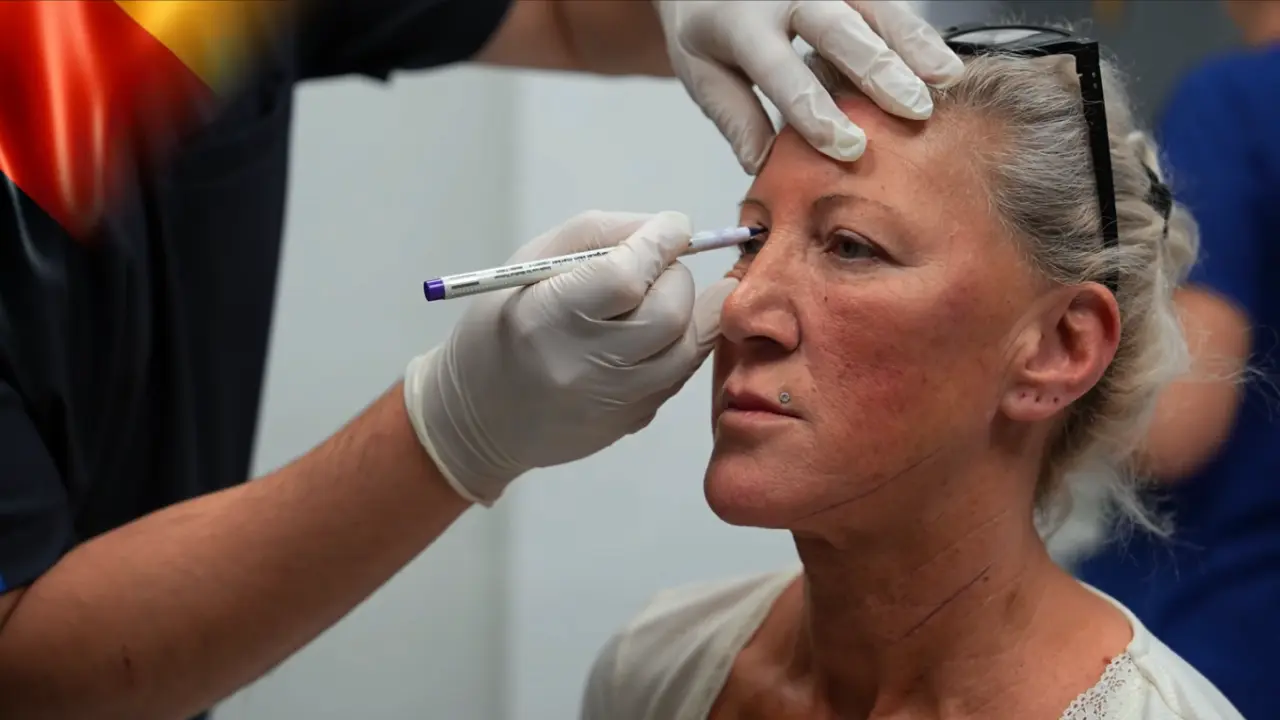
- Overcoming anesthesia anxiety: One U.S. patient (Lisa) pursued a lifelong rejuvenation goal but had significant anxiety about general anesthesia. She chose AKM after being guided that her combination of procedures could be safely performed under local anesthesia, and described an “easy, smooth” recovery—feeling “fantastic” just four days later.
- Reducing solo-travel stress through a true all-inclusive model: Another U.S. patient (Laura) was initially fearful about traveling alone. She described the VIP model as removing logistical stress because transportation, hotel, surgery, clinical staff, and medications were included.
- Continuity of aftercare after returning home: A Germany-based patient (Mehtap) described remote support as a “lifeline,” emphasizing that after returning home she could call repeatedly and still receive responses—addressing one of the most common fears in international care: post-op abandonment.
- “Natural, nothing happened” outcomes: A U.S. “expert patient” (Barbara)—experienced with multiple prior procedures—reported a pain-free experience with minimal bruising and described her result as looking like “nothing happened,” but significantly younger, which aligns with the natural-first goal most discerning patients prioritize.
These stories are not “proof” of a specific device outcome on their own, but they do reflect what expert patients tend to value: specific pre-op planning, a calm anesthesia strategy when appropriate, predictable support, and natural aesthetics.
Before-and-After Standards: What Strong Clinics Do Differently
If you’re comparing providers, the gallery itself is a trust signal—but only when it is built on standards. A clinic that documents outcomes responsibly will typically use:
- Standardized photography (consistent lighting, angles, posture, and timepoints)
- Milestone timelines (e.g., early healing photos plus later “settled” results)
- Structured planning tools to map goals and expectations before treatment
AKM Clinic positions its environment and planning systems as part of delivering predictable, natural outcomes—citing investments in advanced diagnostic and surgical tools such as 3D imaging for pre-operative planning and simulation, alongside privacy-forward, Western-standard patient confidentiality practices.
Technology-Backed Recovery: How HBOT and LLLT Fit Into a “Predictable Healing” Strategy
“Recovery support” is often treated as optional in aesthetic medicine, but expert patients frequently view it as risk management—especially if they have a fixed travel window, a public-facing job, or a low tolerance for prolonged swelling and bruising. At AKM Clinic, Hyperbaric Oxygen Therapy (HBOT) and Low-Level Laser Therapy (LLLT) are positioned as integrated recovery technologies designed to support faster healing and reduce perceived risk through a structured protocol.
HBOT (Hyperbaric Oxygen Therapy): Systemic Support for Healing Conditions
HBOT is described as exposing the patient to 100% oxygen in a pressurized environment, increasing oxygen availability in tissues even when post-procedure circulation is temporarily compromised. In AKM’s positioning, HBOT is framed as a “#1 safety promise” with patient-centric goals that include reducing inflammation (and therefore social downtime), supporting tissue regeneration, improving scar quality through fibroblast stimulation, and contributing to infection prevention through both oxygen effects and immune support.
LLLT (Low-Level Laser Therapy): Targeted Cellular Acceleration
LLLT is positioned as a “soft laser” approach using a precise therapeutic wavelength (650nm) delivered via medical-grade laser diodes (not LEDs). The intent is not heat-based tightening; it is cellular support—described in terms of boosting ATP production (cellular energy), stimulating fibroblasts to support collagen synthesis, and serving as a complementary adjunct to HBOT by further reducing swelling and redness in the recovery window.
The “System of Care” Concept: Why Integration Matters More Than Devices
AKM’s technology narrative emphasizes that the value is not in isolated machines but in a cohesive sequence: systemic recovery support (HBOT) paired with targeted cellular acceleration (LLLT), delivered within a sterile, expert-led environment. For the expert patient, this matters because it turns recovery into a managed process with defined goals—rather than an unpredictable waiting game.
FAQ: J-Plasma Skin Tightening
These are the most common questions expert patients ask when researching j-plasma skin tightening. Each answer is written to be practical, decision-focused, and aligned with real recovery and safety considerations.
What is J-Plasma skin tightening?
J-Plasma skin tightening is a minimally invasive procedure that delivers controlled energy beneath the skin to support tissue contraction and longer-term remodeling. It’s commonly used to improve mild to moderate skin laxity—often after weight changes, pregnancy, or liposuction—when patients want tightening without the longer scars of excisional surgery.
How does J-Plasma work?
J-Plasma uses an energized gas (“plasma”) as a way to deliver energy under the skin. The goal is to trigger a tightening response in targeted tissues while controlling energy spread. Results typically evolve over time as swelling resolves and tissues remodel.
Is J-Plasma better than BodyTite?
It depends on your anatomy and goals. Both are minimally invasive tightening approaches often paired with liposuction. The more important question is: what is driving your concern—fat volume, skin laxity, or both? A good consultation should explain which technology (or surgical approach) best matches your laxity level and desired scar/downtime trade-off.
Can I do J-Plasma without liposuction?
Sometimes. If your primary issue is skin laxity or crepey texture (not fat volume), you may qualify for standalone tightening. If volume is part of the problem, liposuction may be recommended to shape the area, with tightening used to support skin retraction afterward.
What areas can J-Plasma treat?
Common areas include the abdomen, flanks, arms, inner thighs, bra line, and in select cases the neck/jawline region. The best areas are those with mild to moderate laxity where skin can re-drape predictably and where surgical excision is not the preferred choice.
How long does it take to recover from J-Plasma?
Downtime varies based on how many areas are treated and whether liposuction is included. Many patients return to desk work within days, but swelling and bruising can take 1–3 weeks (sometimes longer in combined procedures). More stable “settled” results are often evaluated around weeks 6–12, with ongoing refinement beyond that.
What are the side effects of J-Plasma (Renuvion J-Plasma side effects)?
Common temporary effects include swelling, bruising, soreness, tightness, and short-term firmness. Potential complications—uncommon but important—can include infection, fluid collections (seroma), contour irregularities, and thermal injury if energy is not controlled appropriately. Patient selection, technique discipline, sterile standards, and structured follow-up reduce risk.
Will I have scars from J-Plasma?
Access points are typically small, but any skin entry can scar. Scar visibility depends on your biology, incision placement, and aftercare. Ask your provider where access points will be, how they recommend scar care, and what your realistic scar risk is based on your skin type and healing history.
How long do J-Plasma results last?
Longevity varies by skin quality, age, lifestyle, and weight stability. Mild-to-moderate laxity tends to respond more predictably. Significant weight fluctuations can compromise results, so maintaining a stable weight and healthy recovery habits is one of the best ways to protect your outcome.
How much does J-Plasma skin tightening cost in NYC vs Turkey?
Pricing in premium US markets like NYC is often higher due to market overhead, facility costs, and demand—commonly quoted and reported as “by area” ranges. In Turkey, total costs are often lower largely due to macroeconomic factors and lower operational costs. AKM Clinic positions this difference as a value equation: access to Western-standard infrastructure (including accredited hospital environments), structured safety systems (screening, monitoring, sterilization), and an all-inclusive care pathway with coordinated logistics and long-term virtual follow-up.
Medical Disclaimer: This page is provided for general educational purposes only and does not replace a face-to-face medical consultation, diagnosis, or personalised treatment plan. All surgery carries risks and outcomes vary between individuals. Suitability for a j-plasma renuvion, procedure selection, and anaesthesia choice can only be determined after a full clinical assessment by a qualified surgeon. Always follow your clinician’s instructions and seek urgent medical attention if you develop concerning symptoms during recovery.