




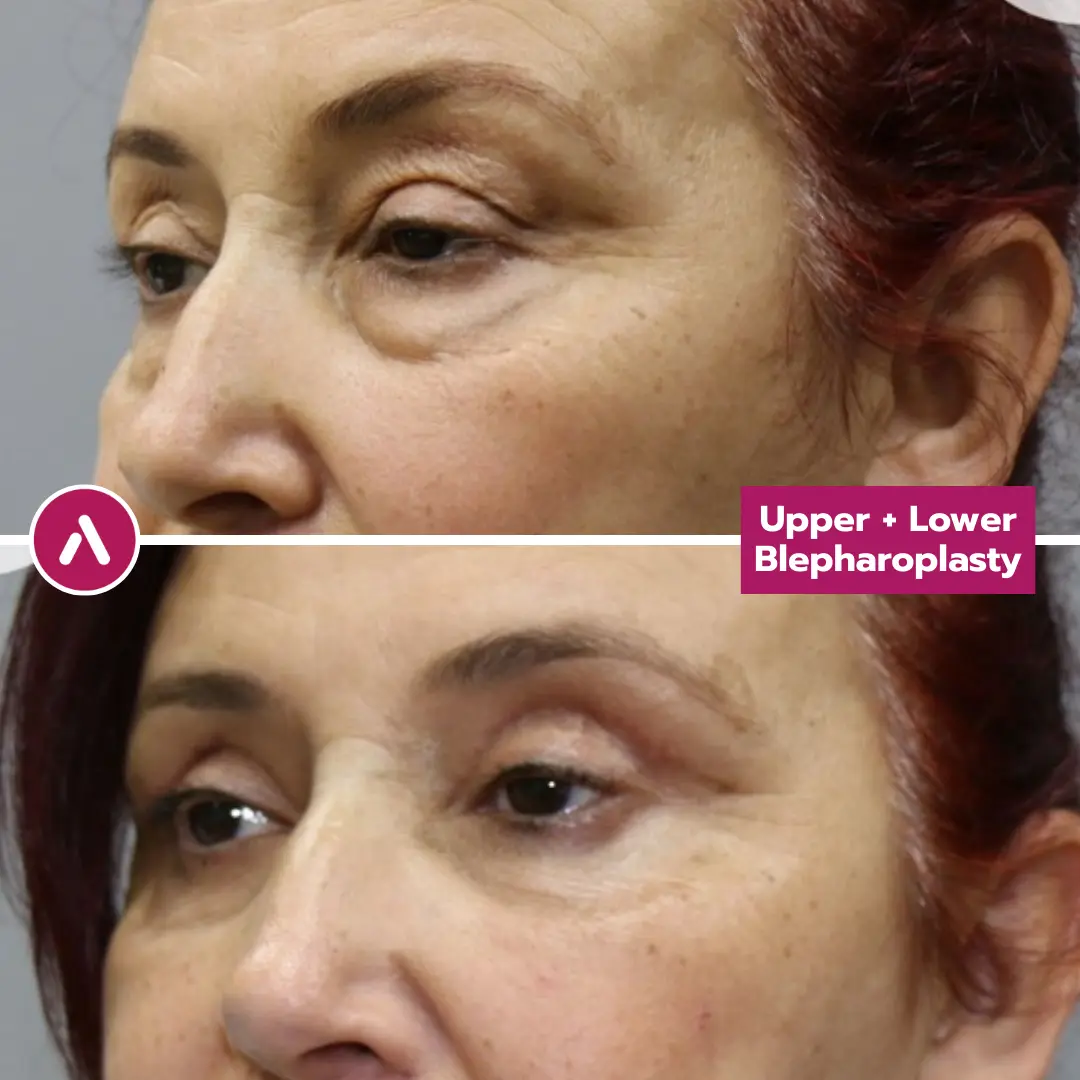
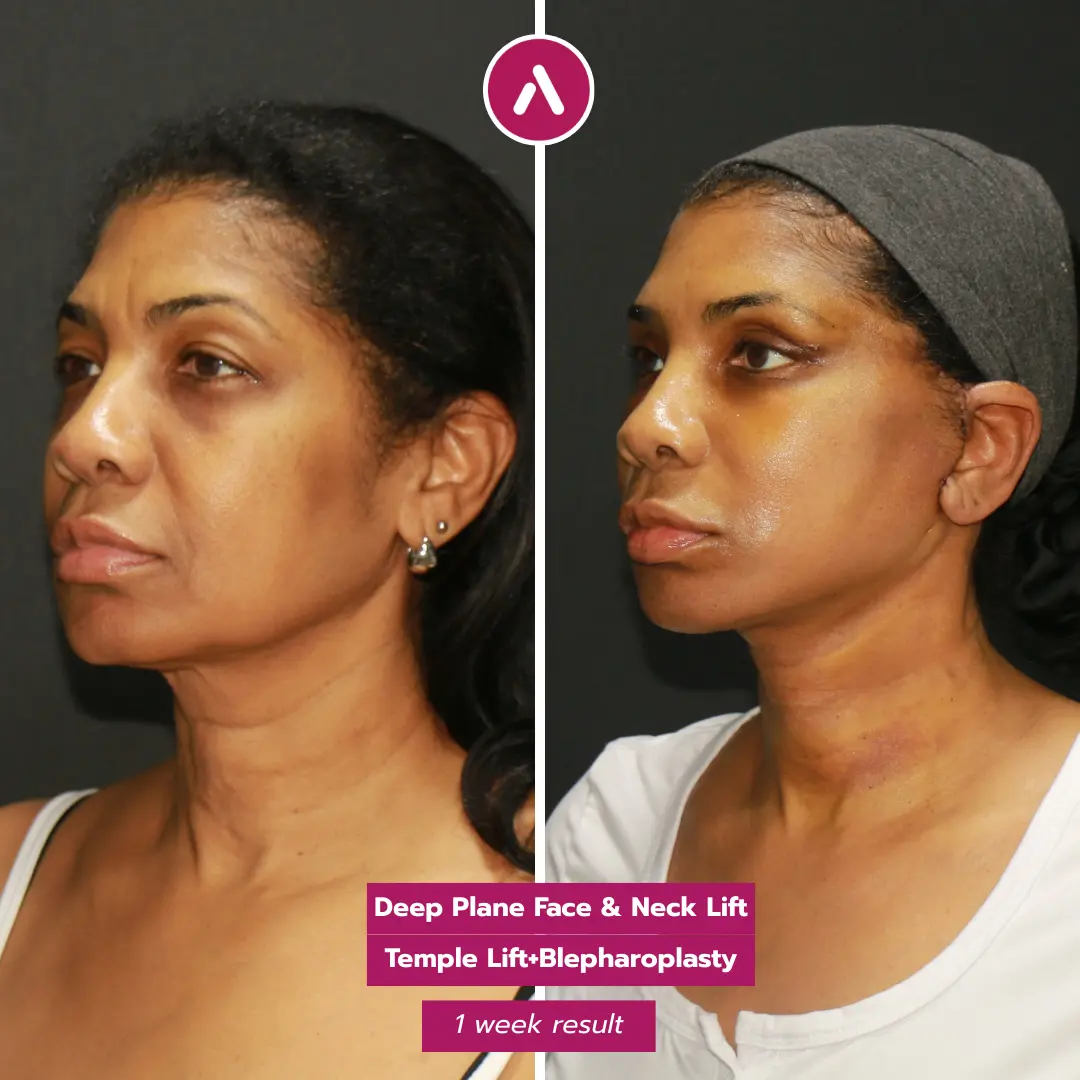
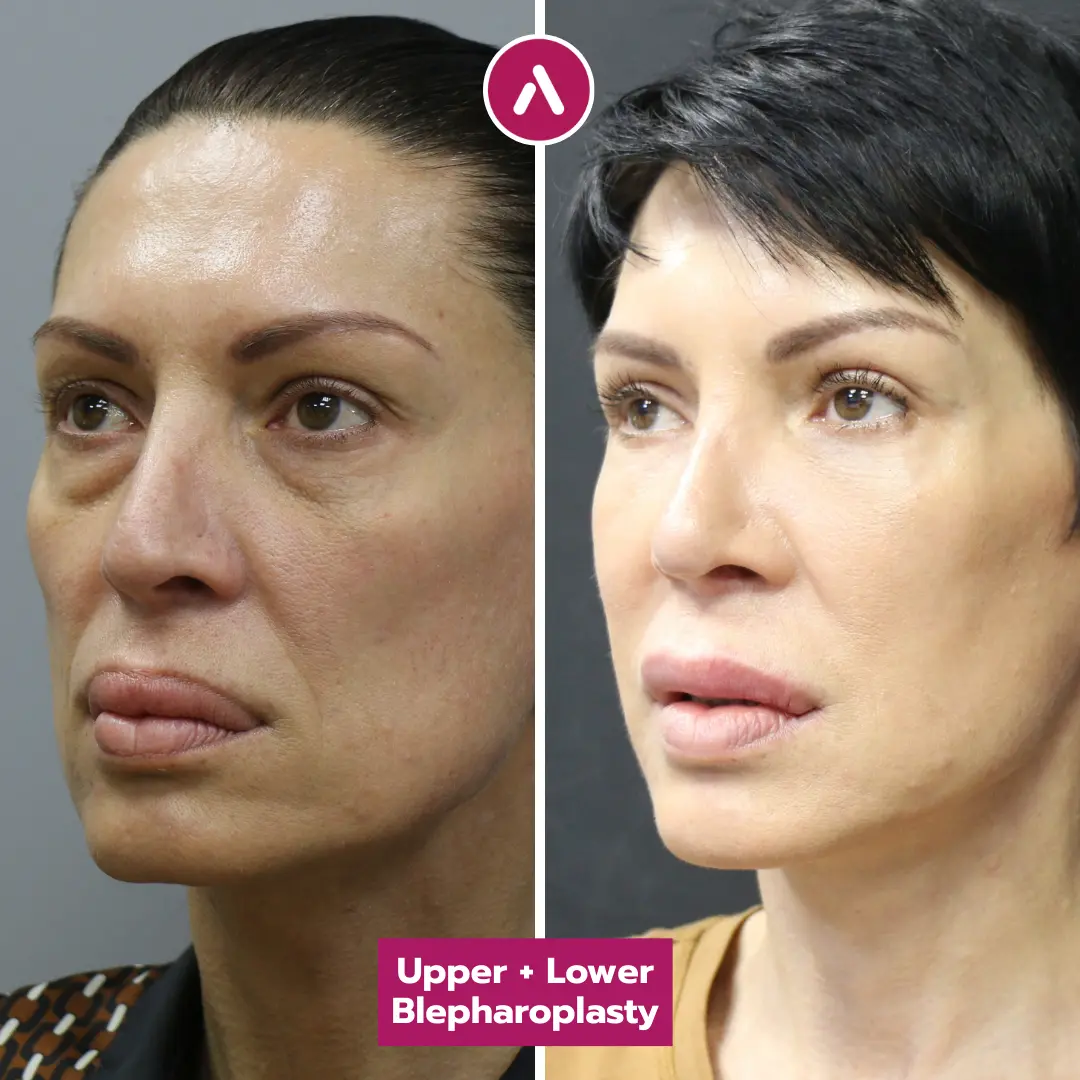
Blepharoplasty—often called upper and lower eyelid surgery—is a facial plastic surgery procedure designed to refresh the eye area by addressing changes in eyelid skin, underlying fat, and (in select cases) muscle support. The goal is not to change who you are; it is to restore a more rested, alert appearance by correcting features that can make the eyes look tired, heavy, or aged.
Because the eyelids are both highly visible and functionally important (they protect the eye and maintain a healthy tear film), blepharoplasty planning must balance aesthetics with ocular safety. A high-quality result typically looks “quiet” and natural—meaning people notice you look well-rested, not surgically altered.
In many patients, blepharoplasty is performed as an upper procedure, a lower procedure, or a combined upper and lower blepharoplasty. The best approach depends on where the problem originates: excess upper eyelid skin (“hooding”), prominent lower eyelid fat pads (“bags”), under-eye hollowing, or lid support laxity.
Table of Contents
What Is Blepharoplasty?
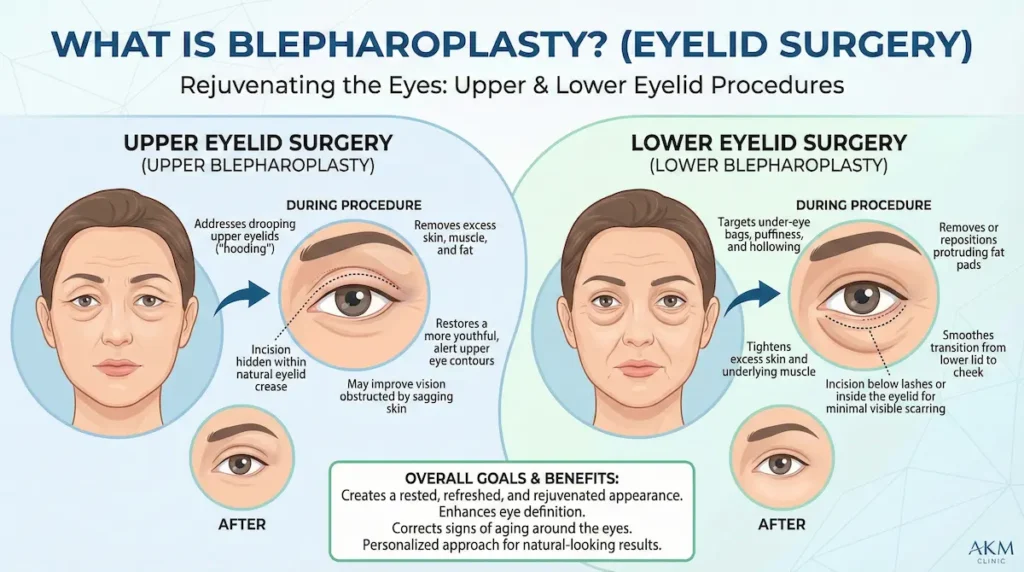
Blepharoplasty is a surgical technique that improves the appearance (and sometimes the function) of the eyelids by reshaping tissues in a controlled, anatomically respectful way. It can involve removing or tightening excess skin, reducing or repositioning protruding fat pads, and improving eyelid contour so the transition from eyelid to cheek looks smoother and more youthful.
Eyelid Anatomy 101 (What a Surgeon Is Actually Working With)
The eyelids are thin, layered structures built for constant motion and delicate protection. A simplified way to think about eyelid anatomy is:
- Skin: the thinnest skin on the body, prone to laxity and creasing.
- Muscle (orbicularis oculi): helps close the eyelids and supports blinking.
- Septum and fat pads: a membrane (orbital septum) that helps contain orbital fat; with age, fat can appear more prominent.
- Support structures: the tarsal plate, canthal tendons, and lower lid support determine how stable the lid margin is.
Upper eyelid anatomy also includes the lifting mechanism of the eyelid (the levator complex). While cosmetic upper blepharoplasty focuses primarily on skin and fat, a subset of patients has eyelid droop that is more related to ptosis (a true lid-lifting issue), which may require a different surgical plan.
Why Eyes Look “Tired” With Age
Most age-related eyelid concerns are not caused by a single issue; they result from a combination of skin changes, shifting volume, and support laxity:
- Upper eyelid hooding: as skin loosens, it can fold over the natural crease. This can make the eyes look smaller and heavier and may even interfere with the upper visual field in more advanced cases.
- Lower eyelid bags: the under-eye area can develop visible bulges as fat becomes more prominent or the supporting tissues weaken.
- Under-eye hollowing: some patients have a volume deficit along the lid-cheek junction, creating a tired look even without large fat bags.
- Texture changes: crepey skin and fine lines increase with time and sun exposure, affecting the “smoothness” of the lower eyelid.
Importantly, not every “bag” should be aggressively removed. Over-resection can create a hollow, skeletonized appearance that reads as surgical. Modern blepharoplasty often emphasizes contour restoration—which may mean conservative removal in some areas and thoughtful repositioning or support in others.
Upper vs Lower Blepharoplasty (What Each One Corrects)
Upper blepharoplasty primarily addresses excess skin and fullness in the upper eyelid. It is commonly chosen when patients notice:
- Skin resting on the lashes or the lid crease
- A “heavy” or fatigued look to the upper lid
- Makeup transfer due to redundant skin
- In some patients, functional visual obstruction from significant hooding
Lower blepharoplasty targets the under-eye region. Depending on anatomy, it can address:
- Prominent lower eyelid fat pads (“bags”)
- A sharp lid-cheek junction that looks hollow or shadowed
- Crepey skin and mild-to-moderate laxity (in selected techniques)
When patients request “a full eye refresh,” surgeons may recommend upper and lower blepharoplasty together. The advantage is a harmonized result across the entire eye area—especially when upper hooding and lower bags/hollows are both present. The key is tailoring the plan to protect eyelid shape and closure, not simply tightening everything.
Ideal Candidates and Who Should Avoid Surgery
Blepharoplasty tends to have high satisfaction when the problem is clearly anatomical (skin excess, fat prominence, lid-cheek contour issues) and the patient’s goals align with what surgery can realistically deliver. The best candidates are healthy, have stable expectations, and understand that swelling and bruising are part of the normal healing process—even though most patients return to routine social activity within a few weeks depending on the extent of surgery.
Good Candidates for Upper Blepharoplasty
You may be a strong candidate for upper blepharoplasty if you have one or more of the following:
- Upper eyelid skin redundancy that creates hooding or hides the natural crease
- Fullness in the upper eyelid that makes the lid look puffy
- Heaviness that contributes to a tired facial expression
- Functional symptoms such as needing to raise the brows to see more clearly (some patients also pursue upper blepharoplasty for visual field improvement)
During consultation, a careful evaluation should distinguish upper eyelid skin excess from brow descent and from true eyelid droop (ptosis). Treating the correct cause is essential for a natural result.
Good Candidates for Lower Blepharoplasty
Lower eyelid blepharoplasty is often best suited for patients who notice:
- Under-eye bags that persist even with rest and skincare
- Shadowing or hollowing at the lid-cheek junction
- Lower lid laxity that contributes to a downward pull or tired contour
A key part of candidacy is assessing lower eyelid support. If the lid is naturally lax, the surgical plan may need additional support techniques to reduce the risk of postoperative lid malposition and to maintain a stable, youthful eye shape.
Who Should Delay or Avoid Blepharoplasty (Safety and Expectation Red Flags)
Not every patient should proceed immediately. Blepharoplasty may be postponed or reconsidered if you have:
- Uncontrolled medical conditions (for example, poorly controlled blood pressure or diabetes)
- Active smoking or nicotine use, which can impair healing and increase complication risk
- Significant dry eye disease or ocular surface problems that could worsen with surgery if not managed
- Active eyelid inflammation (such as severe blepharitis) that should be treated first
- Thyroid eye disease or other eye conditions that require specialized coordination
- Unrealistic expectations (wanting a completely different eye shape rather than a refreshed version of your own anatomy)
A thorough pre-op evaluation should include medication review (especially blood thinners and supplements that affect bleeding), a discussion of prior eye surgery (like LASIK or cataract surgery), and an assessment of tear film and lid closure. The safest blepharoplasty plan is one that respects function first—then refines appearance within those boundaries.
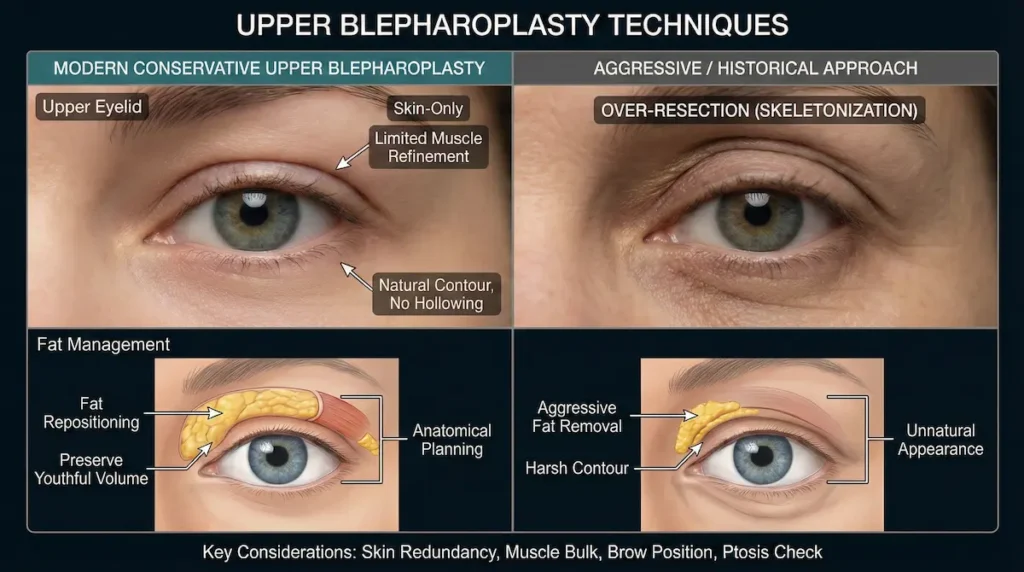
Upper Blepharoplasty Techniques
Upper blepharoplasty is not a one-size-fits-all “skin trim.” The most natural-looking outcomes come from a plan that respects your eyelid crease anatomy, maintains appropriate lid show, and avoids over-resection that can create a hollow or overly “done” appearance. Technique selection depends on your skin redundancy, lid fullness, brow position, and whether eyelid droop (ptosis) is part of the picture.
Incision Design and Scar Placement (Why the Crease Matters)
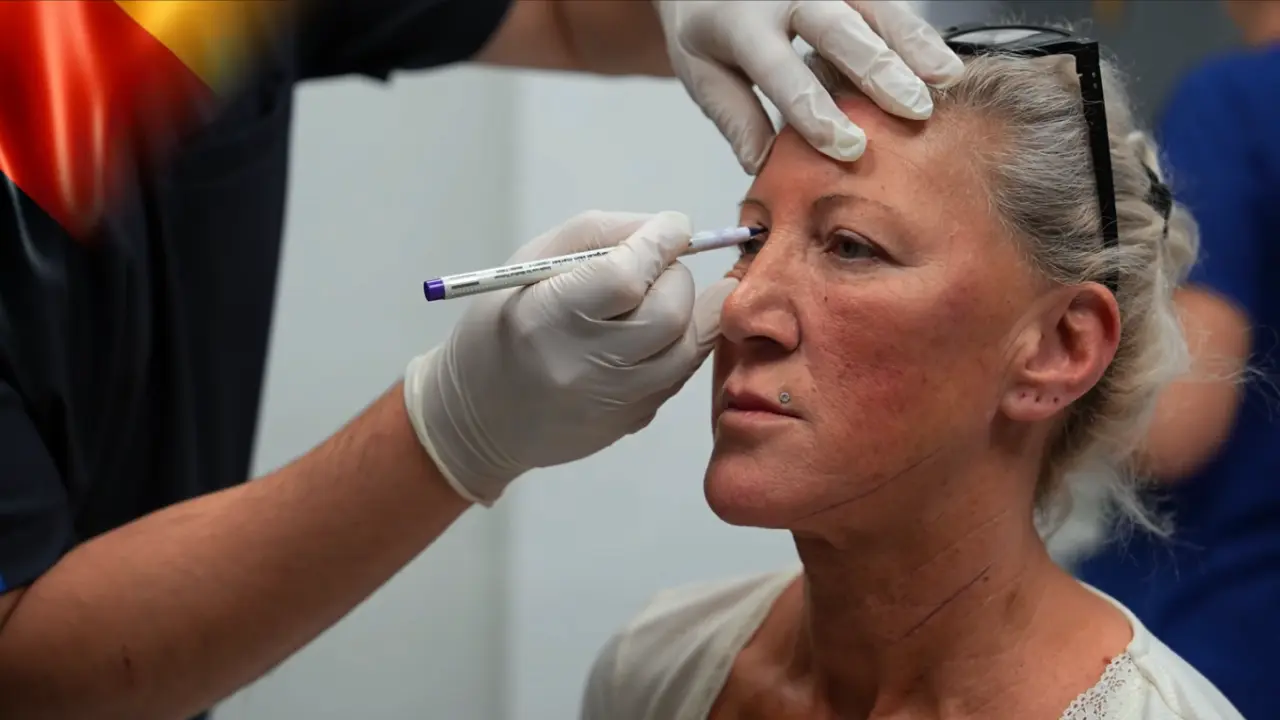
The upper blepharoplasty incision is typically placed within the natural eyelid crease so that, once healed, the scar is concealed when the eyes are open. Precise pre-operative marking is essential because it determines:
- How much skin is removed (enough to reduce hooding without compromising eyelid closure)
- The crease definition (preserving a natural crease rather than creating an artificial “shelf”)
- Symmetry (addressing natural differences between the right and left eyelids)
A careful surgeon will also consider brow position. If brow descent is the true driver of “heaviness,” removing too much upper lid skin to compensate can create a tight or unnatural look. In those cases, the best plan may involve treating brow position (or at least acknowledging it) rather than over-correcting the lid itself.
Skin-Only vs Skin-Muscle Approaches (Conservative by Design)
Upper eyelid fullness can come from excess skin, muscle bulk, fat prominence, or a combination. The approach is typically tailored to your anatomy:
- Skin-only excision: Often ideal when the main issue is hooding. It can yield a refreshed result with minimal disruption.
- Skin + limited muscle refinement: Considered when there is significant thickness in the upper lid due to muscle bulk. This must be conservative to avoid a hollowed look.
The guiding principle for a high-end result is restoration, not transformation. The upper eyelid should look smoother and lighter, but still like your eyelid—just less tired.
Fat Management: Remove vs Reposition (Avoiding the “Hollow Eye”)
Upper lid fat can create a puffy appearance, particularly toward the inner (medial) portion of the eyelid. Historically, upper blepharoplasty sometimes involved more aggressive fat removal. Modern planning is typically more conservative because too much removal can lead to:
- Skeletonization (a sunken, aged appearance)
- Harsh upper lid contour that reads as surgical
- Unnatural crease dynamics with facial expression
When fat is addressed, it may be removed conservatively or managed in a way that preserves a soft, youthful contour. Importantly, a consultation should also screen for ptosis (true eyelid droop caused by the lifting mechanism). If ptosis is present, a blepharoplasty alone may not correct the heaviness—and attempting to “fix” it by removing more skin can worsen function and aesthetics.
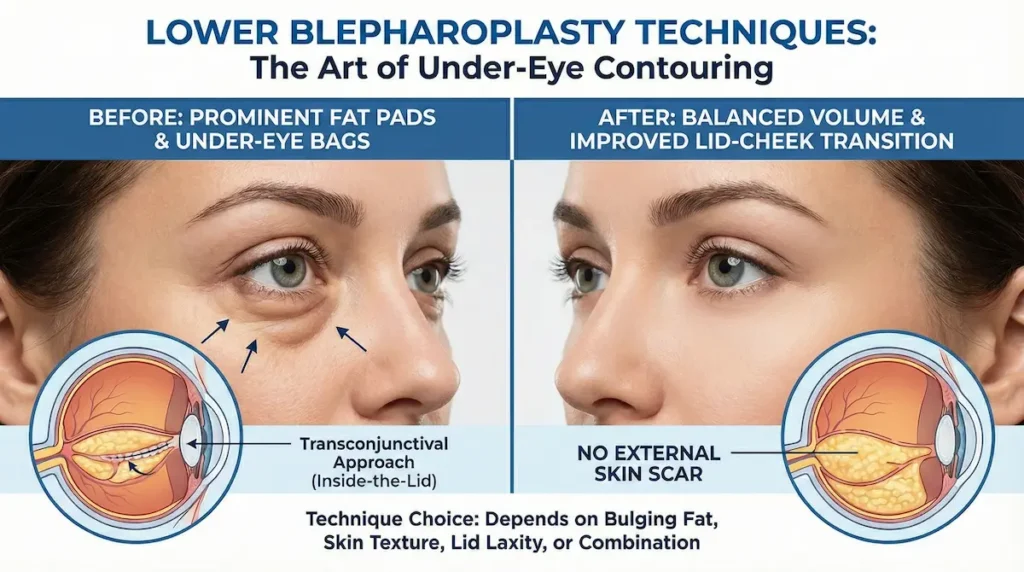
Lower Blepharoplasty Techniques
Lower blepharoplasty is where surgical nuance matters most, because the lower eyelid must remain stable against the eye and maintain a natural shape. The goal is usually to soften under-eye bags and improve the lid-cheek transition—often by balancing volume (fat) rather than simply subtracting it. Technique choice depends on whether your primary concern is bulging fat, skin texture, lid laxity, or a combination.
Transconjunctival Lower Blepharoplasty (Inside-the-Lid Approach)
Transconjunctival blepharoplasty is performed through an incision on the inside of the lower eyelid. Because the incision is internal, there is no external skin scar. This approach is often favored when:
- Under-eye “bags” are driven mainly by prominent fat pads
- There is minimal excess skin
- The patient wants correction with the lowest possible visible scar footprint
Through the internal access point, fat can be conservatively reduced or—when appropriate—managed to improve contour. The key is maintaining a smooth transition rather than creating a flat or hollow lower lid.
Transcutaneous Approach (External Incision) and When It’s Used
The transcutaneous approach involves an external incision, typically placed just below the lash line. This method may be considered when there is meaningful skin redundancy or when the plan includes additional tightening/refinement of the lower eyelid skin.
However, because the lower eyelid is sensitive to tension, surgeons must be careful to avoid pulling the lid downward during healing. This is one reason why many modern plans favor conservative skin management and prioritize support and contour over aggressive tightening.
Fat Repositioning and Lid Support (Why Support Is Part of Aesthetic Success)
In many patients, the most “tired” look comes from a combination of fat bulges and hollowing along the lid-cheek junction. A purely subtractive approach (only removing fat) can make hollowing more obvious. For that reason, contemporary lower blepharoplasty frequently emphasizes:
- Fat repositioning to smooth the transition from lower lid to cheek (when anatomy supports it)
- Lid support techniques (such as canthopexy or canthoplasty in selected cases) to maintain a stable lid margin
- Conservative tissue handling to reduce the risk of lid malposition and an “operated” appearance
Support planning is especially important if you have pre-existing lid laxity, prominent eyes, or a history of prior eyelid surgery. A strong surgical plan is one that treats the eye area as a functional structure—not simply a cosmetic surface.
Blepharoplasty vs Alternatives
Many patients arrive at blepharoplasty after trying skincare, energy devices, or injectables—often with partial improvement but persistent structural issues. The smartest decision is not “surgery vs no surgery,” but rather identifying what is actually causing the tired appearance: brow descent, upper lid skin redundancy, lower lid fat prominence, hollowing, or skin texture. Once the cause is clear, you can match it to the most effective treatment.
Brow Lift vs Blepharoplasty (Where the Problem Starts)
Upper eyelid heaviness can be caused by excess eyelid skin, brow descent, or both. A practical way to think about it:
- If the brow has dropped, the upper lid can look heavier even if the eyelid skin is not dramatically excessive.
- If the eyelid skin is redundant, the crease can become buried and hooding can occur even with a stable brow.
This matters because removing too much eyelid skin to compensate for brow descent can create a tight or unnatural lid. In some patients, a combined approach (or at minimum, an honest discussion about brow position) is what prevents an over-corrected look.
“Laser Blepharoplasty” — What It Can and Can’t Replace
The term laser blepharoplasty is often used in marketing, but patients should focus on what the technique accomplishes rather than the tool used to make an incision. A laser may be used for certain cutting/coagulation steps in selected practices, but it does not automatically mean:
- no bruising,
- no swelling,
- or a better aesthetic result.
What determines outcomes is the surgical plan: conservative tissue removal, appropriate contour management, and lower lid support when indicated. If a provider emphasizes “laser” without a detailed discussion of lid support, fat management, and scar strategy, it’s reasonable to ask for more clarity.
Non-Surgical Options (When They Help—and When They Don’t)
Non-surgical treatments can be useful for skin quality and mild changes, but they cannot reliably correct structural issues like significant hooding or true fat prolapse. Depending on your anatomy, options may include:
- Neuromodulators (to soften dynamic crow’s feet and subtly open the eye area in some patients)
- Fillers (to improve select patterns of hollowing—only when appropriate and placed conservatively)
- Energy-based devices (to support texture and mild tightening, with realistic expectations)
If your concern is primarily “extra skin” or pronounced under-eye bags, blepharoplasty is often the most direct, predictable option. Many expert patients choose surgery specifically because it offers a structural correction rather than ongoing camouflage.
Combined Procedures With Blepharoplasty
Blepharoplasty can refresh the eyes, but the eye area rarely ages in isolation. For many expert patients, the best plan is a coordinated, face-first strategy that balances the brow, cheeks, and lips. Combining procedures can shorten total downtime because you heal once, not multiple times. The goal stays the same: rejuvenation, not alteration.
Why combination planning matters
Upper and lower lids set your “rested” signal, while the nose and midface define proportion. When we plan them together, we can keep each change subtle and harmonious. It also helps us coordinate incision placement, swelling control, and lid support.
High-synergy pairings
- Rhinoplasty: Refines nasal balance so refreshed eyes don’t compete with a dominant bridge or tip.
- Deep Plane Facelift: Repositions descended midface tissues to support the lower lid–cheek junction without skin tension.
- Temporal Lift: Elevates the lateral brow, often reducing upper-lid hooding and letting blepharoplasty be more conservative.
- SMAS Facelift: Targets the jawline and lower face when laxity is mild to moderate and a structural reset is still needed.
- Liplift: Shortens an elongated upper lip for brighter tooth show and better harmony with the eyes.
Safety, anesthesia, and recovery
Not everyone is a candidate for an all-in-one approach. We decide based on medical screening, lid laxity, dry-eye risk, and how much swelling your skin tolerates. When appropriate, our European Board Certified Surgeons can perform coordinated facial procedures under local anesthesia with twilight sedation for a single, streamlined recovery.
After surgery, we guide you through a structured recovery plan and, when indicated, we utilize our Rapid Recovery & Safety Protocol—HBOT plus LLLT—to support healing quality and scar refinement.
- Expect the eyes to look “rough” first, then steadily improve over weeks.
- Keep your head elevated and use cold compresses early, as instructed.
- Plan a realistic return-to-work window based on your procedure mix.
Anesthesia Options and the “Awake” Advantage
For many expert patients, the biggest mental barrier to eyelid surgery isn’t the incision—it’s anesthesia. The reassuring reality is that blepharoplasty is commonly performed with local anesthesia, with or without twilight sedation, depending on your comfort level, your medical history, and whether you’re combining procedures. The “best” anesthesia choice is not universal; it’s the one that keeps you safe, comfortable, and appropriately monitored while allowing the surgeon to work precisely.
Local Anesthesia (What You Can Expect)
With local anesthesia, the eyelids are numbed so the surgical area does not feel sharp pain. You may still sense gentle pressure or movement, which is normal. For many patients—especially those doing an upper blepharoplasty alone—local anesthesia can be an efficient, controlled option that avoids the deeper physiologic impact of general anesthesia.
Local anesthesia can be an excellent fit when:
- The procedure is limited in scope (for example, an isolated upper eyelid correction).
- You prefer a faster recovery profile from anesthesia itself.
- You want to avoid deeper sedation when it’s not medically necessary.
Twilight Sedation vs General Anesthesia (Comfort, Control, and Candidacy)
Twilight sedation (often used alongside local anesthesia) is designed to reduce anxiety and improve comfort without the depth of full general anesthesia. Many patients describe feeling relaxed and “sleepy,” with limited memory of the procedure. This can be particularly helpful when:
- You feel anxious about being awake in the operating room.
- You’re having combined upper and lower blepharoplasty.
- You want a calmer experience while still avoiding full general anesthesia if appropriate.
General anesthesia may be recommended for selected patients based on medical factors, procedural complexity, or when multiple surgeries are combined in a way that makes deeper anesthesia the most controlled option. A trustworthy plan explains why one approach is recommended for you—not just what is “standard.”
Who Benefits Most From “Awake/Twilight” Planning
If you have a strong fear of general anesthesia, it should be treated as a legitimate clinical concern—not dismissed. A well-structured anesthesia plan can often reduce that fear by offering a graded approach: local anesthesia alone for simpler cases, or local plus twilight sedation for comfort while maintaining a lighter anesthesia depth.
At AKM Clinic, the anesthesia philosophy is shaped by extensive experience performing complex facial procedures under local anesthesia (“Awake Surgery”) and twilight approaches when clinically appropriate. That expertise matters for the patient who is highly risk-aware and wants an anesthesia plan that is thoughtful, individualized, and designed to reduce perceived and physiologic burden—without compromising safety monitoring or surgical precision.
Surgeon’s insight: The highest-end eyelid results don’t announce themselves. The goal is rejuvenation—not alteration—so you look rested and like yourself, not “operated on.”
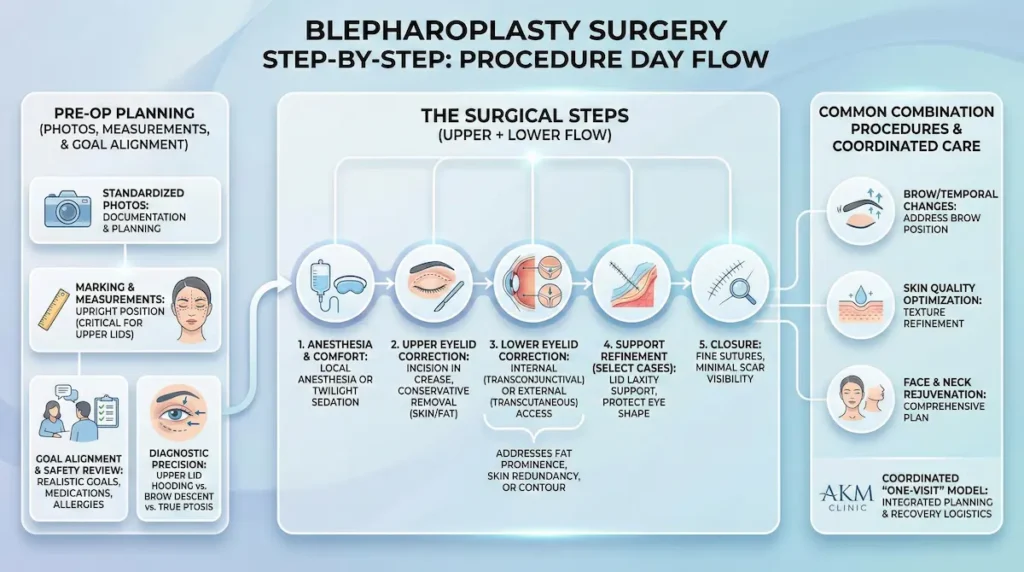
Blepharoplasty Surgery Step-by-Step: What Happens on Procedure Day
Understanding the flow of the day reduces anxiety and helps you prepare like an “expert patient.” While specific timelines vary by surgeon and case complexity, blepharoplasty generally follows a consistent, safety-first structure: pre-operative review, precise marking, controlled anesthesia, meticulous surgical execution, and a monitored transition into early recovery.
Pre-Op Planning (Photos, Measurements, and Alignment on Goals)
Before surgery begins, your team should confirm the plan in practical, visual terms. This typically includes:
- Standardized photos for documentation and surgical planning.
- Marking and measurements with you in an upright position (especially important for upper eyelids, where skin behavior changes when lying down).
- Goal alignment: what you want improved, what you do not want changed, and what is realistically achievable based on your anatomy.
- Safety review: medications and supplements, allergies, dry-eye history, prior eye procedures, and any known lid laxity issues.
This is also where a high-quality consultation distinguishes between upper lid hooding, brow descent, and true ptosis—because treating the correct cause is the difference between a natural refresh and an over-corrected look.
The Surgical Steps (Upper + Lower Flow in Plain English)
Although techniques vary, the surgical flow can be understood in a simple sequence:
- Anesthesia and comfort setup: local anesthesia is administered; twilight sedation may be used when indicated.
- Upper eyelid correction (if performed): an incision is typically placed in the natural crease, then excess skin is conservatively removed. If fullness is present, fat may be addressed with restraint to avoid hollowing.
- Lower eyelid correction (if performed): access may be internal (transconjunctival) or external (transcutaneous), depending on your skin redundancy, fat prominence, and support needs. The plan may involve conservative fat reduction, contour refinement, or repositioning for a smoother lid-cheek transition.
- Support refinement (select cases): if lid laxity is present, supportive techniques may be recommended to reduce the risk of lower lid malposition and to protect eye shape.
- Closure: incisions are closed with fine sutures; the goal is stable healing with minimal scar visibility.
A surgeon’s restraint is a feature—not a limitation. The most feared outcomes (“botched” look, hollow eyes, pulled-down lower lid) are often linked to overly aggressive subtraction or insufficient support planning.
Common Combination Procedures (When a “Full Eye Refresh” Needs More Than Eyelids)
Blepharoplasty is frequently part of a broader facial harmony plan. The most common reasons to combine procedures are anatomical—not cosmetic trends:
- Brow/temporal changes: if brow descent contributes to upper lid heaviness, addressing brow position may improve the overall outcome and reduce the temptation to over-remove eyelid skin.
- Skin quality optimization: some patients prioritize texture refinement (fine lines/crepey skin) in addition to structural correction.
- Face and neck rejuvenation: for patients doing comprehensive rejuvenation, eyelid surgery may be staged or combined depending on safety, recovery goals, and the overall surgical plan.
For international patients, AKM Clinic’s process emphasizes structured pre-op screening, detailed planning, and a coordinated “one-visit” model where appropriate—so the medical plan, recovery logistics, and follow-up schedule are cohesive rather than fragmented.
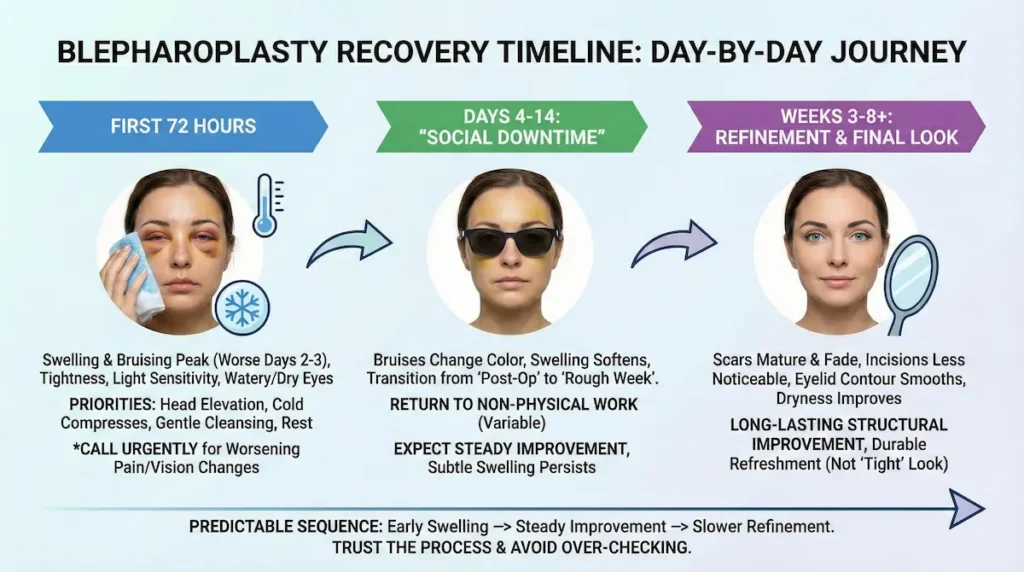
Blepharoplasty Recovery Timeline (Day-by-Day)
Blepharoplasty recovery is highly predictable when you understand the sequence: early swelling and bruising, then steady improvement in comfort and appearance, followed by slower scar maturation and refinement of eyelid contour. Most patients are surprised by how “normal” they feel early on—while also underestimating how long subtle swelling can take to fully settle. Planning your recovery around the phases below is the most reliable way to avoid anxiety, over-checking the mirror, or returning to social life too soon.
First 72 Hours: Swelling Control, Comfort, and “What’s Normal”
The first three days are typically the peak period for swelling and bruising. Common experiences include:
- Swelling and bruising around the eyelids and under-eyes (often worse on day 2–3 than day 1).
- Tightness in the eyelids, especially when blinking.
- Watery eyes or mild dryness (tear film can be temporarily disrupted).
- Light sensitivity, especially if you are prone to dry eye.
Typical early-care priorities include head elevation, cold compresses as directed, gentle cleansing, and avoiding strenuous activity. A good team will also give you clear boundaries on screen time, contact lenses, makeup, and sleeping position—because the eyelids swell easily when irritated or when fluid shifts overnight.
Red flags are not common, but your instructions should clearly define when to call urgently (for example: worsening severe pain not controlled by prescribed medication, sudden vision changes, or rapidly increasing swelling on one side).
Days 4–14: “Social Downtime” and Returning to Work
Days 4 through 14 are where most patients transition from “I look obviously post-op” to “I look like I had a rough week.” Bruising often changes color (deep purple to yellow/green tones) and swelling gradually softens. Many patients can return to non-physical work within this window—depending on:
- Whether you had upper only vs upper + lower blepharoplasty
- Whether lower lid tightening/support techniques were performed
- Your baseline tendency to bruise
- Your comfort with being seen while still healing
This phase is also when patients often start asking about “day-by-day recovery photos” and comparing themselves to others. It’s helpful to remember that bruising patterns are highly individual, but the overall trajectory should be steady improvement. A reputable plan sets realistic expectations: you can look significantly better by 10–14 days, while still having subtle swelling that only you notice.
Weeks 3–8+: Refinement, Scar Maturation, and the “Final Look”
By weeks 3–8, most patients feel fully back to normal in daily life. The eyelids continue to refine as residual swelling settles and scars mature. During this period:
- Upper eyelid incisions typically become progressively less noticeable, especially when placed in the crease.
- Lower eyelid contour smoothness improves as swelling resolves and tissue settles into its new position.
- Dryness or sensitivity usually improves, particularly with appropriate lubrication and gentle aftercare.
“How long does blepharoplasty last?” is a common question at this stage. While the face continues to age, blepharoplasty typically produces a long-lasting structural improvement—especially when the surgery is conservative and anatomically respectful. The goal is durable refreshment, not a short-lived “tight” look.
Scar Care, “Healed Scars,” and Aftercare Protocols
Because eyelids heal quickly, many patients focus on scars early—even though scar maturation is a longer process. The good news is that eyelid scars typically heal exceptionally well when incision placement is strategic and aftercare is consistent. The most important thing to understand is what a normal healing scar looks like at each phase, and what practices actually support predictable healing (as opposed to internet myths).
What Healed Blepharoplasty Scars Usually Look Like (A Time-Based Reality Check)
“Healed blepharoplasty scars” are usually faint, thin lines that are difficult to notice in normal conversation. However, the timeline matters:
- Early (first 2–6 weeks): scars can look pink, slightly raised, or more visible—this is normal inflammation.
- Intermediate (2–4 months): scars often soften, flatten, and begin to blend more naturally with the crease or lash-line anatomy.
- Later (6–12 months): many scars reach their most refined state, becoming minimally perceptible.
If you’re searching for “bad blepharoplasty scars,” the most common drivers are not the existence of a scar—every incision creates one—but rather scar placement, tension, tissue handling, and aftercare. That’s why the best scar strategy starts with surgical planning, not post-op creams alone.
Scar Minimization Strategy (Incision Placement + Calm Healing)
Scar quality is influenced by both technique and behavior. High-level scar strategy typically includes:
- Concealed incision placement: upper lid incisions within the crease; lower lid access internal (transconjunctival) when appropriate, or external placement designed to be discreet.
- Low-tension closure: avoiding excessive tightness that can widen scars or distort eyelid shape.
- Inflammation control: minimizing rubbing, avoiding early makeup when advised, and protecting the area from irritation.
- Sun protection: UV exposure can prolong redness and pigmentation in healing scars.
A critical mindset for expert patients: scar care is less about “doing everything” and more about doing the right things consistently, while avoiding aggressive at-home experimentation that can irritate thin eyelid skin.
AKM Clinic Rapid Recovery & Safety Protocol: HBOT + LLLT
When patients ask about “recovering faster,” they are usually asking two things: (1) how quickly they can look socially presentable, and (2) how reliably the tissues heal without prolonged swelling, poor scarring, or complications. At AKM Clinic, recovery is supported with a structured Rapid Recovery & Safety Protocol that includes:
- Hyperbaric Oxygen Therapy (HBOT): used to support tissue oxygenation and recovery. In practical terms, better-supported healing can translate into a smoother early recovery experience and potentially less “social downtime” for the right candidate.
- Low-Level Laser Therapy (LLLT): used as a supportive, non-invasive recovery technology intended to help tissue repair and calm inflammation as you heal.
These technologies are positioned as an integrated part of the recovery plan—not as “spa add-ons.” For the expert patient who is risk-aware and outcome-driven, the value is in a protocol that is designed to support predictable healing: controlled inflammation, optimized tissue recovery conditions, and a structured plan that reduces guesswork.
Risks, Complications, and How “Botched” Happens
Searches like “botched blepharoplasty” and “blepharoplasty gone wrong photos” are common for a reason: eyelid surgery is small-area surgery with high-visibility outcomes. The most responsible way to evaluate blepharoplasty is to understand (1) what normal recovery looks like, (2) what true complications are, and (3) which decisions most strongly influence risk—especially surgeon technique, tissue restraint, and lower-lid support planning.
Common Short-Term Effects vs Red Flags
It helps to separate expected early effects from symptoms that require urgent evaluation.
Common and usually temporary:
- Bruising and swelling (often peaking around days 2–3)
- Tightness when blinking
- Mild dryness or watery eyes
- Temporary asymmetry during healing (swelling is rarely identical on both sides)
- Light sensitivity and mild irritation
Red flags (contact your surgical team promptly):
- Sudden vision changes or persistent double vision
- Rapidly increasing swelling on one side or severe, worsening pain
- Bleeding that continues rather than slows
- Fever or signs of infection (worsening redness, warmth, discharge)
- Inability to close the eye fully that is worsening rather than improving
A high-standard provider gives you clear “when to worry” instructions and makes access to the team easy during the early postoperative window.
How “Botched” Blepharoplasty Typically Happens
Most fear-based outcomes follow a few recurring patterns. Understanding these patterns helps you ask better questions in consultation and recognize what “quality” actually looks like in surgical planning.
- Over-resection of upper lid skin: can lead to difficulty closing the eye comfortably or a “stretched” look. The best surgeons prioritize eyelid closure and natural crease dynamics over maximal tightening.
- Over-removal of fat: can create a hollow, skeletonized appearance that reads as surgical and can be difficult to reverse.
- Lower-lid malposition (pulled-down look): often linked to excessive tightening, insufficient support planning, or operating on a lax lid without addressing stability.
- Visible or poorly placed scars: more likely when incision design is not aligned with natural eyelid anatomy or when closure tension is too high.
- Mismatch between anatomy and technique: for example, treating brow descent as if it were only eyelid skin excess, leading to an unnatural lid-brow relationship.
The common thread is not “bad luck.” It’s a plan that prioritizes subtraction and tightening over contour, support, and restraint. The most elegant blepharoplasty results are the ones that look uneventful—because the surgeon avoided extremes.
Revision Blepharoplasty: When to Consider It and Timing
Revision blepharoplasty is a specialized area because eyelid tissues have already been altered and may have scar, volume changes, or support issues. If you are unhappy early, timing matters: many “problems” at 2–6 weeks are actually swelling or temporary scar firmness that improves with time.
General principles patients should understand:
- Allow healing time: subtle asymmetries and contour irregularities often improve as swelling resolves and scars mature.
- Do not rush re-operation: revising too early can compound scarring and instability.
- Choose a surgeon experienced in complex eyelid work: revision planning often requires restoring contour and support, not just “touching up.”
If you are researching revision surgery because you fear risk, that fear is rational—and it’s also a strong signal to choose a provider who demonstrates conservative technique, support planning, and transparent complication management before you ever schedule a procedure.
Safety Standards That Matter When Choosing a Provider
“Is blepharoplasty safe?” is the right question—and the best answer is practical: safety comes from systems. Surgeon training matters, but so do pre-op screening, facility standards, anesthesia planning, postoperative monitoring, and a team culture that values function as much as aesthetics. For the expert patient, the provider decision should feel like a medical decision, not a marketing decision.
Credentials That Signal Quality (What to Look For)
When evaluating a blepharoplasty provider, prioritize indicators that correlate with high surgical standards:
- Board certification and formal training aligned with facial plastic surgery principles
- Procedure-specific experience (ask how frequently the surgeon performs upper/lower blepharoplasty and revision work)
- Photographic consistency in results (natural eyelid shape, no hollowing, no pulled-down lower lids)
- Willingness to discuss risks without defensiveness or minimization
At AKM Clinic, surgeries are performed by European Board Certified and US-trained specialists who operate within a philosophy of natural rejuvenation rather than dramatic alteration. This matters in eyelid surgery, where “less but better” is often the hallmark of an excellent outcome.
Facility and Systems (Where Safety Actually Lives)
Even an excellent surgeon benefits from a safe environment. The facility and perioperative systems should support predictable outcomes through:
- Pre-operative screening (medical review, medication management, ocular history, and risk assessment)
- Appropriate monitoring during and after the procedure
- Sterilization and infection-control protocols
- Clear post-op instructions with direct access to the care team
AKM Clinic’s procedures are performed in a JCI-accredited hospital environment using FDA-approved materials, aligning the surgical setting and consumables with the expectations of patients who are used to premium standards in the United States and the UK.
Why Natural Results Require Surgical Restraint (“Rejuvenation, Not Alteration”)
The most reliable protection against a “done” look is a philosophy that values anatomy and authenticity. In eyelid surgery, restraint can mean:
- Removing only the amount of skin that reduces hooding while protecting closure
- Managing fat conservatively to avoid hollowing
- Prioritizing lower-lid stability and support when needed
- Designing incisions and closure to heal quietly
This is why the AKM approach is centered on Rejuvenation, Not Alteration. The goal is not to change your eye shape into someone else’s; it’s to restore a rested version of your own anatomy, with function protected at every step.
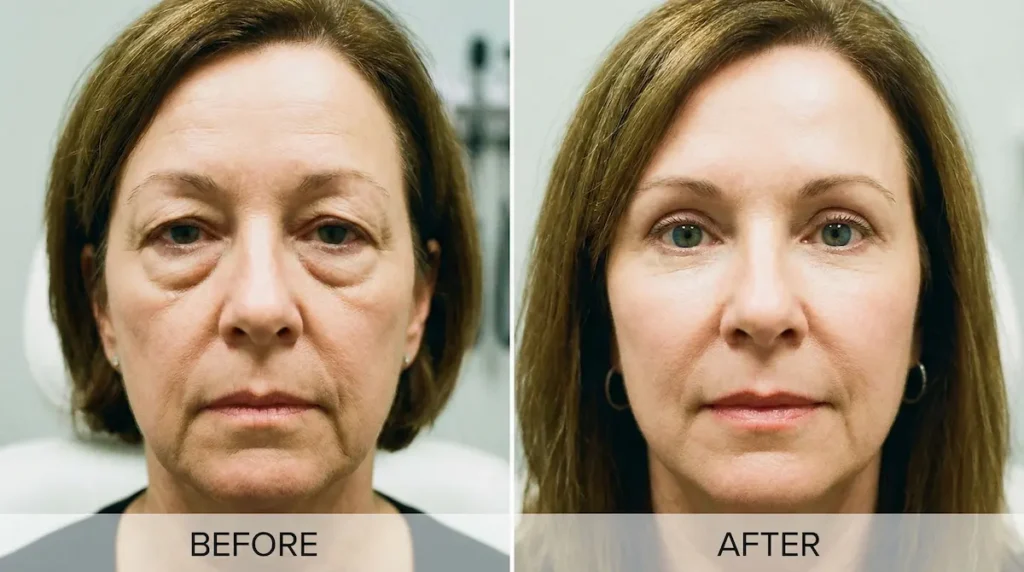
Blepharoplasty Before and After Results, Longevity, and What “Natural” Actually Means
Most patients don’t want “bigger eyes” or a different identity—they want to look less tired, less heavy, and more like themselves on their best day. In blepharoplasty, “natural” has a technical meaning: stable eyelid position, smooth contour, preserved expression, and scars that disappear into the eyelid’s normal anatomy over time.
Realistic Outcomes (Refreshed, Not “Done”)
A well-executed blepharoplasty typically improves:
- The heaviness of upper eyelid hooding
- Under-eye bag prominence and harsh shadowing
- The overall harmony of the eye area with the rest of the face
It does not erase every fine line or permanently stop aging. Patients seeking texture refinement may benefit from a complementary plan focused on skin quality, but the structural reset comes from the surgery itself.
How Long Does Blepharoplasty Last?
Blepharoplasty generally offers long-lasting improvement because it addresses underlying structure, not just surface appearance. That said, the eyelids and surrounding tissues continue to age. Longevity depends on:
- Your baseline anatomy and skin quality
- Sun exposure and lifestyle factors (including smoking/nicotine)
- Whether the plan preserved natural contour rather than over-subtracting tissue
Expert patients often prefer conservative, anatomy-first surgery because it ages better: a softly rejuvenated eyelid typically remains elegant over time, while an over-corrected eyelid can become more obvious as tissues change.
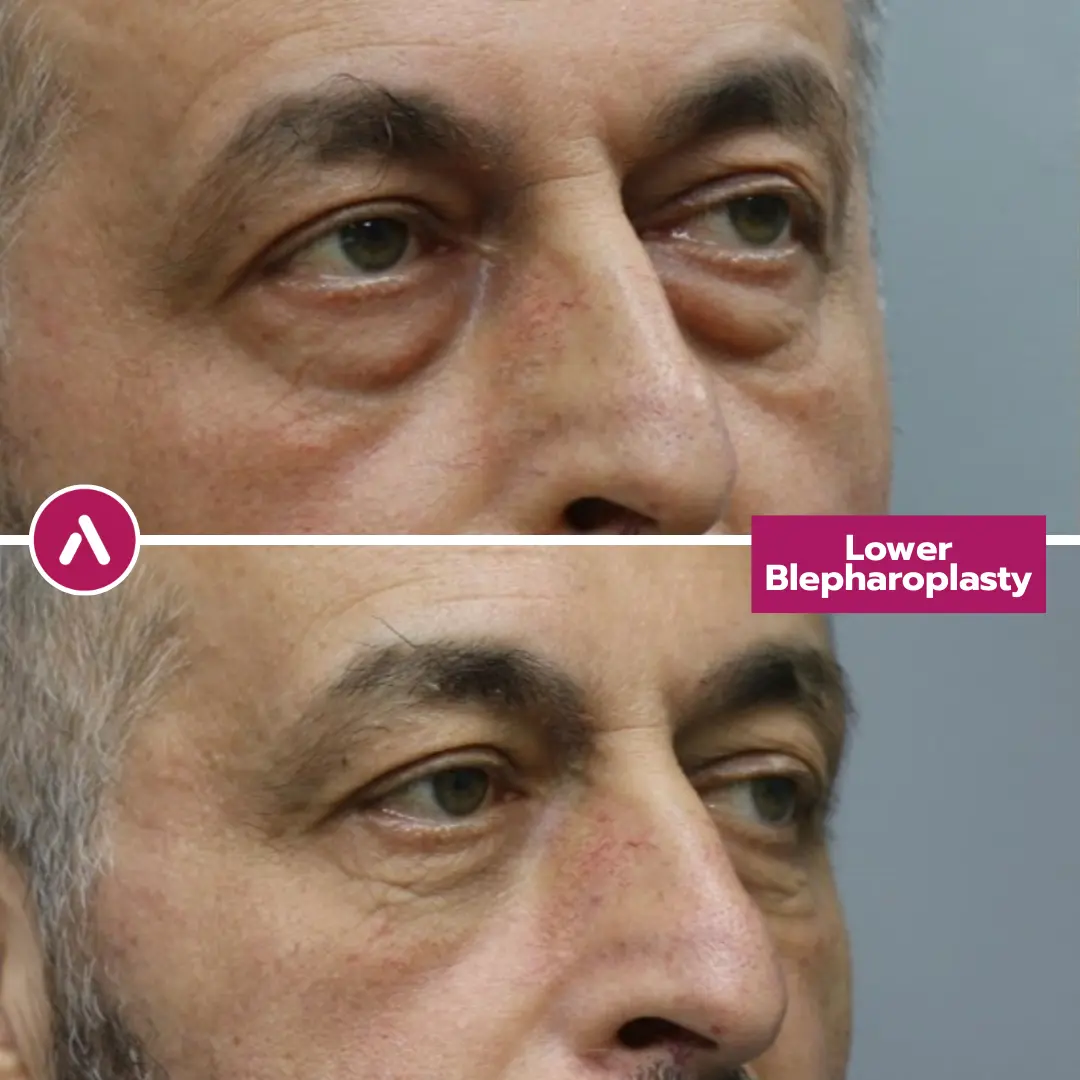
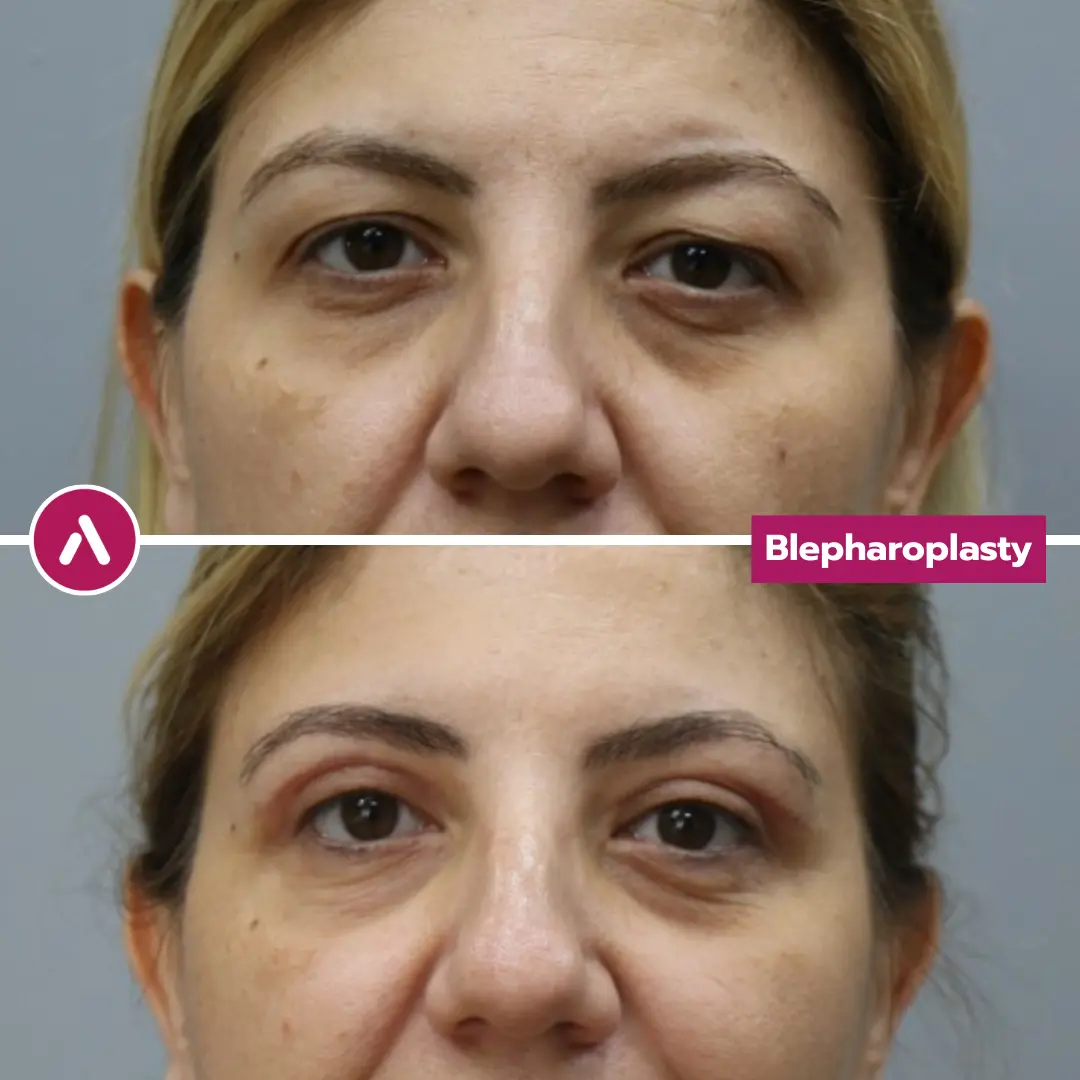
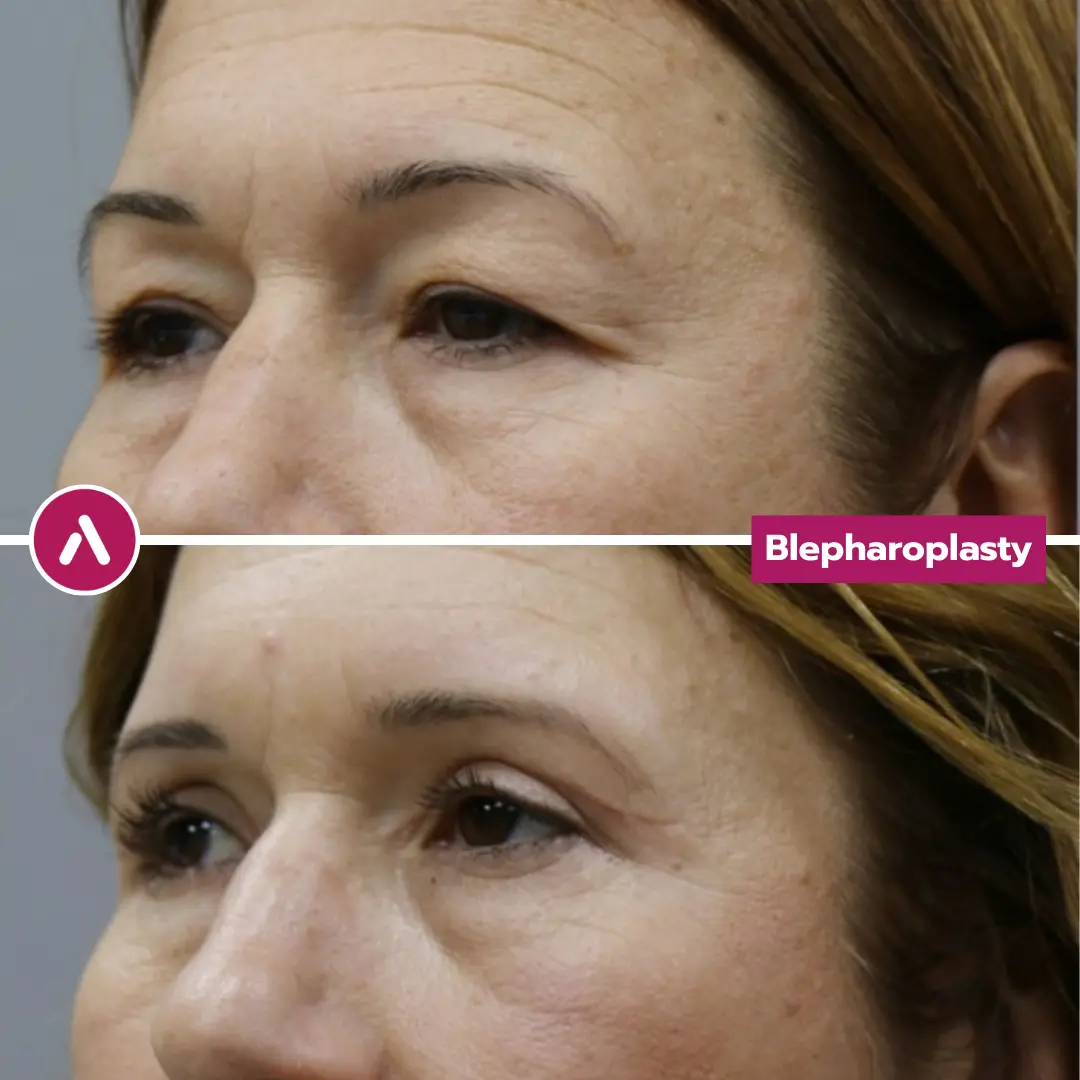
How to Judge Before/After Photos Like an Expert
Instead of looking for dramatic change, look for quality signals:
- Upper lid: a clean crease, no harsh “shelf,” and a rested look without tightness
- Lower lid: smooth lid-cheek transition, no pulled-down lid margin, no hollowing
- Expression: the face should still animate naturally—especially in smiling photos
- Consistency: similar results across multiple patients (not one perfect highlight case)
If you want a result that reads as premium, prioritize surgeons and clinics who repeatedly deliver “quiet” outcomes—because eyelid surgery should be noticed only in the form of looking well-rested.
Cost Analysis: Blepharoplasty Cost 2026 NYC vs LA vs Miami vs Istanbul
Cost is a valid part of the decision—especially for the “Expert Patient,” who is value-conscious rather than price-driven. The most useful way to think about blepharoplasty cost is not a single number, but a bundle of variables: surgeon expertise, facility standards, anesthesia plan, recovery support, and what is (and is not) included in your quote. When you compare premium U.S. markets (New York City, Los Angeles, Miami) to Istanbul, the question becomes: are you comparing like-for-like in standards and inclusions?
What Drives Blepharoplasty Cost in the U.S. (Especially Premium Markets)
In high-demand cities, pricing tends to reflect a combination of overhead and specialization. Typical cost drivers include:
- Surgeon fee: experience level, demand, and case complexity (upper vs lower vs combined, primary vs revision).
- Facility fee: accredited surgical setting, staffing, equipment, and operating room time.
- Anesthesia fee: local-only vs twilight sedation vs general anesthesia, and the duration of monitoring.
- Pre-op testing and postoperative care: what’s included vs billed separately.
- Revision risk buffer: some practices price more conservatively because eyelid revision can be complex.
If a quote looks unusually low in a premium market, the right follow-up question is: What is excluded? For example, some quotes omit anesthesia or facility fees, while others do not include post-op visits or medications.
Why Turkey Can Be Lower Cost Without “Lower Standards”
The core value argument is not “cheap surgery.” It’s that lower operational costs can make it possible to access premium, system-based care—including a high-standard surgical environment and structured recovery support—at a lower total price than in top U.S. cities. For the expert patient, the rational comparison is:
- Standards: Where is the surgery performed? What quality controls exist?
- Materials and protocols: Are the materials and perioperative protocols aligned with U.S.-level expectations?
- Experience and philosophy: Does the surgeon prioritize function and “natural” outcomes over aggressive subtraction?
- All-in clarity: Is your plan bundled (surgery + facility + anesthesia + aftercare + recovery support), or fragmented?
At AKM Clinic, the value proposition is structured around a “premium standards” model: procedures performed in a JCI-accredited hospital setting with a safety-first approach, paired with recovery support technologies such as HBOT and LLLT as part of a defined protocol—not optional extras.
Cost Comparison Table (What You Should Compare Line-by-Line)
| Cost Element | Premium U.S. Markets (NYC / LA / Miami) | Istanbul Model (All-Inclusive Approach) |
|---|---|---|
| Surgeon fee | Often billed as a core component; varies widely by demand and complexity. | Bundled into a single treatment plan quote in many all-inclusive models. |
| Facility / operating room | Commonly billed separately; higher overhead in premium cities. | Typically included; important to verify hospital standards and accreditation. |
| Anesthesia | May be separate (local vs twilight vs general changes cost and monitoring). | Often included; confirm the anesthesia plan and monitoring standards. |
| Post-op visits | Sometimes included, sometimes itemized. | Often bundled with a structured follow-up schedule. |
| Medications / supplies | May be out-of-pocket depending on practice and pharmacy. | Commonly included within an all-inclusive package (verify specifics). |
| Recovery support | Varies; advanced recovery modalities may be separate add-ons. | May be built into protocol-based care (e.g., HBOT + LLLT when indicated). |
| Travel & accommodation | Not applicable locally (but time off and convenience have a “hidden cost”). | Often bundled for international patients (hotel + transfers), depending on plan. |
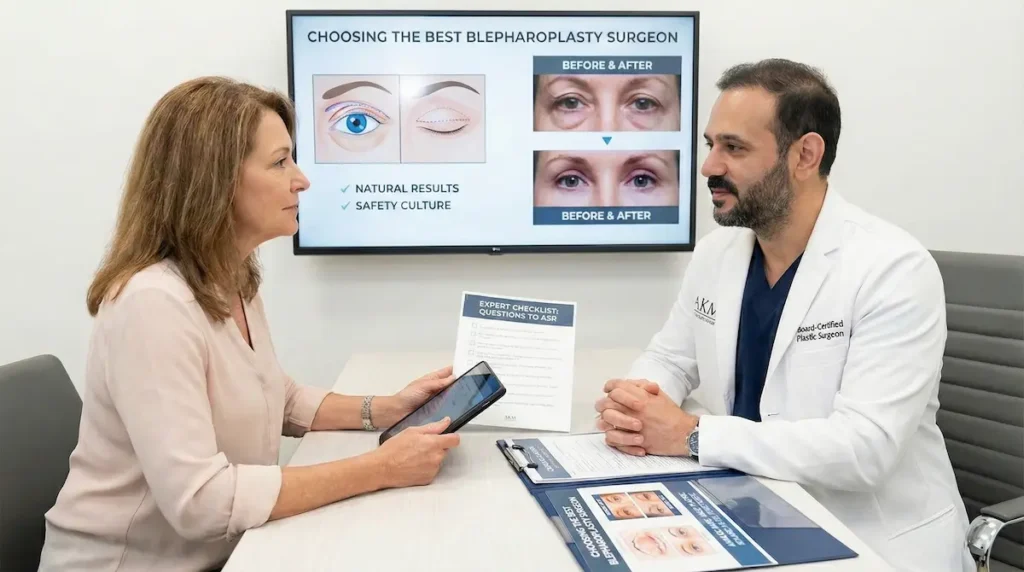
Choosing the Best Blepharoplasty Surgeon
When people search “best blepharoplasty surgeon,” they’re rarely asking for a celebrity name—they’re asking how to avoid risk and get a result that looks natural. Eyelid surgery rewards surgeons who combine aesthetic judgment with functional discipline. The best selection strategy is to evaluate the surgeon’s thinking: how they plan incisions, how they manage fat, how they protect the lower lid, and how candidly they discuss complications and revision policy.
Questions to Ask in Consultation (A Checklist for Expert Patients)
- Which technique do you recommend for me and why? (Upper only vs lower only vs combined; transconjunctival vs transcutaneous.)
- How will you avoid hollowing? Ask specifically about conservative fat management and contour planning.
- Do I have lower-lid laxity? If yes, what support technique is planned to protect eyelid position?
- How do you differentiate eyelid hooding from brow descent or ptosis? The wrong diagnosis leads to the wrong surgery.
- What is your revision policy and how do you handle complications? Transparency is a quality signal.
Proof of Predictable Outcomes (What “Good” Looks Like in Photos)
Before/after photos should show subtlety and stability. Look for:
- Upper lid: a clean crease, rested look, and no harsh “shelf.”
- Lower lid: smooth lid-cheek transition without a pulled-down lid margin.
- Consistency: multiple examples with similar quality, not a single highlight case.
- Expression preservation: the eyes should still look like the patient when smiling.
If the gallery skews toward overly tight, hollow, or overly “open” eyes, that’s a signal to ask deeper questions about technique philosophy.
How to Vet Safety Culture (Not Just Talent)
Safety culture is the system behind the surgeon. You can evaluate it by asking about:
- Where surgery is performed (hospital-level standards, monitoring, sterile protocols).
- Anesthesia planning (local vs twilight vs general—and why).
- Recovery and follow-up (how problems are handled in the first week).
- Protocol-based care (structured aftercare rather than vague instructions).
AKM Clinic emphasizes board-level expertise and a systems approach: a high-standard surgical environment, individualized anesthesia options (including local and twilight approaches when appropriate), and protocol-based recovery support designed to make healing more predictable.
The Medical Journey for International Patients
For patients traveling internationally, the best experience is one where logistics reduce stress rather than add risk. A well-run international pathway should feel medical: organized documentation, clear timelines, coordinated transportation, and a follow-up plan that doesn’t disappear once you fly home. Done correctly, international care can be both efficient and high-standard—especially for procedures like blepharoplasty where recovery is visible and follow-up is important.
Virtual Assessment and Surgical Planning (Before You Book Flights)
An expert-level pre-op process usually includes:
- Photo review with standardized angles (open eyes, gentle closure, smile).
- History review (dry eye, previous eye surgery, contact lenses, medications).
- Technique recommendation (upper vs lower; internal vs external approach; support planning).
- Recovery roadmap that explains the day-by-day and week-by-week trajectory.
The goal is to arrive with clarity: what you are doing, why you’re doing it, and what the normal recovery milestones should be.
VIP Logistics (Travel, Transfers, Hotel)
International patients benefit from a structured logistics plan because it protects recovery time and reduces friction during the most sensitive postoperative days. A premium pathway typically includes:
- Airport welcome and coordinated transfers
- Hotel accommodations aligned with recovery comfort
- A clear clinic visit schedule for early post-op checks
At AKM Clinic, the VIP model is designed to support a calm recovery environment—so your energy stays focused on healing rather than coordination.
Follow-Up After You Return Home (Long-Term Accountability)
Because eyelids continue refining for weeks to months, a strong program includes structured follow-up after you return home. That can include scheduled check-ins (for example at 1, 3, 6, and 12 months), guidance on scar maturation, and a clear pathway to contact the team if anything feels abnormal.
Blepharoplasty Surgery Frequently Asked Questions (FAQ):
This FAQ section answers the most common blepharoplasty questions in the exact language patients use online—especially around safety, recovery, scarring, and value. The goal is to give you clear, medically grounded expectations so you can make decisions with confidence.
Is blepharoplasty safe?
Blepharoplasty is generally considered a safe procedure when performed by an experienced, properly credentialed surgical team in a high-standard facility with appropriate screening and monitoring. Safety is driven by systems: candidacy assessment (including dry eye risk), conservative surgical technique, anesthesia planning, and reliable follow-up instructions.
Is blepharoplasty painful?
Most patients describe pressure and tightness rather than sharp pain. Discomfort is typically most noticeable in the first few days and improves steadily. Your surgeon should provide a clear pain-control plan and explain what level of discomfort is normal versus what requires a call.
Can blepharoplasty be done awake?
Yes—many blepharoplasty cases can be performed with local anesthesia, with or without twilight sedation. For patients who are anxious about general anesthesia, an “awake/twilight” plan can be a strong option when clinically appropriate. At AKM Clinic, awake and twilight approaches are part of an established anesthesia strategy for facial procedures, used to support patient comfort and controlled care.
What’s the difference between twilight sedation and general anesthesia for eyelid surgery?
Twilight sedation is a lighter, anxiety-reducing sedation typically paired with local anesthesia. General anesthesia is deeper and may be chosen based on procedural complexity, patient medical factors, or combined surgeries. The best plan is individualized and should be explained in terms of safety, comfort, and surgical control.
What is the blepharoplasty recovery time?
Most patients look meaningfully improved within 10–14 days, with continued refinement over weeks. Subtle swelling and scar maturation can continue for several months. Your “social downtime” depends on whether you had upper only, lower only, or combined surgery—and whether lid support techniques were needed.
When can I go back to work after blepharoplasty?
Many patients return to non-physical work within about 7–14 days, depending on bruising and comfort. If your job is client-facing or camera-heavy, plan for the longer end of that range. Your surgeon should give personalized guidance based on the extent of surgery and your healing tendencies.
Will I have visible scars?
Upper blepharoplasty scars are typically placed in the natural crease and usually heal quietly over time. Lower blepharoplasty can often be performed via an internal incision (transconjunctival) in appropriate candidates, which avoids an external skin scar. “Healed” scars generally become minimally noticeable over months, not days.
When can I wear makeup or contact lenses again?
This varies by surgeon and technique. In general, makeup and contact lenses are delayed until the eyelids have healed enough to reduce irritation and infection risk. Your aftercare instructions should give specific, date-based guidance rather than vague timelines.
How long does blepharoplasty last?
Blepharoplasty often produces long-lasting improvement because it addresses structure (skin redundancy, fat prominence, contour). Aging continues, but a conservative, anatomy-first plan typically ages well and avoids the hollow or over-tightened look that can become more obvious over time.
Why do people search “Taylor Swift blepharoplasty” (or other celebrity eyelid surgery)?
Most celebrity-related searches reflect a desire for a specific type of outcome: refreshed, natural, and not “operated.” Ethically and medically, it’s not appropriate to diagnose or confirm procedures for specific individuals without direct evidence. A more useful approach is to bring reference photos that capture the vibe you want (rested, bright, natural) and ask your surgeon how they would achieve that goal on your anatomy—without changing your identity.
What causes “botched” blepharoplasty and how do I avoid it?
ommon drivers include over-removal of skin or fat, insufficient lower-lid support planning, and technique mismatch (treating brow descent like eyelid excess). You reduce risk by choosing a surgeon who emphasizes restraint, contour, and lid stability—and who can clearly explain their approach to avoiding hollowing and lower-lid malposition.
Is blepharoplasty in Turkey a good idea for an expert patient?
It can be—if you choose a provider with premium standards, transparent inclusions, and a systems-based safety culture. The smartest comparison is not “Turkey vs U.S.” in abstract, but whether the surgical setting, monitoring, materials, surgeon credentials, and follow-up structure meet your expectations. AKM Clinic positions Istanbul as a high-value option by combining a JCI-accredited hospital environment, experienced board-level surgeons, individualized anesthesia options (including awake/twilight when appropriate), and protocol-based recovery support (HBOT + LLLT) designed to support predictable healing.
Medical Disclaimer: This content is for educational purposes only and is not medical advice. Blepharoplasty candidacy, risks, recovery, and results vary by individual. Always consult a qualified surgeon/eye specialist for personalized evaluation and treatment. If you have urgent symptoms, contact emergency services immediately.