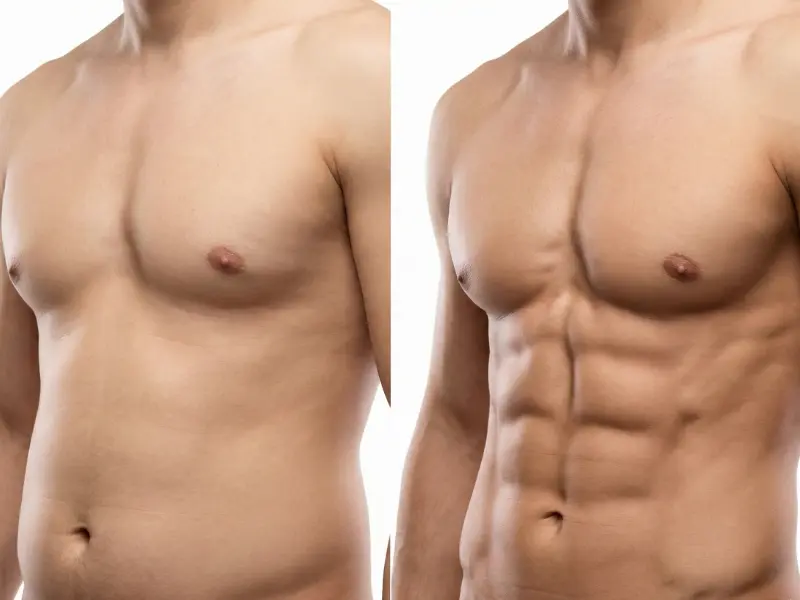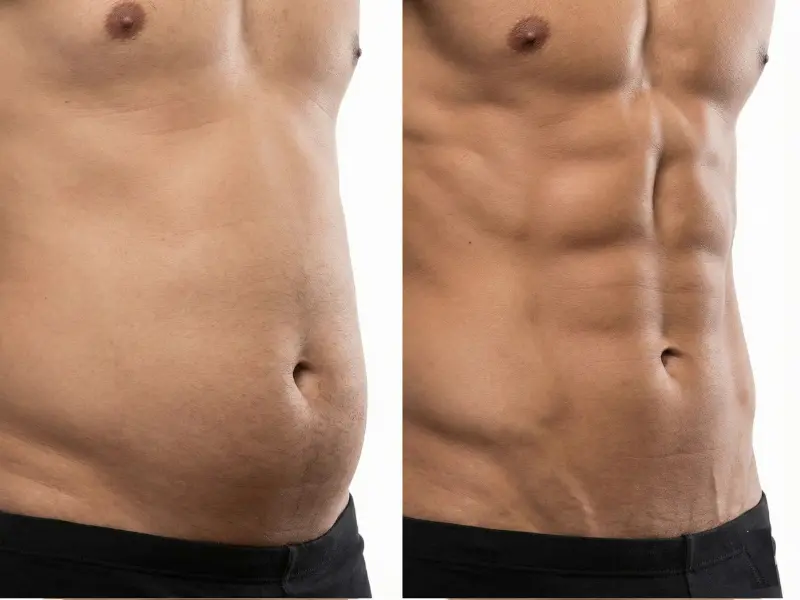

If you’ve had liposuction (or you’re planning it) and you’re worried about loose or “crepey” skin afterward, you’re not alone. j-plasma skin tightening—also widely known as Renuvion—is one of the most discussed options for improving skin retraction after fat removal, especially when the goal is a smoother, more toned contour without moving straight to an excisional surgery (like a tummy tuck or arm lift).
In this guide, you’ll learn what J-Plasma (Renuvion) can realistically do after liposuction, who it’s best for, what recovery looks like, and what drives j-plasma skin tightening cost. We’ll also address the most common questions around j plasma skin tightening before and after outcomes—through a safety-first lens grounded in medical science and what scientific research generally shows about tissue tightening and collagen remodeling.
Key takeaway: Liposuction improves shape by removing fat. Skin tightening treatments aim to improve how well the skin “shrinks back” afterward—but results depend heavily on your baseline skin quality and how much excess skin you have.
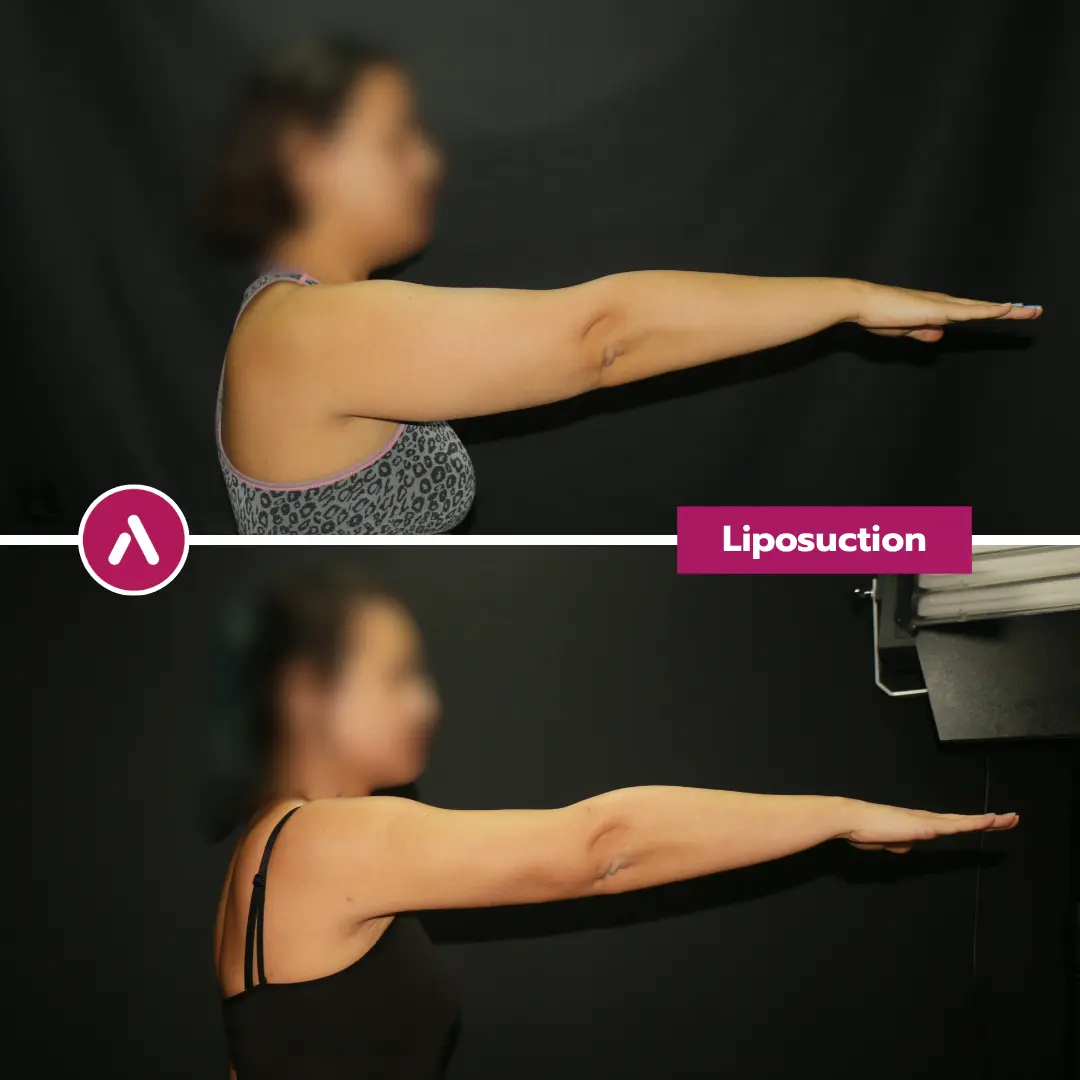
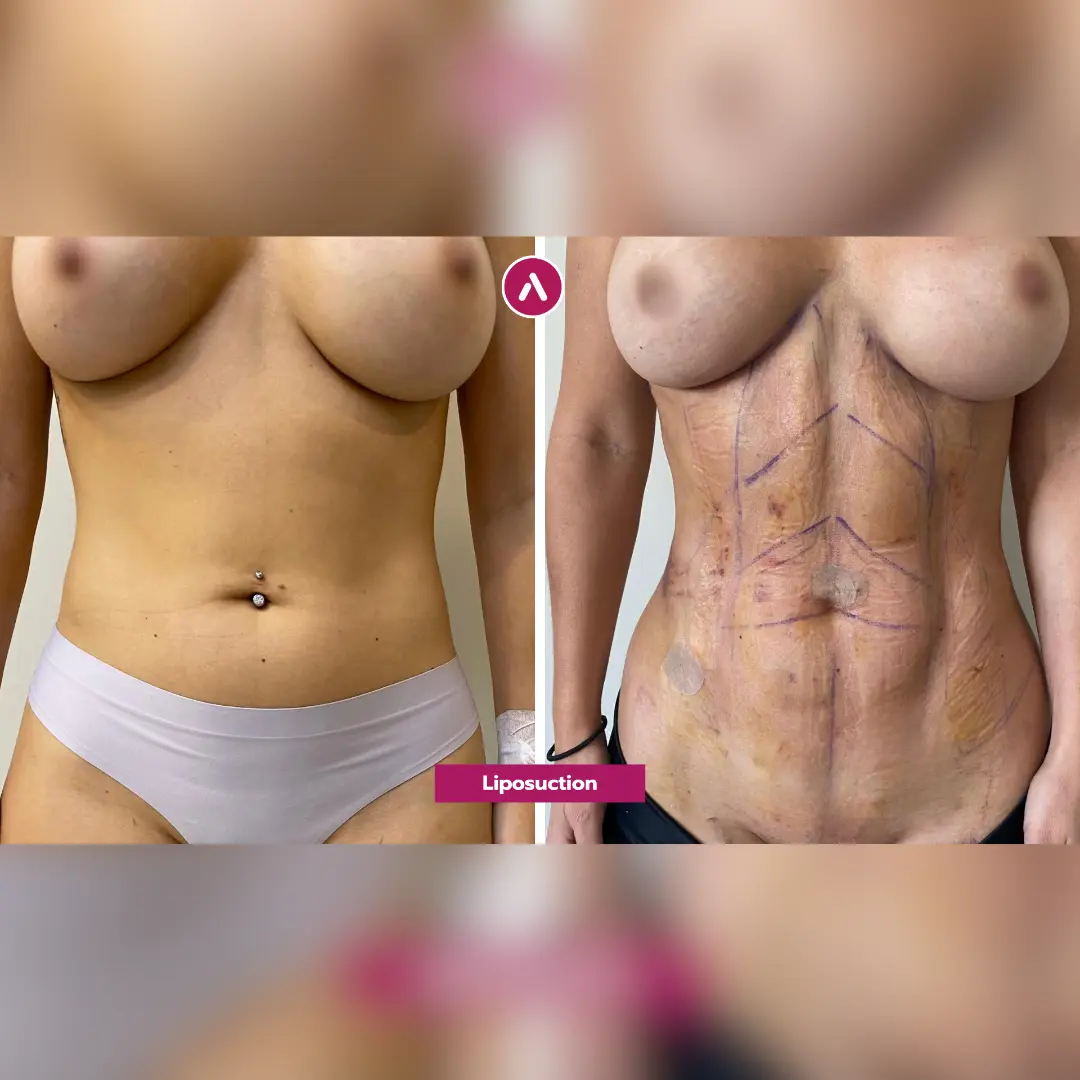
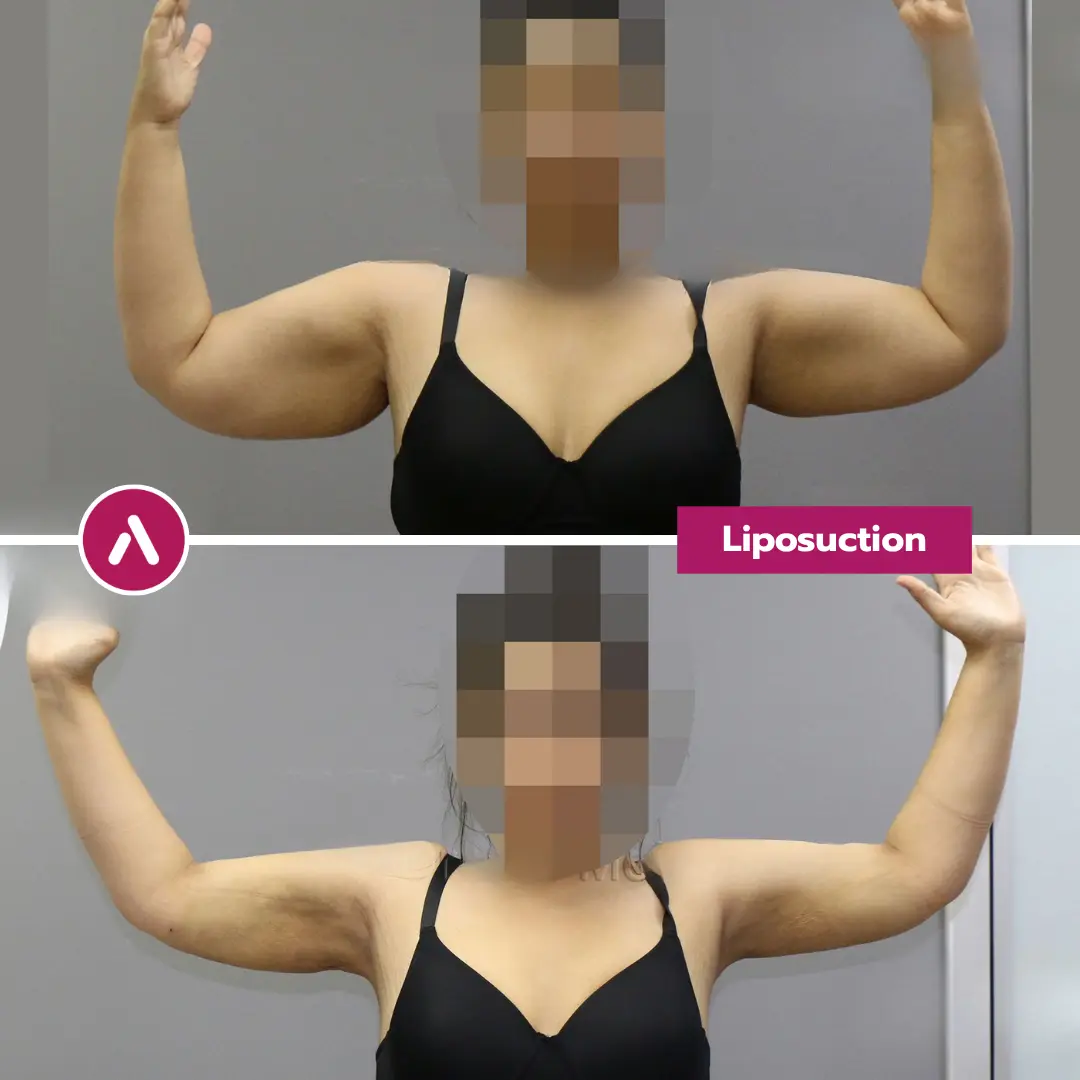
Table of Contents
Why Skin Laxity Happens After Liposuction (And When It Becomes a Problem)
Liposuction removes fat volume, which can reveal or worsen skin laxity—especially if the skin’s elastic “snap-back” ability is limited. Some patients interpret normal early swelling as loose skin, while others truly have reduced elasticity that needs additional tightening support. Understanding the difference helps set realistic expectations and prevents overtreatment.
Fat removal vs. skin retraction: what your skin can (and can’t) do
Think of your skin like a fitted garment. If it has good elasticity, it can adapt to the new, smaller volume after liposuction. If elasticity is reduced, skin may drape, ripple, or look less firm once swelling resolves. This is exactly where j-plasma for skin tightening is often considered as an adjunct—because it targets the “skin retraction” part of the equation, not the fat removal part.
The biggest predictors: age, weight loss history, skin quality, treatment area
- Age: Elastic fibers and collagen quality typically decline over time.
- Weight loss history: Significant weight fluctuations can stretch skin beyond its capacity to recoil.
- Skin quality: Sun exposure, genetics, and stretch marks can reduce elasticity.
- Area treated: Arms, inner thighs, lower abdomen, and bra-line/back can be more prone to laxity.
When you actually need tightening vs. when swelling is “faking” loose skin
In the early weeks after liposuction, swelling and fluid shifts can create temporary unevenness that looks like laxity. A careful, surgeon-led assessment usually separates:
- Early swelling/edema (often improves steadily in weeks to months)
- True skin laxity (more likely to persist as swelling resolves)
- Excess skin (may require a lift procedure rather than energy-based tightening)
| What you’re seeing | Common timing | What it may mean |
|---|---|---|
| Puffiness + uneven firmness | Days 1–21 | Swelling; not a final result |
| Gradual smoothing + tightening | Weeks 3–12 | Healing + tissue remodeling |
| Persistent draping/“empty” skin | After swelling largely resolves | Possible true laxity or excess skin |
What Is J-Plasma (Renuvion) Skin Tightening?
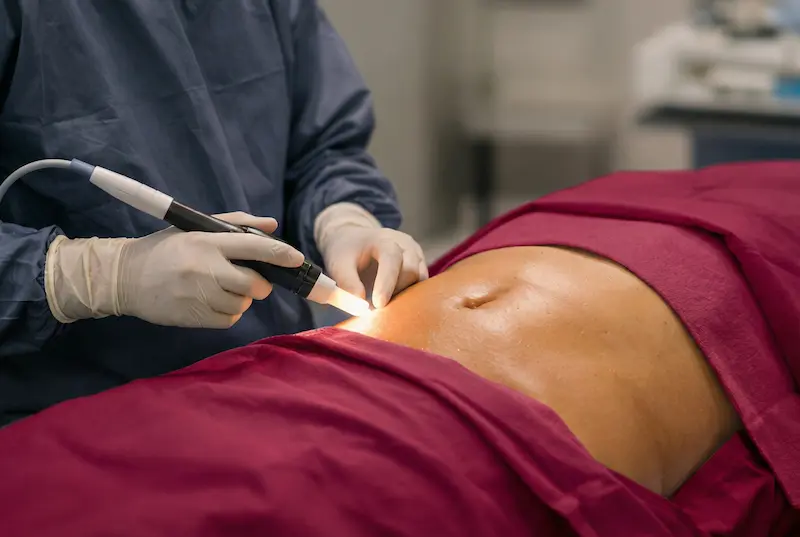
Renuvion J-Plasma skin tightening is an energy-based treatment used under the skin (subdermal) to encourage tissue contraction and support tightening in selected patients—often when mild to moderate laxity is expected after liposuction. It’s not a substitute for surgical skin removal when there is significant excess skin, but it can be a meaningful add-on in the right candidate.
J-Plasma vs. Renuvion: same technology, how the terms are used
You’ll commonly see both names online. In everyday patient language, “J-Plasma” and “Renuvion” are often used interchangeably to describe the same category of treatment. Many people searching for j-plasma for skin tightening will find “Renuvion” referenced in clinic materials and surgeon explanations.
The core goal: controlled tightening with energy-based subdermal treatment
The goal is to apply controlled energy beneath the skin to promote contraction and support longer-term remodeling. From a medical science perspective, tightening is generally discussed in terms of immediate tissue response (contraction) and longer-term collagen remodeling—processes frequently referenced in scientific research on wound healing and tissue repair. Practically, patients usually care about one thing: whether the treated area looks smoother, firmer, and more “snug” over time.

How it compares to other options (RF devices, injectables, and excisional surgery)
- Non-invasive devices (topical RF/laser): often require multiple sessions and may be better for mild laxity.
- Minimally invasive tightening (subdermal energy): typically considered when you want more impact than topical treatments.
- Excisional surgery (tummy tuck/arm lift): removes skin; best for significant excess skin but comes with longer scars and recovery.
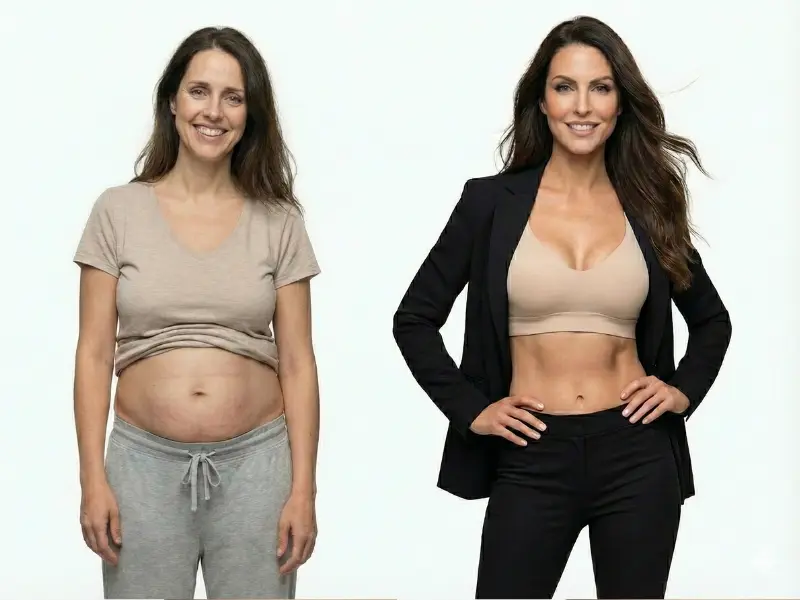
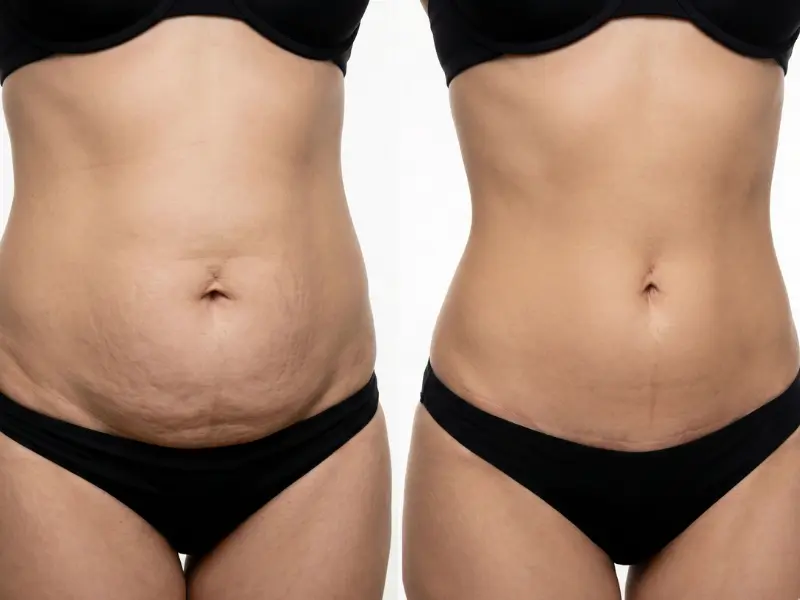
When patients compare options online, they often want two specifics: j plasma skin tightening before and after realism and a clear explanation of j-plasma skin tightening cost (or j plasma skin tightening cost) drivers. We’ll cover both later in this guide with a safety-first, expectation-setting approach.
How Renuvion Works After Liposuction (Mechanism & What You Feel as a Patient)
When patients research renuvion j-plasma skin tightening after liposuction, the most important questions are usually practical: “What exactly is done under the skin?”, “Will I feel it?”, and “Does it change my liposuction recovery?” In simple terms, the tightening step is performed beneath the skin after fat has been reduced, aiming to encourage controlled tissue contraction and a smoother drape over your new contour.
What happens under the skin during treatment (high-level, patient-friendly)
After liposuction has created the new contour, a surgeon may perform a subdermal tightening step in selected cases. This is where j-plasma skin tightening is typically discussed: a device is introduced beneath the skin through small access points, and energy is applied in a controlled pattern to help address laxity. The goal is not to “melt fat” (that’s the job of lipo), but to support tighter skin adaptation to the new shape.
From a medical science standpoint, tightening is often described as a combination of immediate tissue response and longer-term remodeling. In everyday terms: some change may be noticeable earlier, but the most meaningful improvements often develop over time as healing progresses.
Why it’s often paired with lipo (single plan vs. staged approach)
Many patients consider j-plasma for skin tightening specifically because it can be performed in the same overall treatment plan as liposuction—particularly when the surgeon anticipates mild-to-moderate laxity. However, not every case should be combined. In a staged approach, the surgeon may recommend completing liposuction first, then reassessing skin behavior after swelling has resolved.
| Approach | Why it’s chosen | Best for |
|---|---|---|
| Combined (same session) | Addresses contour + anticipated laxity together | Mild–moderate laxity, good healing profile, clear plan |
| Staged (lipo first, tighten later) | Allows you to see how much the skin tightens naturally | Uncertain laxity, borderline candidates, cautious planning |
Anesthesia & comfort: how the procedure is typically tolerated
Comfort and anesthesia planning depend on the extent of liposuction and the number of areas treated. Many patients discover the phrase j plasma skin tightening before and after while looking for dramatic changes—but it’s equally important to understand that safety, appropriate anesthesia, and recovery planning are what protect results and reduce risk.
- Small areas / limited treatment: may be possible with lighter anesthesia plans in some settings.
- Multiple areas / larger-volume lipo: often requires deeper anesthesia support for comfort and safety.
Safety note: The “right” anesthesia is the one that matches the complexity of your plan, your medical profile, and your surgeon’s safety protocol—not the one that sounds simplest on paper.
Who Is a Good Candidate for J-Plasma After Lipo?
The best outcomes happen when j-plasma skin tightening is used for the right problem. If you have mild to moderate laxity, it may help improve how the skin conforms after fat removal. If you have significant excess skin (true “extra” skin), an excisional procedure may be more predictable than any energy-based tightening method. A surgeon-led assessment is essential because it’s not just about “how loose it looks”—it’s about skin quality, elasticity, and what a safe, realistic endpoint should be.
The “ideal candidate” profile (mild–moderate laxity, realistic expectations)
- Mild to moderate skin laxity expected after liposuction
- Reasonable skin quality (elasticity still present, even if reduced)
- Stable weight (major weight swings can compromise results)
- Non-smoker or willing to stop (smoking impacts healing and tissue quality)
- Realistic expectations (improvement, not “surgical lift-level” transformation)
Who should consider a surgical lift instead (severe laxity / large skin excess)
If there is significant “extra skin” that can be pinched and lifted as a fold, tightening alone may not deliver a smooth result. In those cases, an arm lift, thigh lift, or tummy tuck may provide a more predictable contour—at the tradeoff of longer scars and a different recovery profile. The decision is less about marketing terms and more about matching the tool to the anatomy.
Safety screening: medical history, smoking, healing capacity, and why details matter
Because tightening is performed beneath the skin in many protocols, candidacy isn’t just a cosmetic question. Your surgeon will look at your health history, medications, bleeding risks, scarring tendencies, and lifestyle factors. This is also why “price shopping” alone can be risky: j-plasma skin tightening cost is not a single fixed number, because safety planning and proper technique vary by the complexity of the case.
Common Treatment Areas After Liposuction (Where J-Plasma Helps Most)
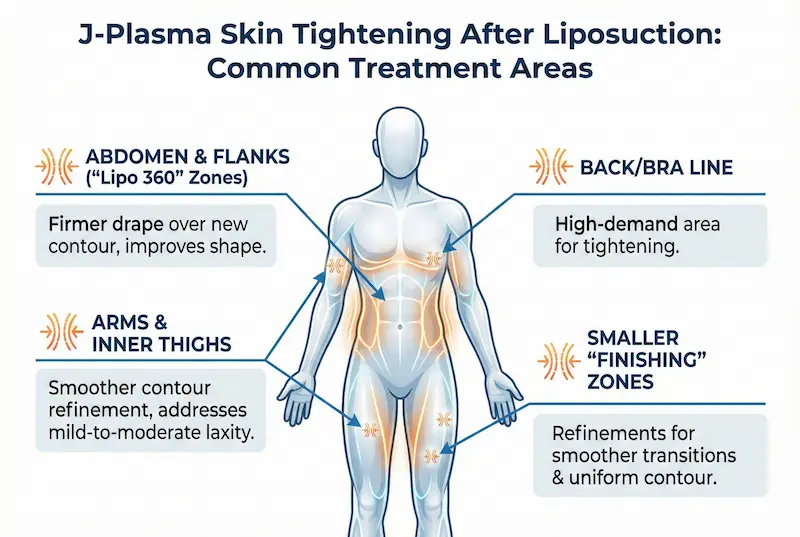
People commonly search j plasma skin tightening before and after images by body area because results can look very different depending on skin thickness, elasticity, and movement patterns. Areas that frequently concern patients after liposuction—like the arms or inner thighs—may benefit when laxity is mild-to-moderate and the goal is smoother contour refinement rather than major skin removal.
Abdomen & flanks / “Lipo 360” zones (where contour + tightening work together)
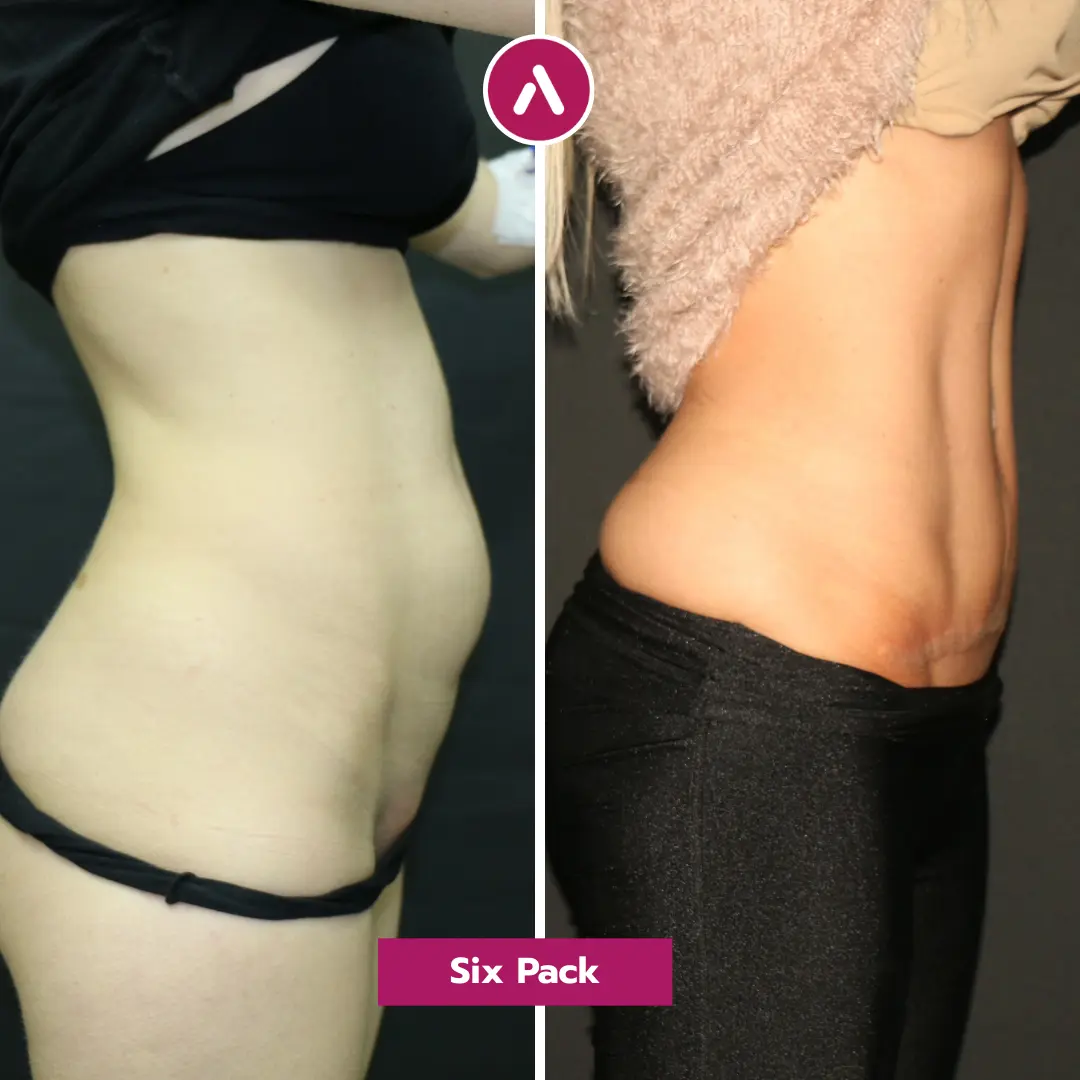
The abdomen and flanks are common areas where liposuction improves shape but can reveal laxity—especially after pregnancy or weight fluctuations. In selected cases, j-plasma for skin tightening is considered to support a firmer drape over the new contour. However, if there is substantial lower abdominal skin excess, a tummy tuck may still be the more predictable option.
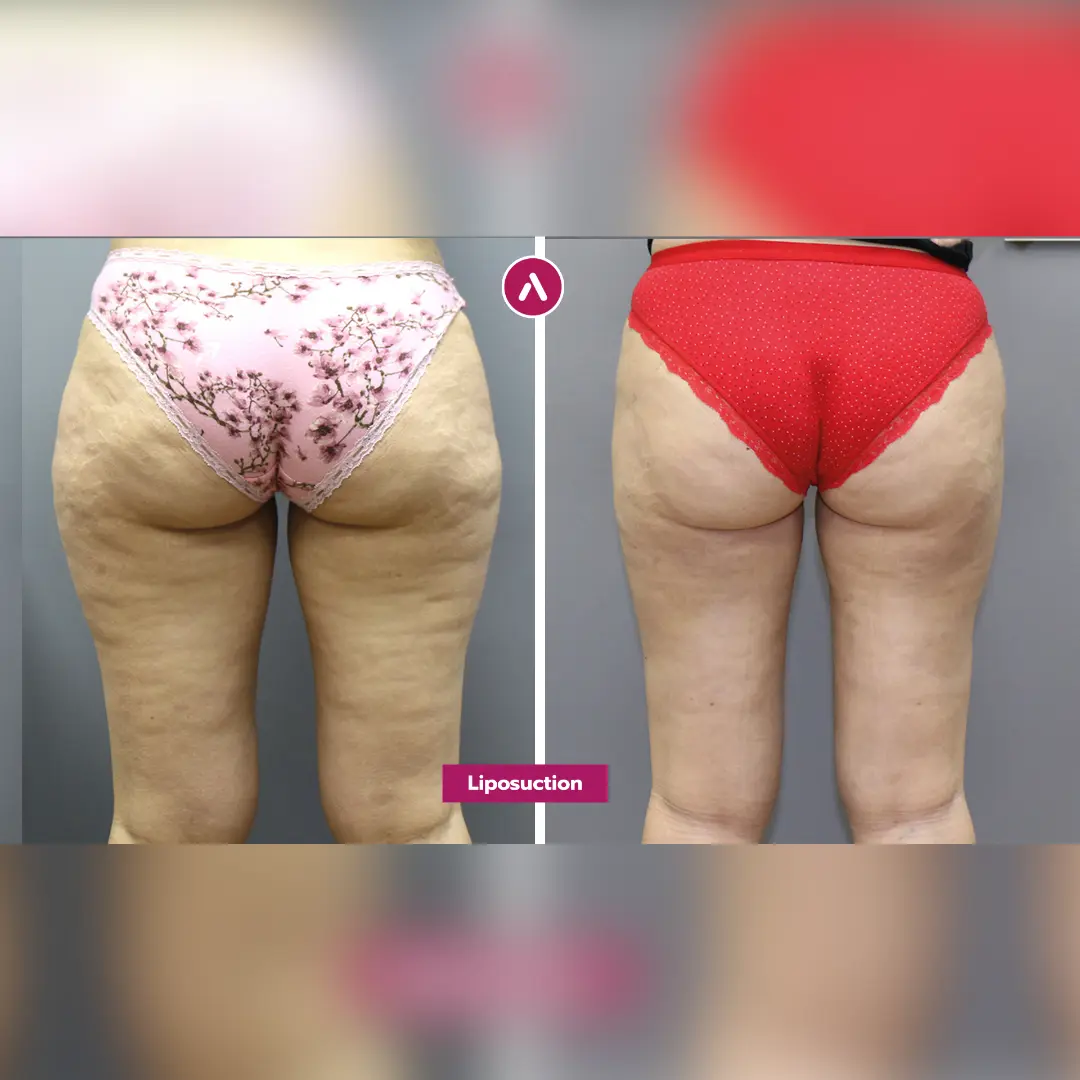
Arms, inner thighs, back/bra line (high-demand areas for skin tightening)
These regions are frequently searched alongside j plasma skin tightening cost because patients want to know whether an add-on is “worth it.” Arms and inner thighs can be challenging because the skin is often thinner and laxity is more visible with movement. A careful plan matters: over-treating can increase irregularity risk, while under-treating may not meet expectations.
Smaller zones and “finishing work”: when subtle tightening can matter
Some patients consider renuvion j-plasma skin tightening for smaller “finishing” zones—areas that are not dramatic on their own but become noticeable after fat reduction. In these cases, the focus is often on refinements: smoother transitions, less rippling, and more uniform contour.
| Area | Why patients ask about it | Common expectation to set |
|---|---|---|
| Abdomen / flanks | Post-lipo looseness, pregnancy history | Improvement varies; severe excess skin may need excision |
| Arms | “Bat wing” fear after fat reduction | Mild–moderate laxity may improve; big excess skin needs lift |
| Inner thighs | Rippling and movement-related laxity | Refinement possible; perfect “snap tight” isn’t realistic for everyone |
| Back / bra line | Bulges + laxity visible in clothing | Often helpful as contour finishing, depending on skin quality |
Results Timeline: What You’ll See at 1 Week, 1 Month, 3–6 Months
When you’re researching j plasma skin tightening before and after, it’s easy to assume results are instant and linear. In reality, body contouring results evolve in phases. Swelling, firmness, and tissue remodeling can temporarily make skin look uneven before it improves. This is why reputable surgical planning focuses on a timeline—so you don’t judge your outcome too early.
Early phase (Days 1–14): swelling, firmness, and “why it can look worse before it looks better”
During the first one to two weeks, swelling is typically the dominant feature. You may feel firmness, tenderness, or areas that seem lumpy or tight. This early texture is not your final “after.” It reflects normal post-liposuction fluid shifts and the body’s inflammatory healing response. Many patients who feel anxious at this stage are simply seeing early healing, not failure of j-plasma skin tightening.
Mid-phase (Weeks 3–12): remodeling begins to show
As swelling gradually declines, contour refinement becomes more visible. This is also the window when tightening often becomes more noticeable. From the perspective of scientific research and medical science, collagen remodeling and tissue repair are processes that occur over time, not overnight—so improvement is commonly gradual rather than immediate.
Later phase (Months 3–6): more stable “before and after” comparisons
If you want a fair j plasma skin tightening before and after comparison, this is the phase to focus on. By three to six months, swelling is usually far more settled, and the skin’s behavior over the new contour is easier to judge. Some patients continue to see subtle improvements beyond this point, depending on their baseline skin quality and the treated area.
| Timepoint | What’s common | How to evaluate progress |
|---|---|---|
| 1 week | Swelling, firmness, uneven texture | Assess comfort and healing, not final shape |
| 1 month | Swelling starts to calm, contour begins to appear | Look for trend toward smoother drape |
| 3 months | More stable shape, less edema | More meaningful comparison photos |
| 6 months | Typically closer to “settled” outcome | Decide if refinement is needed |
Practical tip: Take photos in the same lighting, same angle, same posture at consistent intervals. That’s the most honest way to track j plasma skin tightening before and after changes.
Risks, Side Effects, and How to Reduce Them (Safety-First Section)
Any procedure performed under the skin has potential risks—especially when it’s combined with liposuction. A responsible discussion of renuvion j-plasma skin tightening must include both what’s common (expected side effects) and what’s uncommon (red flags). Your safety is shaped by three things: patient selection, surgeon technique, and aftercare.
Typical side effects vs. red-flag symptoms that require immediate contact
Common, expected effects after liposuction with tightening may include swelling, bruising, tenderness, temporary firmness, and short-term unevenness. These often improve gradually.
Red flags (seek urgent medical guidance) can include:
- Worsening pain that feels out of proportion
- Rapidly increasing swelling on one side
- Fever or chills
- Shortness of breath or chest pain
- Drainage that looks infected (foul smell, increasing redness, warmth)
- Skin changes that concern you (blistering, unusual discoloration)
Key risk reducers: surgeon technique, appropriate settings, patient selection
The most important risk reducer is a plan that matches the tool to the anatomy. j-plasma for skin tightening is best suited to mild-to-moderate laxity. Using it to “solve” significant excess skin can lead to disappointment (and sometimes more irregularity). Appropriate technique, controlled application, and good judgment about candidacy are the foundation of safer outcomes.
Aftercare essentials: compression, movement, hydration, and smart follow-up
Most surgeons emphasize structured aftercare to support recovery and reduce uneven swelling. Common principles include:
- Compression as directed (helps control swelling and supports contour)
- Early, gentle movement (supports circulation and reduces clot risk)
- Hydration and protein (basic building blocks for tissue repair)
- Follow-up plan (so concerns are addressed early, not late)
Some patients also ask about lymphatic drainage after liposuction. While protocols vary, the broader concept is the same: swelling management and monitored healing help you reach a more reliable “after.”
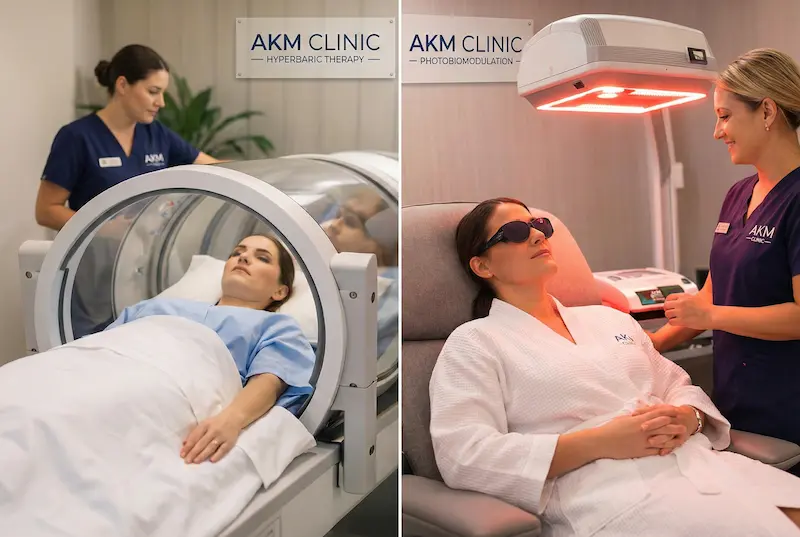
Recovery Support at AKM Clinic: Accelerated Healing Protocol Mindset
For international patients, recovery isn’t just about comfort—it affects travel timing, social downtime, and peace of mind. AKM Clinic emphasizes a recovery-support approach that includes two specific non-invasive technologies used in post-operative care: Hyperbaric Oxygen Therapy (HBOT) and Low-Level Laser Therapy (LLLT). These are positioned as tools to support healing, swelling control, and tissue recovery—especially valuable when you want to return home with a more stable recovery trajectory.
Why recovery technologies matter for international patients (downtime & swelling control)
Swelling and bruising can peak and fluctuate during the first weeks after surgery. A recovery strategy aims to support the body’s natural healing processes and reduce preventable delays. In practical terms, this can mean fewer “ups and downs,” more predictable early healing, and a clearer sense of progress—especially important when you’re traveling.
HBOT approach: how oxygen-based recovery support is positioned for healing & safety
AKM Clinic describes HBOT as a key post-operative technology in its patient-care model. The mechanism is presented in straightforward terms: the patient breathes 100% oxygen in a pressurized chamber to increase oxygen availability in tissues. In the clinic’s framing, the intended benefits include:
- Tissue support in fragile healing areas
- Reduced swelling and downtime through inflammation control
- Scar-healing support by promoting tissue repair processes
- Infection risk mitigation by supporting immune response and tissue oxygenation
Patient-centered interpretation: HBOT isn’t a “shortcut” that replaces proper surgery. It’s positioned as supportive care that aims to make early healing smoother—especially when swelling and tissue vulnerability are highest.
LLLT approach: how “soft laser” support is positioned for inflammation control & tissue repair
AKM Clinic also describes using Low-Level Laser Therapy (LLLT) to support healing at the cellular level. The clinic highlights a system that uses a 650nm wavelength, presented as penetrating into tissue without heat or damage, with the aim of stimulating cellular activity. In the clinic’s stated framework, intended benefits include:
- Accelerated cellular repair (supporting energy production pathways)
- Enhanced collagen support (important for firmness and tissue quality over time)
- Reduced inflammation (working alongside other recovery measures)
If your decision-making includes j-plasma skin tightening cost, it’s worth understanding what the post-op care model includes. A lower sticker price can sometimes mean fewer structured recovery supports, fewer follow-ups, or less guidance—factors that can matter just as much as the tightening step itself.
Cost Factors: What Changes the Price of Renuvion After Liposuction?
If you’re comparing clinics, you’ll quickly notice that j-plasma skin tightening cost (and the common variant j plasma skin tightening cost) can vary widely. That’s because pricing isn’t based on a single “device fee.” It’s driven by case complexity, the number of areas treated, operating room time, anesthesia planning, and the level of post-operative monitoring and recovery support.
It’s also important to frame cost correctly: renuvion j-plasma skin tightening is usually an adjunct to liposuction, not a standalone replacement for surgical skin removal when there is significant excess skin. In medical decision-making, value is not just the lowest price—it’s the safest, most predictable plan for your anatomy.
Pricing drivers: number of areas, severity of laxity, combined vs. staged plan
Most price variation comes from how much work is required to treat the tissue safely and evenly. Common drivers include:
- Number of areas: Abdomen only vs. abdomen + flanks + back + arms are not comparable cases.
- Severity of laxity: Mild laxity typically requires a different plan than moderate laxity across multiple zones.
- Combined vs. staged approach: Doing tightening at the same time as lipo may change operating time and anesthesia needs, while staged treatment adds separate visits and planning.
- Scar tissue / revision cases: Prior procedures can increase complexity and require more conservative execution.
What’s typically included in a well-structured surgical journey (and what may not be)
When you’re comparing j-plasma for skin tightening pricing, make sure you’re comparing like-for-like. Some quotes appear lower because they exclude elements that matter for safety or recovery predictability.
| Cost component | Why it matters | Questions to ask |
|---|---|---|
| Operating room time | More areas and careful technique take more time | How many areas are included in the plan? |
| Anesthesia & monitoring | Comfort and safety depend on appropriate anesthesia support | What level of anesthesia is used and who monitors you? |
| Post-op follow-up structure | Early detection of issues can prevent bigger problems | How many check-ins are included? |
| Compression & aftercare guidance | Swelling management affects the “before and after” outcome | What is the compression timeline and protocol? |
| Recovery support options | Supportive care may help stabilize early healing | Are HBOT/LLLT options available and when are they used? |
Value framing for the expert patient: paying for predictability & safety vs. chasing the cheapest add-on
Many “expert patients” searching j plasma skin tightening before and after galleries are also trying to decode whether the add-on is worth it. Here’s a grounded way to evaluate value:
- Predictability: Is your laxity mild–moderate (where tightening is most likely to help), or do you have significant excess skin (where a lift may be more predictable)?
- Safety structure: Does the plan include appropriate anesthesia, monitoring, and follow-up?
- Technique and judgment: The outcome is not “device-only.” It depends on how the procedure is planned and performed.
Bottom line: The real question isn’t “What is the cheapest j-plasma skin tightening cost?” It’s “What plan gives me the safest, most predictable improvement for my anatomy?”
Frequently Asked Questions (FAQ): J-Plasma Skin Tightening
Below are concise, safety-focused answers to the most common questions patients ask when researching j-plasma skin tightening, including what to expect from j plasma skin tightening before and after photos, how to think about j-plasma skin tightening cost (and j plasma skin tightening cost), and when renuvion j-plasma skin tightening is (and isn’t) the right tool after liposuction.
Is J-Plasma (Renuvion) permanent after liposuction?
Results can be long-lasting, but “permanent” is not a realistic promise for any tightening method. Your outcome depends on skin quality, the degree of laxity, and future aging and weight changes. In medical science terms, remodeling and collagen changes can improve firmness over time, but ongoing aging still continues.
How painful is recovery compared to liposuction alone?
Most patients describe recovery as similar to liposuction recovery, with added firmness/tightness in treated areas. Discomfort varies by treatment area and extent. The key is that swelling and tissue tenderness can make early “before and after” comparisons misleading—comfort typically improves gradually over weeks.
When can I fly home after lipo + J-Plasma?
Travel timing should be individualized based on the number of areas treated, your overall health, and your surgeon’s post-op assessment. The most important principle is safety: you want stable early healing, appropriate mobility, and a clear plan for swelling management and follow-up. Your surgeon’s clearance is the decision point—not a generic internet timeline.
Can J-Plasma replace a tummy tuck or arm lift?
Not reliably. j-plasma for skin tightening is best for mild to moderate laxity. If you have significant excess skin (true extra skin that needs removal), excisional surgery like a tummy tuck or arm lift may be more predictable. Tightening can refine; it cannot remove large amounts of skin the way a lift can.
What areas respond best (arms, abdomen, thighs)?
Response depends on skin thickness, elasticity, and how much laxity is present. Abdomen/flanks and certain “finishing zones” can respond well in good candidates. Arms and inner thighs can improve, but they’re also areas where expectations must be realistic—these zones often show laxity more prominently with movement.
What are the most common complications and how rare are they?
Common side effects include swelling, bruising, temporary firmness, and short-term unevenness. More serious complications are uncommon but are the reason patient selection and surgeon technique matter. If a clinic avoids discussing risks or oversells dramatic j plasma skin tightening before and after outcomes without nuance, that’s a red flag. Always ask about safety protocols, monitoring, and follow-up structure.
How do I know if I’m a candidate if I have stretch marks or post-pregnancy skin?
Stretch marks and post-pregnancy skin don’t automatically rule you out, but they can signal reduced elasticity—which may limit the degree of tightening possible. A surgeon-led exam is essential to determine whether renuvion j-plasma skin tightening can realistically help, or whether surgical skin removal would better match your anatomy and goals.
If you’d like to go beyond J-Plasma (Renuvion) skin tightening, you can also explore related topics that often come up in post-lipo planning and recovery—such as Lipo 360 Meaning, Lymphatic Drainage Massage After Lipo, and scar concerns like Arm Lift Scar. If you’re deciding between more comprehensive contouring approaches, our guides on Mini vs Full Tummy Tuck can help you compare candidacy and expectations. For patients planning an all-in-one journey, you may also want details on Plastic Surgery Packages Turkey and practical travel/aftercare guidance in Surgery Companion Turkey.