
If you’ve been searching for endoscopic brow lift Turkey, you’re likely not looking for hype—you’re looking for clarity: what actually moves, what scars (if any) remain, how long the recovery lasts, and how to avoid an “overdone” result. This article is written for the detail-oriented patient who wants to understand the technique through the lens of medical science—not marketing.
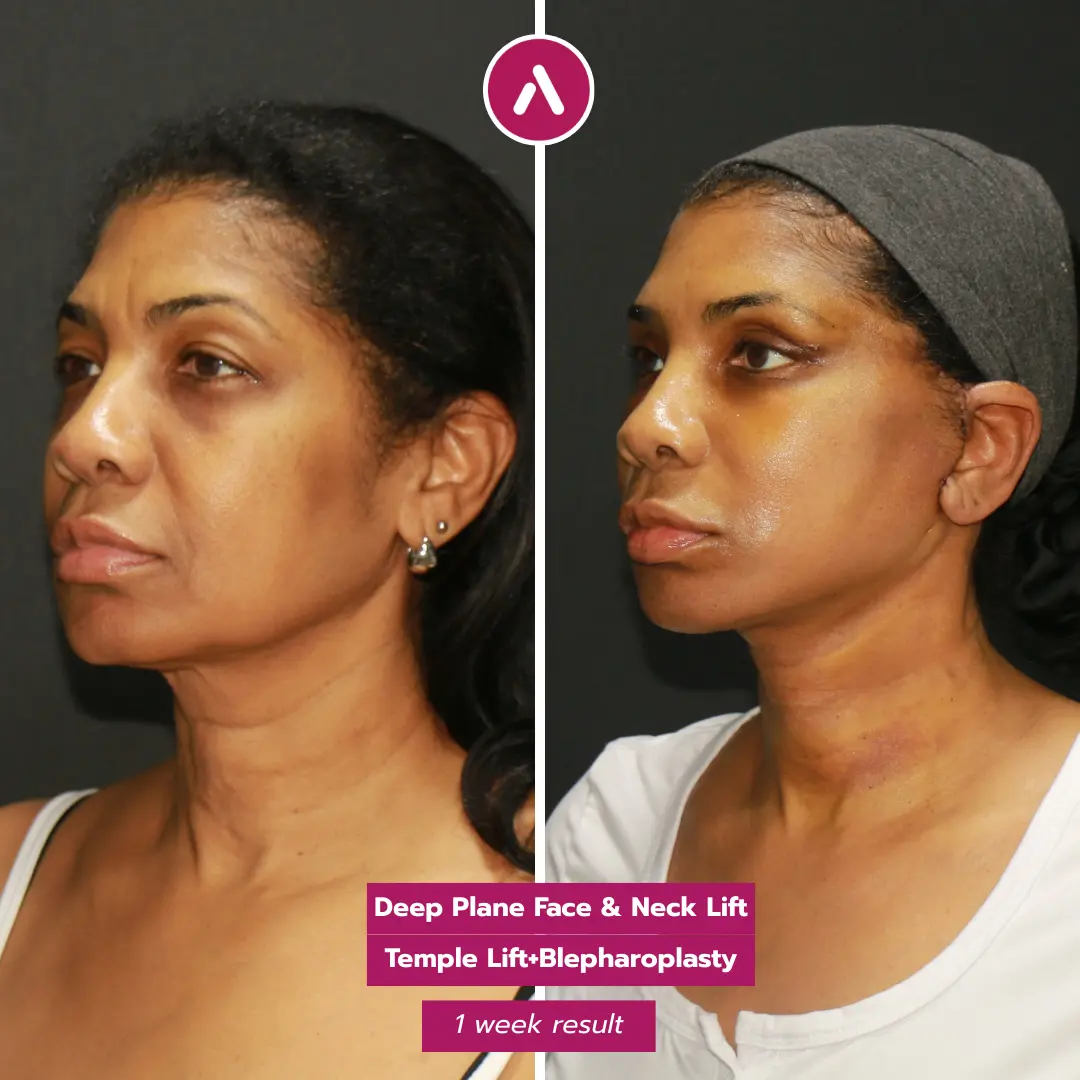
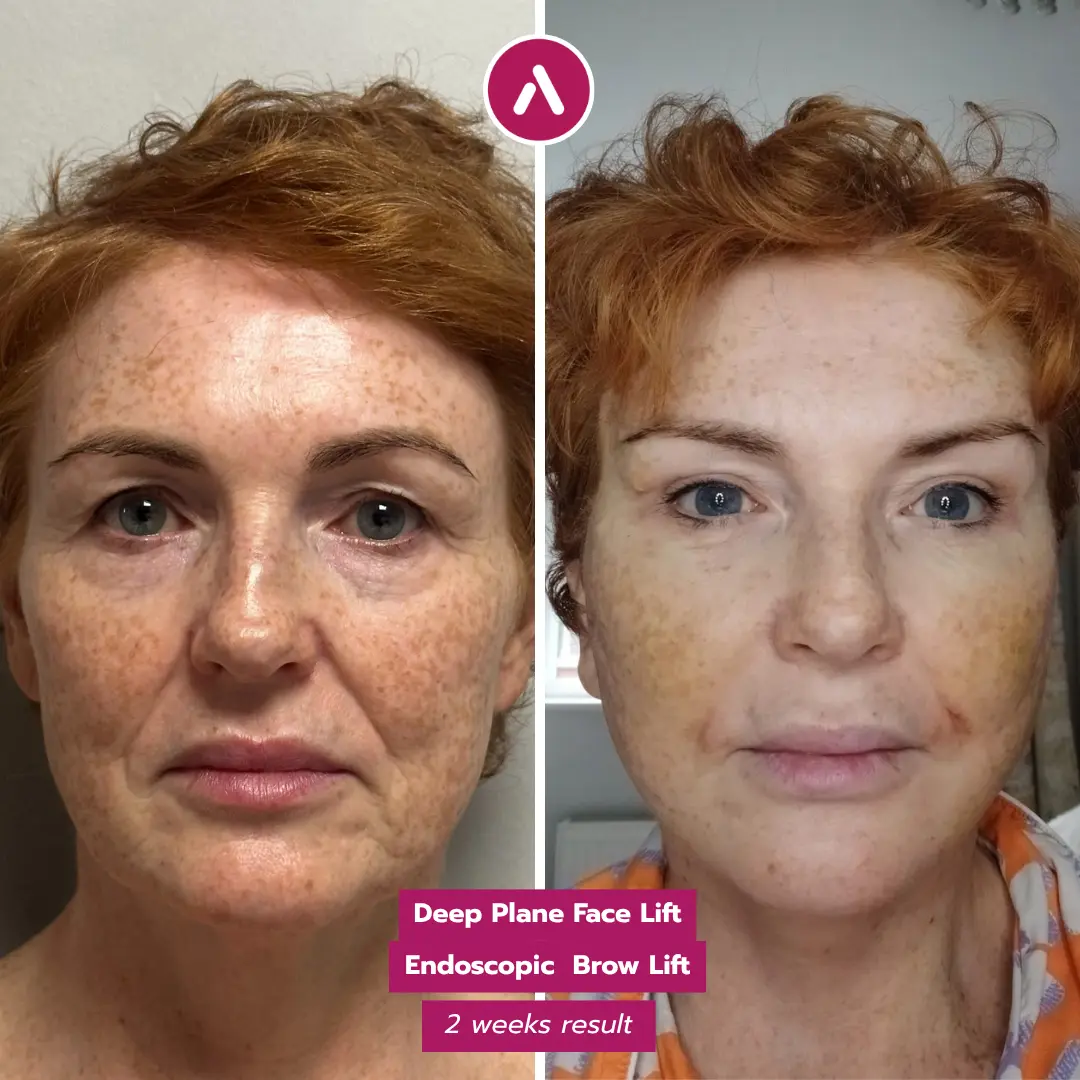
An endoscopic brow lift is a minimally invasive surgical method that elevates the brow using a tiny camera (endoscope) and small, hidden incisions within the hairline. When done correctly, it can refresh the upper face, soften a “tired” or “angry” look, and in many cases reduce the appearance of heaviness over the eyes—without the long visible scars associated with more traditional approaches.
Key takeaway: “Scarless” is a practical term patients use—but in real surgical terms, it usually means well-hidden, hairline-based incisions rather than “no scar at all.”
Because many travelers compare options and budgeting early, we’ll also address cost questions later—including common search terms like endoscopic brow lift cost Turkey, endoscopic brow lift Turkey cost, and endoscopic brow lift price Turkey—so you can make an informed, safety-first decision.
Table of Contents
How Endoscopic Surgery Changes the Upper Face
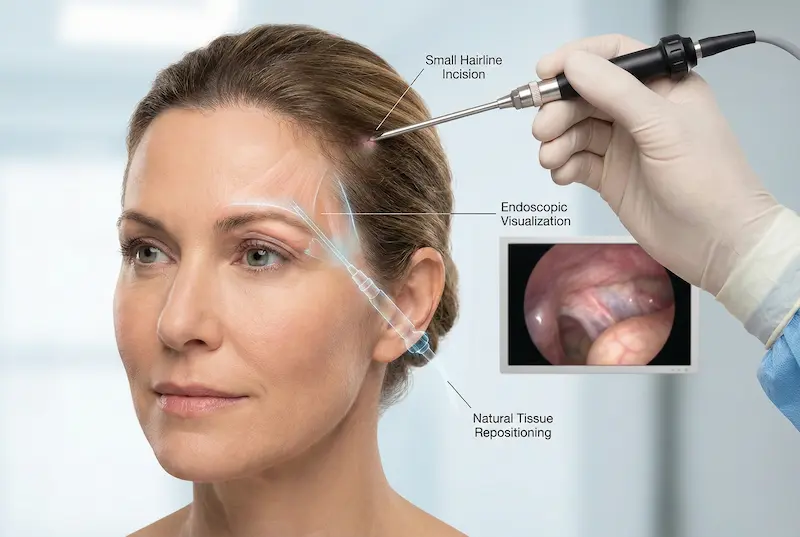
The goal of an endoscopic brow lift is not to “stretch” the face. It’s to reposition specific tissues of the forehead and brow in a controlled way—while preserving a natural expression. The endoscope gives the surgeon enhanced visualization of key anatomical structures, which can support more precise release and elevation compared with blind or wide-open dissection techniques.
Small Incisions, Camera Technology, and Precision
In an endoscopic approach, the surgeon works through a few small incisions placed within the hairline. A slender camera (endoscope) projects a magnified view of the surgical field, allowing accurate tissue release and repositioning while minimizing surface disruption. This is one reason patients often associate an endoscopic brow lift with a “scarless” look—because the access points are discreet.
What Actually Moves: Brow Position vs. Forehead Tension (Anatomy Simplified)
The procedure targets the anatomical relationship between the brow, forehead soft tissue, and the muscles that influence expression (such as frowning or raising the brows). In practical terms, the surgeon releases tension and repositions tissues so the brow can sit slightly higher and more open—without forcing an exaggerated arch. The intention is a rested appearance, not a permanently surprised look.
Fixation Methods Explained: Sutures vs. Devices and Why It Matters
After the tissues are elevated, they must be stabilized (fixated) while healing occurs. Fixation can be achieved with sutures and/or specialized fixation methods depending on the plan. This matters because stability influences early swelling patterns, comfort, and the predictability of the result. A responsible surgeon will explain how fixation is done, why it suits your anatomy, and what that means for recovery.
Hairline Safety: Where Incisions Hide and Who Might Notice
Incisions are typically designed to be concealed by hair, but “invisible” depends on individual factors: hair density, hairstyle preferences, skin healing tendencies, and any history of abnormal scarring. Patients who wear hair pulled back often, have very thin hair, or are prone to noticeable scarring should discuss incision planning in detail during consultation—this is where personalized technique selection becomes crucial.
Brow Lift vs. Blepharoplasty: Which One Do You Need?
Many patients who type “hooded eyes” into Google assume the eyelids are the only issue. In reality, the brow can descend with age (brow ptosis), creating heaviness that “spills” onto the upper lid. Understanding whether you need an endoscopic brow lift, an upper blepharoplasty, or a combination is one of the most important decision points—especially if you’re considering an endoscopic brow lift in Turkey and want to avoid doing the “wrong” procedure first.
| Concern | More Suggestive of Brow Lift | More Suggestive of Upper Blepharoplasty |
|---|---|---|
| Heaviness over eyes | Worse at the outer third; brow looks lower than before | Extra eyelid skin folds even when brow is manually lifted |
| “Tired/angry” expression | Brow position has dropped; forehead compensation (raising brows) is common | Mostly excess lid skin or protruding fat pads |
| Goal | Open the eye area by repositioning the brow | Remove/reposition eyelid skin/fat for a cleaner lid contour |
| Best outcome when… | Brow descent is driving the hooding | True lid excess exists regardless of brow position |
Addressing “Hooded Eyes” Correctly
To differentiate brow-driven hooding from eyelid-driven hooding, surgeons often evaluate the brow position at rest and observe whether you subconsciously raise your forehead to “see better.” A quick at-home clue: gently lift the brow (not the eyelid skin) and look in the mirror—if the eye area opens significantly, brow position may be a key factor. This doesn’t replace a medical exam, but it helps you arrive at a consultation asking the right questions.
When the Brow Is the Real Problem (And Eyelid Surgery Alone Won’t Help)
If the outer brow has descended, removing eyelid skin alone can sometimes create a “tight lid” effect while the brow remains low—meaning the overall heaviness returns or the eyelid shape feels less natural. In these cases, an endoscopic brow lift can restore upper-face balance by addressing the true driver of the problem: brow position and supporting tissue tension. From a scientific research perspective, this is the logic of treating the underlying anatomical cause rather than only the visible symptom.
When Blepharoplasty Is Enough (Clear Candidate Signals)
If brow position is stable but there is clear excess upper-lid skin (dermatochalasis) that persists even when the brow is gently elevated, upper blepharoplasty may be the primary solution. This is also common when the eyelid crease is hidden mainly due to lid skin redundancy rather than brow descent.
Combination Approach: When Doing Both Creates the Most Natural Result
For many patients, the most harmonious outcome comes from a combined plan: subtle brow repositioning plus conservative eyelid refinement. This is where surgeon-led planning matters—especially at AKM Clinic, where facial procedures benefit from a team approach that includes dermatosurgeon expertise (skin quality, surface aging) alongside the plastic surgery team (structure, lift vectors). The goal is natural openness, not an artificial “pulled” look.
Practical rule: If brow descent is present, lifting the brow first (or planning both together) often creates a more natural eye area than eyelid-only surgery.
Creating the “Foxy” Look vs. Natural Rejuvenation
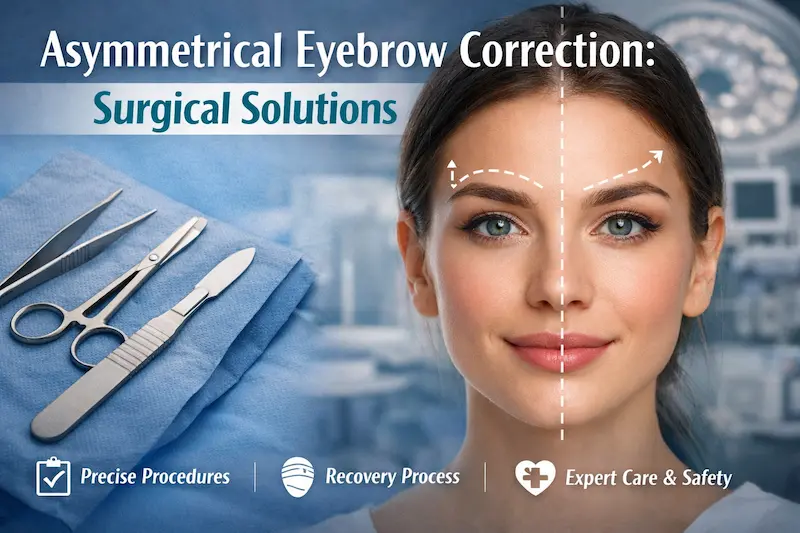
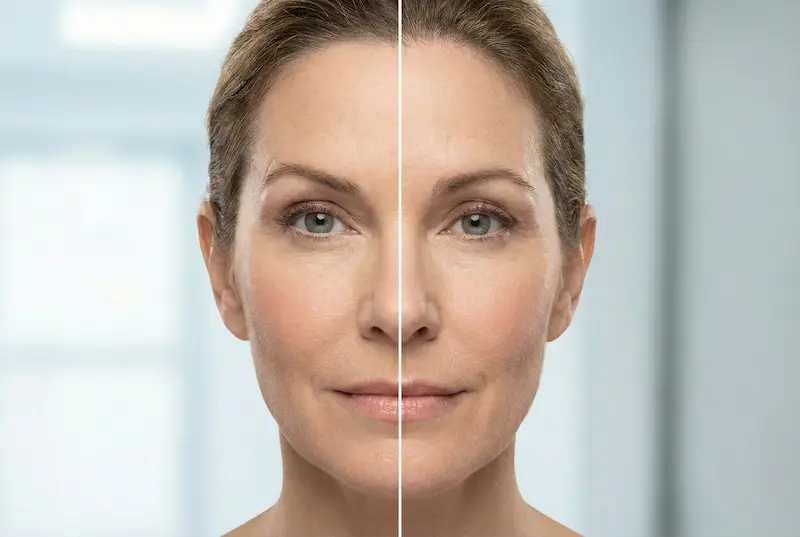
Not all brow lifts aim for the same aesthetic. Some patients want a subtle “refreshed” upper face; others request a more lifted outer brow. The key is to match your request to your anatomy—and to define what “foxy” means for you (and what you definitely want to avoid). The safest and most natural results come from precise planning of the lift vector, brow peak, and symmetry expectations.
Positioning the Arch for Your Face Shape
A natural brow has a predictable flow: it rises gradually and peaks toward the outer third. The ideal peak position varies based on facial proportions, eye shape, and gender aesthetics. In consultation, your surgeon should explain where the brow will be elevated and how much—because “more” is not automatically “better,” especially in the upper face where small changes can look dramatic.
Avoiding the “Over-Lifted” Look: Aesthetic Guardrails
The “surprised” or “wind-tunnel” look usually happens when the lift is excessive, the wrong vector is chosen, or the plan doesn’t respect the patient’s baseline anatomy. A careful endoscopic technique focuses on controlled, measured elevation—often prioritizing the outer brow subtly—while preserving your ability to express emotion normally.
Gender & Age Considerations: Tailoring the Vector of Lift
Ideal brow shape differs across individuals. Some patients suit a flatter brow profile; others benefit from a gentle arch. Age also matters: mature patients often need refinement that restores what was lost, rather than creating a brand-new brow position. This is why your surgeon should describe the intended change in millimeters and show what “natural” will look like for your face—not for a trend.
Pre-Op Planning: Brow Measurements, Symmetry, and Realistic Goals
Perfect symmetry is not a realistic promise because most faces are naturally asymmetric—and brows frequently sit at slightly different heights. The objective is improved balance and a rested expression. Your consultation should include standardized photos, brow position assessment, and a clear explanation of what can and cannot be achieved.
The “Scarless” Advantage and Recovery Time
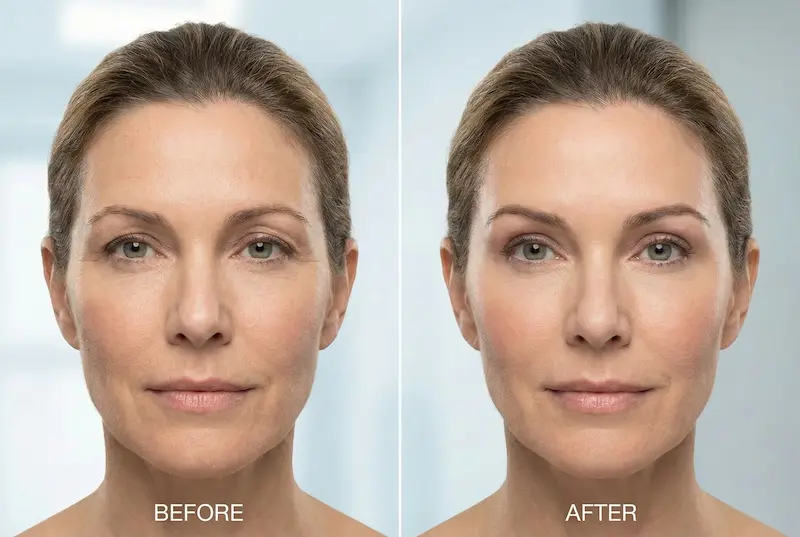
The phrase “scarless” is popular because it captures the main benefit patients care about: no long, visible scars on the forehead. In an endoscopic brow lift Turkey plan, incisions are typically small and hidden within the hair-bearing scalp. That said, from a medical science standpoint, all surgery heals with some form of scar tissue—so the real question is whether those scars are strategically concealed, heal cleanly, and remain difficult to detect in daily life.
“Scarless” vs. “Hidden Scars”: What Patients Should Expect Honestly
With an endoscopic brow lift, the access points are usually a few short incisions behind the hairline. For most patients, these fade well and are hard to notice once healed. However, the “scarless” experience depends on personal factors such as hair density, skin healing tendencies, and whether you frequently wear your hair pulled tightly back. A high-quality consultation should include a frank discussion of incision placement for your hairstyle and hairline.
Recovery Timeline (Day-by-Day): Swelling, Bruising, Tightness, Numbness
Recovery varies by individual biology and surgical details, but most patients experience a predictable pattern:
| Timeframe | What You May Feel/See | What’s Normal | What Requires Prompt Check-In |
|---|---|---|---|
| Days 1–3 | Swelling, forehead tightness, mild to moderate discomfort | Pressure/tightness; mild bruising; fatigue | Severe one-sided swelling, sudden worsening pain, fever |
| Days 4–7 | Swelling begins to reduce; bruising may “travel” downward | Itchiness as healing starts; temporary numbness | Increasing redness, drainage, or significant asymmetry worsening |
| Weeks 2–3 | Most visible bruising fades; comfort improves | Residual swelling; intermittent tingling | Persistent severe pain or new neurological symptoms |
| Weeks 4–8+ | Refinement phase | Gradual “settling” and softening | Any concern about wound healing or unusual sensation that persists |
Note: Temporary numbness or altered sensation around the scalp can happen because small sensory nerves are in the operative field. In most cases this improves gradually, but your surgeon should explain what to expect based on your anatomy and technique.
Return to Work & Social Downtime: What’s Realistic for US Patients
Many patients can work remotely within about a week, depending on swelling and comfort, but “camera-ready” social recovery may take longer—often closer to 10–14 days if you bruise easily. If you’re traveling for an endoscopic brow lift in Turkey, planning should be conservative: allow time for post-op checks, controlled rest, and a buffer for normal swelling fluctuations.
Recovery Support at AKM Clinic: HBOT & LLLT for Healing Optimization
When clinically appropriate, AKM Clinic’s recovery protocols may include supportive technologies such as HBOT (Hyperbaric Oxygen Therapy) and LLLT (Low-Level Laser Therapy). These modalities are widely discussed in scientific research contexts for tissue recovery support, circulation optimization, and inflammation modulation—used as adjuncts, not replacements for proper surgical technique and aftercare.
Key takeaway: A “scarless” look is the combination of hidden incision design + careful tissue handling + disciplined aftercare—not a magical absence of healing tissue.
Combining with Temporal Lift for Total Refresh
Some patients benefit from pairing an endoscopic brow lift with a temporal-focused lift strategy to refine the outer brow and upper cheek transition. This can enhance the “open eye” effect and smooth the lateral hooding that often makes the upper face look tired. The most important principle is balance: improving the upper face without changing your identity.
What a Temporal Lift Adds (And What It Doesn’t)
A temporal lift primarily targets the outer brow region and temple area. It can be helpful when the lateral brow is the main concern. However, it is not designed to correct significant central brow descent on its own. Your surgeon should clarify whether your needs are primarily temporal (outer third) or more global across the brow.
Best Pairings: Midface, Eyelids, or Skin-Quality Treatments
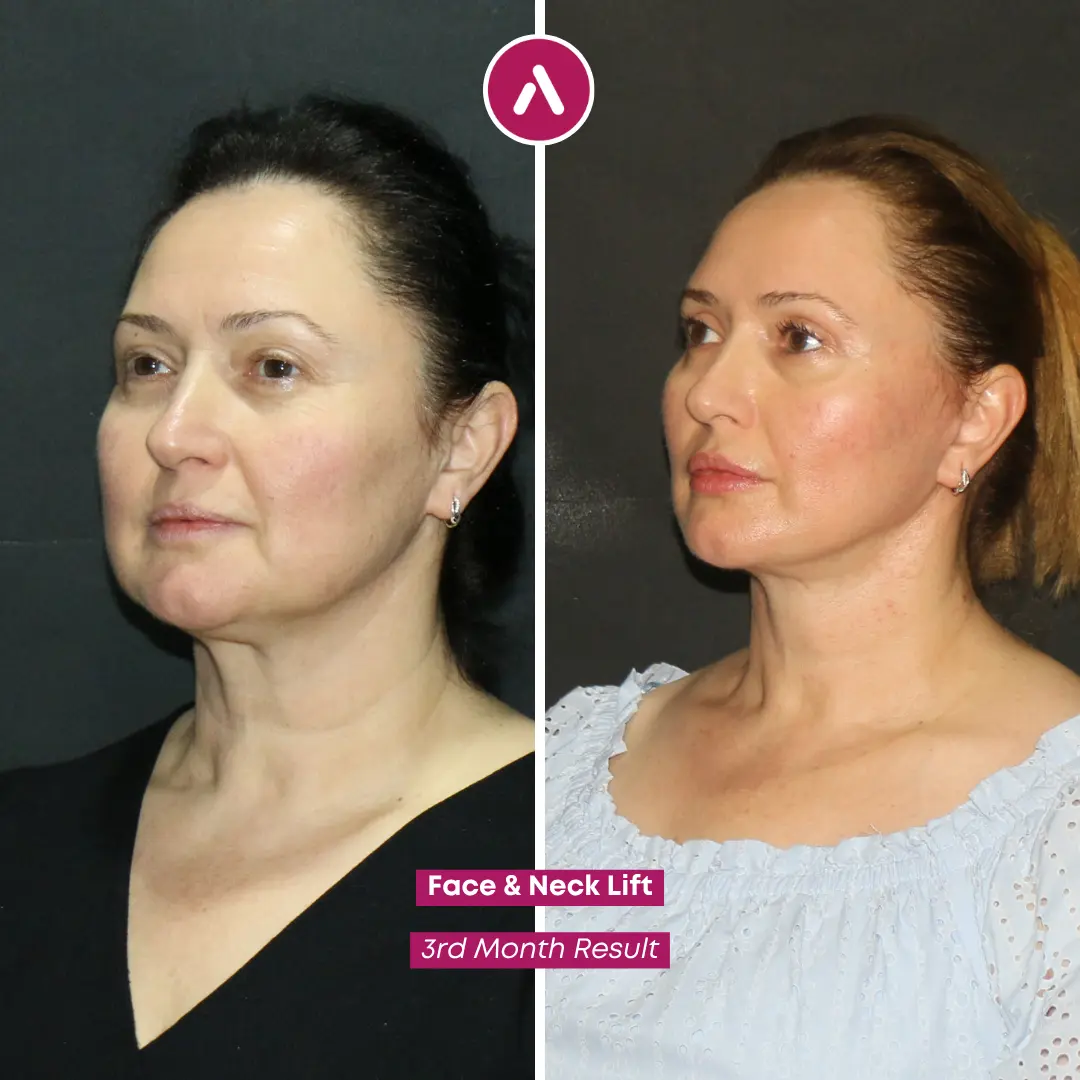
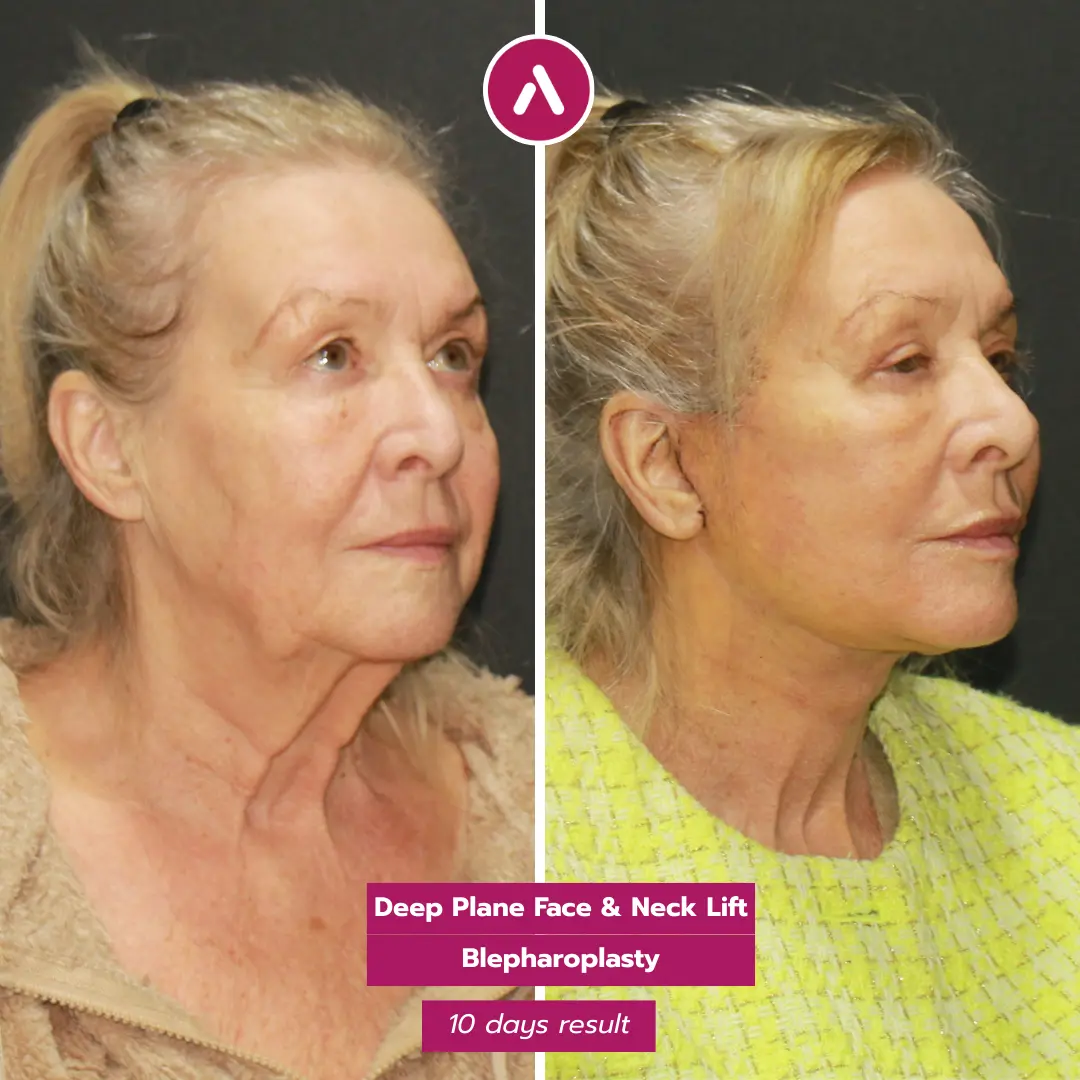
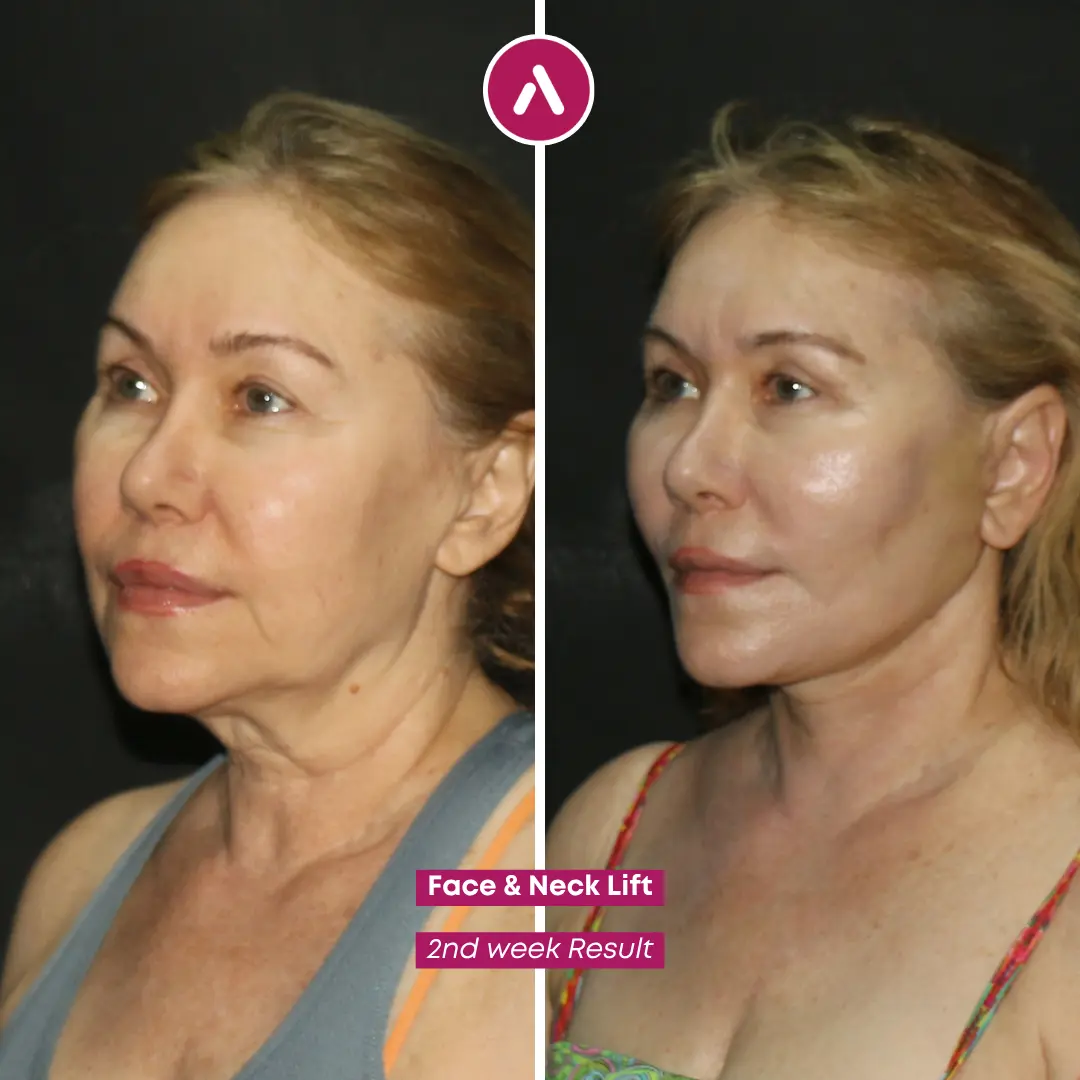
Depending on your anatomy and goals, a combined plan may include conservative upper blepharoplasty, skin-quality optimization, or complementary facial strategies. At AKM Clinic, the advantage of a team approach—combining dermatosurgeon insight (skin quality and surface aging) with the plastic surgery team (structural lift planning)—supports a more natural outcome that looks refined rather than “operated on.”
Who Should Avoid Combining Procedures (Safety-First Criteria)
Combination procedures are not “automatically better.” They should be avoided or staged if medical factors increase risk (for example, uncontrolled chronic conditions, smoking that hasn’t been stopped appropriately, or healing risk factors identified by your surgeon). Ethical planning prioritizes safety and predictability over doing more in one session.
Surgeon-Led Planning: Balancing Lift, Skin Quality, and Longevity
A credible plan should include: (1) your brow position goals, (2) the intended lift vector, (3) how symmetry will be addressed, and (4) how skin quality will be supported for long-term refinement. This is the kind of consultation detail an “expert patient” should expect—especially when traveling for surgery.
Longevity: How Long Does an Endoscopic Lift Last?
One of the most practical questions “expert patients” ask is durability: How long will this last, and what can shorten or extend results? While no ethical clinic should promise a lifetime outcome, an endoscopic brow lift is designed to create meaningful, long-lasting elevation by repositioning tissues rather than simply tightening skin. Longevity depends on anatomy, technique, and lifestyle—not just the calendar.
Typical Longevity Ranges and What Influences Them
Many patients enjoy results for years, but the exact range varies. The biggest variables include: your baseline brow descent, skin quality, the strength of facial muscles that pull the brow downward, and how your tissues heal and stabilize after fixation. A surgeon who respects natural proportions will often prioritize a result that ages well over one that looks dramatic early and “drops” quickly.
Lifestyle & Biology Factors: Skin Quality, Smoking, Sun Damage, Weight Change
Your day-to-day habits play a real role in how your upper face ages after surgery. In broad terms, smoking, heavy sun exposure, inconsistent skincare, and major weight fluctuations can accelerate visible aging changes. Think of surgery as resetting position—and lifestyle as influencing the speed of future change.
| Factor | Why It Matters | What You Can Do |
|---|---|---|
| Skin quality | Elasticity affects how “settled” results look over time | Medical-grade skincare + sun protection |
| Smoking / nicotine | Impairs circulation and healing quality | Stop pre-op as advised; avoid relapse during healing |
| Sun exposure | Accelerates collagen breakdown | Daily SPF + hats; treat pigmentation early |
| Weight changes | Can alter facial fat distribution and perceived lift | Stabilize weight pre- and post-op |
| Muscle dynamics | Strong depressor muscles can “fight” brow elevation | Surgeon-led planning; maintenance options if needed |
Maintenance Plan: Skincare, Non-Surgical Options, and Follow-Up Strategy
Maintenance is not about “chasing perfection.” It’s about protecting skin quality and supporting graceful aging. Depending on your needs, a surgeon may recommend structured follow-up, skin-quality treatments, or conservative non-surgical maintenance. This is where the combination of dermatosurgeon perspective (skin health) and the plastic surgery team (structure) supports more natural, longer-term refinement.
Revision vs. Touch-Up: How Often and Why (Risk-Aware Explanation)
Most patients do not “need a redo” soon. But in a small subset—especially those with significant asymmetry, heavy tissues, or strong downward pull—touch-up discussions may happen later. A revision is different from a maintenance touch-up: revision implies a structural correction, and it should only be considered when medically justified and planned carefully.
Expert-patient perspective: One AKM Clinic patient described her goal as looking “like nothing happened—just many years younger,” emphasizing natural-looking change over dramatic alteration.
Frequently Asked Questions (FAQ): Endoscopic Brow Lift Turkey
Below are the most common, decision-driving questions patients ask when researching endoscopic brow lift Turkey—including safety, travel timing, and cost-related planning.
Is endoscopic brow lift really “scarless”?
In practical terms, “scarless” usually means small, well-hidden incisions within the hairline—rather than no scar tissue at all. For most patients, scars fade and are difficult to detect once healed.
How painful is recovery, and how long does swelling last?
Many patients describe more tightness/pressure than sharp pain. Visible swelling typically improves noticeably in 1–2 weeks, with ongoing refinement over several weeks.
When can I fly back after surgery in Turkey?
Travel timing should be set by your surgeon based on your exam and early healing. Many medical travelers plan to stay long enough for post-op checks and to ensure swelling and wound healing are stable before flying.
Will the lift change my eye shape permanently?
A well-planned lift should open the eye area by improving brow position—not unnaturally change your identity. Over-aggressive lifting or the wrong vector is what creates an artificial look, which is why planning matters.
What are the main risks (nerve injury, asymmetry, hair loss)?
Key risks discussed in surgical practice include asymmetry, temporary numbness, healing issues, and (rarely) nerve-related changes. Hairline-based incisions can also carry a small risk of localized hair thinning. A thorough consultation should explain risk level for your anatomy.
Am I too old/young for an endoscopic brow lift?
Eligibility is less about age and more about anatomy, skin quality, degree of brow descent, and health status. Your surgeon should evaluate whether endoscopic technique fits your structure—or whether another method is safer/more predictable.
Can this fix hooded eyes without eyelid surgery?
Sometimes—especially if brow descent is driving hooding. If true eyelid skin excess remains even when the brow is lifted, upper blepharoplasty may still be needed (or a combined plan).
How do you prevent an “overdone” or surprised look?
By using conservative elevation, the correct lift vector, and realistic symmetry goals—plus careful pre-op planning with standardized photos and measurements. The aim is a rested expression, not a trend-driven exaggeration.
How long do results last compared to other brow lift techniques?
Endoscopic techniques are often chosen for a balance of natural result + hidden incisions + solid longevity. The “best” option depends on your hairline, anatomy, and the amount of lift required.
What should I ask in a consultation to verify surgeon experience and safety?
How many endoscopic brow lifts do you perform per year?
Where exactly will the incisions be placed for my hairline and hairstyle?
What fixation method will be used, and why is it best for me?
What complications have you seen, and how do you manage them?
If I also have hooded eyes, do you recommend brow lift, blepharoplasty, or both?
Medical Disclaimer: This page is provided for general educational purposes only and does not replace a face-to-face medical consultation, diagnosis, or personalised treatment plan. All surgery carries risks and outcomes vary between individuals. Suitability for an endoscopic brow lift, procedure selection, and anaesthesia choice can only be determined after a full clinical assessment by a qualified surgeon. Always follow your clinician’s instructions and seek urgent medical attention if you develop concerning symptoms during recovery.