

360 Body Lift Surgery in Turkey




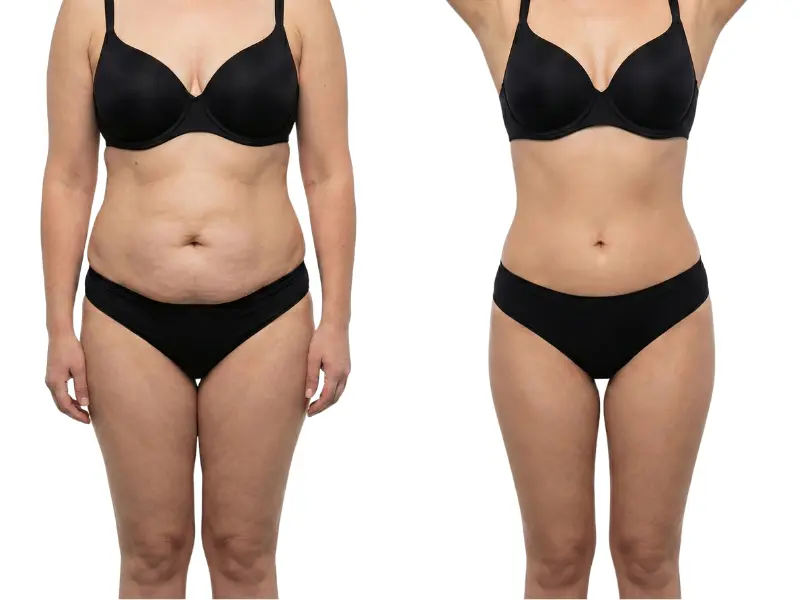
360 Body Lift: Quick Facts
Procedure Time
Anesthesia
Recovery Time
Hospital Stay
Back to Work
360 Body Lift Results: Before and After
A 360 body lift (also called a circumferential body lift, lower body lift, or belt lipectomy) is a comprehensive body-contouring surgery designed to address loose, hanging skin and tissue around the entire midsection—front, sides, and back—in one coordinated plan. It is most often considered after significant weight loss, pregnancy-related body changes, or age-related loss of skin elasticity, when skin tightening measures alone cannot restore a smoother, more defined silhouette.
This guide is written for patients who want the full picture—not just “before and after” photos. You’ll learn what a 360 body lift includes, how it differs from a tummy tuck, what scars typically look like, how to think about recovery time, and how to evaluate candidacy and safety. While outcomes can be transformative, a high-quality result should still look like you: a more confident, revitalized version of your natural shape—not an “overdone” or artificial contour.
Important note: This page is educational and cannot replace an in-person evaluation. Your anatomy, medical history, and goals determine what’s appropriate and what’s safest.
Table of Contents
Share your photos and medical history to receive a personalized assessment from our European board-certified facial surgery team.
What Is a 360 Body Lift? (Circumferential Body Lift / Lower Body Lift / Belt Lipectomy)
At its core, a 360 body lift is about restoring continuity. Instead of treating the abdomen alone (as in a standard tummy tuck), a 360 body lift aims to correct skin and tissue laxity that wraps around the torso. That “wrap-around” approach matters because the waistline and lower trunk are three-dimensional: changes in one area (like the front of the abdomen) influence how the flanks, lower back, and upper buttock contour appear. From a clinical standpoint, contemporary body-contouring literature consistently frames circumferential correction as a way to improve global trunk harmony—addressing not only anterior excess but also the lateral and posterior vectors that drive waist definition and lower-back roll formation.
Terminology: Why You’ll See Multiple Names for the Same Concept
Patients will often encounter different names — 360 body lift, circumferential body lift, lower body lift, and belt lipectomy. These terms are commonly used to describe a similar surgical goal: removing a ring (or “belt”) of excess skin/tissue and recontouring the lower trunk.
In real clinical practice, the exact scope varies. Some surgeons use these terms interchangeably, while others use them to indicate subtle differences in incision design, scar placement, or how much lifting is directed toward the outer thighs and buttocks. The key point is not the label—it’s what your surgical plan includes and what it does not.
What Does a 360 Body Lift Include?
A true 360 approach typically considers the following regions together:
- Abdomen (front): addressing lower abdominal laxity and improving contour through skin/tissue removal and tightening techniques when appropriate.
- Flanks (sides): smoothing “love handle” laxity and improving the transition from waist to hip.
- Lower back: tightening loose skin that can create folds, rolls, or a “melted” appearance after weight loss.
- Upper buttock / lateral hip: improving the drape of skin and supporting a more lifted, youthful contour.
Depending on your anatomy, your surgeon may recommend combining the lift with liposuction in selected areas to refine contour—especially when there’s a mismatch between skin laxity and localized fat distribution. The decision to add liposuction is individualized because aggressive fat removal and extensive skin tightening must be balanced carefully to protect blood supply and optimize healing.
Why Loose Skin Happens: The Underlying “Physics” of the Problem
Skin behaves like an elastic fabric. When it is stretched significantly—by major weight gain, pregnancy, or longstanding tissue expansion—the elastic fibers that allow recoil can become weakened. After major weight loss, the volume that once “filled” the skin envelope is gone, leaving a larger envelope with insufficient recoil. Genetics, age, sun exposure, nutrition, and nicotine exposure can further reduce skin’s ability to contract.
This is why many patients feel frustrated after a successful weight-loss journey: the scale improves, but the mirror still shows heaviness, folds, and clothing fit issues. A 360 body lift doesn’t “treat weight.” It treats the skin and tissue envelope—the drape and contour that shape how your body looks in real life.
Our surgery dates fill up quickly due to high international demand. Secure your consultation today to plan your ideal travel dates.
Ideal Candidates: Who Benefits Most (and Who Should Wait)
The best candidates for a 360 body lift tend to share a specific pattern: they have achieved meaningful body change (often weight loss) but are left with circumferential laxity that cannot be corrected with targeted, front-only surgery. Just as important, they’re prepared for the realities of recovery, scars, and the need to protect results through stable weight and healthy habits.
Candidacy Criteria: The “Green Lights” Surgeons Look For
- Stable weight: ideally maintained for a sustained period, reducing the risk that future changes will compromise results.
- Skin laxity that extends around the torso: not only the lower abdomen, but also the flanks and lower back.
- Realistic goals: improved contour and clothing fit, not perfection or a “weight-loss shortcut.”
- Medical readiness: health conditions (if present) are well-controlled, and you can follow pre- and post-op instructions reliably.
Who Should Postpone (or Consider Alternatives First)
A 360 body lift is a major operation, so timing matters. Many surgeons recommend postponing if you are still actively losing weight, planning pregnancy, using nicotine, or managing uncontrolled medical issues. In these situations, optimizing health first can meaningfully reduce risk and improve scar quality and overall healing.
If the primary issue is localized lower-abdominal laxity (without significant flank/lower-back involvement), a tummy tuck or extended tummy tuck may be more appropriate. Choosing the smallest procedure that fully addresses your problem is often the most efficient path to a natural result with a manageable scar and recovery.
Setting Expectations: What a 360 Body Lift Can and Cannot Do
A well-planned 360 body lift can create a smoother waistline, improved trunk proportions, and better clothing fit. Many patients also report improved comfort during movement because redundant skin and tissue folds are reduced.
However, it’s essential to understand trade-offs:
- Scars are part of the procedure: the operation exchanges excess skin for a strategically placed scar that typically sits low enough to be concealed by underwear or swimwear, depending on your plan.
- Recovery is real: swelling, fatigue, and activity limitations are normal and should be planned for.
- Perfection is not the goal: the goal is an authentic, proportionate contour that still looks like your body—just improved.
Answer a few quick questions about your concerns, health, and goals to learn which treatment options may suit you best.
360 Body Lift vs Tummy Tuck vs Other Options
Not every patient who dislikes their midsection needs a full circumferential lift. The “right” procedure depends on where the looseness is, how your skin behaves, and whether your concern is primarily skin excess, fat distribution, muscle laxity, or a combination. Understanding the differences helps you avoid both under-treatment (a result that still feels incomplete) and over-treatment (a bigger scar and recovery than you truly need).
360 Body Lift vs Tummy Tuck (Abdominoplasty): The Key Differences
A tummy tuck focuses on the front of the abdomen—typically addressing lower abdominal skin excess and, when indicated, tightening the abdominal wall (muscle fascia) to improve a “pooched” appearance. This can be highly effective when laxity is concentrated in the lower belly and the flanks/back are relatively tight.
A 360 body lift expands the concept to the entire beltline. If you have skin folds or laxity along the sides (flanks) and lower back, treating only the front can leave a mismatch: the abdomen looks improved, but the waistline and back still feel “unfinished.” In those cases, a circumferential approach is often the most logical way to restore harmony to the torso.
- Best fit for tummy tuck: primarily front-of-abdomen laxity, limited back/flank looseness.
- Best fit for 360 body lift: circumferential laxity—front + sides + lower back (often after major weight loss).
Why Liposuction Alone May Not Be Enough
Liposuction removes fat; it does not remove extra skin. If your skin has good elasticity, it may contract to some extent after fat removal. But when elasticity is reduced—common after significant weight loss or with age—fat removal can sometimes make looseness more noticeable because there is less volume “supporting” the skin envelope.
For many patients, the best plan is not “either/or.” It may be:
- Liposuction + lift (selectively): to refine contour while removing redundant skin.
- Lift without aggressive liposuction: when preserving blood supply and healing capacity is a priority.
The safest approach balances contour goals with tissue health. Over-aggressive fat removal in areas being lifted can increase the risk of wound-healing problems, especially in higher-tension closures.
Belt Lipectomy, Lower vs Upper Body Lift: When Each Makes Sense
Patients often use these terms interchangeably, but conceptually:
- Belt lipectomy / lower body lift: focuses on the lower trunk around the waistline—abdomen, flanks, lower back, and upper buttock/lateral hip contour.
- Upper body lift: targets upper torso laxity—often the bra-line/back rolls, upper abdomen, and sometimes breast/chest reshaping.
- Staged approach: for extensive laxity, surgeons may recommend staging (lower body first, upper body later) to keep surgery length and recovery safer and more manageable.
If your main complaint is “everything from the waist down feels loose,” a lower/360-focused plan is usually the starting point. If the problem extends well above the waistline, an upper body lift (often in a second stage) may be part of the long-term roadmap.
Surgical Techniques and Incision Designs
A 360 body lift is not a single “cookie-cutter” operation. Surgeons tailor incision placement, the amount of skin/tissue removed, and the direction of lift based on where laxity is most severe and where the final scar can be best concealed. The goal is to improve contour while keeping the scar as low and as predictable as possible.
Standard Circumferential Incision: Placement and Concealment
In many plans, the scar follows a low, circumferential path around the trunk—often designed to sit where underwear or swimwear typically covers. That said, anatomy and laxity vary. If the incision is placed too low or too high, it may become harder to conceal, or it may not adequately correct the laxity. The best placement is a strategic compromise between concealment and effectiveness.
It’s also important to understand that scar quality evolves over time. Early scars are typically more noticeable and gradually mature over months. Thoughtful closure technique, good aftercare, and avoiding nicotine are major factors that influence the final look.
Core Principles: Tension Management and Waist Definition
A natural-looking outcome depends heavily on how tension is distributed during closure. Concentrating all tension on the skin can widen scars and increase wound-healing issues. High-quality plans emphasize deeper support and controlled tension vectors so that the waistline looks refined without appearing “over-pulled.”
Because the trunk is three-dimensional, surgeons also plan transitions—how the abdomen blends into the flanks, and how the lower back blends into the upper buttock contour. The objective is not simply “tight skin,” but a smoother, more proportionate silhouette.
360 Body Lift with Fleur-de-Lis: Indications and Trade-Offs
Some patients—especially after massive weight loss—have significant horizontal and vertical skin excess. In these cases, a standard horizontal-only pattern may not adequately narrow the waist. A fleur-de-lis modification adds a vertical component that can improve waist narrowing and remove more central abdominal redundancy.
The trade-off is straightforward: you may gain better contour in certain body types, but you accept an additional vertical scar. This option is typically reserved for specific anatomy where the benefit clearly outweighs the scar burden.
| Approach | Best For | Main Benefit | Primary Trade-Off |
|---|---|---|---|
| Standard 360 Body Lift | Circumferential laxity with moderate central abdominal redundancy | Balanced torso improvement front-to-back | Long circumferential scar (typically low) |
| 360 Body Lift + Targeted Liposuction | Localized fat pockets with skin laxity | Sharper contour refinement in select areas | Must be conservative to protect healing |
| 360 Body Lift with Fleur-de-Lis | Severe vertical + horizontal skin excess (often massive weight loss) | Improved waist narrowing and central abdominal shaping | Additional vertical scar |
Pre-Op Planning and Preparation Checklist
Planning is not a formality—it’s part of what makes a major body-contouring surgery safer and more predictable. The goal is to align your surgical plan with your anatomy, optimize your health for healing, and reduce avoidable risks such as poor wound healing, infection, or prolonged swelling. Patients who treat pre-op preparation seriously tend to navigate recovery with fewer surprises.
Consultation and Surgical Planning: What Should Happen
A high-quality consultation clarifies the exact scope of surgery: what areas will be treated, what the scar pattern will look like, whether liposuction is appropriate, and whether the procedure should be staged. Your surgeon should also discuss your priorities—waist definition, back folds, lower abdomen, buttock contour—and how those goals impact incision placement and tension vectors.
You should leave your consult understanding:
- What the operation will and will not change
- Where scars are expected to sit
- What the first 2 weeks of recovery realistically look like
- How follow-up is structured and what support is available if concerns arise
Health Optimization: Nicotine, Medications, Nutrition, and Movement
Major body-contouring procedures depend on reliable blood supply to the healing tissues. Nicotine (including vaping and many “nicotine replacement” products) is widely known to compromise circulation and is strongly associated with wound-healing problems. In addition, certain medications and supplements can increase bleeding risk. Your surgical team should provide a clear plan for what to stop, what to continue, and what to substitute when necessary.
Nutrition and activity matter too. Healing is metabolically demanding. Protein intake, hydration, and gentle mobility strategies (as advised) can support recovery and reduce complications related to immobility.
Practical Preparation: Home Setup, Support, and Compression Garments
A 360 body lift affects movement and comfort early on—especially when sitting, standing, and getting in and out of bed. Planning your environment and support system in advance can make the first week significantly easier. This includes organizing help for daily tasks, setting up a comfortable resting area, and having your compression garment strategy clarified before surgery day.
You’ll also want to plan for:
- Time away from work and responsibilities
- Transportation and assistance for early follow-ups
- Supplies for incision care, hygiene, and comfort
You are never alone. Our 24/7 Patient Hosts and English-speaking staff will be by your side from arrival to departure.
The Procedure Step by Step: What Happens in the OR
A 360 body lift is a meticulously planned operation that follows a logical sequence: confirm the surgical blueprint, remove the redundant skin/tissue in a controlled circumferential pattern, reshape contours, and close with a tension strategy designed to support healing and scar quality. While the exact steps vary by anatomy and surgeon preference, understanding the typical workflow helps you evaluate whether a proposed plan is comprehensive, safe, and aligned with your goals.
Pre-Op Marking: The “Blueprint” That Determines Your Final Scar Placement
Most surgeons perform detailed markings before surgery—often while you’re standing—because gravity and natural posture reveal where tissue truly hangs and where the waistline sits in real life. These markings guide:
- Incision placement: aiming to keep the final scar low and concealable when possible.
- Symmetry targets: aligning left/right landmarks to reduce visible imbalance.
- Tension direction: planning how the tissues will be re-draped to create a smooth, natural contour rather than a “pulled” look.
This is also the stage where your surgeon confirms the scope: whether the plan is purely a circumferential lift, whether targeted liposuction is appropriate, and whether any additional procedures (like a fleur-de-lis component) are necessary for your anatomy.
Contour Work: Circumferential Excision and Reshaping (± Liposuction)
During the operation, the surgeon removes a measured amount of excess skin and underlying tissue in a circumferential pattern around the lower trunk. The focus is not only on removing “extra skin,” but on restoring proportion: how the abdomen transitions into the flanks, how the lower back smooths out, and how the upper buttock/hip region aligns with the new waistline.
In some patients, selective liposuction may be used to refine shape. When combined with lifting, this must be approached conservatively and strategically. The goal is to improve contour while protecting tissue blood supply and reducing wound-healing risk. A well-designed plan prioritizes predictable healing over aggressive fat removal.
If a fleur-de-lis pattern is part of the plan, the surgeon adds a vertical excision component to address significant central abdominal redundancy and improve waist narrowing. This can be particularly relevant after massive weight loss, but it comes with an additional scar trade-off that should be discussed openly.
Closure Strategy: Drains, Compression, and Early Mobilization
Closure is where artistry and safety meet. A high-quality closure strategy aims to distribute tension thoughtfully and support tissues as they heal. Depending on your plan, your surgeon may place drains to reduce fluid accumulation risk (seroma) and apply dressings and a compression garment to support swelling control and contour stability.
Early mobilization (gentle walking as advised) is commonly encouraged soon after surgery because it supports circulation and helps reduce certain postoperative risks. Your surgeon will give specific guidance on posture, movement, and how to protect the incision line—especially in the first couple of weeks when tissues are most vulnerable.
Anesthesia Options, Safety, and Pain Control
For many “expert patients,” the biggest hurdle is not the idea of scars—it’s safety. A 360 body lift is a significant operation, and the anesthesia plan should be treated as a core part of your safety strategy, not a footnote. The right approach depends on your medical history, the extent of the surgery, and your surgeon’s protocol for monitoring and recovery.
What Anesthesia Is Typically Used for a 360 Body Lift?
In most settings, a 360 body lift is commonly performed under general anesthesia because of the procedure’s scope, circumferential nature, and operative time. General anesthesia allows complete comfort and controlled conditions for both surgeon and patient.
That said, anesthesia is not “one-size-fits-all.” The best clinics individualize planning based on candidacy and safety—especially for patients with prior anesthesia concerns, anxiety, or specific medical considerations. Your consultation should include a clear conversation about why a particular anesthesia approach is recommended for your case and what monitoring and safety layers are in place.
Multimodal Pain Control: What “Comfortable Recovery” Really Means
Pain after a 360 body lift is real—but modern recovery protocols focus on multimodal pain control, which means using multiple complementary strategies rather than relying on a single medication class. In practical terms, this approach aims to:
- Reduce peaks and valleys in pain levels
- Improve mobility and sleep in the early recovery period
- Support smoother return to daily activities (within safe limits)
Comfort is not only about medication. Compression strategy, positioning, early walking guidance, and incision-care education all influence how manageable the first 1–2 weeks feel. “Good pain control” should still keep you alert enough to hydrate, eat, and move safely, which supports overall healing.
Safety Layers That Matter: Screening, Monitoring, and Protocol Discipline
When you evaluate a provider, look for a structured safety system rather than reassuring language. Two areas are especially important:
- Pre-operative health screening: identifying risks early and optimizing health before surgery.
- Intraoperative and postoperative monitoring: consistent tracking of vital parameters and recovery status.
At AKM Clinic, the surgical model emphasizes strict pre-operative health screenings and advanced patient vitals monitoring as foundational safety layers—designed to reduce avoidable risk and improve predictability for the expert patient who values certainty over shortcuts.
AKM Clinic is also known for performing select procedures with awake surgery / twilight sedation where appropriate, a capability that reflects a comfort- and safety-focused approach to anesthesia planning. For a 360 body lift, the safest anesthesia choice is determined case-by-case, based on surgical scope and your individual profile.
From VIP airport transfers to 5-star hotel accommodations, we handle every detail. Enjoy a seamless medical travel experience in Istanbul.
Recovery Timeline: Day-by-Day and Week-by-Week
Recovery after a 360 body lift is a process—not a single milestone. Most patients feel a steady week-to-week improvement, with the biggest “quality-of-life jump” typically happening after the first 10–14 days as swelling starts to settle and basic mobility becomes easier. Your exact timeline depends on surgical extent, skin quality, how your body handles swelling, and how consistently you follow instructions on movement, compression, nutrition, and incision care.
The First 72 Hours: Swelling, Drains, Walking, and Positioning
The first three days are about protection and rhythm: controlling swelling, staying hydrated, gently moving, and learning how to rest without putting stress on incisions. It’s normal to feel tightness around the beltline, soreness with position changes, and significant fatigue. Many patients describe the sensation as “pressure” or “heaviness” more than sharp pain—especially with good multimodal pain control.
- Swelling and fluid shifts: expected and often most noticeable around the lower abdomen, flanks, and back.
- Drain care (if used): keeping output logs as instructed and maintaining clean handling.
- Early walking: short, frequent walks are often encouraged to support circulation and reduce certain postoperative risks.
- Positioning: resting in a supported, slightly flexed posture may reduce tension on the incision line early on (follow your surgeon’s guidance).
What to avoid in this window: sudden twisting, forceful stretching, overextending the trunk, and “testing” your range of motion. Healing tissues are vulnerable, and overconfidence can set you back.
Weeks 1–2: Wound Care, Energy Levels, and Realistic Return-to-Work Timing
Weeks 1–2 are often the most psychologically challenging because you may feel improved compared to day 3, but still far from “normal.” Swelling can fluctuate day-to-day, and fatigue is common. Many patients underestimate how metabolically demanding healing is—your body is essentially rebuilding tissue integrity.
- Incision care: follow exact instructions for cleaning, dressing changes, and showering.
- Compression garments: used to support swelling control and contour stability; fit and timing should be guided by your surgical team.
- Activity limits: light walking is typically encouraged; lifting, strenuous core engagement, and intense exercise are usually restricted.
- Work and social downtime: desk-based work may be possible earlier than physically demanding jobs, but comfort and stamina vary widely.
In this stage, your goals are consistency and protection: steady nutrition, hydration, gentle movement, and avoiding anything that increases incision tension. If you have increased redness, worsening pain, foul drainage, fever, or sudden swelling in one area, you should contact your surgical team promptly.
Weeks 3–6 and Months 3–12: Exercise, Swelling Resolution, and “Final Contour”
From weeks 3–6, many patients notice improved mobility and less day-to-day discomfort, but swelling can still be significant—especially by evening or after more activity. As your surgeon clears you, you typically progress from walking to more structured movement and eventually a return to exercise. The exact timing depends on healing quality, incision strength, and how your body responds.
A key point: your final contour is not visible at week 2. In body contouring, swelling and tissue settling can continue for months. The scar also matures over time, often improving in color and texture as it moves through normal healing phases.
Accelerated Recovery & Safety Protocol: HBOT and LLLT as Strategic Aftercare
For expert patients, “recovery” isn’t just about waiting—it’s about supporting tissue biology in a way that improves predictability. At AKM Clinic, the post-operative philosophy includes a structured Accelerated Recovery & Safety Protocol that can incorporate advanced supportive therapies like Hyperbaric Oxygen Therapy (HBOT) and Low-Level Light Therapy (LLLT), used to complement (not replace) foundational surgical aftercare.
- HBOT (Hyperbaric Oxygen Therapy): supports tissue oxygenation, which can be relevant to wound healing dynamics and recovery quality—especially in large-area contouring where tissues are working hard to heal.
- LLLT (Low-Level Light Therapy): is used as a supportive modality for swelling management and tissue recovery goals, often selected for patients who prioritize an optimized, protocol-driven healing experience.
If you’re evaluating any “rapid recovery” claims anywhere, ask for a clear framework: what is being used, when, why, and how the team monitors progress. The value is not the technology alone—it’s how thoughtfully it’s integrated into a disciplined safety and follow-up plan.
We use advanced Hyperbaric Oxygen Therapy (HBOT) to minimize downtime and supercharge your healing process. Safety is our #1 promise.
360 Body Lift Scars: Placement, Maturation, and Scar Care
Scars are not a side effect of a 360 body lift—they are the mechanism that makes the result possible. The procedure exchanges redundant skin for a continuous scar that is typically designed to sit low and be concealed by underwear or swimwear. For most patients, the real question is not “Will I have a scar?” but “How will my scar heal, and what can I do to support the best possible scar quality?”
Where Scars Sit and How They’re Typically Concealed
In many cases, the scar follows a low circumferential path around the trunk. The front portion may resemble a tummy tuck-style scar, while the sides and back extend the contour improvement to the flanks and lower back. Scar placement is planned around real-life clothing lines, but anatomy matters—some patients require slightly higher placement to achieve an effective lift.
If a fleur-de-lis component is added, you will also have a vertical scar on the abdomen. This is usually reserved for specific anatomy (often massive weight loss) where the additional contour benefit is considered worth the trade-off.
What Impacts Scar Quality: Genetics, Tension, Nicotine, and Healing Conditions
Scar outcomes vary. Some patients naturally heal with thin, light scars; others are more prone to thicker or more pigmented scarring. Several factors are consistently important:
- Tension: higher tension can widen scars and increase delayed healing risk.
- Nicotine exposure: can compromise circulation and is strongly associated with wound-healing problems and poorer scar quality.
- Infection or fluid issues: can prolong inflammation and affect scar maturation.
- Sun exposure: can darken scars, especially in the first year.
A well-executed closure strategy, appropriate compression guidance, and consistent follow-up can make a meaningful difference. Scar care is not “one product”; it’s a structured routine that supports normal maturation.
Scar Care Roadmap: What Patients Commonly Do After Healing Is Established
Your surgeon’s instructions should always take priority. In general, scar care often includes a combination of:
- Silicone-based scar therapy: used to support scar maturation once incisions are appropriately closed.
- Gentle massage: introduced when advised to improve tissue flexibility and comfort.
- Sun protection: critical for minimizing long-term discoloration.
- Long-term follow-up: monitoring scar evolution and intervening early if hypertrophy (thickening) begins.
For patients who prefer a more protocol-driven recovery environment, AKM Clinic’s supportive recovery approach may include adjunctive modalities (such as HBOT and LLLT) selected with the goal of improving recovery quality and scar-related outcomes as part of a broader safety framework—not as a standalone promise.
Get a clear, day-by-day itinerary covering arrival, surgery, recovery, and fit-to-fly clearance tailored to your schedule.
Risks and Complications: A Transparent Safety Guide
A 360 body lift can be life-changing—but it is still major surgery, and the safest way to approach it is with complete honesty about risks. “Rare” does not mean “impossible,” and “common” does not mean “acceptable.” Your goal as an expert patient is to understand what can happen, what warning signs look like, and how a high-quality surgical team reduces risk through protocols, screening, and structured follow-up.
Common Issues: Seroma, Delayed Healing, Wound Separation, and Visible Scars
Most complications after body contouring are on a spectrum of healing friction rather than catastrophic events. These are the issues that surgeons manage most often:
- Seroma (fluid collection): a pocket of fluid that can develop under the skin after large-area tissue work. It may require observation, aspiration in clinic, or extended compression protocols.
- Delayed wound healing: small areas along the incision line can heal slowly, especially in high-tension regions or in patients with risk factors (nicotine exposure, poor nutrition, uncontrolled diabetes).
- Wound separation: a partial opening along the incision line can occur if tension is high, mobility is excessive too early, or healing capacity is compromised.
- Prominent scarring: thickening, widening, or pigmentation changes can occur—especially if genetics predispose to hypertrophic scars or if sun exposure is not protected.
These problems are not “minor” when they happen to you, but they are typically manageable when detected early and treated with disciplined follow-up.
More Serious Risks: Infection, Bleeding, and Blood Clots (Red Flags to Know)
Less common risks matter because they can escalate quickly without appropriate response. Your surgical team should educate you on symptoms that require urgent evaluation:
- Infection: increasing redness, warmth, worsening pain, foul drainage, fever, or chills—especially if symptoms worsen after initially improving.
- Bleeding/hematoma: sudden swelling, firmness, significant asymmetry, or rapidly increasing pain.
- Blood clots (DVT/PE): calf pain or swelling, shortness of breath, chest pain, rapid heartbeat, or sudden dizziness—these require immediate medical attention.
If a clinic downplays these risks or avoids discussing them, that is not reassurance—it’s a lack of transparency. A trustworthy provider explains risk honestly and then shows you the systems that reduce it.
How Risks Are Reduced: Protocols, Screening, Sterility Standards, and Monitoring
A safer outcome is rarely about one “magic” feature. It’s about layered discipline—doing many small things correctly, consistently, for every patient. When you evaluate a provider, look for concrete answers in these areas:
- Strict pre-operative health screening: identifying medical risk factors early and optimizing you before surgery, rather than “hoping for the best.”
- Operating environment standards: internationally aligned sterilization protocols and repeatable hygiene systems.
- Continuous vitals monitoring: not only during surgery but throughout immediate recovery, with clear escalation pathways if something deviates from normal.
- Materials and hospital standards: clarity on where surgery is performed and what standards govern the facility and materials used.
- Follow-up structure: who you contact, how quickly you’ll get a response, and what the plan is if you’re already back home.
At AKM Clinic, the safety framework emphasizes structured screening for candidacy, advanced patient monitoring during procedures, and internationally aligned sterilization standards. For international patients, the clinic also anchors its “value” argument in maintaining world-class facility/material standards, rather than compromising on essentials.
Results and “Natural Contour”: How to Read Before & After Photos
Before-and-after photos are valuable—but only if you know how to interpret them. Expert patients don’t just look for “flatter.” They look for proportion, transition zones, and realism. The goal is a result that feels authentic to your body: smoother lines, improved waist definition, and better clothing fit without an “over-tightened” or unnatural contour.
What “Good” Looks Like: Proportions, Transitions, and Symmetry
A strong 360 body lift result usually shows improvement across multiple angles—not just the front view. Look for:
- Waistline continuity: the abdomen blends smoothly into the flanks without a step-off or abrupt indentation.
- Lower back smoothing: reduction in skin folds/rolls with a more uniform drape.
- Upper buttock and lateral hip harmony: improved contour should look balanced, not “flat” or disproportionately pulled.
- Symmetry: perfect symmetry is not realistic, but obvious left/right inconsistencies should be explained (pre-existing asymmetry is common).
Also consider the patient’s baseline. A dramatic transformation on one person may be unrealistic for another with different skin quality, scar tendencies, or body composition.
Male 360 Body Lift Goals: Athletic Lines and Scar Strategy
Male patients often want a different aesthetic: a tighter torso with clean, athletic lines rather than exaggerated curvature. That can influence:
- Contour priorities: flatter abdomen, smoother flanks, a more defined waist transition.
- Scar concealment planning: tailored to typical male underwear/shorts lines and lifestyle preferences.
- Skin quality considerations: men can still have massive-weight-loss laxity; the plan is driven by anatomy, not gender stereotypes.
If you’re a male patient reviewing photos, prioritize multi-angle views (front, side, and back) and look for a natural trunk silhouette that matches your goals.
Photo Integrity: Lighting, Pose, and Timing (Why “Two Weeks” Isn’t the Finish Line)
Not all before-and-after photos are created equal. To judge results fairly:
- Compare matched conditions: similar lighting, distance, posture, and camera angle.
- Check the timeline: early photos can show swelling, garment effects, or incomplete tissue settling.
- Look for long-term follow-up: a mature result (months later) is more meaningful than an immediate post-op snapshot.
A clinic with a protocol-driven recovery philosophy may also discuss how they support patients who need minimized “social downtime” through structured aftercare planning. When advanced recovery modalities are offered, the key question is not “Do you have it?” but “How is it used, for whom, and how do you track progress?”
Surgeon’s Insight: The most successful aesthetic result is one that looks “unoperated-on”—a revitalized version of you, not a different body. The best planning respects your natural proportions and focuses on refinement, not exaggeration.
Our philosophy is “Rejuvenation, Not Alteration.” Discover how our surgeons achieve subtle, revitalized results that honor your unique beauty.
360 Body Lift Cost Analysis 2026: US vs Turkey
A 360 body lift is one of the highest-complexity body contouring procedures, so cost varies widely based on surgical extent (standard vs fleur-de-lis, added thigh work, liposuction), anesthesia team, facility type (hospital vs accredited surgery center), and how robust the aftercare model is. The most important takeaway for expert patients is this: a meaningful comparison requires you to compare apples to apples—a written quote that clearly itemizes what’s included, what’s excluded, and what “support” looks like once you’re back home.
What Drives 360 Body Lift Pricing in the U.S. (Even Within the Same City)
Two patients in the same metro can receive dramatically different quotes because a “360 body lift” is not always the same scope. Pricing commonly shifts based on:
- Extent of lift: true circumferential excision vs partial/back-only work added to an extended tummy tuck.
- Staging vs single-stage surgery: some plans combine multiple areas; others stage to reduce operative time and recovery burden.
- Facility type and overnight monitoring: hospital-based care and monitored recovery can add substantial facility costs.
- Anesthesia model: anesthesiologist vs CRNA, plus length of surgery.
- Aftercare intensity: garments, medications, drains management, and follow-up schedule.
Because of these variables, the best way to compare options is to request a detailed written quote that includes surgeon’s fee, anesthesia, facility/OR fees, pre-op testing, garments, prescriptions, and follow-up schedule.
Typical U.S. Price Signals (Using Published Averages as Reference Points)
Publicly available data provides context, not a guaranteed quote. For example, professional society averages may reference the surgeon’s fee only, while patient-reported averages can reflect a broader, real-world total. Use these numbers to sanity-check a quote—not to replace a personalized consultation.
| Market | Reference Cost Signal | What It Represents (Important) | What to Verify in Your Quote |
|---|---|---|---|
| New York (NY) | ~$28,500 (state-level patient-reported average) | Patient-reported average for “body lift” can include varied scopes | Is it a true 360 lift? Are anesthesia + facility + garments included? |
| Miami (FL) | ~$17,700 (state-level patient-reported average) | Florida average may include a wide range of practices and procedure scopes | Does the quote include aftercare, compression plan, and follow-up structure? |
| Los Angeles (CA) | ~$34,400 (metro patient-reported average) | Major metro pricing often reflects higher overhead and demand | Hospital vs surgery center? Overnight monitoring? Total all-in cost? |
| U.S. national reference (professional society) | $12,500 (average surgeon’s fee for lower body lift) | Surgeon’s fee only (does not include anesthesia/facility/other costs) | Ask for a full all-inclusive total, not just surgeon’s fee |
| Istanbul (All-inclusive model) | Personalized all-inclusive quote after evaluation | Best compared as a complete package (surgery + logistics + aftercare) | Exactly what is included/excluded, plus long-term follow-up plan |
Why Costs Can Be Lower Internationally Without “Cutting Corners”
For expert patients, the only meaningful question is: Are standards verifiable? International price differences are often driven by macroeconomic factors (exchange rates and lower operational costs), but quality should be anchored in tangible standards: the operating environment, the materials used, and credential transparency. If you’re considering care abroad, you should explicitly verify:
- Where surgery is performed: the accreditation level of the hospital/surgical facility.
- Materials standard: whether implants/sutures/devices are sourced to internationally recognized standards where applicable.
- Safety protocols: sterilization systems, monitoring, and candidacy screening.
- Continuity of care: what happens after you fly home (scheduled virtual follow-ups, escalation pathways).
Get a 100% transparent, all-inclusive quote tailored to your needs. No hidden fees—just world-class care at an accessible price.
Choosing the Best 360 Body Lift Surgeon and Facility
A 360 body lift is not a “trend” procedure—it’s reconstructive-level contouring that demands planning discipline, tissue-respectful technique, and a serious safety culture. The right provider is the one who can explain your plan in detail, show consistent results across multiple body types, and demonstrate a system for preventing and managing complications—especially if you’re traveling.
Credentials and Standards to Verify (Before You Look at the Price)
- Board certification and focused experience: prioritize surgeons with a strong track record in post-weight-loss body contouring and circumferential lifts.
- Facility accreditation: confirm the level of accreditation and the safety infrastructure (sterilization protocols, emergency readiness).
- Anesthesia qualifications: clarify who administers anesthesia and what monitoring is used intraoperatively and in early recovery.
- Pre-op screening rigor: a clinic should be willing to delay surgery if risk factors aren’t optimized.
How to Evaluate a Portfolio Like an Expert Patient
Before-and-after photos should answer clinical questions—not just aesthetic ones. Look for:
- Multi-angle consistency: front, side, and back views with comparable lighting and posture.
- Scar quality over time: ask to see outcomes months later, not only “early reveal” photos.
- Body-type diversity: results across different skin qualities and degrees of laxity (including massive weight loss cases).
- Realistic outcomes: smooth transitions and proportion—not an over-tightened, unnatural contour.
Questions to Ask in a Consultation (That Reveal Quality Instantly)
- “What exactly is included in my 360 plan?” (front + flanks + lower back + upper buttock?)
- “Will this be staged?” If yes, why—and what’s the timeline?
- “How do you reduce seroma and wound-healing risk?” Ask about tension strategy, drains/aftercare, and patient optimization.
- “What is your follow-up plan once I’m home?” Scheduled check-ins should be specific, not vague.
- “If I have a concern after returning, what happens next?” You want a clear escalation pathway and response expectations.
Perform your surgery with confidence. Meet our European Board Certified surgeons with over 2,000 successful facial surgeries.
The Medical Journey in Istanbul: A Practical Guide for International Patients
If you’re considering a 360 body lift abroad, the smartest way to evaluate the experience is to treat it like a medical project—not a vacation. Your priorities should be (1) safety and continuity of care, (2) logistical simplicity during a vulnerable recovery window, and (3) a structured follow-up plan after you return home. When those three are handled well, traveling can feel surprisingly straightforward—even for patients who are naturally cautious.
Remote Evaluation: How a Legit Plan Is Built Before You Fly
A reliable international pathway starts with a real pre-op evaluation—not vague promises. A proper remote assessment typically includes:
- Photo and history review: clear, standardized photos (front/side/back) plus medical history, prior surgeries, and current medications.
- Goal mapping: what bothers you most (front abdomen vs flanks vs lower back vs upper buttock), and how you define success.
- Scope clarity: confirming whether you need a true circumferential lift, whether a fleur-de-lis component is necessary, and whether the plan should be staged.
- Risk screening: identifying factors that increase complication risk (nicotine exposure, uncontrolled medical conditions, unstable weight) and setting optimization steps.
At AKM Clinic, international patients typically receive a structured plan built around candidacy and safety, including clear communication and a defined pre-op workflow rather than last-minute decisions after arrival.
On-the-Ground Logistics: Hotel, Transfers, and Coordinated Support
After a 360 body lift, you’re not going to want to troubleshoot transportation, navigate language barriers, or coordinate appointments alone—especially in the first few days. A well-run international pathway reduces friction by making the recovery window as “hands-off” as possible from a logistics standpoint.
AKM Clinic’s patient journey is designed around coordinated support, typically including:
- Airport-to-hotel transfers: coordinated transportation so you don’t have to arrange ride services while you’re tired or sore.
- Hotel accommodation support: a recovery-friendly stay plan that reduces walking, stairs, and unnecessary exertion.
- On-site coordination: a patient host model with responsive communication so questions are answered quickly.
- Pre-op tests and scheduling: organized in a predictable sequence to reduce stress and last-minute changes.
For expert patients, this matters because “logistics failure” can become a medical problem: missed follow-ups, unnecessary activity, poor rest, or delayed response to warning signs. A coordinated system is part of safety.
Travel Timing: How Long Should You Stay and When Can You Fly?
Length of stay is individualized, but the decision should be driven by medical checkpoints—not a calendar guess. In general, your surgeon will want to see you through the early phase when swelling, drainage management (if drains are used), and incision monitoring are most important.
Two practical principles help you plan responsibly:
- Plan for enough time to stabilize: you want your pain control, walking ability, and incision checks to be on track before you travel.
- Prioritize safety over convenience: flying too early increases discomfort and can complicate swelling management and mobility.
Because “when can I fly?” is one of the most common questions, the safest answer is: your surgeon must clear you based on your specific progress. The right clinic will provide a candid timeline estimate in advance, then confirm readiness with in-person evaluation before departure.
Follow-Up After You Return Home: Continuity Is the Real Differentiator
International surgery only makes sense when follow-up is structured. You should not rely on “message us if you need anything.” A high-quality system schedules check-ins and defines how concerns are escalated.
AKM Clinic’s approach emphasizes continuity through planned follow-ups and direct communication support. For international patients, this typically includes structured virtual checkpoints after you return home (for example, scheduled follow-ups at intervals such as 1, 3, 6, and 12 months), so your recovery is monitored beyond the immediate post-op window.
When evaluating any provider, ask three direct questions:
- “What is my written follow-up schedule?”
- “If I’m back home and something looks wrong, what happens next?”
- “Who responds—and how quickly?”
The best answer is specific, not reassuring.
From VIP airport transfers to 5-star hotel accommodations, we handle every detail. Enjoy a seamless medical travel experience in Istanbul.
Frequently Asked Questions: 360 Body Lift
Below are concise, voice-search friendly answers to the questions expert patients ask most. These are general educational guidelines. Your safest and most accurate plan comes from an individualized evaluation of your anatomy, medical history, and surgical goals.
How long is 360 body lift recovery?
Most patients notice recovery improving in phases rather than “all at once.” The first 1–2 weeks are usually the most demanding due to swelling, fatigue, and movement restrictions. After that, comfort and mobility typically improve steadily, but swelling and tissue settling can continue for months. Many patients feel “socially presentable” earlier than they feel fully athletic, and scar maturation continues for up to a year (sometimes longer). Your personal timeline depends on the scope of surgery (standard vs fleur-de-lis, added liposuction, staged vs single-stage), your skin quality, and how closely you follow guidance on compression, walking, nutrition, and incision care. The best way to plan is to ask your surgeon for a candid, candidacy-based roadmap for work, travel, and exercise—because a realistic plan prevents avoidable setbacks.
Is a 360 body lift the same as a belt lipectomy?
They are closely related and often used interchangeably. Both terms generally describe circumferential contouring around the lower trunk—removing excess skin/tissue in a “belt” pattern to improve the abdomen, flanks, lower back, and upper buttock/hip contour. In practice, different surgeons may use the terms to indicate slight differences in incision placement, the extent of lifting toward the outer thighs, or whether additional contouring steps are included. The label matters less than the written plan. Ask: “Will my surgery address the back and flanks as well as the front?” and “Where will the final scar sit?” Those answers define whether you’re truly getting a comprehensive circumferential approach.
Will I have a scar all the way around?
If you undergo a true circumferential (360) body lift, you should expect a continuous scar around the lower trunk. Most surgical plans aim to place the scar low enough to be concealed by underwear or swimwear, but the exact placement is determined by your anatomy and where the lift is needed most. Early scars are typically more noticeable and then gradually soften and fade as they mature. Scar quality is influenced by genetics, incision tension, aftercare consistency, sun protection, and—critically—nicotine avoidance. If a fleur-de-lis component is needed to address major central abdominal redundancy, you will also have an additional vertical scar on the abdomen. A high-quality provider should show you examples of mature scars (months later), not only early post-op photos.
360 body lift vs tummy tuck—what’s better after weight loss?
It depends on where your laxity is. A tummy tuck primarily addresses the front abdomen. If your loose skin and folds extend to the sides and lower back (which is common after major weight loss), a front-only procedure can look incomplete because the waistline and back remain untreated. A 360 body lift is designed specifically for circumferential laxity—front, flanks, and lower back—so it often produces a more harmonious trunk contour in massive weight loss patients. The most expert approach is to choose the smallest procedure that fully corrects your problem. If you only need front correction, a tummy tuck may be the right choice. If your laxity wraps around, a 360 plan may be more rational. A good consultation should explain the decision with anatomy, not sales language.
When can I fly after a 360 body lift?
The safest answer is: when your surgeon clears you based on your healing progress and early postoperative checkpoints. Flying too soon can increase discomfort and swelling, and it may complicate mobility—especially if you’re still in the most vulnerable healing window. International patients should plan travel around medical priorities: incision checks, drainage management if drains are used, pain-control stability, and the ability to walk comfortably and safely. A structured provider will give you a realistic estimate in advance, then confirm readiness with in-person evaluation before departure. If you’re traveling for surgery, ask for a written timeline and a clear plan for follow-up once you’re back home (scheduled check-ins and escalation pathways if concerns arise).
How painful is a 360 body lift, and how is pain controlled?
Most patients describe the early sensation as tightness, pressure, soreness, and fatigue rather than sharp pain—especially when pain control is approached strategically. Many modern protocols use multimodal pain management: combining complementary methods to reduce pain spikes and improve comfort while maintaining safe alertness for walking, hydration, and rest. Compression strategy, positioning guidance, and a clear movement plan also make a real difference in how manageable the first 1–2 weeks feel. The goal isn’t “zero discomfort”—it’s predictable, controlled recovery that supports mobility and sleep. In your consult, ask what the clinic’s pain-control philosophy is, how they handle nausea prevention, and what your first-week plan looks like day by day.
What complications should I watch for?
You should be educated on both common and urgent warning signs. Common issues can include fluid collections (seroma), delayed healing in small incision areas, and visible scarring that evolves over time. More urgent concerns include increasing redness/warmth, fever, foul drainage, sudden swelling, rapidly worsening pain, or symptoms that could indicate a blood clot (such as leg swelling/pain, chest pain, or shortness of breath). The most important safety factor is not pretending complications never happen—it’s having a disciplined system to detect problems early and respond quickly. If you’re traveling, continuity matters even more: ask how the clinic handles concerns after you return home, and who responds when you reach out.
Can men get a 360 body lift?
Yes. Men can be excellent candidates—especially after significant weight loss—when laxity affects the lower trunk circumferentially. The surgical principles are the same, but the aesthetic goals may differ. Many men prefer a flatter, athletic trunk with clean transitions rather than exaggerated curves, which can influence contour priorities and scar-concealment planning. The key variables are anatomy and skin quality, not gender. If you’re evaluating results, look for multi-angle before-and-after photos (front/side/back) and ask to see outcomes on body types similar to yours, including mature results several months after surgery when swelling has settled and scars have started to mature.
What’s included in an all-inclusive package (and what should I verify)?
“All-inclusive” should never be vague. A trustworthy package should clearly list what is included and excluded in writing. Typically, you want clarity on: surgeon’s fee, facility/operating room fees, anesthesia, pre-op tests, hospital stay (if applicable), garments, medications, post-op follow-ups, and on-the-ground logistics for international patients (transfers and accommodation support). At AKM Clinic, the patient journey is designed to reduce logistical friction for international patients and to provide structured follow-up (including planned virtual checkpoints after you return home). Regardless of provider, ask for itemization, the follow-up schedule, and the exact plan if you have a concern after returning to the U.S.
Why is the cost different in Istanbul vs the U.S.?
International price differences are often driven by macroeconomic factors such as operational costs and exchange rates—not automatically by lower medical standards. For expert patients, the only meaningful question is whether quality and safety standards are verifiable. That means confirming where surgery is performed (facility standards), how sterilization is handled, how monitoring and screening are structured, and what materials and safety systems are used. A rational “value” choice is not about finding the lowest price—it’s about accessing high-standard care with transparent protocols and continuity of follow-up. If you’re comparing New York, Miami, and Los Angeles to Istanbul, insist on an apples-to-apples comparison: full all-in totals, written inclusions/exclusions, and a documented follow-up plan.
360 Body Lift: Patient Stories

Lisa




360 Body Lift Surgeons

360 Body Lift Cost in Turkey
Starting from $6500
* There are no hidden fees or unexpected charges.
- Your Personalised 360 Body Lift Procedure
- All Specialist Surgeon & Anesthesia Fees
- All Pre-Op Tests & Post-Op Check-ups
- 5-Star Hotel Accommodation (incl. breakfast)
- All Private VIP Airport & Clinic Transfers
- 24/7 Dedicated Patient Coordinator & Translation Services
360 Body Lift: A Cost Comparison
| City | Cost |
|---|---|
| Miami, FL | ~$17,700 |
| New York, NY | ~$28,500 |
| Los Angeles, CA | ~$34,400 |
| Houston, TX | ~$20,800 |
360 Body Lift: Patient Reviews
Jammal Canada
I have had face and neck lift with AKM Clinic they have been so good to me and my operation went so smoothly🥰 i would like to thank my doctor here and also to the team 💐
Ava Canada
Thank you AKM Clinic for giving me my confidence back! Had facelift + temporal lift 3 months ago and the outcome is already stunning. Special thanks to Hande!

Jakayla USA
Had a deep plane facelift and lower eyelid procedure at AKM Clinic 7 months ago. The results are fantastic - very subtle and natural. I didn’t expect the entire experience to be so comfortable. Hande managed everything and kept in contact even after I returned to USA. I’m beyond pleased with the outcome and the care I received. Would do it again in a heartbeat!
Barbara United Kingdom
It has been 4 months since my surgery. Everything is great, The most important thing is l love the way l look, l look exactly how l wanted. Meaning l look natural, just almost 40 years younger. I pulled Facebook - majority voted 37ys. I also had face, neck, chest, and hands CO2 laser. My skin is flawless.
Lisa Canada
I had a face, neck and arm lift at AKM. I’m just over 4 weeks post and couldn’t be happier with the results. The entire experience was wonderful! My coordinator, Khadija made me feel comfortable from beginning to end! I highly recommend AKM and will definitely go back for other procedures!
Julie USA
I am beyond grateful I went with AKM Clinic for my deep plane face and neck lift, upper eyelid, and co2 laser. Dr. Akif has magic hands and my results are truly incredible! I came from the US and assistant Emine was the best in assuring every detail was coordinated and communicated with me beyond my expectations every step of the way. 10 out of 10 to the entire team! I couldn’t be more pleased!
Ready to Start Your Own Transformation Journey?
Join the 2,000+ patients who trusted Dr. Akif Mehmetoğlu and the AKM Clinic team. Your journey to a more confident, revitalized you begins with a simple, no-obligation conversation. Contact us today from the USA for your free virtual consultation.
#1: Get Your Free Personalised Quote
Start with a free, no-obligation online consultation. Share your photos, and our surgical team will provide a fully personalised treatment plan and a transparent, all-inclusive price package. No hidden fees.
#2: Secure Your Date & VIP Booking
Once you're ready, our dedicated patient coordinators will help you secure your procedure date. We'll handle all your bookings, including your 5-star hotel and private VIP airport transfers.
#3: Arrive in Istanbul & Meet Your Surgeon
Arrive at Istanbul Airport (IST) and be greeted by your private driver. Settle into your hotel and prepare for your in-person consultation, where you'll meet your specialist surgeon to finalise the details for your "natural, subtle, and revitalized" new look.
