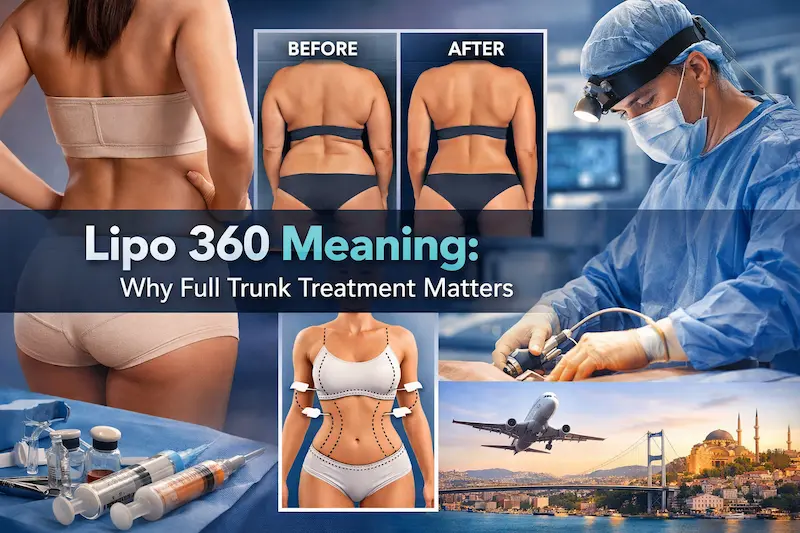
If you’ve been searching for lipo 360 meaning, you’re likely trying to understand one key thing: why experienced surgeons often treat the entire trunk (front, sides, and back) instead of only the abdomen. In modern body contouring, the goal isn’t just “less fat”—it’s a balanced silhouette from every angle. That’s where the meaning of Lipo 360 becomes important: it’s a strategy designed to create a more continuous, natural-looking waistline.
In this guide, we’ll break down the 360 lipo meaning (also searched as the meaning of 360 lipo or the meaning of lipo 360), what areas are typically included, and why full-trunk planning matters for symmetry. We’ll also touch on the lipo 360 surgery meaning in practical terms—what the procedure actually involves and what realistic patients should expect. While the internet is full of hype, a surgeon-led approach rooted in medical science focuses on anatomy, safety, and long-term proportion—not trends.
Key takeaway: Lipo 360 is about contour continuity—treating the waistline as a “ring,” not a single flat surface.
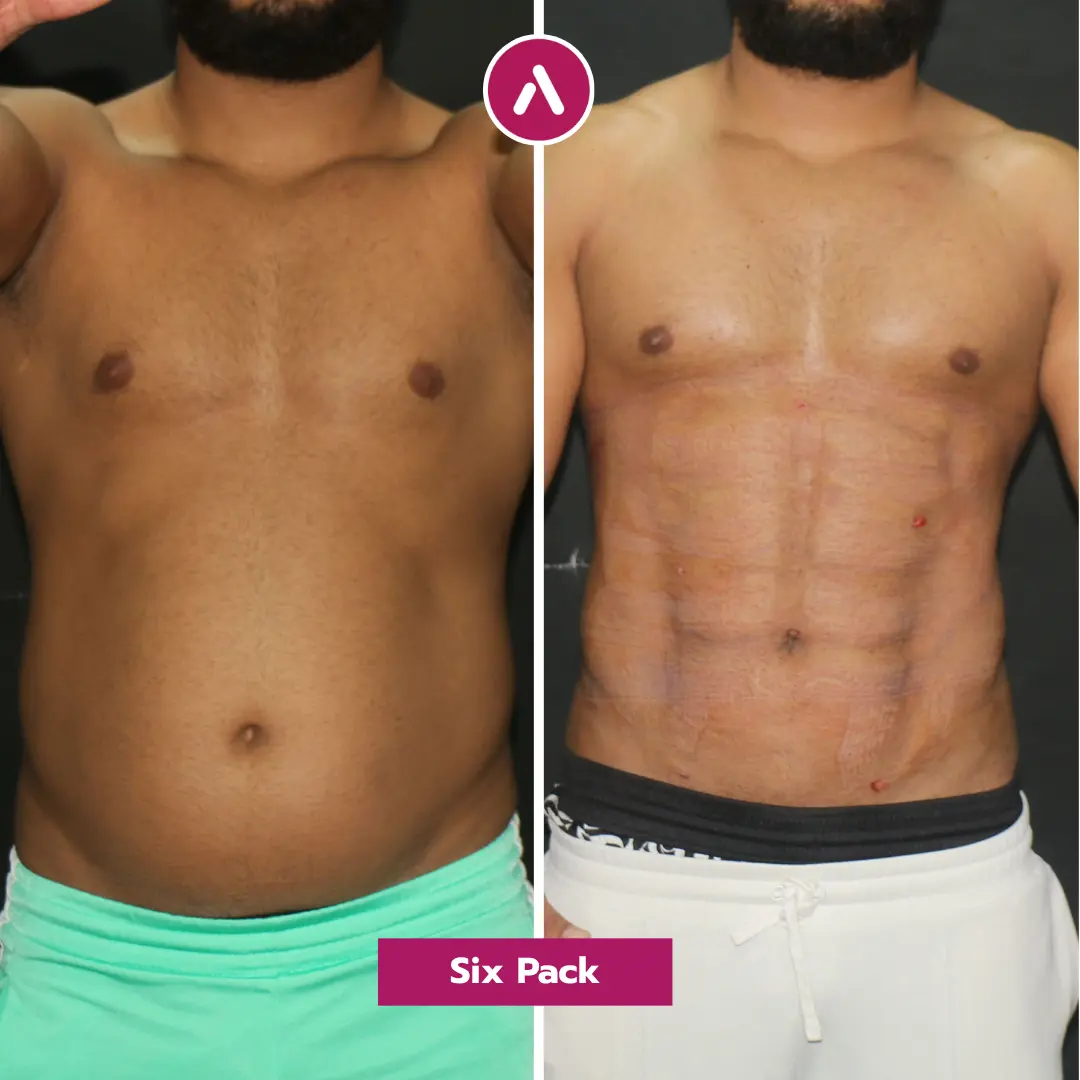
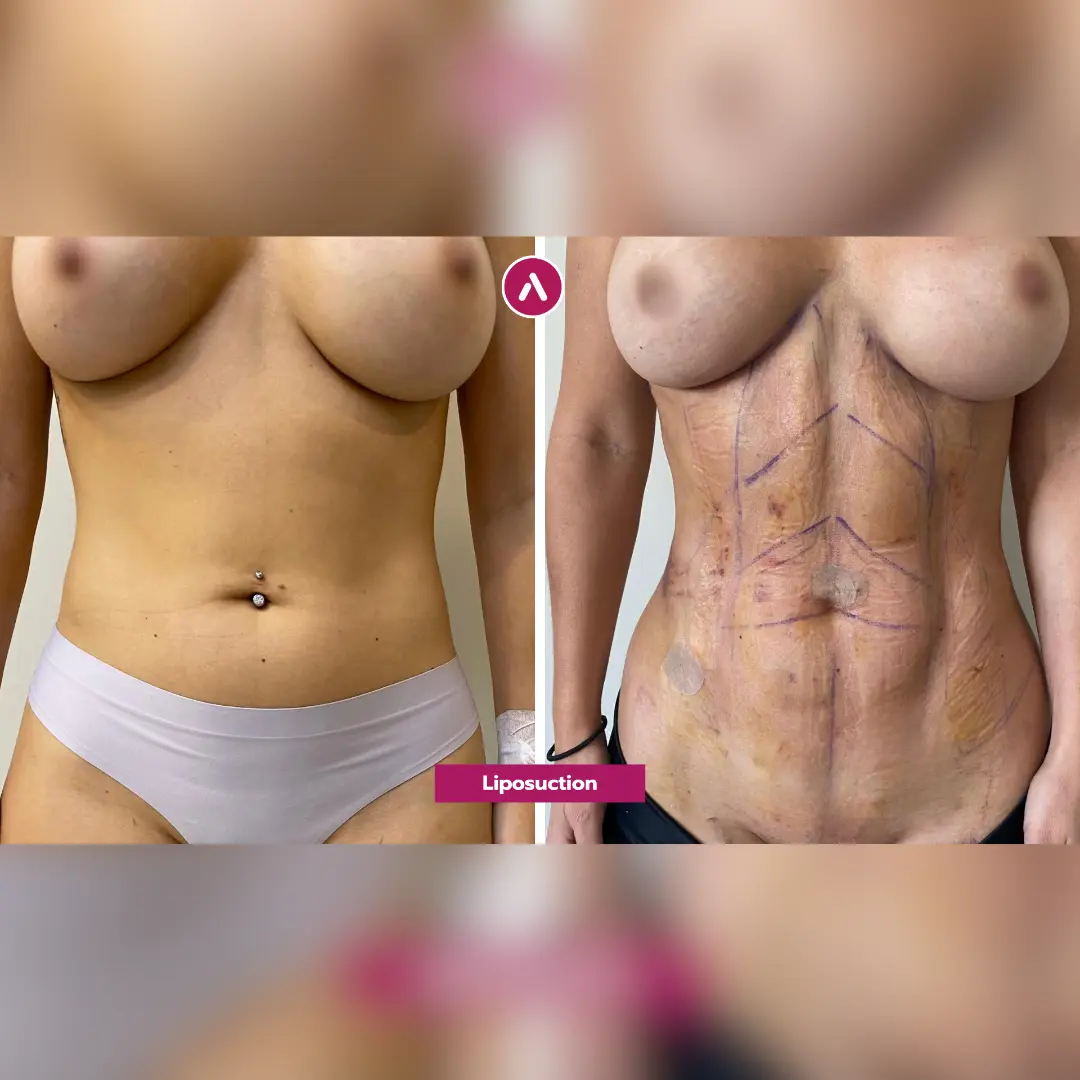
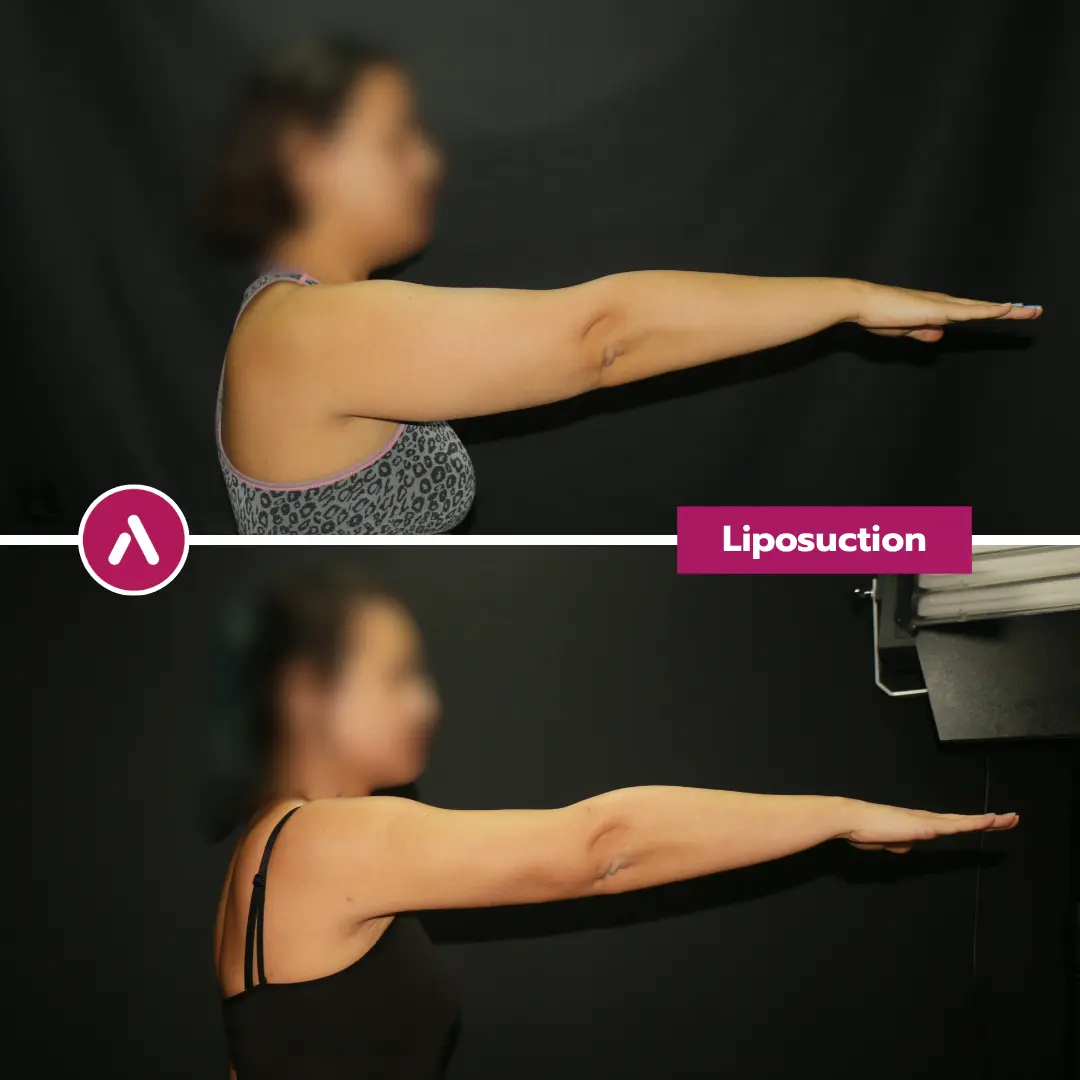
Table of Contents
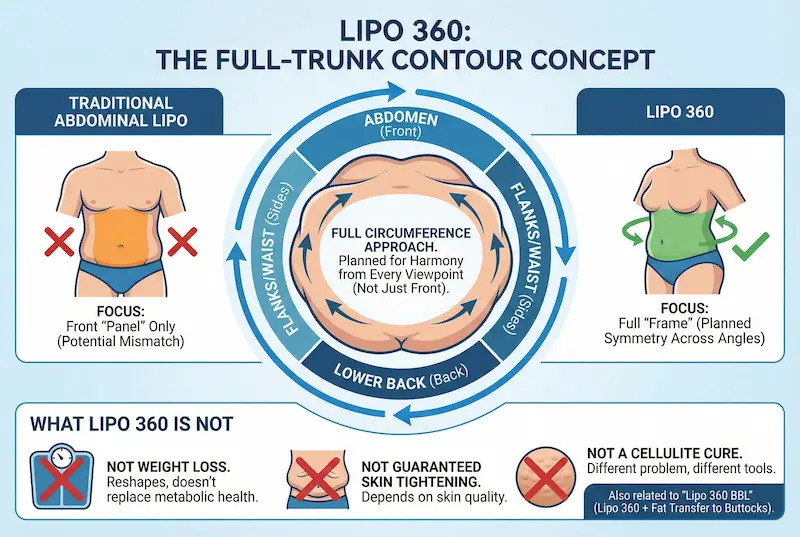
What Does “Lipo 360” Mean?
So, what is lipo 360? In simple terms, Lipo 360 refers to liposuction planned and performed around the full circumference of the midsection—typically the abdomen, waist/flanks, and lower back. The “360” doesn’t mean “more aggressive” by default. It means a more comprehensive contour plan that aims to avoid mismatched transitions between the front and back of the torso. This is the true meaning of lipo 360: a full-trunk contour concept that prioritizes harmony from every viewpoint.
The “360-degree” concept: front + sides + back
The 360 lipo meaning comes from geometry: surgeons evaluate the trunk like a circle. If you remove volume only from the front (abdomen) but leave fullness in the flanks or lower back, the result can look incomplete—especially in profile, in fitted clothing, and in photos taken from behind. A 360 approach addresses the “frame” of the waistline, not just the “panel” of the stomach.
Lipo 360 vs traditional abdominal liposuction
Traditional abdominal liposuction focuses mainly on the front torso. In contrast, the meaning of 360 lipo is broader: it typically includes the sides (love handles) and often the lower back to create a smoother transition into the hips and gluteal area. For many expert patients, that difference matters because the waist is perceived as a 3D shape, not a single area. From a practical standpoint, the lipo 360 surgery meaning is “planned symmetry”—the surgeon continuously checks proportions across multiple angles.
What Lipo 360 is NOT (weight loss, cellulite cure, “one-size-fits-all”)
- Not a weight-loss procedure: Lipo 360 reshapes; it doesn’t replace nutrition, fitness, or metabolic health.
- Not a guaranteed skin-tightening solution: Skin quality, elasticity, and laxity determine how smoothly the skin re-drapes.
- Not a cellulite treatment: Cellulite is related to fibrous septae and skin structure—different problem, different tools.
- Not automatically “better” for everyone: The best plan is individualized based on anatomy and goals.
Patients also ask about the lipo 360 bbl meaning. In plain language, that phrase usually refers to combining 360 liposuction (harvesting fat from the trunk) with fat transfer to the buttocks (often called a BBL). We’ll cover how—and when—that combination makes sense later in this article.
What Areas Are Included in a Full Trunk (360) Treatment?
A full trunk approach is often described as “abdomen + flanks + back,” but the reality is more nuanced. The safest, most natural outcomes come from treating the trunk as connected contour zones. In scientific research and clinical practice, surgeons evaluate fat distribution, skin behavior, and symmetry as an integrated system. That’s why the meaning of 360 lipo is less about a fixed checklist and more about a tailored map designed for your body.
Abdomen & central waistline
This includes the upper and lower abdomen, sometimes with attention to midline definition depending on anatomy and patient preference. The aim is a flatter, smoother front contour—without over-removal that could lead to irregularities.
Flanks (love handles) + lower back contour
The flanks are a major part of the 360 lipo meaning because they define the waist from the side view. The lower back often holds “stubborn” fat that can visually widen the trunk. When treated conservatively and symmetrically, this area can improve the perceived waistline dramatically.
Upper back / bra-line and “posterior waist” (when indicated)
Not every patient needs upper back or bra-line contouring, but for some, it’s crucial for a cohesive silhouette—especially when the goal is a smoother transition from upper torso to waist. When indicated, addressing the posterior waist can prevent a “front-only” result that looks unfinished from behind.
Why Full Trunk Treatment Creates More Natural Results
The biggest reason surgeons emphasize full-trunk planning is simple: the human eye judges shape in 3D. If the abdomen is treated but the flanks or lower back are left untouched, the waist can look “edited” from the front but disproportionate from the side or back. This is why the meaning of lipo 360 matters clinically—it’s a contour strategy designed to create a continuous, natural silhouette rather than a single-area improvement.
Silhouette continuity: shaping the waist from every angle
When patients ask what is lipo 360, they’re often thinking about “more coverage,” but the real benefit is continuity. The waistline is essentially a ring. If only one segment is reduced, the remaining segments can dominate visually—especially when you turn, bend, or wear fitted clothing. A 360 approach balances the reduction so the torso looks consistent in:
- Front view: flatter abdomen and smoother midsection
- Profile view: cleaner waist curve without side bulges
- Back view: more defined posterior waist and less “lower-back shelf”
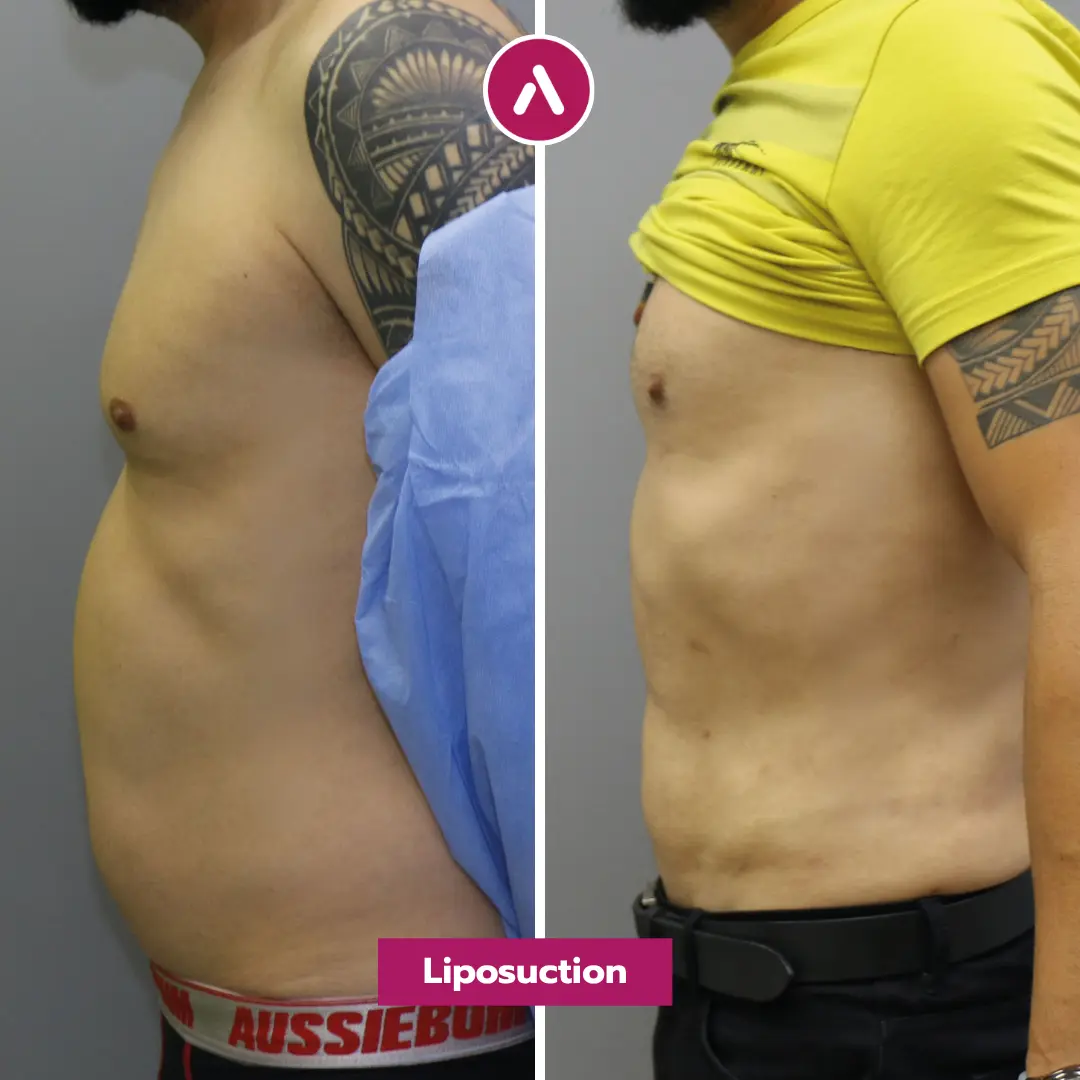

Avoiding “step-offs,” dents, and mismatched front–back transitions
One of the most common aesthetic issues after limited-area liposuction is a visible transition line—often called a “step-off.” This can happen when fat is removed aggressively from one zone but the neighboring zone is left fuller, creating a ridge or abrupt contour change. In the context of lipo 360 surgery meaning, full-trunk planning helps reduce that risk by smoothing transitions across connected areas of the trunk.
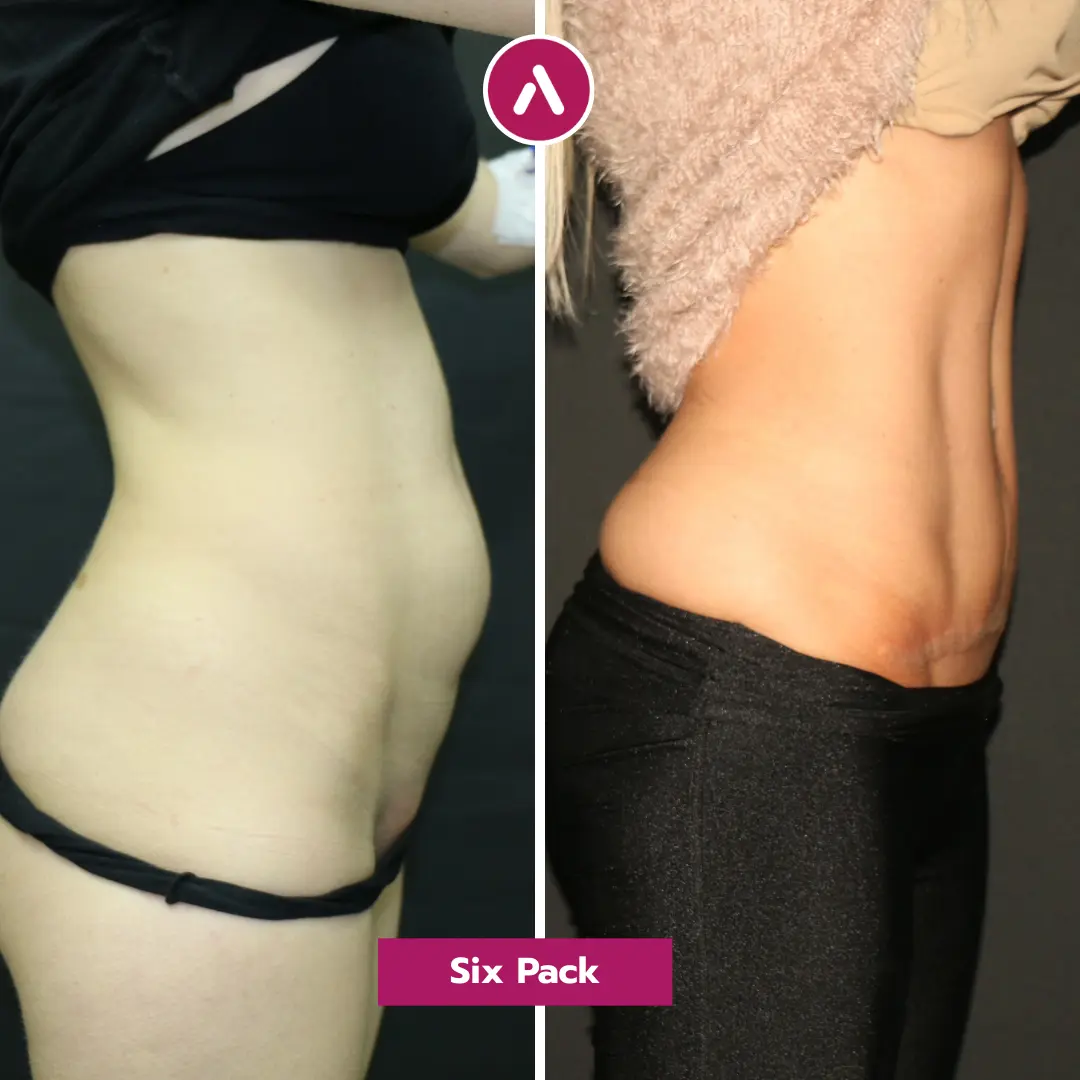
From a medical science perspective, these transitions matter because the skin and subcutaneous tissue behave as a continuous layer. When contour changes are gradual and symmetric, the skin is more likely to re-drape evenly. When changes are abrupt, irregularities are easier to notice—especially once swelling settles.
When treating the back changes everything (posterior contour + waist definition)
Many patients underestimate how much the back affects the waist. Even when the abdomen is flatter, untreated lower-back fullness can visually widen the torso. This is why the 360 lipo meaning includes the posterior waist for many candidates—because a defined waist is often “built” as much from the back as from the front.
Surgeon logic: A smaller waist isn’t only about reducing the stomach; it’s about creating a smooth, continuous taper from the ribs through the flanks into the hips—front and back.
How Lipo 360 Is Planned and Performed (Surgeon-Led Approach)
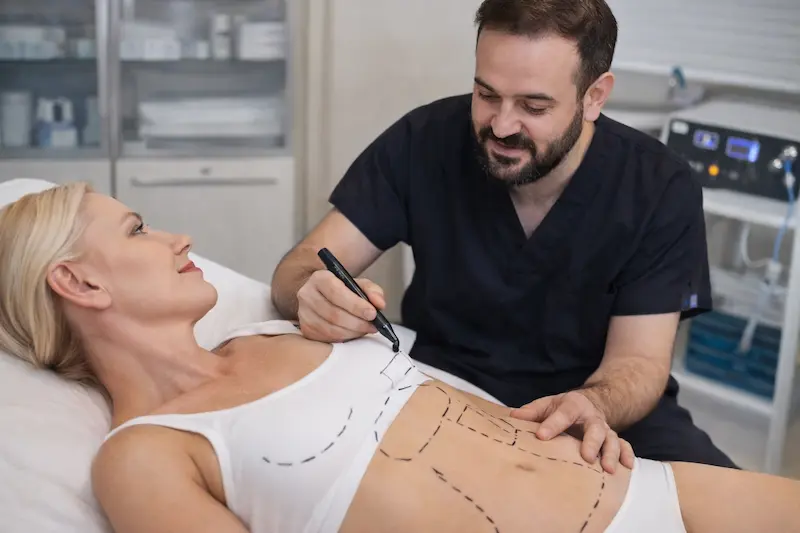
Understanding the meaning of 360 lipo also means understanding planning. High-quality outcomes are rarely accidental. A surgeon-led approach evaluates your anatomy, skin behavior, and goals to decide which zones to treat, how conservatively to remove volume, and how to prioritize symmetry. This is also where the phrase meaning of lipo 360 becomes very practical: it’s not a generic package—it’s a structured plan around the trunk.
Pre-op evaluation: fat distribution, skin quality, and laxity
Before surgery, a responsible team evaluates:
- Fat distribution patterns: where volume is concentrated (abdomen, flanks, lower back, bra line)
- Skin elasticity: how well the skin may re-drape after volume reduction
- Degree of laxity: whether liposuction alone can look smooth or if skin excision may be needed
- Body frame and proportions: ribcage width, pelvis/hip shape, and baseline symmetry
This assessment is crucial because it prevents unrealistic expectations and helps reduce the risk of contour irregularities.
Technique strategy: layered sculpting + symmetry checks
In practice, surgeons typically contour in layers and re-check symmetry repeatedly—because swelling, tissue response, and positional changes can influence visual balance. This iterative approach supports the core lipo 360 meaning: a proportional result that holds up under real-life movement and different angles, not just a single “before/after” pose.
In many clinics, the concept is guided by principles supported by scientific research in aesthetic surgery: patient safety, controlled tissue handling, and careful volume management. The specifics vary by technique, but the common thread is consistency and restraint rather than maximal removal.
Combination planning: when Lipo 360 pairs with tummy tuck or fat transfer (BBL/hip dips)
Patients commonly search lipo 360 bbl meaning because trunk liposuction can provide donor fat for transfer to the buttocks or hip dips. In that combination:
- Lipo 360 refines the waistline and harvests fat from the trunk.
- Fat transfer adds volume where desired (buttocks/hips) to enhance overall proportions.
However, not every patient is a safe candidate for combining procedures, and not every body needs added volume. A surgeon should explain the trade-offs clearly: operative time, recovery demands, and safety considerations.
Safety First: Anesthesia, Fluid Management, and Complication Prevention
The internet often treats body contouring like a simple “fat removal” service. In real medical science, safety is the foundation of every good result. If you’re researching the lipo 360 surgery meaning, the safest interpretation is this: Lipo 360 is a planned, full-trunk procedure that must be performed with strict protocols around anesthesia, fluid balance, temperature control, and post-op monitoring.
This section is designed for the expert patient who wants clear, non-sensational information about risk reduction. The goal isn’t to frighten you—it’s to help you ask the right questions and recognize what high-standard care looks like.
Anesthesia options and what determines the safest choice
Patients sometimes assume “lighter anesthesia is always safer,” but that’s not universally true. The safest option depends on:
- Extent of areas treated: full trunk treatment can require longer operative time than a small single-zone lipo.
- Your medical profile: BMI, anemia risk, smoking status, clotting risk, and medication history.
- Surgeon and facility protocols: how they monitor vitals, manage fluids, and prevent hypothermia.
When you see terms like meaning of 360 lipo or meaning of lipo 360 online, remember: a “360 approach” should never mean “maximizing volume removed.” It should mean “maximizing balance while protecting safety.”
Key risks (DVT, infection, contour irregularities) and who is higher-risk
All surgery carries risk. With Lipo 360, experienced teams focus on preventing the most relevant complications:
- Blood clots (DVT/PE): risk increases with long operative time, limited mobility, dehydration, and certain medical histories.
- Infection: reduced through sterile technique, appropriate antibiotics when indicated, and careful wound care education.
- Contour irregularities: dents, waviness, and asymmetry can occur if removal is uneven, too aggressive, or if the skin doesn’t re-drape well.
- Seroma (fluid collection): more likely when larger surface areas are treated, especially if compression and activity guidance aren’t followed.
Higher-risk profiles may include:
- Active smokers (or recent quitters)
- History of clotting disorders or prior DVT/PE
- Uncontrolled diabetes or significant cardiovascular disease
- Very high BMI or severe skin laxity where lipo alone may not be ideal
Reality check: The best “deal” is not a low price—it’s a well-run surgical system that reduces preventable risk.
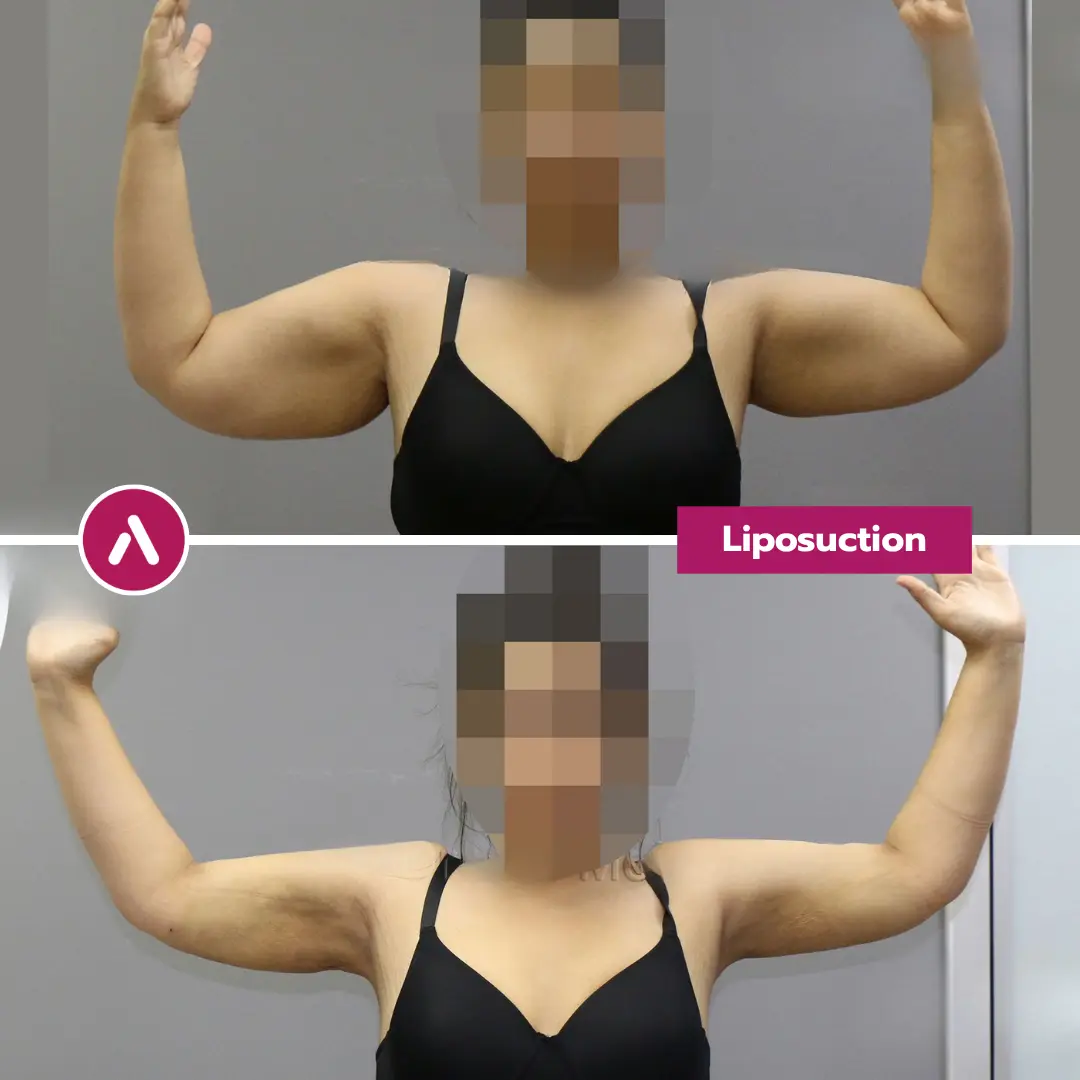
How experienced teams reduce risk: protocols, monitoring, and aftercare standards
Here’s what risk reduction looks like in real clinical practice (and what you should look for regardless of country):
- Pre-op assessment: medical history, labs when appropriate, medication review, and clear eligibility criteria.
- Intra-op monitoring: continuous vital monitoring, temperature management, and careful positioning.
- Fluid strategy: controlled infiltration and attention to overall fluid balance.
- Clot prevention: early mobilization plan, compression, hydration guidance, and additional measures when indicated.
- Aftercare structure: clear instructions, scheduled follow-ups, and access to the team for concerns.
This is why patients researching what is lipo 360 should evaluate clinics on systems, not slogans. A full-trunk result only matters if the patient journey is safe from start to finish—something supported by scientific research into surgical outcomes and complication prevention.
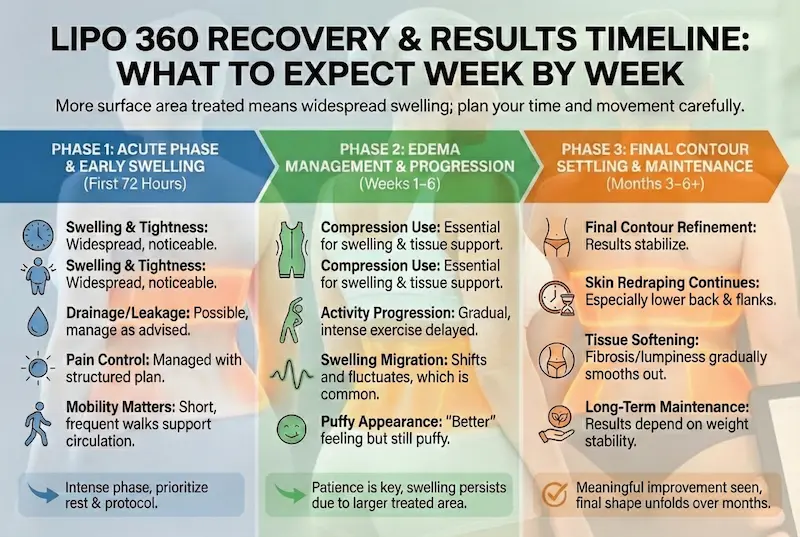
Recovery and Results Timeline: What to Expect Week by Week
Recovery is where expectations make or break satisfaction. The 360 lipo meaning in recovery terms is also straightforward: because more surface area is treated, swelling and tightness can feel more widespread than with a small, single-area liposuction. That doesn’t necessarily mean “worse recovery,” but it does mean you should plan your time, movement, and compression carefully.
First 72 hours: pain, mobility, drainage, and early swelling
- Swelling and tightness: normal and often noticeable around the entire trunk.
- Mobility matters: short, frequent walks (as advised) support circulation and comfort.
- Fluid leakage/drainage: can occur depending on technique—your team should explain what’s normal.
- Pain control: typically managed with a structured plan; discomfort varies by patient.
Weeks 1–6: compression, activity progression, and edema management
This is the phase where most patients feel “better” but still look puffy in areas. Key points:
- Compression garment use: helps manage swelling and support tissue settling (follow your surgeon’s timeline).
- Activity progression: usually gradual; intense exercise is typically delayed until cleared.
- Swelling migration: swelling can shift and fluctuate—this is common and not necessarily a “problem.”
If you’re comparing the meaning of 360 lipo to traditional abdominal lipo, this is where the difference can show: full trunk swelling often lasts longer because more tissue has been treated.
Months 3–6+: final contour settling and long-term maintenance
Many patients see meaningful improvement earlier, but final contour refinement typically takes months. By this stage:
- Skin redraping continues: especially in the lower back and flanks.
- Fibrosis and firmness soften: tissue can feel lumpy early on and then gradually smooth out.
- Results stabilize: long-term shape depends on weight stability and lifestyle.
Cost and Value: Why Prices Vary (and What “All-In” Should Include)
When people search meaning of 360 lipo or meaning of lipo 360, cost questions usually come next—because a full-trunk approach can be priced differently than single-area liposuction. The key is understanding what you’re paying for: surgeon expertise, facility standards, anesthesia safety, the extent of treated areas, and the quality of aftercare. In other words, the true lipo 360 meaning in “value” terms is not “cheaper surgery,” but a complete, safe clinical pathway that produces a balanced result.
For expert patients comparing options, “price” is only helpful if you compare equivalent inclusions. A low quote can become expensive if it excludes essentials like anesthesia, compression, post-op follow-ups, medications, or complication management.
Main cost drivers: extent/areas, surgeon expertise, facility standards, aftercare
- Extent of treatment: A true 360 plan may include abdomen, flanks, lower back, and sometimes bra-line zones.
- Surgeon-led planning: Symmetry checks, conservative sculpting, and individualized mapping reduce irregularity risk.
- Anesthesia + monitoring: Qualified anesthesia care and intra-op monitoring are major safety components.
- Facility standards: Sterility, emergency readiness, and postoperative observation protocols.
- Aftercare structure: Follow-up schedule, garment guidance, swelling management, and accessible clinical support.
High-cost US cities vs Istanbul: what patients should compare (NYC / LA / Miami vs AKM Clinic model)
Instead of comparing “USA vs Turkey” in vague terms, a more honest comparison is: New York City, Los Angeles, and Miami (where surgical pricing is often higher) versus an Istanbul pathway that may bundle services more comprehensively. What matters is the inclusion list.
| What to Compare | High-Cost US Cities (NYC / LA / Miami) | Istanbul (Typical Medical Travel Model) |
|---|---|---|
| Quote structure | Often itemized (surgeon fee, anesthesia, facility billed separately) | Often bundled (“all-in” packages are common) |
| Anesthesia & monitoring | Usually separate line items; varies by facility | May be included, but must be confirmed in writing |
| Post-op follow-ups | May be limited or billed per visit | Often included during your stay window |
| Compression garments | Sometimes extra | Often included, but brand/level should be clarified |
| Recovery support | Patient-managed logistics | May include coordinated logistics (varies by clinic) |
Important: A bundle is only valuable if the clinical standards behind it are strong. A safe plan should align with principles seen across surgical scientific research: proper patient selection, controlled operative time, and structured aftercare.
Turkey vs Mexico vs Thailand: value vs safety, standards, and travel logistics
Many US patients also compare Turkey with other medical tourism destinations. The best way to evaluate this is by looking at: surgeon credentials, facility accreditation, anesthesia standards, infection control protocols, and how complications are handled.
| Consideration | Turkey (Istanbul) | Mexico | Thailand |
|---|---|---|---|
| Travel time from US | Longer for many routes | Often shorter (especially from US South/West) | Often longest |
| Common decision drivers | Surgeon volume + all-in pathways | Convenience + proximity | Hospital tourism ecosystem + recovery hospitality |
| What you must verify | Facility standards, anesthesia team, aftercare protocols | Facility standards, anesthesia team, complication plan | Facility standards, anesthesia team, complication plan |
| Best-fit patient mindset | Value + structured pathway (if standards are strong) | Prioritizes proximity but still demands standards | Prioritizes recovery setting; must verify clinical depth |
Regardless of destination, the safest interpretation of what is lipo 360 is: a full-trunk medical procedure that deserves a full-trunk standard of care. If a quote is dramatically lower than others, ask exactly what is included—and what is not.
Frequently Asked Questions (FAQ): Lipo 360 Meaning
This FAQ addresses the most common questions people ask when researching lipo 360 meaning, including safety, recovery, and combination procedures such as the lipo 360 bbl meaning.
How much fat can be safely removed with Lipo 360?
“Safe” volume depends on your body size, health profile, operative time, and fluid strategy. A responsible surgeon prioritizes safety and symmetry over maximum volume removal. Ask how your team manages fluid balance and postoperative monitoring.
Can Lipo 360 tighten loose skin, or do I need a tummy tuck?
Lipo 360 reshapes fat; it does not remove excess skin. If you have significant laxity—especially after weight loss or pregnancy—a tummy tuck (skin excision) may be more appropriate. A good consult should include an honest skin assessment.
Does Lipo 360 include the upper back/bra line?
Sometimes. The meaning of 360 lipo is full-trunk contour, but the exact zones vary by anatomy. If bra-line fullness disrupts the silhouette, your surgeon may recommend treating it to keep transitions smooth.
When can I fly home after Lipo 360 in Istanbul?
Timing depends on your mobility, swelling, and clot-risk profile. Many patients plan several days of local recovery and follow-up before flying. Your surgeon should give personalized guidance based on your health history and surgical extent.
How long do I need to wear compression garments?
Most patients wear compression for several weeks, with the exact timeline based on swelling, skin response, and surgeon protocol. Consistent use can help support tissue settling and comfort during the early healing phase.
What are the most common reasons for uneven results?
Uneven results can happen due to aggressive or uneven fat removal, swelling patterns, skin laxity, or inadequate transition blending between zones. Full-trunk planning and careful technique reduce risk, but realistic expectations and proper aftercare also matter.
Can Lipo 360 be combined with fat transfer (BBL or hip dips)?
Yes, this is often what people mean by lipo 360 bbl meaning: using trunk fat as donor material for fat transfer. However, candidacy depends on safety factors (operative time, health profile) and whether added volume matches your goals and anatomy.
If you’d like to go beyond the topic covered here, you can also explore related options such as J-Plasma Skin Tightening for additional retraction, Bbl İmplants vs Fat Transfer to compare augmentation approaches, and Lymphatic Drainage Massage After Lipo to support swelling management during recovery. Depending on your anatomy and skin laxity, you may also benefit from guidance on Mini vs Full Tummy Tuck or Diastasis Recti Repair Surgery for abdominal wall correction. For planning and budgeting, we also recommend reviewing Plastic Surgery Packages Turkey and using Questions to Ask Plastic Surgeon to prepare for a confident consultation.
Medical Disclaimer: This page is provided for general educational purposes only and does not replace a face-to-face medical consultation, diagnosis, or personalised treatment plan. All surgery carries risks and outcomes vary between individuals. Suitability for a lipo 360, procedure selection, and anaesthesia choice can only be determined after a full clinical assessment by a qualified surgeon. Always follow your clinician’s instructions and seek urgent medical attention if you develop concerning symptoms during recovery.