
If you’re researching vaser liposuction Turkey for high-definition (Hi-Def) body sculpting, you’re likely not looking for vague promises—you want mechanisms, safety logic, and realistic outcomes. This guide is written for the “expert patient” who compares options, asks hard questions, and expects answers grounded in medical science and clinical best practices.
Throughout the article, you’ll see the terms patients commonly search for—vaser liposuction in Turkey, Turkey vaser liposuction, vaser liposuction Turkey prices, vaser liposuction cost Turkey, vaser liposuction Turkey before and after, best vaser liposuction Turkey, and vaser liposuction clinics Turkey—but our priority will remain the same: explaining what Hi-Def results truly depend on (and what they don’t).

Key takeaway: “High-definition” results are not a machine setting. They’re the result of anatomy-aware sculpting, careful energy use, and a plan for swelling control and skin behavior during healing.
Clinical note on team expertise: At AKM Clinic, body contouring is approached as both a structural and skin-quality problem—this is where collaboration between an experienced plastic surgery team and a Dermatosurgeon adds value. Skin thickness, elasticity, and post-op skin behavior influence definition as much as fat removal does, so skin-focused expertise matters when aiming for natural, athletic contours.
Table of Contents
Vaser Technology Explained: Ultrasound vs. Traditional Lipo
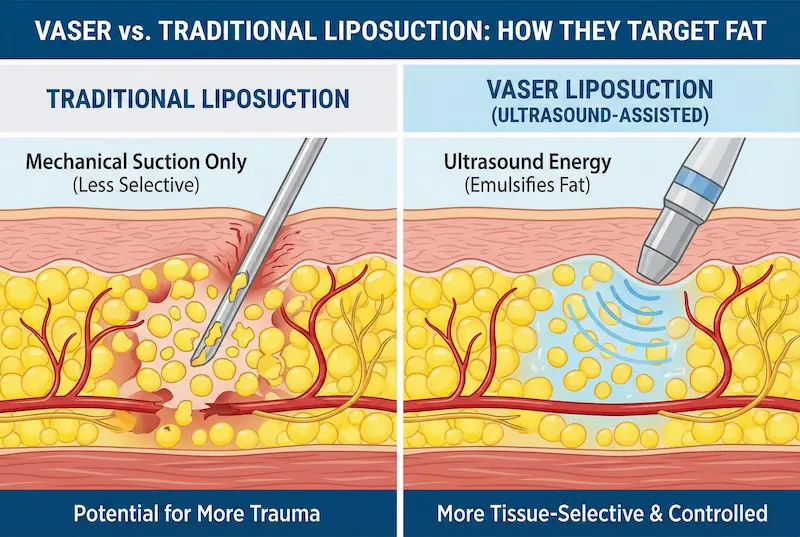
Vaser is a form of ultrasound-assisted liposuction designed to selectively emulsify fat before it’s removed. In practical terms, this can allow a surgeon to work with more precision—especially when the goal is “etching” definition rather than simply reducing volume. While no device eliminates risk, understanding how ultrasound energy interacts with tissue helps you evaluate claims and ask better questions during consultation. The best outcomes come from technique, not marketing—so we’ll focus on what science and surgical logic can support.
How Vaser Protects Blood Vessels and Nerves
Compared with traditional suction-assisted liposuction, Vaser uses ultrasound energy to loosen (emulsify) fat in a way that can be more tissue-selective. The intent is to separate fat cells while minimizing traction on surrounding structures. In experienced hands, this can translate into:
- More controlled fat removal near transition zones (e.g., upper abdomen to oblique lines).
- Less mechanical trauma from aggressive “back-and-forth” suction alone.
- Cleaner sculpting planes that support Hi-Def detailing.
However, “selectivity” is not a guarantee. Heat and energy can still injure tissue if technique is poor or the case is inappropriate. That’s why surgeon training, anatomic planning, and conservative energy use matter as much as the device itself—an important point often missed in non-medical advertising.
Skin Retraction Benefits of Ultrasound Energy
One of the most discussed benefits of Vaser is the potential for improved skin retraction compared with traditional lipo in certain candidates. Here’s the reality: ultrasound energy may encourage better contraction by reducing trauma and enabling more uniform fat removal, but skin tightening is still limited by biology.
From a clinical perspective, skin retraction depends mainly on:
- Baseline skin elasticity (age, genetics, sun damage, prior weight changes).
- Quality of the sculpting layer (smooth, even removal reduces waviness/irregularity).
- Post-op swelling and fibrosis control (compression + lymphatic support can influence the “finish”).
If you have significant laxity, Vaser may not be enough on its own. Ethical clinics will say this upfront and discuss whether adjunct skin-tightening technologies or surgical options are more appropriate. In later sections, we’ll cover when add-ons are medically reasonable—and when they’re simply upsells.
Why “High-Definition” Requires Sculpting Skills (Not Just Fat Removal)
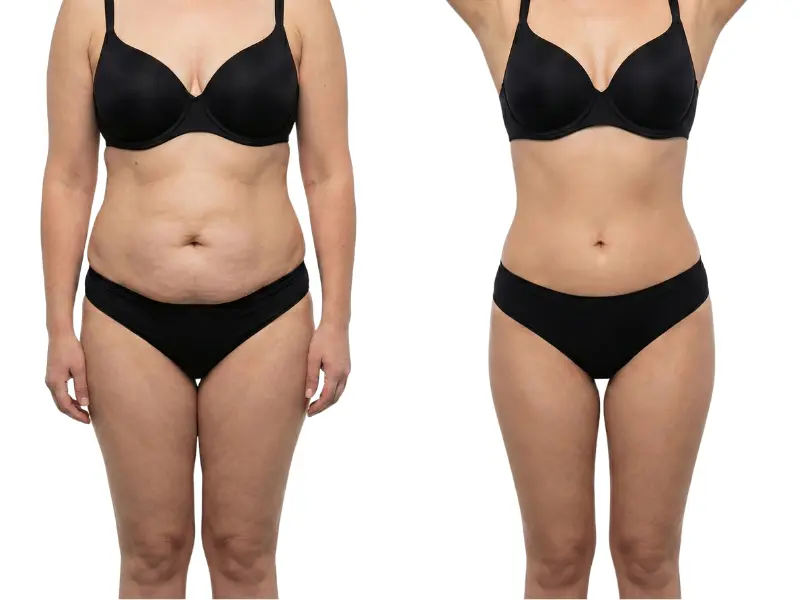
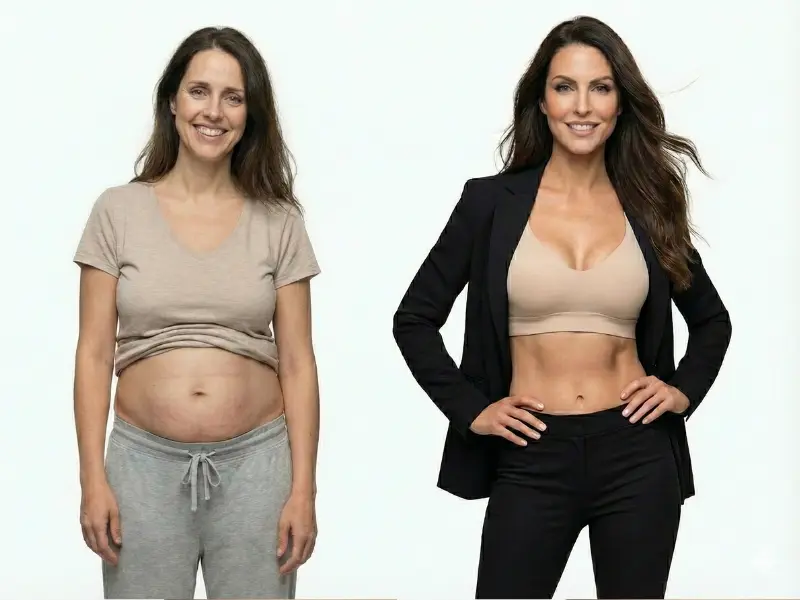
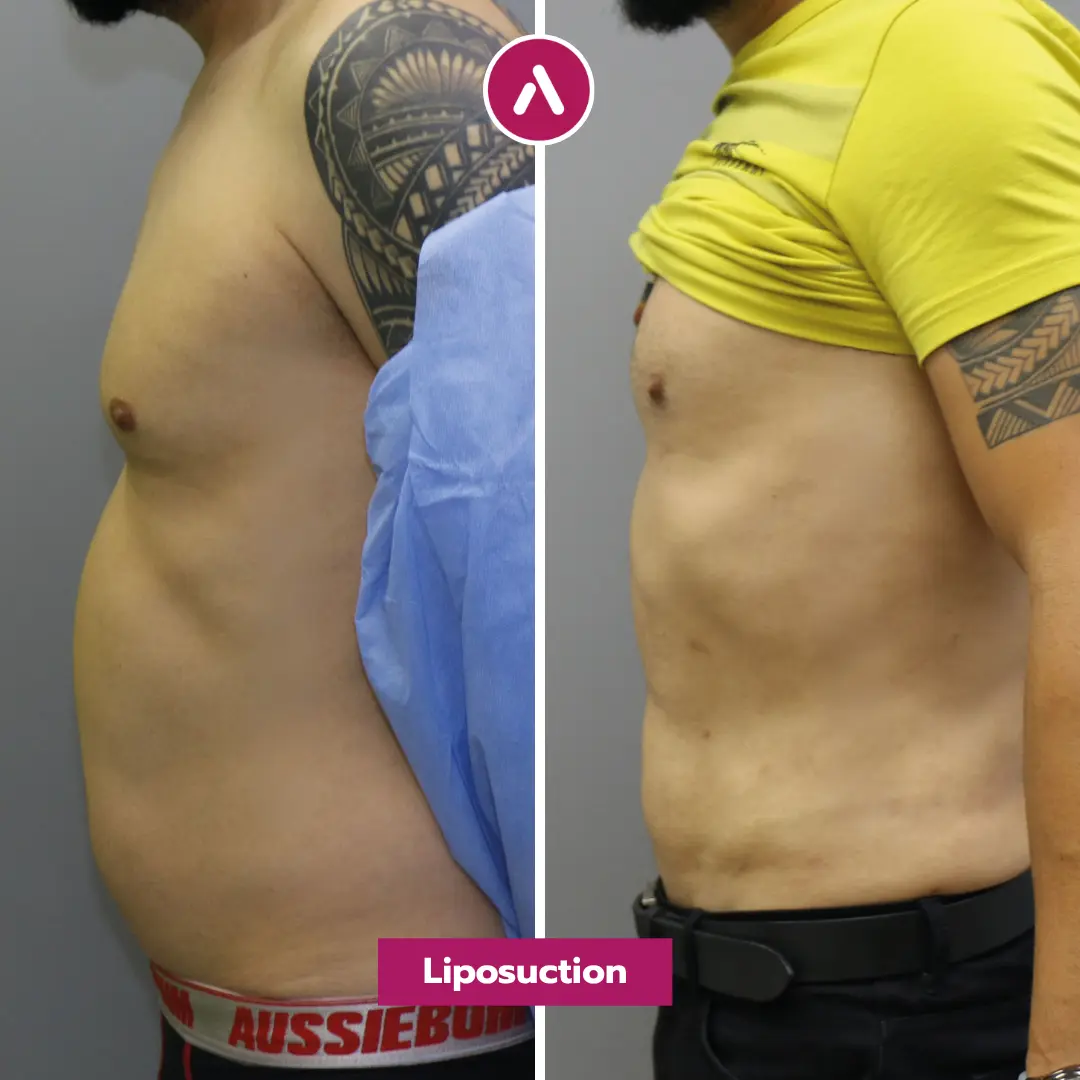
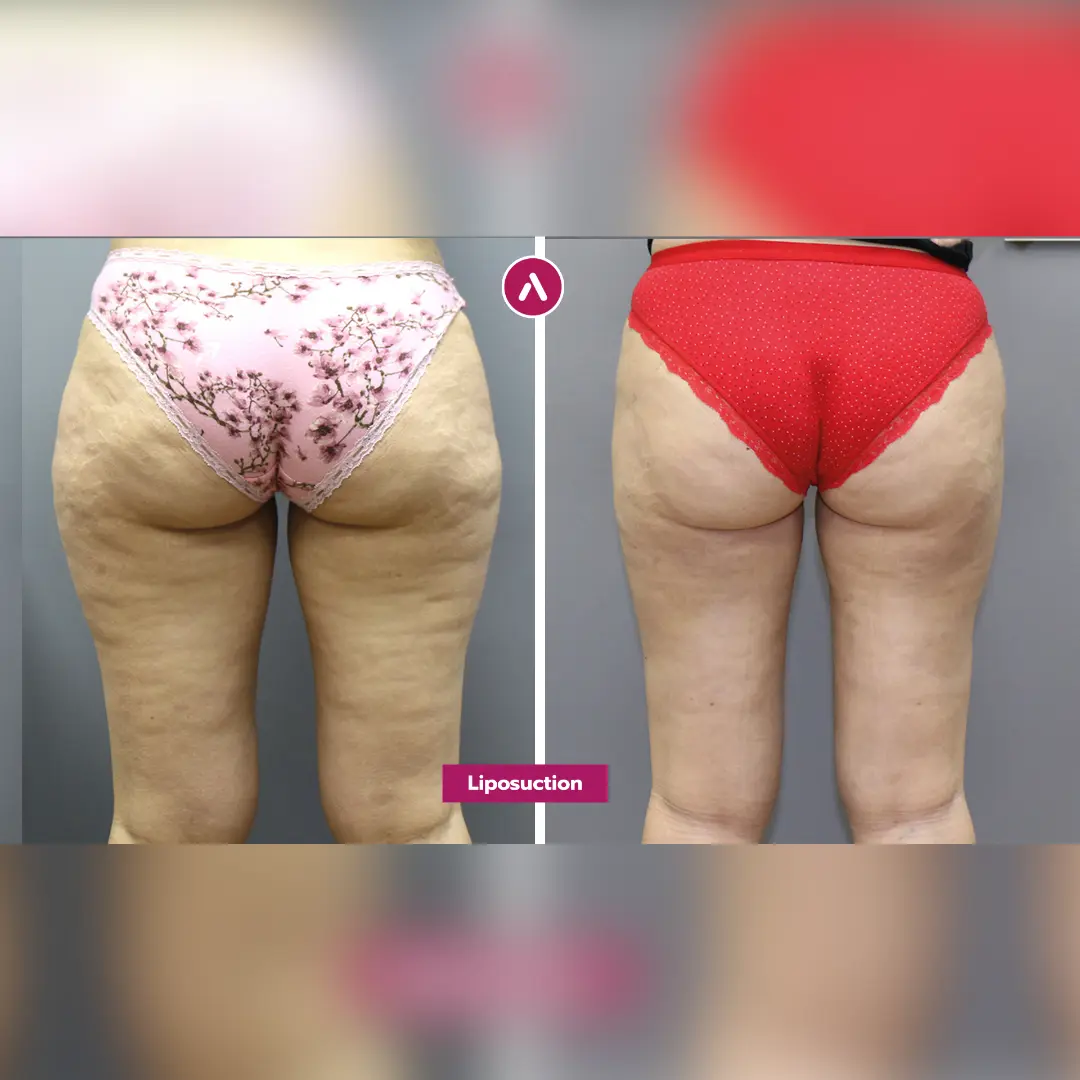
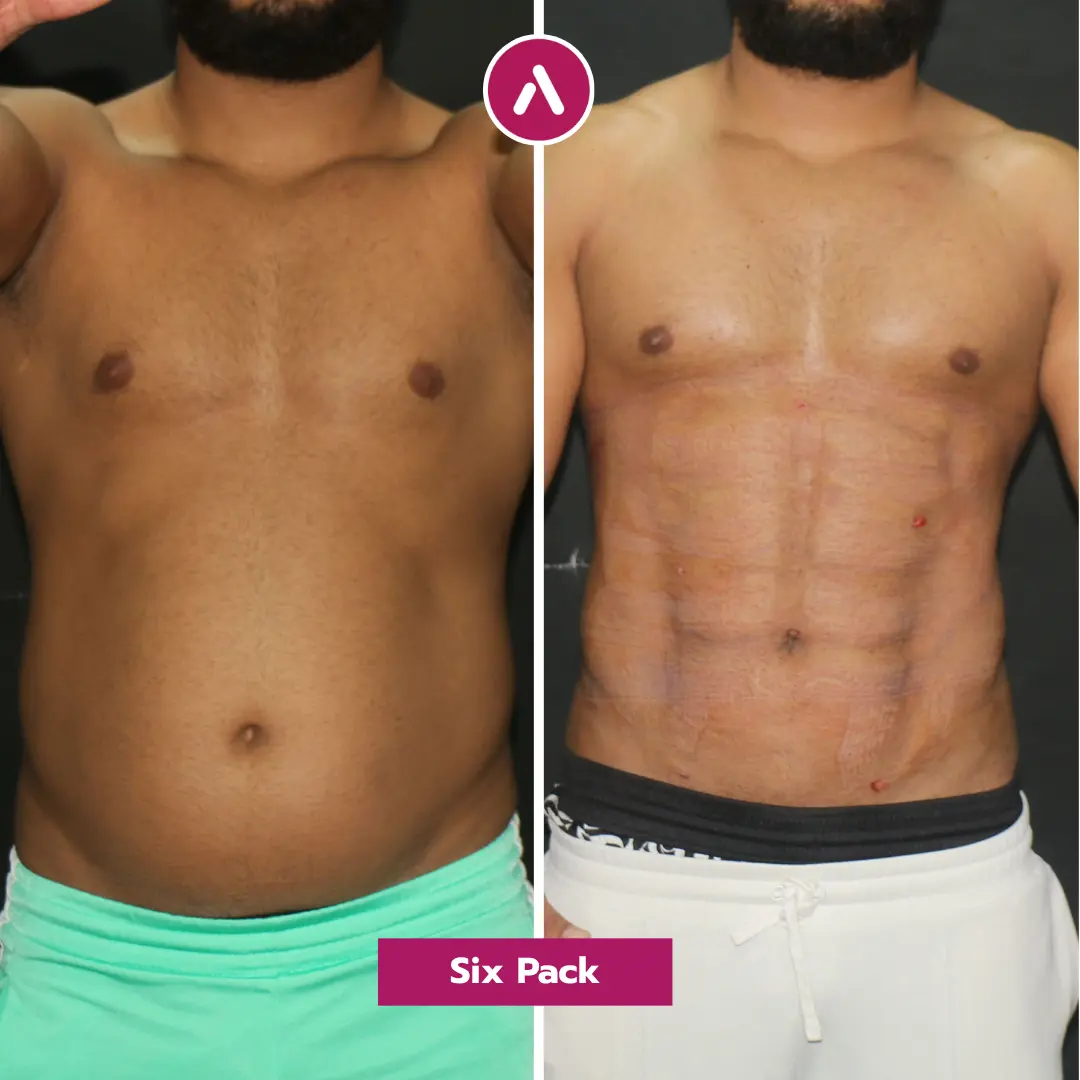
Hi-Def body sculpting is closer to three-dimensional contour design than basic fat reduction. It often involves enhancing natural shadows and highlights over muscle groups while keeping transitions smooth and believable. This is why “before and after” photos can be misleading unless you know:
- Lighting, posture, and timing (early photos can exaggerate swelling or “temporary tightness”).
- Candidate selection (leaner patients with good skin show definition more easily).
- Surgeon artistry + restraint (over-etching can look unnatural, especially as the body moves).
In scientific research on body contouring outcomes, the consistent theme is that technique and patient factors drive results more than device branding. When comparing vaser liposuction clinics Turkey or searching for the best vaser liposuction Turkey, prioritize transparent surgeon-led explanations, complication prevention protocols, and realistic outcome counseling over “most advanced machine” claims.
| Feature | Traditional Liposuction | Vaser (Ultrasound-Assisted) |
|---|---|---|
| How fat is prepared for removal | Mechanical suction + cannula motion | Ultrasound energy loosens fat before suction |
| Precision for Hi-Def sculpting | Possible, but often more technique-demanding | Often supports finer detailing in selected cases |
| Skin tightening effect | Limited; depends on skin quality | May improve retraction in some candidates, still biology-limited |
| Biggest determinant of outcome | Surgeon planning, skill, and candidate selection | |
Who Is a Candidate for “High Definition” (Hi-Def)?
When people search vaser liposuction in Turkey or Turkey vaser liposuction, many assume “Hi-Def” is simply a more powerful version of liposuction. In reality, high-definition body sculpting is highly selection-dependent. The same technique that creates crisp lines in a strong candidate can look uneven—or simply “not defined”—in someone with lower skin elasticity, higher body fat percentage, or certain metabolic/medical risk factors.
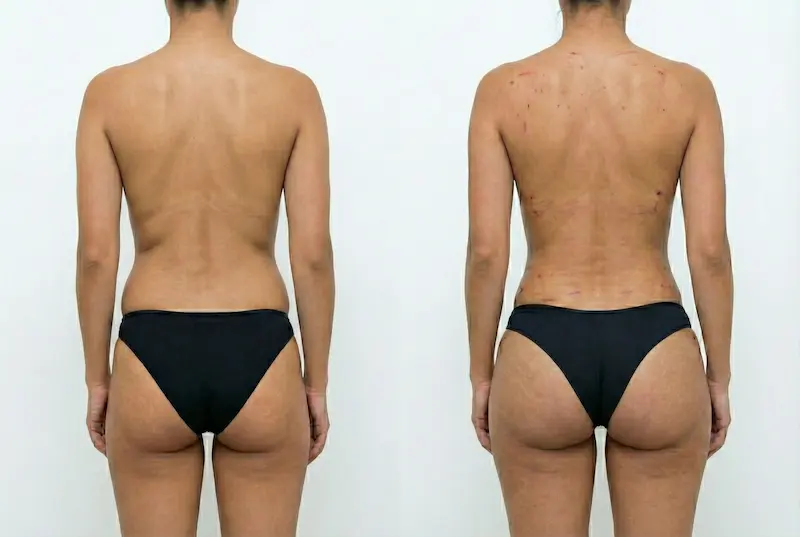
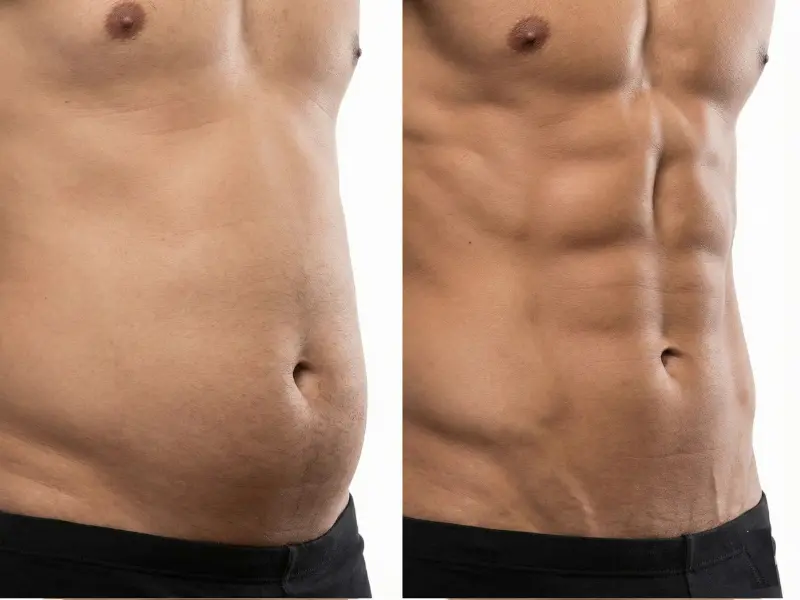
This is also why comparing vaser liposuction Turkey before and after images without knowing the patient’s baseline (BMI, skin quality, muscle structure, prior weight loss, pregnancy history, and lifestyle) can lead to unrealistic expectations. A responsible consultation should explain what your anatomy can realistically reveal—and what it can’t—based on objective clinical variables.
BMI Requirements and Muscle Mass
Hi-Def results require a “canvas” that can show the underlying shape. That doesn’t mean you must be extremely lean, but it does mean there’s a practical range where definition is feasible and looks natural.
- Better candidates generally have a relatively stable weight and visible or developing muscle tone.
- Higher BMI does not automatically disqualify you from Vaser, but it often shifts the goal from “definition” to “proportion and contour.”
- Muscle mass matters: Hi-Def is about enhancing natural contours. If the underlying muscle shape is minimal, the result may look smoother rather than “etched.”
Clinically, a good surgical plan aligns the technique with the achievable aesthetic endpoint. If a clinic promises “six-pack definition for everyone,” that’s a red flag—because the anatomy and physiology simply don’t support that promise in many bodies.
Skin Quality & Elasticity: The #1 Predictor of Definition
If there’s one factor that consistently determines whether definition looks sharp or soft, it’s skin behavior during healing. Skin has to contract smoothly over the new contour. When it doesn’t—due to low elasticity, stretch marks, sun damage, or major weight fluctuations—definition can blur and surface irregularities can become more noticeable.
This is where a Dermatosurgeon perspective strengthens planning: skin thickness, elasticity, and texture are not cosmetic footnotes. They influence the final “finish” of Vaser sculpting. At a surgeon-led clinic, you should expect a frank discussion of:
- Elasticity testing (pinch test and visual assessment for recoil).
- Stretch mark patterns (an indirect sign of dermal integrity).
- When add-on tightening is medically reasonable versus when it’s unlikely to help.
If your primary concern is loose skin, an ethical plan may emphasize tightening strategies (including adjunct technologies or different procedures) rather than forcing “Hi-Def” in an anatomy that won’t display it well.
Medical Screening & Safety: Who Should Avoid Hi-Def Lipo?
Expert patients evaluating vaser liposuction clinics Turkey should pay close attention to pre-op medical screening and safety protocols. The most impressive “vaser” equipment cannot compensate for weak patient selection or inadequate perioperative planning—this is a core principle in medical science and clinical risk management.
During a responsible evaluation, you should expect a review of:
- Medical history (cardiovascular risk, clotting history, diabetes, thyroid issues, smoking/vaping).
- Medication/supplement use (blood thinners, anti-inflammatories, hormonal therapies, etc.).
- Prior surgeries (scar tissue can affect contour smoothness and risk of irregularities).
- Realistic recovery constraints (work, travel timeline, ability to follow compression/massage).
Some patients may be advised to avoid aggressive Hi-Def sculpting—or postpone surgery—until risk factors are optimized (for example, smoking cessation, medical stabilization, or weight stability). A clinic that prioritizes safety will frame this as good medicine, not a “lost sale.”
| Category | Typical Profile | What This Means for Hi-Def |
|---|---|---|
| Strong Hi-Def Candidate | Stable weight, good skin recoil, moderate/low body fat, understands recovery demands | Higher likelihood of crisp definition and smooth transitions |
| Possible Candidate (Contour First) | Higher body fat %, mild skin laxity, limited muscle visibility | Better suited for shaping and proportion; definition may be subtle |
| High-Caution / Not Ideal | Significant laxity, major weight-loss skin, uncontrolled medical risks, smoking | Higher risk of loose skin, irregularities, prolonged swelling, or unmet expectations |
How this affects cost discussions: If you’re comparing vaser liposuction Turkey prices or vaser liposuction cost Turkey, remember that pricing often reflects the scope of treatment (areas), complexity (scar tissue, skin quality), and whether adjunct tightening is appropriate. The cheapest quote can be a warning sign if it skips medical screening, underestimates your needs, or minimizes recovery support.
Practical consultation tip: Ask the surgeon to describe your result in two versions: (1) best-case and (2) realistic typical-case based on your skin and body fat distribution. A trustworthy answer will include limitations.
J-Plasma (Renuvion): The Essential Add-On for Skin Tightening
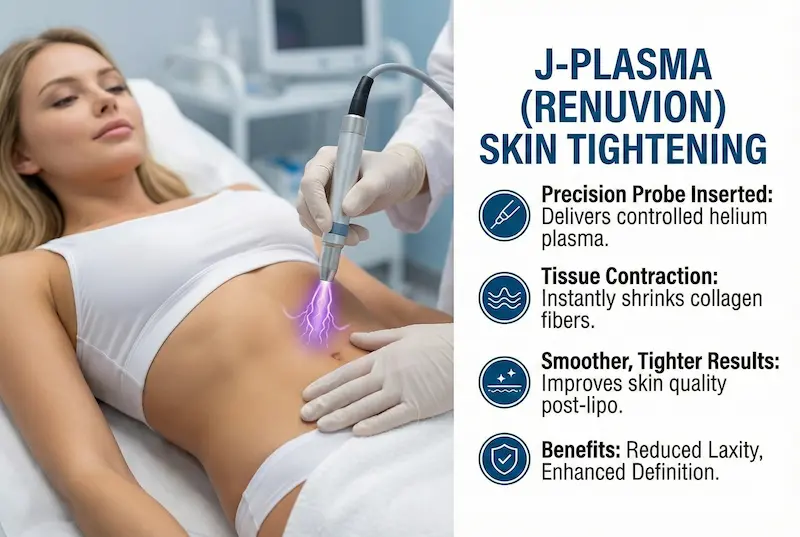
Many people researching vaser liposuction Turkey before and after notice that the “best” transformations often look not only slimmer, but also tighter and smoother. That tighter look is rarely accidental. In properly selected cases, surgeons may recommend an adjunct skin-tightening device—most commonly J-Plasma (also known as Renuvion)—to support skin contraction when elasticity is borderline or when a larger volume of fat is removed.
However, it’s important to be precise: J-Plasma is not a replacement for surgery in patients with significant excess skin, and it isn’t mandatory for everyone. If you’re comparing vaser liposuction Turkey prices or evaluating vaser liposuction clinics Turkey, understanding when this add-on is medically justified (and when it’s unnecessary) will help you interpret quotes and avoid over-treatment.
What J-Plasma Does (and What It Cannot Do)
J-Plasma is an energy-based technology that uses a controlled combination of radiofrequency energy and helium plasma to create a tightening effect in the subdermal tissue layer. In practical terms, it can:
- Support skin contraction in mild to moderate laxity where the skin has some remaining recoil.
- Improve “finish” and smoothness when the skin is expected to struggle after volume reduction.
- Reduce the risk of a “deflated” look in selected areas (notably in certain abdomen, flank, or arm cases).
What it cannot reliably do:
- It cannot remove large amounts of excess skin. If there is significant hanging skin (e.g., after major weight loss), a surgical excision procedure may be more appropriate.
- It cannot guarantee perfect tightening. Biology still dominates outcomes—age, genetics, and skin quality set the ceiling.
- It is not a substitute for careful sculpting. Poor contour design can’t be “tightened away.”
This distinction matters when patients search “best vaser liposuction Turkey” and see add-ons framed as universal requirements. A surgeon-led plan should explain the logic: your skin, your laxity pattern, and your risk tolerance—not a default package.
When Vaser Alone Is Enough vs. When You Need Skin Tightening Support
In many strong candidates, Vaser alone can deliver excellent results because the skin naturally contracts over time as swelling resolves and tissues settle. In other cases, tightening support can be clinically reasonable. Here’s a simple decision framework (not a medical diagnosis, but a guide for smarter consultation questions):
| Scenario | Vaser Alone | Consider Adding J-Plasma |
|---|---|---|
| Good elasticity, mild fat reduction | Often sufficient | Usually not necessary |
| Borderline elasticity, moderate fat reduction | Possible, but results may be softer | Often reasonable to discuss |
| Areas prone to laxity (some arms/inner thighs) | Higher risk of looseness depending on skin | May help in selected cases |
| Major excess skin (post-weight loss) | Not a solution for skin excess | May be insufficient; surgical options may be needed |
Why this affects price: If a quote for vaser liposuction cost Turkey is dramatically higher, it may include tightening adjuncts, extended operating time, additional treated zones, or enhanced post-op care. The key is transparency—your quote should clearly separate what’s included and why it’s included.
Skin-focused expertise matters: A Dermatosurgeon perspective is particularly valuable when planning skin behavior after liposuction. Skin thickness, texture, and elasticity vary widely. High-definition results look “athletic” only when skin redrapes smoothly over the sculpted contour.
Safety Considerations: Heat/Energy Devices and Surgeon Technique
Energy-based tightening is powerful—but it must be handled with respect. The main safety concept is controlled energy delivery: enough to encourage contraction, not so much that it risks thermal injury.
When evaluating Turkey vaser liposuction clinics offering J-Plasma, look for surgeon-led explanations of:
- Device settings and technique principles (in plain language).
- How they minimize thermal risk (careful passes, appropriate depths, case selection).
- How complications are prevented and managed (seroma protocols, follow-up plan, warning signs).
Expert-patient checkpoint: Ask, “What specific skin or laxity findings in my photos/exam make you recommend J-Plasma?” If the answer is generic (“everyone needs it”), treat that as a red flag.
Areas Treated: 360 Lipo, Arms, and Thighs
One reason patients comparing vaser liposuction in Turkey providers see dramatically different “before and after” outcomes is that Hi-Def success depends on area-specific strategy. The abdomen is not treated the same way as the arms, and the thighs behave differently than the waist. Each region has its own risks—irregularities, loose skin, contour “dents,” and stubborn swelling patterns—and high-definition planning is largely about avoiding those pitfalls while creating a balanced silhouette.
In surgeon-led body contouring, the goal is not to “remove as much fat as possible.” It’s to shape proportion and protect tissue quality so the final result looks natural in motion. This is also why price quotes (including vaser liposuction Turkey prices and vaser liposuction cost Turkey) vary: treating multiple zones safely and artistically can require more time, more precision, and more post-op support.
360 Lipo: Creating a Balanced Silhouette (Front + Back Strategy)
“360 lipo” typically refers to circumferential contouring of the midsection—often the abdomen, waist, flanks, and lower back. Patients sometimes focus only on the front (“I want abs”), but the most convincing high-definition result usually comes from harmonizing front, sides, and back.
- Front shaping: The surgeon refines abdominal fat while preserving natural transitions so the torso doesn’t look “etched” or artificial.
- Waist and flanks: This is where the “frame” is created—subtle narrowing and smooth blending can dramatically enhance definition.
- Lower back: Removing or reshaping fat here can improve the overall silhouette and prevent a mismatch between front and back.
Hi-Def nuance: Over-aggressive removal can cause contour dents, visible ridges, or irregular texture—issues that become more obvious as swelling resolves. When you evaluate vaser liposuction Turkey before and after galleries, look for natural curvature and symmetry, not just sharp lines.
Expert-patient checkpoint: Ask for a plan that explains “where fat will be reduced” and “where fat will be preserved” to maintain natural transitions. High-definition is as much about what you don’t remove as what you do.
Arms: Managing Loose Skin Risk and Setting Realistic Expectations
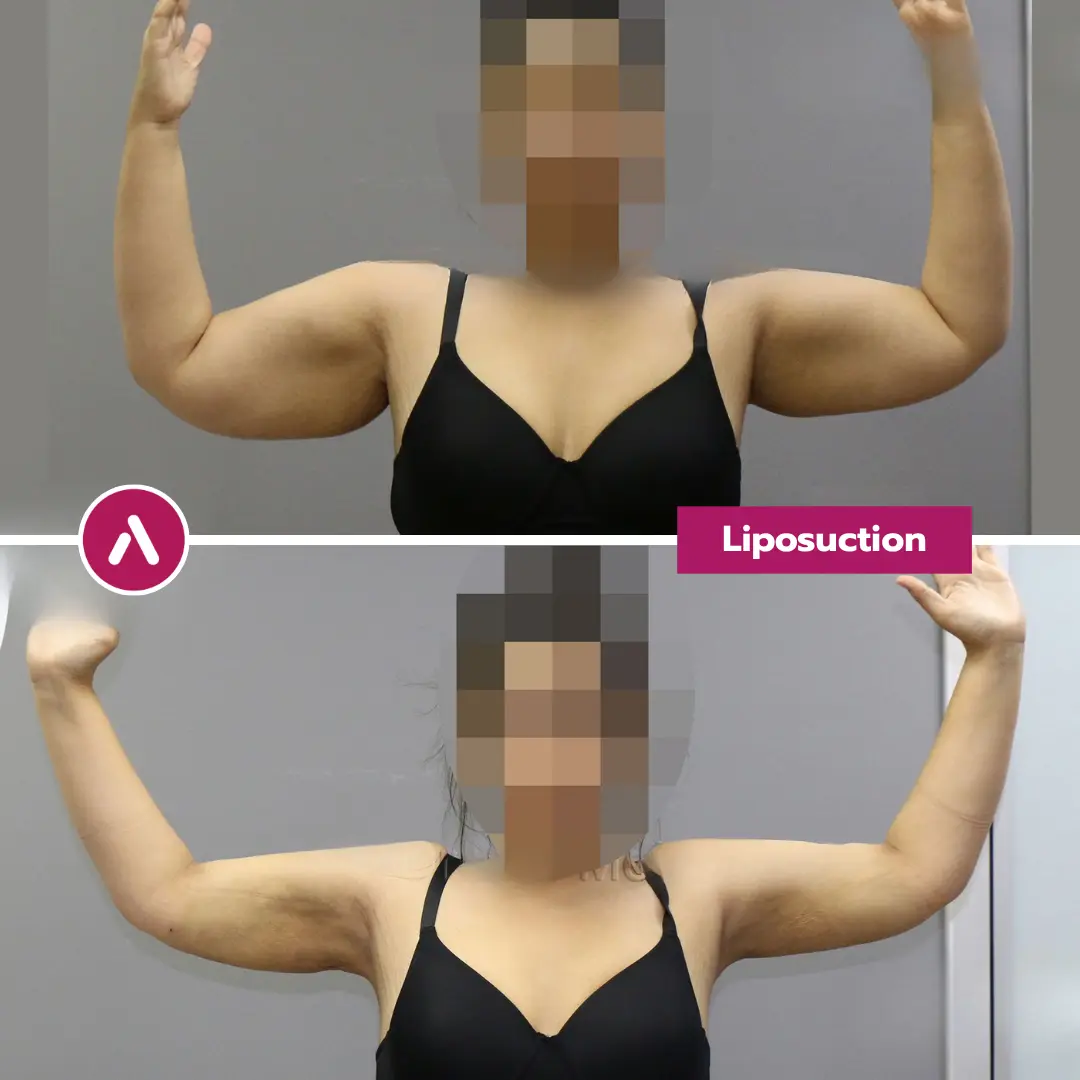
Arms are one of the most misunderstood areas in body sculpting. Many patients hoping for dramatic tightening after liposuction are disappointed—because arms have a higher tendency toward laxity, especially if there’s age-related skin change or post-weight-loss stretching.
A responsible surgeon will evaluate:
- Skin elasticity and thickness (this is where Dermatosurgeon insight is particularly valuable).
- Fat distribution pattern (localized vs. diffuse).
- How you feel about residual looseness if your skin does not fully retract.
In selected cases, Vaser may help achieve a smoother contour and can support better skin behavior compared with traditional approaches. But if laxity is moderate, the surgeon may discuss adjunct tightening (like J-Plasma) as an option—or explain why a different procedure may be more appropriate for your goals.
Practical warning: If a clinic markets arm liposuction as “tightening guaranteed,” be cautious. In real-world outcomes, the arm is a region where honest expectation-setting is essential when comparing best vaser liposuction Turkey claims.
Thighs: Avoiding Irregularities and Maintaining Natural Proportions
Thigh contouring can be highly rewarding—but it requires conservative, anatomical planning. The inner thigh, outer thigh (saddlebags), and front thigh can each respond differently. The key is to reduce bulk while protecting smoothness and preserving natural curves.
- Inner thigh: Higher risk of loose skin and friction-related swelling; requires careful blending to avoid a “deflated” look.
- Outer thigh/hip: Often improves silhouette dramatically, but over-removal can create unnatural hollows.
- Front thigh: Typically approached conservatively to avoid surface irregularities.
Thighs also have a higher risk of visible waviness if technique is aggressive or compression/massage protocols are inconsistent. If you’re comparing vaser liposuction clinics Turkey, ask specifically how they prevent and manage:
- Contour irregularities (smooth layering and blending strategy).
- Prolonged swelling (compression fit + guided aftercare).
- Fibrosis (firm lumps) (early detection and structured post-op support).
| Area | Primary Goal | Main Risk to Manage | What a Strong Plan Includes |
|---|---|---|---|
| 360 Lipo | Balanced torso shape + definition | Ridges/dents from over-etching | Front-back harmony, smooth transitions, conservative sculpting |
| Arms | Sleeker contour | Loose skin | Elasticity assessment, realistic expectations, selective tightening discussion |
| Thighs | Proportion + smoothness | Irregularities + prolonged swelling | Careful blending, compression guidance, structured aftercare |
The Importance of Post-Op Lymphatic Massage
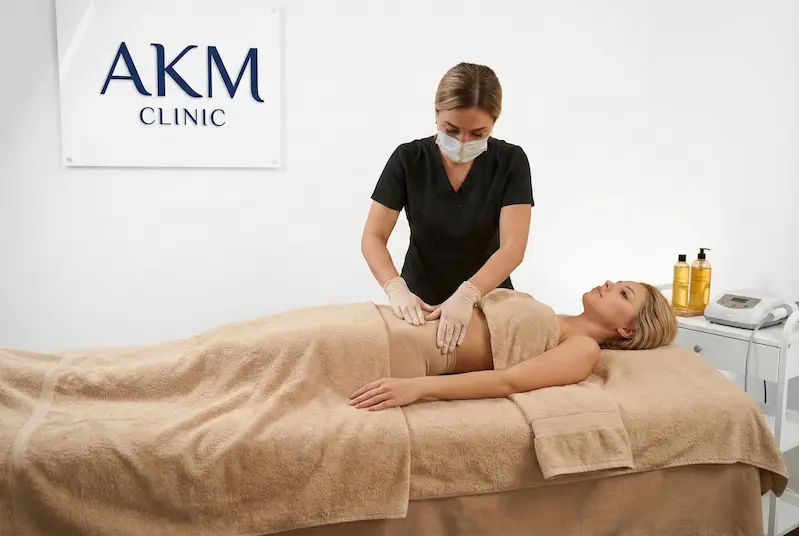
When patients compare vaser liposuction Turkey before and after results, they often underestimate the single biggest variable between a “clean, smooth” outcome and a bumpy, prolonged recovery: aftercare consistency. Hi-Def work is detail-oriented, which means swelling patterns, fluid retention, and early tissue firmness can temporarily distort the final contour. Lymphatic drainage massage (when used appropriately and at the right time) is a common part of modern post-op care because it supports swelling control and helps tissues settle more evenly.
This is not cosmetic fluff—it’s basic physiology. In medical science, the lymphatic system is a key pathway for moving interstitial fluid and inflammatory byproducts out of tissues. After liposuction, that system is working overtime. A structured aftercare plan (including compression and, when appropriate, guided lymphatic support) can make your “final reveal” timeline smoother and less stressful—especially for travelers researching vaser liposuction in Turkey.
What Lymphatic Drainage Actually Does (Swelling, Fibrosis, Comfort)
Post-op lymphatic drainage (performed gently and by trained hands) is typically used to:
- Reduce swelling and fluid congestion by supporting lymph movement away from treated zones.
- Improve comfort by easing tissue pressure and tightness as swelling peaks.
- Support smoother settling by helping the body manage early firmness (which some patients describe as “hardness” or “lumps”).
Important nuance: massage does not “mold” fat like clay. It’s not a substitute for surgical technique. But it can influence how swelling resolves and how early tissue firmness behaves—two factors that strongly affect how your contour looks in the mirror during the first weeks.
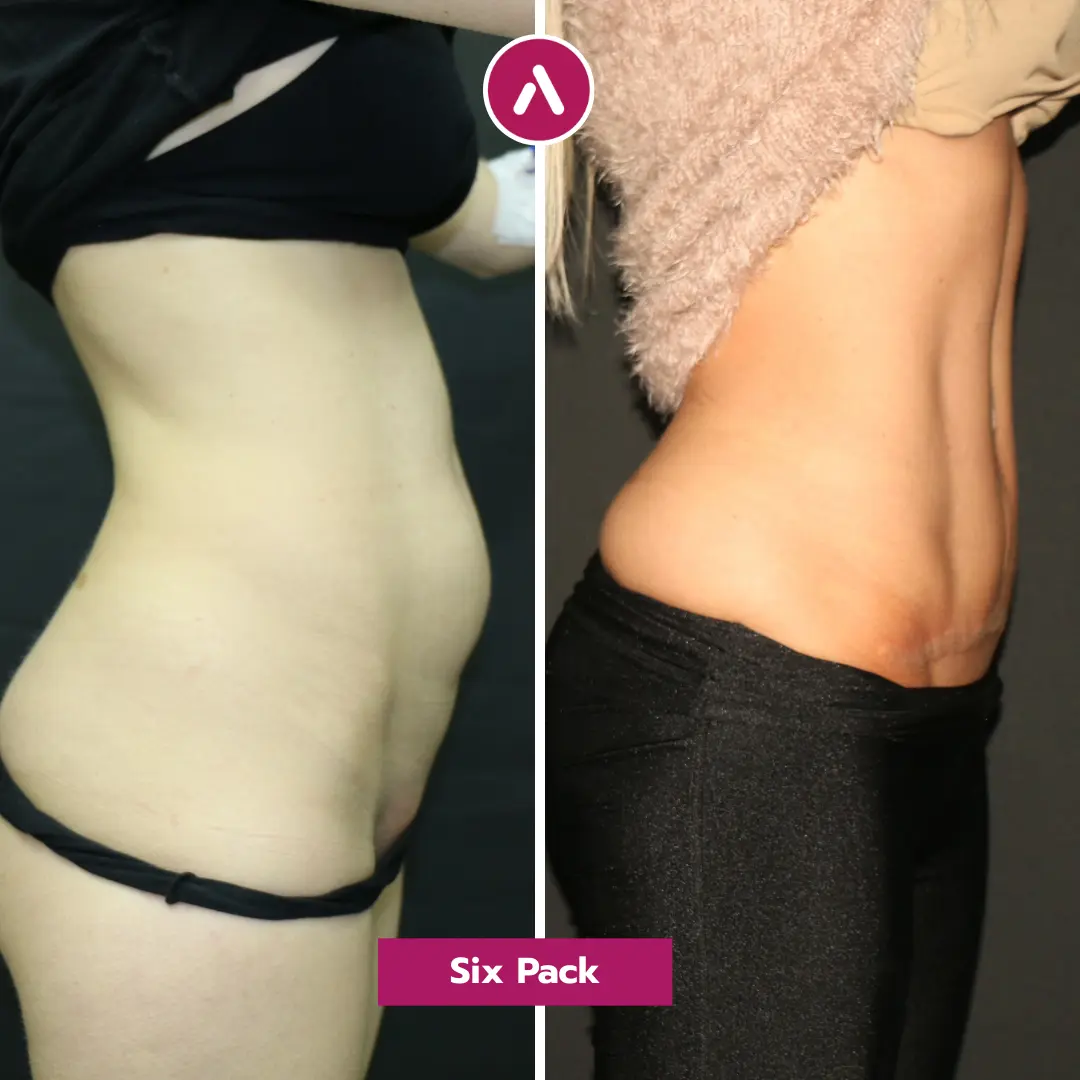
Expert-patient reality check: Early swelling can mimic “uneven results.” Many irregular-looking areas in week 1–3 improve significantly as fluid shifts and tissues soften—especially when compression and aftercare are done correctly.
How Many Sessions, When to Start, and Red Flags to Watch For
There is no universal “one-size” protocol because timing depends on the extent of liposuction, your swelling response, and your surgeon’s preferences. But in most evidence-informed approaches:
- Start date matters: drainage is typically introduced after your surgeon confirms it’s safe to begin (starting too aggressively or too early can worsen discomfort or irritate tissue).
- Consistency beats intensity: gentle, regular sessions are usually more appropriate than painful deep pressure.
- Plan around travel: if you’re flying home after Turkey vaser liposuction, your aftercare plan should account for mobility, hydration, and compression during travel.
Red flags: Avoid any provider who uses aggressive, painful force and calls it “breaking fibrosis” in the first days. You should also contact your surgical team if you notice:
- Rapidly increasing swelling on one side
- Severe pain that feels “wrong” (not typical soreness)
- Fever, spreading redness, or concerning drainage
- Shortness of breath or chest pain (urgent evaluation needed)
For expert patients comparing vaser liposuction clinics Turkey, one practical marker of quality is how clearly the clinic explains aftercare timing, what to expect, and what symptoms require immediate contact.
Compression Garments: Fit, Wear Schedule, and Common Mistakes
Compression is usually the backbone of early recovery after vaser liposuction Turkey. The goal is to reduce fluid accumulation, support tissue adherence, and stabilize contour while swelling fluctuates. But compression only works if it’s done correctly.
- Fit: A garment should feel supportive, not painfully restrictive. Overly tight compression can create pressure lines and worsen localized swelling.
- Consistency: Many surgeons recommend near-continuous wear early on, then a gradual reduction. Your timeline should be individualized and surgeon-guided.
- Even pressure: Wrinkles, folds, or rolling edges can imprint lines into healing tissue—one of the most common avoidable mistakes.
| Aftercare Element | Primary Purpose | Common Mistake | What to Do Instead |
|---|---|---|---|
| Lymphatic drainage | Support swelling control and comfort | Too aggressive, too early | Follow surgeon timing; prioritize gentle technique |
| Compression garment | Reduce fluid buildup; stabilize contour | Wrong size; wrinkles/rolling edges | Ensure smooth fit; adjust promptly if pressure lines appear |
| Movement + hydration | Support circulation and recovery | Prolonged immobility (especially during travel) | Walk regularly as advised; follow travel safety guidance |
How this connects to pricing: When comparing vaser liposuction Turkey prices or vaser liposuction cost Turkey, ask what the clinic includes in post-op care planning. A lower quote may not include structured follow-up, garment guidance, or coordinated aftercare—elements that can meaningfully affect your recovery experience and satisfaction.
Realistic Results: Swelling and Final Reveal Timeline
One of the biggest gaps between expectation and reality in vaser liposuction Turkey is timing. Many “before and after” galleries skip the messy middle: swelling, firmness, uneven-looking days, and the slow settling process that makes Hi-Def results look clean and natural. This matters even more if you’re traveling and comparing vaser liposuction in Turkey packages, because your early photos (especially during your stay) may not reflect your final contour.
From a science perspective, swelling is not a “problem”—it’s part of the inflammatory and tissue-repair cascade. The goal is to manage it so it resolves evenly, without prolonged fluid retention or excessive fibrosis (hardness). This is where a structured post-op plan, consistent compression, and (in some clinics) recovery-support technologies like HBOT and LLLT can be used to reduce swelling and support tissue healing.
Week-by-Week Recovery Milestones (What Changes When)
Every patient heals differently, but the following timeline is a practical framework for most uncomplicated cases. Use it to interpret early impressions and to sanity-check promises you may see while searching for best vaser liposuction Turkey:
| Timeframe | What You Typically Feel/See | What to Focus On |
|---|---|---|
| Days 1–7 | Peak tightness, soreness, noticeable swelling; contour looks “puffy” or uneven | Compression consistency, gentle movement, hydration, follow surgeon aftercare |
| Weeks 2–3 | Swelling begins to shift; firmness (“hard spots”) may appear; shape starts to emerge | Lymphatic support if advised, avoid garment wrinkles, track any asymmetry changes |
| Weeks 4–6 | More visible contour; swelling decreases but can fluctuate; definition may appear “soft” | Stay consistent with lifestyle; don’t judge final result yet |
| Months 2–3 | Noticeable refinement; many patients see a more stable silhouette | Gradual return to workouts per surgeon guidance; continue scar care if applicable |
| Months 4–6+ | “Final” settling and texture improvements; definition stabilizes | Assess outcome objectively; discuss revision only after adequate healing time |
Travel reality check: If your plan is to fly back shortly after Turkey vaser liposuction, you may still be in the peak-swelling window. That’s normal—but it means your “Turkey photos” aren’t a fair representation of your final outcome.
Defining “Final Results”: When Definition Peaks vs. When It Stabilizes
Hi-Def results are often described as a “reveal,” but in practice it’s a gradual sharpening process. Definition can appear in stages:
- Early definition (temporary): Sometimes lines look sharp right after surgery due to compression and temporary tissue tightness—this can fade as swelling shifts.
- Mid-phase definition (more realistic): Around months 2–3, swelling reduction and tissue settling can make the contour look more truthful.
- Stable definition (final-ish): Around months 4–6+, residual swelling and firmness continue to improve, and the result looks more natural in motion.
This is why evaluating vaser liposuction Turkey before and after images is only meaningful when you know the exact timepoint of the “after” photo. A 3-week “after” and a 6-month “after” can look like two different surgeries.
Recovery Optimization at AKM Clinic: HBOT & LLLT Support (How It Helps)
Some clinics integrate recovery-support technologies as part of patient care standards—particularly for swelling control, tissue recovery, and overall comfort. At AKM Clinic, two technologies frequently referenced in post-procedure support are:
- HBOT (Hyperbaric Oxygen Therapy): This involves breathing high-concentration oxygen in a pressurized environment. The clinical rationale is to increase oxygen availability to healing tissues, which may support tissue recovery, help reduce inflammation-related swelling, and aid in wound/scar healing processes.
- LLLT (Low-Level Laser Therapy): LLLT uses low-level light (commonly described around the red-light spectrum, e.g., 650nm in some systems) intended to stimulate cellular activity without heat damage. In practice, it’s used to support recovery by promoting cellular repair and helping calm inflammation.
These tools don’t replace surgical skill or aftercare discipline, and they’re not “magic.” But for expert patients, it’s reasonable to ask a clinic how they integrate recovery protocols: when sessions occur, what outcomes they track (swelling comfort, downtime), and how they tailor support to your procedure scope.
How this impacts pricing discussions: When comparing vaser liposuction Turkey prices or estimating vaser liposuction cost Turkey, check whether recovery-support services, structured follow-up, garments, and coordinated aftercare are included—or billed separately. Transparent clinics will itemize what you’re paying for and why.
Expert-patient checkpoint: Ask to see your clinic’s “typical timeline” for swelling and definition for your specific areas (e.g., 360, arms, thighs). Honest answers include variability and what can slow healing.
Up next: we’ll move into the final section—Frequently Asked Questions—covering pain, travel length, risks like seroma or unevenness, weight regain concerns, and how to choose safely among vaser liposuction clinics Turkey.
Frequently Asked Questions (FAQ): Vaser Liposuction Turkey
The questions below reflect what expert patients most commonly ask while researching vaser liposuction in Turkey, comparing vaser liposuction Turkey prices, and trying to verify safety and realism behind “best clinic” claims. These answers are intentionally concise—because in surgery, clarity matters more than hype.
Is Vaser liposuction more painful than traditional liposuction?
Discomfort varies by person and treatment extent. Many patients describe soreness, tightness, and tenderness for the first 1–2 weeks. Technique, area treated, and aftercare (compression and mobility) influence comfort more than the brand name of the device.
How long do I need to stay in Turkey after Hi-Def Vaser lipo?
Most patients plan enough time for early check-ups, safe travel clearance, and initial swelling management. Your exact stay should be based on how many areas are treated and your surgeon’s safety protocol—avoid clinics that rush timelines without a clinical rationale.
What’s the difference between Vaser and laser liposuction?
Vaser is ultrasound-assisted; “laser lipo” uses laser energy. Both aim to assist fat removal, but outcomes depend on technique, candidate selection, and aftercare. Ask what energy is used, why it’s chosen for your anatomy, and what risks are most relevant for your case.
Can Vaser lipo tighten loose skin on its own?
It can support better retraction in some candidates, but it cannot reliably correct significant skin laxity. Skin elasticity is the dominant factor. For borderline cases, your surgeon may discuss adjunct tightening technologies; for major excess skin, surgical options may be more appropriate.
How soon can I work out again (and when can I train abs)?
Most patients resume light walking early (as advised), but structured workouts typically return gradually. Aggressive core training too soon can increase swelling and discomfort. Follow your surgeon’s staged clearance rather than generic online timelines.
What are the most common risks (seroma, unevenness, fibrosis) and how are they prevented?
Common concerns include fluid collections (seroma), contour irregularity, prolonged swelling, and firmness (fibrosis). Prevention typically involves careful technique, appropriate compression, timely follow-up, and structured aftercare guidance (including drainage support when indicated).
Will the fat come back if I gain weight later?
Removed fat cells do not regenerate in the treated areas, but remaining fat cells can enlarge with weight gain. Significant weight fluctuations can soften definition and affect skin. Stable lifestyle habits protect long-term results.
Is Hi-Def Vaser lipo suitable for women as well as men?
Yes, but the aesthetic goal differs: women often want athletic definition without a harsh “etched” look. A strong plan respects natural anatomy and emphasizes smooth transitions and proportion rather than exaggerated lines.
How do I choose a safe surgeon/clinic for body sculpting in Turkey?
Prioritize surgeon-led evaluation, transparent risk discussion, clear candidacy criteria, and a documented aftercare plan. Ask how complications are handled, what follow-up looks like after you travel home, and whether “before and after” images are time-stamped (weeks vs. months).
What questions should I ask during my online consultation?
What is my candidacy for Hi-Def vs. standard contouring—and why?
What areas will be treated, and where will fat be preserved to keep transitions natural?
What is the realistic timeline for my swelling and final definition?
What is included in the quoted vaser liposuction Turkey prices (garments, aftercare, follow-up)?
If something concerns me after I return home, what is the clinic’s escalation plan?
Medical Disclaimer: This page is provided for general educational purposes only and does not replace a face-to-face medical consultation, diagnosis, or personalised treatment plan. All surgery carries risks and outcomes vary between individuals. Suitability for a vaser liposuction, procedure selection, and anaesthesia choice can only be determined after a full clinical assessment by a qualified surgeon. Always follow your clinician’s instructions and seek urgent medical attention if you develop concerning symptoms during recovery.